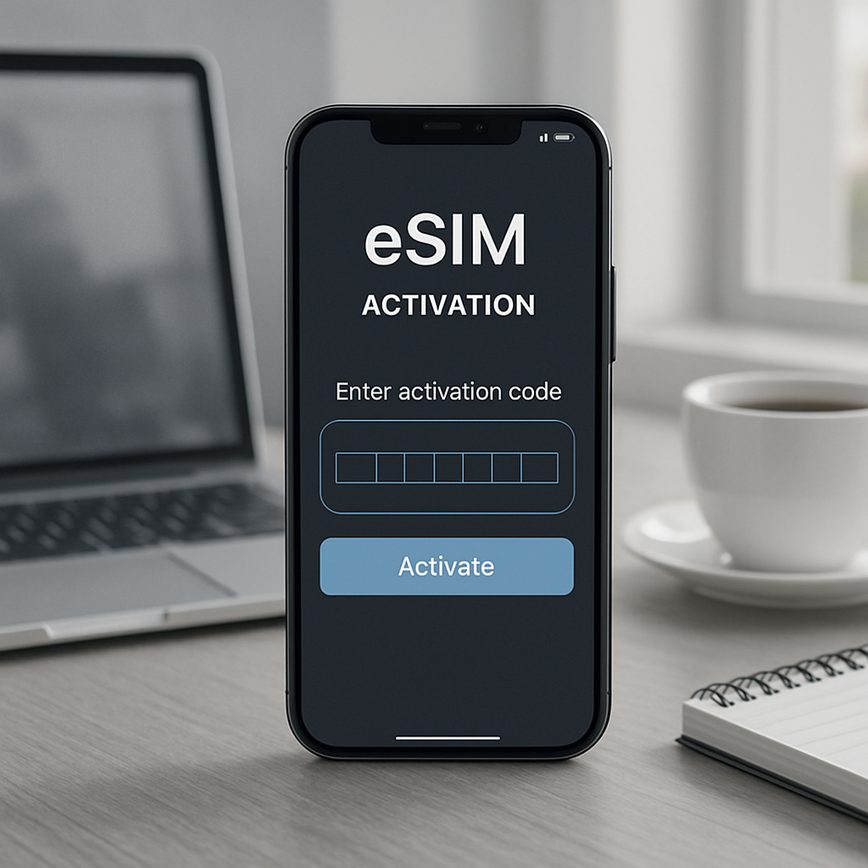
eSIM activation code
03/06/2026
Understanding eSIM Activation Codes
An eSIM activation code is a critical component in the activation process of an eSIM, which stands for embedded SIM. Unlike traditional physical SIM cards, eSIMs are digital and built into the device itself, allowing users to activate cellular service without swapping out physical cards. The activation code acts as a unique identifier and key that links your device to your mobile carrier’s network.
Essentially, an eSIM activation code is a string of characters or a QR code provided by your carrier that contains important information known as the activation key. This key contains details such as your subscription profile and network credentials. When you scan or enter this code during the setup, it instructs your device to download and install the carrier’s profile securely onto the embedded SIM chip.
The primary purpose of the eSIM activation code is to simplify the activation process by eliminating the need for physical SIM handling. It enables seamless switching between carriers and plans, often with just a few taps on your device. This is particularly useful for travelers or users who need multiple numbers or flexible data plans without juggling multiple SIM cards.
Within the broader scope of eSIM basics, the activation code plays a pivotal role by acting as a secure gateway for provisioning your mobile service. Once inputted, the eSIM ecosystem ensures your device is authenticated, and the carrier’s network settings are applied. This process is encrypted and designed to prevent unauthorized access or cloning, thus maintaining network security and user privacy.
To summarize, an eSIM activation code is not just a simple code but a cornerstone in the modern mobile connectivity landscape. It bridges the gap between your device and the carrier’s digital infrastructure, enabling instant activation and management of cellular services on the embedded SIM. Understanding how this code functions within the eSIM ecosystem can enhance your awareness of the innovative technology driving today’s mobile communications.
What is an eSIM Activation Code?
An eSIM activation code is a unique identifier used to enable cellular service on devices equipped with embedded SIM (eSIM) technology. Unlike traditional SIM cards, which require physical insertion, an eSIM setup code allows users to digitally activate their cellular plan by scanning a QR code or entering a specific code provided by their mobile carrier. This code facilitates the download of the user’s carrier profile directly onto the device’s embedded SIM chip.
The eSIM code definition revolves around its role as a digital key that links your device to the mobile network. When a user initiates the eSIM activation process, the activation code meaning becomes clear: it acts as the authorization needed to access and connect to a particular cellular service plan. Without this code, the device cannot establish a connection with the carrier’s network.
In practice, the eSIM setup code simplifies the process of switching carriers or plans without the need for physical SIM swaps. It empowers users to manage multiple profiles on a single device and supports seamless connectivity when traveling internationally. Ultimately, the eSIM activation code is a critical component in providing flexible, convenient, and efficient mobile connectivity in today’s digital landscape.
Types of eSIM Activation Codes
When setting up an eSIM, users encounter different activation code types designed to streamline the process and ensure secure installation of eSIM profiles. The most common and user-friendly form is the QR code. This code can be scanned directly using a smartphone camera, automatically configuring the eSIM with the necessary carrier information without any manual input. QR codes simplify the activation experience, making it quick and accessible even for less tech-savvy users.
Aside from QR codes, manual activation codes are also widely used. These codes are alphanumeric strings provided by the carrier or service provider that users must enter into their device’s eSIM settings. Although this method requires more effort and precision to avoid errors, it serves as a reliable alternative when QR code scanning is not possible due to device limitations or environmental factors like poor lighting.
Each activation code type supports the delivery and installation of eSIM profiles, which store the essential details required for the device to connect to the mobile network. Whether through a convenient QR code or a manual activation code, these mechanisms ensure that users can successfully activate their eSIMs with minimal hassle, providing flexibility tailored to various user preferences and device capabilities.
How to Activate an eSIM using an Activation Code
Activating an eSIM using an activation code is a straightforward process that varies slightly depending on your device. This eSIM setup guide will walk you through the essential activation steps for different popular devices, helping you complete your mobile eSIM activation quickly and efficiently.
- Locate Your Activation Code: The activation code is typically provided by your carrier in the form of a QR code or a numerical code. You can receive it via email, SMS, or a physical card.
- Prepare Your Device: Ensure your device supports eSIM functionality and is connected to Wi-Fi or mobile data. Navigate to the mobile network or cellular settings where eSIM options are available.
- For iPhone Users:
- Go to Settings > Cellular.
- Select Add Cellular Plan.
- Scan the QR code provided by your carrier or manually enter the activation code when prompted.
- Follow the on-screen instructions to complete the eSIM setup.
- For Android Users (such as Samsung, Google Pixel):
- Open Settings > Network & Internet > Mobile Network.
- Tap on Add Carrier or + Add eSIM.
- Scan the QR code or input the activation code manually when requested.
- Confirm and follow the prompts to finish the mobile eSIM activation.
- For Other Devices (Windows, smartwatches, tablets):
- Access the network or cellular settings menu and look for eSIM or SIM management options.
- Select the option to add a new eSIM and enter the activation code or scan the QR code.
- Proceed with the setup as per device-specific instructions to ensure successful activation.
- Final Steps: Once the eSIM profile is installed, label your plan if needed, set your default line for calls and data, and restart your device if prompted to finalize the activation process.
Following these activation steps will enable you to activate eSIM on your device seamlessly. Remember to keep your activation code handy and consult your carrier’s instructions for any specific requirements. This guide serves as a comprehensive mobile eSIM activation resource suitable for most devices.
Step-by-Step Activation Process
| Step | Action | Details |
|---|---|---|
| 1 | Open Settings | Navigate to the Settings menu on your smartphone or tablet. |
| 2 | Find Cellular or Mobile Data | Look for the Cellular, Mobile Data, or Network section depending on your device model. |
| 3 | Select Add eSIM | Tap on the option to add a new eSIM or cellular plan. |
| 4 | Scan or Enter Activation Code | Use your device camera to scan the QR code with your activation instructions, or manually enter the mobile eSIM activation code provided by your carrier. |
| 5 | Confirm Activation | Follow on-screen prompts to confirm the eSIM setup steps and activate the mobile plan on your device. |
| 6 | Enable Cellular Plan | Once activated, enable the cellular plan so your device can use the eSIM for mobile data and calls. |
| 7 | Restart Device | In some cases, restarting your smartphone or tablet completes the activation process smoothly. |
| 8 | Verify Connection | Check your device’s signal status and test mobile data or calls to ensure the eSIM is working correctly. |
Troubleshooting Activation Issues
Encountering activation problems when trying to use your eSIM activation code can be frustrating, but many common eSIM errors have straightforward solutions. First, ensure that the activation code is entered correctly without any typos or extra spaces, as even small mistakes can cause the code not working issue. Double-check the scan of the QR code or manual entry to eliminate errors.
If your device shows an error during activation, try restarting your phone and verify that your device supports eSIM functionality. Sometimes, older devices or software versions may not be compatible, leading to activation problems. Updating your phone’s operating system to the latest version can often resolve these issues.
Activation troubleshooting also includes ensuring a stable internet connection during the process, as a weak or unstable connection can prevent your device from communicating with the carrier servers. If problems persist, removing any previously installed eSIM profiles and starting fresh might help.
Lastly, if you’ve tried all the basic activation troubleshooting steps and still face eSIM errors, contacting your carrier’s customer support is recommended. They can verify the code’s validity, check account status, and provide personalized assistance to resolve any issues. Following these tips should help you overcome most activation problems and enjoy the convenience of your eSIM.
Benefits and Security of eSIM Activation Codes
eSIM activation codes bring numerous advantages that enhance both security and user convenience in mobile connectivity. One of the primary eSIM benefits is the elimination of physical SIM cards, which significantly reduces the risk of loss, theft, or damage. This virtual aspect allows users to activate their mobile service quickly and securely without needing to handle a physical SIM, streamlining the process and making it much more user-friendly.
Activation code security is a key factor in ensuring that only authorized users can enable an eSIM profile on their devices. These activation codes are typically encrypted and designed to be single-use, preventing unauthorized replication or interception by malicious actors. As a result, a secure eSIM activation process safeguards personal information and mobile network access, giving users peace of mind that their connection is protected against potential hacking or cloning attempts.
Another important eSIM advantage is the flexibility it provides. Users can easily switch carriers or plans without physically changing SIM cards, which is especially beneficial for frequent travelers or those who like to explore multiple network options. This flexibility enhances the convenience of managing mobile services, making it simpler and faster to adapt to new environments or coverage requirements.
Moreover, the secure eSIM architecture supports multiple profiles on a single device, allowing users to store several carrier plans simultaneously and switch between them effortlessly. This capability is ideal for separating personal and business numbers on the same device, fostering seamless communication without the complexities of managing multiple phones or SIM cards.
Overall, eSIM activation codes combine robust security measures with unmatched ease of use, making them a superior choice for modern mobile connectivity. By leveraging encrypted activation codes and removing the dependency on physical SIM cards, users gain a highly secure, adaptable, and convenient solution for managing their mobile data needs anywhere in the world.
Advantages of Using eSIM Activation Codes
eSIM activation codes offer significant advantages that enhance the overall user experience in wireless technology. One of the most notable benefits is the incredible convenience they provide in managing mobile connectivity. Unlike traditional SIM cards, eSIMs eliminate the need for a physical card, simplifying the process and reducing the risk of damage or loss.
With eSIM convenience, users can switch carriers quickly and effortlessly without having to wait for or insert a new physical SIM card. This flexibility is particularly beneficial for travelers or those who often change service providers, as the activation codes enable instant carrier switching via software. This process not only saves time but also ensures continuous connectivity without interruptions.
Furthermore, activation benefits include an easy setup procedure that can be completed remotely, avoiding visits to stores or waiting for postal deliveries. This means that starting or changing a mobile plan is much more user-friendly. The integration of multiple profiles on a single device also supports managing personal and work numbers seamlessly through wireless technology enabled by eSIM activation codes.
Overall, eSIM activation codes make mobile device management smarter, quicker, and more efficient by removing the constraints of physical SIM cards and empowering users with modern wireless technology features.
Security Measures for eSIM Activation
The activation code security is a paramount concern in the eSIM activation process, ensuring that user data remains protected and confidential at all stages. Service providers implement multiple layers of encryption to safeguard the activation code from interception or unauthorized access. This encryption is applied both during transmission and storage, meaning that the activation code is never exposed as plain text, preventing potential data breaches.
Additionally, robust authentication protocols are in place to verify the legitimacy of the device requesting the eSIM activation. These protocols use secure channels such as HTTPS and Transport Layer Security (TLS) to maintain the integrity of communication between the user’s device and the carrier’s activation servers. By doing so, the system mitigates risks related to man-in-the-middle attacks or data tampering.
Data protection measures extend beyond just the activation code; user information linked to the eSIM is stored following strict privacy regulations and industry standards. Access controls and regular security audits help ensure that personal data associated with eSIMs remains confidential and is only accessible by authorized personnel when necessary.
Overall, the combination of activation code security, encrypted communication, and stringent data protection policies guarantees eSIM safety for users, making the digital shift to embedded SIM technology a secure and reliable choice.

I’m a tech enthusiast who loves exploring how eSIMs simplify staying connected while traveling. I spend my free time testing new smartphones and sharing tips on getting the most out of mobile data abroad.