eSIM vs traditional SIM card
08/06/2026
Introduction to eSIM and Traditional SIM Cards
When it comes to mobile connectivity, understanding the basics of SIM technology is essential. Traditional SIM cards have been the standard for decades, serving as physical chips inserted into mobile devices to identify and authenticate subscribers on cellular networks. They store important information such as the user’s phone number, network authorization data, and contacts, enabling devices to connect to mobile networks and make calls, send texts, or access data services.
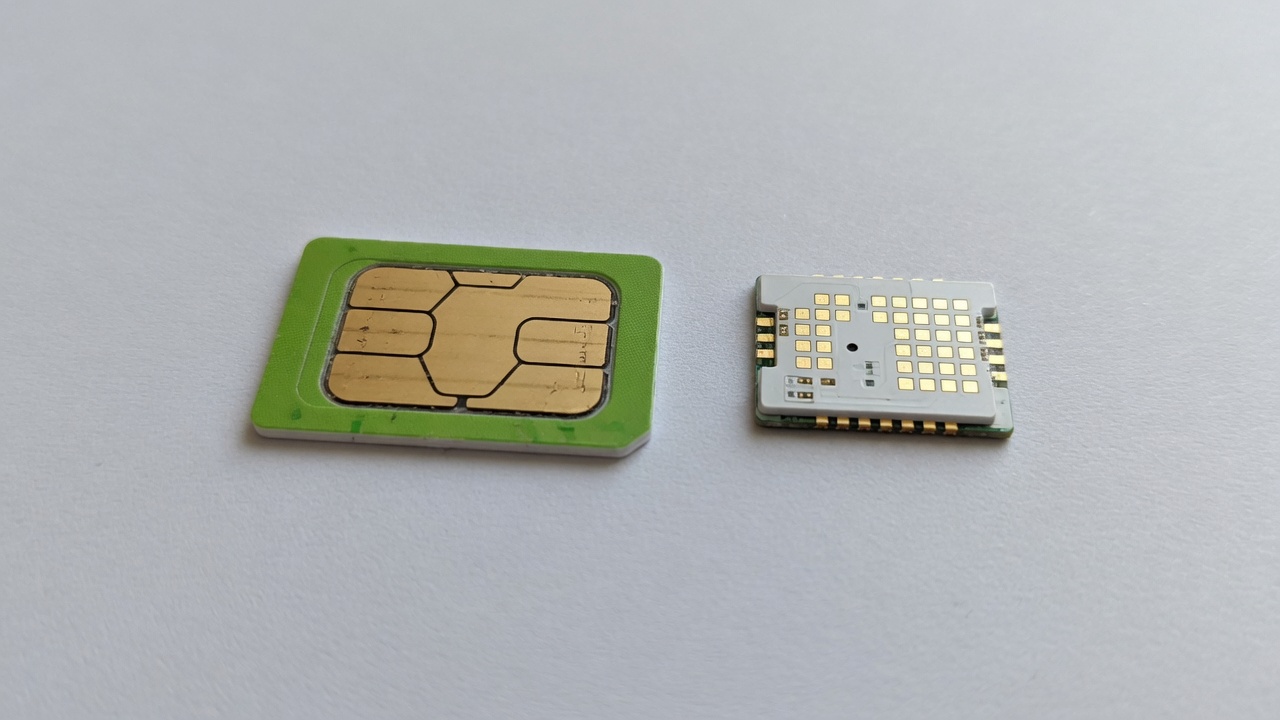
Traditional SIM cards, also known as Subscriber Identity Modules, come in various sizes—standard, micro, and nano—depending on the device. They are removable and replaceable, meaning users can switch devices simply by transferring their SIM card. However, this physical form factor comes with limitations, such as the need for manual replacement and storage space within the device.
In contrast, the eSIM, short for embedded SIM, represents a newer evolution in SIM technology. Rather than being a removable physical card, an eSIM is built directly into the device’s hardware. This embedded chip performs the same basic functions as a traditional SIM, such as storing subscriber information and enabling network connectivity, but it does so without needing a physical card swap.
The eSIM introduction to the market brings several advantages. It allows users to switch carriers or activate mobile service plans remotely via software, eliminating the need for visiting stores or waiting for a physical SIM card delivery. Additionally, eSIMs support multiple profiles, enabling users to manage different numbers and plans on one device, which is particularly useful for travelers or people balancing work and personal lines.
Both traditional SIM cards and eSIMs serve fundamental roles in mobile communication by securely connecting devices to cellular networks. However, the traditional approach involves physical hardware that must be manually accessed and replaced, while eSIM technology offers greater flexibility and convenience by integrating the SIM directly into the device with remote provisioning capabilities.
In summary, SIM technology basics entail the identification and authentication of users on mobile networks, achieved through either a removable traditional SIM card or a built-in eSIM. The shift towards eSIM technology marks a step forward in mobile device design and user experience, simplifying network activation and expanding connectivity options for consumers worldwide.
What is a Traditional SIM Card?
A traditional SIM card, also known as a physical SIM, is a small, removable card used in mobile phones to authenticate and connect the device to a cellular network. These cards are typically made of plastic with an embedded microchip that securely stores the International Mobile Subscriber Identity (IMSI) and related keys used by the mobile network. The standard size of traditional SIM cards has evolved over the years, from the original full-size to mini-SIM, micro-SIM, and now nano-SIM, each designed to fit progressively smaller slots in devices while maintaining the same functionality.
The primary function of a traditional SIM card is to identify the subscriber to the network, enabling the phone to make calls, send texts, and use mobile data services. Additionally, SIM cards often store limited user information such as contacts and text messages. Physically, the card is inserted into a designated SIM tray or slot within the phone, and it can be easily removed or swapped to change mobile network accounts, making it convenient for users who frequently switch carriers or use multiple numbers.
Traditional SIM cards are commonly used in a wide range of mobile devices including smartphones, feature phones, tablets with cellular connectivity, and some IoT devices. Despite the growing popularity of embedded SIMs (eSIMs), traditional SIM cards remain widely utilized worldwide due to their simplicity, ease of use, and broad compatibility with existing cellular networks and devices.
Understanding eSIM Technology
eSIM technology represents a significant advancement in mobile connectivity by introducing an embedded SIM directly into devices rather than relying on traditional physical SIM cards. Unlike conventional SIM cards, which are removable plastic chips inserted into a device, an embedded SIM, or eSIM, is built into the device’s hardware at the manufacturing stage. This digital SIM enables users to activate cellular plans without needing a physical card swap, offering more convenience and flexibility.
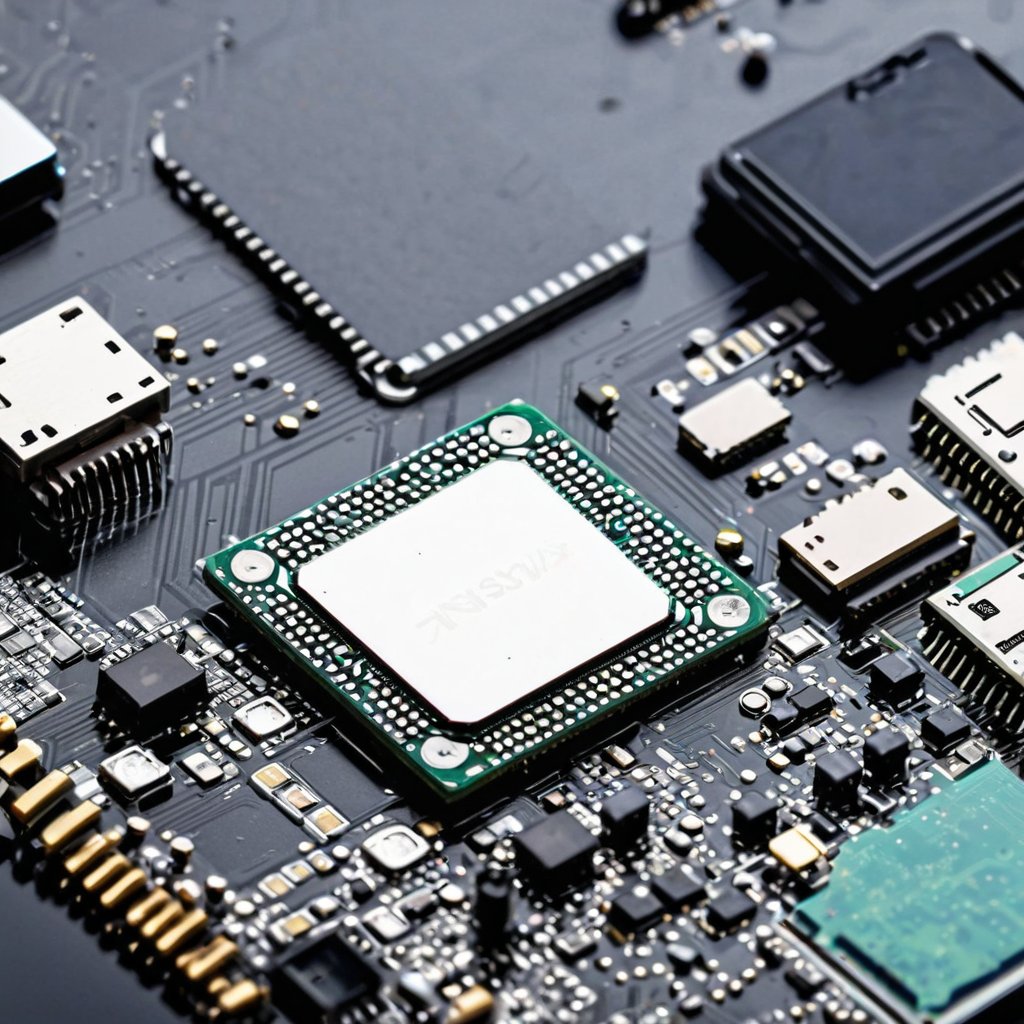
The embedded nature of eSIM technology means it is soldered or integrated onto the device’s motherboard, making it more durable and less susceptible to damage or loss compared to physical SIM cards. This integration also allows devices to be slimmer and saves internal space, which is particularly beneficial in compact gadgets like smartwatches and IoT devices.
From a technological perspective, the eSIM functions by securely storing the subscription information digitally, which can be programmed and reprogrammed over the air using wireless networks. This capability facilitates seamless switching between network carriers or plans without needing to visit a store or physically replace a SIM card. Additionally, eSIM technology supports multiple profiles on one device, enabling users to maintain personal and business numbers on the same gadget or access different carriers during travel.
Overall, eSIM technology advances mobile connectivity by combining the security and functionality of traditional SIMs with the flexibility of digital management, ensuring users a more streamlined and versatile mobile experience.
Comparing eSIM vs Traditional SIM Card
When considering mobile connectivity options, understanding the differences between eSIM vs SIM card is crucial. Both eSIM and traditional SIM cards serve the essential purpose of identifying and authenticating your device on a cellular network, yet they differ significantly in installation, usability, and compatibility.
Installation is one of the most apparent differences in the SIM comparison. Traditional SIM cards are physical chips inserted into a dedicated slot in your device. This process can be straightforward but requires handling small components that can be easily misplaced or damaged. Conversely, an eSIM (embedded SIM) is a digital version embedded directly inside your device’s hardware. Activation usually involves scanning a QR code or downloading a carrier profile, eliminating the need for physical swaps. This digital integration makes switching carriers or plans quicker and reduces the hassle of managing physical cards.
Usability also distinguishes these two options. While traditional SIM cards require you to either physically switch cards or carry multiple devices for different numbers, eSIM technology supports multiple profiles on the same chip. This capability enables users to switch between personal and work numbers or domestic and international carriers seamlessly on one device. Furthermore, eSIMs enhance convenience for travelers by allowing them to activate local plans digitally without visiting stores or worrying about card compatibility.
Compatibility remains an important consideration in the SIM comparison. Traditional SIM cards are universally accepted across almost all mobile devices globally, making them a reliable choice for most users. However, eSIM support, while growing rapidly, is currently limited to newer devices and select carriers. Some older phones and networks do not yet support eSIM technology, which might restrict those looking to make the switch immediately. Nevertheless, as eSIM adoption increases, it’s projected to become the standard for mobile connectivity options.
In summary, the choice between eSIM vs SIM card largely depends on your priorities. If you value convenience, flexibility, and the ability to manage multiple mobile plans digitally, eSIM offers a groundbreaking alternative to traditional SIM cards. However, for widespread compatibility and certainty, especially with older devices, physical SIM cards remain a dependable option. Both technologies continue evolving, shaping the future of mobile connectivity options worldwide.
Installation and Setup
When it comes to SIM installation and eSIM setup, the two options offer distinctly different experiences. Traditional SIM cards require physical handling, making the process straightforward but sometimes tricky due to the small size of SIMs. On the other hand, eSIM activation eliminates the need for a physical card, offering a more digital and speedy setup process.
Here’s a comparison of the typical steps involved in installing a traditional SIM card versus activating an eSIM on compatible devices:
- Traditional SIM Installation: Power off your device and locate the SIM card tray. Using a SIM eject tool or paperclip, open the tray and carefully insert the SIM card in the correct orientation. Close the tray and power on your device. The phone will recognize the SIM and connect to the network automatically.
- eSIM Setup: On an eSIM-compatible device, navigate to the settings section for cellular or mobile data. Select the option to add a cellular plan and scan a QR code provided by your carrier or manually enter the activation details. The device will download the eSIM profile and activate it without needing to restart in most cases.
- Device Compatibility: Traditional SIM cards work with almost all phones with a SIM slot, while eSIM requires specific hardware support available in newer smartphone models, tablets, and smartwatches.
Overall, eSIM setup provides a more convenient and flexible installation method, especially for frequent travelers or users switching carriers often. However, traditional SIM installation remains simple and widely supported, maintaining its place in the mobile world.
Benefits and Limitations
The eSIM benefits include unparalleled flexibility, allowing users to switch carriers or plans without needing to physically change a SIM card. This digital nature enhances the user experience by simplifying setup and device management, ideal for travelers or multi-plan users. Security is also improved since eSIMs are embedded within the device, reducing the risk of physical SIM card theft or loss.
However, traditional SIM limitations are evident in their need for physical handling, which can be inconvenient when changing carriers or traveling internationally. They also pose a security risk if lost or stolen, as anyone with access to the card can potentially misuse it. From a user experience perspective, traditional SIM cards require manual swapping and careful storage, which can be cumbersome for tech-savvy consumers seeking seamless connectivity.
When comparing advantages and disadvantages, eSIMs provide superior flexibility and enhanced security, driving a smoother user experience overall. On the downside, their adoption requires compatible devices and network support, which can limit immediate accessibility for some users. Traditional SIM cards, while universally supported and simple to understand, fall short in flexibility and security aspects, often leading to user frustration in an increasingly digital mobile landscape.
Cost and Carrier Support
When comparing the cost implications between eSIMs and traditional SIM cards, eSIM technology generally offers a more cost-effective solution in the long run. Traditional SIM cards often involve physical production, shipping, and handling costs, which can add up for both network providers and consumers. On the other hand, eSIMs eliminate these physical expenses as they are embedded directly into the device, lowering the overall SIM cost. Additionally, eSIM activation can be done remotely without visiting a store, saving time and logistical costs.
Regarding carrier compatibility and network providers support, traditional SIM cards still enjoy broader global acceptance due to their long-standing use across diverse markets. However, eSIM support is rapidly expanding, with many major carriers around the world now offering eSIM compatibility for a wide range of devices. While some smaller or regional network providers may not yet fully support eSIMs, the trend is clearly moving towards greater adoption. For users who travel internationally, eSIMs provide significant advantages by allowing easier switching between network providers without the need for physical SIM swaps.
In summary, while the SIM cost favors eSIMs thanks to eliminating physical materials and distribution, carrier support continues to grow, making eSIMs an increasingly viable alternative globally. As more network providers enhance their systems to support eSIM technology, consumers can expect greater flexibility and convenience than what traditional SIM cards have historically provided.
Future Trends and Considerations
The future of SIM technology is rapidly evolving, with digital solutions poised to reshape how we connect to mobile networks. As we look ahead, several key trends are emerging that will significantly impact both consumers and service providers in the telecommunications landscape.
eSIM adoption continues to accelerate at an unprecedented pace. Major smartphone manufacturers have already embraced this technology, with some devices now shipping exclusively with eSIM capability, eliminating physical SIM card slots entirely. This shift represents a fundamental change in mobile device design, allowing for slimmer profiles, improved water resistance, and more internal space for batteries and other components.
The telecom trends shaping the industry point toward a fully digital ecosystem. Carriers worldwide are investing heavily in infrastructure to support remote SIM provisioning, making it easier than ever for customers to activate and switch plans without visiting a store. This convenience factor is driving consumer demand and pushing more operators to offer competitive eSIM-compatible plans.
For frequent travelers and digital nomads, the implications are particularly exciting. The ability to instantly download local carrier profiles while abroad eliminates the hassle of purchasing and swapping physical SIM cards. This seamless connectivity experience is becoming a standard expectation rather than a premium feature.
The Internet of Things (IoT) sector is another driving force behind eSIM expansion. Connected devices ranging from smartwatches to vehicles and industrial equipment benefit tremendously from embedded SIM technology. The ability to remotely manage connectivity across thousands of devices simplifies operations and reduces costs for businesses.
Looking further into the future of SIM technology, we can expect even more innovation. The emergence of iSIM (Integrated SIM), which embeds SIM functionality directly into device processors, represents the next evolutionary step. This integration promises enhanced security, lower manufacturing costs, and even greater design flexibility.
However, challenges remain. Not all regions have equal eSIM infrastructure, and some carriers are slower to adopt this technology. Privacy and security concerns also require ongoing attention as digital identity management becomes increasingly critical. Despite these hurdles, the trajectory is clear: the telecommunications industry is moving decisively toward a digital-first approach, and consumers who embrace these changes will enjoy unprecedented flexibility in how they stay connected.
Growth of eSIM Adoption
The growth of eSIM adoption is accelerating rapidly as mobile technology evolution continues to reshape how users connect to networks. Unlike traditional SIM cards, eSIMs offer enhanced flexibility by being embedded directly into devices, allowing users to switch carriers and manage multiple numbers without physically changing cards. This technological advancement is driving a significant shift in the telecom industry, fostering smoother and more efficient smart device connectivity worldwide.
Smartphones have been at the forefront of this transition, with many flagship models now incorporating eSIM technology alongside traditional slots. This dual functionality supports seamless connectivity and caters to global travelers who benefit from easy carrier switching without the hassle of purchasing and inserting physical SIMs. Moreover, the eSIM adoption rate in wearables such as smartwatches and fitness trackers is notable. These devices rely on the compact eSIM form factor to maintain their sleek and lightweight designs while enabling independent cellular connectivity, expanding their usability beyond smartphone tethering.
Beyond consumer electronics, the growth of eSIM adoption extends to IoT devices and other connected gadgets, where reliable and scalable mobile connectivity is crucial. Industries focused on smart home technologies, automotive telematics, and industrial equipment increasingly embrace eSIMs for their remote provisioning capabilities and global reach. As the mobile technology evolution unfolds, eSIMs are becoming indispensable in fostering an interconnected ecosystem, simplifying user experiences, and driving a new era of digital communications across all smart device categories.
Implications for Consumers and Carriers
The widespread adoption of eSIM technology brings significant implications for both consumers and carriers. For consumers, the enhanced flexibility in choosing and switching carriers without physical SIM swaps fosters greater convenience and autonomy. This consumer impact extends to an improved user experience, as multiple profiles can be managed on a single device, supporting diverse usage scenarios like travel and business communications. However, with increased digital flexibility, privacy concerns also arise, as eSIM profiles are stored and managed electronically, necessitating robust security measures to protect user data from potential breaches.
From the perspective of carrier strategies, eSIM technology prompts a shift in traditional business models. Carriers must innovate beyond physical SIM distribution, focusing on digital onboarding processes, personalized plans, and seamless network access to stay competitive. The mobile network future is poised to rely heavily on dynamic and flexible connectivity models enabled by eSIM, shaping how carriers manage network resources and customer relationships. This evolution encourages carriers to adopt more agile network management techniques, including real-time provisioning and enhanced customer analytics, which can optimize service delivery and operational efficiency.
Overall, the balance of consumer impact and carrier adaptation underscores a transformative phase in mobile communications. While eSIM enhances consumer choice and network versatility, it also demands carriers to evolve their strategies to leverage the technology fully. The future of mobile networks will be characterized by increased integration, security, and user-centric service delivery, fundamentally redefining connectivity paradigms worldwide.

I’m a tech enthusiast who loves exploring how eSIMs simplify staying connected while traveling. I spend my free time testing new smartphones and sharing tips on getting the most out of mobile data abroad.