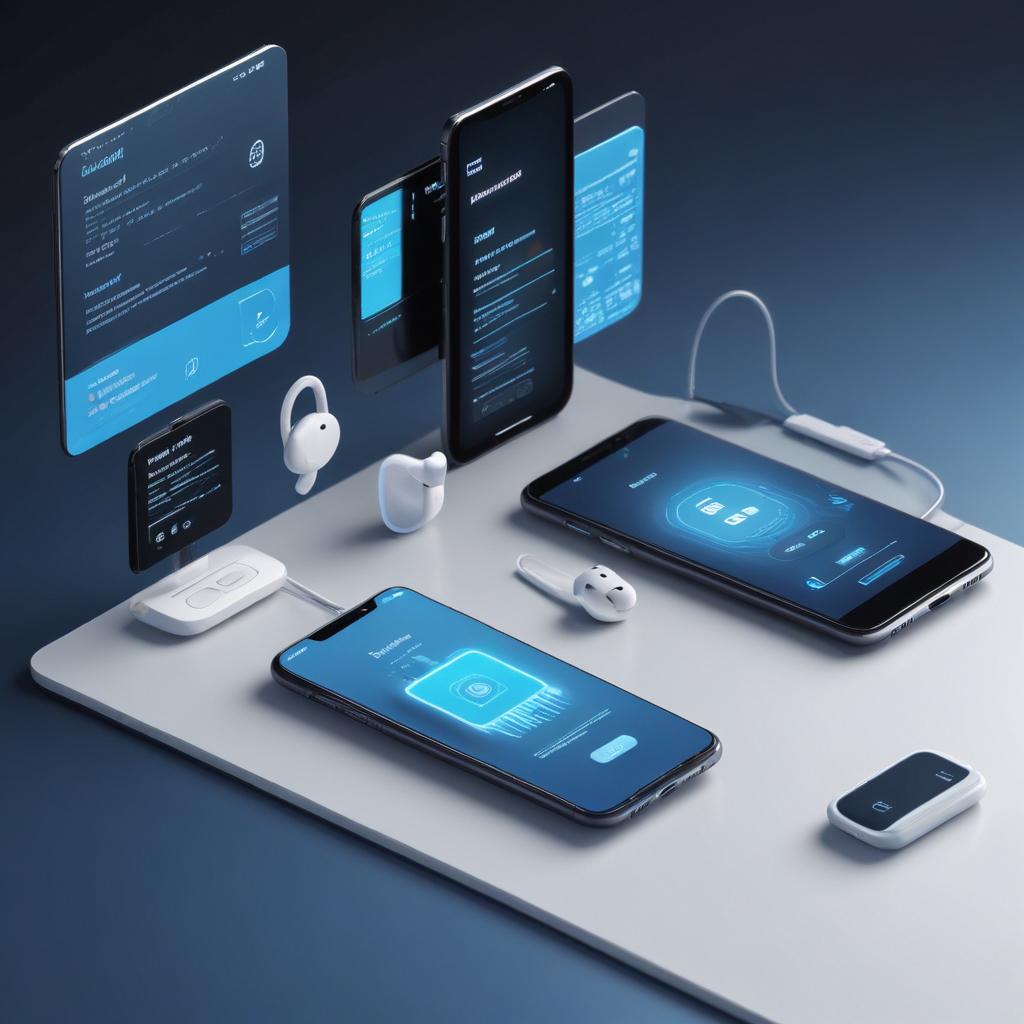
How eSIM supports remote work on smartphones
17/02/2026
Understanding eSIM Technology
eSIM technology, short for embedded SIM, represents a significant evolution in smartphone connectivity. Unlike traditional SIM cards, which are physical cards that must be inserted into a device, the embedded SIM is a digital SIM integrated directly into the smartphone’s hardware. This innovation eliminates the need for a removable card, allowing users to activate cellular plans remotely without swapping physical cards.
The journey from traditional SIM cards to eSIM technology started with the increasing demand for more flexible and convenient mobile connectivity solutions. Conventional SIM cards, while effective, posed limitations such as the need to physically change cards when switching carriers or plans. With the rise of eSIM, mobile connectivity has become more seamless and user-friendly. The embedded SIM is soldered into the device circuit board, making it more durable and less prone to damage compared to traditional SIM cards.
eSIM technology works by storing multiple cellular profiles digitally, which users can manage through their smartphone settings or carrier apps. This means switching between networks or adding new plans can be done instantly without any physical intervention. For smartphones, this translates into greater flexibility, especially for frequent travelers or remote workers who need reliable mobile data access across different regions.
Furthermore, the digital SIM nature of eSIM technology supports continuous connectivity improvements, including faster network switching and better security. Since the eSIM is programmable, carriers can send updates and manage the SIM remotely, reducing the hassle for users and service providers alike. As a result, eSIM technology not only enhances smartphone connectivity but also supports a modern, digital-first approach to mobile communication.
In summary, eSIM technology marks a transformation from physical to digital SIM solutions, embedding a more versatile and resilient connectivity option within smartphones. This shift provides users with unprecedented convenience and control over their mobile connectivity, aligning perfectly with the needs of today’s dynamic digital landscape.
Differences Between eSIM and Physical SIM
The comparison of eSIM vs SIM reveals fundamental differences in flexibility, activation, and usability. Unlike the traditional physical SIM card, which is a removable plastic chip inserted into a smartphone to connect it to a cellular network, an eSIM is an embedded digital chip soldered inside the device. This difference alone results in greater flexibility with eSIMs, as users can switch carriers or plans without physically changing the SIM card. This makes eSIM ideal for remote work, travel, or devices with limited space for SIM trays.
Activation is another key area separating eSIM from physical SIM card technology. Physical SIM cards require manual installation and sometimes a visit to a carrier store. In contrast, eSIMs can be activated remotely by downloading a profile through a QR code or a carrier app, streamlining the process. This quick and hassle-free activation enhances accessibility, especially for users needing to change or add cellular plans on the go.
In terms of usability, traditional SIM cards offer a straightforward plug-and-play experience but lack the convenience of managing multiple profiles. eSIM supports multiple profiles on a single device, allowing users to seamlessly switch between work and personal numbers without swapping SIM cards. Furthermore, eSIMs contribute to a sleeker smartphone design by eliminating the need for a SIM slot, aligning with modern trends in smartphone SIM types. Overall, the eSIM vs SIM comparison highlights eSIM as a more versatile and user-friendly option for today’s smartphone users.
How eSIM Enhances Smartphone Connectivity
eSIM technology significantly improves smartphone connectivity by enabling faster network switching and supporting multiple carrier profiles simultaneously. Traditional SIM cards require physical replacement to change carriers or plans, but eSIMs eliminate this constraint by allowing users to switch networks digitally. This results in seamless transitions between service providers, which is especially beneficial for remote workers who often move between different regions or countries.
One of the primary eSIM benefits is the ability to store and manage multiple carrier profiles on a single device. Users can activate or deactivate plans without swapping SIM cards, making it easier to choose the best network for mobile data needs at any given time. This flexibility enhances overall connectivity and ensures that users remain online with optimal speed and coverage.
Moreover, eSIMs support faster network switching, which reduces downtime during carrier changes or when connecting to backup networks. This quick switching capability is crucial for maintaining continuous mobile data access, ensuring that smartphone users can stay productive without interruption. The integration of eSIM technology into smartphones also streamlines connectivity management, allowing remote workers to handle their mobile data plans efficiently through software interfaces.
In summary, eSIM enhances smartphone connectivity by providing greater flexibility, faster network switching, and the convenience of managing multiple carrier profiles. These capabilities empower remote workers to maintain reliable internet access regardless of location, making eSIM an essential feature for modern mobile communications.
Benefits of eSIM for Remote Work
The rise of remote work has transformed how and where professionals perform their tasks, making connectivity more crucial than ever. eSIM technology offers a suite of benefits that significantly enhance the remote work experience for the mobile workforce, especially those relying heavily on smartphones. Its seamless integration and flexibility empower workers to stay connected, productive, and agile regardless of their location.
One of the primary eSIM benefits lies in its ability to simplify mobile connectivity. Traditional physical SIM cards require manual swapping whenever a user changes carriers or travels internationally. In contrast, eSIMs are embedded directly into the smartphone, enabling remote workers to switch between multiple carriers or activate local mobile plans digitally without needing a physical SIM card replacement. This flexibility not only reduces downtime but also ensures uninterrupted access to mobile data, a critical need for remote work.
eSIM technology also fosters greater work flexibility by allowing remote employees to manage multiple phone numbers and data plans on a single device. This means workers can maintain separate personal and work profiles on the same smartphone, streamlining communication and reducing the hassle of carrying multiple devices. The ease of toggling between plans enhances productivity and supports balanced work-life integration, which is vital for the mobile workforce.
For remote teams dispersed across different regions or countries, eSIMs provide practical advantages in controlling connectivity costs. Users can locally purchase data plans that suit their specific needs remotely, avoiding expensive roaming charges and ensuring cost-effective communication. This affordability encourages more efficient use of smartphone resources, allowing companies and individuals to optimize expenses related to remote work connectivity.
Additionally, the digital nature of eSIMs means updates and changes can be carried out over-the-air, offering convenience and speed unmatched by traditional SIM cards. Remote workers can activate new plans or update existing ones instantly as their location or work requirements evolve. This continuous adaptability supports dynamic work environments and improves responsiveness.
In summary, the adoption of eSIM technology presents a compelling advantage for the modern remote workforce. By enhancing connectivity options, reducing costs, increasing flexibility, and simplifying management of mobile plans, eSIMs empower remote workers to perform their jobs more effectively and with greater freedom. As remote work continues to grow, leveraging eSIM benefits will be essential in fostering an efficient and connected mobile workforce.
Seamless Connectivity Anywhere
eSIM technology revolutionizes the way remote workers maintain seamless connectivity wherever they are. By enabling quick carrier changes without the need to swap physical SIM cards, eSIM allows users to switch between mobile networks effortlessly. This feature is crucial for remote access, ensuring uninterrupted communication and productivity across different regions and countries.
Traditional SIM cards often require physical replacements or visits to carrier stores, which can disrupt workflow and delay internet access. In contrast, eSIM’s digital nature empowers users to activate global mobile data plans instantly, providing reliable coverage in multiple countries without the hassle. This flexibility means professionals can work anywhere—be it a bustling city or a remote village—while staying connected to essential online resources.
With eSIM, managing data plans and carriers becomes a smooth, user-friendly process through smartphone settings or dedicated apps. Remote workers benefit from cost-effective solutions tailored to their travel needs, choosing from various carriers and plans that optimize coverage and speed. This adaptability not only boosts productivity but also supports a global lifestyle, making eSIM an indispensable tool for the modern workforce aiming for seamless connectivity anywhere.
Cost Efficiency and Flexibility
eSIM technology offers significant cost savings for remote workers by eliminating expensive roaming charges often incurred when traveling or working abroad. Unlike traditional SIM cards that require physical swapping and often impose high fees for international usage, eSIMs allow users to switch between multiple data plans seamlessly. This flexibility helps remote workers select the most cost-effective plans tailored specifically to their location and data consumption needs, avoiding unnecessary expenses.
Remote work expenses can quickly accumulate with unpredictable mobile data costs. With eSIM flexibility, professionals can manage and optimize their data plans through digital profiles, enabling them to choose short-term or region-specific plans without long-term commitments. This adaptability not only reduces wastage of unused data but also empowers remote workers to stay connected at reasonable prices across different countries or regions.
Moreover, eSIM’s ability to support multiple carriers on a single device means that users can compare network coverage and price options in real-time, switching to the best available plan to ensure uninterrupted connectivity. This freedom to customize data plans directly contributes to lowering overall remote work expenses and enhances financial efficiency, making eSIM an essential tool for cost-conscious professionals embracing remote work lifestyles.
Enhanced Security Features
eSIM technology significantly enhances security for remote work on smartphones, addressing many vulnerabilities associated with traditional physical SIM cards. One of the primary security improvements is protection against physical SIM theft. Since eSIMs are embedded directly into the device, they cannot be easily removed or stolen, reducing the risk of unauthorized access to sensitive data and corporate networks. This built-in security measure ensures that remote workers’ devices remain safeguarded, even when working outside of secured office environments.
Additionally, eSIM security benefits from safer remote activation processes. Rather than relying on manual SIM swaps or physical card deliveries, network profiles can be securely downloaded and activated over encrypted connections. This eliminates the need for physical handling, reducing exposure to interception or tampering during transit. The remote provisioning system also supports quick updates and the ability to revoke network access if a device is compromised, further strengthening protection for remote workers.
Beyond the physical safeguards, eSIM technology supports robust data protection protocols inherent in modern smartphone operating systems, including secure storage and encrypted communication. These layers of SIM security contribute to a safer remote work environment by minimizing risks related to unauthorized SIM cloning, interception, and data leaks. By leveraging eSIM security features, companies can confidently empower their distributed workforce without compromising on safety or compliance.
Implementing eSIM for Your Remote Work Setup
Setting up and managing eSIM on your smartphone can greatly enhance your remote work experience by providing flexibility, improved connectivity, and easier mobile device management. Follow these practical steps to ensure a smooth eSIM setup and optimal use alongside your remote work tools.
- Check Device Compatibility and Carrier Support: Before diving into the eSIM setup, verify that your smartphone supports eSIM functionality. Most modern smartphones do, but carrier support can vary. Confirm that your mobile network provider offers eSIM plans and remote provisioning compatible with your device.
- Obtain an eSIM Activation QR Code or Details: Contact your carrier or use their online portal to request an eSIM activation code or QR code. This code is essential to activate the eSIM profile on your smartphone without a physical SIM card.
- Configure the eSIM on Your Smartphone: Go to your smartphone’s settings, usually under Cellular or Mobile Data settings. Select the option to add a new cellular plan, then scan the QR code or manually enter the details provided. Follow the prompts to complete the installation.
- Label and Prioritize Your Plans: Once installed, label your eSIM plan for easy identification (e.g., “Work Line”). Configure switch preferences, such as prioritizing the eSIM over a physical SIM for data or calls when connected to remote work tools to maintain consistent connectivity.
- Integrate with Remote Work Tools: Ensure your smartphone’s network configurations allow seamless operation of remote work tools like VPNs, collaboration apps, and cloud services. Leverage eSIM’s flexibility to switch carriers or data plans without interrupting your workflow.
- Utilize Mobile Device Management (MDM) Solutions: If your employer or you use MDM solutions, configure your eSIM-enabled smartphone for remote management. This helps safeguard work data, enforce security policies, and manage network settings remotely, enhancing productivity and security.
- Monitor Usage and Optimize Plans: Regularly check your data usage and network performance via your smartphone settings or carrier apps. Use this information to adjust your eSIM data plans to match your remote work demands efficiently, avoiding overages or connectivity issues.
- Keep Backup Options Ready: While eSIMs provide convenience, maintaining a backup communication plan (such as a secondary SIM or Wi-Fi access) ensures uninterrupted remote work in case of network problems or device issues.
By carefully setting up your eSIM and integrating it with essential remote work tools and mobile device management systems, you can create a highly efficient smartphone configuration tailored to the demands of remote work. This setup not only simplifies connectivity but also provides greater control and security for your mobile work environment.
Activating eSIM on Smartphones
Activating eSIM on smartphones is a straightforward process that enhances mobile network management by eliminating the need for physical SIM cards. To begin with eSIM activation, users need to access the smartphone setup menu where carrier profiles are managed. Most modern smartphones, including models from Apple, Samsung, and Google, support eSIM technology, allowing users to add multiple carrier profiles digitally.
One common method to activate an eSIM is by scanning a QR code provided by the mobile carrier. This QR code contains the necessary information to download and install the carrier profile directly onto the device. After scanning the QR code, users follow on-screen prompts to complete the smartphone setup, registering their device with the mobile network. This eliminates the hassle of visiting a store or waiting for a physical SIM card to arrive.
Carrier support is essential for this process, as not all networks fully support eSIM activation. Users should verify that their carrier offers eSIM services and supports remote provisioning. In some cases, carriers provide activation codes or apps to facilitate the process. Once activated, managing network profiles becomes seamless, allowing users to switch carriers or plans without swapping physical cards, which is especially beneficial for remote work and frequent travelers.
Overall, the eSIM activation process combined with smartphone setup innovations delivers a flexible and user-friendly mobile networking experience, perfectly suited for modern connectivity needs.
Managing Multiple Carrier Profiles
With the flexibility of multiple eSIM profiles, users can seamlessly manage their connectivity without the need for physical SIM cards. This feature is especially beneficial for remote workers and frequent travelers who require reliable network access across different regions. By adding multiple eSIM profiles on their smartphones, users can store carrier information from various network providers and switch between them as needed.
Carrier selection is straightforward through the device’s settings, where users can view all the stored profiles and choose which one to activate. This network management capability allows automatic or manual switching based on preferences or coverage quality, ensuring optimal connectivity. The ability to switch profiles instantly means that users can avoid roaming charges and maintain a strong connection by selecting the best available carrier in any location.
Moreover, managing multiple eSIM profiles facilitates simplified access to different data plans, making it easier to separate work and personal use or to keep international plans active without swapping physical cards. The on-device management interface typically allows users to label profiles, prioritize them, and monitor data usage, providing greater control and convenience during remote work or while navigating various travel destinations.
In summary, multiple eSIM profiles empower users with flexible carrier selection and efficient network management, enabling seamless profile switching and uninterrupted connectivity essential for remote work and travel.

I’m a tech enthusiast who loves exploring how eSIMs simplify staying connected while traveling. I spend my free time testing new smartphones and sharing tips on getting the most out of mobile data abroad.