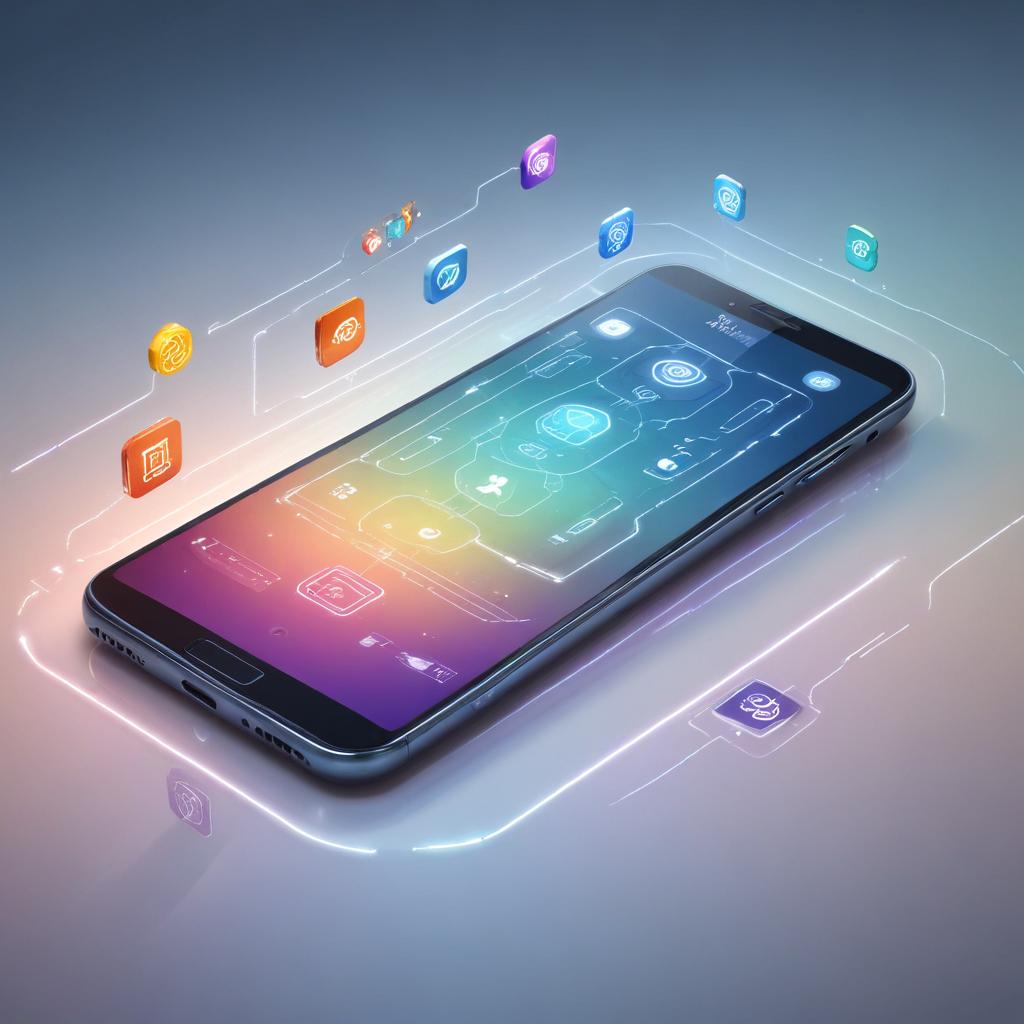
Why digital SIMs are the future of smartphones
03/02/2026
Introduction to Digital SIMs
Digital SIMs represent a significant advancement in smartphone technology, signaling a new era in how devices connect to mobile networks. Unlike traditional SIM cards, which are physical plastic cards inserted into a phone, digital SIMs—commonly known as eSIMs—are embedded directly into the device’s hardware. This evolution in SIM card technology eliminates the need for a physical card, allowing users to activate a cellular plan without having to handle a physical SIM.
The concept of the digital SIM is rooted in the eSIM technology standard, designed to simplify and enhance the mobile experience. An eSIM is a programmable chip built into modern smartphones that securely stores multiple mobile profiles. This means that users can switch carriers, add new plans, or use multiple numbers without swapping out physical SIM cards. This flexibility is a major boon for travelers, business users, and anyone who values convenience and efficiency in their connectivity.
Compared to traditional SIM cards, which require manual insertion and replacement, digital SIMs provide seamless integration with the smartphone’s operating system. Users can manage their mobile plans through software settings, making it faster and easier to connect to networks worldwide. This software-based approach also reduces plastic waste and the environmental impact associated with producing and shipping physical SIM cards.
In the context of smartphone technology, digital SIM adoption represents the next logical step in the SIM card evolution. As smartphones become more powerful and interconnected, the need for flexible, efficient, and secure mobile connectivity grows stronger. Digital SIMs meet these needs by offering enhanced security features, such as remote provisioning and over-the-air updates, which are difficult to implement with traditional SIM cards.
Overall, the rise of eSIM technology and digital SIMs is transforming how users interact with their mobile networks. By embedding the SIM function digitally within the phone, modern smartphones can offer more adaptive, user-friendly, and environmentally conscious mobile connectivity than ever before. This shift not only improves the user experience but also paves the way for future innovations in smartphone design and network interaction.
Understanding eSIM Technology
eSIM technology, or embedded SIM, represents a significant advancement in how mobile devices connect to cellular networks. Unlike traditional SIM cards that are physical chips inserted into a phone, an eSIM is a small chip embedded directly into the device’s motherboard during manufacturing. This embedded SIM securely stores carrier information digitally, eliminating the need for removable cards.
The embedded SIM functions by digitally storing all necessary data for network authentication and subscription management. This digital identification allows users to switch carriers or plans without physically swapping out a SIM card. Instead, the device can download carrier profiles over the air, making the process more flexible and convenient for consumers and service providers alike.
Technically, the eSIM follows standardized protocols defined by the GSMA, ensuring compatibility and security across different devices and networks. It supports multiple carrier profiles, making it especially useful for people who travel internationally or require different mobile data plans. Since the eSIM is soldered onto the device, it is more durable and less prone to damage or loss compared to traditional SIM cards.
Overall, eSIM technology transforms the way carrier information is managed on smartphones, turning what used to be a physical process into a seamless digital experience. This change not only enhances user convenience but also paves the way for more compact, water-resistant, and efficient device designs in the future.
Comparison Between Digital SIMs and Physical SIMs
When comparing digital SIMs and physical SIM cards, several key differences emerge that highlight the advantages of digital SIMs. Traditional physical SIMs require users to insert a tangible card into their device, which can be prone to damage, loss, or incompatibility issues when switching devices. In contrast, digital SIMs, often referred to as eSIMs, are embedded directly into the phone’s hardware, eliminating the need for physical handling and streamlining the process of switching carriers or plans.
From a usability perspective, digital SIMs offer greater flexibility. Users can download or activate multiple profiles on a single device without needing to swap out cards. This is particularly beneficial for frequent travelers or those managing multiple numbers for personal and business use. The digital SIM vs physical SIM debate is often settled on this point, as digital SIMs significantly reduce the hassle and time associated with traditional SIM card management.
However, limitations still exist. Not all devices support digital SIMs yet, and some carriers may have restricted support or less straightforward activation processes for eSIMs compared to physical SIMs. Despite these hurdles, the advantages of digital SIMs in terms of security, convenience, and scalability clearly position them as the future of mobile connectivity. Overall, this SIM card comparison underscores that digital SIMs provide a superior experience by addressing many of the physical SIMs’ weaknesses.
Benefits of Digital SIMs for Consumers and Carriers
Digital SIM technology offers significant benefits for both consumers and mobile carriers, revolutionizing the way smartphone connectivity is managed. For consumers, the primary advantages lie in enhanced flexibility and convenience. Unlike traditional physical SIM cards that require manual replacement and can restrict switching between carriers, digital SIMs allow users to effortlessly switch networks and manage multiple phone numbers from a single device. This level of flexibility is especially beneficial for frequent travelers, remote workers, and anyone seeking seamless access to different mobile services without the hassle of physically swapping cards.
From a consumer perspective, digital SIMs simplify the process of activating new mobile plans, reducing wait times and the need to visit carrier stores. Users can download and install SIM profiles instantly through software, enabling quick transitions between service providers or plans. This convenience enhances the overall user experience by putting more control in the hands of consumers and reducing dependency on hardware logistics.
Carriers also stand to gain numerous benefits from digital SIM adoption, with cost-effectiveness and operational efficiency being at the forefront. The elimination of physical SIM cards reduces manufacturing, distribution, and inventory costs. Digital SIMs streamline network provisioning and management, allowing carriers to update service offerings dynamically without physical interventions. This digital approach leads to faster customer onboarding, reduced support issues related to SIM management, and the ability to offer more personalized plans and services tailored to consumer needs.
Moreover, digital SIM technology fosters greater competition and innovation in the mobile industry, as carriers can easily introduce flexible subscription models or trial services without traditional barriers. This not only benefits consumers with more choices but also encourages carriers to develop competitive pricing and advanced service bundles. The shared ecosystem of digital SIM technology ultimately drives better connectivity options while lowering costs for both parties involved.
In summary, the benefits of digital SIM extend beyond mere convenience; they transform the entire mobile experience by offering unparalleled flexibility for users and cost-saving efficiencies for carriers. As digital SIM technology continues to evolve, it is set to become the new standard in smartphone connectivity, aligning perfectly with the growing demand for more adaptable, user-centric, and economically sensible mobile solutions.
Increased Flexibility and Convenience
Digital SIMs transform the way users manage their mobile connectivity by offering unparalleled flexible SIM use. Unlike traditional physical SIM cards that tie you to a single carrier, digital SIMs enable multi-carrier support, giving users the freedom to switch between different network providers with ease. This flexibility is especially beneficial for frequent travelers or those who want to optimize their mobile plans based on coverage and cost.
One of the standout advantages of digital SIMs is the quick switching between plans without needing to physically swap out a SIM card. Users can activate new plans directly from their device interface or through an app, allowing for an instant change of carrier or subscription type. This means no more trips to stores or waiting for a new SIM card to arrive in the mail—activation is simpler, faster, and more convenient.
Easy activation is another key benefit that digital SIMs offer. Setup processes that once involved inserting a card, manually entering codes, or contacting customer service can now be completed within minutes via QR codes or embedded eSIM profiles. This streamlined activation reduces friction, making it ideal for tech-savvy users who demand fast, efficient service.
Overall, the increased flexibility and convenience of digital SIMs represent a major leap forward in mobile technology, empowering users with more control over their connectivity options than ever before.
Enhanced Security and Device Integration
Digital SIMs bring significant advancements in SIM security by drastically reducing the risk of SIM cloning, a common vulnerability in traditional physical SIM cards. Unlike physical SIMs, which can be easily removed and duplicated, digital SIMs are embedded directly into the device’s hardware and software ecosystem, making unauthorized copying far more difficult. This integration ensures that each digital SIM is uniquely tied to its device, enhancing user protection against identity theft and fraudulent activities.
Furthermore, digital SIMs enable seamless device integration for digital authentication processes. By working in tandem with a smartphone’s operating system and security features, digital SIMs support advanced authentication protocols, such as biometric verification and encrypted data exchanges. This synergy between SIM and device software enhances the overall security framework, providing users with safer, more reliable access to mobile networks and sensitive data.
With digital SIMs, mobile carriers can implement dynamic security updates and remote management directly through software, allowing continuous improvements to threat detection and response. This modern approach to SIM security not only bolsters protection against cyberattacks but also streamlines user experiences by integrating authentication with device capabilities. As a result, digital SIMs represent a critical step forward in creating a more secure and interconnected mobile environment.
Insight into Current Trends and Predictions Supporting Digital SIMs as the Future Standard in Smartphones
The future of SIM technology is undoubtedly digital, a trend propelled by continuous smartphone innovation and the evolving landscape of mobile technology trends. Digital SIM adoption is gaining momentum globally as both manufacturers and carriers recognize its potential to revolutionize how users connect and manage their mobile services.
One of the most significant indicators of digital SIMs becoming the future standard is the widespread industry adoption. Major smartphone makers are equipping their latest devices with embedded SIM (eSIM) capabilities, eliminating the need for physical SIM cards. This shift not only simplifies device design but also enhances durability by reducing physical slots and ports. Telecom companies are also adapting, offering flexible plans that support multiple profiles on a single device, making switching carriers or plans easier than ever. Such moves signal a coordinated industry push toward a fully digital SIM ecosystem.
From a user experience perspective, digital SIMs offer unparalleled convenience and flexibility. Consumers can activate or change their mobile subscriptions remotely without visiting a store or waiting for a physical card to arrive. This capability is particularly beneficial in a globalized world where frequent travelers need seamless connectivity across borders. Moreover, digital SIMs support multiple profiles on one phone, enabling users to separate work and personal lines or manage different regional numbers on the same device effortlessly.
Looking ahead, the integration of digital SIMs dovetails with other emerging technologies such as 5G and IoT (Internet of Things). As mobile technology trends lean towards more interconnected and smart devices, digital SIMs provide the infrastructure necessary for scalable and secure connectivity. Analysts predict that as network infrastructures evolve, the reliance on physical SIM cards will decline sharply, making digital SIMs the default standard in new smartphones.
In summary, the convergence of industry adoption, enhanced user experiences, and technological advancements firmly establishes digital SIM adoption as a pivotal element in the future of SIM technology. For consumers and businesses alike, embracing digital SIMs means tapping into the next generation of mobile communication—smarter, faster, and more flexible than ever before.
Industry Adoption and Support
The adoption of digital SIM technology is accelerating rapidly as carrier adoption becomes more widespread across global networks. Leading carriers recognize the efficiency and flexibility that digital SIMs offer, enabling users to seamlessly switch plans and manage multiple profiles without needing a physical SIM card. This shift is supported by the growing endorsement of the eSIM standard, which promises interoperability and simplifies connections for consumers and businesses alike.
Smartphone manufacturers are playing a crucial role in driving digital SIM integration by embedding eSIM capabilities into their latest models. Industry giants like Apple, Samsung, and Google have incorporated eSIM standards into their flagship devices, signaling a strong commitment to this technology. This move not only enhances user experience through easier activation and remote provisioning but also reduces manufacturing complexity by eliminating the physical SIM slot.
Looking forward, the collective efforts of carriers and smartphone manufacturers in adopting the eSIM standard will fundamentally transform the mobile landscape. It will encourage a more connected and agile ecosystem where switching carriers and plans is frictionless. This progress also paves the way for innovative business models, such as IoT device connectivity and global roaming solutions, driving the industry toward a more digital, flexible, and user-centric future.
Impact on Global Connectivity and User Experience
Digital SIMs significantly enhance global connectivity, especially for users traveling internationally. Unlike traditional SIM cards, digital SIMs eliminate the need to physically swap cards when transitioning between countries. This seamless switch not only saves time but also reduces the hassle of managing multiple SIMs and carriers. Users can effortlessly access local networks wherever they go, enjoying consistent and reliable mobile data and voice services without interruption.
The advantages of digital SIMs extend beyond convenience. They elevate the overall user experience by simplifying mobile connectivity management. With digital SIMs, users can manage multiple phone numbers and data plans directly from their smartphone settings, giving them greater control and flexibility. This also enables users to tailor their connectivity based on preferences or travel requirements, improving both cost efficiency and accessibility.
Furthermore, digital SIMs contribute to a more streamlined and futuristic smartphone experience. By integrating connectivity options into the device’s software, digital SIMs support faster network provisioning and activation, reducing waiting times. Users thus benefit from uninterrupted access to communication channels, whether for business or leisure. The combined impact on global connectivity and user experience underscores why digital SIM advantages are pivotal in shaping the future of mobile technology.

I’m a tech enthusiast who loves exploring how eSIMs simplify staying connected while traveling. I spend my free time testing new smartphones and sharing tips on getting the most out of mobile data abroad.