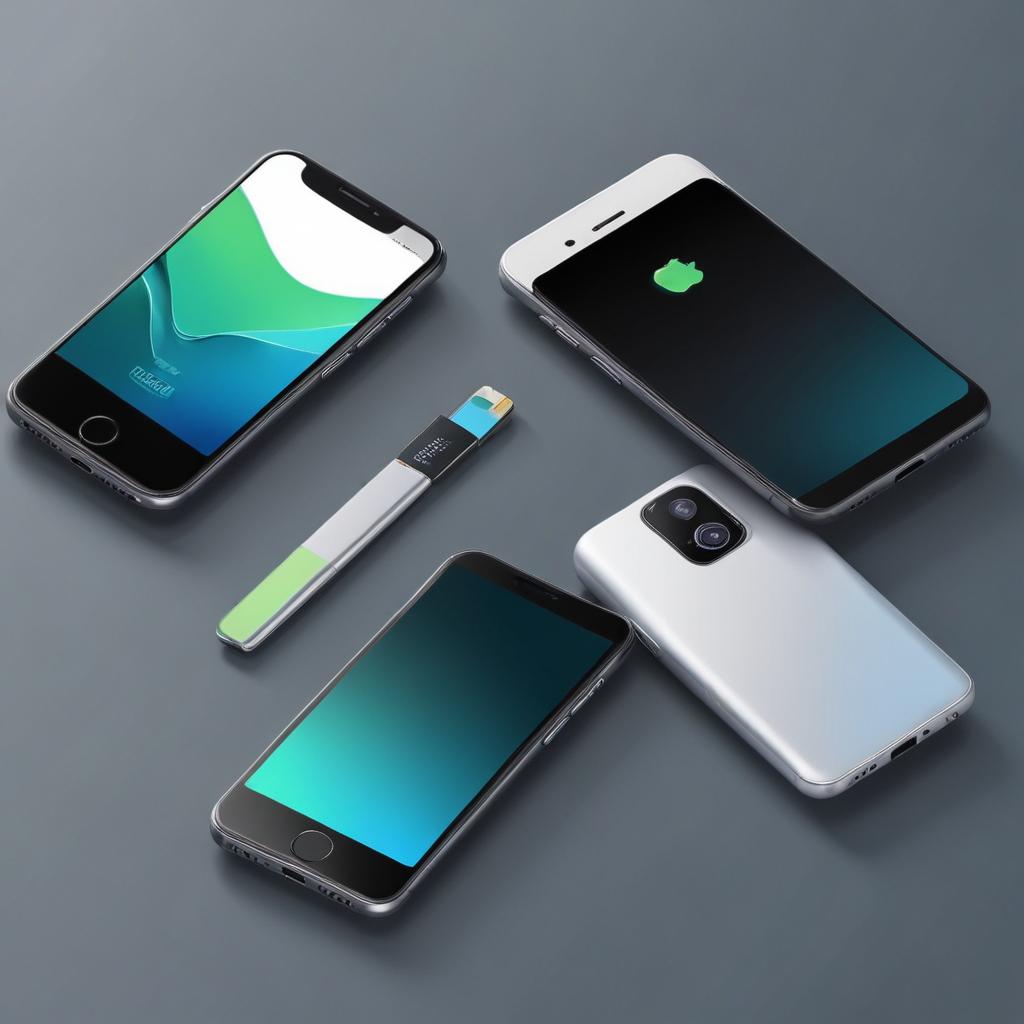
How dual eSIM works in some smartphones
18/12/2025
Introduction to Dual eSIM Technology
Dual eSIM technology represents a significant leap in mobile connectivity, reshaping how smartphones manage network connections. In practice, dual eSIM allows a device to run two distinct electronic SIM profiles concurrently, removing the need for physical SIM cards. This cutting‑edge approach is part of the broader evolution of eSIM technology, which has steadily gained traction in the smartphone market thanks to its flexibility and simplicity.
eSIM technology was introduced to replace traditional plastic SIM cards with a chip that’s built directly into a phone’s motherboard. This eliminates the hassle of swapping cards when you change carriers or travel overseas. Now users can activate and switch wireless plans through software, making mobile connectivity management easier.
Expanding on this groundwork, dual eSIM enhances connectivity by allowing users to activate two eSIM profiles on their smartphones simultaneously. This feature is particularly beneficial in the current mobile landscape, where managing both personal and professional communications is typical. With dual eSIM, one smartphone can function with two active phone numbers and data plans effortlessly, eliminating the need for an additional physical SIM.
Contemporary smartphones featuring dual eSIM technology offer greater flexibility for users who often travel internationally, enabling them to retain local phone numbers without the hassle of buying and inserting new SIM cards. Furthermore, dual eSIM allows users to manage expenses more effectively by selecting various carriers for voice and data or taking advantage of competitive mobile plans suited to their preferences. The inclusion of dual eSIM in smartphones also enhances device design, minimizing the dependence on SIM trays and increasing the devices’ resistance to dust and moisture.
With the mobile sector increasingly adopting digital innovations, dual eSIM technology emerges as a crucial element influencing the future of connectivity. It provides a smooth and effective method for handling various mobile profiles, addressing the changing needs of smartphone users who seek flexibility, ease, and enhanced management of their mobile connectivity choices. In the end, dual eSIM not only streamlines the way smartphones link to networks but also marks a major advancement toward entirely digital, unified communication experiences.
What is an eSIM?
The phrase eSIM definition signifies an embedded SIM, a digital SIM that enables you to set up a cellular plan from your carrier without the need for a physical SIM card. In contrast to conventional SIM cards that require manual insertion or replacement, an embedded SIM is integrated directly into the hardware of the smartphone. This virtual SIM technology removes the necessity for a removable plastic card within the device.
The key distinction between an eSIM and a conventional physical SIM card is its adaptability. Users can set up With an eSIM, users can switch carriers or plans, or maintain various cellular profiles, all controlled digitally via their mobile device. Traditional SIM cards face limitations in size and necessitate physical swapping or insertion whenever a change in numbers or carriers is needed. In contrast, the embedded SIM can hold numerous profiles at once and allows for seamless switching between them through software configurations.
Additionally, an eSIM enhances the reliability of devices and creates extra internal space by eliminating the need for a SIM slot and tray. This leads to better water resistance and slimmer smartphone designs. The digital SIM also allows for remote provisioning, enabling carriers to deliver your plan straight to the eSIM in your phone through a data connection, streamlining the activation process and enhancing convenience.
In summary, the idea of an eSIM or embedded SIM marks a major leap forward in the management of cellular connectivity, offering users enhanced convenience, flexibility, and long-term viability in their mobile devices.
Advantages of Dual eSIM in Smartphones
The dual eSIM capability provides numerous key advantages that greatly improve mobile adaptability and network oversight for smartphone users. A major benefit is the option to sustain multiple network connections at the same time. With dual eSIMs, individuals can enable two distinct cellular plans on one device without the necessity for physical SIM cards. This feature is particularly beneficial for those who need separate phone numbers or carriers for personal and work purposes, facilitating smooth switching between networks whenever required.
Another important dual eSIM advantage is the simplicity of changing carriers. Conventional SIM cards necessitate the physical replacement of cards to switch providers, whereas dual eSIM technology allows users to download and activate new carrier profiles online. This streamlined method not only saves time but also motivates users to investigate various plans that could suit their financial and data requirements more effectively. The ease of making immediate carrier changes without the need to go to a store or wait for a SIM delivery marks a substantial advancement in network management.
Travelers gain significant advantages from dual eSIM technology, as it improves travel convenience by allowing access to local network plans without interfering with their primary number. While overseas, users can incorporate local eSIMs to sidestep roaming fees while still being able to receive calls or messages on their home network. This adaptability minimizes the complications of handling several physical SIM cards and guarantees uninterrupted connectivity wherever they are. In summary, the advantages of dual eSIM arise from its capability to streamline connectivity management and provide users with enhanced control over their mobile experience.
How Dual eSIM Works in Smartphones
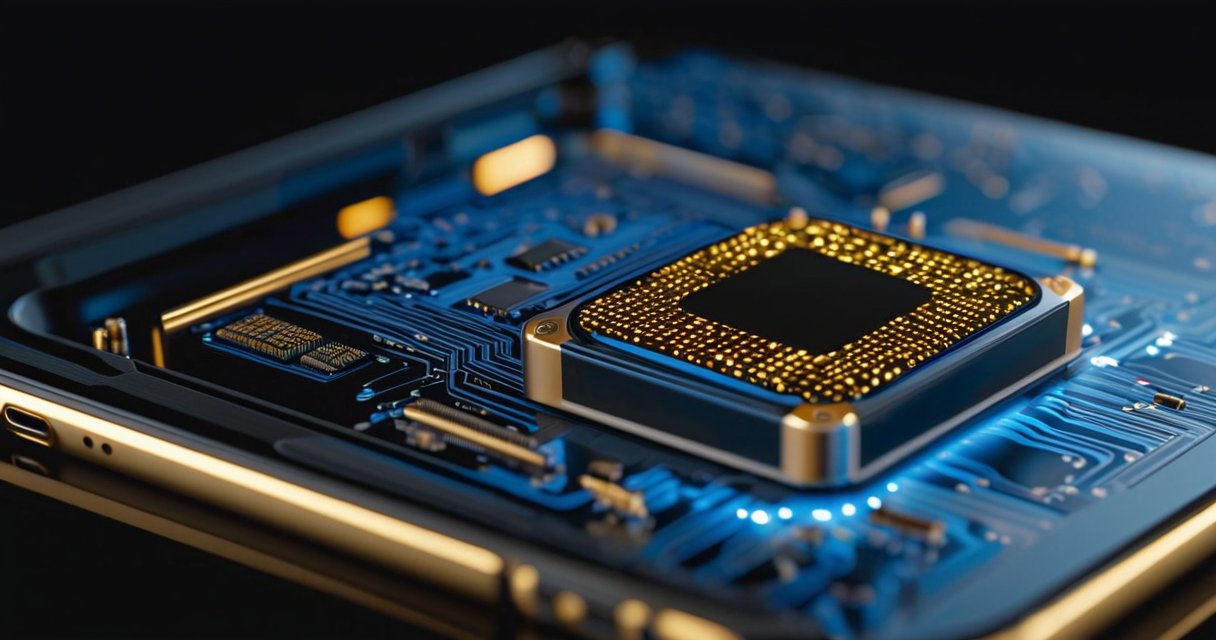
The dual eSIM functionality in contemporary smartphones transforms how users handle various cellular profiles without the requirement for physical SIM cards. Essentially, the functioning of smartphone eSIM hinges on embedded SIM chips that can digitally hold multiple carrier profiles, allowing users to effortlessly switch between different networks. This advancement streamlines connectivity and renders conventional SIM swapping unnecessary.
The technical procedure starts with provisioning, where the smartphone retrieves operator profiles from a remote location. In the eSIM setup phase, the device links to a carrier’s server to activate a digital SIM profile using a secure QR code or direct authentication from the carrier. These profiles are encrypted and housed within the secure element of the eSIM, safeguarding privacy and integrity. Thanks to dual eSIM capabilities, the smartphone can simultaneously provision two active eSIM profiles, enabling users to manage two separate phone numbers or data plans.
Activation consists of incorporating these profiles into the modem and network architecture of the smartphone. After a profile is activated, the device connects it to the corresponding mobile network, similar to a standard SIM card. The operating system of the smartphone then oversees both profiles, facilitating effortless network transitions according to user choice or signal strength. In contrast to physical SIM slots, dual eSIMs permit immediate switching without the need for hardware modifications, providing a significantly enhanced experience.
Network switching between two eSIM profiles can be managed manually through settings or automatically according to established rules. Smartphones with dual eSIM capabilities provide a user interface that allows users to choose their desired primary or secondary line for calls, messages, or data. During the network switch, the device quickly disables the current cellular profile and enables the other one within moments, ensuring continuous connectivity. This seamless switching feature accommodates a range of scenarios, from distinguishing between work and personal lines to enhancing coverage in various areas.
The eSIM controller chip is responsible for managing profile selection and directly communicates with the baseband processor. This synergy between hardware and software facilitates effective management of network authentication and session oversight. Additionally, smartphones typically offer real-time updates regarding the connectivity, signal strength, and carrier details of each eSIM, giving users greater control over their network resources.
To sum up, the dual eSIM capability allows smartphones to securely set up and activate various cellular profiles while facilitating smooth network transitions without the need for physical SIM card swaps. This innovation in smartphone eSIM functionality transforms mobile connectivity, offering unparalleled flexibility and convenience for the modern user’s ever-changing demands.
Simultaneous Network Connectivity
The advent of dual eSIM technology has transformed how smartphones handle dual SIM capabilities, especially concerning network connections. In contrast to conventional physical SIM cards that may restrict concurrent usage due to a single slot, dual eSIM allows devices to stay connected to two distinct mobile networks at the same time or operate in a dual standby mode. This feature guarantees that users can take full advantage of network benefits while maintaining reliable connectivity.
Using dual SIM cards traditionally meant either swapping physical SIMs or being connected to just one network at a time. However, dual eSIM technology enables both embedded SIM profiles to stay connected to their individual carriers simultaneously. If the phone features dual standby capability, it can maintain both network connections, ensuring that incoming calls and messages on either line come through without interruption, even if one line is currently in use.
This enhanced network connectivity elevates user experience by merging convenience with effectiveness. For instance, business professionals can keep their work and personal numbers active simultaneously without requiring two different devices. Moreover, travelers can maintain both local and home networks at the same time, avoiding service disruptions and additional roaming fees. The versatility of dual eSIM allows for effortless management of these connections via software, removing the limitations posed by physical SIM card slots.
In the end, the simultaneous use of dual eSIMs improves dual SIM phones’ capacity to manage various mobile networks efficiently, offering dependable dual standby connectivity. This advancement in network technology guarantees that users can maintain consistent access to calls, messages, and data from two separate carriers, positioning dual eSIM functionality as a notable progression in mobile communication.
Activation and Profile Management
Enabling dual eSIMs on smartphones starts with the eSIM activation procedure, during which users download network profiles straight to their device. Compatible smartphones are equipped with integrated software that allows for effortless management of various network profiles. When a user chooses a mobile carrier, the device links to the provider’s server and retrieves the eSIM profile, which includes vital subscription information and network configurations.
After the initial profile download finishes, the smartphone is capable of holding several profiles at once, enabling users to easily toggle between various mobile carriers without the need to change physical SIM cards. This convenience is especially beneficial for travelers or individuals requiring separate lines for personal and work purposes. Typically, the device’s settings menu offers a straightforward method to name, enable, or disable profiles based on user choice.
Overseeing network profiles includes not just turning on or changing profiles but also deleting or modifying them when necessary. Users can create new profiles by scanning QR codes given by their mobile carrier or by inputting activation details by hand. Since all profiles are digital, users enjoy fast setup processes and less dependence on physical SIM cards. This leads to a more efficient method of managing connectivity across various networks using just one smartphone.
To sum up, the activation of eSIMs along with effective profile management allows smartphones to seamlessly utilize dual eSIM capabilities. This innovation streamlines the connection to various network providers, providing users with enhanced convenience and control.
Practical Use Cases for Dual eSIM
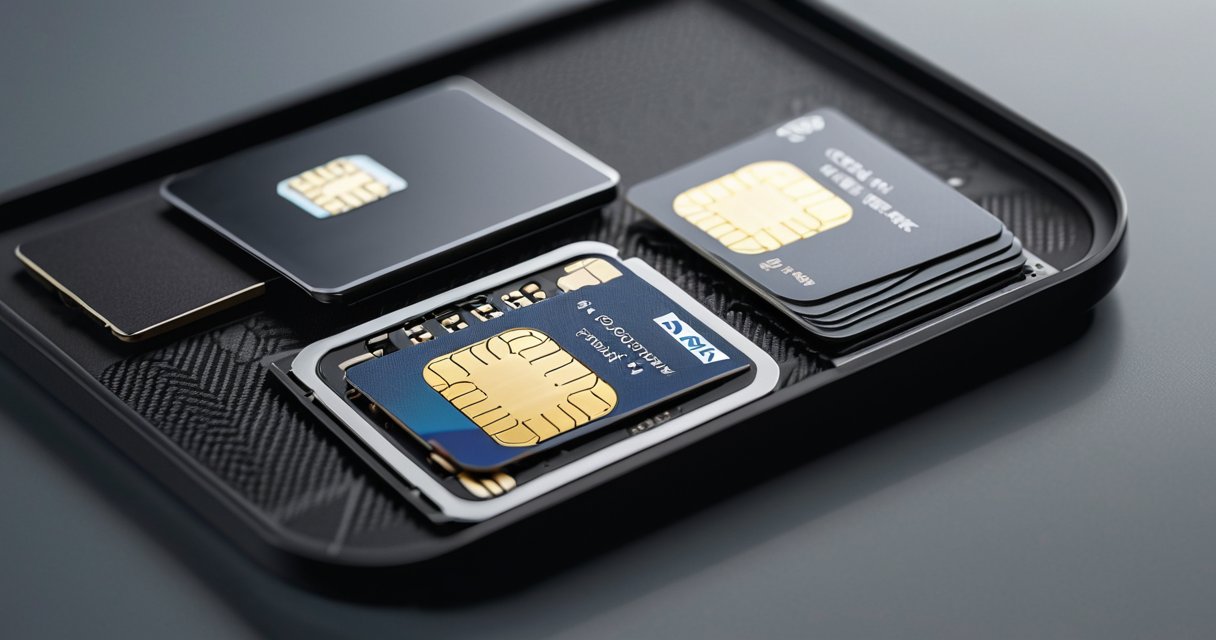
Dual eSIM technology provides considerable benefits in numerous practical scenarios, leading to its growing popularity in many smartphones. A prevalent use case for dual eSIM is during international travel. Rather than changing physical SIM cards when entering new countries, travelers can easily enable a local eSIM profile while retaining their home carrier’s service. This smooth network switching helps users steer clear of high roaming fees and enhances their connection with local networks, all while keeping their primary number available for essential calls and messages.
Business professionals find dual eSIM technology highly advantageous, especially when utilizing business phones. It simplifies the management of both work and personal lines on one device, removing the necessity of having two phones. Users can easily alternate between numbers by switching eSIM profiles, which helps protect privacy and enhances their work-life balance. This feature optimizes communication and guarantees that crucial business calls are not overlooked, while personal usage stays distinct and safe.
An additional benefit of dual eSIM technology is the enhanced flexibility it provides for users in areas with significantly varying network coverage. By having two network profiles available, users can easily switch between carriers based on which one delivers the best signal, speed, or overall service quality in their current location. This quick network switching results in fewer dropped calls and more dependable internet connectivity, especially in rural regions or crowded urban settings. Moreover, it offers a budget-friendly approach to capitalize on deals or plans from various providers without needing to physically swap SIM cards.
Frequent flyers and remote employees greatly benefit from dual eSIM technology, which allows them to maintain connectivity in various countries or areas. By loading eSIM profiles from different carriers in advance, they can sidestep the inconvenience of buying SIM cards at each new location. Additionally, dual eSIM aligns with the rising trend of digital nomadism, facilitating smooth communication without any geographical limitations. This boosts both productivity and convenience, as users can switch networks effortlessly through their phone’s settings.
To sum up, the main dual eSIM use cases—including international travel, handling distinct business and personal lines, and streamlined network switching—underscore its practical benefits. As smartphones increasingly adopt this technology, users will experience enhanced convenience, savings, and connectivity choices, all from one device.
Travel and International Roaming
Dual eSIM technology provides considerable benefits for avid travelers by streamlining international roaming and removing the necessity for multiple physical SIM cards. With support for dual eSIMs, smartphones can effortlessly store and switch among various travel SIMs from different regional providers. This feature enables users to activate local or international roaming plans without the inconvenience of physically changing SIM cards while traveling across borders.
When going overseas, staying connected is essential, and the conventional method of changing SIM cards typically requires locating a local carrier outlet, buying a physical SIM, and making a manual swap. Dual eSIM eliminates these hassles by allowing users to download and toggle between eSIM profiles digitally. Travelers have the option to preload several carriers’ eSIM profiles prior to their journey or add new ones while traveling, benefiting from competitive local pricing and improved network quality.
This adaptability not only improves convenience but also lowers roaming fees by enabling users to choose the optimal regional carriers for calls, data, and messaging. The capability to switch between carriers on one device allows users to handle international roaming in a more budget-friendly manner. In summary, the advantages of dual eSIM for travel showcase how contemporary smartphones enable easier global communication without the limitations of physical SIM changes, providing a more flexible and user-friendly travel experience.
Separation of Personal and Work Lines
A major benefit of dual eSIM technology is that it allows users to distinguish clearly between their personal and work phone lines on a single smartphone. This is particularly useful for those who need to handle business communications without having to carry two separate devices. By leveraging the eSIM dual profile capability, users can set up two distinct numbers—one for personal calls, texts, and contacts, and another solely for work-related interactions.
By featuring dual eSIM technology, smartphones enable users to designate unique contacts, call histories, and messaging threads for each line, addressing the frequent issue of blending personal and professional communications. This division guarantees that work calls and alerts do not disrupt personal moments, while also keeping personal contacts confidential and distinct from business interactions.
Moreover, numerous smartphones that offer dual eSIM functionality allow users to personalize settings like ringtones and alerts for each phone line separately. This makes it easier to identify the personal line versus the work line at a quick glance. For professionals, this translates to the ease of managing dual SIM business communication effectively and subtly on a single device, enhancing connectivity and promoting a better work-life balance.
In summary, the dual eSIM capability provides an effective way for individuals to maintain a distinction between personal and professional contacts, all while effortlessly managing two separate phone lines without the inconvenience of carrying multiple devices.

I’m a tech enthusiast who loves exploring how eSIMs simplify staying connected while traveling. I spend my free time testing new smartphones and sharing tips on getting the most out of mobile data abroad.