
Understanding roaming options on eSIM phones
26/12/2025
Introduction to eSIM and Roaming
The landscape of mobile connectivity is changing quickly, with eSIM technology being a major development that alters how we remain connected. An eSIM, or embedded SIM, is a digital SIM embedded directly in your device, removing the requirement for a physical SIM card. As more mobile devices embrace this technology, it’s crucial for both occasional users and regular travelers to grasp the fundamentals of eSIM and the differences in roaming functionality on these devices versus traditional SIMs.
Traditional SIM cards have been the standard for mobile connectivity for decades. When you want to switch carriers or travel abroad, you often need to swap out your physical SIM to one provided by a local operator or enable roaming services with your home carrier. Roaming, in this context, refers to your phone’s ability to connect to foreign networks while you are outside your home country. It allows you to make calls, send texts, and use data without changing your phone number, albeit often at higher costs.
Roaming with conventional SIMs necessitates collaborations and agreements between your mobile provider and international networks. Your device relies on the inserted SIM card for authentication and connection, which restricts you to that one physical card at any given moment. Consequently, if you wish to access a local plan while abroad, you’ll need to either swap the SIM physically or manage several SIM cards, which can be inconvenient. Additionally, enabling roaming on traditional SIMs may require reaching out to your provider or buying specific roaming packages.
Conversely, eSIM technology transforms this method by storing multiple carrier profiles digitally integrated into the same chip within your device. This adaptability allows users to change networks or incorporate plans without the need for physical SIM card replacements, simplifying the mobile connectivity process. Regarding the launch of roaming for eSIM-compatible devices, numerous carriers now provide the option to download and activate roaming plans straight from the phone’s settings or through carrier applications. As a result, travelers can swiftly add a local or international roaming plan without needing to go to a store or change cards.
Furthermore, eSIMs enable dual-profile configurations, permitting users to keep their main carrier’s service while incorporating an additional roaming plan. This capability is particularly beneficial for those who travel often and wish to dodge roaming fees while still being accessible on their home number. Consequently, eSIM technology is transforming our understanding of roaming and enhancing the management of mobile connectivity worldwide, leading to a smoother and more intuitive user experience.
To sum up, the fundamentals of eSIM provide a contemporary option compared to standard SIM cards by supporting various network profiles on a single embedded chip. Unlike traditional SIMs, which typically need physical changes and coordination with carriers for roaming, eSIM-enabled devices allow for quick, digital management of roaming arrangements. This advancement in mobile connectivity is creating new opportunities for ease, financial savings, and improved oversight of global mobile usage.
What is an eSIM?
An eSIM, which stands for embedded SIM, serves as a contemporary alternative to the conventional physical SIM cards commonly used in mobile devices. In contrast to physical SIM cards that need to be inserted or replaced manually, an eSIM is a compact chip integrated directly into the device’s motherboard. This digital SIM solution removes the necessity of handling or exchanging physical cards, providing users with enhanced flexibility and convenience.
To grasp the concept of eSIM more effectively, envision it as a flexible SIM that can hold various carrier profiles. This allows you to transition between different mobile networks without the need to change cards manually. In contrast to traditional SIM cards, which are constrained by their physical dimensions and availability, digital SIMs such as eSIM are entirely controlled through software. Users can conveniently download, activate, or deactivate carrier profiles through their phone settings or compatible carrier applications.
The benefits of embedded SIMs go far beyond just convenience. For those traveling, eSIM provides the opportunity to connect with local carriers overseas without the hassle of physical SIM cards or high roaming charges. It also enables dual-SIM capabilities without requiring an extra slot, letting users keep both personal and work numbers on a single device. Additionally, carriers can remotely provision and update profiles, resulting in quicker and more efficient activation than conventional SIM processes. In summary, eSIM technology offers smooth connectivity, increased flexibility, and an improved user experience across contemporary mobile devices.
How Roaming Works on Traditional vs. eSIM Phones
In the realm of mobile roaming, the approach varies greatly between conventional SIM roaming and eSIM roaming. Traditionally, roaming meant that you had to physically replace your SIM card with one from a local carrier while overseas. This conventional method necessitated either acquiring a new SIM card upon arrival or activating a roaming service through your home provider, frequently leading to increased charges and restricted options.
The introduction of eSIM technology has significantly simplified the mobile roaming experience. The key distinctions in eSIM roaming are found in the capacity to download and switch between various profiles electronically, eliminating the need for physical card changes. Users can easily activate a local carrier’s roaming plan or switch to a different provider directly from their phone’s settings, enhancing both speed and convenience.
This digital method of mobile roaming provides not just ease of use but also financial management and enhanced adaptability. Travelers have the ability to oversee their roaming choices from afar, selecting appropriate data packages or plans based on their travel requirements. Unlike the physical constraints of traditional SIMs, eSIM roaming redefines mobile connectivity into a more fluid and personalized experience.
To sum up, although conventional SIM roaming requires physical alterations and can often entail intricate setups, the advantages of eSIM roaming allow users to easily change carriers and handle roaming seamlessly, transforming the global mobile roaming experience.
Types of Roaming Options Available on eSIM Phones
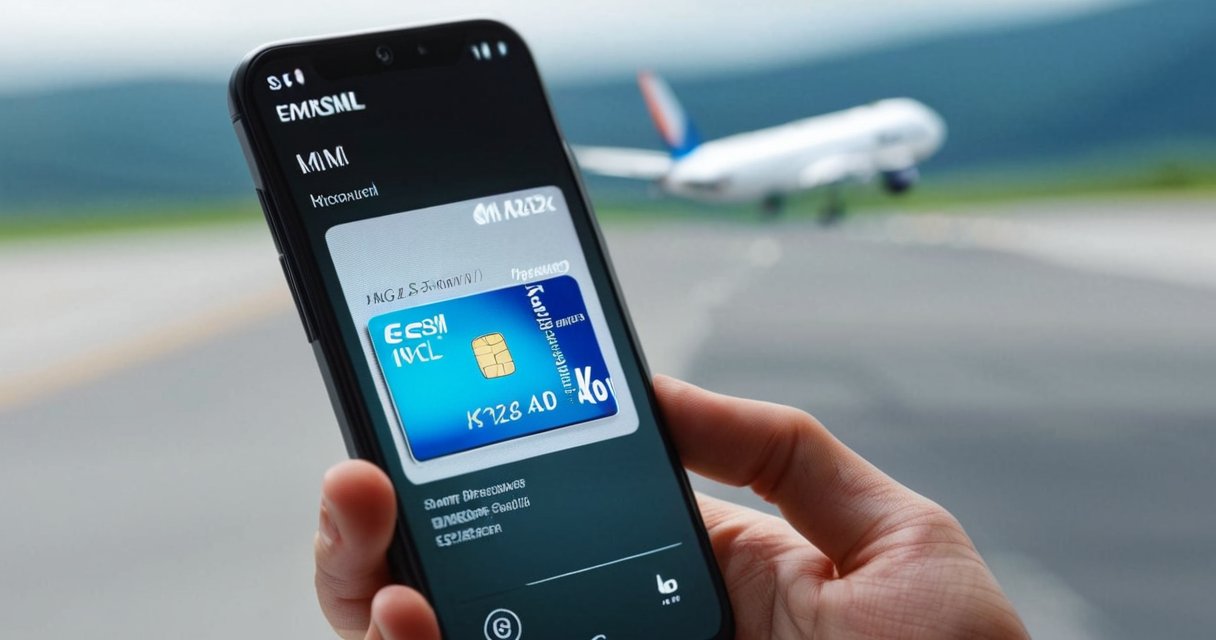
For international roaming, eSIM devices provide a flexible selection of roaming options designed to meet various traveler requirements. Familiarizing yourself with the eSIM roaming options available can assist you in selecting the most suitable plan for your travel schedule and usage patterns.
A frequently chosen eSIM roaming alternative is the pay-as-you-go roaming plan. This type of plan enables users to enable roaming only when necessary, charging them for data, calls, or texts on an as-needed basis. It’s a perfect fit for occasional travelers or individuals on brief international journeys, as it eliminates the obligation of monthly charges while ensuring access to connectivity abroad. Pay-as-you-go roaming plans are broadly accepted by leading carriers and eSIM service providers, offering a versatile option for those who travel on a whim or use services infrequently.
For those who frequently travel internationally or are business users, monthly roaming subscriptions tend to be a better fit. These plans generally include a set amount of data, voice, and text services available in various countries for a single monthly rate. They ensure dependable international roaming without the worry of surprise high fees, allowing for consistent connectivity whether you’re traveling for work or pleasure. Numerous eSIM providers present tiered monthly roaming options that encompass areas like Europe, Asia, or the Americas, enabling users to choose a plan that aligns with their travel habits.
Another widely used eSIM roaming option is the regional or country-specific plan. These plans allow travelers to buy an eSIM data package designed for a particular country or region, frequently at more attractive prices than standard roaming charges. They are particularly beneficial for those who will be in one place for a longer duration or for visitors to countries with expensive roaming rates. By taking advantage of country-specific eSIM roaming plans, users can benefit from improved data speeds and costs by linking directly to local networks via their eSIM.
Finally, certain eSIM providers have global roaming plans that encompass numerous countries under one profile. These plans are ideal for digital nomads and travelers visiting multiple destinations who need uninterrupted connectivity without the inconvenience of changing SIM profiles. Global roaming plans on eSIM devices streamline international roaming by allowing users to switch networks automatically while on the move, providing both convenience and cost savings.
In summary, whether you require flexible pay-as-you-go options, fixed monthly subscriptions, regional packages, or global roaming plans, eSIM roaming options provide a wide array of solutions to keep you connected internationally. Choosing the right roaming plans compatible with your eSIM phone can save money, improve service quality, and enhance your overall travel experience.
Pay-as-You-Go Roaming
Pay-as-you-go roaming is becoming a favored choice for eSIM users looking for adaptable roaming options. In contrast to conventional roaming plans that demand a set monthly charge, pay-as-you-go plans enable travelers to pay solely for the data, calls, or messages they utilize. This usage-based roaming model offers unmatched flexibility, making it perfect for occasional travelers who might not require continuous connectivity while overseas.
Activating a pay-as-you-go plan with eSIM devices is both easy and convenient. Users can effortlessly switch among various carriers and pick plans designed for their specific travel locations without the need to physically change SIM cards. This adaptability enables travelers to select affordable options that meet their individual data and communication requirements, steering clear of expensive roaming charges typically associated with conventional plans.
Pay-as-you-go options provide enhanced oversight of costs by allowing travelers to track their usage instantly via carrier applications or eSIM management tools. This clarity helps avoid surprise fees, guaranteeing that users are charged solely for what they utilize. For occasional travelers who might require connectivity only from time to time, flexible roaming with pay-as-you-go options keeps them connected without the stress of extended contracts or excessive charges.
In summary, merging pay-as-you-go roaming with eSIM technology improves the travel experience by offering convenience, affordability, and adaptability. This makes pay-as-you-go an ideal option for those who want to remain connected on their own conditions while discovering new places.
Prepaid Roaming Plans
Prepaid roaming is a perfect choice for eSIM users seeking to keep a tight grip on their mobile costs while traveling internationally. With eSIM prepaid packages, you can buy a roaming bundle ahead of time, ensuring you are aware of your expenses without the fear of surprise fees. This approach provides the ease of overseeing your mobile data, calls, and texts with just a quick tap, frequently via specialized apps or carrier websites.
A major benefit of using prepaid roaming on eSIM devices is the fixed cost for roaming. Rather than dealing with variable charges that depend on usage or network circumstances, prepaid options allow you to choose a plan that aligns with your expected requirements and financial limits. This level of predictability is particularly important when visiting various countries or areas, as certain plans include multiple destinations for one set price, helping to prevent unexpected charges.
eSIM prepaid plans offer exceptional convenience by removing the requirement to change physical SIM cards when switching providers or traveling abroad. Just activate a prepaid roaming plan on your eSIM-compatible device, and you’re all set. This effortless switch is ideal for travelers looking for flexible solutions without the inconvenience of handling several SIM cards. Additionally, topping up or replacing prepaid roaming plans is a straightforward process, making it a versatile option for both occasional visitors and regular travelers.
In conclusion, prepaid roaming gives eSIM users an affordable and convenient method to maintain international connectivity. Opting for an eSIM prepaid plan allows you to manage your spending with set roaming fees while taking advantage of the ease that contemporary eSIM technology offers.
Benefits and Limitations of Using eSIM for Roaming
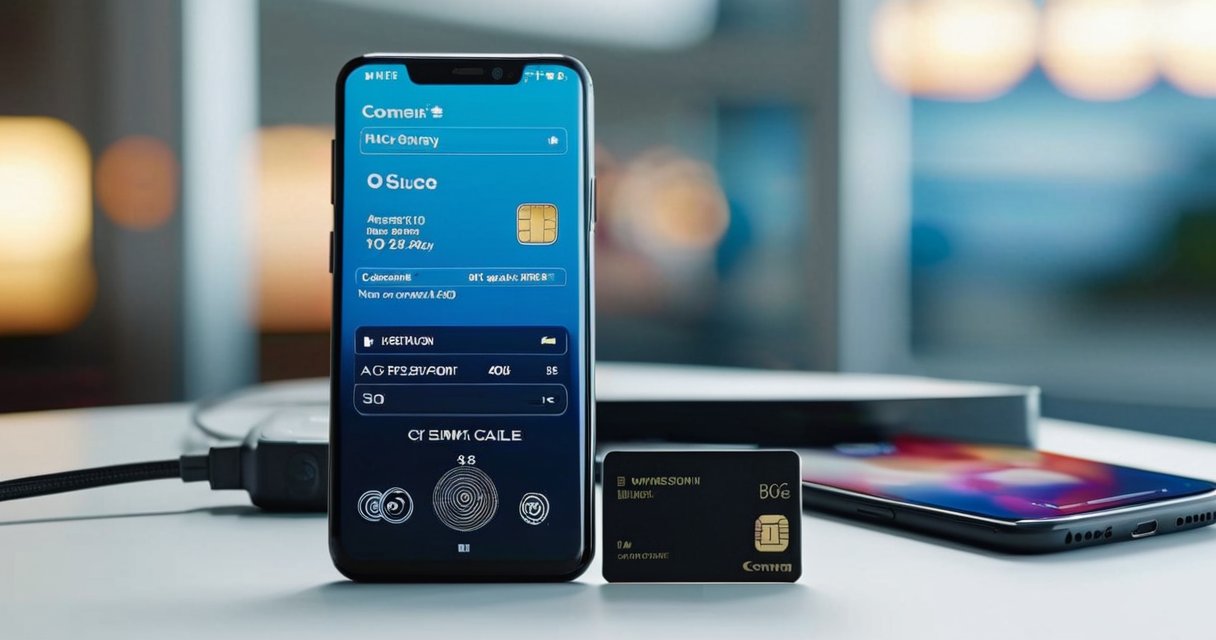
The adoption of eSIM technology for mobile travel has transformed how individuals maintain connectivity while traveling abroad. A key advantage of eSIM is the simplicity of changing carriers or activating local plans without the need to swap out SIM cards. This adaptability helps travelers steer clear of high roaming charges from their home networks by easily opting for cheaper, region-specific data and voice plans straight from their devices. Devices equipped with eSIM can hold multiple profiles, allowing users to keep different plans at their fingertips and switch between them effortlessly, ensuring uninterrupted connectivity during their journeys.
One more benefit of eSIM for roaming is its ease of use and ability to save time. Switching traditional SIMs can be a hassle, frequently necessitating trips to physical locations or delays waiting for SIM shipments. On the other hand, eSIMs enable immediate activation and control through carrier applications or QR codes. This digital approach improves user oversight of mobile services, simplifying the management of data consumption and costs while traveling. Furthermore, eSIMs support environmental sustainability by decreasing the need for plastic SIM cards and the waste from their packaging.
Even with these obvious advantages, there are specific roaming restrictions to keep in mind when utilizing eSIM devices. Not all carriers around the globe offer support for eSIM technology, which can create compatibility issues when visiting underdeveloped areas or regions with inadequate network infrastructure. In some countries, there are limitations on activating eSIMs, or carriers might insist on physical SIM cards for identity verification and compliance reasons, which could complicate the overall user experience.
A further constraint pertains to device compatibility. Although the majority of recent smartphones offer eSIM capabilities, numerous older models and mid-range devices lack this feature, which limits their roaming options. Additionally, not every eSIM-compatible phone allows for dual SIM functionality with both an eSIM and a physical SIM at the same time, hindering users from keeping their home number active while utilizing a local roaming plan.
Finally, it is important for users to recognize the possible security and privacy issues associated with eSIM activation and remote provisioning. As eSIM profiles are obtained online, both carriers and users have a heightened obligation to maintain secure connections to prevent unauthorized access or data leaks.
To sum up, the incorporation of eSIM technology into mobile travel provides significant eSIM benefits by streamlining international roaming and lowering expenses. Nonetheless, it is crucial to grasp the inherent roaming limitations—like carrier support, device compatibility, regulatory challenges, and security issues—to fully leverage the benefits of eSIMs when traveling internationally.
Advantages of eSIM Roaming
A key benefit of eSIM roaming is the exceptional flexibility it provides to travelers. In contrast to conventional SIM cards that necessitate physical changes, eSIM technology allows for immediate transitions between mobile networks right from the device. This allows users to effortlessly connect to a local carrier upon arrival, sidestepping roaming fees and ensuring robust connectivity without the inconvenience of buying and inserting a new SIM card.
An additional advantage is the capability to maintain various profiles on one eSIM device. Travelers can have numerous carrier profiles either activated or prepared for activation, reflecting different nations or service providers. This multi-profile feature enables users to seamlessly switch between carriers according to their location or service performance, guaranteeing the best coverage and cost-effectiveness during their travels.
Remote provisioning revolutionizes the way SIM data is managed from a distance. Rather than having to go to a store or wait for a physical SIM card to arrive, users can easily download or refresh their eSIM profiles wirelessly, no matter where they are in the world. This capability for remote SIM management not only saves valuable time but also allows travelers to activate local plans as needed, providing greater convenience and control over their mobile connectivity while traveling.
In conclusion, eSIM roaming enhances the travel experience by offering flexibility, various carrier choices, and the ability to provision remotely. These attributes collectively create a seamless, efficient, and budget-friendly method for maintaining global connectivity, positioning eSIM phones as a vital resource for today’s travelers.
Challenges and Considerations
Although eSIM technology provides considerable convenience, it also presents a number of challenges and factors that users need to consider. A key issue is network compatibility. Not every network around the globe fully accommodates eSIM capabilities, which may restrict your choices while traveling abroad. Even if your device is eSIM-enabled, certain carriers might not provide service plans that are compatible, creating difficulties when attempting to activate roaming.
Carrier support is a significant element in assessing the efficiency of roaming on devices that utilize eSIM technology. Numerous carriers have just started to offer eSIM compatibility, and the range of their roaming arrangements can differ widely. In some areas, limited partnerships with carriers may result in difficulties connecting to local networks, which could lead to increased costs or a complete lack of service. This absence of widespread carrier support highlights the importance of confirming whether your selected carriers function in your travel destination before depending on eSIM roaming.
Moreover, the technical constraints associated with eSIMs can occasionally complicate troubleshooting compared to conventional SIM cards. In contrast to physical SIMs that can be easily replaced to fix problems, resolving eSIM issues frequently necessitates remote setup or factory resets, which can be lengthy and challenging for users without technical expertise. Additionally, regional limitations might impact your capacity to download or change eSIM profiles when traveling internationally.
In conclusion, grasping the obstacles posed by restricted carrier support, geographical limitations, and technical constraints is crucial for efficiently handling roaming on eSIM devices. Preparing in advance and verifying compatibility with the desired carriers can alleviate numerous potential challenges.

I’m a tech enthusiast who loves exploring how eSIMs simplify staying connected while traveling. I spend my free time testing new smartphones and sharing tips on getting the most out of mobile data abroad.