How eSIM works inside devices
04/06/2026
Introduction to eSIM Technology
eSIM technology, also known as embedded SIM or digital SIM, represents a significant evolution from the traditional physical SIM cards that have been used in mobile devices for decades. Unlike conventional SIM cards, which are removable plastic components inserted into a device, an eSIM is a small chip embedded directly into the device’s motherboard. This fundamental change enables a range of new capabilities and conveniences for both consumers and device manufacturers.
The transition from traditional SIM cards to eSIM technology marks an important step in the advancement of mobile connectivity. With conventional SIM cards, users must physically swap out cards when changing carriers or plans, which can be a hassle and requires access to the SIM tray. In contrast, eSIM technology allows users to activate a cellular plan digitally, without the need for a physical card. This digital SIM functionality is managed through software, letting users switch between carriers and plans on demand, all from the device settings.
How eSIM works inside modern devices is by securely storing the subscriber information in a rewritable portion of the chip. When a user selects a carrier’s profile to install, the eSIM downloads the relevant data over the air. This not only simplifies the process of managing cellular plans but also enhances security and reduces the risk of SIM card loss or damage. Moreover, because the eSIM is embedded, it allows device makers to design slimmer and more durable products without the need for a SIM slot.
Modern devices increasingly rely on eSIM technology, shaping the future of mobile connectivity. Smartphones, tablets, smartwatches, and even laptops now feature embedded SIMs, providing users with greater flexibility and control over their mobile data subscriptions. This innovation is especially valuable for travelers and people who require multiple carrier options since it facilitates quick switching without physical SIM changes. In essence, eSIM technology introduces a seamless, efficient, and forward-looking alternative to the traditional SIM card while maintaining the same essential role of connecting devices to cellular networks.
Difference Between eSIM and Traditional SIM Cards
The primary difference between eSIM and traditional SIM cards lies in their physical form and installation process. Traditional SIM cards are small physical chips that must be inserted into a device’s SIM slot. They come in different sizes such as standard, micro, and nano, but all require manual handling and swapping when changing devices or carriers. This physical SIM card takes up space inside your device, which can limit design flexibility.
On the other hand, an eSIM is an embedded SIM chip soldered directly onto the device’s motherboard. Unlike a physical SIM, it doesn’t require swapping or physical insertion. This smaller size and built-in nature allow device manufacturers to optimize internal space, which can lead to thinner and more compact devices. Installing an eSIM is much easier, as it involves downloading a carrier profile digitally, eliminating the need to handle tiny SIM cards.
When comparing eSIM vs SIM regarding flexibility, eSIM offers far greater convenience. It allows users to switch carriers or plans remotely without needing a new physical card or retail visits. This remote provisioning capability makes eSIM ideal for frequent travelers and those using multiple carriers. Conversely, traditional SIM cards require physical replacements or trips to the store to change services, making them less flexible.
Overall, the SIM comparison highlights eSIM’s advantages in size, installation, and flexibility, marking a significant evolution from physical SIM technology towards a more integrated and user-friendly approach.
Benefits of Using eSIM in Devices
The eSIM offers numerous benefits that are transforming how devices connect to mobile networks. One of the standout eSIM benefits is the ease of switching carriers. Unlike traditional SIM cards, users no longer need to physically swap SIM cards to change their mobile provider. This flexibility allows for quick and seamless carrier changes directly from the device’s settings, making it incredibly convenient for travelers or those seeking the best network offers.
Another significant advantage of eSIM technology lies in space savings within devices. Eliminating the need for a physical SIM slot frees up valuable internal space, enabling manufacturers to design slimmer, lighter, and more compact devices. This contributes to enhanced device design, allowing for larger batteries, improved durability, or additional features without increasing the overall size.
Moreover, the advantages of eSIM extend to increased device compatibility. Since eSIMs are embedded chips, they support multiple profiles and connections, making devices more versatile across different networks worldwide. This universal compatibility enhances user experience and provides greater freedom when choosing network providers.
Overall, the flexibility offered by eSIM technology not only simplifies connectivity but also empowers more innovative and efficient device designs, making it a pivotal advancement in mobile communication technology.
How eSIM Works Inside Devices

The eSIM functionality revolutionizes traditional SIM technology by embedding the SIM directly into the device’s hardware, rather than using a removable card. This embedded SIM process relies on an integrated chip soldered onto the device’s motherboard, which is capable of storing multiple carrier profiles securely. Unlike physical SIM cards, the eSIM is not tied to a single operator and can be provisioned remotely over the air (OTA), allowing users to switch carriers or plans without needing to physically replace a SIM card.
From a hardware perspective, the eSIM chip adheres to GSMA specifications and is designed to be tamper-resistant to ensure secure storage of subscriber credentials. It incorporates an isolated secure element within the device, equipped to handle authentication and encryption processes critical for cellular network access. This chip interfaces directly with the device’s baseband processor through a standard communication protocol, enabling seamless interaction between the embedded SIM and the cellular modem.
On the software side, the device’s operating system plays a pivotal role in eSIM functionality. It includes a specialized eSIM management application or service that controls profile installation, activation, and switching. When users opt to activate a new carrier profile, the OS initiates a secure download via an encrypted channel from the carrier’s server, safely provisioning the credentials onto the eSIM chip. This process eliminates the need for physical swaps and supports flexible connectivity options, including dual SIM setups merged within a single device.
Device integration of SIM technology through eSIM also involves coordination between firmware components and telecom network protocols. The embedded SIM’s profile can be updated or deleted as needed, managed by remote SIM provisioning standards maintained by the GSM Association. This integration allows devices to maintain consistent network connectivity regardless of geographic location or service provider changes, enhancing user experience significantly.
In summary, the embedded SIM process harmoniously blends hardware security features with sophisticated software controls, allowing eSIMs to fundamentally transform how devices connect to cellular networks. This modern approach to SIM technology offers unparalleled flexibility, reducing physical constraints while increasing security and ease of use within the device ecosystem.
eSIM Hardware Integration
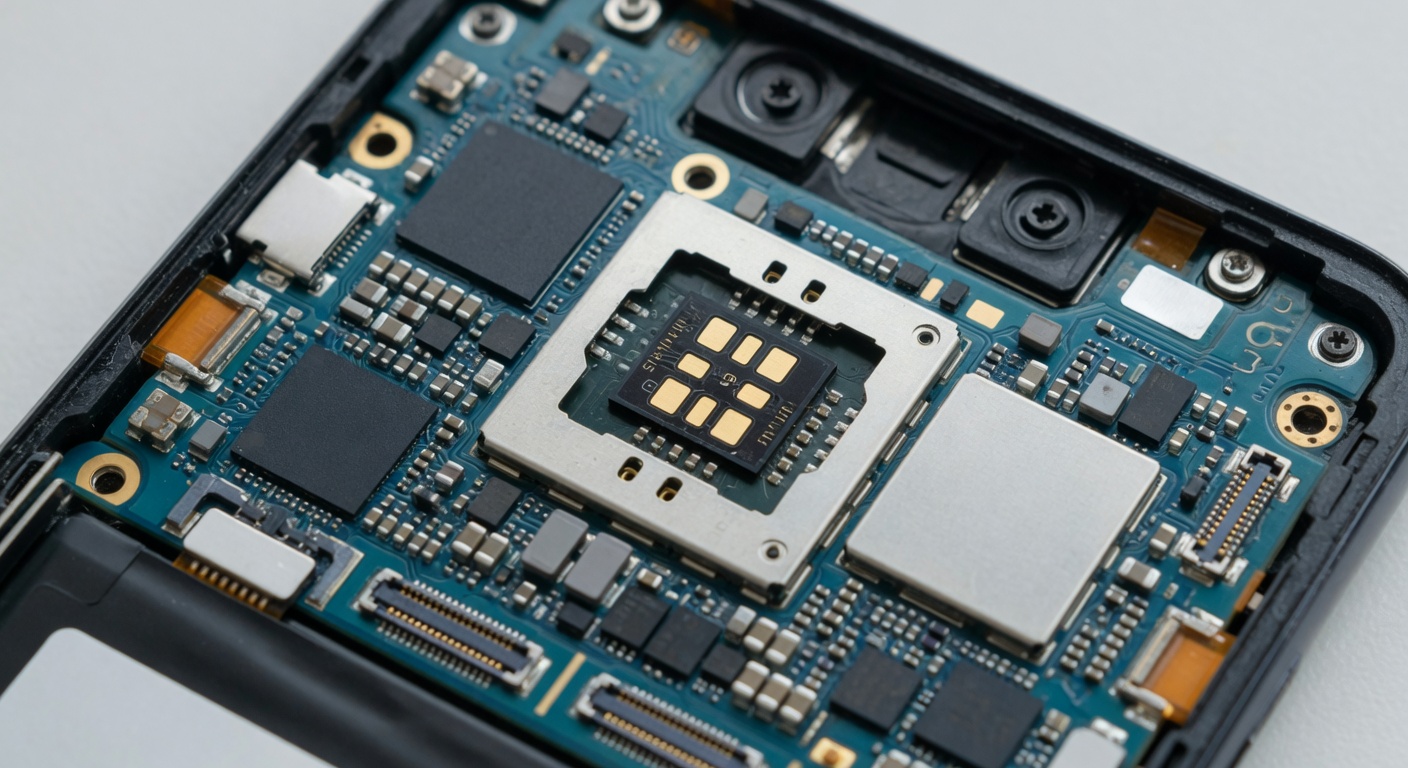
The eSIM chip is a small embedded chip physically integrated into a device’s hardware during the manufacturing process. Unlike traditional SIM cards that are removable, the embedded chip is soldered directly onto the device’s main circuit board, becoming an inseparable component of the device. This hardware integration ensures durability and space efficiency, allowing manufacturers to design slimmer and more compact devices without the need for a SIM card slot.
The embedded chip connects seamlessly with other device components through specialized circuits that enable communication between the eSIM and the device’s modem, processor, and power supply. This connection allows the eSIM to manage mobile network profiles electronically, enabling activation and switching of carriers without physical card changes. The close integration with device components enhances security, performance, and power management, as the eSIM chip interacts directly with the device’s secure element and firmware.
The design and placement of the SIM chip are optimized to minimize interference and maximize reliability. Integrating the eSIM with existing hardware components requires careful engineering to maintain signal integrity and ensure the chip’s functionality across various device conditions. Overall, the eSIM’s hardware integration plays a critical role in modern devices, enabling advanced connectivity features while reducing hardware complexity.
Software and Profile Management
eSIM software plays a critical role in managing user profiles, enabling efficient remote provisioning, and facilitating seamless switching between carriers. Unlike traditional SIM cards that require manual swapping, eSIMs store multiple SIM profiles digitally, allowing users to activate and switch profiles without physical intervention. This dynamic profile management is achieved through specialized eSIM software embedded within the device, which securely handles profile downloads, activations, and deletions.
Remote provisioning technology is at the heart of this system, allowing carriers to deliver and update SIM profiles over the air. This eliminates the need for physical SIM cards and significantly simplifies the process of adding or changing network operators, particularly beneficial for frequent travelers or users who need to access multiple networks. The eSIM software ensures that profile data is authenticated and encrypted, maintaining user security and privacy throughout the provisioning process.
Moreover, the eSIM software facilitates instant carrier switching by managing multiple profiles stored on the eSIM chip. Users can effortlessly toggle between these profiles via device settings, making it easy to choose the best network based on location, cost, or coverage. This seamless flexibility enhances the user experience, providing greater freedom and control over mobile connectivity without compromising on convenience.
In summary, eSIM software and profile management revolutionize how mobile connectivity is handled by integrating remote provisioning and multi-profile support. This innovation not only simplifies the management of SIM profiles but also empowers users to switch carriers smoothly, ensuring continuous and optimized network access anytime, anywhere.
Security Features of eSIM
eSIM technology incorporates robust security features designed to safeguard user data and enhance overall device protection. One of the core elements of eSIM security is encryption, which ensures that sensitive information stored on the eSIM is securely encoded and inaccessible to unauthorized parties. This encryption protects data from interception or tampering during communication between the device and the network.
Authentication mechanisms are also critical to eSIM security. The eSIM verifies the legitimacy of the device and the network before establishing a connection, preventing unauthorized access and fraudulent use. This authentication process uses advanced cryptographic protocols to confirm identities, adding a strong layer of defense against hacking attempts.
In addition to encryption and authentication, eSIMs are built to resist tampering physically and digitally. The embedded secure element in the eSIM chip creates a trusted environment that isolates and protects sensitive operations from potential intrusions. This tamper-resistant design ensures that the eSIM profile cannot be altered or cloned maliciously, maintaining the integrity of the mobile identity.
Overall, eSIM security mechanisms such as SIM encryption, strong authentication, and tamper protection work together seamlessly to provide enhanced data protection. These features make eSIMs a secure choice for managing mobile connectivity in today’s increasingly digital and interconnected world.
Future Applications and Trends of eSIM

The future of eSIM technology promises to reshape the landscape of device connectivity and fuel innovative applications across multiple industries. As eSIM becomes more widespread, its impact will be most prominently seen in the expansion of Internet of Things (IoT) devices, where seamless and remote connectivity is crucial. The eSIM future is characterized by a shift towards greater device flexibility, eliminating the constraints of physical SIM cards and allowing for more efficient management of cellular connections.
One of the key trends in eSIM technology is its adoption in a diverse range of IoT devices such as smart home systems, wearable health monitors, connected vehicles, and industrial sensors. These devices benefit tremendously from the ability to activate and switch carriers remotely, reducing downtime and operational complexity. This capability aligns perfectly with the growing demand for always-on connectivity in IoT ecosystems and enables businesses to deploy devices globally without the need for local SIM provisioning.
In terms of device trends, eSIM technology is expected to become standard not only in smartphones but also in laptops, tablets, and even emerging categories like augmented reality (AR) and virtual reality (VR) headsets. The ability to manage subscriptions digitally will empower users to switch plans effortlessly, optimize costs, and maintain connectivity across borders without swapping physical SIMs. This fluid management of mobile data will redefine user experience and connectivity management.
The eSIM future also points towards enhanced security features and better integration with mobile network operators and service providers. Improved encryption and authentication technologies will make eSIM a trusted choice for sensitive applications, including financial transactions, telemedicine, and government services. This evolution will encourage regulatory frameworks to support eSIM adoption further, providing a stronger foundation for global interoperability.
Moreover, the evolution of eSIM is anticipated to foster innovations in subscription models, such as pay-as-you-go plans tailored for specific device categories or use cases. The convenience of switching or sharing connectivity among multiple devices under a single account will bolster the connectivity ecosystem, promoting smarter and more sustainable device usage. Overall, the trajectory of eSIM technology is geared toward a future of ubiquitous, reliable, and flexible connectivity that will underpin the next generation of digital experiences.
eSIM in IoT and Wearable Devices
eSIM technology is revolutionizing connectivity and management in the Internet of Things (IoT) and wearable devices. By integrating embedded SIMs directly into connected devices, manufacturers can offer seamless and flexible cellular connectivity without the need for physical SIM card swaps. This advancement is particularly crucial for IoT gadgets and wearables, which often operate in remote or mobile environments where traditional SIM management becomes cumbersome.
With eSIM usage, IoT devices such as smart meters, security systems, and industrial sensors benefit from enhanced network reliability and simplified provisioning processes. Device owners or operators can remotely activate, switch, or manage carriers and data plans, enabling better adaptability to changing network conditions or geographic locations. This optimizes performance and ensures continuous connectivity, which is essential for mission-critical applications.
Wearable devices, including fitness trackers, smartwatches, and health monitors, also leverage eSIMs to maintain persistent connections with the cloud and other smart devices. eSIM-enabled wearables allow users to stay connected without relying on smartphones, increasing convenience and usability. Additionally, remote management capabilities reduce the need for technical support visits and improve user experience by providing instant carrier updates and plan changes.
Overall, eSIMs empower better connectivity and streamlined management for IoT and wearable technologies, transforming how connected devices communicate, adapt, and perform in a highly dynamic network environment.
Emerging Industry Trends and Adoption
The adoption rate of eSIM technology by mobile carriers is rapidly increasing, signaling a transformative shift in the telecom industry. More carriers worldwide are integrating eSIM capabilities into their offerings, driven by the growing demand for seamless and flexible connectivity options. This positive trend is supported by the telecom sector’s recognition that eSIM simplifies device activation and management for customers, reducing the reliance on physical SIM cards and enabling easier switching between plans and carriers.
Industry trends indicate a robust momentum towards widespread eSIM deployment. Notably, major mobile carriers in regions such as North America, Europe, and Asia-Pacific are leading the charge, frequently launching eSIM-compatible plans and devices. This proactive approach is incentivized by consumer preferences for devices that support multiple profiles and provide better security features. Telecom companies are also capitalizing on eSIM technology to innovate service delivery and expand their market reach with Internet of Things (IoT) applications and connected devices beyond smartphones.
As eSIM adoption grows, collaboration between device manufacturers, mobile carriers, and standardization bodies is intensifying to ensure interoperability and user convenience. This collaborative effort fosters an ecosystem where consumers benefit from enhanced flexibility, while carriers enjoy operational efficiencies and new revenue streams. Overall, the industry trends driving eSIM deployment underscore a future where mobile connectivity is more dynamic, accessible, and integrated across diverse devices globally.

I’m a tech enthusiast who loves exploring how eSIMs simplify staying connected while traveling. I spend my free time testing new smartphones and sharing tips on getting the most out of mobile data abroad.