eSIM in smart devices
24/05/2026
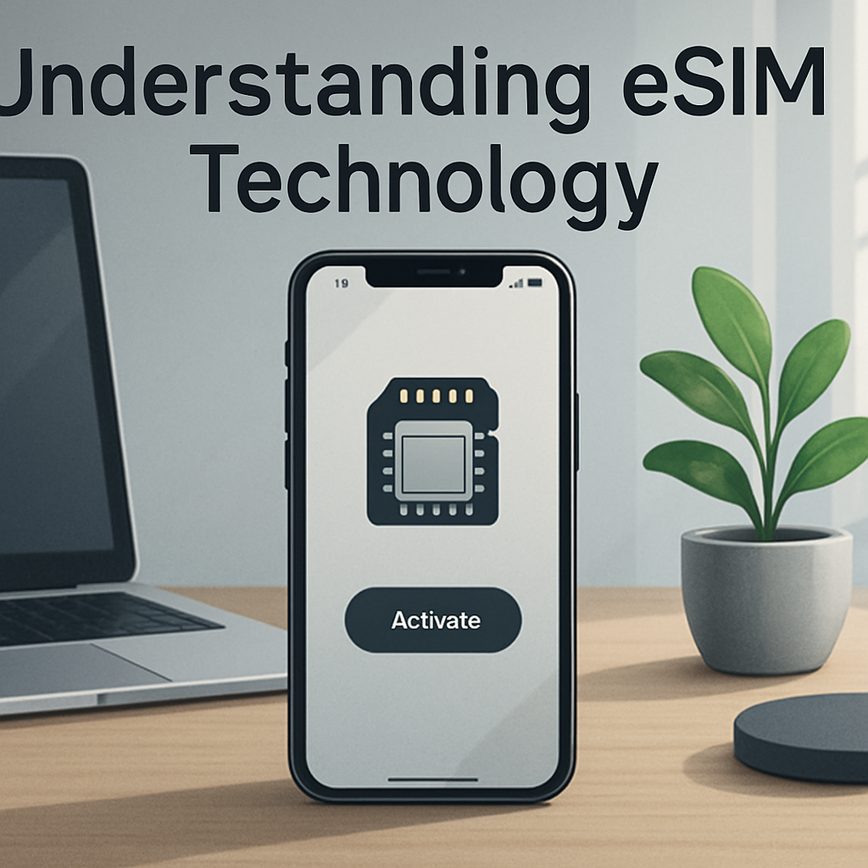
Understanding eSIM Technology
eSIM technology, or embedded SIM, represents a significant leap forward in the way mobile devices connect to cellular networks. Unlike traditional SIM cards, which are physical chips that can be inserted and removed from a device, an eSIM is a digital SIM embedded directly into the device’s hardware. This embedded SIM allows smart devices to switch carriers and manage multiple network profiles without the need for a physical card swap.
The core function of eSIM technology is to store and manage the subscriber identity data electronically. This embedded SIM can be programmed over the air by mobile network operators, enabling users to activate cellular plans remotely without visiting a carrier’s store or handling a physical SIM card. This seamless process enhances user convenience and provides greater flexibility for smart devices such as smartphones, tablets, smartwatches, and even laptops.
Historically, mobile devices relied solely on traditional SIM cards, which came with several limitations. Physical SIMs can be easily lost or damaged, and switching between network providers required manual removal and replacement of the SIM card. With the advent of eSIM technology, these challenges are addressed by embedding the SIM directly into the device’s circuitry. This evolution from the conventional SIM card to the digital SIM has accelerated the development of smaller, more compact, and more secure smart devices.
Moreover, eSIM technology supports multiple profiles on a single device, allowing users to maintain personal and business numbers or use different carriers for travel without carrying multiple SIM cards. The transition to eSIM also encourages innovation in device design by eliminating the need for SIM card trays, which improves water resistance and allows for more sleek and durable smart devices.
In summary, embedded SIM or eSIM technology has transformed the landscape of mobile connectivity by offering a flexible, efficient, and user-friendly alternative to traditional SIM cards. Its evolution has paved the way for the next generation of smart devices, providing enhanced digital SIM capabilities that meet the growing demands of modern users worldwide.
How eSIM Differs from Traditional SIM Cards
The comparison between eSIM and traditional SIM cards highlights several key differences that impact device compatibility, user flexibility, and convenience. Unlike physical SIM cards, which are removable plastic chips inserted into a device, an eSIM is embedded directly into the device’s hardware. This fundamental distinction eliminates the need for a physical SIM slot, allowing manufacturers to design slimmer and more compact devices.
One of the biggest advantages of eSIM technology is its flexibility. Users can switch carriers or activate new plans remotely without having to physically replace the card. This remote provisioning process contrasts sharply with the traditional SIM card installation, which requires manually inserting or swapping out the card. This ease of activation streamlines the user experience, especially for frequent travelers or those who manage multiple plans.
From a device compatibility standpoint, eSIMs enable enhanced integration with a broader range of smart devices such as smartphones, tablets, smartwatches, and IoT devices. Their smaller size compared to traditional SIM cards not only conserves internal space but also contributes to improved durability since there’s no risk of physical damage associated with card swapping. As a result, eSIMs offer a modernized approach that is both user-friendly and future-proof compared to the traditional SIM cards.
Key Benefits of eSIM in Smart Devices
eSIM technology offers several significant benefits that enhance user experience and device functionality. One of the primary advantages is easy carrier switching. Unlike traditional SIM cards, eSIMs allow users to activate and change their mobile carrier without physically swapping SIM cards. This seamless activation process provides unparalleled mobility, especially for frequent travelers who need to switch between local carriers quickly and efficiently.
Another major benefit of eSIM is the improvement in device design. Without the need for a physical SIM slot, manufacturers can create slimmer, more compact devices or use the saved internal space to accommodate larger batteries or additional features. This contributes to a more sleek and sturdy device build, improving overall aesthetics and durability.
Moreover, eSIM enhances connectivity options by supporting multiple profiles on a single device. Users can store several carrier profiles simultaneously and switch between them depending on their connectivity needs. This flexibility ensures continuous and reliable connectivity, even in areas where one carrier might have limited coverage. Overall, eSIM technology provides a more versatile and user-friendly approach to mobile connectivity, making it an essential feature for modern smart devices.
Applications of eSIM in Modern Smart Devices
eSIM technology has become a revolutionary advancement in connectivity, offering increased flexibility and convenience across a variety of modern smart devices. Its applications span several categories including smartphones, tablets, wearables, and IoT devices, each benefiting uniquely from embedded SIM capabilities.
| Device Type | Applications of eSIM | Benefits |
|---|---|---|
| Smartphones | Use eSIM to activate cellular plans without physical SIM cards, easily switch carriers, and enable dual SIM functionality. | Improved convenience for travelers, seamless carrier switching, and increased device design flexibility without SIM trays. |
| Tablets | Enable cellular connectivity for internet access on the go, supporting remote work and mobile entertainment without Wi-Fi dependency. | Compact form factor with integrated SIM, easy network activation, and better battery management compared to traditional SIM cards. |
| Wearables | Support standalone cellular connectivity for smartwatches and fitness trackers, allowing calls, messaging, and data use independent of a smartphone. | Enhanced mobility and convenience, enabling users to stay connected during workouts or in situations where carrying a phone is impractical. |
| IoT Devices | Ensure constant connectivity for smart home gadgets, industrial sensors, and automotive systems, critical for real-time communication and remote management. | Reliable network access, simplified device deployment and management, and durable performance in diverse environments without physical SIM replacement. |
Across these applications, eSIM technology transforms how smart devices connect and operate within modern digital ecosystems. By integrating eSIM, manufacturers can offer users more seamless and flexible network experiences, accommodating the evolving needs of smartphones, wearables, tablets, and IoT systems alike. This innovation not only enhances user convenience but also drives forward the future of connected smart devices worldwide.
eSIM in Smartphones and Tablets
Smartphones and tablets have seamlessly integrated eSIM technology to revolutionize mobile connectivity, offering users enhanced flexibility and convenience. Unlike traditional SIM cards, eSIMs are embedded directly into the device, enabling easy switching between carriers without the need to physically replace the SIM card. This advancement supports a broader range of carrier support worldwide, giving consumers the freedom to choose or change mobile plans on demand.
The adoption of eSIM technology in smartphones and tablets improves the user experience by simplifying activation and reducing downtime when changing networks. Users can manage multiple profiles on a single device, allowing seamless toggling between personal, business, or travel plans. This is especially beneficial for international travelers who need to connect to different carriers in multiple countries.
Moreover, device manufacturers are leveraging eSIMs to design slimmer, more secure hardware without the constraints of physical SIM trays. The integration of eSIM enhances mobile connectivity by facilitating faster network provisioning and better support for emerging 5G services. Overall, the evolution toward eSIM in smartphones and tablets marks a significant step forward in mobile technology, empowering users with unparalleled carrier choices and a streamlined, user-friendly mobile experience.
eSIM in Wearables and IoT Devices
The integration of eSIM technology in wearables and IoT devices has revolutionized the way these gadgets connect to networks. Unlike traditional SIM cards, eSIMs are embedded directly into smart devices such as smartwatches, fitness trackers, and a wide range of IoT applications, enabling seamless and flexible connectivity.
Wearables, especially smartwatches, benefit significantly from eSIM’s compact and programmable nature, which allows users to activate cellular service without inserting a physical SIM card. This technology offers not only convenience but also increases the device’s water resistance and durability by eliminating the need for a SIM slot. As a result, users can stay connected wherever they go, making calls, sending messages, and accessing data independently of their smartphones.
In the broader IoT ecosystem, eSIMs play a critical role in ensuring reliable and persistent connectivity between devices and networks. From smart home devices and medical monitors to industrial sensors, eSIM-enabled IoT gadgets can be managed remotely and switched between carriers without physical intervention. This capability is vital for large-scale deployments and for maintaining uninterrupted service in smart cities and connected environments.
Overall, eSIM technology enhances the user experience in wearables and IoT devices by providing flexible, efficient, and durable connectivity solutions, making it an essential component in the future of smart, connected technology.
Challenges and Future of eSIM Technology
Despite the promising advantages of eSIM technology, there are several challenges that currently impede its widespread adoption and optimal functionality. One of the most pressing concerns is security. As eSIMs are embedded and software-controlled, ensuring the security of user data and preventing unauthorized access becomes paramount. The risk of hacking or remote tampering is a critical issue that manufacturers and service providers need to address through robust encryption methods and stringent security protocols.
Another significant challenge involves carrier limitations and the varying acceptance of eSIM technology across different regions. Many mobile carriers, especially in less developed markets, have yet to fully support eSIM functionality. This inconsistency creates barriers for users who wish to switch carriers or use multiple profiles, diminishing some of the flexibility that eSIMs promise. Additionally, regulatory hurdles and the need for carriers to update their infrastructure can slow down the global adoption rate.
Looking forward, the future trends for eSIM technology are quite optimistic. Industry experts foresee broader global adoption as more carriers embrace the technology and regulatory frameworks evolve to support it. Innovations such as remote SIM provisioning and enhanced interoperability between devices are expected to streamline the user experience further. Moreover, the integration of eSIMs in IoT devices, wearables, and smart gadgets will expand, opening new opportunities beyond traditional smartphones.
The trend toward globalization of eSIM use will also push manufacturers and service providers to improve compatibility and security measures. Enhanced user control over carrier selection and seamless switching between profiles may become standard features in near future, addressing many current limitations. In summary, while challenges related to security and carrier support remain, the future of eSIM technology points toward greater adoption and transformative impact on how we connect our smart devices worldwide.
Security and Privacy Considerations
The adoption of eSIM technology brings new challenges in terms of security and privacy. With eSIMs, users’ data and mobile identities are digitally stored and managed, making the protection of this information critical. Potential security risks include unauthorized remote SIM provisioning, cloning, and interception of data during activation processes. Additionally, eSIM vulnerabilities could expose users to identity theft or surveillance if not properly safeguarded.
To address these security concerns, manufacturers and carriers implement robust encryption protocols and secure key management systems. eSIMs utilize secure elements that safeguard sensitive information from unauthorized access. Carriers often employ multi-factor authentication and strict digital identity verification procedures during remote SIM provisioning to ensure that only legitimate users can activate eSIM profiles.
Privacy is also a paramount consideration in the use of eSIMs. Since eSIMs allow users to switch carriers or plans remotely without physical SIM card swaps, data protection regulations are enforced to control how personal information is handled. Manufacturers and network providers adhere to stringent data protection frameworks such as GDPR and CCPA, emphasizing transparency and user consent when processing personal data.
In summary, while eSIM technology introduces certain security and privacy risks, ongoing advancements in encryption, secure remote provisioning, and regulatory compliance help mitigate these vulnerabilities. Users can feel confident that their data protection is a priority for both hardware manufacturers and mobile network carriers, fostering safer and more privacy-conscious eSIM usage.
Future Trends and Industry Adoption
The future of eSIM technology is closely linked with the rapid expansion of 5G networks, which promise enhanced connectivity and faster data speeds. As 5G support becomes more widespread, eSIM-equipped devices will increasingly benefit from improved performance and broader network compatibility, reinforcing the role of eSIM in next-generation smart devices.
Industry adoption of eSIM is accelerating globally, with more manufacturers and carriers integrating this technology into their offerings. This trend is driven by the convenience of remote SIM provisioning and the growing demand for seamless mobile experiences. The global market is seeing mounting enthusiasm for eSIM, especially in regions where traditional SIM card logistics pose challenges. This widespread adoption fuels further innovation and standardization.
Innovation within eSIM technology continues to evolve, with developments focused on improving security, user control, and multi-profile management. These advancements will make eSIM an even more attractive option for consumers and businesses alike, supporting flexible connectivity solutions tailored to different usage scenarios and device types.
Overall, the future trends point toward a fully integrated ecosystem where eSIM technology plays a pivotal role in the global market, enabling smarter, faster, and more convenient connections across a diverse range of smart devices. Industry adoption, combined with the expansion of 5G networks, will ensure that eSIM remains at the forefront of digital connectivity innovation.

I’m a tech enthusiast who loves exploring how eSIMs simplify staying connected while traveling. I spend my free time testing new smartphones and sharing tips on getting the most out of mobile data abroad.