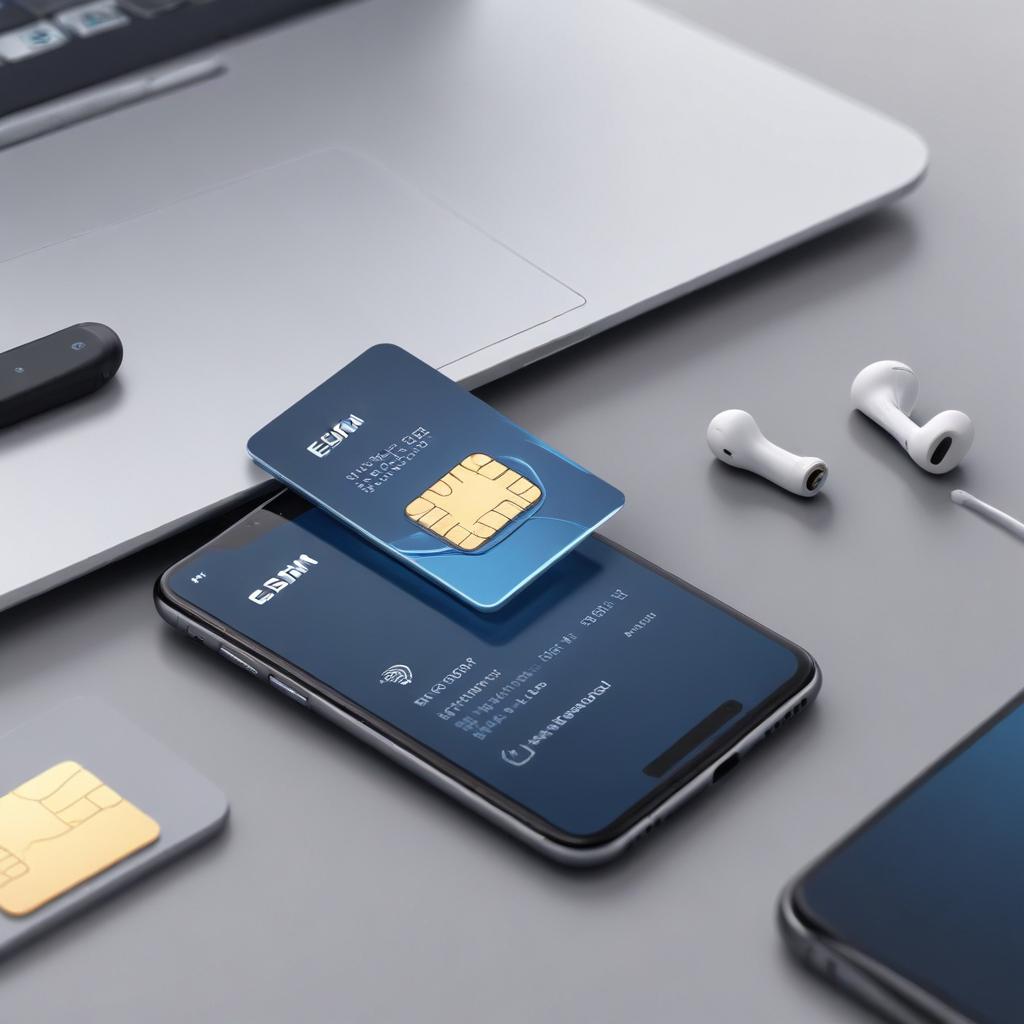
Moreover, eSIMs support the expanding ecosystem of Internet of Things (IoT) devices by providing a streamlined method for managing multiple connections without the need for physical SIM card swaps. This capability simplifies device provisioning and scaling in IoT environments where connectivity must be reliable, secure, and easily upgradable. With eSIM technology, manufacturers and consumers alike can benefit from enhanced operational efficiency and reduced downtime.

In summary, the integration of eSIM technology not only addresses current connectivity demands but also anticipates future trends in mobile networks and IoT proliferation. It fortifies devices against obsolescence by supporting ongoing network evolution and ensuring compatibility with upcoming innovations like 5G. By adopting eSIM, mobile technology is effectively future-proofed, sustaining long-term user benefits and technological advancements.

Challenges and Considerations for eSIM Adoption

The adoption of eSIM technology promises to revolutionize mobile connectivity, but several challenges and considerations must be addressed for its widespread acceptance. One of the primary eSIM challenges involves security concerns. Since eSIMs are embedded and programmable remotely, ensuring their protection from hacking, cloning, or unauthorized access is paramount. Manufacturers and carriers must implement robust encryption and authentication protocols to maintain user trust and safeguard sensitive data.

Another significant obstacle is carrier support. Unlike traditional SIM cards, which are universally accepted, eSIM support varies considerably among mobile network operators worldwide. Some carriers have been slow to adopt eSIM capabilities or impose restrictions that limit the flexibility users expect from this technology. Without comprehensive carrier support, the potential benefits of eSIMs—such as easy switching between carriers and seamless international roaming—cannot be fully realized.

Technology adoption in itself is a gradual process that depends heavily on consumer awareness and device compatibility. Although eSIM-enabled devices are becoming more common, many older smartphones and other connected gadgets still lack this feature. Educating consumers about the advantages of eSIMs and ensuring device manufacturers incorporate this technology into future models are critical steps to overcome adoption hurdles.

Additionally, regulatory frameworks and standards around eSIM provisioning need alignment to facilitate smoother implementation across different regions. Varying policies on data privacy and mobile subscription management can complicate the process for both carriers and users. Harmonizing these regulations will be essential to expand the global acceptance of eSIM technology.

In summary, while eSIM technology offers significant promise for future phones and mobile connectivity, addressing the challenges related to security concerns, carrier support, technology adoption, and regulatory considerations is crucial. Overcoming these obstacles will unlock the full potential of eSIMs, enabling a more flexible, secure, and user-friendly mobile experience worldwide.

Security and Privacy Issues

eSIM security brings unique challenges compared to traditional SIM cards, primarily because the embedded nature of eSIMs modifies how user data and connectivity credentials are managed. One of the key vulnerabilities lies in the potential for unauthorized remote provisioning or swapping, which could lead to account hijacking or service disruption if not properly safeguarded.

To address data privacy concerns, eSIM technology incorporates encryption and secure channels for transmitting user profiles between devices and network operators. This protects sensitive data during activation and usage, helping to prevent unauthorized access. Furthermore, strict authentication processes ensure that only verified devices and users can modify eSIM profiles, strengthening fraud protection measures.

Manufacturers and carriers continuously update security protocols, including multi-factor authentication and real-time monitoring, to detect and prevent fraudulent activities. Users are encouraged to maintain control over their eSIM profiles through secure apps and to watch for unusual activity alerts. As eSIM adoption grows, collaboration between stakeholders remains crucial to enhance protections and build user trust.

Carrier and Market Readiness

The readiness of carriers globally to support eSIM technology is a critical factor influencing its market penetration and overall success. While eSIM adoption promises flexibility and convenience for users, carrier support remains uneven across regions. Some major carriers, especially in North America and Europe, have already integrated eSIM capabilities into their networks, offering a robust infrastructure that supports seamless activation and switching. This carrier support is essential for ensuring a smooth user experience and encouraging widespread adoption.

However, in many developing markets, carriers face challenges related to infrastructure upgrades and regulatory compliance needed to support eSIM technology. These market challenges slow down the global adoption rate, as both carriers and consumers remain cautious. Additionally, carriers must balance the costs of transitioning from traditional SIM cards with the benefits of implementing eSIM standards, which can delay investment decisions.

Another factor influencing market readiness is the level of collaboration between device manufacturers, carriers, and regulatory bodies. Strong partnerships can accelerate carrier support for eSIMs, promoting global adoption and overcoming market barriers. Despite current challenges, the growing demand for digital and flexible mobile solutions is pushing carriers to expedite their readiness, positioning eSIM technology as an essential component of the future mobile ecosystem.

Consumer Adaptation and Awareness

The transition to eSIM technology in mobile phones relies heavily on user education and overcoming technical barriers to ensure widespread consumer acceptance. Many consumers remain unfamiliar with the concept of embedded SIMs and how they differ from traditional physical SIM cards. This lack of knowledge can create hesitation and resistance to adopting the new technology, despite its clear advantages in convenience and connectivity.

Educating users about the benefits of eSIMs—such as easier carrier switching, enhanced security, and the ability to support multiple profiles on a single device—is crucial. When consumers understand the practical advantages and the simplicity of managing eSIMs through their device’s interface, they are more likely to embrace the change. Without adequate information and support, users may perceive eSIM technology as complex or unnecessary, slowing down broader market adoption.

Furthermore, addressing technical barriers through clear guidance and robust customer service can significantly enhance consumer confidence. Telecom operators and device manufacturers play an essential role in facilitating this education and support, helping to demystify the technology for everyday users. As a result, a well-informed consumer base is key to accelerating the shift to eSIM-enabled phones and realizing the full potential of this innovation in mobile communication.

Carrier switching is now more straightforward than ever thanks to remote provisioning. Instead of visiting a store or waiting for a SIM card delivery, users can activate or change their mobile service digitally, often in just a few minutes. This convenience not only saves time but also enhances the overall user experience by eliminating typical barriers to switching networks.

Managing multiple plans is also simplified with eSIM technology. Whether it’s maintaining a local data plan alongside an international one or balancing budget and premium options, eSIMs enable easy toggling between active profiles. This flexibility empowers consumers to optimize their mobile usage according to their needs without being tied down by physical hardware constraints.

In sum, eSIM technology revolutionizes how users interact with their mobile carriers. By enabling multiple profiles, effortless carrier switching, and convenient remote provisioning, it creates a smoother, more adaptable mobile experience that’s aligned with the demands of modern life.

Future-Proofing Mobile Connectivity

eSIM technology plays a pivotal role in the network evolution by enabling seamless and flexible connectivity that adapts to the rapid advancements in mobile technology. As the foundation for 5G compatibility, eSIMs ensure that devices can effortlessly switch between network providers and access the fastest speeds and lowest latencies offered by next-generation networks. This adaptability is crucial for future-proofing smartphones and other connected devices, allowing them to stay relevant as new network standards emerge.

Moreover, eSIMs support the expanding ecosystem of Internet of Things (IoT) devices by providing a streamlined method for managing multiple connections without the need for physical SIM card swaps. This capability simplifies device provisioning and scaling in IoT environments where connectivity must be reliable, secure, and easily upgradable. With eSIM technology, manufacturers and consumers alike can benefit from enhanced operational efficiency and reduced downtime.

In summary, the integration of eSIM technology not only addresses current connectivity demands but also anticipates future trends in mobile networks and IoT proliferation. It fortifies devices against obsolescence by supporting ongoing network evolution and ensuring compatibility with upcoming innovations like 5G. By adopting eSIM, mobile technology is effectively future-proofed, sustaining long-term user benefits and technological advancements.

Challenges and Considerations for eSIM Adoption

The adoption of eSIM technology promises to revolutionize mobile connectivity, but several challenges and considerations must be addressed for its widespread acceptance. One of the primary eSIM challenges involves security concerns. Since eSIMs are embedded and programmable remotely, ensuring their protection from hacking, cloning, or unauthorized access is paramount. Manufacturers and carriers must implement robust encryption and authentication protocols to maintain user trust and safeguard sensitive data.

Another significant obstacle is carrier support. Unlike traditional SIM cards, which are universally accepted, eSIM support varies considerably among mobile network operators worldwide. Some carriers have been slow to adopt eSIM capabilities or impose restrictions that limit the flexibility users expect from this technology. Without comprehensive carrier support, the potential benefits of eSIMs—such as easy switching between carriers and seamless international roaming—cannot be fully realized.

Technology adoption in itself is a gradual process that depends heavily on consumer awareness and device compatibility. Although eSIM-enabled devices are becoming more common, many older smartphones and other connected gadgets still lack this feature. Educating consumers about the advantages of eSIMs and ensuring device manufacturers incorporate this technology into future models are critical steps to overcome adoption hurdles.

Additionally, regulatory frameworks and standards around eSIM provisioning need alignment to facilitate smoother implementation across different regions. Varying policies on data privacy and mobile subscription management can complicate the process for both carriers and users. Harmonizing these regulations will be essential to expand the global acceptance of eSIM technology.

In summary, while eSIM technology offers significant promise for future phones and mobile connectivity, addressing the challenges related to security concerns, carrier support, technology adoption, and regulatory considerations is crucial. Overcoming these obstacles will unlock the full potential of eSIMs, enabling a more flexible, secure, and user-friendly mobile experience worldwide.

Security and Privacy Issues

eSIM security brings unique challenges compared to traditional SIM cards, primarily because the embedded nature of eSIMs modifies how user data and connectivity credentials are managed. One of the key vulnerabilities lies in the potential for unauthorized remote provisioning or swapping, which could lead to account hijacking or service disruption if not properly safeguarded.

To address data privacy concerns, eSIM technology incorporates encryption and secure channels for transmitting user profiles between devices and network operators. This protects sensitive data during activation and usage, helping to prevent unauthorized access. Furthermore, strict authentication processes ensure that only verified devices and users can modify eSIM profiles, strengthening fraud protection measures.

Manufacturers and carriers continuously update security protocols, including multi-factor authentication and real-time monitoring, to detect and prevent fraudulent activities. Users are encouraged to maintain control over their eSIM profiles through secure apps and to watch for unusual activity alerts. As eSIM adoption grows, collaboration between stakeholders remains crucial to enhance protections and build user trust.

Carrier and Market Readiness

The readiness of carriers globally to support eSIM technology is a critical factor influencing its market penetration and overall success. While eSIM adoption promises flexibility and convenience for users, carrier support remains uneven across regions. Some major carriers, especially in North America and Europe, have already integrated eSIM capabilities into their networks, offering a robust infrastructure that supports seamless activation and switching. This carrier support is essential for ensuring a smooth user experience and encouraging widespread adoption.

However, in many developing markets, carriers face challenges related to infrastructure upgrades and regulatory compliance needed to support eSIM technology. These market challenges slow down the global adoption rate, as both carriers and consumers remain cautious. Additionally, carriers must balance the costs of transitioning from traditional SIM cards with the benefits of implementing eSIM standards, which can delay investment decisions.

Another factor influencing market readiness is the level of collaboration between device manufacturers, carriers, and regulatory bodies. Strong partnerships can accelerate carrier support for eSIMs, promoting global adoption and overcoming market barriers. Despite current challenges, the growing demand for digital and flexible mobile solutions is pushing carriers to expedite their readiness, positioning eSIM technology as an essential component of the future mobile ecosystem.

Consumer Adaptation and Awareness

The transition to eSIM technology in mobile phones relies heavily on user education and overcoming technical barriers to ensure widespread consumer acceptance. Many consumers remain unfamiliar with the concept of embedded SIMs and how they differ from traditional physical SIM cards. This lack of knowledge can create hesitation and resistance to adopting the new technology, despite its clear advantages in convenience and connectivity.

Educating users about the benefits of eSIMs—such as easier carrier switching, enhanced security, and the ability to support multiple profiles on a single device—is crucial. When consumers understand the practical advantages and the simplicity of managing eSIMs through their device’s interface, they are more likely to embrace the change. Without adequate information and support, users may perceive eSIM technology as complex or unnecessary, slowing down broader market adoption.

Furthermore, addressing technical barriers through clear guidance and robust customer service can significantly enhance consumer confidence. Telecom operators and device manufacturers play an essential role in facilitating this education and support, helping to demystify the technology for everyday users. As a result, a well-informed consumer base is key to accelerating the shift to eSIM-enabled phones and realizing the full potential of this innovation in mobile communication.

Carrier switching is now more straightforward than ever thanks to remote provisioning. Instead of visiting a store or waiting for a SIM card delivery, users can activate or change their mobile service digitally, often in just a few minutes. This convenience not only saves time but also enhances the overall user experience by eliminating typical barriers to switching networks.

Managing multiple plans is also simplified with eSIM technology. Whether it’s maintaining a local data plan alongside an international one or balancing budget and premium options, eSIMs enable easy toggling between active profiles. This flexibility empowers consumers to optimize their mobile usage according to their needs without being tied down by physical hardware constraints.

In sum, eSIM technology revolutionizes how users interact with their mobile carriers. By enabling multiple profiles, effortless carrier switching, and convenient remote provisioning, it creates a smoother, more adaptable mobile experience that’s aligned with the demands of modern life.

Future-Proofing Mobile Connectivity

eSIM technology plays a pivotal role in the network evolution by enabling seamless and flexible connectivity that adapts to the rapid advancements in mobile technology. As the foundation for 5G compatibility, eSIMs ensure that devices can effortlessly switch between network providers and access the fastest speeds and lowest latencies offered by next-generation networks. This adaptability is crucial for future-proofing smartphones and other connected devices, allowing them to stay relevant as new network standards emerge.

Moreover, eSIMs support the expanding ecosystem of Internet of Things (IoT) devices by providing a streamlined method for managing multiple connections without the need for physical SIM card swaps. This capability simplifies device provisioning and scaling in IoT environments where connectivity must be reliable, secure, and easily upgradable. With eSIM technology, manufacturers and consumers alike can benefit from enhanced operational efficiency and reduced downtime.

In summary, the integration of eSIM technology not only addresses current connectivity demands but also anticipates future trends in mobile networks and IoT proliferation. It fortifies devices against obsolescence by supporting ongoing network evolution and ensuring compatibility with upcoming innovations like 5G. By adopting eSIM, mobile technology is effectively future-proofed, sustaining long-term user benefits and technological advancements.

Challenges and Considerations for eSIM Adoption

The adoption of eSIM technology promises to revolutionize mobile connectivity, but several challenges and considerations must be addressed for its widespread acceptance. One of the primary eSIM challenges involves security concerns. Since eSIMs are embedded and programmable remotely, ensuring their protection from hacking, cloning, or unauthorized access is paramount. Manufacturers and carriers must implement robust encryption and authentication protocols to maintain user trust and safeguard sensitive data.

Another significant obstacle is carrier support. Unlike traditional SIM cards, which are universally accepted, eSIM support varies considerably among mobile network operators worldwide. Some carriers have been slow to adopt eSIM capabilities or impose restrictions that limit the flexibility users expect from this technology. Without comprehensive carrier support, the potential benefits of eSIMs—such as easy switching between carriers and seamless international roaming—cannot be fully realized.

Technology adoption in itself is a gradual process that depends heavily on consumer awareness and device compatibility. Although eSIM-enabled devices are becoming more common, many older smartphones and other connected gadgets still lack this feature. Educating consumers about the advantages of eSIMs and ensuring device manufacturers incorporate this technology into future models are critical steps to overcome adoption hurdles.

Additionally, regulatory frameworks and standards around eSIM provisioning need alignment to facilitate smoother implementation across different regions. Varying policies on data privacy and mobile subscription management can complicate the process for both carriers and users. Harmonizing these regulations will be essential to expand the global acceptance of eSIM technology.

In summary, while eSIM technology offers significant promise for future phones and mobile connectivity, addressing the challenges related to security concerns, carrier support, technology adoption, and regulatory considerations is crucial. Overcoming these obstacles will unlock the full potential of eSIMs, enabling a more flexible, secure, and user-friendly mobile experience worldwide.

Security and Privacy Issues

eSIM security brings unique challenges compared to traditional SIM cards, primarily because the embedded nature of eSIMs modifies how user data and connectivity credentials are managed. One of the key vulnerabilities lies in the potential for unauthorized remote provisioning or swapping, which could lead to account hijacking or service disruption if not properly safeguarded.

To address data privacy concerns, eSIM technology incorporates encryption and secure channels for transmitting user profiles between devices and network operators. This protects sensitive data during activation and usage, helping to prevent unauthorized access. Furthermore, strict authentication processes ensure that only verified devices and users can modify eSIM profiles, strengthening fraud protection measures.

Manufacturers and carriers continuously update security protocols, including multi-factor authentication and real-time monitoring, to detect and prevent fraudulent activities. Users are encouraged to maintain control over their eSIM profiles through secure apps and to watch for unusual activity alerts. As eSIM adoption grows, collaboration between stakeholders remains crucial to enhance protections and build user trust.

Carrier and Market Readiness

The readiness of carriers globally to support eSIM technology is a critical factor influencing its market penetration and overall success. While eSIM adoption promises flexibility and convenience for users, carrier support remains uneven across regions. Some major carriers, especially in North America and Europe, have already integrated eSIM capabilities into their networks, offering a robust infrastructure that supports seamless activation and switching. This carrier support is essential for ensuring a smooth user experience and encouraging widespread adoption.

However, in many developing markets, carriers face challenges related to infrastructure upgrades and regulatory compliance needed to support eSIM technology. These market challenges slow down the global adoption rate, as both carriers and consumers remain cautious. Additionally, carriers must balance the costs of transitioning from traditional SIM cards with the benefits of implementing eSIM standards, which can delay investment decisions.

Another factor influencing market readiness is the level of collaboration between device manufacturers, carriers, and regulatory bodies. Strong partnerships can accelerate carrier support for eSIMs, promoting global adoption and overcoming market barriers. Despite current challenges, the growing demand for digital and flexible mobile solutions is pushing carriers to expedite their readiness, positioning eSIM technology as an essential component of the future mobile ecosystem.

Consumer Adaptation and Awareness

The transition to eSIM technology in mobile phones relies heavily on user education and overcoming technical barriers to ensure widespread consumer acceptance. Many consumers remain unfamiliar with the concept of embedded SIMs and how they differ from traditional physical SIM cards. This lack of knowledge can create hesitation and resistance to adopting the new technology, despite its clear advantages in convenience and connectivity.

Educating users about the benefits of eSIMs—such as easier carrier switching, enhanced security, and the ability to support multiple profiles on a single device—is crucial. When consumers understand the practical advantages and the simplicity of managing eSIMs through their device’s interface, they are more likely to embrace the change. Without adequate information and support, users may perceive eSIM technology as complex or unnecessary, slowing down broader market adoption.

Furthermore, addressing technical barriers through clear guidance and robust customer service can significantly enhance consumer confidence. Telecom operators and device manufacturers play an essential role in facilitating this education and support, helping to demystify the technology for everyday users. As a result, a well-informed consumer base is key to accelerating the shift to eSIM-enabled phones and realizing the full potential of this innovation in mobile communication.

Introduction to eSIM Technology

eSIM technology, short for embedded SIM, represents a significant evolution in how mobile devices connect to cellular networks. Unlike traditional SIM cards, which are physical, removable cards inserted into a device, eSIMs are built directly into the device’s hardware. This embedded SIM offers a new way to manage mobile connectivity digitally and flexibly. The eSIM basics revolve around integrating the SIM functionality into a small chip soldered onto a device’s motherboard, eliminating the need for physical card swapping.

The history of digital SIM technology dates back to the mid-2010s when telecom and tech companies began exploring alternatives to physical SIM cards to reduce reliance on plastic cards and improve user convenience. The GSM Association (GSMA), which represents mobile operators worldwide, standardized the eSIM technology to ensure broad adoption and interoperability across devices and carriers. Since then, eSIM has rapidly found its way into smartphones, tablets, smartwatches, and other connected gadgets, showcasing its growing importance.

In terms of basic functionality, an eSIM works like a regular SIM by storing the subscriber’s identity, authentication details, and network authorization data. However, because it is programmable, users can download and switch between multiple network profiles without physically changing SIM cards. This means travelers, for example, can easily switch carriers while abroad or subscribe to multiple plans for different purposes all through their device settings. The eSIM overview highlights its ability to provide seamless connectivity, enhanced security through remote management, and greater convenience for end users.

Moreover, eSIM technology reduces the design constraints of mobile devices, allowing manufacturers to save space previously allocated for SIM card slots. This space can now be utilized for bigger batteries or slimmer device profiles. The rise of eSIM technology is poised to transform the mobile ecosystem by enabling a more flexible, user-friendly, and integrated approach to mobile connectivity, proving essential for the future of phones and beyond.

What is an eSIM?

An eSIM, or embedded SIM card, represents a significant evolution in mobile connectivity technology. Unlike traditional SIM cards, which are physical cards that must be inserted into a phone’s SIM slot, an eSIM is a digital SIM that is built directly into the device’s hardware. This embedded SIM is soldered onto the phone’s motherboard during manufacturing, eliminating the need for a removable card and SIM tray.

The design of an eSIM allows users to activate cellular service without having to insert a physical SIM card. Instead, the eSIM can be programmed remotely with the necessary carrier information via software, streamlining the process of switching between mobile networks or plans. This digital SIM technology offers a more flexible and convenient way to manage mobile service, particularly for travelers or people who frequently change carriers.

In contrast to the traditional SIM card that requires physical swapping for switching networks, the eSIM holds multiple carrier profiles and can be easily updated or changed through software commands. This reduces the risk of damage to the SIM card slot and enhances the durability of future phones. The eSIM definition emphasizes its role as an embedded and programmable solution that supports a seamless, user-friendly connectivity experience, poised to become the standard in mobile technology.

How eSIM Works in Phones

eSIM functionality revolutionizes phone connectivity by eliminating the need for a physical SIM card. Instead, the eSIM is a small chip embedded directly into modern smartphones, enabling seamless access to mobile networks without manual card swaps. This embedded chip contains multiple profiles that can be remotely provisioned and configured over the air.

The process of activating an eSIM starts with the user selecting a mobile network provider. Through a QR code scan, a carrier app, or direct carrier activation, the eSIM profile is downloaded and securely installed on the device. This remote provisioning allows users to switch between carriers or plans without needing any physical intervention or new hardware.

When connected, the phone uses the eSIM to communicate with the chosen mobile network for authentication and access. This ensures continuous phone connectivity and improved flexibility, especially useful for international travelers or users managing multiple lines on one device. The eSIM can store several profiles simultaneously, making switching networks instantaneous and more convenient than ever before.

Overall, eSIM functionality streamlines mobile network access by automating profile download and activation while enhancing device versatility. This innovation underlies the future of mobile connectivity, where managing phone service becomes simpler, more agile, and fully digital.

Advantages of eSIM for Future Phones

eSIM technology is rapidly becoming a cornerstone for future mobile devices due to its numerous benefits that enhance flexibility, design, and user convenience. One of the most significant eSIM benefits is the ability to offer flexible connectivity. Unlike traditional physical SIM cards, eSIMs allow users to switch carriers, plans, and even countries without needing to swap out a physical card. This flexibility makes it incredibly easy for users to manage multiple profiles or switch networks instantly, which is especially advantageous for frequent travelers or those who require seamless access to different networks for work and personal use.

Another advantage is the impact of eSIM technology on the device design. Removing the physical SIM slot frees up valuable internal space within the phone. Manufacturers can use this space to enhance battery capacity, add new features, or streamline the phone’s overall aesthetic. This not only allows for slimmer and lighter devices but also contributes to better durability and water resistance. The design freedom offered by eSIMs paves the way for more innovative and compact phones that cater to modern user expectations.

From a user perspective, user convenience is greatly improved with eSIMs. There is no need to handle tiny SIM cards, and activating mobile service can be done over the air with just a few taps, eliminating trips to a store or waiting for a SIM card delivery. This ease of setup simplifies the onboarding process for new phones and reduces friction when changing plans or carriers. Additionally, eSIMs enable users to maintain multiple phone numbers or data plans on a single device effortlessly, opening new possibilities for personal and professional use without carrying multiple phones.

Overall, the advantages of eSIM technology make it essential for future phones by supporting flexible connectivity, enhancing device design, and boosting user convenience. As mobile networks and ecosystems continue to evolve, embracing eSIM technology will ensure that phones remain adaptable, user-friendly, and cutting-edge in meeting the demands of tomorrow’s consumers.

Enhanced Device Design and Durability

The integration of eSIM technology plays a crucial role in enabling manufacturers to develop phones with a more compact design. Traditional physical SIM cards require a dedicated slot, which takes up valuable internal space. By eliminating the need for this slot, devices can be made slimmer and lighter, enhancing the overall aesthetic appeal and portability. This space-saving advantage also frees up room for other vital components, such as larger batteries or advanced camera systems.

In addition to contributing to a more compact design, eSIM technology significantly improves the durability of modern phones. Without the necessity of a physical SIM card tray, manufacturers can better seal the device against external elements. This improved sealing capability greatly enhances water resistance, reducing the risk of damage from moisture and dust ingress. The elimination of mechanical openings makes the device more robust and less prone to wear and tear over time.

Overall, the incorporation of eSIM technology streamlines device manufacturing by simplifying internal layouts and reducing the number of moving parts. This not only lowers production complexity but also supports the creation of sleek, sturdy devices that meet consumer demands for both design elegance and durability. As water resistance and compactness become critical selling points in smartphones, eSIM stands out as a technology that enables these advancements while supporting the future of mobile connectivity.

Improved User Flexibility and Experience

One of the standout benefits of eSIM technology is the unparalleled flexibility it offers users in managing their mobile connectivity. With the ability to hold multiple profiles on a single device, users can seamlessly switch between different carriers without the need to physically swap SIM cards. This is particularly advantageous for frequent travelers or those who wish to use distinct plans for work and personal use.

Carrier switching is now more straightforward than ever thanks to remote provisioning. Instead of visiting a store or waiting for a SIM card delivery, users can activate or change their mobile service digitally, often in just a few minutes. This convenience not only saves time but also enhances the overall user experience by eliminating typical barriers to switching networks.

Managing multiple plans is also simplified with eSIM technology. Whether it’s maintaining a local data plan alongside an international one or balancing budget and premium options, eSIMs enable easy toggling between active profiles. This flexibility empowers consumers to optimize their mobile usage according to their needs without being tied down by physical hardware constraints.

In sum, eSIM technology revolutionizes how users interact with their mobile carriers. By enabling multiple profiles, effortless carrier switching, and convenient remote provisioning, it creates a smoother, more adaptable mobile experience that’s aligned with the demands of modern life.

Future-Proofing Mobile Connectivity

eSIM technology plays a pivotal role in the network evolution by enabling seamless and flexible connectivity that adapts to the rapid advancements in mobile technology. As the foundation for 5G compatibility, eSIMs ensure that devices can effortlessly switch between network providers and access the fastest speeds and lowest latencies offered by next-generation networks. This adaptability is crucial for future-proofing smartphones and other connected devices, allowing them to stay relevant as new network standards emerge.

Moreover, eSIMs support the expanding ecosystem of Internet of Things (IoT) devices by providing a streamlined method for managing multiple connections without the need for physical SIM card swaps. This capability simplifies device provisioning and scaling in IoT environments where connectivity must be reliable, secure, and easily upgradable. With eSIM technology, manufacturers and consumers alike can benefit from enhanced operational efficiency and reduced downtime.

In summary, the integration of eSIM technology not only addresses current connectivity demands but also anticipates future trends in mobile networks and IoT proliferation. It fortifies devices against obsolescence by supporting ongoing network evolution and ensuring compatibility with upcoming innovations like 5G. By adopting eSIM, mobile technology is effectively future-proofed, sustaining long-term user benefits and technological advancements.

Challenges and Considerations for eSIM Adoption

The adoption of eSIM technology promises to revolutionize mobile connectivity, but several challenges and considerations must be addressed for its widespread acceptance. One of the primary eSIM challenges involves security concerns. Since eSIMs are embedded and programmable remotely, ensuring their protection from hacking, cloning, or unauthorized access is paramount. Manufacturers and carriers must implement robust encryption and authentication protocols to maintain user trust and safeguard sensitive data.

Another significant obstacle is carrier support. Unlike traditional SIM cards, which are universally accepted, eSIM support varies considerably among mobile network operators worldwide. Some carriers have been slow to adopt eSIM capabilities or impose restrictions that limit the flexibility users expect from this technology. Without comprehensive carrier support, the potential benefits of eSIMs—such as easy switching between carriers and seamless international roaming—cannot be fully realized.

Technology adoption in itself is a gradual process that depends heavily on consumer awareness and device compatibility. Although eSIM-enabled devices are becoming more common, many older smartphones and other connected gadgets still lack this feature. Educating consumers about the advantages of eSIMs and ensuring device manufacturers incorporate this technology into future models are critical steps to overcome adoption hurdles.

Additionally, regulatory frameworks and standards around eSIM provisioning need alignment to facilitate smoother implementation across different regions. Varying policies on data privacy and mobile subscription management can complicate the process for both carriers and users. Harmonizing these regulations will be essential to expand the global acceptance of eSIM technology.

In summary, while eSIM technology offers significant promise for future phones and mobile connectivity, addressing the challenges related to security concerns, carrier support, technology adoption, and regulatory considerations is crucial. Overcoming these obstacles will unlock the full potential of eSIMs, enabling a more flexible, secure, and user-friendly mobile experience worldwide.

Security and Privacy Issues

eSIM security brings unique challenges compared to traditional SIM cards, primarily because the embedded nature of eSIMs modifies how user data and connectivity credentials are managed. One of the key vulnerabilities lies in the potential for unauthorized remote provisioning or swapping, which could lead to account hijacking or service disruption if not properly safeguarded.

To address data privacy concerns, eSIM technology incorporates encryption and secure channels for transmitting user profiles between devices and network operators. This protects sensitive data during activation and usage, helping to prevent unauthorized access. Furthermore, strict authentication processes ensure that only verified devices and users can modify eSIM profiles, strengthening fraud protection measures.

Manufacturers and carriers continuously update security protocols, including multi-factor authentication and real-time monitoring, to detect and prevent fraudulent activities. Users are encouraged to maintain control over their eSIM profiles through secure apps and to watch for unusual activity alerts. As eSIM adoption grows, collaboration between stakeholders remains crucial to enhance protections and build user trust.

Carrier and Market Readiness

The readiness of carriers globally to support eSIM technology is a critical factor influencing its market penetration and overall success. While eSIM adoption promises flexibility and convenience for users, carrier support remains uneven across regions. Some major carriers, especially in North America and Europe, have already integrated eSIM capabilities into their networks, offering a robust infrastructure that supports seamless activation and switching. This carrier support is essential for ensuring a smooth user experience and encouraging widespread adoption.

However, in many developing markets, carriers face challenges related to infrastructure upgrades and regulatory compliance needed to support eSIM technology. These market challenges slow down the global adoption rate, as both carriers and consumers remain cautious. Additionally, carriers must balance the costs of transitioning from traditional SIM cards with the benefits of implementing eSIM standards, which can delay investment decisions.

Another factor influencing market readiness is the level of collaboration between device manufacturers, carriers, and regulatory bodies. Strong partnerships can accelerate carrier support for eSIMs, promoting global adoption and overcoming market barriers. Despite current challenges, the growing demand for digital and flexible mobile solutions is pushing carriers to expedite their readiness, positioning eSIM technology as an essential component of the future mobile ecosystem.

Consumer Adaptation and Awareness

The transition to eSIM technology in mobile phones relies heavily on user education and overcoming technical barriers to ensure widespread consumer acceptance. Many consumers remain unfamiliar with the concept of embedded SIMs and how they differ from traditional physical SIM cards. This lack of knowledge can create hesitation and resistance to adopting the new technology, despite its clear advantages in convenience and connectivity.

Educating users about the benefits of eSIMs—such as easier carrier switching, enhanced security, and the ability to support multiple profiles on a single device—is crucial. When consumers understand the practical advantages and the simplicity of managing eSIMs through their device’s interface, they are more likely to embrace the change. Without adequate information and support, users may perceive eSIM technology as complex or unnecessary, slowing down broader market adoption.

Furthermore, addressing technical barriers through clear guidance and robust customer service can significantly enhance consumer confidence. Telecom operators and device manufacturers play an essential role in facilitating this education and support, helping to demystify the technology for everyday users. As a result, a well-informed consumer base is key to accelerating the shift to eSIM-enabled phones and realizing the full potential of this innovation in mobile communication.

Carrier switching is now more straightforward than ever thanks to remote provisioning. Instead of visiting a store or waiting for a SIM card delivery, users can activate or change their mobile service digitally, often in just a few minutes. This convenience not only saves time but also enhances the overall user experience by eliminating typical barriers to switching networks.

Managing multiple plans is also simplified with eSIM technology. Whether it’s maintaining a local data plan alongside an international one or balancing budget and premium options, eSIMs enable easy toggling between active profiles. This flexibility empowers consumers to optimize their mobile usage according to their needs without being tied down by physical hardware constraints.

In sum, eSIM technology revolutionizes how users interact with their mobile carriers. By enabling multiple profiles, effortless carrier switching, and convenient remote provisioning, it creates a smoother, more adaptable mobile experience that’s aligned with the demands of modern life.

Future-Proofing Mobile Connectivity

eSIM technology plays a pivotal role in the network evolution by enabling seamless and flexible connectivity that adapts to the rapid advancements in mobile technology. As the foundation for 5G compatibility, eSIMs ensure that devices can effortlessly switch between network providers and access the fastest speeds and lowest latencies offered by next-generation networks. This adaptability is crucial for future-proofing smartphones and other connected devices, allowing them to stay relevant as new network standards emerge.

Moreover, eSIMs support the expanding ecosystem of Internet of Things (IoT) devices by providing a streamlined method for managing multiple connections without the need for physical SIM card swaps. This capability simplifies device provisioning and scaling in IoT environments where connectivity must be reliable, secure, and easily upgradable. With eSIM technology, manufacturers and consumers alike can benefit from enhanced operational efficiency and reduced downtime.

In summary, the integration of eSIM technology not only addresses current connectivity demands but also anticipates future trends in mobile networks and IoT proliferation. It fortifies devices against obsolescence by supporting ongoing network evolution and ensuring compatibility with upcoming innovations like 5G. By adopting eSIM, mobile technology is effectively future-proofed, sustaining long-term user benefits and technological advancements.

Challenges and Considerations for eSIM Adoption

The adoption of eSIM technology promises to revolutionize mobile connectivity, but several challenges and considerations must be addressed for its widespread acceptance. One of the primary eSIM challenges involves security concerns. Since eSIMs are embedded and programmable remotely, ensuring their protection from hacking, cloning, or unauthorized access is paramount. Manufacturers and carriers must implement robust encryption and authentication protocols to maintain user trust and safeguard sensitive data.

Another significant obstacle is carrier support. Unlike traditional SIM cards, which are universally accepted, eSIM support varies considerably among mobile network operators worldwide. Some carriers have been slow to adopt eSIM capabilities or impose restrictions that limit the flexibility users expect from this technology. Without comprehensive carrier support, the potential benefits of eSIMs—such as easy switching between carriers and seamless international roaming—cannot be fully realized.

Technology adoption in itself is a gradual process that depends heavily on consumer awareness and device compatibility. Although eSIM-enabled devices are becoming more common, many older smartphones and other connected gadgets still lack this feature. Educating consumers about the advantages of eSIMs and ensuring device manufacturers incorporate this technology into future models are critical steps to overcome adoption hurdles.

Additionally, regulatory frameworks and standards around eSIM provisioning need alignment to facilitate smoother implementation across different regions. Varying policies on data privacy and mobile subscription management can complicate the process for both carriers and users. Harmonizing these regulations will be essential to expand the global acceptance of eSIM technology.

In summary, while eSIM technology offers significant promise for future phones and mobile connectivity, addressing the challenges related to security concerns, carrier support, technology adoption, and regulatory considerations is crucial. Overcoming these obstacles will unlock the full potential of eSIMs, enabling a more flexible, secure, and user-friendly mobile experience worldwide.

Security and Privacy Issues

eSIM security brings unique challenges compared to traditional SIM cards, primarily because the embedded nature of eSIMs modifies how user data and connectivity credentials are managed. One of the key vulnerabilities lies in the potential for unauthorized remote provisioning or swapping, which could lead to account hijacking or service disruption if not properly safeguarded.

To address data privacy concerns, eSIM technology incorporates encryption and secure channels for transmitting user profiles between devices and network operators. This protects sensitive data during activation and usage, helping to prevent unauthorized access. Furthermore, strict authentication processes ensure that only verified devices and users can modify eSIM profiles, strengthening fraud protection measures.

Manufacturers and carriers continuously update security protocols, including multi-factor authentication and real-time monitoring, to detect and prevent fraudulent activities. Users are encouraged to maintain control over their eSIM profiles through secure apps and to watch for unusual activity alerts. As eSIM adoption grows, collaboration between stakeholders remains crucial to enhance protections and build user trust.

Carrier and Market Readiness

The readiness of carriers globally to support eSIM technology is a critical factor influencing its market penetration and overall success. While eSIM adoption promises flexibility and convenience for users, carrier support remains uneven across regions. Some major carriers, especially in North America and Europe, have already integrated eSIM capabilities into their networks, offering a robust infrastructure that supports seamless activation and switching. This carrier support is essential for ensuring a smooth user experience and encouraging widespread adoption.

However, in many developing markets, carriers face challenges related to infrastructure upgrades and regulatory compliance needed to support eSIM technology. These market challenges slow down the global adoption rate, as both carriers and consumers remain cautious. Additionally, carriers must balance the costs of transitioning from traditional SIM cards with the benefits of implementing eSIM standards, which can delay investment decisions.

Another factor influencing market readiness is the level of collaboration between device manufacturers, carriers, and regulatory bodies. Strong partnerships can accelerate carrier support for eSIMs, promoting global adoption and overcoming market barriers. Despite current challenges, the growing demand for digital and flexible mobile solutions is pushing carriers to expedite their readiness, positioning eSIM technology as an essential component of the future mobile ecosystem.

Consumer Adaptation and Awareness

The transition to eSIM technology in mobile phones relies heavily on user education and overcoming technical barriers to ensure widespread consumer acceptance. Many consumers remain unfamiliar with the concept of embedded SIMs and how they differ from traditional physical SIM cards. This lack of knowledge can create hesitation and resistance to adopting the new technology, despite its clear advantages in convenience and connectivity.

Educating users about the benefits of eSIMs—such as easier carrier switching, enhanced security, and the ability to support multiple profiles on a single device—is crucial. When consumers understand the practical advantages and the simplicity of managing eSIMs through their device’s interface, they are more likely to embrace the change. Without adequate information and support, users may perceive eSIM technology as complex or unnecessary, slowing down broader market adoption.

Furthermore, addressing technical barriers through clear guidance and robust customer service can significantly enhance consumer confidence. Telecom operators and device manufacturers play an essential role in facilitating this education and support, helping to demystify the technology for everyday users. As a result, a well-informed consumer base is key to accelerating the shift to eSIM-enabled phones and realizing the full potential of this innovation in mobile communication.

Introduction to eSIM Technology

eSIM technology, short for embedded SIM, represents a significant evolution in how mobile devices connect to cellular networks. Unlike traditional SIM cards, which are physical, removable cards inserted into a device, eSIMs are built directly into the device’s hardware. This embedded SIM offers a new way to manage mobile connectivity digitally and flexibly. The eSIM basics revolve around integrating the SIM functionality into a small chip soldered onto a device’s motherboard, eliminating the need for physical card swapping.

The history of digital SIM technology dates back to the mid-2010s when telecom and tech companies began exploring alternatives to physical SIM cards to reduce reliance on plastic cards and improve user convenience. The GSM Association (GSMA), which represents mobile operators worldwide, standardized the eSIM technology to ensure broad adoption and interoperability across devices and carriers. Since then, eSIM has rapidly found its way into smartphones, tablets, smartwatches, and other connected gadgets, showcasing its growing importance.

In terms of basic functionality, an eSIM works like a regular SIM by storing the subscriber’s identity, authentication details, and network authorization data. However, because it is programmable, users can download and switch between multiple network profiles without physically changing SIM cards. This means travelers, for example, can easily switch carriers while abroad or subscribe to multiple plans for different purposes all through their device settings. The eSIM overview highlights its ability to provide seamless connectivity, enhanced security through remote management, and greater convenience for end users.

Moreover, eSIM technology reduces the design constraints of mobile devices, allowing manufacturers to save space previously allocated for SIM card slots. This space can now be utilized for bigger batteries or slimmer device profiles. The rise of eSIM technology is poised to transform the mobile ecosystem by enabling a more flexible, user-friendly, and integrated approach to mobile connectivity, proving essential for the future of phones and beyond.

What is an eSIM?

An eSIM, or embedded SIM card, represents a significant evolution in mobile connectivity technology. Unlike traditional SIM cards, which are physical cards that must be inserted into a phone’s SIM slot, an eSIM is a digital SIM that is built directly into the device’s hardware. This embedded SIM is soldered onto the phone’s motherboard during manufacturing, eliminating the need for a removable card and SIM tray.

The design of an eSIM allows users to activate cellular service without having to insert a physical SIM card. Instead, the eSIM can be programmed remotely with the necessary carrier information via software, streamlining the process of switching between mobile networks or plans. This digital SIM technology offers a more flexible and convenient way to manage mobile service, particularly for travelers or people who frequently change carriers.

In contrast to the traditional SIM card that requires physical swapping for switching networks, the eSIM holds multiple carrier profiles and can be easily updated or changed through software commands. This reduces the risk of damage to the SIM card slot and enhances the durability of future phones. The eSIM definition emphasizes its role as an embedded and programmable solution that supports a seamless, user-friendly connectivity experience, poised to become the standard in mobile technology.

How eSIM Works in Phones

eSIM functionality revolutionizes phone connectivity by eliminating the need for a physical SIM card. Instead, the eSIM is a small chip embedded directly into modern smartphones, enabling seamless access to mobile networks without manual card swaps. This embedded chip contains multiple profiles that can be remotely provisioned and configured over the air.

The process of activating an eSIM starts with the user selecting a mobile network provider. Through a QR code scan, a carrier app, or direct carrier activation, the eSIM profile is downloaded and securely installed on the device. This remote provisioning allows users to switch between carriers or plans without needing any physical intervention or new hardware.

When connected, the phone uses the eSIM to communicate with the chosen mobile network for authentication and access. This ensures continuous phone connectivity and improved flexibility, especially useful for international travelers or users managing multiple lines on one device. The eSIM can store several profiles simultaneously, making switching networks instantaneous and more convenient than ever before.

Overall, eSIM functionality streamlines mobile network access by automating profile download and activation while enhancing device versatility. This innovation underlies the future of mobile connectivity, where managing phone service becomes simpler, more agile, and fully digital.

Advantages of eSIM for Future Phones

eSIM technology is rapidly becoming a cornerstone for future mobile devices due to its numerous benefits that enhance flexibility, design, and user convenience. One of the most significant eSIM benefits is the ability to offer flexible connectivity. Unlike traditional physical SIM cards, eSIMs allow users to switch carriers, plans, and even countries without needing to swap out a physical card. This flexibility makes it incredibly easy for users to manage multiple profiles or switch networks instantly, which is especially advantageous for frequent travelers or those who require seamless access to different networks for work and personal use.

Another advantage is the impact of eSIM technology on the device design. Removing the physical SIM slot frees up valuable internal space within the phone. Manufacturers can use this space to enhance battery capacity, add new features, or streamline the phone’s overall aesthetic. This not only allows for slimmer and lighter devices but also contributes to better durability and water resistance. The design freedom offered by eSIMs paves the way for more innovative and compact phones that cater to modern user expectations.

From a user perspective, user convenience is greatly improved with eSIMs. There is no need to handle tiny SIM cards, and activating mobile service can be done over the air with just a few taps, eliminating trips to a store or waiting for a SIM card delivery. This ease of setup simplifies the onboarding process for new phones and reduces friction when changing plans or carriers. Additionally, eSIMs enable users to maintain multiple phone numbers or data plans on a single device effortlessly, opening new possibilities for personal and professional use without carrying multiple phones.

Overall, the advantages of eSIM technology make it essential for future phones by supporting flexible connectivity, enhancing device design, and boosting user convenience. As mobile networks and ecosystems continue to evolve, embracing eSIM technology will ensure that phones remain adaptable, user-friendly, and cutting-edge in meeting the demands of tomorrow’s consumers.

Enhanced Device Design and Durability

The integration of eSIM technology plays a crucial role in enabling manufacturers to develop phones with a more compact design. Traditional physical SIM cards require a dedicated slot, which takes up valuable internal space. By eliminating the need for this slot, devices can be made slimmer and lighter, enhancing the overall aesthetic appeal and portability. This space-saving advantage also frees up room for other vital components, such as larger batteries or advanced camera systems.

In addition to contributing to a more compact design, eSIM technology significantly improves the durability of modern phones. Without the necessity of a physical SIM card tray, manufacturers can better seal the device against external elements. This improved sealing capability greatly enhances water resistance, reducing the risk of damage from moisture and dust ingress. The elimination of mechanical openings makes the device more robust and less prone to wear and tear over time.

Overall, the incorporation of eSIM technology streamlines device manufacturing by simplifying internal layouts and reducing the number of moving parts. This not only lowers production complexity but also supports the creation of sleek, sturdy devices that meet consumer demands for both design elegance and durability. As water resistance and compactness become critical selling points in smartphones, eSIM stands out as a technology that enables these advancements while supporting the future of mobile connectivity.

Improved User Flexibility and Experience

One of the standout benefits of eSIM technology is the unparalleled flexibility it offers users in managing their mobile connectivity. With the ability to hold multiple profiles on a single device, users can seamlessly switch between different carriers without the need to physically swap SIM cards. This is particularly advantageous for frequent travelers or those who wish to use distinct plans for work and personal use.

Carrier switching is now more straightforward than ever thanks to remote provisioning. Instead of visiting a store or waiting for a SIM card delivery, users can activate or change their mobile service digitally, often in just a few minutes. This convenience not only saves time but also enhances the overall user experience by eliminating typical barriers to switching networks.

Managing multiple plans is also simplified with eSIM technology. Whether it’s maintaining a local data plan alongside an international one or balancing budget and premium options, eSIMs enable easy toggling between active profiles. This flexibility empowers consumers to optimize their mobile usage according to their needs without being tied down by physical hardware constraints.

In sum, eSIM technology revolutionizes how users interact with their mobile carriers. By enabling multiple profiles, effortless carrier switching, and convenient remote provisioning, it creates a smoother, more adaptable mobile experience that’s aligned with the demands of modern life.

Future-Proofing Mobile Connectivity

eSIM technology plays a pivotal role in the network evolution by enabling seamless and flexible connectivity that adapts to the rapid advancements in mobile technology. As the foundation for 5G compatibility, eSIMs ensure that devices can effortlessly switch between network providers and access the fastest speeds and lowest latencies offered by next-generation networks. This adaptability is crucial for future-proofing smartphones and other connected devices, allowing them to stay relevant as new network standards emerge.

Moreover, eSIMs support the expanding ecosystem of Internet of Things (IoT) devices by providing a streamlined method for managing multiple connections without the need for physical SIM card swaps. This capability simplifies device provisioning and scaling in IoT environments where connectivity must be reliable, secure, and easily upgradable. With eSIM technology, manufacturers and consumers alike can benefit from enhanced operational efficiency and reduced downtime.

In summary, the integration of eSIM technology not only addresses current connectivity demands but also anticipates future trends in mobile networks and IoT proliferation. It fortifies devices against obsolescence by supporting ongoing network evolution and ensuring compatibility with upcoming innovations like 5G. By adopting eSIM, mobile technology is effectively future-proofed, sustaining long-term user benefits and technological advancements.

Challenges and Considerations for eSIM Adoption

The adoption of eSIM technology promises to revolutionize mobile connectivity, but several challenges and considerations must be addressed for its widespread acceptance. One of the primary eSIM challenges involves security concerns. Since eSIMs are embedded and programmable remotely, ensuring their protection from hacking, cloning, or unauthorized access is paramount. Manufacturers and carriers must implement robust encryption and authentication protocols to maintain user trust and safeguard sensitive data.

Another significant obstacle is carrier support. Unlike traditional SIM cards, which are universally accepted, eSIM support varies considerably among mobile network operators worldwide. Some carriers have been slow to adopt eSIM capabilities or impose restrictions that limit the flexibility users expect from this technology. Without comprehensive carrier support, the potential benefits of eSIMs—such as easy switching between carriers and seamless international roaming—cannot be fully realized.

Technology adoption in itself is a gradual process that depends heavily on consumer awareness and device compatibility. Although eSIM-enabled devices are becoming more common, many older smartphones and other connected gadgets still lack this feature. Educating consumers about the advantages of eSIMs and ensuring device manufacturers incorporate this technology into future models are critical steps to overcome adoption hurdles.

Additionally, regulatory frameworks and standards around eSIM provisioning need alignment to facilitate smoother implementation across different regions. Varying policies on data privacy and mobile subscription management can complicate the process for both carriers and users. Harmonizing these regulations will be essential to expand the global acceptance of eSIM technology.

In summary, while eSIM technology offers significant promise for future phones and mobile connectivity, addressing the challenges related to security concerns, carrier support, technology adoption, and regulatory considerations is crucial. Overcoming these obstacles will unlock the full potential of eSIMs, enabling a more flexible, secure, and user-friendly mobile experience worldwide.

Security and Privacy Issues

eSIM security brings unique challenges compared to traditional SIM cards, primarily because the embedded nature of eSIMs modifies how user data and connectivity credentials are managed. One of the key vulnerabilities lies in the potential for unauthorized remote provisioning or swapping, which could lead to account hijacking or service disruption if not properly safeguarded.

To address data privacy concerns, eSIM technology incorporates encryption and secure channels for transmitting user profiles between devices and network operators. This protects sensitive data during activation and usage, helping to prevent unauthorized access. Furthermore, strict authentication processes ensure that only verified devices and users can modify eSIM profiles, strengthening fraud protection measures.

Manufacturers and carriers continuously update security protocols, including multi-factor authentication and real-time monitoring, to detect and prevent fraudulent activities. Users are encouraged to maintain control over their eSIM profiles through secure apps and to watch for unusual activity alerts. As eSIM adoption grows, collaboration between stakeholders remains crucial to enhance protections and build user trust.

Carrier and Market Readiness

The readiness of carriers globally to support eSIM technology is a critical factor influencing its market penetration and overall success. While eSIM adoption promises flexibility and convenience for users, carrier support remains uneven across regions. Some major carriers, especially in North America and Europe, have already integrated eSIM capabilities into their networks, offering a robust infrastructure that supports seamless activation and switching. This carrier support is essential for ensuring a smooth user experience and encouraging widespread adoption.

However, in many developing markets, carriers face challenges related to infrastructure upgrades and regulatory compliance needed to support eSIM technology. These market challenges slow down the global adoption rate, as both carriers and consumers remain cautious. Additionally, carriers must balance the costs of transitioning from traditional SIM cards with the benefits of implementing eSIM standards, which can delay investment decisions.

Another factor influencing market readiness is the level of collaboration between device manufacturers, carriers, and regulatory bodies. Strong partnerships can accelerate carrier support for eSIMs, promoting global adoption and overcoming market barriers. Despite current challenges, the growing demand for digital and flexible mobile solutions is pushing carriers to expedite their readiness, positioning eSIM technology as an essential component of the future mobile ecosystem.

Consumer Adaptation and Awareness

The transition to eSIM technology in mobile phones relies heavily on user education and overcoming technical barriers to ensure widespread consumer acceptance. Many consumers remain unfamiliar with the concept of embedded SIMs and how they differ from traditional physical SIM cards. This lack of knowledge can create hesitation and resistance to adopting the new technology, despite its clear advantages in convenience and connectivity.

Educating users about the benefits of eSIMs—such as easier carrier switching, enhanced security, and the ability to support multiple profiles on a single device—is crucial. When consumers understand the practical advantages and the simplicity of managing eSIMs through their device’s interface, they are more likely to embrace the change. Without adequate information and support, users may perceive eSIM technology as complex or unnecessary, slowing down broader market adoption.

Furthermore, addressing technical barriers through clear guidance and robust customer service can significantly enhance consumer confidence. Telecom operators and device manufacturers play an essential role in facilitating this education and support, helping to demystify the technology for everyday users. As a result, a well-informed consumer base is key to accelerating the shift to eSIM-enabled phones and realizing the full potential of this innovation in mobile communication.

Carrier switching is now more straightforward than ever thanks to remote provisioning. Instead of visiting a store or waiting for a SIM card delivery, users can activate or change their mobile service digitally, often in just a few minutes. This convenience not only saves time but also enhances the overall user experience by eliminating typical barriers to switching networks.

Managing multiple plans is also simplified with eSIM technology. Whether it’s maintaining a local data plan alongside an international one or balancing budget and premium options, eSIMs enable easy toggling between active profiles. This flexibility empowers consumers to optimize their mobile usage according to their needs without being tied down by physical hardware constraints.

In sum, eSIM technology revolutionizes how users interact with their mobile carriers. By enabling multiple profiles, effortless carrier switching, and convenient remote provisioning, it creates a smoother, more adaptable mobile experience that’s aligned with the demands of modern life.

Future-Proofing Mobile Connectivity

eSIM technology plays a pivotal role in the network evolution by enabling seamless and flexible connectivity that adapts to the rapid advancements in mobile technology. As the foundation for 5G compatibility, eSIMs ensure that devices can effortlessly switch between network providers and access the fastest speeds and lowest latencies offered by next-generation networks. This adaptability is crucial for future-proofing smartphones and other connected devices, allowing them to stay relevant as new network standards emerge.

Moreover, eSIMs support the expanding ecosystem of Internet of Things (IoT) devices by providing a streamlined method for managing multiple connections without the need for physical SIM card swaps. This capability simplifies device provisioning and scaling in IoT environments where connectivity must be reliable, secure, and easily upgradable. With eSIM technology, manufacturers and consumers alike can benefit from enhanced operational efficiency and reduced downtime.

In summary, the integration of eSIM technology not only addresses current connectivity demands but also anticipates future trends in mobile networks and IoT proliferation. It fortifies devices against obsolescence by supporting ongoing network evolution and ensuring compatibility with upcoming innovations like 5G. By adopting eSIM, mobile technology is effectively future-proofed, sustaining long-term user benefits and technological advancements.

Challenges and Considerations for eSIM Adoption

The adoption of eSIM technology promises to revolutionize mobile connectivity, but several challenges and considerations must be addressed for its widespread acceptance. One of the primary eSIM challenges involves security concerns. Since eSIMs are embedded and programmable remotely, ensuring their protection from hacking, cloning, or unauthorized access is paramount. Manufacturers and carriers must implement robust encryption and authentication protocols to maintain user trust and safeguard sensitive data.

Another significant obstacle is carrier support. Unlike traditional SIM cards, which are universally accepted, eSIM support varies considerably among mobile network operators worldwide. Some carriers have been slow to adopt eSIM capabilities or impose restrictions that limit the flexibility users expect from this technology. Without comprehensive carrier support, the potential benefits of eSIMs—such as easy switching between carriers and seamless international roaming—cannot be fully realized.

Technology adoption in itself is a gradual process that depends heavily on consumer awareness and device compatibility. Although eSIM-enabled devices are becoming more common, many older smartphones and other connected gadgets still lack this feature. Educating consumers about the advantages of eSIMs and ensuring device manufacturers incorporate this technology into future models are critical steps to overcome adoption hurdles.

Additionally, regulatory frameworks and standards around eSIM provisioning need alignment to facilitate smoother implementation across different regions. Varying policies on data privacy and mobile subscription management can complicate the process for both carriers and users. Harmonizing these regulations will be essential to expand the global acceptance of eSIM technology.

In summary, while eSIM technology offers significant promise for future phones and mobile connectivity, addressing the challenges related to security concerns, carrier support, technology adoption, and regulatory considerations is crucial. Overcoming these obstacles will unlock the full potential of eSIMs, enabling a more flexible, secure, and user-friendly mobile experience worldwide.

Security and Privacy Issues

eSIM security brings unique challenges compared to traditional SIM cards, primarily because the embedded nature of eSIMs modifies how user data and connectivity credentials are managed. One of the key vulnerabilities lies in the potential for unauthorized remote provisioning or swapping, which could lead to account hijacking or service disruption if not properly safeguarded.

To address data privacy concerns, eSIM technology incorporates encryption and secure channels for transmitting user profiles between devices and network operators. This protects sensitive data during activation and usage, helping to prevent unauthorized access. Furthermore, strict authentication processes ensure that only verified devices and users can modify eSIM profiles, strengthening fraud protection measures.

Manufacturers and carriers continuously update security protocols, including multi-factor authentication and real-time monitoring, to detect and prevent fraudulent activities. Users are encouraged to maintain control over their eSIM profiles through secure apps and to watch for unusual activity alerts. As eSIM adoption grows, collaboration between stakeholders remains crucial to enhance protections and build user trust.

Carrier and Market Readiness

The readiness of carriers globally to support eSIM technology is a critical factor influencing its market penetration and overall success. While eSIM adoption promises flexibility and convenience for users, carrier support remains uneven across regions. Some major carriers, especially in North America and Europe, have already integrated eSIM capabilities into their networks, offering a robust infrastructure that supports seamless activation and switching. This carrier support is essential for ensuring a smooth user experience and encouraging widespread adoption.

However, in many developing markets, carriers face challenges related to infrastructure upgrades and regulatory compliance needed to support eSIM technology. These market challenges slow down the global adoption rate, as both carriers and consumers remain cautious. Additionally, carriers must balance the costs of transitioning from traditional SIM cards with the benefits of implementing eSIM standards, which can delay investment decisions.

Another factor influencing market readiness is the level of collaboration between device manufacturers, carriers, and regulatory bodies. Strong partnerships can accelerate carrier support for eSIMs, promoting global adoption and overcoming market barriers. Despite current challenges, the growing demand for digital and flexible mobile solutions is pushing carriers to expedite their readiness, positioning eSIM technology as an essential component of the future mobile ecosystem.

Consumer Adaptation and Awareness

The transition to eSIM technology in mobile phones relies heavily on user education and overcoming technical barriers to ensure widespread consumer acceptance. Many consumers remain unfamiliar with the concept of embedded SIMs and how they differ from traditional physical SIM cards. This lack of knowledge can create hesitation and resistance to adopting the new technology, despite its clear advantages in convenience and connectivity.

Educating users about the benefits of eSIMs—such as easier carrier switching, enhanced security, and the ability to support multiple profiles on a single device—is crucial. When consumers understand the practical advantages and the simplicity of managing eSIMs through their device’s interface, they are more likely to embrace the change. Without adequate information and support, users may perceive eSIM technology as complex or unnecessary, slowing down broader market adoption.

Furthermore, addressing technical barriers through clear guidance and robust customer service can significantly enhance consumer confidence. Telecom operators and device manufacturers play an essential role in facilitating this education and support, helping to demystify the technology for everyday users. As a result, a well-informed consumer base is key to accelerating the shift to eSIM-enabled phones and realizing the full potential of this innovation in mobile communication.

Introduction to eSIM Technology

eSIM technology, short for embedded SIM, represents a significant evolution in how mobile devices connect to cellular networks. Unlike traditional SIM cards, which are physical, removable cards inserted into a device, eSIMs are built directly into the device’s hardware. This embedded SIM offers a new way to manage mobile connectivity digitally and flexibly. The eSIM basics revolve around integrating the SIM functionality into a small chip soldered onto a device’s motherboard, eliminating the need for physical card swapping.

The history of digital SIM technology dates back to the mid-2010s when telecom and tech companies began exploring alternatives to physical SIM cards to reduce reliance on plastic cards and improve user convenience. The GSM Association (GSMA), which represents mobile operators worldwide, standardized the eSIM technology to ensure broad adoption and interoperability across devices and carriers. Since then, eSIM has rapidly found its way into smartphones, tablets, smartwatches, and other connected gadgets, showcasing its growing importance.

In terms of basic functionality, an eSIM works like a regular SIM by storing the subscriber’s identity, authentication details, and network authorization data. However, because it is programmable, users can download and switch between multiple network profiles without physically changing SIM cards. This means travelers, for example, can easily switch carriers while abroad or subscribe to multiple plans for different purposes all through their device settings. The eSIM overview highlights its ability to provide seamless connectivity, enhanced security through remote management, and greater convenience for end users.

Moreover, eSIM technology reduces the design constraints of mobile devices, allowing manufacturers to save space previously allocated for SIM card slots. This space can now be utilized for bigger batteries or slimmer device profiles. The rise of eSIM technology is poised to transform the mobile ecosystem by enabling a more flexible, user-friendly, and integrated approach to mobile connectivity, proving essential for the future of phones and beyond.

What is an eSIM?

An eSIM, or embedded SIM card, represents a significant evolution in mobile connectivity technology. Unlike traditional SIM cards, which are physical cards that must be inserted into a phone’s SIM slot, an eSIM is a digital SIM that is built directly into the device’s hardware. This embedded SIM is soldered onto the phone’s motherboard during manufacturing, eliminating the need for a removable card and SIM tray.

The design of an eSIM allows users to activate cellular service without having to insert a physical SIM card. Instead, the eSIM can be programmed remotely with the necessary carrier information via software, streamlining the process of switching between mobile networks or plans. This digital SIM technology offers a more flexible and convenient way to manage mobile service, particularly for travelers or people who frequently change carriers.

In contrast to the traditional SIM card that requires physical swapping for switching networks, the eSIM holds multiple carrier profiles and can be easily updated or changed through software commands. This reduces the risk of damage to the SIM card slot and enhances the durability of future phones. The eSIM definition emphasizes its role as an embedded and programmable solution that supports a seamless, user-friendly connectivity experience, poised to become the standard in mobile technology.

How eSIM Works in Phones

eSIM functionality revolutionizes phone connectivity by eliminating the need for a physical SIM card. Instead, the eSIM is a small chip embedded directly into modern smartphones, enabling seamless access to mobile networks without manual card swaps. This embedded chip contains multiple profiles that can be remotely provisioned and configured over the air.

The process of activating an eSIM starts with the user selecting a mobile network provider. Through a QR code scan, a carrier app, or direct carrier activation, the eSIM profile is downloaded and securely installed on the device. This remote provisioning allows users to switch between carriers or plans without needing any physical intervention or new hardware.

When connected, the phone uses the eSIM to communicate with the chosen mobile network for authentication and access. This ensures continuous phone connectivity and improved flexibility, especially useful for international travelers or users managing multiple lines on one device. The eSIM can store several profiles simultaneously, making switching networks instantaneous and more convenient than ever before.

Overall, eSIM functionality streamlines mobile network access by automating profile download and activation while enhancing device versatility. This innovation underlies the future of mobile connectivity, where managing phone service becomes simpler, more agile, and fully digital.

Advantages of eSIM for Future Phones

eSIM technology is rapidly becoming a cornerstone for future mobile devices due to its numerous benefits that enhance flexibility, design, and user convenience. One of the most significant eSIM benefits is the ability to offer flexible connectivity. Unlike traditional physical SIM cards, eSIMs allow users to switch carriers, plans, and even countries without needing to swap out a physical card. This flexibility makes it incredibly easy for users to manage multiple profiles or switch networks instantly, which is especially advantageous for frequent travelers or those who require seamless access to different networks for work and personal use.

Another advantage is the impact of eSIM technology on the device design. Removing the physical SIM slot frees up valuable internal space within the phone. Manufacturers can use this space to enhance battery capacity, add new features, or streamline the phone’s overall aesthetic. This not only allows for slimmer and lighter devices but also contributes to better durability and water resistance. The design freedom offered by eSIMs paves the way for more innovative and compact phones that cater to modern user expectations.

From a user perspective, user convenience is greatly improved with eSIMs. There is no need to handle tiny SIM cards, and activating mobile service can be done over the air with just a few taps, eliminating trips to a store or waiting for a SIM card delivery. This ease of setup simplifies the onboarding process for new phones and reduces friction when changing plans or carriers. Additionally, eSIMs enable users to maintain multiple phone numbers or data plans on a single device effortlessly, opening new possibilities for personal and professional use without carrying multiple phones.

Overall, the advantages of eSIM technology make it essential for future phones by supporting flexible connectivity, enhancing device design, and boosting user convenience. As mobile networks and ecosystems continue to evolve, embracing eSIM technology will ensure that phones remain adaptable, user-friendly, and cutting-edge in meeting the demands of tomorrow’s consumers.

Enhanced Device Design and Durability

The integration of eSIM technology plays a crucial role in enabling manufacturers to develop phones with a more compact design. Traditional physical SIM cards require a dedicated slot, which takes up valuable internal space. By eliminating the need for this slot, devices can be made slimmer and lighter, enhancing the overall aesthetic appeal and portability. This space-saving advantage also frees up room for other vital components, such as larger batteries or advanced camera systems.

In addition to contributing to a more compact design, eSIM technology significantly improves the durability of modern phones. Without the necessity of a physical SIM card tray, manufacturers can better seal the device against external elements. This improved sealing capability greatly enhances water resistance, reducing the risk of damage from moisture and dust ingress. The elimination of mechanical openings makes the device more robust and less prone to wear and tear over time.

Overall, the incorporation of eSIM technology streamlines device manufacturing by simplifying internal layouts and reducing the number of moving parts. This not only lowers production complexity but also supports the creation of sleek, sturdy devices that meet consumer demands for both design elegance and durability. As water resistance and compactness become critical selling points in smartphones, eSIM stands out as a technology that enables these advancements while supporting the future of mobile connectivity.

Improved User Flexibility and Experience

One of the standout benefits of eSIM technology is the unparalleled flexibility it offers users in managing their mobile connectivity. With the ability to hold multiple profiles on a single device, users can seamlessly switch between different carriers without the need to physically swap SIM cards. This is particularly advantageous for frequent travelers or those who wish to use distinct plans for work and personal use.

Carrier switching is now more straightforward than ever thanks to remote provisioning. Instead of visiting a store or waiting for a SIM card delivery, users can activate or change their mobile service digitally, often in just a few minutes. This convenience not only saves time but also enhances the overall user experience by eliminating typical barriers to switching networks.

Managing multiple plans is also simplified with eSIM technology. Whether it’s maintaining a local data plan alongside an international one or balancing budget and premium options, eSIMs enable easy toggling between active profiles. This flexibility empowers consumers to optimize their mobile usage according to their needs without being tied down by physical hardware constraints.

In sum, eSIM technology revolutionizes how users interact with their mobile carriers. By enabling multiple profiles, effortless carrier switching, and convenient remote provisioning, it creates a smoother, more adaptable mobile experience that’s aligned with the demands of modern life.

Future-Proofing Mobile Connectivity

eSIM technology plays a pivotal role in the network evolution by enabling seamless and flexible connectivity that adapts to the rapid advancements in mobile technology. As the foundation for 5G compatibility, eSIMs ensure that devices can effortlessly switch between network providers and access the fastest speeds and lowest latencies offered by next-generation networks. This adaptability is crucial for future-proofing smartphones and other connected devices, allowing them to stay relevant as new network standards emerge.

Moreover, eSIMs support the expanding ecosystem of Internet of Things (IoT) devices by providing a streamlined method for managing multiple connections without the need for physical SIM card swaps. This capability simplifies device provisioning and scaling in IoT environments where connectivity must be reliable, secure, and easily upgradable. With eSIM technology, manufacturers and consumers alike can benefit from enhanced operational efficiency and reduced downtime.

In summary, the integration of eSIM technology not only addresses current connectivity demands but also anticipates future trends in mobile networks and IoT proliferation. It fortifies devices against obsolescence by supporting ongoing network evolution and ensuring compatibility with upcoming innovations like 5G. By adopting eSIM, mobile technology is effectively future-proofed, sustaining long-term user benefits and technological advancements.

Challenges and Considerations for eSIM Adoption

The adoption of eSIM technology promises to revolutionize mobile connectivity, but several challenges and considerations must be addressed for its widespread acceptance. One of the primary eSIM challenges involves security concerns. Since eSIMs are embedded and programmable remotely, ensuring their protection from hacking, cloning, or unauthorized access is paramount. Manufacturers and carriers must implement robust encryption and authentication protocols to maintain user trust and safeguard sensitive data.

Another significant obstacle is carrier support. Unlike traditional SIM cards, which are universally accepted, eSIM support varies considerably among mobile network operators worldwide. Some carriers have been slow to adopt eSIM capabilities or impose restrictions that limit the flexibility users expect from this technology. Without comprehensive carrier support, the potential benefits of eSIMs—such as easy switching between carriers and seamless international roaming—cannot be fully realized.

Technology adoption in itself is a gradual process that depends heavily on consumer awareness and device compatibility. Although eSIM-enabled devices are becoming more common, many older smartphones and other connected gadgets still lack this feature. Educating consumers about the advantages of eSIMs and ensuring device manufacturers incorporate this technology into future models are critical steps to overcome adoption hurdles.

Additionally, regulatory frameworks and standards around eSIM provisioning need alignment to facilitate smoother implementation across different regions. Varying policies on data privacy and mobile subscription management can complicate the process for both carriers and users. Harmonizing these regulations will be essential to expand the global acceptance of eSIM technology.

In summary, while eSIM technology offers significant promise for future phones and mobile connectivity, addressing the challenges related to security concerns, carrier support, technology adoption, and regulatory considerations is crucial. Overcoming these obstacles will unlock the full potential of eSIMs, enabling a more flexible, secure, and user-friendly mobile experience worldwide.

Security and Privacy Issues

eSIM security brings unique challenges compared to traditional SIM cards, primarily because the embedded nature of eSIMs modifies how user data and connectivity credentials are managed. One of the key vulnerabilities lies in the potential for unauthorized remote provisioning or swapping, which could lead to account hijacking or service disruption if not properly safeguarded.

To address data privacy concerns, eSIM technology incorporates encryption and secure channels for transmitting user profiles between devices and network operators. This protects sensitive data during activation and usage, helping to prevent unauthorized access. Furthermore, strict authentication processes ensure that only verified devices and users can modify eSIM profiles, strengthening fraud protection measures.

Manufacturers and carriers continuously update security protocols, including multi-factor authentication and real-time monitoring, to detect and prevent fraudulent activities. Users are encouraged to maintain control over their eSIM profiles through secure apps and to watch for unusual activity alerts. As eSIM adoption grows, collaboration between stakeholders remains crucial to enhance protections and build user trust.

Carrier and Market Readiness

The readiness of carriers globally to support eSIM technology is a critical factor influencing its market penetration and overall success. While eSIM adoption promises flexibility and convenience for users, carrier support remains uneven across regions. Some major carriers, especially in North America and Europe, have already integrated eSIM capabilities into their networks, offering a robust infrastructure that supports seamless activation and switching. This carrier support is essential for ensuring a smooth user experience and encouraging widespread adoption.

However, in many developing markets, carriers face challenges related to infrastructure upgrades and regulatory compliance needed to support eSIM technology. These market challenges slow down the global adoption rate, as both carriers and consumers remain cautious. Additionally, carriers must balance the costs of transitioning from traditional SIM cards with the benefits of implementing eSIM standards, which can delay investment decisions.

Another factor influencing market readiness is the level of collaboration between device manufacturers, carriers, and regulatory bodies. Strong partnerships can accelerate carrier support for eSIMs, promoting global adoption and overcoming market barriers. Despite current challenges, the growing demand for digital and flexible mobile solutions is pushing carriers to expedite their readiness, positioning eSIM technology as an essential component of the future mobile ecosystem.

Consumer Adaptation and Awareness

The transition to eSIM technology in mobile phones relies heavily on user education and overcoming technical barriers to ensure widespread consumer acceptance. Many consumers remain unfamiliar with the concept of embedded SIMs and how they differ from traditional physical SIM cards. This lack of knowledge can create hesitation and resistance to adopting the new technology, despite its clear advantages in convenience and connectivity.

Educating users about the benefits of eSIMs—such as easier carrier switching, enhanced security, and the ability to support multiple profiles on a single device—is crucial. When consumers understand the practical advantages and the simplicity of managing eSIMs through their device’s interface, they are more likely to embrace the change. Without adequate information and support, users may perceive eSIM technology as complex or unnecessary, slowing down broader market adoption.

Furthermore, addressing technical barriers through clear guidance and robust customer service can significantly enhance consumer confidence. Telecom operators and device manufacturers play an essential role in facilitating this education and support, helping to demystify the technology for everyday users. As a result, a well-informed consumer base is key to accelerating the shift to eSIM-enabled phones and realizing the full potential of this innovation in mobile communication.

Carrier switching is now more straightforward than ever thanks to remote provisioning. Instead of visiting a store or waiting for a SIM card delivery, users can activate or change their mobile service digitally, often in just a few minutes. This convenience not only saves time but also enhances the overall user experience by eliminating typical barriers to switching networks.

Managing multiple plans is also simplified with eSIM technology. Whether it’s maintaining a local data plan alongside an international one or balancing budget and premium options, eSIMs enable easy toggling between active profiles. This flexibility empowers consumers to optimize their mobile usage according to their needs without being tied down by physical hardware constraints.

In sum, eSIM technology revolutionizes how users interact with their mobile carriers. By enabling multiple profiles, effortless carrier switching, and convenient remote provisioning, it creates a smoother, more adaptable mobile experience that’s aligned with the demands of modern life.

Future-Proofing Mobile Connectivity

eSIM technology plays a pivotal role in the network evolution by enabling seamless and flexible connectivity that adapts to the rapid advancements in mobile technology. As the foundation for 5G compatibility, eSIMs ensure that devices can effortlessly switch between network providers and access the fastest speeds and lowest latencies offered by next-generation networks. This adaptability is crucial for future-proofing smartphones and other connected devices, allowing them to stay relevant as new network standards emerge.

Moreover, eSIMs support the expanding ecosystem of Internet of Things (IoT) devices by providing a streamlined method for managing multiple connections without the need for physical SIM card swaps. This capability simplifies device provisioning and scaling in IoT environments where connectivity must be reliable, secure, and easily upgradable. With eSIM technology, manufacturers and consumers alike can benefit from enhanced operational efficiency and reduced downtime.

In summary, the integration of eSIM technology not only addresses current connectivity demands but also anticipates future trends in mobile networks and IoT proliferation. It fortifies devices against obsolescence by supporting ongoing network evolution and ensuring compatibility with upcoming innovations like 5G. By adopting eSIM, mobile technology is effectively future-proofed, sustaining long-term user benefits and technological advancements.

Challenges and Considerations for eSIM Adoption

The adoption of eSIM technology promises to revolutionize mobile connectivity, but several challenges and considerations must be addressed for its widespread acceptance. One of the primary eSIM challenges involves security concerns. Since eSIMs are embedded and programmable remotely, ensuring their protection from hacking, cloning, or unauthorized access is paramount. Manufacturers and carriers must implement robust encryption and authentication protocols to maintain user trust and safeguard sensitive data.

Another significant obstacle is carrier support. Unlike traditional SIM cards, which are universally accepted, eSIM support varies considerably among mobile network operators worldwide. Some carriers have been slow to adopt eSIM capabilities or impose restrictions that limit the flexibility users expect from this technology. Without comprehensive carrier support, the potential benefits of eSIMs—such as easy switching between carriers and seamless international roaming—cannot be fully realized.

Technology adoption in itself is a gradual process that depends heavily on consumer awareness and device compatibility. Although eSIM-enabled devices are becoming more common, many older smartphones and other connected gadgets still lack this feature. Educating consumers about the advantages of eSIMs and ensuring device manufacturers incorporate this technology into future models are critical steps to overcome adoption hurdles.

Additionally, regulatory frameworks and standards around eSIM provisioning need alignment to facilitate smoother implementation across different regions. Varying policies on data privacy and mobile subscription management can complicate the process for both carriers and users. Harmonizing these regulations will be essential to expand the global acceptance of eSIM technology.

In summary, while eSIM technology offers significant promise for future phones and mobile connectivity, addressing the challenges related to security concerns, carrier support, technology adoption, and regulatory considerations is crucial. Overcoming these obstacles will unlock the full potential of eSIMs, enabling a more flexible, secure, and user-friendly mobile experience worldwide.

Security and Privacy Issues

eSIM security brings unique challenges compared to traditional SIM cards, primarily because the embedded nature of eSIMs modifies how user data and connectivity credentials are managed. One of the key vulnerabilities lies in the potential for unauthorized remote provisioning or swapping, which could lead to account hijacking or service disruption if not properly safeguarded.

To address data privacy concerns, eSIM technology incorporates encryption and secure channels for transmitting user profiles between devices and network operators. This protects sensitive data during activation and usage, helping to prevent unauthorized access. Furthermore, strict authentication processes ensure that only verified devices and users can modify eSIM profiles, strengthening fraud protection measures.

Manufacturers and carriers continuously update security protocols, including multi-factor authentication and real-time monitoring, to detect and prevent fraudulent activities. Users are encouraged to maintain control over their eSIM profiles through secure apps and to watch for unusual activity alerts. As eSIM adoption grows, collaboration between stakeholders remains crucial to enhance protections and build user trust.

Carrier and Market Readiness

The readiness of carriers globally to support eSIM technology is a critical factor influencing its market penetration and overall success. While eSIM adoption promises flexibility and convenience for users, carrier support remains uneven across regions. Some major carriers, especially in North America and Europe, have already integrated eSIM capabilities into their networks, offering a robust infrastructure that supports seamless activation and switching. This carrier support is essential for ensuring a smooth user experience and encouraging widespread adoption.

However, in many developing markets, carriers face challenges related to infrastructure upgrades and regulatory compliance needed to support eSIM technology. These market challenges slow down the global adoption rate, as both carriers and consumers remain cautious. Additionally, carriers must balance the costs of transitioning from traditional SIM cards with the benefits of implementing eSIM standards, which can delay investment decisions.

Another factor influencing market readiness is the level of collaboration between device manufacturers, carriers, and regulatory bodies. Strong partnerships can accelerate carrier support for eSIMs, promoting global adoption and overcoming market barriers. Despite current challenges, the growing demand for digital and flexible mobile solutions is pushing carriers to expedite their readiness, positioning eSIM technology as an essential component of the future mobile ecosystem.

Consumer Adaptation and Awareness

The transition to eSIM technology in mobile phones relies heavily on user education and overcoming technical barriers to ensure widespread consumer acceptance. Many consumers remain unfamiliar with the concept of embedded SIMs and how they differ from traditional physical SIM cards. This lack of knowledge can create hesitation and resistance to adopting the new technology, despite its clear advantages in convenience and connectivity.

Educating users about the benefits of eSIMs—such as easier carrier switching, enhanced security, and the ability to support multiple profiles on a single device—is crucial. When consumers understand the practical advantages and the simplicity of managing eSIMs through their device’s interface, they are more likely to embrace the change. Without adequate information and support, users may perceive eSIM technology as complex or unnecessary, slowing down broader market adoption.

Furthermore, addressing technical barriers through clear guidance and robust customer service can significantly enhance consumer confidence. Telecom operators and device manufacturers play an essential role in facilitating this education and support, helping to demystify the technology for everyday users. As a result, a well-informed consumer base is key to accelerating the shift to eSIM-enabled phones and realizing the full potential of this innovation in mobile communication.

Carrier switching is now more straightforward than ever thanks to remote provisioning. Instead of visiting a store or waiting for a SIM card delivery, users can activate or change their mobile service digitally, often in just a few minutes. This convenience not only saves time but also enhances the overall user experience by eliminating typical barriers to switching networks.

Managing multiple plans is also simplified with eSIM technology. Whether it’s maintaining a local data plan alongside an international one or balancing budget and premium options, eSIMs enable easy toggling between active profiles. This flexibility empowers consumers to optimize their mobile usage according to their needs without being tied down by physical hardware constraints.

In sum, eSIM technology revolutionizes how users interact with their mobile carriers. By enabling multiple profiles, effortless carrier switching, and convenient remote provisioning, it creates a smoother, more adaptable mobile experience that’s aligned with the demands of modern life.

Future-Proofing Mobile Connectivity

eSIM technology plays a pivotal role in the network evolution by enabling seamless and flexible connectivity that adapts to the rapid advancements in mobile technology. As the foundation for 5G compatibility, eSIMs ensure that devices can effortlessly switch between network providers and access the fastest speeds and lowest latencies offered by next-generation networks. This adaptability is crucial for future-proofing smartphones and other connected devices, allowing them to stay relevant as new network standards emerge.

Moreover, eSIMs support the expanding ecosystem of Internet of Things (IoT) devices by providing a streamlined method for managing multiple connections without the need for physical SIM card swaps. This capability simplifies device provisioning and scaling in IoT environments where connectivity must be reliable, secure, and easily upgradable. With eSIM technology, manufacturers and consumers alike can benefit from enhanced operational efficiency and reduced downtime.

In summary, the integration of eSIM technology not only addresses current connectivity demands but also anticipates future trends in mobile networks and IoT proliferation. It fortifies devices against obsolescence by supporting ongoing network evolution and ensuring compatibility with upcoming innovations like 5G. By adopting eSIM, mobile technology is effectively future-proofed, sustaining long-term user benefits and technological advancements.

Challenges and Considerations for eSIM Adoption

The adoption of eSIM technology promises to revolutionize mobile connectivity, but several challenges and considerations must be addressed for its widespread acceptance. One of the primary eSIM challenges involves security concerns. Since eSIMs are embedded and programmable remotely, ensuring their protection from hacking, cloning, or unauthorized access is paramount. Manufacturers and carriers must implement robust encryption and authentication protocols to maintain user trust and safeguard sensitive data.

Another significant obstacle is carrier support. Unlike traditional SIM cards, which are universally accepted, eSIM support varies considerably among mobile network operators worldwide. Some carriers have been slow to adopt eSIM capabilities or impose restrictions that limit the flexibility users expect from this technology. Without comprehensive carrier support, the potential benefits of eSIMs—such as easy switching between carriers and seamless international roaming—cannot be fully realized.

Technology adoption in itself is a gradual process that depends heavily on consumer awareness and device compatibility. Although eSIM-enabled devices are becoming more common, many older smartphones and other connected gadgets still lack this feature. Educating consumers about the advantages of eSIMs and ensuring device manufacturers incorporate this technology into future models are critical steps to overcome adoption hurdles.

Additionally, regulatory frameworks and standards around eSIM provisioning need alignment to facilitate smoother implementation across different regions. Varying policies on data privacy and mobile subscription management can complicate the process for both carriers and users. Harmonizing these regulations will be essential to expand the global acceptance of eSIM technology.

In summary, while eSIM technology offers significant promise for future phones and mobile connectivity, addressing the challenges related to security concerns, carrier support, technology adoption, and regulatory considerations is crucial. Overcoming these obstacles will unlock the full potential of eSIMs, enabling a more flexible, secure, and user-friendly mobile experience worldwide.

Security and Privacy Issues

eSIM security brings unique challenges compared to traditional SIM cards, primarily because the embedded nature of eSIMs modifies how user data and connectivity credentials are managed. One of the key vulnerabilities lies in the potential for unauthorized remote provisioning or swapping, which could lead to account hijacking or service disruption if not properly safeguarded.

To address data privacy concerns, eSIM technology incorporates encryption and secure channels for transmitting user profiles between devices and network operators. This protects sensitive data during activation and usage, helping to prevent unauthorized access. Furthermore, strict authentication processes ensure that only verified devices and users can modify eSIM profiles, strengthening fraud protection measures.

Manufacturers and carriers continuously update security protocols, including multi-factor authentication and real-time monitoring, to detect and prevent fraudulent activities. Users are encouraged to maintain control over their eSIM profiles through secure apps and to watch for unusual activity alerts. As eSIM adoption grows, collaboration between stakeholders remains crucial to enhance protections and build user trust.

Carrier and Market Readiness

The readiness of carriers globally to support eSIM technology is a critical factor influencing its market penetration and overall success. While eSIM adoption promises flexibility and convenience for users, carrier support remains uneven across regions. Some major carriers, especially in North America and Europe, have already integrated eSIM capabilities into their networks, offering a robust infrastructure that supports seamless activation and switching. This carrier support is essential for ensuring a smooth user experience and encouraging widespread adoption.

However, in many developing markets, carriers face challenges related to infrastructure upgrades and regulatory compliance needed to support eSIM technology. These market challenges slow down the global adoption rate, as both carriers and consumers remain cautious. Additionally, carriers must balance the costs of transitioning from traditional SIM cards with the benefits of implementing eSIM standards, which can delay investment decisions.

Another factor influencing market readiness is the level of collaboration between device manufacturers, carriers, and regulatory bodies. Strong partnerships can accelerate carrier support for eSIMs, promoting global adoption and overcoming market barriers. Despite current challenges, the growing demand for digital and flexible mobile solutions is pushing carriers to expedite their readiness, positioning eSIM technology as an essential component of the future mobile ecosystem.

Consumer Adaptation and Awareness

The transition to eSIM technology in mobile phones relies heavily on user education and overcoming technical barriers to ensure widespread consumer acceptance. Many consumers remain unfamiliar with the concept of embedded SIMs and how they differ from traditional physical SIM cards. This lack of knowledge can create hesitation and resistance to adopting the new technology, despite its clear advantages in convenience and connectivity.

Educating users about the benefits of eSIMs—such as easier carrier switching, enhanced security, and the ability to support multiple profiles on a single device—is crucial. When consumers understand the practical advantages and the simplicity of managing eSIMs through their device’s interface, they are more likely to embrace the change. Without adequate information and support, users may perceive eSIM technology as complex or unnecessary, slowing down broader market adoption.

Furthermore, addressing technical barriers through clear guidance and robust customer service can significantly enhance consumer confidence. Telecom operators and device manufacturers play an essential role in facilitating this education and support, helping to demystify the technology for everyday users. As a result, a well-informed consumer base is key to accelerating the shift to eSIM-enabled phones and realizing the full potential of this innovation in mobile communication.

Introduction to eSIM Technology

eSIM technology, short for embedded SIM, represents a significant evolution in how mobile devices connect to cellular networks. Unlike traditional SIM cards, which are physical, removable cards inserted into a device, eSIMs are built directly into the device’s hardware. This embedded SIM offers a new way to manage mobile connectivity digitally and flexibly. The eSIM basics revolve around integrating the SIM functionality into a small chip soldered onto a device’s motherboard, eliminating the need for physical card swapping.

The history of digital SIM technology dates back to the mid-2010s when telecom and tech companies began exploring alternatives to physical SIM cards to reduce reliance on plastic cards and improve user convenience. The GSM Association (GSMA), which represents mobile operators worldwide, standardized the eSIM technology to ensure broad adoption and interoperability across devices and carriers. Since then, eSIM has rapidly found its way into smartphones, tablets, smartwatches, and other connected gadgets, showcasing its growing importance.

In terms of basic functionality, an eSIM works like a regular SIM by storing the subscriber’s identity, authentication details, and network authorization data. However, because it is programmable, users can download and switch between multiple network profiles without physically changing SIM cards. This means travelers, for example, can easily switch carriers while abroad or subscribe to multiple plans for different purposes all through their device settings. The eSIM overview highlights its ability to provide seamless connectivity, enhanced security through remote management, and greater convenience for end users.

Moreover, eSIM technology reduces the design constraints of mobile devices, allowing manufacturers to save space previously allocated for SIM card slots. This space can now be utilized for bigger batteries or slimmer device profiles. The rise of eSIM technology is poised to transform the mobile ecosystem by enabling a more flexible, user-friendly, and integrated approach to mobile connectivity, proving essential for the future of phones and beyond.

What is an eSIM?

An eSIM, or embedded SIM card, represents a significant evolution in mobile connectivity technology. Unlike traditional SIM cards, which are physical cards that must be inserted into a phone’s SIM slot, an eSIM is a digital SIM that is built directly into the device’s hardware. This embedded SIM is soldered onto the phone’s motherboard during manufacturing, eliminating the need for a removable card and SIM tray.

The design of an eSIM allows users to activate cellular service without having to insert a physical SIM card. Instead, the eSIM can be programmed remotely with the necessary carrier information via software, streamlining the process of switching between mobile networks or plans. This digital SIM technology offers a more flexible and convenient way to manage mobile service, particularly for travelers or people who frequently change carriers.

In contrast to the traditional SIM card that requires physical swapping for switching networks, the eSIM holds multiple carrier profiles and can be easily updated or changed through software commands. This reduces the risk of damage to the SIM card slot and enhances the durability of future phones. The eSIM definition emphasizes its role as an embedded and programmable solution that supports a seamless, user-friendly connectivity experience, poised to become the standard in mobile technology.

How eSIM Works in Phones

eSIM functionality revolutionizes phone connectivity by eliminating the need for a physical SIM card. Instead, the eSIM is a small chip embedded directly into modern smartphones, enabling seamless access to mobile networks without manual card swaps. This embedded chip contains multiple profiles that can be remotely provisioned and configured over the air.

The process of activating an eSIM starts with the user selecting a mobile network provider. Through a QR code scan, a carrier app, or direct carrier activation, the eSIM profile is downloaded and securely installed on the device. This remote provisioning allows users to switch between carriers or plans without needing any physical intervention or new hardware.

When connected, the phone uses the eSIM to communicate with the chosen mobile network for authentication and access. This ensures continuous phone connectivity and improved flexibility, especially useful for international travelers or users managing multiple lines on one device. The eSIM can store several profiles simultaneously, making switching networks instantaneous and more convenient than ever before.

Overall, eSIM functionality streamlines mobile network access by automating profile download and activation while enhancing device versatility. This innovation underlies the future of mobile connectivity, where managing phone service becomes simpler, more agile, and fully digital.

Advantages of eSIM for Future Phones

eSIM technology is rapidly becoming a cornerstone for future mobile devices due to its numerous benefits that enhance flexibility, design, and user convenience. One of the most significant eSIM benefits is the ability to offer flexible connectivity. Unlike traditional physical SIM cards, eSIMs allow users to switch carriers, plans, and even countries without needing to swap out a physical card. This flexibility makes it incredibly easy for users to manage multiple profiles or switch networks instantly, which is especially advantageous for frequent travelers or those who require seamless access to different networks for work and personal use.

Another advantage is the impact of eSIM technology on the device design. Removing the physical SIM slot frees up valuable internal space within the phone. Manufacturers can use this space to enhance battery capacity, add new features, or streamline the phone’s overall aesthetic. This not only allows for slimmer and lighter devices but also contributes to better durability and water resistance. The design freedom offered by eSIMs paves the way for more innovative and compact phones that cater to modern user expectations.

From a user perspective, user convenience is greatly improved with eSIMs. There is no need to handle tiny SIM cards, and activating mobile service can be done over the air with just a few taps, eliminating trips to a store or waiting for a SIM card delivery. This ease of setup simplifies the onboarding process for new phones and reduces friction when changing plans or carriers. Additionally, eSIMs enable users to maintain multiple phone numbers or data plans on a single device effortlessly, opening new possibilities for personal and professional use without carrying multiple phones.

Overall, the advantages of eSIM technology make it essential for future phones by supporting flexible connectivity, enhancing device design, and boosting user convenience. As mobile networks and ecosystems continue to evolve, embracing eSIM technology will ensure that phones remain adaptable, user-friendly, and cutting-edge in meeting the demands of tomorrow’s consumers.

Enhanced Device Design and Durability

The integration of eSIM technology plays a crucial role in enabling manufacturers to develop phones with a more compact design. Traditional physical SIM cards require a dedicated slot, which takes up valuable internal space. By eliminating the need for this slot, devices can be made slimmer and lighter, enhancing the overall aesthetic appeal and portability. This space-saving advantage also frees up room for other vital components, such as larger batteries or advanced camera systems.

In addition to contributing to a more compact design, eSIM technology significantly improves the durability of modern phones. Without the necessity of a physical SIM card tray, manufacturers can better seal the device against external elements. This improved sealing capability greatly enhances water resistance, reducing the risk of damage from moisture and dust ingress. The elimination of mechanical openings makes the device more robust and less prone to wear and tear over time.

Overall, the incorporation of eSIM technology streamlines device manufacturing by simplifying internal layouts and reducing the number of moving parts. This not only lowers production complexity but also supports the creation of sleek, sturdy devices that meet consumer demands for both design elegance and durability. As water resistance and compactness become critical selling points in smartphones, eSIM stands out as a technology that enables these advancements while supporting the future of mobile connectivity.

Improved User Flexibility and Experience

One of the standout benefits of eSIM technology is the unparalleled flexibility it offers users in managing their mobile connectivity. With the ability to hold multiple profiles on a single device, users can seamlessly switch between different carriers without the need to physically swap SIM cards. This is particularly advantageous for frequent travelers or those who wish to use distinct plans for work and personal use.

Carrier switching is now more straightforward than ever thanks to remote provisioning. Instead of visiting a store or waiting for a SIM card delivery, users can activate or change their mobile service digitally, often in just a few minutes. This convenience not only saves time but also enhances the overall user experience by eliminating typical barriers to switching networks.

Managing multiple plans is also simplified with eSIM technology. Whether it’s maintaining a local data plan alongside an international one or balancing budget and premium options, eSIMs enable easy toggling between active profiles. This flexibility empowers consumers to optimize their mobile usage according to their needs without being tied down by physical hardware constraints.

In sum, eSIM technology revolutionizes how users interact with their mobile carriers. By enabling multiple profiles, effortless carrier switching, and convenient remote provisioning, it creates a smoother, more adaptable mobile experience that’s aligned with the demands of modern life.

Future-Proofing Mobile Connectivity

eSIM technology plays a pivotal role in the network evolution by enabling seamless and flexible connectivity that adapts to the rapid advancements in mobile technology. As the foundation for 5G compatibility, eSIMs ensure that devices can effortlessly switch between network providers and access the fastest speeds and lowest latencies offered by next-generation networks. This adaptability is crucial for future-proofing smartphones and other connected devices, allowing them to stay relevant as new network standards emerge.

Moreover, eSIMs support the expanding ecosystem of Internet of Things (IoT) devices by providing a streamlined method for managing multiple connections without the need for physical SIM card swaps. This capability simplifies device provisioning and scaling in IoT environments where connectivity must be reliable, secure, and easily upgradable. With eSIM technology, manufacturers and consumers alike can benefit from enhanced operational efficiency and reduced downtime.

In summary, the integration of eSIM technology not only addresses current connectivity demands but also anticipates future trends in mobile networks and IoT proliferation. It fortifies devices against obsolescence by supporting ongoing network evolution and ensuring compatibility with upcoming innovations like 5G. By adopting eSIM, mobile technology is effectively future-proofed, sustaining long-term user benefits and technological advancements.

Challenges and Considerations for eSIM Adoption

The adoption of eSIM technology promises to revolutionize mobile connectivity, but several challenges and considerations must be addressed for its widespread acceptance. One of the primary eSIM challenges involves security concerns. Since eSIMs are embedded and programmable remotely, ensuring their protection from hacking, cloning, or unauthorized access is paramount. Manufacturers and carriers must implement robust encryption and authentication protocols to maintain user trust and safeguard sensitive data.

Another significant obstacle is carrier support. Unlike traditional SIM cards, which are universally accepted, eSIM support varies considerably among mobile network operators worldwide. Some carriers have been slow to adopt eSIM capabilities or impose restrictions that limit the flexibility users expect from this technology. Without comprehensive carrier support, the potential benefits of eSIMs—such as easy switching between carriers and seamless international roaming—cannot be fully realized.

Technology adoption in itself is a gradual process that depends heavily on consumer awareness and device compatibility. Although eSIM-enabled devices are becoming more common, many older smartphones and other connected gadgets still lack this feature. Educating consumers about the advantages of eSIMs and ensuring device manufacturers incorporate this technology into future models are critical steps to overcome adoption hurdles.

Additionally, regulatory frameworks and standards around eSIM provisioning need alignment to facilitate smoother implementation across different regions. Varying policies on data privacy and mobile subscription management can complicate the process for both carriers and users. Harmonizing these regulations will be essential to expand the global acceptance of eSIM technology.

In summary, while eSIM technology offers significant promise for future phones and mobile connectivity, addressing the challenges related to security concerns, carrier support, technology adoption, and regulatory considerations is crucial. Overcoming these obstacles will unlock the full potential of eSIMs, enabling a more flexible, secure, and user-friendly mobile experience worldwide.

Security and Privacy Issues

eSIM security brings unique challenges compared to traditional SIM cards, primarily because the embedded nature of eSIMs modifies how user data and connectivity credentials are managed. One of the key vulnerabilities lies in the potential for unauthorized remote provisioning or swapping, which could lead to account hijacking or service disruption if not properly safeguarded.

To address data privacy concerns, eSIM technology incorporates encryption and secure channels for transmitting user profiles between devices and network operators. This protects sensitive data during activation and usage, helping to prevent unauthorized access. Furthermore, strict authentication processes ensure that only verified devices and users can modify eSIM profiles, strengthening fraud protection measures.

Manufacturers and carriers continuously update security protocols, including multi-factor authentication and real-time monitoring, to detect and prevent fraudulent activities. Users are encouraged to maintain control over their eSIM profiles through secure apps and to watch for unusual activity alerts. As eSIM adoption grows, collaboration between stakeholders remains crucial to enhance protections and build user trust.

Carrier and Market Readiness

The readiness of carriers globally to support eSIM technology is a critical factor influencing its market penetration and overall success. While eSIM adoption promises flexibility and convenience for users, carrier support remains uneven across regions. Some major carriers, especially in North America and Europe, have already integrated eSIM capabilities into their networks, offering a robust infrastructure that supports seamless activation and switching. This carrier support is essential for ensuring a smooth user experience and encouraging widespread adoption.

However, in many developing markets, carriers face challenges related to infrastructure upgrades and regulatory compliance needed to support eSIM technology. These market challenges slow down the global adoption rate, as both carriers and consumers remain cautious. Additionally, carriers must balance the costs of transitioning from traditional SIM cards with the benefits of implementing eSIM standards, which can delay investment decisions.

Another factor influencing market readiness is the level of collaboration between device manufacturers, carriers, and regulatory bodies. Strong partnerships can accelerate carrier support for eSIMs, promoting global adoption and overcoming market barriers. Despite current challenges, the growing demand for digital and flexible mobile solutions is pushing carriers to expedite their readiness, positioning eSIM technology as an essential component of the future mobile ecosystem.

Consumer Adaptation and Awareness

The transition to eSIM technology in mobile phones relies heavily on user education and overcoming technical barriers to ensure widespread consumer acceptance. Many consumers remain unfamiliar with the concept of embedded SIMs and how they differ from traditional physical SIM cards. This lack of knowledge can create hesitation and resistance to adopting the new technology, despite its clear advantages in convenience and connectivity.

Educating users about the benefits of eSIMs—such as easier carrier switching, enhanced security, and the ability to support multiple profiles on a single device—is crucial. When consumers understand the practical advantages and the simplicity of managing eSIMs through their device’s interface, they are more likely to embrace the change. Without adequate information and support, users may perceive eSIM technology as complex or unnecessary, slowing down broader market adoption.

Furthermore, addressing technical barriers through clear guidance and robust customer service can significantly enhance consumer confidence. Telecom operators and device manufacturers play an essential role in facilitating this education and support, helping to demystify the technology for everyday users. As a result, a well-informed consumer base is key to accelerating the shift to eSIM-enabled phones and realizing the full potential of this innovation in mobile communication.