Understanding how eSIM switches networks
21/02/2026
Introduction to eSIM Technology
eSIM, short for embedded SIM, is a revolutionary advancement in mobile connectivity that moves away from the traditional physical SIM card format. Unlike the removable SIM cards we have been accustomed to, an eSIM is a digital SIM integrated directly into a device’s hardware. This embedded SIM technology allows users to activate cellular plans without needing to insert a physical card, making the process more seamless and versatile.
The concept of eSIM basics revolves around its ability to store multiple profiles digitally within a single embedded chip. This differs significantly from traditional SIM cards that require swapping out whenever you want to switch carriers or mobile plans. With eSIM, switching networks or carriers can be done remotely via software updates, providing immense flexibility especially for travelers and those who frequently change their mobile network settings.
One of the standout features of eSIM technology is its capacity to support multiple profiles simultaneously, enabling users to have more than one subscription on the same device. This enhances convenience by eliminating the need to carry multiple physical SIM cards, and it also makes the transition between personal and business numbers much simpler. Furthermore, the digital SIM eliminates risks associated with physical damage or loss of traditional SIM cards.
The adoption of eSIM is growing rapidly in the mobile device market. Major smartphone manufacturers have started integrating eSIM into their latest models, while tablets, smartwatches, and other connected devices are also embracing this technology. The proliferation of eSIM-compatible devices encourages network operators worldwide to support digital SIM provisioning, contributing to a global shift in how mobile connectivity is managed.
As eSIM becomes more prevalent, users will enjoy increased freedom and convenience when it comes to managing their mobile plans. The shift from physical to digital SIM cards marks an important step toward a more connected and adaptable mobile future, where switching networks and managing subscriptions can be done quickly and effortlessly through software interfaces.
What is an eSIM?
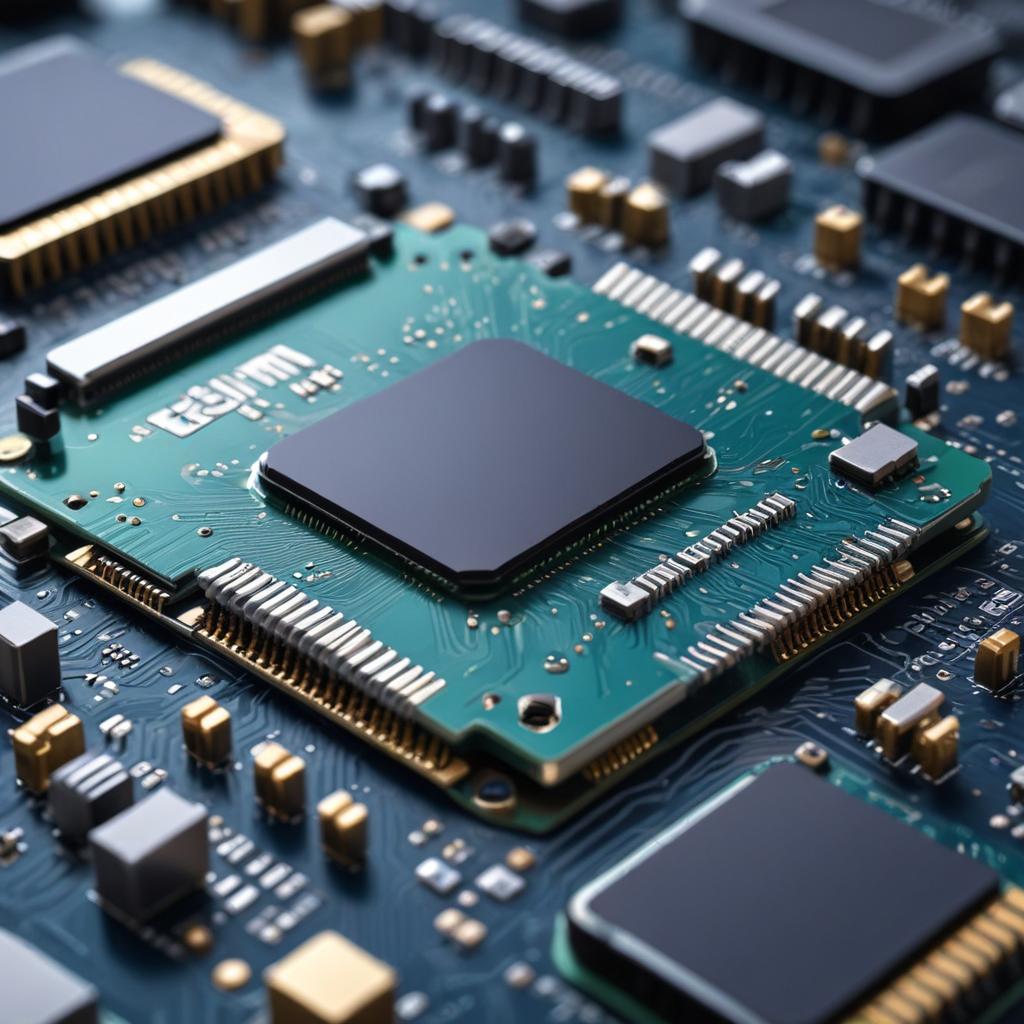
An eSIM, or embedded SIM, is a modern alternative to the traditional physical SIM card used in mobile devices. Unlike conventional SIM cards that require physical swapping, an eSIM is a small chip embedded directly into the device’s motherboard. This embedded SIM eliminates the need for a removable card, offering increased convenience and flexibility for users.
The core components of an eSIM include a secure element that stores the user’s mobile network subscription information securely, and a programmable interface that allows remote provisioning and management of carrier profiles. These features enable users to switch between different mobile networks without physically changing the SIM card, making it ideal for travelers or those who manage multiple phone numbers.
In smartphones and other connected devices, the eSIM works by securely downloading the subscriber’s information over the air from the carrier. This process, known as remote SIM provisioning, allows users to activate a mobile plan or switch carriers digitally. The eSIM supports multiple profiles, meaning several network subscriptions can be stored simultaneously and selected as needed. This embedded SIM technology is revolutionizing connectivity by enhancing device design and user experience while supporting seamless network switching and mobile data management.
Benefits of Using eSIM
The eSIM technology offers numerous advantages that enhance mobile flexibility for users. One of the most significant benefits is convenience. Since eSIMs are embedded directly into the device, there is no need to physically swap SIM cards when changing carriers or traveling internationally. This seamless switching capability makes managing multiple mobile plans far easier and more efficient.
Another key advantage is space-saving. Traditional SIM cards require physical slots, which occupy valuable internal space within a device. By integrating the SIM electronically, manufacturers can design slimmer, more compact devices or allocate space to other hardware improvements such as larger batteries or advanced cameras. This space optimization contributes to a sleeker and more sophisticated device design.
Moreover, eSIM technology simplifies the process of switching between networks. Users can activate a new mobile plan or carrier directly from their phone settings without waiting for physical SIM cards to arrive. This ease of network switching empowers consumers with greater control over their mobile service and can lead to cost savings by allowing quick comparisons between carriers to select the best plan.
Overall, the eSIM advantages provide a more flexible and user-friendly mobile experience. Its blend of convenience, space-saving design, and easy network switching is poised to transform how people use mobile networks in today’s interconnected world.
How eSIM Switches Networks
Switching networks with an eSIM involves a streamlined and efficient process that eliminates the need for physical SIM cards. The eSIM technology allows users to download multiple carrier profiles directly onto their device, enabling seamless carrier switching without hardware changes.
The core of this process is profile management. When a user wishes to switch their mobile network, they first download a new carrier profile from the desired network provider. This profile contains all the necessary authentication and service information required to connect to the carrier’s network. These downloads typically occur through the device’s settings menu, where users can manage their eSIM profiles efficiently.
Once the desired carrier profile is downloaded, the user can activate it through their device’s interface. The mobile network selection then shifts to the newly activated profile, allowing the device to connect to the chosen carrier. Because profiles are stored digitally, switching between carriers can be instant or happen within a few seconds, providing unmatched convenience compared to traditional SIM cards.
Carrier switching using eSIM also enhances flexibility for users, particularly for travelers or those living in areas with multiple network providers. Users can retain multiple profiles on their device and switch to the most optimal network based on coverage, price plans, or data needs, all without physically changing SIM cards. This adaptability supports better connectivity and cost savings.
In summary, the eSIM network switch process combines profile management and carrier switching in a digital-first manner. By downloading carrier profiles and selecting preferred networks from the device’s settings, users experience a smooth transition between mobile networks, achieving greater usability and convenience in managing their mobile connectivity.
Downloading and Installing eSIM Profiles
Downloading and installing eSIM profiles is a straightforward process that allows users to switch networks digitally without needing a physical SIM card. Carriers provide these digital network profiles, often called eSIM or carrier profiles, which users must download and activate on their devices.
Here is a step-by-step guide to help you through the carrier profile download and activation process:
- Access your device’s settings menu and navigate to the cellular or mobile network section where eSIM options are available.
- Select the option to add a new cellular plan or eSIM profile. This will typically prompt you to scan a QR code provided by your carrier.
- Use your device’s camera to scan the carrier’s QR code, which contains the network profile data necessary for activating the eSIM.
- Once scanned, your device will download the eSIM profile automatically and prompt you to confirm the installation.
- Confirm the installation and wait for the device to activate the carrier profile; this may include connecting to the carrier’s network and verifying your account.
- After activation, you can select the eSIM profile for your cellular service and start using the carrier network immediately without a physical SIM card.
By following these steps, users can efficiently manage multiple carrier profiles on one device, making network switching easy and convenient with digital eSIM profiles.
Switching Between eSIM Profiles
Switching between multiple eSIM profiles on a device is a streamlined process that eliminates the need for a physical SIM swap. This capability allows users to easily manage different mobile plans or carriers directly from their device settings. To switch profiles, navigate to the cellular or mobile data section on your smartphone or tablet. Here, you will find a list of all the eSIM profiles installed on your device.
Simply select the desired eSIM profile you want to activate. The device will initiate the eSIM switching process, which typically takes just a few seconds. Once the new profile is activated, your device will connect to the corresponding carrier network associated with that profile. This quick carrier change supports seamless transitions between different mobile plans, whether for work, travel, or personal use.
One key advantage of eSIM switching is the flexibility it offers without requiring physical SIM cards or trips to a store for replacements. This ease of use ensures that users can maintain multiple mobile plans on one device and switch between them based on their needs, such as choosing a local carrier when traveling abroad. Overall, switching eSIM profiles provides a convenient and efficient solution to managing connectivity, enhancing user experience with a simple and modern approach to mobile network management.
Considerations and Limitations of eSIM Network Switching
While eSIM technology offers significant convenience for switching between networks, it is important to understand the potential limitations and challenges that users may face. One primary concern revolves around network compatibility. Not all devices support every carrier’s eSIM profile, which can restrict the ability to switch networks freely. Device manufacturers often limit eSIM functionality based on regional and carrier agreements, meaning that certain carriers may not be available for eSIM activation on specific models.
Carrier restrictions also play a significant role in the switching process. Some carriers impose lock-in periods or limit the number of times an eSIM profile can be activated or switched. This can hinder users looking to change providers quickly or frequently. Additionally, carriers might not support eSIM at all, requiring users to revert to traditional physical SIM cards, which defeats the convenience that eSIM promises.
Moreover, switching networks with eSIM can present technical challenges. The process of deleting one carrier profile and activating another can sometimes be complicated by software bugs or interface inconsistencies on the device. For example, users may encounter difficulties downloading a new eSIM profile if there is no internet connection or if the carrier’s activation method is not fully compatible with the device’s firmware.
There are also limitations related to switching challenges such as the non-transferability of certain service features like voicemail, caller ID, or phone number retention when moving from one network to another using eSIM. These features often rely on carrier-specific infrastructure and may require additional steps to set up after switching profiles.
In summary, understanding the eSIM limitations is crucial before relying solely on this technology for seamless network switching. Users should verify network compatibility with their device, be aware of any carrier restrictions, and prepare for potential switching challenges that could affect their communication experience. While the technology is advancing, these considerations remain important for a smooth transition between networks using eSIM.
Carrier Support and Restrictions
Carrier support for eSIM technology varies significantly by region and individual providers, which plays a crucial role in network compatibility and the overall user experience. While eSIM promises flexibility by enabling users to switch networks without needing a physical SIM card, this freedom is often limited by the extent of carrier adoption and the specific restrictions they impose.
In some regions, major carriers fully support eSIM, offering seamless activation and network switching capabilities. However, in others, carrier support can be sparse or non-existent, limiting the availability of eSIM plans. Network compatibility is also influenced by the technologies and bands supported by the carrier, meaning an eSIM from one network may not function properly or at all on another network, especially when crossing international borders.
Moreover, carriers may enforce restrictions on eSIM usage, such as locking the eSIM profile to their network or limiting the number of eSIM profiles a device can store. These eSIM restrictions can complicate the process of switching networks freely, forcing users to manage multiple eSIM profiles manually or even revert to physical SIM cards in some cases.
Overall, while eSIM technology is designed to enhance network flexibility, the variability in carrier support and the presence of restrictions continue to shape the practical limits of switching networks, making it essential for users to consider these factors before fully relying on eSIM for their mobile connectivity needs.
Device Compatibility and Technical Constraints
Device compatibility plays a crucial role in the adoption and smooth functioning of eSIM technology. Currently, many modern smartphones, tablets, and smartwatches support eSIM, including flagship models from major manufacturers. However, not all devices are equipped with eSIM hardware, which limits the ability to fully utilize this technology. This hardware limitation means that users with non-compatible devices cannot benefit from the advantages of eSIM, such as flexible network switching or multiple profiles on a single device.
Technical limits associated with the eSIM hardware also affect the network switching experience. For instance, some devices may support only a certain number of simultaneous eSIM profiles, which can restrict a user’s ability to switch between multiple carriers effortlessly. Additionally, older hardware may have slower processing capabilities, causing delays in activating or switching network profiles. These constraints are important considerations for users who rely heavily on seamless connectivity, especially when traveling or managing business communications across different networks.
Despite these challenges, advancements in eSIM hardware continue to improve device compatibility and reduce technical limits. Manufacturers are increasingly integrating more sophisticated eSIM chips that support enhanced security and faster switching. As device compatibility expands, users will experience fewer interruptions and greater convenience when switching networks, ultimately maximizing the benefits offered by the eSIM technology.

I’m a tech enthusiast who loves exploring how eSIMs simplify staying connected while traveling. I spend my free time testing new smartphones and sharing tips on getting the most out of mobile data abroad.