
How eSIM phones improve digital convenience
25/12/2025
A significant obstacle to market entry is the limited awareness among consumers. Numerous prospective users remain unaware of what eSIM is and how it improves digital convenience. The idea of a digital SIM might appear complicated or superfluous, particularly in areas where the use of physical SIM cards is well established. This lack of understanding stops consumers from confidently embracing eSIM-enabled devices, obstructing the broader acceptance of the technology.
Obstacles in the market, including local regulations and different degrees of incentives from carriers, contribute to the slow uptake of eSIM technology. Certain regions do not have the required regulatory structures, while in others, carriers focus on traditional SIM sales as a source of income. These elements lead to inconsistent availability and adoption rates worldwide, complicating the path for eSIM technology to achieve universal acceptance.
Tackling these adoption hurdles demands greater involvement from carriers, backing from regulators, and improved consumer education. Boosting awareness and streamlining the user experience will be essential for breaking down market obstacles, ultimately facilitating wider acceptance of eSIM technology and optimizing its advantages for digital ease.
A major advantage of eSIM for travelers is the chance to sidestep expensive roaming fees while enjoying dependable service. Rather than depending on high roaming rates from their home service providers, travelers can quickly choose and activate a local carrier’s plan using their eSIM-compatible device. This immediate connection to local networks not only enhances coverage but also lowers connectivity costs while on the go.
Moreover, the ease of handling several profiles on one eSIM allows frequent travelers to save and toggle between different international plans without the hassle of going to a store or waiting for a physical SIM to arrive. This versatility enables users to evaluate providers, choose the most favorable rates, and enhance their mobile experience in line with their travel schedule effortlessly.
In summary, eSIM transforms the travel experience by removing the physical limitations of conventional SIM cards, thus improving travel ease with faster and simpler access to local carrier services. The incorporation of eSIM technology allows users to maintain seamless mobile connectivity around the globe with little hassle, making it an essential tool for today’s digital nomads and international adventurers.
Future Trends and Challenges of eSIM Technology
The future of eSIM technology is set to transform digital connectivity by simplifying the way devices link to mobile networks. As advancements in technology progress, eSIMs are anticipated to gain widespread adoption, allowing users to effortlessly switch between carriers without relying on physical SIM cards. This innovation will make device management easier and improve user adaptability, especially for those who travel often and in IoT environments.
A major technological trend fueling the rise of eSIMs is their incorporation into a broader array of devices beyond just smartphones, such as tablets, laptops, wearables, and connected cars. This growth will make digital connectivity increasingly widespread and seamless, allowing for continuous network access in various settings. Furthermore, collaborations between mobile network providers and device makers will be crucial in speeding up the global adoption of eSIM technology.
Although the advantages of eSIM technology are evident, there are multiple hurdles that must be overcome to achieve broad acceptance. A key challenge is the differing regulatory frameworks in various countries, which can influence the management and distribution of eSIM profiles. In the absence of unified global standards, users may find it challenging to fully enjoy the benefits of eSIMs, especially when traveling across borders or changing providers internationally.
A further obstacle is achieving compatibility across various devices and network providers. With the increasing number of eSIM-supported devices, the demand for strong interoperability systems also rises. Device makers and carriers need to work together effectively to create standardized provisioning platforms that ensure secure and adaptable network connections while protecting user privacy and security.
Furthermore, consumer understanding and trust are vital elements for the future of eSIM technology. A significant number of users still lack knowledge about the functioning of eSIMs, and worries regarding security or user-friendliness may hinder adoption. It will be crucial to inform consumers about the advantages and safety protocols associated with eSIM technology to build confidence and promote broader digital connectivity.
To sum up, the outlook for eSIM technology is bright, yet it faces several obstacles. Tackling regulatory challenges, guaranteeing interoperability, and fostering consumer confidence will be crucial for unlocking the complete capabilities of eSIMs. As these concerns are resolved, eSIMs are sure to enhance a more interconnected and user-friendly digital experience across the globe.
Emerging Use Cases and Innovations
eSIM advancements are quickly reshaping the world of connected technology, extending beyond just conventional smartphones. In the Internet of Things (IoT) sector, eSIMs facilitate smooth connectivity for numerous devices, including smart home gadgets, industrial sensors, and automotive technologies. With eSIM integration, these devices are capable of linking to cellular networks without requiring physical SIM changes, enabling producers to optimize manufacturing processes and providing users with a straightforward setup and management experience.
Wearable devices such as smartwatches, fitness trackers, and augmented reality glasses are greatly enhanced by eSIM technology. These gadgets need consistent, uninterrupted connectivity for optimal performance, and eSIMs allow users to activate or change carriers digitally without the need to physically swap out hardware. This adaptability improves the user experience by allowing quick updates to network plans or roaming settings, which is particularly beneficial for travelers or those using several devices.
In addition to wearables, a variety of connected devices such as tablets, laptops, and drones are increasingly adopting eSIM technology. This advancement is vital for ensuring reliable, secure connections that are necessary for real-time data sharing, remote surveillance, and automation. As eSIM standards progress, we can anticipate even more innovation in multi-device environments, where simultaneous and adaptable connectivity across a wide range of devices will become standard.
The increasing use of eSIM technology in IoT devices, wearables, and connected electronics showcases a new phase of digital ease that enhances mobility, scalability, and effective device management in a networked environment.
Security and Privacy Considerations
Although eSIM technology provides notable advantages regarding convenience and connectivity, it also presents distinct security challenges. In contrast to traditional SIM cards, which are physical and can be protected by hardware solutions, eSIMs exist digitally within devices. This digital format heightens concerns about unauthorized access, remote hacking, or cloning efforts, which could jeopardize users’ data and identity. As dependence on mobile networks for personal and sensitive tasks grows, it is essential to tackle these risks.
A major security concern relates to the remote setup and administration of eSIM profiles. While this process removes the necessity for physical SIM card replacements, inadequate security measures could enable attackers to alter eSIM profiles or disrupt activation procedures. To mitigate these risks, industry standards like those established by the GSMA impose rigorous authentication and encryption protocols throughout the eSIM provisioning process. These measures guarantee that only verified entities and devices are permitted to download or alter eSIM profiles, thus improving overall digital security.
Moreover, privacy issues emerge since eSIMs enable mobile carriers and external entities to access more detailed information regarding users’ network usage and whereabouts. To address these privacy issues, the industry is adopting strong data security protocols, clear transparency initiatives, and frameworks for obtaining user consent. Globally, regulatory agencies are prioritizing adherence to privacy regulations such as GDPR and CCPA, ensuring that users maintain authority over their personal data.
To sum up, although eSIM technology presents specific security and privacy issues, the collaborative actions of technology providers, network operators, and regulators are consistently enhancing safeguards to ensure digital safety and confidence. With the rise in eSIM usage, users can look forward to more secure and private interactions.
Barriers to Adoption and Market Penetration
Even though eSIM technology offers distinct advantages, various obstacles still hinder its broader adoption. A major challenge is the lack of support from carriers. Numerous mobile network providers have hesitated to fully adopt eSIM because of the expenses associated with infrastructure, worries about maintaining control, and the need to adjust their established systems. In the absence of robust carrier support, consumers encounter challenges when trying to activate and manage eSIM profiles, which limits both market expansion and user convenience.
A significant obstacle to market entry is the limited awareness among consumers. Numerous prospective users do not yet understand what eSIM is or how it improves digital convenience. The idea of a digital SIM may appear complicated or redundant, particularly in areas where traditional SIM cards are firmly established in mobile usage practices. This lack of understanding keeps consumers from confidently embracing eSIM-compatible devices, obstructing the technology’s broader acceptance.
Obstacles in the market, including local regulations and differing degrees of carrier incentives, contribute to the sluggish uptake of eSIM technology. Certain regions do not have the appropriate regulatory structures in place, while in others, carriers focus on generating income from conventional SIM sales. These elements result in inconsistent availability and adoption rates worldwide, complicating the path for eSIM technology to achieve universal acceptance.
Tackling these adoption hurdles necessitates greater involvement from carriers, support from regulators, and improved education for consumers. Raising awareness and streamlining the user experience will be essential in breaking down market obstacles, ultimately fostering wider acceptance of eSIM technology and optimizing its advantages for digital convenience.
A major advantage of eSIM for travelers is the opportunity to sidestep high roaming fees while ensuring dependable service. Rather than depending on pricey roaming rates from their home providers, travelers can conveniently choose and activate a local carrier’s plan using their eSIM-compatible device. This immediate connection to local networks not only enhances coverage but also lowers connectivity costs while traveling.
Moreover, the ease of handling several profiles on one eSIM allows frequent travelers to save and switch among different international plans without the hassle of going to a store or waiting for a physical SIM card to arrive. This adaptability enables users to evaluate carriers, choose the most favorable rates, and enhance their mobile experience based on their travel schedule effortlessly.
In summary, eSIM transforms the travel experience by removing the physical limitations of conventional SIM cards, which boosts convenience by providing faster and simpler access to local carrier services. With eSIM technology, users can benefit from seamless mobile connectivity across the globe with little hassle, making it an essential tool for today’s digital nomads and international adventurers.
Future Trends and Challenges of eSIM Technology
The future of eSIM technology is set to transform digital connectivity by simplifying the connection process between devices and mobile networks. With ongoing advancements in technology, eSIMs are anticipated to gain widespread adoption, allowing users to switch carriers effortlessly without needing physical SIM cards. This development will not only ease device management but also improve user adaptability, especially for those who travel often and within IoT environments.
A major technology trend fueling the rise of eSIMs is their incorporation into a broader array of devices beyond just smartphones, such as tablets, laptops, wearables, and connected vehicles. This growth will make digital connectivity more prevalent and seamless, allowing for continuous network access in various settings. Furthermore, collaborations between mobile network operators and device makers will be crucial in speeding up eSIM adoption worldwide.
Although the advantages of eSIM technology are evident, there are numerous challenges that must be tackled to facilitate broad acceptance. A major hurdle is the inconsistent regulatory framework in different countries, which can affect the management and distribution of eSIM profiles. In the absence of unified global standards, users may find it challenging to fully enjoy the benefits of eSIMs, especially when traveling internationally or changing service providers.
A further challenge is maintaining compatibility across various devices and network providers. With the increasing prevalence of eSIM-enabled devices, the demand for strong interoperability systems rises. It is essential for manufacturers and carriers to work together effectively to create standardized provisioning platforms that ensure secure and adaptable network connections while prioritizing user privacy and security.
Additionally, consumer understanding and trust are vital components for the future of eSIM technology. A significant number of users do not yet grasp the functionality of eSIMs, and worries regarding security or user-friendliness may hinder adoption. It will be crucial to inform consumers about the advantages and protective measures related to eSIM technology to build confidence and promote broader digital connectivity.
In summary, the outlook for eSIM technology is bright, yet it faces several obstacles. Tackling regulatory challenges, guaranteeing interoperability, and establishing consumer confidence will be crucial for unlocking the complete capabilities of eSIMs. As these concerns are resolved, eSIMs are sure to play a significant role in enhancing a more connected and seamless digital experience globally.
Emerging Use Cases and Innovations
eSIM advancements are swiftly reshaping the world of connected technology, extending far beyond conventional smartphones. Within the Internet of Things (IoT) sector, eSIMs facilitate effortless connectivity for numerous devices, including smart home gadgets, industrial sensors, and automotive technologies. By integrating eSIMs, these devices can link to cellular networks without requiring physical SIM changes, enabling manufacturers to simplify production and provide users with a more convenient setup and management experience.
Wearable devices such as smartwatches, fitness trackers, and augmented reality glasses are greatly benefiting from eSIM technology. These gadgets need dependable, constant connectivity to operate at their best, and eSIMs allow users to activate or change carriers digitally without the need to take out or replace any hardware. This adaptability improves the user experience by facilitating immediate updates to network plans or roaming settings, which is particularly advantageous for travelers or those using several devices.
Beyond wearables, other connected devices such as tablets, laptops, and even drones are increasingly adopting eSIM technology. This shift is vital for delivering reliable, secure links needed for real‑time data sharing, remote monitoring, and automation. As eSIM standards progress, we’ll see even more innovation in multi‑device ecosystems, where simultaneous and adaptable connectivity across a wide range of gadgets becomes standard.
The increasing use of eSIM technology in IoT devices, wearables, and connected gadgets marks the beginning of a new phase of digital ease, promoting mobility, scalability, and effective device management in a connected environment.
Security and Privacy Considerations
Although eSIM technology provides substantial advantages regarding convenience and connectivity, it also brings specific security challenges. In contrast to conventional SIM cards, which are tangible and can be protected with hardware solutions, eSIMs exist in a digital format within devices. This digital aspect heightens worries about unauthorized access, remote hacking, or cloning efforts, which could jeopardize users’ data and identity. With the growing dependence on mobile networks for personal and sensitive tasks, it is vital to tackle these risks.
A significant security concern pertains to the remote setup and administration of eSIM profiles. While this approach removes the necessity for physical SIM changes, inadequate security measures could enable unauthorized individuals to alter eSIM profiles or intercept activation procedures. To mitigate these risks, industry guidelines like those established by the GSMA mandate rigorous authentication and encryption methods throughout the eSIM provisioning process. These measures guarantee that only approved entities and devices are permitted to download or alter eSIM profiles, thus improving overall digital security.
Moreover, privacy issues emerge as eSIMs enable mobile carriers and external parties to access potentially more detailed information regarding users’ network usage and whereabouts. To address these privacy issues, the industry is adopting strong data security protocols, transparency initiatives, and frameworks for user consent. Global regulatory agencies are also stressing the importance of adhering to privacy regulations such as GDPR and CCPA, guaranteeing that users maintain authority over their personal data.
To sum up, although eSIM technology presents specific security and privacy issues, the collaborative initiatives of technology companies, network carriers, and regulatory bodies are consistently enhancing safeguards to ensure digital safety and confidence. With the rise in eSIM usage, users can look forward to more secure and private interactions.
Barriers to Adoption and Market Penetration
Even with the evident advantages of eSIM technology, various challenges hinder its broad adoption. A major obstacle is the lack of carrier support. Numerous mobile network operators have been hesitant to fully adopt eSIM because of the expenses related to infrastructure, worries about control, and the need to adjust their conventional systems. In the absence of extensive carrier support, consumers encounter issues with activating and managing eSIM profiles, which limits market expansion and ease of use.
A major advantage of eSIM for travelers is the opportunity to sidestep high roaming fees while ensuring dependable service. Rather than depending on pricey roaming rates from their home providers, travelers can conveniently choose and activate a local carrier’s plan using their eSIM-compatible device. This immediate connection to local networks not only enhances coverage but also lowers connectivity costs while traveling.
Moreover, the ease of handling several profiles on one eSIM allows frequent travelers to save and switch among different international plans without the hassle of going to a store or waiting for a physical SIM card to arrive. This adaptability enables users to evaluate carriers, choose the most favorable rates, and enhance their mobile experience based on their travel schedule effortlessly.
In summary, eSIM transforms the travel experience by removing the physical limitations of conventional SIM cards, which boosts convenience by providing faster and simpler access to local carrier services. With eSIM technology, users can benefit from seamless mobile connectivity across the globe with little hassle, making it an essential tool for today’s digital nomads and international adventurers.
Future Trends and Challenges of eSIM Technology
The future of eSIM technology is set to transform digital connectivity by simplifying the connection process between devices and mobile networks. With ongoing advancements in technology, eSIMs are anticipated to gain widespread adoption, allowing users to switch carriers effortlessly without needing physical SIM cards. This development will not only ease device management but also improve user adaptability, especially for those who travel often and within IoT environments.
A major technology trend fueling the rise of eSIMs is their incorporation into a broader array of devices beyond just smartphones, such as tablets, laptops, wearables, and connected vehicles. This growth will make digital connectivity more prevalent and seamless, allowing for continuous network access in various settings. Furthermore, collaborations between mobile network operators and device makers will be crucial in speeding up eSIM adoption worldwide.
Although the advantages of eSIM technology are evident, there are numerous challenges that must be tackled to facilitate broad acceptance. A major hurdle is the inconsistent regulatory framework in different countries, which can affect the management and distribution of eSIM profiles. In the absence of unified global standards, users may find it challenging to fully enjoy the benefits of eSIMs, especially when traveling internationally or changing service providers.
A further challenge is maintaining compatibility across various devices and network providers. With the increasing prevalence of eSIM-enabled devices, the demand for strong interoperability systems rises. It is essential for manufacturers and carriers to work together effectively to create standardized provisioning platforms that ensure secure and adaptable network connections while prioritizing user privacy and security.
Additionally, consumer understanding and trust are vital components for the future of eSIM technology. A significant number of users do not yet grasp the functionality of eSIMs, and worries regarding security or user-friendliness may hinder adoption. It will be crucial to inform consumers about the advantages and protective measures related to eSIM technology to build confidence and promote broader digital connectivity.
In summary, the outlook for eSIM technology is bright, yet it faces several obstacles. Tackling regulatory challenges, guaranteeing interoperability, and establishing consumer confidence will be crucial for unlocking the complete capabilities of eSIMs. As these concerns are resolved, eSIMs are sure to play a significant role in enhancing a more connected and seamless digital experience globally.
Emerging Use Cases and Innovations
eSIM advancements are swiftly reshaping the world of connected technology, extending far beyond conventional smartphones. Within the Internet of Things (IoT) sector, eSIMs facilitate effortless connectivity for numerous devices, including smart home gadgets, industrial sensors, and automotive technologies. By integrating eSIMs, these devices can link to cellular networks without requiring physical SIM changes, enabling manufacturers to simplify production and provide users with a more convenient setup and management experience.
Wearable devices such as smartwatches, fitness trackers, and augmented reality glasses are greatly benefiting from eSIM technology. These gadgets need dependable, constant connectivity to operate at their best, and eSIMs allow users to activate or change carriers digitally without the need to take out or replace any hardware. This adaptability improves the user experience by facilitating immediate updates to network plans or roaming settings, which is particularly advantageous for travelers or those using several devices.
Beyond wearables, other connected devices such as tablets, laptops, and even drones are increasingly adopting eSIM technology. This shift is vital for delivering reliable, secure links needed for real‑time data sharing, remote monitoring, and automation. As eSIM standards progress, we’ll see even more innovation in multi‑device ecosystems, where simultaneous and adaptable connectivity across a wide range of gadgets becomes standard.
The increasing use of eSIM technology in IoT devices, wearables, and connected gadgets marks the beginning of a new phase of digital ease, promoting mobility, scalability, and effective device management in a connected environment.
Security and Privacy Considerations
Although eSIM technology provides substantial advantages regarding convenience and connectivity, it also brings specific security challenges. In contrast to conventional SIM cards, which are tangible and can be protected with hardware solutions, eSIMs exist in a digital format within devices. This digital aspect heightens worries about unauthorized access, remote hacking, or cloning efforts, which could jeopardize users’ data and identity. With the growing dependence on mobile networks for personal and sensitive tasks, it is vital to tackle these risks.
A significant security concern pertains to the remote setup and administration of eSIM profiles. While this approach removes the necessity for physical SIM changes, inadequate security measures could enable unauthorized individuals to alter eSIM profiles or intercept activation procedures. To mitigate these risks, industry guidelines like those established by the GSMA mandate rigorous authentication and encryption methods throughout the eSIM provisioning process. These measures guarantee that only approved entities and devices are permitted to download or alter eSIM profiles, thus improving overall digital security.
Moreover, privacy issues emerge as eSIMs enable mobile carriers and external parties to access potentially more detailed information regarding users’ network usage and whereabouts. To address these privacy issues, the industry is adopting strong data security protocols, transparency initiatives, and frameworks for user consent. Global regulatory agencies are also stressing the importance of adhering to privacy regulations such as GDPR and CCPA, guaranteeing that users maintain authority over their personal data.
To sum up, although eSIM technology presents specific security and privacy issues, the collaborative initiatives of technology companies, network carriers, and regulatory bodies are consistently enhancing safeguards to ensure digital safety and confidence. With the rise in eSIM usage, users can look forward to more secure and private interactions.
Barriers to Adoption and Market Penetration
Even with the evident advantages of eSIM technology, various challenges hinder its broad adoption. A major obstacle is the lack of carrier support. Numerous mobile network operators have been hesitant to fully adopt eSIM because of the expenses related to infrastructure, worries about control, and the need to adjust their conventional systems. In the absence of extensive carrier support, consumers encounter issues with activating and managing eSIM profiles, which limits market expansion and ease of use.
Introduction to eSIM Technology
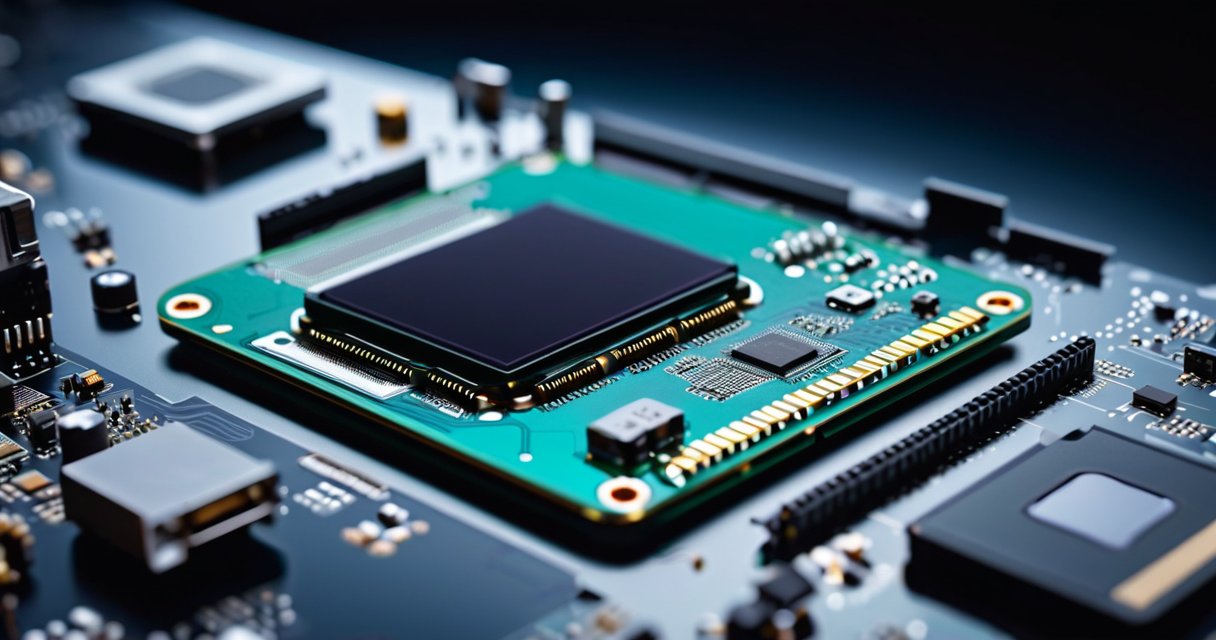
eSIM, short for embedded SIM, represents a significant advancement in mobile technology aimed at enhance digital convenience. In contrast to conventional SIM cards that are physical chips placed into a device, an eSIM is a programmable chip integrated directly into the device’s motherboard. This development eliminates the necessity for swapping physical cards when switching mobile carriers or plans, providing users with a smoother and more adaptable experience.
Conventional SIM cards have been the norm for linking devices to mobile networks for many years. They hold crucial details like the user’s identity and authorization for network access. Nevertheless, these cards have physical constraints: they can be misplaced, broken, or need to be changed manually when users switch providers or travel internationally. This reliance on physical cards can impede the quick, digitally integrated lifestyles that users anticipate in today’s world.
Unlike traditional SIM cards, eSIM technology incorporates this capability directly into the device. With the SIM embedded and managed digitally, users can easily activate or switch among various mobile network plans without the hassle of physically changing cards. This feature not only removes the trouble of swapping SIMs but also enables quicker provisioning and improved management of mobile services via software. As a result, eSIM plays a crucial role in enhancing digital convenience in mobile technology.
Additionally, the embedded SIM can hold multiple profiles on a single chip, enabling users to maintain various numbers or plans for professional, travel, or personal purposes on the same device. This capability stands in stark contrast to conventional SIM cards, which usually allow only one active SIM card to function at any given moment. The versatility of the eSIM is particularly advantageous for frequent travelers, digital nomads, and individuals who depend on several carriers to enhance coverage and reduce expenses.
In summary, eSIM technology redefines how mobile devices connect to networks, delivering an enhanced level of convenience and flexibility that aligns with the needs of contemporary digital living. Its integrated design minimizes dependence on physical devices, simplifies the activation procedure, and grants users increased control—all crucial elements for enhancing digital convenience in the current mobile environment.
What is an eSIM?
An eSIM, or embedded SIM, is a digital SIM integrated directly into a device instead of being a detachable physical card. Unlike conventional SIM cards that must be manually inserted and changed, the embedded SIM is soldered onto the device’s motherboard at the time of production. This configuration removes the necessity for physical SIM trays, allowing for slimmer device designs and enhanced durability.
The definition of eSIM emphasizes its primary characteristic: the capability to digitally hold several operator profiles, enabling users to change between them without the need to physically exchange SIM cards. This feature is facilitated by remote SIM provisioning, allowing carrier profiles to be securely downloaded and activated wirelessly. The digital SIM nature of eSIM technology enables effortless management of mobile plans, offering enhanced flexibility for both consumers and businesses.
The embedded SIM technically comprises a secure element that protects subscriber identity details and encryption keys, maintaining privacy and enabling network authentication. Users can effortlessly add, modify, or delete carrier profiles via device settings or specialized applications, making it easier to switch networks while traveling or changing service providers. This versatility decreases reliance on physical components and simplifies the management of network connectivity.
In summary, the concept of eSIM and its embedded design provide a more convenient, efficient, and secure approach to managing mobile connectivity, setting the stage for advanced devices and improved digital experiences.
How eSIMs Work in Modern Phones
| Step | Description | Relevant Devices | Notes on Mobile Connectivity |
|---|---|---|---|
| Activation | Users activate the eSIM by scanning a QR code provided by their carrier or entering a confirmation code manually. This process downloads the eSIM profile directly to the device without needing a physical SIM card. | Most modern phones and tablets like iPhone XS and later, Google Pixel 3 and newer | Enables quick setup and seamless carrier switching, enhancing mobile connectivity on the go. |
| Management | eSIM settings are managed through the device’s built-in mobile network menu, allowing users to add, delete, or switch between multiple eSIM profiles easily. | iOS and Android devices supporting eSIM functionality | Multiple carrier profiles can coexist, permitting dual SIM usage without hardware swaps. |
| Storage | The eSIM chip securely stores multiple carrier profiles, but only one profile is active at a time unless the device supports dual SIM eSIM plus physical SIM configuration. | Most recent smartphones and tablets with eSIM capability | Ensures efficient use of device storage and facilitates instant switching between carriers. |
| Network Activation | After profile installation, the device automatically connects to the carrier’s mobile network, activating data, calls, and messaging services without manual setup. | All modern eSIM-enabled phones and tablets | Improves digital convenience by reducing setup times and eliminating physical SIM card issues. |
Benefits of eSIM Phones for Digital Convenience
eSIM smartphones represent a groundbreaking advancement in mobile technology, providing numerous advantages that greatly improve digital convenience. A key benefit of eSIM is the elimination of physical SIM cards, which enables users to set up mobile plans immediately without having to go to a store or wait for a physical SIM card. This streamlined activation process greatly enhances the user experience by minimizing the time and effort needed to change carriers or incorporate new mobile plans.
The convenience of eSIM technology extends to its built-in mobile flexibility. Users have the ability to keep several profiles on one device, allowing for fast and effortless switching between different phone numbers or carriers without the need to change SIM cards. This feature is especially beneficial for travelers who need local mobile plans in different countries or for professionals who juggle work and personal numbers on a single phone. The adaptability of eSIMs guarantees a seamless transition between networks, ensuring continuous connectivity and making it easier for users to manage their mobile services.
Additionally, eSIM phones enhance user experience by providing enhanced control and personalization. Users have the ability to handle their mobile subscriptions via their device’s settings or carrier applications, enabling them to change plans, track data consumption, and adjust preferences without needing to reach out to customer support. This independence not only conserves time but also gives users more direct influence over their connectivity requirements, which aligns seamlessly with the expectations of a fast-moving digital world.
One more benefit of eSIM technology is its positive impact on device design and resilience. By eliminating the requirement for a physical SIM card slot, manufacturers are able to produce thinner, more streamlined smartphones that come with improved waterproofing and durability. This results in a stronger and sleeker device, which enhances the convenience that eSIMs provide for daily usage.
Essentially, eSIM phones transform digital convenience by combining flexibility, user-friendliness, and better control over mobile connectivity. For those looking for a more efficient experience and increased autonomy in handling their mobile services, eSIM technology emerges as a crucial advancement. It provides not just enhanced user convenience but also the adaptability needed to quickly respond to evolving digital needs and settings.
Seamless Carrier Switching and Multiple Profiles
One of the key advantages that showcase the convenience of eSIM is its capacity for effortless carrier switching. Unlike traditional physical SIM cards that necessitate manual changes when switching providers, which can be cumbersome and time-intensive, eSIM technology enables users to transition between carriers digitally right from their device settings. This streamlined process removes the requirement for a physical card swap. As a result, users can quickly choose the most suitable network or plan according to their preferences, location, or data requirements without any hassle.
Moreover, eSIM allows for multiple cellular profiles on one device, boosting digital convenience even further. This capability enables users to keep multiple carrier profiles at once, simplifying the process of switching between personal and business numbers or local and international plans. With various profiles accessible, there’s no longer a necessity to carry several phones or manage unwieldy SIM cards. This adaptability is particularly beneficial for frequent travelers or busy professionals who need quick access to different carriers and plans.
The integration of carrier switching with multiple profiles revolutionizes the way users handle their mobile connectivity. The ease of eSIM offers unparalleled flexibility and control, allowing phones to remain unbound to a single network or plan and to swiftly adapt to evolving requirements. This innovation reshapes the user experience by streamlining network management and enhancing the capability of one device to work seamlessly with various carriers and cellular plans.
Eliminating Physical SIM Limitations
A key benefit of eSIM technology is that it removes the restrictions of physical SIM cards that have historically limited smartphone design and functionality. Conventional SIM cards need a specific slot in mobile devices, which takes up precious internal space and necessitates careful engineering to shield the card tray from dust and moisture. With embedded SIM technology, manufacturers can rethink the internal structure, leading to more elegant and compact device designs.
The lack of a physical SIM card slot allows for the creation of slimmer and more compact devices while still maintaining durability and performance. This paves the way for advancements like bigger batteries, better waterproofing, and increased structural strength—elements that significantly enhance the user experience. Additionally, with no physical SIM cards to manage, users are spared the hassle of swapping or misplacing SIMs, which has traditionally been a problem for travelers and those who often switch carriers.
eSIM technology simplifies the activation of mobile services. Rather than waiting for a physical SIM card to be delivered or going to a store, users can obtain their mobile profile online, eliminating the need for manual setup. This not only improves convenience but also lessens the environmental impact linked to plastic SIM cards. Ultimately, by addressing the constraints of physical SIMs, eSIMs allow for sleeker device designs and provide a more intelligent, adaptable option for mobile connectivity.
Enhanced Travel Experience with eSIM
The introduction of eSIM technology has transformed travel convenience, fundamentally altering the way travelers maintain connectivity abroad. In contrast to conventional SIM cards that necessitate physical changes when crossing borders, eSIM-enabled devices allow for effortless transitions between local providers without the inconvenience of managing several SIMs. This capability greatly simplifies international roaming, enabling users to digitally and instantly activate local network plans, thereby improving the overall travel experience.
A major advantage of eSIM for travelers is the opportunity to sidestep high roaming fees while ensuring dependable service. Rather than depending on pricey roaming rates from their home providers, travelers can conveniently choose and activate a local carrier’s plan using their eSIM-compatible device. This immediate connection to local networks not only enhances coverage but also lowers connectivity costs while traveling.
Moreover, the ease of handling several profiles on one eSIM allows frequent travelers to save and switch among different international plans without the hassle of going to a store or waiting for a physical SIM card to arrive. This adaptability enables users to evaluate carriers, choose the most favorable rates, and enhance their mobile experience based on their travel schedule effortlessly.
In summary, eSIM transforms the travel experience by removing the physical limitations of conventional SIM cards, which boosts convenience by providing faster and simpler access to local carrier services. With eSIM technology, users can benefit from seamless mobile connectivity across the globe with little hassle, making it an essential tool for today’s digital nomads and international adventurers.
Future Trends and Challenges of eSIM Technology
The future of eSIM technology is set to transform digital connectivity by simplifying the connection process between devices and mobile networks. With ongoing advancements in technology, eSIMs are anticipated to gain widespread adoption, allowing users to switch carriers effortlessly without needing physical SIM cards. This development will not only ease device management but also improve user adaptability, especially for those who travel often and within IoT environments.
A major technology trend fueling the rise of eSIMs is their incorporation into a broader array of devices beyond just smartphones, such as tablets, laptops, wearables, and connected vehicles. This growth will make digital connectivity more prevalent and seamless, allowing for continuous network access in various settings. Furthermore, collaborations between mobile network operators and device makers will be crucial in speeding up eSIM adoption worldwide.
Although the advantages of eSIM technology are evident, there are numerous challenges that must be tackled to facilitate broad acceptance. A major hurdle is the inconsistent regulatory framework in different countries, which can affect the management and distribution of eSIM profiles. In the absence of unified global standards, users may find it challenging to fully enjoy the benefits of eSIMs, especially when traveling internationally or changing service providers.
A further challenge is maintaining compatibility across various devices and network providers. With the increasing prevalence of eSIM-enabled devices, the demand for strong interoperability systems rises. It is essential for manufacturers and carriers to work together effectively to create standardized provisioning platforms that ensure secure and adaptable network connections while prioritizing user privacy and security.
Additionally, consumer understanding and trust are vital components for the future of eSIM technology. A significant number of users do not yet grasp the functionality of eSIMs, and worries regarding security or user-friendliness may hinder adoption. It will be crucial to inform consumers about the advantages and protective measures related to eSIM technology to build confidence and promote broader digital connectivity.
In summary, the outlook for eSIM technology is bright, yet it faces several obstacles. Tackling regulatory challenges, guaranteeing interoperability, and establishing consumer confidence will be crucial for unlocking the complete capabilities of eSIMs. As these concerns are resolved, eSIMs are sure to play a significant role in enhancing a more connected and seamless digital experience globally.
Emerging Use Cases and Innovations
eSIM advancements are swiftly reshaping the world of connected technology, extending far beyond conventional smartphones. Within the Internet of Things (IoT) sector, eSIMs facilitate effortless connectivity for numerous devices, including smart home gadgets, industrial sensors, and automotive technologies. By integrating eSIMs, these devices can link to cellular networks without requiring physical SIM changes, enabling manufacturers to simplify production and provide users with a more convenient setup and management experience.
Wearable devices such as smartwatches, fitness trackers, and augmented reality glasses are greatly benefiting from eSIM technology. These gadgets need dependable, constant connectivity to operate at their best, and eSIMs allow users to activate or change carriers digitally without the need to take out or replace any hardware. This adaptability improves the user experience by facilitating immediate updates to network plans or roaming settings, which is particularly advantageous for travelers or those using several devices.
Beyond wearables, other connected devices such as tablets, laptops, and even drones are increasingly adopting eSIM technology. This shift is vital for delivering reliable, secure links needed for real‑time data sharing, remote monitoring, and automation. As eSIM standards progress, we’ll see even more innovation in multi‑device ecosystems, where simultaneous and adaptable connectivity across a wide range of gadgets becomes standard.
The increasing use of eSIM technology in IoT devices, wearables, and connected gadgets marks the beginning of a new phase of digital ease, promoting mobility, scalability, and effective device management in a connected environment.
Security and Privacy Considerations
Although eSIM technology provides substantial advantages regarding convenience and connectivity, it also brings specific security challenges. In contrast to conventional SIM cards, which are tangible and can be protected with hardware solutions, eSIMs exist in a digital format within devices. This digital aspect heightens worries about unauthorized access, remote hacking, or cloning efforts, which could jeopardize users’ data and identity. With the growing dependence on mobile networks for personal and sensitive tasks, it is vital to tackle these risks.
A significant security concern pertains to the remote setup and administration of eSIM profiles. While this approach removes the necessity for physical SIM changes, inadequate security measures could enable unauthorized individuals to alter eSIM profiles or intercept activation procedures. To mitigate these risks, industry guidelines like those established by the GSMA mandate rigorous authentication and encryption methods throughout the eSIM provisioning process. These measures guarantee that only approved entities and devices are permitted to download or alter eSIM profiles, thus improving overall digital security.
Moreover, privacy issues emerge as eSIMs enable mobile carriers and external parties to access potentially more detailed information regarding users’ network usage and whereabouts. To address these privacy issues, the industry is adopting strong data security protocols, transparency initiatives, and frameworks for user consent. Global regulatory agencies are also stressing the importance of adhering to privacy regulations such as GDPR and CCPA, guaranteeing that users maintain authority over their personal data.
To sum up, although eSIM technology presents specific security and privacy issues, the collaborative initiatives of technology companies, network carriers, and regulatory bodies are consistently enhancing safeguards to ensure digital safety and confidence. With the rise in eSIM usage, users can look forward to more secure and private interactions.
Barriers to Adoption and Market Penetration
Even with the evident advantages of eSIM technology, various challenges hinder its broad adoption. A major obstacle is the lack of carrier support. Numerous mobile network operators have been hesitant to fully adopt eSIM because of the expenses related to infrastructure, worries about control, and the need to adjust their conventional systems. In the absence of extensive carrier support, consumers encounter issues with activating and managing eSIM profiles, which limits market expansion and ease of use.
A major advantage of eSIM for travelers is the opportunity to sidestep high roaming fees while ensuring dependable service. Rather than depending on pricey roaming rates from their home providers, travelers can conveniently choose and activate a local carrier’s plan using their eSIM-compatible device. This immediate connection to local networks not only enhances coverage but also contributes to lowering communication costs while traveling.
Moreover, the ease of handling multiple profiles on one eSIM allows frequent travelers to keep and switch between different international plans without having to go to a store or wait for a physical SIM card to arrive. This adaptability enables users to evaluate carriers, choose the most favorable rates, and enhance their mobile experience in line with their travel plans effortlessly.
In summary, eSIM transforms the travel experience by removing the physical constraints of conventional SIM cards, which increases travel ease by providing faster, simpler access to local network services. With eSIM technology, users can maintain seamless mobile connectivity around the globe with little hassle, making it an essential tool for today’s digital nomads and global adventurers.
Future Trends and Challenges of eSIM Technology
The future of eSIM technology offers exciting possibilities for transforming digital connectivity by simplifying the way devices link up with mobile networks. As technological advancements progress, eSIMs are anticipated to gain wider adoption, allowing users to switch carriers effortlessly without relying on physical SIM cards. This will not only ease device management but also improve user adaptability, especially for those who travel often and within IoT environments.
A major technology trend fueling the growth of eSIMs is their incorporation into a broader array of devices beyond just smartphones, such as tablets, laptops, wearables, and connected vehicles. This diversification will promote digital connectivity to become increasingly commonplace and seamless, allowing for continuous network access in various settings. Moreover, collaborations between mobile network operators and device makers will be crucial in speeding up eSIM adoption worldwide.
Although the advantages of eSIM technology are evident, there are numerous challenges that must be tackled to facilitate its widespread use. A major hurdle is the differing regulatory frameworks in various countries, which can influence the management and distribution of eSIM profiles. In the absence of unified global standards, users might find it challenging to fully enjoy the benefits of eSIMs, especially when traveling internationally or changing service providers.
A further obstacle involves maintaining compatibility across various devices and network providers. With the increasing prevalence of eSIM-enabled devices, the demand for effective interoperability systems also rises. Device makers and carriers need to work together diligently to create standardized provisioning platforms that ensure secure and adaptable network connections while protecting user privacy and security.
In addition, consumer knowledge and trust are vital for the future of eSIM technology. A significant number of users do not yet understand the functioning of eSIMs, and worries regarding security or user-friendliness may hinder adoption. It will be crucial to inform consumers about the advantages and protective measures related to eSIM technology to build confidence and promote broader digital connectivity.
In summary, the outlook for eSIM technology is bright, though it faces several challenges. Tackling regulatory obstacles, guaranteeing interoperability, and fostering consumer confidence will be crucial for tapping into the complete capabilities of eSIMs. As these challenges are resolved, eSIMs are sure to play a significant role in enhancing global connectivity and streamlining digital experiences.
Emerging Use Cases and Innovations
eSIM advancements are swiftly changing the connected technology landscape beyond conventional smartphones. In the Internet of Things (IoT) sector, eSIMs facilitate smooth connectivity for a wide range of devices including smart home gadgets, industrial sensors, and automotive systems. By incorporating eSIMs, these devices can link to cellular networks without requiring physical SIM replacements, enabling manufacturers to optimize production and provide users with easy setup and management.
Wearable devices such as smartwatches, fitness trackers, and augmented reality glasses are greatly gaining from eSIM technology. These gadgets need dependable, continuous connectivity to operate at their best, and eSIMs allow for digital activation or carrier switching without the need to remove or change hardware. This adaptability improves user experience by facilitating immediate updates to network plans or roaming settings, which is particularly beneficial for travelers or individuals using several devices.
In addition to wearables, various connected devices such as tablets, laptops, and drones are progressively adopting eSIM technology. This advancement is vital for establishing reliable and secure connections necessary for instantaneous data transfer, remote surveillance, and automation. As eSIM standards continue to progress, we can anticipate even more groundbreaking developments in multi-device environments where simultaneous and adaptable connectivity among a wide range of devices becomes standard.
The increasing use of eSIM technology in IoT devices, wearables, and connected gadgets marks the beginning of a new age of digital ease, enhancing mobility, scalability, and effective device management in a connected environment.
Security and Privacy Considerations
Although eSIM technology provides notable advantages in convenience and connectivity, it also presents distinct security challenges. In contrast to traditional SIM cards, which are tangible and can be protected with hardware solutions, eSIMs exist digitally within devices. This digital format heightens worries about unauthorized access, remote hacking, or cloning efforts, which could jeopardize users’ data and identity. With the growing dependence on mobile networks for personal and sensitive tasks, it is essential to tackle these risks.
A major security concern relates to the remote management and provisioning of eSIM profiles. While this approach removes the necessity for physical SIM changes, inadequate security measures could enable cybercriminals to alter eSIM profiles or intercept activation procedures. To address these vulnerabilities, industry standards established by the GSMA implement rigorous authentication and encryption protocols during the provisioning of eSIMs. These measures guarantee that only authorized individuals and devices have the ability to download or alter eSIM profiles, thereby improving overall digital security.
Moreover, privacy issues come to light as eSIMs enable mobile carriers and external entities to access more detailed information regarding users’ network usage and whereabouts. To address these privacy issues, the sector is adopting strong data security practices, clear transparency guidelines, and frameworks for user consent. Regulatory authorities around the globe are also stressing adherence to privacy regulations such as GDPR and CCPA, guaranteeing that users maintain authority over their personal data.
In conclusion, although eSIM technology presents specific security and privacy challenges, the collaborative work of technology developers, network carriers, and regulatory bodies is consistently enhancing safeguards to ensure digital security and confidence. With the rise in eSIM usage, users can look forward to more secure and private interactions.
Barriers to Adoption and Market Penetration
Even with the obvious advantages of eSIM technology, various challenges hinder its broader adoption. A major obstacle is the lack of support from carriers. Many mobile network operators have hesitated to fully adopt eSIM due to the costs associated with infrastructure, worries about maintaining control, and the need to modify their existing systems. In the absence of extensive carrier support, consumers encounter obstacles in activating and managing eSIM profiles, which limits both market expansion and user convenience.
A significant obstacle to market entry is insufficient consumer awareness. Numerous prospective users remain unaware of what eSIM is and the ways it improves digital convenience. The idea of a digital SIM may appear complicated or redundant, particularly in areas where traditional SIM cards are firmly established in mobile usage. This lack of understanding stops consumers from confidently embracing eSIM-compatible devices, which slows down the technology’s widespread adoption.
Obstacles in the market, including local regulations and differing degrees of carrier incentives, contribute to the slow uptake of eSIM technology. Certain regions do not have the appropriate regulatory structures in place, while in others, carriers focus on traditional SIM sales to generate income. These elements result in inconsistent access and adoption rates worldwide, hindering eSIM technology from achieving universal acceptance.
Tackling these adoption hurdles calls for greater involvement from carriers, backing from regulators, and efforts to educate consumers. Raising awareness and streamlining the user experience will be essential in breaking down market obstacles, ultimately promoting wider acceptance of eSIM technology and optimizing its advantages for digital ease.
Introduction to eSIM Technology
eSIM, short for embedded SIM, represents a significant advancement in mobile technology aimed at enhance digital convenience. In contrast to conventional SIM cards that are physical chips placed into a device, an eSIM is a programmable chip integrated directly into the device’s motherboard. This development eliminates the necessity for swapping physical cards when switching mobile carriers or plans, providing users with a smoother and more adaptable experience.
Conventional SIM cards have been the norm for linking devices to mobile networks for many years. They hold crucial details like the user’s identity and authorization for network access. Nevertheless, these cards have physical constraints: they can be misplaced, broken, or need to be changed manually when users switch providers or travel internationally. This reliance on physical cards can impede the quick, digitally integrated lifestyles that users anticipate in today’s world.
Unlike traditional SIM cards, eSIM technology incorporates this capability directly into the device. With the SIM embedded and managed digitally, users can easily activate or switch among various mobile network plans without the hassle of physically changing cards. This feature not only removes the trouble of swapping SIMs but also enables quicker provisioning and improved management of mobile services via software. As a result, eSIM plays a crucial role in enhancing digital convenience in mobile technology.
Additionally, the embedded SIM can hold multiple profiles on a single chip, enabling users to maintain various numbers or plans for professional, travel, or personal purposes on the same device. This capability stands in stark contrast to conventional SIM cards, which usually allow only one active SIM card to function at any given moment. The versatility of the eSIM is particularly advantageous for frequent travelers, digital nomads, and individuals who depend on several carriers to enhance coverage and reduce expenses.
In summary, eSIM technology redefines how mobile devices connect to networks, delivering an enhanced level of convenience and flexibility that aligns with the needs of contemporary digital living. Its integrated design minimizes dependence on physical devices, simplifies the activation procedure, and grants users increased control—all crucial elements for enhancing digital convenience in the current mobile environment.
What is an eSIM?
An eSIM, or embedded SIM, is a digital SIM integrated directly into a device instead of being a detachable physical card. Unlike conventional SIM cards that must be manually inserted and changed, the embedded SIM is soldered onto the device’s motherboard at the time of production. This configuration removes the necessity for physical SIM trays, allowing for slimmer device designs and enhanced durability.
The definition of eSIM emphasizes its primary characteristic: the capability to digitally hold several operator profiles, enabling users to change between them without the need to physically exchange SIM cards. This feature is facilitated by remote SIM provisioning, allowing carrier profiles to be securely downloaded and activated wirelessly. The digital SIM nature of eSIM technology enables effortless management of mobile plans, offering enhanced flexibility for both consumers and businesses.
The embedded SIM technically comprises a secure element that protects subscriber identity details and encryption keys, maintaining privacy and enabling network authentication. Users can effortlessly add, modify, or delete carrier profiles via device settings or specialized applications, making it easier to switch networks while traveling or changing service providers. This versatility decreases reliance on physical components and simplifies the management of network connectivity.
In summary, the concept of eSIM and its embedded design provide a more convenient, efficient, and secure approach to managing mobile connectivity, setting the stage for advanced devices and improved digital experiences.
How eSIMs Work in Modern Phones
| Step | Description | Relevant Devices | Notes on Mobile Connectivity |
|---|---|---|---|
| Activation | Users activate the eSIM by scanning a QR code provided by their carrier or entering a confirmation code manually. This process downloads the eSIM profile directly to the device without needing a physical SIM card. | Most modern phones and tablets like iPhone XS and later, Google Pixel 3 and newer | Enables quick setup and seamless carrier switching, enhancing mobile connectivity on the go. |
| Management | eSIM settings are managed through the device’s built-in mobile network menu, allowing users to add, delete, or switch between multiple eSIM profiles easily. | iOS and Android devices supporting eSIM functionality | Multiple carrier profiles can coexist, permitting dual SIM usage without hardware swaps. |
| Storage | The eSIM chip securely stores multiple carrier profiles, but only one profile is active at a time unless the device supports dual SIM eSIM plus physical SIM configuration. | Most recent smartphones and tablets with eSIM capability | Ensures efficient use of device storage and facilitates instant switching between carriers. |
| Network Activation | After profile installation, the device automatically connects to the carrier’s mobile network, activating data, calls, and messaging services without manual setup. | All modern eSIM-enabled phones and tablets | Improves digital convenience by reducing setup times and eliminating physical SIM card issues. |
Benefits of eSIM Phones for Digital Convenience
eSIM smartphones represent a groundbreaking advancement in mobile technology, providing numerous advantages that greatly improve digital convenience. A key benefit of eSIM is the elimination of physical SIM cards, which enables users to set up mobile plans immediately without having to go to a store or wait for a physical SIM card. This streamlined activation process greatly enhances the user experience by minimizing the time and effort needed to change carriers or incorporate new mobile plans.
The convenience of eSIM technology extends to its built-in mobile flexibility. Users have the ability to keep several profiles on one device, allowing for fast and effortless switching between different phone numbers or carriers without the need to change SIM cards. This feature is especially beneficial for travelers who need local mobile plans in different countries or for professionals who juggle work and personal numbers on a single phone. The adaptability of eSIMs guarantees a seamless transition between networks, ensuring continuous connectivity and making it easier for users to manage their mobile services.
Additionally, eSIM phones enhance user experience by providing enhanced control and personalization. Users have the ability to handle their mobile subscriptions via their device’s settings or carrier applications, enabling them to change plans, track data consumption, and adjust preferences without needing to reach out to customer support. This independence not only conserves time but also gives users more direct influence over their connectivity requirements, which aligns seamlessly with the expectations of a fast-moving digital world.
One more benefit of eSIM technology is its positive impact on device design and resilience. By eliminating the requirement for a physical SIM card slot, manufacturers are able to produce thinner, more streamlined smartphones that come with improved waterproofing and durability. This results in a stronger and sleeker device, which enhances the convenience that eSIMs provide for daily usage.
Essentially, eSIM phones transform digital convenience by combining flexibility, user-friendliness, and better control over mobile connectivity. For those looking for a more efficient experience and increased autonomy in handling their mobile services, eSIM technology emerges as a crucial advancement. It provides not just enhanced user convenience but also the adaptability needed to quickly respond to evolving digital needs and settings.
Seamless Carrier Switching and Multiple Profiles
One of the key advantages that showcase the convenience of eSIM is its capacity for effortless carrier switching. Unlike traditional physical SIM cards that necessitate manual changes when switching providers, which can be cumbersome and time-intensive, eSIM technology enables users to transition between carriers digitally right from their device settings. This streamlined process removes the requirement for a physical card swap. As a result, users can quickly choose the most suitable network or plan according to their preferences, location, or data requirements without any hassle.
Moreover, eSIM allows for multiple cellular profiles on one device, boosting digital convenience even further. This capability enables users to keep multiple carrier profiles at once, simplifying the process of switching between personal and business numbers or local and international plans. With various profiles accessible, there’s no longer a necessity to carry several phones or manage unwieldy SIM cards. This adaptability is particularly beneficial for frequent travelers or busy professionals who need quick access to different carriers and plans.
The integration of carrier switching with multiple profiles revolutionizes the way users handle their mobile connectivity. The ease of eSIM offers unparalleled flexibility and control, allowing phones to remain unbound to a single network or plan and to swiftly adapt to evolving requirements. This innovation reshapes the user experience by streamlining network management and enhancing the capability of one device to work seamlessly with various carriers and cellular plans.
Eliminating Physical SIM Limitations
A key benefit of eSIM technology is that it removes the restrictions of physical SIM cards that have historically limited smartphone design and functionality. Conventional SIM cards need a specific slot in mobile devices, which takes up precious internal space and necessitates careful engineering to shield the card tray from dust and moisture. With embedded SIM technology, manufacturers can rethink the internal structure, leading to more elegant and compact device designs.
The lack of a physical SIM card slot allows for the creation of slimmer and more compact devices while still maintaining durability and performance. This paves the way for advancements like bigger batteries, better waterproofing, and increased structural strength—elements that significantly enhance the user experience. Additionally, with no physical SIM cards to manage, users are spared the hassle of swapping or misplacing SIMs, which has traditionally been a problem for travelers and those who often switch carriers.
eSIM technology simplifies the activation of mobile services. Rather than waiting for a physical SIM card to be delivered or going to a store, users can obtain their mobile profile online, eliminating the need for manual setup. This not only improves convenience but also lessens the environmental impact linked to plastic SIM cards. Ultimately, by addressing the constraints of physical SIMs, eSIMs allow for sleeker device designs and provide a more intelligent, adaptable option for mobile connectivity.
Enhanced Travel Experience with eSIM
The introduction of eSIM technology has transformed travel convenience, fundamentally altering the way travelers maintain connectivity abroad. In contrast to conventional SIM cards that necessitate physical changes when crossing borders, eSIM-enabled devices allow for effortless transitions between local providers without the inconvenience of managing several SIMs. This capability greatly simplifies international roaming, enabling users to digitally and instantly activate local network plans, thereby improving the overall travel experience.
A major advantage of eSIM for travelers is the opportunity to sidestep high roaming fees while ensuring dependable service. Rather than depending on pricey roaming rates from their home providers, travelers can conveniently choose and activate a local carrier’s plan using their eSIM-compatible device. This immediate connection to local networks not only enhances coverage but also lowers connectivity costs while traveling.
Moreover, the ease of handling several profiles on one eSIM allows frequent travelers to save and switch among different international plans without the hassle of going to a store or waiting for a physical SIM card to arrive. This adaptability enables users to evaluate carriers, choose the most favorable rates, and enhance their mobile experience based on their travel schedule effortlessly.
In summary, eSIM transforms the travel experience by removing the physical limitations of conventional SIM cards, which boosts convenience by providing faster and simpler access to local carrier services. With eSIM technology, users can benefit from seamless mobile connectivity across the globe with little hassle, making it an essential tool for today’s digital nomads and international adventurers.
Future Trends and Challenges of eSIM Technology
The future of eSIM technology is set to transform digital connectivity by simplifying the connection process between devices and mobile networks. With ongoing advancements in technology, eSIMs are anticipated to gain widespread adoption, allowing users to switch carriers effortlessly without needing physical SIM cards. This development will not only ease device management but also improve user adaptability, especially for those who travel often and within IoT environments.
A major technology trend fueling the rise of eSIMs is their incorporation into a broader array of devices beyond just smartphones, such as tablets, laptops, wearables, and connected vehicles. This growth will make digital connectivity more prevalent and seamless, allowing for continuous network access in various settings. Furthermore, collaborations between mobile network operators and device makers will be crucial in speeding up eSIM adoption worldwide.
Although the advantages of eSIM technology are evident, there are numerous challenges that must be tackled to facilitate broad acceptance. A major hurdle is the inconsistent regulatory framework in different countries, which can affect the management and distribution of eSIM profiles. In the absence of unified global standards, users may find it challenging to fully enjoy the benefits of eSIMs, especially when traveling internationally or changing service providers.
A further challenge is maintaining compatibility across various devices and network providers. With the increasing prevalence of eSIM-enabled devices, the demand for strong interoperability systems rises. It is essential for manufacturers and carriers to work together effectively to create standardized provisioning platforms that ensure secure and adaptable network connections while prioritizing user privacy and security.
Additionally, consumer understanding and trust are vital components for the future of eSIM technology. A significant number of users do not yet grasp the functionality of eSIMs, and worries regarding security or user-friendliness may hinder adoption. It will be crucial to inform consumers about the advantages and protective measures related to eSIM technology to build confidence and promote broader digital connectivity.
In summary, the outlook for eSIM technology is bright, yet it faces several obstacles. Tackling regulatory challenges, guaranteeing interoperability, and establishing consumer confidence will be crucial for unlocking the complete capabilities of eSIMs. As these concerns are resolved, eSIMs are sure to play a significant role in enhancing a more connected and seamless digital experience globally.
Emerging Use Cases and Innovations
eSIM advancements are swiftly reshaping the world of connected technology, extending far beyond conventional smartphones. Within the Internet of Things (IoT) sector, eSIMs facilitate effortless connectivity for numerous devices, including smart home gadgets, industrial sensors, and automotive technologies. By integrating eSIMs, these devices can link to cellular networks without requiring physical SIM changes, enabling manufacturers to simplify production and provide users with a more convenient setup and management experience.
Wearable devices such as smartwatches, fitness trackers, and augmented reality glasses are greatly benefiting from eSIM technology. These gadgets need dependable, constant connectivity to operate at their best, and eSIMs allow users to activate or change carriers digitally without the need to take out or replace any hardware. This adaptability improves the user experience by facilitating immediate updates to network plans or roaming settings, which is particularly advantageous for travelers or those using several devices.
Beyond wearables, other connected devices such as tablets, laptops, and even drones are increasingly adopting eSIM technology. This shift is vital for delivering reliable, secure links needed for real‑time data sharing, remote monitoring, and automation. As eSIM standards progress, we’ll see even more innovation in multi‑device ecosystems, where simultaneous and adaptable connectivity across a wide range of gadgets becomes standard.
The increasing use of eSIM technology in IoT devices, wearables, and connected gadgets marks the beginning of a new phase of digital ease, promoting mobility, scalability, and effective device management in a connected environment.
Security and Privacy Considerations
Although eSIM technology provides substantial advantages regarding convenience and connectivity, it also brings specific security challenges. In contrast to conventional SIM cards, which are tangible and can be protected with hardware solutions, eSIMs exist in a digital format within devices. This digital aspect heightens worries about unauthorized access, remote hacking, or cloning efforts, which could jeopardize users’ data and identity. With the growing dependence on mobile networks for personal and sensitive tasks, it is vital to tackle these risks.
A significant security concern pertains to the remote setup and administration of eSIM profiles. While this approach removes the necessity for physical SIM changes, inadequate security measures could enable unauthorized individuals to alter eSIM profiles or intercept activation procedures. To mitigate these risks, industry guidelines like those established by the GSMA mandate rigorous authentication and encryption methods throughout the eSIM provisioning process. These measures guarantee that only approved entities and devices are permitted to download or alter eSIM profiles, thus improving overall digital security.
Moreover, privacy issues emerge as eSIMs enable mobile carriers and external parties to access potentially more detailed information regarding users’ network usage and whereabouts. To address these privacy issues, the industry is adopting strong data security protocols, transparency initiatives, and frameworks for user consent. Global regulatory agencies are also stressing the importance of adhering to privacy regulations such as GDPR and CCPA, guaranteeing that users maintain authority over their personal data.
To sum up, although eSIM technology presents specific security and privacy issues, the collaborative initiatives of technology companies, network carriers, and regulatory bodies are consistently enhancing safeguards to ensure digital safety and confidence. With the rise in eSIM usage, users can look forward to more secure and private interactions.
Barriers to Adoption and Market Penetration
Even with the evident advantages of eSIM technology, various challenges hinder its broad adoption. A major obstacle is the lack of carrier support. Numerous mobile network operators have been hesitant to fully adopt eSIM because of the expenses related to infrastructure, worries about control, and the need to adjust their conventional systems. In the absence of extensive carrier support, consumers encounter issues with activating and managing eSIM profiles, which limits market expansion and ease of use.
A major advantage of eSIM for travelers is the opportunity to bypass high roaming fees while enjoying dependable service. Rather than depending on pricey roaming rates from their home providers, travelers can quickly choose and activate a local carrier’s plan using their eSIM-capable device. This immediate connection to local networks not only enhances coverage but also lowers communication costs while traveling.
Moreover, the ease of handling several profiles on one eSIM allows frequent travelers to save and toggle between different international plans without the hassle of going to a store or waiting for a physical SIM card. This adaptability enables users to evaluate carriers, choose the most favorable rates, and enhance their mobile usage in line with their travel schedules effortlessly.
In summary, eSIM transforms the travel experience by removing the physical limitations of conventional SIM cards, thus improving convenience through faster and simpler access to local carrier options. With eSIM technology, users can benefit from seamless mobile connectivity around the globe with little hassle, establishing it as an essential tool for today’s digital nomads and international adventurers.
Future Trends and Challenges of eSIM Technology
The future of eSIM technology is poised to transform digital connectivity by simplifying the way devices link to mobile networks. As tech trends progress, eSIMs are likely to gain wider adoption, allowing users to switch carriers effortlessly without relying on physical SIM cards. This advancement will make device management easier and provide greater flexibility for users, especially for those who travel often and in IoT environments.
A major factor propelling the uptake of eSIMs is their incorporation into a broader array of devices beyond just smartphones, such as tablets, laptops, wearables, and connected cars. This growth will enhance digital connectivity, making it more widespread and seamless, allowing for continuous network access in various settings. Furthermore, collaborations between mobile network providers and device makers will be crucial in speeding up the global adoption of eSIM technology.
Although the advantages of eSIM technology are evident, there are numerous challenges that must be tackled to facilitate its broad acceptance. A major hurdle is the inconsistent regulatory environment in different countries, which can affect the management and distribution of eSIM profiles. In the absence of unified global standards, users may struggle to fully benefit from eSIMs, especially when traveling internationally or changing service providers.
A further obstacle is guaranteeing compatibility across various devices and network providers. With the increasing prevalence of eSIM-enabled gadgets, the demand for strong interoperability systems rises. It is essential for manufacturers and carriers to work together effectively to create standardized provisioning platforms that ensure secure and adaptable network connections while maintaining user privacy and security.
In addition, consumer knowledge and trust are vital components for the future of eSIMs. A significant number of users do not yet understand the functionality of eSIMs, and worries regarding security or user-friendliness might hinder their acceptance. Informing consumers about the advantages and protective measures associated with eSIM technology will be crucial for building trust and promoting broader digital connectivity.
In summary, the outlook for eSIM technology is bright, yet it faces several obstacles. Navigating regulatory challenges, achieving interoperability, and fostering consumer confidence will be crucial in unlocking the complete capabilities of eSIMs. As these concerns are tackled, eSIMs will certainly play a significant role in enhancing a more interconnected and user-friendly digital experience globally.
Emerging Use Cases and Innovations
eSIM advancements are swiftly changing the connected technology landscape, extending beyond just conventional smartphones. Within the Internet of Things (IoT) sector, eSIMs facilitate effortless connections for a wide range of devices, including smart home gadgets, industrial sensors, and automotive systems. By incorporating eSIMs, these devices can link to cellular networks without requiring physical SIM replacements, enabling manufacturers to simplify production and provide users with a more convenient setup and management experience.
Wearable devices such as smartwatches, fitness trackers, and augmented reality glasses are greatly gaining from eSIM technology. These gadgets need dependable, constant connectivity to operate at their best, and eSIMs allow for digital activation or carrier switching without the need to physically change hardware. This adaptability improves the user experience by facilitating immediate changes to network plans or roaming settings, which is particularly beneficial for travelers or individuals using several devices.
In addition to wearables, various connected devices such as tablets, laptops, and even drones are progressively adopting eSIM technology. This advancement is vital for establishing reliable and secure connections that are necessary for instantaneous data transfer, remote oversight, and automation. As eSIM standards continue to develop, we anticipate even more innovation in multi-device environments where simultaneous and adaptable connectivity among a wide range of devices becomes commonplace.
In summary, the increasing use of eSIM technology in IoT devices, wearables, and smart gadgets represents a fresh chapter of digital ease that enhances mobility, scalability, and effective device management in a connected environment.
Security and Privacy Considerations
Though eSIM technology provides notable advantages regarding convenience and connectivity, it also presents distinct security challenges. In contrast to traditional SIM cards, which are tangible and can be protected by hardware methods, eSIMs exist digitally within devices. This digital format heightens worries about unauthorized access, remote hacking, or cloning attempts, which could jeopardize users’ data and identity. As mobile networks become increasingly essential for personal and sensitive tasks, it is crucial to tackle these risks.
A significant security concern is related to the remote provisioning and management of eSIM profiles. While this technology removes the necessity for physical SIM card replacements, inadequate security measures could enable cybercriminals to alter eSIM profiles or intercept the activation process. To mitigate these risks, industry standards established by the GSMA implement rigorous authentication and encryption protocols during the provisioning of eSIMs. These measures guarantee that only permitted entities and devices have the ability to download or change eSIM profiles, thus improving overall digital security.
Moreover, privacy issues emerge as eSIMs allow mobile carriers and external entities to access more detailed information regarding users’ network behavior and whereabouts. In response to these privacy challenges, the sector is adopting strong data security protocols, clear transparency initiatives, and frameworks for user consent. Global regulatory agencies are likewise prioritizing adherence to privacy regulations such as GDPR and CCPA, ensuring that individuals maintain authority over their personal data.
In conclusion, although eSIM technology presents specific security and privacy issues, the ongoing collaboration between technology providers, network operators, and regulatory bodies is enhancing safeguards to ensure digital safety and confidence. As the use of eSIMs expands, users can look forward to more secure and private interactions.
Barriers to Adoption and Market Penetration
Even with the obvious advantages of eSIM technology, various challenges hinder its broader adoption. A major obstacle is the lack of support from carriers. Numerous mobile network providers have hesitated to completely adopt eSIM because of the expenses associated with infrastructure, worries about maintaining control, and the need to modify their existing systems. In the absence of robust carrier backing, users encounter obstacles when trying to activate and manage eSIM profiles, limiting both market expansion and ease of use.
A significant obstacle to market entry is the limited awareness among consumers. Numerous prospective users do not fully understand what eSIM is or the ways it improves digital convenience. The idea of a digital SIM may appear complicated or redundant, particularly in areas where traditional SIM cards are firmly established in mobile practices. This lack of understanding stops consumers from confidently embracing eSIM-equipped devices, which slows down the technology’s widespread adoption.
Obstacles in the market, including local regulations and differing degrees of carrier incentives, contribute to the slow uptake of eSIM technology. Certain regions do not have the essential regulatory structures in place, while in others, carriers focus on traditional SIM sales for revenue. These elements result in inconsistent availability and adoption rates worldwide, complicating the path for eSIM technology to achieve universal acceptance.
Tackling these adoption hurdles necessitates greater involvement from carriers, backing from regulators, and improved consumer education. Raising awareness and streamlining the user experience will be essential in breaking down market obstacles, ultimately promoting wider adoption of eSIM technology and optimizing its advantages for digital convenience.
A major advantage of eSIM for travelers is the opportunity to sidestep high roaming fees while ensuring dependable service. Rather than depending on pricey roaming rates from their home providers, travelers can conveniently choose and activate a local carrier’s plan using their eSIM-compatible device. This immediate connection to local networks not only enhances coverage but also contributes to lowering communication costs while traveling.
Moreover, the ease of handling multiple profiles on one eSIM allows frequent travelers to keep and switch between different international plans without having to go to a store or wait for a physical SIM card to arrive. This adaptability enables users to evaluate carriers, choose the most favorable rates, and enhance their mobile experience in line with their travel plans effortlessly.
In summary, eSIM transforms the travel experience by removing the physical constraints of conventional SIM cards, which increases travel ease by providing faster, simpler access to local network services. With eSIM technology, users can maintain seamless mobile connectivity around the globe with little hassle, making it an essential tool for today’s digital nomads and global adventurers.
Future Trends and Challenges of eSIM Technology
The future of eSIM technology offers exciting possibilities for transforming digital connectivity by simplifying the way devices link up with mobile networks. As technological advancements progress, eSIMs are anticipated to gain wider adoption, allowing users to switch carriers effortlessly without relying on physical SIM cards. This will not only ease device management but also improve user adaptability, especially for those who travel often and within IoT environments.
A major technology trend fueling the growth of eSIMs is their incorporation into a broader array of devices beyond just smartphones, such as tablets, laptops, wearables, and connected vehicles. This diversification will promote digital connectivity to become increasingly commonplace and seamless, allowing for continuous network access in various settings. Moreover, collaborations between mobile network operators and device makers will be crucial in speeding up eSIM adoption worldwide.
Although the advantages of eSIM technology are evident, there are numerous challenges that must be tackled to facilitate its widespread use. A major hurdle is the differing regulatory frameworks in various countries, which can influence the management and distribution of eSIM profiles. In the absence of unified global standards, users might find it challenging to fully enjoy the benefits of eSIMs, especially when traveling internationally or changing service providers.
A further obstacle involves maintaining compatibility across various devices and network providers. With the increasing prevalence of eSIM-enabled devices, the demand for effective interoperability systems also rises. Device makers and carriers need to work together diligently to create standardized provisioning platforms that ensure secure and adaptable network connections while protecting user privacy and security.
In addition, consumer knowledge and trust are vital for the future of eSIM technology. A significant number of users do not yet understand the functioning of eSIMs, and worries regarding security or user-friendliness may hinder adoption. It will be crucial to inform consumers about the advantages and protective measures related to eSIM technology to build confidence and promote broader digital connectivity.
In summary, the outlook for eSIM technology is bright, though it faces several challenges. Tackling regulatory obstacles, guaranteeing interoperability, and fostering consumer confidence will be crucial for tapping into the complete capabilities of eSIMs. As these challenges are resolved, eSIMs are sure to play a significant role in enhancing global connectivity and streamlining digital experiences.
Emerging Use Cases and Innovations
eSIM advancements are swiftly changing the connected technology landscape beyond conventional smartphones. In the Internet of Things (IoT) sector, eSIMs facilitate smooth connectivity for a wide range of devices including smart home gadgets, industrial sensors, and automotive systems. By incorporating eSIMs, these devices can link to cellular networks without requiring physical SIM replacements, enabling manufacturers to optimize production and provide users with easy setup and management.
Wearable devices such as smartwatches, fitness trackers, and augmented reality glasses are greatly gaining from eSIM technology. These gadgets need dependable, continuous connectivity to operate at their best, and eSIMs allow for digital activation or carrier switching without the need to remove or change hardware. This adaptability improves user experience by facilitating immediate updates to network plans or roaming settings, which is particularly beneficial for travelers or individuals using several devices.
In addition to wearables, various connected devices such as tablets, laptops, and drones are progressively adopting eSIM technology. This advancement is vital for establishing reliable and secure connections necessary for instantaneous data transfer, remote surveillance, and automation. As eSIM standards continue to progress, we can anticipate even more groundbreaking developments in multi-device environments where simultaneous and adaptable connectivity among a wide range of devices becomes standard.
The increasing use of eSIM technology in IoT devices, wearables, and connected gadgets marks the beginning of a new age of digital ease, enhancing mobility, scalability, and effective device management in a connected environment.
Security and Privacy Considerations
Although eSIM technology provides notable advantages in convenience and connectivity, it also presents distinct security challenges. In contrast to traditional SIM cards, which are tangible and can be protected with hardware solutions, eSIMs exist digitally within devices. This digital format heightens worries about unauthorized access, remote hacking, or cloning efforts, which could jeopardize users’ data and identity. With the growing dependence on mobile networks for personal and sensitive tasks, it is essential to tackle these risks.
A major security concern relates to the remote management and provisioning of eSIM profiles. While this approach removes the necessity for physical SIM changes, inadequate security measures could enable cybercriminals to alter eSIM profiles or intercept activation procedures. To address these vulnerabilities, industry standards established by the GSMA implement rigorous authentication and encryption protocols during the provisioning of eSIMs. These measures guarantee that only authorized individuals and devices have the ability to download or alter eSIM profiles, thereby improving overall digital security.
Moreover, privacy issues come to light as eSIMs enable mobile carriers and external entities to access more detailed information regarding users’ network usage and whereabouts. To address these privacy issues, the sector is adopting strong data security practices, clear transparency guidelines, and frameworks for user consent. Regulatory authorities around the globe are also stressing adherence to privacy regulations such as GDPR and CCPA, guaranteeing that users maintain authority over their personal data.
In conclusion, although eSIM technology presents specific security and privacy challenges, the collaborative work of technology developers, network carriers, and regulatory bodies is consistently enhancing safeguards to ensure digital security and confidence. With the rise in eSIM usage, users can look forward to more secure and private interactions.
Barriers to Adoption and Market Penetration
Even with the obvious advantages of eSIM technology, various challenges hinder its broader adoption. A major obstacle is the lack of support from carriers. Many mobile network operators have hesitated to fully adopt eSIM due to the costs associated with infrastructure, worries about maintaining control, and the need to modify their existing systems. In the absence of extensive carrier support, consumers encounter obstacles in activating and managing eSIM profiles, which limits both market expansion and user convenience.
A significant obstacle to market entry is insufficient consumer awareness. Numerous prospective users remain unaware of what eSIM is and the ways it improves digital convenience. The idea of a digital SIM may appear complicated or redundant, particularly in areas where traditional SIM cards are firmly established in mobile usage. This lack of understanding stops consumers from confidently embracing eSIM-compatible devices, which slows down the technology’s widespread adoption.
Obstacles in the market, including local regulations and differing degrees of carrier incentives, contribute to the slow uptake of eSIM technology. Certain regions do not have the appropriate regulatory structures in place, while in others, carriers focus on traditional SIM sales to generate income. These elements result in inconsistent access and adoption rates worldwide, hindering eSIM technology from achieving universal acceptance.
Tackling these adoption hurdles calls for greater involvement from carriers, backing from regulators, and efforts to educate consumers. Raising awareness and streamlining the user experience will be essential in breaking down market obstacles, ultimately promoting wider acceptance of eSIM technology and optimizing its advantages for digital ease.
Introduction to eSIM Technology
eSIM, short for embedded SIM, represents a significant advancement in mobile technology aimed at enhance digital convenience. In contrast to conventional SIM cards that are physical chips placed into a device, an eSIM is a programmable chip integrated directly into the device’s motherboard. This development eliminates the necessity for swapping physical cards when switching mobile carriers or plans, providing users with a smoother and more adaptable experience.
Conventional SIM cards have been the norm for linking devices to mobile networks for many years. They hold crucial details like the user’s identity and authorization for network access. Nevertheless, these cards have physical constraints: they can be misplaced, broken, or need to be changed manually when users switch providers or travel internationally. This reliance on physical cards can impede the quick, digitally integrated lifestyles that users anticipate in today’s world.
Unlike traditional SIM cards, eSIM technology incorporates this capability directly into the device. With the SIM embedded and managed digitally, users can easily activate or switch among various mobile network plans without the hassle of physically changing cards. This feature not only removes the trouble of swapping SIMs but also enables quicker provisioning and improved management of mobile services via software. As a result, eSIM plays a crucial role in enhancing digital convenience in mobile technology.
Additionally, the embedded SIM can hold multiple profiles on a single chip, enabling users to maintain various numbers or plans for professional, travel, or personal purposes on the same device. This capability stands in stark contrast to conventional SIM cards, which usually allow only one active SIM card to function at any given moment. The versatility of the eSIM is particularly advantageous for frequent travelers, digital nomads, and individuals who depend on several carriers to enhance coverage and reduce expenses.
In summary, eSIM technology redefines how mobile devices connect to networks, delivering an enhanced level of convenience and flexibility that aligns with the needs of contemporary digital living. Its integrated design minimizes dependence on physical devices, simplifies the activation procedure, and grants users increased control—all crucial elements for enhancing digital convenience in the current mobile environment.
What is an eSIM?
An eSIM, or embedded SIM, is a digital SIM integrated directly into a device instead of being a detachable physical card. Unlike conventional SIM cards that must be manually inserted and changed, the embedded SIM is soldered onto the device’s motherboard at the time of production. This configuration removes the necessity for physical SIM trays, allowing for slimmer device designs and enhanced durability.
The definition of eSIM emphasizes its primary characteristic: the capability to digitally hold several operator profiles, enabling users to change between them without the need to physically exchange SIM cards. This feature is facilitated by remote SIM provisioning, allowing carrier profiles to be securely downloaded and activated wirelessly. The digital SIM nature of eSIM technology enables effortless management of mobile plans, offering enhanced flexibility for both consumers and businesses.
The embedded SIM technically comprises a secure element that protects subscriber identity details and encryption keys, maintaining privacy and enabling network authentication. Users can effortlessly add, modify, or delete carrier profiles via device settings or specialized applications, making it easier to switch networks while traveling or changing service providers. This versatility decreases reliance on physical components and simplifies the management of network connectivity.
In summary, the concept of eSIM and its embedded design provide a more convenient, efficient, and secure approach to managing mobile connectivity, setting the stage for advanced devices and improved digital experiences.
How eSIMs Work in Modern Phones
| Step | Description | Relevant Devices | Notes on Mobile Connectivity |
|---|---|---|---|
| Activation | Users activate the eSIM by scanning a QR code provided by their carrier or entering a confirmation code manually. This process downloads the eSIM profile directly to the device without needing a physical SIM card. | Most modern phones and tablets like iPhone XS and later, Google Pixel 3 and newer | Enables quick setup and seamless carrier switching, enhancing mobile connectivity on the go. |
| Management | eSIM settings are managed through the device’s built-in mobile network menu, allowing users to add, delete, or switch between multiple eSIM profiles easily. | iOS and Android devices supporting eSIM functionality | Multiple carrier profiles can coexist, permitting dual SIM usage without hardware swaps. |
| Storage | The eSIM chip securely stores multiple carrier profiles, but only one profile is active at a time unless the device supports dual SIM eSIM plus physical SIM configuration. | Most recent smartphones and tablets with eSIM capability | Ensures efficient use of device storage and facilitates instant switching between carriers. |
| Network Activation | After profile installation, the device automatically connects to the carrier’s mobile network, activating data, calls, and messaging services without manual setup. | All modern eSIM-enabled phones and tablets | Improves digital convenience by reducing setup times and eliminating physical SIM card issues. |
Benefits of eSIM Phones for Digital Convenience
eSIM smartphones represent a groundbreaking advancement in mobile technology, providing numerous advantages that greatly improve digital convenience. A key benefit of eSIM is the elimination of physical SIM cards, which enables users to set up mobile plans immediately without having to go to a store or wait for a physical SIM card. This streamlined activation process greatly enhances the user experience by minimizing the time and effort needed to change carriers or incorporate new mobile plans.
The convenience of eSIM technology extends to its built-in mobile flexibility. Users have the ability to keep several profiles on one device, allowing for fast and effortless switching between different phone numbers or carriers without the need to change SIM cards. This feature is especially beneficial for travelers who need local mobile plans in different countries or for professionals who juggle work and personal numbers on a single phone. The adaptability of eSIMs guarantees a seamless transition between networks, ensuring continuous connectivity and making it easier for users to manage their mobile services.
Additionally, eSIM phones enhance user experience by providing enhanced control and personalization. Users have the ability to handle their mobile subscriptions via their device’s settings or carrier applications, enabling them to change plans, track data consumption, and adjust preferences without needing to reach out to customer support. This independence not only conserves time but also gives users more direct influence over their connectivity requirements, which aligns seamlessly with the expectations of a fast-moving digital world.
One more benefit of eSIM technology is its positive impact on device design and resilience. By eliminating the requirement for a physical SIM card slot, manufacturers are able to produce thinner, more streamlined smartphones that come with improved waterproofing and durability. This results in a stronger and sleeker device, which enhances the convenience that eSIMs provide for daily usage.
Essentially, eSIM phones transform digital convenience by combining flexibility, user-friendliness, and better control over mobile connectivity. For those looking for a more efficient experience and increased autonomy in handling their mobile services, eSIM technology emerges as a crucial advancement. It provides not just enhanced user convenience but also the adaptability needed to quickly respond to evolving digital needs and settings.
Seamless Carrier Switching and Multiple Profiles
One of the key advantages that showcase the convenience of eSIM is its capacity for effortless carrier switching. Unlike traditional physical SIM cards that necessitate manual changes when switching providers, which can be cumbersome and time-intensive, eSIM technology enables users to transition between carriers digitally right from their device settings. This streamlined process removes the requirement for a physical card swap. As a result, users can quickly choose the most suitable network or plan according to their preferences, location, or data requirements without any hassle.
Moreover, eSIM allows for multiple cellular profiles on one device, boosting digital convenience even further. This capability enables users to keep multiple carrier profiles at once, simplifying the process of switching between personal and business numbers or local and international plans. With various profiles accessible, there’s no longer a necessity to carry several phones or manage unwieldy SIM cards. This adaptability is particularly beneficial for frequent travelers or busy professionals who need quick access to different carriers and plans.
The integration of carrier switching with multiple profiles revolutionizes the way users handle their mobile connectivity. The ease of eSIM offers unparalleled flexibility and control, allowing phones to remain unbound to a single network or plan and to swiftly adapt to evolving requirements. This innovation reshapes the user experience by streamlining network management and enhancing the capability of one device to work seamlessly with various carriers and cellular plans.
Eliminating Physical SIM Limitations
A key benefit of eSIM technology is that it removes the restrictions of physical SIM cards that have historically limited smartphone design and functionality. Conventional SIM cards need a specific slot in mobile devices, which takes up precious internal space and necessitates careful engineering to shield the card tray from dust and moisture. With embedded SIM technology, manufacturers can rethink the internal structure, leading to more elegant and compact device designs.
The lack of a physical SIM card slot allows for the creation of slimmer and more compact devices while still maintaining durability and performance. This paves the way for advancements like bigger batteries, better waterproofing, and increased structural strength—elements that significantly enhance the user experience. Additionally, with no physical SIM cards to manage, users are spared the hassle of swapping or misplacing SIMs, which has traditionally been a problem for travelers and those who often switch carriers.
eSIM technology simplifies the activation of mobile services. Rather than waiting for a physical SIM card to be delivered or going to a store, users can obtain their mobile profile online, eliminating the need for manual setup. This not only improves convenience but also lessens the environmental impact linked to plastic SIM cards. Ultimately, by addressing the constraints of physical SIMs, eSIMs allow for sleeker device designs and provide a more intelligent, adaptable option for mobile connectivity.
Enhanced Travel Experience with eSIM
The introduction of eSIM technology has transformed travel convenience, fundamentally altering the way travelers maintain connectivity abroad. In contrast to conventional SIM cards that necessitate physical changes when crossing borders, eSIM-enabled devices allow for effortless transitions between local providers without the inconvenience of managing several SIMs. This capability greatly simplifies international roaming, enabling users to digitally and instantly activate local network plans, thereby improving the overall travel experience.
A major advantage of eSIM for travelers is the opportunity to sidestep high roaming fees while ensuring dependable service. Rather than depending on pricey roaming rates from their home providers, travelers can conveniently choose and activate a local carrier’s plan using their eSIM-compatible device. This immediate connection to local networks not only enhances coverage but also lowers connectivity costs while traveling.
Moreover, the ease of handling several profiles on one eSIM allows frequent travelers to save and switch among different international plans without the hassle of going to a store or waiting for a physical SIM card to arrive. This adaptability enables users to evaluate carriers, choose the most favorable rates, and enhance their mobile experience based on their travel schedule effortlessly.
In summary, eSIM transforms the travel experience by removing the physical limitations of conventional SIM cards, which boosts convenience by providing faster and simpler access to local carrier services. With eSIM technology, users can benefit from seamless mobile connectivity across the globe with little hassle, making it an essential tool for today’s digital nomads and international adventurers.
Future Trends and Challenges of eSIM Technology
The future of eSIM technology is set to transform digital connectivity by simplifying the connection process between devices and mobile networks. With ongoing advancements in technology, eSIMs are anticipated to gain widespread adoption, allowing users to switch carriers effortlessly without needing physical SIM cards. This development will not only ease device management but also improve user adaptability, especially for those who travel often and within IoT environments.
A major technology trend fueling the rise of eSIMs is their incorporation into a broader array of devices beyond just smartphones, such as tablets, laptops, wearables, and connected vehicles. This growth will make digital connectivity more prevalent and seamless, allowing for continuous network access in various settings. Furthermore, collaborations between mobile network operators and device makers will be crucial in speeding up eSIM adoption worldwide.
Although the advantages of eSIM technology are evident, there are numerous challenges that must be tackled to facilitate broad acceptance. A major hurdle is the inconsistent regulatory framework in different countries, which can affect the management and distribution of eSIM profiles. In the absence of unified global standards, users may find it challenging to fully enjoy the benefits of eSIMs, especially when traveling internationally or changing service providers.
A further challenge is maintaining compatibility across various devices and network providers. With the increasing prevalence of eSIM-enabled devices, the demand for strong interoperability systems rises. It is essential for manufacturers and carriers to work together effectively to create standardized provisioning platforms that ensure secure and adaptable network connections while prioritizing user privacy and security.
Additionally, consumer understanding and trust are vital components for the future of eSIM technology. A significant number of users do not yet grasp the functionality of eSIMs, and worries regarding security or user-friendliness may hinder adoption. It will be crucial to inform consumers about the advantages and protective measures related to eSIM technology to build confidence and promote broader digital connectivity.
In summary, the outlook for eSIM technology is bright, yet it faces several obstacles. Tackling regulatory challenges, guaranteeing interoperability, and establishing consumer confidence will be crucial for unlocking the complete capabilities of eSIMs. As these concerns are resolved, eSIMs are sure to play a significant role in enhancing a more connected and seamless digital experience globally.
Emerging Use Cases and Innovations
eSIM advancements are swiftly reshaping the world of connected technology, extending far beyond conventional smartphones. Within the Internet of Things (IoT) sector, eSIMs facilitate effortless connectivity for numerous devices, including smart home gadgets, industrial sensors, and automotive technologies. By integrating eSIMs, these devices can link to cellular networks without requiring physical SIM changes, enabling manufacturers to simplify production and provide users with a more convenient setup and management experience.
Wearable devices such as smartwatches, fitness trackers, and augmented reality glasses are greatly benefiting from eSIM technology. These gadgets need dependable, constant connectivity to operate at their best, and eSIMs allow users to activate or change carriers digitally without the need to take out or replace any hardware. This adaptability improves the user experience by facilitating immediate updates to network plans or roaming settings, which is particularly advantageous for travelers or those using several devices.
Beyond wearables, other connected devices such as tablets, laptops, and even drones are increasingly adopting eSIM technology. This shift is vital for delivering reliable, secure links needed for real‑time data sharing, remote monitoring, and automation. As eSIM standards progress, we’ll see even more innovation in multi‑device ecosystems, where simultaneous and adaptable connectivity across a wide range of gadgets becomes standard.
The increasing use of eSIM technology in IoT devices, wearables, and connected gadgets marks the beginning of a new phase of digital ease, promoting mobility, scalability, and effective device management in a connected environment.
Security and Privacy Considerations
Although eSIM technology provides substantial advantages regarding convenience and connectivity, it also brings specific security challenges. In contrast to conventional SIM cards, which are tangible and can be protected with hardware solutions, eSIMs exist in a digital format within devices. This digital aspect heightens worries about unauthorized access, remote hacking, or cloning efforts, which could jeopardize users’ data and identity. With the growing dependence on mobile networks for personal and sensitive tasks, it is vital to tackle these risks.
A significant security concern pertains to the remote setup and administration of eSIM profiles. While this approach removes the necessity for physical SIM changes, inadequate security measures could enable unauthorized individuals to alter eSIM profiles or intercept activation procedures. To mitigate these risks, industry guidelines like those established by the GSMA mandate rigorous authentication and encryption methods throughout the eSIM provisioning process. These measures guarantee that only approved entities and devices are permitted to download or alter eSIM profiles, thus improving overall digital security.
Moreover, privacy issues emerge as eSIMs enable mobile carriers and external parties to access potentially more detailed information regarding users’ network usage and whereabouts. To address these privacy issues, the industry is adopting strong data security protocols, transparency initiatives, and frameworks for user consent. Global regulatory agencies are also stressing the importance of adhering to privacy regulations such as GDPR and CCPA, guaranteeing that users maintain authority over their personal data.
To sum up, although eSIM technology presents specific security and privacy issues, the collaborative initiatives of technology companies, network carriers, and regulatory bodies are consistently enhancing safeguards to ensure digital safety and confidence. With the rise in eSIM usage, users can look forward to more secure and private interactions.
Barriers to Adoption and Market Penetration
Even with the evident advantages of eSIM technology, various challenges hinder its broad adoption. A major obstacle is the lack of carrier support. Numerous mobile network operators have been hesitant to fully adopt eSIM because of the expenses related to infrastructure, worries about control, and the need to adjust their conventional systems. In the absence of extensive carrier support, consumers encounter issues with activating and managing eSIM profiles, which limits market expansion and ease of use.
Introduction to eSIM Technology
eSIM, short for embedded SIM, represents a significant advancement in mobile technology aimed at enhance digital convenience. In contrast to conventional SIM cards that are physical chips placed inside a device, an eSIM is a programmable chip integrated into the device’s motherboard. This advancement eliminates the necessity for physically swapping cards when switching mobile providers or plans, providing users with a more streamlined and adaptable experience.
Conventional SIM cards have been the typical method for linking devices to mobile networks for years. They hold crucial data, including the user’s identity and authorization for network access. Yet, these cards have inherent physical drawbacks: they can be misplaced, broken, or necessitate manual swapping when changing service providers or going overseas. This reliance on physical components can impede the quick, digitally integrated lifestyles that users desire in today’s world.
On the other hand, eSIM technology incorporates this capability directly into the device. With the SIM embedded and managed digitally, users can easily activate or switch among various mobile network plans without having to physically insert a new card. This feature not only removes the hassle of changing SIM cards but also enables quicker provisioning and improved management of mobile services via software. As a result, eSIM plays a crucial role in enhancing digital convenience within mobile technology.
Additionally, the embedded SIM can hold several profiles on a single chip, enabling users to maintain distinct numbers or plans for business, travel, or personal purposes on one device. This capability stands in stark contrast to conventional SIM cards, which usually allow only one active SIM card to function at any given moment. The eSIM’s versatility is particularly advantageous for frequent travelers, digital nomads, and individuals who depend on various carriers to maximize coverage and minimize expenses.
In summary, eSIM technology redefines how mobile devices connect to networks, introducing an enhanced level of flexibility and ease that aligns with contemporary digital living. Its integrated design minimizes dependence on physical devices, simplifies the setup process, and grants users increased control—all crucial elements for enhancing digital convenience in the current mobile landscape.
What is an eSIM?
An eSIM, or embedded SIM, is a digital SIM integrated directly into a device instead of being a detachable card. In contrast to conventional SIM cards that need to be inserted and replaced by hand, the embedded SIM is affixed to the device’s motherboard during the manufacturing process. This approach removes the requirement for physical SIM trays, allowing for thinner device designs and enhanced durability.
The definition of eSIM emphasizes its fundamental characteristic: the capability to digitally hold multiple operator profiles, enabling users to switch among them without needing to change SIM cards physically. This feature is facilitated by remote SIM provisioning, which allows carrier profiles to be securely downloaded and activated wirelessly. The digital SIM nature of eSIM technology offers effortless management of mobile plans, granting increased flexibility for both consumers and businesses.
The embedded SIM features a secure element that protects subscriber identity data and encryption keys, maintaining both privacy and network authentication. Users can conveniently add, modify, or delete carrier profiles via device settings or specialized applications, making it easier to switch between networks while traveling or when changing service providers. This adaptability minimizes reliance on physical components and simplifies the management of network connectivity.
In summary, the concept of eSIM and its integrated design provide a more convenient, efficient, and secure method for managing mobile connectivity, setting the stage for advanced devices and improved digital interactions.
How eSIMs Work in Modern Phones
| Step | Description | Relevant Devices | Notes on Mobile Connectivity |
|---|---|---|---|
| Activation | Users activate the eSIM by scanning a QR code provided by their carrier or entering a confirmation code manually. This process downloads the eSIM profile directly to the device without needing a physical SIM card. | Most modern phones and tablets like iPhone XS and later, Google Pixel 3 and newer | Enables quick setup and seamless carrier switching, enhancing mobile connectivity on the go. |
| Management | eSIM settings are managed through the device’s built-in mobile network menu, allowing users to add, delete, or switch between multiple eSIM profiles easily. | iOS and Android devices supporting eSIM functionality | Multiple carrier profiles can coexist, permitting dual SIM usage without hardware swaps. |
| Storage | The eSIM chip securely stores multiple carrier profiles, but only one profile is active at a time unless the device supports dual SIM eSIM plus physical SIM configuration. | Most recent smartphones and tablets with eSIM capability | Ensures efficient use of device storage and facilitates instant switching between carriers. |
| Network Activation | After profile installation, the device automatically connects to the carrier’s mobile network, activating data, calls, and messaging services without manual setup. | All modern eSIM-enabled phones and tablets | Improves digital convenience by reducing setup times and eliminating physical SIM card issues. |
Benefits of eSIM Phones for Digital Convenience
eSIM smartphones represent a significant advancement in mobile technology, providing numerous advantages that greatly improve digital convenience. A key benefit of eSIM is the elimination of physical SIM cards, which enables users to activate mobile plans immediately without having to go to a store or wait for a SIM card to arrive. This effortless activation method greatly enhances the user experience by minimizing the time and effort required to change carriers or incorporate new mobile plans.
The convenience of eSIM technology is highlighted by its built-in mobility features. Users can keep multiple profiles on one device, allowing for swift and effortless switching between various phone numbers or carriers without the need to change SIM cards physically. This is especially beneficial for avid travelers who need local mobile plans in different countries or for professionals juggling work and personal numbers on a single phone. The versatility of eSIMs guarantees a seamless transition between networks, ensuring consistent connectivity and making it easier for users to manage their mobile services.
In addition, eSIM phones enhance user experience by providing enhanced control and personalization. Users can oversee their mobile subscriptions directly via their device settings or carrier applications, enabling them to change plans, track data consumption, and modify preferences without needing to reach out to customer service. This independence not only conserves time but also gives users more direct authority over their connectivity requirements, fitting seamlessly with the needs of a rapid, digital lifestyle.
One more benefit of eSIM technology is its impact on device design and longevity. By eliminating the requirement for a physical SIM card slot, manufacturers have the opportunity to develop thinner, more compact smartphones with improved waterproofing and durability. This results in a sturdier and sleeker device, which aligns perfectly with the convenience that eSIMs provide for daily use.
Essentially, eSIM devices transform digital convenience by combining flexibility, user-friendliness, and increased control over mobile connections. For those looking for a more efficient experience and enhanced freedom in handling their mobile services, eSIM technology emerges as a crucial advancement. It offers not just greater user ease but also the adaptability needed to quickly respond to evolving digital needs and settings.
Seamless Carrier Switching and Multiple Profiles
A key advantage of eSIM technology is its capability to enable effortless carrier switching. With traditional physical SIM cards, users have to manually replace them when they want to change carriers, which can be a hassle and take up valuable time. On the other hand, eSIM allows users to switch carriers digitally through their device’s settings, removing the necessity for a physical card change. This swift switching feature empowers users to easily choose the optimal network or plan according to their preferences, location, or data requirements without any hassle.
Moreover, eSIM enables multiple cellular profiles on one device, boosting digital convenience. This capability allows users to save multiple carrier profiles at once, simplifying the process of switching between personal and work numbers or between local and global plans. With access to various profiles, there’s no longer a necessity to carry several phones or handle the hassle of changing SIM cards. This adaptability is particularly beneficial for frequent travelers or busy professionals who need quick access to different carriers and plans.
The integration of carrier switching with multiple profiles revolutionizes the way users handle their mobile connectivity. The convenience of eSIM offers unparalleled flexibility and control, allowing phones to remain unbound by a single network or plan and easily adjust to evolving requirements. This technological progress enhances the user experience by streamlining network management and increasing the adaptability of a single device across various carriers and cellular plans.
Eliminating Physical SIM Limitations
A major benefit of eSIM technology is that it removes the constraints posed by physical SIM cards, which have historically restricted smartphone design and functionality. Conventional SIM cards necessitate a specific slot in mobile devices, taking up precious internal space and requiring meticulous engineering to shield the card tray from dust and moisture. By adopting embedded SIM solutions, manufacturers can rethink the internal layout, leading to more efficient and aesthetically appealing device designs.
The lack of a physical SIM card tray allows for the creation of slimmer and more compact devices while maintaining strength and performance. This paves the way for advancements like bigger batteries, better waterproofing, and increased structural stability—elements that significantly enhance user experience. Additionally, by eliminating the need to manage physical SIM cards, users are spared the hassle of swapping or misplacing them, a common issue for travelers and those who often switch carriers.
eSIM technology simplifies the activation of mobile services. Users no longer need to wait for a physical SIM card to be delivered or travel to a store; instead, they can download their mobile profile online, eliminating the need for manual setup. This advancement not only improves convenience but also decreases the environmental impact linked to plastic SIM cards. Ultimately, by addressing the constraints of traditional SIMs, eSIMs facilitate sleeker device designs while providing a more intelligent and adaptable option for mobile connectivity.
Enhanced Travel Experience with eSIM
The introduction of eSIM technology has transformed travel convenience, altering the way individuals maintain connectivity while abroad. In contrast to conventional SIM cards that necessitate physical changes when crossing borders, eSIM-enabled devices allow for effortless transitions between local service providers without the need to manage several SIM cards. This capability greatly simplifies international roaming, enabling travelers to digitally and instantly activate local network plans, thereby improving the overall experience of their journeys.
A major advantage of eSIM for travelers is the opportunity to bypass high roaming fees while enjoying dependable service. Rather than depending on pricey roaming rates from their home providers, travelers can quickly choose and activate a local carrier’s plan using their eSIM-capable device. This immediate connection to local networks not only enhances coverage but also lowers communication costs while traveling.
Moreover, the ease of handling several profiles on one eSIM allows frequent travelers to save and toggle between different international plans without the hassle of going to a store or waiting for a physical SIM card. This adaptability enables users to evaluate carriers, choose the most favorable rates, and enhance their mobile usage in line with their travel schedules effortlessly.
In summary, eSIM transforms the travel experience by removing the physical limitations of conventional SIM cards, thus improving convenience through faster and simpler access to local carrier options. With eSIM technology, users can benefit from seamless mobile connectivity around the globe with little hassle, establishing it as an essential tool for today’s digital nomads and international adventurers.
Future Trends and Challenges of eSIM Technology
The future of eSIM technology is poised to transform digital connectivity by simplifying the way devices link to mobile networks. As tech trends progress, eSIMs are likely to gain wider adoption, allowing users to switch carriers effortlessly without relying on physical SIM cards. This advancement will make device management easier and provide greater flexibility for users, especially for those who travel often and in IoT environments.
A major factor propelling the uptake of eSIMs is their incorporation into a broader array of devices beyond just smartphones, such as tablets, laptops, wearables, and connected cars. This growth will enhance digital connectivity, making it more widespread and seamless, allowing for continuous network access in various settings. Furthermore, collaborations between mobile network providers and device makers will be crucial in speeding up the global adoption of eSIM technology.
Although the advantages of eSIM technology are evident, there are numerous challenges that must be tackled to facilitate its broad acceptance. A major hurdle is the inconsistent regulatory environment in different countries, which can affect the management and distribution of eSIM profiles. In the absence of unified global standards, users may struggle to fully benefit from eSIMs, especially when traveling internationally or changing service providers.
A further obstacle is guaranteeing compatibility across various devices and network providers. With the increasing prevalence of eSIM-enabled gadgets, the demand for strong interoperability systems rises. It is essential for manufacturers and carriers to work together effectively to create standardized provisioning platforms that ensure secure and adaptable network connections while maintaining user privacy and security.
In addition, consumer knowledge and trust are vital components for the future of eSIMs. A significant number of users do not yet understand the functionality of eSIMs, and worries regarding security or user-friendliness might hinder their acceptance. Informing consumers about the advantages and protective measures associated with eSIM technology will be crucial for building trust and promoting broader digital connectivity.
In summary, the outlook for eSIM technology is bright, yet it faces several obstacles. Navigating regulatory challenges, achieving interoperability, and fostering consumer confidence will be crucial in unlocking the complete capabilities of eSIMs. As these concerns are tackled, eSIMs will certainly play a significant role in enhancing a more interconnected and user-friendly digital experience globally.
Emerging Use Cases and Innovations
eSIM advancements are swiftly changing the connected technology landscape, extending beyond just conventional smartphones. Within the Internet of Things (IoT) sector, eSIMs facilitate effortless connections for a wide range of devices, including smart home gadgets, industrial sensors, and automotive systems. By incorporating eSIMs, these devices can link to cellular networks without requiring physical SIM replacements, enabling manufacturers to simplify production and provide users with a more convenient setup and management experience.
Wearable devices such as smartwatches, fitness trackers, and augmented reality glasses are greatly gaining from eSIM technology. These gadgets need dependable, constant connectivity to operate at their best, and eSIMs allow for digital activation or carrier switching without the need to physically change hardware. This adaptability improves the user experience by facilitating immediate changes to network plans or roaming settings, which is particularly beneficial for travelers or individuals using several devices.
In addition to wearables, various connected devices such as tablets, laptops, and even drones are progressively adopting eSIM technology. This advancement is vital for establishing reliable and secure connections that are necessary for instantaneous data transfer, remote oversight, and automation. As eSIM standards continue to develop, we anticipate even more innovation in multi-device environments where simultaneous and adaptable connectivity among a wide range of devices becomes commonplace.
In summary, the increasing use of eSIM technology in IoT devices, wearables, and smart gadgets represents a fresh chapter of digital ease that enhances mobility, scalability, and effective device management in a connected environment.
Security and Privacy Considerations
Though eSIM technology provides notable advantages regarding convenience and connectivity, it also presents distinct security challenges. In contrast to traditional SIM cards, which are tangible and can be protected by hardware methods, eSIMs exist digitally within devices. This digital format heightens worries about unauthorized access, remote hacking, or cloning attempts, which could jeopardize users’ data and identity. As mobile networks become increasingly essential for personal and sensitive tasks, it is crucial to tackle these risks.
A significant security concern is related to the remote provisioning and management of eSIM profiles. While this technology removes the necessity for physical SIM card replacements, inadequate security measures could enable cybercriminals to alter eSIM profiles or intercept the activation process. To mitigate these risks, industry standards established by the GSMA implement rigorous authentication and encryption protocols during the provisioning of eSIMs. These measures guarantee that only permitted entities and devices have the ability to download or change eSIM profiles, thus improving overall digital security.
Moreover, privacy issues emerge as eSIMs allow mobile carriers and external entities to access more detailed information regarding users’ network behavior and whereabouts. In response to these privacy challenges, the sector is adopting strong data security protocols, clear transparency initiatives, and frameworks for user consent. Global regulatory agencies are likewise prioritizing adherence to privacy regulations such as GDPR and CCPA, ensuring that individuals maintain authority over their personal data.
In conclusion, although eSIM technology presents specific security and privacy issues, the ongoing collaboration between technology providers, network operators, and regulatory bodies is enhancing safeguards to ensure digital safety and confidence. As the use of eSIMs expands, users can look forward to more secure and private interactions.
Barriers to Adoption and Market Penetration
Even with the obvious advantages of eSIM technology, various challenges hinder its broader adoption. A major obstacle is the lack of support from carriers. Numerous mobile network providers have hesitated to completely adopt eSIM because of the expenses associated with infrastructure, worries about maintaining control, and the need to modify their existing systems. In the absence of robust carrier backing, users encounter obstacles when trying to activate and manage eSIM profiles, limiting both market expansion and ease of use.
A significant obstacle to market entry is the limited awareness among consumers. Numerous prospective users do not fully understand what eSIM is or the ways it improves digital convenience. The idea of a digital SIM may appear complicated or redundant, particularly in areas where traditional SIM cards are firmly established in mobile practices. This lack of understanding stops consumers from confidently embracing eSIM-equipped devices, which slows down the technology’s widespread adoption.
Obstacles in the market, including local regulations and differing degrees of carrier incentives, contribute to the slow uptake of eSIM technology. Certain regions do not have the essential regulatory structures in place, while in others, carriers focus on traditional SIM sales for revenue. These elements result in inconsistent availability and adoption rates worldwide, complicating the path for eSIM technology to achieve universal acceptance.
Tackling these adoption hurdles necessitates greater involvement from carriers, backing from regulators, and improved consumer education. Raising awareness and streamlining the user experience will be essential in breaking down market obstacles, ultimately promoting wider adoption of eSIM technology and optimizing its advantages for digital convenience.
A major advantage of eSIM for travelers is the opportunity to sidestep high roaming fees while ensuring dependable service. Rather than depending on pricey roaming rates from their home providers, travelers can conveniently choose and activate a local carrier’s plan using their eSIM-compatible device. This immediate connection to local networks not only enhances coverage but also contributes to lowering communication costs while traveling.
Moreover, the ease of handling multiple profiles on one eSIM allows frequent travelers to keep and switch between different international plans without having to go to a store or wait for a physical SIM card to arrive. This adaptability enables users to evaluate carriers, choose the most favorable rates, and enhance their mobile experience in line with their travel plans effortlessly.
In summary, eSIM transforms the travel experience by removing the physical constraints of conventional SIM cards, which increases travel ease by providing faster, simpler access to local network services. With eSIM technology, users can maintain seamless mobile connectivity around the globe with little hassle, making it an essential tool for today’s digital nomads and global adventurers.
Future Trends and Challenges of eSIM Technology
The future of eSIM technology offers exciting possibilities for transforming digital connectivity by simplifying the way devices link up with mobile networks. As technological advancements progress, eSIMs are anticipated to gain wider adoption, allowing users to switch carriers effortlessly without relying on physical SIM cards. This will not only ease device management but also improve user adaptability, especially for those who travel often and within IoT environments.
A major technology trend fueling the growth of eSIMs is their incorporation into a broader array of devices beyond just smartphones, such as tablets, laptops, wearables, and connected vehicles. This diversification will promote digital connectivity to become increasingly commonplace and seamless, allowing for continuous network access in various settings. Moreover, collaborations between mobile network operators and device makers will be crucial in speeding up eSIM adoption worldwide.
Although the advantages of eSIM technology are evident, there are numerous challenges that must be tackled to facilitate its widespread use. A major hurdle is the differing regulatory frameworks in various countries, which can influence the management and distribution of eSIM profiles. In the absence of unified global standards, users might find it challenging to fully enjoy the benefits of eSIMs, especially when traveling internationally or changing service providers.
A further obstacle involves maintaining compatibility across various devices and network providers. With the increasing prevalence of eSIM-enabled devices, the demand for effective interoperability systems also rises. Device makers and carriers need to work together diligently to create standardized provisioning platforms that ensure secure and adaptable network connections while protecting user privacy and security.
In addition, consumer knowledge and trust are vital for the future of eSIM technology. A significant number of users do not yet understand the functioning of eSIMs, and worries regarding security or user-friendliness may hinder adoption. It will be crucial to inform consumers about the advantages and protective measures related to eSIM technology to build confidence and promote broader digital connectivity.
In summary, the outlook for eSIM technology is bright, though it faces several challenges. Tackling regulatory obstacles, guaranteeing interoperability, and fostering consumer confidence will be crucial for tapping into the complete capabilities of eSIMs. As these challenges are resolved, eSIMs are sure to play a significant role in enhancing global connectivity and streamlining digital experiences.
Emerging Use Cases and Innovations
eSIM advancements are swiftly changing the connected technology landscape beyond conventional smartphones. In the Internet of Things (IoT) sector, eSIMs facilitate smooth connectivity for a wide range of devices including smart home gadgets, industrial sensors, and automotive systems. By incorporating eSIMs, these devices can link to cellular networks without requiring physical SIM replacements, enabling manufacturers to optimize production and provide users with easy setup and management.
Wearable devices such as smartwatches, fitness trackers, and augmented reality glasses are greatly gaining from eSIM technology. These gadgets need dependable, continuous connectivity to operate at their best, and eSIMs allow for digital activation or carrier switching without the need to remove or change hardware. This adaptability improves user experience by facilitating immediate updates to network plans or roaming settings, which is particularly beneficial for travelers or individuals using several devices.
In addition to wearables, various connected devices such as tablets, laptops, and drones are progressively adopting eSIM technology. This advancement is vital for establishing reliable and secure connections necessary for instantaneous data transfer, remote surveillance, and automation. As eSIM standards continue to progress, we can anticipate even more groundbreaking developments in multi-device environments where simultaneous and adaptable connectivity among a wide range of devices becomes standard.
The increasing use of eSIM technology in IoT devices, wearables, and connected gadgets marks the beginning of a new age of digital ease, enhancing mobility, scalability, and effective device management in a connected environment.
Security and Privacy Considerations
Although eSIM technology provides notable advantages in convenience and connectivity, it also presents distinct security challenges. In contrast to traditional SIM cards, which are tangible and can be protected with hardware solutions, eSIMs exist digitally within devices. This digital format heightens worries about unauthorized access, remote hacking, or cloning efforts, which could jeopardize users’ data and identity. With the growing dependence on mobile networks for personal and sensitive tasks, it is essential to tackle these risks.
A major security concern relates to the remote management and provisioning of eSIM profiles. While this approach removes the necessity for physical SIM changes, inadequate security measures could enable cybercriminals to alter eSIM profiles or intercept activation procedures. To address these vulnerabilities, industry standards established by the GSMA implement rigorous authentication and encryption protocols during the provisioning of eSIMs. These measures guarantee that only authorized individuals and devices have the ability to download or alter eSIM profiles, thereby improving overall digital security.
Moreover, privacy issues come to light as eSIMs enable mobile carriers and external entities to access more detailed information regarding users’ network usage and whereabouts. To address these privacy issues, the sector is adopting strong data security practices, clear transparency guidelines, and frameworks for user consent. Regulatory authorities around the globe are also stressing adherence to privacy regulations such as GDPR and CCPA, guaranteeing that users maintain authority over their personal data.
In conclusion, although eSIM technology presents specific security and privacy challenges, the collaborative work of technology developers, network carriers, and regulatory bodies is consistently enhancing safeguards to ensure digital security and confidence. With the rise in eSIM usage, users can look forward to more secure and private interactions.
Barriers to Adoption and Market Penetration
Even with the obvious advantages of eSIM technology, various challenges hinder its broader adoption. A major obstacle is the lack of support from carriers. Many mobile network operators have hesitated to fully adopt eSIM due to the costs associated with infrastructure, worries about maintaining control, and the need to modify their existing systems. In the absence of extensive carrier support, consumers encounter obstacles in activating and managing eSIM profiles, which limits both market expansion and user convenience.
A significant obstacle to market entry is insufficient consumer awareness. Numerous prospective users remain unaware of what eSIM is and the ways it improves digital convenience. The idea of a digital SIM may appear complicated or redundant, particularly in areas where traditional SIM cards are firmly established in mobile usage. This lack of understanding stops consumers from confidently embracing eSIM-compatible devices, which slows down the technology’s widespread adoption.
Obstacles in the market, including local regulations and differing degrees of carrier incentives, contribute to the slow uptake of eSIM technology. Certain regions do not have the appropriate regulatory structures in place, while in others, carriers focus on traditional SIM sales to generate income. These elements result in inconsistent access and adoption rates worldwide, hindering eSIM technology from achieving universal acceptance.
Tackling these adoption hurdles calls for greater involvement from carriers, backing from regulators, and efforts to educate consumers. Raising awareness and streamlining the user experience will be essential in breaking down market obstacles, ultimately promoting wider acceptance of eSIM technology and optimizing its advantages for digital ease.
Introduction to eSIM Technology
eSIM, short for embedded SIM, represents a significant advancement in mobile technology aimed at enhance digital convenience. In contrast to conventional SIM cards that are physical chips placed into a device, an eSIM is a programmable chip integrated directly into the device’s motherboard. This development eliminates the necessity for swapping physical cards when switching mobile carriers or plans, providing users with a smoother and more adaptable experience.
Conventional SIM cards have been the norm for linking devices to mobile networks for many years. They hold crucial details like the user’s identity and authorization for network access. Nevertheless, these cards have physical constraints: they can be misplaced, broken, or need to be changed manually when users switch providers or travel internationally. This reliance on physical cards can impede the quick, digitally integrated lifestyles that users anticipate in today’s world.
Unlike traditional SIM cards, eSIM technology incorporates this capability directly into the device. With the SIM embedded and managed digitally, users can easily activate or switch among various mobile network plans without the hassle of physically changing cards. This feature not only removes the trouble of swapping SIMs but also enables quicker provisioning and improved management of mobile services via software. As a result, eSIM plays a crucial role in enhancing digital convenience in mobile technology.
Additionally, the embedded SIM can hold multiple profiles on a single chip, enabling users to maintain various numbers or plans for professional, travel, or personal purposes on the same device. This capability stands in stark contrast to conventional SIM cards, which usually allow only one active SIM card to function at any given moment. The versatility of the eSIM is particularly advantageous for frequent travelers, digital nomads, and individuals who depend on several carriers to enhance coverage and reduce expenses.
In summary, eSIM technology redefines how mobile devices connect to networks, delivering an enhanced level of convenience and flexibility that aligns with the needs of contemporary digital living. Its integrated design minimizes dependence on physical devices, simplifies the activation procedure, and grants users increased control—all crucial elements for enhancing digital convenience in the current mobile environment.
What is an eSIM?
An eSIM, or embedded SIM, is a digital SIM integrated directly into a device instead of being a detachable physical card. Unlike conventional SIM cards that must be manually inserted and changed, the embedded SIM is soldered onto the device’s motherboard at the time of production. This configuration removes the necessity for physical SIM trays, allowing for slimmer device designs and enhanced durability.
The definition of eSIM emphasizes its primary characteristic: the capability to digitally hold several operator profiles, enabling users to change between them without the need to physically exchange SIM cards. This feature is facilitated by remote SIM provisioning, allowing carrier profiles to be securely downloaded and activated wirelessly. The digital SIM nature of eSIM technology enables effortless management of mobile plans, offering enhanced flexibility for both consumers and businesses.
The embedded SIM technically comprises a secure element that protects subscriber identity details and encryption keys, maintaining privacy and enabling network authentication. Users can effortlessly add, modify, or delete carrier profiles via device settings or specialized applications, making it easier to switch networks while traveling or changing service providers. This versatility decreases reliance on physical components and simplifies the management of network connectivity.
In summary, the concept of eSIM and its embedded design provide a more convenient, efficient, and secure approach to managing mobile connectivity, setting the stage for advanced devices and improved digital experiences.
How eSIMs Work in Modern Phones
| Step | Description | Relevant Devices | Notes on Mobile Connectivity |
|---|---|---|---|
| Activation | Users activate the eSIM by scanning a QR code provided by their carrier or entering a confirmation code manually. This process downloads the eSIM profile directly to the device without needing a physical SIM card. | Most modern phones and tablets like iPhone XS and later, Google Pixel 3 and newer | Enables quick setup and seamless carrier switching, enhancing mobile connectivity on the go. |
| Management | eSIM settings are managed through the device’s built-in mobile network menu, allowing users to add, delete, or switch between multiple eSIM profiles easily. | iOS and Android devices supporting eSIM functionality | Multiple carrier profiles can coexist, permitting dual SIM usage without hardware swaps. |
| Storage | The eSIM chip securely stores multiple carrier profiles, but only one profile is active at a time unless the device supports dual SIM eSIM plus physical SIM configuration. | Most recent smartphones and tablets with eSIM capability | Ensures efficient use of device storage and facilitates instant switching between carriers. |
| Network Activation | After profile installation, the device automatically connects to the carrier’s mobile network, activating data, calls, and messaging services without manual setup. | All modern eSIM-enabled phones and tablets | Improves digital convenience by reducing setup times and eliminating physical SIM card issues. |
Benefits of eSIM Phones for Digital Convenience
eSIM smartphones represent a groundbreaking advancement in mobile technology, providing numerous advantages that greatly improve digital convenience. A key benefit of eSIM is the elimination of physical SIM cards, which enables users to set up mobile plans immediately without having to go to a store or wait for a physical SIM card. This streamlined activation process greatly enhances the user experience by minimizing the time and effort needed to change carriers or incorporate new mobile plans.
The convenience of eSIM technology extends to its built-in mobile flexibility. Users have the ability to keep several profiles on one device, allowing for fast and effortless switching between different phone numbers or carriers without the need to change SIM cards. This feature is especially beneficial for travelers who need local mobile plans in different countries or for professionals who juggle work and personal numbers on a single phone. The adaptability of eSIMs guarantees a seamless transition between networks, ensuring continuous connectivity and making it easier for users to manage their mobile services.
Additionally, eSIM phones enhance user experience by providing enhanced control and personalization. Users have the ability to handle their mobile subscriptions via their device’s settings or carrier applications, enabling them to change plans, track data consumption, and adjust preferences without needing to reach out to customer support. This independence not only conserves time but also gives users more direct influence over their connectivity requirements, which aligns seamlessly with the expectations of a fast-moving digital world.
One more benefit of eSIM technology is its positive impact on device design and resilience. By eliminating the requirement for a physical SIM card slot, manufacturers are able to produce thinner, more streamlined smartphones that come with improved waterproofing and durability. This results in a stronger and sleeker device, which enhances the convenience that eSIMs provide for daily usage.
Essentially, eSIM phones transform digital convenience by combining flexibility, user-friendliness, and better control over mobile connectivity. For those looking for a more efficient experience and increased autonomy in handling their mobile services, eSIM technology emerges as a crucial advancement. It provides not just enhanced user convenience but also the adaptability needed to quickly respond to evolving digital needs and settings.
Seamless Carrier Switching and Multiple Profiles
One of the key advantages that showcase the convenience of eSIM is its capacity for effortless carrier switching. Unlike traditional physical SIM cards that necessitate manual changes when switching providers, which can be cumbersome and time-intensive, eSIM technology enables users to transition between carriers digitally right from their device settings. This streamlined process removes the requirement for a physical card swap. As a result, users can quickly choose the most suitable network or plan according to their preferences, location, or data requirements without any hassle.
Moreover, eSIM allows for multiple cellular profiles on one device, boosting digital convenience even further. This capability enables users to keep multiple carrier profiles at once, simplifying the process of switching between personal and business numbers or local and international plans. With various profiles accessible, there’s no longer a necessity to carry several phones or manage unwieldy SIM cards. This adaptability is particularly beneficial for frequent travelers or busy professionals who need quick access to different carriers and plans.
The integration of carrier switching with multiple profiles revolutionizes the way users handle their mobile connectivity. The ease of eSIM offers unparalleled flexibility and control, allowing phones to remain unbound to a single network or plan and to swiftly adapt to evolving requirements. This innovation reshapes the user experience by streamlining network management and enhancing the capability of one device to work seamlessly with various carriers and cellular plans.
Eliminating Physical SIM Limitations
A key benefit of eSIM technology is that it removes the restrictions of physical SIM cards that have historically limited smartphone design and functionality. Conventional SIM cards need a specific slot in mobile devices, which takes up precious internal space and necessitates careful engineering to shield the card tray from dust and moisture. With embedded SIM technology, manufacturers can rethink the internal structure, leading to more elegant and compact device designs.
The lack of a physical SIM card slot allows for the creation of slimmer and more compact devices while still maintaining durability and performance. This paves the way for advancements like bigger batteries, better waterproofing, and increased structural strength—elements that significantly enhance the user experience. Additionally, with no physical SIM cards to manage, users are spared the hassle of swapping or misplacing SIMs, which has traditionally been a problem for travelers and those who often switch carriers.
eSIM technology simplifies the activation of mobile services. Rather than waiting for a physical SIM card to be delivered or going to a store, users can obtain their mobile profile online, eliminating the need for manual setup. This not only improves convenience but also lessens the environmental impact linked to plastic SIM cards. Ultimately, by addressing the constraints of physical SIMs, eSIMs allow for sleeker device designs and provide a more intelligent, adaptable option for mobile connectivity.
Enhanced Travel Experience with eSIM
The introduction of eSIM technology has transformed travel convenience, fundamentally altering the way travelers maintain connectivity abroad. In contrast to conventional SIM cards that necessitate physical changes when crossing borders, eSIM-enabled devices allow for effortless transitions between local providers without the inconvenience of managing several SIMs. This capability greatly simplifies international roaming, enabling users to digitally and instantly activate local network plans, thereby improving the overall travel experience.
A major advantage of eSIM for travelers is the opportunity to sidestep high roaming fees while ensuring dependable service. Rather than depending on pricey roaming rates from their home providers, travelers can conveniently choose and activate a local carrier’s plan using their eSIM-compatible device. This immediate connection to local networks not only enhances coverage but also lowers connectivity costs while traveling.
Moreover, the ease of handling several profiles on one eSIM allows frequent travelers to save and switch among different international plans without the hassle of going to a store or waiting for a physical SIM card to arrive. This adaptability enables users to evaluate carriers, choose the most favorable rates, and enhance their mobile experience based on their travel schedule effortlessly.
In summary, eSIM transforms the travel experience by removing the physical limitations of conventional SIM cards, which boosts convenience by providing faster and simpler access to local carrier services. With eSIM technology, users can benefit from seamless mobile connectivity across the globe with little hassle, making it an essential tool for today’s digital nomads and international adventurers.
Future Trends and Challenges of eSIM Technology
The future of eSIM technology is set to transform digital connectivity by simplifying the connection process between devices and mobile networks. With ongoing advancements in technology, eSIMs are anticipated to gain widespread adoption, allowing users to switch carriers effortlessly without needing physical SIM cards. This development will not only ease device management but also improve user adaptability, especially for those who travel often and within IoT environments.
A major technology trend fueling the rise of eSIMs is their incorporation into a broader array of devices beyond just smartphones, such as tablets, laptops, wearables, and connected vehicles. This growth will make digital connectivity more prevalent and seamless, allowing for continuous network access in various settings. Furthermore, collaborations between mobile network operators and device makers will be crucial in speeding up eSIM adoption worldwide.
Although the advantages of eSIM technology are evident, there are numerous challenges that must be tackled to facilitate broad acceptance. A major hurdle is the inconsistent regulatory framework in different countries, which can affect the management and distribution of eSIM profiles. In the absence of unified global standards, users may find it challenging to fully enjoy the benefits of eSIMs, especially when traveling internationally or changing service providers.
A further challenge is maintaining compatibility across various devices and network providers. With the increasing prevalence of eSIM-enabled devices, the demand for strong interoperability systems rises. It is essential for manufacturers and carriers to work together effectively to create standardized provisioning platforms that ensure secure and adaptable network connections while prioritizing user privacy and security.
Additionally, consumer understanding and trust are vital components for the future of eSIM technology. A significant number of users do not yet grasp the functionality of eSIMs, and worries regarding security or user-friendliness may hinder adoption. It will be crucial to inform consumers about the advantages and protective measures related to eSIM technology to build confidence and promote broader digital connectivity.
In summary, the outlook for eSIM technology is bright, yet it faces several obstacles. Tackling regulatory challenges, guaranteeing interoperability, and establishing consumer confidence will be crucial for unlocking the complete capabilities of eSIMs. As these concerns are resolved, eSIMs are sure to play a significant role in enhancing a more connected and seamless digital experience globally.
Emerging Use Cases and Innovations
eSIM advancements are swiftly reshaping the world of connected technology, extending far beyond conventional smartphones. Within the Internet of Things (IoT) sector, eSIMs facilitate effortless connectivity for numerous devices, including smart home gadgets, industrial sensors, and automotive technologies. By integrating eSIMs, these devices can link to cellular networks without requiring physical SIM changes, enabling manufacturers to simplify production and provide users with a more convenient setup and management experience.
Wearable devices such as smartwatches, fitness trackers, and augmented reality glasses are greatly benefiting from eSIM technology. These gadgets need dependable, constant connectivity to operate at their best, and eSIMs allow users to activate or change carriers digitally without the need to take out or replace any hardware. This adaptability improves the user experience by facilitating immediate updates to network plans or roaming settings, which is particularly advantageous for travelers or those using several devices.
Beyond wearables, other connected devices such as tablets, laptops, and even drones are increasingly adopting eSIM technology. This shift is vital for delivering reliable, secure links needed for real‑time data sharing, remote monitoring, and automation. As eSIM standards progress, we’ll see even more innovation in multi‑device ecosystems, where simultaneous and adaptable connectivity across a wide range of gadgets becomes standard.
The increasing use of eSIM technology in IoT devices, wearables, and connected gadgets marks the beginning of a new phase of digital ease, promoting mobility, scalability, and effective device management in a connected environment.
Security and Privacy Considerations
Although eSIM technology provides substantial advantages regarding convenience and connectivity, it also brings specific security challenges. In contrast to conventional SIM cards, which are tangible and can be protected with hardware solutions, eSIMs exist in a digital format within devices. This digital aspect heightens worries about unauthorized access, remote hacking, or cloning efforts, which could jeopardize users’ data and identity. With the growing dependence on mobile networks for personal and sensitive tasks, it is vital to tackle these risks.
A significant security concern pertains to the remote setup and administration of eSIM profiles. While this approach removes the necessity for physical SIM changes, inadequate security measures could enable unauthorized individuals to alter eSIM profiles or intercept activation procedures. To mitigate these risks, industry guidelines like those established by the GSMA mandate rigorous authentication and encryption methods throughout the eSIM provisioning process. These measures guarantee that only approved entities and devices are permitted to download or alter eSIM profiles, thus improving overall digital security.
Moreover, privacy issues emerge as eSIMs enable mobile carriers and external parties to access potentially more detailed information regarding users’ network usage and whereabouts. To address these privacy issues, the industry is adopting strong data security protocols, transparency initiatives, and frameworks for user consent. Global regulatory agencies are also stressing the importance of adhering to privacy regulations such as GDPR and CCPA, guaranteeing that users maintain authority over their personal data.
To sum up, although eSIM technology presents specific security and privacy issues, the collaborative initiatives of technology companies, network carriers, and regulatory bodies are consistently enhancing safeguards to ensure digital safety and confidence. With the rise in eSIM usage, users can look forward to more secure and private interactions.
Barriers to Adoption and Market Penetration
Even with the evident advantages of eSIM technology, various challenges hinder its broad adoption. A major obstacle is the lack of carrier support. Numerous mobile network operators have been hesitant to fully adopt eSIM because of the expenses related to infrastructure, worries about control, and the need to adjust their conventional systems. In the absence of extensive carrier support, consumers encounter issues with activating and managing eSIM profiles, which limits market expansion and ease of use.
A major advantage of eSIM for travelers is the opportunity to steer clear of high roaming fees while ensuring dependable service. Rather than depending on pricey roaming rates from their domestic carriers, travelers can conveniently choose and activate a local carrier’s plan via their eSIM-compatible device. This immediate connection to local networks not only enhances coverage but also lowers connectivity costs while traveling.
Moreover, the ease of handling several profiles on one eSIM allows frequent travelers to save and toggle between different international plans without having to go to a store or wait for a physical SIM to arrive. This adaptability enables users to evaluate carriers, choose the most advantageous rates, and enhance their mobile usage in line with their travel schedule effortlessly.
In summary, eSIM transforms the travel experience by removing the physical limitations associated with standard SIM cards, thus improving convenience through faster and simpler access to local network services. With the adoption of eSIM technology, users can benefit from seamless mobile connectivity across the globe with little hassle, making it an essential tool for today’s digital nomads and international adventurers.
Future Trends and Challenges of eSIM Technology
The future of eSIM technology is set to transform digital connectivity by simplifying the way devices link to mobile networks. With ongoing advancements in technology, eSIMs are likely to gain widespread adoption, allowing users to effortlessly switch carriers without relying on physical SIM cards. This innovation will not only make device management easier but also boost user adaptability, especially for those who travel often and within IoT environments.
A major technology trend fueling the rise of eSIMs is their incorporation into a broader array of devices beyond just smartphones, such as tablets, laptops, wearables, and connected cars. This growth will make digital connectivity more prevalent and seamless, allowing for continuous network access in various settings. Moreover, collaborations between mobile network operators and device makers will be crucial in speeding up eSIM adoption worldwide.
Although the advantages of eSIM technology are evident, there are numerous challenges that must be tackled to enable broad acceptance. A major hurdle is the inconsistent regulatory framework in different nations, which can influence the management and distribution of eSIM profiles. In the absence of unified global standards, users might struggle to fully benefit from eSIMs, especially when traveling internationally or changing service providers.
A further challenge is to maintain compatibility across various devices and network providers. With the rising number of eSIM-compatible devices, there is an increasing demand for strong interoperability systems. It is essential for manufacturers and carriers to work together effectively to create standardized provisioning platforms that ensure secure and adaptable network connections while protecting user privacy and security.
In addition, consumer knowledge and trust are vital components for the future of eSIMs. A significant number of users do not fully understand the functionality of eSIMs, and worries regarding security or usability may hinder their adoption. Informing consumers about the advantages and protective measures related to eSIM technology will be crucial in building confidence and promoting broader digital connectivity.
In summary, the outlook for eSIM technology is bright, yet it faces several obstacles. Tackling regulatory challenges, guaranteeing interoperability, and fostering consumer confidence will be crucial for unlocking the complete capabilities of eSIMs. As these concerns are resolved, eSIMs are sure to enhance a more interconnected and user-friendly digital experience globally.
Emerging Use Cases and Innovations
eSIM advancements are swiftly reshaping the connected technology scene beyond conventional smartphones. In the Internet of Things (IoT) sector, eSIMs facilitate effortless connectivity for a wide range of devices, including smart home gadgets, industrial sensors, and automotive systems. With eSIMs integrated, these devices can link to cellular networks without requiring physical SIM changes, enabling manufacturers to simplify production while providing consumers with easy setup and management.
Wearable devices such as smartwatches, fitness trackers, and augmented reality glasses are greatly enhanced by eSIM technology. These gadgets need dependable, continuous connectivity for peak performance, and eSIMs allow users to activate or change carriers digitally without the need to physically swap out hardware. This adaptability improves the user experience by facilitating immediate adjustments to network plans or roaming options, which is particularly beneficial for travelers or those using several devices.
In addition to wearables, a variety of connected devices such as tablets, laptops, and drones are progressively adopting eSIM technology. This advancement is vital for establishing reliable and secure connections that are key for real-time data sharing, remote oversight, and automation. As eSIM standards continue to develop, we can anticipate further innovations in multi-device environments where seamless and adaptable connectivity across a wide range of devices becomes standard.
The increasing use of eSIM technology in IoT devices, wearables, and connected gadgets marks the beginning of a new age of digital ease, promoting mobility, scalability, and effective device management in a connected environment.
Security and Privacy Considerations
Although eSIM technology provides considerable advantages regarding convenience and connectivity, it also presents distinct security challenges. In contrast to conventional SIM cards, which are tangible and can be protected with hardware solutions, eSIMs exist digitally within devices. This digital aspect heightens worries about unauthorized access, remote hacking, or cloning efforts, which could jeopardize users’ data and identity. As individuals increasingly depend on mobile networks for personal and sensitive tasks, it is essential to tackle these risks.
A significant security concern centers around the remote provisioning and management of eSIM profiles. While this process removes the necessity for physical SIM card changes, inadequate security measures may permit cybercriminals to alter eSIM profiles or intercept activation workflows. To mitigate these risks, industry standards created by the GSMA impose rigorous authentication and encryption measures throughout eSIM provisioning. These protocols guarantee that only approved individuals and devices can access or change eSIM profiles, thus improving overall digital security.
Furthermore, privacy issues come into play since eSIMs allow mobile carriers and external entities access to more detailed information regarding users’ network usage and whereabouts. To address these privacy issues, the sector is adopting strong data security protocols, transparency initiatives, and frameworks for obtaining user consent. Global regulatory agencies are also stressing the importance of adhering to privacy regulations such as GDPR and CCPA, making sure that users maintain authority over their personal data.
To sum up, although eSIM technology presents specific security and privacy issues, the collaborative actions of technology suppliers, network carriers, and regulatory bodies are consistently enhancing safeguards to uphold digital security and confidence. With the rise in eSIM usage, users can look forward to more secure and private interactions.
Barriers to Adoption and Market Penetration
Even though eSIM technology offers distinct advantages, various challenges hinder its broader acceptance. A major obstacle is the lack of support from carriers. Numerous mobile network operators have hesitated to fully adopt eSIM due to expenses related to infrastructure, worries about maintaining control, and the need to adjust their existing systems. In the absence of extensive carrier backing, consumers encounter issues when trying to activate and manage eSIM profiles, which limits both market expansion and user convenience.
A significant obstacle to market entry is the limited awareness among consumers. Numerous prospective users remain unaware of eSIM technology and its benefits for digital convenience. The idea of a digital SIM may appear complicated or redundant, particularly in areas where traditional SIM cards are firmly established in mobile practices. This lack of understanding stops consumers from confidently embracing eSIM-compatible devices, which slows down the technology’s widespread adoption.
Obstacles in the market, including regional regulations and differing carrier incentives, contribute to the sluggish uptake of eSIM technology. Certain regions do not have the required regulatory structure, while others see carriers focusing on conventional SIM sales for profit. These elements lead to inconsistent availability and adoption rates worldwide, complicating the transition of eSIM technology into a global standard.
Tackling these adoption hurdles necessitates greater involvement from carriers, backing from regulators, and improved consumer education. Boosting awareness and streamlining the user experience will play a crucial role in breaking down market obstacles, ultimately fostering wider acceptance of eSIM technology and optimizing its advantages for digital ease.
Introduction to eSIM Technology
eSIM, short for embedded SIM, represents a significant advancement in mobile technology aimed at enhance digital convenience. In contrast to conventional SIM cards that are physical chips placed inside a device, an eSIM is a programmable chip integrated into the device’s motherboard. This advancement eliminates the necessity for physically swapping cards when switching mobile providers or plans, providing users with a more streamlined and adaptable experience.
Conventional SIM cards have been the typical method for linking devices to mobile networks for years. They hold crucial data, including the user’s identity and authorization for network access. Yet, these cards have inherent physical drawbacks: they can be misplaced, broken, or necessitate manual swapping when changing service providers or going overseas. This reliance on physical components can impede the quick, digitally integrated lifestyles that users desire in today’s world.
On the other hand, eSIM technology incorporates this capability directly into the device. With the SIM embedded and managed digitally, users can easily activate or switch among various mobile network plans without having to physically insert a new card. This feature not only removes the hassle of changing SIM cards but also enables quicker provisioning and improved management of mobile services via software. As a result, eSIM plays a crucial role in enhancing digital convenience within mobile technology.
Additionally, the embedded SIM can hold several profiles on a single chip, enabling users to maintain distinct numbers or plans for business, travel, or personal purposes on one device. This capability stands in stark contrast to conventional SIM cards, which usually allow only one active SIM card to function at any given moment. The eSIM’s versatility is particularly advantageous for frequent travelers, digital nomads, and individuals who depend on various carriers to maximize coverage and minimize expenses.
In summary, eSIM technology redefines how mobile devices connect to networks, introducing an enhanced level of flexibility and ease that aligns with contemporary digital living. Its integrated design minimizes dependence on physical devices, simplifies the setup process, and grants users increased control—all crucial elements for enhancing digital convenience in the current mobile landscape.
What is an eSIM?
An eSIM, or embedded SIM, is a digital SIM integrated directly into a device instead of being a detachable card. In contrast to conventional SIM cards that need to be inserted and replaced by hand, the embedded SIM is affixed to the device’s motherboard during the manufacturing process. This approach removes the requirement for physical SIM trays, allowing for thinner device designs and enhanced durability.
The definition of eSIM emphasizes its fundamental characteristic: the capability to digitally hold multiple operator profiles, enabling users to switch among them without needing to change SIM cards physically. This feature is facilitated by remote SIM provisioning, which allows carrier profiles to be securely downloaded and activated wirelessly. The digital SIM nature of eSIM technology offers effortless management of mobile plans, granting increased flexibility for both consumers and businesses.
The embedded SIM features a secure element that protects subscriber identity data and encryption keys, maintaining both privacy and network authentication. Users can conveniently add, modify, or delete carrier profiles via device settings or specialized applications, making it easier to switch between networks while traveling or when changing service providers. This adaptability minimizes reliance on physical components and simplifies the management of network connectivity.
In summary, the concept of eSIM and its integrated design provide a more convenient, efficient, and secure method for managing mobile connectivity, setting the stage for advanced devices and improved digital interactions.
How eSIMs Work in Modern Phones
| Step | Description | Relevant Devices | Notes on Mobile Connectivity |
|---|---|---|---|
| Activation | Users activate the eSIM by scanning a QR code provided by their carrier or entering a confirmation code manually. This process downloads the eSIM profile directly to the device without needing a physical SIM card. | Most modern phones and tablets like iPhone XS and later, Google Pixel 3 and newer | Enables quick setup and seamless carrier switching, enhancing mobile connectivity on the go. |
| Management | eSIM settings are managed through the device’s built-in mobile network menu, allowing users to add, delete, or switch between multiple eSIM profiles easily. | iOS and Android devices supporting eSIM functionality | Multiple carrier profiles can coexist, permitting dual SIM usage without hardware swaps. |
| Storage | The eSIM chip securely stores multiple carrier profiles, but only one profile is active at a time unless the device supports dual SIM eSIM plus physical SIM configuration. | Most recent smartphones and tablets with eSIM capability | Ensures efficient use of device storage and facilitates instant switching between carriers. |
| Network Activation | After profile installation, the device automatically connects to the carrier’s mobile network, activating data, calls, and messaging services without manual setup. | All modern eSIM-enabled phones and tablets | Improves digital convenience by reducing setup times and eliminating physical SIM card issues. |
Benefits of eSIM Phones for Digital Convenience
eSIM smartphones represent a significant advancement in mobile technology, providing numerous advantages that greatly improve digital convenience. A key benefit of eSIM is the elimination of physical SIM cards, which enables users to activate mobile plans immediately without having to go to a store or wait for a SIM card to arrive. This effortless activation method greatly enhances the user experience by minimizing the time and effort required to change carriers or incorporate new mobile plans.
The convenience of eSIM technology is highlighted by its built-in mobility features. Users can keep multiple profiles on one device, allowing for swift and effortless switching between various phone numbers or carriers without the need to change SIM cards physically. This is especially beneficial for avid travelers who need local mobile plans in different countries or for professionals juggling work and personal numbers on a single phone. The versatility of eSIMs guarantees a seamless transition between networks, ensuring consistent connectivity and making it easier for users to manage their mobile services.
In addition, eSIM phones enhance user experience by providing enhanced control and personalization. Users can oversee their mobile subscriptions directly via their device settings or carrier applications, enabling them to change plans, track data consumption, and modify preferences without needing to reach out to customer service. This independence not only conserves time but also gives users more direct authority over their connectivity requirements, fitting seamlessly with the needs of a rapid, digital lifestyle.
One more benefit of eSIM technology is its impact on device design and longevity. By eliminating the requirement for a physical SIM card slot, manufacturers have the opportunity to develop thinner, more compact smartphones with improved waterproofing and durability. This results in a sturdier and sleeker device, which aligns perfectly with the convenience that eSIMs provide for daily use.
Essentially, eSIM devices transform digital convenience by combining flexibility, user-friendliness, and increased control over mobile connections. For those looking for a more efficient experience and enhanced freedom in handling their mobile services, eSIM technology emerges as a crucial advancement. It offers not just greater user ease but also the adaptability needed to quickly respond to evolving digital needs and settings.
Seamless Carrier Switching and Multiple Profiles
A key advantage of eSIM technology is its capability to enable effortless carrier switching. With traditional physical SIM cards, users have to manually replace them when they want to change carriers, which can be a hassle and take up valuable time. On the other hand, eSIM allows users to switch carriers digitally through their device’s settings, removing the necessity for a physical card change. This swift switching feature empowers users to easily choose the optimal network or plan according to their preferences, location, or data requirements without any hassle.
Moreover, eSIM enables multiple cellular profiles on one device, boosting digital convenience. This capability allows users to save multiple carrier profiles at once, simplifying the process of switching between personal and work numbers or between local and global plans. With access to various profiles, there’s no longer a necessity to carry several phones or handle the hassle of changing SIM cards. This adaptability is particularly beneficial for frequent travelers or busy professionals who need quick access to different carriers and plans.
The integration of carrier switching with multiple profiles revolutionizes the way users handle their mobile connectivity. The convenience of eSIM offers unparalleled flexibility and control, allowing phones to remain unbound by a single network or plan and easily adjust to evolving requirements. This technological progress enhances the user experience by streamlining network management and increasing the adaptability of a single device across various carriers and cellular plans.
Eliminating Physical SIM Limitations
A major benefit of eSIM technology is that it removes the constraints posed by physical SIM cards, which have historically restricted smartphone design and functionality. Conventional SIM cards necessitate a specific slot in mobile devices, taking up precious internal space and requiring meticulous engineering to shield the card tray from dust and moisture. By adopting embedded SIM solutions, manufacturers can rethink the internal layout, leading to more efficient and aesthetically appealing device designs.
The lack of a physical SIM card tray allows for the creation of slimmer and more compact devices while maintaining strength and performance. This paves the way for advancements like bigger batteries, better waterproofing, and increased structural stability—elements that significantly enhance user experience. Additionally, by eliminating the need to manage physical SIM cards, users are spared the hassle of swapping or misplacing them, a common issue for travelers and those who often switch carriers.
eSIM technology simplifies the activation of mobile services. Users no longer need to wait for a physical SIM card to be delivered or travel to a store; instead, they can download their mobile profile online, eliminating the need for manual setup. This advancement not only improves convenience but also decreases the environmental impact linked to plastic SIM cards. Ultimately, by addressing the constraints of traditional SIMs, eSIMs facilitate sleeker device designs while providing a more intelligent and adaptable option for mobile connectivity.
Enhanced Travel Experience with eSIM
The introduction of eSIM technology has transformed travel convenience, altering the way individuals maintain connectivity while abroad. In contrast to conventional SIM cards that necessitate physical changes when crossing borders, eSIM-enabled devices allow for effortless transitions between local service providers without the need to manage several SIM cards. This capability greatly simplifies international roaming, enabling travelers to digitally and instantly activate local network plans, thereby improving the overall experience of their journeys.
A major advantage of eSIM for travelers is the opportunity to bypass high roaming fees while enjoying dependable service. Rather than depending on pricey roaming rates from their home providers, travelers can quickly choose and activate a local carrier’s plan using their eSIM-capable device. This immediate connection to local networks not only enhances coverage but also lowers communication costs while traveling.
Moreover, the ease of handling several profiles on one eSIM allows frequent travelers to save and toggle between different international plans without the hassle of going to a store or waiting for a physical SIM card. This adaptability enables users to evaluate carriers, choose the most favorable rates, and enhance their mobile usage in line with their travel schedules effortlessly.
In summary, eSIM transforms the travel experience by removing the physical limitations of conventional SIM cards, thus improving convenience through faster and simpler access to local carrier options. With eSIM technology, users can benefit from seamless mobile connectivity around the globe with little hassle, establishing it as an essential tool for today’s digital nomads and international adventurers.
Future Trends and Challenges of eSIM Technology
The future of eSIM technology is poised to transform digital connectivity by simplifying the way devices link to mobile networks. As tech trends progress, eSIMs are likely to gain wider adoption, allowing users to switch carriers effortlessly without relying on physical SIM cards. This advancement will make device management easier and provide greater flexibility for users, especially for those who travel often and in IoT environments.
A major factor propelling the uptake of eSIMs is their incorporation into a broader array of devices beyond just smartphones, such as tablets, laptops, wearables, and connected cars. This growth will enhance digital connectivity, making it more widespread and seamless, allowing for continuous network access in various settings. Furthermore, collaborations between mobile network providers and device makers will be crucial in speeding up the global adoption of eSIM technology.
Although the advantages of eSIM technology are evident, there are numerous challenges that must be tackled to facilitate its broad acceptance. A major hurdle is the inconsistent regulatory environment in different countries, which can affect the management and distribution of eSIM profiles. In the absence of unified global standards, users may struggle to fully benefit from eSIMs, especially when traveling internationally or changing service providers.
A further obstacle is guaranteeing compatibility across various devices and network providers. With the increasing prevalence of eSIM-enabled gadgets, the demand for strong interoperability systems rises. It is essential for manufacturers and carriers to work together effectively to create standardized provisioning platforms that ensure secure and adaptable network connections while maintaining user privacy and security.
In addition, consumer knowledge and trust are vital components for the future of eSIMs. A significant number of users do not yet understand the functionality of eSIMs, and worries regarding security or user-friendliness might hinder their acceptance. Informing consumers about the advantages and protective measures associated with eSIM technology will be crucial for building trust and promoting broader digital connectivity.
In summary, the outlook for eSIM technology is bright, yet it faces several obstacles. Navigating regulatory challenges, achieving interoperability, and fostering consumer confidence will be crucial in unlocking the complete capabilities of eSIMs. As these concerns are tackled, eSIMs will certainly play a significant role in enhancing a more interconnected and user-friendly digital experience globally.
Emerging Use Cases and Innovations
eSIM advancements are swiftly changing the connected technology landscape, extending beyond just conventional smartphones. Within the Internet of Things (IoT) sector, eSIMs facilitate effortless connections for a wide range of devices, including smart home gadgets, industrial sensors, and automotive systems. By incorporating eSIMs, these devices can link to cellular networks without requiring physical SIM replacements, enabling manufacturers to simplify production and provide users with a more convenient setup and management experience.
Wearable devices such as smartwatches, fitness trackers, and augmented reality glasses are greatly gaining from eSIM technology. These gadgets need dependable, constant connectivity to operate at their best, and eSIMs allow for digital activation or carrier switching without the need to physically change hardware. This adaptability improves the user experience by facilitating immediate changes to network plans or roaming settings, which is particularly beneficial for travelers or individuals using several devices.
In addition to wearables, various connected devices such as tablets, laptops, and even drones are progressively adopting eSIM technology. This advancement is vital for establishing reliable and secure connections that are necessary for instantaneous data transfer, remote oversight, and automation. As eSIM standards continue to develop, we anticipate even more innovation in multi-device environments where simultaneous and adaptable connectivity among a wide range of devices becomes commonplace.
In summary, the increasing use of eSIM technology in IoT devices, wearables, and smart gadgets represents a fresh chapter of digital ease that enhances mobility, scalability, and effective device management in a connected environment.
Security and Privacy Considerations
Though eSIM technology provides notable advantages regarding convenience and connectivity, it also presents distinct security challenges. In contrast to traditional SIM cards, which are tangible and can be protected by hardware methods, eSIMs exist digitally within devices. This digital format heightens worries about unauthorized access, remote hacking, or cloning attempts, which could jeopardize users’ data and identity. As mobile networks become increasingly essential for personal and sensitive tasks, it is crucial to tackle these risks.
A significant security concern is related to the remote provisioning and management of eSIM profiles. While this technology removes the necessity for physical SIM card replacements, inadequate security measures could enable cybercriminals to alter eSIM profiles or intercept the activation process. To mitigate these risks, industry standards established by the GSMA implement rigorous authentication and encryption protocols during the provisioning of eSIMs. These measures guarantee that only permitted entities and devices have the ability to download or change eSIM profiles, thus improving overall digital security.
Moreover, privacy issues emerge as eSIMs allow mobile carriers and external entities to access more detailed information regarding users’ network behavior and whereabouts. In response to these privacy challenges, the sector is adopting strong data security protocols, clear transparency initiatives, and frameworks for user consent. Global regulatory agencies are likewise prioritizing adherence to privacy regulations such as GDPR and CCPA, ensuring that individuals maintain authority over their personal data.
In conclusion, although eSIM technology presents specific security and privacy issues, the ongoing collaboration between technology providers, network operators, and regulatory bodies is enhancing safeguards to ensure digital safety and confidence. As the use of eSIMs expands, users can look forward to more secure and private interactions.
Barriers to Adoption and Market Penetration
Even with the obvious advantages of eSIM technology, various challenges hinder its broader adoption. A major obstacle is the lack of support from carriers. Numerous mobile network providers have hesitated to completely adopt eSIM because of the expenses associated with infrastructure, worries about maintaining control, and the need to modify their existing systems. In the absence of robust carrier backing, users encounter obstacles when trying to activate and manage eSIM profiles, limiting both market expansion and ease of use.
A significant obstacle to market entry is the limited awareness among consumers. Numerous prospective users do not fully understand what eSIM is or the ways it improves digital convenience. The idea of a digital SIM may appear complicated or redundant, particularly in areas where traditional SIM cards are firmly established in mobile practices. This lack of understanding stops consumers from confidently embracing eSIM-equipped devices, which slows down the technology’s widespread adoption.
Obstacles in the market, including local regulations and differing degrees of carrier incentives, contribute to the slow uptake of eSIM technology. Certain regions do not have the essential regulatory structures in place, while in others, carriers focus on traditional SIM sales for revenue. These elements result in inconsistent availability and adoption rates worldwide, complicating the path for eSIM technology to achieve universal acceptance.
Tackling these adoption hurdles necessitates greater involvement from carriers, backing from regulators, and improved consumer education. Raising awareness and streamlining the user experience will be essential in breaking down market obstacles, ultimately promoting wider adoption of eSIM technology and optimizing its advantages for digital convenience.
A major advantage of eSIM for travelers is the opportunity to sidestep high roaming fees while ensuring dependable service. Rather than depending on pricey roaming rates from their home providers, travelers can conveniently choose and activate a local carrier’s plan using their eSIM-compatible device. This immediate connection to local networks not only enhances coverage but also contributes to lowering communication costs while traveling.
Moreover, the ease of handling multiple profiles on one eSIM allows frequent travelers to keep and switch between different international plans without having to go to a store or wait for a physical SIM card to arrive. This adaptability enables users to evaluate carriers, choose the most favorable rates, and enhance their mobile experience in line with their travel plans effortlessly.
In summary, eSIM transforms the travel experience by removing the physical constraints of conventional SIM cards, which increases travel ease by providing faster, simpler access to local network services. With eSIM technology, users can maintain seamless mobile connectivity around the globe with little hassle, making it an essential tool for today’s digital nomads and global adventurers.
Future Trends and Challenges of eSIM Technology
The future of eSIM technology offers exciting possibilities for transforming digital connectivity by simplifying the way devices link up with mobile networks. As technological advancements progress, eSIMs are anticipated to gain wider adoption, allowing users to switch carriers effortlessly without relying on physical SIM cards. This will not only ease device management but also improve user adaptability, especially for those who travel often and within IoT environments.
A major technology trend fueling the growth of eSIMs is their incorporation into a broader array of devices beyond just smartphones, such as tablets, laptops, wearables, and connected vehicles. This diversification will promote digital connectivity to become increasingly commonplace and seamless, allowing for continuous network access in various settings. Moreover, collaborations between mobile network operators and device makers will be crucial in speeding up eSIM adoption worldwide.
Although the advantages of eSIM technology are evident, there are numerous challenges that must be tackled to facilitate its widespread use. A major hurdle is the differing regulatory frameworks in various countries, which can influence the management and distribution of eSIM profiles. In the absence of unified global standards, users might find it challenging to fully enjoy the benefits of eSIMs, especially when traveling internationally or changing service providers.
A further obstacle involves maintaining compatibility across various devices and network providers. With the increasing prevalence of eSIM-enabled devices, the demand for effective interoperability systems also rises. Device makers and carriers need to work together diligently to create standardized provisioning platforms that ensure secure and adaptable network connections while protecting user privacy and security.
In addition, consumer knowledge and trust are vital for the future of eSIM technology. A significant number of users do not yet understand the functioning of eSIMs, and worries regarding security or user-friendliness may hinder adoption. It will be crucial to inform consumers about the advantages and protective measures related to eSIM technology to build confidence and promote broader digital connectivity.
In summary, the outlook for eSIM technology is bright, though it faces several challenges. Tackling regulatory obstacles, guaranteeing interoperability, and fostering consumer confidence will be crucial for tapping into the complete capabilities of eSIMs. As these challenges are resolved, eSIMs are sure to play a significant role in enhancing global connectivity and streamlining digital experiences.
Emerging Use Cases and Innovations
eSIM advancements are swiftly changing the connected technology landscape beyond conventional smartphones. In the Internet of Things (IoT) sector, eSIMs facilitate smooth connectivity for a wide range of devices including smart home gadgets, industrial sensors, and automotive systems. By incorporating eSIMs, these devices can link to cellular networks without requiring physical SIM replacements, enabling manufacturers to optimize production and provide users with easy setup and management.
Wearable devices such as smartwatches, fitness trackers, and augmented reality glasses are greatly gaining from eSIM technology. These gadgets need dependable, continuous connectivity to operate at their best, and eSIMs allow for digital activation or carrier switching without the need to remove or change hardware. This adaptability improves user experience by facilitating immediate updates to network plans or roaming settings, which is particularly beneficial for travelers or individuals using several devices.
In addition to wearables, various connected devices such as tablets, laptops, and drones are progressively adopting eSIM technology. This advancement is vital for establishing reliable and secure connections necessary for instantaneous data transfer, remote surveillance, and automation. As eSIM standards continue to progress, we can anticipate even more groundbreaking developments in multi-device environments where simultaneous and adaptable connectivity among a wide range of devices becomes standard.
The increasing use of eSIM technology in IoT devices, wearables, and connected gadgets marks the beginning of a new age of digital ease, enhancing mobility, scalability, and effective device management in a connected environment.
Security and Privacy Considerations
Although eSIM technology provides notable advantages in convenience and connectivity, it also presents distinct security challenges. In contrast to traditional SIM cards, which are tangible and can be protected with hardware solutions, eSIMs exist digitally within devices. This digital format heightens worries about unauthorized access, remote hacking, or cloning efforts, which could jeopardize users’ data and identity. With the growing dependence on mobile networks for personal and sensitive tasks, it is essential to tackle these risks.
A major security concern relates to the remote management and provisioning of eSIM profiles. While this approach removes the necessity for physical SIM changes, inadequate security measures could enable cybercriminals to alter eSIM profiles or intercept activation procedures. To address these vulnerabilities, industry standards established by the GSMA implement rigorous authentication and encryption protocols during the provisioning of eSIMs. These measures guarantee that only authorized individuals and devices have the ability to download or alter eSIM profiles, thereby improving overall digital security.
Moreover, privacy issues come to light as eSIMs enable mobile carriers and external entities to access more detailed information regarding users’ network usage and whereabouts. To address these privacy issues, the sector is adopting strong data security practices, clear transparency guidelines, and frameworks for user consent. Regulatory authorities around the globe are also stressing adherence to privacy regulations such as GDPR and CCPA, guaranteeing that users maintain authority over their personal data.
In conclusion, although eSIM technology presents specific security and privacy challenges, the collaborative work of technology developers, network carriers, and regulatory bodies is consistently enhancing safeguards to ensure digital security and confidence. With the rise in eSIM usage, users can look forward to more secure and private interactions.
Barriers to Adoption and Market Penetration
Even with the obvious advantages of eSIM technology, various challenges hinder its broader adoption. A major obstacle is the lack of support from carriers. Many mobile network operators have hesitated to fully adopt eSIM due to the costs associated with infrastructure, worries about maintaining control, and the need to modify their existing systems. In the absence of extensive carrier support, consumers encounter obstacles in activating and managing eSIM profiles, which limits both market expansion and user convenience.
A significant obstacle to market entry is insufficient consumer awareness. Numerous prospective users remain unaware of what eSIM is and the ways it improves digital convenience. The idea of a digital SIM may appear complicated or redundant, particularly in areas where traditional SIM cards are firmly established in mobile usage. This lack of understanding stops consumers from confidently embracing eSIM-compatible devices, which slows down the technology’s widespread adoption.
Obstacles in the market, including local regulations and differing degrees of carrier incentives, contribute to the slow uptake of eSIM technology. Certain regions do not have the appropriate regulatory structures in place, while in others, carriers focus on traditional SIM sales to generate income. These elements result in inconsistent access and adoption rates worldwide, hindering eSIM technology from achieving universal acceptance.
Tackling these adoption hurdles calls for greater involvement from carriers, backing from regulators, and efforts to educate consumers. Raising awareness and streamlining the user experience will be essential in breaking down market obstacles, ultimately promoting wider acceptance of eSIM technology and optimizing its advantages for digital ease.
Introduction to eSIM Technology
eSIM, short for embedded SIM, represents a significant advancement in mobile technology aimed at enhance digital convenience. In contrast to conventional SIM cards that are physical chips placed into a device, an eSIM is a programmable chip integrated directly into the device’s motherboard. This development eliminates the necessity for swapping physical cards when switching mobile carriers or plans, providing users with a smoother and more adaptable experience.
Conventional SIM cards have been the norm for linking devices to mobile networks for many years. They hold crucial details like the user’s identity and authorization for network access. Nevertheless, these cards have physical constraints: they can be misplaced, broken, or need to be changed manually when users switch providers or travel internationally. This reliance on physical cards can impede the quick, digitally integrated lifestyles that users anticipate in today’s world.
Unlike traditional SIM cards, eSIM technology incorporates this capability directly into the device. With the SIM embedded and managed digitally, users can easily activate or switch among various mobile network plans without the hassle of physically changing cards. This feature not only removes the trouble of swapping SIMs but also enables quicker provisioning and improved management of mobile services via software. As a result, eSIM plays a crucial role in enhancing digital convenience in mobile technology.
Additionally, the embedded SIM can hold multiple profiles on a single chip, enabling users to maintain various numbers or plans for professional, travel, or personal purposes on the same device. This capability stands in stark contrast to conventional SIM cards, which usually allow only one active SIM card to function at any given moment. The versatility of the eSIM is particularly advantageous for frequent travelers, digital nomads, and individuals who depend on several carriers to enhance coverage and reduce expenses.
In summary, eSIM technology redefines how mobile devices connect to networks, delivering an enhanced level of convenience and flexibility that aligns with the needs of contemporary digital living. Its integrated design minimizes dependence on physical devices, simplifies the activation procedure, and grants users increased control—all crucial elements for enhancing digital convenience in the current mobile environment.
What is an eSIM?
An eSIM, or embedded SIM, is a digital SIM integrated directly into a device instead of being a detachable physical card. Unlike conventional SIM cards that must be manually inserted and changed, the embedded SIM is soldered onto the device’s motherboard at the time of production. This configuration removes the necessity for physical SIM trays, allowing for slimmer device designs and enhanced durability.
The definition of eSIM emphasizes its primary characteristic: the capability to digitally hold several operator profiles, enabling users to change between them without the need to physically exchange SIM cards. This feature is facilitated by remote SIM provisioning, allowing carrier profiles to be securely downloaded and activated wirelessly. The digital SIM nature of eSIM technology enables effortless management of mobile plans, offering enhanced flexibility for both consumers and businesses.
The embedded SIM technically comprises a secure element that protects subscriber identity details and encryption keys, maintaining privacy and enabling network authentication. Users can effortlessly add, modify, or delete carrier profiles via device settings or specialized applications, making it easier to switch networks while traveling or changing service providers. This versatility decreases reliance on physical components and simplifies the management of network connectivity.
In summary, the concept of eSIM and its embedded design provide a more convenient, efficient, and secure approach to managing mobile connectivity, setting the stage for advanced devices and improved digital experiences.
How eSIMs Work in Modern Phones
| Step | Description | Relevant Devices | Notes on Mobile Connectivity |
|---|---|---|---|
| Activation | Users activate the eSIM by scanning a QR code provided by their carrier or entering a confirmation code manually. This process downloads the eSIM profile directly to the device without needing a physical SIM card. | Most modern phones and tablets like iPhone XS and later, Google Pixel 3 and newer | Enables quick setup and seamless carrier switching, enhancing mobile connectivity on the go. |
| Management | eSIM settings are managed through the device’s built-in mobile network menu, allowing users to add, delete, or switch between multiple eSIM profiles easily. | iOS and Android devices supporting eSIM functionality | Multiple carrier profiles can coexist, permitting dual SIM usage without hardware swaps. |
| Storage | The eSIM chip securely stores multiple carrier profiles, but only one profile is active at a time unless the device supports dual SIM eSIM plus physical SIM configuration. | Most recent smartphones and tablets with eSIM capability | Ensures efficient use of device storage and facilitates instant switching between carriers. |
| Network Activation | After profile installation, the device automatically connects to the carrier’s mobile network, activating data, calls, and messaging services without manual setup. | All modern eSIM-enabled phones and tablets | Improves digital convenience by reducing setup times and eliminating physical SIM card issues. |
Benefits of eSIM Phones for Digital Convenience
eSIM smartphones represent a groundbreaking advancement in mobile technology, providing numerous advantages that greatly improve digital convenience. A key benefit of eSIM is the elimination of physical SIM cards, which enables users to set up mobile plans immediately without having to go to a store or wait for a physical SIM card. This streamlined activation process greatly enhances the user experience by minimizing the time and effort needed to change carriers or incorporate new mobile plans.
The convenience of eSIM technology extends to its built-in mobile flexibility. Users have the ability to keep several profiles on one device, allowing for fast and effortless switching between different phone numbers or carriers without the need to change SIM cards. This feature is especially beneficial for travelers who need local mobile plans in different countries or for professionals who juggle work and personal numbers on a single phone. The adaptability of eSIMs guarantees a seamless transition between networks, ensuring continuous connectivity and making it easier for users to manage their mobile services.
Additionally, eSIM phones enhance user experience by providing enhanced control and personalization. Users have the ability to handle their mobile subscriptions via their device’s settings or carrier applications, enabling them to change plans, track data consumption, and adjust preferences without needing to reach out to customer support. This independence not only conserves time but also gives users more direct influence over their connectivity requirements, which aligns seamlessly with the expectations of a fast-moving digital world.
One more benefit of eSIM technology is its positive impact on device design and resilience. By eliminating the requirement for a physical SIM card slot, manufacturers are able to produce thinner, more streamlined smartphones that come with improved waterproofing and durability. This results in a stronger and sleeker device, which enhances the convenience that eSIMs provide for daily usage.
Essentially, eSIM phones transform digital convenience by combining flexibility, user-friendliness, and better control over mobile connectivity. For those looking for a more efficient experience and increased autonomy in handling their mobile services, eSIM technology emerges as a crucial advancement. It provides not just enhanced user convenience but also the adaptability needed to quickly respond to evolving digital needs and settings.
Seamless Carrier Switching and Multiple Profiles
One of the key advantages that showcase the convenience of eSIM is its capacity for effortless carrier switching. Unlike traditional physical SIM cards that necessitate manual changes when switching providers, which can be cumbersome and time-intensive, eSIM technology enables users to transition between carriers digitally right from their device settings. This streamlined process removes the requirement for a physical card swap. As a result, users can quickly choose the most suitable network or plan according to their preferences, location, or data requirements without any hassle.
Moreover, eSIM allows for multiple cellular profiles on one device, boosting digital convenience even further. This capability enables users to keep multiple carrier profiles at once, simplifying the process of switching between personal and business numbers or local and international plans. With various profiles accessible, there’s no longer a necessity to carry several phones or manage unwieldy SIM cards. This adaptability is particularly beneficial for frequent travelers or busy professionals who need quick access to different carriers and plans.
The integration of carrier switching with multiple profiles revolutionizes the way users handle their mobile connectivity. The ease of eSIM offers unparalleled flexibility and control, allowing phones to remain unbound to a single network or plan and to swiftly adapt to evolving requirements. This innovation reshapes the user experience by streamlining network management and enhancing the capability of one device to work seamlessly with various carriers and cellular plans.
Eliminating Physical SIM Limitations
A key benefit of eSIM technology is that it removes the restrictions of physical SIM cards that have historically limited smartphone design and functionality. Conventional SIM cards need a specific slot in mobile devices, which takes up precious internal space and necessitates careful engineering to shield the card tray from dust and moisture. With embedded SIM technology, manufacturers can rethink the internal structure, leading to more elegant and compact device designs.
The lack of a physical SIM card slot allows for the creation of slimmer and more compact devices while still maintaining durability and performance. This paves the way for advancements like bigger batteries, better waterproofing, and increased structural strength—elements that significantly enhance the user experience. Additionally, with no physical SIM cards to manage, users are spared the hassle of swapping or misplacing SIMs, which has traditionally been a problem for travelers and those who often switch carriers.
eSIM technology simplifies the activation of mobile services. Rather than waiting for a physical SIM card to be delivered or going to a store, users can obtain their mobile profile online, eliminating the need for manual setup. This not only improves convenience but also lessens the environmental impact linked to plastic SIM cards. Ultimately, by addressing the constraints of physical SIMs, eSIMs allow for sleeker device designs and provide a more intelligent, adaptable option for mobile connectivity.
Enhanced Travel Experience with eSIM
The introduction of eSIM technology has transformed travel convenience, fundamentally altering the way travelers maintain connectivity abroad. In contrast to conventional SIM cards that necessitate physical changes when crossing borders, eSIM-enabled devices allow for effortless transitions between local providers without the inconvenience of managing several SIMs. This capability greatly simplifies international roaming, enabling users to digitally and instantly activate local network plans, thereby improving the overall travel experience.
A major advantage of eSIM for travelers is the opportunity to sidestep high roaming fees while ensuring dependable service. Rather than depending on pricey roaming rates from their home providers, travelers can conveniently choose and activate a local carrier’s plan using their eSIM-compatible device. This immediate connection to local networks not only enhances coverage but also lowers connectivity costs while traveling.
Moreover, the ease of handling several profiles on one eSIM allows frequent travelers to save and switch among different international plans without the hassle of going to a store or waiting for a physical SIM card to arrive. This adaptability enables users to evaluate carriers, choose the most favorable rates, and enhance their mobile experience based on their travel schedule effortlessly.
In summary, eSIM transforms the travel experience by removing the physical limitations of conventional SIM cards, which boosts convenience by providing faster and simpler access to local carrier services. With eSIM technology, users can benefit from seamless mobile connectivity across the globe with little hassle, making it an essential tool for today’s digital nomads and international adventurers.
Future Trends and Challenges of eSIM Technology
The future of eSIM technology is set to transform digital connectivity by simplifying the connection process between devices and mobile networks. With ongoing advancements in technology, eSIMs are anticipated to gain widespread adoption, allowing users to switch carriers effortlessly without needing physical SIM cards. This development will not only ease device management but also improve user adaptability, especially for those who travel often and within IoT environments.
A major technology trend fueling the rise of eSIMs is their incorporation into a broader array of devices beyond just smartphones, such as tablets, laptops, wearables, and connected vehicles. This growth will make digital connectivity more prevalent and seamless, allowing for continuous network access in various settings. Furthermore, collaborations between mobile network operators and device makers will be crucial in speeding up eSIM adoption worldwide.
Although the advantages of eSIM technology are evident, there are numerous challenges that must be tackled to facilitate broad acceptance. A major hurdle is the inconsistent regulatory framework in different countries, which can affect the management and distribution of eSIM profiles. In the absence of unified global standards, users may find it challenging to fully enjoy the benefits of eSIMs, especially when traveling internationally or changing service providers.
A further challenge is maintaining compatibility across various devices and network providers. With the increasing prevalence of eSIM-enabled devices, the demand for strong interoperability systems rises. It is essential for manufacturers and carriers to work together effectively to create standardized provisioning platforms that ensure secure and adaptable network connections while prioritizing user privacy and security.
Additionally, consumer understanding and trust are vital components for the future of eSIM technology. A significant number of users do not yet grasp the functionality of eSIMs, and worries regarding security or user-friendliness may hinder adoption. It will be crucial to inform consumers about the advantages and protective measures related to eSIM technology to build confidence and promote broader digital connectivity.
In summary, the outlook for eSIM technology is bright, yet it faces several obstacles. Tackling regulatory challenges, guaranteeing interoperability, and establishing consumer confidence will be crucial for unlocking the complete capabilities of eSIMs. As these concerns are resolved, eSIMs are sure to play a significant role in enhancing a more connected and seamless digital experience globally.
Emerging Use Cases and Innovations
eSIM advancements are swiftly reshaping the world of connected technology, extending far beyond conventional smartphones. Within the Internet of Things (IoT) sector, eSIMs facilitate effortless connectivity for numerous devices, including smart home gadgets, industrial sensors, and automotive technologies. By integrating eSIMs, these devices can link to cellular networks without requiring physical SIM changes, enabling manufacturers to simplify production and provide users with a more convenient setup and management experience.
Wearable devices such as smartwatches, fitness trackers, and augmented reality glasses are greatly benefiting from eSIM technology. These gadgets need dependable, constant connectivity to operate at their best, and eSIMs allow users to activate or change carriers digitally without the need to take out or replace any hardware. This adaptability improves the user experience by facilitating immediate updates to network plans or roaming settings, which is particularly advantageous for travelers or those using several devices.
Beyond wearables, other connected devices such as tablets, laptops, and even drones are increasingly adopting eSIM technology. This shift is vital for delivering reliable, secure links needed for real‑time data sharing, remote monitoring, and automation. As eSIM standards progress, we’ll see even more innovation in multi‑device ecosystems, where simultaneous and adaptable connectivity across a wide range of gadgets becomes standard.
The increasing use of eSIM technology in IoT devices, wearables, and connected gadgets marks the beginning of a new phase of digital ease, promoting mobility, scalability, and effective device management in a connected environment.
Security and Privacy Considerations
Although eSIM technology provides substantial advantages regarding convenience and connectivity, it also brings specific security challenges. In contrast to conventional SIM cards, which are tangible and can be protected with hardware solutions, eSIMs exist in a digital format within devices. This digital aspect heightens worries about unauthorized access, remote hacking, or cloning efforts, which could jeopardize users’ data and identity. With the growing dependence on mobile networks for personal and sensitive tasks, it is vital to tackle these risks.
A significant security concern pertains to the remote setup and administration of eSIM profiles. While this approach removes the necessity for physical SIM changes, inadequate security measures could enable unauthorized individuals to alter eSIM profiles or intercept activation procedures. To mitigate these risks, industry guidelines like those established by the GSMA mandate rigorous authentication and encryption methods throughout the eSIM provisioning process. These measures guarantee that only approved entities and devices are permitted to download or alter eSIM profiles, thus improving overall digital security.
Moreover, privacy issues emerge as eSIMs enable mobile carriers and external parties to access potentially more detailed information regarding users’ network usage and whereabouts. To address these privacy issues, the industry is adopting strong data security protocols, transparency initiatives, and frameworks for user consent. Global regulatory agencies are also stressing the importance of adhering to privacy regulations such as GDPR and CCPA, guaranteeing that users maintain authority over their personal data.
To sum up, although eSIM technology presents specific security and privacy issues, the collaborative initiatives of technology companies, network carriers, and regulatory bodies are consistently enhancing safeguards to ensure digital safety and confidence. With the rise in eSIM usage, users can look forward to more secure and private interactions.
Barriers to Adoption and Market Penetration
Even with the evident advantages of eSIM technology, various challenges hinder its broad adoption. A major obstacle is the lack of carrier support. Numerous mobile network operators have been hesitant to fully adopt eSIM because of the expenses related to infrastructure, worries about control, and the need to adjust their conventional systems. In the absence of extensive carrier support, consumers encounter issues with activating and managing eSIM profiles, which limits market expansion and ease of use.
A major advantage of eSIM for travelers is the opportunity to sidestep high roaming fees while ensuring dependable service. Rather than depending on pricey roaming rates from their home providers, travelers can conveniently choose and activate a local carrier’s plan using their eSIM-compatible device. This immediate connection to local networks not only enhances coverage but also lowers connectivity costs while traveling.
Moreover, the ease of handling several profiles on one eSIM allows frequent travelers to save and switch among different international plans without the hassle of going to a store or waiting for a physical SIM card to arrive. This adaptability enables users to evaluate carriers, choose the most favorable rates, and enhance their mobile experience based on their travel schedule effortlessly.
In summary, eSIM transforms the travel experience by removing the physical limitations of conventional SIM cards, which boosts convenience by providing faster and simpler access to local carrier services. With eSIM technology, users can benefit from seamless mobile connectivity across the globe with little hassle, making it an essential tool for today’s digital nomads and international adventurers.
Future Trends and Challenges of eSIM Technology
The future of eSIM technology is set to transform digital connectivity by simplifying the connection process between devices and mobile networks. With ongoing advancements in technology, eSIMs are anticipated to gain widespread adoption, allowing users to switch carriers effortlessly without needing physical SIM cards. This development will not only ease device management but also improve user adaptability, especially for those who travel often and within IoT environments.
A major technology trend fueling the rise of eSIMs is their incorporation into a broader array of devices beyond just smartphones, such as tablets, laptops, wearables, and connected vehicles. This growth will make digital connectivity more prevalent and seamless, allowing for continuous network access in various settings. Furthermore, collaborations between mobile network operators and device makers will be crucial in speeding up eSIM adoption worldwide.
Although the advantages of eSIM technology are evident, there are numerous challenges that must be tackled to facilitate broad acceptance. A major hurdle is the inconsistent regulatory framework in different countries, which can affect the management and distribution of eSIM profiles. In the absence of unified global standards, users may find it challenging to fully enjoy the benefits of eSIMs, especially when traveling internationally or changing service providers.
A further challenge is maintaining compatibility across various devices and network providers. With the increasing prevalence of eSIM-enabled devices, the demand for strong interoperability systems rises. It is essential for manufacturers and carriers to work together effectively to create standardized provisioning platforms that ensure secure and adaptable network connections while prioritizing user privacy and security.
Additionally, consumer understanding and trust are vital components for the future of eSIM technology. A significant number of users do not yet grasp the functionality of eSIMs, and worries regarding security or user-friendliness may hinder adoption. It will be crucial to inform consumers about the advantages and protective measures related to eSIM technology to build confidence and promote broader digital connectivity.
In summary, the outlook for eSIM technology is bright, yet it faces several obstacles. Tackling regulatory challenges, guaranteeing interoperability, and establishing consumer confidence will be crucial for unlocking the complete capabilities of eSIMs. As these concerns are resolved, eSIMs are sure to play a significant role in enhancing a more connected and seamless digital experience globally.
Emerging Use Cases and Innovations
eSIM advancements are swiftly reshaping the world of connected technology, extending far beyond conventional smartphones. Within the Internet of Things (IoT) sector, eSIMs facilitate effortless connectivity for numerous devices, including smart home gadgets, industrial sensors, and automotive technologies. By integrating eSIMs, these devices can link to cellular networks without requiring physical SIM changes, enabling manufacturers to simplify production and provide users with a more convenient setup and management experience.
Wearable devices such as smartwatches, fitness trackers, and augmented reality glasses are greatly benefiting from eSIM technology. These gadgets need dependable, constant connectivity to operate at their best, and eSIMs allow users to activate or change carriers digitally without the need to take out or replace any hardware. This adaptability improves the user experience by facilitating immediate updates to network plans or roaming settings, which is particularly advantageous for travelers or those using several devices.
Beyond wearables, other connected devices such as tablets, laptops, and even drones are increasingly adopting eSIM technology. This shift is vital for delivering reliable, secure links needed for real‑time data sharing, remote monitoring, and automation. As eSIM standards progress, we’ll see even more innovation in multi‑device ecosystems, where simultaneous and adaptable connectivity across a wide range of gadgets becomes standard.
The increasing use of eSIM technology in IoT devices, wearables, and connected gadgets marks the beginning of a new phase of digital ease, promoting mobility, scalability, and effective device management in a connected environment.
Security and Privacy Considerations
Although eSIM technology provides substantial advantages regarding convenience and connectivity, it also brings specific security challenges. In contrast to conventional SIM cards, which are tangible and can be protected with hardware solutions, eSIMs exist in a digital format within devices. This digital aspect heightens worries about unauthorized access, remote hacking, or cloning efforts, which could jeopardize users’ data and identity. With the growing dependence on mobile networks for personal and sensitive tasks, it is vital to tackle these risks.
A significant security concern pertains to the remote setup and administration of eSIM profiles. While this approach removes the necessity for physical SIM changes, inadequate security measures could enable unauthorized individuals to alter eSIM profiles or intercept activation procedures. To mitigate these risks, industry guidelines like those established by the GSMA mandate rigorous authentication and encryption methods throughout the eSIM provisioning process. These measures guarantee that only approved entities and devices are permitted to download or alter eSIM profiles, thus improving overall digital security.
Moreover, privacy issues emerge as eSIMs enable mobile carriers and external parties to access potentially more detailed information regarding users’ network usage and whereabouts. To address these privacy issues, the industry is adopting strong data security protocols, transparency initiatives, and frameworks for user consent. Global regulatory agencies are also stressing the importance of adhering to privacy regulations such as GDPR and CCPA, guaranteeing that users maintain authority over their personal data.
To sum up, although eSIM technology presents specific security and privacy issues, the collaborative initiatives of technology companies, network carriers, and regulatory bodies are consistently enhancing safeguards to ensure digital safety and confidence. With the rise in eSIM usage, users can look forward to more secure and private interactions.
Barriers to Adoption and Market Penetration
Even with the evident advantages of eSIM technology, various challenges hinder its broad adoption. A major obstacle is the lack of carrier support. Numerous mobile network operators have been hesitant to fully adopt eSIM because of the expenses related to infrastructure, worries about control, and the need to adjust their conventional systems. In the absence of extensive carrier support, consumers encounter issues with activating and managing eSIM profiles, which limits market expansion and ease of use.
A major advantage of eSIM for travelers is the opportunity to steer clear of high roaming fees while ensuring dependable service. Rather than depending on pricey roaming rates from their domestic carriers, travelers can conveniently choose and activate a local carrier’s plan via their eSIM-compatible device. This immediate connection to local networks not only enhances coverage but also lowers connectivity costs while traveling.
Moreover, the ease of handling several profiles on one eSIM allows frequent travelers to save and toggle between different international plans without having to go to a store or wait for a physical SIM to arrive. This adaptability enables users to evaluate carriers, choose the most advantageous rates, and enhance their mobile usage in line with their travel schedule effortlessly.
In summary, eSIM transforms the travel experience by removing the physical limitations associated with standard SIM cards, thus improving convenience through faster and simpler access to local network services. With the adoption of eSIM technology, users can benefit from seamless mobile connectivity across the globe with little hassle, making it an essential tool for today’s digital nomads and international adventurers.
Future Trends and Challenges of eSIM Technology
The future of eSIM technology is set to transform digital connectivity by simplifying the way devices link to mobile networks. With ongoing advancements in technology, eSIMs are likely to gain widespread adoption, allowing users to effortlessly switch carriers without relying on physical SIM cards. This innovation will not only make device management easier but also boost user adaptability, especially for those who travel often and within IoT environments.
A major technology trend fueling the rise of eSIMs is their incorporation into a broader array of devices beyond just smartphones, such as tablets, laptops, wearables, and connected cars. This growth will make digital connectivity more prevalent and seamless, allowing for continuous network access in various settings. Moreover, collaborations between mobile network operators and device makers will be crucial in speeding up eSIM adoption worldwide.
Although the advantages of eSIM technology are evident, there are numerous challenges that must be tackled to enable broad acceptance. A major hurdle is the inconsistent regulatory framework in different nations, which can influence the management and distribution of eSIM profiles. In the absence of unified global standards, users might struggle to fully benefit from eSIMs, especially when traveling internationally or changing service providers.
A further challenge is to maintain compatibility across various devices and network providers. With the rising number of eSIM-compatible devices, there is an increasing demand for strong interoperability systems. It is essential for manufacturers and carriers to work together effectively to create standardized provisioning platforms that ensure secure and adaptable network connections while protecting user privacy and security.
In addition, consumer knowledge and trust are vital components for the future of eSIMs. A significant number of users do not fully understand the functionality of eSIMs, and worries regarding security or usability may hinder their adoption. Informing consumers about the advantages and protective measures related to eSIM technology will be crucial in building confidence and promoting broader digital connectivity.
In summary, the outlook for eSIM technology is bright, yet it faces several obstacles. Tackling regulatory challenges, guaranteeing interoperability, and fostering consumer confidence will be crucial for unlocking the complete capabilities of eSIMs. As these concerns are resolved, eSIMs are sure to enhance a more interconnected and user-friendly digital experience globally.
Emerging Use Cases and Innovations
eSIM advancements are swiftly reshaping the connected technology scene beyond conventional smartphones. In the Internet of Things (IoT) sector, eSIMs facilitate effortless connectivity for a wide range of devices, including smart home gadgets, industrial sensors, and automotive systems. With eSIMs integrated, these devices can link to cellular networks without requiring physical SIM changes, enabling manufacturers to simplify production while providing consumers with easy setup and management.
Wearable devices such as smartwatches, fitness trackers, and augmented reality glasses are greatly enhanced by eSIM technology. These gadgets need dependable, continuous connectivity for peak performance, and eSIMs allow users to activate or change carriers digitally without the need to physically swap out hardware. This adaptability improves the user experience by facilitating immediate adjustments to network plans or roaming options, which is particularly beneficial for travelers or those using several devices.
In addition to wearables, a variety of connected devices such as tablets, laptops, and drones are progressively adopting eSIM technology. This advancement is vital for establishing reliable and secure connections that are key for real-time data sharing, remote oversight, and automation. As eSIM standards continue to develop, we can anticipate further innovations in multi-device environments where seamless and adaptable connectivity across a wide range of devices becomes standard.
The increasing use of eSIM technology in IoT devices, wearables, and connected gadgets marks the beginning of a new age of digital ease, promoting mobility, scalability, and effective device management in a connected environment.
Security and Privacy Considerations
Although eSIM technology provides considerable advantages regarding convenience and connectivity, it also presents distinct security challenges. In contrast to conventional SIM cards, which are tangible and can be protected with hardware solutions, eSIMs exist digitally within devices. This digital aspect heightens worries about unauthorized access, remote hacking, or cloning efforts, which could jeopardize users’ data and identity. As individuals increasingly depend on mobile networks for personal and sensitive tasks, it is essential to tackle these risks.
A significant security concern centers around the remote provisioning and management of eSIM profiles. While this process removes the necessity for physical SIM card changes, inadequate security measures may permit cybercriminals to alter eSIM profiles or intercept activation workflows. To mitigate these risks, industry standards created by the GSMA impose rigorous authentication and encryption measures throughout eSIM provisioning. These protocols guarantee that only approved individuals and devices can access or change eSIM profiles, thus improving overall digital security.
Furthermore, privacy issues come into play since eSIMs allow mobile carriers and external entities access to more detailed information regarding users’ network usage and whereabouts. To address these privacy issues, the sector is adopting strong data security protocols, transparency initiatives, and frameworks for obtaining user consent. Global regulatory agencies are also stressing the importance of adhering to privacy regulations such as GDPR and CCPA, making sure that users maintain authority over their personal data.
To sum up, although eSIM technology presents specific security and privacy issues, the collaborative actions of technology suppliers, network carriers, and regulatory bodies are consistently enhancing safeguards to uphold digital security and confidence. With the rise in eSIM usage, users can look forward to more secure and private interactions.
Barriers to Adoption and Market Penetration
Even though eSIM technology offers distinct advantages, various challenges hinder its broader acceptance. A major obstacle is the lack of support from carriers. Numerous mobile network operators have hesitated to fully adopt eSIM due to expenses related to infrastructure, worries about maintaining control, and the need to adjust their existing systems. In the absence of extensive carrier backing, consumers encounter issues when trying to activate and manage eSIM profiles, which limits both market expansion and user convenience.
A significant obstacle to market entry is the limited awareness among consumers. Numerous prospective users remain unaware of eSIM technology and its benefits for digital convenience. The idea of a digital SIM may appear complicated or redundant, particularly in areas where traditional SIM cards are firmly established in mobile practices. This lack of understanding stops consumers from confidently embracing eSIM-compatible devices, which slows down the technology’s widespread adoption.
Obstacles in the market, including regional regulations and differing carrier incentives, contribute to the sluggish uptake of eSIM technology. Certain regions do not have the required regulatory structure, while others see carriers focusing on conventional SIM sales for profit. These elements lead to inconsistent availability and adoption rates worldwide, complicating the transition of eSIM technology into a global standard.
Tackling these adoption hurdles necessitates greater involvement from carriers, backing from regulators, and improved consumer education. Boosting awareness and streamlining the user experience will play a crucial role in breaking down market obstacles, ultimately fostering wider acceptance of eSIM technology and optimizing its advantages for digital ease.
Introduction to eSIM Technology
eSIM, short for embedded SIM, represents a significant advancement in mobile technology aimed at enhance digital convenience. In contrast to conventional SIM cards that are physical chips placed inside a device, an eSIM is a programmable chip integrated into the device’s motherboard. This advancement eliminates the necessity for physically swapping cards when switching mobile providers or plans, providing users with a more streamlined and adaptable experience.
Conventional SIM cards have been the typical method for linking devices to mobile networks for years. They hold crucial data, including the user’s identity and authorization for network access. Yet, these cards have inherent physical drawbacks: they can be misplaced, broken, or necessitate manual swapping when changing service providers or going overseas. This reliance on physical components can impede the quick, digitally integrated lifestyles that users desire in today’s world.
On the other hand, eSIM technology incorporates this capability directly into the device. With the SIM embedded and managed digitally, users can easily activate or switch among various mobile network plans without having to physically insert a new card. This feature not only removes the hassle of changing SIM cards but also enables quicker provisioning and improved management of mobile services via software. As a result, eSIM plays a crucial role in enhancing digital convenience within mobile technology.
Additionally, the embedded SIM can hold several profiles on a single chip, enabling users to maintain distinct numbers or plans for business, travel, or personal purposes on one device. This capability stands in stark contrast to conventional SIM cards, which usually allow only one active SIM card to function at any given moment. The eSIM’s versatility is particularly advantageous for frequent travelers, digital nomads, and individuals who depend on various carriers to maximize coverage and minimize expenses.
In summary, eSIM technology redefines how mobile devices connect to networks, introducing an enhanced level of flexibility and ease that aligns with contemporary digital living. Its integrated design minimizes dependence on physical devices, simplifies the setup process, and grants users increased control—all crucial elements for enhancing digital convenience in the current mobile landscape.
What is an eSIM?
An eSIM, or embedded SIM, is a digital SIM integrated directly into a device instead of being a detachable card. In contrast to conventional SIM cards that need to be inserted and replaced by hand, the embedded SIM is affixed to the device’s motherboard during the manufacturing process. This approach removes the requirement for physical SIM trays, allowing for thinner device designs and enhanced durability.
The definition of eSIM emphasizes its fundamental characteristic: the capability to digitally hold multiple operator profiles, enabling users to switch among them without needing to change SIM cards physically. This feature is facilitated by remote SIM provisioning, which allows carrier profiles to be securely downloaded and activated wirelessly. The digital SIM nature of eSIM technology offers effortless management of mobile plans, granting increased flexibility for both consumers and businesses.
The embedded SIM features a secure element that protects subscriber identity data and encryption keys, maintaining both privacy and network authentication. Users can conveniently add, modify, or delete carrier profiles via device settings or specialized applications, making it easier to switch between networks while traveling or when changing service providers. This adaptability minimizes reliance on physical components and simplifies the management of network connectivity.
In summary, the concept of eSIM and its integrated design provide a more convenient, efficient, and secure method for managing mobile connectivity, setting the stage for advanced devices and improved digital interactions.
How eSIMs Work in Modern Phones
| Step | Description | Relevant Devices | Notes on Mobile Connectivity |
|---|---|---|---|
| Activation | Users activate the eSIM by scanning a QR code provided by their carrier or entering a confirmation code manually. This process downloads the eSIM profile directly to the device without needing a physical SIM card. | Most modern phones and tablets like iPhone XS and later, Google Pixel 3 and newer | Enables quick setup and seamless carrier switching, enhancing mobile connectivity on the go. |
| Management | eSIM settings are managed through the device’s built-in mobile network menu, allowing users to add, delete, or switch between multiple eSIM profiles easily. | iOS and Android devices supporting eSIM functionality | Multiple carrier profiles can coexist, permitting dual SIM usage without hardware swaps. |
| Storage | The eSIM chip securely stores multiple carrier profiles, but only one profile is active at a time unless the device supports dual SIM eSIM plus physical SIM configuration. | Most recent smartphones and tablets with eSIM capability | Ensures efficient use of device storage and facilitates instant switching between carriers. |
| Network Activation | After profile installation, the device automatically connects to the carrier’s mobile network, activating data, calls, and messaging services without manual setup. | All modern eSIM-enabled phones and tablets | Improves digital convenience by reducing setup times and eliminating physical SIM card issues. |
Benefits of eSIM Phones for Digital Convenience
eSIM smartphones represent a significant advancement in mobile technology, providing numerous advantages that greatly improve digital convenience. A key benefit of eSIM is the elimination of physical SIM cards, which enables users to activate mobile plans immediately without having to go to a store or wait for a SIM card to arrive. This effortless activation method greatly enhances the user experience by minimizing the time and effort required to change carriers or incorporate new mobile plans.
The convenience of eSIM technology is highlighted by its built-in mobility features. Users can keep multiple profiles on one device, allowing for swift and effortless switching between various phone numbers or carriers without the need to change SIM cards physically. This is especially beneficial for avid travelers who need local mobile plans in different countries or for professionals juggling work and personal numbers on a single phone. The versatility of eSIMs guarantees a seamless transition between networks, ensuring consistent connectivity and making it easier for users to manage their mobile services.
In addition, eSIM phones enhance user experience by providing enhanced control and personalization. Users can oversee their mobile subscriptions directly via their device settings or carrier applications, enabling them to change plans, track data consumption, and modify preferences without needing to reach out to customer service. This independence not only conserves time but also gives users more direct authority over their connectivity requirements, fitting seamlessly with the needs of a rapid, digital lifestyle.
One more benefit of eSIM technology is its impact on device design and longevity. By eliminating the requirement for a physical SIM card slot, manufacturers have the opportunity to develop thinner, more compact smartphones with improved waterproofing and durability. This results in a sturdier and sleeker device, which aligns perfectly with the convenience that eSIMs provide for daily use.
Essentially, eSIM devices transform digital convenience by combining flexibility, user-friendliness, and increased control over mobile connections. For those looking for a more efficient experience and enhanced freedom in handling their mobile services, eSIM technology emerges as a crucial advancement. It offers not just greater user ease but also the adaptability needed to quickly respond to evolving digital needs and settings.
Seamless Carrier Switching and Multiple Profiles
A key advantage of eSIM technology is its capability to enable effortless carrier switching. With traditional physical SIM cards, users have to manually replace them when they want to change carriers, which can be a hassle and take up valuable time. On the other hand, eSIM allows users to switch carriers digitally through their device’s settings, removing the necessity for a physical card change. This swift switching feature empowers users to easily choose the optimal network or plan according to their preferences, location, or data requirements without any hassle.
Moreover, eSIM enables multiple cellular profiles on one device, boosting digital convenience. This capability allows users to save multiple carrier profiles at once, simplifying the process of switching between personal and work numbers or between local and global plans. With access to various profiles, there’s no longer a necessity to carry several phones or handle the hassle of changing SIM cards. This adaptability is particularly beneficial for frequent travelers or busy professionals who need quick access to different carriers and plans.
The integration of carrier switching with multiple profiles revolutionizes the way users handle their mobile connectivity. The convenience of eSIM offers unparalleled flexibility and control, allowing phones to remain unbound by a single network or plan and easily adjust to evolving requirements. This technological progress enhances the user experience by streamlining network management and increasing the adaptability of a single device across various carriers and cellular plans.
Eliminating Physical SIM Limitations
A major benefit of eSIM technology is that it removes the constraints posed by physical SIM cards, which have historically restricted smartphone design and functionality. Conventional SIM cards necessitate a specific slot in mobile devices, taking up precious internal space and requiring meticulous engineering to shield the card tray from dust and moisture. By adopting embedded SIM solutions, manufacturers can rethink the internal layout, leading to more efficient and aesthetically appealing device designs.
The lack of a physical SIM card tray allows for the creation of slimmer and more compact devices while maintaining strength and performance. This paves the way for advancements like bigger batteries, better waterproofing, and increased structural stability—elements that significantly enhance user experience. Additionally, by eliminating the need to manage physical SIM cards, users are spared the hassle of swapping or misplacing them, a common issue for travelers and those who often switch carriers.
eSIM technology simplifies the activation of mobile services. Users no longer need to wait for a physical SIM card to be delivered or travel to a store; instead, they can download their mobile profile online, eliminating the need for manual setup. This advancement not only improves convenience but also decreases the environmental impact linked to plastic SIM cards. Ultimately, by addressing the constraints of traditional SIMs, eSIMs facilitate sleeker device designs while providing a more intelligent and adaptable option for mobile connectivity.
Enhanced Travel Experience with eSIM
The introduction of eSIM technology has transformed travel convenience, altering the way individuals maintain connectivity while abroad. In contrast to conventional SIM cards that necessitate physical changes when crossing borders, eSIM-enabled devices allow for effortless transitions between local service providers without the need to manage several SIM cards. This capability greatly simplifies international roaming, enabling travelers to digitally and instantly activate local network plans, thereby improving the overall experience of their journeys.
A major advantage of eSIM for travelers is the opportunity to bypass high roaming fees while enjoying dependable service. Rather than depending on pricey roaming rates from their home providers, travelers can quickly choose and activate a local carrier’s plan using their eSIM-capable device. This immediate connection to local networks not only enhances coverage but also lowers communication costs while traveling.
Moreover, the ease of handling several profiles on one eSIM allows frequent travelers to save and toggle between different international plans without the hassle of going to a store or waiting for a physical SIM card. This adaptability enables users to evaluate carriers, choose the most favorable rates, and enhance their mobile usage in line with their travel schedules effortlessly.
In summary, eSIM transforms the travel experience by removing the physical limitations of conventional SIM cards, thus improving convenience through faster and simpler access to local carrier options. With eSIM technology, users can benefit from seamless mobile connectivity around the globe with little hassle, establishing it as an essential tool for today’s digital nomads and international adventurers.
Future Trends and Challenges of eSIM Technology
The future of eSIM technology is poised to transform digital connectivity by simplifying the way devices link to mobile networks. As tech trends progress, eSIMs are likely to gain wider adoption, allowing users to switch carriers effortlessly without relying on physical SIM cards. This advancement will make device management easier and provide greater flexibility for users, especially for those who travel often and in IoT environments.
A major factor propelling the uptake of eSIMs is their incorporation into a broader array of devices beyond just smartphones, such as tablets, laptops, wearables, and connected cars. This growth will enhance digital connectivity, making it more widespread and seamless, allowing for continuous network access in various settings. Furthermore, collaborations between mobile network providers and device makers will be crucial in speeding up the global adoption of eSIM technology.
Although the advantages of eSIM technology are evident, there are numerous challenges that must be tackled to facilitate its broad acceptance. A major hurdle is the inconsistent regulatory environment in different countries, which can affect the management and distribution of eSIM profiles. In the absence of unified global standards, users may struggle to fully benefit from eSIMs, especially when traveling internationally or changing service providers.
A further obstacle is guaranteeing compatibility across various devices and network providers. With the increasing prevalence of eSIM-enabled gadgets, the demand for strong interoperability systems rises. It is essential for manufacturers and carriers to work together effectively to create standardized provisioning platforms that ensure secure and adaptable network connections while maintaining user privacy and security.
In addition, consumer knowledge and trust are vital components for the future of eSIMs. A significant number of users do not yet understand the functionality of eSIMs, and worries regarding security or user-friendliness might hinder their acceptance. Informing consumers about the advantages and protective measures associated with eSIM technology will be crucial for building trust and promoting broader digital connectivity.
In summary, the outlook for eSIM technology is bright, yet it faces several obstacles. Navigating regulatory challenges, achieving interoperability, and fostering consumer confidence will be crucial in unlocking the complete capabilities of eSIMs. As these concerns are tackled, eSIMs will certainly play a significant role in enhancing a more interconnected and user-friendly digital experience globally.
Emerging Use Cases and Innovations
eSIM advancements are swiftly changing the connected technology landscape, extending beyond just conventional smartphones. Within the Internet of Things (IoT) sector, eSIMs facilitate effortless connections for a wide range of devices, including smart home gadgets, industrial sensors, and automotive systems. By incorporating eSIMs, these devices can link to cellular networks without requiring physical SIM replacements, enabling manufacturers to simplify production and provide users with a more convenient setup and management experience.
Wearable devices such as smartwatches, fitness trackers, and augmented reality glasses are greatly gaining from eSIM technology. These gadgets need dependable, constant connectivity to operate at their best, and eSIMs allow for digital activation or carrier switching without the need to physically change hardware. This adaptability improves the user experience by facilitating immediate changes to network plans or roaming settings, which is particularly beneficial for travelers or individuals using several devices.
In addition to wearables, various connected devices such as tablets, laptops, and even drones are progressively adopting eSIM technology. This advancement is vital for establishing reliable and secure connections that are necessary for instantaneous data transfer, remote oversight, and automation. As eSIM standards continue to develop, we anticipate even more innovation in multi-device environments where simultaneous and adaptable connectivity among a wide range of devices becomes commonplace.
In summary, the increasing use of eSIM technology in IoT devices, wearables, and smart gadgets represents a fresh chapter of digital ease that enhances mobility, scalability, and effective device management in a connected environment.
Security and Privacy Considerations
Though eSIM technology provides notable advantages regarding convenience and connectivity, it also presents distinct security challenges. In contrast to traditional SIM cards, which are tangible and can be protected by hardware methods, eSIMs exist digitally within devices. This digital format heightens worries about unauthorized access, remote hacking, or cloning attempts, which could jeopardize users’ data and identity. As mobile networks become increasingly essential for personal and sensitive tasks, it is crucial to tackle these risks.
A significant security concern is related to the remote provisioning and management of eSIM profiles. While this technology removes the necessity for physical SIM card replacements, inadequate security measures could enable cybercriminals to alter eSIM profiles or intercept the activation process. To mitigate these risks, industry standards established by the GSMA implement rigorous authentication and encryption protocols during the provisioning of eSIMs. These measures guarantee that only permitted entities and devices have the ability to download or change eSIM profiles, thus improving overall digital security.
Moreover, privacy issues emerge as eSIMs allow mobile carriers and external entities to access more detailed information regarding users’ network behavior and whereabouts. In response to these privacy challenges, the sector is adopting strong data security protocols, clear transparency initiatives, and frameworks for user consent. Global regulatory agencies are likewise prioritizing adherence to privacy regulations such as GDPR and CCPA, ensuring that individuals maintain authority over their personal data.
In conclusion, although eSIM technology presents specific security and privacy issues, the ongoing collaboration between technology providers, network operators, and regulatory bodies is enhancing safeguards to ensure digital safety and confidence. As the use of eSIMs expands, users can look forward to more secure and private interactions.
Barriers to Adoption and Market Penetration
Even with the obvious advantages of eSIM technology, various challenges hinder its broader adoption. A major obstacle is the lack of support from carriers. Numerous mobile network providers have hesitated to completely adopt eSIM because of the expenses associated with infrastructure, worries about maintaining control, and the need to modify their existing systems. In the absence of robust carrier backing, users encounter obstacles when trying to activate and manage eSIM profiles, limiting both market expansion and ease of use.
A significant obstacle to market entry is the limited awareness among consumers. Numerous prospective users do not fully understand what eSIM is or the ways it improves digital convenience. The idea of a digital SIM may appear complicated or redundant, particularly in areas where traditional SIM cards are firmly established in mobile practices. This lack of understanding stops consumers from confidently embracing eSIM-equipped devices, which slows down the technology’s widespread adoption.
Obstacles in the market, including local regulations and differing degrees of carrier incentives, contribute to the slow uptake of eSIM technology. Certain regions do not have the essential regulatory structures in place, while in others, carriers focus on traditional SIM sales for revenue. These elements result in inconsistent availability and adoption rates worldwide, complicating the path for eSIM technology to achieve universal acceptance.
Tackling these adoption hurdles necessitates greater involvement from carriers, backing from regulators, and improved consumer education. Raising awareness and streamlining the user experience will be essential in breaking down market obstacles, ultimately promoting wider adoption of eSIM technology and optimizing its advantages for digital convenience.
A major advantage of eSIM for travelers is the opportunity to sidestep high roaming fees while ensuring dependable service. Rather than depending on pricey roaming rates from their home providers, travelers can conveniently choose and activate a local carrier’s plan using their eSIM-compatible device. This immediate connection to local networks not only enhances coverage but also contributes to lowering communication costs while traveling.
Moreover, the ease of handling multiple profiles on one eSIM allows frequent travelers to keep and switch between different international plans without having to go to a store or wait for a physical SIM card to arrive. This adaptability enables users to evaluate carriers, choose the most favorable rates, and enhance their mobile experience in line with their travel plans effortlessly.
In summary, eSIM transforms the travel experience by removing the physical constraints of conventional SIM cards, which increases travel ease by providing faster, simpler access to local network services. With eSIM technology, users can maintain seamless mobile connectivity around the globe with little hassle, making it an essential tool for today’s digital nomads and global adventurers.
Future Trends and Challenges of eSIM Technology
The future of eSIM technology offers exciting possibilities for transforming digital connectivity by simplifying the way devices link up with mobile networks. As technological advancements progress, eSIMs are anticipated to gain wider adoption, allowing users to switch carriers effortlessly without relying on physical SIM cards. This will not only ease device management but also improve user adaptability, especially for those who travel often and within IoT environments.
A major technology trend fueling the growth of eSIMs is their incorporation into a broader array of devices beyond just smartphones, such as tablets, laptops, wearables, and connected vehicles. This diversification will promote digital connectivity to become increasingly commonplace and seamless, allowing for continuous network access in various settings. Moreover, collaborations between mobile network operators and device makers will be crucial in speeding up eSIM adoption worldwide.
Although the advantages of eSIM technology are evident, there are numerous challenges that must be tackled to facilitate its widespread use. A major hurdle is the differing regulatory frameworks in various countries, which can influence the management and distribution of eSIM profiles. In the absence of unified global standards, users might find it challenging to fully enjoy the benefits of eSIMs, especially when traveling internationally or changing service providers.
A further obstacle involves maintaining compatibility across various devices and network providers. With the increasing prevalence of eSIM-enabled devices, the demand for effective interoperability systems also rises. Device makers and carriers need to work together diligently to create standardized provisioning platforms that ensure secure and adaptable network connections while protecting user privacy and security.
In addition, consumer knowledge and trust are vital for the future of eSIM technology. A significant number of users do not yet understand the functioning of eSIMs, and worries regarding security or user-friendliness may hinder adoption. It will be crucial to inform consumers about the advantages and protective measures related to eSIM technology to build confidence and promote broader digital connectivity.
In summary, the outlook for eSIM technology is bright, though it faces several challenges. Tackling regulatory obstacles, guaranteeing interoperability, and fostering consumer confidence will be crucial for tapping into the complete capabilities of eSIMs. As these challenges are resolved, eSIMs are sure to play a significant role in enhancing global connectivity and streamlining digital experiences.
Emerging Use Cases and Innovations
eSIM advancements are swiftly changing the connected technology landscape beyond conventional smartphones. In the Internet of Things (IoT) sector, eSIMs facilitate smooth connectivity for a wide range of devices including smart home gadgets, industrial sensors, and automotive systems. By incorporating eSIMs, these devices can link to cellular networks without requiring physical SIM replacements, enabling manufacturers to optimize production and provide users with easy setup and management.
Wearable devices such as smartwatches, fitness trackers, and augmented reality glasses are greatly gaining from eSIM technology. These gadgets need dependable, continuous connectivity to operate at their best, and eSIMs allow for digital activation or carrier switching without the need to remove or change hardware. This adaptability improves user experience by facilitating immediate updates to network plans or roaming settings, which is particularly beneficial for travelers or individuals using several devices.
In addition to wearables, various connected devices such as tablets, laptops, and drones are progressively adopting eSIM technology. This advancement is vital for establishing reliable and secure connections necessary for instantaneous data transfer, remote surveillance, and automation. As eSIM standards continue to progress, we can anticipate even more groundbreaking developments in multi-device environments where simultaneous and adaptable connectivity among a wide range of devices becomes standard.
The increasing use of eSIM technology in IoT devices, wearables, and connected gadgets marks the beginning of a new age of digital ease, enhancing mobility, scalability, and effective device management in a connected environment.
Security and Privacy Considerations
Although eSIM technology provides notable advantages in convenience and connectivity, it also presents distinct security challenges. In contrast to traditional SIM cards, which are tangible and can be protected with hardware solutions, eSIMs exist digitally within devices. This digital format heightens worries about unauthorized access, remote hacking, or cloning efforts, which could jeopardize users’ data and identity. With the growing dependence on mobile networks for personal and sensitive tasks, it is essential to tackle these risks.
A major security concern relates to the remote management and provisioning of eSIM profiles. While this approach removes the necessity for physical SIM changes, inadequate security measures could enable cybercriminals to alter eSIM profiles or intercept activation procedures. To address these vulnerabilities, industry standards established by the GSMA implement rigorous authentication and encryption protocols during the provisioning of eSIMs. These measures guarantee that only authorized individuals and devices have the ability to download or alter eSIM profiles, thereby improving overall digital security.
Moreover, privacy issues come to light as eSIMs enable mobile carriers and external entities to access more detailed information regarding users’ network usage and whereabouts. To address these privacy issues, the sector is adopting strong data security practices, clear transparency guidelines, and frameworks for user consent. Regulatory authorities around the globe are also stressing adherence to privacy regulations such as GDPR and CCPA, guaranteeing that users maintain authority over their personal data.
In conclusion, although eSIM technology presents specific security and privacy challenges, the collaborative work of technology developers, network carriers, and regulatory bodies is consistently enhancing safeguards to ensure digital security and confidence. With the rise in eSIM usage, users can look forward to more secure and private interactions.
Barriers to Adoption and Market Penetration
Even with the obvious advantages of eSIM technology, various challenges hinder its broader adoption. A major obstacle is the lack of support from carriers. Many mobile network operators have hesitated to fully adopt eSIM due to the costs associated with infrastructure, worries about maintaining control, and the need to modify their existing systems. In the absence of extensive carrier support, consumers encounter obstacles in activating and managing eSIM profiles, which limits both market expansion and user convenience.
A significant obstacle to market entry is insufficient consumer awareness. Numerous prospective users remain unaware of what eSIM is and the ways it improves digital convenience. The idea of a digital SIM may appear complicated or redundant, particularly in areas where traditional SIM cards are firmly established in mobile usage. This lack of understanding stops consumers from confidently embracing eSIM-compatible devices, which slows down the technology’s widespread adoption.
Obstacles in the market, including local regulations and differing degrees of carrier incentives, contribute to the slow uptake of eSIM technology. Certain regions do not have the appropriate regulatory structures in place, while in others, carriers focus on traditional SIM sales to generate income. These elements result in inconsistent access and adoption rates worldwide, hindering eSIM technology from achieving universal acceptance.
Tackling these adoption hurdles calls for greater involvement from carriers, backing from regulators, and efforts to educate consumers. Raising awareness and streamlining the user experience will be essential in breaking down market obstacles, ultimately promoting wider acceptance of eSIM technology and optimizing its advantages for digital ease.
Introduction to eSIM Technology
eSIM, short for embedded SIM, represents a significant advancement in mobile technology aimed at enhance digital convenience. In contrast to conventional SIM cards that are physical chips placed into a device, an eSIM is a programmable chip integrated directly into the device’s motherboard. This development eliminates the necessity for swapping physical cards when switching mobile carriers or plans, providing users with a smoother and more adaptable experience.
Conventional SIM cards have been the norm for linking devices to mobile networks for many years. They hold crucial details like the user’s identity and authorization for network access. Nevertheless, these cards have physical constraints: they can be misplaced, broken, or need to be changed manually when users switch providers or travel internationally. This reliance on physical cards can impede the quick, digitally integrated lifestyles that users anticipate in today’s world.
Unlike traditional SIM cards, eSIM technology incorporates this capability directly into the device. With the SIM embedded and managed digitally, users can easily activate or switch among various mobile network plans without the hassle of physically changing cards. This feature not only removes the trouble of swapping SIMs but also enables quicker provisioning and improved management of mobile services via software. As a result, eSIM plays a crucial role in enhancing digital convenience in mobile technology.
Additionally, the embedded SIM can hold multiple profiles on a single chip, enabling users to maintain various numbers or plans for professional, travel, or personal purposes on the same device. This capability stands in stark contrast to conventional SIM cards, which usually allow only one active SIM card to function at any given moment. The versatility of the eSIM is particularly advantageous for frequent travelers, digital nomads, and individuals who depend on several carriers to enhance coverage and reduce expenses.
In summary, eSIM technology redefines how mobile devices connect to networks, delivering an enhanced level of convenience and flexibility that aligns with the needs of contemporary digital living. Its integrated design minimizes dependence on physical devices, simplifies the activation procedure, and grants users increased control—all crucial elements for enhancing digital convenience in the current mobile environment.
What is an eSIM?
An eSIM, or embedded SIM, is a digital SIM integrated directly into a device instead of being a detachable physical card. Unlike conventional SIM cards that must be manually inserted and changed, the embedded SIM is soldered onto the device’s motherboard at the time of production. This configuration removes the necessity for physical SIM trays, allowing for slimmer device designs and enhanced durability.
The definition of eSIM emphasizes its primary characteristic: the capability to digitally hold several operator profiles, enabling users to change between them without the need to physically exchange SIM cards. This feature is facilitated by remote SIM provisioning, allowing carrier profiles to be securely downloaded and activated wirelessly. The digital SIM nature of eSIM technology enables effortless management of mobile plans, offering enhanced flexibility for both consumers and businesses.
The embedded SIM technically comprises a secure element that protects subscriber identity details and encryption keys, maintaining privacy and enabling network authentication. Users can effortlessly add, modify, or delete carrier profiles via device settings or specialized applications, making it easier to switch networks while traveling or changing service providers. This versatility decreases reliance on physical components and simplifies the management of network connectivity.
In summary, the concept of eSIM and its embedded design provide a more convenient, efficient, and secure approach to managing mobile connectivity, setting the stage for advanced devices and improved digital experiences.
How eSIMs Work in Modern Phones
| Step | Description | Relevant Devices | Notes on Mobile Connectivity |
|---|---|---|---|
| Activation | Users activate the eSIM by scanning a QR code provided by their carrier or entering a confirmation code manually. This process downloads the eSIM profile directly to the device without needing a physical SIM card. | Most modern phones and tablets like iPhone XS and later, Google Pixel 3 and newer | Enables quick setup and seamless carrier switching, enhancing mobile connectivity on the go. |
| Management | eSIM settings are managed through the device’s built-in mobile network menu, allowing users to add, delete, or switch between multiple eSIM profiles easily. | iOS and Android devices supporting eSIM functionality | Multiple carrier profiles can coexist, permitting dual SIM usage without hardware swaps. |
| Storage | The eSIM chip securely stores multiple carrier profiles, but only one profile is active at a time unless the device supports dual SIM eSIM plus physical SIM configuration. | Most recent smartphones and tablets with eSIM capability | Ensures efficient use of device storage and facilitates instant switching between carriers. |
| Network Activation | After profile installation, the device automatically connects to the carrier’s mobile network, activating data, calls, and messaging services without manual setup. | All modern eSIM-enabled phones and tablets | Improves digital convenience by reducing setup times and eliminating physical SIM card issues. |
Benefits of eSIM Phones for Digital Convenience
eSIM smartphones represent a groundbreaking advancement in mobile technology, providing numerous advantages that greatly improve digital convenience. A key benefit of eSIM is the elimination of physical SIM cards, which enables users to set up mobile plans immediately without having to go to a store or wait for a physical SIM card. This streamlined activation process greatly enhances the user experience by minimizing the time and effort needed to change carriers or incorporate new mobile plans.
The convenience of eSIM technology extends to its built-in mobile flexibility. Users have the ability to keep several profiles on one device, allowing for fast and effortless switching between different phone numbers or carriers without the need to change SIM cards. This feature is especially beneficial for travelers who need local mobile plans in different countries or for professionals who juggle work and personal numbers on a single phone. The adaptability of eSIMs guarantees a seamless transition between networks, ensuring continuous connectivity and making it easier for users to manage their mobile services.
Additionally, eSIM phones enhance user experience by providing enhanced control and personalization. Users have the ability to handle their mobile subscriptions via their device’s settings or carrier applications, enabling them to change plans, track data consumption, and adjust preferences without needing to reach out to customer support. This independence not only conserves time but also gives users more direct influence over their connectivity requirements, which aligns seamlessly with the expectations of a fast-moving digital world.
One more benefit of eSIM technology is its positive impact on device design and resilience. By eliminating the requirement for a physical SIM card slot, manufacturers are able to produce thinner, more streamlined smartphones that come with improved waterproofing and durability. This results in a stronger and sleeker device, which enhances the convenience that eSIMs provide for daily usage.
Essentially, eSIM phones transform digital convenience by combining flexibility, user-friendliness, and better control over mobile connectivity. For those looking for a more efficient experience and increased autonomy in handling their mobile services, eSIM technology emerges as a crucial advancement. It provides not just enhanced user convenience but also the adaptability needed to quickly respond to evolving digital needs and settings.
Seamless Carrier Switching and Multiple Profiles
One of the key advantages that showcase the convenience of eSIM is its capacity for effortless carrier switching. Unlike traditional physical SIM cards that necessitate manual changes when switching providers, which can be cumbersome and time-intensive, eSIM technology enables users to transition between carriers digitally right from their device settings. This streamlined process removes the requirement for a physical card swap. As a result, users can quickly choose the most suitable network or plan according to their preferences, location, or data requirements without any hassle.
Moreover, eSIM allows for multiple cellular profiles on one device, boosting digital convenience even further. This capability enables users to keep multiple carrier profiles at once, simplifying the process of switching between personal and business numbers or local and international plans. With various profiles accessible, there’s no longer a necessity to carry several phones or manage unwieldy SIM cards. This adaptability is particularly beneficial for frequent travelers or busy professionals who need quick access to different carriers and plans.
The integration of carrier switching with multiple profiles revolutionizes the way users handle their mobile connectivity. The ease of eSIM offers unparalleled flexibility and control, allowing phones to remain unbound to a single network or plan and to swiftly adapt to evolving requirements. This innovation reshapes the user experience by streamlining network management and enhancing the capability of one device to work seamlessly with various carriers and cellular plans.
Eliminating Physical SIM Limitations
A key benefit of eSIM technology is that it removes the restrictions of physical SIM cards that have historically limited smartphone design and functionality. Conventional SIM cards need a specific slot in mobile devices, which takes up precious internal space and necessitates careful engineering to shield the card tray from dust and moisture. With embedded SIM technology, manufacturers can rethink the internal structure, leading to more elegant and compact device designs.
The lack of a physical SIM card slot allows for the creation of slimmer and more compact devices while still maintaining durability and performance. This paves the way for advancements like bigger batteries, better waterproofing, and increased structural strength—elements that significantly enhance the user experience. Additionally, with no physical SIM cards to manage, users are spared the hassle of swapping or misplacing SIMs, which has traditionally been a problem for travelers and those who often switch carriers.
eSIM technology simplifies the activation of mobile services. Rather than waiting for a physical SIM card to be delivered or going to a store, users can obtain their mobile profile online, eliminating the need for manual setup. This not only improves convenience but also lessens the environmental impact linked to plastic SIM cards. Ultimately, by addressing the constraints of physical SIMs, eSIMs allow for sleeker device designs and provide a more intelligent, adaptable option for mobile connectivity.
Enhanced Travel Experience with eSIM
The introduction of eSIM technology has transformed travel convenience, fundamentally altering the way travelers maintain connectivity abroad. In contrast to conventional SIM cards that necessitate physical changes when crossing borders, eSIM-enabled devices allow for effortless transitions between local providers without the inconvenience of managing several SIMs. This capability greatly simplifies international roaming, enabling users to digitally and instantly activate local network plans, thereby improving the overall travel experience.
A major advantage of eSIM for travelers is the opportunity to sidestep high roaming fees while ensuring dependable service. Rather than depending on pricey roaming rates from their home providers, travelers can conveniently choose and activate a local carrier’s plan using their eSIM-compatible device. This immediate connection to local networks not only enhances coverage but also lowers connectivity costs while traveling.
Moreover, the ease of handling several profiles on one eSIM allows frequent travelers to save and switch among different international plans without the hassle of going to a store or waiting for a physical SIM card to arrive. This adaptability enables users to evaluate carriers, choose the most favorable rates, and enhance their mobile experience based on their travel schedule effortlessly.
In summary, eSIM transforms the travel experience by removing the physical limitations of conventional SIM cards, which boosts convenience by providing faster and simpler access to local carrier services. With eSIM technology, users can benefit from seamless mobile connectivity across the globe with little hassle, making it an essential tool for today’s digital nomads and international adventurers.
Future Trends and Challenges of eSIM Technology
The future of eSIM technology is set to transform digital connectivity by simplifying the connection process between devices and mobile networks. With ongoing advancements in technology, eSIMs are anticipated to gain widespread adoption, allowing users to switch carriers effortlessly without needing physical SIM cards. This development will not only ease device management but also improve user adaptability, especially for those who travel often and within IoT environments.
A major technology trend fueling the rise of eSIMs is their incorporation into a broader array of devices beyond just smartphones, such as tablets, laptops, wearables, and connected vehicles. This growth will make digital connectivity more prevalent and seamless, allowing for continuous network access in various settings. Furthermore, collaborations between mobile network operators and device makers will be crucial in speeding up eSIM adoption worldwide.
Although the advantages of eSIM technology are evident, there are numerous challenges that must be tackled to facilitate broad acceptance. A major hurdle is the inconsistent regulatory framework in different countries, which can affect the management and distribution of eSIM profiles. In the absence of unified global standards, users may find it challenging to fully enjoy the benefits of eSIMs, especially when traveling internationally or changing service providers.
A further challenge is maintaining compatibility across various devices and network providers. With the increasing prevalence of eSIM-enabled devices, the demand for strong interoperability systems rises. It is essential for manufacturers and carriers to work together effectively to create standardized provisioning platforms that ensure secure and adaptable network connections while prioritizing user privacy and security.
Additionally, consumer understanding and trust are vital components for the future of eSIM technology. A significant number of users do not yet grasp the functionality of eSIMs, and worries regarding security or user-friendliness may hinder adoption. It will be crucial to inform consumers about the advantages and protective measures related to eSIM technology to build confidence and promote broader digital connectivity.
In summary, the outlook for eSIM technology is bright, yet it faces several obstacles. Tackling regulatory challenges, guaranteeing interoperability, and establishing consumer confidence will be crucial for unlocking the complete capabilities of eSIMs. As these concerns are resolved, eSIMs are sure to play a significant role in enhancing a more connected and seamless digital experience globally.
Emerging Use Cases and Innovations
eSIM advancements are swiftly reshaping the world of connected technology, extending far beyond conventional smartphones. Within the Internet of Things (IoT) sector, eSIMs facilitate effortless connectivity for numerous devices, including smart home gadgets, industrial sensors, and automotive technologies. By integrating eSIMs, these devices can link to cellular networks without requiring physical SIM changes, enabling manufacturers to simplify production and provide users with a more convenient setup and management experience.
Wearable devices such as smartwatches, fitness trackers, and augmented reality glasses are greatly benefiting from eSIM technology. These gadgets need dependable, constant connectivity to operate at their best, and eSIMs allow users to activate or change carriers digitally without the need to take out or replace any hardware. This adaptability improves the user experience by facilitating immediate updates to network plans or roaming settings, which is particularly advantageous for travelers or those using several devices.
Beyond wearables, other connected devices such as tablets, laptops, and even drones are increasingly adopting eSIM technology. This shift is vital for delivering reliable, secure links needed for real‑time data sharing, remote monitoring, and automation. As eSIM standards progress, we’ll see even more innovation in multi‑device ecosystems, where simultaneous and adaptable connectivity across a wide range of gadgets becomes standard.
The increasing use of eSIM technology in IoT devices, wearables, and connected gadgets marks the beginning of a new phase of digital ease, promoting mobility, scalability, and effective device management in a connected environment.
Security and Privacy Considerations
Although eSIM technology provides substantial advantages regarding convenience and connectivity, it also brings specific security challenges. In contrast to conventional SIM cards, which are tangible and can be protected with hardware solutions, eSIMs exist in a digital format within devices. This digital aspect heightens worries about unauthorized access, remote hacking, or cloning efforts, which could jeopardize users’ data and identity. With the growing dependence on mobile networks for personal and sensitive tasks, it is vital to tackle these risks.
A significant security concern pertains to the remote setup and administration of eSIM profiles. While this approach removes the necessity for physical SIM changes, inadequate security measures could enable unauthorized individuals to alter eSIM profiles or intercept activation procedures. To mitigate these risks, industry guidelines like those established by the GSMA mandate rigorous authentication and encryption methods throughout the eSIM provisioning process. These measures guarantee that only approved entities and devices are permitted to download or alter eSIM profiles, thus improving overall digital security.
Moreover, privacy issues emerge as eSIMs enable mobile carriers and external parties to access potentially more detailed information regarding users’ network usage and whereabouts. To address these privacy issues, the industry is adopting strong data security protocols, transparency initiatives, and frameworks for user consent. Global regulatory agencies are also stressing the importance of adhering to privacy regulations such as GDPR and CCPA, guaranteeing that users maintain authority over their personal data.
To sum up, although eSIM technology presents specific security and privacy issues, the collaborative initiatives of technology companies, network carriers, and regulatory bodies are consistently enhancing safeguards to ensure digital safety and confidence. With the rise in eSIM usage, users can look forward to more secure and private interactions.
Barriers to Adoption and Market Penetration
Even with the evident advantages of eSIM technology, various challenges hinder its broad adoption. A major obstacle is the lack of carrier support. Numerous mobile network operators have been hesitant to fully adopt eSIM because of the expenses related to infrastructure, worries about control, and the need to adjust their conventional systems. In the absence of extensive carrier support, consumers encounter issues with activating and managing eSIM profiles, which limits market expansion and ease of use.
Introduction to eSIM Technology
eSIM, short for embedded SIM, represents a significant advancement in mobile technology aimed at enhance digital convenience. In contrast to conventional SIM cards that are physical chips placed into a device, an eSIM is a programmable chip integrated directly into the device’s motherboard. This development eliminates the necessity for swapping physical cards when switching mobile carriers or plans, providing users with a smoother and more adaptable experience.
Conventional SIM cards have been the norm for linking devices to mobile networks for many years. They hold crucial details like the user’s identity and authorization for network access. Nevertheless, these cards have physical constraints: they can be misplaced, broken, or need to be changed manually when users switch providers or travel internationally. This reliance on physical cards can impede the quick, digitally integrated lifestyles that users anticipate in today’s world.
Unlike traditional SIM cards, eSIM technology incorporates this capability directly into the device. With the SIM embedded and managed digitally, users can easily activate or switch among various mobile network plans without the hassle of physically changing cards. This feature not only removes the trouble of swapping SIMs but also enables quicker provisioning and improved management of mobile services via software. As a result, eSIM plays a crucial role in enhancing digital convenience in mobile technology.
Additionally, the embedded SIM can hold multiple profiles on a single chip, enabling users to maintain various numbers or plans for professional, travel, or personal purposes on the same device. This capability stands in stark contrast to conventional SIM cards, which usually allow only one active SIM card to function at any given moment. The versatility of the eSIM is particularly advantageous for frequent travelers, digital nomads, and individuals who depend on several carriers to enhance coverage and reduce expenses.
In summary, eSIM technology redefines how mobile devices connect to networks, delivering an enhanced level of convenience and flexibility that aligns with the needs of contemporary digital living. Its integrated design minimizes dependence on physical devices, simplifies the activation procedure, and grants users increased control—all crucial elements for enhancing digital convenience in the current mobile environment.
What is an eSIM?
An eSIM, or embedded SIM, is a digital SIM integrated directly into a device instead of being a detachable physical card. Unlike conventional SIM cards that must be manually inserted and changed, the embedded SIM is soldered onto the device’s motherboard at the time of production. This configuration removes the necessity for physical SIM trays, allowing for slimmer device designs and enhanced durability.
The definition of eSIM emphasizes its primary characteristic: the capability to digitally hold several operator profiles, enabling users to change between them without the need to physically exchange SIM cards. This feature is facilitated by remote SIM provisioning, allowing carrier profiles to be securely downloaded and activated wirelessly. The digital SIM nature of eSIM technology enables effortless management of mobile plans, offering enhanced flexibility for both consumers and businesses.
The embedded SIM technically comprises a secure element that protects subscriber identity details and encryption keys, maintaining privacy and enabling network authentication. Users can effortlessly add, modify, or delete carrier profiles via device settings or specialized applications, making it easier to switch networks while traveling or changing service providers. This versatility decreases reliance on physical components and simplifies the management of network connectivity.
In summary, the concept of eSIM and its embedded design provide a more convenient, efficient, and secure approach to managing mobile connectivity, setting the stage for advanced devices and improved digital experiences.
How eSIMs Work in Modern Phones
| Step | Description | Relevant Devices | Notes on Mobile Connectivity |
|---|---|---|---|
| Activation | Users activate the eSIM by scanning a QR code provided by their carrier or entering a confirmation code manually. This process downloads the eSIM profile directly to the device without needing a physical SIM card. | Most modern phones and tablets like iPhone XS and later, Google Pixel 3 and newer | Enables quick setup and seamless carrier switching, enhancing mobile connectivity on the go. |
| Management | eSIM settings are managed through the device’s built-in mobile network menu, allowing users to add, delete, or switch between multiple eSIM profiles easily. | iOS and Android devices supporting eSIM functionality | Multiple carrier profiles can coexist, permitting dual SIM usage without hardware swaps. |
| Storage | The eSIM chip securely stores multiple carrier profiles, but only one profile is active at a time unless the device supports dual SIM eSIM plus physical SIM configuration. | Most recent smartphones and tablets with eSIM capability | Ensures efficient use of device storage and facilitates instant switching between carriers. |
| Network Activation | After profile installation, the device automatically connects to the carrier’s mobile network, activating data, calls, and messaging services without manual setup. | All modern eSIM-enabled phones and tablets | Improves digital convenience by reducing setup times and eliminating physical SIM card issues. |
Benefits of eSIM Phones for Digital Convenience
eSIM smartphones represent a groundbreaking advancement in mobile technology, providing numerous advantages that greatly improve digital convenience. A key benefit of eSIM is the elimination of physical SIM cards, which enables users to set up mobile plans immediately without having to go to a store or wait for a physical SIM card. This streamlined activation process greatly enhances the user experience by minimizing the time and effort needed to change carriers or incorporate new mobile plans.
The convenience of eSIM technology extends to its built-in mobile flexibility. Users have the ability to keep several profiles on one device, allowing for fast and effortless switching between different phone numbers or carriers without the need to change SIM cards. This feature is especially beneficial for travelers who need local mobile plans in different countries or for professionals who juggle work and personal numbers on a single phone. The adaptability of eSIMs guarantees a seamless transition between networks, ensuring continuous connectivity and making it easier for users to manage their mobile services.
Additionally, eSIM phones enhance user experience by providing enhanced control and personalization. Users have the ability to handle their mobile subscriptions via their device’s settings or carrier applications, enabling them to change plans, track data consumption, and adjust preferences without needing to reach out to customer support. This independence not only conserves time but also gives users more direct influence over their connectivity requirements, which aligns seamlessly with the expectations of a fast-moving digital world.
One more benefit of eSIM technology is its positive impact on device design and resilience. By eliminating the requirement for a physical SIM card slot, manufacturers are able to produce thinner, more streamlined smartphones that come with improved waterproofing and durability. This results in a stronger and sleeker device, which enhances the convenience that eSIMs provide for daily usage.
Essentially, eSIM phones transform digital convenience by combining flexibility, user-friendliness, and better control over mobile connectivity. For those looking for a more efficient experience and increased autonomy in handling their mobile services, eSIM technology emerges as a crucial advancement. It provides not just enhanced user convenience but also the adaptability needed to quickly respond to evolving digital needs and settings.
Seamless Carrier Switching and Multiple Profiles
One of the key advantages that showcase the convenience of eSIM is its capacity for effortless carrier switching. Unlike traditional physical SIM cards that necessitate manual changes when switching providers, which can be cumbersome and time-intensive, eSIM technology enables users to transition between carriers digitally right from their device settings. This streamlined process removes the requirement for a physical card swap. As a result, users can quickly choose the most suitable network or plan according to their preferences, location, or data requirements without any hassle.
Moreover, eSIM allows for multiple cellular profiles on one device, boosting digital convenience even further. This capability enables users to keep multiple carrier profiles at once, simplifying the process of switching between personal and business numbers or local and international plans. With various profiles accessible, there’s no longer a necessity to carry several phones or manage unwieldy SIM cards. This adaptability is particularly beneficial for frequent travelers or busy professionals who need quick access to different carriers and plans.
The integration of carrier switching with multiple profiles revolutionizes the way users handle their mobile connectivity. The ease of eSIM offers unparalleled flexibility and control, allowing phones to remain unbound to a single network or plan and to swiftly adapt to evolving requirements. This innovation reshapes the user experience by streamlining network management and enhancing the capability of one device to work seamlessly with various carriers and cellular plans.
Eliminating Physical SIM Limitations
A key benefit of eSIM technology is that it removes the restrictions of physical SIM cards that have historically limited smartphone design and functionality. Conventional SIM cards need a specific slot in mobile devices, which takes up precious internal space and necessitates careful engineering to shield the card tray from dust and moisture. With embedded SIM technology, manufacturers can rethink the internal structure, leading to more elegant and compact device designs.
The lack of a physical SIM card slot allows for the creation of slimmer and more compact devices while still maintaining durability and performance. This paves the way for advancements like bigger batteries, better waterproofing, and increased structural strength—elements that significantly enhance the user experience. Additionally, with no physical SIM cards to manage, users are spared the hassle of swapping or misplacing SIMs, which has traditionally been a problem for travelers and those who often switch carriers.
eSIM technology simplifies the activation of mobile services. Rather than waiting for a physical SIM card to be delivered or going to a store, users can obtain their mobile profile online, eliminating the need for manual setup. This not only improves convenience but also lessens the environmental impact linked to plastic SIM cards. Ultimately, by addressing the constraints of physical SIMs, eSIMs allow for sleeker device designs and provide a more intelligent, adaptable option for mobile connectivity.
Enhanced Travel Experience with eSIM
The introduction of eSIM technology has transformed travel convenience, fundamentally altering the way travelers maintain connectivity abroad. In contrast to conventional SIM cards that necessitate physical changes when crossing borders, eSIM-enabled devices allow for effortless transitions between local providers without the inconvenience of managing several SIMs. This capability greatly simplifies international roaming, enabling users to digitally and instantly activate local network plans, thereby improving the overall travel experience.
A major advantage of eSIM for travelers is the opportunity to sidestep high roaming fees while ensuring dependable service. Rather than depending on pricey roaming rates from their home providers, travelers can conveniently choose and activate a local carrier’s plan using their eSIM-compatible device. This immediate connection to local networks not only enhances coverage but also lowers connectivity costs while traveling.
Moreover, the ease of handling several profiles on one eSIM allows frequent travelers to save and switch among different international plans without the hassle of going to a store or waiting for a physical SIM card to arrive. This adaptability enables users to evaluate carriers, choose the most favorable rates, and enhance their mobile experience based on their travel schedule effortlessly.
In summary, eSIM transforms the travel experience by removing the physical limitations of conventional SIM cards, which boosts convenience by providing faster and simpler access to local carrier services. With eSIM technology, users can benefit from seamless mobile connectivity across the globe with little hassle, making it an essential tool for today’s digital nomads and international adventurers.
Future Trends and Challenges of eSIM Technology
The future of eSIM technology is set to transform digital connectivity by simplifying the connection process between devices and mobile networks. With ongoing advancements in technology, eSIMs are anticipated to gain widespread adoption, allowing users to switch carriers effortlessly without needing physical SIM cards. This development will not only ease device management but also improve user adaptability, especially for those who travel often and within IoT environments.
A major technology trend fueling the rise of eSIMs is their incorporation into a broader array of devices beyond just smartphones, such as tablets, laptops, wearables, and connected vehicles. This growth will make digital connectivity more prevalent and seamless, allowing for continuous network access in various settings. Furthermore, collaborations between mobile network operators and device makers will be crucial in speeding up eSIM adoption worldwide.
Although the advantages of eSIM technology are evident, there are numerous challenges that must be tackled to facilitate broad acceptance. A major hurdle is the inconsistent regulatory framework in different countries, which can affect the management and distribution of eSIM profiles. In the absence of unified global standards, users may find it challenging to fully enjoy the benefits of eSIMs, especially when traveling internationally or changing service providers.
A further challenge is maintaining compatibility across various devices and network providers. With the increasing prevalence of eSIM-enabled devices, the demand for strong interoperability systems rises. It is essential for manufacturers and carriers to work together effectively to create standardized provisioning platforms that ensure secure and adaptable network connections while prioritizing user privacy and security.
Additionally, consumer understanding and trust are vital components for the future of eSIM technology. A significant number of users do not yet grasp the functionality of eSIMs, and worries regarding security or user-friendliness may hinder adoption. It will be crucial to inform consumers about the advantages and protective measures related to eSIM technology to build confidence and promote broader digital connectivity.
In summary, the outlook for eSIM technology is bright, yet it faces several obstacles. Tackling regulatory challenges, guaranteeing interoperability, and establishing consumer confidence will be crucial for unlocking the complete capabilities of eSIMs. As these concerns are resolved, eSIMs are sure to play a significant role in enhancing a more connected and seamless digital experience globally.
Emerging Use Cases and Innovations
eSIM advancements are swiftly reshaping the world of connected technology, extending far beyond conventional smartphones. Within the Internet of Things (IoT) sector, eSIMs facilitate effortless connectivity for numerous devices, including smart home gadgets, industrial sensors, and automotive technologies. By integrating eSIMs, these devices can link to cellular networks without requiring physical SIM changes, enabling manufacturers to simplify production and provide users with a more convenient setup and management experience.
Wearable devices such as smartwatches, fitness trackers, and augmented reality glasses are greatly benefiting from eSIM technology. These gadgets need dependable, constant connectivity to operate at their best, and eSIMs allow users to activate or change carriers digitally without the need to take out or replace any hardware. This adaptability improves the user experience by facilitating immediate updates to network plans or roaming settings, which is particularly advantageous for travelers or those using several devices.
Beyond wearables, other connected devices such as tablets, laptops, and even drones are increasingly adopting eSIM technology. This shift is vital for delivering reliable, secure links needed for real‑time data sharing, remote monitoring, and automation. As eSIM standards progress, we’ll see even more innovation in multi‑device ecosystems, where simultaneous and adaptable connectivity across a wide range of gadgets becomes standard.
The increasing use of eSIM technology in IoT devices, wearables, and connected gadgets marks the beginning of a new phase of digital ease, promoting mobility, scalability, and effective device management in a connected environment.
Security and Privacy Considerations
Although eSIM technology provides substantial advantages regarding convenience and connectivity, it also brings specific security challenges. In contrast to conventional SIM cards, which are tangible and can be protected with hardware solutions, eSIMs exist in a digital format within devices. This digital aspect heightens worries about unauthorized access, remote hacking, or cloning efforts, which could jeopardize users’ data and identity. With the growing dependence on mobile networks for personal and sensitive tasks, it is vital to tackle these risks.
A significant security concern pertains to the remote setup and administration of eSIM profiles. While this approach removes the necessity for physical SIM changes, inadequate security measures could enable unauthorized individuals to alter eSIM profiles or intercept activation procedures. To mitigate these risks, industry guidelines like those established by the GSMA mandate rigorous authentication and encryption methods throughout the eSIM provisioning process. These measures guarantee that only approved entities and devices are permitted to download or alter eSIM profiles, thus improving overall digital security.
Moreover, privacy issues emerge as eSIMs enable mobile carriers and external parties to access potentially more detailed information regarding users’ network usage and whereabouts. To address these privacy issues, the industry is adopting strong data security protocols, transparency initiatives, and frameworks for user consent. Global regulatory agencies are also stressing the importance of adhering to privacy regulations such as GDPR and CCPA, guaranteeing that users maintain authority over their personal data.
To sum up, although eSIM technology presents specific security and privacy issues, the collaborative initiatives of technology companies, network carriers, and regulatory bodies are consistently enhancing safeguards to ensure digital safety and confidence. With the rise in eSIM usage, users can look forward to more secure and private interactions.
Barriers to Adoption and Market Penetration
Even with the evident advantages of eSIM technology, various challenges hinder its broad adoption. A major obstacle is the lack of carrier support. Numerous mobile network operators have been hesitant to fully adopt eSIM because of the expenses related to infrastructure, worries about control, and the need to adjust their conventional systems. In the absence of extensive carrier support, consumers encounter issues with activating and managing eSIM profiles, which limits market expansion and ease of use.
A major advantage of eSIM for travelers is the opportunity to steer clear of high roaming fees while ensuring dependable service. Rather than depending on pricey roaming rates from their domestic carriers, travelers can conveniently choose and activate a local carrier’s plan via their eSIM-compatible device. This immediate connection to local networks not only enhances coverage but also lowers connectivity costs while traveling.
Moreover, the ease of handling several profiles on one eSIM allows frequent travelers to save and toggle between different international plans without having to go to a store or wait for a physical SIM to arrive. This adaptability enables users to evaluate carriers, choose the most advantageous rates, and enhance their mobile usage in line with their travel schedule effortlessly.
In summary, eSIM transforms the travel experience by removing the physical limitations associated with standard SIM cards, thus improving convenience through faster and simpler access to local network services. With the adoption of eSIM technology, users can benefit from seamless mobile connectivity across the globe with little hassle, making it an essential tool for today’s digital nomads and international adventurers.
Future Trends and Challenges of eSIM Technology
The future of eSIM technology is set to transform digital connectivity by simplifying the way devices link to mobile networks. With ongoing advancements in technology, eSIMs are likely to gain widespread adoption, allowing users to effortlessly switch carriers without relying on physical SIM cards. This innovation will not only make device management easier but also boost user adaptability, especially for those who travel often and within IoT environments.
A major technology trend fueling the rise of eSIMs is their incorporation into a broader array of devices beyond just smartphones, such as tablets, laptops, wearables, and connected cars. This growth will make digital connectivity more prevalent and seamless, allowing for continuous network access in various settings. Moreover, collaborations between mobile network operators and device makers will be crucial in speeding up eSIM adoption worldwide.
Although the advantages of eSIM technology are evident, there are numerous challenges that must be tackled to enable broad acceptance. A major hurdle is the inconsistent regulatory framework in different nations, which can influence the management and distribution of eSIM profiles. In the absence of unified global standards, users might struggle to fully benefit from eSIMs, especially when traveling internationally or changing service providers.
A further challenge is to maintain compatibility across various devices and network providers. With the rising number of eSIM-compatible devices, there is an increasing demand for strong interoperability systems. It is essential for manufacturers and carriers to work together effectively to create standardized provisioning platforms that ensure secure and adaptable network connections while protecting user privacy and security.
In addition, consumer knowledge and trust are vital components for the future of eSIMs. A significant number of users do not fully understand the functionality of eSIMs, and worries regarding security or usability may hinder their adoption. Informing consumers about the advantages and protective measures related to eSIM technology will be crucial in building confidence and promoting broader digital connectivity.
In summary, the outlook for eSIM technology is bright, yet it faces several obstacles. Tackling regulatory challenges, guaranteeing interoperability, and fostering consumer confidence will be crucial for unlocking the complete capabilities of eSIMs. As these concerns are resolved, eSIMs are sure to enhance a more interconnected and user-friendly digital experience globally.
Emerging Use Cases and Innovations
eSIM advancements are swiftly reshaping the connected technology scene beyond conventional smartphones. In the Internet of Things (IoT) sector, eSIMs facilitate effortless connectivity for a wide range of devices, including smart home gadgets, industrial sensors, and automotive systems. With eSIMs integrated, these devices can link to cellular networks without requiring physical SIM changes, enabling manufacturers to simplify production while providing consumers with easy setup and management.
Wearable devices such as smartwatches, fitness trackers, and augmented reality glasses are greatly enhanced by eSIM technology. These gadgets need dependable, continuous connectivity for peak performance, and eSIMs allow users to activate or change carriers digitally without the need to physically swap out hardware. This adaptability improves the user experience by facilitating immediate adjustments to network plans or roaming options, which is particularly beneficial for travelers or those using several devices.
In addition to wearables, a variety of connected devices such as tablets, laptops, and drones are progressively adopting eSIM technology. This advancement is vital for establishing reliable and secure connections that are key for real-time data sharing, remote oversight, and automation. As eSIM standards continue to develop, we can anticipate further innovations in multi-device environments where seamless and adaptable connectivity across a wide range of devices becomes standard.
The increasing use of eSIM technology in IoT devices, wearables, and connected gadgets marks the beginning of a new age of digital ease, promoting mobility, scalability, and effective device management in a connected environment.
Security and Privacy Considerations
Although eSIM technology provides considerable advantages regarding convenience and connectivity, it also presents distinct security challenges. In contrast to conventional SIM cards, which are tangible and can be protected with hardware solutions, eSIMs exist digitally within devices. This digital aspect heightens worries about unauthorized access, remote hacking, or cloning efforts, which could jeopardize users’ data and identity. As individuals increasingly depend on mobile networks for personal and sensitive tasks, it is essential to tackle these risks.
A significant security concern centers around the remote provisioning and management of eSIM profiles. While this process removes the necessity for physical SIM card changes, inadequate security measures may permit cybercriminals to alter eSIM profiles or intercept activation workflows. To mitigate these risks, industry standards created by the GSMA impose rigorous authentication and encryption measures throughout eSIM provisioning. These protocols guarantee that only approved individuals and devices can access or change eSIM profiles, thus improving overall digital security.
Furthermore, privacy issues come into play since eSIMs allow mobile carriers and external entities access to more detailed information regarding users’ network usage and whereabouts. To address these privacy issues, the sector is adopting strong data security protocols, transparency initiatives, and frameworks for obtaining user consent. Global regulatory agencies are also stressing the importance of adhering to privacy regulations such as GDPR and CCPA, making sure that users maintain authority over their personal data.
To sum up, although eSIM technology presents specific security and privacy issues, the collaborative actions of technology suppliers, network carriers, and regulatory bodies are consistently enhancing safeguards to uphold digital security and confidence. With the rise in eSIM usage, users can look forward to more secure and private interactions.
Barriers to Adoption and Market Penetration
Even though eSIM technology offers distinct advantages, various challenges hinder its broader acceptance. A major obstacle is the lack of support from carriers. Numerous mobile network operators have hesitated to fully adopt eSIM due to expenses related to infrastructure, worries about maintaining control, and the need to adjust their existing systems. In the absence of extensive carrier backing, consumers encounter issues when trying to activate and manage eSIM profiles, which limits both market expansion and user convenience.
A significant obstacle to market entry is the limited awareness among consumers. Numerous prospective users remain unaware of eSIM technology and its benefits for digital convenience. The idea of a digital SIM may appear complicated or redundant, particularly in areas where traditional SIM cards are firmly established in mobile practices. This lack of understanding stops consumers from confidently embracing eSIM-compatible devices, which slows down the technology’s widespread adoption.
Obstacles in the market, including regional regulations and differing carrier incentives, contribute to the sluggish uptake of eSIM technology. Certain regions do not have the required regulatory structure, while others see carriers focusing on conventional SIM sales for profit. These elements lead to inconsistent availability and adoption rates worldwide, complicating the transition of eSIM technology into a global standard.
Tackling these adoption hurdles necessitates greater involvement from carriers, backing from regulators, and improved consumer education. Boosting awareness and streamlining the user experience will play a crucial role in breaking down market obstacles, ultimately fostering wider acceptance of eSIM technology and optimizing its advantages for digital ease.
Introduction to eSIM Technology
eSIM, short for embedded SIM, represents a significant advancement in mobile technology aimed at enhance digital convenience. In contrast to conventional SIM cards that are physical chips placed inside a device, an eSIM is a programmable chip integrated into the device’s motherboard. This advancement eliminates the necessity for physically swapping cards when switching mobile providers or plans, providing users with a more streamlined and adaptable experience.
Conventional SIM cards have been the typical method for linking devices to mobile networks for years. They hold crucial data, including the user’s identity and authorization for network access. Yet, these cards have inherent physical drawbacks: they can be misplaced, broken, or necessitate manual swapping when changing service providers or going overseas. This reliance on physical components can impede the quick, digitally integrated lifestyles that users desire in today’s world.
On the other hand, eSIM technology incorporates this capability directly into the device. With the SIM embedded and managed digitally, users can easily activate or switch among various mobile network plans without having to physically insert a new card. This feature not only removes the hassle of changing SIM cards but also enables quicker provisioning and improved management of mobile services via software. As a result, eSIM plays a crucial role in enhancing digital convenience within mobile technology.
Additionally, the embedded SIM can hold several profiles on a single chip, enabling users to maintain distinct numbers or plans for business, travel, or personal purposes on one device. This capability stands in stark contrast to conventional SIM cards, which usually allow only one active SIM card to function at any given moment. The eSIM’s versatility is particularly advantageous for frequent travelers, digital nomads, and individuals who depend on various carriers to maximize coverage and minimize expenses.
In summary, eSIM technology redefines how mobile devices connect to networks, introducing an enhanced level of flexibility and ease that aligns with contemporary digital living. Its integrated design minimizes dependence on physical devices, simplifies the setup process, and grants users increased control—all crucial elements for enhancing digital convenience in the current mobile landscape.
What is an eSIM?
An eSIM, or embedded SIM, is a digital SIM integrated directly into a device instead of being a detachable card. In contrast to conventional SIM cards that need to be inserted and replaced by hand, the embedded SIM is affixed to the device’s motherboard during the manufacturing process. This approach removes the requirement for physical SIM trays, allowing for thinner device designs and enhanced durability.
The definition of eSIM emphasizes its fundamental characteristic: the capability to digitally hold multiple operator profiles, enabling users to switch among them without needing to change SIM cards physically. This feature is facilitated by remote SIM provisioning, which allows carrier profiles to be securely downloaded and activated wirelessly. The digital SIM nature of eSIM technology offers effortless management of mobile plans, granting increased flexibility for both consumers and businesses.
The embedded SIM features a secure element that protects subscriber identity data and encryption keys, maintaining both privacy and network authentication. Users can conveniently add, modify, or delete carrier profiles via device settings or specialized applications, making it easier to switch between networks while traveling or when changing service providers. This adaptability minimizes reliance on physical components and simplifies the management of network connectivity.
In summary, the concept of eSIM and its integrated design provide a more convenient, efficient, and secure method for managing mobile connectivity, setting the stage for advanced devices and improved digital interactions.
How eSIMs Work in Modern Phones
| Step | Description | Relevant Devices | Notes on Mobile Connectivity |
|---|---|---|---|
| Activation | Users activate the eSIM by scanning a QR code provided by their carrier or entering a confirmation code manually. This process downloads the eSIM profile directly to the device without needing a physical SIM card. | Most modern phones and tablets like iPhone XS and later, Google Pixel 3 and newer | Enables quick setup and seamless carrier switching, enhancing mobile connectivity on the go. |
| Management | eSIM settings are managed through the device’s built-in mobile network menu, allowing users to add, delete, or switch between multiple eSIM profiles easily. | iOS and Android devices supporting eSIM functionality | Multiple carrier profiles can coexist, permitting dual SIM usage without hardware swaps. |
| Storage | The eSIM chip securely stores multiple carrier profiles, but only one profile is active at a time unless the device supports dual SIM eSIM plus physical SIM configuration. | Most recent smartphones and tablets with eSIM capability | Ensures efficient use of device storage and facilitates instant switching between carriers. |
| Network Activation | After profile installation, the device automatically connects to the carrier’s mobile network, activating data, calls, and messaging services without manual setup. | All modern eSIM-enabled phones and tablets | Improves digital convenience by reducing setup times and eliminating physical SIM card issues. |
Benefits of eSIM Phones for Digital Convenience
eSIM smartphones represent a significant advancement in mobile technology, providing numerous advantages that greatly improve digital convenience. A key benefit of eSIM is the elimination of physical SIM cards, which enables users to activate mobile plans immediately without having to go to a store or wait for a SIM card to arrive. This effortless activation method greatly enhances the user experience by minimizing the time and effort required to change carriers or incorporate new mobile plans.
The convenience of eSIM technology is highlighted by its built-in mobility features. Users can keep multiple profiles on one device, allowing for swift and effortless switching between various phone numbers or carriers without the need to change SIM cards physically. This is especially beneficial for avid travelers who need local mobile plans in different countries or for professionals juggling work and personal numbers on a single phone. The versatility of eSIMs guarantees a seamless transition between networks, ensuring consistent connectivity and making it easier for users to manage their mobile services.
In addition, eSIM phones enhance user experience by providing enhanced control and personalization. Users can oversee their mobile subscriptions directly via their device settings or carrier applications, enabling them to change plans, track data consumption, and modify preferences without needing to reach out to customer service. This independence not only conserves time but also gives users more direct authority over their connectivity requirements, fitting seamlessly with the needs of a rapid, digital lifestyle.
One more benefit of eSIM technology is its impact on device design and longevity. By eliminating the requirement for a physical SIM card slot, manufacturers have the opportunity to develop thinner, more compact smartphones with improved waterproofing and durability. This results in a sturdier and sleeker device, which aligns perfectly with the convenience that eSIMs provide for daily use.
Essentially, eSIM devices transform digital convenience by combining flexibility, user-friendliness, and increased control over mobile connections. For those looking for a more efficient experience and enhanced freedom in handling their mobile services, eSIM technology emerges as a crucial advancement. It offers not just greater user ease but also the adaptability needed to quickly respond to evolving digital needs and settings.
Seamless Carrier Switching and Multiple Profiles
A key advantage of eSIM technology is its capability to enable effortless carrier switching. With traditional physical SIM cards, users have to manually replace them when they want to change carriers, which can be a hassle and take up valuable time. On the other hand, eSIM allows users to switch carriers digitally through their device’s settings, removing the necessity for a physical card change. This swift switching feature empowers users to easily choose the optimal network or plan according to their preferences, location, or data requirements without any hassle.
Moreover, eSIM enables multiple cellular profiles on one device, boosting digital convenience. This capability allows users to save multiple carrier profiles at once, simplifying the process of switching between personal and work numbers or between local and global plans. With access to various profiles, there’s no longer a necessity to carry several phones or handle the hassle of changing SIM cards. This adaptability is particularly beneficial for frequent travelers or busy professionals who need quick access to different carriers and plans.
The integration of carrier switching with multiple profiles revolutionizes the way users handle their mobile connectivity. The convenience of eSIM offers unparalleled flexibility and control, allowing phones to remain unbound by a single network or plan and easily adjust to evolving requirements. This technological progress enhances the user experience by streamlining network management and increasing the adaptability of a single device across various carriers and cellular plans.
Eliminating Physical SIM Limitations
A major benefit of eSIM technology is that it removes the constraints posed by physical SIM cards, which have historically restricted smartphone design and functionality. Conventional SIM cards necessitate a specific slot in mobile devices, taking up precious internal space and requiring meticulous engineering to shield the card tray from dust and moisture. By adopting embedded SIM solutions, manufacturers can rethink the internal layout, leading to more efficient and aesthetically appealing device designs.
The lack of a physical SIM card tray allows for the creation of slimmer and more compact devices while maintaining strength and performance. This paves the way for advancements like bigger batteries, better waterproofing, and increased structural stability—elements that significantly enhance user experience. Additionally, by eliminating the need to manage physical SIM cards, users are spared the hassle of swapping or misplacing them, a common issue for travelers and those who often switch carriers.
eSIM technology simplifies the activation of mobile services. Users no longer need to wait for a physical SIM card to be delivered or travel to a store; instead, they can download their mobile profile online, eliminating the need for manual setup. This advancement not only improves convenience but also decreases the environmental impact linked to plastic SIM cards. Ultimately, by addressing the constraints of traditional SIMs, eSIMs facilitate sleeker device designs while providing a more intelligent and adaptable option for mobile connectivity.
Enhanced Travel Experience with eSIM
The introduction of eSIM technology has transformed travel convenience, altering the way individuals maintain connectivity while abroad. In contrast to conventional SIM cards that necessitate physical changes when crossing borders, eSIM-enabled devices allow for effortless transitions between local service providers without the need to manage several SIM cards. This capability greatly simplifies international roaming, enabling travelers to digitally and instantly activate local network plans, thereby improving the overall experience of their journeys.
A major advantage of eSIM for travelers is the opportunity to bypass high roaming fees while enjoying dependable service. Rather than depending on pricey roaming rates from their home providers, travelers can quickly choose and activate a local carrier’s plan using their eSIM-capable device. This immediate connection to local networks not only enhances coverage but also lowers communication costs while traveling.
Moreover, the ease of handling several profiles on one eSIM allows frequent travelers to save and toggle between different international plans without the hassle of going to a store or waiting for a physical SIM card. This adaptability enables users to evaluate carriers, choose the most favorable rates, and enhance their mobile usage in line with their travel schedules effortlessly.
In summary, eSIM transforms the travel experience by removing the physical limitations of conventional SIM cards, thus improving convenience through faster and simpler access to local carrier options. With eSIM technology, users can benefit from seamless mobile connectivity around the globe with little hassle, establishing it as an essential tool for today’s digital nomads and international adventurers.
Future Trends and Challenges of eSIM Technology
The future of eSIM technology is poised to transform digital connectivity by simplifying the way devices link to mobile networks. As tech trends progress, eSIMs are likely to gain wider adoption, allowing users to switch carriers effortlessly without relying on physical SIM cards. This advancement will make device management easier and provide greater flexibility for users, especially for those who travel often and in IoT environments.
A major factor propelling the uptake of eSIMs is their incorporation into a broader array of devices beyond just smartphones, such as tablets, laptops, wearables, and connected cars. This growth will enhance digital connectivity, making it more widespread and seamless, allowing for continuous network access in various settings. Furthermore, collaborations between mobile network providers and device makers will be crucial in speeding up the global adoption of eSIM technology.
Although the advantages of eSIM technology are evident, there are numerous challenges that must be tackled to facilitate its broad acceptance. A major hurdle is the inconsistent regulatory environment in different countries, which can affect the management and distribution of eSIM profiles. In the absence of unified global standards, users may struggle to fully benefit from eSIMs, especially when traveling internationally or changing service providers.
A further obstacle is guaranteeing compatibility across various devices and network providers. With the increasing prevalence of eSIM-enabled gadgets, the demand for strong interoperability systems rises. It is essential for manufacturers and carriers to work together effectively to create standardized provisioning platforms that ensure secure and adaptable network connections while maintaining user privacy and security.
In addition, consumer knowledge and trust are vital components for the future of eSIMs. A significant number of users do not yet understand the functionality of eSIMs, and worries regarding security or user-friendliness might hinder their acceptance. Informing consumers about the advantages and protective measures associated with eSIM technology will be crucial for building trust and promoting broader digital connectivity.
In summary, the outlook for eSIM technology is bright, yet it faces several obstacles. Navigating regulatory challenges, achieving interoperability, and fostering consumer confidence will be crucial in unlocking the complete capabilities of eSIMs. As these concerns are tackled, eSIMs will certainly play a significant role in enhancing a more interconnected and user-friendly digital experience globally.
Emerging Use Cases and Innovations
eSIM advancements are swiftly changing the connected technology landscape, extending beyond just conventional smartphones. Within the Internet of Things (IoT) sector, eSIMs facilitate effortless connections for a wide range of devices, including smart home gadgets, industrial sensors, and automotive systems. By incorporating eSIMs, these devices can link to cellular networks without requiring physical SIM replacements, enabling manufacturers to simplify production and provide users with a more convenient setup and management experience.
Wearable devices such as smartwatches, fitness trackers, and augmented reality glasses are greatly gaining from eSIM technology. These gadgets need dependable, constant connectivity to operate at their best, and eSIMs allow for digital activation or carrier switching without the need to physically change hardware. This adaptability improves the user experience by facilitating immediate changes to network plans or roaming settings, which is particularly beneficial for travelers or individuals using several devices.
In addition to wearables, various connected devices such as tablets, laptops, and even drones are progressively adopting eSIM technology. This advancement is vital for establishing reliable and secure connections that are necessary for instantaneous data transfer, remote oversight, and automation. As eSIM standards continue to develop, we anticipate even more innovation in multi-device environments where simultaneous and adaptable connectivity among a wide range of devices becomes commonplace.
In summary, the increasing use of eSIM technology in IoT devices, wearables, and smart gadgets represents a fresh chapter of digital ease that enhances mobility, scalability, and effective device management in a connected environment.
Security and Privacy Considerations
Though eSIM technology provides notable advantages regarding convenience and connectivity, it also presents distinct security challenges. In contrast to traditional SIM cards, which are tangible and can be protected by hardware methods, eSIMs exist digitally within devices. This digital format heightens worries about unauthorized access, remote hacking, or cloning attempts, which could jeopardize users’ data and identity. As mobile networks become increasingly essential for personal and sensitive tasks, it is crucial to tackle these risks.
A significant security concern is related to the remote provisioning and management of eSIM profiles. While this technology removes the necessity for physical SIM card replacements, inadequate security measures could enable cybercriminals to alter eSIM profiles or intercept the activation process. To mitigate these risks, industry standards established by the GSMA implement rigorous authentication and encryption protocols during the provisioning of eSIMs. These measures guarantee that only permitted entities and devices have the ability to download or change eSIM profiles, thus improving overall digital security.
Moreover, privacy issues emerge as eSIMs allow mobile carriers and external entities to access more detailed information regarding users’ network behavior and whereabouts. In response to these privacy challenges, the sector is adopting strong data security protocols, clear transparency initiatives, and frameworks for user consent. Global regulatory agencies are likewise prioritizing adherence to privacy regulations such as GDPR and CCPA, ensuring that individuals maintain authority over their personal data.
In conclusion, although eSIM technology presents specific security and privacy issues, the ongoing collaboration between technology providers, network operators, and regulatory bodies is enhancing safeguards to ensure digital safety and confidence. As the use of eSIMs expands, users can look forward to more secure and private interactions.
Barriers to Adoption and Market Penetration
Even with the obvious advantages of eSIM technology, various challenges hinder its broader adoption. A major obstacle is the lack of support from carriers. Numerous mobile network providers have hesitated to completely adopt eSIM because of the expenses associated with infrastructure, worries about maintaining control, and the need to modify their existing systems. In the absence of robust carrier backing, users encounter obstacles when trying to activate and manage eSIM profiles, limiting both market expansion and ease of use.
A significant obstacle to market entry is the limited awareness among consumers. Numerous prospective users do not fully understand what eSIM is or the ways it improves digital convenience. The idea of a digital SIM may appear complicated or redundant, particularly in areas where traditional SIM cards are firmly established in mobile practices. This lack of understanding stops consumers from confidently embracing eSIM-equipped devices, which slows down the technology’s widespread adoption.
Obstacles in the market, including local regulations and differing degrees of carrier incentives, contribute to the slow uptake of eSIM technology. Certain regions do not have the essential regulatory structures in place, while in others, carriers focus on traditional SIM sales for revenue. These elements result in inconsistent availability and adoption rates worldwide, complicating the path for eSIM technology to achieve universal acceptance.
Tackling these adoption hurdles necessitates greater involvement from carriers, backing from regulators, and improved consumer education. Raising awareness and streamlining the user experience will be essential in breaking down market obstacles, ultimately promoting wider adoption of eSIM technology and optimizing its advantages for digital convenience.
A major advantage of eSIM for travelers is the opportunity to sidestep high roaming fees while ensuring dependable service. Rather than depending on pricey roaming rates from their home providers, travelers can conveniently choose and activate a local carrier’s plan using their eSIM-compatible device. This immediate connection to local networks not only enhances coverage but also contributes to lowering communication costs while traveling.
Moreover, the ease of handling multiple profiles on one eSIM allows frequent travelers to keep and switch between different international plans without having to go to a store or wait for a physical SIM card to arrive. This adaptability enables users to evaluate carriers, choose the most favorable rates, and enhance their mobile experience in line with their travel plans effortlessly.
In summary, eSIM transforms the travel experience by removing the physical constraints of conventional SIM cards, which increases travel ease by providing faster, simpler access to local network services. With eSIM technology, users can maintain seamless mobile connectivity around the globe with little hassle, making it an essential tool for today’s digital nomads and global adventurers.
Future Trends and Challenges of eSIM Technology
The future of eSIM technology offers exciting possibilities for transforming digital connectivity by simplifying the way devices link up with mobile networks. As technological advancements progress, eSIMs are anticipated to gain wider adoption, allowing users to switch carriers effortlessly without relying on physical SIM cards. This will not only ease device management but also improve user adaptability, especially for those who travel often and within IoT environments.
A major technology trend fueling the growth of eSIMs is their incorporation into a broader array of devices beyond just smartphones, such as tablets, laptops, wearables, and connected vehicles. This diversification will promote digital connectivity to become increasingly commonplace and seamless, allowing for continuous network access in various settings. Moreover, collaborations between mobile network operators and device makers will be crucial in speeding up eSIM adoption worldwide.
Although the advantages of eSIM technology are evident, there are numerous challenges that must be tackled to facilitate its widespread use. A major hurdle is the differing regulatory frameworks in various countries, which can influence the management and distribution of eSIM profiles. In the absence of unified global standards, users might find it challenging to fully enjoy the benefits of eSIMs, especially when traveling internationally or changing service providers.
A further obstacle involves maintaining compatibility across various devices and network providers. With the increasing prevalence of eSIM-enabled devices, the demand for effective interoperability systems also rises. Device makers and carriers need to work together diligently to create standardized provisioning platforms that ensure secure and adaptable network connections while protecting user privacy and security.
In addition, consumer knowledge and trust are vital for the future of eSIM technology. A significant number of users do not yet understand the functioning of eSIMs, and worries regarding security or user-friendliness may hinder adoption. It will be crucial to inform consumers about the advantages and protective measures related to eSIM technology to build confidence and promote broader digital connectivity.
In summary, the outlook for eSIM technology is bright, though it faces several challenges. Tackling regulatory obstacles, guaranteeing interoperability, and fostering consumer confidence will be crucial for tapping into the complete capabilities of eSIMs. As these challenges are resolved, eSIMs are sure to play a significant role in enhancing global connectivity and streamlining digital experiences.
Emerging Use Cases and Innovations
eSIM advancements are swiftly changing the connected technology landscape beyond conventional smartphones. In the Internet of Things (IoT) sector, eSIMs facilitate smooth connectivity for a wide range of devices including smart home gadgets, industrial sensors, and automotive systems. By incorporating eSIMs, these devices can link to cellular networks without requiring physical SIM replacements, enabling manufacturers to optimize production and provide users with easy setup and management.
Wearable devices such as smartwatches, fitness trackers, and augmented reality glasses are greatly gaining from eSIM technology. These gadgets need dependable, continuous connectivity to operate at their best, and eSIMs allow for digital activation or carrier switching without the need to remove or change hardware. This adaptability improves user experience by facilitating immediate updates to network plans or roaming settings, which is particularly beneficial for travelers or individuals using several devices.
In addition to wearables, various connected devices such as tablets, laptops, and drones are progressively adopting eSIM technology. This advancement is vital for establishing reliable and secure connections necessary for instantaneous data transfer, remote surveillance, and automation. As eSIM standards continue to progress, we can anticipate even more groundbreaking developments in multi-device environments where simultaneous and adaptable connectivity among a wide range of devices becomes standard.
The increasing use of eSIM technology in IoT devices, wearables, and connected gadgets marks the beginning of a new age of digital ease, enhancing mobility, scalability, and effective device management in a connected environment.
Security and Privacy Considerations
Although eSIM technology provides notable advantages in convenience and connectivity, it also presents distinct security challenges. In contrast to traditional SIM cards, which are tangible and can be protected with hardware solutions, eSIMs exist digitally within devices. This digital format heightens worries about unauthorized access, remote hacking, or cloning efforts, which could jeopardize users’ data and identity. With the growing dependence on mobile networks for personal and sensitive tasks, it is essential to tackle these risks.
A major security concern relates to the remote management and provisioning of eSIM profiles. While this approach removes the necessity for physical SIM changes, inadequate security measures could enable cybercriminals to alter eSIM profiles or intercept activation procedures. To address these vulnerabilities, industry standards established by the GSMA implement rigorous authentication and encryption protocols during the provisioning of eSIMs. These measures guarantee that only authorized individuals and devices have the ability to download or alter eSIM profiles, thereby improving overall digital security.
Moreover, privacy issues come to light as eSIMs enable mobile carriers and external entities to access more detailed information regarding users’ network usage and whereabouts. To address these privacy issues, the sector is adopting strong data security practices, clear transparency guidelines, and frameworks for user consent. Regulatory authorities around the globe are also stressing adherence to privacy regulations such as GDPR and CCPA, guaranteeing that users maintain authority over their personal data.
In conclusion, although eSIM technology presents specific security and privacy challenges, the collaborative work of technology developers, network carriers, and regulatory bodies is consistently enhancing safeguards to ensure digital security and confidence. With the rise in eSIM usage, users can look forward to more secure and private interactions.
Barriers to Adoption and Market Penetration
Even with the obvious advantages of eSIM technology, various challenges hinder its broader adoption. A major obstacle is the lack of support from carriers. Many mobile network operators have hesitated to fully adopt eSIM due to the costs associated with infrastructure, worries about maintaining control, and the need to modify their existing systems. In the absence of extensive carrier support, consumers encounter obstacles in activating and managing eSIM profiles, which limits both market expansion and user convenience.
A significant obstacle to market entry is insufficient consumer awareness. Numerous prospective users remain unaware of what eSIM is and the ways it improves digital convenience. The idea of a digital SIM may appear complicated or redundant, particularly in areas where traditional SIM cards are firmly established in mobile usage. This lack of understanding stops consumers from confidently embracing eSIM-compatible devices, which slows down the technology’s widespread adoption.
Obstacles in the market, including local regulations and differing degrees of carrier incentives, contribute to the slow uptake of eSIM technology. Certain regions do not have the appropriate regulatory structures in place, while in others, carriers focus on traditional SIM sales to generate income. These elements result in inconsistent access and adoption rates worldwide, hindering eSIM technology from achieving universal acceptance.
Tackling these adoption hurdles calls for greater involvement from carriers, backing from regulators, and efforts to educate consumers. Raising awareness and streamlining the user experience will be essential in breaking down market obstacles, ultimately promoting wider acceptance of eSIM technology and optimizing its advantages for digital ease.
Introduction to eSIM Technology
eSIM, short for embedded SIM, represents a significant advancement in mobile technology aimed at enhance digital convenience. In contrast to conventional SIM cards that are physical chips placed into a device, an eSIM is a programmable chip integrated directly into the device’s motherboard. This development eliminates the necessity for swapping physical cards when switching mobile carriers or plans, providing users with a smoother and more adaptable experience.
Conventional SIM cards have been the norm for linking devices to mobile networks for many years. They hold crucial details like the user’s identity and authorization for network access. Nevertheless, these cards have physical constraints: they can be misplaced, broken, or need to be changed manually when users switch providers or travel internationally. This reliance on physical cards can impede the quick, digitally integrated lifestyles that users anticipate in today’s world.
Unlike traditional SIM cards, eSIM technology incorporates this capability directly into the device. With the SIM embedded and managed digitally, users can easily activate or switch among various mobile network plans without the hassle of physically changing cards. This feature not only removes the trouble of swapping SIMs but also enables quicker provisioning and improved management of mobile services via software. As a result, eSIM plays a crucial role in enhancing digital convenience in mobile technology.
Additionally, the embedded SIM can hold multiple profiles on a single chip, enabling users to maintain various numbers or plans for professional, travel, or personal purposes on the same device. This capability stands in stark contrast to conventional SIM cards, which usually allow only one active SIM card to function at any given moment. The versatility of the eSIM is particularly advantageous for frequent travelers, digital nomads, and individuals who depend on several carriers to enhance coverage and reduce expenses.
In summary, eSIM technology redefines how mobile devices connect to networks, delivering an enhanced level of convenience and flexibility that aligns with the needs of contemporary digital living. Its integrated design minimizes dependence on physical devices, simplifies the activation procedure, and grants users increased control—all crucial elements for enhancing digital convenience in the current mobile environment.
What is an eSIM?
An eSIM, or embedded SIM, is a digital SIM integrated directly into a device instead of being a detachable physical card. Unlike conventional SIM cards that must be manually inserted and changed, the embedded SIM is soldered onto the device’s motherboard at the time of production. This configuration removes the necessity for physical SIM trays, allowing for slimmer device designs and enhanced durability.
The definition of eSIM emphasizes its primary characteristic: the capability to digitally hold several operator profiles, enabling users to change between them without the need to physically exchange SIM cards. This feature is facilitated by remote SIM provisioning, allowing carrier profiles to be securely downloaded and activated wirelessly. The digital SIM nature of eSIM technology enables effortless management of mobile plans, offering enhanced flexibility for both consumers and businesses.
The embedded SIM technically comprises a secure element that protects subscriber identity details and encryption keys, maintaining privacy and enabling network authentication. Users can effortlessly add, modify, or delete carrier profiles via device settings or specialized applications, making it easier to switch networks while traveling or changing service providers. This versatility decreases reliance on physical components and simplifies the management of network connectivity.
In summary, the concept of eSIM and its embedded design provide a more convenient, efficient, and secure approach to managing mobile connectivity, setting the stage for advanced devices and improved digital experiences.
How eSIMs Work in Modern Phones
| Step | Description | Relevant Devices | Notes on Mobile Connectivity |
|---|---|---|---|
| Activation | Users activate the eSIM by scanning a QR code provided by their carrier or entering a confirmation code manually. This process downloads the eSIM profile directly to the device without needing a physical SIM card. | Most modern phones and tablets like iPhone XS and later, Google Pixel 3 and newer | Enables quick setup and seamless carrier switching, enhancing mobile connectivity on the go. |
| Management | eSIM settings are managed through the device’s built-in mobile network menu, allowing users to add, delete, or switch between multiple eSIM profiles easily. | iOS and Android devices supporting eSIM functionality | Multiple carrier profiles can coexist, permitting dual SIM usage without hardware swaps. |
| Storage | The eSIM chip securely stores multiple carrier profiles, but only one profile is active at a time unless the device supports dual SIM eSIM plus physical SIM configuration. | Most recent smartphones and tablets with eSIM capability | Ensures efficient use of device storage and facilitates instant switching between carriers. |
| Network Activation | After profile installation, the device automatically connects to the carrier’s mobile network, activating data, calls, and messaging services without manual setup. | All modern eSIM-enabled phones and tablets | Improves digital convenience by reducing setup times and eliminating physical SIM card issues. |
Benefits of eSIM Phones for Digital Convenience
eSIM smartphones represent a groundbreaking advancement in mobile technology, providing numerous advantages that greatly improve digital convenience. A key benefit of eSIM is the elimination of physical SIM cards, which enables users to set up mobile plans immediately without having to go to a store or wait for a physical SIM card. This streamlined activation process greatly enhances the user experience by minimizing the time and effort needed to change carriers or incorporate new mobile plans.
The convenience of eSIM technology extends to its built-in mobile flexibility. Users have the ability to keep several profiles on one device, allowing for fast and effortless switching between different phone numbers or carriers without the need to change SIM cards. This feature is especially beneficial for travelers who need local mobile plans in different countries or for professionals who juggle work and personal numbers on a single phone. The adaptability of eSIMs guarantees a seamless transition between networks, ensuring continuous connectivity and making it easier for users to manage their mobile services.
Additionally, eSIM phones enhance user experience by providing enhanced control and personalization. Users have the ability to handle their mobile subscriptions via their device’s settings or carrier applications, enabling them to change plans, track data consumption, and adjust preferences without needing to reach out to customer support. This independence not only conserves time but also gives users more direct influence over their connectivity requirements, which aligns seamlessly with the expectations of a fast-moving digital world.
One more benefit of eSIM technology is its positive impact on device design and resilience. By eliminating the requirement for a physical SIM card slot, manufacturers are able to produce thinner, more streamlined smartphones that come with improved waterproofing and durability. This results in a stronger and sleeker device, which enhances the convenience that eSIMs provide for daily usage.
Essentially, eSIM phones transform digital convenience by combining flexibility, user-friendliness, and better control over mobile connectivity. For those looking for a more efficient experience and increased autonomy in handling their mobile services, eSIM technology emerges as a crucial advancement. It provides not just enhanced user convenience but also the adaptability needed to quickly respond to evolving digital needs and settings.
Seamless Carrier Switching and Multiple Profiles
One of the key advantages that showcase the convenience of eSIM is its capacity for effortless carrier switching. Unlike traditional physical SIM cards that necessitate manual changes when switching providers, which can be cumbersome and time-intensive, eSIM technology enables users to transition between carriers digitally right from their device settings. This streamlined process removes the requirement for a physical card swap. As a result, users can quickly choose the most suitable network or plan according to their preferences, location, or data requirements without any hassle.
Moreover, eSIM allows for multiple cellular profiles on one device, boosting digital convenience even further. This capability enables users to keep multiple carrier profiles at once, simplifying the process of switching between personal and business numbers or local and international plans. With various profiles accessible, there’s no longer a necessity to carry several phones or manage unwieldy SIM cards. This adaptability is particularly beneficial for frequent travelers or busy professionals who need quick access to different carriers and plans.
The integration of carrier switching with multiple profiles revolutionizes the way users handle their mobile connectivity. The ease of eSIM offers unparalleled flexibility and control, allowing phones to remain unbound to a single network or plan and to swiftly adapt to evolving requirements. This innovation reshapes the user experience by streamlining network management and enhancing the capability of one device to work seamlessly with various carriers and cellular plans.
Eliminating Physical SIM Limitations
A key benefit of eSIM technology is that it removes the restrictions of physical SIM cards that have historically limited smartphone design and functionality. Conventional SIM cards need a specific slot in mobile devices, which takes up precious internal space and necessitates careful engineering to shield the card tray from dust and moisture. With embedded SIM technology, manufacturers can rethink the internal structure, leading to more elegant and compact device designs.
The lack of a physical SIM card slot allows for the creation of slimmer and more compact devices while still maintaining durability and performance. This paves the way for advancements like bigger batteries, better waterproofing, and increased structural strength—elements that significantly enhance the user experience. Additionally, with no physical SIM cards to manage, users are spared the hassle of swapping or misplacing SIMs, which has traditionally been a problem for travelers and those who often switch carriers.
eSIM technology simplifies the activation of mobile services. Rather than waiting for a physical SIM card to be delivered or going to a store, users can obtain their mobile profile online, eliminating the need for manual setup. This not only improves convenience but also lessens the environmental impact linked to plastic SIM cards. Ultimately, by addressing the constraints of physical SIMs, eSIMs allow for sleeker device designs and provide a more intelligent, adaptable option for mobile connectivity.
Enhanced Travel Experience with eSIM
The introduction of eSIM technology has transformed travel convenience, fundamentally altering the way travelers maintain connectivity abroad. In contrast to conventional SIM cards that necessitate physical changes when crossing borders, eSIM-enabled devices allow for effortless transitions between local providers without the inconvenience of managing several SIMs. This capability greatly simplifies international roaming, enabling users to digitally and instantly activate local network plans, thereby improving the overall travel experience.
A major advantage of eSIM for travelers is the opportunity to sidestep high roaming fees while ensuring dependable service. Rather than depending on pricey roaming rates from their home providers, travelers can conveniently choose and activate a local carrier’s plan using their eSIM-compatible device. This immediate connection to local networks not only enhances coverage but also lowers connectivity costs while traveling.
Moreover, the ease of handling several profiles on one eSIM allows frequent travelers to save and switch among different international plans without the hassle of going to a store or waiting for a physical SIM card to arrive. This adaptability enables users to evaluate carriers, choose the most favorable rates, and enhance their mobile experience based on their travel schedule effortlessly.
In summary, eSIM transforms the travel experience by removing the physical limitations of conventional SIM cards, which boosts convenience by providing faster and simpler access to local carrier services. With eSIM technology, users can benefit from seamless mobile connectivity across the globe with little hassle, making it an essential tool for today’s digital nomads and international adventurers.
Future Trends and Challenges of eSIM Technology
The future of eSIM technology is set to transform digital connectivity by simplifying the connection process between devices and mobile networks. With ongoing advancements in technology, eSIMs are anticipated to gain widespread adoption, allowing users to switch carriers effortlessly without needing physical SIM cards. This development will not only ease device management but also improve user adaptability, especially for those who travel often and within IoT environments.
A major technology trend fueling the rise of eSIMs is their incorporation into a broader array of devices beyond just smartphones, such as tablets, laptops, wearables, and connected vehicles. This growth will make digital connectivity more prevalent and seamless, allowing for continuous network access in various settings. Furthermore, collaborations between mobile network operators and device makers will be crucial in speeding up eSIM adoption worldwide.
Although the advantages of eSIM technology are evident, there are numerous challenges that must be tackled to facilitate broad acceptance. A major hurdle is the inconsistent regulatory framework in different countries, which can affect the management and distribution of eSIM profiles. In the absence of unified global standards, users may find it challenging to fully enjoy the benefits of eSIMs, especially when traveling internationally or changing service providers.
A further challenge is maintaining compatibility across various devices and network providers. With the increasing prevalence of eSIM-enabled devices, the demand for strong interoperability systems rises. It is essential for manufacturers and carriers to work together effectively to create standardized provisioning platforms that ensure secure and adaptable network connections while prioritizing user privacy and security.
Additionally, consumer understanding and trust are vital components for the future of eSIM technology. A significant number of users do not yet grasp the functionality of eSIMs, and worries regarding security or user-friendliness may hinder adoption. It will be crucial to inform consumers about the advantages and protective measures related to eSIM technology to build confidence and promote broader digital connectivity.
In summary, the outlook for eSIM technology is bright, yet it faces several obstacles. Tackling regulatory challenges, guaranteeing interoperability, and establishing consumer confidence will be crucial for unlocking the complete capabilities of eSIMs. As these concerns are resolved, eSIMs are sure to play a significant role in enhancing a more connected and seamless digital experience globally.
Emerging Use Cases and Innovations
eSIM advancements are swiftly reshaping the world of connected technology, extending far beyond conventional smartphones. Within the Internet of Things (IoT) sector, eSIMs facilitate effortless connectivity for numerous devices, including smart home gadgets, industrial sensors, and automotive technologies. By integrating eSIMs, these devices can link to cellular networks without requiring physical SIM changes, enabling manufacturers to simplify production and provide users with a more convenient setup and management experience.
Wearable devices such as smartwatches, fitness trackers, and augmented reality glasses are greatly benefiting from eSIM technology. These gadgets need dependable, constant connectivity to operate at their best, and eSIMs allow users to activate or change carriers digitally without the need to take out or replace any hardware. This adaptability improves the user experience by facilitating immediate updates to network plans or roaming settings, which is particularly advantageous for travelers or those using several devices.
Beyond wearables, other connected devices such as tablets, laptops, and even drones are increasingly adopting eSIM technology. This shift is vital for delivering reliable, secure links needed for real‑time data sharing, remote monitoring, and automation. As eSIM standards progress, we’ll see even more innovation in multi‑device ecosystems, where simultaneous and adaptable connectivity across a wide range of gadgets becomes standard.
The increasing use of eSIM technology in IoT devices, wearables, and connected gadgets marks the beginning of a new phase of digital ease, promoting mobility, scalability, and effective device management in a connected environment.
Security and Privacy Considerations
Although eSIM technology provides substantial advantages regarding convenience and connectivity, it also brings specific security challenges. In contrast to conventional SIM cards, which are tangible and can be protected with hardware solutions, eSIMs exist in a digital format within devices. This digital aspect heightens worries about unauthorized access, remote hacking, or cloning efforts, which could jeopardize users’ data and identity. With the growing dependence on mobile networks for personal and sensitive tasks, it is vital to tackle these risks.
A significant security concern pertains to the remote setup and administration of eSIM profiles. While this approach removes the necessity for physical SIM changes, inadequate security measures could enable unauthorized individuals to alter eSIM profiles or intercept activation procedures. To mitigate these risks, industry guidelines like those established by the GSMA mandate rigorous authentication and encryption methods throughout the eSIM provisioning process. These measures guarantee that only approved entities and devices are permitted to download or alter eSIM profiles, thus improving overall digital security.
Moreover, privacy issues emerge as eSIMs enable mobile carriers and external parties to access potentially more detailed information regarding users’ network usage and whereabouts. To address these privacy issues, the industry is adopting strong data security protocols, transparency initiatives, and frameworks for user consent. Global regulatory agencies are also stressing the importance of adhering to privacy regulations such as GDPR and CCPA, guaranteeing that users maintain authority over their personal data.
To sum up, although eSIM technology presents specific security and privacy issues, the collaborative initiatives of technology companies, network carriers, and regulatory bodies are consistently enhancing safeguards to ensure digital safety and confidence. With the rise in eSIM usage, users can look forward to more secure and private interactions.
Barriers to Adoption and Market Penetration
Even with the evident advantages of eSIM technology, various challenges hinder its broad adoption. A major obstacle is the lack of carrier support. Numerous mobile network operators have been hesitant to fully adopt eSIM because of the expenses related to infrastructure, worries about control, and the need to adjust their conventional systems. In the absence of extensive carrier support, consumers encounter issues with activating and managing eSIM profiles, which limits market expansion and ease of use.
A major advantage of eSIM for travelers is the opportunity to sidestep high roaming fees while ensuring dependable service. Rather than depending on pricey roaming rates from their home providers, travelers can conveniently choose and activate a local carrier’s plan using their eSIM-compatible device. This immediate connection to local networks not only enhances coverage but also contributes to lowering communication costs while traveling.
Moreover, the ease of handling multiple profiles on one eSIM allows frequent travelers to keep and switch between different international plans without having to go to a store or wait for a physical SIM card to arrive. This adaptability enables users to evaluate carriers, choose the most favorable rates, and enhance their mobile experience in line with their travel plans effortlessly.
In summary, eSIM transforms the travel experience by removing the physical constraints of conventional SIM cards, which increases travel ease by providing faster, simpler access to local network services. With eSIM technology, users can maintain seamless mobile connectivity around the globe with little hassle, making it an essential tool for today’s digital nomads and global adventurers.
Future Trends and Challenges of eSIM Technology
The future of eSIM technology offers exciting possibilities for transforming digital connectivity by simplifying the way devices link up with mobile networks. As technological advancements progress, eSIMs are anticipated to gain wider adoption, allowing users to switch carriers effortlessly without relying on physical SIM cards. This will not only ease device management but also improve user adaptability, especially for those who travel often and within IoT environments.
A major technology trend fueling the growth of eSIMs is their incorporation into a broader array of devices beyond just smartphones, such as tablets, laptops, wearables, and connected vehicles. This diversification will promote digital connectivity to become increasingly commonplace and seamless, allowing for continuous network access in various settings. Moreover, collaborations between mobile network operators and device makers will be crucial in speeding up eSIM adoption worldwide.
Although the advantages of eSIM technology are evident, there are numerous challenges that must be tackled to facilitate its widespread use. A major hurdle is the differing regulatory frameworks in various countries, which can influence the management and distribution of eSIM profiles. In the absence of unified global standards, users might find it challenging to fully enjoy the benefits of eSIMs, especially when traveling internationally or changing service providers.
A further obstacle involves maintaining compatibility across various devices and network providers. With the increasing prevalence of eSIM-enabled devices, the demand for effective interoperability systems also rises. Device makers and carriers need to work together diligently to create standardized provisioning platforms that ensure secure and adaptable network connections while protecting user privacy and security.
In addition, consumer knowledge and trust are vital for the future of eSIM technology. A significant number of users do not yet understand the functioning of eSIMs, and worries regarding security or user-friendliness may hinder adoption. It will be crucial to inform consumers about the advantages and protective measures related to eSIM technology to build confidence and promote broader digital connectivity.
In summary, the outlook for eSIM technology is bright, though it faces several challenges. Tackling regulatory obstacles, guaranteeing interoperability, and fostering consumer confidence will be crucial for tapping into the complete capabilities of eSIMs. As these challenges are resolved, eSIMs are sure to play a significant role in enhancing global connectivity and streamlining digital experiences.
Emerging Use Cases and Innovations
eSIM advancements are swiftly changing the connected technology landscape beyond conventional smartphones. In the Internet of Things (IoT) sector, eSIMs facilitate smooth connectivity for a wide range of devices including smart home gadgets, industrial sensors, and automotive systems. By incorporating eSIMs, these devices can link to cellular networks without requiring physical SIM replacements, enabling manufacturers to optimize production and provide users with easy setup and management.
Wearable devices such as smartwatches, fitness trackers, and augmented reality glasses are greatly gaining from eSIM technology. These gadgets need dependable, continuous connectivity to operate at their best, and eSIMs allow for digital activation or carrier switching without the need to remove or change hardware. This adaptability improves user experience by facilitating immediate updates to network plans or roaming settings, which is particularly beneficial for travelers or individuals using several devices.
In addition to wearables, various connected devices such as tablets, laptops, and drones are progressively adopting eSIM technology. This advancement is vital for establishing reliable and secure connections necessary for instantaneous data transfer, remote surveillance, and automation. As eSIM standards continue to progress, we can anticipate even more groundbreaking developments in multi-device environments where simultaneous and adaptable connectivity among a wide range of devices becomes standard.
The increasing use of eSIM technology in IoT devices, wearables, and connected gadgets marks the beginning of a new age of digital ease, enhancing mobility, scalability, and effective device management in a connected environment.
Security and Privacy Considerations
Although eSIM technology provides notable advantages in convenience and connectivity, it also presents distinct security challenges. In contrast to traditional SIM cards, which are tangible and can be protected with hardware solutions, eSIMs exist digitally within devices. This digital format heightens worries about unauthorized access, remote hacking, or cloning efforts, which could jeopardize users’ data and identity. With the growing dependence on mobile networks for personal and sensitive tasks, it is essential to tackle these risks.
A major security concern relates to the remote management and provisioning of eSIM profiles. While this approach removes the necessity for physical SIM changes, inadequate security measures could enable cybercriminals to alter eSIM profiles or intercept activation procedures. To address these vulnerabilities, industry standards established by the GSMA implement rigorous authentication and encryption protocols during the provisioning of eSIMs. These measures guarantee that only authorized individuals and devices have the ability to download or alter eSIM profiles, thereby improving overall digital security.
Moreover, privacy issues come to light as eSIMs enable mobile carriers and external entities to access more detailed information regarding users’ network usage and whereabouts. To address these privacy issues, the sector is adopting strong data security practices, clear transparency guidelines, and frameworks for user consent. Regulatory authorities around the globe are also stressing adherence to privacy regulations such as GDPR and CCPA, guaranteeing that users maintain authority over their personal data.
In conclusion, although eSIM technology presents specific security and privacy challenges, the collaborative work of technology developers, network carriers, and regulatory bodies is consistently enhancing safeguards to ensure digital security and confidence. With the rise in eSIM usage, users can look forward to more secure and private interactions.
Barriers to Adoption and Market Penetration
Even with the obvious advantages of eSIM technology, various challenges hinder its broader adoption. A major obstacle is the lack of support from carriers. Many mobile network operators have hesitated to fully adopt eSIM due to the costs associated with infrastructure, worries about maintaining control, and the need to modify their existing systems. In the absence of extensive carrier support, consumers encounter obstacles in activating and managing eSIM profiles, which limits both market expansion and user convenience.
A significant obstacle to market entry is insufficient consumer awareness. Numerous prospective users remain unaware of what eSIM is and the ways it improves digital convenience. The idea of a digital SIM may appear complicated or redundant, particularly in areas where traditional SIM cards are firmly established in mobile usage. This lack of understanding stops consumers from confidently embracing eSIM-compatible devices, which slows down the technology’s widespread adoption.
Obstacles in the market, including local regulations and differing degrees of carrier incentives, contribute to the slow uptake of eSIM technology. Certain regions do not have the appropriate regulatory structures in place, while in others, carriers focus on traditional SIM sales to generate income. These elements result in inconsistent access and adoption rates worldwide, hindering eSIM technology from achieving universal acceptance.
Tackling these adoption hurdles calls for greater involvement from carriers, backing from regulators, and efforts to educate consumers. Raising awareness and streamlining the user experience will be essential in breaking down market obstacles, ultimately promoting wider acceptance of eSIM technology and optimizing its advantages for digital ease.
Introduction to eSIM Technology
eSIM, short for embedded SIM, represents a significant advancement in mobile technology aimed at enhance digital convenience. In contrast to conventional SIM cards that are physical chips placed into a device, an eSIM is a programmable chip integrated directly into the device’s motherboard. This development eliminates the necessity for swapping physical cards when switching mobile carriers or plans, providing users with a smoother and more adaptable experience.
Conventional SIM cards have been the norm for linking devices to mobile networks for many years. They hold crucial details like the user’s identity and authorization for network access. Nevertheless, these cards have physical constraints: they can be misplaced, broken, or need to be changed manually when users switch providers or travel internationally. This reliance on physical cards can impede the quick, digitally integrated lifestyles that users anticipate in today’s world.
Unlike traditional SIM cards, eSIM technology incorporates this capability directly into the device. With the SIM embedded and managed digitally, users can easily activate or switch among various mobile network plans without the hassle of physically changing cards. This feature not only removes the trouble of swapping SIMs but also enables quicker provisioning and improved management of mobile services via software. As a result, eSIM plays a crucial role in enhancing digital convenience in mobile technology.
Additionally, the embedded SIM can hold multiple profiles on a single chip, enabling users to maintain various numbers or plans for professional, travel, or personal purposes on the same device. This capability stands in stark contrast to conventional SIM cards, which usually allow only one active SIM card to function at any given moment. The versatility of the eSIM is particularly advantageous for frequent travelers, digital nomads, and individuals who depend on several carriers to enhance coverage and reduce expenses.
In summary, eSIM technology redefines how mobile devices connect to networks, delivering an enhanced level of convenience and flexibility that aligns with the needs of contemporary digital living. Its integrated design minimizes dependence on physical devices, simplifies the activation procedure, and grants users increased control—all crucial elements for enhancing digital convenience in the current mobile environment.
What is an eSIM?
An eSIM, or embedded SIM, is a digital SIM integrated directly into a device instead of being a detachable physical card. Unlike conventional SIM cards that must be manually inserted and changed, the embedded SIM is soldered onto the device’s motherboard at the time of production. This configuration removes the necessity for physical SIM trays, allowing for slimmer device designs and enhanced durability.
The definition of eSIM emphasizes its primary characteristic: the capability to digitally hold several operator profiles, enabling users to change between them without the need to physically exchange SIM cards. This feature is facilitated by remote SIM provisioning, allowing carrier profiles to be securely downloaded and activated wirelessly. The digital SIM nature of eSIM technology enables effortless management of mobile plans, offering enhanced flexibility for both consumers and businesses.
The embedded SIM technically comprises a secure element that protects subscriber identity details and encryption keys, maintaining privacy and enabling network authentication. Users can effortlessly add, modify, or delete carrier profiles via device settings or specialized applications, making it easier to switch networks while traveling or changing service providers. This versatility decreases reliance on physical components and simplifies the management of network connectivity.
In summary, the concept of eSIM and its embedded design provide a more convenient, efficient, and secure approach to managing mobile connectivity, setting the stage for advanced devices and improved digital experiences.
How eSIMs Work in Modern Phones
| Step | Description | Relevant Devices | Notes on Mobile Connectivity |
|---|---|---|---|
| Activation | Users activate the eSIM by scanning a QR code provided by their carrier or entering a confirmation code manually. This process downloads the eSIM profile directly to the device without needing a physical SIM card. | Most modern phones and tablets like iPhone XS and later, Google Pixel 3 and newer | Enables quick setup and seamless carrier switching, enhancing mobile connectivity on the go. |
| Management | eSIM settings are managed through the device’s built-in mobile network menu, allowing users to add, delete, or switch between multiple eSIM profiles easily. | iOS and Android devices supporting eSIM functionality | Multiple carrier profiles can coexist, permitting dual SIM usage without hardware swaps. |
| Storage | The eSIM chip securely stores multiple carrier profiles, but only one profile is active at a time unless the device supports dual SIM eSIM plus physical SIM configuration. | Most recent smartphones and tablets with eSIM capability | Ensures efficient use of device storage and facilitates instant switching between carriers. |
| Network Activation | After profile installation, the device automatically connects to the carrier’s mobile network, activating data, calls, and messaging services without manual setup. | All modern eSIM-enabled phones and tablets | Improves digital convenience by reducing setup times and eliminating physical SIM card issues. |
Benefits of eSIM Phones for Digital Convenience
eSIM smartphones represent a groundbreaking advancement in mobile technology, providing numerous advantages that greatly improve digital convenience. A key benefit of eSIM is the elimination of physical SIM cards, which enables users to set up mobile plans immediately without having to go to a store or wait for a physical SIM card. This streamlined activation process greatly enhances the user experience by minimizing the time and effort needed to change carriers or incorporate new mobile plans.
The convenience of eSIM technology extends to its built-in mobile flexibility. Users have the ability to keep several profiles on one device, allowing for fast and effortless switching between different phone numbers or carriers without the need to change SIM cards. This feature is especially beneficial for travelers who need local mobile plans in different countries or for professionals who juggle work and personal numbers on a single phone. The adaptability of eSIMs guarantees a seamless transition between networks, ensuring continuous connectivity and making it easier for users to manage their mobile services.
Additionally, eSIM phones enhance user experience by providing enhanced control and personalization. Users have the ability to handle their mobile subscriptions via their device’s settings or carrier applications, enabling them to change plans, track data consumption, and adjust preferences without needing to reach out to customer support. This independence not only conserves time but also gives users more direct influence over their connectivity requirements, which aligns seamlessly with the expectations of a fast-moving digital world.
One more benefit of eSIM technology is its positive impact on device design and resilience. By eliminating the requirement for a physical SIM card slot, manufacturers are able to produce thinner, more streamlined smartphones that come with improved waterproofing and durability. This results in a stronger and sleeker device, which enhances the convenience that eSIMs provide for daily usage.
Essentially, eSIM phones transform digital convenience by combining flexibility, user-friendliness, and better control over mobile connectivity. For those looking for a more efficient experience and increased autonomy in handling their mobile services, eSIM technology emerges as a crucial advancement. It provides not just enhanced user convenience but also the adaptability needed to quickly respond to evolving digital needs and settings.
Seamless Carrier Switching and Multiple Profiles
One of the key advantages that showcase the convenience of eSIM is its capacity for effortless carrier switching. Unlike traditional physical SIM cards that necessitate manual changes when switching providers, which can be cumbersome and time-intensive, eSIM technology enables users to transition between carriers digitally right from their device settings. This streamlined process removes the requirement for a physical card swap. As a result, users can quickly choose the most suitable network or plan according to their preferences, location, or data requirements without any hassle.
Moreover, eSIM allows for multiple cellular profiles on one device, boosting digital convenience even further. This capability enables users to keep multiple carrier profiles at once, simplifying the process of switching between personal and business numbers or local and international plans. With various profiles accessible, there’s no longer a necessity to carry several phones or manage unwieldy SIM cards. This adaptability is particularly beneficial for frequent travelers or busy professionals who need quick access to different carriers and plans.
The integration of carrier switching with multiple profiles revolutionizes the way users handle their mobile connectivity. The ease of eSIM offers unparalleled flexibility and control, allowing phones to remain unbound to a single network or plan and to swiftly adapt to evolving requirements. This innovation reshapes the user experience by streamlining network management and enhancing the capability of one device to work seamlessly with various carriers and cellular plans.
Eliminating Physical SIM Limitations
A key benefit of eSIM technology is that it removes the restrictions of physical SIM cards that have historically limited smartphone design and functionality. Conventional SIM cards need a specific slot in mobile devices, which takes up precious internal space and necessitates careful engineering to shield the card tray from dust and moisture. With embedded SIM technology, manufacturers can rethink the internal structure, leading to more elegant and compact device designs.
The lack of a physical SIM card slot allows for the creation of slimmer and more compact devices while still maintaining durability and performance. This paves the way for advancements like bigger batteries, better waterproofing, and increased structural strength—elements that significantly enhance the user experience. Additionally, with no physical SIM cards to manage, users are spared the hassle of swapping or misplacing SIMs, which has traditionally been a problem for travelers and those who often switch carriers.
eSIM technology simplifies the activation of mobile services. Rather than waiting for a physical SIM card to be delivered or going to a store, users can obtain their mobile profile online, eliminating the need for manual setup. This not only improves convenience but also lessens the environmental impact linked to plastic SIM cards. Ultimately, by addressing the constraints of physical SIMs, eSIMs allow for sleeker device designs and provide a more intelligent, adaptable option for mobile connectivity.
Enhanced Travel Experience with eSIM
The introduction of eSIM technology has transformed travel convenience, fundamentally altering the way travelers maintain connectivity abroad. In contrast to conventional SIM cards that necessitate physical changes when crossing borders, eSIM-enabled devices allow for effortless transitions between local providers without the inconvenience of managing several SIMs. This capability greatly simplifies international roaming, enabling users to digitally and instantly activate local network plans, thereby improving the overall travel experience.
A major advantage of eSIM for travelers is the opportunity to sidestep high roaming fees while ensuring dependable service. Rather than depending on pricey roaming rates from their home providers, travelers can conveniently choose and activate a local carrier’s plan using their eSIM-compatible device. This immediate connection to local networks not only enhances coverage but also lowers connectivity costs while traveling.
Moreover, the ease of handling several profiles on one eSIM allows frequent travelers to save and switch among different international plans without the hassle of going to a store or waiting for a physical SIM card to arrive. This adaptability enables users to evaluate carriers, choose the most favorable rates, and enhance their mobile experience based on their travel schedule effortlessly.
In summary, eSIM transforms the travel experience by removing the physical limitations of conventional SIM cards, which boosts convenience by providing faster and simpler access to local carrier services. With eSIM technology, users can benefit from seamless mobile connectivity across the globe with little hassle, making it an essential tool for today’s digital nomads and international adventurers.
Future Trends and Challenges of eSIM Technology
The future of eSIM technology is set to transform digital connectivity by simplifying the connection process between devices and mobile networks. With ongoing advancements in technology, eSIMs are anticipated to gain widespread adoption, allowing users to switch carriers effortlessly without needing physical SIM cards. This development will not only ease device management but also improve user adaptability, especially for those who travel often and within IoT environments.
A major technology trend fueling the rise of eSIMs is their incorporation into a broader array of devices beyond just smartphones, such as tablets, laptops, wearables, and connected vehicles. This growth will make digital connectivity more prevalent and seamless, allowing for continuous network access in various settings. Furthermore, collaborations between mobile network operators and device makers will be crucial in speeding up eSIM adoption worldwide.
Although the advantages of eSIM technology are evident, there are numerous challenges that must be tackled to facilitate broad acceptance. A major hurdle is the inconsistent regulatory framework in different countries, which can affect the management and distribution of eSIM profiles. In the absence of unified global standards, users may find it challenging to fully enjoy the benefits of eSIMs, especially when traveling internationally or changing service providers.
A further challenge is maintaining compatibility across various devices and network providers. With the increasing prevalence of eSIM-enabled devices, the demand for strong interoperability systems rises. It is essential for manufacturers and carriers to work together effectively to create standardized provisioning platforms that ensure secure and adaptable network connections while prioritizing user privacy and security.
Additionally, consumer understanding and trust are vital components for the future of eSIM technology. A significant number of users do not yet grasp the functionality of eSIMs, and worries regarding security or user-friendliness may hinder adoption. It will be crucial to inform consumers about the advantages and protective measures related to eSIM technology to build confidence and promote broader digital connectivity.
In summary, the outlook for eSIM technology is bright, yet it faces several obstacles. Tackling regulatory challenges, guaranteeing interoperability, and establishing consumer confidence will be crucial for unlocking the complete capabilities of eSIMs. As these concerns are resolved, eSIMs are sure to play a significant role in enhancing a more connected and seamless digital experience globally.
Emerging Use Cases and Innovations
eSIM advancements are swiftly reshaping the world of connected technology, extending far beyond conventional smartphones. Within the Internet of Things (IoT) sector, eSIMs facilitate effortless connectivity for numerous devices, including smart home gadgets, industrial sensors, and automotive technologies. By integrating eSIMs, these devices can link to cellular networks without requiring physical SIM changes, enabling manufacturers to simplify production and provide users with a more convenient setup and management experience.
Wearable devices such as smartwatches, fitness trackers, and augmented reality glasses are greatly benefiting from eSIM technology. These gadgets need dependable, constant connectivity to operate at their best, and eSIMs allow users to activate or change carriers digitally without the need to take out or replace any hardware. This adaptability improves the user experience by facilitating immediate updates to network plans or roaming settings, which is particularly advantageous for travelers or those using several devices.
Beyond wearables, other connected devices such as tablets, laptops, and even drones are increasingly adopting eSIM technology. This shift is vital for delivering reliable, secure links needed for real‑time data sharing, remote monitoring, and automation. As eSIM standards progress, we’ll see even more innovation in multi‑device ecosystems, where simultaneous and adaptable connectivity across a wide range of gadgets becomes standard.
The increasing use of eSIM technology in IoT devices, wearables, and connected gadgets marks the beginning of a new phase of digital ease, promoting mobility, scalability, and effective device management in a connected environment.
Security and Privacy Considerations
Although eSIM technology provides substantial advantages regarding convenience and connectivity, it also brings specific security challenges. In contrast to conventional SIM cards, which are tangible and can be protected with hardware solutions, eSIMs exist in a digital format within devices. This digital aspect heightens worries about unauthorized access, remote hacking, or cloning efforts, which could jeopardize users’ data and identity. With the growing dependence on mobile networks for personal and sensitive tasks, it is vital to tackle these risks.
A significant security concern pertains to the remote setup and administration of eSIM profiles. While this approach removes the necessity for physical SIM changes, inadequate security measures could enable unauthorized individuals to alter eSIM profiles or intercept activation procedures. To mitigate these risks, industry guidelines like those established by the GSMA mandate rigorous authentication and encryption methods throughout the eSIM provisioning process. These measures guarantee that only approved entities and devices are permitted to download or alter eSIM profiles, thus improving overall digital security.
Moreover, privacy issues emerge as eSIMs enable mobile carriers and external parties to access potentially more detailed information regarding users’ network usage and whereabouts. To address these privacy issues, the industry is adopting strong data security protocols, transparency initiatives, and frameworks for user consent. Global regulatory agencies are also stressing the importance of adhering to privacy regulations such as GDPR and CCPA, guaranteeing that users maintain authority over their personal data.
To sum up, although eSIM technology presents specific security and privacy issues, the collaborative initiatives of technology companies, network carriers, and regulatory bodies are consistently enhancing safeguards to ensure digital safety and confidence. With the rise in eSIM usage, users can look forward to more secure and private interactions.
Barriers to Adoption and Market Penetration
Even with the evident advantages of eSIM technology, various challenges hinder its broad adoption. A major obstacle is the lack of carrier support. Numerous mobile network operators have been hesitant to fully adopt eSIM because of the expenses related to infrastructure, worries about control, and the need to adjust their conventional systems. In the absence of extensive carrier support, consumers encounter issues with activating and managing eSIM profiles, which limits market expansion and ease of use.
A major advantage of eSIM for travelers is the opportunity to steer clear of high roaming fees while ensuring dependable service. Rather than depending on pricey roaming rates from their domestic carriers, travelers can conveniently choose and activate a local carrier’s plan via their eSIM-compatible device. This immediate connection to local networks not only enhances coverage but also lowers connectivity costs while traveling.
Moreover, the ease of handling several profiles on one eSIM allows frequent travelers to save and toggle between different international plans without having to go to a store or wait for a physical SIM to arrive. This adaptability enables users to evaluate carriers, choose the most advantageous rates, and enhance their mobile usage in line with their travel schedule effortlessly.
In summary, eSIM transforms the travel experience by removing the physical limitations associated with standard SIM cards, thus improving convenience through faster and simpler access to local network services. With the adoption of eSIM technology, users can benefit from seamless mobile connectivity across the globe with little hassle, making it an essential tool for today’s digital nomads and international adventurers.
Future Trends and Challenges of eSIM Technology
The future of eSIM technology is set to transform digital connectivity by simplifying the way devices link to mobile networks. With ongoing advancements in technology, eSIMs are likely to gain widespread adoption, allowing users to effortlessly switch carriers without relying on physical SIM cards. This innovation will not only make device management easier but also boost user adaptability, especially for those who travel often and within IoT environments.
A major technology trend fueling the rise of eSIMs is their incorporation into a broader array of devices beyond just smartphones, such as tablets, laptops, wearables, and connected cars. This growth will make digital connectivity more prevalent and seamless, allowing for continuous network access in various settings. Moreover, collaborations between mobile network operators and device makers will be crucial in speeding up eSIM adoption worldwide.
Although the advantages of eSIM technology are evident, there are numerous challenges that must be tackled to enable broad acceptance. A major hurdle is the inconsistent regulatory framework in different nations, which can influence the management and distribution of eSIM profiles. In the absence of unified global standards, users might struggle to fully benefit from eSIMs, especially when traveling internationally or changing service providers.
A further challenge is to maintain compatibility across various devices and network providers. With the rising number of eSIM-compatible devices, there is an increasing demand for strong interoperability systems. It is essential for manufacturers and carriers to work together effectively to create standardized provisioning platforms that ensure secure and adaptable network connections while protecting user privacy and security.
In addition, consumer knowledge and trust are vital components for the future of eSIMs. A significant number of users do not fully understand the functionality of eSIMs, and worries regarding security or usability may hinder their adoption. Informing consumers about the advantages and protective measures related to eSIM technology will be crucial in building confidence and promoting broader digital connectivity.
In summary, the outlook for eSIM technology is bright, yet it faces several obstacles. Tackling regulatory challenges, guaranteeing interoperability, and fostering consumer confidence will be crucial for unlocking the complete capabilities of eSIMs. As these concerns are resolved, eSIMs are sure to enhance a more interconnected and user-friendly digital experience globally.
Emerging Use Cases and Innovations
eSIM advancements are swiftly reshaping the connected technology scene beyond conventional smartphones. In the Internet of Things (IoT) sector, eSIMs facilitate effortless connectivity for a wide range of devices, including smart home gadgets, industrial sensors, and automotive systems. With eSIMs integrated, these devices can link to cellular networks without requiring physical SIM changes, enabling manufacturers to simplify production while providing consumers with easy setup and management.
Wearable devices such as smartwatches, fitness trackers, and augmented reality glasses are greatly enhanced by eSIM technology. These gadgets need dependable, continuous connectivity for peak performance, and eSIMs allow users to activate or change carriers digitally without the need to physically swap out hardware. This adaptability improves the user experience by facilitating immediate adjustments to network plans or roaming options, which is particularly beneficial for travelers or those using several devices.
In addition to wearables, a variety of connected devices such as tablets, laptops, and drones are progressively adopting eSIM technology. This advancement is vital for establishing reliable and secure connections that are key for real-time data sharing, remote oversight, and automation. As eSIM standards continue to develop, we can anticipate further innovations in multi-device environments where seamless and adaptable connectivity across a wide range of devices becomes standard.
The increasing use of eSIM technology in IoT devices, wearables, and connected gadgets marks the beginning of a new age of digital ease, promoting mobility, scalability, and effective device management in a connected environment.
Security and Privacy Considerations
Although eSIM technology provides considerable advantages regarding convenience and connectivity, it also presents distinct security challenges. In contrast to conventional SIM cards, which are tangible and can be protected with hardware solutions, eSIMs exist digitally within devices. This digital aspect heightens worries about unauthorized access, remote hacking, or cloning efforts, which could jeopardize users’ data and identity. As individuals increasingly depend on mobile networks for personal and sensitive tasks, it is essential to tackle these risks.
A significant security concern centers around the remote provisioning and management of eSIM profiles. While this process removes the necessity for physical SIM card changes, inadequate security measures may permit cybercriminals to alter eSIM profiles or intercept activation workflows. To mitigate these risks, industry standards created by the GSMA impose rigorous authentication and encryption measures throughout eSIM provisioning. These protocols guarantee that only approved individuals and devices can access or change eSIM profiles, thus improving overall digital security.
Furthermore, privacy issues come into play since eSIMs allow mobile carriers and external entities access to more detailed information regarding users’ network usage and whereabouts. To address these privacy issues, the sector is adopting strong data security protocols, transparency initiatives, and frameworks for obtaining user consent. Global regulatory agencies are also stressing the importance of adhering to privacy regulations such as GDPR and CCPA, making sure that users maintain authority over their personal data.
To sum up, although eSIM technology presents specific security and privacy issues, the collaborative actions of technology suppliers, network carriers, and regulatory bodies are consistently enhancing safeguards to uphold digital security and confidence. With the rise in eSIM usage, users can look forward to more secure and private interactions.
Barriers to Adoption and Market Penetration
Even though eSIM technology offers distinct advantages, various challenges hinder its broader acceptance. A major obstacle is the lack of support from carriers. Numerous mobile network operators have hesitated to fully adopt eSIM due to expenses related to infrastructure, worries about maintaining control, and the need to adjust their existing systems. In the absence of extensive carrier backing, consumers encounter issues when trying to activate and manage eSIM profiles, which limits both market expansion and user convenience.
A significant obstacle to market entry is the limited awareness among consumers. Numerous prospective users remain unaware of eSIM technology and its benefits for digital convenience. The idea of a digital SIM may appear complicated or redundant, particularly in areas where traditional SIM cards are firmly established in mobile practices. This lack of understanding stops consumers from confidently embracing eSIM-compatible devices, which slows down the technology’s widespread adoption.
Obstacles in the market, including regional regulations and differing carrier incentives, contribute to the sluggish uptake of eSIM technology. Certain regions do not have the required regulatory structure, while others see carriers focusing on conventional SIM sales for profit. These elements lead to inconsistent availability and adoption rates worldwide, complicating the transition of eSIM technology into a global standard.
Tackling these adoption hurdles necessitates greater involvement from carriers, backing from regulators, and improved consumer education. Boosting awareness and streamlining the user experience will play a crucial role in breaking down market obstacles, ultimately fostering wider acceptance of eSIM technology and optimizing its advantages for digital ease.
Introduction to eSIM Technology
eSIM, short for embedded SIM, represents a significant advancement in mobile technology aimed at enhance digital convenience. In contrast to conventional SIM cards that are physical chips placed inside a device, an eSIM is a programmable chip integrated into the device’s motherboard. This advancement eliminates the necessity for physically swapping cards when switching mobile providers or plans, providing users with a more streamlined and adaptable experience.
Conventional SIM cards have been the typical method for linking devices to mobile networks for years. They hold crucial data, including the user’s identity and authorization for network access. Yet, these cards have inherent physical drawbacks: they can be misplaced, broken, or necessitate manual swapping when changing service providers or going overseas. This reliance on physical components can impede the quick, digitally integrated lifestyles that users desire in today’s world.
On the other hand, eSIM technology incorporates this capability directly into the device. With the SIM embedded and managed digitally, users can easily activate or switch among various mobile network plans without having to physically insert a new card. This feature not only removes the hassle of changing SIM cards but also enables quicker provisioning and improved management of mobile services via software. As a result, eSIM plays a crucial role in enhancing digital convenience within mobile technology.
Additionally, the embedded SIM can hold several profiles on a single chip, enabling users to maintain distinct numbers or plans for business, travel, or personal purposes on one device. This capability stands in stark contrast to conventional SIM cards, which usually allow only one active SIM card to function at any given moment. The eSIM’s versatility is particularly advantageous for frequent travelers, digital nomads, and individuals who depend on various carriers to maximize coverage and minimize expenses.
In summary, eSIM technology redefines how mobile devices connect to networks, introducing an enhanced level of flexibility and ease that aligns with contemporary digital living. Its integrated design minimizes dependence on physical devices, simplifies the setup process, and grants users increased control—all crucial elements for enhancing digital convenience in the current mobile landscape.
What is an eSIM?
An eSIM, or embedded SIM, is a digital SIM integrated directly into a device instead of being a detachable card. In contrast to conventional SIM cards that need to be inserted and replaced by hand, the embedded SIM is affixed to the device’s motherboard during the manufacturing process. This approach removes the requirement for physical SIM trays, allowing for thinner device designs and enhanced durability.
The definition of eSIM emphasizes its fundamental characteristic: the capability to digitally hold multiple operator profiles, enabling users to switch among them without needing to change SIM cards physically. This feature is facilitated by remote SIM provisioning, which allows carrier profiles to be securely downloaded and activated wirelessly. The digital SIM nature of eSIM technology offers effortless management of mobile plans, granting increased flexibility for both consumers and businesses.
The embedded SIM features a secure element that protects subscriber identity data and encryption keys, maintaining both privacy and network authentication. Users can conveniently add, modify, or delete carrier profiles via device settings or specialized applications, making it easier to switch between networks while traveling or when changing service providers. This adaptability minimizes reliance on physical components and simplifies the management of network connectivity.
In summary, the concept of eSIM and its integrated design provide a more convenient, efficient, and secure method for managing mobile connectivity, setting the stage for advanced devices and improved digital interactions.
How eSIMs Work in Modern Phones
| Step | Description | Relevant Devices | Notes on Mobile Connectivity |
|---|---|---|---|
| Activation | Users activate the eSIM by scanning a QR code provided by their carrier or entering a confirmation code manually. This process downloads the eSIM profile directly to the device without needing a physical SIM card. | Most modern phones and tablets like iPhone XS and later, Google Pixel 3 and newer | Enables quick setup and seamless carrier switching, enhancing mobile connectivity on the go. |
| Management | eSIM settings are managed through the device’s built-in mobile network menu, allowing users to add, delete, or switch between multiple eSIM profiles easily. | iOS and Android devices supporting eSIM functionality | Multiple carrier profiles can coexist, permitting dual SIM usage without hardware swaps. |
| Storage | The eSIM chip securely stores multiple carrier profiles, but only one profile is active at a time unless the device supports dual SIM eSIM plus physical SIM configuration. | Most recent smartphones and tablets with eSIM capability | Ensures efficient use of device storage and facilitates instant switching between carriers. |
| Network Activation | After profile installation, the device automatically connects to the carrier’s mobile network, activating data, calls, and messaging services without manual setup. | All modern eSIM-enabled phones and tablets | Improves digital convenience by reducing setup times and eliminating physical SIM card issues. |
Benefits of eSIM Phones for Digital Convenience
eSIM smartphones represent a significant advancement in mobile technology, providing numerous advantages that greatly improve digital convenience. A key benefit of eSIM is the elimination of physical SIM cards, which enables users to activate mobile plans immediately without having to go to a store or wait for a SIM card to arrive. This effortless activation method greatly enhances the user experience by minimizing the time and effort required to change carriers or incorporate new mobile plans.
The convenience of eSIM technology is highlighted by its built-in mobility features. Users can keep multiple profiles on one device, allowing for swift and effortless switching between various phone numbers or carriers without the need to change SIM cards physically. This is especially beneficial for avid travelers who need local mobile plans in different countries or for professionals juggling work and personal numbers on a single phone. The versatility of eSIMs guarantees a seamless transition between networks, ensuring consistent connectivity and making it easier for users to manage their mobile services.
In addition, eSIM phones enhance user experience by providing enhanced control and personalization. Users can oversee their mobile subscriptions directly via their device settings or carrier applications, enabling them to change plans, track data consumption, and modify preferences without needing to reach out to customer service. This independence not only conserves time but also gives users more direct authority over their connectivity requirements, fitting seamlessly with the needs of a rapid, digital lifestyle.
One more benefit of eSIM technology is its impact on device design and longevity. By eliminating the requirement for a physical SIM card slot, manufacturers have the opportunity to develop thinner, more compact smartphones with improved waterproofing and durability. This results in a sturdier and sleeker device, which aligns perfectly with the convenience that eSIMs provide for daily use.
Essentially, eSIM devices transform digital convenience by combining flexibility, user-friendliness, and increased control over mobile connections. For those looking for a more efficient experience and enhanced freedom in handling their mobile services, eSIM technology emerges as a crucial advancement. It offers not just greater user ease but also the adaptability needed to quickly respond to evolving digital needs and settings.
Seamless Carrier Switching and Multiple Profiles
A key advantage of eSIM technology is its capability to enable effortless carrier switching. With traditional physical SIM cards, users have to manually replace them when they want to change carriers, which can be a hassle and take up valuable time. On the other hand, eSIM allows users to switch carriers digitally through their device’s settings, removing the necessity for a physical card change. This swift switching feature empowers users to easily choose the optimal network or plan according to their preferences, location, or data requirements without any hassle.
Moreover, eSIM enables multiple cellular profiles on one device, boosting digital convenience. This capability allows users to save multiple carrier profiles at once, simplifying the process of switching between personal and work numbers or between local and global plans. With access to various profiles, there’s no longer a necessity to carry several phones or handle the hassle of changing SIM cards. This adaptability is particularly beneficial for frequent travelers or busy professionals who need quick access to different carriers and plans.
The integration of carrier switching with multiple profiles revolutionizes the way users handle their mobile connectivity. The convenience of eSIM offers unparalleled flexibility and control, allowing phones to remain unbound by a single network or plan and easily adjust to evolving requirements. This technological progress enhances the user experience by streamlining network management and increasing the adaptability of a single device across various carriers and cellular plans.
Eliminating Physical SIM Limitations
A major benefit of eSIM technology is that it removes the constraints posed by physical SIM cards, which have historically restricted smartphone design and functionality. Conventional SIM cards necessitate a specific slot in mobile devices, taking up precious internal space and requiring meticulous engineering to shield the card tray from dust and moisture. By adopting embedded SIM solutions, manufacturers can rethink the internal layout, leading to more efficient and aesthetically appealing device designs.
The lack of a physical SIM card tray allows for the creation of slimmer and more compact devices while maintaining strength and performance. This paves the way for advancements like bigger batteries, better waterproofing, and increased structural stability—elements that significantly enhance user experience. Additionally, by eliminating the need to manage physical SIM cards, users are spared the hassle of swapping or misplacing them, a common issue for travelers and those who often switch carriers.
eSIM technology simplifies the activation of mobile services. Users no longer need to wait for a physical SIM card to be delivered or travel to a store; instead, they can download their mobile profile online, eliminating the need for manual setup. This advancement not only improves convenience but also decreases the environmental impact linked to plastic SIM cards. Ultimately, by addressing the constraints of traditional SIMs, eSIMs facilitate sleeker device designs while providing a more intelligent and adaptable option for mobile connectivity.
Enhanced Travel Experience with eSIM
The introduction of eSIM technology has transformed travel convenience, altering the way individuals maintain connectivity while abroad. In contrast to conventional SIM cards that necessitate physical changes when crossing borders, eSIM-enabled devices allow for effortless transitions between local service providers without the need to manage several SIM cards. This capability greatly simplifies international roaming, enabling travelers to digitally and instantly activate local network plans, thereby improving the overall experience of their journeys.
A major advantage of eSIM for travelers is the opportunity to bypass high roaming fees while enjoying dependable service. Rather than depending on pricey roaming rates from their home providers, travelers can quickly choose and activate a local carrier’s plan using their eSIM-capable device. This immediate connection to local networks not only enhances coverage but also lowers communication costs while traveling.
Moreover, the ease of handling several profiles on one eSIM allows frequent travelers to save and toggle between different international plans without the hassle of going to a store or waiting for a physical SIM card. This adaptability enables users to evaluate carriers, choose the most favorable rates, and enhance their mobile usage in line with their travel schedules effortlessly.
In summary, eSIM transforms the travel experience by removing the physical limitations of conventional SIM cards, thus improving convenience through faster and simpler access to local carrier options. With eSIM technology, users can benefit from seamless mobile connectivity around the globe with little hassle, establishing it as an essential tool for today’s digital nomads and international adventurers.
Future Trends and Challenges of eSIM Technology
The future of eSIM technology is poised to transform digital connectivity by simplifying the way devices link to mobile networks. As tech trends progress, eSIMs are likely to gain wider adoption, allowing users to switch carriers effortlessly without relying on physical SIM cards. This advancement will make device management easier and provide greater flexibility for users, especially for those who travel often and in IoT environments.
A major factor propelling the uptake of eSIMs is their incorporation into a broader array of devices beyond just smartphones, such as tablets, laptops, wearables, and connected cars. This growth will enhance digital connectivity, making it more widespread and seamless, allowing for continuous network access in various settings. Furthermore, collaborations between mobile network providers and device makers will be crucial in speeding up the global adoption of eSIM technology.
Although the advantages of eSIM technology are evident, there are numerous challenges that must be tackled to facilitate its broad acceptance. A major hurdle is the inconsistent regulatory environment in different countries, which can affect the management and distribution of eSIM profiles. In the absence of unified global standards, users may struggle to fully benefit from eSIMs, especially when traveling internationally or changing service providers.
A further obstacle is guaranteeing compatibility across various devices and network providers. With the increasing prevalence of eSIM-enabled gadgets, the demand for strong interoperability systems rises. It is essential for manufacturers and carriers to work together effectively to create standardized provisioning platforms that ensure secure and adaptable network connections while maintaining user privacy and security.
In addition, consumer knowledge and trust are vital components for the future of eSIMs. A significant number of users do not yet understand the functionality of eSIMs, and worries regarding security or user-friendliness might hinder their acceptance. Informing consumers about the advantages and protective measures associated with eSIM technology will be crucial for building trust and promoting broader digital connectivity.
In summary, the outlook for eSIM technology is bright, yet it faces several obstacles. Navigating regulatory challenges, achieving interoperability, and fostering consumer confidence will be crucial in unlocking the complete capabilities of eSIMs. As these concerns are tackled, eSIMs will certainly play a significant role in enhancing a more interconnected and user-friendly digital experience globally.
Emerging Use Cases and Innovations
eSIM advancements are swiftly changing the connected technology landscape, extending beyond just conventional smartphones. Within the Internet of Things (IoT) sector, eSIMs facilitate effortless connections for a wide range of devices, including smart home gadgets, industrial sensors, and automotive systems. By incorporating eSIMs, these devices can link to cellular networks without requiring physical SIM replacements, enabling manufacturers to simplify production and provide users with a more convenient setup and management experience.
Wearable devices such as smartwatches, fitness trackers, and augmented reality glasses are greatly gaining from eSIM technology. These gadgets need dependable, constant connectivity to operate at their best, and eSIMs allow for digital activation or carrier switching without the need to physically change hardware. This adaptability improves the user experience by facilitating immediate changes to network plans or roaming settings, which is particularly beneficial for travelers or individuals using several devices.
In addition to wearables, various connected devices such as tablets, laptops, and even drones are progressively adopting eSIM technology. This advancement is vital for establishing reliable and secure connections that are necessary for instantaneous data transfer, remote oversight, and automation. As eSIM standards continue to develop, we anticipate even more innovation in multi-device environments where simultaneous and adaptable connectivity among a wide range of devices becomes commonplace.
In summary, the increasing use of eSIM technology in IoT devices, wearables, and smart gadgets represents a fresh chapter of digital ease that enhances mobility, scalability, and effective device management in a connected environment.
Security and Privacy Considerations
Though eSIM technology provides notable advantages regarding convenience and connectivity, it also presents distinct security challenges. In contrast to traditional SIM cards, which are tangible and can be protected by hardware methods, eSIMs exist digitally within devices. This digital format heightens worries about unauthorized access, remote hacking, or cloning attempts, which could jeopardize users’ data and identity. As mobile networks become increasingly essential for personal and sensitive tasks, it is crucial to tackle these risks.
A significant security concern is related to the remote provisioning and management of eSIM profiles. While this technology removes the necessity for physical SIM card replacements, inadequate security measures could enable cybercriminals to alter eSIM profiles or intercept the activation process. To mitigate these risks, industry standards established by the GSMA implement rigorous authentication and encryption protocols during the provisioning of eSIMs. These measures guarantee that only permitted entities and devices have the ability to download or change eSIM profiles, thus improving overall digital security.
Moreover, privacy issues emerge as eSIMs allow mobile carriers and external entities to access more detailed information regarding users’ network behavior and whereabouts. In response to these privacy challenges, the sector is adopting strong data security protocols, clear transparency initiatives, and frameworks for user consent. Global regulatory agencies are likewise prioritizing adherence to privacy regulations such as GDPR and CCPA, ensuring that individuals maintain authority over their personal data.
In conclusion, although eSIM technology presents specific security and privacy issues, the ongoing collaboration between technology providers, network operators, and regulatory bodies is enhancing safeguards to ensure digital safety and confidence. As the use of eSIMs expands, users can look forward to more secure and private interactions.
Barriers to Adoption and Market Penetration
Even with the obvious advantages of eSIM technology, various challenges hinder its broader adoption. A major obstacle is the lack of support from carriers. Numerous mobile network providers have hesitated to completely adopt eSIM because of the expenses associated with infrastructure, worries about maintaining control, and the need to modify their existing systems. In the absence of robust carrier backing, users encounter obstacles when trying to activate and manage eSIM profiles, limiting both market expansion and ease of use.
A significant obstacle to market entry is the limited awareness among consumers. Numerous prospective users do not fully understand what eSIM is or the ways it improves digital convenience. The idea of a digital SIM may appear complicated or redundant, particularly in areas where traditional SIM cards are firmly established in mobile practices. This lack of understanding stops consumers from confidently embracing eSIM-equipped devices, which slows down the technology’s widespread adoption.
Obstacles in the market, including local regulations and differing degrees of carrier incentives, contribute to the slow uptake of eSIM technology. Certain regions do not have the essential regulatory structures in place, while in others, carriers focus on traditional SIM sales for revenue. These elements result in inconsistent availability and adoption rates worldwide, complicating the path for eSIM technology to achieve universal acceptance.
Tackling these adoption hurdles necessitates greater involvement from carriers, backing from regulators, and improved consumer education. Raising awareness and streamlining the user experience will be essential in breaking down market obstacles, ultimately promoting wider adoption of eSIM technology and optimizing its advantages for digital convenience.
A major advantage of eSIM for travelers is the opportunity to sidestep high roaming fees while ensuring dependable service. Rather than depending on pricey roaming rates from their home providers, travelers can conveniently choose and activate a local carrier’s plan using their eSIM-compatible device. This immediate connection to local networks not only enhances coverage but also contributes to lowering communication costs while traveling.
Moreover, the ease of handling multiple profiles on one eSIM allows frequent travelers to keep and switch between different international plans without having to go to a store or wait for a physical SIM card to arrive. This adaptability enables users to evaluate carriers, choose the most favorable rates, and enhance their mobile experience in line with their travel plans effortlessly.
In summary, eSIM transforms the travel experience by removing the physical constraints of conventional SIM cards, which increases travel ease by providing faster, simpler access to local network services. With eSIM technology, users can maintain seamless mobile connectivity around the globe with little hassle, making it an essential tool for today’s digital nomads and global adventurers.
Future Trends and Challenges of eSIM Technology
The future of eSIM technology offers exciting possibilities for transforming digital connectivity by simplifying the way devices link up with mobile networks. As technological advancements progress, eSIMs are anticipated to gain wider adoption, allowing users to switch carriers effortlessly without relying on physical SIM cards. This will not only ease device management but also improve user adaptability, especially for those who travel often and within IoT environments.
A major technology trend fueling the growth of eSIMs is their incorporation into a broader array of devices beyond just smartphones, such as tablets, laptops, wearables, and connected vehicles. This diversification will promote digital connectivity to become increasingly commonplace and seamless, allowing for continuous network access in various settings. Moreover, collaborations between mobile network operators and device makers will be crucial in speeding up eSIM adoption worldwide.
Although the advantages of eSIM technology are evident, there are numerous challenges that must be tackled to facilitate its widespread use. A major hurdle is the differing regulatory frameworks in various countries, which can influence the management and distribution of eSIM profiles. In the absence of unified global standards, users might find it challenging to fully enjoy the benefits of eSIMs, especially when traveling internationally or changing service providers.
A further obstacle involves maintaining compatibility across various devices and network providers. With the increasing prevalence of eSIM-enabled devices, the demand for effective interoperability systems also rises. Device makers and carriers need to work together diligently to create standardized provisioning platforms that ensure secure and adaptable network connections while protecting user privacy and security.
In addition, consumer knowledge and trust are vital for the future of eSIM technology. A significant number of users do not yet understand the functioning of eSIMs, and worries regarding security or user-friendliness may hinder adoption. It will be crucial to inform consumers about the advantages and protective measures related to eSIM technology to build confidence and promote broader digital connectivity.
In summary, the outlook for eSIM technology is bright, though it faces several challenges. Tackling regulatory obstacles, guaranteeing interoperability, and fostering consumer confidence will be crucial for tapping into the complete capabilities of eSIMs. As these challenges are resolved, eSIMs are sure to play a significant role in enhancing global connectivity and streamlining digital experiences.
Emerging Use Cases and Innovations
eSIM advancements are swiftly changing the connected technology landscape beyond conventional smartphones. In the Internet of Things (IoT) sector, eSIMs facilitate smooth connectivity for a wide range of devices including smart home gadgets, industrial sensors, and automotive systems. By incorporating eSIMs, these devices can link to cellular networks without requiring physical SIM replacements, enabling manufacturers to optimize production and provide users with easy setup and management.
Wearable devices such as smartwatches, fitness trackers, and augmented reality glasses are greatly gaining from eSIM technology. These gadgets need dependable, continuous connectivity to operate at their best, and eSIMs allow for digital activation or carrier switching without the need to remove or change hardware. This adaptability improves user experience by facilitating immediate updates to network plans or roaming settings, which is particularly beneficial for travelers or individuals using several devices.
In addition to wearables, various connected devices such as tablets, laptops, and drones are progressively adopting eSIM technology. This advancement is vital for establishing reliable and secure connections necessary for instantaneous data transfer, remote surveillance, and automation. As eSIM standards continue to progress, we can anticipate even more groundbreaking developments in multi-device environments where simultaneous and adaptable connectivity among a wide range of devices becomes standard.
The increasing use of eSIM technology in IoT devices, wearables, and connected gadgets marks the beginning of a new age of digital ease, enhancing mobility, scalability, and effective device management in a connected environment.
Security and Privacy Considerations
Although eSIM technology provides notable advantages in convenience and connectivity, it also presents distinct security challenges. In contrast to traditional SIM cards, which are tangible and can be protected with hardware solutions, eSIMs exist digitally within devices. This digital format heightens worries about unauthorized access, remote hacking, or cloning efforts, which could jeopardize users’ data and identity. With the growing dependence on mobile networks for personal and sensitive tasks, it is essential to tackle these risks.
A major security concern relates to the remote management and provisioning of eSIM profiles. While this approach removes the necessity for physical SIM changes, inadequate security measures could enable cybercriminals to alter eSIM profiles or intercept activation procedures. To address these vulnerabilities, industry standards established by the GSMA implement rigorous authentication and encryption protocols during the provisioning of eSIMs. These measures guarantee that only authorized individuals and devices have the ability to download or alter eSIM profiles, thereby improving overall digital security.
Moreover, privacy issues come to light as eSIMs enable mobile carriers and external entities to access more detailed information regarding users’ network usage and whereabouts. To address these privacy issues, the sector is adopting strong data security practices, clear transparency guidelines, and frameworks for user consent. Regulatory authorities around the globe are also stressing adherence to privacy regulations such as GDPR and CCPA, guaranteeing that users maintain authority over their personal data.
In conclusion, although eSIM technology presents specific security and privacy challenges, the collaborative work of technology developers, network carriers, and regulatory bodies is consistently enhancing safeguards to ensure digital security and confidence. With the rise in eSIM usage, users can look forward to more secure and private interactions.
Barriers to Adoption and Market Penetration
Even with the obvious advantages of eSIM technology, various challenges hinder its broader adoption. A major obstacle is the lack of support from carriers. Many mobile network operators have hesitated to fully adopt eSIM due to the costs associated with infrastructure, worries about maintaining control, and the need to modify their existing systems. In the absence of extensive carrier support, consumers encounter obstacles in activating and managing eSIM profiles, which limits both market expansion and user convenience.
A significant obstacle to market entry is insufficient consumer awareness. Numerous prospective users remain unaware of what eSIM is and the ways it improves digital convenience. The idea of a digital SIM may appear complicated or redundant, particularly in areas where traditional SIM cards are firmly established in mobile usage. This lack of understanding stops consumers from confidently embracing eSIM-compatible devices, which slows down the technology’s widespread adoption.
Obstacles in the market, including local regulations and differing degrees of carrier incentives, contribute to the slow uptake of eSIM technology. Certain regions do not have the appropriate regulatory structures in place, while in others, carriers focus on traditional SIM sales to generate income. These elements result in inconsistent access and adoption rates worldwide, hindering eSIM technology from achieving universal acceptance.
Tackling these adoption hurdles calls for greater involvement from carriers, backing from regulators, and efforts to educate consumers. Raising awareness and streamlining the user experience will be essential in breaking down market obstacles, ultimately promoting wider acceptance of eSIM technology and optimizing its advantages for digital ease.
Introduction to eSIM Technology
eSIM, short for embedded SIM, represents a significant advancement in mobile technology aimed at enhance digital convenience. In contrast to conventional SIM cards that are physical chips placed into a device, an eSIM is a programmable chip integrated directly into the device’s motherboard. This development eliminates the necessity for swapping physical cards when switching mobile carriers or plans, providing users with a smoother and more adaptable experience.
Conventional SIM cards have been the norm for linking devices to mobile networks for many years. They hold crucial details like the user’s identity and authorization for network access. Nevertheless, these cards have physical constraints: they can be misplaced, broken, or need to be changed manually when users switch providers or travel internationally. This reliance on physical cards can impede the quick, digitally integrated lifestyles that users anticipate in today’s world.
Unlike traditional SIM cards, eSIM technology incorporates this capability directly into the device. With the SIM embedded and managed digitally, users can easily activate or switch among various mobile network plans without the hassle of physically changing cards. This feature not only removes the trouble of swapping SIMs but also enables quicker provisioning and improved management of mobile services via software. As a result, eSIM plays a crucial role in enhancing digital convenience in mobile technology.
Additionally, the embedded SIM can hold multiple profiles on a single chip, enabling users to maintain various numbers or plans for professional, travel, or personal purposes on the same device. This capability stands in stark contrast to conventional SIM cards, which usually allow only one active SIM card to function at any given moment. The versatility of the eSIM is particularly advantageous for frequent travelers, digital nomads, and individuals who depend on several carriers to enhance coverage and reduce expenses.
In summary, eSIM technology redefines how mobile devices connect to networks, delivering an enhanced level of convenience and flexibility that aligns with the needs of contemporary digital living. Its integrated design minimizes dependence on physical devices, simplifies the activation procedure, and grants users increased control—all crucial elements for enhancing digital convenience in the current mobile environment.
What is an eSIM?
An eSIM, or embedded SIM, is a digital SIM integrated directly into a device instead of being a detachable physical card. Unlike conventional SIM cards that must be manually inserted and changed, the embedded SIM is soldered onto the device’s motherboard at the time of production. This configuration removes the necessity for physical SIM trays, allowing for slimmer device designs and enhanced durability.
The definition of eSIM emphasizes its primary characteristic: the capability to digitally hold several operator profiles, enabling users to change between them without the need to physically exchange SIM cards. This feature is facilitated by remote SIM provisioning, allowing carrier profiles to be securely downloaded and activated wirelessly. The digital SIM nature of eSIM technology enables effortless management of mobile plans, offering enhanced flexibility for both consumers and businesses.
The embedded SIM technically comprises a secure element that protects subscriber identity details and encryption keys, maintaining privacy and enabling network authentication. Users can effortlessly add, modify, or delete carrier profiles via device settings or specialized applications, making it easier to switch networks while traveling or changing service providers. This versatility decreases reliance on physical components and simplifies the management of network connectivity.
In summary, the concept of eSIM and its embedded design provide a more convenient, efficient, and secure approach to managing mobile connectivity, setting the stage for advanced devices and improved digital experiences.
How eSIMs Work in Modern Phones
| Step | Description | Relevant Devices | Notes on Mobile Connectivity |
|---|---|---|---|
| Activation | Users activate the eSIM by scanning a QR code provided by their carrier or entering a confirmation code manually. This process downloads the eSIM profile directly to the device without needing a physical SIM card. | Most modern phones and tablets like iPhone XS and later, Google Pixel 3 and newer | Enables quick setup and seamless carrier switching, enhancing mobile connectivity on the go. |
| Management | eSIM settings are managed through the device’s built-in mobile network menu, allowing users to add, delete, or switch between multiple eSIM profiles easily. | iOS and Android devices supporting eSIM functionality | Multiple carrier profiles can coexist, permitting dual SIM usage without hardware swaps. |
| Storage | The eSIM chip securely stores multiple carrier profiles, but only one profile is active at a time unless the device supports dual SIM eSIM plus physical SIM configuration. | Most recent smartphones and tablets with eSIM capability | Ensures efficient use of device storage and facilitates instant switching between carriers. |
| Network Activation | After profile installation, the device automatically connects to the carrier’s mobile network, activating data, calls, and messaging services without manual setup. | All modern eSIM-enabled phones and tablets | Improves digital convenience by reducing setup times and eliminating physical SIM card issues. |
Benefits of eSIM Phones for Digital Convenience
eSIM smartphones represent a groundbreaking advancement in mobile technology, providing numerous advantages that greatly improve digital convenience. A key benefit of eSIM is the elimination of physical SIM cards, which enables users to set up mobile plans immediately without having to go to a store or wait for a physical SIM card. This streamlined activation process greatly enhances the user experience by minimizing the time and effort needed to change carriers or incorporate new mobile plans.
The convenience of eSIM technology extends to its built-in mobile flexibility. Users have the ability to keep several profiles on one device, allowing for fast and effortless switching between different phone numbers or carriers without the need to change SIM cards. This feature is especially beneficial for travelers who need local mobile plans in different countries or for professionals who juggle work and personal numbers on a single phone. The adaptability of eSIMs guarantees a seamless transition between networks, ensuring continuous connectivity and making it easier for users to manage their mobile services.
Additionally, eSIM phones enhance user experience by providing enhanced control and personalization. Users have the ability to handle their mobile subscriptions via their device’s settings or carrier applications, enabling them to change plans, track data consumption, and adjust preferences without needing to reach out to customer support. This independence not only conserves time but also gives users more direct influence over their connectivity requirements, which aligns seamlessly with the expectations of a fast-moving digital world.
One more benefit of eSIM technology is its positive impact on device design and resilience. By eliminating the requirement for a physical SIM card slot, manufacturers are able to produce thinner, more streamlined smartphones that come with improved waterproofing and durability. This results in a stronger and sleeker device, which enhances the convenience that eSIMs provide for daily usage.
Essentially, eSIM phones transform digital convenience by combining flexibility, user-friendliness, and better control over mobile connectivity. For those looking for a more efficient experience and increased autonomy in handling their mobile services, eSIM technology emerges as a crucial advancement. It provides not just enhanced user convenience but also the adaptability needed to quickly respond to evolving digital needs and settings.
Seamless Carrier Switching and Multiple Profiles
One of the key advantages that showcase the convenience of eSIM is its capacity for effortless carrier switching. Unlike traditional physical SIM cards that necessitate manual changes when switching providers, which can be cumbersome and time-intensive, eSIM technology enables users to transition between carriers digitally right from their device settings. This streamlined process removes the requirement for a physical card swap. As a result, users can quickly choose the most suitable network or plan according to their preferences, location, or data requirements without any hassle.
Moreover, eSIM allows for multiple cellular profiles on one device, boosting digital convenience even further. This capability enables users to keep multiple carrier profiles at once, simplifying the process of switching between personal and business numbers or local and international plans. With various profiles accessible, there’s no longer a necessity to carry several phones or manage unwieldy SIM cards. This adaptability is particularly beneficial for frequent travelers or busy professionals who need quick access to different carriers and plans.
The integration of carrier switching with multiple profiles revolutionizes the way users handle their mobile connectivity. The ease of eSIM offers unparalleled flexibility and control, allowing phones to remain unbound to a single network or plan and to swiftly adapt to evolving requirements. This innovation reshapes the user experience by streamlining network management and enhancing the capability of one device to work seamlessly with various carriers and cellular plans.
Eliminating Physical SIM Limitations
A key benefit of eSIM technology is that it removes the restrictions of physical SIM cards that have historically limited smartphone design and functionality. Conventional SIM cards need a specific slot in mobile devices, which takes up precious internal space and necessitates careful engineering to shield the card tray from dust and moisture. With embedded SIM technology, manufacturers can rethink the internal structure, leading to more elegant and compact device designs.
The lack of a physical SIM card slot allows for the creation of slimmer and more compact devices while still maintaining durability and performance. This paves the way for advancements like bigger batteries, better waterproofing, and increased structural strength—elements that significantly enhance the user experience. Additionally, with no physical SIM cards to manage, users are spared the hassle of swapping or misplacing SIMs, which has traditionally been a problem for travelers and those who often switch carriers.
eSIM technology simplifies the activation of mobile services. Rather than waiting for a physical SIM card to be delivered or going to a store, users can obtain their mobile profile online, eliminating the need for manual setup. This not only improves convenience but also lessens the environmental impact linked to plastic SIM cards. Ultimately, by addressing the constraints of physical SIMs, eSIMs allow for sleeker device designs and provide a more intelligent, adaptable option for mobile connectivity.
Enhanced Travel Experience with eSIM
The introduction of eSIM technology has transformed travel convenience, fundamentally altering the way travelers maintain connectivity abroad. In contrast to conventional SIM cards that necessitate physical changes when crossing borders, eSIM-enabled devices allow for effortless transitions between local providers without the inconvenience of managing several SIMs. This capability greatly simplifies international roaming, enabling users to digitally and instantly activate local network plans, thereby improving the overall travel experience.
A major advantage of eSIM for travelers is the opportunity to sidestep high roaming fees while ensuring dependable service. Rather than depending on pricey roaming rates from their home providers, travelers can conveniently choose and activate a local carrier’s plan using their eSIM-compatible device. This immediate connection to local networks not only enhances coverage but also lowers connectivity costs while traveling.
Moreover, the ease of handling several profiles on one eSIM allows frequent travelers to save and switch among different international plans without the hassle of going to a store or waiting for a physical SIM card to arrive. This adaptability enables users to evaluate carriers, choose the most favorable rates, and enhance their mobile experience based on their travel schedule effortlessly.
In summary, eSIM transforms the travel experience by removing the physical limitations of conventional SIM cards, which boosts convenience by providing faster and simpler access to local carrier services. With eSIM technology, users can benefit from seamless mobile connectivity across the globe with little hassle, making it an essential tool for today’s digital nomads and international adventurers.
Future Trends and Challenges of eSIM Technology
The future of eSIM technology is set to transform digital connectivity by simplifying the connection process between devices and mobile networks. With ongoing advancements in technology, eSIMs are anticipated to gain widespread adoption, allowing users to switch carriers effortlessly without needing physical SIM cards. This development will not only ease device management but also improve user adaptability, especially for those who travel often and within IoT environments.
A major technology trend fueling the rise of eSIMs is their incorporation into a broader array of devices beyond just smartphones, such as tablets, laptops, wearables, and connected vehicles. This growth will make digital connectivity more prevalent and seamless, allowing for continuous network access in various settings. Furthermore, collaborations between mobile network operators and device makers will be crucial in speeding up eSIM adoption worldwide.
Although the advantages of eSIM technology are evident, there are numerous challenges that must be tackled to facilitate broad acceptance. A major hurdle is the inconsistent regulatory framework in different countries, which can affect the management and distribution of eSIM profiles. In the absence of unified global standards, users may find it challenging to fully enjoy the benefits of eSIMs, especially when traveling internationally or changing service providers.
A further challenge is maintaining compatibility across various devices and network providers. With the increasing prevalence of eSIM-enabled devices, the demand for strong interoperability systems rises. It is essential for manufacturers and carriers to work together effectively to create standardized provisioning platforms that ensure secure and adaptable network connections while prioritizing user privacy and security.
Additionally, consumer understanding and trust are vital components for the future of eSIM technology. A significant number of users do not yet grasp the functionality of eSIMs, and worries regarding security or user-friendliness may hinder adoption. It will be crucial to inform consumers about the advantages and protective measures related to eSIM technology to build confidence and promote broader digital connectivity.
In summary, the outlook for eSIM technology is bright, yet it faces several obstacles. Tackling regulatory challenges, guaranteeing interoperability, and establishing consumer confidence will be crucial for unlocking the complete capabilities of eSIMs. As these concerns are resolved, eSIMs are sure to play a significant role in enhancing a more connected and seamless digital experience globally.
Emerging Use Cases and Innovations
eSIM advancements are swiftly reshaping the world of connected technology, extending far beyond conventional smartphones. Within the Internet of Things (IoT) sector, eSIMs facilitate effortless connectivity for numerous devices, including smart home gadgets, industrial sensors, and automotive technologies. By integrating eSIMs, these devices can link to cellular networks without requiring physical SIM changes, enabling manufacturers to simplify production and provide users with a more convenient setup and management experience.
Wearable devices such as smartwatches, fitness trackers, and augmented reality glasses are greatly benefiting from eSIM technology. These gadgets need dependable, constant connectivity to operate at their best, and eSIMs allow users to activate or change carriers digitally without the need to take out or replace any hardware. This adaptability improves the user experience by facilitating immediate updates to network plans or roaming settings, which is particularly advantageous for travelers or those using several devices.
Beyond wearables, other connected devices such as tablets, laptops, and even drones are increasingly adopting eSIM technology. This shift is vital for delivering reliable, secure links needed for real‑time data sharing, remote monitoring, and automation. As eSIM standards progress, we’ll see even more innovation in multi‑device ecosystems, where simultaneous and adaptable connectivity across a wide range of gadgets becomes standard.
The increasing use of eSIM technology in IoT devices, wearables, and connected gadgets marks the beginning of a new phase of digital ease, promoting mobility, scalability, and effective device management in a connected environment.
Security and Privacy Considerations
Although eSIM technology provides substantial advantages regarding convenience and connectivity, it also brings specific security challenges. In contrast to conventional SIM cards, which are tangible and can be protected with hardware solutions, eSIMs exist in a digital format within devices. This digital aspect heightens worries about unauthorized access, remote hacking, or cloning efforts, which could jeopardize users’ data and identity. With the growing dependence on mobile networks for personal and sensitive tasks, it is vital to tackle these risks.
A significant security concern pertains to the remote setup and administration of eSIM profiles. While this approach removes the necessity for physical SIM changes, inadequate security measures could enable unauthorized individuals to alter eSIM profiles or intercept activation procedures. To mitigate these risks, industry guidelines like those established by the GSMA mandate rigorous authentication and encryption methods throughout the eSIM provisioning process. These measures guarantee that only approved entities and devices are permitted to download or alter eSIM profiles, thus improving overall digital security.
Moreover, privacy issues emerge as eSIMs enable mobile carriers and external parties to access potentially more detailed information regarding users’ network usage and whereabouts. To address these privacy issues, the industry is adopting strong data security protocols, transparency initiatives, and frameworks for user consent. Global regulatory agencies are also stressing the importance of adhering to privacy regulations such as GDPR and CCPA, guaranteeing that users maintain authority over their personal data.
To sum up, although eSIM technology presents specific security and privacy issues, the collaborative initiatives of technology companies, network carriers, and regulatory bodies are consistently enhancing safeguards to ensure digital safety and confidence. With the rise in eSIM usage, users can look forward to more secure and private interactions.
Barriers to Adoption and Market Penetration
Even with the evident advantages of eSIM technology, various challenges hinder its broad adoption. A major obstacle is the lack of carrier support. Numerous mobile network operators have been hesitant to fully adopt eSIM because of the expenses related to infrastructure, worries about control, and the need to adjust their conventional systems. In the absence of extensive carrier support, consumers encounter issues with activating and managing eSIM profiles, which limits market expansion and ease of use.
A major advantage of eSIM for travelers is the opportunity to bypass high roaming fees while enjoying dependable service. Rather than depending on pricey roaming rates from their home providers, travelers can quickly choose and activate a local carrier’s plan using their eSIM-capable device. This immediate connection to local networks not only enhances coverage but also lowers communication costs while traveling.
Moreover, the ease of handling several profiles on one eSIM allows frequent travelers to save and toggle between different international plans without the hassle of going to a store or waiting for a physical SIM card. This adaptability enables users to evaluate carriers, choose the most favorable rates, and enhance their mobile usage in line with their travel schedules effortlessly.
In summary, eSIM transforms the travel experience by removing the physical limitations of conventional SIM cards, thus improving convenience through faster and simpler access to local carrier options. With eSIM technology, users can benefit from seamless mobile connectivity around the globe with little hassle, establishing it as an essential tool for today’s digital nomads and international adventurers.
Future Trends and Challenges of eSIM Technology
The future of eSIM technology is poised to transform digital connectivity by simplifying the way devices link to mobile networks. As tech trends progress, eSIMs are likely to gain wider adoption, allowing users to switch carriers effortlessly without relying on physical SIM cards. This advancement will make device management easier and provide greater flexibility for users, especially for those who travel often and in IoT environments.
A major factor propelling the uptake of eSIMs is their incorporation into a broader array of devices beyond just smartphones, such as tablets, laptops, wearables, and connected cars. This growth will enhance digital connectivity, making it more widespread and seamless, allowing for continuous network access in various settings. Furthermore, collaborations between mobile network providers and device makers will be crucial in speeding up the global adoption of eSIM technology.
Although the advantages of eSIM technology are evident, there are numerous challenges that must be tackled to facilitate its broad acceptance. A major hurdle is the inconsistent regulatory environment in different countries, which can affect the management and distribution of eSIM profiles. In the absence of unified global standards, users may struggle to fully benefit from eSIMs, especially when traveling internationally or changing service providers.
A further obstacle is guaranteeing compatibility across various devices and network providers. With the increasing prevalence of eSIM-enabled gadgets, the demand for strong interoperability systems rises. It is essential for manufacturers and carriers to work together effectively to create standardized provisioning platforms that ensure secure and adaptable network connections while maintaining user privacy and security.
In addition, consumer knowledge and trust are vital components for the future of eSIMs. A significant number of users do not yet understand the functionality of eSIMs, and worries regarding security or user-friendliness might hinder their acceptance. Informing consumers about the advantages and protective measures associated with eSIM technology will be crucial for building trust and promoting broader digital connectivity.
In summary, the outlook for eSIM technology is bright, yet it faces several obstacles. Navigating regulatory challenges, achieving interoperability, and fostering consumer confidence will be crucial in unlocking the complete capabilities of eSIMs. As these concerns are tackled, eSIMs will certainly play a significant role in enhancing a more interconnected and user-friendly digital experience globally.
Emerging Use Cases and Innovations
eSIM advancements are swiftly changing the connected technology landscape, extending beyond just conventional smartphones. Within the Internet of Things (IoT) sector, eSIMs facilitate effortless connections for a wide range of devices, including smart home gadgets, industrial sensors, and automotive systems. By incorporating eSIMs, these devices can link to cellular networks without requiring physical SIM replacements, enabling manufacturers to simplify production and provide users with a more convenient setup and management experience.
Wearable devices such as smartwatches, fitness trackers, and augmented reality glasses are greatly gaining from eSIM technology. These gadgets need dependable, constant connectivity to operate at their best, and eSIMs allow for digital activation or carrier switching without the need to physically change hardware. This adaptability improves the user experience by facilitating immediate changes to network plans or roaming settings, which is particularly beneficial for travelers or individuals using several devices.
In addition to wearables, various connected devices such as tablets, laptops, and even drones are progressively adopting eSIM technology. This advancement is vital for establishing reliable and secure connections that are necessary for instantaneous data transfer, remote oversight, and automation. As eSIM standards continue to develop, we anticipate even more innovation in multi-device environments where simultaneous and adaptable connectivity among a wide range of devices becomes commonplace.
In summary, the increasing use of eSIM technology in IoT devices, wearables, and smart gadgets represents a fresh chapter of digital ease that enhances mobility, scalability, and effective device management in a connected environment.
Security and Privacy Considerations
Though eSIM technology provides notable advantages regarding convenience and connectivity, it also presents distinct security challenges. In contrast to traditional SIM cards, which are tangible and can be protected by hardware methods, eSIMs exist digitally within devices. This digital format heightens worries about unauthorized access, remote hacking, or cloning attempts, which could jeopardize users’ data and identity. As mobile networks become increasingly essential for personal and sensitive tasks, it is crucial to tackle these risks.
A significant security concern is related to the remote provisioning and management of eSIM profiles. While this technology removes the necessity for physical SIM card replacements, inadequate security measures could enable cybercriminals to alter eSIM profiles or intercept the activation process. To mitigate these risks, industry standards established by the GSMA implement rigorous authentication and encryption protocols during the provisioning of eSIMs. These measures guarantee that only permitted entities and devices have the ability to download or change eSIM profiles, thus improving overall digital security.
Moreover, privacy issues emerge as eSIMs allow mobile carriers and external entities to access more detailed information regarding users’ network behavior and whereabouts. In response to these privacy challenges, the sector is adopting strong data security protocols, clear transparency initiatives, and frameworks for user consent. Global regulatory agencies are likewise prioritizing adherence to privacy regulations such as GDPR and CCPA, ensuring that individuals maintain authority over their personal data.
In conclusion, although eSIM technology presents specific security and privacy issues, the ongoing collaboration between technology providers, network operators, and regulatory bodies is enhancing safeguards to ensure digital safety and confidence. As the use of eSIMs expands, users can look forward to more secure and private interactions.
Barriers to Adoption and Market Penetration
Even with the obvious advantages of eSIM technology, various challenges hinder its broader adoption. A major obstacle is the lack of support from carriers. Numerous mobile network providers have hesitated to completely adopt eSIM because of the expenses associated with infrastructure, worries about maintaining control, and the need to modify their existing systems. In the absence of robust carrier backing, users encounter obstacles when trying to activate and manage eSIM profiles, limiting both market expansion and ease of use.
A significant obstacle to market entry is the limited awareness among consumers. Numerous prospective users do not fully understand what eSIM is or the ways it improves digital convenience. The idea of a digital SIM may appear complicated or redundant, particularly in areas where traditional SIM cards are firmly established in mobile practices. This lack of understanding stops consumers from confidently embracing eSIM-equipped devices, which slows down the technology’s widespread adoption.
Obstacles in the market, including local regulations and differing degrees of carrier incentives, contribute to the slow uptake of eSIM technology. Certain regions do not have the essential regulatory structures in place, while in others, carriers focus on traditional SIM sales for revenue. These elements result in inconsistent availability and adoption rates worldwide, complicating the path for eSIM technology to achieve universal acceptance.
Tackling these adoption hurdles necessitates greater involvement from carriers, backing from regulators, and improved consumer education. Raising awareness and streamlining the user experience will be essential in breaking down market obstacles, ultimately promoting wider adoption of eSIM technology and optimizing its advantages for digital convenience.
A major advantage of eSIM for travelers is the opportunity to sidestep high roaming fees while ensuring dependable service. Rather than depending on pricey roaming rates from their home providers, travelers can conveniently choose and activate a local carrier’s plan using their eSIM-compatible device. This immediate connection to local networks not only enhances coverage but also contributes to lowering communication costs while traveling.
Moreover, the ease of handling multiple profiles on one eSIM allows frequent travelers to keep and switch between different international plans without having to go to a store or wait for a physical SIM card to arrive. This adaptability enables users to evaluate carriers, choose the most favorable rates, and enhance their mobile experience in line with their travel plans effortlessly.
In summary, eSIM transforms the travel experience by removing the physical constraints of conventional SIM cards, which increases travel ease by providing faster, simpler access to local network services. With eSIM technology, users can maintain seamless mobile connectivity around the globe with little hassle, making it an essential tool for today’s digital nomads and global adventurers.
Future Trends and Challenges of eSIM Technology
The future of eSIM technology offers exciting possibilities for transforming digital connectivity by simplifying the way devices link up with mobile networks. As technological advancements progress, eSIMs are anticipated to gain wider adoption, allowing users to switch carriers effortlessly without relying on physical SIM cards. This will not only ease device management but also improve user adaptability, especially for those who travel often and within IoT environments.
A major technology trend fueling the growth of eSIMs is their incorporation into a broader array of devices beyond just smartphones, such as tablets, laptops, wearables, and connected vehicles. This diversification will promote digital connectivity to become increasingly commonplace and seamless, allowing for continuous network access in various settings. Moreover, collaborations between mobile network operators and device makers will be crucial in speeding up eSIM adoption worldwide.
Although the advantages of eSIM technology are evident, there are numerous challenges that must be tackled to facilitate its widespread use. A major hurdle is the differing regulatory frameworks in various countries, which can influence the management and distribution of eSIM profiles. In the absence of unified global standards, users might find it challenging to fully enjoy the benefits of eSIMs, especially when traveling internationally or changing service providers.
A further obstacle involves maintaining compatibility across various devices and network providers. With the increasing prevalence of eSIM-enabled devices, the demand for effective interoperability systems also rises. Device makers and carriers need to work together diligently to create standardized provisioning platforms that ensure secure and adaptable network connections while protecting user privacy and security.
In addition, consumer knowledge and trust are vital for the future of eSIM technology. A significant number of users do not yet understand the functioning of eSIMs, and worries regarding security or user-friendliness may hinder adoption. It will be crucial to inform consumers about the advantages and protective measures related to eSIM technology to build confidence and promote broader digital connectivity.
In summary, the outlook for eSIM technology is bright, though it faces several challenges. Tackling regulatory obstacles, guaranteeing interoperability, and fostering consumer confidence will be crucial for tapping into the complete capabilities of eSIMs. As these challenges are resolved, eSIMs are sure to play a significant role in enhancing global connectivity and streamlining digital experiences.
Emerging Use Cases and Innovations
eSIM advancements are swiftly changing the connected technology landscape beyond conventional smartphones. In the Internet of Things (IoT) sector, eSIMs facilitate smooth connectivity for a wide range of devices including smart home gadgets, industrial sensors, and automotive systems. By incorporating eSIMs, these devices can link to cellular networks without requiring physical SIM replacements, enabling manufacturers to optimize production and provide users with easy setup and management.
Wearable devices such as smartwatches, fitness trackers, and augmented reality glasses are greatly gaining from eSIM technology. These gadgets need dependable, continuous connectivity to operate at their best, and eSIMs allow for digital activation or carrier switching without the need to remove or change hardware. This adaptability improves user experience by facilitating immediate updates to network plans or roaming settings, which is particularly beneficial for travelers or individuals using several devices.
In addition to wearables, various connected devices such as tablets, laptops, and drones are progressively adopting eSIM technology. This advancement is vital for establishing reliable and secure connections necessary for instantaneous data transfer, remote surveillance, and automation. As eSIM standards continue to progress, we can anticipate even more groundbreaking developments in multi-device environments where simultaneous and adaptable connectivity among a wide range of devices becomes standard.
The increasing use of eSIM technology in IoT devices, wearables, and connected gadgets marks the beginning of a new age of digital ease, enhancing mobility, scalability, and effective device management in a connected environment.
Security and Privacy Considerations
Although eSIM technology provides notable advantages in convenience and connectivity, it also presents distinct security challenges. In contrast to traditional SIM cards, which are tangible and can be protected with hardware solutions, eSIMs exist digitally within devices. This digital format heightens worries about unauthorized access, remote hacking, or cloning efforts, which could jeopardize users’ data and identity. With the growing dependence on mobile networks for personal and sensitive tasks, it is essential to tackle these risks.
A major security concern relates to the remote management and provisioning of eSIM profiles. While this approach removes the necessity for physical SIM changes, inadequate security measures could enable cybercriminals to alter eSIM profiles or intercept activation procedures. To address these vulnerabilities, industry standards established by the GSMA implement rigorous authentication and encryption protocols during the provisioning of eSIMs. These measures guarantee that only authorized individuals and devices have the ability to download or alter eSIM profiles, thereby improving overall digital security.
Moreover, privacy issues come to light as eSIMs enable mobile carriers and external entities to access more detailed information regarding users’ network usage and whereabouts. To address these privacy issues, the sector is adopting strong data security practices, clear transparency guidelines, and frameworks for user consent. Regulatory authorities around the globe are also stressing adherence to privacy regulations such as GDPR and CCPA, guaranteeing that users maintain authority over their personal data.
In conclusion, although eSIM technology presents specific security and privacy challenges, the collaborative work of technology developers, network carriers, and regulatory bodies is consistently enhancing safeguards to ensure digital security and confidence. With the rise in eSIM usage, users can look forward to more secure and private interactions.
Barriers to Adoption and Market Penetration
Even with the obvious advantages of eSIM technology, various challenges hinder its broader adoption. A major obstacle is the lack of support from carriers. Many mobile network operators have hesitated to fully adopt eSIM due to the costs associated with infrastructure, worries about maintaining control, and the need to modify their existing systems. In the absence of extensive carrier support, consumers encounter obstacles in activating and managing eSIM profiles, which limits both market expansion and user convenience.
A significant obstacle to market entry is insufficient consumer awareness. Numerous prospective users remain unaware of what eSIM is and the ways it improves digital convenience. The idea of a digital SIM may appear complicated or redundant, particularly in areas where traditional SIM cards are firmly established in mobile usage. This lack of understanding stops consumers from confidently embracing eSIM-compatible devices, which slows down the technology’s widespread adoption.
Obstacles in the market, including local regulations and differing degrees of carrier incentives, contribute to the slow uptake of eSIM technology. Certain regions do not have the appropriate regulatory structures in place, while in others, carriers focus on traditional SIM sales to generate income. These elements result in inconsistent access and adoption rates worldwide, hindering eSIM technology from achieving universal acceptance.
Tackling these adoption hurdles calls for greater involvement from carriers, backing from regulators, and efforts to educate consumers. Raising awareness and streamlining the user experience will be essential in breaking down market obstacles, ultimately promoting wider acceptance of eSIM technology and optimizing its advantages for digital ease.
Introduction to eSIM Technology
eSIM, short for embedded SIM, represents a significant advancement in mobile technology aimed at enhance digital convenience. In contrast to conventional SIM cards that are physical chips placed into a device, an eSIM is a programmable chip integrated directly into the device’s motherboard. This development eliminates the necessity for swapping physical cards when switching mobile carriers or plans, providing users with a smoother and more adaptable experience.
Conventional SIM cards have been the norm for linking devices to mobile networks for many years. They hold crucial details like the user’s identity and authorization for network access. Nevertheless, these cards have physical constraints: they can be misplaced, broken, or need to be changed manually when users switch providers or travel internationally. This reliance on physical cards can impede the quick, digitally integrated lifestyles that users anticipate in today’s world.
Unlike traditional SIM cards, eSIM technology incorporates this capability directly into the device. With the SIM embedded and managed digitally, users can easily activate or switch among various mobile network plans without the hassle of physically changing cards. This feature not only removes the trouble of swapping SIMs but also enables quicker provisioning and improved management of mobile services via software. As a result, eSIM plays a crucial role in enhancing digital convenience in mobile technology.
Additionally, the embedded SIM can hold multiple profiles on a single chip, enabling users to maintain various numbers or plans for professional, travel, or personal purposes on the same device. This capability stands in stark contrast to conventional SIM cards, which usually allow only one active SIM card to function at any given moment. The versatility of the eSIM is particularly advantageous for frequent travelers, digital nomads, and individuals who depend on several carriers to enhance coverage and reduce expenses.
In summary, eSIM technology redefines how mobile devices connect to networks, delivering an enhanced level of convenience and flexibility that aligns with the needs of contemporary digital living. Its integrated design minimizes dependence on physical devices, simplifies the activation procedure, and grants users increased control—all crucial elements for enhancing digital convenience in the current mobile environment.
What is an eSIM?
An eSIM, or embedded SIM, is a digital SIM integrated directly into a device instead of being a detachable physical card. Unlike conventional SIM cards that must be manually inserted and changed, the embedded SIM is soldered onto the device’s motherboard at the time of production. This configuration removes the necessity for physical SIM trays, allowing for slimmer device designs and enhanced durability.
The definition of eSIM emphasizes its primary characteristic: the capability to digitally hold several operator profiles, enabling users to change between them without the need to physically exchange SIM cards. This feature is facilitated by remote SIM provisioning, allowing carrier profiles to be securely downloaded and activated wirelessly. The digital SIM nature of eSIM technology enables effortless management of mobile plans, offering enhanced flexibility for both consumers and businesses.
The embedded SIM technically comprises a secure element that protects subscriber identity details and encryption keys, maintaining privacy and enabling network authentication. Users can effortlessly add, modify, or delete carrier profiles via device settings or specialized applications, making it easier to switch networks while traveling or changing service providers. This versatility decreases reliance on physical components and simplifies the management of network connectivity.
In summary, the concept of eSIM and its embedded design provide a more convenient, efficient, and secure approach to managing mobile connectivity, setting the stage for advanced devices and improved digital experiences.
How eSIMs Work in Modern Phones
| Step | Description | Relevant Devices | Notes on Mobile Connectivity |
|---|---|---|---|
| Activation | Users activate the eSIM by scanning a QR code provided by their carrier or entering a confirmation code manually. This process downloads the eSIM profile directly to the device without needing a physical SIM card. | Most modern phones and tablets like iPhone XS and later, Google Pixel 3 and newer | Enables quick setup and seamless carrier switching, enhancing mobile connectivity on the go. |
| Management | eSIM settings are managed through the device’s built-in mobile network menu, allowing users to add, delete, or switch between multiple eSIM profiles easily. | iOS and Android devices supporting eSIM functionality | Multiple carrier profiles can coexist, permitting dual SIM usage without hardware swaps. |
| Storage | The eSIM chip securely stores multiple carrier profiles, but only one profile is active at a time unless the device supports dual SIM eSIM plus physical SIM configuration. | Most recent smartphones and tablets with eSIM capability | Ensures efficient use of device storage and facilitates instant switching between carriers. |
| Network Activation | After profile installation, the device automatically connects to the carrier’s mobile network, activating data, calls, and messaging services without manual setup. | All modern eSIM-enabled phones and tablets | Improves digital convenience by reducing setup times and eliminating physical SIM card issues. |
Benefits of eSIM Phones for Digital Convenience
eSIM smartphones represent a groundbreaking advancement in mobile technology, providing numerous advantages that greatly improve digital convenience. A key benefit of eSIM is the elimination of physical SIM cards, which enables users to set up mobile plans immediately without having to go to a store or wait for a physical SIM card. This streamlined activation process greatly enhances the user experience by minimizing the time and effort needed to change carriers or incorporate new mobile plans.
The convenience of eSIM technology extends to its built-in mobile flexibility. Users have the ability to keep several profiles on one device, allowing for fast and effortless switching between different phone numbers or carriers without the need to change SIM cards. This feature is especially beneficial for travelers who need local mobile plans in different countries or for professionals who juggle work and personal numbers on a single phone. The adaptability of eSIMs guarantees a seamless transition between networks, ensuring continuous connectivity and making it easier for users to manage their mobile services.
Additionally, eSIM phones enhance user experience by providing enhanced control and personalization. Users have the ability to handle their mobile subscriptions via their device’s settings or carrier applications, enabling them to change plans, track data consumption, and adjust preferences without needing to reach out to customer support. This independence not only conserves time but also gives users more direct influence over their connectivity requirements, which aligns seamlessly with the expectations of a fast-moving digital world.
One more benefit of eSIM technology is its positive impact on device design and resilience. By eliminating the requirement for a physical SIM card slot, manufacturers are able to produce thinner, more streamlined smartphones that come with improved waterproofing and durability. This results in a stronger and sleeker device, which enhances the convenience that eSIMs provide for daily usage.
Essentially, eSIM phones transform digital convenience by combining flexibility, user-friendliness, and better control over mobile connectivity. For those looking for a more efficient experience and increased autonomy in handling their mobile services, eSIM technology emerges as a crucial advancement. It provides not just enhanced user convenience but also the adaptability needed to quickly respond to evolving digital needs and settings.
Seamless Carrier Switching and Multiple Profiles
One of the key advantages that showcase the convenience of eSIM is its capacity for effortless carrier switching. Unlike traditional physical SIM cards that necessitate manual changes when switching providers, which can be cumbersome and time-intensive, eSIM technology enables users to transition between carriers digitally right from their device settings. This streamlined process removes the requirement for a physical card swap. As a result, users can quickly choose the most suitable network or plan according to their preferences, location, or data requirements without any hassle.
Moreover, eSIM allows for multiple cellular profiles on one device, boosting digital convenience even further. This capability enables users to keep multiple carrier profiles at once, simplifying the process of switching between personal and business numbers or local and international plans. With various profiles accessible, there’s no longer a necessity to carry several phones or manage unwieldy SIM cards. This adaptability is particularly beneficial for frequent travelers or busy professionals who need quick access to different carriers and plans.
The integration of carrier switching with multiple profiles revolutionizes the way users handle their mobile connectivity. The ease of eSIM offers unparalleled flexibility and control, allowing phones to remain unbound to a single network or plan and to swiftly adapt to evolving requirements. This innovation reshapes the user experience by streamlining network management and enhancing the capability of one device to work seamlessly with various carriers and cellular plans.
Eliminating Physical SIM Limitations
A key benefit of eSIM technology is that it removes the restrictions of physical SIM cards that have historically limited smartphone design and functionality. Conventional SIM cards need a specific slot in mobile devices, which takes up precious internal space and necessitates careful engineering to shield the card tray from dust and moisture. With embedded SIM technology, manufacturers can rethink the internal structure, leading to more elegant and compact device designs.
The lack of a physical SIM card slot allows for the creation of slimmer and more compact devices while still maintaining durability and performance. This paves the way for advancements like bigger batteries, better waterproofing, and increased structural strength—elements that significantly enhance the user experience. Additionally, with no physical SIM cards to manage, users are spared the hassle of swapping or misplacing SIMs, which has traditionally been a problem for travelers and those who often switch carriers.
eSIM technology simplifies the activation of mobile services. Rather than waiting for a physical SIM card to be delivered or going to a store, users can obtain their mobile profile online, eliminating the need for manual setup. This not only improves convenience but also lessens the environmental impact linked to plastic SIM cards. Ultimately, by addressing the constraints of physical SIMs, eSIMs allow for sleeker device designs and provide a more intelligent, adaptable option for mobile connectivity.
Enhanced Travel Experience with eSIM
The introduction of eSIM technology has transformed travel convenience, fundamentally altering the way travelers maintain connectivity abroad. In contrast to conventional SIM cards that necessitate physical changes when crossing borders, eSIM-enabled devices allow for effortless transitions between local providers without the inconvenience of managing several SIMs. This capability greatly simplifies international roaming, enabling users to digitally and instantly activate local network plans, thereby improving the overall travel experience.
A major advantage of eSIM for travelers is the opportunity to sidestep high roaming fees while ensuring dependable service. Rather than depending on pricey roaming rates from their home providers, travelers can conveniently choose and activate a local carrier’s plan using their eSIM-compatible device. This immediate connection to local networks not only enhances coverage but also lowers connectivity costs while traveling.
Moreover, the ease of handling several profiles on one eSIM allows frequent travelers to save and switch among different international plans without the hassle of going to a store or waiting for a physical SIM card to arrive. This adaptability enables users to evaluate carriers, choose the most favorable rates, and enhance their mobile experience based on their travel schedule effortlessly.
In summary, eSIM transforms the travel experience by removing the physical limitations of conventional SIM cards, which boosts convenience by providing faster and simpler access to local carrier services. With eSIM technology, users can benefit from seamless mobile connectivity across the globe with little hassle, making it an essential tool for today’s digital nomads and international adventurers.
Future Trends and Challenges of eSIM Technology
The future of eSIM technology is set to transform digital connectivity by simplifying the connection process between devices and mobile networks. With ongoing advancements in technology, eSIMs are anticipated to gain widespread adoption, allowing users to switch carriers effortlessly without needing physical SIM cards. This development will not only ease device management but also improve user adaptability, especially for those who travel often and within IoT environments.
A major technology trend fueling the rise of eSIMs is their incorporation into a broader array of devices beyond just smartphones, such as tablets, laptops, wearables, and connected vehicles. This growth will make digital connectivity more prevalent and seamless, allowing for continuous network access in various settings. Furthermore, collaborations between mobile network operators and device makers will be crucial in speeding up eSIM adoption worldwide.
Although the advantages of eSIM technology are evident, there are numerous challenges that must be tackled to facilitate broad acceptance. A major hurdle is the inconsistent regulatory framework in different countries, which can affect the management and distribution of eSIM profiles. In the absence of unified global standards, users may find it challenging to fully enjoy the benefits of eSIMs, especially when traveling internationally or changing service providers.
A further challenge is maintaining compatibility across various devices and network providers. With the increasing prevalence of eSIM-enabled devices, the demand for strong interoperability systems rises. It is essential for manufacturers and carriers to work together effectively to create standardized provisioning platforms that ensure secure and adaptable network connections while prioritizing user privacy and security.
Additionally, consumer understanding and trust are vital components for the future of eSIM technology. A significant number of users do not yet grasp the functionality of eSIMs, and worries regarding security or user-friendliness may hinder adoption. It will be crucial to inform consumers about the advantages and protective measures related to eSIM technology to build confidence and promote broader digital connectivity.
In summary, the outlook for eSIM technology is bright, yet it faces several obstacles. Tackling regulatory challenges, guaranteeing interoperability, and establishing consumer confidence will be crucial for unlocking the complete capabilities of eSIMs. As these concerns are resolved, eSIMs are sure to play a significant role in enhancing a more connected and seamless digital experience globally.
Emerging Use Cases and Innovations
eSIM advancements are swiftly reshaping the world of connected technology, extending far beyond conventional smartphones. Within the Internet of Things (IoT) sector, eSIMs facilitate effortless connectivity for numerous devices, including smart home gadgets, industrial sensors, and automotive technologies. By integrating eSIMs, these devices can link to cellular networks without requiring physical SIM changes, enabling manufacturers to simplify production and provide users with a more convenient setup and management experience.
Wearable devices such as smartwatches, fitness trackers, and augmented reality glasses are greatly benefiting from eSIM technology. These gadgets need dependable, constant connectivity to operate at their best, and eSIMs allow users to activate or change carriers digitally without the need to take out or replace any hardware. This adaptability improves the user experience by facilitating immediate updates to network plans or roaming settings, which is particularly advantageous for travelers or those using several devices.
Beyond wearables, other connected devices such as tablets, laptops, and even drones are increasingly adopting eSIM technology. This shift is vital for delivering reliable, secure links needed for real‑time data sharing, remote monitoring, and automation. As eSIM standards progress, we’ll see even more innovation in multi‑device ecosystems, where simultaneous and adaptable connectivity across a wide range of gadgets becomes standard.
The increasing use of eSIM technology in IoT devices, wearables, and connected gadgets marks the beginning of a new phase of digital ease, promoting mobility, scalability, and effective device management in a connected environment.
Security and Privacy Considerations
Although eSIM technology provides substantial advantages regarding convenience and connectivity, it also brings specific security challenges. In contrast to conventional SIM cards, which are tangible and can be protected with hardware solutions, eSIMs exist in a digital format within devices. This digital aspect heightens worries about unauthorized access, remote hacking, or cloning efforts, which could jeopardize users’ data and identity. With the growing dependence on mobile networks for personal and sensitive tasks, it is vital to tackle these risks.
A significant security concern pertains to the remote setup and administration of eSIM profiles. While this approach removes the necessity for physical SIM changes, inadequate security measures could enable unauthorized individuals to alter eSIM profiles or intercept activation procedures. To mitigate these risks, industry guidelines like those established by the GSMA mandate rigorous authentication and encryption methods throughout the eSIM provisioning process. These measures guarantee that only approved entities and devices are permitted to download or alter eSIM profiles, thus improving overall digital security.
Moreover, privacy issues emerge as eSIMs enable mobile carriers and external parties to access potentially more detailed information regarding users’ network usage and whereabouts. To address these privacy issues, the industry is adopting strong data security protocols, transparency initiatives, and frameworks for user consent. Global regulatory agencies are also stressing the importance of adhering to privacy regulations such as GDPR and CCPA, guaranteeing that users maintain authority over their personal data.
To sum up, although eSIM technology presents specific security and privacy issues, the collaborative initiatives of technology companies, network carriers, and regulatory bodies are consistently enhancing safeguards to ensure digital safety and confidence. With the rise in eSIM usage, users can look forward to more secure and private interactions.
Barriers to Adoption and Market Penetration
Even with the evident advantages of eSIM technology, various challenges hinder its broad adoption. A major obstacle is the lack of carrier support. Numerous mobile network operators have been hesitant to fully adopt eSIM because of the expenses related to infrastructure, worries about control, and the need to adjust their conventional systems. In the absence of extensive carrier support, consumers encounter issues with activating and managing eSIM profiles, which limits market expansion and ease of use.
A major advantage of eSIM for travelers is the opportunity to steer clear of high roaming fees while ensuring dependable service. Rather than depending on pricey roaming rates from their domestic carriers, travelers can conveniently choose and activate a local carrier’s plan via their eSIM-compatible device. This immediate connection to local networks not only enhances coverage but also lowers connectivity costs while traveling.
Moreover, the ease of handling several profiles on one eSIM allows frequent travelers to save and toggle between different international plans without having to go to a store or wait for a physical SIM to arrive. This adaptability enables users to evaluate carriers, choose the most advantageous rates, and enhance their mobile usage in line with their travel schedule effortlessly.
In summary, eSIM transforms the travel experience by removing the physical limitations associated with standard SIM cards, thus improving convenience through faster and simpler access to local network services. With the adoption of eSIM technology, users can benefit from seamless mobile connectivity across the globe with little hassle, making it an essential tool for today’s digital nomads and international adventurers.
Future Trends and Challenges of eSIM Technology
The future of eSIM technology is set to transform digital connectivity by simplifying the way devices link to mobile networks. With ongoing advancements in technology, eSIMs are likely to gain widespread adoption, allowing users to effortlessly switch carriers without relying on physical SIM cards. This innovation will not only make device management easier but also boost user adaptability, especially for those who travel often and within IoT environments.
A major technology trend fueling the rise of eSIMs is their incorporation into a broader array of devices beyond just smartphones, such as tablets, laptops, wearables, and connected cars. This growth will make digital connectivity more prevalent and seamless, allowing for continuous network access in various settings. Moreover, collaborations between mobile network operators and device makers will be crucial in speeding up eSIM adoption worldwide.
Although the advantages of eSIM technology are evident, there are numerous challenges that must be tackled to enable broad acceptance. A major hurdle is the inconsistent regulatory framework in different nations, which can influence the management and distribution of eSIM profiles. In the absence of unified global standards, users might struggle to fully benefit from eSIMs, especially when traveling internationally or changing service providers.
A further challenge is to maintain compatibility across various devices and network providers. With the rising number of eSIM-compatible devices, there is an increasing demand for strong interoperability systems. It is essential for manufacturers and carriers to work together effectively to create standardized provisioning platforms that ensure secure and adaptable network connections while protecting user privacy and security.
In addition, consumer knowledge and trust are vital components for the future of eSIMs. A significant number of users do not fully understand the functionality of eSIMs, and worries regarding security or usability may hinder their adoption. Informing consumers about the advantages and protective measures related to eSIM technology will be crucial in building confidence and promoting broader digital connectivity.
In summary, the outlook for eSIM technology is bright, yet it faces several obstacles. Tackling regulatory challenges, guaranteeing interoperability, and fostering consumer confidence will be crucial for unlocking the complete capabilities of eSIMs. As these concerns are resolved, eSIMs are sure to enhance a more interconnected and user-friendly digital experience globally.
Emerging Use Cases and Innovations
eSIM advancements are swiftly reshaping the connected technology scene beyond conventional smartphones. In the Internet of Things (IoT) sector, eSIMs facilitate effortless connectivity for a wide range of devices, including smart home gadgets, industrial sensors, and automotive systems. With eSIMs integrated, these devices can link to cellular networks without requiring physical SIM changes, enabling manufacturers to simplify production while providing consumers with easy setup and management.
Wearable devices such as smartwatches, fitness trackers, and augmented reality glasses are greatly enhanced by eSIM technology. These gadgets need dependable, continuous connectivity for peak performance, and eSIMs allow users to activate or change carriers digitally without the need to physically swap out hardware. This adaptability improves the user experience by facilitating immediate adjustments to network plans or roaming options, which is particularly beneficial for travelers or those using several devices.
In addition to wearables, a variety of connected devices such as tablets, laptops, and drones are progressively adopting eSIM technology. This advancement is vital for establishing reliable and secure connections that are key for real-time data sharing, remote oversight, and automation. As eSIM standards continue to develop, we can anticipate further innovations in multi-device environments where seamless and adaptable connectivity across a wide range of devices becomes standard.
The increasing use of eSIM technology in IoT devices, wearables, and connected gadgets marks the beginning of a new age of digital ease, promoting mobility, scalability, and effective device management in a connected environment.
Security and Privacy Considerations
Although eSIM technology provides considerable advantages regarding convenience and connectivity, it also presents distinct security challenges. In contrast to conventional SIM cards, which are tangible and can be protected with hardware solutions, eSIMs exist digitally within devices. This digital aspect heightens worries about unauthorized access, remote hacking, or cloning efforts, which could jeopardize users’ data and identity. As individuals increasingly depend on mobile networks for personal and sensitive tasks, it is essential to tackle these risks.
A significant security concern centers around the remote provisioning and management of eSIM profiles. While this process removes the necessity for physical SIM card changes, inadequate security measures may permit cybercriminals to alter eSIM profiles or intercept activation workflows. To mitigate these risks, industry standards created by the GSMA impose rigorous authentication and encryption measures throughout eSIM provisioning. These protocols guarantee that only approved individuals and devices can access or change eSIM profiles, thus improving overall digital security.
Furthermore, privacy issues come into play since eSIMs allow mobile carriers and external entities access to more detailed information regarding users’ network usage and whereabouts. To address these privacy issues, the sector is adopting strong data security protocols, transparency initiatives, and frameworks for obtaining user consent. Global regulatory agencies are also stressing the importance of adhering to privacy regulations such as GDPR and CCPA, making sure that users maintain authority over their personal data.
To sum up, although eSIM technology presents specific security and privacy issues, the collaborative actions of technology suppliers, network carriers, and regulatory bodies are consistently enhancing safeguards to uphold digital security and confidence. With the rise in eSIM usage, users can look forward to more secure and private interactions.
Barriers to Adoption and Market Penetration
Even though eSIM technology offers distinct advantages, various challenges hinder its broader acceptance. A major obstacle is the lack of support from carriers. Numerous mobile network operators have hesitated to fully adopt eSIM due to expenses related to infrastructure, worries about maintaining control, and the need to adjust their existing systems. In the absence of extensive carrier backing, consumers encounter issues when trying to activate and manage eSIM profiles, which limits both market expansion and user convenience.
A significant obstacle to market entry is the limited awareness among consumers. Numerous prospective users remain unaware of eSIM technology and its benefits for digital convenience. The idea of a digital SIM may appear complicated or redundant, particularly in areas where traditional SIM cards are firmly established in mobile practices. This lack of understanding stops consumers from confidently embracing eSIM-compatible devices, which slows down the technology’s widespread adoption.
Obstacles in the market, including regional regulations and differing carrier incentives, contribute to the sluggish uptake of eSIM technology. Certain regions do not have the required regulatory structure, while others see carriers focusing on conventional SIM sales for profit. These elements lead to inconsistent availability and adoption rates worldwide, complicating the transition of eSIM technology into a global standard.
Tackling these adoption hurdles necessitates greater involvement from carriers, backing from regulators, and improved consumer education. Boosting awareness and streamlining the user experience will play a crucial role in breaking down market obstacles, ultimately fostering wider acceptance of eSIM technology and optimizing its advantages for digital ease.
Introduction to eSIM Technology
eSIM, short for embedded SIM, represents a significant advancement in mobile technology aimed at enhance digital convenience. In contrast to conventional SIM cards that are physical chips placed inside a device, an eSIM is a programmable chip integrated into the device’s motherboard. This advancement eliminates the necessity for physically swapping cards when switching mobile providers or plans, providing users with a more streamlined and adaptable experience.
Conventional SIM cards have been the typical method for linking devices to mobile networks for years. They hold crucial data, including the user’s identity and authorization for network access. Yet, these cards have inherent physical drawbacks: they can be misplaced, broken, or necessitate manual swapping when changing service providers or going overseas. This reliance on physical components can impede the quick, digitally integrated lifestyles that users desire in today’s world.
On the other hand, eSIM technology incorporates this capability directly into the device. With the SIM embedded and managed digitally, users can easily activate or switch among various mobile network plans without having to physically insert a new card. This feature not only removes the hassle of changing SIM cards but also enables quicker provisioning and improved management of mobile services via software. As a result, eSIM plays a crucial role in enhancing digital convenience within mobile technology.
Additionally, the embedded SIM can hold several profiles on a single chip, enabling users to maintain distinct numbers or plans for business, travel, or personal purposes on one device. This capability stands in stark contrast to conventional SIM cards, which usually allow only one active SIM card to function at any given moment. The eSIM’s versatility is particularly advantageous for frequent travelers, digital nomads, and individuals who depend on various carriers to maximize coverage and minimize expenses.
In summary, eSIM technology redefines how mobile devices connect to networks, introducing an enhanced level of flexibility and ease that aligns with contemporary digital living. Its integrated design minimizes dependence on physical devices, simplifies the setup process, and grants users increased control—all crucial elements for enhancing digital convenience in the current mobile landscape.
What is an eSIM?
An eSIM, or embedded SIM, is a digital SIM integrated directly into a device instead of being a detachable card. In contrast to conventional SIM cards that need to be inserted and replaced by hand, the embedded SIM is affixed to the device’s motherboard during the manufacturing process. This approach removes the requirement for physical SIM trays, allowing for thinner device designs and enhanced durability.
The definition of eSIM emphasizes its fundamental characteristic: the capability to digitally hold multiple operator profiles, enabling users to switch among them without needing to change SIM cards physically. This feature is facilitated by remote SIM provisioning, which allows carrier profiles to be securely downloaded and activated wirelessly. The digital SIM nature of eSIM technology offers effortless management of mobile plans, granting increased flexibility for both consumers and businesses.
The embedded SIM features a secure element that protects subscriber identity data and encryption keys, maintaining both privacy and network authentication. Users can conveniently add, modify, or delete carrier profiles via device settings or specialized applications, making it easier to switch between networks while traveling or when changing service providers. This adaptability minimizes reliance on physical components and simplifies the management of network connectivity.
In summary, the concept of eSIM and its integrated design provide a more convenient, efficient, and secure method for managing mobile connectivity, setting the stage for advanced devices and improved digital interactions.
How eSIMs Work in Modern Phones
| Step | Description | Relevant Devices | Notes on Mobile Connectivity |
|---|---|---|---|
| Activation | Users activate the eSIM by scanning a QR code provided by their carrier or entering a confirmation code manually. This process downloads the eSIM profile directly to the device without needing a physical SIM card. | Most modern phones and tablets like iPhone XS and later, Google Pixel 3 and newer | Enables quick setup and seamless carrier switching, enhancing mobile connectivity on the go. |
| Management | eSIM settings are managed through the device’s built-in mobile network menu, allowing users to add, delete, or switch between multiple eSIM profiles easily. | iOS and Android devices supporting eSIM functionality | Multiple carrier profiles can coexist, permitting dual SIM usage without hardware swaps. |
| Storage | The eSIM chip securely stores multiple carrier profiles, but only one profile is active at a time unless the device supports dual SIM eSIM plus physical SIM configuration. | Most recent smartphones and tablets with eSIM capability | Ensures efficient use of device storage and facilitates instant switching between carriers. |
| Network Activation | After profile installation, the device automatically connects to the carrier’s mobile network, activating data, calls, and messaging services without manual setup. | All modern eSIM-enabled phones and tablets | Improves digital convenience by reducing setup times and eliminating physical SIM card issues. |
Benefits of eSIM Phones for Digital Convenience
eSIM smartphones represent a significant advancement in mobile technology, providing numerous advantages that greatly improve digital convenience. A key benefit of eSIM is the elimination of physical SIM cards, which enables users to activate mobile plans immediately without having to go to a store or wait for a SIM card to arrive. This effortless activation method greatly enhances the user experience by minimizing the time and effort required to change carriers or incorporate new mobile plans.
The convenience of eSIM technology is highlighted by its built-in mobility features. Users can keep multiple profiles on one device, allowing for swift and effortless switching between various phone numbers or carriers without the need to change SIM cards physically. This is especially beneficial for avid travelers who need local mobile plans in different countries or for professionals juggling work and personal numbers on a single phone. The versatility of eSIMs guarantees a seamless transition between networks, ensuring consistent connectivity and making it easier for users to manage their mobile services.
In addition, eSIM phones enhance user experience by providing enhanced control and personalization. Users can oversee their mobile subscriptions directly via their device settings or carrier applications, enabling them to change plans, track data consumption, and modify preferences without needing to reach out to customer service. This independence not only conserves time but also gives users more direct authority over their connectivity requirements, fitting seamlessly with the needs of a rapid, digital lifestyle.
One more benefit of eSIM technology is its impact on device design and longevity. By eliminating the requirement for a physical SIM card slot, manufacturers have the opportunity to develop thinner, more compact smartphones with improved waterproofing and durability. This results in a sturdier and sleeker device, which aligns perfectly with the convenience that eSIMs provide for daily use.
Essentially, eSIM devices transform digital convenience by combining flexibility, user-friendliness, and increased control over mobile connections. For those looking for a more efficient experience and enhanced freedom in handling their mobile services, eSIM technology emerges as a crucial advancement. It offers not just greater user ease but also the adaptability needed to quickly respond to evolving digital needs and settings.
Seamless Carrier Switching and Multiple Profiles
A key advantage of eSIM technology is its capability to enable effortless carrier switching. With traditional physical SIM cards, users have to manually replace them when they want to change carriers, which can be a hassle and take up valuable time. On the other hand, eSIM allows users to switch carriers digitally through their device’s settings, removing the necessity for a physical card change. This swift switching feature empowers users to easily choose the optimal network or plan according to their preferences, location, or data requirements without any hassle.
Moreover, eSIM enables multiple cellular profiles on one device, boosting digital convenience. This capability allows users to save multiple carrier profiles at once, simplifying the process of switching between personal and work numbers or between local and global plans. With access to various profiles, there’s no longer a necessity to carry several phones or handle the hassle of changing SIM cards. This adaptability is particularly beneficial for frequent travelers or busy professionals who need quick access to different carriers and plans.
The integration of carrier switching with multiple profiles revolutionizes the way users handle their mobile connectivity. The convenience of eSIM offers unparalleled flexibility and control, allowing phones to remain unbound by a single network or plan and easily adjust to evolving requirements. This technological progress enhances the user experience by streamlining network management and increasing the adaptability of a single device across various carriers and cellular plans.
Eliminating Physical SIM Limitations
A major benefit of eSIM technology is that it removes the constraints posed by physical SIM cards, which have historically restricted smartphone design and functionality. Conventional SIM cards necessitate a specific slot in mobile devices, taking up precious internal space and requiring meticulous engineering to shield the card tray from dust and moisture. By adopting embedded SIM solutions, manufacturers can rethink the internal layout, leading to more efficient and aesthetically appealing device designs.
The lack of a physical SIM card tray allows for the creation of slimmer and more compact devices while maintaining strength and performance. This paves the way for advancements like bigger batteries, better waterproofing, and increased structural stability—elements that significantly enhance user experience. Additionally, by eliminating the need to manage physical SIM cards, users are spared the hassle of swapping or misplacing them, a common issue for travelers and those who often switch carriers.
eSIM technology simplifies the activation of mobile services. Users no longer need to wait for a physical SIM card to be delivered or travel to a store; instead, they can download their mobile profile online, eliminating the need for manual setup. This advancement not only improves convenience but also decreases the environmental impact linked to plastic SIM cards. Ultimately, by addressing the constraints of traditional SIMs, eSIMs facilitate sleeker device designs while providing a more intelligent and adaptable option for mobile connectivity.
Enhanced Travel Experience with eSIM
The introduction of eSIM technology has transformed travel convenience, altering the way individuals maintain connectivity while abroad. In contrast to conventional SIM cards that necessitate physical changes when crossing borders, eSIM-enabled devices allow for effortless transitions between local service providers without the need to manage several SIM cards. This capability greatly simplifies international roaming, enabling travelers to digitally and instantly activate local network plans, thereby improving the overall experience of their journeys.
A major advantage of eSIM for travelers is the opportunity to bypass high roaming fees while enjoying dependable service. Rather than depending on pricey roaming rates from their home providers, travelers can quickly choose and activate a local carrier’s plan using their eSIM-capable device. This immediate connection to local networks not only enhances coverage but also lowers communication costs while traveling.
Moreover, the ease of handling several profiles on one eSIM allows frequent travelers to save and toggle between different international plans without the hassle of going to a store or waiting for a physical SIM card. This adaptability enables users to evaluate carriers, choose the most favorable rates, and enhance their mobile usage in line with their travel schedules effortlessly.
In summary, eSIM transforms the travel experience by removing the physical limitations of conventional SIM cards, thus improving convenience through faster and simpler access to local carrier options. With eSIM technology, users can benefit from seamless mobile connectivity around the globe with little hassle, establishing it as an essential tool for today’s digital nomads and international adventurers.
Future Trends and Challenges of eSIM Technology
The future of eSIM technology is poised to transform digital connectivity by simplifying the way devices link to mobile networks. As tech trends progress, eSIMs are likely to gain wider adoption, allowing users to switch carriers effortlessly without relying on physical SIM cards. This advancement will make device management easier and provide greater flexibility for users, especially for those who travel often and in IoT environments.
A major factor propelling the uptake of eSIMs is their incorporation into a broader array of devices beyond just smartphones, such as tablets, laptops, wearables, and connected cars. This growth will enhance digital connectivity, making it more widespread and seamless, allowing for continuous network access in various settings. Furthermore, collaborations between mobile network providers and device makers will be crucial in speeding up the global adoption of eSIM technology.
Although the advantages of eSIM technology are evident, there are numerous challenges that must be tackled to facilitate its broad acceptance. A major hurdle is the inconsistent regulatory environment in different countries, which can affect the management and distribution of eSIM profiles. In the absence of unified global standards, users may struggle to fully benefit from eSIMs, especially when traveling internationally or changing service providers.
A further obstacle is guaranteeing compatibility across various devices and network providers. With the increasing prevalence of eSIM-enabled gadgets, the demand for strong interoperability systems rises. It is essential for manufacturers and carriers to work together effectively to create standardized provisioning platforms that ensure secure and adaptable network connections while maintaining user privacy and security.
In addition, consumer knowledge and trust are vital components for the future of eSIMs. A significant number of users do not yet understand the functionality of eSIMs, and worries regarding security or user-friendliness might hinder their acceptance. Informing consumers about the advantages and protective measures associated with eSIM technology will be crucial for building trust and promoting broader digital connectivity.
In summary, the outlook for eSIM technology is bright, yet it faces several obstacles. Navigating regulatory challenges, achieving interoperability, and fostering consumer confidence will be crucial in unlocking the complete capabilities of eSIMs. As these concerns are tackled, eSIMs will certainly play a significant role in enhancing a more interconnected and user-friendly digital experience globally.
Emerging Use Cases and Innovations
eSIM advancements are swiftly changing the connected technology landscape, extending beyond just conventional smartphones. Within the Internet of Things (IoT) sector, eSIMs facilitate effortless connections for a wide range of devices, including smart home gadgets, industrial sensors, and automotive systems. By incorporating eSIMs, these devices can link to cellular networks without requiring physical SIM replacements, enabling manufacturers to simplify production and provide users with a more convenient setup and management experience.
Wearable devices such as smartwatches, fitness trackers, and augmented reality glasses are greatly gaining from eSIM technology. These gadgets need dependable, constant connectivity to operate at their best, and eSIMs allow for digital activation or carrier switching without the need to physically change hardware. This adaptability improves the user experience by facilitating immediate changes to network plans or roaming settings, which is particularly beneficial for travelers or individuals using several devices.
In addition to wearables, various connected devices such as tablets, laptops, and even drones are progressively adopting eSIM technology. This advancement is vital for establishing reliable and secure connections that are necessary for instantaneous data transfer, remote oversight, and automation. As eSIM standards continue to develop, we anticipate even more innovation in multi-device environments where simultaneous and adaptable connectivity among a wide range of devices becomes commonplace.
In summary, the increasing use of eSIM technology in IoT devices, wearables, and smart gadgets represents a fresh chapter of digital ease that enhances mobility, scalability, and effective device management in a connected environment.
Security and Privacy Considerations
Though eSIM technology provides notable advantages regarding convenience and connectivity, it also presents distinct security challenges. In contrast to traditional SIM cards, which are tangible and can be protected by hardware methods, eSIMs exist digitally within devices. This digital format heightens worries about unauthorized access, remote hacking, or cloning attempts, which could jeopardize users’ data and identity. As mobile networks become increasingly essential for personal and sensitive tasks, it is crucial to tackle these risks.
A significant security concern is related to the remote provisioning and management of eSIM profiles. While this technology removes the necessity for physical SIM card replacements, inadequate security measures could enable cybercriminals to alter eSIM profiles or intercept the activation process. To mitigate these risks, industry standards established by the GSMA implement rigorous authentication and encryption protocols during the provisioning of eSIMs. These measures guarantee that only permitted entities and devices have the ability to download or change eSIM profiles, thus improving overall digital security.
Moreover, privacy issues emerge as eSIMs allow mobile carriers and external entities to access more detailed information regarding users’ network behavior and whereabouts. In response to these privacy challenges, the sector is adopting strong data security protocols, clear transparency initiatives, and frameworks for user consent. Global regulatory agencies are likewise prioritizing adherence to privacy regulations such as GDPR and CCPA, ensuring that individuals maintain authority over their personal data.
In conclusion, although eSIM technology presents specific security and privacy issues, the ongoing collaboration between technology providers, network operators, and regulatory bodies is enhancing safeguards to ensure digital safety and confidence. As the use of eSIMs expands, users can look forward to more secure and private interactions.
Barriers to Adoption and Market Penetration
Even with the obvious advantages of eSIM technology, various challenges hinder its broader adoption. A major obstacle is the lack of support from carriers. Numerous mobile network providers have hesitated to completely adopt eSIM because of the expenses associated with infrastructure, worries about maintaining control, and the need to modify their existing systems. In the absence of robust carrier backing, users encounter obstacles when trying to activate and manage eSIM profiles, limiting both market expansion and ease of use.
A significant obstacle to market entry is the limited awareness among consumers. Numerous prospective users do not fully understand what eSIM is or the ways it improves digital convenience. The idea of a digital SIM may appear complicated or redundant, particularly in areas where traditional SIM cards are firmly established in mobile practices. This lack of understanding stops consumers from confidently embracing eSIM-equipped devices, which slows down the technology’s widespread adoption.
Obstacles in the market, including local regulations and differing degrees of carrier incentives, contribute to the slow uptake of eSIM technology. Certain regions do not have the essential regulatory structures in place, while in others, carriers focus on traditional SIM sales for revenue. These elements result in inconsistent availability and adoption rates worldwide, complicating the path for eSIM technology to achieve universal acceptance.
Tackling these adoption hurdles necessitates greater involvement from carriers, backing from regulators, and improved consumer education. Raising awareness and streamlining the user experience will be essential in breaking down market obstacles, ultimately promoting wider adoption of eSIM technology and optimizing its advantages for digital convenience.
A major advantage of eSIM for travelers is the opportunity to sidestep high roaming fees while ensuring dependable service. Rather than depending on pricey roaming rates from their home providers, travelers can conveniently choose and activate a local carrier’s plan using their eSIM-compatible device. This immediate connection to local networks not only enhances coverage but also contributes to lowering communication costs while traveling.
Moreover, the ease of handling multiple profiles on one eSIM allows frequent travelers to keep and switch between different international plans without having to go to a store or wait for a physical SIM card to arrive. This adaptability enables users to evaluate carriers, choose the most favorable rates, and enhance their mobile experience in line with their travel plans effortlessly.
In summary, eSIM transforms the travel experience by removing the physical constraints of conventional SIM cards, which increases travel ease by providing faster, simpler access to local network services. With eSIM technology, users can maintain seamless mobile connectivity around the globe with little hassle, making it an essential tool for today’s digital nomads and global adventurers.
Future Trends and Challenges of eSIM Technology
The future of eSIM technology offers exciting possibilities for transforming digital connectivity by simplifying the way devices link up with mobile networks. As technological advancements progress, eSIMs are anticipated to gain wider adoption, allowing users to switch carriers effortlessly without relying on physical SIM cards. This will not only ease device management but also improve user adaptability, especially for those who travel often and within IoT environments.
A major technology trend fueling the growth of eSIMs is their incorporation into a broader array of devices beyond just smartphones, such as tablets, laptops, wearables, and connected vehicles. This diversification will promote digital connectivity to become increasingly commonplace and seamless, allowing for continuous network access in various settings. Moreover, collaborations between mobile network operators and device makers will be crucial in speeding up eSIM adoption worldwide.
Although the advantages of eSIM technology are evident, there are numerous challenges that must be tackled to facilitate its widespread use. A major hurdle is the differing regulatory frameworks in various countries, which can influence the management and distribution of eSIM profiles. In the absence of unified global standards, users might find it challenging to fully enjoy the benefits of eSIMs, especially when traveling internationally or changing service providers.
A further obstacle involves maintaining compatibility across various devices and network providers. With the increasing prevalence of eSIM-enabled devices, the demand for effective interoperability systems also rises. Device makers and carriers need to work together diligently to create standardized provisioning platforms that ensure secure and adaptable network connections while protecting user privacy and security.
In addition, consumer knowledge and trust are vital for the future of eSIM technology. A significant number of users do not yet understand the functioning of eSIMs, and worries regarding security or user-friendliness may hinder adoption. It will be crucial to inform consumers about the advantages and protective measures related to eSIM technology to build confidence and promote broader digital connectivity.
In summary, the outlook for eSIM technology is bright, though it faces several challenges. Tackling regulatory obstacles, guaranteeing interoperability, and fostering consumer confidence will be crucial for tapping into the complete capabilities of eSIMs. As these challenges are resolved, eSIMs are sure to play a significant role in enhancing global connectivity and streamlining digital experiences.
Emerging Use Cases and Innovations
eSIM advancements are swiftly changing the connected technology landscape beyond conventional smartphones. In the Internet of Things (IoT) sector, eSIMs facilitate smooth connectivity for a wide range of devices including smart home gadgets, industrial sensors, and automotive systems. By incorporating eSIMs, these devices can link to cellular networks without requiring physical SIM replacements, enabling manufacturers to optimize production and provide users with easy setup and management.
Wearable devices such as smartwatches, fitness trackers, and augmented reality glasses are greatly gaining from eSIM technology. These gadgets need dependable, continuous connectivity to operate at their best, and eSIMs allow for digital activation or carrier switching without the need to remove or change hardware. This adaptability improves user experience by facilitating immediate updates to network plans or roaming settings, which is particularly beneficial for travelers or individuals using several devices.
In addition to wearables, various connected devices such as tablets, laptops, and drones are progressively adopting eSIM technology. This advancement is vital for establishing reliable and secure connections necessary for instantaneous data transfer, remote surveillance, and automation. As eSIM standards continue to progress, we can anticipate even more groundbreaking developments in multi-device environments where simultaneous and adaptable connectivity among a wide range of devices becomes standard.
The increasing use of eSIM technology in IoT devices, wearables, and connected gadgets marks the beginning of a new age of digital ease, enhancing mobility, scalability, and effective device management in a connected environment.
Security and Privacy Considerations
Although eSIM technology provides notable advantages in convenience and connectivity, it also presents distinct security challenges. In contrast to traditional SIM cards, which are tangible and can be protected with hardware solutions, eSIMs exist digitally within devices. This digital format heightens worries about unauthorized access, remote hacking, or cloning efforts, which could jeopardize users’ data and identity. With the growing dependence on mobile networks for personal and sensitive tasks, it is essential to tackle these risks.
A major security concern relates to the remote management and provisioning of eSIM profiles. While this approach removes the necessity for physical SIM changes, inadequate security measures could enable cybercriminals to alter eSIM profiles or intercept activation procedures. To address these vulnerabilities, industry standards established by the GSMA implement rigorous authentication and encryption protocols during the provisioning of eSIMs. These measures guarantee that only authorized individuals and devices have the ability to download or alter eSIM profiles, thereby improving overall digital security.
Moreover, privacy issues come to light as eSIMs enable mobile carriers and external entities to access more detailed information regarding users’ network usage and whereabouts. To address these privacy issues, the sector is adopting strong data security practices, clear transparency guidelines, and frameworks for user consent. Regulatory authorities around the globe are also stressing adherence to privacy regulations such as GDPR and CCPA, guaranteeing that users maintain authority over their personal data.
In conclusion, although eSIM technology presents specific security and privacy challenges, the collaborative work of technology developers, network carriers, and regulatory bodies is consistently enhancing safeguards to ensure digital security and confidence. With the rise in eSIM usage, users can look forward to more secure and private interactions.
Barriers to Adoption and Market Penetration
Even with the obvious advantages of eSIM technology, various challenges hinder its broader adoption. A major obstacle is the lack of support from carriers. Many mobile network operators have hesitated to fully adopt eSIM due to the costs associated with infrastructure, worries about maintaining control, and the need to modify their existing systems. In the absence of extensive carrier support, consumers encounter obstacles in activating and managing eSIM profiles, which limits both market expansion and user convenience.
A significant obstacle to market entry is insufficient consumer awareness. Numerous prospective users remain unaware of what eSIM is and the ways it improves digital convenience. The idea of a digital SIM may appear complicated or redundant, particularly in areas where traditional SIM cards are firmly established in mobile usage. This lack of understanding stops consumers from confidently embracing eSIM-compatible devices, which slows down the technology’s widespread adoption.
Obstacles in the market, including local regulations and differing degrees of carrier incentives, contribute to the slow uptake of eSIM technology. Certain regions do not have the appropriate regulatory structures in place, while in others, carriers focus on traditional SIM sales to generate income. These elements result in inconsistent access and adoption rates worldwide, hindering eSIM technology from achieving universal acceptance.
Tackling these adoption hurdles calls for greater involvement from carriers, backing from regulators, and efforts to educate consumers. Raising awareness and streamlining the user experience will be essential in breaking down market obstacles, ultimately promoting wider acceptance of eSIM technology and optimizing its advantages for digital ease.
Introduction to eSIM Technology
eSIM, short for embedded SIM, represents a significant advancement in mobile technology aimed at enhance digital convenience. In contrast to conventional SIM cards that are physical chips placed into a device, an eSIM is a programmable chip integrated directly into the device’s motherboard. This development eliminates the necessity for swapping physical cards when switching mobile carriers or plans, providing users with a smoother and more adaptable experience.
Conventional SIM cards have been the norm for linking devices to mobile networks for many years. They hold crucial details like the user’s identity and authorization for network access. Nevertheless, these cards have physical constraints: they can be misplaced, broken, or need to be changed manually when users switch providers or travel internationally. This reliance on physical cards can impede the quick, digitally integrated lifestyles that users anticipate in today’s world.
Unlike traditional SIM cards, eSIM technology incorporates this capability directly into the device. With the SIM embedded and managed digitally, users can easily activate or switch among various mobile network plans without the hassle of physically changing cards. This feature not only removes the trouble of swapping SIMs but also enables quicker provisioning and improved management of mobile services via software. As a result, eSIM plays a crucial role in enhancing digital convenience in mobile technology.
Additionally, the embedded SIM can hold multiple profiles on a single chip, enabling users to maintain various numbers or plans for professional, travel, or personal purposes on the same device. This capability stands in stark contrast to conventional SIM cards, which usually allow only one active SIM card to function at any given moment. The versatility of the eSIM is particularly advantageous for frequent travelers, digital nomads, and individuals who depend on several carriers to enhance coverage and reduce expenses.
In summary, eSIM technology redefines how mobile devices connect to networks, delivering an enhanced level of convenience and flexibility that aligns with the needs of contemporary digital living. Its integrated design minimizes dependence on physical devices, simplifies the activation procedure, and grants users increased control—all crucial elements for enhancing digital convenience in the current mobile environment.
What is an eSIM?
An eSIM, or embedded SIM, is a digital SIM integrated directly into a device instead of being a detachable physical card. Unlike conventional SIM cards that must be manually inserted and changed, the embedded SIM is soldered onto the device’s motherboard at the time of production. This configuration removes the necessity for physical SIM trays, allowing for slimmer device designs and enhanced durability.
The definition of eSIM emphasizes its primary characteristic: the capability to digitally hold several operator profiles, enabling users to change between them without the need to physically exchange SIM cards. This feature is facilitated by remote SIM provisioning, allowing carrier profiles to be securely downloaded and activated wirelessly. The digital SIM nature of eSIM technology enables effortless management of mobile plans, offering enhanced flexibility for both consumers and businesses.
The embedded SIM technically comprises a secure element that protects subscriber identity details and encryption keys, maintaining privacy and enabling network authentication. Users can effortlessly add, modify, or delete carrier profiles via device settings or specialized applications, making it easier to switch networks while traveling or changing service providers. This versatility decreases reliance on physical components and simplifies the management of network connectivity.
In summary, the concept of eSIM and its embedded design provide a more convenient, efficient, and secure approach to managing mobile connectivity, setting the stage for advanced devices and improved digital experiences.
How eSIMs Work in Modern Phones
| Step | Description | Relevant Devices | Notes on Mobile Connectivity |
|---|---|---|---|
| Activation | Users activate the eSIM by scanning a QR code provided by their carrier or entering a confirmation code manually. This process downloads the eSIM profile directly to the device without needing a physical SIM card. | Most modern phones and tablets like iPhone XS and later, Google Pixel 3 and newer | Enables quick setup and seamless carrier switching, enhancing mobile connectivity on the go. |
| Management | eSIM settings are managed through the device’s built-in mobile network menu, allowing users to add, delete, or switch between multiple eSIM profiles easily. | iOS and Android devices supporting eSIM functionality | Multiple carrier profiles can coexist, permitting dual SIM usage without hardware swaps. |
| Storage | The eSIM chip securely stores multiple carrier profiles, but only one profile is active at a time unless the device supports dual SIM eSIM plus physical SIM configuration. | Most recent smartphones and tablets with eSIM capability | Ensures efficient use of device storage and facilitates instant switching between carriers. |
| Network Activation | After profile installation, the device automatically connects to the carrier’s mobile network, activating data, calls, and messaging services without manual setup. | All modern eSIM-enabled phones and tablets | Improves digital convenience by reducing setup times and eliminating physical SIM card issues. |
Benefits of eSIM Phones for Digital Convenience
eSIM smartphones represent a groundbreaking advancement in mobile technology, providing numerous advantages that greatly improve digital convenience. A key benefit of eSIM is the elimination of physical SIM cards, which enables users to set up mobile plans immediately without having to go to a store or wait for a physical SIM card. This streamlined activation process greatly enhances the user experience by minimizing the time and effort needed to change carriers or incorporate new mobile plans.
The convenience of eSIM technology extends to its built-in mobile flexibility. Users have the ability to keep several profiles on one device, allowing for fast and effortless switching between different phone numbers or carriers without the need to change SIM cards. This feature is especially beneficial for travelers who need local mobile plans in different countries or for professionals who juggle work and personal numbers on a single phone. The adaptability of eSIMs guarantees a seamless transition between networks, ensuring continuous connectivity and making it easier for users to manage their mobile services.
Additionally, eSIM phones enhance user experience by providing enhanced control and personalization. Users have the ability to handle their mobile subscriptions via their device’s settings or carrier applications, enabling them to change plans, track data consumption, and adjust preferences without needing to reach out to customer support. This independence not only conserves time but also gives users more direct influence over their connectivity requirements, which aligns seamlessly with the expectations of a fast-moving digital world.
One more benefit of eSIM technology is its positive impact on device design and resilience. By eliminating the requirement for a physical SIM card slot, manufacturers are able to produce thinner, more streamlined smartphones that come with improved waterproofing and durability. This results in a stronger and sleeker device, which enhances the convenience that eSIMs provide for daily usage.
Essentially, eSIM phones transform digital convenience by combining flexibility, user-friendliness, and better control over mobile connectivity. For those looking for a more efficient experience and increased autonomy in handling their mobile services, eSIM technology emerges as a crucial advancement. It provides not just enhanced user convenience but also the adaptability needed to quickly respond to evolving digital needs and settings.
Seamless Carrier Switching and Multiple Profiles
One of the key advantages that showcase the convenience of eSIM is its capacity for effortless carrier switching. Unlike traditional physical SIM cards that necessitate manual changes when switching providers, which can be cumbersome and time-intensive, eSIM technology enables users to transition between carriers digitally right from their device settings. This streamlined process removes the requirement for a physical card swap. As a result, users can quickly choose the most suitable network or plan according to their preferences, location, or data requirements without any hassle.
Moreover, eSIM allows for multiple cellular profiles on one device, boosting digital convenience even further. This capability enables users to keep multiple carrier profiles at once, simplifying the process of switching between personal and business numbers or local and international plans. With various profiles accessible, there’s no longer a necessity to carry several phones or manage unwieldy SIM cards. This adaptability is particularly beneficial for frequent travelers or busy professionals who need quick access to different carriers and plans.
The integration of carrier switching with multiple profiles revolutionizes the way users handle their mobile connectivity. The ease of eSIM offers unparalleled flexibility and control, allowing phones to remain unbound to a single network or plan and to swiftly adapt to evolving requirements. This innovation reshapes the user experience by streamlining network management and enhancing the capability of one device to work seamlessly with various carriers and cellular plans.
Eliminating Physical SIM Limitations
A key benefit of eSIM technology is that it removes the restrictions of physical SIM cards that have historically limited smartphone design and functionality. Conventional SIM cards need a specific slot in mobile devices, which takes up precious internal space and necessitates careful engineering to shield the card tray from dust and moisture. With embedded SIM technology, manufacturers can rethink the internal structure, leading to more elegant and compact device designs.
The lack of a physical SIM card slot allows for the creation of slimmer and more compact devices while still maintaining durability and performance. This paves the way for advancements like bigger batteries, better waterproofing, and increased structural strength—elements that significantly enhance the user experience. Additionally, with no physical SIM cards to manage, users are spared the hassle of swapping or misplacing SIMs, which has traditionally been a problem for travelers and those who often switch carriers.
eSIM technology simplifies the activation of mobile services. Rather than waiting for a physical SIM card to be delivered or going to a store, users can obtain their mobile profile online, eliminating the need for manual setup. This not only improves convenience but also lessens the environmental impact linked to plastic SIM cards. Ultimately, by addressing the constraints of physical SIMs, eSIMs allow for sleeker device designs and provide a more intelligent, adaptable option for mobile connectivity.
Enhanced Travel Experience with eSIM
The introduction of eSIM technology has transformed travel convenience, fundamentally altering the way travelers maintain connectivity abroad. In contrast to conventional SIM cards that necessitate physical changes when crossing borders, eSIM-enabled devices allow for effortless transitions between local providers without the inconvenience of managing several SIMs. This capability greatly simplifies international roaming, enabling users to digitally and instantly activate local network plans, thereby improving the overall travel experience.
A major advantage of eSIM for travelers is the opportunity to sidestep high roaming fees while ensuring dependable service. Rather than depending on pricey roaming rates from their home providers, travelers can conveniently choose and activate a local carrier’s plan using their eSIM-compatible device. This immediate connection to local networks not only enhances coverage but also lowers connectivity costs while traveling.
Moreover, the ease of handling several profiles on one eSIM allows frequent travelers to save and switch among different international plans without the hassle of going to a store or waiting for a physical SIM card to arrive. This adaptability enables users to evaluate carriers, choose the most favorable rates, and enhance their mobile experience based on their travel schedule effortlessly.
In summary, eSIM transforms the travel experience by removing the physical limitations of conventional SIM cards, which boosts convenience by providing faster and simpler access to local carrier services. With eSIM technology, users can benefit from seamless mobile connectivity across the globe with little hassle, making it an essential tool for today’s digital nomads and international adventurers.
Future Trends and Challenges of eSIM Technology
The future of eSIM technology is set to transform digital connectivity by simplifying the connection process between devices and mobile networks. With ongoing advancements in technology, eSIMs are anticipated to gain widespread adoption, allowing users to switch carriers effortlessly without needing physical SIM cards. This development will not only ease device management but also improve user adaptability, especially for those who travel often and within IoT environments.
A major technology trend fueling the rise of eSIMs is their incorporation into a broader array of devices beyond just smartphones, such as tablets, laptops, wearables, and connected vehicles. This growth will make digital connectivity more prevalent and seamless, allowing for continuous network access in various settings. Furthermore, collaborations between mobile network operators and device makers will be crucial in speeding up eSIM adoption worldwide.
Although the advantages of eSIM technology are evident, there are numerous challenges that must be tackled to facilitate broad acceptance. A major hurdle is the inconsistent regulatory framework in different countries, which can affect the management and distribution of eSIM profiles. In the absence of unified global standards, users may find it challenging to fully enjoy the benefits of eSIMs, especially when traveling internationally or changing service providers.
A further challenge is maintaining compatibility across various devices and network providers. With the increasing prevalence of eSIM-enabled devices, the demand for strong interoperability systems rises. It is essential for manufacturers and carriers to work together effectively to create standardized provisioning platforms that ensure secure and adaptable network connections while prioritizing user privacy and security.
Additionally, consumer understanding and trust are vital components for the future of eSIM technology. A significant number of users do not yet grasp the functionality of eSIMs, and worries regarding security or user-friendliness may hinder adoption. It will be crucial to inform consumers about the advantages and protective measures related to eSIM technology to build confidence and promote broader digital connectivity.
In summary, the outlook for eSIM technology is bright, yet it faces several obstacles. Tackling regulatory challenges, guaranteeing interoperability, and establishing consumer confidence will be crucial for unlocking the complete capabilities of eSIMs. As these concerns are resolved, eSIMs are sure to play a significant role in enhancing a more connected and seamless digital experience globally.
Emerging Use Cases and Innovations
eSIM advancements are swiftly reshaping the world of connected technology, extending far beyond conventional smartphones. Within the Internet of Things (IoT) sector, eSIMs facilitate effortless connectivity for numerous devices, including smart home gadgets, industrial sensors, and automotive technologies. By integrating eSIMs, these devices can link to cellular networks without requiring physical SIM changes, enabling manufacturers to simplify production and provide users with a more convenient setup and management experience.
Wearable devices such as smartwatches, fitness trackers, and augmented reality glasses are greatly benefiting from eSIM technology. These gadgets need dependable, constant connectivity to operate at their best, and eSIMs allow users to activate or change carriers digitally without the need to take out or replace any hardware. This adaptability improves the user experience by facilitating immediate updates to network plans or roaming settings, which is particularly advantageous for travelers or those using several devices.
Beyond wearables, other connected devices such as tablets, laptops, and even drones are increasingly adopting eSIM technology. This shift is vital for delivering reliable, secure links needed for real‑time data sharing, remote monitoring, and automation. As eSIM standards progress, we’ll see even more innovation in multi‑device ecosystems, where simultaneous and adaptable connectivity across a wide range of gadgets becomes standard.
The increasing use of eSIM technology in IoT devices, wearables, and connected gadgets marks the beginning of a new phase of digital ease, promoting mobility, scalability, and effective device management in a connected environment.
Security and Privacy Considerations
Although eSIM technology provides substantial advantages regarding convenience and connectivity, it also brings specific security challenges. In contrast to conventional SIM cards, which are tangible and can be protected with hardware solutions, eSIMs exist in a digital format within devices. This digital aspect heightens worries about unauthorized access, remote hacking, or cloning efforts, which could jeopardize users’ data and identity. With the growing dependence on mobile networks for personal and sensitive tasks, it is vital to tackle these risks.
A significant security concern pertains to the remote setup and administration of eSIM profiles. While this approach removes the necessity for physical SIM changes, inadequate security measures could enable unauthorized individuals to alter eSIM profiles or intercept activation procedures. To mitigate these risks, industry guidelines like those established by the GSMA mandate rigorous authentication and encryption methods throughout the eSIM provisioning process. These measures guarantee that only approved entities and devices are permitted to download or alter eSIM profiles, thus improving overall digital security.
Moreover, privacy issues emerge as eSIMs enable mobile carriers and external parties to access potentially more detailed information regarding users’ network usage and whereabouts. To address these privacy issues, the industry is adopting strong data security protocols, transparency initiatives, and frameworks for user consent. Global regulatory agencies are also stressing the importance of adhering to privacy regulations such as GDPR and CCPA, guaranteeing that users maintain authority over their personal data.
To sum up, although eSIM technology presents specific security and privacy issues, the collaborative initiatives of technology companies, network carriers, and regulatory bodies are consistently enhancing safeguards to ensure digital safety and confidence. With the rise in eSIM usage, users can look forward to more secure and private interactions.
Barriers to Adoption and Market Penetration
Even with the evident advantages of eSIM technology, various challenges hinder its broad adoption. A major obstacle is the lack of carrier support. Numerous mobile network operators have been hesitant to fully adopt eSIM because of the expenses related to infrastructure, worries about control, and the need to adjust their conventional systems. In the absence of extensive carrier support, consumers encounter issues with activating and managing eSIM profiles, which limits market expansion and ease of use.
Introduction to eSIM Technology
eSIM, short for embedded SIM, represents a significant advancement in mobile technology aimed at enhance digital convenience. In contrast to conventional SIM cards that are physical chips placed inside a device, an eSIM is a programmable chip integrated into the device’s motherboard. This advancement eliminates the necessity for physically swapping cards when switching mobile providers or plans, providing users with a more streamlined and adaptable experience.
Conventional SIM cards have been the typical method for linking devices to mobile networks for years. They hold crucial data, including the user’s identity and authorization for network access. Yet, these cards have inherent physical drawbacks: they can be misplaced, broken, or necessitate manual swapping when changing service providers or going overseas. This reliance on physical components can impede the quick, digitally integrated lifestyles that users desire in today’s world.
On the other hand, eSIM technology incorporates this capability directly into the device. With the SIM embedded and managed digitally, users can easily activate or switch among various mobile network plans without having to physically insert a new card. This feature not only removes the hassle of changing SIM cards but also enables quicker provisioning and improved management of mobile services via software. As a result, eSIM plays a crucial role in enhancing digital convenience within mobile technology.
Additionally, the embedded SIM can hold several profiles on a single chip, enabling users to maintain distinct numbers or plans for business, travel, or personal purposes on one device. This capability stands in stark contrast to conventional SIM cards, which usually allow only one active SIM card to function at any given moment. The eSIM’s versatility is particularly advantageous for frequent travelers, digital nomads, and individuals who depend on various carriers to maximize coverage and minimize expenses.
In summary, eSIM technology redefines how mobile devices connect to networks, introducing an enhanced level of flexibility and ease that aligns with contemporary digital living. Its integrated design minimizes dependence on physical devices, simplifies the setup process, and grants users increased control—all crucial elements for enhancing digital convenience in the current mobile landscape.
What is an eSIM?
An eSIM, or embedded SIM, is a digital SIM integrated directly into a device instead of being a detachable card. In contrast to conventional SIM cards that need to be inserted and replaced by hand, the embedded SIM is affixed to the device’s motherboard during the manufacturing process. This approach removes the requirement for physical SIM trays, allowing for thinner device designs and enhanced durability.
The definition of eSIM emphasizes its fundamental characteristic: the capability to digitally hold multiple operator profiles, enabling users to switch among them without needing to change SIM cards physically. This feature is facilitated by remote SIM provisioning, which allows carrier profiles to be securely downloaded and activated wirelessly. The digital SIM nature of eSIM technology offers effortless management of mobile plans, granting increased flexibility for both consumers and businesses.
The embedded SIM features a secure element that protects subscriber identity data and encryption keys, maintaining both privacy and network authentication. Users can conveniently add, modify, or delete carrier profiles via device settings or specialized applications, making it easier to switch between networks while traveling or when changing service providers. This adaptability minimizes reliance on physical components and simplifies the management of network connectivity.
In summary, the concept of eSIM and its integrated design provide a more convenient, efficient, and secure method for managing mobile connectivity, setting the stage for advanced devices and improved digital interactions.
How eSIMs Work in Modern Phones
| Step | Description | Relevant Devices | Notes on Mobile Connectivity |
|---|---|---|---|
| Activation | Users activate the eSIM by scanning a QR code provided by their carrier or entering a confirmation code manually. This process downloads the eSIM profile directly to the device without needing a physical SIM card. | Most modern phones and tablets like iPhone XS and later, Google Pixel 3 and newer | Enables quick setup and seamless carrier switching, enhancing mobile connectivity on the go. |
| Management | eSIM settings are managed through the device’s built-in mobile network menu, allowing users to add, delete, or switch between multiple eSIM profiles easily. | iOS and Android devices supporting eSIM functionality | Multiple carrier profiles can coexist, permitting dual SIM usage without hardware swaps. |
| Storage | The eSIM chip securely stores multiple carrier profiles, but only one profile is active at a time unless the device supports dual SIM eSIM plus physical SIM configuration. | Most recent smartphones and tablets with eSIM capability | Ensures efficient use of device storage and facilitates instant switching between carriers. |
| Network Activation | After profile installation, the device automatically connects to the carrier’s mobile network, activating data, calls, and messaging services without manual setup. | All modern eSIM-enabled phones and tablets | Improves digital convenience by reducing setup times and eliminating physical SIM card issues. |
Benefits of eSIM Phones for Digital Convenience
eSIM smartphones represent a significant advancement in mobile technology, providing numerous advantages that greatly improve digital convenience. A key benefit of eSIM is the elimination of physical SIM cards, which enables users to activate mobile plans immediately without having to go to a store or wait for a SIM card to arrive. This effortless activation method greatly enhances the user experience by minimizing the time and effort required to change carriers or incorporate new mobile plans.
The convenience of eSIM technology is highlighted by its built-in mobility features. Users can keep multiple profiles on one device, allowing for swift and effortless switching between various phone numbers or carriers without the need to change SIM cards physically. This is especially beneficial for avid travelers who need local mobile plans in different countries or for professionals juggling work and personal numbers on a single phone. The versatility of eSIMs guarantees a seamless transition between networks, ensuring consistent connectivity and making it easier for users to manage their mobile services.
In addition, eSIM phones enhance user experience by providing enhanced control and personalization. Users can oversee their mobile subscriptions directly via their device settings or carrier applications, enabling them to change plans, track data consumption, and modify preferences without needing to reach out to customer service. This independence not only conserves time but also gives users more direct authority over their connectivity requirements, fitting seamlessly with the needs of a rapid, digital lifestyle.
One more benefit of eSIM technology is its impact on device design and longevity. By eliminating the requirement for a physical SIM card slot, manufacturers have the opportunity to develop thinner, more compact smartphones with improved waterproofing and durability. This results in a sturdier and sleeker device, which aligns perfectly with the convenience that eSIMs provide for daily use.
Essentially, eSIM devices transform digital convenience by combining flexibility, user-friendliness, and increased control over mobile connections. For those looking for a more efficient experience and enhanced freedom in handling their mobile services, eSIM technology emerges as a crucial advancement. It offers not just greater user ease but also the adaptability needed to quickly respond to evolving digital needs and settings.
Seamless Carrier Switching and Multiple Profiles
A key advantage of eSIM technology is its capability to enable effortless carrier switching. With traditional physical SIM cards, users have to manually replace them when they want to change carriers, which can be a hassle and take up valuable time. On the other hand, eSIM allows users to switch carriers digitally through their device’s settings, removing the necessity for a physical card change. This swift switching feature empowers users to easily choose the optimal network or plan according to their preferences, location, or data requirements without any hassle.
Moreover, eSIM enables multiple cellular profiles on one device, boosting digital convenience. This capability allows users to save multiple carrier profiles at once, simplifying the process of switching between personal and work numbers or between local and global plans. With access to various profiles, there’s no longer a necessity to carry several phones or handle the hassle of changing SIM cards. This adaptability is particularly beneficial for frequent travelers or busy professionals who need quick access to different carriers and plans.
The integration of carrier switching with multiple profiles revolutionizes the way users handle their mobile connectivity. The convenience of eSIM offers unparalleled flexibility and control, allowing phones to remain unbound by a single network or plan and easily adjust to evolving requirements. This technological progress enhances the user experience by streamlining network management and increasing the adaptability of a single device across various carriers and cellular plans.
Eliminating Physical SIM Limitations
A major benefit of eSIM technology is that it removes the constraints posed by physical SIM cards, which have historically restricted smartphone design and functionality. Conventional SIM cards necessitate a specific slot in mobile devices, taking up precious internal space and requiring meticulous engineering to shield the card tray from dust and moisture. By adopting embedded SIM solutions, manufacturers can rethink the internal layout, leading to more efficient and aesthetically appealing device designs.
The lack of a physical SIM card tray allows for the creation of slimmer and more compact devices while maintaining strength and performance. This paves the way for advancements like bigger batteries, better waterproofing, and increased structural stability—elements that significantly enhance user experience. Additionally, by eliminating the need to manage physical SIM cards, users are spared the hassle of swapping or misplacing them, a common issue for travelers and those who often switch carriers.
eSIM technology simplifies the activation of mobile services. Users no longer need to wait for a physical SIM card to be delivered or travel to a store; instead, they can download their mobile profile online, eliminating the need for manual setup. This advancement not only improves convenience but also decreases the environmental impact linked to plastic SIM cards. Ultimately, by addressing the constraints of traditional SIMs, eSIMs facilitate sleeker device designs while providing a more intelligent and adaptable option for mobile connectivity.
Enhanced Travel Experience with eSIM
The introduction of eSIM technology has transformed travel convenience, altering the way individuals maintain connectivity while abroad. In contrast to conventional SIM cards that necessitate physical changes when crossing borders, eSIM-enabled devices allow for effortless transitions between local service providers without the need to manage several SIM cards. This capability greatly simplifies international roaming, enabling travelers to digitally and instantly activate local network plans, thereby improving the overall experience of their journeys.
A major advantage of eSIM for travelers is the opportunity to bypass high roaming fees while enjoying dependable service. Rather than depending on pricey roaming rates from their home providers, travelers can quickly choose and activate a local carrier’s plan using their eSIM-capable device. This immediate connection to local networks not only enhances coverage but also lowers communication costs while traveling.
Moreover, the ease of handling several profiles on one eSIM allows frequent travelers to save and toggle between different international plans without the hassle of going to a store or waiting for a physical SIM card. This adaptability enables users to evaluate carriers, choose the most favorable rates, and enhance their mobile usage in line with their travel schedules effortlessly.
In summary, eSIM transforms the travel experience by removing the physical limitations of conventional SIM cards, thus improving convenience through faster and simpler access to local carrier options. With eSIM technology, users can benefit from seamless mobile connectivity around the globe with little hassle, establishing it as an essential tool for today’s digital nomads and international adventurers.
Future Trends and Challenges of eSIM Technology
The future of eSIM technology is poised to transform digital connectivity by simplifying the way devices link to mobile networks. As tech trends progress, eSIMs are likely to gain wider adoption, allowing users to switch carriers effortlessly without relying on physical SIM cards. This advancement will make device management easier and provide greater flexibility for users, especially for those who travel often and in IoT environments.
A major factor propelling the uptake of eSIMs is their incorporation into a broader array of devices beyond just smartphones, such as tablets, laptops, wearables, and connected cars. This growth will enhance digital connectivity, making it more widespread and seamless, allowing for continuous network access in various settings. Furthermore, collaborations between mobile network providers and device makers will be crucial in speeding up the global adoption of eSIM technology.
Although the advantages of eSIM technology are evident, there are numerous challenges that must be tackled to facilitate its broad acceptance. A major hurdle is the inconsistent regulatory environment in different countries, which can affect the management and distribution of eSIM profiles. In the absence of unified global standards, users may struggle to fully benefit from eSIMs, especially when traveling internationally or changing service providers.
A further obstacle is guaranteeing compatibility across various devices and network providers. With the increasing prevalence of eSIM-enabled gadgets, the demand for strong interoperability systems rises. It is essential for manufacturers and carriers to work together effectively to create standardized provisioning platforms that ensure secure and adaptable network connections while maintaining user privacy and security.
In addition, consumer knowledge and trust are vital components for the future of eSIMs. A significant number of users do not yet understand the functionality of eSIMs, and worries regarding security or user-friendliness might hinder their acceptance. Informing consumers about the advantages and protective measures associated with eSIM technology will be crucial for building trust and promoting broader digital connectivity.
In summary, the outlook for eSIM technology is bright, yet it faces several obstacles. Navigating regulatory challenges, achieving interoperability, and fostering consumer confidence will be crucial in unlocking the complete capabilities of eSIMs. As these concerns are tackled, eSIMs will certainly play a significant role in enhancing a more interconnected and user-friendly digital experience globally.
Emerging Use Cases and Innovations
eSIM advancements are swiftly changing the connected technology landscape, extending beyond just conventional smartphones. Within the Internet of Things (IoT) sector, eSIMs facilitate effortless connections for a wide range of devices, including smart home gadgets, industrial sensors, and automotive systems. By incorporating eSIMs, these devices can link to cellular networks without requiring physical SIM replacements, enabling manufacturers to simplify production and provide users with a more convenient setup and management experience.
Wearable devices such as smartwatches, fitness trackers, and augmented reality glasses are greatly gaining from eSIM technology. These gadgets need dependable, constant connectivity to operate at their best, and eSIMs allow for digital activation or carrier switching without the need to physically change hardware. This adaptability improves the user experience by facilitating immediate changes to network plans or roaming settings, which is particularly beneficial for travelers or individuals using several devices.
In addition to wearables, various connected devices such as tablets, laptops, and even drones are progressively adopting eSIM technology. This advancement is vital for establishing reliable and secure connections that are necessary for instantaneous data transfer, remote oversight, and automation. As eSIM standards continue to develop, we anticipate even more innovation in multi-device environments where simultaneous and adaptable connectivity among a wide range of devices becomes commonplace.
In summary, the increasing use of eSIM technology in IoT devices, wearables, and smart gadgets represents a fresh chapter of digital ease that enhances mobility, scalability, and effective device management in a connected environment.
Security and Privacy Considerations
Though eSIM technology provides notable advantages regarding convenience and connectivity, it also presents distinct security challenges. In contrast to traditional SIM cards, which are tangible and can be protected by hardware methods, eSIMs exist digitally within devices. This digital format heightens worries about unauthorized access, remote hacking, or cloning attempts, which could jeopardize users’ data and identity. As mobile networks become increasingly essential for personal and sensitive tasks, it is crucial to tackle these risks.
A significant security concern is related to the remote provisioning and management of eSIM profiles. While this technology removes the necessity for physical SIM card replacements, inadequate security measures could enable cybercriminals to alter eSIM profiles or intercept the activation process. To mitigate these risks, industry standards established by the GSMA implement rigorous authentication and encryption protocols during the provisioning of eSIMs. These measures guarantee that only permitted entities and devices have the ability to download or change eSIM profiles, thus improving overall digital security.
Moreover, privacy issues emerge as eSIMs allow mobile carriers and external entities to access more detailed information regarding users’ network behavior and whereabouts. In response to these privacy challenges, the sector is adopting strong data security protocols, clear transparency initiatives, and frameworks for user consent. Global regulatory agencies are likewise prioritizing adherence to privacy regulations such as GDPR and CCPA, ensuring that individuals maintain authority over their personal data.
In conclusion, although eSIM technology presents specific security and privacy issues, the ongoing collaboration between technology providers, network operators, and regulatory bodies is enhancing safeguards to ensure digital safety and confidence. As the use of eSIMs expands, users can look forward to more secure and private interactions.
Barriers to Adoption and Market Penetration
Even with the obvious advantages of eSIM technology, various challenges hinder its broader adoption. A major obstacle is the lack of support from carriers. Numerous mobile network providers have hesitated to completely adopt eSIM because of the expenses associated with infrastructure, worries about maintaining control, and the need to modify their existing systems. In the absence of robust carrier backing, users encounter obstacles when trying to activate and manage eSIM profiles, limiting both market expansion and ease of use.
A significant obstacle to market entry is the limited awareness among consumers. Numerous prospective users do not fully understand what eSIM is or the ways it improves digital convenience. The idea of a digital SIM may appear complicated or redundant, particularly in areas where traditional SIM cards are firmly established in mobile practices. This lack of understanding stops consumers from confidently embracing eSIM-equipped devices, which slows down the technology’s widespread adoption.
Obstacles in the market, including local regulations and differing degrees of carrier incentives, contribute to the slow uptake of eSIM technology. Certain regions do not have the essential regulatory structures in place, while in others, carriers focus on traditional SIM sales for revenue. These elements result in inconsistent availability and adoption rates worldwide, complicating the path for eSIM technology to achieve universal acceptance.
Tackling these adoption hurdles necessitates greater involvement from carriers, backing from regulators, and improved consumer education. Raising awareness and streamlining the user experience will be essential in breaking down market obstacles, ultimately promoting wider adoption of eSIM technology and optimizing its advantages for digital convenience.
A major advantage of eSIM for travelers is the opportunity to sidestep high roaming fees while ensuring dependable service. Rather than depending on pricey roaming rates from their home providers, travelers can conveniently choose and activate a local carrier’s plan using their eSIM-compatible device. This immediate connection to local networks not only enhances coverage but also contributes to lowering communication costs while traveling.
Moreover, the ease of handling multiple profiles on one eSIM allows frequent travelers to keep and switch between different international plans without having to go to a store or wait for a physical SIM card to arrive. This adaptability enables users to evaluate carriers, choose the most favorable rates, and enhance their mobile experience in line with their travel plans effortlessly.
In summary, eSIM transforms the travel experience by removing the physical constraints of conventional SIM cards, which increases travel ease by providing faster, simpler access to local network services. With eSIM technology, users can maintain seamless mobile connectivity around the globe with little hassle, making it an essential tool for today’s digital nomads and global adventurers.
Future Trends and Challenges of eSIM Technology
The future of eSIM technology offers exciting possibilities for transforming digital connectivity by simplifying the way devices link up with mobile networks. As technological advancements progress, eSIMs are anticipated to gain wider adoption, allowing users to switch carriers effortlessly without relying on physical SIM cards. This will not only ease device management but also improve user adaptability, especially for those who travel often and within IoT environments.
A major technology trend fueling the growth of eSIMs is their incorporation into a broader array of devices beyond just smartphones, such as tablets, laptops, wearables, and connected vehicles. This diversification will promote digital connectivity to become increasingly commonplace and seamless, allowing for continuous network access in various settings. Moreover, collaborations between mobile network operators and device makers will be crucial in speeding up eSIM adoption worldwide.
Although the advantages of eSIM technology are evident, there are numerous challenges that must be tackled to facilitate its widespread use. A major hurdle is the differing regulatory frameworks in various countries, which can influence the management and distribution of eSIM profiles. In the absence of unified global standards, users might find it challenging to fully enjoy the benefits of eSIMs, especially when traveling internationally or changing service providers.
A further obstacle involves maintaining compatibility across various devices and network providers. With the increasing prevalence of eSIM-enabled devices, the demand for effective interoperability systems also rises. Device makers and carriers need to work together diligently to create standardized provisioning platforms that ensure secure and adaptable network connections while protecting user privacy and security.
In addition, consumer knowledge and trust are vital for the future of eSIM technology. A significant number of users do not yet understand the functioning of eSIMs, and worries regarding security or user-friendliness may hinder adoption. It will be crucial to inform consumers about the advantages and protective measures related to eSIM technology to build confidence and promote broader digital connectivity.
In summary, the outlook for eSIM technology is bright, though it faces several challenges. Tackling regulatory obstacles, guaranteeing interoperability, and fostering consumer confidence will be crucial for tapping into the complete capabilities of eSIMs. As these challenges are resolved, eSIMs are sure to play a significant role in enhancing global connectivity and streamlining digital experiences.
Emerging Use Cases and Innovations
eSIM advancements are swiftly changing the connected technology landscape beyond conventional smartphones. In the Internet of Things (IoT) sector, eSIMs facilitate smooth connectivity for a wide range of devices including smart home gadgets, industrial sensors, and automotive systems. By incorporating eSIMs, these devices can link to cellular networks without requiring physical SIM replacements, enabling manufacturers to optimize production and provide users with easy setup and management.
Wearable devices such as smartwatches, fitness trackers, and augmented reality glasses are greatly gaining from eSIM technology. These gadgets need dependable, continuous connectivity to operate at their best, and eSIMs allow for digital activation or carrier switching without the need to remove or change hardware. This adaptability improves user experience by facilitating immediate updates to network plans or roaming settings, which is particularly beneficial for travelers or individuals using several devices.
In addition to wearables, various connected devices such as tablets, laptops, and drones are progressively adopting eSIM technology. This advancement is vital for establishing reliable and secure connections necessary for instantaneous data transfer, remote surveillance, and automation. As eSIM standards continue to progress, we can anticipate even more groundbreaking developments in multi-device environments where simultaneous and adaptable connectivity among a wide range of devices becomes standard.
The increasing use of eSIM technology in IoT devices, wearables, and connected gadgets marks the beginning of a new age of digital ease, enhancing mobility, scalability, and effective device management in a connected environment.
Security and Privacy Considerations
Although eSIM technology provides notable advantages in convenience and connectivity, it also presents distinct security challenges. In contrast to traditional SIM cards, which are tangible and can be protected with hardware solutions, eSIMs exist digitally within devices. This digital format heightens worries about unauthorized access, remote hacking, or cloning efforts, which could jeopardize users’ data and identity. With the growing dependence on mobile networks for personal and sensitive tasks, it is essential to tackle these risks.
A major security concern relates to the remote management and provisioning of eSIM profiles. While this approach removes the necessity for physical SIM changes, inadequate security measures could enable cybercriminals to alter eSIM profiles or intercept activation procedures. To address these vulnerabilities, industry standards established by the GSMA implement rigorous authentication and encryption protocols during the provisioning of eSIMs. These measures guarantee that only authorized individuals and devices have the ability to download or alter eSIM profiles, thereby improving overall digital security.
Moreover, privacy issues come to light as eSIMs enable mobile carriers and external entities to access more detailed information regarding users’ network usage and whereabouts. To address these privacy issues, the sector is adopting strong data security practices, clear transparency guidelines, and frameworks for user consent. Regulatory authorities around the globe are also stressing adherence to privacy regulations such as GDPR and CCPA, guaranteeing that users maintain authority over their personal data.
In conclusion, although eSIM technology presents specific security and privacy challenges, the collaborative work of technology developers, network carriers, and regulatory bodies is consistently enhancing safeguards to ensure digital security and confidence. With the rise in eSIM usage, users can look forward to more secure and private interactions.
Barriers to Adoption and Market Penetration
Even with the obvious advantages of eSIM technology, various challenges hinder its broader adoption. A major obstacle is the lack of support from carriers. Many mobile network operators have hesitated to fully adopt eSIM due to the costs associated with infrastructure, worries about maintaining control, and the need to modify their existing systems. In the absence of extensive carrier support, consumers encounter obstacles in activating and managing eSIM profiles, which limits both market expansion and user convenience.
A significant obstacle to market entry is insufficient consumer awareness. Numerous prospective users remain unaware of what eSIM is and the ways it improves digital convenience. The idea of a digital SIM may appear complicated or redundant, particularly in areas where traditional SIM cards are firmly established in mobile usage. This lack of understanding stops consumers from confidently embracing eSIM-compatible devices, which slows down the technology’s widespread adoption.
Obstacles in the market, including local regulations and differing degrees of carrier incentives, contribute to the slow uptake of eSIM technology. Certain regions do not have the appropriate regulatory structures in place, while in others, carriers focus on traditional SIM sales to generate income. These elements result in inconsistent access and adoption rates worldwide, hindering eSIM technology from achieving universal acceptance.
Tackling these adoption hurdles calls for greater involvement from carriers, backing from regulators, and efforts to educate consumers. Raising awareness and streamlining the user experience will be essential in breaking down market obstacles, ultimately promoting wider acceptance of eSIM technology and optimizing its advantages for digital ease.
Introduction to eSIM Technology
eSIM, short for embedded SIM, represents a significant advancement in mobile technology aimed at enhance digital convenience. In contrast to conventional SIM cards that are physical chips placed into a device, an eSIM is a programmable chip integrated directly into the device’s motherboard. This development eliminates the necessity for swapping physical cards when switching mobile carriers or plans, providing users with a smoother and more adaptable experience.
Conventional SIM cards have been the norm for linking devices to mobile networks for many years. They hold crucial details like the user’s identity and authorization for network access. Nevertheless, these cards have physical constraints: they can be misplaced, broken, or need to be changed manually when users switch providers or travel internationally. This reliance on physical cards can impede the quick, digitally integrated lifestyles that users anticipate in today’s world.
Unlike traditional SIM cards, eSIM technology incorporates this capability directly into the device. With the SIM embedded and managed digitally, users can easily activate or switch among various mobile network plans without the hassle of physically changing cards. This feature not only removes the trouble of swapping SIMs but also enables quicker provisioning and improved management of mobile services via software. As a result, eSIM plays a crucial role in enhancing digital convenience in mobile technology.
Additionally, the embedded SIM can hold multiple profiles on a single chip, enabling users to maintain various numbers or plans for professional, travel, or personal purposes on the same device. This capability stands in stark contrast to conventional SIM cards, which usually allow only one active SIM card to function at any given moment. The versatility of the eSIM is particularly advantageous for frequent travelers, digital nomads, and individuals who depend on several carriers to enhance coverage and reduce expenses.
In summary, eSIM technology redefines how mobile devices connect to networks, delivering an enhanced level of convenience and flexibility that aligns with the needs of contemporary digital living. Its integrated design minimizes dependence on physical devices, simplifies the activation procedure, and grants users increased control—all crucial elements for enhancing digital convenience in the current mobile environment.
What is an eSIM?
An eSIM, or embedded SIM, is a digital SIM integrated directly into a device instead of being a detachable physical card. Unlike conventional SIM cards that must be manually inserted and changed, the embedded SIM is soldered onto the device’s motherboard at the time of production. This configuration removes the necessity for physical SIM trays, allowing for slimmer device designs and enhanced durability.
The definition of eSIM emphasizes its primary characteristic: the capability to digitally hold several operator profiles, enabling users to change between them without the need to physically exchange SIM cards. This feature is facilitated by remote SIM provisioning, allowing carrier profiles to be securely downloaded and activated wirelessly. The digital SIM nature of eSIM technology enables effortless management of mobile plans, offering enhanced flexibility for both consumers and businesses.
The embedded SIM technically comprises a secure element that protects subscriber identity details and encryption keys, maintaining privacy and enabling network authentication. Users can effortlessly add, modify, or delete carrier profiles via device settings or specialized applications, making it easier to switch networks while traveling or changing service providers. This versatility decreases reliance on physical components and simplifies the management of network connectivity.
In summary, the concept of eSIM and its embedded design provide a more convenient, efficient, and secure approach to managing mobile connectivity, setting the stage for advanced devices and improved digital experiences.
How eSIMs Work in Modern Phones
| Step | Description | Relevant Devices | Notes on Mobile Connectivity |
|---|---|---|---|
| Activation | Users activate the eSIM by scanning a QR code provided by their carrier or entering a confirmation code manually. This process downloads the eSIM profile directly to the device without needing a physical SIM card. | Most modern phones and tablets like iPhone XS and later, Google Pixel 3 and newer | Enables quick setup and seamless carrier switching, enhancing mobile connectivity on the go. |
| Management | eSIM settings are managed through the device’s built-in mobile network menu, allowing users to add, delete, or switch between multiple eSIM profiles easily. | iOS and Android devices supporting eSIM functionality | Multiple carrier profiles can coexist, permitting dual SIM usage without hardware swaps. |
| Storage | The eSIM chip securely stores multiple carrier profiles, but only one profile is active at a time unless the device supports dual SIM eSIM plus physical SIM configuration. | Most recent smartphones and tablets with eSIM capability | Ensures efficient use of device storage and facilitates instant switching between carriers. |
| Network Activation | After profile installation, the device automatically connects to the carrier’s mobile network, activating data, calls, and messaging services without manual setup. | All modern eSIM-enabled phones and tablets | Improves digital convenience by reducing setup times and eliminating physical SIM card issues. |
Benefits of eSIM Phones for Digital Convenience
eSIM smartphones represent a groundbreaking advancement in mobile technology, providing numerous advantages that greatly improve digital convenience. A key benefit of eSIM is the elimination of physical SIM cards, which enables users to set up mobile plans immediately without having to go to a store or wait for a physical SIM card. This streamlined activation process greatly enhances the user experience by minimizing the time and effort needed to change carriers or incorporate new mobile plans.
The convenience of eSIM technology extends to its built-in mobile flexibility. Users have the ability to keep several profiles on one device, allowing for fast and effortless switching between different phone numbers or carriers without the need to change SIM cards. This feature is especially beneficial for travelers who need local mobile plans in different countries or for professionals who juggle work and personal numbers on a single phone. The adaptability of eSIMs guarantees a seamless transition between networks, ensuring continuous connectivity and making it easier for users to manage their mobile services.
Additionally, eSIM phones enhance user experience by providing enhanced control and personalization. Users have the ability to handle their mobile subscriptions via their device’s settings or carrier applications, enabling them to change plans, track data consumption, and adjust preferences without needing to reach out to customer support. This independence not only conserves time but also gives users more direct influence over their connectivity requirements, which aligns seamlessly with the expectations of a fast-moving digital world.
One more benefit of eSIM technology is its positive impact on device design and resilience. By eliminating the requirement for a physical SIM card slot, manufacturers are able to produce thinner, more streamlined smartphones that come with improved waterproofing and durability. This results in a stronger and sleeker device, which enhances the convenience that eSIMs provide for daily usage.
Essentially, eSIM phones transform digital convenience by combining flexibility, user-friendliness, and better control over mobile connectivity. For those looking for a more efficient experience and increased autonomy in handling their mobile services, eSIM technology emerges as a crucial advancement. It provides not just enhanced user convenience but also the adaptability needed to quickly respond to evolving digital needs and settings.
Seamless Carrier Switching and Multiple Profiles
One of the key advantages that showcase the convenience of eSIM is its capacity for effortless carrier switching. Unlike traditional physical SIM cards that necessitate manual changes when switching providers, which can be cumbersome and time-intensive, eSIM technology enables users to transition between carriers digitally right from their device settings. This streamlined process removes the requirement for a physical card swap. As a result, users can quickly choose the most suitable network or plan according to their preferences, location, or data requirements without any hassle.
Moreover, eSIM allows for multiple cellular profiles on one device, boosting digital convenience even further. This capability enables users to keep multiple carrier profiles at once, simplifying the process of switching between personal and business numbers or local and international plans. With various profiles accessible, there’s no longer a necessity to carry several phones or manage unwieldy SIM cards. This adaptability is particularly beneficial for frequent travelers or busy professionals who need quick access to different carriers and plans.
The integration of carrier switching with multiple profiles revolutionizes the way users handle their mobile connectivity. The ease of eSIM offers unparalleled flexibility and control, allowing phones to remain unbound to a single network or plan and to swiftly adapt to evolving requirements. This innovation reshapes the user experience by streamlining network management and enhancing the capability of one device to work seamlessly with various carriers and cellular plans.
Eliminating Physical SIM Limitations
A key benefit of eSIM technology is that it removes the restrictions of physical SIM cards that have historically limited smartphone design and functionality. Conventional SIM cards need a specific slot in mobile devices, which takes up precious internal space and necessitates careful engineering to shield the card tray from dust and moisture. With embedded SIM technology, manufacturers can rethink the internal structure, leading to more elegant and compact device designs.
The lack of a physical SIM card slot allows for the creation of slimmer and more compact devices while still maintaining durability and performance. This paves the way for advancements like bigger batteries, better waterproofing, and increased structural strength—elements that significantly enhance the user experience. Additionally, with no physical SIM cards to manage, users are spared the hassle of swapping or misplacing SIMs, which has traditionally been a problem for travelers and those who often switch carriers.
eSIM technology simplifies the activation of mobile services. Rather than waiting for a physical SIM card to be delivered or going to a store, users can obtain their mobile profile online, eliminating the need for manual setup. This not only improves convenience but also lessens the environmental impact linked to plastic SIM cards. Ultimately, by addressing the constraints of physical SIMs, eSIMs allow for sleeker device designs and provide a more intelligent, adaptable option for mobile connectivity.
Enhanced Travel Experience with eSIM
The introduction of eSIM technology has transformed travel convenience, fundamentally altering the way travelers maintain connectivity abroad. In contrast to conventional SIM cards that necessitate physical changes when crossing borders, eSIM-enabled devices allow for effortless transitions between local providers without the inconvenience of managing several SIMs. This capability greatly simplifies international roaming, enabling users to digitally and instantly activate local network plans, thereby improving the overall travel experience.
A major advantage of eSIM for travelers is the opportunity to sidestep high roaming fees while ensuring dependable service. Rather than depending on pricey roaming rates from their home providers, travelers can conveniently choose and activate a local carrier’s plan using their eSIM-compatible device. This immediate connection to local networks not only enhances coverage but also lowers connectivity costs while traveling.
Moreover, the ease of handling several profiles on one eSIM allows frequent travelers to save and switch among different international plans without the hassle of going to a store or waiting for a physical SIM card to arrive. This adaptability enables users to evaluate carriers, choose the most favorable rates, and enhance their mobile experience based on their travel schedule effortlessly.
In summary, eSIM transforms the travel experience by removing the physical limitations of conventional SIM cards, which boosts convenience by providing faster and simpler access to local carrier services. With eSIM technology, users can benefit from seamless mobile connectivity across the globe with little hassle, making it an essential tool for today’s digital nomads and international adventurers.
Future Trends and Challenges of eSIM Technology
The future of eSIM technology is set to transform digital connectivity by simplifying the connection process between devices and mobile networks. With ongoing advancements in technology, eSIMs are anticipated to gain widespread adoption, allowing users to switch carriers effortlessly without needing physical SIM cards. This development will not only ease device management but also improve user adaptability, especially for those who travel often and within IoT environments.
A major technology trend fueling the rise of eSIMs is their incorporation into a broader array of devices beyond just smartphones, such as tablets, laptops, wearables, and connected vehicles. This growth will make digital connectivity more prevalent and seamless, allowing for continuous network access in various settings. Furthermore, collaborations between mobile network operators and device makers will be crucial in speeding up eSIM adoption worldwide.
Although the advantages of eSIM technology are evident, there are numerous challenges that must be tackled to facilitate broad acceptance. A major hurdle is the inconsistent regulatory framework in different countries, which can affect the management and distribution of eSIM profiles. In the absence of unified global standards, users may find it challenging to fully enjoy the benefits of eSIMs, especially when traveling internationally or changing service providers.
A further challenge is maintaining compatibility across various devices and network providers. With the increasing prevalence of eSIM-enabled devices, the demand for strong interoperability systems rises. It is essential for manufacturers and carriers to work together effectively to create standardized provisioning platforms that ensure secure and adaptable network connections while prioritizing user privacy and security.
Additionally, consumer understanding and trust are vital components for the future of eSIM technology. A significant number of users do not yet grasp the functionality of eSIMs, and worries regarding security or user-friendliness may hinder adoption. It will be crucial to inform consumers about the advantages and protective measures related to eSIM technology to build confidence and promote broader digital connectivity.
In summary, the outlook for eSIM technology is bright, yet it faces several obstacles. Tackling regulatory challenges, guaranteeing interoperability, and establishing consumer confidence will be crucial for unlocking the complete capabilities of eSIMs. As these concerns are resolved, eSIMs are sure to play a significant role in enhancing a more connected and seamless digital experience globally.
Emerging Use Cases and Innovations
eSIM advancements are swiftly reshaping the world of connected technology, extending far beyond conventional smartphones. Within the Internet of Things (IoT) sector, eSIMs facilitate effortless connectivity for numerous devices, including smart home gadgets, industrial sensors, and automotive technologies. By integrating eSIMs, these devices can link to cellular networks without requiring physical SIM changes, enabling manufacturers to simplify production and provide users with a more convenient setup and management experience.
Wearable devices such as smartwatches, fitness trackers, and augmented reality glasses are greatly benefiting from eSIM technology. These gadgets need dependable, constant connectivity to operate at their best, and eSIMs allow users to activate or change carriers digitally without the need to take out or replace any hardware. This adaptability improves the user experience by facilitating immediate updates to network plans or roaming settings, which is particularly advantageous for travelers or those using several devices.
Beyond wearables, other connected devices such as tablets, laptops, and even drones are increasingly adopting eSIM technology. This shift is vital for delivering reliable, secure links needed for real‑time data sharing, remote monitoring, and automation. As eSIM standards progress, we’ll see even more innovation in multi‑device ecosystems, where simultaneous and adaptable connectivity across a wide range of gadgets becomes standard.
The increasing use of eSIM technology in IoT devices, wearables, and connected gadgets marks the beginning of a new phase of digital ease, promoting mobility, scalability, and effective device management in a connected environment.
Security and Privacy Considerations
Although eSIM technology provides substantial advantages regarding convenience and connectivity, it also brings specific security challenges. In contrast to conventional SIM cards, which are tangible and can be protected with hardware solutions, eSIMs exist in a digital format within devices. This digital aspect heightens worries about unauthorized access, remote hacking, or cloning efforts, which could jeopardize users’ data and identity. With the growing dependence on mobile networks for personal and sensitive tasks, it is vital to tackle these risks.
A significant security concern pertains to the remote setup and administration of eSIM profiles. While this approach removes the necessity for physical SIM changes, inadequate security measures could enable unauthorized individuals to alter eSIM profiles or intercept activation procedures. To mitigate these risks, industry guidelines like those established by the GSMA mandate rigorous authentication and encryption methods throughout the eSIM provisioning process. These measures guarantee that only approved entities and devices are permitted to download or alter eSIM profiles, thus improving overall digital security.
Moreover, privacy issues emerge as eSIMs enable mobile carriers and external parties to access potentially more detailed information regarding users’ network usage and whereabouts. To address these privacy issues, the industry is adopting strong data security protocols, transparency initiatives, and frameworks for user consent. Global regulatory agencies are also stressing the importance of adhering to privacy regulations such as GDPR and CCPA, guaranteeing that users maintain authority over their personal data.
To sum up, although eSIM technology presents specific security and privacy issues, the collaborative initiatives of technology companies, network carriers, and regulatory bodies are consistently enhancing safeguards to ensure digital safety and confidence. With the rise in eSIM usage, users can look forward to more secure and private interactions.
Barriers to Adoption and Market Penetration
Even with the evident advantages of eSIM technology, various challenges hinder its broad adoption. A major obstacle is the lack of carrier support. Numerous mobile network operators have been hesitant to fully adopt eSIM because of the expenses related to infrastructure, worries about control, and the need to adjust their conventional systems. In the absence of extensive carrier support, consumers encounter issues with activating and managing eSIM profiles, which limits market expansion and ease of use.
A major advantage of eSIM for travelers is the opportunity to steer clear of high roaming fees while ensuring dependable service. Rather than depending on pricey roaming rates from their domestic carriers, travelers can conveniently choose and activate a local carrier’s plan via their eSIM-compatible device. This immediate connection to local networks not only enhances coverage but also lowers connectivity costs while traveling.
Moreover, the ease of handling several profiles on one eSIM allows frequent travelers to save and toggle between different international plans without having to go to a store or wait for a physical SIM to arrive. This adaptability enables users to evaluate carriers, choose the most advantageous rates, and enhance their mobile usage in line with their travel schedule effortlessly.
In summary, eSIM transforms the travel experience by removing the physical limitations associated with standard SIM cards, thus improving convenience through faster and simpler access to local network services. With the adoption of eSIM technology, users can benefit from seamless mobile connectivity across the globe with little hassle, making it an essential tool for today’s digital nomads and international adventurers.
Future Trends and Challenges of eSIM Technology
The future of eSIM technology is set to transform digital connectivity by simplifying the way devices link to mobile networks. With ongoing advancements in technology, eSIMs are likely to gain widespread adoption, allowing users to effortlessly switch carriers without relying on physical SIM cards. This innovation will not only make device management easier but also boost user adaptability, especially for those who travel often and within IoT environments.
A major technology trend fueling the rise of eSIMs is their incorporation into a broader array of devices beyond just smartphones, such as tablets, laptops, wearables, and connected cars. This growth will make digital connectivity more prevalent and seamless, allowing for continuous network access in various settings. Moreover, collaborations between mobile network operators and device makers will be crucial in speeding up eSIM adoption worldwide.
Although the advantages of eSIM technology are evident, there are numerous challenges that must be tackled to enable broad acceptance. A major hurdle is the inconsistent regulatory framework in different nations, which can influence the management and distribution of eSIM profiles. In the absence of unified global standards, users might struggle to fully benefit from eSIMs, especially when traveling internationally or changing service providers.
A further challenge is to maintain compatibility across various devices and network providers. With the rising number of eSIM-compatible devices, there is an increasing demand for strong interoperability systems. It is essential for manufacturers and carriers to work together effectively to create standardized provisioning platforms that ensure secure and adaptable network connections while protecting user privacy and security.
In addition, consumer knowledge and trust are vital components for the future of eSIMs. A significant number of users do not fully understand the functionality of eSIMs, and worries regarding security or usability may hinder their adoption. Informing consumers about the advantages and protective measures related to eSIM technology will be crucial in building confidence and promoting broader digital connectivity.
In summary, the outlook for eSIM technology is bright, yet it faces several obstacles. Tackling regulatory challenges, guaranteeing interoperability, and fostering consumer confidence will be crucial for unlocking the complete capabilities of eSIMs. As these concerns are resolved, eSIMs are sure to enhance a more interconnected and user-friendly digital experience globally.
Emerging Use Cases and Innovations
eSIM advancements are swiftly reshaping the connected technology scene beyond conventional smartphones. In the Internet of Things (IoT) sector, eSIMs facilitate effortless connectivity for a wide range of devices, including smart home gadgets, industrial sensors, and automotive systems. With eSIMs integrated, these devices can link to cellular networks without requiring physical SIM changes, enabling manufacturers to simplify production while providing consumers with easy setup and management.
Wearable devices such as smartwatches, fitness trackers, and augmented reality glasses are greatly enhanced by eSIM technology. These gadgets need dependable, continuous connectivity for peak performance, and eSIMs allow users to activate or change carriers digitally without the need to physically swap out hardware. This adaptability improves the user experience by facilitating immediate adjustments to network plans or roaming options, which is particularly beneficial for travelers or those using several devices.
In addition to wearables, a variety of connected devices such as tablets, laptops, and drones are progressively adopting eSIM technology. This advancement is vital for establishing reliable and secure connections that are key for real-time data sharing, remote oversight, and automation. As eSIM standards continue to develop, we can anticipate further innovations in multi-device environments where seamless and adaptable connectivity across a wide range of devices becomes standard.
The increasing use of eSIM technology in IoT devices, wearables, and connected gadgets marks the beginning of a new age of digital ease, promoting mobility, scalability, and effective device management in a connected environment.
Security and Privacy Considerations
Although eSIM technology provides considerable advantages regarding convenience and connectivity, it also presents distinct security challenges. In contrast to conventional SIM cards, which are tangible and can be protected with hardware solutions, eSIMs exist digitally within devices. This digital aspect heightens worries about unauthorized access, remote hacking, or cloning efforts, which could jeopardize users’ data and identity. As individuals increasingly depend on mobile networks for personal and sensitive tasks, it is essential to tackle these risks.
A significant security concern centers around the remote provisioning and management of eSIM profiles. While this process removes the necessity for physical SIM card changes, inadequate security measures may permit cybercriminals to alter eSIM profiles or intercept activation workflows. To mitigate these risks, industry standards created by the GSMA impose rigorous authentication and encryption measures throughout eSIM provisioning. These protocols guarantee that only approved individuals and devices can access or change eSIM profiles, thus improving overall digital security.
Furthermore, privacy issues come into play since eSIMs allow mobile carriers and external entities access to more detailed information regarding users’ network usage and whereabouts. To address these privacy issues, the sector is adopting strong data security protocols, transparency initiatives, and frameworks for obtaining user consent. Global regulatory agencies are also stressing the importance of adhering to privacy regulations such as GDPR and CCPA, making sure that users maintain authority over their personal data.
To sum up, although eSIM technology presents specific security and privacy issues, the collaborative actions of technology suppliers, network carriers, and regulatory bodies are consistently enhancing safeguards to uphold digital security and confidence. With the rise in eSIM usage, users can look forward to more secure and private interactions.
Barriers to Adoption and Market Penetration
Even though eSIM technology offers distinct advantages, various challenges hinder its broader acceptance. A major obstacle is the lack of support from carriers. Numerous mobile network operators have hesitated to fully adopt eSIM due to expenses related to infrastructure, worries about maintaining control, and the need to adjust their existing systems. In the absence of extensive carrier backing, consumers encounter issues when trying to activate and manage eSIM profiles, which limits both market expansion and user convenience.
A significant obstacle to market entry is the limited awareness among consumers. Numerous prospective users remain unaware of eSIM technology and its benefits for digital convenience. The idea of a digital SIM may appear complicated or redundant, particularly in areas where traditional SIM cards are firmly established in mobile practices. This lack of understanding stops consumers from confidently embracing eSIM-compatible devices, which slows down the technology’s widespread adoption.
Obstacles in the market, including regional regulations and differing carrier incentives, contribute to the sluggish uptake of eSIM technology. Certain regions do not have the required regulatory structure, while others see carriers focusing on conventional SIM sales for profit. These elements lead to inconsistent availability and adoption rates worldwide, complicating the transition of eSIM technology into a global standard.
Tackling these adoption hurdles necessitates greater involvement from carriers, backing from regulators, and improved consumer education. Boosting awareness and streamlining the user experience will play a crucial role in breaking down market obstacles, ultimately fostering wider acceptance of eSIM technology and optimizing its advantages for digital ease.
Introduction to eSIM Technology
eSIM, short for embedded SIM, represents a significant advancement in mobile technology aimed at enhance digital convenience. In contrast to conventional SIM cards that are physical chips placed inside a device, an eSIM is a programmable chip integrated into the device’s motherboard. This advancement eliminates the necessity for physically swapping cards when switching mobile providers or plans, providing users with a more streamlined and adaptable experience.
Conventional SIM cards have been the typical method for linking devices to mobile networks for years. They hold crucial data, including the user’s identity and authorization for network access. Yet, these cards have inherent physical drawbacks: they can be misplaced, broken, or necessitate manual swapping when changing service providers or going overseas. This reliance on physical components can impede the quick, digitally integrated lifestyles that users desire in today’s world.
On the other hand, eSIM technology incorporates this capability directly into the device. With the SIM embedded and managed digitally, users can easily activate or switch among various mobile network plans without having to physically insert a new card. This feature not only removes the hassle of changing SIM cards but also enables quicker provisioning and improved management of mobile services via software. As a result, eSIM plays a crucial role in enhancing digital convenience within mobile technology.
Additionally, the embedded SIM can hold several profiles on a single chip, enabling users to maintain distinct numbers or plans for business, travel, or personal purposes on one device. This capability stands in stark contrast to conventional SIM cards, which usually allow only one active SIM card to function at any given moment. The eSIM’s versatility is particularly advantageous for frequent travelers, digital nomads, and individuals who depend on various carriers to maximize coverage and minimize expenses.
In summary, eSIM technology redefines how mobile devices connect to networks, introducing an enhanced level of flexibility and ease that aligns with contemporary digital living. Its integrated design minimizes dependence on physical devices, simplifies the setup process, and grants users increased control—all crucial elements for enhancing digital convenience in the current mobile landscape.
What is an eSIM?
An eSIM, or embedded SIM, is a digital SIM integrated directly into a device instead of being a detachable card. In contrast to conventional SIM cards that need to be inserted and replaced by hand, the embedded SIM is affixed to the device’s motherboard during the manufacturing process. This approach removes the requirement for physical SIM trays, allowing for thinner device designs and enhanced durability.
The definition of eSIM emphasizes its fundamental characteristic: the capability to digitally hold multiple operator profiles, enabling users to switch among them without needing to change SIM cards physically. This feature is facilitated by remote SIM provisioning, which allows carrier profiles to be securely downloaded and activated wirelessly. The digital SIM nature of eSIM technology offers effortless management of mobile plans, granting increased flexibility for both consumers and businesses.
The embedded SIM features a secure element that protects subscriber identity data and encryption keys, maintaining both privacy and network authentication. Users can conveniently add, modify, or delete carrier profiles via device settings or specialized applications, making it easier to switch between networks while traveling or when changing service providers. This adaptability minimizes reliance on physical components and simplifies the management of network connectivity.
In summary, the concept of eSIM and its integrated design provide a more convenient, efficient, and secure method for managing mobile connectivity, setting the stage for advanced devices and improved digital interactions.
How eSIMs Work in Modern Phones
| Step | Description | Relevant Devices | Notes on Mobile Connectivity |
|---|---|---|---|
| Activation | Users activate the eSIM by scanning a QR code provided by their carrier or entering a confirmation code manually. This process downloads the eSIM profile directly to the device without needing a physical SIM card. | Most modern phones and tablets like iPhone XS and later, Google Pixel 3 and newer | Enables quick setup and seamless carrier switching, enhancing mobile connectivity on the go. |
| Management | eSIM settings are managed through the device’s built-in mobile network menu, allowing users to add, delete, or switch between multiple eSIM profiles easily. | iOS and Android devices supporting eSIM functionality | Multiple carrier profiles can coexist, permitting dual SIM usage without hardware swaps. |
| Storage | The eSIM chip securely stores multiple carrier profiles, but only one profile is active at a time unless the device supports dual SIM eSIM plus physical SIM configuration. | Most recent smartphones and tablets with eSIM capability | Ensures efficient use of device storage and facilitates instant switching between carriers. |
| Network Activation | After profile installation, the device automatically connects to the carrier’s mobile network, activating data, calls, and messaging services without manual setup. | All modern eSIM-enabled phones and tablets | Improves digital convenience by reducing setup times and eliminating physical SIM card issues. |
Benefits of eSIM Phones for Digital Convenience
eSIM smartphones represent a significant advancement in mobile technology, providing numerous advantages that greatly improve digital convenience. A key benefit of eSIM is the elimination of physical SIM cards, which enables users to activate mobile plans immediately without having to go to a store or wait for a SIM card to arrive. This effortless activation method greatly enhances the user experience by minimizing the time and effort required to change carriers or incorporate new mobile plans.
The convenience of eSIM technology is highlighted by its built-in mobility features. Users can keep multiple profiles on one device, allowing for swift and effortless switching between various phone numbers or carriers without the need to change SIM cards physically. This is especially beneficial for avid travelers who need local mobile plans in different countries or for professionals juggling work and personal numbers on a single phone. The versatility of eSIMs guarantees a seamless transition between networks, ensuring consistent connectivity and making it easier for users to manage their mobile services.
In addition, eSIM phones enhance user experience by providing enhanced control and personalization. Users can oversee their mobile subscriptions directly via their device settings or carrier applications, enabling them to change plans, track data consumption, and modify preferences without needing to reach out to customer service. This independence not only conserves time but also gives users more direct authority over their connectivity requirements, fitting seamlessly with the needs of a rapid, digital lifestyle.
One more benefit of eSIM technology is its impact on device design and longevity. By eliminating the requirement for a physical SIM card slot, manufacturers have the opportunity to develop thinner, more compact smartphones with improved waterproofing and durability. This results in a sturdier and sleeker device, which aligns perfectly with the convenience that eSIMs provide for daily use.
Essentially, eSIM devices transform digital convenience by combining flexibility, user-friendliness, and increased control over mobile connections. For those looking for a more efficient experience and enhanced freedom in handling their mobile services, eSIM technology emerges as a crucial advancement. It offers not just greater user ease but also the adaptability needed to quickly respond to evolving digital needs and settings.
Seamless Carrier Switching and Multiple Profiles
A key advantage of eSIM technology is its capability to enable effortless carrier switching. With traditional physical SIM cards, users have to manually replace them when they want to change carriers, which can be a hassle and take up valuable time. On the other hand, eSIM allows users to switch carriers digitally through their device’s settings, removing the necessity for a physical card change. This swift switching feature empowers users to easily choose the optimal network or plan according to their preferences, location, or data requirements without any hassle.
Moreover, eSIM enables multiple cellular profiles on one device, boosting digital convenience. This capability allows users to save multiple carrier profiles at once, simplifying the process of switching between personal and work numbers or between local and global plans. With access to various profiles, there’s no longer a necessity to carry several phones or handle the hassle of changing SIM cards. This adaptability is particularly beneficial for frequent travelers or busy professionals who need quick access to different carriers and plans.
The integration of carrier switching with multiple profiles revolutionizes the way users handle their mobile connectivity. The convenience of eSIM offers unparalleled flexibility and control, allowing phones to remain unbound by a single network or plan and easily adjust to evolving requirements. This technological progress enhances the user experience by streamlining network management and increasing the adaptability of a single device across various carriers and cellular plans.
Eliminating Physical SIM Limitations
A major benefit of eSIM technology is that it removes the constraints posed by physical SIM cards, which have historically restricted smartphone design and functionality. Conventional SIM cards necessitate a specific slot in mobile devices, taking up precious internal space and requiring meticulous engineering to shield the card tray from dust and moisture. By adopting embedded SIM solutions, manufacturers can rethink the internal layout, leading to more efficient and aesthetically appealing device designs.
The lack of a physical SIM card tray allows for the creation of slimmer and more compact devices while maintaining strength and performance. This paves the way for advancements like bigger batteries, better waterproofing, and increased structural stability—elements that significantly enhance user experience. Additionally, by eliminating the need to manage physical SIM cards, users are spared the hassle of swapping or misplacing them, a common issue for travelers and those who often switch carriers.
eSIM technology simplifies the activation of mobile services. Users no longer need to wait for a physical SIM card to be delivered or travel to a store; instead, they can download their mobile profile online, eliminating the need for manual setup. This advancement not only improves convenience but also decreases the environmental impact linked to plastic SIM cards. Ultimately, by addressing the constraints of traditional SIMs, eSIMs facilitate sleeker device designs while providing a more intelligent and adaptable option for mobile connectivity.
Enhanced Travel Experience with eSIM
The introduction of eSIM technology has transformed travel convenience, altering the way individuals maintain connectivity while abroad. In contrast to conventional SIM cards that necessitate physical changes when crossing borders, eSIM-enabled devices allow for effortless transitions between local service providers without the need to manage several SIM cards. This capability greatly simplifies international roaming, enabling travelers to digitally and instantly activate local network plans, thereby improving the overall experience of their journeys.
A major advantage of eSIM for travelers is the opportunity to bypass high roaming fees while enjoying dependable service. Rather than depending on pricey roaming rates from their home providers, travelers can quickly choose and activate a local carrier’s plan using their eSIM-capable device. This immediate connection to local networks not only enhances coverage but also lowers communication costs while traveling.
Moreover, the ease of handling several profiles on one eSIM allows frequent travelers to save and toggle between different international plans without the hassle of going to a store or waiting for a physical SIM card. This adaptability enables users to evaluate carriers, choose the most favorable rates, and enhance their mobile usage in line with their travel schedules effortlessly.
In summary, eSIM transforms the travel experience by removing the physical limitations of conventional SIM cards, thus improving convenience through faster and simpler access to local carrier options. With eSIM technology, users can benefit from seamless mobile connectivity around the globe with little hassle, establishing it as an essential tool for today’s digital nomads and international adventurers.
Future Trends and Challenges of eSIM Technology
The future of eSIM technology is poised to transform digital connectivity by simplifying the way devices link to mobile networks. As tech trends progress, eSIMs are likely to gain wider adoption, allowing users to switch carriers effortlessly without relying on physical SIM cards. This advancement will make device management easier and provide greater flexibility for users, especially for those who travel often and in IoT environments.
A major factor propelling the uptake of eSIMs is their incorporation into a broader array of devices beyond just smartphones, such as tablets, laptops, wearables, and connected cars. This growth will enhance digital connectivity, making it more widespread and seamless, allowing for continuous network access in various settings. Furthermore, collaborations between mobile network providers and device makers will be crucial in speeding up the global adoption of eSIM technology.
Although the advantages of eSIM technology are evident, there are numerous challenges that must be tackled to facilitate its broad acceptance. A major hurdle is the inconsistent regulatory environment in different countries, which can affect the management and distribution of eSIM profiles. In the absence of unified global standards, users may struggle to fully benefit from eSIMs, especially when traveling internationally or changing service providers.
A further obstacle is guaranteeing compatibility across various devices and network providers. With the increasing prevalence of eSIM-enabled gadgets, the demand for strong interoperability systems rises. It is essential for manufacturers and carriers to work together effectively to create standardized provisioning platforms that ensure secure and adaptable network connections while maintaining user privacy and security.
In addition, consumer knowledge and trust are vital components for the future of eSIMs. A significant number of users do not yet understand the functionality of eSIMs, and worries regarding security or user-friendliness might hinder their acceptance. Informing consumers about the advantages and protective measures associated with eSIM technology will be crucial for building trust and promoting broader digital connectivity.
In summary, the outlook for eSIM technology is bright, yet it faces several obstacles. Navigating regulatory challenges, achieving interoperability, and fostering consumer confidence will be crucial in unlocking the complete capabilities of eSIMs. As these concerns are tackled, eSIMs will certainly play a significant role in enhancing a more interconnected and user-friendly digital experience globally.
Emerging Use Cases and Innovations
eSIM advancements are swiftly changing the connected technology landscape, extending beyond just conventional smartphones. Within the Internet of Things (IoT) sector, eSIMs facilitate effortless connections for a wide range of devices, including smart home gadgets, industrial sensors, and automotive systems. By incorporating eSIMs, these devices can link to cellular networks without requiring physical SIM replacements, enabling manufacturers to simplify production and provide users with a more convenient setup and management experience.
Wearable devices such as smartwatches, fitness trackers, and augmented reality glasses are greatly gaining from eSIM technology. These gadgets need dependable, constant connectivity to operate at their best, and eSIMs allow for digital activation or carrier switching without the need to physically change hardware. This adaptability improves the user experience by facilitating immediate changes to network plans or roaming settings, which is particularly beneficial for travelers or individuals using several devices.
In addition to wearables, various connected devices such as tablets, laptops, and even drones are progressively adopting eSIM technology. This advancement is vital for establishing reliable and secure connections that are necessary for instantaneous data transfer, remote oversight, and automation. As eSIM standards continue to develop, we anticipate even more innovation in multi-device environments where simultaneous and adaptable connectivity among a wide range of devices becomes commonplace.
In summary, the increasing use of eSIM technology in IoT devices, wearables, and smart gadgets represents a fresh chapter of digital ease that enhances mobility, scalability, and effective device management in a connected environment.
Security and Privacy Considerations
Though eSIM technology provides notable advantages regarding convenience and connectivity, it also presents distinct security challenges. In contrast to traditional SIM cards, which are tangible and can be protected by hardware methods, eSIMs exist digitally within devices. This digital format heightens worries about unauthorized access, remote hacking, or cloning attempts, which could jeopardize users’ data and identity. As mobile networks become increasingly essential for personal and sensitive tasks, it is crucial to tackle these risks.
A significant security concern is related to the remote provisioning and management of eSIM profiles. While this technology removes the necessity for physical SIM card replacements, inadequate security measures could enable cybercriminals to alter eSIM profiles or intercept the activation process. To mitigate these risks, industry standards established by the GSMA implement rigorous authentication and encryption protocols during the provisioning of eSIMs. These measures guarantee that only permitted entities and devices have the ability to download or change eSIM profiles, thus improving overall digital security.
Moreover, privacy issues emerge as eSIMs allow mobile carriers and external entities to access more detailed information regarding users’ network behavior and whereabouts. In response to these privacy challenges, the sector is adopting strong data security protocols, clear transparency initiatives, and frameworks for user consent. Global regulatory agencies are likewise prioritizing adherence to privacy regulations such as GDPR and CCPA, ensuring that individuals maintain authority over their personal data.
In conclusion, although eSIM technology presents specific security and privacy issues, the ongoing collaboration between technology providers, network operators, and regulatory bodies is enhancing safeguards to ensure digital safety and confidence. As the use of eSIMs expands, users can look forward to more secure and private interactions.
Barriers to Adoption and Market Penetration
Even with the obvious advantages of eSIM technology, various challenges hinder its broader adoption. A major obstacle is the lack of support from carriers. Numerous mobile network providers have hesitated to completely adopt eSIM because of the expenses associated with infrastructure, worries about maintaining control, and the need to modify their existing systems. In the absence of robust carrier backing, users encounter obstacles when trying to activate and manage eSIM profiles, limiting both market expansion and ease of use.
A significant obstacle to market entry is the limited awareness among consumers. Numerous prospective users do not fully understand what eSIM is or the ways it improves digital convenience. The idea of a digital SIM may appear complicated or redundant, particularly in areas where traditional SIM cards are firmly established in mobile practices. This lack of understanding stops consumers from confidently embracing eSIM-equipped devices, which slows down the technology’s widespread adoption.
Obstacles in the market, including local regulations and differing degrees of carrier incentives, contribute to the slow uptake of eSIM technology. Certain regions do not have the essential regulatory structures in place, while in others, carriers focus on traditional SIM sales for revenue. These elements result in inconsistent availability and adoption rates worldwide, complicating the path for eSIM technology to achieve universal acceptance.
Tackling these adoption hurdles necessitates greater involvement from carriers, backing from regulators, and improved consumer education. Raising awareness and streamlining the user experience will be essential in breaking down market obstacles, ultimately promoting wider adoption of eSIM technology and optimizing its advantages for digital convenience.
A major advantage of eSIM for travelers is the opportunity to sidestep high roaming fees while ensuring dependable service. Rather than depending on pricey roaming rates from their home providers, travelers can conveniently choose and activate a local carrier’s plan using their eSIM-compatible device. This immediate connection to local networks not only enhances coverage but also contributes to lowering communication costs while traveling.
Moreover, the ease of handling multiple profiles on one eSIM allows frequent travelers to keep and switch between different international plans without having to go to a store or wait for a physical SIM card to arrive. This adaptability enables users to evaluate carriers, choose the most favorable rates, and enhance their mobile experience in line with their travel plans effortlessly.
In summary, eSIM transforms the travel experience by removing the physical constraints of conventional SIM cards, which increases travel ease by providing faster, simpler access to local network services. With eSIM technology, users can maintain seamless mobile connectivity around the globe with little hassle, making it an essential tool for today’s digital nomads and global adventurers.
Future Trends and Challenges of eSIM Technology
The future of eSIM technology offers exciting possibilities for transforming digital connectivity by simplifying the way devices link up with mobile networks. As technological advancements progress, eSIMs are anticipated to gain wider adoption, allowing users to switch carriers effortlessly without relying on physical SIM cards. This will not only ease device management but also improve user adaptability, especially for those who travel often and within IoT environments.
A major technology trend fueling the growth of eSIMs is their incorporation into a broader array of devices beyond just smartphones, such as tablets, laptops, wearables, and connected vehicles. This diversification will promote digital connectivity to become increasingly commonplace and seamless, allowing for continuous network access in various settings. Moreover, collaborations between mobile network operators and device makers will be crucial in speeding up eSIM adoption worldwide.
Although the advantages of eSIM technology are evident, there are numerous challenges that must be tackled to facilitate its widespread use. A major hurdle is the differing regulatory frameworks in various countries, which can influence the management and distribution of eSIM profiles. In the absence of unified global standards, users might find it challenging to fully enjoy the benefits of eSIMs, especially when traveling internationally or changing service providers.
A further obstacle involves maintaining compatibility across various devices and network providers. With the increasing prevalence of eSIM-enabled devices, the demand for effective interoperability systems also rises. Device makers and carriers need to work together diligently to create standardized provisioning platforms that ensure secure and adaptable network connections while protecting user privacy and security.
In addition, consumer knowledge and trust are vital for the future of eSIM technology. A significant number of users do not yet understand the functioning of eSIMs, and worries regarding security or user-friendliness may hinder adoption. It will be crucial to inform consumers about the advantages and protective measures related to eSIM technology to build confidence and promote broader digital connectivity.
In summary, the outlook for eSIM technology is bright, though it faces several challenges. Tackling regulatory obstacles, guaranteeing interoperability, and fostering consumer confidence will be crucial for tapping into the complete capabilities of eSIMs. As these challenges are resolved, eSIMs are sure to play a significant role in enhancing global connectivity and streamlining digital experiences.
Emerging Use Cases and Innovations
eSIM advancements are swiftly changing the connected technology landscape beyond conventional smartphones. In the Internet of Things (IoT) sector, eSIMs facilitate smooth connectivity for a wide range of devices including smart home gadgets, industrial sensors, and automotive systems. By incorporating eSIMs, these devices can link to cellular networks without requiring physical SIM replacements, enabling manufacturers to optimize production and provide users with easy setup and management.
Wearable devices such as smartwatches, fitness trackers, and augmented reality glasses are greatly gaining from eSIM technology. These gadgets need dependable, continuous connectivity to operate at their best, and eSIMs allow for digital activation or carrier switching without the need to remove or change hardware. This adaptability improves user experience by facilitating immediate updates to network plans or roaming settings, which is particularly beneficial for travelers or individuals using several devices.
In addition to wearables, various connected devices such as tablets, laptops, and drones are progressively adopting eSIM technology. This advancement is vital for establishing reliable and secure connections necessary for instantaneous data transfer, remote surveillance, and automation. As eSIM standards continue to progress, we can anticipate even more groundbreaking developments in multi-device environments where simultaneous and adaptable connectivity among a wide range of devices becomes standard.
The increasing use of eSIM technology in IoT devices, wearables, and connected gadgets marks the beginning of a new age of digital ease, enhancing mobility, scalability, and effective device management in a connected environment.
Security and Privacy Considerations
Although eSIM technology provides notable advantages in convenience and connectivity, it also presents distinct security challenges. In contrast to traditional SIM cards, which are tangible and can be protected with hardware solutions, eSIMs exist digitally within devices. This digital format heightens worries about unauthorized access, remote hacking, or cloning efforts, which could jeopardize users’ data and identity. With the growing dependence on mobile networks for personal and sensitive tasks, it is essential to tackle these risks.
A major security concern relates to the remote management and provisioning of eSIM profiles. While this approach removes the necessity for physical SIM changes, inadequate security measures could enable cybercriminals to alter eSIM profiles or intercept activation procedures. To address these vulnerabilities, industry standards established by the GSMA implement rigorous authentication and encryption protocols during the provisioning of eSIMs. These measures guarantee that only authorized individuals and devices have the ability to download or alter eSIM profiles, thereby improving overall digital security.
Moreover, privacy issues come to light as eSIMs enable mobile carriers and external entities to access more detailed information regarding users’ network usage and whereabouts. To address these privacy issues, the sector is adopting strong data security practices, clear transparency guidelines, and frameworks for user consent. Regulatory authorities around the globe are also stressing adherence to privacy regulations such as GDPR and CCPA, guaranteeing that users maintain authority over their personal data.
In conclusion, although eSIM technology presents specific security and privacy challenges, the collaborative work of technology developers, network carriers, and regulatory bodies is consistently enhancing safeguards to ensure digital security and confidence. With the rise in eSIM usage, users can look forward to more secure and private interactions.
Barriers to Adoption and Market Penetration
Even with the obvious advantages of eSIM technology, various challenges hinder its broader adoption. A major obstacle is the lack of support from carriers. Many mobile network operators have hesitated to fully adopt eSIM due to the costs associated with infrastructure, worries about maintaining control, and the need to modify their existing systems. In the absence of extensive carrier support, consumers encounter obstacles in activating and managing eSIM profiles, which limits both market expansion and user convenience.
A significant obstacle to market entry is insufficient consumer awareness. Numerous prospective users remain unaware of what eSIM is and the ways it improves digital convenience. The idea of a digital SIM may appear complicated or redundant, particularly in areas where traditional SIM cards are firmly established in mobile usage. This lack of understanding stops consumers from confidently embracing eSIM-compatible devices, which slows down the technology’s widespread adoption.
Obstacles in the market, including local regulations and differing degrees of carrier incentives, contribute to the slow uptake of eSIM technology. Certain regions do not have the appropriate regulatory structures in place, while in others, carriers focus on traditional SIM sales to generate income. These elements result in inconsistent access and adoption rates worldwide, hindering eSIM technology from achieving universal acceptance.
Tackling these adoption hurdles calls for greater involvement from carriers, backing from regulators, and efforts to educate consumers. Raising awareness and streamlining the user experience will be essential in breaking down market obstacles, ultimately promoting wider acceptance of eSIM technology and optimizing its advantages for digital ease.
Introduction to eSIM Technology
eSIM, short for embedded SIM, represents a significant advancement in mobile technology aimed at enhance digital convenience. In contrast to conventional SIM cards that are physical chips placed into a device, an eSIM is a programmable chip integrated directly into the device’s motherboard. This development eliminates the necessity for swapping physical cards when switching mobile carriers or plans, providing users with a smoother and more adaptable experience.
Conventional SIM cards have been the norm for linking devices to mobile networks for many years. They hold crucial details like the user’s identity and authorization for network access. Nevertheless, these cards have physical constraints: they can be misplaced, broken, or need to be changed manually when users switch providers or travel internationally. This reliance on physical cards can impede the quick, digitally integrated lifestyles that users anticipate in today’s world.
Unlike traditional SIM cards, eSIM technology incorporates this capability directly into the device. With the SIM embedded and managed digitally, users can easily activate or switch among various mobile network plans without the hassle of physically changing cards. This feature not only removes the trouble of swapping SIMs but also enables quicker provisioning and improved management of mobile services via software. As a result, eSIM plays a crucial role in enhancing digital convenience in mobile technology.
Additionally, the embedded SIM can hold multiple profiles on a single chip, enabling users to maintain various numbers or plans for professional, travel, or personal purposes on the same device. This capability stands in stark contrast to conventional SIM cards, which usually allow only one active SIM card to function at any given moment. The versatility of the eSIM is particularly advantageous for frequent travelers, digital nomads, and individuals who depend on several carriers to enhance coverage and reduce expenses.
In summary, eSIM technology redefines how mobile devices connect to networks, delivering an enhanced level of convenience and flexibility that aligns with the needs of contemporary digital living. Its integrated design minimizes dependence on physical devices, simplifies the activation procedure, and grants users increased control—all crucial elements for enhancing digital convenience in the current mobile environment.
What is an eSIM?
An eSIM, or embedded SIM, is a digital SIM integrated directly into a device instead of being a detachable physical card. Unlike conventional SIM cards that must be manually inserted and changed, the embedded SIM is soldered onto the device’s motherboard at the time of production. This configuration removes the necessity for physical SIM trays, allowing for slimmer device designs and enhanced durability.
The definition of eSIM emphasizes its primary characteristic: the capability to digitally hold several operator profiles, enabling users to change between them without the need to physically exchange SIM cards. This feature is facilitated by remote SIM provisioning, allowing carrier profiles to be securely downloaded and activated wirelessly. The digital SIM nature of eSIM technology enables effortless management of mobile plans, offering enhanced flexibility for both consumers and businesses.
The embedded SIM technically comprises a secure element that protects subscriber identity details and encryption keys, maintaining privacy and enabling network authentication. Users can effortlessly add, modify, or delete carrier profiles via device settings or specialized applications, making it easier to switch networks while traveling or changing service providers. This versatility decreases reliance on physical components and simplifies the management of network connectivity.
In summary, the concept of eSIM and its embedded design provide a more convenient, efficient, and secure approach to managing mobile connectivity, setting the stage for advanced devices and improved digital experiences.
How eSIMs Work in Modern Phones
| Step | Description | Relevant Devices | Notes on Mobile Connectivity |
|---|---|---|---|
| Activation | Users activate the eSIM by scanning a QR code provided by their carrier or entering a confirmation code manually. This process downloads the eSIM profile directly to the device without needing a physical SIM card. | Most modern phones and tablets like iPhone XS and later, Google Pixel 3 and newer | Enables quick setup and seamless carrier switching, enhancing mobile connectivity on the go. |
| Management | eSIM settings are managed through the device’s built-in mobile network menu, allowing users to add, delete, or switch between multiple eSIM profiles easily. | iOS and Android devices supporting eSIM functionality | Multiple carrier profiles can coexist, permitting dual SIM usage without hardware swaps. |
| Storage | The eSIM chip securely stores multiple carrier profiles, but only one profile is active at a time unless the device supports dual SIM eSIM plus physical SIM configuration. | Most recent smartphones and tablets with eSIM capability | Ensures efficient use of device storage and facilitates instant switching between carriers. |
| Network Activation | After profile installation, the device automatically connects to the carrier’s mobile network, activating data, calls, and messaging services without manual setup. | All modern eSIM-enabled phones and tablets | Improves digital convenience by reducing setup times and eliminating physical SIM card issues. |
Benefits of eSIM Phones for Digital Convenience
eSIM smartphones represent a groundbreaking advancement in mobile technology, providing numerous advantages that greatly improve digital convenience. A key benefit of eSIM is the elimination of physical SIM cards, which enables users to set up mobile plans immediately without having to go to a store or wait for a physical SIM card. This streamlined activation process greatly enhances the user experience by minimizing the time and effort needed to change carriers or incorporate new mobile plans.
The convenience of eSIM technology extends to its built-in mobile flexibility. Users have the ability to keep several profiles on one device, allowing for fast and effortless switching between different phone numbers or carriers without the need to change SIM cards. This feature is especially beneficial for travelers who need local mobile plans in different countries or for professionals who juggle work and personal numbers on a single phone. The adaptability of eSIMs guarantees a seamless transition between networks, ensuring continuous connectivity and making it easier for users to manage their mobile services.
Additionally, eSIM phones enhance user experience by providing enhanced control and personalization. Users have the ability to handle their mobile subscriptions via their device’s settings or carrier applications, enabling them to change plans, track data consumption, and adjust preferences without needing to reach out to customer support. This independence not only conserves time but also gives users more direct influence over their connectivity requirements, which aligns seamlessly with the expectations of a fast-moving digital world.
One more benefit of eSIM technology is its positive impact on device design and resilience. By eliminating the requirement for a physical SIM card slot, manufacturers are able to produce thinner, more streamlined smartphones that come with improved waterproofing and durability. This results in a stronger and sleeker device, which enhances the convenience that eSIMs provide for daily usage.
Essentially, eSIM phones transform digital convenience by combining flexibility, user-friendliness, and better control over mobile connectivity. For those looking for a more efficient experience and increased autonomy in handling their mobile services, eSIM technology emerges as a crucial advancement. It provides not just enhanced user convenience but also the adaptability needed to quickly respond to evolving digital needs and settings.
Seamless Carrier Switching and Multiple Profiles
One of the key advantages that showcase the convenience of eSIM is its capacity for effortless carrier switching. Unlike traditional physical SIM cards that necessitate manual changes when switching providers, which can be cumbersome and time-intensive, eSIM technology enables users to transition between carriers digitally right from their device settings. This streamlined process removes the requirement for a physical card swap. As a result, users can quickly choose the most suitable network or plan according to their preferences, location, or data requirements without any hassle.
Moreover, eSIM allows for multiple cellular profiles on one device, boosting digital convenience even further. This capability enables users to keep multiple carrier profiles at once, simplifying the process of switching between personal and business numbers or local and international plans. With various profiles accessible, there’s no longer a necessity to carry several phones or manage unwieldy SIM cards. This adaptability is particularly beneficial for frequent travelers or busy professionals who need quick access to different carriers and plans.
The integration of carrier switching with multiple profiles revolutionizes the way users handle their mobile connectivity. The ease of eSIM offers unparalleled flexibility and control, allowing phones to remain unbound to a single network or plan and to swiftly adapt to evolving requirements. This innovation reshapes the user experience by streamlining network management and enhancing the capability of one device to work seamlessly with various carriers and cellular plans.
Eliminating Physical SIM Limitations
A key benefit of eSIM technology is that it removes the restrictions of physical SIM cards that have historically limited smartphone design and functionality. Conventional SIM cards need a specific slot in mobile devices, which takes up precious internal space and necessitates careful engineering to shield the card tray from dust and moisture. With embedded SIM technology, manufacturers can rethink the internal structure, leading to more elegant and compact device designs.
The lack of a physical SIM card slot allows for the creation of slimmer and more compact devices while still maintaining durability and performance. This paves the way for advancements like bigger batteries, better waterproofing, and increased structural strength—elements that significantly enhance the user experience. Additionally, with no physical SIM cards to manage, users are spared the hassle of swapping or misplacing SIMs, which has traditionally been a problem for travelers and those who often switch carriers.
eSIM technology simplifies the activation of mobile services. Rather than waiting for a physical SIM card to be delivered or going to a store, users can obtain their mobile profile online, eliminating the need for manual setup. This not only improves convenience but also lessens the environmental impact linked to plastic SIM cards. Ultimately, by addressing the constraints of physical SIMs, eSIMs allow for sleeker device designs and provide a more intelligent, adaptable option for mobile connectivity.
Enhanced Travel Experience with eSIM
The introduction of eSIM technology has transformed travel convenience, fundamentally altering the way travelers maintain connectivity abroad. In contrast to conventional SIM cards that necessitate physical changes when crossing borders, eSIM-enabled devices allow for effortless transitions between local providers without the inconvenience of managing several SIMs. This capability greatly simplifies international roaming, enabling users to digitally and instantly activate local network plans, thereby improving the overall travel experience.
A major advantage of eSIM for travelers is the opportunity to sidestep high roaming fees while ensuring dependable service. Rather than depending on pricey roaming rates from their home providers, travelers can conveniently choose and activate a local carrier’s plan using their eSIM-compatible device. This immediate connection to local networks not only enhances coverage but also lowers connectivity costs while traveling.
Moreover, the ease of handling several profiles on one eSIM allows frequent travelers to save and switch among different international plans without the hassle of going to a store or waiting for a physical SIM card to arrive. This adaptability enables users to evaluate carriers, choose the most favorable rates, and enhance their mobile experience based on their travel schedule effortlessly.
In summary, eSIM transforms the travel experience by removing the physical limitations of conventional SIM cards, which boosts convenience by providing faster and simpler access to local carrier services. With eSIM technology, users can benefit from seamless mobile connectivity across the globe with little hassle, making it an essential tool for today’s digital nomads and international adventurers.
Future Trends and Challenges of eSIM Technology
The future of eSIM technology is set to transform digital connectivity by simplifying the connection process between devices and mobile networks. With ongoing advancements in technology, eSIMs are anticipated to gain widespread adoption, allowing users to switch carriers effortlessly without needing physical SIM cards. This development will not only ease device management but also improve user adaptability, especially for those who travel often and within IoT environments.
A major technology trend fueling the rise of eSIMs is their incorporation into a broader array of devices beyond just smartphones, such as tablets, laptops, wearables, and connected vehicles. This growth will make digital connectivity more prevalent and seamless, allowing for continuous network access in various settings. Furthermore, collaborations between mobile network operators and device makers will be crucial in speeding up eSIM adoption worldwide.
Although the advantages of eSIM technology are evident, there are numerous challenges that must be tackled to facilitate broad acceptance. A major hurdle is the inconsistent regulatory framework in different countries, which can affect the management and distribution of eSIM profiles. In the absence of unified global standards, users may find it challenging to fully enjoy the benefits of eSIMs, especially when traveling internationally or changing service providers.
A further challenge is maintaining compatibility across various devices and network providers. With the increasing prevalence of eSIM-enabled devices, the demand for strong interoperability systems rises. It is essential for manufacturers and carriers to work together effectively to create standardized provisioning platforms that ensure secure and adaptable network connections while prioritizing user privacy and security.
Additionally, consumer understanding and trust are vital components for the future of eSIM technology. A significant number of users do not yet grasp the functionality of eSIMs, and worries regarding security or user-friendliness may hinder adoption. It will be crucial to inform consumers about the advantages and protective measures related to eSIM technology to build confidence and promote broader digital connectivity.
In summary, the outlook for eSIM technology is bright, yet it faces several obstacles. Tackling regulatory challenges, guaranteeing interoperability, and establishing consumer confidence will be crucial for unlocking the complete capabilities of eSIMs. As these concerns are resolved, eSIMs are sure to play a significant role in enhancing a more connected and seamless digital experience globally.
Emerging Use Cases and Innovations
eSIM advancements are swiftly reshaping the world of connected technology, extending far beyond conventional smartphones. Within the Internet of Things (IoT) sector, eSIMs facilitate effortless connectivity for numerous devices, including smart home gadgets, industrial sensors, and automotive technologies. By integrating eSIMs, these devices can link to cellular networks without requiring physical SIM changes, enabling manufacturers to simplify production and provide users with a more convenient setup and management experience.
Wearable devices such as smartwatches, fitness trackers, and augmented reality glasses are greatly benefiting from eSIM technology. These gadgets need dependable, constant connectivity to operate at their best, and eSIMs allow users to activate or change carriers digitally without the need to take out or replace any hardware. This adaptability improves the user experience by facilitating immediate updates to network plans or roaming settings, which is particularly advantageous for travelers or those using several devices.
Beyond wearables, other connected devices such as tablets, laptops, and even drones are increasingly adopting eSIM technology. This shift is vital for delivering reliable, secure links needed for real‑time data sharing, remote monitoring, and automation. As eSIM standards progress, we’ll see even more innovation in multi‑device ecosystems, where simultaneous and adaptable connectivity across a wide range of gadgets becomes standard.
The increasing use of eSIM technology in IoT devices, wearables, and connected gadgets marks the beginning of a new phase of digital ease, promoting mobility, scalability, and effective device management in a connected environment.
Security and Privacy Considerations
Although eSIM technology provides substantial advantages regarding convenience and connectivity, it also brings specific security challenges. In contrast to conventional SIM cards, which are tangible and can be protected with hardware solutions, eSIMs exist in a digital format within devices. This digital aspect heightens worries about unauthorized access, remote hacking, or cloning efforts, which could jeopardize users’ data and identity. With the growing dependence on mobile networks for personal and sensitive tasks, it is vital to tackle these risks.
A significant security concern pertains to the remote setup and administration of eSIM profiles. While this approach removes the necessity for physical SIM changes, inadequate security measures could enable unauthorized individuals to alter eSIM profiles or intercept activation procedures. To mitigate these risks, industry guidelines like those established by the GSMA mandate rigorous authentication and encryption methods throughout the eSIM provisioning process. These measures guarantee that only approved entities and devices are permitted to download or alter eSIM profiles, thus improving overall digital security.
Moreover, privacy issues emerge as eSIMs enable mobile carriers and external parties to access potentially more detailed information regarding users’ network usage and whereabouts. To address these privacy issues, the industry is adopting strong data security protocols, transparency initiatives, and frameworks for user consent. Global regulatory agencies are also stressing the importance of adhering to privacy regulations such as GDPR and CCPA, guaranteeing that users maintain authority over their personal data.
To sum up, although eSIM technology presents specific security and privacy issues, the collaborative initiatives of technology companies, network carriers, and regulatory bodies are consistently enhancing safeguards to ensure digital safety and confidence. With the rise in eSIM usage, users can look forward to more secure and private interactions.
Barriers to Adoption and Market Penetration
Even with the evident advantages of eSIM technology, various challenges hinder its broad adoption. A major obstacle is the lack of carrier support. Numerous mobile network operators have been hesitant to fully adopt eSIM because of the expenses related to infrastructure, worries about control, and the need to adjust their conventional systems. In the absence of extensive carrier support, consumers encounter issues with activating and managing eSIM profiles, which limits market expansion and ease of use.
A major advantage of eSIM for travelers is the opportunity to sidestep high roaming fees while ensuring dependable service. Rather than depending on pricey roaming rates from their home providers, travelers can conveniently choose and activate a local carrier’s plan using their eSIM-compatible device. This immediate connection to local networks not only enhances coverage but also lowers connectivity costs while traveling.
Moreover, the ease of handling several profiles on one eSIM allows frequent travelers to save and switch among different international plans without the hassle of going to a store or waiting for a physical SIM card to arrive. This adaptability enables users to evaluate carriers, choose the most favorable rates, and enhance their mobile experience based on their travel schedule effortlessly.
In summary, eSIM transforms the travel experience by removing the physical limitations of conventional SIM cards, which boosts convenience by providing faster and simpler access to local carrier services. With eSIM technology, users can benefit from seamless mobile connectivity across the globe with little hassle, making it an essential tool for today’s digital nomads and international adventurers.
Future Trends and Challenges of eSIM Technology
The future of eSIM technology is set to transform digital connectivity by simplifying the connection process between devices and mobile networks. With ongoing advancements in technology, eSIMs are anticipated to gain widespread adoption, allowing users to switch carriers effortlessly without needing physical SIM cards. This development will not only ease device management but also improve user adaptability, especially for those who travel often and within IoT environments.
A major technology trend fueling the rise of eSIMs is their incorporation into a broader array of devices beyond just smartphones, such as tablets, laptops, wearables, and connected vehicles. This growth will make digital connectivity more prevalent and seamless, allowing for continuous network access in various settings. Furthermore, collaborations between mobile network operators and device makers will be crucial in speeding up eSIM adoption worldwide.
Although the advantages of eSIM technology are evident, there are numerous challenges that must be tackled to facilitate broad acceptance. A major hurdle is the inconsistent regulatory framework in different countries, which can affect the management and distribution of eSIM profiles. In the absence of unified global standards, users may find it challenging to fully enjoy the benefits of eSIMs, especially when traveling internationally or changing service providers.
A further challenge is maintaining compatibility across various devices and network providers. With the increasing prevalence of eSIM-enabled devices, the demand for strong interoperability systems rises. It is essential for manufacturers and carriers to work together effectively to create standardized provisioning platforms that ensure secure and adaptable network connections while prioritizing user privacy and security.
Additionally, consumer understanding and trust are vital components for the future of eSIM technology. A significant number of users do not yet grasp the functionality of eSIMs, and worries regarding security or user-friendliness may hinder adoption. It will be crucial to inform consumers about the advantages and protective measures related to eSIM technology to build confidence and promote broader digital connectivity.
In summary, the outlook for eSIM technology is bright, yet it faces several obstacles. Tackling regulatory challenges, guaranteeing interoperability, and establishing consumer confidence will be crucial for unlocking the complete capabilities of eSIMs. As these concerns are resolved, eSIMs are sure to play a significant role in enhancing a more connected and seamless digital experience globally.
Emerging Use Cases and Innovations
eSIM advancements are swiftly reshaping the world of connected technology, extending far beyond conventional smartphones. Within the Internet of Things (IoT) sector, eSIMs facilitate effortless connectivity for numerous devices, including smart home gadgets, industrial sensors, and automotive technologies. By integrating eSIMs, these devices can link to cellular networks without requiring physical SIM changes, enabling manufacturers to simplify production and provide users with a more convenient setup and management experience.
Wearable devices such as smartwatches, fitness trackers, and augmented reality glasses are greatly benefiting from eSIM technology. These gadgets need dependable, constant connectivity to operate at their best, and eSIMs allow users to activate or change carriers digitally without the need to take out or replace any hardware. This adaptability improves the user experience by facilitating immediate updates to network plans or roaming settings, which is particularly advantageous for travelers or those using several devices.
Beyond wearables, other connected devices such as tablets, laptops, and even drones are increasingly adopting eSIM technology. This shift is vital for delivering reliable, secure links needed for real‑time data sharing, remote monitoring, and automation. As eSIM standards progress, we’ll see even more innovation in multi‑device ecosystems, where simultaneous and adaptable connectivity across a wide range of gadgets becomes standard.
The increasing use of eSIM technology in IoT devices, wearables, and connected gadgets marks the beginning of a new phase of digital ease, promoting mobility, scalability, and effective device management in a connected environment.
Security and Privacy Considerations
Although eSIM technology provides substantial advantages regarding convenience and connectivity, it also brings specific security challenges. In contrast to conventional SIM cards, which are tangible and can be protected with hardware solutions, eSIMs exist in a digital format within devices. This digital aspect heightens worries about unauthorized access, remote hacking, or cloning efforts, which could jeopardize users’ data and identity. With the growing dependence on mobile networks for personal and sensitive tasks, it is vital to tackle these risks.
A significant security concern pertains to the remote setup and administration of eSIM profiles. While this approach removes the necessity for physical SIM changes, inadequate security measures could enable unauthorized individuals to alter eSIM profiles or intercept activation procedures. To mitigate these risks, industry guidelines like those established by the GSMA mandate rigorous authentication and encryption methods throughout the eSIM provisioning process. These measures guarantee that only approved entities and devices are permitted to download or alter eSIM profiles, thus improving overall digital security.
Moreover, privacy issues emerge as eSIMs enable mobile carriers and external parties to access potentially more detailed information regarding users’ network usage and whereabouts. To address these privacy issues, the industry is adopting strong data security protocols, transparency initiatives, and frameworks for user consent. Global regulatory agencies are also stressing the importance of adhering to privacy regulations such as GDPR and CCPA, guaranteeing that users maintain authority over their personal data.
To sum up, although eSIM technology presents specific security and privacy issues, the collaborative initiatives of technology companies, network carriers, and regulatory bodies are consistently enhancing safeguards to ensure digital safety and confidence. With the rise in eSIM usage, users can look forward to more secure and private interactions.
Barriers to Adoption and Market Penetration
Even with the evident advantages of eSIM technology, various challenges hinder its broad adoption. A major obstacle is the lack of carrier support. Numerous mobile network operators have been hesitant to fully adopt eSIM because of the expenses related to infrastructure, worries about control, and the need to adjust their conventional systems. In the absence of extensive carrier support, consumers encounter issues with activating and managing eSIM profiles, which limits market expansion and ease of use.
Introduction to eSIM Technology
eSIM, short for embedded SIM, represents a significant advancement in mobile technology aimed at enhance digital convenience. In contrast to conventional SIM cards that are physical chips placed inside a device, an eSIM is a programmable chip integrated into the device’s motherboard. This advancement eliminates the necessity for physically swapping cards when switching mobile providers or plans, providing users with a more streamlined and adaptable experience.
Conventional SIM cards have been the typical method for linking devices to mobile networks for years. They hold crucial data, including the user’s identity and authorization for network access. Yet, these cards have inherent physical drawbacks: they can be misplaced, broken, or necessitate manual swapping when changing service providers or going overseas. This reliance on physical components can impede the quick, digitally integrated lifestyles that users desire in today’s world.
On the other hand, eSIM technology incorporates this capability directly into the device. With the SIM embedded and managed digitally, users can easily activate or switch among various mobile network plans without having to physically insert a new card. This feature not only removes the hassle of changing SIM cards but also enables quicker provisioning and improved management of mobile services via software. As a result, eSIM plays a crucial role in enhancing digital convenience within mobile technology.
Additionally, the embedded SIM can hold several profiles on a single chip, enabling users to maintain distinct numbers or plans for business, travel, or personal purposes on one device. This capability stands in stark contrast to conventional SIM cards, which usually allow only one active SIM card to function at any given moment. The eSIM’s versatility is particularly advantageous for frequent travelers, digital nomads, and individuals who depend on various carriers to maximize coverage and minimize expenses.
In summary, eSIM technology redefines how mobile devices connect to networks, introducing an enhanced level of flexibility and ease that aligns with contemporary digital living. Its integrated design minimizes dependence on physical devices, simplifies the setup process, and grants users increased control—all crucial elements for enhancing digital convenience in the current mobile landscape.
What is an eSIM?
An eSIM, or embedded SIM, is a digital SIM integrated directly into a device instead of being a detachable card. In contrast to conventional SIM cards that need to be inserted and replaced by hand, the embedded SIM is affixed to the device’s motherboard during the manufacturing process. This approach removes the requirement for physical SIM trays, allowing for thinner device designs and enhanced durability.
The definition of eSIM emphasizes its fundamental characteristic: the capability to digitally hold multiple operator profiles, enabling users to switch among them without needing to change SIM cards physically. This feature is facilitated by remote SIM provisioning, which allows carrier profiles to be securely downloaded and activated wirelessly. The digital SIM nature of eSIM technology offers effortless management of mobile plans, granting increased flexibility for both consumers and businesses.
The embedded SIM features a secure element that protects subscriber identity data and encryption keys, maintaining both privacy and network authentication. Users can conveniently add, modify, or delete carrier profiles via device settings or specialized applications, making it easier to switch between networks while traveling or when changing service providers. This adaptability minimizes reliance on physical components and simplifies the management of network connectivity.
In summary, the concept of eSIM and its integrated design provide a more convenient, efficient, and secure method for managing mobile connectivity, setting the stage for advanced devices and improved digital interactions.
How eSIMs Work in Modern Phones
| Step | Description | Relevant Devices | Notes on Mobile Connectivity |
|---|---|---|---|
| Activation | Users activate the eSIM by scanning a QR code provided by their carrier or entering a confirmation code manually. This process downloads the eSIM profile directly to the device without needing a physical SIM card. | Most modern phones and tablets like iPhone XS and later, Google Pixel 3 and newer | Enables quick setup and seamless carrier switching, enhancing mobile connectivity on the go. |
| Management | eSIM settings are managed through the device’s built-in mobile network menu, allowing users to add, delete, or switch between multiple eSIM profiles easily. | iOS and Android devices supporting eSIM functionality | Multiple carrier profiles can coexist, permitting dual SIM usage without hardware swaps. |
| Storage | The eSIM chip securely stores multiple carrier profiles, but only one profile is active at a time unless the device supports dual SIM eSIM plus physical SIM configuration. | Most recent smartphones and tablets with eSIM capability | Ensures efficient use of device storage and facilitates instant switching between carriers. |
| Network Activation | After profile installation, the device automatically connects to the carrier’s mobile network, activating data, calls, and messaging services without manual setup. | All modern eSIM-enabled phones and tablets | Improves digital convenience by reducing setup times and eliminating physical SIM card issues. |
Benefits of eSIM Phones for Digital Convenience
eSIM smartphones represent a significant advancement in mobile technology, providing numerous advantages that greatly improve digital convenience. A key benefit of eSIM is the elimination of physical SIM cards, which enables users to activate mobile plans immediately without having to go to a store or wait for a SIM card to arrive. This effortless activation method greatly enhances the user experience by minimizing the time and effort required to change carriers or incorporate new mobile plans.
The convenience of eSIM technology is highlighted by its built-in mobility features. Users can keep multiple profiles on one device, allowing for swift and effortless switching between various phone numbers or carriers without the need to change SIM cards physically. This is especially beneficial for avid travelers who need local mobile plans in different countries or for professionals juggling work and personal numbers on a single phone. The versatility of eSIMs guarantees a seamless transition between networks, ensuring consistent connectivity and making it easier for users to manage their mobile services.
In addition, eSIM phones enhance user experience by providing enhanced control and personalization. Users can oversee their mobile subscriptions directly via their device settings or carrier applications, enabling them to change plans, track data consumption, and modify preferences without needing to reach out to customer service. This independence not only conserves time but also gives users more direct authority over their connectivity requirements, fitting seamlessly with the needs of a rapid, digital lifestyle.
One more benefit of eSIM technology is its impact on device design and longevity. By eliminating the requirement for a physical SIM card slot, manufacturers have the opportunity to develop thinner, more compact smartphones with improved waterproofing and durability. This results in a sturdier and sleeker device, which aligns perfectly with the convenience that eSIMs provide for daily use.
Essentially, eSIM devices transform digital convenience by combining flexibility, user-friendliness, and increased control over mobile connections. For those looking for a more efficient experience and enhanced freedom in handling their mobile services, eSIM technology emerges as a crucial advancement. It offers not just greater user ease but also the adaptability needed to quickly respond to evolving digital needs and settings.
Seamless Carrier Switching and Multiple Profiles
A key advantage of eSIM technology is its capability to enable effortless carrier switching. With traditional physical SIM cards, users have to manually replace them when they want to change carriers, which can be a hassle and take up valuable time. On the other hand, eSIM allows users to switch carriers digitally through their device’s settings, removing the necessity for a physical card change. This swift switching feature empowers users to easily choose the optimal network or plan according to their preferences, location, or data requirements without any hassle.
Moreover, eSIM enables multiple cellular profiles on one device, boosting digital convenience. This capability allows users to save multiple carrier profiles at once, simplifying the process of switching between personal and work numbers or between local and global plans. With access to various profiles, there’s no longer a necessity to carry several phones or handle the hassle of changing SIM cards. This adaptability is particularly beneficial for frequent travelers or busy professionals who need quick access to different carriers and plans.
The integration of carrier switching with multiple profiles revolutionizes the way users handle their mobile connectivity. The convenience of eSIM offers unparalleled flexibility and control, allowing phones to remain unbound by a single network or plan and easily adjust to evolving requirements. This technological progress enhances the user experience by streamlining network management and increasing the adaptability of a single device across various carriers and cellular plans.
Eliminating Physical SIM Limitations
A major benefit of eSIM technology is that it removes the constraints posed by physical SIM cards, which have historically restricted smartphone design and functionality. Conventional SIM cards necessitate a specific slot in mobile devices, taking up precious internal space and requiring meticulous engineering to shield the card tray from dust and moisture. By adopting embedded SIM solutions, manufacturers can rethink the internal layout, leading to more efficient and aesthetically appealing device designs.
The lack of a physical SIM card tray allows for the creation of slimmer and more compact devices while maintaining strength and performance. This paves the way for advancements like bigger batteries, better waterproofing, and increased structural stability—elements that significantly enhance user experience. Additionally, by eliminating the need to manage physical SIM cards, users are spared the hassle of swapping or misplacing them, a common issue for travelers and those who often switch carriers.
eSIM technology simplifies the activation of mobile services. Users no longer need to wait for a physical SIM card to be delivered or travel to a store; instead, they can download their mobile profile online, eliminating the need for manual setup. This advancement not only improves convenience but also decreases the environmental impact linked to plastic SIM cards. Ultimately, by addressing the constraints of traditional SIMs, eSIMs facilitate sleeker device designs while providing a more intelligent and adaptable option for mobile connectivity.
Enhanced Travel Experience with eSIM
The introduction of eSIM technology has transformed travel convenience, altering the way individuals maintain connectivity while abroad. In contrast to conventional SIM cards that necessitate physical changes when crossing borders, eSIM-enabled devices allow for effortless transitions between local service providers without the need to manage several SIM cards. This capability greatly simplifies international roaming, enabling travelers to digitally and instantly activate local network plans, thereby improving the overall experience of their journeys.
A major advantage of eSIM for travelers is the opportunity to bypass high roaming fees while enjoying dependable service. Rather than depending on pricey roaming rates from their home providers, travelers can quickly choose and activate a local carrier’s plan using their eSIM-capable device. This immediate connection to local networks not only enhances coverage but also lowers communication costs while traveling.
Moreover, the ease of handling several profiles on one eSIM allows frequent travelers to save and toggle between different international plans without the hassle of going to a store or waiting for a physical SIM card. This adaptability enables users to evaluate carriers, choose the most favorable rates, and enhance their mobile usage in line with their travel schedules effortlessly.
In summary, eSIM transforms the travel experience by removing the physical limitations of conventional SIM cards, thus improving convenience through faster and simpler access to local carrier options. With eSIM technology, users can benefit from seamless mobile connectivity around the globe with little hassle, establishing it as an essential tool for today’s digital nomads and international adventurers.
Future Trends and Challenges of eSIM Technology
The future of eSIM technology is poised to transform digital connectivity by simplifying the way devices link to mobile networks. As tech trends progress, eSIMs are likely to gain wider adoption, allowing users to switch carriers effortlessly without relying on physical SIM cards. This advancement will make device management easier and provide greater flexibility for users, especially for those who travel often and in IoT environments.
A major factor propelling the uptake of eSIMs is their incorporation into a broader array of devices beyond just smartphones, such as tablets, laptops, wearables, and connected cars. This growth will enhance digital connectivity, making it more widespread and seamless, allowing for continuous network access in various settings. Furthermore, collaborations between mobile network providers and device makers will be crucial in speeding up the global adoption of eSIM technology.
Although the advantages of eSIM technology are evident, there are numerous challenges that must be tackled to facilitate its broad acceptance. A major hurdle is the inconsistent regulatory environment in different countries, which can affect the management and distribution of eSIM profiles. In the absence of unified global standards, users may struggle to fully benefit from eSIMs, especially when traveling internationally or changing service providers.
A further obstacle is guaranteeing compatibility across various devices and network providers. With the increasing prevalence of eSIM-enabled gadgets, the demand for strong interoperability systems rises. It is essential for manufacturers and carriers to work together effectively to create standardized provisioning platforms that ensure secure and adaptable network connections while maintaining user privacy and security.
In addition, consumer knowledge and trust are vital components for the future of eSIMs. A significant number of users do not yet understand the functionality of eSIMs, and worries regarding security or user-friendliness might hinder their acceptance. Informing consumers about the advantages and protective measures associated with eSIM technology will be crucial for building trust and promoting broader digital connectivity.
In summary, the outlook for eSIM technology is bright, yet it faces several obstacles. Navigating regulatory challenges, achieving interoperability, and fostering consumer confidence will be crucial in unlocking the complete capabilities of eSIMs. As these concerns are tackled, eSIMs will certainly play a significant role in enhancing a more interconnected and user-friendly digital experience globally.
Emerging Use Cases and Innovations
eSIM advancements are swiftly changing the connected technology landscape, extending beyond just conventional smartphones. Within the Internet of Things (IoT) sector, eSIMs facilitate effortless connections for a wide range of devices, including smart home gadgets, industrial sensors, and automotive systems. By incorporating eSIMs, these devices can link to cellular networks without requiring physical SIM replacements, enabling manufacturers to simplify production and provide users with a more convenient setup and management experience.
Wearable devices such as smartwatches, fitness trackers, and augmented reality glasses are greatly gaining from eSIM technology. These gadgets need dependable, constant connectivity to operate at their best, and eSIMs allow for digital activation or carrier switching without the need to physically change hardware. This adaptability improves the user experience by facilitating immediate changes to network plans or roaming settings, which is particularly beneficial for travelers or individuals using several devices.
In addition to wearables, various connected devices such as tablets, laptops, and even drones are progressively adopting eSIM technology. This advancement is vital for establishing reliable and secure connections that are necessary for instantaneous data transfer, remote oversight, and automation. As eSIM standards continue to develop, we anticipate even more innovation in multi-device environments where simultaneous and adaptable connectivity among a wide range of devices becomes commonplace.
In summary, the increasing use of eSIM technology in IoT devices, wearables, and smart gadgets represents a fresh chapter of digital ease that enhances mobility, scalability, and effective device management in a connected environment.
Security and Privacy Considerations
Though eSIM technology provides notable advantages regarding convenience and connectivity, it also presents distinct security challenges. In contrast to traditional SIM cards, which are tangible and can be protected by hardware methods, eSIMs exist digitally within devices. This digital format heightens worries about unauthorized access, remote hacking, or cloning attempts, which could jeopardize users’ data and identity. As mobile networks become increasingly essential for personal and sensitive tasks, it is crucial to tackle these risks.
A significant security concern is related to the remote provisioning and management of eSIM profiles. While this technology removes the necessity for physical SIM card replacements, inadequate security measures could enable cybercriminals to alter eSIM profiles or intercept the activation process. To mitigate these risks, industry standards established by the GSMA implement rigorous authentication and encryption protocols during the provisioning of eSIMs. These measures guarantee that only permitted entities and devices have the ability to download or change eSIM profiles, thus improving overall digital security.
Moreover, privacy issues emerge as eSIMs allow mobile carriers and external entities to access more detailed information regarding users’ network behavior and whereabouts. In response to these privacy challenges, the sector is adopting strong data security protocols, clear transparency initiatives, and frameworks for user consent. Global regulatory agencies are likewise prioritizing adherence to privacy regulations such as GDPR and CCPA, ensuring that individuals maintain authority over their personal data.
In conclusion, although eSIM technology presents specific security and privacy issues, the ongoing collaboration between technology providers, network operators, and regulatory bodies is enhancing safeguards to ensure digital safety and confidence. As the use of eSIMs expands, users can look forward to more secure and private interactions.
Barriers to Adoption and Market Penetration
Even with the obvious advantages of eSIM technology, various challenges hinder its broader adoption. A major obstacle is the lack of support from carriers. Numerous mobile network providers have hesitated to completely adopt eSIM because of the expenses associated with infrastructure, worries about maintaining control, and the need to modify their existing systems. In the absence of robust carrier backing, users encounter obstacles when trying to activate and manage eSIM profiles, limiting both market expansion and ease of use.
A significant obstacle to market entry is the limited awareness among consumers. Numerous prospective users do not fully understand what eSIM is or the ways it improves digital convenience. The idea of a digital SIM may appear complicated or redundant, particularly in areas where traditional SIM cards are firmly established in mobile practices. This lack of understanding stops consumers from confidently embracing eSIM-equipped devices, which slows down the technology’s widespread adoption.
Obstacles in the market, including local regulations and differing degrees of carrier incentives, contribute to the slow uptake of eSIM technology. Certain regions do not have the essential regulatory structures in place, while in others, carriers focus on traditional SIM sales for revenue. These elements result in inconsistent availability and adoption rates worldwide, complicating the path for eSIM technology to achieve universal acceptance.
Tackling these adoption hurdles necessitates greater involvement from carriers, backing from regulators, and improved consumer education. Raising awareness and streamlining the user experience will be essential in breaking down market obstacles, ultimately promoting wider adoption of eSIM technology and optimizing its advantages for digital convenience.
A major advantage of eSIM for travelers is the opportunity to sidestep high roaming fees while ensuring dependable service. Rather than depending on pricey roaming rates from their home providers, travelers can conveniently choose and activate a local carrier’s plan using their eSIM-compatible device. This immediate connection to local networks not only enhances coverage but also contributes to lowering communication costs while traveling.
Moreover, the ease of handling multiple profiles on one eSIM allows frequent travelers to keep and switch between different international plans without having to go to a store or wait for a physical SIM card to arrive. This adaptability enables users to evaluate carriers, choose the most favorable rates, and enhance their mobile experience in line with their travel plans effortlessly.
In summary, eSIM transforms the travel experience by removing the physical constraints of conventional SIM cards, which increases travel ease by providing faster, simpler access to local network services. With eSIM technology, users can maintain seamless mobile connectivity around the globe with little hassle, making it an essential tool for today’s digital nomads and global adventurers.
Future Trends and Challenges of eSIM Technology
The future of eSIM technology offers exciting possibilities for transforming digital connectivity by simplifying the way devices link up with mobile networks. As technological advancements progress, eSIMs are anticipated to gain wider adoption, allowing users to switch carriers effortlessly without relying on physical SIM cards. This will not only ease device management but also improve user adaptability, especially for those who travel often and within IoT environments.
A major technology trend fueling the growth of eSIMs is their incorporation into a broader array of devices beyond just smartphones, such as tablets, laptops, wearables, and connected vehicles. This diversification will promote digital connectivity to become increasingly commonplace and seamless, allowing for continuous network access in various settings. Moreover, collaborations between mobile network operators and device makers will be crucial in speeding up eSIM adoption worldwide.
Although the advantages of eSIM technology are evident, there are numerous challenges that must be tackled to facilitate its widespread use. A major hurdle is the differing regulatory frameworks in various countries, which can influence the management and distribution of eSIM profiles. In the absence of unified global standards, users might find it challenging to fully enjoy the benefits of eSIMs, especially when traveling internationally or changing service providers.
A further obstacle involves maintaining compatibility across various devices and network providers. With the increasing prevalence of eSIM-enabled devices, the demand for effective interoperability systems also rises. Device makers and carriers need to work together diligently to create standardized provisioning platforms that ensure secure and adaptable network connections while protecting user privacy and security.
In addition, consumer knowledge and trust are vital for the future of eSIM technology. A significant number of users do not yet understand the functioning of eSIMs, and worries regarding security or user-friendliness may hinder adoption. It will be crucial to inform consumers about the advantages and protective measures related to eSIM technology to build confidence and promote broader digital connectivity.
In summary, the outlook for eSIM technology is bright, though it faces several challenges. Tackling regulatory obstacles, guaranteeing interoperability, and fostering consumer confidence will be crucial for tapping into the complete capabilities of eSIMs. As these challenges are resolved, eSIMs are sure to play a significant role in enhancing global connectivity and streamlining digital experiences.
Emerging Use Cases and Innovations
eSIM advancements are swiftly changing the connected technology landscape beyond conventional smartphones. In the Internet of Things (IoT) sector, eSIMs facilitate smooth connectivity for a wide range of devices including smart home gadgets, industrial sensors, and automotive systems. By incorporating eSIMs, these devices can link to cellular networks without requiring physical SIM replacements, enabling manufacturers to optimize production and provide users with easy setup and management.
Wearable devices such as smartwatches, fitness trackers, and augmented reality glasses are greatly gaining from eSIM technology. These gadgets need dependable, continuous connectivity to operate at their best, and eSIMs allow for digital activation or carrier switching without the need to remove or change hardware. This adaptability improves user experience by facilitating immediate updates to network plans or roaming settings, which is particularly beneficial for travelers or individuals using several devices.
In addition to wearables, various connected devices such as tablets, laptops, and drones are progressively adopting eSIM technology. This advancement is vital for establishing reliable and secure connections necessary for instantaneous data transfer, remote surveillance, and automation. As eSIM standards continue to progress, we can anticipate even more groundbreaking developments in multi-device environments where simultaneous and adaptable connectivity among a wide range of devices becomes standard.
The increasing use of eSIM technology in IoT devices, wearables, and connected gadgets marks the beginning of a new age of digital ease, enhancing mobility, scalability, and effective device management in a connected environment.
Security and Privacy Considerations
Although eSIM technology provides notable advantages in convenience and connectivity, it also presents distinct security challenges. In contrast to traditional SIM cards, which are tangible and can be protected with hardware solutions, eSIMs exist digitally within devices. This digital format heightens worries about unauthorized access, remote hacking, or cloning efforts, which could jeopardize users’ data and identity. With the growing dependence on mobile networks for personal and sensitive tasks, it is essential to tackle these risks.
A major security concern relates to the remote management and provisioning of eSIM profiles. While this approach removes the necessity for physical SIM changes, inadequate security measures could enable cybercriminals to alter eSIM profiles or intercept activation procedures. To address these vulnerabilities, industry standards established by the GSMA implement rigorous authentication and encryption protocols during the provisioning of eSIMs. These measures guarantee that only authorized individuals and devices have the ability to download or alter eSIM profiles, thereby improving overall digital security.
Moreover, privacy issues come to light as eSIMs enable mobile carriers and external entities to access more detailed information regarding users’ network usage and whereabouts. To address these privacy issues, the sector is adopting strong data security practices, clear transparency guidelines, and frameworks for user consent. Regulatory authorities around the globe are also stressing adherence to privacy regulations such as GDPR and CCPA, guaranteeing that users maintain authority over their personal data.
In conclusion, although eSIM technology presents specific security and privacy challenges, the collaborative work of technology developers, network carriers, and regulatory bodies is consistently enhancing safeguards to ensure digital security and confidence. With the rise in eSIM usage, users can look forward to more secure and private interactions.
Barriers to Adoption and Market Penetration
Even with the obvious advantages of eSIM technology, various challenges hinder its broader adoption. A major obstacle is the lack of support from carriers. Many mobile network operators have hesitated to fully adopt eSIM due to the costs associated with infrastructure, worries about maintaining control, and the need to modify their existing systems. In the absence of extensive carrier support, consumers encounter obstacles in activating and managing eSIM profiles, which limits both market expansion and user convenience.
A significant obstacle to market entry is insufficient consumer awareness. Numerous prospective users remain unaware of what eSIM is and the ways it improves digital convenience. The idea of a digital SIM may appear complicated or redundant, particularly in areas where traditional SIM cards are firmly established in mobile usage. This lack of understanding stops consumers from confidently embracing eSIM-compatible devices, which slows down the technology’s widespread adoption.
Obstacles in the market, including local regulations and differing degrees of carrier incentives, contribute to the slow uptake of eSIM technology. Certain regions do not have the appropriate regulatory structures in place, while in others, carriers focus on traditional SIM sales to generate income. These elements result in inconsistent access and adoption rates worldwide, hindering eSIM technology from achieving universal acceptance.
Tackling these adoption hurdles calls for greater involvement from carriers, backing from regulators, and efforts to educate consumers. Raising awareness and streamlining the user experience will be essential in breaking down market obstacles, ultimately promoting wider acceptance of eSIM technology and optimizing its advantages for digital ease.
Introduction to eSIM Technology
eSIM, short for embedded SIM, represents a significant advancement in mobile technology aimed at enhance digital convenience. In contrast to conventional SIM cards that are physical chips placed into a device, an eSIM is a programmable chip integrated directly into the device’s motherboard. This development eliminates the necessity for swapping physical cards when switching mobile carriers or plans, providing users with a smoother and more adaptable experience.
Conventional SIM cards have been the norm for linking devices to mobile networks for many years. They hold crucial details like the user’s identity and authorization for network access. Nevertheless, these cards have physical constraints: they can be misplaced, broken, or need to be changed manually when users switch providers or travel internationally. This reliance on physical cards can impede the quick, digitally integrated lifestyles that users anticipate in today’s world.
Unlike traditional SIM cards, eSIM technology incorporates this capability directly into the device. With the SIM embedded and managed digitally, users can easily activate or switch among various mobile network plans without the hassle of physically changing cards. This feature not only removes the trouble of swapping SIMs but also enables quicker provisioning and improved management of mobile services via software. As a result, eSIM plays a crucial role in enhancing digital convenience in mobile technology.
Additionally, the embedded SIM can hold multiple profiles on a single chip, enabling users to maintain various numbers or plans for professional, travel, or personal purposes on the same device. This capability stands in stark contrast to conventional SIM cards, which usually allow only one active SIM card to function at any given moment. The versatility of the eSIM is particularly advantageous for frequent travelers, digital nomads, and individuals who depend on several carriers to enhance coverage and reduce expenses.
In summary, eSIM technology redefines how mobile devices connect to networks, delivering an enhanced level of convenience and flexibility that aligns with the needs of contemporary digital living. Its integrated design minimizes dependence on physical devices, simplifies the activation procedure, and grants users increased control—all crucial elements for enhancing digital convenience in the current mobile environment.
What is an eSIM?
An eSIM, or embedded SIM, is a digital SIM integrated directly into a device instead of being a detachable physical card. Unlike conventional SIM cards that must be manually inserted and changed, the embedded SIM is soldered onto the device’s motherboard at the time of production. This configuration removes the necessity for physical SIM trays, allowing for slimmer device designs and enhanced durability.
The definition of eSIM emphasizes its primary characteristic: the capability to digitally hold several operator profiles, enabling users to change between them without the need to physically exchange SIM cards. This feature is facilitated by remote SIM provisioning, allowing carrier profiles to be securely downloaded and activated wirelessly. The digital SIM nature of eSIM technology enables effortless management of mobile plans, offering enhanced flexibility for both consumers and businesses.
The embedded SIM technically comprises a secure element that protects subscriber identity details and encryption keys, maintaining privacy and enabling network authentication. Users can effortlessly add, modify, or delete carrier profiles via device settings or specialized applications, making it easier to switch networks while traveling or changing service providers. This versatility decreases reliance on physical components and simplifies the management of network connectivity.
In summary, the concept of eSIM and its embedded design provide a more convenient, efficient, and secure approach to managing mobile connectivity, setting the stage for advanced devices and improved digital experiences.
How eSIMs Work in Modern Phones
| Step | Description | Relevant Devices | Notes on Mobile Connectivity |
|---|---|---|---|
| Activation | Users activate the eSIM by scanning a QR code provided by their carrier or entering a confirmation code manually. This process downloads the eSIM profile directly to the device without needing a physical SIM card. | Most modern phones and tablets like iPhone XS and later, Google Pixel 3 and newer | Enables quick setup and seamless carrier switching, enhancing mobile connectivity on the go. |
| Management | eSIM settings are managed through the device’s built-in mobile network menu, allowing users to add, delete, or switch between multiple eSIM profiles easily. | iOS and Android devices supporting eSIM functionality | Multiple carrier profiles can coexist, permitting dual SIM usage without hardware swaps. |
| Storage | The eSIM chip securely stores multiple carrier profiles, but only one profile is active at a time unless the device supports dual SIM eSIM plus physical SIM configuration. | Most recent smartphones and tablets with eSIM capability | Ensures efficient use of device storage and facilitates instant switching between carriers. |
| Network Activation | After profile installation, the device automatically connects to the carrier’s mobile network, activating data, calls, and messaging services without manual setup. | All modern eSIM-enabled phones and tablets | Improves digital convenience by reducing setup times and eliminating physical SIM card issues. |
Benefits of eSIM Phones for Digital Convenience
eSIM smartphones represent a groundbreaking advancement in mobile technology, providing numerous advantages that greatly improve digital convenience. A key benefit of eSIM is the elimination of physical SIM cards, which enables users to set up mobile plans immediately without having to go to a store or wait for a physical SIM card. This streamlined activation process greatly enhances the user experience by minimizing the time and effort needed to change carriers or incorporate new mobile plans.
The convenience of eSIM technology extends to its built-in mobile flexibility. Users have the ability to keep several profiles on one device, allowing for fast and effortless switching between different phone numbers or carriers without the need to change SIM cards. This feature is especially beneficial for travelers who need local mobile plans in different countries or for professionals who juggle work and personal numbers on a single phone. The adaptability of eSIMs guarantees a seamless transition between networks, ensuring continuous connectivity and making it easier for users to manage their mobile services.
Additionally, eSIM phones enhance user experience by providing enhanced control and personalization. Users have the ability to handle their mobile subscriptions via their device’s settings or carrier applications, enabling them to change plans, track data consumption, and adjust preferences without needing to reach out to customer support. This independence not only conserves time but also gives users more direct influence over their connectivity requirements, which aligns seamlessly with the expectations of a fast-moving digital world.
One more benefit of eSIM technology is its positive impact on device design and resilience. By eliminating the requirement for a physical SIM card slot, manufacturers are able to produce thinner, more streamlined smartphones that come with improved waterproofing and durability. This results in a stronger and sleeker device, which enhances the convenience that eSIMs provide for daily usage.
Essentially, eSIM phones transform digital convenience by combining flexibility, user-friendliness, and better control over mobile connectivity. For those looking for a more efficient experience and increased autonomy in handling their mobile services, eSIM technology emerges as a crucial advancement. It provides not just enhanced user convenience but also the adaptability needed to quickly respond to evolving digital needs and settings.
Seamless Carrier Switching and Multiple Profiles
One of the key advantages that showcase the convenience of eSIM is its capacity for effortless carrier switching. Unlike traditional physical SIM cards that necessitate manual changes when switching providers, which can be cumbersome and time-intensive, eSIM technology enables users to transition between carriers digitally right from their device settings. This streamlined process removes the requirement for a physical card swap. As a result, users can quickly choose the most suitable network or plan according to their preferences, location, or data requirements without any hassle.
Moreover, eSIM allows for multiple cellular profiles on one device, boosting digital convenience even further. This capability enables users to keep multiple carrier profiles at once, simplifying the process of switching between personal and business numbers or local and international plans. With various profiles accessible, there’s no longer a necessity to carry several phones or manage unwieldy SIM cards. This adaptability is particularly beneficial for frequent travelers or busy professionals who need quick access to different carriers and plans.
The integration of carrier switching with multiple profiles revolutionizes the way users handle their mobile connectivity. The ease of eSIM offers unparalleled flexibility and control, allowing phones to remain unbound to a single network or plan and to swiftly adapt to evolving requirements. This innovation reshapes the user experience by streamlining network management and enhancing the capability of one device to work seamlessly with various carriers and cellular plans.
Eliminating Physical SIM Limitations
A key benefit of eSIM technology is that it removes the restrictions of physical SIM cards that have historically limited smartphone design and functionality. Conventional SIM cards need a specific slot in mobile devices, which takes up precious internal space and necessitates careful engineering to shield the card tray from dust and moisture. With embedded SIM technology, manufacturers can rethink the internal structure, leading to more elegant and compact device designs.
The lack of a physical SIM card slot allows for the creation of slimmer and more compact devices while still maintaining durability and performance. This paves the way for advancements like bigger batteries, better waterproofing, and increased structural strength—elements that significantly enhance the user experience. Additionally, with no physical SIM cards to manage, users are spared the hassle of swapping or misplacing SIMs, which has traditionally been a problem for travelers and those who often switch carriers.
eSIM technology simplifies the activation of mobile services. Rather than waiting for a physical SIM card to be delivered or going to a store, users can obtain their mobile profile online, eliminating the need for manual setup. This not only improves convenience but also lessens the environmental impact linked to plastic SIM cards. Ultimately, by addressing the constraints of physical SIMs, eSIMs allow for sleeker device designs and provide a more intelligent, adaptable option for mobile connectivity.
Enhanced Travel Experience with eSIM
The introduction of eSIM technology has transformed travel convenience, fundamentally altering the way travelers maintain connectivity abroad. In contrast to conventional SIM cards that necessitate physical changes when crossing borders, eSIM-enabled devices allow for effortless transitions between local providers without the inconvenience of managing several SIMs. This capability greatly simplifies international roaming, enabling users to digitally and instantly activate local network plans, thereby improving the overall travel experience.
A major advantage of eSIM for travelers is the opportunity to sidestep high roaming fees while ensuring dependable service. Rather than depending on pricey roaming rates from their home providers, travelers can conveniently choose and activate a local carrier’s plan using their eSIM-compatible device. This immediate connection to local networks not only enhances coverage but also lowers connectivity costs while traveling.
Moreover, the ease of handling several profiles on one eSIM allows frequent travelers to save and switch among different international plans without the hassle of going to a store or waiting for a physical SIM card to arrive. This adaptability enables users to evaluate carriers, choose the most favorable rates, and enhance their mobile experience based on their travel schedule effortlessly.
In summary, eSIM transforms the travel experience by removing the physical limitations of conventional SIM cards, which boosts convenience by providing faster and simpler access to local carrier services. With eSIM technology, users can benefit from seamless mobile connectivity across the globe with little hassle, making it an essential tool for today’s digital nomads and international adventurers.
Future Trends and Challenges of eSIM Technology
The future of eSIM technology is set to transform digital connectivity by simplifying the connection process between devices and mobile networks. With ongoing advancements in technology, eSIMs are anticipated to gain widespread adoption, allowing users to switch carriers effortlessly without needing physical SIM cards. This development will not only ease device management but also improve user adaptability, especially for those who travel often and within IoT environments.
A major technology trend fueling the rise of eSIMs is their incorporation into a broader array of devices beyond just smartphones, such as tablets, laptops, wearables, and connected vehicles. This growth will make digital connectivity more prevalent and seamless, allowing for continuous network access in various settings. Furthermore, collaborations between mobile network operators and device makers will be crucial in speeding up eSIM adoption worldwide.
Although the advantages of eSIM technology are evident, there are numerous challenges that must be tackled to facilitate broad acceptance. A major hurdle is the inconsistent regulatory framework in different countries, which can affect the management and distribution of eSIM profiles. In the absence of unified global standards, users may find it challenging to fully enjoy the benefits of eSIMs, especially when traveling internationally or changing service providers.
A further challenge is maintaining compatibility across various devices and network providers. With the increasing prevalence of eSIM-enabled devices, the demand for strong interoperability systems rises. It is essential for manufacturers and carriers to work together effectively to create standardized provisioning platforms that ensure secure and adaptable network connections while prioritizing user privacy and security.
Additionally, consumer understanding and trust are vital components for the future of eSIM technology. A significant number of users do not yet grasp the functionality of eSIMs, and worries regarding security or user-friendliness may hinder adoption. It will be crucial to inform consumers about the advantages and protective measures related to eSIM technology to build confidence and promote broader digital connectivity.
In summary, the outlook for eSIM technology is bright, yet it faces several obstacles. Tackling regulatory challenges, guaranteeing interoperability, and establishing consumer confidence will be crucial for unlocking the complete capabilities of eSIMs. As these concerns are resolved, eSIMs are sure to play a significant role in enhancing a more connected and seamless digital experience globally.
Emerging Use Cases and Innovations
eSIM advancements are swiftly reshaping the world of connected technology, extending far beyond conventional smartphones. Within the Internet of Things (IoT) sector, eSIMs facilitate effortless connectivity for numerous devices, including smart home gadgets, industrial sensors, and automotive technologies. By integrating eSIMs, these devices can link to cellular networks without requiring physical SIM changes, enabling manufacturers to simplify production and provide users with a more convenient setup and management experience.
Wearable devices such as smartwatches, fitness trackers, and augmented reality glasses are greatly benefiting from eSIM technology. These gadgets need dependable, constant connectivity to operate at their best, and eSIMs allow users to activate or change carriers digitally without the need to take out or replace any hardware. This adaptability improves the user experience by facilitating immediate updates to network plans or roaming settings, which is particularly advantageous for travelers or those using several devices.
Beyond wearables, other connected devices such as tablets, laptops, and even drones are increasingly adopting eSIM technology. This shift is vital for delivering reliable, secure links needed for real‑time data sharing, remote monitoring, and automation. As eSIM standards progress, we’ll see even more innovation in multi‑device ecosystems, where simultaneous and adaptable connectivity across a wide range of gadgets becomes standard.
The increasing use of eSIM technology in IoT devices, wearables, and connected gadgets marks the beginning of a new phase of digital ease, promoting mobility, scalability, and effective device management in a connected environment.
Security and Privacy Considerations
Although eSIM technology provides substantial advantages regarding convenience and connectivity, it also brings specific security challenges. In contrast to conventional SIM cards, which are tangible and can be protected with hardware solutions, eSIMs exist in a digital format within devices. This digital aspect heightens worries about unauthorized access, remote hacking, or cloning efforts, which could jeopardize users’ data and identity. With the growing dependence on mobile networks for personal and sensitive tasks, it is vital to tackle these risks.
A significant security concern pertains to the remote setup and administration of eSIM profiles. While this approach removes the necessity for physical SIM changes, inadequate security measures could enable unauthorized individuals to alter eSIM profiles or intercept activation procedures. To mitigate these risks, industry guidelines like those established by the GSMA mandate rigorous authentication and encryption methods throughout the eSIM provisioning process. These measures guarantee that only approved entities and devices are permitted to download or alter eSIM profiles, thus improving overall digital security.
Moreover, privacy issues emerge as eSIMs enable mobile carriers and external parties to access potentially more detailed information regarding users’ network usage and whereabouts. To address these privacy issues, the industry is adopting strong data security protocols, transparency initiatives, and frameworks for user consent. Global regulatory agencies are also stressing the importance of adhering to privacy regulations such as GDPR and CCPA, guaranteeing that users maintain authority over their personal data.
To sum up, although eSIM technology presents specific security and privacy issues, the collaborative initiatives of technology companies, network carriers, and regulatory bodies are consistently enhancing safeguards to ensure digital safety and confidence. With the rise in eSIM usage, users can look forward to more secure and private interactions.
Barriers to Adoption and Market Penetration
Even with the evident advantages of eSIM technology, various challenges hinder its broad adoption. A major obstacle is the lack of carrier support. Numerous mobile network operators have been hesitant to fully adopt eSIM because of the expenses related to infrastructure, worries about control, and the need to adjust their conventional systems. In the absence of extensive carrier support, consumers encounter issues with activating and managing eSIM profiles, which limits market expansion and ease of use.
A major advantage of eSIM for travelers is the opportunity to steer clear of high roaming fees while ensuring dependable service. Rather than depending on pricey roaming rates from their domestic carriers, travelers can conveniently choose and activate a local carrier’s plan via their eSIM-compatible device. This immediate connection to local networks not only enhances coverage but also lowers connectivity costs while traveling.
Moreover, the ease of handling several profiles on one eSIM allows frequent travelers to save and toggle between different international plans without having to go to a store or wait for a physical SIM to arrive. This adaptability enables users to evaluate carriers, choose the most advantageous rates, and enhance their mobile usage in line with their travel schedule effortlessly.
In summary, eSIM transforms the travel experience by removing the physical limitations associated with standard SIM cards, thus improving convenience through faster and simpler access to local network services. With the adoption of eSIM technology, users can benefit from seamless mobile connectivity across the globe with little hassle, making it an essential tool for today’s digital nomads and international adventurers.
Future Trends and Challenges of eSIM Technology
The future of eSIM technology is set to transform digital connectivity by simplifying the way devices link to mobile networks. With ongoing advancements in technology, eSIMs are likely to gain widespread adoption, allowing users to effortlessly switch carriers without relying on physical SIM cards. This innovation will not only make device management easier but also boost user adaptability, especially for those who travel often and within IoT environments.
A major technology trend fueling the rise of eSIMs is their incorporation into a broader array of devices beyond just smartphones, such as tablets, laptops, wearables, and connected cars. This growth will make digital connectivity more prevalent and seamless, allowing for continuous network access in various settings. Moreover, collaborations between mobile network operators and device makers will be crucial in speeding up eSIM adoption worldwide.
Although the advantages of eSIM technology are evident, there are numerous challenges that must be tackled to enable broad acceptance. A major hurdle is the inconsistent regulatory framework in different nations, which can influence the management and distribution of eSIM profiles. In the absence of unified global standards, users might struggle to fully benefit from eSIMs, especially when traveling internationally or changing service providers.
A further challenge is to maintain compatibility across various devices and network providers. With the rising number of eSIM-compatible devices, there is an increasing demand for strong interoperability systems. It is essential for manufacturers and carriers to work together effectively to create standardized provisioning platforms that ensure secure and adaptable network connections while protecting user privacy and security.
In addition, consumer knowledge and trust are vital components for the future of eSIMs. A significant number of users do not fully understand the functionality of eSIMs, and worries regarding security or usability may hinder their adoption. Informing consumers about the advantages and protective measures related to eSIM technology will be crucial in building confidence and promoting broader digital connectivity.
In summary, the outlook for eSIM technology is bright, yet it faces several obstacles. Tackling regulatory challenges, guaranteeing interoperability, and fostering consumer confidence will be crucial for unlocking the complete capabilities of eSIMs. As these concerns are resolved, eSIMs are sure to enhance a more interconnected and user-friendly digital experience globally.
Emerging Use Cases and Innovations
eSIM advancements are swiftly reshaping the connected technology scene beyond conventional smartphones. In the Internet of Things (IoT) sector, eSIMs facilitate effortless connectivity for a wide range of devices, including smart home gadgets, industrial sensors, and automotive systems. With eSIMs integrated, these devices can link to cellular networks without requiring physical SIM changes, enabling manufacturers to simplify production while providing consumers with easy setup and management.
Wearable devices such as smartwatches, fitness trackers, and augmented reality glasses are greatly enhanced by eSIM technology. These gadgets need dependable, continuous connectivity for peak performance, and eSIMs allow users to activate or change carriers digitally without the need to physically swap out hardware. This adaptability improves the user experience by facilitating immediate adjustments to network plans or roaming options, which is particularly beneficial for travelers or those using several devices.
In addition to wearables, a variety of connected devices such as tablets, laptops, and drones are progressively adopting eSIM technology. This advancement is vital for establishing reliable and secure connections that are key for real-time data sharing, remote oversight, and automation. As eSIM standards continue to develop, we can anticipate further innovations in multi-device environments where seamless and adaptable connectivity across a wide range of devices becomes standard.
The increasing use of eSIM technology in IoT devices, wearables, and connected gadgets marks the beginning of a new age of digital ease, promoting mobility, scalability, and effective device management in a connected environment.
Security and Privacy Considerations
Although eSIM technology provides considerable advantages regarding convenience and connectivity, it also presents distinct security challenges. In contrast to conventional SIM cards, which are tangible and can be protected with hardware solutions, eSIMs exist digitally within devices. This digital aspect heightens worries about unauthorized access, remote hacking, or cloning efforts, which could jeopardize users’ data and identity. As individuals increasingly depend on mobile networks for personal and sensitive tasks, it is essential to tackle these risks.
A significant security concern centers around the remote provisioning and management of eSIM profiles. While this process removes the necessity for physical SIM card changes, inadequate security measures may permit cybercriminals to alter eSIM profiles or intercept activation workflows. To mitigate these risks, industry standards created by the GSMA impose rigorous authentication and encryption measures throughout eSIM provisioning. These protocols guarantee that only approved individuals and devices can access or change eSIM profiles, thus improving overall digital security.
Furthermore, privacy issues come into play since eSIMs allow mobile carriers and external entities access to more detailed information regarding users’ network usage and whereabouts. To address these privacy issues, the sector is adopting strong data security protocols, transparency initiatives, and frameworks for obtaining user consent. Global regulatory agencies are also stressing the importance of adhering to privacy regulations such as GDPR and CCPA, making sure that users maintain authority over their personal data.
To sum up, although eSIM technology presents specific security and privacy issues, the collaborative actions of technology suppliers, network carriers, and regulatory bodies are consistently enhancing safeguards to uphold digital security and confidence. With the rise in eSIM usage, users can look forward to more secure and private interactions.
Barriers to Adoption and Market Penetration
Even though eSIM technology offers distinct advantages, various challenges hinder its broader acceptance. A major obstacle is the lack of support from carriers. Numerous mobile network operators have hesitated to fully adopt eSIM due to expenses related to infrastructure, worries about maintaining control, and the need to adjust their existing systems. In the absence of extensive carrier backing, consumers encounter issues when trying to activate and manage eSIM profiles, which limits both market expansion and user convenience.
A significant obstacle to market entry is the limited awareness among consumers. Numerous prospective users remain unaware of eSIM technology and its benefits for digital convenience. The idea of a digital SIM may appear complicated or redundant, particularly in areas where traditional SIM cards are firmly established in mobile practices. This lack of understanding stops consumers from confidently embracing eSIM-compatible devices, which slows down the technology’s widespread adoption.
Obstacles in the market, including regional regulations and differing carrier incentives, contribute to the sluggish uptake of eSIM technology. Certain regions do not have the required regulatory structure, while others see carriers focusing on conventional SIM sales for profit. These elements lead to inconsistent availability and adoption rates worldwide, complicating the transition of eSIM technology into a global standard.
Tackling these adoption hurdles necessitates greater involvement from carriers, backing from regulators, and improved consumer education. Boosting awareness and streamlining the user experience will play a crucial role in breaking down market obstacles, ultimately fostering wider acceptance of eSIM technology and optimizing its advantages for digital ease.
Introduction to eSIM Technology
eSIM, short for embedded SIM, represents a significant advancement in mobile technology aimed at enhance digital convenience. In contrast to conventional SIM cards that are physical chips placed inside a device, an eSIM is a programmable chip integrated into the device’s motherboard. This advancement eliminates the necessity for physically swapping cards when switching mobile providers or plans, providing users with a more streamlined and adaptable experience.
Conventional SIM cards have been the typical method for linking devices to mobile networks for years. They hold crucial data, including the user’s identity and authorization for network access. Yet, these cards have inherent physical drawbacks: they can be misplaced, broken, or necessitate manual swapping when changing service providers or going overseas. This reliance on physical components can impede the quick, digitally integrated lifestyles that users desire in today’s world.
On the other hand, eSIM technology incorporates this capability directly into the device. With the SIM embedded and managed digitally, users can easily activate or switch among various mobile network plans without having to physically insert a new card. This feature not only removes the hassle of changing SIM cards but also enables quicker provisioning and improved management of mobile services via software. As a result, eSIM plays a crucial role in enhancing digital convenience within mobile technology.
Additionally, the embedded SIM can hold several profiles on a single chip, enabling users to maintain distinct numbers or plans for business, travel, or personal purposes on one device. This capability stands in stark contrast to conventional SIM cards, which usually allow only one active SIM card to function at any given moment. The eSIM’s versatility is particularly advantageous for frequent travelers, digital nomads, and individuals who depend on various carriers to maximize coverage and minimize expenses.
In summary, eSIM technology redefines how mobile devices connect to networks, introducing an enhanced level of flexibility and ease that aligns with contemporary digital living. Its integrated design minimizes dependence on physical devices, simplifies the setup process, and grants users increased control—all crucial elements for enhancing digital convenience in the current mobile landscape.
What is an eSIM?
An eSIM, or embedded SIM, is a digital SIM integrated directly into a device instead of being a detachable card. In contrast to conventional SIM cards that need to be inserted and replaced by hand, the embedded SIM is affixed to the device’s motherboard during the manufacturing process. This approach removes the requirement for physical SIM trays, allowing for thinner device designs and enhanced durability.
The definition of eSIM emphasizes its fundamental characteristic: the capability to digitally hold multiple operator profiles, enabling users to switch among them without needing to change SIM cards physically. This feature is facilitated by remote SIM provisioning, which allows carrier profiles to be securely downloaded and activated wirelessly. The digital SIM nature of eSIM technology offers effortless management of mobile plans, granting increased flexibility for both consumers and businesses.
The embedded SIM features a secure element that protects subscriber identity data and encryption keys, maintaining both privacy and network authentication. Users can conveniently add, modify, or delete carrier profiles via device settings or specialized applications, making it easier to switch between networks while traveling or when changing service providers. This adaptability minimizes reliance on physical components and simplifies the management of network connectivity.
In summary, the concept of eSIM and its integrated design provide a more convenient, efficient, and secure method for managing mobile connectivity, setting the stage for advanced devices and improved digital interactions.
How eSIMs Work in Modern Phones
| Step | Description | Relevant Devices | Notes on Mobile Connectivity |
|---|---|---|---|
| Activation | Users activate the eSIM by scanning a QR code provided by their carrier or entering a confirmation code manually. This process downloads the eSIM profile directly to the device without needing a physical SIM card. | Most modern phones and tablets like iPhone XS and later, Google Pixel 3 and newer | Enables quick setup and seamless carrier switching, enhancing mobile connectivity on the go. |
| Management | eSIM settings are managed through the device’s built-in mobile network menu, allowing users to add, delete, or switch between multiple eSIM profiles easily. | iOS and Android devices supporting eSIM functionality | Multiple carrier profiles can coexist, permitting dual SIM usage without hardware swaps. |
| Storage | The eSIM chip securely stores multiple carrier profiles, but only one profile is active at a time unless the device supports dual SIM eSIM plus physical SIM configuration. | Most recent smartphones and tablets with eSIM capability | Ensures efficient use of device storage and facilitates instant switching between carriers. |
| Network Activation | After profile installation, the device automatically connects to the carrier’s mobile network, activating data, calls, and messaging services without manual setup. | All modern eSIM-enabled phones and tablets | Improves digital convenience by reducing setup times and eliminating physical SIM card issues. |
Benefits of eSIM Phones for Digital Convenience
eSIM smartphones represent a significant advancement in mobile technology, providing numerous advantages that greatly improve digital convenience. A key benefit of eSIM is the elimination of physical SIM cards, which enables users to activate mobile plans immediately without having to go to a store or wait for a SIM card to arrive. This effortless activation method greatly enhances the user experience by minimizing the time and effort required to change carriers or incorporate new mobile plans.
The convenience of eSIM technology is highlighted by its built-in mobility features. Users can keep multiple profiles on one device, allowing for swift and effortless switching between various phone numbers or carriers without the need to change SIM cards physically. This is especially beneficial for avid travelers who need local mobile plans in different countries or for professionals juggling work and personal numbers on a single phone. The versatility of eSIMs guarantees a seamless transition between networks, ensuring consistent connectivity and making it easier for users to manage their mobile services.
In addition, eSIM phones enhance user experience by providing enhanced control and personalization. Users can oversee their mobile subscriptions directly via their device settings or carrier applications, enabling them to change plans, track data consumption, and modify preferences without needing to reach out to customer service. This independence not only conserves time but also gives users more direct authority over their connectivity requirements, fitting seamlessly with the needs of a rapid, digital lifestyle.
One more benefit of eSIM technology is its impact on device design and longevity. By eliminating the requirement for a physical SIM card slot, manufacturers have the opportunity to develop thinner, more compact smartphones with improved waterproofing and durability. This results in a sturdier and sleeker device, which aligns perfectly with the convenience that eSIMs provide for daily use.
Essentially, eSIM devices transform digital convenience by combining flexibility, user-friendliness, and increased control over mobile connections. For those looking for a more efficient experience and enhanced freedom in handling their mobile services, eSIM technology emerges as a crucial advancement. It offers not just greater user ease but also the adaptability needed to quickly respond to evolving digital needs and settings.
Seamless Carrier Switching and Multiple Profiles
A key advantage of eSIM technology is its capability to enable effortless carrier switching. With traditional physical SIM cards, users have to manually replace them when they want to change carriers, which can be a hassle and take up valuable time. On the other hand, eSIM allows users to switch carriers digitally through their device’s settings, removing the necessity for a physical card change. This swift switching feature empowers users to easily choose the optimal network or plan according to their preferences, location, or data requirements without any hassle.
Moreover, eSIM enables multiple cellular profiles on one device, boosting digital convenience. This capability allows users to save multiple carrier profiles at once, simplifying the process of switching between personal and work numbers or between local and global plans. With access to various profiles, there’s no longer a necessity to carry several phones or handle the hassle of changing SIM cards. This adaptability is particularly beneficial for frequent travelers or busy professionals who need quick access to different carriers and plans.
The integration of carrier switching with multiple profiles revolutionizes the way users handle their mobile connectivity. The convenience of eSIM offers unparalleled flexibility and control, allowing phones to remain unbound by a single network or plan and easily adjust to evolving requirements. This technological progress enhances the user experience by streamlining network management and increasing the adaptability of a single device across various carriers and cellular plans.
Eliminating Physical SIM Limitations
A major benefit of eSIM technology is that it removes the constraints posed by physical SIM cards, which have historically restricted smartphone design and functionality. Conventional SIM cards necessitate a specific slot in mobile devices, taking up precious internal space and requiring meticulous engineering to shield the card tray from dust and moisture. By adopting embedded SIM solutions, manufacturers can rethink the internal layout, leading to more efficient and aesthetically appealing device designs.
The lack of a physical SIM card tray allows for the creation of slimmer and more compact devices while maintaining strength and performance. This paves the way for advancements like bigger batteries, better waterproofing, and increased structural stability—elements that significantly enhance user experience. Additionally, by eliminating the need to manage physical SIM cards, users are spared the hassle of swapping or misplacing them, a common issue for travelers and those who often switch carriers.
eSIM technology simplifies the activation of mobile services. Users no longer need to wait for a physical SIM card to be delivered or travel to a store; instead, they can download their mobile profile online, eliminating the need for manual setup. This advancement not only improves convenience but also decreases the environmental impact linked to plastic SIM cards. Ultimately, by addressing the constraints of traditional SIMs, eSIMs facilitate sleeker device designs while providing a more intelligent and adaptable option for mobile connectivity.
Enhanced Travel Experience with eSIM
The introduction of eSIM technology has transformed travel convenience, altering the way individuals maintain connectivity while abroad. In contrast to conventional SIM cards that necessitate physical changes when crossing borders, eSIM-enabled devices allow for effortless transitions between local service providers without the need to manage several SIM cards. This capability greatly simplifies international roaming, enabling travelers to digitally and instantly activate local network plans, thereby improving the overall experience of their journeys.
A major advantage of eSIM for travelers is the opportunity to bypass high roaming fees while enjoying dependable service. Rather than depending on pricey roaming rates from their home providers, travelers can quickly choose and activate a local carrier’s plan using their eSIM-capable device. This immediate connection to local networks not only enhances coverage but also lowers communication costs while traveling.
Moreover, the ease of handling several profiles on one eSIM allows frequent travelers to save and toggle between different international plans without the hassle of going to a store or waiting for a physical SIM card. This adaptability enables users to evaluate carriers, choose the most favorable rates, and enhance their mobile usage in line with their travel schedules effortlessly.
In summary, eSIM transforms the travel experience by removing the physical limitations of conventional SIM cards, thus improving convenience through faster and simpler access to local carrier options. With eSIM technology, users can benefit from seamless mobile connectivity around the globe with little hassle, establishing it as an essential tool for today’s digital nomads and international adventurers.
Future Trends and Challenges of eSIM Technology
The future of eSIM technology is poised to transform digital connectivity by simplifying the way devices link to mobile networks. As tech trends progress, eSIMs are likely to gain wider adoption, allowing users to switch carriers effortlessly without relying on physical SIM cards. This advancement will make device management easier and provide greater flexibility for users, especially for those who travel often and in IoT environments.
A major factor propelling the uptake of eSIMs is their incorporation into a broader array of devices beyond just smartphones, such as tablets, laptops, wearables, and connected cars. This growth will enhance digital connectivity, making it more widespread and seamless, allowing for continuous network access in various settings. Furthermore, collaborations between mobile network providers and device makers will be crucial in speeding up the global adoption of eSIM technology.
Although the advantages of eSIM technology are evident, there are numerous challenges that must be tackled to facilitate its broad acceptance. A major hurdle is the inconsistent regulatory environment in different countries, which can affect the management and distribution of eSIM profiles. In the absence of unified global standards, users may struggle to fully benefit from eSIMs, especially when traveling internationally or changing service providers.
A further obstacle is guaranteeing compatibility across various devices and network providers. With the increasing prevalence of eSIM-enabled gadgets, the demand for strong interoperability systems rises. It is essential for manufacturers and carriers to work together effectively to create standardized provisioning platforms that ensure secure and adaptable network connections while maintaining user privacy and security.
In addition, consumer knowledge and trust are vital components for the future of eSIMs. A significant number of users do not yet understand the functionality of eSIMs, and worries regarding security or user-friendliness might hinder their acceptance. Informing consumers about the advantages and protective measures associated with eSIM technology will be crucial for building trust and promoting broader digital connectivity.
In summary, the outlook for eSIM technology is bright, yet it faces several obstacles. Navigating regulatory challenges, achieving interoperability, and fostering consumer confidence will be crucial in unlocking the complete capabilities of eSIMs. As these concerns are tackled, eSIMs will certainly play a significant role in enhancing a more interconnected and user-friendly digital experience globally.
Emerging Use Cases and Innovations
eSIM advancements are swiftly changing the connected technology landscape, extending beyond just conventional smartphones. Within the Internet of Things (IoT) sector, eSIMs facilitate effortless connections for a wide range of devices, including smart home gadgets, industrial sensors, and automotive systems. By incorporating eSIMs, these devices can link to cellular networks without requiring physical SIM replacements, enabling manufacturers to simplify production and provide users with a more convenient setup and management experience.
Wearable devices such as smartwatches, fitness trackers, and augmented reality glasses are greatly gaining from eSIM technology. These gadgets need dependable, constant connectivity to operate at their best, and eSIMs allow for digital activation or carrier switching without the need to physically change hardware. This adaptability improves the user experience by facilitating immediate changes to network plans or roaming settings, which is particularly beneficial for travelers or individuals using several devices.
In addition to wearables, various connected devices such as tablets, laptops, and even drones are progressively adopting eSIM technology. This advancement is vital for establishing reliable and secure connections that are necessary for instantaneous data transfer, remote oversight, and automation. As eSIM standards continue to develop, we anticipate even more innovation in multi-device environments where simultaneous and adaptable connectivity among a wide range of devices becomes commonplace.
In summary, the increasing use of eSIM technology in IoT devices, wearables, and smart gadgets represents a fresh chapter of digital ease that enhances mobility, scalability, and effective device management in a connected environment.
Security and Privacy Considerations
Though eSIM technology provides notable advantages regarding convenience and connectivity, it also presents distinct security challenges. In contrast to traditional SIM cards, which are tangible and can be protected by hardware methods, eSIMs exist digitally within devices. This digital format heightens worries about unauthorized access, remote hacking, or cloning attempts, which could jeopardize users’ data and identity. As mobile networks become increasingly essential for personal and sensitive tasks, it is crucial to tackle these risks.
A significant security concern is related to the remote provisioning and management of eSIM profiles. While this technology removes the necessity for physical SIM card replacements, inadequate security measures could enable cybercriminals to alter eSIM profiles or intercept the activation process. To mitigate these risks, industry standards established by the GSMA implement rigorous authentication and encryption protocols during the provisioning of eSIMs. These measures guarantee that only permitted entities and devices have the ability to download or change eSIM profiles, thus improving overall digital security.
Moreover, privacy issues emerge as eSIMs allow mobile carriers and external entities to access more detailed information regarding users’ network behavior and whereabouts. In response to these privacy challenges, the sector is adopting strong data security protocols, clear transparency initiatives, and frameworks for user consent. Global regulatory agencies are likewise prioritizing adherence to privacy regulations such as GDPR and CCPA, ensuring that individuals maintain authority over their personal data.
In conclusion, although eSIM technology presents specific security and privacy issues, the ongoing collaboration between technology providers, network operators, and regulatory bodies is enhancing safeguards to ensure digital safety and confidence. As the use of eSIMs expands, users can look forward to more secure and private interactions.
Barriers to Adoption and Market Penetration
Even with the obvious advantages of eSIM technology, various challenges hinder its broader adoption. A major obstacle is the lack of support from carriers. Numerous mobile network providers have hesitated to completely adopt eSIM because of the expenses associated with infrastructure, worries about maintaining control, and the need to modify their existing systems. In the absence of robust carrier backing, users encounter obstacles when trying to activate and manage eSIM profiles, limiting both market expansion and ease of use.
A significant obstacle to market entry is the limited awareness among consumers. Numerous prospective users do not fully understand what eSIM is or the ways it improves digital convenience. The idea of a digital SIM may appear complicated or redundant, particularly in areas where traditional SIM cards are firmly established in mobile practices. This lack of understanding stops consumers from confidently embracing eSIM-equipped devices, which slows down the technology’s widespread adoption.
Obstacles in the market, including local regulations and differing degrees of carrier incentives, contribute to the slow uptake of eSIM technology. Certain regions do not have the essential regulatory structures in place, while in others, carriers focus on traditional SIM sales for revenue. These elements result in inconsistent availability and adoption rates worldwide, complicating the path for eSIM technology to achieve universal acceptance.
Tackling these adoption hurdles necessitates greater involvement from carriers, backing from regulators, and improved consumer education. Raising awareness and streamlining the user experience will be essential in breaking down market obstacles, ultimately promoting wider adoption of eSIM technology and optimizing its advantages for digital convenience.
A major advantage of eSIM for travelers is the opportunity to sidestep high roaming fees while ensuring dependable service. Rather than depending on pricey roaming rates from their home providers, travelers can conveniently choose and activate a local carrier’s plan using their eSIM-compatible device. This immediate connection to local networks not only enhances coverage but also contributes to lowering communication costs while traveling.
Moreover, the ease of handling multiple profiles on one eSIM allows frequent travelers to keep and switch between different international plans without having to go to a store or wait for a physical SIM card to arrive. This adaptability enables users to evaluate carriers, choose the most favorable rates, and enhance their mobile experience in line with their travel plans effortlessly.
In summary, eSIM transforms the travel experience by removing the physical constraints of conventional SIM cards, which increases travel ease by providing faster, simpler access to local network services. With eSIM technology, users can maintain seamless mobile connectivity around the globe with little hassle, making it an essential tool for today’s digital nomads and global adventurers.
Future Trends and Challenges of eSIM Technology
The future of eSIM technology offers exciting possibilities for transforming digital connectivity by simplifying the way devices link up with mobile networks. As technological advancements progress, eSIMs are anticipated to gain wider adoption, allowing users to switch carriers effortlessly without relying on physical SIM cards. This will not only ease device management but also improve user adaptability, especially for those who travel often and within IoT environments.
A major technology trend fueling the growth of eSIMs is their incorporation into a broader array of devices beyond just smartphones, such as tablets, laptops, wearables, and connected vehicles. This diversification will promote digital connectivity to become increasingly commonplace and seamless, allowing for continuous network access in various settings. Moreover, collaborations between mobile network operators and device makers will be crucial in speeding up eSIM adoption worldwide.
Although the advantages of eSIM technology are evident, there are numerous challenges that must be tackled to facilitate its widespread use. A major hurdle is the differing regulatory frameworks in various countries, which can influence the management and distribution of eSIM profiles. In the absence of unified global standards, users might find it challenging to fully enjoy the benefits of eSIMs, especially when traveling internationally or changing service providers.
A further obstacle involves maintaining compatibility across various devices and network providers. With the increasing prevalence of eSIM-enabled devices, the demand for effective interoperability systems also rises. Device makers and carriers need to work together diligently to create standardized provisioning platforms that ensure secure and adaptable network connections while protecting user privacy and security.
In addition, consumer knowledge and trust are vital for the future of eSIM technology. A significant number of users do not yet understand the functioning of eSIMs, and worries regarding security or user-friendliness may hinder adoption. It will be crucial to inform consumers about the advantages and protective measures related to eSIM technology to build confidence and promote broader digital connectivity.
In summary, the outlook for eSIM technology is bright, though it faces several challenges. Tackling regulatory obstacles, guaranteeing interoperability, and fostering consumer confidence will be crucial for tapping into the complete capabilities of eSIMs. As these challenges are resolved, eSIMs are sure to play a significant role in enhancing global connectivity and streamlining digital experiences.
Emerging Use Cases and Innovations
eSIM advancements are swiftly changing the connected technology landscape beyond conventional smartphones. In the Internet of Things (IoT) sector, eSIMs facilitate smooth connectivity for a wide range of devices including smart home gadgets, industrial sensors, and automotive systems. By incorporating eSIMs, these devices can link to cellular networks without requiring physical SIM replacements, enabling manufacturers to optimize production and provide users with easy setup and management.
Wearable devices such as smartwatches, fitness trackers, and augmented reality glasses are greatly gaining from eSIM technology. These gadgets need dependable, continuous connectivity to operate at their best, and eSIMs allow for digital activation or carrier switching without the need to remove or change hardware. This adaptability improves user experience by facilitating immediate updates to network plans or roaming settings, which is particularly beneficial for travelers or individuals using several devices.
In addition to wearables, various connected devices such as tablets, laptops, and drones are progressively adopting eSIM technology. This advancement is vital for establishing reliable and secure connections necessary for instantaneous data transfer, remote surveillance, and automation. As eSIM standards continue to progress, we can anticipate even more groundbreaking developments in multi-device environments where simultaneous and adaptable connectivity among a wide range of devices becomes standard.
The increasing use of eSIM technology in IoT devices, wearables, and connected gadgets marks the beginning of a new age of digital ease, enhancing mobility, scalability, and effective device management in a connected environment.
Security and Privacy Considerations
Although eSIM technology provides notable advantages in convenience and connectivity, it also presents distinct security challenges. In contrast to traditional SIM cards, which are tangible and can be protected with hardware solutions, eSIMs exist digitally within devices. This digital format heightens worries about unauthorized access, remote hacking, or cloning efforts, which could jeopardize users’ data and identity. With the growing dependence on mobile networks for personal and sensitive tasks, it is essential to tackle these risks.
A major security concern relates to the remote management and provisioning of eSIM profiles. While this approach removes the necessity for physical SIM changes, inadequate security measures could enable cybercriminals to alter eSIM profiles or intercept activation procedures. To address these vulnerabilities, industry standards established by the GSMA implement rigorous authentication and encryption protocols during the provisioning of eSIMs. These measures guarantee that only authorized individuals and devices have the ability to download or alter eSIM profiles, thereby improving overall digital security.
Moreover, privacy issues come to light as eSIMs enable mobile carriers and external entities to access more detailed information regarding users’ network usage and whereabouts. To address these privacy issues, the sector is adopting strong data security practices, clear transparency guidelines, and frameworks for user consent. Regulatory authorities around the globe are also stressing adherence to privacy regulations such as GDPR and CCPA, guaranteeing that users maintain authority over their personal data.
In conclusion, although eSIM technology presents specific security and privacy challenges, the collaborative work of technology developers, network carriers, and regulatory bodies is consistently enhancing safeguards to ensure digital security and confidence. With the rise in eSIM usage, users can look forward to more secure and private interactions.
Barriers to Adoption and Market Penetration
Even with the obvious advantages of eSIM technology, various challenges hinder its broader adoption. A major obstacle is the lack of support from carriers. Many mobile network operators have hesitated to fully adopt eSIM due to the costs associated with infrastructure, worries about maintaining control, and the need to modify their existing systems. In the absence of extensive carrier support, consumers encounter obstacles in activating and managing eSIM profiles, which limits both market expansion and user convenience.
A significant obstacle to market entry is insufficient consumer awareness. Numerous prospective users remain unaware of what eSIM is and the ways it improves digital convenience. The idea of a digital SIM may appear complicated or redundant, particularly in areas where traditional SIM cards are firmly established in mobile usage. This lack of understanding stops consumers from confidently embracing eSIM-compatible devices, which slows down the technology’s widespread adoption.
Obstacles in the market, including local regulations and differing degrees of carrier incentives, contribute to the slow uptake of eSIM technology. Certain regions do not have the appropriate regulatory structures in place, while in others, carriers focus on traditional SIM sales to generate income. These elements result in inconsistent access and adoption rates worldwide, hindering eSIM technology from achieving universal acceptance.
Tackling these adoption hurdles calls for greater involvement from carriers, backing from regulators, and efforts to educate consumers. Raising awareness and streamlining the user experience will be essential in breaking down market obstacles, ultimately promoting wider acceptance of eSIM technology and optimizing its advantages for digital ease.
Introduction to eSIM Technology
eSIM, short for embedded SIM, represents a significant advancement in mobile technology aimed at enhance digital convenience. In contrast to conventional SIM cards that are physical chips placed into a device, an eSIM is a programmable chip integrated directly into the device’s motherboard. This development eliminates the necessity for swapping physical cards when switching mobile carriers or plans, providing users with a smoother and more adaptable experience.
Conventional SIM cards have been the norm for linking devices to mobile networks for many years. They hold crucial details like the user’s identity and authorization for network access. Nevertheless, these cards have physical constraints: they can be misplaced, broken, or need to be changed manually when users switch providers or travel internationally. This reliance on physical cards can impede the quick, digitally integrated lifestyles that users anticipate in today’s world.
Unlike traditional SIM cards, eSIM technology incorporates this capability directly into the device. With the SIM embedded and managed digitally, users can easily activate or switch among various mobile network plans without the hassle of physically changing cards. This feature not only removes the trouble of swapping SIMs but also enables quicker provisioning and improved management of mobile services via software. As a result, eSIM plays a crucial role in enhancing digital convenience in mobile technology.
Additionally, the embedded SIM can hold multiple profiles on a single chip, enabling users to maintain various numbers or plans for professional, travel, or personal purposes on the same device. This capability stands in stark contrast to conventional SIM cards, which usually allow only one active SIM card to function at any given moment. The versatility of the eSIM is particularly advantageous for frequent travelers, digital nomads, and individuals who depend on several carriers to enhance coverage and reduce expenses.
In summary, eSIM technology redefines how mobile devices connect to networks, delivering an enhanced level of convenience and flexibility that aligns with the needs of contemporary digital living. Its integrated design minimizes dependence on physical devices, simplifies the activation procedure, and grants users increased control—all crucial elements for enhancing digital convenience in the current mobile environment.
What is an eSIM?
An eSIM, or embedded SIM, is a digital SIM integrated directly into a device instead of being a detachable physical card. Unlike conventional SIM cards that must be manually inserted and changed, the embedded SIM is soldered onto the device’s motherboard at the time of production. This configuration removes the necessity for physical SIM trays, allowing for slimmer device designs and enhanced durability.
The definition of eSIM emphasizes its primary characteristic: the capability to digitally hold several operator profiles, enabling users to change between them without the need to physically exchange SIM cards. This feature is facilitated by remote SIM provisioning, allowing carrier profiles to be securely downloaded and activated wirelessly. The digital SIM nature of eSIM technology enables effortless management of mobile plans, offering enhanced flexibility for both consumers and businesses.
The embedded SIM technically comprises a secure element that protects subscriber identity details and encryption keys, maintaining privacy and enabling network authentication. Users can effortlessly add, modify, or delete carrier profiles via device settings or specialized applications, making it easier to switch networks while traveling or changing service providers. This versatility decreases reliance on physical components and simplifies the management of network connectivity.
In summary, the concept of eSIM and its embedded design provide a more convenient, efficient, and secure approach to managing mobile connectivity, setting the stage for advanced devices and improved digital experiences.
How eSIMs Work in Modern Phones
| Step | Description | Relevant Devices | Notes on Mobile Connectivity |
|---|---|---|---|
| Activation | Users activate the eSIM by scanning a QR code provided by their carrier or entering a confirmation code manually. This process downloads the eSIM profile directly to the device without needing a physical SIM card. | Most modern phones and tablets like iPhone XS and later, Google Pixel 3 and newer | Enables quick setup and seamless carrier switching, enhancing mobile connectivity on the go. |
| Management | eSIM settings are managed through the device’s built-in mobile network menu, allowing users to add, delete, or switch between multiple eSIM profiles easily. | iOS and Android devices supporting eSIM functionality | Multiple carrier profiles can coexist, permitting dual SIM usage without hardware swaps. |
| Storage | The eSIM chip securely stores multiple carrier profiles, but only one profile is active at a time unless the device supports dual SIM eSIM plus physical SIM configuration. | Most recent smartphones and tablets with eSIM capability | Ensures efficient use of device storage and facilitates instant switching between carriers. |
| Network Activation | After profile installation, the device automatically connects to the carrier’s mobile network, activating data, calls, and messaging services without manual setup. | All modern eSIM-enabled phones and tablets | Improves digital convenience by reducing setup times and eliminating physical SIM card issues. |
Benefits of eSIM Phones for Digital Convenience
eSIM smartphones represent a groundbreaking advancement in mobile technology, providing numerous advantages that greatly improve digital convenience. A key benefit of eSIM is the elimination of physical SIM cards, which enables users to set up mobile plans immediately without having to go to a store or wait for a physical SIM card. This streamlined activation process greatly enhances the user experience by minimizing the time and effort needed to change carriers or incorporate new mobile plans.
The convenience of eSIM technology extends to its built-in mobile flexibility. Users have the ability to keep several profiles on one device, allowing for fast and effortless switching between different phone numbers or carriers without the need to change SIM cards. This feature is especially beneficial for travelers who need local mobile plans in different countries or for professionals who juggle work and personal numbers on a single phone. The adaptability of eSIMs guarantees a seamless transition between networks, ensuring continuous connectivity and making it easier for users to manage their mobile services.
Additionally, eSIM phones enhance user experience by providing enhanced control and personalization. Users have the ability to handle their mobile subscriptions via their device’s settings or carrier applications, enabling them to change plans, track data consumption, and adjust preferences without needing to reach out to customer support. This independence not only conserves time but also gives users more direct influence over their connectivity requirements, which aligns seamlessly with the expectations of a fast-moving digital world.
One more benefit of eSIM technology is its positive impact on device design and resilience. By eliminating the requirement for a physical SIM card slot, manufacturers are able to produce thinner, more streamlined smartphones that come with improved waterproofing and durability. This results in a stronger and sleeker device, which enhances the convenience that eSIMs provide for daily usage.
Essentially, eSIM phones transform digital convenience by combining flexibility, user-friendliness, and better control over mobile connectivity. For those looking for a more efficient experience and increased autonomy in handling their mobile services, eSIM technology emerges as a crucial advancement. It provides not just enhanced user convenience but also the adaptability needed to quickly respond to evolving digital needs and settings.
Seamless Carrier Switching and Multiple Profiles
One of the key advantages that showcase the convenience of eSIM is its capacity for effortless carrier switching. Unlike traditional physical SIM cards that necessitate manual changes when switching providers, which can be cumbersome and time-intensive, eSIM technology enables users to transition between carriers digitally right from their device settings. This streamlined process removes the requirement for a physical card swap. As a result, users can quickly choose the most suitable network or plan according to their preferences, location, or data requirements without any hassle.
Moreover, eSIM allows for multiple cellular profiles on one device, boosting digital convenience even further. This capability enables users to keep multiple carrier profiles at once, simplifying the process of switching between personal and business numbers or local and international plans. With various profiles accessible, there’s no longer a necessity to carry several phones or manage unwieldy SIM cards. This adaptability is particularly beneficial for frequent travelers or busy professionals who need quick access to different carriers and plans.
The integration of carrier switching with multiple profiles revolutionizes the way users handle their mobile connectivity. The ease of eSIM offers unparalleled flexibility and control, allowing phones to remain unbound to a single network or plan and to swiftly adapt to evolving requirements. This innovation reshapes the user experience by streamlining network management and enhancing the capability of one device to work seamlessly with various carriers and cellular plans.
Eliminating Physical SIM Limitations
A key benefit of eSIM technology is that it removes the restrictions of physical SIM cards that have historically limited smartphone design and functionality. Conventional SIM cards need a specific slot in mobile devices, which takes up precious internal space and necessitates careful engineering to shield the card tray from dust and moisture. With embedded SIM technology, manufacturers can rethink the internal structure, leading to more elegant and compact device designs.
The lack of a physical SIM card slot allows for the creation of slimmer and more compact devices while still maintaining durability and performance. This paves the way for advancements like bigger batteries, better waterproofing, and increased structural strength—elements that significantly enhance the user experience. Additionally, with no physical SIM cards to manage, users are spared the hassle of swapping or misplacing SIMs, which has traditionally been a problem for travelers and those who often switch carriers.
eSIM technology simplifies the activation of mobile services. Rather than waiting for a physical SIM card to be delivered or going to a store, users can obtain their mobile profile online, eliminating the need for manual setup. This not only improves convenience but also lessens the environmental impact linked to plastic SIM cards. Ultimately, by addressing the constraints of physical SIMs, eSIMs allow for sleeker device designs and provide a more intelligent, adaptable option for mobile connectivity.
Enhanced Travel Experience with eSIM
The introduction of eSIM technology has transformed travel convenience, fundamentally altering the way travelers maintain connectivity abroad. In contrast to conventional SIM cards that necessitate physical changes when crossing borders, eSIM-enabled devices allow for effortless transitions between local providers without the inconvenience of managing several SIMs. This capability greatly simplifies international roaming, enabling users to digitally and instantly activate local network plans, thereby improving the overall travel experience.
A major advantage of eSIM for travelers is the opportunity to sidestep high roaming fees while ensuring dependable service. Rather than depending on pricey roaming rates from their home providers, travelers can conveniently choose and activate a local carrier’s plan using their eSIM-compatible device. This immediate connection to local networks not only enhances coverage but also lowers connectivity costs while traveling.
Moreover, the ease of handling several profiles on one eSIM allows frequent travelers to save and switch among different international plans without the hassle of going to a store or waiting for a physical SIM card to arrive. This adaptability enables users to evaluate carriers, choose the most favorable rates, and enhance their mobile experience based on their travel schedule effortlessly.
In summary, eSIM transforms the travel experience by removing the physical limitations of conventional SIM cards, which boosts convenience by providing faster and simpler access to local carrier services. With eSIM technology, users can benefit from seamless mobile connectivity across the globe with little hassle, making it an essential tool for today’s digital nomads and international adventurers.
Future Trends and Challenges of eSIM Technology
The future of eSIM technology is set to transform digital connectivity by simplifying the connection process between devices and mobile networks. With ongoing advancements in technology, eSIMs are anticipated to gain widespread adoption, allowing users to switch carriers effortlessly without needing physical SIM cards. This development will not only ease device management but also improve user adaptability, especially for those who travel often and within IoT environments.
A major technology trend fueling the rise of eSIMs is their incorporation into a broader array of devices beyond just smartphones, such as tablets, laptops, wearables, and connected vehicles. This growth will make digital connectivity more prevalent and seamless, allowing for continuous network access in various settings. Furthermore, collaborations between mobile network operators and device makers will be crucial in speeding up eSIM adoption worldwide.
Although the advantages of eSIM technology are evident, there are numerous challenges that must be tackled to facilitate broad acceptance. A major hurdle is the inconsistent regulatory framework in different countries, which can affect the management and distribution of eSIM profiles. In the absence of unified global standards, users may find it challenging to fully enjoy the benefits of eSIMs, especially when traveling internationally or changing service providers.
A further challenge is maintaining compatibility across various devices and network providers. With the increasing prevalence of eSIM-enabled devices, the demand for strong interoperability systems rises. It is essential for manufacturers and carriers to work together effectively to create standardized provisioning platforms that ensure secure and adaptable network connections while prioritizing user privacy and security.
Additionally, consumer understanding and trust are vital components for the future of eSIM technology. A significant number of users do not yet grasp the functionality of eSIMs, and worries regarding security or user-friendliness may hinder adoption. It will be crucial to inform consumers about the advantages and protective measures related to eSIM technology to build confidence and promote broader digital connectivity.
In summary, the outlook for eSIM technology is bright, yet it faces several obstacles. Tackling regulatory challenges, guaranteeing interoperability, and establishing consumer confidence will be crucial for unlocking the complete capabilities of eSIMs. As these concerns are resolved, eSIMs are sure to play a significant role in enhancing a more connected and seamless digital experience globally.
Emerging Use Cases and Innovations
eSIM advancements are swiftly reshaping the world of connected technology, extending far beyond conventional smartphones. Within the Internet of Things (IoT) sector, eSIMs facilitate effortless connectivity for numerous devices, including smart home gadgets, industrial sensors, and automotive technologies. By integrating eSIMs, these devices can link to cellular networks without requiring physical SIM changes, enabling manufacturers to simplify production and provide users with a more convenient setup and management experience.
Wearable devices such as smartwatches, fitness trackers, and augmented reality glasses are greatly benefiting from eSIM technology. These gadgets need dependable, constant connectivity to operate at their best, and eSIMs allow users to activate or change carriers digitally without the need to take out or replace any hardware. This adaptability improves the user experience by facilitating immediate updates to network plans or roaming settings, which is particularly advantageous for travelers or those using several devices.
Beyond wearables, other connected devices such as tablets, laptops, and even drones are increasingly adopting eSIM technology. This shift is vital for delivering reliable, secure links needed for real‑time data sharing, remote monitoring, and automation. As eSIM standards progress, we’ll see even more innovation in multi‑device ecosystems, where simultaneous and adaptable connectivity across a wide range of gadgets becomes standard.
The increasing use of eSIM technology in IoT devices, wearables, and connected gadgets marks the beginning of a new phase of digital ease, promoting mobility, scalability, and effective device management in a connected environment.
Security and Privacy Considerations
Although eSIM technology provides substantial advantages regarding convenience and connectivity, it also brings specific security challenges. In contrast to conventional SIM cards, which are tangible and can be protected with hardware solutions, eSIMs exist in a digital format within devices. This digital aspect heightens worries about unauthorized access, remote hacking, or cloning efforts, which could jeopardize users’ data and identity. With the growing dependence on mobile networks for personal and sensitive tasks, it is vital to tackle these risks.
A significant security concern pertains to the remote setup and administration of eSIM profiles. While this approach removes the necessity for physical SIM changes, inadequate security measures could enable unauthorized individuals to alter eSIM profiles or intercept activation procedures. To mitigate these risks, industry guidelines like those established by the GSMA mandate rigorous authentication and encryption methods throughout the eSIM provisioning process. These measures guarantee that only approved entities and devices are permitted to download or alter eSIM profiles, thus improving overall digital security.
Moreover, privacy issues emerge as eSIMs enable mobile carriers and external parties to access potentially more detailed information regarding users’ network usage and whereabouts. To address these privacy issues, the industry is adopting strong data security protocols, transparency initiatives, and frameworks for user consent. Global regulatory agencies are also stressing the importance of adhering to privacy regulations such as GDPR and CCPA, guaranteeing that users maintain authority over their personal data.
To sum up, although eSIM technology presents specific security and privacy issues, the collaborative initiatives of technology companies, network carriers, and regulatory bodies are consistently enhancing safeguards to ensure digital safety and confidence. With the rise in eSIM usage, users can look forward to more secure and private interactions.
Barriers to Adoption and Market Penetration
Even with the evident advantages of eSIM technology, various challenges hinder its broad adoption. A major obstacle is the lack of carrier support. Numerous mobile network operators have been hesitant to fully adopt eSIM because of the expenses related to infrastructure, worries about control, and the need to adjust their conventional systems. In the absence of extensive carrier support, consumers encounter issues with activating and managing eSIM profiles, which limits market expansion and ease of use.
Introduction to eSIM Technology
eSIM, short for embedded SIM, represents a significant advancement in mobile technology aimed at enhance digital convenience. In contrast to conventional SIM cards that are physical chips placed into a device, an eSIM is a programmable chip integrated directly into the device’s motherboard. This development eliminates the necessity for swapping physical cards when switching mobile carriers or plans, providing users with a smoother and more adaptable experience.
Conventional SIM cards have been the norm for linking devices to mobile networks for many years. They hold crucial details like the user’s identity and authorization for network access. Nevertheless, these cards have physical constraints: they can be misplaced, broken, or need to be changed manually when users switch providers or travel internationally. This reliance on physical cards can impede the quick, digitally integrated lifestyles that users anticipate in today’s world.
Unlike traditional SIM cards, eSIM technology incorporates this capability directly into the device. With the SIM embedded and managed digitally, users can easily activate or switch among various mobile network plans without the hassle of physically changing cards. This feature not only removes the trouble of swapping SIMs but also enables quicker provisioning and improved management of mobile services via software. As a result, eSIM plays a crucial role in enhancing digital convenience in mobile technology.
Additionally, the embedded SIM can hold multiple profiles on a single chip, enabling users to maintain various numbers or plans for professional, travel, or personal purposes on the same device. This capability stands in stark contrast to conventional SIM cards, which usually allow only one active SIM card to function at any given moment. The versatility of the eSIM is particularly advantageous for frequent travelers, digital nomads, and individuals who depend on several carriers to enhance coverage and reduce expenses.
In summary, eSIM technology redefines how mobile devices connect to networks, delivering an enhanced level of convenience and flexibility that aligns with the needs of contemporary digital living. Its integrated design minimizes dependence on physical devices, simplifies the activation procedure, and grants users increased control—all crucial elements for enhancing digital convenience in the current mobile environment.
What is an eSIM?
An eSIM, or embedded SIM, is a digital SIM integrated directly into a device instead of being a detachable physical card. Unlike conventional SIM cards that must be manually inserted and changed, the embedded SIM is soldered onto the device’s motherboard at the time of production. This configuration removes the necessity for physical SIM trays, allowing for slimmer device designs and enhanced durability.
The definition of eSIM emphasizes its primary characteristic: the capability to digitally hold several operator profiles, enabling users to change between them without the need to physically exchange SIM cards. This feature is facilitated by remote SIM provisioning, allowing carrier profiles to be securely downloaded and activated wirelessly. The digital SIM nature of eSIM technology enables effortless management of mobile plans, offering enhanced flexibility for both consumers and businesses.
The embedded SIM technically comprises a secure element that protects subscriber identity details and encryption keys, maintaining privacy and enabling network authentication. Users can effortlessly add, modify, or delete carrier profiles via device settings or specialized applications, making it easier to switch networks while traveling or changing service providers. This versatility decreases reliance on physical components and simplifies the management of network connectivity.
In summary, the concept of eSIM and its embedded design provide a more convenient, efficient, and secure approach to managing mobile connectivity, setting the stage for advanced devices and improved digital experiences.
How eSIMs Work in Modern Phones
| Step | Description | Relevant Devices | Notes on Mobile Connectivity |
|---|---|---|---|
| Activation | Users activate the eSIM by scanning a QR code provided by their carrier or entering a confirmation code manually. This process downloads the eSIM profile directly to the device without needing a physical SIM card. | Most modern phones and tablets like iPhone XS and later, Google Pixel 3 and newer | Enables quick setup and seamless carrier switching, enhancing mobile connectivity on the go. |
| Management | eSIM settings are managed through the device’s built-in mobile network menu, allowing users to add, delete, or switch between multiple eSIM profiles easily. | iOS and Android devices supporting eSIM functionality | Multiple carrier profiles can coexist, permitting dual SIM usage without hardware swaps. |
| Storage | The eSIM chip securely stores multiple carrier profiles, but only one profile is active at a time unless the device supports dual SIM eSIM plus physical SIM configuration. | Most recent smartphones and tablets with eSIM capability | Ensures efficient use of device storage and facilitates instant switching between carriers. |
| Network Activation | After profile installation, the device automatically connects to the carrier’s mobile network, activating data, calls, and messaging services without manual setup. | All modern eSIM-enabled phones and tablets | Improves digital convenience by reducing setup times and eliminating physical SIM card issues. |
Benefits of eSIM Phones for Digital Convenience
eSIM smartphones represent a groundbreaking advancement in mobile technology, providing numerous advantages that greatly improve digital convenience. A key benefit of eSIM is the elimination of physical SIM cards, which enables users to set up mobile plans immediately without having to go to a store or wait for a physical SIM card. This streamlined activation process greatly enhances the user experience by minimizing the time and effort needed to change carriers or incorporate new mobile plans.
The convenience of eSIM technology extends to its built-in mobile flexibility. Users have the ability to keep several profiles on one device, allowing for fast and effortless switching between different phone numbers or carriers without the need to change SIM cards. This feature is especially beneficial for travelers who need local mobile plans in different countries or for professionals who juggle work and personal numbers on a single phone. The adaptability of eSIMs guarantees a seamless transition between networks, ensuring continuous connectivity and making it easier for users to manage their mobile services.
Additionally, eSIM phones enhance user experience by providing enhanced control and personalization. Users have the ability to handle their mobile subscriptions via their device’s settings or carrier applications, enabling them to change plans, track data consumption, and adjust preferences without needing to reach out to customer support. This independence not only conserves time but also gives users more direct influence over their connectivity requirements, which aligns seamlessly with the expectations of a fast-moving digital world.
One more benefit of eSIM technology is its positive impact on device design and resilience. By eliminating the requirement for a physical SIM card slot, manufacturers are able to produce thinner, more streamlined smartphones that come with improved waterproofing and durability. This results in a stronger and sleeker device, which enhances the convenience that eSIMs provide for daily usage.
Essentially, eSIM phones transform digital convenience by combining flexibility, user-friendliness, and better control over mobile connectivity. For those looking for a more efficient experience and increased autonomy in handling their mobile services, eSIM technology emerges as a crucial advancement. It provides not just enhanced user convenience but also the adaptability needed to quickly respond to evolving digital needs and settings.
Seamless Carrier Switching and Multiple Profiles
One of the key advantages that showcase the convenience of eSIM is its capacity for effortless carrier switching. Unlike traditional physical SIM cards that necessitate manual changes when switching providers, which can be cumbersome and time-intensive, eSIM technology enables users to transition between carriers digitally right from their device settings. This streamlined process removes the requirement for a physical card swap. As a result, users can quickly choose the most suitable network or plan according to their preferences, location, or data requirements without any hassle.
Moreover, eSIM allows for multiple cellular profiles on one device, boosting digital convenience even further. This capability enables users to keep multiple carrier profiles at once, simplifying the process of switching between personal and business numbers or local and international plans. With various profiles accessible, there’s no longer a necessity to carry several phones or manage unwieldy SIM cards. This adaptability is particularly beneficial for frequent travelers or busy professionals who need quick access to different carriers and plans.
The integration of carrier switching with multiple profiles revolutionizes the way users handle their mobile connectivity. The ease of eSIM offers unparalleled flexibility and control, allowing phones to remain unbound to a single network or plan and to swiftly adapt to evolving requirements. This innovation reshapes the user experience by streamlining network management and enhancing the capability of one device to work seamlessly with various carriers and cellular plans.
Eliminating Physical SIM Limitations
A key benefit of eSIM technology is that it removes the restrictions of physical SIM cards that have historically limited smartphone design and functionality. Conventional SIM cards need a specific slot in mobile devices, which takes up precious internal space and necessitates careful engineering to shield the card tray from dust and moisture. With embedded SIM technology, manufacturers can rethink the internal structure, leading to more elegant and compact device designs.
The lack of a physical SIM card slot allows for the creation of slimmer and more compact devices while still maintaining durability and performance. This paves the way for advancements like bigger batteries, better waterproofing, and increased structural strength—elements that significantly enhance the user experience. Additionally, with no physical SIM cards to manage, users are spared the hassle of swapping or misplacing SIMs, which has traditionally been a problem for travelers and those who often switch carriers.
eSIM technology simplifies the activation of mobile services. Rather than waiting for a physical SIM card to be delivered or going to a store, users can obtain their mobile profile online, eliminating the need for manual setup. This not only improves convenience but also lessens the environmental impact linked to plastic SIM cards. Ultimately, by addressing the constraints of physical SIMs, eSIMs allow for sleeker device designs and provide a more intelligent, adaptable option for mobile connectivity.
Enhanced Travel Experience with eSIM
The introduction of eSIM technology has transformed travel convenience, fundamentally altering the way travelers maintain connectivity abroad. In contrast to conventional SIM cards that necessitate physical changes when crossing borders, eSIM-enabled devices allow for effortless transitions between local providers without the inconvenience of managing several SIMs. This capability greatly simplifies international roaming, enabling users to digitally and instantly activate local network plans, thereby improving the overall travel experience.
A major advantage of eSIM for travelers is the opportunity to sidestep high roaming fees while ensuring dependable service. Rather than depending on pricey roaming rates from their home providers, travelers can conveniently choose and activate a local carrier’s plan using their eSIM-compatible device. This immediate connection to local networks not only enhances coverage but also lowers connectivity costs while traveling.
Moreover, the ease of handling several profiles on one eSIM allows frequent travelers to save and switch among different international plans without the hassle of going to a store or waiting for a physical SIM card to arrive. This adaptability enables users to evaluate carriers, choose the most favorable rates, and enhance their mobile experience based on their travel schedule effortlessly.
In summary, eSIM transforms the travel experience by removing the physical limitations of conventional SIM cards, which boosts convenience by providing faster and simpler access to local carrier services. With eSIM technology, users can benefit from seamless mobile connectivity across the globe with little hassle, making it an essential tool for today’s digital nomads and international adventurers.
Future Trends and Challenges of eSIM Technology
The future of eSIM technology is set to transform digital connectivity by simplifying the connection process between devices and mobile networks. With ongoing advancements in technology, eSIMs are anticipated to gain widespread adoption, allowing users to switch carriers effortlessly without needing physical SIM cards. This development will not only ease device management but also improve user adaptability, especially for those who travel often and within IoT environments.
A major technology trend fueling the rise of eSIMs is their incorporation into a broader array of devices beyond just smartphones, such as tablets, laptops, wearables, and connected vehicles. This growth will make digital connectivity more prevalent and seamless, allowing for continuous network access in various settings. Furthermore, collaborations between mobile network operators and device makers will be crucial in speeding up eSIM adoption worldwide.
Although the advantages of eSIM technology are evident, there are numerous challenges that must be tackled to facilitate broad acceptance. A major hurdle is the inconsistent regulatory framework in different countries, which can affect the management and distribution of eSIM profiles. In the absence of unified global standards, users may find it challenging to fully enjoy the benefits of eSIMs, especially when traveling internationally or changing service providers.
A further challenge is maintaining compatibility across various devices and network providers. With the increasing prevalence of eSIM-enabled devices, the demand for strong interoperability systems rises. It is essential for manufacturers and carriers to work together effectively to create standardized provisioning platforms that ensure secure and adaptable network connections while prioritizing user privacy and security.
Additionally, consumer understanding and trust are vital components for the future of eSIM technology. A significant number of users do not yet grasp the functionality of eSIMs, and worries regarding security or user-friendliness may hinder adoption. It will be crucial to inform consumers about the advantages and protective measures related to eSIM technology to build confidence and promote broader digital connectivity.
In summary, the outlook for eSIM technology is bright, yet it faces several obstacles. Tackling regulatory challenges, guaranteeing interoperability, and establishing consumer confidence will be crucial for unlocking the complete capabilities of eSIMs. As these concerns are resolved, eSIMs are sure to play a significant role in enhancing a more connected and seamless digital experience globally.
Emerging Use Cases and Innovations
eSIM advancements are swiftly reshaping the world of connected technology, extending far beyond conventional smartphones. Within the Internet of Things (IoT) sector, eSIMs facilitate effortless connectivity for numerous devices, including smart home gadgets, industrial sensors, and automotive technologies. By integrating eSIMs, these devices can link to cellular networks without requiring physical SIM changes, enabling manufacturers to simplify production and provide users with a more convenient setup and management experience.
Wearable devices such as smartwatches, fitness trackers, and augmented reality glasses are greatly benefiting from eSIM technology. These gadgets need dependable, constant connectivity to operate at their best, and eSIMs allow users to activate or change carriers digitally without the need to take out or replace any hardware. This adaptability improves the user experience by facilitating immediate updates to network plans or roaming settings, which is particularly advantageous for travelers or those using several devices.
Beyond wearables, other connected devices such as tablets, laptops, and even drones are increasingly adopting eSIM technology. This shift is vital for delivering reliable, secure links needed for real‑time data sharing, remote monitoring, and automation. As eSIM standards progress, we’ll see even more innovation in multi‑device ecosystems, where simultaneous and adaptable connectivity across a wide range of gadgets becomes standard.
The increasing use of eSIM technology in IoT devices, wearables, and connected gadgets marks the beginning of a new phase of digital ease, promoting mobility, scalability, and effective device management in a connected environment.
Security and Privacy Considerations
Although eSIM technology provides substantial advantages regarding convenience and connectivity, it also brings specific security challenges. In contrast to conventional SIM cards, which are tangible and can be protected with hardware solutions, eSIMs exist in a digital format within devices. This digital aspect heightens worries about unauthorized access, remote hacking, or cloning efforts, which could jeopardize users’ data and identity. With the growing dependence on mobile networks for personal and sensitive tasks, it is vital to tackle these risks.
A significant security concern pertains to the remote setup and administration of eSIM profiles. While this approach removes the necessity for physical SIM changes, inadequate security measures could enable unauthorized individuals to alter eSIM profiles or intercept activation procedures. To mitigate these risks, industry guidelines like those established by the GSMA mandate rigorous authentication and encryption methods throughout the eSIM provisioning process. These measures guarantee that only approved entities and devices are permitted to download or alter eSIM profiles, thus improving overall digital security.
Moreover, privacy issues emerge as eSIMs enable mobile carriers and external parties to access potentially more detailed information regarding users’ network usage and whereabouts. To address these privacy issues, the industry is adopting strong data security protocols, transparency initiatives, and frameworks for user consent. Global regulatory agencies are also stressing the importance of adhering to privacy regulations such as GDPR and CCPA, guaranteeing that users maintain authority over their personal data.
To sum up, although eSIM technology presents specific security and privacy issues, the collaborative initiatives of technology companies, network carriers, and regulatory bodies are consistently enhancing safeguards to ensure digital safety and confidence. With the rise in eSIM usage, users can look forward to more secure and private interactions.
Barriers to Adoption and Market Penetration
Even with the evident advantages of eSIM technology, various challenges hinder its broad adoption. A major obstacle is the lack of carrier support. Numerous mobile network operators have been hesitant to fully adopt eSIM because of the expenses related to infrastructure, worries about control, and the need to adjust their conventional systems. In the absence of extensive carrier support, consumers encounter issues with activating and managing eSIM profiles, which limits market expansion and ease of use.
Introduction to eSIM Technology
eSIM, short for embedded SIM, represents a significant advancement in mobile technology aimed at enhance digital convenience. In contrast to conventional SIM cards that are physical chips placed inside a device, an eSIM is a programmable chip integrated into the device’s motherboard. This advancement eliminates the necessity for physically swapping cards when switching mobile providers or plans, providing users with a more streamlined and adaptable experience.
Conventional SIM cards have been the typical method for linking devices to mobile networks for years. They hold crucial data, including the user’s identity and authorization for network access. Yet, these cards have inherent physical drawbacks: they can be misplaced, broken, or necessitate manual swapping when changing service providers or going overseas. This reliance on physical components can impede the quick, digitally integrated lifestyles that users desire in today’s world.
On the other hand, eSIM technology incorporates this capability directly into the device. With the SIM embedded and managed digitally, users can easily activate or switch among various mobile network plans without having to physically insert a new card. This feature not only removes the hassle of changing SIM cards but also enables quicker provisioning and improved management of mobile services via software. As a result, eSIM plays a crucial role in enhancing digital convenience within mobile technology.
Additionally, the embedded SIM can hold several profiles on a single chip, enabling users to maintain distinct numbers or plans for business, travel, or personal purposes on one device. This capability stands in stark contrast to conventional SIM cards, which usually allow only one active SIM card to function at any given moment. The eSIM’s versatility is particularly advantageous for frequent travelers, digital nomads, and individuals who depend on various carriers to maximize coverage and minimize expenses.
In summary, eSIM technology redefines how mobile devices connect to networks, introducing an enhanced level of flexibility and ease that aligns with contemporary digital living. Its integrated design minimizes dependence on physical devices, simplifies the setup process, and grants users increased control—all crucial elements for enhancing digital convenience in the current mobile landscape.
What is an eSIM?
An eSIM, or embedded SIM, is a digital SIM integrated directly into a device instead of being a detachable card. In contrast to conventional SIM cards that need to be inserted and replaced by hand, the embedded SIM is affixed to the device’s motherboard during the manufacturing process. This approach removes the requirement for physical SIM trays, allowing for thinner device designs and enhanced durability.
The definition of eSIM emphasizes its fundamental characteristic: the capability to digitally hold multiple operator profiles, enabling users to switch among them without needing to change SIM cards physically. This feature is facilitated by remote SIM provisioning, which allows carrier profiles to be securely downloaded and activated wirelessly. The digital SIM nature of eSIM technology offers effortless management of mobile plans, granting increased flexibility for both consumers and businesses.
The embedded SIM features a secure element that protects subscriber identity data and encryption keys, maintaining both privacy and network authentication. Users can conveniently add, modify, or delete carrier profiles via device settings or specialized applications, making it easier to switch between networks while traveling or when changing service providers. This adaptability minimizes reliance on physical components and simplifies the management of network connectivity.
In summary, the concept of eSIM and its integrated design provide a more convenient, efficient, and secure method for managing mobile connectivity, setting the stage for advanced devices and improved digital interactions.
How eSIMs Work in Modern Phones
| Step | Description | Relevant Devices | Notes on Mobile Connectivity |
|---|---|---|---|
| Activation | Users activate the eSIM by scanning a QR code provided by their carrier or entering a confirmation code manually. This process downloads the eSIM profile directly to the device without needing a physical SIM card. | Most modern phones and tablets like iPhone XS and later, Google Pixel 3 and newer | Enables quick setup and seamless carrier switching, enhancing mobile connectivity on the go. |
| Management | eSIM settings are managed through the device’s built-in mobile network menu, allowing users to add, delete, or switch between multiple eSIM profiles easily. | iOS and Android devices supporting eSIM functionality | Multiple carrier profiles can coexist, permitting dual SIM usage without hardware swaps. |
| Storage | The eSIM chip securely stores multiple carrier profiles, but only one profile is active at a time unless the device supports dual SIM eSIM plus physical SIM configuration. | Most recent smartphones and tablets with eSIM capability | Ensures efficient use of device storage and facilitates instant switching between carriers. |
| Network Activation | After profile installation, the device automatically connects to the carrier’s mobile network, activating data, calls, and messaging services without manual setup. | All modern eSIM-enabled phones and tablets | Improves digital convenience by reducing setup times and eliminating physical SIM card issues. |
Benefits of eSIM Phones for Digital Convenience
eSIM smartphones represent a significant advancement in mobile technology, providing numerous advantages that greatly improve digital convenience. A key benefit of eSIM is the elimination of physical SIM cards, which enables users to activate mobile plans immediately without having to go to a store or wait for a SIM card to arrive. This effortless activation method greatly enhances the user experience by minimizing the time and effort required to change carriers or incorporate new mobile plans.
The convenience of eSIM technology is highlighted by its built-in mobility features. Users can keep multiple profiles on one device, allowing for swift and effortless switching between various phone numbers or carriers without the need to change SIM cards physically. This is especially beneficial for avid travelers who need local mobile plans in different countries or for professionals juggling work and personal numbers on a single phone. The versatility of eSIMs guarantees a seamless transition between networks, ensuring consistent connectivity and making it easier for users to manage their mobile services.
In addition, eSIM phones enhance user experience by providing enhanced control and personalization. Users can oversee their mobile subscriptions directly via their device settings or carrier applications, enabling them to change plans, track data consumption, and modify preferences without needing to reach out to customer service. This independence not only conserves time but also gives users more direct authority over their connectivity requirements, fitting seamlessly with the needs of a rapid, digital lifestyle.
One more benefit of eSIM technology is its impact on device design and longevity. By eliminating the requirement for a physical SIM card slot, manufacturers have the opportunity to develop thinner, more compact smartphones with improved waterproofing and durability. This results in a sturdier and sleeker device, which aligns perfectly with the convenience that eSIMs provide for daily use.
Essentially, eSIM devices transform digital convenience by combining flexibility, user-friendliness, and increased control over mobile connections. For those looking for a more efficient experience and enhanced freedom in handling their mobile services, eSIM technology emerges as a crucial advancement. It offers not just greater user ease but also the adaptability needed to quickly respond to evolving digital needs and settings.
Seamless Carrier Switching and Multiple Profiles
A key advantage of eSIM technology is its capability to enable effortless carrier switching. With traditional physical SIM cards, users have to manually replace them when they want to change carriers, which can be a hassle and take up valuable time. On the other hand, eSIM allows users to switch carriers digitally through their device’s settings, removing the necessity for a physical card change. This swift switching feature empowers users to easily choose the optimal network or plan according to their preferences, location, or data requirements without any hassle.
Moreover, eSIM enables multiple cellular profiles on one device, boosting digital convenience. This capability allows users to save multiple carrier profiles at once, simplifying the process of switching between personal and work numbers or between local and global plans. With access to various profiles, there’s no longer a necessity to carry several phones or handle the hassle of changing SIM cards. This adaptability is particularly beneficial for frequent travelers or busy professionals who need quick access to different carriers and plans.
The integration of carrier switching with multiple profiles revolutionizes the way users handle their mobile connectivity. The convenience of eSIM offers unparalleled flexibility and control, allowing phones to remain unbound by a single network or plan and easily adjust to evolving requirements. This technological progress enhances the user experience by streamlining network management and increasing the adaptability of a single device across various carriers and cellular plans.
Eliminating Physical SIM Limitations
A major benefit of eSIM technology is that it removes the constraints posed by physical SIM cards, which have historically restricted smartphone design and functionality. Conventional SIM cards necessitate a specific slot in mobile devices, taking up precious internal space and requiring meticulous engineering to shield the card tray from dust and moisture. By adopting embedded SIM solutions, manufacturers can rethink the internal layout, leading to more efficient and aesthetically appealing device designs.
The lack of a physical SIM card tray allows for the creation of slimmer and more compact devices while maintaining strength and performance. This paves the way for advancements like bigger batteries, better waterproofing, and increased structural stability—elements that significantly enhance user experience. Additionally, by eliminating the need to manage physical SIM cards, users are spared the hassle of swapping or misplacing them, a common issue for travelers and those who often switch carriers.
eSIM technology simplifies the activation of mobile services. Users no longer need to wait for a physical SIM card to be delivered or travel to a store; instead, they can download their mobile profile online, eliminating the need for manual setup. This advancement not only improves convenience but also decreases the environmental impact linked to plastic SIM cards. Ultimately, by addressing the constraints of traditional SIMs, eSIMs facilitate sleeker device designs while providing a more intelligent and adaptable option for mobile connectivity.
Enhanced Travel Experience with eSIM
The introduction of eSIM technology has transformed travel convenience, altering the way individuals maintain connectivity while abroad. In contrast to conventional SIM cards that necessitate physical changes when crossing borders, eSIM-enabled devices allow for effortless transitions between local service providers without the need to manage several SIM cards. This capability greatly simplifies international roaming, enabling travelers to digitally and instantly activate local network plans, thereby improving the overall experience of their journeys.
A major advantage of eSIM for travelers is the opportunity to bypass high roaming fees while enjoying dependable service. Rather than depending on pricey roaming rates from their home providers, travelers can quickly choose and activate a local carrier’s plan using their eSIM-capable device. This immediate connection to local networks not only enhances coverage but also lowers communication costs while traveling.
Moreover, the ease of handling several profiles on one eSIM allows frequent travelers to save and toggle between different international plans without the hassle of going to a store or waiting for a physical SIM card. This adaptability enables users to evaluate carriers, choose the most favorable rates, and enhance their mobile usage in line with their travel schedules effortlessly.
In summary, eSIM transforms the travel experience by removing the physical limitations of conventional SIM cards, thus improving convenience through faster and simpler access to local carrier options. With eSIM technology, users can benefit from seamless mobile connectivity around the globe with little hassle, establishing it as an essential tool for today’s digital nomads and international adventurers.
Future Trends and Challenges of eSIM Technology
The future of eSIM technology is poised to transform digital connectivity by simplifying the way devices link to mobile networks. As tech trends progress, eSIMs are likely to gain wider adoption, allowing users to switch carriers effortlessly without relying on physical SIM cards. This advancement will make device management easier and provide greater flexibility for users, especially for those who travel often and in IoT environments.
A major factor propelling the uptake of eSIMs is their incorporation into a broader array of devices beyond just smartphones, such as tablets, laptops, wearables, and connected cars. This growth will enhance digital connectivity, making it more widespread and seamless, allowing for continuous network access in various settings. Furthermore, collaborations between mobile network providers and device makers will be crucial in speeding up the global adoption of eSIM technology.
Although the advantages of eSIM technology are evident, there are numerous challenges that must be tackled to facilitate its broad acceptance. A major hurdle is the inconsistent regulatory environment in different countries, which can affect the management and distribution of eSIM profiles. In the absence of unified global standards, users may struggle to fully benefit from eSIMs, especially when traveling internationally or changing service providers.
A further obstacle is guaranteeing compatibility across various devices and network providers. With the increasing prevalence of eSIM-enabled gadgets, the demand for strong interoperability systems rises. It is essential for manufacturers and carriers to work together effectively to create standardized provisioning platforms that ensure secure and adaptable network connections while maintaining user privacy and security.
In addition, consumer knowledge and trust are vital components for the future of eSIMs. A significant number of users do not yet understand the functionality of eSIMs, and worries regarding security or user-friendliness might hinder their acceptance. Informing consumers about the advantages and protective measures associated with eSIM technology will be crucial for building trust and promoting broader digital connectivity.
In summary, the outlook for eSIM technology is bright, yet it faces several obstacles. Navigating regulatory challenges, achieving interoperability, and fostering consumer confidence will be crucial in unlocking the complete capabilities of eSIMs. As these concerns are tackled, eSIMs will certainly play a significant role in enhancing a more interconnected and user-friendly digital experience globally.
Emerging Use Cases and Innovations
eSIM advancements are swiftly changing the connected technology landscape, extending beyond just conventional smartphones. Within the Internet of Things (IoT) sector, eSIMs facilitate effortless connections for a wide range of devices, including smart home gadgets, industrial sensors, and automotive systems. By incorporating eSIMs, these devices can link to cellular networks without requiring physical SIM replacements, enabling manufacturers to simplify production and provide users with a more convenient setup and management experience.
Wearable devices such as smartwatches, fitness trackers, and augmented reality glasses are greatly gaining from eSIM technology. These gadgets need dependable, constant connectivity to operate at their best, and eSIMs allow for digital activation or carrier switching without the need to physically change hardware. This adaptability improves the user experience by facilitating immediate changes to network plans or roaming settings, which is particularly beneficial for travelers or individuals using several devices.
In addition to wearables, various connected devices such as tablets, laptops, and even drones are progressively adopting eSIM technology. This advancement is vital for establishing reliable and secure connections that are necessary for instantaneous data transfer, remote oversight, and automation. As eSIM standards continue to develop, we anticipate even more innovation in multi-device environments where simultaneous and adaptable connectivity among a wide range of devices becomes commonplace.
In summary, the increasing use of eSIM technology in IoT devices, wearables, and smart gadgets represents a fresh chapter of digital ease that enhances mobility, scalability, and effective device management in a connected environment.
Security and Privacy Considerations
Though eSIM technology provides notable advantages regarding convenience and connectivity, it also presents distinct security challenges. In contrast to traditional SIM cards, which are tangible and can be protected by hardware methods, eSIMs exist digitally within devices. This digital format heightens worries about unauthorized access, remote hacking, or cloning attempts, which could jeopardize users’ data and identity. As mobile networks become increasingly essential for personal and sensitive tasks, it is crucial to tackle these risks.
A significant security concern is related to the remote provisioning and management of eSIM profiles. While this technology removes the necessity for physical SIM card replacements, inadequate security measures could enable cybercriminals to alter eSIM profiles or intercept the activation process. To mitigate these risks, industry standards established by the GSMA implement rigorous authentication and encryption protocols during the provisioning of eSIMs. These measures guarantee that only permitted entities and devices have the ability to download or change eSIM profiles, thus improving overall digital security.
Moreover, privacy issues emerge as eSIMs allow mobile carriers and external entities to access more detailed information regarding users’ network behavior and whereabouts. In response to these privacy challenges, the sector is adopting strong data security protocols, clear transparency initiatives, and frameworks for user consent. Global regulatory agencies are likewise prioritizing adherence to privacy regulations such as GDPR and CCPA, ensuring that individuals maintain authority over their personal data.
In conclusion, although eSIM technology presents specific security and privacy issues, the ongoing collaboration between technology providers, network operators, and regulatory bodies is enhancing safeguards to ensure digital safety and confidence. As the use of eSIMs expands, users can look forward to more secure and private interactions.
Barriers to Adoption and Market Penetration
Even with the obvious advantages of eSIM technology, various challenges hinder its broader adoption. A major obstacle is the lack of support from carriers. Numerous mobile network providers have hesitated to completely adopt eSIM because of the expenses associated with infrastructure, worries about maintaining control, and the need to modify their existing systems. In the absence of robust carrier backing, users encounter obstacles when trying to activate and manage eSIM profiles, limiting both market expansion and ease of use.
A significant obstacle to market entry is the limited awareness among consumers. Numerous prospective users do not fully understand what eSIM is or the ways it improves digital convenience. The idea of a digital SIM may appear complicated or redundant, particularly in areas where traditional SIM cards are firmly established in mobile practices. This lack of understanding stops consumers from confidently embracing eSIM-equipped devices, which slows down the technology’s widespread adoption.
Obstacles in the market, including local regulations and differing degrees of carrier incentives, contribute to the slow uptake of eSIM technology. Certain regions do not have the essential regulatory structures in place, while in others, carriers focus on traditional SIM sales for revenue. These elements result in inconsistent availability and adoption rates worldwide, complicating the path for eSIM technology to achieve universal acceptance.
Tackling these adoption hurdles necessitates greater involvement from carriers, backing from regulators, and improved consumer education. Raising awareness and streamlining the user experience will be essential in breaking down market obstacles, ultimately promoting wider adoption of eSIM technology and optimizing its advantages for digital convenience.
A major advantage of eSIM for travelers is the opportunity to sidestep high roaming fees while ensuring dependable service. Rather than depending on pricey roaming rates from their home providers, travelers can conveniently choose and activate a local carrier’s plan using their eSIM-compatible device. This immediate connection to local networks not only enhances coverage but also contributes to lowering communication costs while traveling.
Moreover, the ease of handling multiple profiles on one eSIM allows frequent travelers to keep and switch between different international plans without having to go to a store or wait for a physical SIM card to arrive. This adaptability enables users to evaluate carriers, choose the most favorable rates, and enhance their mobile experience in line with their travel plans effortlessly.
In summary, eSIM transforms the travel experience by removing the physical constraints of conventional SIM cards, which increases travel ease by providing faster, simpler access to local network services. With eSIM technology, users can maintain seamless mobile connectivity around the globe with little hassle, making it an essential tool for today’s digital nomads and global adventurers.
Future Trends and Challenges of eSIM Technology
The future of eSIM technology offers exciting possibilities for transforming digital connectivity by simplifying the way devices link up with mobile networks. As technological advancements progress, eSIMs are anticipated to gain wider adoption, allowing users to switch carriers effortlessly without relying on physical SIM cards. This will not only ease device management but also improve user adaptability, especially for those who travel often and within IoT environments.
A major technology trend fueling the growth of eSIMs is their incorporation into a broader array of devices beyond just smartphones, such as tablets, laptops, wearables, and connected vehicles. This diversification will promote digital connectivity to become increasingly commonplace and seamless, allowing for continuous network access in various settings. Moreover, collaborations between mobile network operators and device makers will be crucial in speeding up eSIM adoption worldwide.
Although the advantages of eSIM technology are evident, there are numerous challenges that must be tackled to facilitate its widespread use. A major hurdle is the differing regulatory frameworks in various countries, which can influence the management and distribution of eSIM profiles. In the absence of unified global standards, users might find it challenging to fully enjoy the benefits of eSIMs, especially when traveling internationally or changing service providers.
A further obstacle involves maintaining compatibility across various devices and network providers. With the increasing prevalence of eSIM-enabled devices, the demand for effective interoperability systems also rises. Device makers and carriers need to work together diligently to create standardized provisioning platforms that ensure secure and adaptable network connections while protecting user privacy and security.
In addition, consumer knowledge and trust are vital for the future of eSIM technology. A significant number of users do not yet understand the functioning of eSIMs, and worries regarding security or user-friendliness may hinder adoption. It will be crucial to inform consumers about the advantages and protective measures related to eSIM technology to build confidence and promote broader digital connectivity.
In summary, the outlook for eSIM technology is bright, though it faces several challenges. Tackling regulatory obstacles, guaranteeing interoperability, and fostering consumer confidence will be crucial for tapping into the complete capabilities of eSIMs. As these challenges are resolved, eSIMs are sure to play a significant role in enhancing global connectivity and streamlining digital experiences.
Emerging Use Cases and Innovations
eSIM advancements are swiftly changing the connected technology landscape beyond conventional smartphones. In the Internet of Things (IoT) sector, eSIMs facilitate smooth connectivity for a wide range of devices including smart home gadgets, industrial sensors, and automotive systems. By incorporating eSIMs, these devices can link to cellular networks without requiring physical SIM replacements, enabling manufacturers to optimize production and provide users with easy setup and management.
Wearable devices such as smartwatches, fitness trackers, and augmented reality glasses are greatly gaining from eSIM technology. These gadgets need dependable, continuous connectivity to operate at their best, and eSIMs allow for digital activation or carrier switching without the need to remove or change hardware. This adaptability improves user experience by facilitating immediate updates to network plans or roaming settings, which is particularly beneficial for travelers or individuals using several devices.
In addition to wearables, various connected devices such as tablets, laptops, and drones are progressively adopting eSIM technology. This advancement is vital for establishing reliable and secure connections necessary for instantaneous data transfer, remote surveillance, and automation. As eSIM standards continue to progress, we can anticipate even more groundbreaking developments in multi-device environments where simultaneous and adaptable connectivity among a wide range of devices becomes standard.
The increasing use of eSIM technology in IoT devices, wearables, and connected gadgets marks the beginning of a new age of digital ease, enhancing mobility, scalability, and effective device management in a connected environment.
Security and Privacy Considerations
Although eSIM technology provides notable advantages in convenience and connectivity, it also presents distinct security challenges. In contrast to traditional SIM cards, which are tangible and can be protected with hardware solutions, eSIMs exist digitally within devices. This digital format heightens worries about unauthorized access, remote hacking, or cloning efforts, which could jeopardize users’ data and identity. With the growing dependence on mobile networks for personal and sensitive tasks, it is essential to tackle these risks.
A major security concern relates to the remote management and provisioning of eSIM profiles. While this approach removes the necessity for physical SIM changes, inadequate security measures could enable cybercriminals to alter eSIM profiles or intercept activation procedures. To address these vulnerabilities, industry standards established by the GSMA implement rigorous authentication and encryption protocols during the provisioning of eSIMs. These measures guarantee that only authorized individuals and devices have the ability to download or alter eSIM profiles, thereby improving overall digital security.
Moreover, privacy issues come to light as eSIMs enable mobile carriers and external entities to access more detailed information regarding users’ network usage and whereabouts. To address these privacy issues, the sector is adopting strong data security practices, clear transparency guidelines, and frameworks for user consent. Regulatory authorities around the globe are also stressing adherence to privacy regulations such as GDPR and CCPA, guaranteeing that users maintain authority over their personal data.
In conclusion, although eSIM technology presents specific security and privacy challenges, the collaborative work of technology developers, network carriers, and regulatory bodies is consistently enhancing safeguards to ensure digital security and confidence. With the rise in eSIM usage, users can look forward to more secure and private interactions.
Barriers to Adoption and Market Penetration
Even with the obvious advantages of eSIM technology, various challenges hinder its broader adoption. A major obstacle is the lack of support from carriers. Many mobile network operators have hesitated to fully adopt eSIM due to the costs associated with infrastructure, worries about maintaining control, and the need to modify their existing systems. In the absence of extensive carrier support, consumers encounter obstacles in activating and managing eSIM profiles, which limits both market expansion and user convenience.
A significant obstacle to market entry is insufficient consumer awareness. Numerous prospective users remain unaware of what eSIM is and the ways it improves digital convenience. The idea of a digital SIM may appear complicated or redundant, particularly in areas where traditional SIM cards are firmly established in mobile usage. This lack of understanding stops consumers from confidently embracing eSIM-compatible devices, which slows down the technology’s widespread adoption.
Obstacles in the market, including local regulations and differing degrees of carrier incentives, contribute to the slow uptake of eSIM technology. Certain regions do not have the appropriate regulatory structures in place, while in others, carriers focus on traditional SIM sales to generate income. These elements result in inconsistent access and adoption rates worldwide, hindering eSIM technology from achieving universal acceptance.
Tackling these adoption hurdles calls for greater involvement from carriers, backing from regulators, and efforts to educate consumers. Raising awareness and streamlining the user experience will be essential in breaking down market obstacles, ultimately promoting wider acceptance of eSIM technology and optimizing its advantages for digital ease.
Introduction to eSIM Technology
eSIM, short for embedded SIM, represents a significant advancement in mobile technology aimed at enhance digital convenience. In contrast to conventional SIM cards that are physical chips placed into a device, an eSIM is a programmable chip integrated directly into the device’s motherboard. This development eliminates the necessity for swapping physical cards when switching mobile carriers or plans, providing users with a smoother and more adaptable experience.
Conventional SIM cards have been the norm for linking devices to mobile networks for many years. They hold crucial details like the user’s identity and authorization for network access. Nevertheless, these cards have physical constraints: they can be misplaced, broken, or need to be changed manually when users switch providers or travel internationally. This reliance on physical cards can impede the quick, digitally integrated lifestyles that users anticipate in today’s world.
Unlike traditional SIM cards, eSIM technology incorporates this capability directly into the device. With the SIM embedded and managed digitally, users can easily activate or switch among various mobile network plans without the hassle of physically changing cards. This feature not only removes the trouble of swapping SIMs but also enables quicker provisioning and improved management of mobile services via software. As a result, eSIM plays a crucial role in enhancing digital convenience in mobile technology.
Additionally, the embedded SIM can hold multiple profiles on a single chip, enabling users to maintain various numbers or plans for professional, travel, or personal purposes on the same device. This capability stands in stark contrast to conventional SIM cards, which usually allow only one active SIM card to function at any given moment. The versatility of the eSIM is particularly advantageous for frequent travelers, digital nomads, and individuals who depend on several carriers to enhance coverage and reduce expenses.
In summary, eSIM technology redefines how mobile devices connect to networks, delivering an enhanced level of convenience and flexibility that aligns with the needs of contemporary digital living. Its integrated design minimizes dependence on physical devices, simplifies the activation procedure, and grants users increased control—all crucial elements for enhancing digital convenience in the current mobile environment.
What is an eSIM?
An eSIM, or embedded SIM, is a digital SIM integrated directly into a device instead of being a detachable physical card. Unlike conventional SIM cards that must be manually inserted and changed, the embedded SIM is soldered onto the device’s motherboard at the time of production. This configuration removes the necessity for physical SIM trays, allowing for slimmer device designs and enhanced durability.
The definition of eSIM emphasizes its primary characteristic: the capability to digitally hold several operator profiles, enabling users to change between them without the need to physically exchange SIM cards. This feature is facilitated by remote SIM provisioning, allowing carrier profiles to be securely downloaded and activated wirelessly. The digital SIM nature of eSIM technology enables effortless management of mobile plans, offering enhanced flexibility for both consumers and businesses.
The embedded SIM technically comprises a secure element that protects subscriber identity details and encryption keys, maintaining privacy and enabling network authentication. Users can effortlessly add, modify, or delete carrier profiles via device settings or specialized applications, making it easier to switch networks while traveling or changing service providers. This versatility decreases reliance on physical components and simplifies the management of network connectivity.
In summary, the concept of eSIM and its embedded design provide a more convenient, efficient, and secure approach to managing mobile connectivity, setting the stage for advanced devices and improved digital experiences.
How eSIMs Work in Modern Phones
| Step | Description | Relevant Devices | Notes on Mobile Connectivity |
|---|---|---|---|
| Activation | Users activate the eSIM by scanning a QR code provided by their carrier or entering a confirmation code manually. This process downloads the eSIM profile directly to the device without needing a physical SIM card. | Most modern phones and tablets like iPhone XS and later, Google Pixel 3 and newer | Enables quick setup and seamless carrier switching, enhancing mobile connectivity on the go. |
| Management | eSIM settings are managed through the device’s built-in mobile network menu, allowing users to add, delete, or switch between multiple eSIM profiles easily. | iOS and Android devices supporting eSIM functionality | Multiple carrier profiles can coexist, permitting dual SIM usage without hardware swaps. |
| Storage | The eSIM chip securely stores multiple carrier profiles, but only one profile is active at a time unless the device supports dual SIM eSIM plus physical SIM configuration. | Most recent smartphones and tablets with eSIM capability | Ensures efficient use of device storage and facilitates instant switching between carriers. |
| Network Activation | After profile installation, the device automatically connects to the carrier’s mobile network, activating data, calls, and messaging services without manual setup. | All modern eSIM-enabled phones and tablets | Improves digital convenience by reducing setup times and eliminating physical SIM card issues. |
Benefits of eSIM Phones for Digital Convenience
eSIM smartphones represent a groundbreaking advancement in mobile technology, providing numerous advantages that greatly improve digital convenience. A key benefit of eSIM is the elimination of physical SIM cards, which enables users to set up mobile plans immediately without having to go to a store or wait for a physical SIM card. This streamlined activation process greatly enhances the user experience by minimizing the time and effort needed to change carriers or incorporate new mobile plans.
The convenience of eSIM technology extends to its built-in mobile flexibility. Users have the ability to keep several profiles on one device, allowing for fast and effortless switching between different phone numbers or carriers without the need to change SIM cards. This feature is especially beneficial for travelers who need local mobile plans in different countries or for professionals who juggle work and personal numbers on a single phone. The adaptability of eSIMs guarantees a seamless transition between networks, ensuring continuous connectivity and making it easier for users to manage their mobile services.
Additionally, eSIM phones enhance user experience by providing enhanced control and personalization. Users have the ability to handle their mobile subscriptions via their device’s settings or carrier applications, enabling them to change plans, track data consumption, and adjust preferences without needing to reach out to customer support. This independence not only conserves time but also gives users more direct influence over their connectivity requirements, which aligns seamlessly with the expectations of a fast-moving digital world.
One more benefit of eSIM technology is its positive impact on device design and resilience. By eliminating the requirement for a physical SIM card slot, manufacturers are able to produce thinner, more streamlined smartphones that come with improved waterproofing and durability. This results in a stronger and sleeker device, which enhances the convenience that eSIMs provide for daily usage.
Essentially, eSIM phones transform digital convenience by combining flexibility, user-friendliness, and better control over mobile connectivity. For those looking for a more efficient experience and increased autonomy in handling their mobile services, eSIM technology emerges as a crucial advancement. It provides not just enhanced user convenience but also the adaptability needed to quickly respond to evolving digital needs and settings.
Seamless Carrier Switching and Multiple Profiles
One of the key advantages that showcase the convenience of eSIM is its capacity for effortless carrier switching. Unlike traditional physical SIM cards that necessitate manual changes when switching providers, which can be cumbersome and time-intensive, eSIM technology enables users to transition between carriers digitally right from their device settings. This streamlined process removes the requirement for a physical card swap. As a result, users can quickly choose the most suitable network or plan according to their preferences, location, or data requirements without any hassle.
Moreover, eSIM allows for multiple cellular profiles on one device, boosting digital convenience even further. This capability enables users to keep multiple carrier profiles at once, simplifying the process of switching between personal and business numbers or local and international plans. With various profiles accessible, there’s no longer a necessity to carry several phones or manage unwieldy SIM cards. This adaptability is particularly beneficial for frequent travelers or busy professionals who need quick access to different carriers and plans.
The integration of carrier switching with multiple profiles revolutionizes the way users handle their mobile connectivity. The ease of eSIM offers unparalleled flexibility and control, allowing phones to remain unbound to a single network or plan and to swiftly adapt to evolving requirements. This innovation reshapes the user experience by streamlining network management and enhancing the capability of one device to work seamlessly with various carriers and cellular plans.
Eliminating Physical SIM Limitations
A key benefit of eSIM technology is that it removes the restrictions of physical SIM cards that have historically limited smartphone design and functionality. Conventional SIM cards need a specific slot in mobile devices, which takes up precious internal space and necessitates careful engineering to shield the card tray from dust and moisture. With embedded SIM technology, manufacturers can rethink the internal structure, leading to more elegant and compact device designs.
The lack of a physical SIM card slot allows for the creation of slimmer and more compact devices while still maintaining durability and performance. This paves the way for advancements like bigger batteries, better waterproofing, and increased structural strength—elements that significantly enhance the user experience. Additionally, with no physical SIM cards to manage, users are spared the hassle of swapping or misplacing SIMs, which has traditionally been a problem for travelers and those who often switch carriers.
eSIM technology simplifies the activation of mobile services. Rather than waiting for a physical SIM card to be delivered or going to a store, users can obtain their mobile profile online, eliminating the need for manual setup. This not only improves convenience but also lessens the environmental impact linked to plastic SIM cards. Ultimately, by addressing the constraints of physical SIMs, eSIMs allow for sleeker device designs and provide a more intelligent, adaptable option for mobile connectivity.
Enhanced Travel Experience with eSIM
The introduction of eSIM technology has transformed travel convenience, fundamentally altering the way travelers maintain connectivity abroad. In contrast to conventional SIM cards that necessitate physical changes when crossing borders, eSIM-enabled devices allow for effortless transitions between local providers without the inconvenience of managing several SIMs. This capability greatly simplifies international roaming, enabling users to digitally and instantly activate local network plans, thereby improving the overall travel experience.
A major advantage of eSIM for travelers is the opportunity to sidestep high roaming fees while ensuring dependable service. Rather than depending on pricey roaming rates from their home providers, travelers can conveniently choose and activate a local carrier’s plan using their eSIM-compatible device. This immediate connection to local networks not only enhances coverage but also lowers connectivity costs while traveling.
Moreover, the ease of handling several profiles on one eSIM allows frequent travelers to save and switch among different international plans without the hassle of going to a store or waiting for a physical SIM card to arrive. This adaptability enables users to evaluate carriers, choose the most favorable rates, and enhance their mobile experience based on their travel schedule effortlessly.
In summary, eSIM transforms the travel experience by removing the physical limitations of conventional SIM cards, which boosts convenience by providing faster and simpler access to local carrier services. With eSIM technology, users can benefit from seamless mobile connectivity across the globe with little hassle, making it an essential tool for today’s digital nomads and international adventurers.
Future Trends and Challenges of eSIM Technology
The future of eSIM technology is set to transform digital connectivity by simplifying the connection process between devices and mobile networks. With ongoing advancements in technology, eSIMs are anticipated to gain widespread adoption, allowing users to switch carriers effortlessly without needing physical SIM cards. This development will not only ease device management but also improve user adaptability, especially for those who travel often and within IoT environments.
A major technology trend fueling the rise of eSIMs is their incorporation into a broader array of devices beyond just smartphones, such as tablets, laptops, wearables, and connected vehicles. This growth will make digital connectivity more prevalent and seamless, allowing for continuous network access in various settings. Furthermore, collaborations between mobile network operators and device makers will be crucial in speeding up eSIM adoption worldwide.
Although the advantages of eSIM technology are evident, there are numerous challenges that must be tackled to facilitate broad acceptance. A major hurdle is the inconsistent regulatory framework in different countries, which can affect the management and distribution of eSIM profiles. In the absence of unified global standards, users may find it challenging to fully enjoy the benefits of eSIMs, especially when traveling internationally or changing service providers.
A further challenge is maintaining compatibility across various devices and network providers. With the increasing prevalence of eSIM-enabled devices, the demand for strong interoperability systems rises. It is essential for manufacturers and carriers to work together effectively to create standardized provisioning platforms that ensure secure and adaptable network connections while prioritizing user privacy and security.
Additionally, consumer understanding and trust are vital components for the future of eSIM technology. A significant number of users do not yet grasp the functionality of eSIMs, and worries regarding security or user-friendliness may hinder adoption. It will be crucial to inform consumers about the advantages and protective measures related to eSIM technology to build confidence and promote broader digital connectivity.
In summary, the outlook for eSIM technology is bright, yet it faces several obstacles. Tackling regulatory challenges, guaranteeing interoperability, and establishing consumer confidence will be crucial for unlocking the complete capabilities of eSIMs. As these concerns are resolved, eSIMs are sure to play a significant role in enhancing a more connected and seamless digital experience globally.
Emerging Use Cases and Innovations
eSIM advancements are swiftly reshaping the world of connected technology, extending far beyond conventional smartphones. Within the Internet of Things (IoT) sector, eSIMs facilitate effortless connectivity for numerous devices, including smart home gadgets, industrial sensors, and automotive technologies. By integrating eSIMs, these devices can link to cellular networks without requiring physical SIM changes, enabling manufacturers to simplify production and provide users with a more convenient setup and management experience.
Wearable devices such as smartwatches, fitness trackers, and augmented reality glasses are greatly benefiting from eSIM technology. These gadgets need dependable, constant connectivity to operate at their best, and eSIMs allow users to activate or change carriers digitally without the need to take out or replace any hardware. This adaptability improves the user experience by facilitating immediate updates to network plans or roaming settings, which is particularly advantageous for travelers or those using several devices.
Beyond wearables, other connected devices such as tablets, laptops, and even drones are increasingly adopting eSIM technology. This shift is vital for delivering reliable, secure links needed for real‑time data sharing, remote monitoring, and automation. As eSIM standards progress, we’ll see even more innovation in multi‑device ecosystems, where simultaneous and adaptable connectivity across a wide range of gadgets becomes standard.
The increasing use of eSIM technology in IoT devices, wearables, and connected gadgets marks the beginning of a new phase of digital ease, promoting mobility, scalability, and effective device management in a connected environment.
Security and Privacy Considerations
Although eSIM technology provides substantial advantages regarding convenience and connectivity, it also brings specific security challenges. In contrast to conventional SIM cards, which are tangible and can be protected with hardware solutions, eSIMs exist in a digital format within devices. This digital aspect heightens worries about unauthorized access, remote hacking, or cloning efforts, which could jeopardize users’ data and identity. With the growing dependence on mobile networks for personal and sensitive tasks, it is vital to tackle these risks.
A significant security concern pertains to the remote setup and administration of eSIM profiles. While this approach removes the necessity for physical SIM changes, inadequate security measures could enable unauthorized individuals to alter eSIM profiles or intercept activation procedures. To mitigate these risks, industry guidelines like those established by the GSMA mandate rigorous authentication and encryption methods throughout the eSIM provisioning process. These measures guarantee that only approved entities and devices are permitted to download or alter eSIM profiles, thus improving overall digital security.
Moreover, privacy issues emerge as eSIMs enable mobile carriers and external parties to access potentially more detailed information regarding users’ network usage and whereabouts. To address these privacy issues, the industry is adopting strong data security protocols, transparency initiatives, and frameworks for user consent. Global regulatory agencies are also stressing the importance of adhering to privacy regulations such as GDPR and CCPA, guaranteeing that users maintain authority over their personal data.
To sum up, although eSIM technology presents specific security and privacy issues, the collaborative initiatives of technology companies, network carriers, and regulatory bodies are consistently enhancing safeguards to ensure digital safety and confidence. With the rise in eSIM usage, users can look forward to more secure and private interactions.
Barriers to Adoption and Market Penetration
Even with the evident advantages of eSIM technology, various challenges hinder its broad adoption. A major obstacle is the lack of carrier support. Numerous mobile network operators have been hesitant to fully adopt eSIM because of the expenses related to infrastructure, worries about control, and the need to adjust their conventional systems. In the absence of extensive carrier support, consumers encounter issues with activating and managing eSIM profiles, which limits market expansion and ease of use.
A major advantage of eSIM for travelers is the opportunity to steer clear of high roaming fees while ensuring dependable service. Rather than depending on pricey roaming rates from their domestic carriers, travelers can conveniently choose and activate a local carrier’s plan via their eSIM-compatible device. This immediate connection to local networks not only enhances coverage but also lowers connectivity costs while traveling.
Moreover, the ease of handling several profiles on one eSIM allows frequent travelers to save and toggle between different international plans without having to go to a store or wait for a physical SIM to arrive. This adaptability enables users to evaluate carriers, choose the most advantageous rates, and enhance their mobile usage in line with their travel schedule effortlessly.
In summary, eSIM transforms the travel experience by removing the physical limitations associated with standard SIM cards, thus improving convenience through faster and simpler access to local network services. With the adoption of eSIM technology, users can benefit from seamless mobile connectivity across the globe with little hassle, making it an essential tool for today’s digital nomads and international adventurers.
Future Trends and Challenges of eSIM Technology
The future of eSIM technology is set to transform digital connectivity by simplifying the way devices link to mobile networks. With ongoing advancements in technology, eSIMs are likely to gain widespread adoption, allowing users to effortlessly switch carriers without relying on physical SIM cards. This innovation will not only make device management easier but also boost user adaptability, especially for those who travel often and within IoT environments.
A major technology trend fueling the rise of eSIMs is their incorporation into a broader array of devices beyond just smartphones, such as tablets, laptops, wearables, and connected cars. This growth will make digital connectivity more prevalent and seamless, allowing for continuous network access in various settings. Moreover, collaborations between mobile network operators and device makers will be crucial in speeding up eSIM adoption worldwide.
Although the advantages of eSIM technology are evident, there are numerous challenges that must be tackled to enable broad acceptance. A major hurdle is the inconsistent regulatory framework in different nations, which can influence the management and distribution of eSIM profiles. In the absence of unified global standards, users might struggle to fully benefit from eSIMs, especially when traveling internationally or changing service providers.
A further challenge is to maintain compatibility across various devices and network providers. With the rising number of eSIM-compatible devices, there is an increasing demand for strong interoperability systems. It is essential for manufacturers and carriers to work together effectively to create standardized provisioning platforms that ensure secure and adaptable network connections while protecting user privacy and security.
In addition, consumer knowledge and trust are vital components for the future of eSIMs. A significant number of users do not fully understand the functionality of eSIMs, and worries regarding security or usability may hinder their adoption. Informing consumers about the advantages and protective measures related to eSIM technology will be crucial in building confidence and promoting broader digital connectivity.
In summary, the outlook for eSIM technology is bright, yet it faces several obstacles. Tackling regulatory challenges, guaranteeing interoperability, and fostering consumer confidence will be crucial for unlocking the complete capabilities of eSIMs. As these concerns are resolved, eSIMs are sure to enhance a more interconnected and user-friendly digital experience globally.
Emerging Use Cases and Innovations
eSIM advancements are swiftly reshaping the connected technology scene beyond conventional smartphones. In the Internet of Things (IoT) sector, eSIMs facilitate effortless connectivity for a wide range of devices, including smart home gadgets, industrial sensors, and automotive systems. With eSIMs integrated, these devices can link to cellular networks without requiring physical SIM changes, enabling manufacturers to simplify production while providing consumers with easy setup and management.
Wearable devices such as smartwatches, fitness trackers, and augmented reality glasses are greatly enhanced by eSIM technology. These gadgets need dependable, continuous connectivity for peak performance, and eSIMs allow users to activate or change carriers digitally without the need to physically swap out hardware. This adaptability improves the user experience by facilitating immediate adjustments to network plans or roaming options, which is particularly beneficial for travelers or those using several devices.
In addition to wearables, a variety of connected devices such as tablets, laptops, and drones are progressively adopting eSIM technology. This advancement is vital for establishing reliable and secure connections that are key for real-time data sharing, remote oversight, and automation. As eSIM standards continue to develop, we can anticipate further innovations in multi-device environments where seamless and adaptable connectivity across a wide range of devices becomes standard.
The increasing use of eSIM technology in IoT devices, wearables, and connected gadgets marks the beginning of a new age of digital ease, promoting mobility, scalability, and effective device management in a connected environment.
Security and Privacy Considerations
Although eSIM technology provides considerable advantages regarding convenience and connectivity, it also presents distinct security challenges. In contrast to conventional SIM cards, which are tangible and can be protected with hardware solutions, eSIMs exist digitally within devices. This digital aspect heightens worries about unauthorized access, remote hacking, or cloning efforts, which could jeopardize users’ data and identity. As individuals increasingly depend on mobile networks for personal and sensitive tasks, it is essential to tackle these risks.
A significant security concern centers around the remote provisioning and management of eSIM profiles. While this process removes the necessity for physical SIM card changes, inadequate security measures may permit cybercriminals to alter eSIM profiles or intercept activation workflows. To mitigate these risks, industry standards created by the GSMA impose rigorous authentication and encryption measures throughout eSIM provisioning. These protocols guarantee that only approved individuals and devices can access or change eSIM profiles, thus improving overall digital security.
Furthermore, privacy issues come into play since eSIMs allow mobile carriers and external entities access to more detailed information regarding users’ network usage and whereabouts. To address these privacy issues, the sector is adopting strong data security protocols, transparency initiatives, and frameworks for obtaining user consent. Global regulatory agencies are also stressing the importance of adhering to privacy regulations such as GDPR and CCPA, making sure that users maintain authority over their personal data.
To sum up, although eSIM technology presents specific security and privacy issues, the collaborative actions of technology suppliers, network carriers, and regulatory bodies are consistently enhancing safeguards to uphold digital security and confidence. With the rise in eSIM usage, users can look forward to more secure and private interactions.
Barriers to Adoption and Market Penetration
Even though eSIM technology offers distinct advantages, various challenges hinder its broader acceptance. A major obstacle is the lack of support from carriers. Numerous mobile network operators have hesitated to fully adopt eSIM due to expenses related to infrastructure, worries about maintaining control, and the need to adjust their existing systems. In the absence of extensive carrier backing, consumers encounter issues when trying to activate and manage eSIM profiles, which limits both market expansion and user convenience.
A significant obstacle to market entry is the limited awareness among consumers. Numerous prospective users remain unaware of eSIM technology and its benefits for digital convenience. The idea of a digital SIM may appear complicated or redundant, particularly in areas where traditional SIM cards are firmly established in mobile practices. This lack of understanding stops consumers from confidently embracing eSIM-compatible devices, which slows down the technology’s widespread adoption.
Obstacles in the market, including regional regulations and differing carrier incentives, contribute to the sluggish uptake of eSIM technology. Certain regions do not have the required regulatory structure, while others see carriers focusing on conventional SIM sales for profit. These elements lead to inconsistent availability and adoption rates worldwide, complicating the transition of eSIM technology into a global standard.
Tackling these adoption hurdles necessitates greater involvement from carriers, backing from regulators, and improved consumer education. Boosting awareness and streamlining the user experience will play a crucial role in breaking down market obstacles, ultimately fostering wider acceptance of eSIM technology and optimizing its advantages for digital ease.
Introduction to eSIM Technology
eSIM, short for embedded SIM, represents a significant advancement in mobile technology aimed at enhance digital convenience. In contrast to conventional SIM cards that are physical chips placed inside a device, an eSIM is a programmable chip integrated into the device’s motherboard. This advancement eliminates the necessity for physically swapping cards when switching mobile providers or plans, providing users with a more streamlined and adaptable experience.
Conventional SIM cards have been the typical method for linking devices to mobile networks for years. They hold crucial data, including the user’s identity and authorization for network access. Yet, these cards have inherent physical drawbacks: they can be misplaced, broken, or necessitate manual swapping when changing service providers or going overseas. This reliance on physical components can impede the quick, digitally integrated lifestyles that users desire in today’s world.
On the other hand, eSIM technology incorporates this capability directly into the device. With the SIM embedded and managed digitally, users can easily activate or switch among various mobile network plans without having to physically insert a new card. This feature not only removes the hassle of changing SIM cards but also enables quicker provisioning and improved management of mobile services via software. As a result, eSIM plays a crucial role in enhancing digital convenience within mobile technology.
Additionally, the embedded SIM can hold several profiles on a single chip, enabling users to maintain distinct numbers or plans for business, travel, or personal purposes on one device. This capability stands in stark contrast to conventional SIM cards, which usually allow only one active SIM card to function at any given moment. The eSIM’s versatility is particularly advantageous for frequent travelers, digital nomads, and individuals who depend on various carriers to maximize coverage and minimize expenses.
In summary, eSIM technology redefines how mobile devices connect to networks, introducing an enhanced level of flexibility and ease that aligns with contemporary digital living. Its integrated design minimizes dependence on physical devices, simplifies the setup process, and grants users increased control—all crucial elements for enhancing digital convenience in the current mobile landscape.
What is an eSIM?
An eSIM, or embedded SIM, is a digital SIM integrated directly into a device instead of being a detachable card. In contrast to conventional SIM cards that need to be inserted and replaced by hand, the embedded SIM is affixed to the device’s motherboard during the manufacturing process. This approach removes the requirement for physical SIM trays, allowing for thinner device designs and enhanced durability.
The definition of eSIM emphasizes its fundamental characteristic: the capability to digitally hold multiple operator profiles, enabling users to switch among them without needing to change SIM cards physically. This feature is facilitated by remote SIM provisioning, which allows carrier profiles to be securely downloaded and activated wirelessly. The digital SIM nature of eSIM technology offers effortless management of mobile plans, granting increased flexibility for both consumers and businesses.
The embedded SIM features a secure element that protects subscriber identity data and encryption keys, maintaining both privacy and network authentication. Users can conveniently add, modify, or delete carrier profiles via device settings or specialized applications, making it easier to switch between networks while traveling or when changing service providers. This adaptability minimizes reliance on physical components and simplifies the management of network connectivity.
In summary, the concept of eSIM and its integrated design provide a more convenient, efficient, and secure method for managing mobile connectivity, setting the stage for advanced devices and improved digital interactions.
How eSIMs Work in Modern Phones
| Step | Description | Relevant Devices | Notes on Mobile Connectivity |
|---|---|---|---|
| Activation | Users activate the eSIM by scanning a QR code provided by their carrier or entering a confirmation code manually. This process downloads the eSIM profile directly to the device without needing a physical SIM card. | Most modern phones and tablets like iPhone XS and later, Google Pixel 3 and newer | Enables quick setup and seamless carrier switching, enhancing mobile connectivity on the go. |
| Management | eSIM settings are managed through the device’s built-in mobile network menu, allowing users to add, delete, or switch between multiple eSIM profiles easily. | iOS and Android devices supporting eSIM functionality | Multiple carrier profiles can coexist, permitting dual SIM usage without hardware swaps. |
| Storage | The eSIM chip securely stores multiple carrier profiles, but only one profile is active at a time unless the device supports dual SIM eSIM plus physical SIM configuration. | Most recent smartphones and tablets with eSIM capability | Ensures efficient use of device storage and facilitates instant switching between carriers. |
| Network Activation | After profile installation, the device automatically connects to the carrier’s mobile network, activating data, calls, and messaging services without manual setup. | All modern eSIM-enabled phones and tablets | Improves digital convenience by reducing setup times and eliminating physical SIM card issues. |
Benefits of eSIM Phones for Digital Convenience
eSIM smartphones represent a significant advancement in mobile technology, providing numerous advantages that greatly improve digital convenience. A key benefit of eSIM is the elimination of physical SIM cards, which enables users to activate mobile plans immediately without having to go to a store or wait for a SIM card to arrive. This effortless activation method greatly enhances the user experience by minimizing the time and effort required to change carriers or incorporate new mobile plans.
The convenience of eSIM technology is highlighted by its built-in mobility features. Users can keep multiple profiles on one device, allowing for swift and effortless switching between various phone numbers or carriers without the need to change SIM cards physically. This is especially beneficial for avid travelers who need local mobile plans in different countries or for professionals juggling work and personal numbers on a single phone. The versatility of eSIMs guarantees a seamless transition between networks, ensuring consistent connectivity and making it easier for users to manage their mobile services.
In addition, eSIM phones enhance user experience by providing enhanced control and personalization. Users can oversee their mobile subscriptions directly via their device settings or carrier applications, enabling them to change plans, track data consumption, and modify preferences without needing to reach out to customer service. This independence not only conserves time but also gives users more direct authority over their connectivity requirements, fitting seamlessly with the needs of a rapid, digital lifestyle.
One more benefit of eSIM technology is its impact on device design and longevity. By eliminating the requirement for a physical SIM card slot, manufacturers have the opportunity to develop thinner, more compact smartphones with improved waterproofing and durability. This results in a sturdier and sleeker device, which aligns perfectly with the convenience that eSIMs provide for daily use.
Essentially, eSIM devices transform digital convenience by combining flexibility, user-friendliness, and increased control over mobile connections. For those looking for a more efficient experience and enhanced freedom in handling their mobile services, eSIM technology emerges as a crucial advancement. It offers not just greater user ease but also the adaptability needed to quickly respond to evolving digital needs and settings.
Seamless Carrier Switching and Multiple Profiles
A key advantage of eSIM technology is its capability to enable effortless carrier switching. With traditional physical SIM cards, users have to manually replace them when they want to change carriers, which can be a hassle and take up valuable time. On the other hand, eSIM allows users to switch carriers digitally through their device’s settings, removing the necessity for a physical card change. This swift switching feature empowers users to easily choose the optimal network or plan according to their preferences, location, or data requirements without any hassle.
Moreover, eSIM enables multiple cellular profiles on one device, boosting digital convenience. This capability allows users to save multiple carrier profiles at once, simplifying the process of switching between personal and work numbers or between local and global plans. With access to various profiles, there’s no longer a necessity to carry several phones or handle the hassle of changing SIM cards. This adaptability is particularly beneficial for frequent travelers or busy professionals who need quick access to different carriers and plans.
The integration of carrier switching with multiple profiles revolutionizes the way users handle their mobile connectivity. The convenience of eSIM offers unparalleled flexibility and control, allowing phones to remain unbound by a single network or plan and easily adjust to evolving requirements. This technological progress enhances the user experience by streamlining network management and increasing the adaptability of a single device across various carriers and cellular plans.
Eliminating Physical SIM Limitations
A major benefit of eSIM technology is that it removes the constraints posed by physical SIM cards, which have historically restricted smartphone design and functionality. Conventional SIM cards necessitate a specific slot in mobile devices, taking up precious internal space and requiring meticulous engineering to shield the card tray from dust and moisture. By adopting embedded SIM solutions, manufacturers can rethink the internal layout, leading to more efficient and aesthetically appealing device designs.
The lack of a physical SIM card tray allows for the creation of slimmer and more compact devices while maintaining strength and performance. This paves the way for advancements like bigger batteries, better waterproofing, and increased structural stability—elements that significantly enhance user experience. Additionally, by eliminating the need to manage physical SIM cards, users are spared the hassle of swapping or misplacing them, a common issue for travelers and those who often switch carriers.
eSIM technology simplifies the activation of mobile services. Users no longer need to wait for a physical SIM card to be delivered or travel to a store; instead, they can download their mobile profile online, eliminating the need for manual setup. This advancement not only improves convenience but also decreases the environmental impact linked to plastic SIM cards. Ultimately, by addressing the constraints of traditional SIMs, eSIMs facilitate sleeker device designs while providing a more intelligent and adaptable option for mobile connectivity.
Enhanced Travel Experience with eSIM
The introduction of eSIM technology has transformed travel convenience, altering the way individuals maintain connectivity while abroad. In contrast to conventional SIM cards that necessitate physical changes when crossing borders, eSIM-enabled devices allow for effortless transitions between local service providers without the need to manage several SIM cards. This capability greatly simplifies international roaming, enabling travelers to digitally and instantly activate local network plans, thereby improving the overall experience of their journeys.
A major advantage of eSIM for travelers is the opportunity to bypass high roaming fees while enjoying dependable service. Rather than depending on pricey roaming rates from their home providers, travelers can quickly choose and activate a local carrier’s plan using their eSIM-capable device. This immediate connection to local networks not only enhances coverage but also lowers communication costs while traveling.
Moreover, the ease of handling several profiles on one eSIM allows frequent travelers to save and toggle between different international plans without the hassle of going to a store or waiting for a physical SIM card. This adaptability enables users to evaluate carriers, choose the most favorable rates, and enhance their mobile usage in line with their travel schedules effortlessly.
In summary, eSIM transforms the travel experience by removing the physical limitations of conventional SIM cards, thus improving convenience through faster and simpler access to local carrier options. With eSIM technology, users can benefit from seamless mobile connectivity around the globe with little hassle, establishing it as an essential tool for today’s digital nomads and international adventurers.
Future Trends and Challenges of eSIM Technology
The future of eSIM technology is poised to transform digital connectivity by simplifying the way devices link to mobile networks. As tech trends progress, eSIMs are likely to gain wider adoption, allowing users to switch carriers effortlessly without relying on physical SIM cards. This advancement will make device management easier and provide greater flexibility for users, especially for those who travel often and in IoT environments.
A major factor propelling the uptake of eSIMs is their incorporation into a broader array of devices beyond just smartphones, such as tablets, laptops, wearables, and connected cars. This growth will enhance digital connectivity, making it more widespread and seamless, allowing for continuous network access in various settings. Furthermore, collaborations between mobile network providers and device makers will be crucial in speeding up the global adoption of eSIM technology.
Although the advantages of eSIM technology are evident, there are numerous challenges that must be tackled to facilitate its broad acceptance. A major hurdle is the inconsistent regulatory environment in different countries, which can affect the management and distribution of eSIM profiles. In the absence of unified global standards, users may struggle to fully benefit from eSIMs, especially when traveling internationally or changing service providers.
A further obstacle is guaranteeing compatibility across various devices and network providers. With the increasing prevalence of eSIM-enabled gadgets, the demand for strong interoperability systems rises. It is essential for manufacturers and carriers to work together effectively to create standardized provisioning platforms that ensure secure and adaptable network connections while maintaining user privacy and security.
In addition, consumer knowledge and trust are vital components for the future of eSIMs. A significant number of users do not yet understand the functionality of eSIMs, and worries regarding security or user-friendliness might hinder their acceptance. Informing consumers about the advantages and protective measures associated with eSIM technology will be crucial for building trust and promoting broader digital connectivity.
In summary, the outlook for eSIM technology is bright, yet it faces several obstacles. Navigating regulatory challenges, achieving interoperability, and fostering consumer confidence will be crucial in unlocking the complete capabilities of eSIMs. As these concerns are tackled, eSIMs will certainly play a significant role in enhancing a more interconnected and user-friendly digital experience globally.
Emerging Use Cases and Innovations
eSIM advancements are swiftly changing the connected technology landscape, extending beyond just conventional smartphones. Within the Internet of Things (IoT) sector, eSIMs facilitate effortless connections for a wide range of devices, including smart home gadgets, industrial sensors, and automotive systems. By incorporating eSIMs, these devices can link to cellular networks without requiring physical SIM replacements, enabling manufacturers to simplify production and provide users with a more convenient setup and management experience.
Wearable devices such as smartwatches, fitness trackers, and augmented reality glasses are greatly gaining from eSIM technology. These gadgets need dependable, constant connectivity to operate at their best, and eSIMs allow for digital activation or carrier switching without the need to physically change hardware. This adaptability improves the user experience by facilitating immediate changes to network plans or roaming settings, which is particularly beneficial for travelers or individuals using several devices.
In addition to wearables, various connected devices such as tablets, laptops, and even drones are progressively adopting eSIM technology. This advancement is vital for establishing reliable and secure connections that are necessary for instantaneous data transfer, remote oversight, and automation. As eSIM standards continue to develop, we anticipate even more innovation in multi-device environments where simultaneous and adaptable connectivity among a wide range of devices becomes commonplace.
In summary, the increasing use of eSIM technology in IoT devices, wearables, and smart gadgets represents a fresh chapter of digital ease that enhances mobility, scalability, and effective device management in a connected environment.
Security and Privacy Considerations
Though eSIM technology provides notable advantages regarding convenience and connectivity, it also presents distinct security challenges. In contrast to traditional SIM cards, which are tangible and can be protected by hardware methods, eSIMs exist digitally within devices. This digital format heightens worries about unauthorized access, remote hacking, or cloning attempts, which could jeopardize users’ data and identity. As mobile networks become increasingly essential for personal and sensitive tasks, it is crucial to tackle these risks.
A significant security concern is related to the remote provisioning and management of eSIM profiles. While this technology removes the necessity for physical SIM card replacements, inadequate security measures could enable cybercriminals to alter eSIM profiles or intercept the activation process. To mitigate these risks, industry standards established by the GSMA implement rigorous authentication and encryption protocols during the provisioning of eSIMs. These measures guarantee that only permitted entities and devices have the ability to download or change eSIM profiles, thus improving overall digital security.
Moreover, privacy issues emerge as eSIMs allow mobile carriers and external entities to access more detailed information regarding users’ network behavior and whereabouts. In response to these privacy challenges, the sector is adopting strong data security protocols, clear transparency initiatives, and frameworks for user consent. Global regulatory agencies are likewise prioritizing adherence to privacy regulations such as GDPR and CCPA, ensuring that individuals maintain authority over their personal data.
In conclusion, although eSIM technology presents specific security and privacy issues, the ongoing collaboration between technology providers, network operators, and regulatory bodies is enhancing safeguards to ensure digital safety and confidence. As the use of eSIMs expands, users can look forward to more secure and private interactions.
Barriers to Adoption and Market Penetration
Even with the obvious advantages of eSIM technology, various challenges hinder its broader adoption. A major obstacle is the lack of support from carriers. Numerous mobile network providers have hesitated to completely adopt eSIM because of the expenses associated with infrastructure, worries about maintaining control, and the need to modify their existing systems. In the absence of robust carrier backing, users encounter obstacles when trying to activate and manage eSIM profiles, limiting both market expansion and ease of use.
A significant obstacle to market entry is the limited awareness among consumers. Numerous prospective users do not fully understand what eSIM is or the ways it improves digital convenience. The idea of a digital SIM may appear complicated or redundant, particularly in areas where traditional SIM cards are firmly established in mobile practices. This lack of understanding stops consumers from confidently embracing eSIM-equipped devices, which slows down the technology’s widespread adoption.
Obstacles in the market, including local regulations and differing degrees of carrier incentives, contribute to the slow uptake of eSIM technology. Certain regions do not have the essential regulatory structures in place, while in others, carriers focus on traditional SIM sales for revenue. These elements result in inconsistent availability and adoption rates worldwide, complicating the path for eSIM technology to achieve universal acceptance.
Tackling these adoption hurdles necessitates greater involvement from carriers, backing from regulators, and improved consumer education. Raising awareness and streamlining the user experience will be essential in breaking down market obstacles, ultimately promoting wider adoption of eSIM technology and optimizing its advantages for digital convenience.
A major advantage of eSIM for travelers is the opportunity to sidestep high roaming fees while ensuring dependable service. Rather than depending on pricey roaming rates from their home providers, travelers can conveniently choose and activate a local carrier’s plan using their eSIM-compatible device. This immediate connection to local networks not only enhances coverage but also contributes to lowering communication costs while traveling.
Moreover, the ease of handling multiple profiles on one eSIM allows frequent travelers to keep and switch between different international plans without having to go to a store or wait for a physical SIM card to arrive. This adaptability enables users to evaluate carriers, choose the most favorable rates, and enhance their mobile experience in line with their travel plans effortlessly.
In summary, eSIM transforms the travel experience by removing the physical constraints of conventional SIM cards, which increases travel ease by providing faster, simpler access to local network services. With eSIM technology, users can maintain seamless mobile connectivity around the globe with little hassle, making it an essential tool for today’s digital nomads and global adventurers.
Future Trends and Challenges of eSIM Technology
The future of eSIM technology offers exciting possibilities for transforming digital connectivity by simplifying the way devices link up with mobile networks. As technological advancements progress, eSIMs are anticipated to gain wider adoption, allowing users to switch carriers effortlessly without relying on physical SIM cards. This will not only ease device management but also improve user adaptability, especially for those who travel often and within IoT environments.
A major technology trend fueling the growth of eSIMs is their incorporation into a broader array of devices beyond just smartphones, such as tablets, laptops, wearables, and connected vehicles. This diversification will promote digital connectivity to become increasingly commonplace and seamless, allowing for continuous network access in various settings. Moreover, collaborations between mobile network operators and device makers will be crucial in speeding up eSIM adoption worldwide.
Although the advantages of eSIM technology are evident, there are numerous challenges that must be tackled to facilitate its widespread use. A major hurdle is the differing regulatory frameworks in various countries, which can influence the management and distribution of eSIM profiles. In the absence of unified global standards, users might find it challenging to fully enjoy the benefits of eSIMs, especially when traveling internationally or changing service providers.
A further obstacle involves maintaining compatibility across various devices and network providers. With the increasing prevalence of eSIM-enabled devices, the demand for effective interoperability systems also rises. Device makers and carriers need to work together diligently to create standardized provisioning platforms that ensure secure and adaptable network connections while protecting user privacy and security.
In addition, consumer knowledge and trust are vital for the future of eSIM technology. A significant number of users do not yet understand the functioning of eSIMs, and worries regarding security or user-friendliness may hinder adoption. It will be crucial to inform consumers about the advantages and protective measures related to eSIM technology to build confidence and promote broader digital connectivity.
In summary, the outlook for eSIM technology is bright, though it faces several challenges. Tackling regulatory obstacles, guaranteeing interoperability, and fostering consumer confidence will be crucial for tapping into the complete capabilities of eSIMs. As these challenges are resolved, eSIMs are sure to play a significant role in enhancing global connectivity and streamlining digital experiences.
Emerging Use Cases and Innovations
eSIM advancements are swiftly changing the connected technology landscape beyond conventional smartphones. In the Internet of Things (IoT) sector, eSIMs facilitate smooth connectivity for a wide range of devices including smart home gadgets, industrial sensors, and automotive systems. By incorporating eSIMs, these devices can link to cellular networks without requiring physical SIM replacements, enabling manufacturers to optimize production and provide users with easy setup and management.
Wearable devices such as smartwatches, fitness trackers, and augmented reality glasses are greatly gaining from eSIM technology. These gadgets need dependable, continuous connectivity to operate at their best, and eSIMs allow for digital activation or carrier switching without the need to remove or change hardware. This adaptability improves user experience by facilitating immediate updates to network plans or roaming settings, which is particularly beneficial for travelers or individuals using several devices.
In addition to wearables, various connected devices such as tablets, laptops, and drones are progressively adopting eSIM technology. This advancement is vital for establishing reliable and secure connections necessary for instantaneous data transfer, remote surveillance, and automation. As eSIM standards continue to progress, we can anticipate even more groundbreaking developments in multi-device environments where simultaneous and adaptable connectivity among a wide range of devices becomes standard.
The increasing use of eSIM technology in IoT devices, wearables, and connected gadgets marks the beginning of a new age of digital ease, enhancing mobility, scalability, and effective device management in a connected environment.
Security and Privacy Considerations
Although eSIM technology provides notable advantages in convenience and connectivity, it also presents distinct security challenges. In contrast to traditional SIM cards, which are tangible and can be protected with hardware solutions, eSIMs exist digitally within devices. This digital format heightens worries about unauthorized access, remote hacking, or cloning efforts, which could jeopardize users’ data and identity. With the growing dependence on mobile networks for personal and sensitive tasks, it is essential to tackle these risks.
A major security concern relates to the remote management and provisioning of eSIM profiles. While this approach removes the necessity for physical SIM changes, inadequate security measures could enable cybercriminals to alter eSIM profiles or intercept activation procedures. To address these vulnerabilities, industry standards established by the GSMA implement rigorous authentication and encryption protocols during the provisioning of eSIMs. These measures guarantee that only authorized individuals and devices have the ability to download or alter eSIM profiles, thereby improving overall digital security.
Moreover, privacy issues come to light as eSIMs enable mobile carriers and external entities to access more detailed information regarding users’ network usage and whereabouts. To address these privacy issues, the sector is adopting strong data security practices, clear transparency guidelines, and frameworks for user consent. Regulatory authorities around the globe are also stressing adherence to privacy regulations such as GDPR and CCPA, guaranteeing that users maintain authority over their personal data.
In conclusion, although eSIM technology presents specific security and privacy challenges, the collaborative work of technology developers, network carriers, and regulatory bodies is consistently enhancing safeguards to ensure digital security and confidence. With the rise in eSIM usage, users can look forward to more secure and private interactions.
Barriers to Adoption and Market Penetration
Even with the obvious advantages of eSIM technology, various challenges hinder its broader adoption. A major obstacle is the lack of support from carriers. Many mobile network operators have hesitated to fully adopt eSIM due to the costs associated with infrastructure, worries about maintaining control, and the need to modify their existing systems. In the absence of extensive carrier support, consumers encounter obstacles in activating and managing eSIM profiles, which limits both market expansion and user convenience.
A significant obstacle to market entry is insufficient consumer awareness. Numerous prospective users remain unaware of what eSIM is and the ways it improves digital convenience. The idea of a digital SIM may appear complicated or redundant, particularly in areas where traditional SIM cards are firmly established in mobile usage. This lack of understanding stops consumers from confidently embracing eSIM-compatible devices, which slows down the technology’s widespread adoption.
Obstacles in the market, including local regulations and differing degrees of carrier incentives, contribute to the slow uptake of eSIM technology. Certain regions do not have the appropriate regulatory structures in place, while in others, carriers focus on traditional SIM sales to generate income. These elements result in inconsistent access and adoption rates worldwide, hindering eSIM technology from achieving universal acceptance.
Tackling these adoption hurdles calls for greater involvement from carriers, backing from regulators, and efforts to educate consumers. Raising awareness and streamlining the user experience will be essential in breaking down market obstacles, ultimately promoting wider acceptance of eSIM technology and optimizing its advantages for digital ease.
Introduction to eSIM Technology
eSIM, short for embedded SIM, represents a significant advancement in mobile technology aimed at enhance digital convenience. In contrast to conventional SIM cards that are physical chips placed into a device, an eSIM is a programmable chip integrated directly into the device’s motherboard. This development eliminates the necessity for swapping physical cards when switching mobile carriers or plans, providing users with a smoother and more adaptable experience.
Conventional SIM cards have been the norm for linking devices to mobile networks for many years. They hold crucial details like the user’s identity and authorization for network access. Nevertheless, these cards have physical constraints: they can be misplaced, broken, or need to be changed manually when users switch providers or travel internationally. This reliance on physical cards can impede the quick, digitally integrated lifestyles that users anticipate in today’s world.
Unlike traditional SIM cards, eSIM technology incorporates this capability directly into the device. With the SIM embedded and managed digitally, users can easily activate or switch among various mobile network plans without the hassle of physically changing cards. This feature not only removes the trouble of swapping SIMs but also enables quicker provisioning and improved management of mobile services via software. As a result, eSIM plays a crucial role in enhancing digital convenience in mobile technology.
Additionally, the embedded SIM can hold multiple profiles on a single chip, enabling users to maintain various numbers or plans for professional, travel, or personal purposes on the same device. This capability stands in stark contrast to conventional SIM cards, which usually allow only one active SIM card to function at any given moment. The versatility of the eSIM is particularly advantageous for frequent travelers, digital nomads, and individuals who depend on several carriers to enhance coverage and reduce expenses.
In summary, eSIM technology redefines how mobile devices connect to networks, delivering an enhanced level of convenience and flexibility that aligns with the needs of contemporary digital living. Its integrated design minimizes dependence on physical devices, simplifies the activation procedure, and grants users increased control—all crucial elements for enhancing digital convenience in the current mobile environment.
What is an eSIM?
An eSIM, or embedded SIM, is a digital SIM integrated directly into a device instead of being a detachable physical card. Unlike conventional SIM cards that must be manually inserted and changed, the embedded SIM is soldered onto the device’s motherboard at the time of production. This configuration removes the necessity for physical SIM trays, allowing for slimmer device designs and enhanced durability.
The definition of eSIM emphasizes its primary characteristic: the capability to digitally hold several operator profiles, enabling users to change between them without the need to physically exchange SIM cards. This feature is facilitated by remote SIM provisioning, allowing carrier profiles to be securely downloaded and activated wirelessly. The digital SIM nature of eSIM technology enables effortless management of mobile plans, offering enhanced flexibility for both consumers and businesses.
The embedded SIM technically comprises a secure element that protects subscriber identity details and encryption keys, maintaining privacy and enabling network authentication. Users can effortlessly add, modify, or delete carrier profiles via device settings or specialized applications, making it easier to switch networks while traveling or changing service providers. This versatility decreases reliance on physical components and simplifies the management of network connectivity.
In summary, the concept of eSIM and its embedded design provide a more convenient, efficient, and secure approach to managing mobile connectivity, setting the stage for advanced devices and improved digital experiences.
How eSIMs Work in Modern Phones
| Step | Description | Relevant Devices | Notes on Mobile Connectivity |
|---|---|---|---|
| Activation | Users activate the eSIM by scanning a QR code provided by their carrier or entering a confirmation code manually. This process downloads the eSIM profile directly to the device without needing a physical SIM card. | Most modern phones and tablets like iPhone XS and later, Google Pixel 3 and newer | Enables quick setup and seamless carrier switching, enhancing mobile connectivity on the go. |
| Management | eSIM settings are managed through the device’s built-in mobile network menu, allowing users to add, delete, or switch between multiple eSIM profiles easily. | iOS and Android devices supporting eSIM functionality | Multiple carrier profiles can coexist, permitting dual SIM usage without hardware swaps. |
| Storage | The eSIM chip securely stores multiple carrier profiles, but only one profile is active at a time unless the device supports dual SIM eSIM plus physical SIM configuration. | Most recent smartphones and tablets with eSIM capability | Ensures efficient use of device storage and facilitates instant switching between carriers. |
| Network Activation | After profile installation, the device automatically connects to the carrier’s mobile network, activating data, calls, and messaging services without manual setup. | All modern eSIM-enabled phones and tablets | Improves digital convenience by reducing setup times and eliminating physical SIM card issues. |
Benefits of eSIM Phones for Digital Convenience
eSIM smartphones represent a groundbreaking advancement in mobile technology, providing numerous advantages that greatly improve digital convenience. A key benefit of eSIM is the elimination of physical SIM cards, which enables users to set up mobile plans immediately without having to go to a store or wait for a physical SIM card. This streamlined activation process greatly enhances the user experience by minimizing the time and effort needed to change carriers or incorporate new mobile plans.
The convenience of eSIM technology extends to its built-in mobile flexibility. Users have the ability to keep several profiles on one device, allowing for fast and effortless switching between different phone numbers or carriers without the need to change SIM cards. This feature is especially beneficial for travelers who need local mobile plans in different countries or for professionals who juggle work and personal numbers on a single phone. The adaptability of eSIMs guarantees a seamless transition between networks, ensuring continuous connectivity and making it easier for users to manage their mobile services.
Additionally, eSIM phones enhance user experience by providing enhanced control and personalization. Users have the ability to handle their mobile subscriptions via their device’s settings or carrier applications, enabling them to change plans, track data consumption, and adjust preferences without needing to reach out to customer support. This independence not only conserves time but also gives users more direct influence over their connectivity requirements, which aligns seamlessly with the expectations of a fast-moving digital world.
One more benefit of eSIM technology is its positive impact on device design and resilience. By eliminating the requirement for a physical SIM card slot, manufacturers are able to produce thinner, more streamlined smartphones that come with improved waterproofing and durability. This results in a stronger and sleeker device, which enhances the convenience that eSIMs provide for daily usage.
Essentially, eSIM phones transform digital convenience by combining flexibility, user-friendliness, and better control over mobile connectivity. For those looking for a more efficient experience and increased autonomy in handling their mobile services, eSIM technology emerges as a crucial advancement. It provides not just enhanced user convenience but also the adaptability needed to quickly respond to evolving digital needs and settings.
Seamless Carrier Switching and Multiple Profiles
One of the key advantages that showcase the convenience of eSIM is its capacity for effortless carrier switching. Unlike traditional physical SIM cards that necessitate manual changes when switching providers, which can be cumbersome and time-intensive, eSIM technology enables users to transition between carriers digitally right from their device settings. This streamlined process removes the requirement for a physical card swap. As a result, users can quickly choose the most suitable network or plan according to their preferences, location, or data requirements without any hassle.
Moreover, eSIM allows for multiple cellular profiles on one device, boosting digital convenience even further. This capability enables users to keep multiple carrier profiles at once, simplifying the process of switching between personal and business numbers or local and international plans. With various profiles accessible, there’s no longer a necessity to carry several phones or manage unwieldy SIM cards. This adaptability is particularly beneficial for frequent travelers or busy professionals who need quick access to different carriers and plans.
The integration of carrier switching with multiple profiles revolutionizes the way users handle their mobile connectivity. The ease of eSIM offers unparalleled flexibility and control, allowing phones to remain unbound to a single network or plan and to swiftly adapt to evolving requirements. This innovation reshapes the user experience by streamlining network management and enhancing the capability of one device to work seamlessly with various carriers and cellular plans.
Eliminating Physical SIM Limitations
A key benefit of eSIM technology is that it removes the restrictions of physical SIM cards that have historically limited smartphone design and functionality. Conventional SIM cards need a specific slot in mobile devices, which takes up precious internal space and necessitates careful engineering to shield the card tray from dust and moisture. With embedded SIM technology, manufacturers can rethink the internal structure, leading to more elegant and compact device designs.
The lack of a physical SIM card slot allows for the creation of slimmer and more compact devices while still maintaining durability and performance. This paves the way for advancements like bigger batteries, better waterproofing, and increased structural strength—elements that significantly enhance the user experience. Additionally, with no physical SIM cards to manage, users are spared the hassle of swapping or misplacing SIMs, which has traditionally been a problem for travelers and those who often switch carriers.
eSIM technology simplifies the activation of mobile services. Rather than waiting for a physical SIM card to be delivered or going to a store, users can obtain their mobile profile online, eliminating the need for manual setup. This not only improves convenience but also lessens the environmental impact linked to plastic SIM cards. Ultimately, by addressing the constraints of physical SIMs, eSIMs allow for sleeker device designs and provide a more intelligent, adaptable option for mobile connectivity.
Enhanced Travel Experience with eSIM
The introduction of eSIM technology has transformed travel convenience, fundamentally altering the way travelers maintain connectivity abroad. In contrast to conventional SIM cards that necessitate physical changes when crossing borders, eSIM-enabled devices allow for effortless transitions between local providers without the inconvenience of managing several SIMs. This capability greatly simplifies international roaming, enabling users to digitally and instantly activate local network plans, thereby improving the overall travel experience.
A major advantage of eSIM for travelers is the opportunity to sidestep high roaming fees while ensuring dependable service. Rather than depending on pricey roaming rates from their home providers, travelers can conveniently choose and activate a local carrier’s plan using their eSIM-compatible device. This immediate connection to local networks not only enhances coverage but also lowers connectivity costs while traveling.
Moreover, the ease of handling several profiles on one eSIM allows frequent travelers to save and switch among different international plans without the hassle of going to a store or waiting for a physical SIM card to arrive. This adaptability enables users to evaluate carriers, choose the most favorable rates, and enhance their mobile experience based on their travel schedule effortlessly.
In summary, eSIM transforms the travel experience by removing the physical limitations of conventional SIM cards, which boosts convenience by providing faster and simpler access to local carrier services. With eSIM technology, users can benefit from seamless mobile connectivity across the globe with little hassle, making it an essential tool for today’s digital nomads and international adventurers.
Future Trends and Challenges of eSIM Technology
The future of eSIM technology is set to transform digital connectivity by simplifying the connection process between devices and mobile networks. With ongoing advancements in technology, eSIMs are anticipated to gain widespread adoption, allowing users to switch carriers effortlessly without needing physical SIM cards. This development will not only ease device management but also improve user adaptability, especially for those who travel often and within IoT environments.
A major technology trend fueling the rise of eSIMs is their incorporation into a broader array of devices beyond just smartphones, such as tablets, laptops, wearables, and connected vehicles. This growth will make digital connectivity more prevalent and seamless, allowing for continuous network access in various settings. Furthermore, collaborations between mobile network operators and device makers will be crucial in speeding up eSIM adoption worldwide.
Although the advantages of eSIM technology are evident, there are numerous challenges that must be tackled to facilitate broad acceptance. A major hurdle is the inconsistent regulatory framework in different countries, which can affect the management and distribution of eSIM profiles. In the absence of unified global standards, users may find it challenging to fully enjoy the benefits of eSIMs, especially when traveling internationally or changing service providers.
A further challenge is maintaining compatibility across various devices and network providers. With the increasing prevalence of eSIM-enabled devices, the demand for strong interoperability systems rises. It is essential for manufacturers and carriers to work together effectively to create standardized provisioning platforms that ensure secure and adaptable network connections while prioritizing user privacy and security.
Additionally, consumer understanding and trust are vital components for the future of eSIM technology. A significant number of users do not yet grasp the functionality of eSIMs, and worries regarding security or user-friendliness may hinder adoption. It will be crucial to inform consumers about the advantages and protective measures related to eSIM technology to build confidence and promote broader digital connectivity.
In summary, the outlook for eSIM technology is bright, yet it faces several obstacles. Tackling regulatory challenges, guaranteeing interoperability, and establishing consumer confidence will be crucial for unlocking the complete capabilities of eSIMs. As these concerns are resolved, eSIMs are sure to play a significant role in enhancing a more connected and seamless digital experience globally.
Emerging Use Cases and Innovations
eSIM advancements are swiftly reshaping the world of connected technology, extending far beyond conventional smartphones. Within the Internet of Things (IoT) sector, eSIMs facilitate effortless connectivity for numerous devices, including smart home gadgets, industrial sensors, and automotive technologies. By integrating eSIMs, these devices can link to cellular networks without requiring physical SIM changes, enabling manufacturers to simplify production and provide users with a more convenient setup and management experience.
Wearable devices such as smartwatches, fitness trackers, and augmented reality glasses are greatly benefiting from eSIM technology. These gadgets need dependable, constant connectivity to operate at their best, and eSIMs allow users to activate or change carriers digitally without the need to take out or replace any hardware. This adaptability improves the user experience by facilitating immediate updates to network plans or roaming settings, which is particularly advantageous for travelers or those using several devices.
Beyond wearables, other connected devices such as tablets, laptops, and even drones are increasingly adopting eSIM technology. This shift is vital for delivering reliable, secure links needed for real‑time data sharing, remote monitoring, and automation. As eSIM standards progress, we’ll see even more innovation in multi‑device ecosystems, where simultaneous and adaptable connectivity across a wide range of gadgets becomes standard.
The increasing use of eSIM technology in IoT devices, wearables, and connected gadgets marks the beginning of a new phase of digital ease, promoting mobility, scalability, and effective device management in a connected environment.
Security and Privacy Considerations
Although eSIM technology provides substantial advantages regarding convenience and connectivity, it also brings specific security challenges. In contrast to conventional SIM cards, which are tangible and can be protected with hardware solutions, eSIMs exist in a digital format within devices. This digital aspect heightens worries about unauthorized access, remote hacking, or cloning efforts, which could jeopardize users’ data and identity. With the growing dependence on mobile networks for personal and sensitive tasks, it is vital to tackle these risks.
A significant security concern pertains to the remote setup and administration of eSIM profiles. While this approach removes the necessity for physical SIM changes, inadequate security measures could enable unauthorized individuals to alter eSIM profiles or intercept activation procedures. To mitigate these risks, industry guidelines like those established by the GSMA mandate rigorous authentication and encryption methods throughout the eSIM provisioning process. These measures guarantee that only approved entities and devices are permitted to download or alter eSIM profiles, thus improving overall digital security.
Moreover, privacy issues emerge as eSIMs enable mobile carriers and external parties to access potentially more detailed information regarding users’ network usage and whereabouts. To address these privacy issues, the industry is adopting strong data security protocols, transparency initiatives, and frameworks for user consent. Global regulatory agencies are also stressing the importance of adhering to privacy regulations such as GDPR and CCPA, guaranteeing that users maintain authority over their personal data.
To sum up, although eSIM technology presents specific security and privacy issues, the collaborative initiatives of technology companies, network carriers, and regulatory bodies are consistently enhancing safeguards to ensure digital safety and confidence. With the rise in eSIM usage, users can look forward to more secure and private interactions.
Barriers to Adoption and Market Penetration
Even with the evident advantages of eSIM technology, various challenges hinder its broad adoption. A major obstacle is the lack of carrier support. Numerous mobile network operators have been hesitant to fully adopt eSIM because of the expenses related to infrastructure, worries about control, and the need to adjust their conventional systems. In the absence of extensive carrier support, consumers encounter issues with activating and managing eSIM profiles, which limits market expansion and ease of use.
A major advantage of eSIM for travelers is the opportunity to sidestep high roaming fees while ensuring dependable service. Rather than depending on pricey roaming rates from their home providers, travelers can conveniently choose and activate a local carrier’s plan using their eSIM-compatible device. This immediate connection to local networks not only enhances coverage but also contributes to lowering communication costs while traveling.
Moreover, the ease of handling multiple profiles on one eSIM allows frequent travelers to keep and switch between different international plans without having to go to a store or wait for a physical SIM card to arrive. This adaptability enables users to evaluate carriers, choose the most favorable rates, and enhance their mobile experience in line with their travel plans effortlessly.
In summary, eSIM transforms the travel experience by removing the physical constraints of conventional SIM cards, which increases travel ease by providing faster, simpler access to local network services. With eSIM technology, users can maintain seamless mobile connectivity around the globe with little hassle, making it an essential tool for today’s digital nomads and global adventurers.
Future Trends and Challenges of eSIM Technology
The future of eSIM technology offers exciting possibilities for transforming digital connectivity by simplifying the way devices link up with mobile networks. As technological advancements progress, eSIMs are anticipated to gain wider adoption, allowing users to switch carriers effortlessly without relying on physical SIM cards. This will not only ease device management but also improve user adaptability, especially for those who travel often and within IoT environments.
A major technology trend fueling the growth of eSIMs is their incorporation into a broader array of devices beyond just smartphones, such as tablets, laptops, wearables, and connected vehicles. This diversification will promote digital connectivity to become increasingly commonplace and seamless, allowing for continuous network access in various settings. Moreover, collaborations between mobile network operators and device makers will be crucial in speeding up eSIM adoption worldwide.
Although the advantages of eSIM technology are evident, there are numerous challenges that must be tackled to facilitate its widespread use. A major hurdle is the differing regulatory frameworks in various countries, which can influence the management and distribution of eSIM profiles. In the absence of unified global standards, users might find it challenging to fully enjoy the benefits of eSIMs, especially when traveling internationally or changing service providers.
A further obstacle involves maintaining compatibility across various devices and network providers. With the increasing prevalence of eSIM-enabled devices, the demand for effective interoperability systems also rises. Device makers and carriers need to work together diligently to create standardized provisioning platforms that ensure secure and adaptable network connections while protecting user privacy and security.
In addition, consumer knowledge and trust are vital for the future of eSIM technology. A significant number of users do not yet understand the functioning of eSIMs, and worries regarding security or user-friendliness may hinder adoption. It will be crucial to inform consumers about the advantages and protective measures related to eSIM technology to build confidence and promote broader digital connectivity.
In summary, the outlook for eSIM technology is bright, though it faces several challenges. Tackling regulatory obstacles, guaranteeing interoperability, and fostering consumer confidence will be crucial for tapping into the complete capabilities of eSIMs. As these challenges are resolved, eSIMs are sure to play a significant role in enhancing global connectivity and streamlining digital experiences.
Emerging Use Cases and Innovations
eSIM advancements are swiftly changing the connected technology landscape beyond conventional smartphones. In the Internet of Things (IoT) sector, eSIMs facilitate smooth connectivity for a wide range of devices including smart home gadgets, industrial sensors, and automotive systems. By incorporating eSIMs, these devices can link to cellular networks without requiring physical SIM replacements, enabling manufacturers to optimize production and provide users with easy setup and management.
Wearable devices such as smartwatches, fitness trackers, and augmented reality glasses are greatly gaining from eSIM technology. These gadgets need dependable, continuous connectivity to operate at their best, and eSIMs allow for digital activation or carrier switching without the need to remove or change hardware. This adaptability improves user experience by facilitating immediate updates to network plans or roaming settings, which is particularly beneficial for travelers or individuals using several devices.
In addition to wearables, various connected devices such as tablets, laptops, and drones are progressively adopting eSIM technology. This advancement is vital for establishing reliable and secure connections necessary for instantaneous data transfer, remote surveillance, and automation. As eSIM standards continue to progress, we can anticipate even more groundbreaking developments in multi-device environments where simultaneous and adaptable connectivity among a wide range of devices becomes standard.
The increasing use of eSIM technology in IoT devices, wearables, and connected gadgets marks the beginning of a new age of digital ease, enhancing mobility, scalability, and effective device management in a connected environment.
Security and Privacy Considerations
Although eSIM technology provides notable advantages in convenience and connectivity, it also presents distinct security challenges. In contrast to traditional SIM cards, which are tangible and can be protected with hardware solutions, eSIMs exist digitally within devices. This digital format heightens worries about unauthorized access, remote hacking, or cloning efforts, which could jeopardize users’ data and identity. With the growing dependence on mobile networks for personal and sensitive tasks, it is essential to tackle these risks.
A major security concern relates to the remote management and provisioning of eSIM profiles. While this approach removes the necessity for physical SIM changes, inadequate security measures could enable cybercriminals to alter eSIM profiles or intercept activation procedures. To address these vulnerabilities, industry standards established by the GSMA implement rigorous authentication and encryption protocols during the provisioning of eSIMs. These measures guarantee that only authorized individuals and devices have the ability to download or alter eSIM profiles, thereby improving overall digital security.
Moreover, privacy issues come to light as eSIMs enable mobile carriers and external entities to access more detailed information regarding users’ network usage and whereabouts. To address these privacy issues, the sector is adopting strong data security practices, clear transparency guidelines, and frameworks for user consent. Regulatory authorities around the globe are also stressing adherence to privacy regulations such as GDPR and CCPA, guaranteeing that users maintain authority over their personal data.
In conclusion, although eSIM technology presents specific security and privacy challenges, the collaborative work of technology developers, network carriers, and regulatory bodies is consistently enhancing safeguards to ensure digital security and confidence. With the rise in eSIM usage, users can look forward to more secure and private interactions.
Barriers to Adoption and Market Penetration
Even with the obvious advantages of eSIM technology, various challenges hinder its broader adoption. A major obstacle is the lack of support from carriers. Many mobile network operators have hesitated to fully adopt eSIM due to the costs associated with infrastructure, worries about maintaining control, and the need to modify their existing systems. In the absence of extensive carrier support, consumers encounter obstacles in activating and managing eSIM profiles, which limits both market expansion and user convenience.
A significant obstacle to market entry is insufficient consumer awareness. Numerous prospective users remain unaware of what eSIM is and the ways it improves digital convenience. The idea of a digital SIM may appear complicated or redundant, particularly in areas where traditional SIM cards are firmly established in mobile usage. This lack of understanding stops consumers from confidently embracing eSIM-compatible devices, which slows down the technology’s widespread adoption.
Obstacles in the market, including local regulations and differing degrees of carrier incentives, contribute to the slow uptake of eSIM technology. Certain regions do not have the appropriate regulatory structures in place, while in others, carriers focus on traditional SIM sales to generate income. These elements result in inconsistent access and adoption rates worldwide, hindering eSIM technology from achieving universal acceptance.
Tackling these adoption hurdles calls for greater involvement from carriers, backing from regulators, and efforts to educate consumers. Raising awareness and streamlining the user experience will be essential in breaking down market obstacles, ultimately promoting wider acceptance of eSIM technology and optimizing its advantages for digital ease.
Introduction to eSIM Technology
eSIM, short for embedded SIM, represents a significant advancement in mobile technology aimed at enhance digital convenience. In contrast to conventional SIM cards that are physical chips placed into a device, an eSIM is a programmable chip integrated directly into the device’s motherboard. This development eliminates the necessity for swapping physical cards when switching mobile carriers or plans, providing users with a smoother and more adaptable experience.
Conventional SIM cards have been the norm for linking devices to mobile networks for many years. They hold crucial details like the user’s identity and authorization for network access. Nevertheless, these cards have physical constraints: they can be misplaced, broken, or need to be changed manually when users switch providers or travel internationally. This reliance on physical cards can impede the quick, digitally integrated lifestyles that users anticipate in today’s world.
Unlike traditional SIM cards, eSIM technology incorporates this capability directly into the device. With the SIM embedded and managed digitally, users can easily activate or switch among various mobile network plans without the hassle of physically changing cards. This feature not only removes the trouble of swapping SIMs but also enables quicker provisioning and improved management of mobile services via software. As a result, eSIM plays a crucial role in enhancing digital convenience in mobile technology.
Additionally, the embedded SIM can hold multiple profiles on a single chip, enabling users to maintain various numbers or plans for professional, travel, or personal purposes on the same device. This capability stands in stark contrast to conventional SIM cards, which usually allow only one active SIM card to function at any given moment. The versatility of the eSIM is particularly advantageous for frequent travelers, digital nomads, and individuals who depend on several carriers to enhance coverage and reduce expenses.
In summary, eSIM technology redefines how mobile devices connect to networks, delivering an enhanced level of convenience and flexibility that aligns with the needs of contemporary digital living. Its integrated design minimizes dependence on physical devices, simplifies the activation procedure, and grants users increased control—all crucial elements for enhancing digital convenience in the current mobile environment.
What is an eSIM?
An eSIM, or embedded SIM, is a digital SIM integrated directly into a device instead of being a detachable physical card. Unlike conventional SIM cards that must be manually inserted and changed, the embedded SIM is soldered onto the device’s motherboard at the time of production. This configuration removes the necessity for physical SIM trays, allowing for slimmer device designs and enhanced durability.
The definition of eSIM emphasizes its primary characteristic: the capability to digitally hold several operator profiles, enabling users to change between them without the need to physically exchange SIM cards. This feature is facilitated by remote SIM provisioning, allowing carrier profiles to be securely downloaded and activated wirelessly. The digital SIM nature of eSIM technology enables effortless management of mobile plans, offering enhanced flexibility for both consumers and businesses.
The embedded SIM technically comprises a secure element that protects subscriber identity details and encryption keys, maintaining privacy and enabling network authentication. Users can effortlessly add, modify, or delete carrier profiles via device settings or specialized applications, making it easier to switch networks while traveling or changing service providers. This versatility decreases reliance on physical components and simplifies the management of network connectivity.
In summary, the concept of eSIM and its embedded design provide a more convenient, efficient, and secure approach to managing mobile connectivity, setting the stage for advanced devices and improved digital experiences.
How eSIMs Work in Modern Phones
| Step | Description | Relevant Devices | Notes on Mobile Connectivity |
|---|---|---|---|
| Activation | Users activate the eSIM by scanning a QR code provided by their carrier or entering a confirmation code manually. This process downloads the eSIM profile directly to the device without needing a physical SIM card. | Most modern phones and tablets like iPhone XS and later, Google Pixel 3 and newer | Enables quick setup and seamless carrier switching, enhancing mobile connectivity on the go. |
| Management | eSIM settings are managed through the device’s built-in mobile network menu, allowing users to add, delete, or switch between multiple eSIM profiles easily. | iOS and Android devices supporting eSIM functionality | Multiple carrier profiles can coexist, permitting dual SIM usage without hardware swaps. |
| Storage | The eSIM chip securely stores multiple carrier profiles, but only one profile is active at a time unless the device supports dual SIM eSIM plus physical SIM configuration. | Most recent smartphones and tablets with eSIM capability | Ensures efficient use of device storage and facilitates instant switching between carriers. |
| Network Activation | After profile installation, the device automatically connects to the carrier’s mobile network, activating data, calls, and messaging services without manual setup. | All modern eSIM-enabled phones and tablets | Improves digital convenience by reducing setup times and eliminating physical SIM card issues. |
Benefits of eSIM Phones for Digital Convenience
eSIM smartphones represent a groundbreaking advancement in mobile technology, providing numerous advantages that greatly improve digital convenience. A key benefit of eSIM is the elimination of physical SIM cards, which enables users to set up mobile plans immediately without having to go to a store or wait for a physical SIM card. This streamlined activation process greatly enhances the user experience by minimizing the time and effort needed to change carriers or incorporate new mobile plans.
The convenience of eSIM technology extends to its built-in mobile flexibility. Users have the ability to keep several profiles on one device, allowing for fast and effortless switching between different phone numbers or carriers without the need to change SIM cards. This feature is especially beneficial for travelers who need local mobile plans in different countries or for professionals who juggle work and personal numbers on a single phone. The adaptability of eSIMs guarantees a seamless transition between networks, ensuring continuous connectivity and making it easier for users to manage their mobile services.
Additionally, eSIM phones enhance user experience by providing enhanced control and personalization. Users have the ability to handle their mobile subscriptions via their device’s settings or carrier applications, enabling them to change plans, track data consumption, and adjust preferences without needing to reach out to customer support. This independence not only conserves time but also gives users more direct influence over their connectivity requirements, which aligns seamlessly with the expectations of a fast-moving digital world.
One more benefit of eSIM technology is its positive impact on device design and resilience. By eliminating the requirement for a physical SIM card slot, manufacturers are able to produce thinner, more streamlined smartphones that come with improved waterproofing and durability. This results in a stronger and sleeker device, which enhances the convenience that eSIMs provide for daily usage.
Essentially, eSIM phones transform digital convenience by combining flexibility, user-friendliness, and better control over mobile connectivity. For those looking for a more efficient experience and increased autonomy in handling their mobile services, eSIM technology emerges as a crucial advancement. It provides not just enhanced user convenience but also the adaptability needed to quickly respond to evolving digital needs and settings.
Seamless Carrier Switching and Multiple Profiles
One of the key advantages that showcase the convenience of eSIM is its capacity for effortless carrier switching. Unlike traditional physical SIM cards that necessitate manual changes when switching providers, which can be cumbersome and time-intensive, eSIM technology enables users to transition between carriers digitally right from their device settings. This streamlined process removes the requirement for a physical card swap. As a result, users can quickly choose the most suitable network or plan according to their preferences, location, or data requirements without any hassle.
Moreover, eSIM allows for multiple cellular profiles on one device, boosting digital convenience even further. This capability enables users to keep multiple carrier profiles at once, simplifying the process of switching between personal and business numbers or local and international plans. With various profiles accessible, there’s no longer a necessity to carry several phones or manage unwieldy SIM cards. This adaptability is particularly beneficial for frequent travelers or busy professionals who need quick access to different carriers and plans.
The integration of carrier switching with multiple profiles revolutionizes the way users handle their mobile connectivity. The ease of eSIM offers unparalleled flexibility and control, allowing phones to remain unbound to a single network or plan and to swiftly adapt to evolving requirements. This innovation reshapes the user experience by streamlining network management and enhancing the capability of one device to work seamlessly with various carriers and cellular plans.
Eliminating Physical SIM Limitations
A key benefit of eSIM technology is that it removes the restrictions of physical SIM cards that have historically limited smartphone design and functionality. Conventional SIM cards need a specific slot in mobile devices, which takes up precious internal space and necessitates careful engineering to shield the card tray from dust and moisture. With embedded SIM technology, manufacturers can rethink the internal structure, leading to more elegant and compact device designs.
The lack of a physical SIM card slot allows for the creation of slimmer and more compact devices while still maintaining durability and performance. This paves the way for advancements like bigger batteries, better waterproofing, and increased structural strength—elements that significantly enhance the user experience. Additionally, with no physical SIM cards to manage, users are spared the hassle of swapping or misplacing SIMs, which has traditionally been a problem for travelers and those who often switch carriers.
eSIM technology simplifies the activation of mobile services. Rather than waiting for a physical SIM card to be delivered or going to a store, users can obtain their mobile profile online, eliminating the need for manual setup. This not only improves convenience but also lessens the environmental impact linked to plastic SIM cards. Ultimately, by addressing the constraints of physical SIMs, eSIMs allow for sleeker device designs and provide a more intelligent, adaptable option for mobile connectivity.
Enhanced Travel Experience with eSIM
The introduction of eSIM technology has transformed travel convenience, fundamentally altering the way travelers maintain connectivity abroad. In contrast to conventional SIM cards that necessitate physical changes when crossing borders, eSIM-enabled devices allow for effortless transitions between local providers without the inconvenience of managing several SIMs. This capability greatly simplifies international roaming, enabling users to digitally and instantly activate local network plans, thereby improving the overall travel experience.
A major advantage of eSIM for travelers is the opportunity to sidestep high roaming fees while ensuring dependable service. Rather than depending on pricey roaming rates from their home providers, travelers can conveniently choose and activate a local carrier’s plan using their eSIM-compatible device. This immediate connection to local networks not only enhances coverage but also lowers connectivity costs while traveling.
Moreover, the ease of handling several profiles on one eSIM allows frequent travelers to save and switch among different international plans without the hassle of going to a store or waiting for a physical SIM card to arrive. This adaptability enables users to evaluate carriers, choose the most favorable rates, and enhance their mobile experience based on their travel schedule effortlessly.
In summary, eSIM transforms the travel experience by removing the physical limitations of conventional SIM cards, which boosts convenience by providing faster and simpler access to local carrier services. With eSIM technology, users can benefit from seamless mobile connectivity across the globe with little hassle, making it an essential tool for today’s digital nomads and international adventurers.
Future Trends and Challenges of eSIM Technology
The future of eSIM technology is set to transform digital connectivity by simplifying the connection process between devices and mobile networks. With ongoing advancements in technology, eSIMs are anticipated to gain widespread adoption, allowing users to switch carriers effortlessly without needing physical SIM cards. This development will not only ease device management but also improve user adaptability, especially for those who travel often and within IoT environments.
A major technology trend fueling the rise of eSIMs is their incorporation into a broader array of devices beyond just smartphones, such as tablets, laptops, wearables, and connected vehicles. This growth will make digital connectivity more prevalent and seamless, allowing for continuous network access in various settings. Furthermore, collaborations between mobile network operators and device makers will be crucial in speeding up eSIM adoption worldwide.
Although the advantages of eSIM technology are evident, there are numerous challenges that must be tackled to facilitate broad acceptance. A major hurdle is the inconsistent regulatory framework in different countries, which can affect the management and distribution of eSIM profiles. In the absence of unified global standards, users may find it challenging to fully enjoy the benefits of eSIMs, especially when traveling internationally or changing service providers.
A further challenge is maintaining compatibility across various devices and network providers. With the increasing prevalence of eSIM-enabled devices, the demand for strong interoperability systems rises. It is essential for manufacturers and carriers to work together effectively to create standardized provisioning platforms that ensure secure and adaptable network connections while prioritizing user privacy and security.
Additionally, consumer understanding and trust are vital components for the future of eSIM technology. A significant number of users do not yet grasp the functionality of eSIMs, and worries regarding security or user-friendliness may hinder adoption. It will be crucial to inform consumers about the advantages and protective measures related to eSIM technology to build confidence and promote broader digital connectivity.
In summary, the outlook for eSIM technology is bright, yet it faces several obstacles. Tackling regulatory challenges, guaranteeing interoperability, and establishing consumer confidence will be crucial for unlocking the complete capabilities of eSIMs. As these concerns are resolved, eSIMs are sure to play a significant role in enhancing a more connected and seamless digital experience globally.
Emerging Use Cases and Innovations
eSIM advancements are swiftly reshaping the world of connected technology, extending far beyond conventional smartphones. Within the Internet of Things (IoT) sector, eSIMs facilitate effortless connectivity for numerous devices, including smart home gadgets, industrial sensors, and automotive technologies. By integrating eSIMs, these devices can link to cellular networks without requiring physical SIM changes, enabling manufacturers to simplify production and provide users with a more convenient setup and management experience.
Wearable devices such as smartwatches, fitness trackers, and augmented reality glasses are greatly benefiting from eSIM technology. These gadgets need dependable, constant connectivity to operate at their best, and eSIMs allow users to activate or change carriers digitally without the need to take out or replace any hardware. This adaptability improves the user experience by facilitating immediate updates to network plans or roaming settings, which is particularly advantageous for travelers or those using several devices.
Beyond wearables, other connected devices such as tablets, laptops, and even drones are increasingly adopting eSIM technology. This shift is vital for delivering reliable, secure links needed for real‑time data sharing, remote monitoring, and automation. As eSIM standards progress, we’ll see even more innovation in multi‑device ecosystems, where simultaneous and adaptable connectivity across a wide range of gadgets becomes standard.
The increasing use of eSIM technology in IoT devices, wearables, and connected gadgets marks the beginning of a new phase of digital ease, promoting mobility, scalability, and effective device management in a connected environment.
Security and Privacy Considerations
Although eSIM technology provides substantial advantages regarding convenience and connectivity, it also brings specific security challenges. In contrast to conventional SIM cards, which are tangible and can be protected with hardware solutions, eSIMs exist in a digital format within devices. This digital aspect heightens worries about unauthorized access, remote hacking, or cloning efforts, which could jeopardize users’ data and identity. With the growing dependence on mobile networks for personal and sensitive tasks, it is vital to tackle these risks.
A significant security concern pertains to the remote setup and administration of eSIM profiles. While this approach removes the necessity for physical SIM changes, inadequate security measures could enable unauthorized individuals to alter eSIM profiles or intercept activation procedures. To mitigate these risks, industry guidelines like those established by the GSMA mandate rigorous authentication and encryption methods throughout the eSIM provisioning process. These measures guarantee that only approved entities and devices are permitted to download or alter eSIM profiles, thus improving overall digital security.
Moreover, privacy issues emerge as eSIMs enable mobile carriers and external parties to access potentially more detailed information regarding users’ network usage and whereabouts. To address these privacy issues, the industry is adopting strong data security protocols, transparency initiatives, and frameworks for user consent. Global regulatory agencies are also stressing the importance of adhering to privacy regulations such as GDPR and CCPA, guaranteeing that users maintain authority over their personal data.
To sum up, although eSIM technology presents specific security and privacy issues, the collaborative initiatives of technology companies, network carriers, and regulatory bodies are consistently enhancing safeguards to ensure digital safety and confidence. With the rise in eSIM usage, users can look forward to more secure and private interactions.
Barriers to Adoption and Market Penetration
Even with the evident advantages of eSIM technology, various challenges hinder its broad adoption. A major obstacle is the lack of carrier support. Numerous mobile network operators have been hesitant to fully adopt eSIM because of the expenses related to infrastructure, worries about control, and the need to adjust their conventional systems. In the absence of extensive carrier support, consumers encounter issues with activating and managing eSIM profiles, which limits market expansion and ease of use.
Introduction to eSIM Technology
eSIM, short for embedded SIM, represents a significant advancement in mobile technology aimed at enhance digital convenience. In contrast to conventional SIM cards that are physical chips placed inside a device, an eSIM is a programmable chip integrated into the device’s motherboard. This advancement eliminates the necessity for physically swapping cards when switching mobile providers or plans, providing users with a more streamlined and adaptable experience.
Conventional SIM cards have been the typical method for linking devices to mobile networks for years. They hold crucial data, including the user’s identity and authorization for network access. Yet, these cards have inherent physical drawbacks: they can be misplaced, broken, or necessitate manual swapping when changing service providers or going overseas. This reliance on physical components can impede the quick, digitally integrated lifestyles that users desire in today’s world.
On the other hand, eSIM technology incorporates this capability directly into the device. With the SIM embedded and managed digitally, users can easily activate or switch among various mobile network plans without having to physically insert a new card. This feature not only removes the hassle of changing SIM cards but also enables quicker provisioning and improved management of mobile services via software. As a result, eSIM plays a crucial role in enhancing digital convenience within mobile technology.
Additionally, the embedded SIM can hold several profiles on a single chip, enabling users to maintain distinct numbers or plans for business, travel, or personal purposes on one device. This capability stands in stark contrast to conventional SIM cards, which usually allow only one active SIM card to function at any given moment. The eSIM’s versatility is particularly advantageous for frequent travelers, digital nomads, and individuals who depend on various carriers to maximize coverage and minimize expenses.
In summary, eSIM technology redefines how mobile devices connect to networks, introducing an enhanced level of flexibility and ease that aligns with contemporary digital living. Its integrated design minimizes dependence on physical devices, simplifies the setup process, and grants users increased control—all crucial elements for enhancing digital convenience in the current mobile landscape.
What is an eSIM?
An eSIM, or embedded SIM, is a digital SIM integrated directly into a device instead of being a detachable card. In contrast to conventional SIM cards that need to be inserted and replaced by hand, the embedded SIM is affixed to the device’s motherboard during the manufacturing process. This approach removes the requirement for physical SIM trays, allowing for thinner device designs and enhanced durability.
The definition of eSIM emphasizes its fundamental characteristic: the capability to digitally hold multiple operator profiles, enabling users to switch among them without needing to change SIM cards physically. This feature is facilitated by remote SIM provisioning, which allows carrier profiles to be securely downloaded and activated wirelessly. The digital SIM nature of eSIM technology offers effortless management of mobile plans, granting increased flexibility for both consumers and businesses.
The embedded SIM features a secure element that protects subscriber identity data and encryption keys, maintaining both privacy and network authentication. Users can conveniently add, modify, or delete carrier profiles via device settings or specialized applications, making it easier to switch between networks while traveling or when changing service providers. This adaptability minimizes reliance on physical components and simplifies the management of network connectivity.
In summary, the concept of eSIM and its integrated design provide a more convenient, efficient, and secure method for managing mobile connectivity, setting the stage for advanced devices and improved digital interactions.
How eSIMs Work in Modern Phones
| Step | Description | Relevant Devices | Notes on Mobile Connectivity |
|---|---|---|---|
| Activation | Users activate the eSIM by scanning a QR code provided by their carrier or entering a confirmation code manually. This process downloads the eSIM profile directly to the device without needing a physical SIM card. | Most modern phones and tablets like iPhone XS and later, Google Pixel 3 and newer | Enables quick setup and seamless carrier switching, enhancing mobile connectivity on the go. |
| Management | eSIM settings are managed through the device’s built-in mobile network menu, allowing users to add, delete, or switch between multiple eSIM profiles easily. | iOS and Android devices supporting eSIM functionality | Multiple carrier profiles can coexist, permitting dual SIM usage without hardware swaps. |
| Storage | The eSIM chip securely stores multiple carrier profiles, but only one profile is active at a time unless the device supports dual SIM eSIM plus physical SIM configuration. | Most recent smartphones and tablets with eSIM capability | Ensures efficient use of device storage and facilitates instant switching between carriers. |
| Network Activation | After profile installation, the device automatically connects to the carrier’s mobile network, activating data, calls, and messaging services without manual setup. | All modern eSIM-enabled phones and tablets | Improves digital convenience by reducing setup times and eliminating physical SIM card issues. |
Benefits of eSIM Phones for Digital Convenience
eSIM smartphones represent a significant advancement in mobile technology, providing numerous advantages that greatly improve digital convenience. A key benefit of eSIM is the elimination of physical SIM cards, which enables users to activate mobile plans immediately without having to go to a store or wait for a SIM card to arrive. This effortless activation method greatly enhances the user experience by minimizing the time and effort required to change carriers or incorporate new mobile plans.
The convenience of eSIM technology is highlighted by its built-in mobility features. Users can keep multiple profiles on one device, allowing for swift and effortless switching between various phone numbers or carriers without the need to change SIM cards physically. This is especially beneficial for avid travelers who need local mobile plans in different countries or for professionals juggling work and personal numbers on a single phone. The versatility of eSIMs guarantees a seamless transition between networks, ensuring consistent connectivity and making it easier for users to manage their mobile services.
In addition, eSIM phones enhance user experience by providing enhanced control and personalization. Users can oversee their mobile subscriptions directly via their device settings or carrier applications, enabling them to change plans, track data consumption, and modify preferences without needing to reach out to customer service. This independence not only conserves time but also gives users more direct authority over their connectivity requirements, fitting seamlessly with the needs of a rapid, digital lifestyle.
One more benefit of eSIM technology is its impact on device design and longevity. By eliminating the requirement for a physical SIM card slot, manufacturers have the opportunity to develop thinner, more compact smartphones with improved waterproofing and durability. This results in a sturdier and sleeker device, which aligns perfectly with the convenience that eSIMs provide for daily use.
Essentially, eSIM devices transform digital convenience by combining flexibility, user-friendliness, and increased control over mobile connections. For those looking for a more efficient experience and enhanced freedom in handling their mobile services, eSIM technology emerges as a crucial advancement. It offers not just greater user ease but also the adaptability needed to quickly respond to evolving digital needs and settings.
Seamless Carrier Switching and Multiple Profiles
A key advantage of eSIM technology is its capability to enable effortless carrier switching. With traditional physical SIM cards, users have to manually replace them when they want to change carriers, which can be a hassle and take up valuable time. On the other hand, eSIM allows users to switch carriers digitally through their device’s settings, removing the necessity for a physical card change. This swift switching feature empowers users to easily choose the optimal network or plan according to their preferences, location, or data requirements without any hassle.
Moreover, eSIM enables multiple cellular profiles on one device, boosting digital convenience. This capability allows users to save multiple carrier profiles at once, simplifying the process of switching between personal and work numbers or between local and global plans. With access to various profiles, there’s no longer a necessity to carry several phones or handle the hassle of changing SIM cards. This adaptability is particularly beneficial for frequent travelers or busy professionals who need quick access to different carriers and plans.
The integration of carrier switching with multiple profiles revolutionizes the way users handle their mobile connectivity. The convenience of eSIM offers unparalleled flexibility and control, allowing phones to remain unbound by a single network or plan and easily adjust to evolving requirements. This technological progress enhances the user experience by streamlining network management and increasing the adaptability of a single device across various carriers and cellular plans.
Eliminating Physical SIM Limitations
A major benefit of eSIM technology is that it removes the constraints posed by physical SIM cards, which have historically restricted smartphone design and functionality. Conventional SIM cards necessitate a specific slot in mobile devices, taking up precious internal space and requiring meticulous engineering to shield the card tray from dust and moisture. By adopting embedded SIM solutions, manufacturers can rethink the internal layout, leading to more efficient and aesthetically appealing device designs.
The lack of a physical SIM card tray allows for the creation of slimmer and more compact devices while maintaining strength and performance. This paves the way for advancements like bigger batteries, better waterproofing, and increased structural stability—elements that significantly enhance user experience. Additionally, by eliminating the need to manage physical SIM cards, users are spared the hassle of swapping or misplacing them, a common issue for travelers and those who often switch carriers.
eSIM technology simplifies the activation of mobile services. Users no longer need to wait for a physical SIM card to be delivered or travel to a store; instead, they can download their mobile profile online, eliminating the need for manual setup. This advancement not only improves convenience but also decreases the environmental impact linked to plastic SIM cards. Ultimately, by addressing the constraints of traditional SIMs, eSIMs facilitate sleeker device designs while providing a more intelligent and adaptable option for mobile connectivity.
Enhanced Travel Experience with eSIM
The introduction of eSIM technology has transformed travel convenience, altering the way individuals maintain connectivity while abroad. In contrast to conventional SIM cards that necessitate physical changes when crossing borders, eSIM-enabled devices allow for effortless transitions between local service providers without the need to manage several SIM cards. This capability greatly simplifies international roaming, enabling travelers to digitally and instantly activate local network plans, thereby improving the overall experience of their journeys.
A major advantage of eSIM for travelers is the opportunity to bypass high roaming fees while enjoying dependable service. Rather than depending on pricey roaming rates from their home providers, travelers can quickly choose and activate a local carrier’s plan using their eSIM-capable device. This immediate connection to local networks not only enhances coverage but also lowers communication costs while traveling.
Moreover, the ease of handling several profiles on one eSIM allows frequent travelers to save and toggle between different international plans without the hassle of going to a store or waiting for a physical SIM card. This adaptability enables users to evaluate carriers, choose the most favorable rates, and enhance their mobile usage in line with their travel schedules effortlessly.
In summary, eSIM transforms the travel experience by removing the physical limitations of conventional SIM cards, thus improving convenience through faster and simpler access to local carrier options. With eSIM technology, users can benefit from seamless mobile connectivity around the globe with little hassle, establishing it as an essential tool for today’s digital nomads and international adventurers.
Future Trends and Challenges of eSIM Technology
The future of eSIM technology is poised to transform digital connectivity by simplifying the way devices link to mobile networks. As tech trends progress, eSIMs are likely to gain wider adoption, allowing users to switch carriers effortlessly without relying on physical SIM cards. This advancement will make device management easier and provide greater flexibility for users, especially for those who travel often and in IoT environments.
A major factor propelling the uptake of eSIMs is their incorporation into a broader array of devices beyond just smartphones, such as tablets, laptops, wearables, and connected cars. This growth will enhance digital connectivity, making it more widespread and seamless, allowing for continuous network access in various settings. Furthermore, collaborations between mobile network providers and device makers will be crucial in speeding up the global adoption of eSIM technology.
Although the advantages of eSIM technology are evident, there are numerous challenges that must be tackled to facilitate its broad acceptance. A major hurdle is the inconsistent regulatory environment in different countries, which can affect the management and distribution of eSIM profiles. In the absence of unified global standards, users may struggle to fully benefit from eSIMs, especially when traveling internationally or changing service providers.
A further obstacle is guaranteeing compatibility across various devices and network providers. With the increasing prevalence of eSIM-enabled gadgets, the demand for strong interoperability systems rises. It is essential for manufacturers and carriers to work together effectively to create standardized provisioning platforms that ensure secure and adaptable network connections while maintaining user privacy and security.
In addition, consumer knowledge and trust are vital components for the future of eSIMs. A significant number of users do not yet understand the functionality of eSIMs, and worries regarding security or user-friendliness might hinder their acceptance. Informing consumers about the advantages and protective measures associated with eSIM technology will be crucial for building trust and promoting broader digital connectivity.
In summary, the outlook for eSIM technology is bright, yet it faces several obstacles. Navigating regulatory challenges, achieving interoperability, and fostering consumer confidence will be crucial in unlocking the complete capabilities of eSIMs. As these concerns are tackled, eSIMs will certainly play a significant role in enhancing a more interconnected and user-friendly digital experience globally.
Emerging Use Cases and Innovations
eSIM advancements are swiftly changing the connected technology landscape, extending beyond just conventional smartphones. Within the Internet of Things (IoT) sector, eSIMs facilitate effortless connections for a wide range of devices, including smart home gadgets, industrial sensors, and automotive systems. By incorporating eSIMs, these devices can link to cellular networks without requiring physical SIM replacements, enabling manufacturers to simplify production and provide users with a more convenient setup and management experience.
Wearable devices such as smartwatches, fitness trackers, and augmented reality glasses are greatly gaining from eSIM technology. These gadgets need dependable, constant connectivity to operate at their best, and eSIMs allow for digital activation or carrier switching without the need to physically change hardware. This adaptability improves the user experience by facilitating immediate changes to network plans or roaming settings, which is particularly beneficial for travelers or individuals using several devices.
In addition to wearables, various connected devices such as tablets, laptops, and even drones are progressively adopting eSIM technology. This advancement is vital for establishing reliable and secure connections that are necessary for instantaneous data transfer, remote oversight, and automation. As eSIM standards continue to develop, we anticipate even more innovation in multi-device environments where simultaneous and adaptable connectivity among a wide range of devices becomes commonplace.
In summary, the increasing use of eSIM technology in IoT devices, wearables, and smart gadgets represents a fresh chapter of digital ease that enhances mobility, scalability, and effective device management in a connected environment.
Security and Privacy Considerations
Though eSIM technology provides notable advantages regarding convenience and connectivity, it also presents distinct security challenges. In contrast to traditional SIM cards, which are tangible and can be protected by hardware methods, eSIMs exist digitally within devices. This digital format heightens worries about unauthorized access, remote hacking, or cloning attempts, which could jeopardize users’ data and identity. As mobile networks become increasingly essential for personal and sensitive tasks, it is crucial to tackle these risks.
A significant security concern is related to the remote provisioning and management of eSIM profiles. While this technology removes the necessity for physical SIM card replacements, inadequate security measures could enable cybercriminals to alter eSIM profiles or intercept the activation process. To mitigate these risks, industry standards established by the GSMA implement rigorous authentication and encryption protocols during the provisioning of eSIMs. These measures guarantee that only permitted entities and devices have the ability to download or change eSIM profiles, thus improving overall digital security.
Moreover, privacy issues emerge as eSIMs allow mobile carriers and external entities to access more detailed information regarding users’ network behavior and whereabouts. In response to these privacy challenges, the sector is adopting strong data security protocols, clear transparency initiatives, and frameworks for user consent. Global regulatory agencies are likewise prioritizing adherence to privacy regulations such as GDPR and CCPA, ensuring that individuals maintain authority over their personal data.
In conclusion, although eSIM technology presents specific security and privacy issues, the ongoing collaboration between technology providers, network operators, and regulatory bodies is enhancing safeguards to ensure digital safety and confidence. As the use of eSIMs expands, users can look forward to more secure and private interactions.
Barriers to Adoption and Market Penetration
Even with the obvious advantages of eSIM technology, various challenges hinder its broader adoption. A major obstacle is the lack of support from carriers. Numerous mobile network providers have hesitated to completely adopt eSIM because of the expenses associated with infrastructure, worries about maintaining control, and the need to modify their existing systems. In the absence of robust carrier backing, users encounter obstacles when trying to activate and manage eSIM profiles, limiting both market expansion and ease of use.
A significant obstacle to market entry is the limited awareness among consumers. Numerous prospective users do not fully understand what eSIM is or the ways it improves digital convenience. The idea of a digital SIM may appear complicated or redundant, particularly in areas where traditional SIM cards are firmly established in mobile practices. This lack of understanding stops consumers from confidently embracing eSIM-equipped devices, which slows down the technology’s widespread adoption.
Obstacles in the market, including local regulations and differing degrees of carrier incentives, contribute to the slow uptake of eSIM technology. Certain regions do not have the essential regulatory structures in place, while in others, carriers focus on traditional SIM sales for revenue. These elements result in inconsistent availability and adoption rates worldwide, complicating the path for eSIM technology to achieve universal acceptance.
Tackling these adoption hurdles necessitates greater involvement from carriers, backing from regulators, and improved consumer education. Raising awareness and streamlining the user experience will be essential in breaking down market obstacles, ultimately promoting wider adoption of eSIM technology and optimizing its advantages for digital convenience.
A major advantage of eSIM for travelers is the opportunity to sidestep high roaming fees while ensuring dependable service. Rather than depending on pricey roaming rates from their home providers, travelers can conveniently choose and activate a local carrier’s plan using their eSIM-compatible device. This immediate connection to local networks not only enhances coverage but also contributes to lowering communication costs while traveling.
Moreover, the ease of handling multiple profiles on one eSIM allows frequent travelers to keep and switch between different international plans without having to go to a store or wait for a physical SIM card to arrive. This adaptability enables users to evaluate carriers, choose the most favorable rates, and enhance their mobile experience in line with their travel plans effortlessly.
In summary, eSIM transforms the travel experience by removing the physical constraints of conventional SIM cards, which increases travel ease by providing faster, simpler access to local network services. With eSIM technology, users can maintain seamless mobile connectivity around the globe with little hassle, making it an essential tool for today’s digital nomads and global adventurers.
Future Trends and Challenges of eSIM Technology
The future of eSIM technology offers exciting possibilities for transforming digital connectivity by simplifying the way devices link up with mobile networks. As technological advancements progress, eSIMs are anticipated to gain wider adoption, allowing users to switch carriers effortlessly without relying on physical SIM cards. This will not only ease device management but also improve user adaptability, especially for those who travel often and within IoT environments.
A major technology trend fueling the growth of eSIMs is their incorporation into a broader array of devices beyond just smartphones, such as tablets, laptops, wearables, and connected vehicles. This diversification will promote digital connectivity to become increasingly commonplace and seamless, allowing for continuous network access in various settings. Moreover, collaborations between mobile network operators and device makers will be crucial in speeding up eSIM adoption worldwide.
Although the advantages of eSIM technology are evident, there are numerous challenges that must be tackled to facilitate its widespread use. A major hurdle is the differing regulatory frameworks in various countries, which can influence the management and distribution of eSIM profiles. In the absence of unified global standards, users might find it challenging to fully enjoy the benefits of eSIMs, especially when traveling internationally or changing service providers.
A further obstacle involves maintaining compatibility across various devices and network providers. With the increasing prevalence of eSIM-enabled devices, the demand for effective interoperability systems also rises. Device makers and carriers need to work together diligently to create standardized provisioning platforms that ensure secure and adaptable network connections while protecting user privacy and security.
In addition, consumer knowledge and trust are vital for the future of eSIM technology. A significant number of users do not yet understand the functioning of eSIMs, and worries regarding security or user-friendliness may hinder adoption. It will be crucial to inform consumers about the advantages and protective measures related to eSIM technology to build confidence and promote broader digital connectivity.
In summary, the outlook for eSIM technology is bright, though it faces several challenges. Tackling regulatory obstacles, guaranteeing interoperability, and fostering consumer confidence will be crucial for tapping into the complete capabilities of eSIMs. As these challenges are resolved, eSIMs are sure to play a significant role in enhancing global connectivity and streamlining digital experiences.
Emerging Use Cases and Innovations
eSIM advancements are swiftly changing the connected technology landscape beyond conventional smartphones. In the Internet of Things (IoT) sector, eSIMs facilitate smooth connectivity for a wide range of devices including smart home gadgets, industrial sensors, and automotive systems. By incorporating eSIMs, these devices can link to cellular networks without requiring physical SIM replacements, enabling manufacturers to optimize production and provide users with easy setup and management.
Wearable devices such as smartwatches, fitness trackers, and augmented reality glasses are greatly gaining from eSIM technology. These gadgets need dependable, continuous connectivity to operate at their best, and eSIMs allow for digital activation or carrier switching without the need to remove or change hardware. This adaptability improves user experience by facilitating immediate updates to network plans or roaming settings, which is particularly beneficial for travelers or individuals using several devices.
In addition to wearables, various connected devices such as tablets, laptops, and drones are progressively adopting eSIM technology. This advancement is vital for establishing reliable and secure connections necessary for instantaneous data transfer, remote surveillance, and automation. As eSIM standards continue to progress, we can anticipate even more groundbreaking developments in multi-device environments where simultaneous and adaptable connectivity among a wide range of devices becomes standard.
The increasing use of eSIM technology in IoT devices, wearables, and connected gadgets marks the beginning of a new age of digital ease, enhancing mobility, scalability, and effective device management in a connected environment.
Security and Privacy Considerations
Although eSIM technology provides notable advantages in convenience and connectivity, it also presents distinct security challenges. In contrast to traditional SIM cards, which are tangible and can be protected with hardware solutions, eSIMs exist digitally within devices. This digital format heightens worries about unauthorized access, remote hacking, or cloning efforts, which could jeopardize users’ data and identity. With the growing dependence on mobile networks for personal and sensitive tasks, it is essential to tackle these risks.
A major security concern relates to the remote management and provisioning of eSIM profiles. While this approach removes the necessity for physical SIM changes, inadequate security measures could enable cybercriminals to alter eSIM profiles or intercept activation procedures. To address these vulnerabilities, industry standards established by the GSMA implement rigorous authentication and encryption protocols during the provisioning of eSIMs. These measures guarantee that only authorized individuals and devices have the ability to download or alter eSIM profiles, thereby improving overall digital security.
Moreover, privacy issues come to light as eSIMs enable mobile carriers and external entities to access more detailed information regarding users’ network usage and whereabouts. To address these privacy issues, the sector is adopting strong data security practices, clear transparency guidelines, and frameworks for user consent. Regulatory authorities around the globe are also stressing adherence to privacy regulations such as GDPR and CCPA, guaranteeing that users maintain authority over their personal data.
In conclusion, although eSIM technology presents specific security and privacy challenges, the collaborative work of technology developers, network carriers, and regulatory bodies is consistently enhancing safeguards to ensure digital security and confidence. With the rise in eSIM usage, users can look forward to more secure and private interactions.
Barriers to Adoption and Market Penetration
Even with the obvious advantages of eSIM technology, various challenges hinder its broader adoption. A major obstacle is the lack of support from carriers. Many mobile network operators have hesitated to fully adopt eSIM due to the costs associated with infrastructure, worries about maintaining control, and the need to modify their existing systems. In the absence of extensive carrier support, consumers encounter obstacles in activating and managing eSIM profiles, which limits both market expansion and user convenience.
A significant obstacle to market entry is insufficient consumer awareness. Numerous prospective users remain unaware of what eSIM is and the ways it improves digital convenience. The idea of a digital SIM may appear complicated or redundant, particularly in areas where traditional SIM cards are firmly established in mobile usage. This lack of understanding stops consumers from confidently embracing eSIM-compatible devices, which slows down the technology’s widespread adoption.
Obstacles in the market, including local regulations and differing degrees of carrier incentives, contribute to the slow uptake of eSIM technology. Certain regions do not have the appropriate regulatory structures in place, while in others, carriers focus on traditional SIM sales to generate income. These elements result in inconsistent access and adoption rates worldwide, hindering eSIM technology from achieving universal acceptance.
Tackling these adoption hurdles calls for greater involvement from carriers, backing from regulators, and efforts to educate consumers. Raising awareness and streamlining the user experience will be essential in breaking down market obstacles, ultimately promoting wider acceptance of eSIM technology and optimizing its advantages for digital ease.
Introduction to eSIM Technology
eSIM, short for embedded SIM, represents a significant advancement in mobile technology aimed at enhance digital convenience. In contrast to conventional SIM cards that are physical chips placed into a device, an eSIM is a programmable chip integrated directly into the device’s motherboard. This development eliminates the necessity for swapping physical cards when switching mobile carriers or plans, providing users with a smoother and more adaptable experience.
Conventional SIM cards have been the norm for linking devices to mobile networks for many years. They hold crucial details like the user’s identity and authorization for network access. Nevertheless, these cards have physical constraints: they can be misplaced, broken, or need to be changed manually when users switch providers or travel internationally. This reliance on physical cards can impede the quick, digitally integrated lifestyles that users anticipate in today’s world.
Unlike traditional SIM cards, eSIM technology incorporates this capability directly into the device. With the SIM embedded and managed digitally, users can easily activate or switch among various mobile network plans without the hassle of physically changing cards. This feature not only removes the trouble of swapping SIMs but also enables quicker provisioning and improved management of mobile services via software. As a result, eSIM plays a crucial role in enhancing digital convenience in mobile technology.
Additionally, the embedded SIM can hold multiple profiles on a single chip, enabling users to maintain various numbers or plans for professional, travel, or personal purposes on the same device. This capability stands in stark contrast to conventional SIM cards, which usually allow only one active SIM card to function at any given moment. The versatility of the eSIM is particularly advantageous for frequent travelers, digital nomads, and individuals who depend on several carriers to enhance coverage and reduce expenses.
In summary, eSIM technology redefines how mobile devices connect to networks, delivering an enhanced level of convenience and flexibility that aligns with the needs of contemporary digital living. Its integrated design minimizes dependence on physical devices, simplifies the activation procedure, and grants users increased control—all crucial elements for enhancing digital convenience in the current mobile environment.
What is an eSIM?
An eSIM, or embedded SIM, is a digital SIM integrated directly into a device instead of being a detachable physical card. Unlike conventional SIM cards that must be manually inserted and changed, the embedded SIM is soldered onto the device’s motherboard at the time of production. This configuration removes the necessity for physical SIM trays, allowing for slimmer device designs and enhanced durability.
The definition of eSIM emphasizes its primary characteristic: the capability to digitally hold several operator profiles, enabling users to change between them without the need to physically exchange SIM cards. This feature is facilitated by remote SIM provisioning, allowing carrier profiles to be securely downloaded and activated wirelessly. The digital SIM nature of eSIM technology enables effortless management of mobile plans, offering enhanced flexibility for both consumers and businesses.
The embedded SIM technically comprises a secure element that protects subscriber identity details and encryption keys, maintaining privacy and enabling network authentication. Users can effortlessly add, modify, or delete carrier profiles via device settings or specialized applications, making it easier to switch networks while traveling or changing service providers. This versatility decreases reliance on physical components and simplifies the management of network connectivity.
In summary, the concept of eSIM and its embedded design provide a more convenient, efficient, and secure approach to managing mobile connectivity, setting the stage for advanced devices and improved digital experiences.
How eSIMs Work in Modern Phones
| Step | Description | Relevant Devices | Notes on Mobile Connectivity |
|---|---|---|---|
| Activation | Users activate the eSIM by scanning a QR code provided by their carrier or entering a confirmation code manually. This process downloads the eSIM profile directly to the device without needing a physical SIM card. | Most modern phones and tablets like iPhone XS and later, Google Pixel 3 and newer | Enables quick setup and seamless carrier switching, enhancing mobile connectivity on the go. |
| Management | eSIM settings are managed through the device’s built-in mobile network menu, allowing users to add, delete, or switch between multiple eSIM profiles easily. | iOS and Android devices supporting eSIM functionality | Multiple carrier profiles can coexist, permitting dual SIM usage without hardware swaps. |
| Storage | The eSIM chip securely stores multiple carrier profiles, but only one profile is active at a time unless the device supports dual SIM eSIM plus physical SIM configuration. | Most recent smartphones and tablets with eSIM capability | Ensures efficient use of device storage and facilitates instant switching between carriers. |
| Network Activation | After profile installation, the device automatically connects to the carrier’s mobile network, activating data, calls, and messaging services without manual setup. | All modern eSIM-enabled phones and tablets | Improves digital convenience by reducing setup times and eliminating physical SIM card issues. |
Benefits of eSIM Phones for Digital Convenience
eSIM smartphones represent a groundbreaking advancement in mobile technology, providing numerous advantages that greatly improve digital convenience. A key benefit of eSIM is the elimination of physical SIM cards, which enables users to set up mobile plans immediately without having to go to a store or wait for a physical SIM card. This streamlined activation process greatly enhances the user experience by minimizing the time and effort needed to change carriers or incorporate new mobile plans.
The convenience of eSIM technology extends to its built-in mobile flexibility. Users have the ability to keep several profiles on one device, allowing for fast and effortless switching between different phone numbers or carriers without the need to change SIM cards. This feature is especially beneficial for travelers who need local mobile plans in different countries or for professionals who juggle work and personal numbers on a single phone. The adaptability of eSIMs guarantees a seamless transition between networks, ensuring continuous connectivity and making it easier for users to manage their mobile services.
Additionally, eSIM phones enhance user experience by providing enhanced control and personalization. Users have the ability to handle their mobile subscriptions via their device’s settings or carrier applications, enabling them to change plans, track data consumption, and adjust preferences without needing to reach out to customer support. This independence not only conserves time but also gives users more direct influence over their connectivity requirements, which aligns seamlessly with the expectations of a fast-moving digital world.
One more benefit of eSIM technology is its positive impact on device design and resilience. By eliminating the requirement for a physical SIM card slot, manufacturers are able to produce thinner, more streamlined smartphones that come with improved waterproofing and durability. This results in a stronger and sleeker device, which enhances the convenience that eSIMs provide for daily usage.
Essentially, eSIM phones transform digital convenience by combining flexibility, user-friendliness, and better control over mobile connectivity. For those looking for a more efficient experience and increased autonomy in handling their mobile services, eSIM technology emerges as a crucial advancement. It provides not just enhanced user convenience but also the adaptability needed to quickly respond to evolving digital needs and settings.
Seamless Carrier Switching and Multiple Profiles
One of the key advantages that showcase the convenience of eSIM is its capacity for effortless carrier switching. Unlike traditional physical SIM cards that necessitate manual changes when switching providers, which can be cumbersome and time-intensive, eSIM technology enables users to transition between carriers digitally right from their device settings. This streamlined process removes the requirement for a physical card swap. As a result, users can quickly choose the most suitable network or plan according to their preferences, location, or data requirements without any hassle.
Moreover, eSIM allows for multiple cellular profiles on one device, boosting digital convenience even further. This capability enables users to keep multiple carrier profiles at once, simplifying the process of switching between personal and business numbers or local and international plans. With various profiles accessible, there’s no longer a necessity to carry several phones or manage unwieldy SIM cards. This adaptability is particularly beneficial for frequent travelers or busy professionals who need quick access to different carriers and plans.
The integration of carrier switching with multiple profiles revolutionizes the way users handle their mobile connectivity. The ease of eSIM offers unparalleled flexibility and control, allowing phones to remain unbound to a single network or plan and to swiftly adapt to evolving requirements. This innovation reshapes the user experience by streamlining network management and enhancing the capability of one device to work seamlessly with various carriers and cellular plans.
Eliminating Physical SIM Limitations
A key benefit of eSIM technology is that it removes the restrictions of physical SIM cards that have historically limited smartphone design and functionality. Conventional SIM cards need a specific slot in mobile devices, which takes up precious internal space and necessitates careful engineering to shield the card tray from dust and moisture. With embedded SIM technology, manufacturers can rethink the internal structure, leading to more elegant and compact device designs.
The lack of a physical SIM card slot allows for the creation of slimmer and more compact devices while still maintaining durability and performance. This paves the way for advancements like bigger batteries, better waterproofing, and increased structural strength—elements that significantly enhance the user experience. Additionally, with no physical SIM cards to manage, users are spared the hassle of swapping or misplacing SIMs, which has traditionally been a problem for travelers and those who often switch carriers.
eSIM technology simplifies the activation of mobile services. Rather than waiting for a physical SIM card to be delivered or going to a store, users can obtain their mobile profile online, eliminating the need for manual setup. This not only improves convenience but also lessens the environmental impact linked to plastic SIM cards. Ultimately, by addressing the constraints of physical SIMs, eSIMs allow for sleeker device designs and provide a more intelligent, adaptable option for mobile connectivity.
Enhanced Travel Experience with eSIM
The introduction of eSIM technology has transformed travel convenience, fundamentally altering the way travelers maintain connectivity abroad. In contrast to conventional SIM cards that necessitate physical changes when crossing borders, eSIM-enabled devices allow for effortless transitions between local providers without the inconvenience of managing several SIMs. This capability greatly simplifies international roaming, enabling users to digitally and instantly activate local network plans, thereby improving the overall travel experience.
A major advantage of eSIM for travelers is the opportunity to sidestep high roaming fees while ensuring dependable service. Rather than depending on pricey roaming rates from their home providers, travelers can conveniently choose and activate a local carrier’s plan using their eSIM-compatible device. This immediate connection to local networks not only enhances coverage but also lowers connectivity costs while traveling.
Moreover, the ease of handling several profiles on one eSIM allows frequent travelers to save and switch among different international plans without the hassle of going to a store or waiting for a physical SIM card to arrive. This adaptability enables users to evaluate carriers, choose the most favorable rates, and enhance their mobile experience based on their travel schedule effortlessly.
In summary, eSIM transforms the travel experience by removing the physical limitations of conventional SIM cards, which boosts convenience by providing faster and simpler access to local carrier services. With eSIM technology, users can benefit from seamless mobile connectivity across the globe with little hassle, making it an essential tool for today’s digital nomads and international adventurers.
Future Trends and Challenges of eSIM Technology
The future of eSIM technology is set to transform digital connectivity by simplifying the connection process between devices and mobile networks. With ongoing advancements in technology, eSIMs are anticipated to gain widespread adoption, allowing users to switch carriers effortlessly without needing physical SIM cards. This development will not only ease device management but also improve user adaptability, especially for those who travel often and within IoT environments.
A major technology trend fueling the rise of eSIMs is their incorporation into a broader array of devices beyond just smartphones, such as tablets, laptops, wearables, and connected vehicles. This growth will make digital connectivity more prevalent and seamless, allowing for continuous network access in various settings. Furthermore, collaborations between mobile network operators and device makers will be crucial in speeding up eSIM adoption worldwide.
Although the advantages of eSIM technology are evident, there are numerous challenges that must be tackled to facilitate broad acceptance. A major hurdle is the inconsistent regulatory framework in different countries, which can affect the management and distribution of eSIM profiles. In the absence of unified global standards, users may find it challenging to fully enjoy the benefits of eSIMs, especially when traveling internationally or changing service providers.
A further challenge is maintaining compatibility across various devices and network providers. With the increasing prevalence of eSIM-enabled devices, the demand for strong interoperability systems rises. It is essential for manufacturers and carriers to work together effectively to create standardized provisioning platforms that ensure secure and adaptable network connections while prioritizing user privacy and security.
Additionally, consumer understanding and trust are vital components for the future of eSIM technology. A significant number of users do not yet grasp the functionality of eSIMs, and worries regarding security or user-friendliness may hinder adoption. It will be crucial to inform consumers about the advantages and protective measures related to eSIM technology to build confidence and promote broader digital connectivity.
In summary, the outlook for eSIM technology is bright, yet it faces several obstacles. Tackling regulatory challenges, guaranteeing interoperability, and establishing consumer confidence will be crucial for unlocking the complete capabilities of eSIMs. As these concerns are resolved, eSIMs are sure to play a significant role in enhancing a more connected and seamless digital experience globally.
Emerging Use Cases and Innovations
eSIM advancements are swiftly reshaping the world of connected technology, extending far beyond conventional smartphones. Within the Internet of Things (IoT) sector, eSIMs facilitate effortless connectivity for numerous devices, including smart home gadgets, industrial sensors, and automotive technologies. By integrating eSIMs, these devices can link to cellular networks without requiring physical SIM changes, enabling manufacturers to simplify production and provide users with a more convenient setup and management experience.
Wearable devices such as smartwatches, fitness trackers, and augmented reality glasses are greatly benefiting from eSIM technology. These gadgets need dependable, constant connectivity to operate at their best, and eSIMs allow users to activate or change carriers digitally without the need to take out or replace any hardware. This adaptability improves the user experience by facilitating immediate updates to network plans or roaming settings, which is particularly advantageous for travelers or those using several devices.
Beyond wearables, other connected devices such as tablets, laptops, and even drones are increasingly adopting eSIM technology. This shift is vital for delivering reliable, secure links needed for real‑time data sharing, remote monitoring, and automation. As eSIM standards progress, we’ll see even more innovation in multi‑device ecosystems, where simultaneous and adaptable connectivity across a wide range of gadgets becomes standard.
The increasing use of eSIM technology in IoT devices, wearables, and connected gadgets marks the beginning of a new phase of digital ease, promoting mobility, scalability, and effective device management in a connected environment.
Security and Privacy Considerations
Although eSIM technology provides substantial advantages regarding convenience and connectivity, it also brings specific security challenges. In contrast to conventional SIM cards, which are tangible and can be protected with hardware solutions, eSIMs exist in a digital format within devices. This digital aspect heightens worries about unauthorized access, remote hacking, or cloning efforts, which could jeopardize users’ data and identity. With the growing dependence on mobile networks for personal and sensitive tasks, it is vital to tackle these risks.
A significant security concern pertains to the remote setup and administration of eSIM profiles. While this approach removes the necessity for physical SIM changes, inadequate security measures could enable unauthorized individuals to alter eSIM profiles or intercept activation procedures. To mitigate these risks, industry guidelines like those established by the GSMA mandate rigorous authentication and encryption methods throughout the eSIM provisioning process. These measures guarantee that only approved entities and devices are permitted to download or alter eSIM profiles, thus improving overall digital security.
Moreover, privacy issues emerge as eSIMs enable mobile carriers and external parties to access potentially more detailed information regarding users’ network usage and whereabouts. To address these privacy issues, the industry is adopting strong data security protocols, transparency initiatives, and frameworks for user consent. Global regulatory agencies are also stressing the importance of adhering to privacy regulations such as GDPR and CCPA, guaranteeing that users maintain authority over their personal data.
To sum up, although eSIM technology presents specific security and privacy issues, the collaborative initiatives of technology companies, network carriers, and regulatory bodies are consistently enhancing safeguards to ensure digital safety and confidence. With the rise in eSIM usage, users can look forward to more secure and private interactions.
Barriers to Adoption and Market Penetration
Even with the evident advantages of eSIM technology, various challenges hinder its broad adoption. A major obstacle is the lack of carrier support. Numerous mobile network operators have been hesitant to fully adopt eSIM because of the expenses related to infrastructure, worries about control, and the need to adjust their conventional systems. In the absence of extensive carrier support, consumers encounter issues with activating and managing eSIM profiles, which limits market expansion and ease of use.
A major advantage of eSIM for travelers is the opportunity to steer clear of high roaming fees while ensuring dependable service. Rather than depending on pricey roaming rates from their domestic carriers, travelers can conveniently choose and activate a local carrier’s plan via their eSIM-compatible device. This immediate connection to local networks not only enhances coverage but also lowers connectivity costs while traveling.
Moreover, the ease of handling several profiles on one eSIM allows frequent travelers to save and toggle between different international plans without having to go to a store or wait for a physical SIM to arrive. This adaptability enables users to evaluate carriers, choose the most advantageous rates, and enhance their mobile usage in line with their travel schedule effortlessly.
In summary, eSIM transforms the travel experience by removing the physical limitations associated with standard SIM cards, thus improving convenience through faster and simpler access to local network services. With the adoption of eSIM technology, users can benefit from seamless mobile connectivity across the globe with little hassle, making it an essential tool for today’s digital nomads and international adventurers.
Future Trends and Challenges of eSIM Technology
The future of eSIM technology is set to transform digital connectivity by simplifying the way devices link to mobile networks. With ongoing advancements in technology, eSIMs are likely to gain widespread adoption, allowing users to effortlessly switch carriers without relying on physical SIM cards. This innovation will not only make device management easier but also boost user adaptability, especially for those who travel often and within IoT environments.
A major technology trend fueling the rise of eSIMs is their incorporation into a broader array of devices beyond just smartphones, such as tablets, laptops, wearables, and connected cars. This growth will make digital connectivity more prevalent and seamless, allowing for continuous network access in various settings. Moreover, collaborations between mobile network operators and device makers will be crucial in speeding up eSIM adoption worldwide.
Although the advantages of eSIM technology are evident, there are numerous challenges that must be tackled to enable broad acceptance. A major hurdle is the inconsistent regulatory framework in different nations, which can influence the management and distribution of eSIM profiles. In the absence of unified global standards, users might struggle to fully benefit from eSIMs, especially when traveling internationally or changing service providers.
A further challenge is to maintain compatibility across various devices and network providers. With the rising number of eSIM-compatible devices, there is an increasing demand for strong interoperability systems. It is essential for manufacturers and carriers to work together effectively to create standardized provisioning platforms that ensure secure and adaptable network connections while protecting user privacy and security.
In addition, consumer knowledge and trust are vital components for the future of eSIMs. A significant number of users do not fully understand the functionality of eSIMs, and worries regarding security or usability may hinder their adoption. Informing consumers about the advantages and protective measures related to eSIM technology will be crucial in building confidence and promoting broader digital connectivity.
In summary, the outlook for eSIM technology is bright, yet it faces several obstacles. Tackling regulatory challenges, guaranteeing interoperability, and fostering consumer confidence will be crucial for unlocking the complete capabilities of eSIMs. As these concerns are resolved, eSIMs are sure to enhance a more interconnected and user-friendly digital experience globally.
Emerging Use Cases and Innovations
eSIM advancements are swiftly reshaping the connected technology scene beyond conventional smartphones. In the Internet of Things (IoT) sector, eSIMs facilitate effortless connectivity for a wide range of devices, including smart home gadgets, industrial sensors, and automotive systems. With eSIMs integrated, these devices can link to cellular networks without requiring physical SIM changes, enabling manufacturers to simplify production while providing consumers with easy setup and management.
Wearable devices such as smartwatches, fitness trackers, and augmented reality glasses are greatly enhanced by eSIM technology. These gadgets need dependable, continuous connectivity for peak performance, and eSIMs allow users to activate or change carriers digitally without the need to physically swap out hardware. This adaptability improves the user experience by facilitating immediate adjustments to network plans or roaming options, which is particularly beneficial for travelers or those using several devices.
In addition to wearables, a variety of connected devices such as tablets, laptops, and drones are progressively adopting eSIM technology. This advancement is vital for establishing reliable and secure connections that are key for real-time data sharing, remote oversight, and automation. As eSIM standards continue to develop, we can anticipate further innovations in multi-device environments where seamless and adaptable connectivity across a wide range of devices becomes standard.
The increasing use of eSIM technology in IoT devices, wearables, and connected gadgets marks the beginning of a new age of digital ease, promoting mobility, scalability, and effective device management in a connected environment.
Security and Privacy Considerations
Although eSIM technology provides considerable advantages regarding convenience and connectivity, it also presents distinct security challenges. In contrast to conventional SIM cards, which are tangible and can be protected with hardware solutions, eSIMs exist digitally within devices. This digital aspect heightens worries about unauthorized access, remote hacking, or cloning efforts, which could jeopardize users’ data and identity. As individuals increasingly depend on mobile networks for personal and sensitive tasks, it is essential to tackle these risks.
A significant security concern centers around the remote provisioning and management of eSIM profiles. While this process removes the necessity for physical SIM card changes, inadequate security measures may permit cybercriminals to alter eSIM profiles or intercept activation workflows. To mitigate these risks, industry standards created by the GSMA impose rigorous authentication and encryption measures throughout eSIM provisioning. These protocols guarantee that only approved individuals and devices can access or change eSIM profiles, thus improving overall digital security.
Furthermore, privacy issues come into play since eSIMs allow mobile carriers and external entities access to more detailed information regarding users’ network usage and whereabouts. To address these privacy issues, the sector is adopting strong data security protocols, transparency initiatives, and frameworks for obtaining user consent. Global regulatory agencies are also stressing the importance of adhering to privacy regulations such as GDPR and CCPA, making sure that users maintain authority over their personal data.
To sum up, although eSIM technology presents specific security and privacy issues, the collaborative actions of technology suppliers, network carriers, and regulatory bodies are consistently enhancing safeguards to uphold digital security and confidence. With the rise in eSIM usage, users can look forward to more secure and private interactions.
Barriers to Adoption and Market Penetration
Even though eSIM technology offers distinct advantages, various challenges hinder its broader acceptance. A major obstacle is the lack of support from carriers. Numerous mobile network operators have hesitated to fully adopt eSIM due to expenses related to infrastructure, worries about maintaining control, and the need to adjust their existing systems. In the absence of extensive carrier backing, consumers encounter issues when trying to activate and manage eSIM profiles, which limits both market expansion and user convenience.
A significant obstacle to market entry is the limited awareness among consumers. Numerous prospective users remain unaware of eSIM technology and its benefits for digital convenience. The idea of a digital SIM may appear complicated or redundant, particularly in areas where traditional SIM cards are firmly established in mobile practices. This lack of understanding stops consumers from confidently embracing eSIM-compatible devices, which slows down the technology’s widespread adoption.
Obstacles in the market, including regional regulations and differing carrier incentives, contribute to the sluggish uptake of eSIM technology. Certain regions do not have the required regulatory structure, while others see carriers focusing on conventional SIM sales for profit. These elements lead to inconsistent availability and adoption rates worldwide, complicating the transition of eSIM technology into a global standard.
Tackling these adoption hurdles necessitates greater involvement from carriers, backing from regulators, and improved consumer education. Boosting awareness and streamlining the user experience will play a crucial role in breaking down market obstacles, ultimately fostering wider acceptance of eSIM technology and optimizing its advantages for digital ease.
Introduction to eSIM Technology
eSIM, short for embedded SIM, represents a significant advancement in mobile technology aimed at enhance digital convenience. In contrast to conventional SIM cards that are physical chips placed inside a device, an eSIM is a programmable chip integrated into the device’s motherboard. This advancement eliminates the necessity for physically swapping cards when switching mobile providers or plans, providing users with a more streamlined and adaptable experience.
Conventional SIM cards have been the typical method for linking devices to mobile networks for years. They hold crucial data, including the user’s identity and authorization for network access. Yet, these cards have inherent physical drawbacks: they can be misplaced, broken, or necessitate manual swapping when changing service providers or going overseas. This reliance on physical components can impede the quick, digitally integrated lifestyles that users desire in today’s world.
On the other hand, eSIM technology incorporates this capability directly into the device. With the SIM embedded and managed digitally, users can easily activate or switch among various mobile network plans without having to physically insert a new card. This feature not only removes the hassle of changing SIM cards but also enables quicker provisioning and improved management of mobile services via software. As a result, eSIM plays a crucial role in enhancing digital convenience within mobile technology.
Additionally, the embedded SIM can hold several profiles on a single chip, enabling users to maintain distinct numbers or plans for business, travel, or personal purposes on one device. This capability stands in stark contrast to conventional SIM cards, which usually allow only one active SIM card to function at any given moment. The eSIM’s versatility is particularly advantageous for frequent travelers, digital nomads, and individuals who depend on various carriers to maximize coverage and minimize expenses.
In summary, eSIM technology redefines how mobile devices connect to networks, introducing an enhanced level of flexibility and ease that aligns with contemporary digital living. Its integrated design minimizes dependence on physical devices, simplifies the setup process, and grants users increased control—all crucial elements for enhancing digital convenience in the current mobile landscape.
What is an eSIM?
An eSIM, or embedded SIM, is a digital SIM integrated directly into a device instead of being a detachable card. In contrast to conventional SIM cards that need to be inserted and replaced by hand, the embedded SIM is affixed to the device’s motherboard during the manufacturing process. This approach removes the requirement for physical SIM trays, allowing for thinner device designs and enhanced durability.
The definition of eSIM emphasizes its fundamental characteristic: the capability to digitally hold multiple operator profiles, enabling users to switch among them without needing to change SIM cards physically. This feature is facilitated by remote SIM provisioning, which allows carrier profiles to be securely downloaded and activated wirelessly. The digital SIM nature of eSIM technology offers effortless management of mobile plans, granting increased flexibility for both consumers and businesses.
The embedded SIM features a secure element that protects subscriber identity data and encryption keys, maintaining both privacy and network authentication. Users can conveniently add, modify, or delete carrier profiles via device settings or specialized applications, making it easier to switch between networks while traveling or when changing service providers. This adaptability minimizes reliance on physical components and simplifies the management of network connectivity.
In summary, the concept of eSIM and its integrated design provide a more convenient, efficient, and secure method for managing mobile connectivity, setting the stage for advanced devices and improved digital interactions.
How eSIMs Work in Modern Phones
| Step | Description | Relevant Devices | Notes on Mobile Connectivity |
|---|---|---|---|
| Activation | Users activate the eSIM by scanning a QR code provided by their carrier or entering a confirmation code manually. This process downloads the eSIM profile directly to the device without needing a physical SIM card. | Most modern phones and tablets like iPhone XS and later, Google Pixel 3 and newer | Enables quick setup and seamless carrier switching, enhancing mobile connectivity on the go. |
| Management | eSIM settings are managed through the device’s built-in mobile network menu, allowing users to add, delete, or switch between multiple eSIM profiles easily. | iOS and Android devices supporting eSIM functionality | Multiple carrier profiles can coexist, permitting dual SIM usage without hardware swaps. |
| Storage | The eSIM chip securely stores multiple carrier profiles, but only one profile is active at a time unless the device supports dual SIM eSIM plus physical SIM configuration. | Most recent smartphones and tablets with eSIM capability | Ensures efficient use of device storage and facilitates instant switching between carriers. |
| Network Activation | After profile installation, the device automatically connects to the carrier’s mobile network, activating data, calls, and messaging services without manual setup. | All modern eSIM-enabled phones and tablets | Improves digital convenience by reducing setup times and eliminating physical SIM card issues. |
Benefits of eSIM Phones for Digital Convenience
eSIM smartphones represent a significant advancement in mobile technology, providing numerous advantages that greatly improve digital convenience. A key benefit of eSIM is the elimination of physical SIM cards, which enables users to activate mobile plans immediately without having to go to a store or wait for a SIM card to arrive. This effortless activation method greatly enhances the user experience by minimizing the time and effort required to change carriers or incorporate new mobile plans.
The convenience of eSIM technology is highlighted by its built-in mobility features. Users can keep multiple profiles on one device, allowing for swift and effortless switching between various phone numbers or carriers without the need to change SIM cards physically. This is especially beneficial for avid travelers who need local mobile plans in different countries or for professionals juggling work and personal numbers on a single phone. The versatility of eSIMs guarantees a seamless transition between networks, ensuring consistent connectivity and making it easier for users to manage their mobile services.
In addition, eSIM phones enhance user experience by providing enhanced control and personalization. Users can oversee their mobile subscriptions directly via their device settings or carrier applications, enabling them to change plans, track data consumption, and modify preferences without needing to reach out to customer service. This independence not only conserves time but also gives users more direct authority over their connectivity requirements, fitting seamlessly with the needs of a rapid, digital lifestyle.
One more benefit of eSIM technology is its impact on device design and longevity. By eliminating the requirement for a physical SIM card slot, manufacturers have the opportunity to develop thinner, more compact smartphones with improved waterproofing and durability. This results in a sturdier and sleeker device, which aligns perfectly with the convenience that eSIMs provide for daily use.
Essentially, eSIM devices transform digital convenience by combining flexibility, user-friendliness, and increased control over mobile connections. For those looking for a more efficient experience and enhanced freedom in handling their mobile services, eSIM technology emerges as a crucial advancement. It offers not just greater user ease but also the adaptability needed to quickly respond to evolving digital needs and settings.
Seamless Carrier Switching and Multiple Profiles
A key advantage of eSIM technology is its capability to enable effortless carrier switching. With traditional physical SIM cards, users have to manually replace them when they want to change carriers, which can be a hassle and take up valuable time. On the other hand, eSIM allows users to switch carriers digitally through their device’s settings, removing the necessity for a physical card change. This swift switching feature empowers users to easily choose the optimal network or plan according to their preferences, location, or data requirements without any hassle.
Moreover, eSIM enables multiple cellular profiles on one device, boosting digital convenience. This capability allows users to save multiple carrier profiles at once, simplifying the process of switching between personal and work numbers or between local and global plans. With access to various profiles, there’s no longer a necessity to carry several phones or handle the hassle of changing SIM cards. This adaptability is particularly beneficial for frequent travelers or busy professionals who need quick access to different carriers and plans.
The integration of carrier switching with multiple profiles revolutionizes the way users handle their mobile connectivity. The convenience of eSIM offers unparalleled flexibility and control, allowing phones to remain unbound by a single network or plan and easily adjust to evolving requirements. This technological progress enhances the user experience by streamlining network management and increasing the adaptability of a single device across various carriers and cellular plans.
Eliminating Physical SIM Limitations
A major benefit of eSIM technology is that it removes the constraints posed by physical SIM cards, which have historically restricted smartphone design and functionality. Conventional SIM cards necessitate a specific slot in mobile devices, taking up precious internal space and requiring meticulous engineering to shield the card tray from dust and moisture. By adopting embedded SIM solutions, manufacturers can rethink the internal layout, leading to more efficient and aesthetically appealing device designs.
The lack of a physical SIM card tray allows for the creation of slimmer and more compact devices while maintaining strength and performance. This paves the way for advancements like bigger batteries, better waterproofing, and increased structural stability—elements that significantly enhance user experience. Additionally, by eliminating the need to manage physical SIM cards, users are spared the hassle of swapping or misplacing them, a common issue for travelers and those who often switch carriers.
eSIM technology simplifies the activation of mobile services. Users no longer need to wait for a physical SIM card to be delivered or travel to a store; instead, they can download their mobile profile online, eliminating the need for manual setup. This advancement not only improves convenience but also decreases the environmental impact linked to plastic SIM cards. Ultimately, by addressing the constraints of traditional SIMs, eSIMs facilitate sleeker device designs while providing a more intelligent and adaptable option for mobile connectivity.
Enhanced Travel Experience with eSIM
The introduction of eSIM technology has transformed travel convenience, altering the way individuals maintain connectivity while abroad. In contrast to conventional SIM cards that necessitate physical changes when crossing borders, eSIM-enabled devices allow for effortless transitions between local service providers without the need to manage several SIM cards. This capability greatly simplifies international roaming, enabling travelers to digitally and instantly activate local network plans, thereby improving the overall experience of their journeys.
A major advantage of eSIM for travelers is the opportunity to bypass high roaming fees while enjoying dependable service. Rather than depending on pricey roaming rates from their home providers, travelers can quickly choose and activate a local carrier’s plan using their eSIM-capable device. This immediate connection to local networks not only enhances coverage but also lowers communication costs while traveling.
Moreover, the ease of handling several profiles on one eSIM allows frequent travelers to save and toggle between different international plans without the hassle of going to a store or waiting for a physical SIM card. This adaptability enables users to evaluate carriers, choose the most favorable rates, and enhance their mobile usage in line with their travel schedules effortlessly.
In summary, eSIM transforms the travel experience by removing the physical limitations of conventional SIM cards, thus improving convenience through faster and simpler access to local carrier options. With eSIM technology, users can benefit from seamless mobile connectivity around the globe with little hassle, establishing it as an essential tool for today’s digital nomads and international adventurers.
Future Trends and Challenges of eSIM Technology
The future of eSIM technology is poised to transform digital connectivity by simplifying the way devices link to mobile networks. As tech trends progress, eSIMs are likely to gain wider adoption, allowing users to switch carriers effortlessly without relying on physical SIM cards. This advancement will make device management easier and provide greater flexibility for users, especially for those who travel often and in IoT environments.
A major factor propelling the uptake of eSIMs is their incorporation into a broader array of devices beyond just smartphones, such as tablets, laptops, wearables, and connected cars. This growth will enhance digital connectivity, making it more widespread and seamless, allowing for continuous network access in various settings. Furthermore, collaborations between mobile network providers and device makers will be crucial in speeding up the global adoption of eSIM technology.
Although the advantages of eSIM technology are evident, there are numerous challenges that must be tackled to facilitate its broad acceptance. A major hurdle is the inconsistent regulatory environment in different countries, which can affect the management and distribution of eSIM profiles. In the absence of unified global standards, users may struggle to fully benefit from eSIMs, especially when traveling internationally or changing service providers.
A further obstacle is guaranteeing compatibility across various devices and network providers. With the increasing prevalence of eSIM-enabled gadgets, the demand for strong interoperability systems rises. It is essential for manufacturers and carriers to work together effectively to create standardized provisioning platforms that ensure secure and adaptable network connections while maintaining user privacy and security.
In addition, consumer knowledge and trust are vital components for the future of eSIMs. A significant number of users do not yet understand the functionality of eSIMs, and worries regarding security or user-friendliness might hinder their acceptance. Informing consumers about the advantages and protective measures associated with eSIM technology will be crucial for building trust and promoting broader digital connectivity.
In summary, the outlook for eSIM technology is bright, yet it faces several obstacles. Navigating regulatory challenges, achieving interoperability, and fostering consumer confidence will be crucial in unlocking the complete capabilities of eSIMs. As these concerns are tackled, eSIMs will certainly play a significant role in enhancing a more interconnected and user-friendly digital experience globally.
Emerging Use Cases and Innovations
eSIM advancements are swiftly changing the connected technology landscape, extending beyond just conventional smartphones. Within the Internet of Things (IoT) sector, eSIMs facilitate effortless connections for a wide range of devices, including smart home gadgets, industrial sensors, and automotive systems. By incorporating eSIMs, these devices can link to cellular networks without requiring physical SIM replacements, enabling manufacturers to simplify production and provide users with a more convenient setup and management experience.
Wearable devices such as smartwatches, fitness trackers, and augmented reality glasses are greatly gaining from eSIM technology. These gadgets need dependable, constant connectivity to operate at their best, and eSIMs allow for digital activation or carrier switching without the need to physically change hardware. This adaptability improves the user experience by facilitating immediate changes to network plans or roaming settings, which is particularly beneficial for travelers or individuals using several devices.
In addition to wearables, various connected devices such as tablets, laptops, and even drones are progressively adopting eSIM technology. This advancement is vital for establishing reliable and secure connections that are necessary for instantaneous data transfer, remote oversight, and automation. As eSIM standards continue to develop, we anticipate even more innovation in multi-device environments where simultaneous and adaptable connectivity among a wide range of devices becomes commonplace.
In summary, the increasing use of eSIM technology in IoT devices, wearables, and smart gadgets represents a fresh chapter of digital ease that enhances mobility, scalability, and effective device management in a connected environment.
Security and Privacy Considerations
Though eSIM technology provides notable advantages regarding convenience and connectivity, it also presents distinct security challenges. In contrast to traditional SIM cards, which are tangible and can be protected by hardware methods, eSIMs exist digitally within devices. This digital format heightens worries about unauthorized access, remote hacking, or cloning attempts, which could jeopardize users’ data and identity. As mobile networks become increasingly essential for personal and sensitive tasks, it is crucial to tackle these risks.
A significant security concern is related to the remote provisioning and management of eSIM profiles. While this technology removes the necessity for physical SIM card replacements, inadequate security measures could enable cybercriminals to alter eSIM profiles or intercept the activation process. To mitigate these risks, industry standards established by the GSMA implement rigorous authentication and encryption protocols during the provisioning of eSIMs. These measures guarantee that only permitted entities and devices have the ability to download or change eSIM profiles, thus improving overall digital security.
Moreover, privacy issues emerge as eSIMs allow mobile carriers and external entities to access more detailed information regarding users’ network behavior and whereabouts. In response to these privacy challenges, the sector is adopting strong data security protocols, clear transparency initiatives, and frameworks for user consent. Global regulatory agencies are likewise prioritizing adherence to privacy regulations such as GDPR and CCPA, ensuring that individuals maintain authority over their personal data.
In conclusion, although eSIM technology presents specific security and privacy issues, the ongoing collaboration between technology providers, network operators, and regulatory bodies is enhancing safeguards to ensure digital safety and confidence. As the use of eSIMs expands, users can look forward to more secure and private interactions.
Barriers to Adoption and Market Penetration
Even with the obvious advantages of eSIM technology, various challenges hinder its broader adoption. A major obstacle is the lack of support from carriers. Numerous mobile network providers have hesitated to completely adopt eSIM because of the expenses associated with infrastructure, worries about maintaining control, and the need to modify their existing systems. In the absence of robust carrier backing, users encounter obstacles when trying to activate and manage eSIM profiles, limiting both market expansion and ease of use.
A significant obstacle to market entry is the limited awareness among consumers. Numerous prospective users do not fully understand what eSIM is or the ways it improves digital convenience. The idea of a digital SIM may appear complicated or redundant, particularly in areas where traditional SIM cards are firmly established in mobile practices. This lack of understanding stops consumers from confidently embracing eSIM-equipped devices, which slows down the technology’s widespread adoption.
Obstacles in the market, including local regulations and differing degrees of carrier incentives, contribute to the slow uptake of eSIM technology. Certain regions do not have the essential regulatory structures in place, while in others, carriers focus on traditional SIM sales for revenue. These elements result in inconsistent availability and adoption rates worldwide, complicating the path for eSIM technology to achieve universal acceptance.
Tackling these adoption hurdles necessitates greater involvement from carriers, backing from regulators, and improved consumer education. Raising awareness and streamlining the user experience will be essential in breaking down market obstacles, ultimately promoting wider adoption of eSIM technology and optimizing its advantages for digital convenience.
A major advantage of eSIM for travelers is the opportunity to sidestep high roaming fees while ensuring dependable service. Rather than depending on pricey roaming rates from their home providers, travelers can conveniently choose and activate a local carrier’s plan using their eSIM-compatible device. This immediate connection to local networks not only enhances coverage but also contributes to lowering communication costs while traveling.
Moreover, the ease of handling multiple profiles on one eSIM allows frequent travelers to keep and switch between different international plans without having to go to a store or wait for a physical SIM card to arrive. This adaptability enables users to evaluate carriers, choose the most favorable rates, and enhance their mobile experience in line with their travel plans effortlessly.
In summary, eSIM transforms the travel experience by removing the physical constraints of conventional SIM cards, which increases travel ease by providing faster, simpler access to local network services. With eSIM technology, users can maintain seamless mobile connectivity around the globe with little hassle, making it an essential tool for today’s digital nomads and global adventurers.
Future Trends and Challenges of eSIM Technology
The future of eSIM technology offers exciting possibilities for transforming digital connectivity by simplifying the way devices link up with mobile networks. As technological advancements progress, eSIMs are anticipated to gain wider adoption, allowing users to switch carriers effortlessly without relying on physical SIM cards. This will not only ease device management but also improve user adaptability, especially for those who travel often and within IoT environments.
A major technology trend fueling the growth of eSIMs is their incorporation into a broader array of devices beyond just smartphones, such as tablets, laptops, wearables, and connected vehicles. This diversification will promote digital connectivity to become increasingly commonplace and seamless, allowing for continuous network access in various settings. Moreover, collaborations between mobile network operators and device makers will be crucial in speeding up eSIM adoption worldwide.
Although the advantages of eSIM technology are evident, there are numerous challenges that must be tackled to facilitate its widespread use. A major hurdle is the differing regulatory frameworks in various countries, which can influence the management and distribution of eSIM profiles. In the absence of unified global standards, users might find it challenging to fully enjoy the benefits of eSIMs, especially when traveling internationally or changing service providers.
A further obstacle involves maintaining compatibility across various devices and network providers. With the increasing prevalence of eSIM-enabled devices, the demand for effective interoperability systems also rises. Device makers and carriers need to work together diligently to create standardized provisioning platforms that ensure secure and adaptable network connections while protecting user privacy and security.
In addition, consumer knowledge and trust are vital for the future of eSIM technology. A significant number of users do not yet understand the functioning of eSIMs, and worries regarding security or user-friendliness may hinder adoption. It will be crucial to inform consumers about the advantages and protective measures related to eSIM technology to build confidence and promote broader digital connectivity.
In summary, the outlook for eSIM technology is bright, though it faces several challenges. Tackling regulatory obstacles, guaranteeing interoperability, and fostering consumer confidence will be crucial for tapping into the complete capabilities of eSIMs. As these challenges are resolved, eSIMs are sure to play a significant role in enhancing global connectivity and streamlining digital experiences.
Emerging Use Cases and Innovations
eSIM advancements are swiftly changing the connected technology landscape beyond conventional smartphones. In the Internet of Things (IoT) sector, eSIMs facilitate smooth connectivity for a wide range of devices including smart home gadgets, industrial sensors, and automotive systems. By incorporating eSIMs, these devices can link to cellular networks without requiring physical SIM replacements, enabling manufacturers to optimize production and provide users with easy setup and management.
Wearable devices such as smartwatches, fitness trackers, and augmented reality glasses are greatly gaining from eSIM technology. These gadgets need dependable, continuous connectivity to operate at their best, and eSIMs allow for digital activation or carrier switching without the need to remove or change hardware. This adaptability improves user experience by facilitating immediate updates to network plans or roaming settings, which is particularly beneficial for travelers or individuals using several devices.
In addition to wearables, various connected devices such as tablets, laptops, and drones are progressively adopting eSIM technology. This advancement is vital for establishing reliable and secure connections necessary for instantaneous data transfer, remote surveillance, and automation. As eSIM standards continue to progress, we can anticipate even more groundbreaking developments in multi-device environments where simultaneous and adaptable connectivity among a wide range of devices becomes standard.
The increasing use of eSIM technology in IoT devices, wearables, and connected gadgets marks the beginning of a new age of digital ease, enhancing mobility, scalability, and effective device management in a connected environment.
Security and Privacy Considerations
Although eSIM technology provides notable advantages in convenience and connectivity, it also presents distinct security challenges. In contrast to traditional SIM cards, which are tangible and can be protected with hardware solutions, eSIMs exist digitally within devices. This digital format heightens worries about unauthorized access, remote hacking, or cloning efforts, which could jeopardize users’ data and identity. With the growing dependence on mobile networks for personal and sensitive tasks, it is essential to tackle these risks.
A major security concern relates to the remote management and provisioning of eSIM profiles. While this approach removes the necessity for physical SIM changes, inadequate security measures could enable cybercriminals to alter eSIM profiles or intercept activation procedures. To address these vulnerabilities, industry standards established by the GSMA implement rigorous authentication and encryption protocols during the provisioning of eSIMs. These measures guarantee that only authorized individuals and devices have the ability to download or alter eSIM profiles, thereby improving overall digital security.
Moreover, privacy issues come to light as eSIMs enable mobile carriers and external entities to access more detailed information regarding users’ network usage and whereabouts. To address these privacy issues, the sector is adopting strong data security practices, clear transparency guidelines, and frameworks for user consent. Regulatory authorities around the globe are also stressing adherence to privacy regulations such as GDPR and CCPA, guaranteeing that users maintain authority over their personal data.
In conclusion, although eSIM technology presents specific security and privacy challenges, the collaborative work of technology developers, network carriers, and regulatory bodies is consistently enhancing safeguards to ensure digital security and confidence. With the rise in eSIM usage, users can look forward to more secure and private interactions.
Barriers to Adoption and Market Penetration
Even with the obvious advantages of eSIM technology, various challenges hinder its broader adoption. A major obstacle is the lack of support from carriers. Many mobile network operators have hesitated to fully adopt eSIM due to the costs associated with infrastructure, worries about maintaining control, and the need to modify their existing systems. In the absence of extensive carrier support, consumers encounter obstacles in activating and managing eSIM profiles, which limits both market expansion and user convenience.
A significant obstacle to market entry is insufficient consumer awareness. Numerous prospective users remain unaware of what eSIM is and the ways it improves digital convenience. The idea of a digital SIM may appear complicated or redundant, particularly in areas where traditional SIM cards are firmly established in mobile usage. This lack of understanding stops consumers from confidently embracing eSIM-compatible devices, which slows down the technology’s widespread adoption.
Obstacles in the market, including local regulations and differing degrees of carrier incentives, contribute to the slow uptake of eSIM technology. Certain regions do not have the appropriate regulatory structures in place, while in others, carriers focus on traditional SIM sales to generate income. These elements result in inconsistent access and adoption rates worldwide, hindering eSIM technology from achieving universal acceptance.
Tackling these adoption hurdles calls for greater involvement from carriers, backing from regulators, and efforts to educate consumers. Raising awareness and streamlining the user experience will be essential in breaking down market obstacles, ultimately promoting wider acceptance of eSIM technology and optimizing its advantages for digital ease.
Introduction to eSIM Technology
eSIM, short for embedded SIM, represents a significant advancement in mobile technology aimed at enhance digital convenience. In contrast to conventional SIM cards that are physical chips placed into a device, an eSIM is a programmable chip integrated directly into the device’s motherboard. This development eliminates the necessity for swapping physical cards when switching mobile carriers or plans, providing users with a smoother and more adaptable experience.
Conventional SIM cards have been the norm for linking devices to mobile networks for many years. They hold crucial details like the user’s identity and authorization for network access. Nevertheless, these cards have physical constraints: they can be misplaced, broken, or need to be changed manually when users switch providers or travel internationally. This reliance on physical cards can impede the quick, digitally integrated lifestyles that users anticipate in today’s world.
Unlike traditional SIM cards, eSIM technology incorporates this capability directly into the device. With the SIM embedded and managed digitally, users can easily activate or switch among various mobile network plans without the hassle of physically changing cards. This feature not only removes the trouble of swapping SIMs but also enables quicker provisioning and improved management of mobile services via software. As a result, eSIM plays a crucial role in enhancing digital convenience in mobile technology.
Additionally, the embedded SIM can hold multiple profiles on a single chip, enabling users to maintain various numbers or plans for professional, travel, or personal purposes on the same device. This capability stands in stark contrast to conventional SIM cards, which usually allow only one active SIM card to function at any given moment. The versatility of the eSIM is particularly advantageous for frequent travelers, digital nomads, and individuals who depend on several carriers to enhance coverage and reduce expenses.
In summary, eSIM technology redefines how mobile devices connect to networks, delivering an enhanced level of convenience and flexibility that aligns with the needs of contemporary digital living. Its integrated design minimizes dependence on physical devices, simplifies the activation procedure, and grants users increased control—all crucial elements for enhancing digital convenience in the current mobile environment.
What is an eSIM?
An eSIM, or embedded SIM, is a digital SIM integrated directly into a device instead of being a detachable physical card. Unlike conventional SIM cards that must be manually inserted and changed, the embedded SIM is soldered onto the device’s motherboard at the time of production. This configuration removes the necessity for physical SIM trays, allowing for slimmer device designs and enhanced durability.
The definition of eSIM emphasizes its primary characteristic: the capability to digitally hold several operator profiles, enabling users to change between them without the need to physically exchange SIM cards. This feature is facilitated by remote SIM provisioning, allowing carrier profiles to be securely downloaded and activated wirelessly. The digital SIM nature of eSIM technology enables effortless management of mobile plans, offering enhanced flexibility for both consumers and businesses.
The embedded SIM technically comprises a secure element that protects subscriber identity details and encryption keys, maintaining privacy and enabling network authentication. Users can effortlessly add, modify, or delete carrier profiles via device settings or specialized applications, making it easier to switch networks while traveling or changing service providers. This versatility decreases reliance on physical components and simplifies the management of network connectivity.
In summary, the concept of eSIM and its embedded design provide a more convenient, efficient, and secure approach to managing mobile connectivity, setting the stage for advanced devices and improved digital experiences.
How eSIMs Work in Modern Phones
| Step | Description | Relevant Devices | Notes on Mobile Connectivity |
|---|---|---|---|
| Activation | Users activate the eSIM by scanning a QR code provided by their carrier or entering a confirmation code manually. This process downloads the eSIM profile directly to the device without needing a physical SIM card. | Most modern phones and tablets like iPhone XS and later, Google Pixel 3 and newer | Enables quick setup and seamless carrier switching, enhancing mobile connectivity on the go. |
| Management | eSIM settings are managed through the device’s built-in mobile network menu, allowing users to add, delete, or switch between multiple eSIM profiles easily. | iOS and Android devices supporting eSIM functionality | Multiple carrier profiles can coexist, permitting dual SIM usage without hardware swaps. |
| Storage | The eSIM chip securely stores multiple carrier profiles, but only one profile is active at a time unless the device supports dual SIM eSIM plus physical SIM configuration. | Most recent smartphones and tablets with eSIM capability | Ensures efficient use of device storage and facilitates instant switching between carriers. |
| Network Activation | After profile installation, the device automatically connects to the carrier’s mobile network, activating data, calls, and messaging services without manual setup. | All modern eSIM-enabled phones and tablets | Improves digital convenience by reducing setup times and eliminating physical SIM card issues. |
Benefits of eSIM Phones for Digital Convenience
eSIM smartphones represent a groundbreaking advancement in mobile technology, providing numerous advantages that greatly improve digital convenience. A key benefit of eSIM is the elimination of physical SIM cards, which enables users to set up mobile plans immediately without having to go to a store or wait for a physical SIM card. This streamlined activation process greatly enhances the user experience by minimizing the time and effort needed to change carriers or incorporate new mobile plans.
The convenience of eSIM technology extends to its built-in mobile flexibility. Users have the ability to keep several profiles on one device, allowing for fast and effortless switching between different phone numbers or carriers without the need to change SIM cards. This feature is especially beneficial for travelers who need local mobile plans in different countries or for professionals who juggle work and personal numbers on a single phone. The adaptability of eSIMs guarantees a seamless transition between networks, ensuring continuous connectivity and making it easier for users to manage their mobile services.
Additionally, eSIM phones enhance user experience by providing enhanced control and personalization. Users have the ability to handle their mobile subscriptions via their device’s settings or carrier applications, enabling them to change plans, track data consumption, and adjust preferences without needing to reach out to customer support. This independence not only conserves time but also gives users more direct influence over their connectivity requirements, which aligns seamlessly with the expectations of a fast-moving digital world.
One more benefit of eSIM technology is its positive impact on device design and resilience. By eliminating the requirement for a physical SIM card slot, manufacturers are able to produce thinner, more streamlined smartphones that come with improved waterproofing and durability. This results in a stronger and sleeker device, which enhances the convenience that eSIMs provide for daily usage.
Essentially, eSIM phones transform digital convenience by combining flexibility, user-friendliness, and better control over mobile connectivity. For those looking for a more efficient experience and increased autonomy in handling their mobile services, eSIM technology emerges as a crucial advancement. It provides not just enhanced user convenience but also the adaptability needed to quickly respond to evolving digital needs and settings.
Seamless Carrier Switching and Multiple Profiles
One of the key advantages that showcase the convenience of eSIM is its capacity for effortless carrier switching. Unlike traditional physical SIM cards that necessitate manual changes when switching providers, which can be cumbersome and time-intensive, eSIM technology enables users to transition between carriers digitally right from their device settings. This streamlined process removes the requirement for a physical card swap. As a result, users can quickly choose the most suitable network or plan according to their preferences, location, or data requirements without any hassle.
Moreover, eSIM allows for multiple cellular profiles on one device, boosting digital convenience even further. This capability enables users to keep multiple carrier profiles at once, simplifying the process of switching between personal and business numbers or local and international plans. With various profiles accessible, there’s no longer a necessity to carry several phones or manage unwieldy SIM cards. This adaptability is particularly beneficial for frequent travelers or busy professionals who need quick access to different carriers and plans.
The integration of carrier switching with multiple profiles revolutionizes the way users handle their mobile connectivity. The ease of eSIM offers unparalleled flexibility and control, allowing phones to remain unbound to a single network or plan and to swiftly adapt to evolving requirements. This innovation reshapes the user experience by streamlining network management and enhancing the capability of one device to work seamlessly with various carriers and cellular plans.
Eliminating Physical SIM Limitations
A key benefit of eSIM technology is that it removes the restrictions of physical SIM cards that have historically limited smartphone design and functionality. Conventional SIM cards need a specific slot in mobile devices, which takes up precious internal space and necessitates careful engineering to shield the card tray from dust and moisture. With embedded SIM technology, manufacturers can rethink the internal structure, leading to more elegant and compact device designs.
The lack of a physical SIM card slot allows for the creation of slimmer and more compact devices while still maintaining durability and performance. This paves the way for advancements like bigger batteries, better waterproofing, and increased structural strength—elements that significantly enhance the user experience. Additionally, with no physical SIM cards to manage, users are spared the hassle of swapping or misplacing SIMs, which has traditionally been a problem for travelers and those who often switch carriers.
eSIM technology simplifies the activation of mobile services. Rather than waiting for a physical SIM card to be delivered or going to a store, users can obtain their mobile profile online, eliminating the need for manual setup. This not only improves convenience but also lessens the environmental impact linked to plastic SIM cards. Ultimately, by addressing the constraints of physical SIMs, eSIMs allow for sleeker device designs and provide a more intelligent, adaptable option for mobile connectivity.
Enhanced Travel Experience with eSIM
The introduction of eSIM technology has transformed travel convenience, fundamentally altering the way travelers maintain connectivity abroad. In contrast to conventional SIM cards that necessitate physical changes when crossing borders, eSIM-enabled devices allow for effortless transitions between local providers without the inconvenience of managing several SIMs. This capability greatly simplifies international roaming, enabling users to digitally and instantly activate local network plans, thereby improving the overall travel experience.
A major advantage of eSIM for travelers is the opportunity to sidestep high roaming fees while ensuring dependable service. Rather than depending on pricey roaming rates from their home providers, travelers can conveniently choose and activate a local carrier’s plan using their eSIM-compatible device. This immediate connection to local networks not only enhances coverage but also lowers connectivity costs while traveling.
Moreover, the ease of handling several profiles on one eSIM allows frequent travelers to save and switch among different international plans without the hassle of going to a store or waiting for a physical SIM card to arrive. This adaptability enables users to evaluate carriers, choose the most favorable rates, and enhance their mobile experience based on their travel schedule effortlessly.
In summary, eSIM transforms the travel experience by removing the physical limitations of conventional SIM cards, which boosts convenience by providing faster and simpler access to local carrier services. With eSIM technology, users can benefit from seamless mobile connectivity across the globe with little hassle, making it an essential tool for today’s digital nomads and international adventurers.
Future Trends and Challenges of eSIM Technology
The future of eSIM technology is set to transform digital connectivity by simplifying the connection process between devices and mobile networks. With ongoing advancements in technology, eSIMs are anticipated to gain widespread adoption, allowing users to switch carriers effortlessly without needing physical SIM cards. This development will not only ease device management but also improve user adaptability, especially for those who travel often and within IoT environments.
A major technology trend fueling the rise of eSIMs is their incorporation into a broader array of devices beyond just smartphones, such as tablets, laptops, wearables, and connected vehicles. This growth will make digital connectivity more prevalent and seamless, allowing for continuous network access in various settings. Furthermore, collaborations between mobile network operators and device makers will be crucial in speeding up eSIM adoption worldwide.
Although the advantages of eSIM technology are evident, there are numerous challenges that must be tackled to facilitate broad acceptance. A major hurdle is the inconsistent regulatory framework in different countries, which can affect the management and distribution of eSIM profiles. In the absence of unified global standards, users may find it challenging to fully enjoy the benefits of eSIMs, especially when traveling internationally or changing service providers.
A further challenge is maintaining compatibility across various devices and network providers. With the increasing prevalence of eSIM-enabled devices, the demand for strong interoperability systems rises. It is essential for manufacturers and carriers to work together effectively to create standardized provisioning platforms that ensure secure and adaptable network connections while prioritizing user privacy and security.
Additionally, consumer understanding and trust are vital components for the future of eSIM technology. A significant number of users do not yet grasp the functionality of eSIMs, and worries regarding security or user-friendliness may hinder adoption. It will be crucial to inform consumers about the advantages and protective measures related to eSIM technology to build confidence and promote broader digital connectivity.
In summary, the outlook for eSIM technology is bright, yet it faces several obstacles. Tackling regulatory challenges, guaranteeing interoperability, and establishing consumer confidence will be crucial for unlocking the complete capabilities of eSIMs. As these concerns are resolved, eSIMs are sure to play a significant role in enhancing a more connected and seamless digital experience globally.
Emerging Use Cases and Innovations
eSIM advancements are swiftly reshaping the world of connected technology, extending far beyond conventional smartphones. Within the Internet of Things (IoT) sector, eSIMs facilitate effortless connectivity for numerous devices, including smart home gadgets, industrial sensors, and automotive technologies. By integrating eSIMs, these devices can link to cellular networks without requiring physical SIM changes, enabling manufacturers to simplify production and provide users with a more convenient setup and management experience.
Wearable devices such as smartwatches, fitness trackers, and augmented reality glasses are greatly benefiting from eSIM technology. These gadgets need dependable, constant connectivity to operate at their best, and eSIMs allow users to activate or change carriers digitally without the need to take out or replace any hardware. This adaptability improves the user experience by facilitating immediate updates to network plans or roaming settings, which is particularly advantageous for travelers or those using several devices.
Beyond wearables, other connected devices such as tablets, laptops, and even drones are increasingly adopting eSIM technology. This shift is vital for delivering reliable, secure links needed for real‑time data sharing, remote monitoring, and automation. As eSIM standards progress, we’ll see even more innovation in multi‑device ecosystems, where simultaneous and adaptable connectivity across a wide range of gadgets becomes standard.
The increasing use of eSIM technology in IoT devices, wearables, and connected gadgets marks the beginning of a new phase of digital ease, promoting mobility, scalability, and effective device management in a connected environment.
Security and Privacy Considerations
Although eSIM technology provides substantial advantages regarding convenience and connectivity, it also brings specific security challenges. In contrast to conventional SIM cards, which are tangible and can be protected with hardware solutions, eSIMs exist in a digital format within devices. This digital aspect heightens worries about unauthorized access, remote hacking, or cloning efforts, which could jeopardize users’ data and identity. With the growing dependence on mobile networks for personal and sensitive tasks, it is vital to tackle these risks.
A significant security concern pertains to the remote setup and administration of eSIM profiles. While this approach removes the necessity for physical SIM changes, inadequate security measures could enable unauthorized individuals to alter eSIM profiles or intercept activation procedures. To mitigate these risks, industry guidelines like those established by the GSMA mandate rigorous authentication and encryption methods throughout the eSIM provisioning process. These measures guarantee that only approved entities and devices are permitted to download or alter eSIM profiles, thus improving overall digital security.
Moreover, privacy issues emerge as eSIMs enable mobile carriers and external parties to access potentially more detailed information regarding users’ network usage and whereabouts. To address these privacy issues, the industry is adopting strong data security protocols, transparency initiatives, and frameworks for user consent. Global regulatory agencies are also stressing the importance of adhering to privacy regulations such as GDPR and CCPA, guaranteeing that users maintain authority over their personal data.
To sum up, although eSIM technology presents specific security and privacy issues, the collaborative initiatives of technology companies, network carriers, and regulatory bodies are consistently enhancing safeguards to ensure digital safety and confidence. With the rise in eSIM usage, users can look forward to more secure and private interactions.
Barriers to Adoption and Market Penetration
Even with the evident advantages of eSIM technology, various challenges hinder its broad adoption. A major obstacle is the lack of carrier support. Numerous mobile network operators have been hesitant to fully adopt eSIM because of the expenses related to infrastructure, worries about control, and the need to adjust their conventional systems. In the absence of extensive carrier support, consumers encounter issues with activating and managing eSIM profiles, which limits market expansion and ease of use.
A major advantage of eSIM for travelers is the opportunity to bypass high roaming fees while enjoying dependable service. Rather than depending on pricey roaming rates from their home providers, travelers can quickly choose and activate a local carrier’s plan using their eSIM-capable device. This immediate connection to local networks not only enhances coverage but also lowers communication costs while traveling.
Moreover, the ease of handling several profiles on one eSIM allows frequent travelers to save and toggle between different international plans without the hassle of going to a store or waiting for a physical SIM card. This adaptability enables users to evaluate carriers, choose the most favorable rates, and enhance their mobile usage in line with their travel schedules effortlessly.
In summary, eSIM transforms the travel experience by removing the physical limitations of conventional SIM cards, thus improving convenience through faster and simpler access to local carrier options. With eSIM technology, users can benefit from seamless mobile connectivity around the globe with little hassle, establishing it as an essential tool for today’s digital nomads and international adventurers.
Future Trends and Challenges of eSIM Technology
The future of eSIM technology is poised to transform digital connectivity by simplifying the way devices link to mobile networks. As tech trends progress, eSIMs are likely to gain wider adoption, allowing users to switch carriers effortlessly without relying on physical SIM cards. This advancement will make device management easier and provide greater flexibility for users, especially for those who travel often and in IoT environments.
A major factor propelling the uptake of eSIMs is their incorporation into a broader array of devices beyond just smartphones, such as tablets, laptops, wearables, and connected cars. This growth will enhance digital connectivity, making it more widespread and seamless, allowing for continuous network access in various settings. Furthermore, collaborations between mobile network providers and device makers will be crucial in speeding up the global adoption of eSIM technology.
Although the advantages of eSIM technology are evident, there are numerous challenges that must be tackled to facilitate its broad acceptance. A major hurdle is the inconsistent regulatory environment in different countries, which can affect the management and distribution of eSIM profiles. In the absence of unified global standards, users may struggle to fully benefit from eSIMs, especially when traveling internationally or changing service providers.
A further obstacle is guaranteeing compatibility across various devices and network providers. With the increasing prevalence of eSIM-enabled gadgets, the demand for strong interoperability systems rises. It is essential for manufacturers and carriers to work together effectively to create standardized provisioning platforms that ensure secure and adaptable network connections while maintaining user privacy and security.
In addition, consumer knowledge and trust are vital components for the future of eSIMs. A significant number of users do not yet understand the functionality of eSIMs, and worries regarding security or user-friendliness might hinder their acceptance. Informing consumers about the advantages and protective measures associated with eSIM technology will be crucial for building trust and promoting broader digital connectivity.
In summary, the outlook for eSIM technology is bright, yet it faces several obstacles. Navigating regulatory challenges, achieving interoperability, and fostering consumer confidence will be crucial in unlocking the complete capabilities of eSIMs. As these concerns are tackled, eSIMs will certainly play a significant role in enhancing a more interconnected and user-friendly digital experience globally.
Emerging Use Cases and Innovations
eSIM advancements are swiftly changing the connected technology landscape, extending beyond just conventional smartphones. Within the Internet of Things (IoT) sector, eSIMs facilitate effortless connections for a wide range of devices, including smart home gadgets, industrial sensors, and automotive systems. By incorporating eSIMs, these devices can link to cellular networks without requiring physical SIM replacements, enabling manufacturers to simplify production and provide users with a more convenient setup and management experience.
Wearable devices such as smartwatches, fitness trackers, and augmented reality glasses are greatly gaining from eSIM technology. These gadgets need dependable, constant connectivity to operate at their best, and eSIMs allow for digital activation or carrier switching without the need to physically change hardware. This adaptability improves the user experience by facilitating immediate changes to network plans or roaming settings, which is particularly beneficial for travelers or individuals using several devices.
In addition to wearables, various connected devices such as tablets, laptops, and even drones are progressively adopting eSIM technology. This advancement is vital for establishing reliable and secure connections that are necessary for instantaneous data transfer, remote oversight, and automation. As eSIM standards continue to develop, we anticipate even more innovation in multi-device environments where simultaneous and adaptable connectivity among a wide range of devices becomes commonplace.
In summary, the increasing use of eSIM technology in IoT devices, wearables, and smart gadgets represents a fresh chapter of digital ease that enhances mobility, scalability, and effective device management in a connected environment.
Security and Privacy Considerations
Though eSIM technology provides notable advantages regarding convenience and connectivity, it also presents distinct security challenges. In contrast to traditional SIM cards, which are tangible and can be protected by hardware methods, eSIMs exist digitally within devices. This digital format heightens worries about unauthorized access, remote hacking, or cloning attempts, which could jeopardize users’ data and identity. As mobile networks become increasingly essential for personal and sensitive tasks, it is crucial to tackle these risks.
A significant security concern is related to the remote provisioning and management of eSIM profiles. While this technology removes the necessity for physical SIM card replacements, inadequate security measures could enable cybercriminals to alter eSIM profiles or intercept the activation process. To mitigate these risks, industry standards established by the GSMA implement rigorous authentication and encryption protocols during the provisioning of eSIMs. These measures guarantee that only permitted entities and devices have the ability to download or change eSIM profiles, thus improving overall digital security.
Moreover, privacy issues emerge as eSIMs allow mobile carriers and external entities to access more detailed information regarding users’ network behavior and whereabouts. In response to these privacy challenges, the sector is adopting strong data security protocols, clear transparency initiatives, and frameworks for user consent. Global regulatory agencies are likewise prioritizing adherence to privacy regulations such as GDPR and CCPA, ensuring that individuals maintain authority over their personal data.
In conclusion, although eSIM technology presents specific security and privacy issues, the ongoing collaboration between technology providers, network operators, and regulatory bodies is enhancing safeguards to ensure digital safety and confidence. As the use of eSIMs expands, users can look forward to more secure and private interactions.
Barriers to Adoption and Market Penetration
Even with the obvious advantages of eSIM technology, various challenges hinder its broader adoption. A major obstacle is the lack of support from carriers. Numerous mobile network providers have hesitated to completely adopt eSIM because of the expenses associated with infrastructure, worries about maintaining control, and the need to modify their existing systems. In the absence of robust carrier backing, users encounter obstacles when trying to activate and manage eSIM profiles, limiting both market expansion and ease of use.
A significant obstacle to market entry is the limited awareness among consumers. Numerous prospective users do not fully understand what eSIM is or the ways it improves digital convenience. The idea of a digital SIM may appear complicated or redundant, particularly in areas where traditional SIM cards are firmly established in mobile practices. This lack of understanding stops consumers from confidently embracing eSIM-equipped devices, which slows down the technology’s widespread adoption.
Obstacles in the market, including local regulations and differing degrees of carrier incentives, contribute to the slow uptake of eSIM technology. Certain regions do not have the essential regulatory structures in place, while in others, carriers focus on traditional SIM sales for revenue. These elements result in inconsistent availability and adoption rates worldwide, complicating the path for eSIM technology to achieve universal acceptance.
Tackling these adoption hurdles necessitates greater involvement from carriers, backing from regulators, and improved consumer education. Raising awareness and streamlining the user experience will be essential in breaking down market obstacles, ultimately promoting wider adoption of eSIM technology and optimizing its advantages for digital convenience.
A major advantage of eSIM for travelers is the opportunity to sidestep high roaming fees while ensuring dependable service. Rather than depending on pricey roaming rates from their home providers, travelers can conveniently choose and activate a local carrier’s plan using their eSIM-compatible device. This immediate connection to local networks not only enhances coverage but also contributes to lowering communication costs while traveling.
Moreover, the ease of handling multiple profiles on one eSIM allows frequent travelers to keep and switch between different international plans without having to go to a store or wait for a physical SIM card to arrive. This adaptability enables users to evaluate carriers, choose the most favorable rates, and enhance their mobile experience in line with their travel plans effortlessly.
In summary, eSIM transforms the travel experience by removing the physical constraints of conventional SIM cards, which increases travel ease by providing faster, simpler access to local network services. With eSIM technology, users can maintain seamless mobile connectivity around the globe with little hassle, making it an essential tool for today’s digital nomads and global adventurers.
Future Trends and Challenges of eSIM Technology
The future of eSIM technology offers exciting possibilities for transforming digital connectivity by simplifying the way devices link up with mobile networks. As technological advancements progress, eSIMs are anticipated to gain wider adoption, allowing users to switch carriers effortlessly without relying on physical SIM cards. This will not only ease device management but also improve user adaptability, especially for those who travel often and within IoT environments.
A major technology trend fueling the growth of eSIMs is their incorporation into a broader array of devices beyond just smartphones, such as tablets, laptops, wearables, and connected vehicles. This diversification will promote digital connectivity to become increasingly commonplace and seamless, allowing for continuous network access in various settings. Moreover, collaborations between mobile network operators and device makers will be crucial in speeding up eSIM adoption worldwide.
Although the advantages of eSIM technology are evident, there are numerous challenges that must be tackled to facilitate its widespread use. A major hurdle is the differing regulatory frameworks in various countries, which can influence the management and distribution of eSIM profiles. In the absence of unified global standards, users might find it challenging to fully enjoy the benefits of eSIMs, especially when traveling internationally or changing service providers.
A further obstacle involves maintaining compatibility across various devices and network providers. With the increasing prevalence of eSIM-enabled devices, the demand for effective interoperability systems also rises. Device makers and carriers need to work together diligently to create standardized provisioning platforms that ensure secure and adaptable network connections while protecting user privacy and security.
In addition, consumer knowledge and trust are vital for the future of eSIM technology. A significant number of users do not yet understand the functioning of eSIMs, and worries regarding security or user-friendliness may hinder adoption. It will be crucial to inform consumers about the advantages and protective measures related to eSIM technology to build confidence and promote broader digital connectivity.
In summary, the outlook for eSIM technology is bright, though it faces several challenges. Tackling regulatory obstacles, guaranteeing interoperability, and fostering consumer confidence will be crucial for tapping into the complete capabilities of eSIMs. As these challenges are resolved, eSIMs are sure to play a significant role in enhancing global connectivity and streamlining digital experiences.
Emerging Use Cases and Innovations
eSIM advancements are swiftly changing the connected technology landscape beyond conventional smartphones. In the Internet of Things (IoT) sector, eSIMs facilitate smooth connectivity for a wide range of devices including smart home gadgets, industrial sensors, and automotive systems. By incorporating eSIMs, these devices can link to cellular networks without requiring physical SIM replacements, enabling manufacturers to optimize production and provide users with easy setup and management.
Wearable devices such as smartwatches, fitness trackers, and augmented reality glasses are greatly gaining from eSIM technology. These gadgets need dependable, continuous connectivity to operate at their best, and eSIMs allow for digital activation or carrier switching without the need to remove or change hardware. This adaptability improves user experience by facilitating immediate updates to network plans or roaming settings, which is particularly beneficial for travelers or individuals using several devices.
In addition to wearables, various connected devices such as tablets, laptops, and drones are progressively adopting eSIM technology. This advancement is vital for establishing reliable and secure connections necessary for instantaneous data transfer, remote surveillance, and automation. As eSIM standards continue to progress, we can anticipate even more groundbreaking developments in multi-device environments where simultaneous and adaptable connectivity among a wide range of devices becomes standard.
The increasing use of eSIM technology in IoT devices, wearables, and connected gadgets marks the beginning of a new age of digital ease, enhancing mobility, scalability, and effective device management in a connected environment.
Security and Privacy Considerations
Although eSIM technology provides notable advantages in convenience and connectivity, it also presents distinct security challenges. In contrast to traditional SIM cards, which are tangible and can be protected with hardware solutions, eSIMs exist digitally within devices. This digital format heightens worries about unauthorized access, remote hacking, or cloning efforts, which could jeopardize users’ data and identity. With the growing dependence on mobile networks for personal and sensitive tasks, it is essential to tackle these risks.
A major security concern relates to the remote management and provisioning of eSIM profiles. While this approach removes the necessity for physical SIM changes, inadequate security measures could enable cybercriminals to alter eSIM profiles or intercept activation procedures. To address these vulnerabilities, industry standards established by the GSMA implement rigorous authentication and encryption protocols during the provisioning of eSIMs. These measures guarantee that only authorized individuals and devices have the ability to download or alter eSIM profiles, thereby improving overall digital security.
Moreover, privacy issues come to light as eSIMs enable mobile carriers and external entities to access more detailed information regarding users’ network usage and whereabouts. To address these privacy issues, the sector is adopting strong data security practices, clear transparency guidelines, and frameworks for user consent. Regulatory authorities around the globe are also stressing adherence to privacy regulations such as GDPR and CCPA, guaranteeing that users maintain authority over their personal data.
In conclusion, although eSIM technology presents specific security and privacy challenges, the collaborative work of technology developers, network carriers, and regulatory bodies is consistently enhancing safeguards to ensure digital security and confidence. With the rise in eSIM usage, users can look forward to more secure and private interactions.
Barriers to Adoption and Market Penetration
Even with the obvious advantages of eSIM technology, various challenges hinder its broader adoption. A major obstacle is the lack of support from carriers. Many mobile network operators have hesitated to fully adopt eSIM due to the costs associated with infrastructure, worries about maintaining control, and the need to modify their existing systems. In the absence of extensive carrier support, consumers encounter obstacles in activating and managing eSIM profiles, which limits both market expansion and user convenience.
A significant obstacle to market entry is insufficient consumer awareness. Numerous prospective users remain unaware of what eSIM is and the ways it improves digital convenience. The idea of a digital SIM may appear complicated or redundant, particularly in areas where traditional SIM cards are firmly established in mobile usage. This lack of understanding stops consumers from confidently embracing eSIM-compatible devices, which slows down the technology’s widespread adoption.
Obstacles in the market, including local regulations and differing degrees of carrier incentives, contribute to the slow uptake of eSIM technology. Certain regions do not have the appropriate regulatory structures in place, while in others, carriers focus on traditional SIM sales to generate income. These elements result in inconsistent access and adoption rates worldwide, hindering eSIM technology from achieving universal acceptance.
Tackling these adoption hurdles calls for greater involvement from carriers, backing from regulators, and efforts to educate consumers. Raising awareness and streamlining the user experience will be essential in breaking down market obstacles, ultimately promoting wider acceptance of eSIM technology and optimizing its advantages for digital ease.
Introduction to eSIM Technology
eSIM, short for embedded SIM, represents a significant advancement in mobile technology aimed at enhance digital convenience. In contrast to conventional SIM cards that are physical chips placed into a device, an eSIM is a programmable chip integrated directly into the device’s motherboard. This development eliminates the necessity for swapping physical cards when switching mobile carriers or plans, providing users with a smoother and more adaptable experience.
Conventional SIM cards have been the norm for linking devices to mobile networks for many years. They hold crucial details like the user’s identity and authorization for network access. Nevertheless, these cards have physical constraints: they can be misplaced, broken, or need to be changed manually when users switch providers or travel internationally. This reliance on physical cards can impede the quick, digitally integrated lifestyles that users anticipate in today’s world.
Unlike traditional SIM cards, eSIM technology incorporates this capability directly into the device. With the SIM embedded and managed digitally, users can easily activate or switch among various mobile network plans without the hassle of physically changing cards. This feature not only removes the trouble of swapping SIMs but also enables quicker provisioning and improved management of mobile services via software. As a result, eSIM plays a crucial role in enhancing digital convenience in mobile technology.
Additionally, the embedded SIM can hold multiple profiles on a single chip, enabling users to maintain various numbers or plans for professional, travel, or personal purposes on the same device. This capability stands in stark contrast to conventional SIM cards, which usually allow only one active SIM card to function at any given moment. The versatility of the eSIM is particularly advantageous for frequent travelers, digital nomads, and individuals who depend on several carriers to enhance coverage and reduce expenses.
In summary, eSIM technology redefines how mobile devices connect to networks, delivering an enhanced level of convenience and flexibility that aligns with the needs of contemporary digital living. Its integrated design minimizes dependence on physical devices, simplifies the activation procedure, and grants users increased control—all crucial elements for enhancing digital convenience in the current mobile environment.
What is an eSIM?
An eSIM, or embedded SIM, is a digital SIM integrated directly into a device instead of being a detachable physical card. Unlike conventional SIM cards that must be manually inserted and changed, the embedded SIM is soldered onto the device’s motherboard at the time of production. This configuration removes the necessity for physical SIM trays, allowing for slimmer device designs and enhanced durability.
The definition of eSIM emphasizes its primary characteristic: the capability to digitally hold several operator profiles, enabling users to change between them without the need to physically exchange SIM cards. This feature is facilitated by remote SIM provisioning, allowing carrier profiles to be securely downloaded and activated wirelessly. The digital SIM nature of eSIM technology enables effortless management of mobile plans, offering enhanced flexibility for both consumers and businesses.
The embedded SIM technically comprises a secure element that protects subscriber identity details and encryption keys, maintaining privacy and enabling network authentication. Users can effortlessly add, modify, or delete carrier profiles via device settings or specialized applications, making it easier to switch networks while traveling or changing service providers. This versatility decreases reliance on physical components and simplifies the management of network connectivity.
In summary, the concept of eSIM and its embedded design provide a more convenient, efficient, and secure approach to managing mobile connectivity, setting the stage for advanced devices and improved digital experiences.
How eSIMs Work in Modern Phones
| Step | Description | Relevant Devices | Notes on Mobile Connectivity |
|---|---|---|---|
| Activation | Users activate the eSIM by scanning a QR code provided by their carrier or entering a confirmation code manually. This process downloads the eSIM profile directly to the device without needing a physical SIM card. | Most modern phones and tablets like iPhone XS and later, Google Pixel 3 and newer | Enables quick setup and seamless carrier switching, enhancing mobile connectivity on the go. |
| Management | eSIM settings are managed through the device’s built-in mobile network menu, allowing users to add, delete, or switch between multiple eSIM profiles easily. | iOS and Android devices supporting eSIM functionality | Multiple carrier profiles can coexist, permitting dual SIM usage without hardware swaps. |
| Storage | The eSIM chip securely stores multiple carrier profiles, but only one profile is active at a time unless the device supports dual SIM eSIM plus physical SIM configuration. | Most recent smartphones and tablets with eSIM capability | Ensures efficient use of device storage and facilitates instant switching between carriers. |
| Network Activation | After profile installation, the device automatically connects to the carrier’s mobile network, activating data, calls, and messaging services without manual setup. | All modern eSIM-enabled phones and tablets | Improves digital convenience by reducing setup times and eliminating physical SIM card issues. |
Benefits of eSIM Phones for Digital Convenience
eSIM smartphones represent a groundbreaking advancement in mobile technology, providing numerous advantages that greatly improve digital convenience. A key benefit of eSIM is the elimination of physical SIM cards, which enables users to set up mobile plans immediately without having to go to a store or wait for a physical SIM card. This streamlined activation process greatly enhances the user experience by minimizing the time and effort needed to change carriers or incorporate new mobile plans.
The convenience of eSIM technology extends to its built-in mobile flexibility. Users have the ability to keep several profiles on one device, allowing for fast and effortless switching between different phone numbers or carriers without the need to change SIM cards. This feature is especially beneficial for travelers who need local mobile plans in different countries or for professionals who juggle work and personal numbers on a single phone. The adaptability of eSIMs guarantees a seamless transition between networks, ensuring continuous connectivity and making it easier for users to manage their mobile services.
Additionally, eSIM phones enhance user experience by providing enhanced control and personalization. Users have the ability to handle their mobile subscriptions via their device’s settings or carrier applications, enabling them to change plans, track data consumption, and adjust preferences without needing to reach out to customer support. This independence not only conserves time but also gives users more direct influence over their connectivity requirements, which aligns seamlessly with the expectations of a fast-moving digital world.
One more benefit of eSIM technology is its positive impact on device design and resilience. By eliminating the requirement for a physical SIM card slot, manufacturers are able to produce thinner, more streamlined smartphones that come with improved waterproofing and durability. This results in a stronger and sleeker device, which enhances the convenience that eSIMs provide for daily usage.
Essentially, eSIM phones transform digital convenience by combining flexibility, user-friendliness, and better control over mobile connectivity. For those looking for a more efficient experience and increased autonomy in handling their mobile services, eSIM technology emerges as a crucial advancement. It provides not just enhanced user convenience but also the adaptability needed to quickly respond to evolving digital needs and settings.
Seamless Carrier Switching and Multiple Profiles
One of the key advantages that showcase the convenience of eSIM is its capacity for effortless carrier switching. Unlike traditional physical SIM cards that necessitate manual changes when switching providers, which can be cumbersome and time-intensive, eSIM technology enables users to transition between carriers digitally right from their device settings. This streamlined process removes the requirement for a physical card swap. As a result, users can quickly choose the most suitable network or plan according to their preferences, location, or data requirements without any hassle.
Moreover, eSIM allows for multiple cellular profiles on one device, boosting digital convenience even further. This capability enables users to keep multiple carrier profiles at once, simplifying the process of switching between personal and business numbers or local and international plans. With various profiles accessible, there’s no longer a necessity to carry several phones or manage unwieldy SIM cards. This adaptability is particularly beneficial for frequent travelers or busy professionals who need quick access to different carriers and plans.
The integration of carrier switching with multiple profiles revolutionizes the way users handle their mobile connectivity. The ease of eSIM offers unparalleled flexibility and control, allowing phones to remain unbound to a single network or plan and to swiftly adapt to evolving requirements. This innovation reshapes the user experience by streamlining network management and enhancing the capability of one device to work seamlessly with various carriers and cellular plans.
Eliminating Physical SIM Limitations
A key benefit of eSIM technology is that it removes the restrictions of physical SIM cards that have historically limited smartphone design and functionality. Conventional SIM cards need a specific slot in mobile devices, which takes up precious internal space and necessitates careful engineering to shield the card tray from dust and moisture. With embedded SIM technology, manufacturers can rethink the internal structure, leading to more elegant and compact device designs.
The lack of a physical SIM card slot allows for the creation of slimmer and more compact devices while still maintaining durability and performance. This paves the way for advancements like bigger batteries, better waterproofing, and increased structural strength—elements that significantly enhance the user experience. Additionally, with no physical SIM cards to manage, users are spared the hassle of swapping or misplacing SIMs, which has traditionally been a problem for travelers and those who often switch carriers.
eSIM technology simplifies the activation of mobile services. Rather than waiting for a physical SIM card to be delivered or going to a store, users can obtain their mobile profile online, eliminating the need for manual setup. This not only improves convenience but also lessens the environmental impact linked to plastic SIM cards. Ultimately, by addressing the constraints of physical SIMs, eSIMs allow for sleeker device designs and provide a more intelligent, adaptable option for mobile connectivity.
Enhanced Travel Experience with eSIM
The introduction of eSIM technology has transformed travel convenience, fundamentally altering the way travelers maintain connectivity abroad. In contrast to conventional SIM cards that necessitate physical changes when crossing borders, eSIM-enabled devices allow for effortless transitions between local providers without the inconvenience of managing several SIMs. This capability greatly simplifies international roaming, enabling users to digitally and instantly activate local network plans, thereby improving the overall travel experience.
A major advantage of eSIM for travelers is the opportunity to sidestep high roaming fees while ensuring dependable service. Rather than depending on pricey roaming rates from their home providers, travelers can conveniently choose and activate a local carrier’s plan using their eSIM-compatible device. This immediate connection to local networks not only enhances coverage but also lowers connectivity costs while traveling.
Moreover, the ease of handling several profiles on one eSIM allows frequent travelers to save and switch among different international plans without the hassle of going to a store or waiting for a physical SIM card to arrive. This adaptability enables users to evaluate carriers, choose the most favorable rates, and enhance their mobile experience based on their travel schedule effortlessly.
In summary, eSIM transforms the travel experience by removing the physical limitations of conventional SIM cards, which boosts convenience by providing faster and simpler access to local carrier services. With eSIM technology, users can benefit from seamless mobile connectivity across the globe with little hassle, making it an essential tool for today’s digital nomads and international adventurers.
Future Trends and Challenges of eSIM Technology
The future of eSIM technology is set to transform digital connectivity by simplifying the connection process between devices and mobile networks. With ongoing advancements in technology, eSIMs are anticipated to gain widespread adoption, allowing users to switch carriers effortlessly without needing physical SIM cards. This development will not only ease device management but also improve user adaptability, especially for those who travel often and within IoT environments.
A major technology trend fueling the rise of eSIMs is their incorporation into a broader array of devices beyond just smartphones, such as tablets, laptops, wearables, and connected vehicles. This growth will make digital connectivity more prevalent and seamless, allowing for continuous network access in various settings. Furthermore, collaborations between mobile network operators and device makers will be crucial in speeding up eSIM adoption worldwide.
Although the advantages of eSIM technology are evident, there are numerous challenges that must be tackled to facilitate broad acceptance. A major hurdle is the inconsistent regulatory framework in different countries, which can affect the management and distribution of eSIM profiles. In the absence of unified global standards, users may find it challenging to fully enjoy the benefits of eSIMs, especially when traveling internationally or changing service providers.
A further challenge is maintaining compatibility across various devices and network providers. With the increasing prevalence of eSIM-enabled devices, the demand for strong interoperability systems rises. It is essential for manufacturers and carriers to work together effectively to create standardized provisioning platforms that ensure secure and adaptable network connections while prioritizing user privacy and security.
Additionally, consumer understanding and trust are vital components for the future of eSIM technology. A significant number of users do not yet grasp the functionality of eSIMs, and worries regarding security or user-friendliness may hinder adoption. It will be crucial to inform consumers about the advantages and protective measures related to eSIM technology to build confidence and promote broader digital connectivity.
In summary, the outlook for eSIM technology is bright, yet it faces several obstacles. Tackling regulatory challenges, guaranteeing interoperability, and establishing consumer confidence will be crucial for unlocking the complete capabilities of eSIMs. As these concerns are resolved, eSIMs are sure to play a significant role in enhancing a more connected and seamless digital experience globally.
Emerging Use Cases and Innovations
eSIM advancements are swiftly reshaping the world of connected technology, extending far beyond conventional smartphones. Within the Internet of Things (IoT) sector, eSIMs facilitate effortless connectivity for numerous devices, including smart home gadgets, industrial sensors, and automotive technologies. By integrating eSIMs, these devices can link to cellular networks without requiring physical SIM changes, enabling manufacturers to simplify production and provide users with a more convenient setup and management experience.
Wearable devices such as smartwatches, fitness trackers, and augmented reality glasses are greatly benefiting from eSIM technology. These gadgets need dependable, constant connectivity to operate at their best, and eSIMs allow users to activate or change carriers digitally without the need to take out or replace any hardware. This adaptability improves the user experience by facilitating immediate updates to network plans or roaming settings, which is particularly advantageous for travelers or those using several devices.
Beyond wearables, other connected devices such as tablets, laptops, and even drones are increasingly adopting eSIM technology. This shift is vital for delivering reliable, secure links needed for real‑time data sharing, remote monitoring, and automation. As eSIM standards progress, we’ll see even more innovation in multi‑device ecosystems, where simultaneous and adaptable connectivity across a wide range of gadgets becomes standard.
The increasing use of eSIM technology in IoT devices, wearables, and connected gadgets marks the beginning of a new phase of digital ease, promoting mobility, scalability, and effective device management in a connected environment.
Security and Privacy Considerations
Although eSIM technology provides substantial advantages regarding convenience and connectivity, it also brings specific security challenges. In contrast to conventional SIM cards, which are tangible and can be protected with hardware solutions, eSIMs exist in a digital format within devices. This digital aspect heightens worries about unauthorized access, remote hacking, or cloning efforts, which could jeopardize users’ data and identity. With the growing dependence on mobile networks for personal and sensitive tasks, it is vital to tackle these risks.
A significant security concern pertains to the remote setup and administration of eSIM profiles. While this approach removes the necessity for physical SIM changes, inadequate security measures could enable unauthorized individuals to alter eSIM profiles or intercept activation procedures. To mitigate these risks, industry guidelines like those established by the GSMA mandate rigorous authentication and encryption methods throughout the eSIM provisioning process. These measures guarantee that only approved entities and devices are permitted to download or alter eSIM profiles, thus improving overall digital security.
Moreover, privacy issues emerge as eSIMs enable mobile carriers and external parties to access potentially more detailed information regarding users’ network usage and whereabouts. To address these privacy issues, the industry is adopting strong data security protocols, transparency initiatives, and frameworks for user consent. Global regulatory agencies are also stressing the importance of adhering to privacy regulations such as GDPR and CCPA, guaranteeing that users maintain authority over their personal data.
To sum up, although eSIM technology presents specific security and privacy issues, the collaborative initiatives of technology companies, network carriers, and regulatory bodies are consistently enhancing safeguards to ensure digital safety and confidence. With the rise in eSIM usage, users can look forward to more secure and private interactions.
Barriers to Adoption and Market Penetration
Even with the evident advantages of eSIM technology, various challenges hinder its broad adoption. A major obstacle is the lack of carrier support. Numerous mobile network operators have been hesitant to fully adopt eSIM because of the expenses related to infrastructure, worries about control, and the need to adjust their conventional systems. In the absence of extensive carrier support, consumers encounter issues with activating and managing eSIM profiles, which limits market expansion and ease of use.
Introduction to eSIM Technology
eSIM, short for embedded SIM, represents a significant advancement in mobile technology aimed at enhance digital convenience. In contrast to conventional SIM cards that are physical chips placed inside a device, an eSIM is a programmable chip integrated into the device’s motherboard. This advancement eliminates the necessity for physically swapping cards when switching mobile providers or plans, providing users with a more streamlined and adaptable experience.
Conventional SIM cards have been the typical method for linking devices to mobile networks for years. They hold crucial data, including the user’s identity and authorization for network access. Yet, these cards have inherent physical drawbacks: they can be misplaced, broken, or necessitate manual swapping when changing service providers or going overseas. This reliance on physical components can impede the quick, digitally integrated lifestyles that users desire in today’s world.
On the other hand, eSIM technology incorporates this capability directly into the device. With the SIM embedded and managed digitally, users can easily activate or switch among various mobile network plans without having to physically insert a new card. This feature not only removes the hassle of changing SIM cards but also enables quicker provisioning and improved management of mobile services via software. As a result, eSIM plays a crucial role in enhancing digital convenience within mobile technology.
Additionally, the embedded SIM can hold several profiles on a single chip, enabling users to maintain distinct numbers or plans for business, travel, or personal purposes on one device. This capability stands in stark contrast to conventional SIM cards, which usually allow only one active SIM card to function at any given moment. The eSIM’s versatility is particularly advantageous for frequent travelers, digital nomads, and individuals who depend on various carriers to maximize coverage and minimize expenses.
In summary, eSIM technology redefines how mobile devices connect to networks, introducing an enhanced level of flexibility and ease that aligns with contemporary digital living. Its integrated design minimizes dependence on physical devices, simplifies the setup process, and grants users increased control—all crucial elements for enhancing digital convenience in the current mobile landscape.
What is an eSIM?
An eSIM, or embedded SIM, is a digital SIM integrated directly into a device instead of being a detachable card. In contrast to conventional SIM cards that need to be inserted and replaced by hand, the embedded SIM is affixed to the device’s motherboard during the manufacturing process. This approach removes the requirement for physical SIM trays, allowing for thinner device designs and enhanced durability.
The definition of eSIM emphasizes its fundamental characteristic: the capability to digitally hold multiple operator profiles, enabling users to switch among them without needing to change SIM cards physically. This feature is facilitated by remote SIM provisioning, which allows carrier profiles to be securely downloaded and activated wirelessly. The digital SIM nature of eSIM technology offers effortless management of mobile plans, granting increased flexibility for both consumers and businesses.
The embedded SIM features a secure element that protects subscriber identity data and encryption keys, maintaining both privacy and network authentication. Users can conveniently add, modify, or delete carrier profiles via device settings or specialized applications, making it easier to switch between networks while traveling or when changing service providers. This adaptability minimizes reliance on physical components and simplifies the management of network connectivity.
In summary, the concept of eSIM and its integrated design provide a more convenient, efficient, and secure method for managing mobile connectivity, setting the stage for advanced devices and improved digital interactions.
How eSIMs Work in Modern Phones
| Step | Description | Relevant Devices | Notes on Mobile Connectivity |
|---|---|---|---|
| Activation | Users activate the eSIM by scanning a QR code provided by their carrier or entering a confirmation code manually. This process downloads the eSIM profile directly to the device without needing a physical SIM card. | Most modern phones and tablets like iPhone XS and later, Google Pixel 3 and newer | Enables quick setup and seamless carrier switching, enhancing mobile connectivity on the go. |
| Management | eSIM settings are managed through the device’s built-in mobile network menu, allowing users to add, delete, or switch between multiple eSIM profiles easily. | iOS and Android devices supporting eSIM functionality | Multiple carrier profiles can coexist, permitting dual SIM usage without hardware swaps. |
| Storage | The eSIM chip securely stores multiple carrier profiles, but only one profile is active at a time unless the device supports dual SIM eSIM plus physical SIM configuration. | Most recent smartphones and tablets with eSIM capability | Ensures efficient use of device storage and facilitates instant switching between carriers. |
| Network Activation | After profile installation, the device automatically connects to the carrier’s mobile network, activating data, calls, and messaging services without manual setup. | All modern eSIM-enabled phones and tablets | Improves digital convenience by reducing setup times and eliminating physical SIM card issues. |
Benefits of eSIM Phones for Digital Convenience
eSIM smartphones represent a significant advancement in mobile technology, providing numerous advantages that greatly improve digital convenience. A key benefit of eSIM is the elimination of physical SIM cards, which enables users to activate mobile plans immediately without having to go to a store or wait for a SIM card to arrive. This effortless activation method greatly enhances the user experience by minimizing the time and effort required to change carriers or incorporate new mobile plans.
The convenience of eSIM technology is highlighted by its built-in mobility features. Users can keep multiple profiles on one device, allowing for swift and effortless switching between various phone numbers or carriers without the need to change SIM cards physically. This is especially beneficial for avid travelers who need local mobile plans in different countries or for professionals juggling work and personal numbers on a single phone. The versatility of eSIMs guarantees a seamless transition between networks, ensuring consistent connectivity and making it easier for users to manage their mobile services.
In addition, eSIM phones enhance user experience by providing enhanced control and personalization. Users can oversee their mobile subscriptions directly via their device settings or carrier applications, enabling them to change plans, track data consumption, and modify preferences without needing to reach out to customer service. This independence not only conserves time but also gives users more direct authority over their connectivity requirements, fitting seamlessly with the needs of a rapid, digital lifestyle.
One more benefit of eSIM technology is its impact on device design and longevity. By eliminating the requirement for a physical SIM card slot, manufacturers have the opportunity to develop thinner, more compact smartphones with improved waterproofing and durability. This results in a sturdier and sleeker device, which aligns perfectly with the convenience that eSIMs provide for daily use.
Essentially, eSIM devices transform digital convenience by combining flexibility, user-friendliness, and increased control over mobile connections. For those looking for a more efficient experience and enhanced freedom in handling their mobile services, eSIM technology emerges as a crucial advancement. It offers not just greater user ease but also the adaptability needed to quickly respond to evolving digital needs and settings.
Seamless Carrier Switching and Multiple Profiles
A key advantage of eSIM technology is its capability to enable effortless carrier switching. With traditional physical SIM cards, users have to manually replace them when they want to change carriers, which can be a hassle and take up valuable time. On the other hand, eSIM allows users to switch carriers digitally through their device’s settings, removing the necessity for a physical card change. This swift switching feature empowers users to easily choose the optimal network or plan according to their preferences, location, or data requirements without any hassle.
Moreover, eSIM enables multiple cellular profiles on one device, boosting digital convenience. This capability allows users to save multiple carrier profiles at once, simplifying the process of switching between personal and work numbers or between local and global plans. With access to various profiles, there’s no longer a necessity to carry several phones or handle the hassle of changing SIM cards. This adaptability is particularly beneficial for frequent travelers or busy professionals who need quick access to different carriers and plans.
The integration of carrier switching with multiple profiles revolutionizes the way users handle their mobile connectivity. The convenience of eSIM offers unparalleled flexibility and control, allowing phones to remain unbound by a single network or plan and easily adjust to evolving requirements. This technological progress enhances the user experience by streamlining network management and increasing the adaptability of a single device across various carriers and cellular plans.
Eliminating Physical SIM Limitations
A major benefit of eSIM technology is that it removes the constraints posed by physical SIM cards, which have historically restricted smartphone design and functionality. Conventional SIM cards necessitate a specific slot in mobile devices, taking up precious internal space and requiring meticulous engineering to shield the card tray from dust and moisture. By adopting embedded SIM solutions, manufacturers can rethink the internal layout, leading to more efficient and aesthetically appealing device designs.
The lack of a physical SIM card tray allows for the creation of slimmer and more compact devices while maintaining strength and performance. This paves the way for advancements like bigger batteries, better waterproofing, and increased structural stability—elements that significantly enhance user experience. Additionally, by eliminating the need to manage physical SIM cards, users are spared the hassle of swapping or misplacing them, a common issue for travelers and those who often switch carriers.
eSIM technology simplifies the activation of mobile services. Users no longer need to wait for a physical SIM card to be delivered or travel to a store; instead, they can download their mobile profile online, eliminating the need for manual setup. This advancement not only improves convenience but also decreases the environmental impact linked to plastic SIM cards. Ultimately, by addressing the constraints of traditional SIMs, eSIMs facilitate sleeker device designs while providing a more intelligent and adaptable option for mobile connectivity.
Enhanced Travel Experience with eSIM
The introduction of eSIM technology has transformed travel convenience, altering the way individuals maintain connectivity while abroad. In contrast to conventional SIM cards that necessitate physical changes when crossing borders, eSIM-enabled devices allow for effortless transitions between local service providers without the need to manage several SIM cards. This capability greatly simplifies international roaming, enabling travelers to digitally and instantly activate local network plans, thereby improving the overall experience of their journeys.
A major advantage of eSIM for travelers is the opportunity to bypass high roaming fees while enjoying dependable service. Rather than depending on pricey roaming rates from their home providers, travelers can quickly choose and activate a local carrier’s plan using their eSIM-capable device. This immediate connection to local networks not only enhances coverage but also lowers communication costs while traveling.
Moreover, the ease of handling several profiles on one eSIM allows frequent travelers to save and toggle between different international plans without the hassle of going to a store or waiting for a physical SIM card. This adaptability enables users to evaluate carriers, choose the most favorable rates, and enhance their mobile usage in line with their travel schedules effortlessly.
In summary, eSIM transforms the travel experience by removing the physical limitations of conventional SIM cards, thus improving convenience through faster and simpler access to local carrier options. With eSIM technology, users can benefit from seamless mobile connectivity around the globe with little hassle, establishing it as an essential tool for today’s digital nomads and international adventurers.
Future Trends and Challenges of eSIM Technology
The future of eSIM technology is poised to transform digital connectivity by simplifying the way devices link to mobile networks. As tech trends progress, eSIMs are likely to gain wider adoption, allowing users to switch carriers effortlessly without relying on physical SIM cards. This advancement will make device management easier and provide greater flexibility for users, especially for those who travel often and in IoT environments.
A major factor propelling the uptake of eSIMs is their incorporation into a broader array of devices beyond just smartphones, such as tablets, laptops, wearables, and connected cars. This growth will enhance digital connectivity, making it more widespread and seamless, allowing for continuous network access in various settings. Furthermore, collaborations between mobile network providers and device makers will be crucial in speeding up the global adoption of eSIM technology.
Although the advantages of eSIM technology are evident, there are numerous challenges that must be tackled to facilitate its broad acceptance. A major hurdle is the inconsistent regulatory environment in different countries, which can affect the management and distribution of eSIM profiles. In the absence of unified global standards, users may struggle to fully benefit from eSIMs, especially when traveling internationally or changing service providers.
A further obstacle is guaranteeing compatibility across various devices and network providers. With the increasing prevalence of eSIM-enabled gadgets, the demand for strong interoperability systems rises. It is essential for manufacturers and carriers to work together effectively to create standardized provisioning platforms that ensure secure and adaptable network connections while maintaining user privacy and security.
In addition, consumer knowledge and trust are vital components for the future of eSIMs. A significant number of users do not yet understand the functionality of eSIMs, and worries regarding security or user-friendliness might hinder their acceptance. Informing consumers about the advantages and protective measures associated with eSIM technology will be crucial for building trust and promoting broader digital connectivity.
In summary, the outlook for eSIM technology is bright, yet it faces several obstacles. Navigating regulatory challenges, achieving interoperability, and fostering consumer confidence will be crucial in unlocking the complete capabilities of eSIMs. As these concerns are tackled, eSIMs will certainly play a significant role in enhancing a more interconnected and user-friendly digital experience globally.
Emerging Use Cases and Innovations
eSIM advancements are swiftly changing the connected technology landscape, extending beyond just conventional smartphones. Within the Internet of Things (IoT) sector, eSIMs facilitate effortless connections for a wide range of devices, including smart home gadgets, industrial sensors, and automotive systems. By incorporating eSIMs, these devices can link to cellular networks without requiring physical SIM replacements, enabling manufacturers to simplify production and provide users with a more convenient setup and management experience.
Wearable devices such as smartwatches, fitness trackers, and augmented reality glasses are greatly gaining from eSIM technology. These gadgets need dependable, constant connectivity to operate at their best, and eSIMs allow for digital activation or carrier switching without the need to physically change hardware. This adaptability improves the user experience by facilitating immediate changes to network plans or roaming settings, which is particularly beneficial for travelers or individuals using several devices.
In addition to wearables, various connected devices such as tablets, laptops, and even drones are progressively adopting eSIM technology. This advancement is vital for establishing reliable and secure connections that are necessary for instantaneous data transfer, remote oversight, and automation. As eSIM standards continue to develop, we anticipate even more innovation in multi-device environments where simultaneous and adaptable connectivity among a wide range of devices becomes commonplace.
In summary, the increasing use of eSIM technology in IoT devices, wearables, and smart gadgets represents a fresh chapter of digital ease that enhances mobility, scalability, and effective device management in a connected environment.
Security and Privacy Considerations
Though eSIM technology provides notable advantages regarding convenience and connectivity, it also presents distinct security challenges. In contrast to traditional SIM cards, which are tangible and can be protected by hardware methods, eSIMs exist digitally within devices. This digital format heightens worries about unauthorized access, remote hacking, or cloning attempts, which could jeopardize users’ data and identity. As mobile networks become increasingly essential for personal and sensitive tasks, it is crucial to tackle these risks.
A significant security concern is related to the remote provisioning and management of eSIM profiles. While this technology removes the necessity for physical SIM card replacements, inadequate security measures could enable cybercriminals to alter eSIM profiles or intercept the activation process. To mitigate these risks, industry standards established by the GSMA implement rigorous authentication and encryption protocols during the provisioning of eSIMs. These measures guarantee that only permitted entities and devices have the ability to download or change eSIM profiles, thus improving overall digital security.
Moreover, privacy issues emerge as eSIMs allow mobile carriers and external entities to access more detailed information regarding users’ network behavior and whereabouts. In response to these privacy challenges, the sector is adopting strong data security protocols, clear transparency initiatives, and frameworks for user consent. Global regulatory agencies are likewise prioritizing adherence to privacy regulations such as GDPR and CCPA, ensuring that individuals maintain authority over their personal data.
In conclusion, although eSIM technology presents specific security and privacy issues, the ongoing collaboration between technology providers, network operators, and regulatory bodies is enhancing safeguards to ensure digital safety and confidence. As the use of eSIMs expands, users can look forward to more secure and private interactions.
Barriers to Adoption and Market Penetration
Even with the obvious advantages of eSIM technology, various challenges hinder its broader adoption. A major obstacle is the lack of support from carriers. Numerous mobile network providers have hesitated to completely adopt eSIM because of the expenses associated with infrastructure, worries about maintaining control, and the need to modify their existing systems. In the absence of robust carrier backing, users encounter obstacles when trying to activate and manage eSIM profiles, limiting both market expansion and ease of use.
A significant obstacle to market entry is the limited awareness among consumers. Numerous prospective users do not fully understand what eSIM is or the ways it improves digital convenience. The idea of a digital SIM may appear complicated or redundant, particularly in areas where traditional SIM cards are firmly established in mobile practices. This lack of understanding stops consumers from confidently embracing eSIM-equipped devices, which slows down the technology’s widespread adoption.
Obstacles in the market, including local regulations and differing degrees of carrier incentives, contribute to the slow uptake of eSIM technology. Certain regions do not have the essential regulatory structures in place, while in others, carriers focus on traditional SIM sales for revenue. These elements result in inconsistent availability and adoption rates worldwide, complicating the path for eSIM technology to achieve universal acceptance.
Tackling these adoption hurdles necessitates greater involvement from carriers, backing from regulators, and improved consumer education. Raising awareness and streamlining the user experience will be essential in breaking down market obstacles, ultimately promoting wider adoption of eSIM technology and optimizing its advantages for digital convenience.
A major advantage of eSIM for travelers is the opportunity to sidestep high roaming fees while ensuring dependable service. Rather than depending on pricey roaming rates from their home providers, travelers can conveniently choose and activate a local carrier’s plan using their eSIM-compatible device. This immediate connection to local networks not only enhances coverage but also contributes to lowering communication costs while traveling.
Moreover, the ease of handling multiple profiles on one eSIM allows frequent travelers to keep and switch between different international plans without having to go to a store or wait for a physical SIM card to arrive. This adaptability enables users to evaluate carriers, choose the most favorable rates, and enhance their mobile experience in line with their travel plans effortlessly.
In summary, eSIM transforms the travel experience by removing the physical constraints of conventional SIM cards, which increases travel ease by providing faster, simpler access to local network services. With eSIM technology, users can maintain seamless mobile connectivity around the globe with little hassle, making it an essential tool for today’s digital nomads and global adventurers.
Future Trends and Challenges of eSIM Technology
The future of eSIM technology offers exciting possibilities for transforming digital connectivity by simplifying the way devices link up with mobile networks. As technological advancements progress, eSIMs are anticipated to gain wider adoption, allowing users to switch carriers effortlessly without relying on physical SIM cards. This will not only ease device management but also improve user adaptability, especially for those who travel often and within IoT environments.
A major technology trend fueling the growth of eSIMs is their incorporation into a broader array of devices beyond just smartphones, such as tablets, laptops, wearables, and connected vehicles. This diversification will promote digital connectivity to become increasingly commonplace and seamless, allowing for continuous network access in various settings. Moreover, collaborations between mobile network operators and device makers will be crucial in speeding up eSIM adoption worldwide.
Although the advantages of eSIM technology are evident, there are numerous challenges that must be tackled to facilitate its widespread use. A major hurdle is the differing regulatory frameworks in various countries, which can influence the management and distribution of eSIM profiles. In the absence of unified global standards, users might find it challenging to fully enjoy the benefits of eSIMs, especially when traveling internationally or changing service providers.
A further obstacle involves maintaining compatibility across various devices and network providers. With the increasing prevalence of eSIM-enabled devices, the demand for effective interoperability systems also rises. Device makers and carriers need to work together diligently to create standardized provisioning platforms that ensure secure and adaptable network connections while protecting user privacy and security.
In addition, consumer knowledge and trust are vital for the future of eSIM technology. A significant number of users do not yet understand the functioning of eSIMs, and worries regarding security or user-friendliness may hinder adoption. It will be crucial to inform consumers about the advantages and protective measures related to eSIM technology to build confidence and promote broader digital connectivity.
In summary, the outlook for eSIM technology is bright, though it faces several challenges. Tackling regulatory obstacles, guaranteeing interoperability, and fostering consumer confidence will be crucial for tapping into the complete capabilities of eSIMs. As these challenges are resolved, eSIMs are sure to play a significant role in enhancing global connectivity and streamlining digital experiences.
Emerging Use Cases and Innovations
eSIM advancements are swiftly changing the connected technology landscape beyond conventional smartphones. In the Internet of Things (IoT) sector, eSIMs facilitate smooth connectivity for a wide range of devices including smart home gadgets, industrial sensors, and automotive systems. By incorporating eSIMs, these devices can link to cellular networks without requiring physical SIM replacements, enabling manufacturers to optimize production and provide users with easy setup and management.
Wearable devices such as smartwatches, fitness trackers, and augmented reality glasses are greatly gaining from eSIM technology. These gadgets need dependable, continuous connectivity to operate at their best, and eSIMs allow for digital activation or carrier switching without the need to remove or change hardware. This adaptability improves user experience by facilitating immediate updates to network plans or roaming settings, which is particularly beneficial for travelers or individuals using several devices.
In addition to wearables, various connected devices such as tablets, laptops, and drones are progressively adopting eSIM technology. This advancement is vital for establishing reliable and secure connections necessary for instantaneous data transfer, remote surveillance, and automation. As eSIM standards continue to progress, we can anticipate even more groundbreaking developments in multi-device environments where simultaneous and adaptable connectivity among a wide range of devices becomes standard.
The increasing use of eSIM technology in IoT devices, wearables, and connected gadgets marks the beginning of a new age of digital ease, enhancing mobility, scalability, and effective device management in a connected environment.
Security and Privacy Considerations
Although eSIM technology provides notable advantages in convenience and connectivity, it also presents distinct security challenges. In contrast to traditional SIM cards, which are tangible and can be protected with hardware solutions, eSIMs exist digitally within devices. This digital format heightens worries about unauthorized access, remote hacking, or cloning efforts, which could jeopardize users’ data and identity. With the growing dependence on mobile networks for personal and sensitive tasks, it is essential to tackle these risks.
A major security concern relates to the remote management and provisioning of eSIM profiles. While this approach removes the necessity for physical SIM changes, inadequate security measures could enable cybercriminals to alter eSIM profiles or intercept activation procedures. To address these vulnerabilities, industry standards established by the GSMA implement rigorous authentication and encryption protocols during the provisioning of eSIMs. These measures guarantee that only authorized individuals and devices have the ability to download or alter eSIM profiles, thereby improving overall digital security.
Moreover, privacy issues come to light as eSIMs enable mobile carriers and external entities to access more detailed information regarding users’ network usage and whereabouts. To address these privacy issues, the sector is adopting strong data security practices, clear transparency guidelines, and frameworks for user consent. Regulatory authorities around the globe are also stressing adherence to privacy regulations such as GDPR and CCPA, guaranteeing that users maintain authority over their personal data.
In conclusion, although eSIM technology presents specific security and privacy challenges, the collaborative work of technology developers, network carriers, and regulatory bodies is consistently enhancing safeguards to ensure digital security and confidence. With the rise in eSIM usage, users can look forward to more secure and private interactions.
Barriers to Adoption and Market Penetration
Even with the obvious advantages of eSIM technology, various challenges hinder its broader adoption. A major obstacle is the lack of support from carriers. Many mobile network operators have hesitated to fully adopt eSIM due to the costs associated with infrastructure, worries about maintaining control, and the need to modify their existing systems. In the absence of extensive carrier support, consumers encounter obstacles in activating and managing eSIM profiles, which limits both market expansion and user convenience.
A significant obstacle to market entry is insufficient consumer awareness. Numerous prospective users remain unaware of what eSIM is and the ways it improves digital convenience. The idea of a digital SIM may appear complicated or redundant, particularly in areas where traditional SIM cards are firmly established in mobile usage. This lack of understanding stops consumers from confidently embracing eSIM-compatible devices, which slows down the technology’s widespread adoption.
Obstacles in the market, including local regulations and differing degrees of carrier incentives, contribute to the slow uptake of eSIM technology. Certain regions do not have the appropriate regulatory structures in place, while in others, carriers focus on traditional SIM sales to generate income. These elements result in inconsistent access and adoption rates worldwide, hindering eSIM technology from achieving universal acceptance.
Tackling these adoption hurdles calls for greater involvement from carriers, backing from regulators, and efforts to educate consumers. Raising awareness and streamlining the user experience will be essential in breaking down market obstacles, ultimately promoting wider acceptance of eSIM technology and optimizing its advantages for digital ease.
Introduction to eSIM Technology
eSIM, short for embedded SIM, represents a significant advancement in mobile technology aimed at enhance digital convenience. In contrast to conventional SIM cards that are physical chips placed into a device, an eSIM is a programmable chip integrated directly into the device’s motherboard. This development eliminates the necessity for swapping physical cards when switching mobile carriers or plans, providing users with a smoother and more adaptable experience.
Conventional SIM cards have been the norm for linking devices to mobile networks for many years. They hold crucial details like the user’s identity and authorization for network access. Nevertheless, these cards have physical constraints: they can be misplaced, broken, or need to be changed manually when users switch providers or travel internationally. This reliance on physical cards can impede the quick, digitally integrated lifestyles that users anticipate in today’s world.
Unlike traditional SIM cards, eSIM technology incorporates this capability directly into the device. With the SIM embedded and managed digitally, users can easily activate or switch among various mobile network plans without the hassle of physically changing cards. This feature not only removes the trouble of swapping SIMs but also enables quicker provisioning and improved management of mobile services via software. As a result, eSIM plays a crucial role in enhancing digital convenience in mobile technology.
Additionally, the embedded SIM can hold multiple profiles on a single chip, enabling users to maintain various numbers or plans for professional, travel, or personal purposes on the same device. This capability stands in stark contrast to conventional SIM cards, which usually allow only one active SIM card to function at any given moment. The versatility of the eSIM is particularly advantageous for frequent travelers, digital nomads, and individuals who depend on several carriers to enhance coverage and reduce expenses.
In summary, eSIM technology redefines how mobile devices connect to networks, delivering an enhanced level of convenience and flexibility that aligns with the needs of contemporary digital living. Its integrated design minimizes dependence on physical devices, simplifies the activation procedure, and grants users increased control—all crucial elements for enhancing digital convenience in the current mobile environment.
What is an eSIM?
An eSIM, or embedded SIM, is a digital SIM integrated directly into a device instead of being a detachable physical card. Unlike conventional SIM cards that must be manually inserted and changed, the embedded SIM is soldered onto the device’s motherboard at the time of production. This configuration removes the necessity for physical SIM trays, allowing for slimmer device designs and enhanced durability.
The definition of eSIM emphasizes its primary characteristic: the capability to digitally hold several operator profiles, enabling users to change between them without the need to physically exchange SIM cards. This feature is facilitated by remote SIM provisioning, allowing carrier profiles to be securely downloaded and activated wirelessly. The digital SIM nature of eSIM technology enables effortless management of mobile plans, offering enhanced flexibility for both consumers and businesses.
The embedded SIM technically comprises a secure element that protects subscriber identity details and encryption keys, maintaining privacy and enabling network authentication. Users can effortlessly add, modify, or delete carrier profiles via device settings or specialized applications, making it easier to switch networks while traveling or changing service providers. This versatility decreases reliance on physical components and simplifies the management of network connectivity.
In summary, the concept of eSIM and its embedded design provide a more convenient, efficient, and secure approach to managing mobile connectivity, setting the stage for advanced devices and improved digital experiences.
How eSIMs Work in Modern Phones
| Step | Description | Relevant Devices | Notes on Mobile Connectivity |
|---|---|---|---|
| Activation | Users activate the eSIM by scanning a QR code provided by their carrier or entering a confirmation code manually. This process downloads the eSIM profile directly to the device without needing a physical SIM card. | Most modern phones and tablets like iPhone XS and later, Google Pixel 3 and newer | Enables quick setup and seamless carrier switching, enhancing mobile connectivity on the go. |
| Management | eSIM settings are managed through the device’s built-in mobile network menu, allowing users to add, delete, or switch between multiple eSIM profiles easily. | iOS and Android devices supporting eSIM functionality | Multiple carrier profiles can coexist, permitting dual SIM usage without hardware swaps. |
| Storage | The eSIM chip securely stores multiple carrier profiles, but only one profile is active at a time unless the device supports dual SIM eSIM plus physical SIM configuration. | Most recent smartphones and tablets with eSIM capability | Ensures efficient use of device storage and facilitates instant switching between carriers. |
| Network Activation | After profile installation, the device automatically connects to the carrier’s mobile network, activating data, calls, and messaging services without manual setup. | All modern eSIM-enabled phones and tablets | Improves digital convenience by reducing setup times and eliminating physical SIM card issues. |
Benefits of eSIM Phones for Digital Convenience
eSIM smartphones represent a groundbreaking advancement in mobile technology, providing numerous advantages that greatly improve digital convenience. A key benefit of eSIM is the elimination of physical SIM cards, which enables users to set up mobile plans immediately without having to go to a store or wait for a physical SIM card. This streamlined activation process greatly enhances the user experience by minimizing the time and effort needed to change carriers or incorporate new mobile plans.
The convenience of eSIM technology extends to its built-in mobile flexibility. Users have the ability to keep several profiles on one device, allowing for fast and effortless switching between different phone numbers or carriers without the need to change SIM cards. This feature is especially beneficial for travelers who need local mobile plans in different countries or for professionals who juggle work and personal numbers on a single phone. The adaptability of eSIMs guarantees a seamless transition between networks, ensuring continuous connectivity and making it easier for users to manage their mobile services.
Additionally, eSIM phones enhance user experience by providing enhanced control and personalization. Users have the ability to handle their mobile subscriptions via their device’s settings or carrier applications, enabling them to change plans, track data consumption, and adjust preferences without needing to reach out to customer support. This independence not only conserves time but also gives users more direct influence over their connectivity requirements, which aligns seamlessly with the expectations of a fast-moving digital world.
One more benefit of eSIM technology is its positive impact on device design and resilience. By eliminating the requirement for a physical SIM card slot, manufacturers are able to produce thinner, more streamlined smartphones that come with improved waterproofing and durability. This results in a stronger and sleeker device, which enhances the convenience that eSIMs provide for daily usage.
Essentially, eSIM phones transform digital convenience by combining flexibility, user-friendliness, and better control over mobile connectivity. For those looking for a more efficient experience and increased autonomy in handling their mobile services, eSIM technology emerges as a crucial advancement. It provides not just enhanced user convenience but also the adaptability needed to quickly respond to evolving digital needs and settings.
Seamless Carrier Switching and Multiple Profiles
One of the key advantages that showcase the convenience of eSIM is its capacity for effortless carrier switching. Unlike traditional physical SIM cards that necessitate manual changes when switching providers, which can be cumbersome and time-intensive, eSIM technology enables users to transition between carriers digitally right from their device settings. This streamlined process removes the requirement for a physical card swap. As a result, users can quickly choose the most suitable network or plan according to their preferences, location, or data requirements without any hassle.
Moreover, eSIM allows for multiple cellular profiles on one device, boosting digital convenience even further. This capability enables users to keep multiple carrier profiles at once, simplifying the process of switching between personal and business numbers or local and international plans. With various profiles accessible, there’s no longer a necessity to carry several phones or manage unwieldy SIM cards. This adaptability is particularly beneficial for frequent travelers or busy professionals who need quick access to different carriers and plans.
The integration of carrier switching with multiple profiles revolutionizes the way users handle their mobile connectivity. The ease of eSIM offers unparalleled flexibility and control, allowing phones to remain unbound to a single network or plan and to swiftly adapt to evolving requirements. This innovation reshapes the user experience by streamlining network management and enhancing the capability of one device to work seamlessly with various carriers and cellular plans.
Eliminating Physical SIM Limitations
A key benefit of eSIM technology is that it removes the restrictions of physical SIM cards that have historically limited smartphone design and functionality. Conventional SIM cards need a specific slot in mobile devices, which takes up precious internal space and necessitates careful engineering to shield the card tray from dust and moisture. With embedded SIM technology, manufacturers can rethink the internal structure, leading to more elegant and compact device designs.
The lack of a physical SIM card slot allows for the creation of slimmer and more compact devices while still maintaining durability and performance. This paves the way for advancements like bigger batteries, better waterproofing, and increased structural strength—elements that significantly enhance the user experience. Additionally, with no physical SIM cards to manage, users are spared the hassle of swapping or misplacing SIMs, which has traditionally been a problem for travelers and those who often switch carriers.
eSIM technology simplifies the activation of mobile services. Rather than waiting for a physical SIM card to be delivered or going to a store, users can obtain their mobile profile online, eliminating the need for manual setup. This not only improves convenience but also lessens the environmental impact linked to plastic SIM cards. Ultimately, by addressing the constraints of physical SIMs, eSIMs allow for sleeker device designs and provide a more intelligent, adaptable option for mobile connectivity.
Enhanced Travel Experience with eSIM
The introduction of eSIM technology has transformed travel convenience, fundamentally altering the way travelers maintain connectivity abroad. In contrast to conventional SIM cards that necessitate physical changes when crossing borders, eSIM-enabled devices allow for effortless transitions between local providers without the inconvenience of managing several SIMs. This capability greatly simplifies international roaming, enabling users to digitally and instantly activate local network plans, thereby improving the overall travel experience.
A major advantage of eSIM for travelers is the opportunity to sidestep high roaming fees while ensuring dependable service. Rather than depending on pricey roaming rates from their home providers, travelers can conveniently choose and activate a local carrier’s plan using their eSIM-compatible device. This immediate connection to local networks not only enhances coverage but also lowers connectivity costs while traveling.
Moreover, the ease of handling several profiles on one eSIM allows frequent travelers to save and switch among different international plans without the hassle of going to a store or waiting for a physical SIM card to arrive. This adaptability enables users to evaluate carriers, choose the most favorable rates, and enhance their mobile experience based on their travel schedule effortlessly.
In summary, eSIM transforms the travel experience by removing the physical limitations of conventional SIM cards, which boosts convenience by providing faster and simpler access to local carrier services. With eSIM technology, users can benefit from seamless mobile connectivity across the globe with little hassle, making it an essential tool for today’s digital nomads and international adventurers.
Future Trends and Challenges of eSIM Technology
The future of eSIM technology is set to transform digital connectivity by simplifying the connection process between devices and mobile networks. With ongoing advancements in technology, eSIMs are anticipated to gain widespread adoption, allowing users to switch carriers effortlessly without needing physical SIM cards. This development will not only ease device management but also improve user adaptability, especially for those who travel often and within IoT environments.
A major technology trend fueling the rise of eSIMs is their incorporation into a broader array of devices beyond just smartphones, such as tablets, laptops, wearables, and connected vehicles. This growth will make digital connectivity more prevalent and seamless, allowing for continuous network access in various settings. Furthermore, collaborations between mobile network operators and device makers will be crucial in speeding up eSIM adoption worldwide.
Although the advantages of eSIM technology are evident, there are numerous challenges that must be tackled to facilitate broad acceptance. A major hurdle is the inconsistent regulatory framework in different countries, which can affect the management and distribution of eSIM profiles. In the absence of unified global standards, users may find it challenging to fully enjoy the benefits of eSIMs, especially when traveling internationally or changing service providers.
A further challenge is maintaining compatibility across various devices and network providers. With the increasing prevalence of eSIM-enabled devices, the demand for strong interoperability systems rises. It is essential for manufacturers and carriers to work together effectively to create standardized provisioning platforms that ensure secure and adaptable network connections while prioritizing user privacy and security.
Additionally, consumer understanding and trust are vital components for the future of eSIM technology. A significant number of users do not yet grasp the functionality of eSIMs, and worries regarding security or user-friendliness may hinder adoption. It will be crucial to inform consumers about the advantages and protective measures related to eSIM technology to build confidence and promote broader digital connectivity.
In summary, the outlook for eSIM technology is bright, yet it faces several obstacles. Tackling regulatory challenges, guaranteeing interoperability, and establishing consumer confidence will be crucial for unlocking the complete capabilities of eSIMs. As these concerns are resolved, eSIMs are sure to play a significant role in enhancing a more connected and seamless digital experience globally.
Emerging Use Cases and Innovations
eSIM advancements are swiftly reshaping the world of connected technology, extending far beyond conventional smartphones. Within the Internet of Things (IoT) sector, eSIMs facilitate effortless connectivity for numerous devices, including smart home gadgets, industrial sensors, and automotive technologies. By integrating eSIMs, these devices can link to cellular networks without requiring physical SIM changes, enabling manufacturers to simplify production and provide users with a more convenient setup and management experience.
Wearable devices such as smartwatches, fitness trackers, and augmented reality glasses are greatly benefiting from eSIM technology. These gadgets need dependable, constant connectivity to operate at their best, and eSIMs allow users to activate or change carriers digitally without the need to take out or replace any hardware. This adaptability improves the user experience by facilitating immediate updates to network plans or roaming settings, which is particularly advantageous for travelers or those using several devices.
Beyond wearables, other connected devices such as tablets, laptops, and even drones are increasingly adopting eSIM technology. This shift is vital for delivering reliable, secure links needed for real‑time data sharing, remote monitoring, and automation. As eSIM standards progress, we’ll see even more innovation in multi‑device ecosystems, where simultaneous and adaptable connectivity across a wide range of gadgets becomes standard.
The increasing use of eSIM technology in IoT devices, wearables, and connected gadgets marks the beginning of a new phase of digital ease, promoting mobility, scalability, and effective device management in a connected environment.
Security and Privacy Considerations
Although eSIM technology provides substantial advantages regarding convenience and connectivity, it also brings specific security challenges. In contrast to conventional SIM cards, which are tangible and can be protected with hardware solutions, eSIMs exist in a digital format within devices. This digital aspect heightens worries about unauthorized access, remote hacking, or cloning efforts, which could jeopardize users’ data and identity. With the growing dependence on mobile networks for personal and sensitive tasks, it is vital to tackle these risks.
A significant security concern pertains to the remote setup and administration of eSIM profiles. While this approach removes the necessity for physical SIM changes, inadequate security measures could enable unauthorized individuals to alter eSIM profiles or intercept activation procedures. To mitigate these risks, industry guidelines like those established by the GSMA mandate rigorous authentication and encryption methods throughout the eSIM provisioning process. These measures guarantee that only approved entities and devices are permitted to download or alter eSIM profiles, thus improving overall digital security.
Moreover, privacy issues emerge as eSIMs enable mobile carriers and external parties to access potentially more detailed information regarding users’ network usage and whereabouts. To address these privacy issues, the industry is adopting strong data security protocols, transparency initiatives, and frameworks for user consent. Global regulatory agencies are also stressing the importance of adhering to privacy regulations such as GDPR and CCPA, guaranteeing that users maintain authority over their personal data.
To sum up, although eSIM technology presents specific security and privacy issues, the collaborative initiatives of technology companies, network carriers, and regulatory bodies are consistently enhancing safeguards to ensure digital safety and confidence. With the rise in eSIM usage, users can look forward to more secure and private interactions.
Barriers to Adoption and Market Penetration
Even with the evident advantages of eSIM technology, various challenges hinder its broad adoption. A major obstacle is the lack of carrier support. Numerous mobile network operators have been hesitant to fully adopt eSIM because of the expenses related to infrastructure, worries about control, and the need to adjust their conventional systems. In the absence of extensive carrier support, consumers encounter issues with activating and managing eSIM profiles, which limits market expansion and ease of use.
A major advantage of eSIM for travelers is the opportunity to steer clear of high roaming fees while ensuring dependable service. Rather than depending on pricey roaming rates from their domestic carriers, travelers can conveniently choose and activate a local carrier’s plan via their eSIM-compatible device. This immediate connection to local networks not only enhances coverage but also lowers connectivity costs while traveling.
Moreover, the ease of handling several profiles on one eSIM allows frequent travelers to save and toggle between different international plans without having to go to a store or wait for a physical SIM to arrive. This adaptability enables users to evaluate carriers, choose the most advantageous rates, and enhance their mobile usage in line with their travel schedule effortlessly.
In summary, eSIM transforms the travel experience by removing the physical limitations associated with standard SIM cards, thus improving convenience through faster and simpler access to local network services. With the adoption of eSIM technology, users can benefit from seamless mobile connectivity across the globe with little hassle, making it an essential tool for today’s digital nomads and international adventurers.
Future Trends and Challenges of eSIM Technology
The future of eSIM technology is set to transform digital connectivity by simplifying the way devices link to mobile networks. With ongoing advancements in technology, eSIMs are likely to gain widespread adoption, allowing users to effortlessly switch carriers without relying on physical SIM cards. This innovation will not only make device management easier but also boost user adaptability, especially for those who travel often and within IoT environments.
A major technology trend fueling the rise of eSIMs is their incorporation into a broader array of devices beyond just smartphones, such as tablets, laptops, wearables, and connected cars. This growth will make digital connectivity more prevalent and seamless, allowing for continuous network access in various settings. Moreover, collaborations between mobile network operators and device makers will be crucial in speeding up eSIM adoption worldwide.
Although the advantages of eSIM technology are evident, there are numerous challenges that must be tackled to enable broad acceptance. A major hurdle is the inconsistent regulatory framework in different nations, which can influence the management and distribution of eSIM profiles. In the absence of unified global standards, users might struggle to fully benefit from eSIMs, especially when traveling internationally or changing service providers.
A further challenge is to maintain compatibility across various devices and network providers. With the rising number of eSIM-compatible devices, there is an increasing demand for strong interoperability systems. It is essential for manufacturers and carriers to work together effectively to create standardized provisioning platforms that ensure secure and adaptable network connections while protecting user privacy and security.
In addition, consumer knowledge and trust are vital components for the future of eSIMs. A significant number of users do not fully understand the functionality of eSIMs, and worries regarding security or usability may hinder their adoption. Informing consumers about the advantages and protective measures related to eSIM technology will be crucial in building confidence and promoting broader digital connectivity.
In summary, the outlook for eSIM technology is bright, yet it faces several obstacles. Tackling regulatory challenges, guaranteeing interoperability, and fostering consumer confidence will be crucial for unlocking the complete capabilities of eSIMs. As these concerns are resolved, eSIMs are sure to enhance a more interconnected and user-friendly digital experience globally.
Emerging Use Cases and Innovations
eSIM advancements are swiftly reshaping the connected technology scene beyond conventional smartphones. In the Internet of Things (IoT) sector, eSIMs facilitate effortless connectivity for a wide range of devices, including smart home gadgets, industrial sensors, and automotive systems. With eSIMs integrated, these devices can link to cellular networks without requiring physical SIM changes, enabling manufacturers to simplify production while providing consumers with easy setup and management.
Wearable devices such as smartwatches, fitness trackers, and augmented reality glasses are greatly enhanced by eSIM technology. These gadgets need dependable, continuous connectivity for peak performance, and eSIMs allow users to activate or change carriers digitally without the need to physically swap out hardware. This adaptability improves the user experience by facilitating immediate adjustments to network plans or roaming options, which is particularly beneficial for travelers or those using several devices.
In addition to wearables, a variety of connected devices such as tablets, laptops, and drones are progressively adopting eSIM technology. This advancement is vital for establishing reliable and secure connections that are key for real-time data sharing, remote oversight, and automation. As eSIM standards continue to develop, we can anticipate further innovations in multi-device environments where seamless and adaptable connectivity across a wide range of devices becomes standard.
The increasing use of eSIM technology in IoT devices, wearables, and connected gadgets marks the beginning of a new age of digital ease, promoting mobility, scalability, and effective device management in a connected environment.
Security and Privacy Considerations
Although eSIM technology provides considerable advantages regarding convenience and connectivity, it also presents distinct security challenges. In contrast to conventional SIM cards, which are tangible and can be protected with hardware solutions, eSIMs exist digitally within devices. This digital aspect heightens worries about unauthorized access, remote hacking, or cloning efforts, which could jeopardize users’ data and identity. As individuals increasingly depend on mobile networks for personal and sensitive tasks, it is essential to tackle these risks.
A significant security concern centers around the remote provisioning and management of eSIM profiles. While this process removes the necessity for physical SIM card changes, inadequate security measures may permit cybercriminals to alter eSIM profiles or intercept activation workflows. To mitigate these risks, industry standards created by the GSMA impose rigorous authentication and encryption measures throughout eSIM provisioning. These protocols guarantee that only approved individuals and devices can access or change eSIM profiles, thus improving overall digital security.
Furthermore, privacy issues come into play since eSIMs allow mobile carriers and external entities access to more detailed information regarding users’ network usage and whereabouts. To address these privacy issues, the sector is adopting strong data security protocols, transparency initiatives, and frameworks for obtaining user consent. Global regulatory agencies are also stressing the importance of adhering to privacy regulations such as GDPR and CCPA, making sure that users maintain authority over their personal data.
To sum up, although eSIM technology presents specific security and privacy issues, the collaborative actions of technology suppliers, network carriers, and regulatory bodies are consistently enhancing safeguards to uphold digital security and confidence. With the rise in eSIM usage, users can look forward to more secure and private interactions.
Barriers to Adoption and Market Penetration
Even though eSIM technology offers distinct advantages, various challenges hinder its broader acceptance. A major obstacle is the lack of support from carriers. Numerous mobile network operators have hesitated to fully adopt eSIM due to expenses related to infrastructure, worries about maintaining control, and the need to adjust their existing systems. In the absence of extensive carrier backing, consumers encounter issues when trying to activate and manage eSIM profiles, which limits both market expansion and user convenience.
A significant obstacle to market entry is the limited awareness among consumers. Numerous prospective users remain unaware of eSIM technology and its benefits for digital convenience. The idea of a digital SIM may appear complicated or redundant, particularly in areas where traditional SIM cards are firmly established in mobile practices. This lack of understanding stops consumers from confidently embracing eSIM-compatible devices, which slows down the technology’s widespread adoption.
Obstacles in the market, including regional regulations and differing carrier incentives, contribute to the sluggish uptake of eSIM technology. Certain regions do not have the required regulatory structure, while others see carriers focusing on conventional SIM sales for profit. These elements lead to inconsistent availability and adoption rates worldwide, complicating the transition of eSIM technology into a global standard.
Tackling these adoption hurdles necessitates greater involvement from carriers, backing from regulators, and improved consumer education. Boosting awareness and streamlining the user experience will play a crucial role in breaking down market obstacles, ultimately fostering wider acceptance of eSIM technology and optimizing its advantages for digital ease.
Introduction to eSIM Technology
eSIM, short for embedded SIM, represents a significant advancement in mobile technology aimed at enhance digital convenience. In contrast to conventional SIM cards that are physical chips placed inside a device, an eSIM is a programmable chip integrated into the device’s motherboard. This advancement eliminates the necessity for physically swapping cards when switching mobile providers or plans, providing users with a more streamlined and adaptable experience.
Conventional SIM cards have been the typical method for linking devices to mobile networks for years. They hold crucial data, including the user’s identity and authorization for network access. Yet, these cards have inherent physical drawbacks: they can be misplaced, broken, or necessitate manual swapping when changing service providers or going overseas. This reliance on physical components can impede the quick, digitally integrated lifestyles that users desire in today’s world.
On the other hand, eSIM technology incorporates this capability directly into the device. With the SIM embedded and managed digitally, users can easily activate or switch among various mobile network plans without having to physically insert a new card. This feature not only removes the hassle of changing SIM cards but also enables quicker provisioning and improved management of mobile services via software. As a result, eSIM plays a crucial role in enhancing digital convenience within mobile technology.
Additionally, the embedded SIM can hold several profiles on a single chip, enabling users to maintain distinct numbers or plans for business, travel, or personal purposes on one device. This capability stands in stark contrast to conventional SIM cards, which usually allow only one active SIM card to function at any given moment. The eSIM’s versatility is particularly advantageous for frequent travelers, digital nomads, and individuals who depend on various carriers to maximize coverage and minimize expenses.
In summary, eSIM technology redefines how mobile devices connect to networks, introducing an enhanced level of flexibility and ease that aligns with contemporary digital living. Its integrated design minimizes dependence on physical devices, simplifies the setup process, and grants users increased control—all crucial elements for enhancing digital convenience in the current mobile landscape.
What is an eSIM?
An eSIM, or embedded SIM, is a digital SIM integrated directly into a device instead of being a detachable card. In contrast to conventional SIM cards that need to be inserted and replaced by hand, the embedded SIM is affixed to the device’s motherboard during the manufacturing process. This approach removes the requirement for physical SIM trays, allowing for thinner device designs and enhanced durability.
The definition of eSIM emphasizes its fundamental characteristic: the capability to digitally hold multiple operator profiles, enabling users to switch among them without needing to change SIM cards physically. This feature is facilitated by remote SIM provisioning, which allows carrier profiles to be securely downloaded and activated wirelessly. The digital SIM nature of eSIM technology offers effortless management of mobile plans, granting increased flexibility for both consumers and businesses.
The embedded SIM features a secure element that protects subscriber identity data and encryption keys, maintaining both privacy and network authentication. Users can conveniently add, modify, or delete carrier profiles via device settings or specialized applications, making it easier to switch between networks while traveling or when changing service providers. This adaptability minimizes reliance on physical components and simplifies the management of network connectivity.
In summary, the concept of eSIM and its integrated design provide a more convenient, efficient, and secure method for managing mobile connectivity, setting the stage for advanced devices and improved digital interactions.
How eSIMs Work in Modern Phones
| Step | Description | Relevant Devices | Notes on Mobile Connectivity |
|---|---|---|---|
| Activation | Users activate the eSIM by scanning a QR code provided by their carrier or entering a confirmation code manually. This process downloads the eSIM profile directly to the device without needing a physical SIM card. | Most modern phones and tablets like iPhone XS and later, Google Pixel 3 and newer | Enables quick setup and seamless carrier switching, enhancing mobile connectivity on the go. |
| Management | eSIM settings are managed through the device’s built-in mobile network menu, allowing users to add, delete, or switch between multiple eSIM profiles easily. | iOS and Android devices supporting eSIM functionality | Multiple carrier profiles can coexist, permitting dual SIM usage without hardware swaps. |
| Storage | The eSIM chip securely stores multiple carrier profiles, but only one profile is active at a time unless the device supports dual SIM eSIM plus physical SIM configuration. | Most recent smartphones and tablets with eSIM capability | Ensures efficient use of device storage and facilitates instant switching between carriers. |
| Network Activation | After profile installation, the device automatically connects to the carrier’s mobile network, activating data, calls, and messaging services without manual setup. | All modern eSIM-enabled phones and tablets | Improves digital convenience by reducing setup times and eliminating physical SIM card issues. |
Benefits of eSIM Phones for Digital Convenience
eSIM smartphones represent a significant advancement in mobile technology, providing numerous advantages that greatly improve digital convenience. A key benefit of eSIM is the elimination of physical SIM cards, which enables users to activate mobile plans immediately without having to go to a store or wait for a SIM card to arrive. This effortless activation method greatly enhances the user experience by minimizing the time and effort required to change carriers or incorporate new mobile plans.
The convenience of eSIM technology is highlighted by its built-in mobility features. Users can keep multiple profiles on one device, allowing for swift and effortless switching between various phone numbers or carriers without the need to change SIM cards physically. This is especially beneficial for avid travelers who need local mobile plans in different countries or for professionals juggling work and personal numbers on a single phone. The versatility of eSIMs guarantees a seamless transition between networks, ensuring consistent connectivity and making it easier for users to manage their mobile services.
In addition, eSIM phones enhance user experience by providing enhanced control and personalization. Users can oversee their mobile subscriptions directly via their device settings or carrier applications, enabling them to change plans, track data consumption, and modify preferences without needing to reach out to customer service. This independence not only conserves time but also gives users more direct authority over their connectivity requirements, fitting seamlessly with the needs of a rapid, digital lifestyle.
One more benefit of eSIM technology is its impact on device design and longevity. By eliminating the requirement for a physical SIM card slot, manufacturers have the opportunity to develop thinner, more compact smartphones with improved waterproofing and durability. This results in a sturdier and sleeker device, which aligns perfectly with the convenience that eSIMs provide for daily use.
Essentially, eSIM devices transform digital convenience by combining flexibility, user-friendliness, and increased control over mobile connections. For those looking for a more efficient experience and enhanced freedom in handling their mobile services, eSIM technology emerges as a crucial advancement. It offers not just greater user ease but also the adaptability needed to quickly respond to evolving digital needs and settings.
Seamless Carrier Switching and Multiple Profiles
A key advantage of eSIM technology is its capability to enable effortless carrier switching. With traditional physical SIM cards, users have to manually replace them when they want to change carriers, which can be a hassle and take up valuable time. On the other hand, eSIM allows users to switch carriers digitally through their device’s settings, removing the necessity for a physical card change. This swift switching feature empowers users to easily choose the optimal network or plan according to their preferences, location, or data requirements without any hassle.
Moreover, eSIM enables multiple cellular profiles on one device, boosting digital convenience. This capability allows users to save multiple carrier profiles at once, simplifying the process of switching between personal and work numbers or between local and global plans. With access to various profiles, there’s no longer a necessity to carry several phones or handle the hassle of changing SIM cards. This adaptability is particularly beneficial for frequent travelers or busy professionals who need quick access to different carriers and plans.
The integration of carrier switching with multiple profiles revolutionizes the way users handle their mobile connectivity. The convenience of eSIM offers unparalleled flexibility and control, allowing phones to remain unbound by a single network or plan and easily adjust to evolving requirements. This technological progress enhances the user experience by streamlining network management and increasing the adaptability of a single device across various carriers and cellular plans.
Eliminating Physical SIM Limitations
A major benefit of eSIM technology is that it removes the constraints posed by physical SIM cards, which have historically restricted smartphone design and functionality. Conventional SIM cards necessitate a specific slot in mobile devices, taking up precious internal space and requiring meticulous engineering to shield the card tray from dust and moisture. By adopting embedded SIM solutions, manufacturers can rethink the internal layout, leading to more efficient and aesthetically appealing device designs.
The lack of a physical SIM card tray allows for the creation of slimmer and more compact devices while maintaining strength and performance. This paves the way for advancements like bigger batteries, better waterproofing, and increased structural stability—elements that significantly enhance user experience. Additionally, by eliminating the need to manage physical SIM cards, users are spared the hassle of swapping or misplacing them, a common issue for travelers and those who often switch carriers.
eSIM technology simplifies the activation of mobile services. Users no longer need to wait for a physical SIM card to be delivered or travel to a store; instead, they can download their mobile profile online, eliminating the need for manual setup. This advancement not only improves convenience but also decreases the environmental impact linked to plastic SIM cards. Ultimately, by addressing the constraints of traditional SIMs, eSIMs facilitate sleeker device designs while providing a more intelligent and adaptable option for mobile connectivity.
Enhanced Travel Experience with eSIM
The introduction of eSIM technology has transformed travel convenience, altering the way individuals maintain connectivity while abroad. In contrast to conventional SIM cards that necessitate physical changes when crossing borders, eSIM-enabled devices allow for effortless transitions between local service providers without the need to manage several SIM cards. This capability greatly simplifies international roaming, enabling travelers to digitally and instantly activate local network plans, thereby improving the overall experience of their journeys.
A major advantage of eSIM for travelers is the opportunity to bypass high roaming fees while enjoying dependable service. Rather than depending on pricey roaming rates from their home providers, travelers can quickly choose and activate a local carrier’s plan using their eSIM-capable device. This immediate connection to local networks not only enhances coverage but also lowers communication costs while traveling.
Moreover, the ease of handling several profiles on one eSIM allows frequent travelers to save and toggle between different international plans without the hassle of going to a store or waiting for a physical SIM card. This adaptability enables users to evaluate carriers, choose the most favorable rates, and enhance their mobile usage in line with their travel schedules effortlessly.
In summary, eSIM transforms the travel experience by removing the physical limitations of conventional SIM cards, thus improving convenience through faster and simpler access to local carrier options. With eSIM technology, users can benefit from seamless mobile connectivity around the globe with little hassle, establishing it as an essential tool for today’s digital nomads and international adventurers.
Future Trends and Challenges of eSIM Technology
The future of eSIM technology is poised to transform digital connectivity by simplifying the way devices link to mobile networks. As tech trends progress, eSIMs are likely to gain wider adoption, allowing users to switch carriers effortlessly without relying on physical SIM cards. This advancement will make device management easier and provide greater flexibility for users, especially for those who travel often and in IoT environments.
A major factor propelling the uptake of eSIMs is their incorporation into a broader array of devices beyond just smartphones, such as tablets, laptops, wearables, and connected cars. This growth will enhance digital connectivity, making it more widespread and seamless, allowing for continuous network access in various settings. Furthermore, collaborations between mobile network providers and device makers will be crucial in speeding up the global adoption of eSIM technology.
Although the advantages of eSIM technology are evident, there are numerous challenges that must be tackled to facilitate its broad acceptance. A major hurdle is the inconsistent regulatory environment in different countries, which can affect the management and distribution of eSIM profiles. In the absence of unified global standards, users may struggle to fully benefit from eSIMs, especially when traveling internationally or changing service providers.
A further obstacle is guaranteeing compatibility across various devices and network providers. With the increasing prevalence of eSIM-enabled gadgets, the demand for strong interoperability systems rises. It is essential for manufacturers and carriers to work together effectively to create standardized provisioning platforms that ensure secure and adaptable network connections while maintaining user privacy and security.
In addition, consumer knowledge and trust are vital components for the future of eSIMs. A significant number of users do not yet understand the functionality of eSIMs, and worries regarding security or user-friendliness might hinder their acceptance. Informing consumers about the advantages and protective measures associated with eSIM technology will be crucial for building trust and promoting broader digital connectivity.
In summary, the outlook for eSIM technology is bright, yet it faces several obstacles. Navigating regulatory challenges, achieving interoperability, and fostering consumer confidence will be crucial in unlocking the complete capabilities of eSIMs. As these concerns are tackled, eSIMs will certainly play a significant role in enhancing a more interconnected and user-friendly digital experience globally.
Emerging Use Cases and Innovations
eSIM advancements are swiftly changing the connected technology landscape, extending beyond just conventional smartphones. Within the Internet of Things (IoT) sector, eSIMs facilitate effortless connections for a wide range of devices, including smart home gadgets, industrial sensors, and automotive systems. By incorporating eSIMs, these devices can link to cellular networks without requiring physical SIM replacements, enabling manufacturers to simplify production and provide users with a more convenient setup and management experience.
Wearable devices such as smartwatches, fitness trackers, and augmented reality glasses are greatly gaining from eSIM technology. These gadgets need dependable, constant connectivity to operate at their best, and eSIMs allow for digital activation or carrier switching without the need to physically change hardware. This adaptability improves the user experience by facilitating immediate changes to network plans or roaming settings, which is particularly beneficial for travelers or individuals using several devices.
In addition to wearables, various connected devices such as tablets, laptops, and even drones are progressively adopting eSIM technology. This advancement is vital for establishing reliable and secure connections that are necessary for instantaneous data transfer, remote oversight, and automation. As eSIM standards continue to develop, we anticipate even more innovation in multi-device environments where simultaneous and adaptable connectivity among a wide range of devices becomes commonplace.
In summary, the increasing use of eSIM technology in IoT devices, wearables, and smart gadgets represents a fresh chapter of digital ease that enhances mobility, scalability, and effective device management in a connected environment.
Security and Privacy Considerations
Though eSIM technology provides notable advantages regarding convenience and connectivity, it also presents distinct security challenges. In contrast to traditional SIM cards, which are tangible and can be protected by hardware methods, eSIMs exist digitally within devices. This digital format heightens worries about unauthorized access, remote hacking, or cloning attempts, which could jeopardize users’ data and identity. As mobile networks become increasingly essential for personal and sensitive tasks, it is crucial to tackle these risks.
A significant security concern is related to the remote provisioning and management of eSIM profiles. While this technology removes the necessity for physical SIM card replacements, inadequate security measures could enable cybercriminals to alter eSIM profiles or intercept the activation process. To mitigate these risks, industry standards established by the GSMA implement rigorous authentication and encryption protocols during the provisioning of eSIMs. These measures guarantee that only permitted entities and devices have the ability to download or change eSIM profiles, thus improving overall digital security.
Moreover, privacy issues emerge as eSIMs allow mobile carriers and external entities to access more detailed information regarding users’ network behavior and whereabouts. In response to these privacy challenges, the sector is adopting strong data security protocols, clear transparency initiatives, and frameworks for user consent. Global regulatory agencies are likewise prioritizing adherence to privacy regulations such as GDPR and CCPA, ensuring that individuals maintain authority over their personal data.
In conclusion, although eSIM technology presents specific security and privacy issues, the ongoing collaboration between technology providers, network operators, and regulatory bodies is enhancing safeguards to ensure digital safety and confidence. As the use of eSIMs expands, users can look forward to more secure and private interactions.
Barriers to Adoption and Market Penetration
Even with the obvious advantages of eSIM technology, various challenges hinder its broader adoption. A major obstacle is the lack of support from carriers. Numerous mobile network providers have hesitated to completely adopt eSIM because of the expenses associated with infrastructure, worries about maintaining control, and the need to modify their existing systems. In the absence of robust carrier backing, users encounter obstacles when trying to activate and manage eSIM profiles, limiting both market expansion and ease of use.
A significant obstacle to market entry is the limited awareness among consumers. Numerous prospective users do not fully understand what eSIM is or the ways it improves digital convenience. The idea of a digital SIM may appear complicated or redundant, particularly in areas where traditional SIM cards are firmly established in mobile practices. This lack of understanding stops consumers from confidently embracing eSIM-equipped devices, which slows down the technology’s widespread adoption.
Obstacles in the market, including local regulations and differing degrees of carrier incentives, contribute to the slow uptake of eSIM technology. Certain regions do not have the essential regulatory structures in place, while in others, carriers focus on traditional SIM sales for revenue. These elements result in inconsistent availability and adoption rates worldwide, complicating the path for eSIM technology to achieve universal acceptance.
Tackling these adoption hurdles necessitates greater involvement from carriers, backing from regulators, and improved consumer education. Raising awareness and streamlining the user experience will be essential in breaking down market obstacles, ultimately promoting wider adoption of eSIM technology and optimizing its advantages for digital convenience.
A major advantage of eSIM for travelers is the opportunity to sidestep high roaming fees while ensuring dependable service. Rather than depending on pricey roaming rates from their home providers, travelers can conveniently choose and activate a local carrier’s plan using their eSIM-compatible device. This immediate connection to local networks not only enhances coverage but also contributes to lowering communication costs while traveling.
Moreover, the ease of handling multiple profiles on one eSIM allows frequent travelers to keep and switch between different international plans without having to go to a store or wait for a physical SIM card to arrive. This adaptability enables users to evaluate carriers, choose the most favorable rates, and enhance their mobile experience in line with their travel plans effortlessly.
In summary, eSIM transforms the travel experience by removing the physical constraints of conventional SIM cards, which increases travel ease by providing faster, simpler access to local network services. With eSIM technology, users can maintain seamless mobile connectivity around the globe with little hassle, making it an essential tool for today’s digital nomads and global adventurers.
Future Trends and Challenges of eSIM Technology
The future of eSIM technology offers exciting possibilities for transforming digital connectivity by simplifying the way devices link up with mobile networks. As technological advancements progress, eSIMs are anticipated to gain wider adoption, allowing users to switch carriers effortlessly without relying on physical SIM cards. This will not only ease device management but also improve user adaptability, especially for those who travel often and within IoT environments.
A major technology trend fueling the growth of eSIMs is their incorporation into a broader array of devices beyond just smartphones, such as tablets, laptops, wearables, and connected vehicles. This diversification will promote digital connectivity to become increasingly commonplace and seamless, allowing for continuous network access in various settings. Moreover, collaborations between mobile network operators and device makers will be crucial in speeding up eSIM adoption worldwide.
Although the advantages of eSIM technology are evident, there are numerous challenges that must be tackled to facilitate its widespread use. A major hurdle is the differing regulatory frameworks in various countries, which can influence the management and distribution of eSIM profiles. In the absence of unified global standards, users might find it challenging to fully enjoy the benefits of eSIMs, especially when traveling internationally or changing service providers.
A further obstacle involves maintaining compatibility across various devices and network providers. With the increasing prevalence of eSIM-enabled devices, the demand for effective interoperability systems also rises. Device makers and carriers need to work together diligently to create standardized provisioning platforms that ensure secure and adaptable network connections while protecting user privacy and security.
In addition, consumer knowledge and trust are vital for the future of eSIM technology. A significant number of users do not yet understand the functioning of eSIMs, and worries regarding security or user-friendliness may hinder adoption. It will be crucial to inform consumers about the advantages and protective measures related to eSIM technology to build confidence and promote broader digital connectivity.
In summary, the outlook for eSIM technology is bright, though it faces several challenges. Tackling regulatory obstacles, guaranteeing interoperability, and fostering consumer confidence will be crucial for tapping into the complete capabilities of eSIMs. As these challenges are resolved, eSIMs are sure to play a significant role in enhancing global connectivity and streamlining digital experiences.
Emerging Use Cases and Innovations
eSIM advancements are swiftly changing the connected technology landscape beyond conventional smartphones. In the Internet of Things (IoT) sector, eSIMs facilitate smooth connectivity for a wide range of devices including smart home gadgets, industrial sensors, and automotive systems. By incorporating eSIMs, these devices can link to cellular networks without requiring physical SIM replacements, enabling manufacturers to optimize production and provide users with easy setup and management.
Wearable devices such as smartwatches, fitness trackers, and augmented reality glasses are greatly gaining from eSIM technology. These gadgets need dependable, continuous connectivity to operate at their best, and eSIMs allow for digital activation or carrier switching without the need to remove or change hardware. This adaptability improves user experience by facilitating immediate updates to network plans or roaming settings, which is particularly beneficial for travelers or individuals using several devices.
In addition to wearables, various connected devices such as tablets, laptops, and drones are progressively adopting eSIM technology. This advancement is vital for establishing reliable and secure connections necessary for instantaneous data transfer, remote surveillance, and automation. As eSIM standards continue to progress, we can anticipate even more groundbreaking developments in multi-device environments where simultaneous and adaptable connectivity among a wide range of devices becomes standard.
The increasing use of eSIM technology in IoT devices, wearables, and connected gadgets marks the beginning of a new age of digital ease, enhancing mobility, scalability, and effective device management in a connected environment.
Security and Privacy Considerations
Although eSIM technology provides notable advantages in convenience and connectivity, it also presents distinct security challenges. In contrast to traditional SIM cards, which are tangible and can be protected with hardware solutions, eSIMs exist digitally within devices. This digital format heightens worries about unauthorized access, remote hacking, or cloning efforts, which could jeopardize users’ data and identity. With the growing dependence on mobile networks for personal and sensitive tasks, it is essential to tackle these risks.
A major security concern relates to the remote management and provisioning of eSIM profiles. While this approach removes the necessity for physical SIM changes, inadequate security measures could enable cybercriminals to alter eSIM profiles or intercept activation procedures. To address these vulnerabilities, industry standards established by the GSMA implement rigorous authentication and encryption protocols during the provisioning of eSIMs. These measures guarantee that only authorized individuals and devices have the ability to download or alter eSIM profiles, thereby improving overall digital security.
Moreover, privacy issues come to light as eSIMs enable mobile carriers and external entities to access more detailed information regarding users’ network usage and whereabouts. To address these privacy issues, the sector is adopting strong data security practices, clear transparency guidelines, and frameworks for user consent. Regulatory authorities around the globe are also stressing adherence to privacy regulations such as GDPR and CCPA, guaranteeing that users maintain authority over their personal data.
In conclusion, although eSIM technology presents specific security and privacy challenges, the collaborative work of technology developers, network carriers, and regulatory bodies is consistently enhancing safeguards to ensure digital security and confidence. With the rise in eSIM usage, users can look forward to more secure and private interactions.
Barriers to Adoption and Market Penetration
Even with the obvious advantages of eSIM technology, various challenges hinder its broader adoption. A major obstacle is the lack of support from carriers. Many mobile network operators have hesitated to fully adopt eSIM due to the costs associated with infrastructure, worries about maintaining control, and the need to modify their existing systems. In the absence of extensive carrier support, consumers encounter obstacles in activating and managing eSIM profiles, which limits both market expansion and user convenience.
A significant obstacle to market entry is insufficient consumer awareness. Numerous prospective users remain unaware of what eSIM is and the ways it improves digital convenience. The idea of a digital SIM may appear complicated or redundant, particularly in areas where traditional SIM cards are firmly established in mobile usage. This lack of understanding stops consumers from confidently embracing eSIM-compatible devices, which slows down the technology’s widespread adoption.
Obstacles in the market, including local regulations and differing degrees of carrier incentives, contribute to the slow uptake of eSIM technology. Certain regions do not have the appropriate regulatory structures in place, while in others, carriers focus on traditional SIM sales to generate income. These elements result in inconsistent access and adoption rates worldwide, hindering eSIM technology from achieving universal acceptance.
Tackling these adoption hurdles calls for greater involvement from carriers, backing from regulators, and efforts to educate consumers. Raising awareness and streamlining the user experience will be essential in breaking down market obstacles, ultimately promoting wider acceptance of eSIM technology and optimizing its advantages for digital ease.
Introduction to eSIM Technology
eSIM, short for embedded SIM, represents a significant advancement in mobile technology aimed at enhance digital convenience. In contrast to conventional SIM cards that are physical chips placed into a device, an eSIM is a programmable chip integrated directly into the device’s motherboard. This development eliminates the necessity for swapping physical cards when switching mobile carriers or plans, providing users with a smoother and more adaptable experience.
Conventional SIM cards have been the norm for linking devices to mobile networks for many years. They hold crucial details like the user’s identity and authorization for network access. Nevertheless, these cards have physical constraints: they can be misplaced, broken, or need to be changed manually when users switch providers or travel internationally. This reliance on physical cards can impede the quick, digitally integrated lifestyles that users anticipate in today’s world.
Unlike traditional SIM cards, eSIM technology incorporates this capability directly into the device. With the SIM embedded and managed digitally, users can easily activate or switch among various mobile network plans without the hassle of physically changing cards. This feature not only removes the trouble of swapping SIMs but also enables quicker provisioning and improved management of mobile services via software. As a result, eSIM plays a crucial role in enhancing digital convenience in mobile technology.
Additionally, the embedded SIM can hold multiple profiles on a single chip, enabling users to maintain various numbers or plans for professional, travel, or personal purposes on the same device. This capability stands in stark contrast to conventional SIM cards, which usually allow only one active SIM card to function at any given moment. The versatility of the eSIM is particularly advantageous for frequent travelers, digital nomads, and individuals who depend on several carriers to enhance coverage and reduce expenses.
In summary, eSIM technology redefines how mobile devices connect to networks, delivering an enhanced level of convenience and flexibility that aligns with the needs of contemporary digital living. Its integrated design minimizes dependence on physical devices, simplifies the activation procedure, and grants users increased control—all crucial elements for enhancing digital convenience in the current mobile environment.
What is an eSIM?
An eSIM, or embedded SIM, is a digital SIM integrated directly into a device instead of being a detachable physical card. Unlike conventional SIM cards that must be manually inserted and changed, the embedded SIM is soldered onto the device’s motherboard at the time of production. This configuration removes the necessity for physical SIM trays, allowing for slimmer device designs and enhanced durability.
The definition of eSIM emphasizes its primary characteristic: the capability to digitally hold several operator profiles, enabling users to change between them without the need to physically exchange SIM cards. This feature is facilitated by remote SIM provisioning, allowing carrier profiles to be securely downloaded and activated wirelessly. The digital SIM nature of eSIM technology enables effortless management of mobile plans, offering enhanced flexibility for both consumers and businesses.
The embedded SIM technically comprises a secure element that protects subscriber identity details and encryption keys, maintaining privacy and enabling network authentication. Users can effortlessly add, modify, or delete carrier profiles via device settings or specialized applications, making it easier to switch networks while traveling or changing service providers. This versatility decreases reliance on physical components and simplifies the management of network connectivity.
In summary, the concept of eSIM and its embedded design provide a more convenient, efficient, and secure approach to managing mobile connectivity, setting the stage for advanced devices and improved digital experiences.
How eSIMs Work in Modern Phones
| Step | Description | Relevant Devices | Notes on Mobile Connectivity |
|---|---|---|---|
| Activation | Users activate the eSIM by scanning a QR code provided by their carrier or entering a confirmation code manually. This process downloads the eSIM profile directly to the device without needing a physical SIM card. | Most modern phones and tablets like iPhone XS and later, Google Pixel 3 and newer | Enables quick setup and seamless carrier switching, enhancing mobile connectivity on the go. |
| Management | eSIM settings are managed through the device’s built-in mobile network menu, allowing users to add, delete, or switch between multiple eSIM profiles easily. | iOS and Android devices supporting eSIM functionality | Multiple carrier profiles can coexist, permitting dual SIM usage without hardware swaps. |
| Storage | The eSIM chip securely stores multiple carrier profiles, but only one profile is active at a time unless the device supports dual SIM eSIM plus physical SIM configuration. | Most recent smartphones and tablets with eSIM capability | Ensures efficient use of device storage and facilitates instant switching between carriers. |
| Network Activation | After profile installation, the device automatically connects to the carrier’s mobile network, activating data, calls, and messaging services without manual setup. | All modern eSIM-enabled phones and tablets | Improves digital convenience by reducing setup times and eliminating physical SIM card issues. |
Benefits of eSIM Phones for Digital Convenience
eSIM smartphones represent a groundbreaking advancement in mobile technology, providing numerous advantages that greatly improve digital convenience. A key benefit of eSIM is the elimination of physical SIM cards, which enables users to set up mobile plans immediately without having to go to a store or wait for a physical SIM card. This streamlined activation process greatly enhances the user experience by minimizing the time and effort needed to change carriers or incorporate new mobile plans.
The convenience of eSIM technology extends to its built-in mobile flexibility. Users have the ability to keep several profiles on one device, allowing for fast and effortless switching between different phone numbers or carriers without the need to change SIM cards. This feature is especially beneficial for travelers who need local mobile plans in different countries or for professionals who juggle work and personal numbers on a single phone. The adaptability of eSIMs guarantees a seamless transition between networks, ensuring continuous connectivity and making it easier for users to manage their mobile services.
Additionally, eSIM phones enhance user experience by providing enhanced control and personalization. Users have the ability to handle their mobile subscriptions via their device’s settings or carrier applications, enabling them to change plans, track data consumption, and adjust preferences without needing to reach out to customer support. This independence not only conserves time but also gives users more direct influence over their connectivity requirements, which aligns seamlessly with the expectations of a fast-moving digital world.
One more benefit of eSIM technology is its positive impact on device design and resilience. By eliminating the requirement for a physical SIM card slot, manufacturers are able to produce thinner, more streamlined smartphones that come with improved waterproofing and durability. This results in a stronger and sleeker device, which enhances the convenience that eSIMs provide for daily usage.
Essentially, eSIM phones transform digital convenience by combining flexibility, user-friendliness, and better control over mobile connectivity. For those looking for a more efficient experience and increased autonomy in handling their mobile services, eSIM technology emerges as a crucial advancement. It provides not just enhanced user convenience but also the adaptability needed to quickly respond to evolving digital needs and settings.
Seamless Carrier Switching and Multiple Profiles
One of the key advantages that showcase the convenience of eSIM is its capacity for effortless carrier switching. Unlike traditional physical SIM cards that necessitate manual changes when switching providers, which can be cumbersome and time-intensive, eSIM technology enables users to transition between carriers digitally right from their device settings. This streamlined process removes the requirement for a physical card swap. As a result, users can quickly choose the most suitable network or plan according to their preferences, location, or data requirements without any hassle.
Moreover, eSIM allows for multiple cellular profiles on one device, boosting digital convenience even further. This capability enables users to keep multiple carrier profiles at once, simplifying the process of switching between personal and business numbers or local and international plans. With various profiles accessible, there’s no longer a necessity to carry several phones or manage unwieldy SIM cards. This adaptability is particularly beneficial for frequent travelers or busy professionals who need quick access to different carriers and plans.
The integration of carrier switching with multiple profiles revolutionizes the way users handle their mobile connectivity. The ease of eSIM offers unparalleled flexibility and control, allowing phones to remain unbound to a single network or plan and to swiftly adapt to evolving requirements. This innovation reshapes the user experience by streamlining network management and enhancing the capability of one device to work seamlessly with various carriers and cellular plans.
Eliminating Physical SIM Limitations
A key benefit of eSIM technology is that it removes the restrictions of physical SIM cards that have historically limited smartphone design and functionality. Conventional SIM cards need a specific slot in mobile devices, which takes up precious internal space and necessitates careful engineering to shield the card tray from dust and moisture. With embedded SIM technology, manufacturers can rethink the internal structure, leading to more elegant and compact device designs.
The lack of a physical SIM card slot allows for the creation of slimmer and more compact devices while still maintaining durability and performance. This paves the way for advancements like bigger batteries, better waterproofing, and increased structural strength—elements that significantly enhance the user experience. Additionally, with no physical SIM cards to manage, users are spared the hassle of swapping or misplacing SIMs, which has traditionally been a problem for travelers and those who often switch carriers.
eSIM technology simplifies the activation of mobile services. Rather than waiting for a physical SIM card to be delivered or going to a store, users can obtain their mobile profile online, eliminating the need for manual setup. This not only improves convenience but also lessens the environmental impact linked to plastic SIM cards. Ultimately, by addressing the constraints of physical SIMs, eSIMs allow for sleeker device designs and provide a more intelligent, adaptable option for mobile connectivity.
Enhanced Travel Experience with eSIM
The introduction of eSIM technology has transformed travel convenience, fundamentally altering the way travelers maintain connectivity abroad. In contrast to conventional SIM cards that necessitate physical changes when crossing borders, eSIM-enabled devices allow for effortless transitions between local providers without the inconvenience of managing several SIMs. This capability greatly simplifies international roaming, enabling users to digitally and instantly activate local network plans, thereby improving the overall travel experience.
A major advantage of eSIM for travelers is the opportunity to sidestep high roaming fees while ensuring dependable service. Rather than depending on pricey roaming rates from their home providers, travelers can conveniently choose and activate a local carrier’s plan using their eSIM-compatible device. This immediate connection to local networks not only enhances coverage but also lowers connectivity costs while traveling.
Moreover, the ease of handling several profiles on one eSIM allows frequent travelers to save and switch among different international plans without the hassle of going to a store or waiting for a physical SIM card to arrive. This adaptability enables users to evaluate carriers, choose the most favorable rates, and enhance their mobile experience based on their travel schedule effortlessly.
In summary, eSIM transforms the travel experience by removing the physical limitations of conventional SIM cards, which boosts convenience by providing faster and simpler access to local carrier services. With eSIM technology, users can benefit from seamless mobile connectivity across the globe with little hassle, making it an essential tool for today’s digital nomads and international adventurers.
Future Trends and Challenges of eSIM Technology
The future of eSIM technology is set to transform digital connectivity by simplifying the connection process between devices and mobile networks. With ongoing advancements in technology, eSIMs are anticipated to gain widespread adoption, allowing users to switch carriers effortlessly without needing physical SIM cards. This development will not only ease device management but also improve user adaptability, especially for those who travel often and within IoT environments.
A major technology trend fueling the rise of eSIMs is their incorporation into a broader array of devices beyond just smartphones, such as tablets, laptops, wearables, and connected vehicles. This growth will make digital connectivity more prevalent and seamless, allowing for continuous network access in various settings. Furthermore, collaborations between mobile network operators and device makers will be crucial in speeding up eSIM adoption worldwide.
Although the advantages of eSIM technology are evident, there are numerous challenges that must be tackled to facilitate broad acceptance. A major hurdle is the inconsistent regulatory framework in different countries, which can affect the management and distribution of eSIM profiles. In the absence of unified global standards, users may find it challenging to fully enjoy the benefits of eSIMs, especially when traveling internationally or changing service providers.
A further challenge is maintaining compatibility across various devices and network providers. With the increasing prevalence of eSIM-enabled devices, the demand for strong interoperability systems rises. It is essential for manufacturers and carriers to work together effectively to create standardized provisioning platforms that ensure secure and adaptable network connections while prioritizing user privacy and security.
Additionally, consumer understanding and trust are vital components for the future of eSIM technology. A significant number of users do not yet grasp the functionality of eSIMs, and worries regarding security or user-friendliness may hinder adoption. It will be crucial to inform consumers about the advantages and protective measures related to eSIM technology to build confidence and promote broader digital connectivity.
In summary, the outlook for eSIM technology is bright, yet it faces several obstacles. Tackling regulatory challenges, guaranteeing interoperability, and establishing consumer confidence will be crucial for unlocking the complete capabilities of eSIMs. As these concerns are resolved, eSIMs are sure to play a significant role in enhancing a more connected and seamless digital experience globally.
Emerging Use Cases and Innovations
eSIM advancements are swiftly reshaping the world of connected technology, extending far beyond conventional smartphones. Within the Internet of Things (IoT) sector, eSIMs facilitate effortless connectivity for numerous devices, including smart home gadgets, industrial sensors, and automotive technologies. By integrating eSIMs, these devices can link to cellular networks without requiring physical SIM changes, enabling manufacturers to simplify production and provide users with a more convenient setup and management experience.
Wearable devices such as smartwatches, fitness trackers, and augmented reality glasses are greatly benefiting from eSIM technology. These gadgets need dependable, constant connectivity to operate at their best, and eSIMs allow users to activate or change carriers digitally without the need to take out or replace any hardware. This adaptability improves the user experience by facilitating immediate updates to network plans or roaming settings, which is particularly advantageous for travelers or those using several devices.
Beyond wearables, other connected devices such as tablets, laptops, and even drones are increasingly adopting eSIM technology. This shift is vital for delivering reliable, secure links needed for real‑time data sharing, remote monitoring, and automation. As eSIM standards progress, we’ll see even more innovation in multi‑device ecosystems, where simultaneous and adaptable connectivity across a wide range of gadgets becomes standard.
The increasing use of eSIM technology in IoT devices, wearables, and connected gadgets marks the beginning of a new phase of digital ease, promoting mobility, scalability, and effective device management in a connected environment.
Security and Privacy Considerations
Although eSIM technology provides substantial advantages regarding convenience and connectivity, it also brings specific security challenges. In contrast to conventional SIM cards, which are tangible and can be protected with hardware solutions, eSIMs exist in a digital format within devices. This digital aspect heightens worries about unauthorized access, remote hacking, or cloning efforts, which could jeopardize users’ data and identity. With the growing dependence on mobile networks for personal and sensitive tasks, it is vital to tackle these risks.
A significant security concern pertains to the remote setup and administration of eSIM profiles. While this approach removes the necessity for physical SIM changes, inadequate security measures could enable unauthorized individuals to alter eSIM profiles or intercept activation procedures. To mitigate these risks, industry guidelines like those established by the GSMA mandate rigorous authentication and encryption methods throughout the eSIM provisioning process. These measures guarantee that only approved entities and devices are permitted to download or alter eSIM profiles, thus improving overall digital security.
Moreover, privacy issues emerge as eSIMs enable mobile carriers and external parties to access potentially more detailed information regarding users’ network usage and whereabouts. To address these privacy issues, the industry is adopting strong data security protocols, transparency initiatives, and frameworks for user consent. Global regulatory agencies are also stressing the importance of adhering to privacy regulations such as GDPR and CCPA, guaranteeing that users maintain authority over their personal data.
To sum up, although eSIM technology presents specific security and privacy issues, the collaborative initiatives of technology companies, network carriers, and regulatory bodies are consistently enhancing safeguards to ensure digital safety and confidence. With the rise in eSIM usage, users can look forward to more secure and private interactions.
Barriers to Adoption and Market Penetration
Even with the evident advantages of eSIM technology, various challenges hinder its broad adoption. A major obstacle is the lack of carrier support. Numerous mobile network operators have been hesitant to fully adopt eSIM because of the expenses related to infrastructure, worries about control, and the need to adjust their conventional systems. In the absence of extensive carrier support, consumers encounter issues with activating and managing eSIM profiles, which limits market expansion and ease of use.
A major advantage of eSIM for travelers is the opportunity to sidestep high roaming fees while ensuring dependable service. Rather than depending on pricey roaming rates from their home providers, travelers can conveniently choose and activate a local carrier’s plan using their eSIM-compatible device. This immediate connection to local networks not only enhances coverage but also lowers connectivity costs while traveling.
Moreover, the ease of handling several profiles on one eSIM allows frequent travelers to save and switch among different international plans without the hassle of going to a store or waiting for a physical SIM card to arrive. This adaptability enables users to evaluate carriers, choose the most favorable rates, and enhance their mobile experience based on their travel schedule effortlessly.
In summary, eSIM transforms the travel experience by removing the physical limitations of conventional SIM cards, which boosts convenience by providing faster and simpler access to local carrier services. With eSIM technology, users can benefit from seamless mobile connectivity across the globe with little hassle, making it an essential tool for today’s digital nomads and international adventurers.
Future Trends and Challenges of eSIM Technology
The future of eSIM technology is set to transform digital connectivity by simplifying the connection process between devices and mobile networks. With ongoing advancements in technology, eSIMs are anticipated to gain widespread adoption, allowing users to switch carriers effortlessly without needing physical SIM cards. This development will not only ease device management but also improve user adaptability, especially for those who travel often and within IoT environments.
A major technology trend fueling the rise of eSIMs is their incorporation into a broader array of devices beyond just smartphones, such as tablets, laptops, wearables, and connected vehicles. This growth will make digital connectivity more prevalent and seamless, allowing for continuous network access in various settings. Furthermore, collaborations between mobile network operators and device makers will be crucial in speeding up eSIM adoption worldwide.
Although the advantages of eSIM technology are evident, there are numerous challenges that must be tackled to facilitate broad acceptance. A major hurdle is the inconsistent regulatory framework in different countries, which can affect the management and distribution of eSIM profiles. In the absence of unified global standards, users may find it challenging to fully enjoy the benefits of eSIMs, especially when traveling internationally or changing service providers.
A further challenge is maintaining compatibility across various devices and network providers. With the increasing prevalence of eSIM-enabled devices, the demand for strong interoperability systems rises. It is essential for manufacturers and carriers to work together effectively to create standardized provisioning platforms that ensure secure and adaptable network connections while prioritizing user privacy and security.
Additionally, consumer understanding and trust are vital components for the future of eSIM technology. A significant number of users do not yet grasp the functionality of eSIMs, and worries regarding security or user-friendliness may hinder adoption. It will be crucial to inform consumers about the advantages and protective measures related to eSIM technology to build confidence and promote broader digital connectivity.
In summary, the outlook for eSIM technology is bright, yet it faces several obstacles. Tackling regulatory challenges, guaranteeing interoperability, and establishing consumer confidence will be crucial for unlocking the complete capabilities of eSIMs. As these concerns are resolved, eSIMs are sure to play a significant role in enhancing a more connected and seamless digital experience globally.
Emerging Use Cases and Innovations
eSIM advancements are swiftly reshaping the world of connected technology, extending far beyond conventional smartphones. Within the Internet of Things (IoT) sector, eSIMs facilitate effortless connectivity for numerous devices, including smart home gadgets, industrial sensors, and automotive technologies. By integrating eSIMs, these devices can link to cellular networks without requiring physical SIM changes, enabling manufacturers to simplify production and provide users with a more convenient setup and management experience.
Wearable devices such as smartwatches, fitness trackers, and augmented reality glasses are greatly benefiting from eSIM technology. These gadgets need dependable, constant connectivity to operate at their best, and eSIMs allow users to activate or change carriers digitally without the need to take out or replace any hardware. This adaptability improves the user experience by facilitating immediate updates to network plans or roaming settings, which is particularly advantageous for travelers or those using several devices.
Beyond wearables, other connected devices such as tablets, laptops, and even drones are increasingly adopting eSIM technology. This shift is vital for delivering reliable, secure links needed for real‑time data sharing, remote monitoring, and automation. As eSIM standards progress, we’ll see even more innovation in multi‑device ecosystems, where simultaneous and adaptable connectivity across a wide range of gadgets becomes standard.
The increasing use of eSIM technology in IoT devices, wearables, and connected gadgets marks the beginning of a new phase of digital ease, promoting mobility, scalability, and effective device management in a connected environment.
Security and Privacy Considerations
Although eSIM technology provides substantial advantages regarding convenience and connectivity, it also brings specific security challenges. In contrast to conventional SIM cards, which are tangible and can be protected with hardware solutions, eSIMs exist in a digital format within devices. This digital aspect heightens worries about unauthorized access, remote hacking, or cloning efforts, which could jeopardize users’ data and identity. With the growing dependence on mobile networks for personal and sensitive tasks, it is vital to tackle these risks.
A significant security concern pertains to the remote setup and administration of eSIM profiles. While this approach removes the necessity for physical SIM changes, inadequate security measures could enable unauthorized individuals to alter eSIM profiles or intercept activation procedures. To mitigate these risks, industry guidelines like those established by the GSMA mandate rigorous authentication and encryption methods throughout the eSIM provisioning process. These measures guarantee that only approved entities and devices are permitted to download or alter eSIM profiles, thus improving overall digital security.
Moreover, privacy issues emerge as eSIMs enable mobile carriers and external parties to access potentially more detailed information regarding users’ network usage and whereabouts. To address these privacy issues, the industry is adopting strong data security protocols, transparency initiatives, and frameworks for user consent. Global regulatory agencies are also stressing the importance of adhering to privacy regulations such as GDPR and CCPA, guaranteeing that users maintain authority over their personal data.
To sum up, although eSIM technology presents specific security and privacy issues, the collaborative initiatives of technology companies, network carriers, and regulatory bodies are consistently enhancing safeguards to ensure digital safety and confidence. With the rise in eSIM usage, users can look forward to more secure and private interactions.
Barriers to Adoption and Market Penetration
Even with the evident advantages of eSIM technology, various challenges hinder its broad adoption. A major obstacle is the lack of carrier support. Numerous mobile network operators have been hesitant to fully adopt eSIM because of the expenses related to infrastructure, worries about control, and the need to adjust their conventional systems. In the absence of extensive carrier support, consumers encounter issues with activating and managing eSIM profiles, which limits market expansion and ease of use.
A major advantage of eSIM for travelers is the opportunity to bypass high roaming fees while enjoying dependable service. Rather than depending on pricey roaming rates from their home providers, travelers can quickly choose and activate a local carrier’s plan using their eSIM-capable device. This immediate connection to local networks not only enhances coverage but also lowers communication costs while traveling.
Moreover, the ease of handling several profiles on one eSIM allows frequent travelers to save and toggle between different international plans without the hassle of going to a store or waiting for a physical SIM card. This adaptability enables users to evaluate carriers, choose the most favorable rates, and enhance their mobile usage in line with their travel schedules effortlessly.
In summary, eSIM transforms the travel experience by removing the physical limitations of conventional SIM cards, thus improving convenience through faster and simpler access to local carrier options. With eSIM technology, users can benefit from seamless mobile connectivity around the globe with little hassle, establishing it as an essential tool for today’s digital nomads and international adventurers.
Future Trends and Challenges of eSIM Technology
The future of eSIM technology is poised to transform digital connectivity by simplifying the way devices link to mobile networks. As tech trends progress, eSIMs are likely to gain wider adoption, allowing users to switch carriers effortlessly without relying on physical SIM cards. This advancement will make device management easier and provide greater flexibility for users, especially for those who travel often and in IoT environments.
A major factor propelling the uptake of eSIMs is their incorporation into a broader array of devices beyond just smartphones, such as tablets, laptops, wearables, and connected cars. This growth will enhance digital connectivity, making it more widespread and seamless, allowing for continuous network access in various settings. Furthermore, collaborations between mobile network providers and device makers will be crucial in speeding up the global adoption of eSIM technology.
Although the advantages of eSIM technology are evident, there are numerous challenges that must be tackled to facilitate its broad acceptance. A major hurdle is the inconsistent regulatory environment in different countries, which can affect the management and distribution of eSIM profiles. In the absence of unified global standards, users may struggle to fully benefit from eSIMs, especially when traveling internationally or changing service providers.
A further obstacle is guaranteeing compatibility across various devices and network providers. With the increasing prevalence of eSIM-enabled gadgets, the demand for strong interoperability systems rises. It is essential for manufacturers and carriers to work together effectively to create standardized provisioning platforms that ensure secure and adaptable network connections while maintaining user privacy and security.
In addition, consumer knowledge and trust are vital components for the future of eSIMs. A significant number of users do not yet understand the functionality of eSIMs, and worries regarding security or user-friendliness might hinder their acceptance. Informing consumers about the advantages and protective measures associated with eSIM technology will be crucial for building trust and promoting broader digital connectivity.
In summary, the outlook for eSIM technology is bright, yet it faces several obstacles. Navigating regulatory challenges, achieving interoperability, and fostering consumer confidence will be crucial in unlocking the complete capabilities of eSIMs. As these concerns are tackled, eSIMs will certainly play a significant role in enhancing a more interconnected and user-friendly digital experience globally.
Emerging Use Cases and Innovations
eSIM advancements are swiftly changing the connected technology landscape, extending beyond just conventional smartphones. Within the Internet of Things (IoT) sector, eSIMs facilitate effortless connections for a wide range of devices, including smart home gadgets, industrial sensors, and automotive systems. By incorporating eSIMs, these devices can link to cellular networks without requiring physical SIM replacements, enabling manufacturers to simplify production and provide users with a more convenient setup and management experience.
Wearable devices such as smartwatches, fitness trackers, and augmented reality glasses are greatly gaining from eSIM technology. These gadgets need dependable, constant connectivity to operate at their best, and eSIMs allow for digital activation or carrier switching without the need to physically change hardware. This adaptability improves the user experience by facilitating immediate changes to network plans or roaming settings, which is particularly beneficial for travelers or individuals using several devices.
In addition to wearables, various connected devices such as tablets, laptops, and even drones are progressively adopting eSIM technology. This advancement is vital for establishing reliable and secure connections that are necessary for instantaneous data transfer, remote oversight, and automation. As eSIM standards continue to develop, we anticipate even more innovation in multi-device environments where simultaneous and adaptable connectivity among a wide range of devices becomes commonplace.
In summary, the increasing use of eSIM technology in IoT devices, wearables, and smart gadgets represents a fresh chapter of digital ease that enhances mobility, scalability, and effective device management in a connected environment.
Security and Privacy Considerations
Though eSIM technology provides notable advantages regarding convenience and connectivity, it also presents distinct security challenges. In contrast to traditional SIM cards, which are tangible and can be protected by hardware methods, eSIMs exist digitally within devices. This digital format heightens worries about unauthorized access, remote hacking, or cloning attempts, which could jeopardize users’ data and identity. As mobile networks become increasingly essential for personal and sensitive tasks, it is crucial to tackle these risks.
A significant security concern is related to the remote provisioning and management of eSIM profiles. While this technology removes the necessity for physical SIM card replacements, inadequate security measures could enable cybercriminals to alter eSIM profiles or intercept the activation process. To mitigate these risks, industry standards established by the GSMA implement rigorous authentication and encryption protocols during the provisioning of eSIMs. These measures guarantee that only permitted entities and devices have the ability to download or change eSIM profiles, thus improving overall digital security.
Moreover, privacy issues emerge as eSIMs allow mobile carriers and external entities to access more detailed information regarding users’ network behavior and whereabouts. In response to these privacy challenges, the sector is adopting strong data security protocols, clear transparency initiatives, and frameworks for user consent. Global regulatory agencies are likewise prioritizing adherence to privacy regulations such as GDPR and CCPA, ensuring that individuals maintain authority over their personal data.
In conclusion, although eSIM technology presents specific security and privacy issues, the ongoing collaboration between technology providers, network operators, and regulatory bodies is enhancing safeguards to ensure digital safety and confidence. As the use of eSIMs expands, users can look forward to more secure and private interactions.
Barriers to Adoption and Market Penetration
Even with the obvious advantages of eSIM technology, various challenges hinder its broader adoption. A major obstacle is the lack of support from carriers. Numerous mobile network providers have hesitated to completely adopt eSIM because of the expenses associated with infrastructure, worries about maintaining control, and the need to modify their existing systems. In the absence of robust carrier backing, users encounter obstacles when trying to activate and manage eSIM profiles, limiting both market expansion and ease of use.
A significant obstacle to market entry is the limited awareness among consumers. Numerous prospective users do not fully understand what eSIM is or the ways it improves digital convenience. The idea of a digital SIM may appear complicated or redundant, particularly in areas where traditional SIM cards are firmly established in mobile practices. This lack of understanding stops consumers from confidently embracing eSIM-equipped devices, which slows down the technology’s widespread adoption.
Obstacles in the market, including local regulations and differing degrees of carrier incentives, contribute to the slow uptake of eSIM technology. Certain regions do not have the essential regulatory structures in place, while in others, carriers focus on traditional SIM sales for revenue. These elements result in inconsistent availability and adoption rates worldwide, complicating the path for eSIM technology to achieve universal acceptance.
Tackling these adoption hurdles necessitates greater involvement from carriers, backing from regulators, and improved consumer education. Raising awareness and streamlining the user experience will be essential in breaking down market obstacles, ultimately promoting wider adoption of eSIM technology and optimizing its advantages for digital convenience.
A major advantage of eSIM for travelers is the opportunity to sidestep high roaming fees while ensuring dependable service. Rather than depending on pricey roaming rates from their home providers, travelers can conveniently choose and activate a local carrier’s plan using their eSIM-compatible device. This immediate connection to local networks not only enhances coverage but also contributes to lowering communication costs while traveling.
Moreover, the ease of handling multiple profiles on one eSIM allows frequent travelers to keep and switch between different international plans without having to go to a store or wait for a physical SIM card to arrive. This adaptability enables users to evaluate carriers, choose the most favorable rates, and enhance their mobile experience in line with their travel plans effortlessly.
In summary, eSIM transforms the travel experience by removing the physical constraints of conventional SIM cards, which increases travel ease by providing faster, simpler access to local network services. With eSIM technology, users can maintain seamless mobile connectivity around the globe with little hassle, making it an essential tool for today’s digital nomads and global adventurers.
Future Trends and Challenges of eSIM Technology
The future of eSIM technology offers exciting possibilities for transforming digital connectivity by simplifying the way devices link up with mobile networks. As technological advancements progress, eSIMs are anticipated to gain wider adoption, allowing users to switch carriers effortlessly without relying on physical SIM cards. This will not only ease device management but also improve user adaptability, especially for those who travel often and within IoT environments.
A major technology trend fueling the growth of eSIMs is their incorporation into a broader array of devices beyond just smartphones, such as tablets, laptops, wearables, and connected vehicles. This diversification will promote digital connectivity to become increasingly commonplace and seamless, allowing for continuous network access in various settings. Moreover, collaborations between mobile network operators and device makers will be crucial in speeding up eSIM adoption worldwide.
Although the advantages of eSIM technology are evident, there are numerous challenges that must be tackled to facilitate its widespread use. A major hurdle is the differing regulatory frameworks in various countries, which can influence the management and distribution of eSIM profiles. In the absence of unified global standards, users might find it challenging to fully enjoy the benefits of eSIMs, especially when traveling internationally or changing service providers.
A further obstacle involves maintaining compatibility across various devices and network providers. With the increasing prevalence of eSIM-enabled devices, the demand for effective interoperability systems also rises. Device makers and carriers need to work together diligently to create standardized provisioning platforms that ensure secure and adaptable network connections while protecting user privacy and security.
In addition, consumer knowledge and trust are vital for the future of eSIM technology. A significant number of users do not yet understand the functioning of eSIMs, and worries regarding security or user-friendliness may hinder adoption. It will be crucial to inform consumers about the advantages and protective measures related to eSIM technology to build confidence and promote broader digital connectivity.
In summary, the outlook for eSIM technology is bright, though it faces several challenges. Tackling regulatory obstacles, guaranteeing interoperability, and fostering consumer confidence will be crucial for tapping into the complete capabilities of eSIMs. As these challenges are resolved, eSIMs are sure to play a significant role in enhancing global connectivity and streamlining digital experiences.
Emerging Use Cases and Innovations
eSIM advancements are swiftly changing the connected technology landscape beyond conventional smartphones. In the Internet of Things (IoT) sector, eSIMs facilitate smooth connectivity for a wide range of devices including smart home gadgets, industrial sensors, and automotive systems. By incorporating eSIMs, these devices can link to cellular networks without requiring physical SIM replacements, enabling manufacturers to optimize production and provide users with easy setup and management.
Wearable devices such as smartwatches, fitness trackers, and augmented reality glasses are greatly gaining from eSIM technology. These gadgets need dependable, continuous connectivity to operate at their best, and eSIMs allow for digital activation or carrier switching without the need to remove or change hardware. This adaptability improves user experience by facilitating immediate updates to network plans or roaming settings, which is particularly beneficial for travelers or individuals using several devices.
In addition to wearables, various connected devices such as tablets, laptops, and drones are progressively adopting eSIM technology. This advancement is vital for establishing reliable and secure connections necessary for instantaneous data transfer, remote surveillance, and automation. As eSIM standards continue to progress, we can anticipate even more groundbreaking developments in multi-device environments where simultaneous and adaptable connectivity among a wide range of devices becomes standard.
The increasing use of eSIM technology in IoT devices, wearables, and connected gadgets marks the beginning of a new age of digital ease, enhancing mobility, scalability, and effective device management in a connected environment.
Security and Privacy Considerations
Although eSIM technology provides notable advantages in convenience and connectivity, it also presents distinct security challenges. In contrast to traditional SIM cards, which are tangible and can be protected with hardware solutions, eSIMs exist digitally within devices. This digital format heightens worries about unauthorized access, remote hacking, or cloning efforts, which could jeopardize users’ data and identity. With the growing dependence on mobile networks for personal and sensitive tasks, it is essential to tackle these risks.
A major security concern relates to the remote management and provisioning of eSIM profiles. While this approach removes the necessity for physical SIM changes, inadequate security measures could enable cybercriminals to alter eSIM profiles or intercept activation procedures. To address these vulnerabilities, industry standards established by the GSMA implement rigorous authentication and encryption protocols during the provisioning of eSIMs. These measures guarantee that only authorized individuals and devices have the ability to download or alter eSIM profiles, thereby improving overall digital security.
Moreover, privacy issues come to light as eSIMs enable mobile carriers and external entities to access more detailed information regarding users’ network usage and whereabouts. To address these privacy issues, the sector is adopting strong data security practices, clear transparency guidelines, and frameworks for user consent. Regulatory authorities around the globe are also stressing adherence to privacy regulations such as GDPR and CCPA, guaranteeing that users maintain authority over their personal data.
In conclusion, although eSIM technology presents specific security and privacy challenges, the collaborative work of technology developers, network carriers, and regulatory bodies is consistently enhancing safeguards to ensure digital security and confidence. With the rise in eSIM usage, users can look forward to more secure and private interactions.
Barriers to Adoption and Market Penetration
Even with the obvious advantages of eSIM technology, various challenges hinder its broader adoption. A major obstacle is the lack of support from carriers. Many mobile network operators have hesitated to fully adopt eSIM due to the costs associated with infrastructure, worries about maintaining control, and the need to modify their existing systems. In the absence of extensive carrier support, consumers encounter obstacles in activating and managing eSIM profiles, which limits both market expansion and user convenience.
A significant obstacle to market entry is insufficient consumer awareness. Numerous prospective users remain unaware of what eSIM is and the ways it improves digital convenience. The idea of a digital SIM may appear complicated or redundant, particularly in areas where traditional SIM cards are firmly established in mobile usage. This lack of understanding stops consumers from confidently embracing eSIM-compatible devices, which slows down the technology’s widespread adoption.
Obstacles in the market, including local regulations and differing degrees of carrier incentives, contribute to the slow uptake of eSIM technology. Certain regions do not have the appropriate regulatory structures in place, while in others, carriers focus on traditional SIM sales to generate income. These elements result in inconsistent access and adoption rates worldwide, hindering eSIM technology from achieving universal acceptance.
Tackling these adoption hurdles calls for greater involvement from carriers, backing from regulators, and efforts to educate consumers. Raising awareness and streamlining the user experience will be essential in breaking down market obstacles, ultimately promoting wider acceptance of eSIM technology and optimizing its advantages for digital ease.
Introduction to eSIM Technology
eSIM, short for embedded SIM, represents a significant advancement in mobile technology aimed at enhance digital convenience. In contrast to conventional SIM cards that are physical chips placed into a device, an eSIM is a programmable chip integrated directly into the device’s motherboard. This development eliminates the necessity for swapping physical cards when switching mobile carriers or plans, providing users with a smoother and more adaptable experience.
Conventional SIM cards have been the norm for linking devices to mobile networks for many years. They hold crucial details like the user’s identity and authorization for network access. Nevertheless, these cards have physical constraints: they can be misplaced, broken, or need to be changed manually when users switch providers or travel internationally. This reliance on physical cards can impede the quick, digitally integrated lifestyles that users anticipate in today’s world.
Unlike traditional SIM cards, eSIM technology incorporates this capability directly into the device. With the SIM embedded and managed digitally, users can easily activate or switch among various mobile network plans without the hassle of physically changing cards. This feature not only removes the trouble of swapping SIMs but also enables quicker provisioning and improved management of mobile services via software. As a result, eSIM plays a crucial role in enhancing digital convenience in mobile technology.
Additionally, the embedded SIM can hold multiple profiles on a single chip, enabling users to maintain various numbers or plans for professional, travel, or personal purposes on the same device. This capability stands in stark contrast to conventional SIM cards, which usually allow only one active SIM card to function at any given moment. The versatility of the eSIM is particularly advantageous for frequent travelers, digital nomads, and individuals who depend on several carriers to enhance coverage and reduce expenses.
In summary, eSIM technology redefines how mobile devices connect to networks, delivering an enhanced level of convenience and flexibility that aligns with the needs of contemporary digital living. Its integrated design minimizes dependence on physical devices, simplifies the activation procedure, and grants users increased control—all crucial elements for enhancing digital convenience in the current mobile environment.
What is an eSIM?
An eSIM, or embedded SIM, is a digital SIM integrated directly into a device instead of being a detachable physical card. Unlike conventional SIM cards that must be manually inserted and changed, the embedded SIM is soldered onto the device’s motherboard at the time of production. This configuration removes the necessity for physical SIM trays, allowing for slimmer device designs and enhanced durability.
The definition of eSIM emphasizes its primary characteristic: the capability to digitally hold several operator profiles, enabling users to change between them without the need to physically exchange SIM cards. This feature is facilitated by remote SIM provisioning, allowing carrier profiles to be securely downloaded and activated wirelessly. The digital SIM nature of eSIM technology enables effortless management of mobile plans, offering enhanced flexibility for both consumers and businesses.
The embedded SIM technically comprises a secure element that protects subscriber identity details and encryption keys, maintaining privacy and enabling network authentication. Users can effortlessly add, modify, or delete carrier profiles via device settings or specialized applications, making it easier to switch networks while traveling or changing service providers. This versatility decreases reliance on physical components and simplifies the management of network connectivity.
In summary, the concept of eSIM and its embedded design provide a more convenient, efficient, and secure approach to managing mobile connectivity, setting the stage for advanced devices and improved digital experiences.
How eSIMs Work in Modern Phones
| Step | Description | Relevant Devices | Notes on Mobile Connectivity |
|---|---|---|---|
| Activation | Users activate the eSIM by scanning a QR code provided by their carrier or entering a confirmation code manually. This process downloads the eSIM profile directly to the device without needing a physical SIM card. | Most modern phones and tablets like iPhone XS and later, Google Pixel 3 and newer | Enables quick setup and seamless carrier switching, enhancing mobile connectivity on the go. |
| Management | eSIM settings are managed through the device’s built-in mobile network menu, allowing users to add, delete, or switch between multiple eSIM profiles easily. | iOS and Android devices supporting eSIM functionality | Multiple carrier profiles can coexist, permitting dual SIM usage without hardware swaps. |
| Storage | The eSIM chip securely stores multiple carrier profiles, but only one profile is active at a time unless the device supports dual SIM eSIM plus physical SIM configuration. | Most recent smartphones and tablets with eSIM capability | Ensures efficient use of device storage and facilitates instant switching between carriers. |
| Network Activation | After profile installation, the device automatically connects to the carrier’s mobile network, activating data, calls, and messaging services without manual setup. | All modern eSIM-enabled phones and tablets | Improves digital convenience by reducing setup times and eliminating physical SIM card issues. |
Benefits of eSIM Phones for Digital Convenience
eSIM smartphones represent a groundbreaking advancement in mobile technology, providing numerous advantages that greatly improve digital convenience. A key benefit of eSIM is the elimination of physical SIM cards, which enables users to set up mobile plans immediately without having to go to a store or wait for a physical SIM card. This streamlined activation process greatly enhances the user experience by minimizing the time and effort needed to change carriers or incorporate new mobile plans.
The convenience of eSIM technology extends to its built-in mobile flexibility. Users have the ability to keep several profiles on one device, allowing for fast and effortless switching between different phone numbers or carriers without the need to change SIM cards. This feature is especially beneficial for travelers who need local mobile plans in different countries or for professionals who juggle work and personal numbers on a single phone. The adaptability of eSIMs guarantees a seamless transition between networks, ensuring continuous connectivity and making it easier for users to manage their mobile services.
Additionally, eSIM phones enhance user experience by providing enhanced control and personalization. Users have the ability to handle their mobile subscriptions via their device’s settings or carrier applications, enabling them to change plans, track data consumption, and adjust preferences without needing to reach out to customer support. This independence not only conserves time but also gives users more direct influence over their connectivity requirements, which aligns seamlessly with the expectations of a fast-moving digital world.
One more benefit of eSIM technology is its positive impact on device design and resilience. By eliminating the requirement for a physical SIM card slot, manufacturers are able to produce thinner, more streamlined smartphones that come with improved waterproofing and durability. This results in a stronger and sleeker device, which enhances the convenience that eSIMs provide for daily usage.
Essentially, eSIM phones transform digital convenience by combining flexibility, user-friendliness, and better control over mobile connectivity. For those looking for a more efficient experience and increased autonomy in handling their mobile services, eSIM technology emerges as a crucial advancement. It provides not just enhanced user convenience but also the adaptability needed to quickly respond to evolving digital needs and settings.
Seamless Carrier Switching and Multiple Profiles
One of the key advantages that showcase the convenience of eSIM is its capacity for effortless carrier switching. Unlike traditional physical SIM cards that necessitate manual changes when switching providers, which can be cumbersome and time-intensive, eSIM technology enables users to transition between carriers digitally right from their device settings. This streamlined process removes the requirement for a physical card swap. As a result, users can quickly choose the most suitable network or plan according to their preferences, location, or data requirements without any hassle.
Moreover, eSIM allows for multiple cellular profiles on one device, boosting digital convenience even further. This capability enables users to keep multiple carrier profiles at once, simplifying the process of switching between personal and business numbers or local and international plans. With various profiles accessible, there’s no longer a necessity to carry several phones or manage unwieldy SIM cards. This adaptability is particularly beneficial for frequent travelers or busy professionals who need quick access to different carriers and plans.
The integration of carrier switching with multiple profiles revolutionizes the way users handle their mobile connectivity. The ease of eSIM offers unparalleled flexibility and control, allowing phones to remain unbound to a single network or plan and to swiftly adapt to evolving requirements. This innovation reshapes the user experience by streamlining network management and enhancing the capability of one device to work seamlessly with various carriers and cellular plans.
Eliminating Physical SIM Limitations
A key benefit of eSIM technology is that it removes the restrictions of physical SIM cards that have historically limited smartphone design and functionality. Conventional SIM cards need a specific slot in mobile devices, which takes up precious internal space and necessitates careful engineering to shield the card tray from dust and moisture. With embedded SIM technology, manufacturers can rethink the internal structure, leading to more elegant and compact device designs.
The lack of a physical SIM card slot allows for the creation of slimmer and more compact devices while still maintaining durability and performance. This paves the way for advancements like bigger batteries, better waterproofing, and increased structural strength—elements that significantly enhance the user experience. Additionally, with no physical SIM cards to manage, users are spared the hassle of swapping or misplacing SIMs, which has traditionally been a problem for travelers and those who often switch carriers.
eSIM technology simplifies the activation of mobile services. Rather than waiting for a physical SIM card to be delivered or going to a store, users can obtain their mobile profile online, eliminating the need for manual setup. This not only improves convenience but also lessens the environmental impact linked to plastic SIM cards. Ultimately, by addressing the constraints of physical SIMs, eSIMs allow for sleeker device designs and provide a more intelligent, adaptable option for mobile connectivity.
Enhanced Travel Experience with eSIM
The introduction of eSIM technology has transformed travel convenience, fundamentally altering the way travelers maintain connectivity abroad. In contrast to conventional SIM cards that necessitate physical changes when crossing borders, eSIM-enabled devices allow for effortless transitions between local providers without the inconvenience of managing several SIMs. This capability greatly simplifies international roaming, enabling users to digitally and instantly activate local network plans, thereby improving the overall travel experience.
A major advantage of eSIM for travelers is the opportunity to sidestep high roaming fees while ensuring dependable service. Rather than depending on pricey roaming rates from their home providers, travelers can conveniently choose and activate a local carrier’s plan using their eSIM-compatible device. This immediate connection to local networks not only enhances coverage but also lowers connectivity costs while traveling.
Moreover, the ease of handling several profiles on one eSIM allows frequent travelers to save and switch among different international plans without the hassle of going to a store or waiting for a physical SIM card to arrive. This adaptability enables users to evaluate carriers, choose the most favorable rates, and enhance their mobile experience based on their travel schedule effortlessly.
In summary, eSIM transforms the travel experience by removing the physical limitations of conventional SIM cards, which boosts convenience by providing faster and simpler access to local carrier services. With eSIM technology, users can benefit from seamless mobile connectivity across the globe with little hassle, making it an essential tool for today’s digital nomads and international adventurers.
Future Trends and Challenges of eSIM Technology
The future of eSIM technology is set to transform digital connectivity by simplifying the connection process between devices and mobile networks. With ongoing advancements in technology, eSIMs are anticipated to gain widespread adoption, allowing users to switch carriers effortlessly without needing physical SIM cards. This development will not only ease device management but also improve user adaptability, especially for those who travel often and within IoT environments.
A major technology trend fueling the rise of eSIMs is their incorporation into a broader array of devices beyond just smartphones, such as tablets, laptops, wearables, and connected vehicles. This growth will make digital connectivity more prevalent and seamless, allowing for continuous network access in various settings. Furthermore, collaborations between mobile network operators and device makers will be crucial in speeding up eSIM adoption worldwide.
Although the advantages of eSIM technology are evident, there are numerous challenges that must be tackled to facilitate broad acceptance. A major hurdle is the inconsistent regulatory framework in different countries, which can affect the management and distribution of eSIM profiles. In the absence of unified global standards, users may find it challenging to fully enjoy the benefits of eSIMs, especially when traveling internationally or changing service providers.
A further challenge is maintaining compatibility across various devices and network providers. With the increasing prevalence of eSIM-enabled devices, the demand for strong interoperability systems rises. It is essential for manufacturers and carriers to work together effectively to create standardized provisioning platforms that ensure secure and adaptable network connections while prioritizing user privacy and security.
Additionally, consumer understanding and trust are vital components for the future of eSIM technology. A significant number of users do not yet grasp the functionality of eSIMs, and worries regarding security or user-friendliness may hinder adoption. It will be crucial to inform consumers about the advantages and protective measures related to eSIM technology to build confidence and promote broader digital connectivity.
In summary, the outlook for eSIM technology is bright, yet it faces several obstacles. Tackling regulatory challenges, guaranteeing interoperability, and establishing consumer confidence will be crucial for unlocking the complete capabilities of eSIMs. As these concerns are resolved, eSIMs are sure to play a significant role in enhancing a more connected and seamless digital experience globally.
Emerging Use Cases and Innovations
eSIM advancements are swiftly reshaping the world of connected technology, extending far beyond conventional smartphones. Within the Internet of Things (IoT) sector, eSIMs facilitate effortless connectivity for numerous devices, including smart home gadgets, industrial sensors, and automotive technologies. By integrating eSIMs, these devices can link to cellular networks without requiring physical SIM changes, enabling manufacturers to simplify production and provide users with a more convenient setup and management experience.
Wearable devices such as smartwatches, fitness trackers, and augmented reality glasses are greatly benefiting from eSIM technology. These gadgets need dependable, constant connectivity to operate at their best, and eSIMs allow users to activate or change carriers digitally without the need to take out or replace any hardware. This adaptability improves the user experience by facilitating immediate updates to network plans or roaming settings, which is particularly advantageous for travelers or those using several devices.
Beyond wearables, other connected devices such as tablets, laptops, and even drones are increasingly adopting eSIM technology. This shift is vital for delivering reliable, secure links needed for real‑time data sharing, remote monitoring, and automation. As eSIM standards progress, we’ll see even more innovation in multi‑device ecosystems, where simultaneous and adaptable connectivity across a wide range of gadgets becomes standard.
The increasing use of eSIM technology in IoT devices, wearables, and connected gadgets marks the beginning of a new phase of digital ease, promoting mobility, scalability, and effective device management in a connected environment.
Security and Privacy Considerations
Although eSIM technology provides substantial advantages regarding convenience and connectivity, it also brings specific security challenges. In contrast to conventional SIM cards, which are tangible and can be protected with hardware solutions, eSIMs exist in a digital format within devices. This digital aspect heightens worries about unauthorized access, remote hacking, or cloning efforts, which could jeopardize users’ data and identity. With the growing dependence on mobile networks for personal and sensitive tasks, it is vital to tackle these risks.
A significant security concern pertains to the remote setup and administration of eSIM profiles. While this approach removes the necessity for physical SIM changes, inadequate security measures could enable unauthorized individuals to alter eSIM profiles or intercept activation procedures. To mitigate these risks, industry guidelines like those established by the GSMA mandate rigorous authentication and encryption methods throughout the eSIM provisioning process. These measures guarantee that only approved entities and devices are permitted to download or alter eSIM profiles, thus improving overall digital security.
Moreover, privacy issues emerge as eSIMs enable mobile carriers and external parties to access potentially more detailed information regarding users’ network usage and whereabouts. To address these privacy issues, the industry is adopting strong data security protocols, transparency initiatives, and frameworks for user consent. Global regulatory agencies are also stressing the importance of adhering to privacy regulations such as GDPR and CCPA, guaranteeing that users maintain authority over their personal data.
To sum up, although eSIM technology presents specific security and privacy issues, the collaborative initiatives of technology companies, network carriers, and regulatory bodies are consistently enhancing safeguards to ensure digital safety and confidence. With the rise in eSIM usage, users can look forward to more secure and private interactions.
Barriers to Adoption and Market Penetration
Even with the evident advantages of eSIM technology, various challenges hinder its broad adoption. A major obstacle is the lack of carrier support. Numerous mobile network operators have been hesitant to fully adopt eSIM because of the expenses related to infrastructure, worries about control, and the need to adjust their conventional systems. In the absence of extensive carrier support, consumers encounter issues with activating and managing eSIM profiles, which limits market expansion and ease of use.
Introduction to eSIM Technology
eSIM, short for embedded SIM, represents a significant advancement in mobile technology aimed at enhance digital convenience. In contrast to conventional SIM cards that are physical chips placed inside a device, an eSIM is a programmable chip integrated into the device’s motherboard. This advancement eliminates the necessity for physically swapping cards when switching mobile providers or plans, providing users with a more streamlined and adaptable experience.
Conventional SIM cards have been the typical method for linking devices to mobile networks for years. They hold crucial data, including the user’s identity and authorization for network access. Yet, these cards have inherent physical drawbacks: they can be misplaced, broken, or necessitate manual swapping when changing service providers or going overseas. This reliance on physical components can impede the quick, digitally integrated lifestyles that users desire in today’s world.
On the other hand, eSIM technology incorporates this capability directly into the device. With the SIM embedded and managed digitally, users can easily activate or switch among various mobile network plans without having to physically insert a new card. This feature not only removes the hassle of changing SIM cards but also enables quicker provisioning and improved management of mobile services via software. As a result, eSIM plays a crucial role in enhancing digital convenience within mobile technology.
Additionally, the embedded SIM can hold several profiles on a single chip, enabling users to maintain distinct numbers or plans for business, travel, or personal purposes on one device. This capability stands in stark contrast to conventional SIM cards, which usually allow only one active SIM card to function at any given moment. The eSIM’s versatility is particularly advantageous for frequent travelers, digital nomads, and individuals who depend on various carriers to maximize coverage and minimize expenses.
In summary, eSIM technology redefines how mobile devices connect to networks, introducing an enhanced level of flexibility and ease that aligns with contemporary digital living. Its integrated design minimizes dependence on physical devices, simplifies the setup process, and grants users increased control—all crucial elements for enhancing digital convenience in the current mobile landscape.
What is an eSIM?
An eSIM, or embedded SIM, is a digital SIM integrated directly into a device instead of being a detachable card. In contrast to conventional SIM cards that need to be inserted and replaced by hand, the embedded SIM is affixed to the device’s motherboard during the manufacturing process. This approach removes the requirement for physical SIM trays, allowing for thinner device designs and enhanced durability.
The definition of eSIM emphasizes its fundamental characteristic: the capability to digitally hold multiple operator profiles, enabling users to switch among them without needing to change SIM cards physically. This feature is facilitated by remote SIM provisioning, which allows carrier profiles to be securely downloaded and activated wirelessly. The digital SIM nature of eSIM technology offers effortless management of mobile plans, granting increased flexibility for both consumers and businesses.
The embedded SIM features a secure element that protects subscriber identity data and encryption keys, maintaining both privacy and network authentication. Users can conveniently add, modify, or delete carrier profiles via device settings or specialized applications, making it easier to switch between networks while traveling or when changing service providers. This adaptability minimizes reliance on physical components and simplifies the management of network connectivity.
In summary, the concept of eSIM and its integrated design provide a more convenient, efficient, and secure method for managing mobile connectivity, setting the stage for advanced devices and improved digital interactions.
How eSIMs Work in Modern Phones
| Step | Description | Relevant Devices | Notes on Mobile Connectivity |
|---|---|---|---|
| Activation | Users activate the eSIM by scanning a QR code provided by their carrier or entering a confirmation code manually. This process downloads the eSIM profile directly to the device without needing a physical SIM card. | Most modern phones and tablets like iPhone XS and later, Google Pixel 3 and newer | Enables quick setup and seamless carrier switching, enhancing mobile connectivity on the go. |
| Management | eSIM settings are managed through the device’s built-in mobile network menu, allowing users to add, delete, or switch between multiple eSIM profiles easily. | iOS and Android devices supporting eSIM functionality | Multiple carrier profiles can coexist, permitting dual SIM usage without hardware swaps. |
| Storage | The eSIM chip securely stores multiple carrier profiles, but only one profile is active at a time unless the device supports dual SIM eSIM plus physical SIM configuration. | Most recent smartphones and tablets with eSIM capability | Ensures efficient use of device storage and facilitates instant switching between carriers. |
| Network Activation | After profile installation, the device automatically connects to the carrier’s mobile network, activating data, calls, and messaging services without manual setup. | All modern eSIM-enabled phones and tablets | Improves digital convenience by reducing setup times and eliminating physical SIM card issues. |
Benefits of eSIM Phones for Digital Convenience
eSIM smartphones represent a significant advancement in mobile technology, providing numerous advantages that greatly improve digital convenience. A key benefit of eSIM is the elimination of physical SIM cards, which enables users to activate mobile plans immediately without having to go to a store or wait for a SIM card to arrive. This effortless activation method greatly enhances the user experience by minimizing the time and effort required to change carriers or incorporate new mobile plans.
The convenience of eSIM technology is highlighted by its built-in mobility features. Users can keep multiple profiles on one device, allowing for swift and effortless switching between various phone numbers or carriers without the need to change SIM cards physically. This is especially beneficial for avid travelers who need local mobile plans in different countries or for professionals juggling work and personal numbers on a single phone. The versatility of eSIMs guarantees a seamless transition between networks, ensuring consistent connectivity and making it easier for users to manage their mobile services.
In addition, eSIM phones enhance user experience by providing enhanced control and personalization. Users can oversee their mobile subscriptions directly via their device settings or carrier applications, enabling them to change plans, track data consumption, and modify preferences without needing to reach out to customer service. This independence not only conserves time but also gives users more direct authority over their connectivity requirements, fitting seamlessly with the needs of a rapid, digital lifestyle.
One more benefit of eSIM technology is its impact on device design and longevity. By eliminating the requirement for a physical SIM card slot, manufacturers have the opportunity to develop thinner, more compact smartphones with improved waterproofing and durability. This results in a sturdier and sleeker device, which aligns perfectly with the convenience that eSIMs provide for daily use.
Essentially, eSIM devices transform digital convenience by combining flexibility, user-friendliness, and increased control over mobile connections. For those looking for a more efficient experience and enhanced freedom in handling their mobile services, eSIM technology emerges as a crucial advancement. It offers not just greater user ease but also the adaptability needed to quickly respond to evolving digital needs and settings.
Seamless Carrier Switching and Multiple Profiles
A key advantage of eSIM technology is its capability to enable effortless carrier switching. With traditional physical SIM cards, users have to manually replace them when they want to change carriers, which can be a hassle and take up valuable time. On the other hand, eSIM allows users to switch carriers digitally through their device’s settings, removing the necessity for a physical card change. This swift switching feature empowers users to easily choose the optimal network or plan according to their preferences, location, or data requirements without any hassle.
Moreover, eSIM enables multiple cellular profiles on one device, boosting digital convenience. This capability allows users to save multiple carrier profiles at once, simplifying the process of switching between personal and work numbers or between local and global plans. With access to various profiles, there’s no longer a necessity to carry several phones or handle the hassle of changing SIM cards. This adaptability is particularly beneficial for frequent travelers or busy professionals who need quick access to different carriers and plans.
The integration of carrier switching with multiple profiles revolutionizes the way users handle their mobile connectivity. The convenience of eSIM offers unparalleled flexibility and control, allowing phones to remain unbound by a single network or plan and easily adjust to evolving requirements. This technological progress enhances the user experience by streamlining network management and increasing the adaptability of a single device across various carriers and cellular plans.
Eliminating Physical SIM Limitations
A major benefit of eSIM technology is that it removes the constraints posed by physical SIM cards, which have historically restricted smartphone design and functionality. Conventional SIM cards necessitate a specific slot in mobile devices, taking up precious internal space and requiring meticulous engineering to shield the card tray from dust and moisture. By adopting embedded SIM solutions, manufacturers can rethink the internal layout, leading to more efficient and aesthetically appealing device designs.
The lack of a physical SIM card tray allows for the creation of slimmer and more compact devices while maintaining strength and performance. This paves the way for advancements like bigger batteries, better waterproofing, and increased structural stability—elements that significantly enhance user experience. Additionally, by eliminating the need to manage physical SIM cards, users are spared the hassle of swapping or misplacing them, a common issue for travelers and those who often switch carriers.
eSIM technology simplifies the activation of mobile services. Users no longer need to wait for a physical SIM card to be delivered or travel to a store; instead, they can download their mobile profile online, eliminating the need for manual setup. This advancement not only improves convenience but also decreases the environmental impact linked to plastic SIM cards. Ultimately, by addressing the constraints of traditional SIMs, eSIMs facilitate sleeker device designs while providing a more intelligent and adaptable option for mobile connectivity.
Enhanced Travel Experience with eSIM
The introduction of eSIM technology has transformed travel convenience, altering the way individuals maintain connectivity while abroad. In contrast to conventional SIM cards that necessitate physical changes when crossing borders, eSIM-enabled devices allow for effortless transitions between local service providers without the need to manage several SIM cards. This capability greatly simplifies international roaming, enabling travelers to digitally and instantly activate local network plans, thereby improving the overall experience of their journeys.
A major advantage of eSIM for travelers is the opportunity to bypass high roaming fees while enjoying dependable service. Rather than depending on pricey roaming rates from their home providers, travelers can quickly choose and activate a local carrier’s plan using their eSIM-capable device. This immediate connection to local networks not only enhances coverage but also lowers communication costs while traveling.
Moreover, the ease of handling several profiles on one eSIM allows frequent travelers to save and toggle between different international plans without the hassle of going to a store or waiting for a physical SIM card. This adaptability enables users to evaluate carriers, choose the most favorable rates, and enhance their mobile usage in line with their travel schedules effortlessly.
In summary, eSIM transforms the travel experience by removing the physical limitations of conventional SIM cards, thus improving convenience through faster and simpler access to local carrier options. With eSIM technology, users can benefit from seamless mobile connectivity around the globe with little hassle, establishing it as an essential tool for today’s digital nomads and international adventurers.
Future Trends and Challenges of eSIM Technology
The future of eSIM technology is poised to transform digital connectivity by simplifying the way devices link to mobile networks. As tech trends progress, eSIMs are likely to gain wider adoption, allowing users to switch carriers effortlessly without relying on physical SIM cards. This advancement will make device management easier and provide greater flexibility for users, especially for those who travel often and in IoT environments.
A major factor propelling the uptake of eSIMs is their incorporation into a broader array of devices beyond just smartphones, such as tablets, laptops, wearables, and connected cars. This growth will enhance digital connectivity, making it more widespread and seamless, allowing for continuous network access in various settings. Furthermore, collaborations between mobile network providers and device makers will be crucial in speeding up the global adoption of eSIM technology.
Although the advantages of eSIM technology are evident, there are numerous challenges that must be tackled to facilitate its broad acceptance. A major hurdle is the inconsistent regulatory environment in different countries, which can affect the management and distribution of eSIM profiles. In the absence of unified global standards, users may struggle to fully benefit from eSIMs, especially when traveling internationally or changing service providers.
A further obstacle is guaranteeing compatibility across various devices and network providers. With the increasing prevalence of eSIM-enabled gadgets, the demand for strong interoperability systems rises. It is essential for manufacturers and carriers to work together effectively to create standardized provisioning platforms that ensure secure and adaptable network connections while maintaining user privacy and security.
In addition, consumer knowledge and trust are vital components for the future of eSIMs. A significant number of users do not yet understand the functionality of eSIMs, and worries regarding security or user-friendliness might hinder their acceptance. Informing consumers about the advantages and protective measures associated with eSIM technology will be crucial for building trust and promoting broader digital connectivity.
In summary, the outlook for eSIM technology is bright, yet it faces several obstacles. Navigating regulatory challenges, achieving interoperability, and fostering consumer confidence will be crucial in unlocking the complete capabilities of eSIMs. As these concerns are tackled, eSIMs will certainly play a significant role in enhancing a more interconnected and user-friendly digital experience globally.
Emerging Use Cases and Innovations
eSIM advancements are swiftly changing the connected technology landscape, extending beyond just conventional smartphones. Within the Internet of Things (IoT) sector, eSIMs facilitate effortless connections for a wide range of devices, including smart home gadgets, industrial sensors, and automotive systems. By incorporating eSIMs, these devices can link to cellular networks without requiring physical SIM replacements, enabling manufacturers to simplify production and provide users with a more convenient setup and management experience.
Wearable devices such as smartwatches, fitness trackers, and augmented reality glasses are greatly gaining from eSIM technology. These gadgets need dependable, constant connectivity to operate at their best, and eSIMs allow for digital activation or carrier switching without the need to physically change hardware. This adaptability improves the user experience by facilitating immediate changes to network plans or roaming settings, which is particularly beneficial for travelers or individuals using several devices.
In addition to wearables, various connected devices such as tablets, laptops, and even drones are progressively adopting eSIM technology. This advancement is vital for establishing reliable and secure connections that are necessary for instantaneous data transfer, remote oversight, and automation. As eSIM standards continue to develop, we anticipate even more innovation in multi-device environments where simultaneous and adaptable connectivity among a wide range of devices becomes commonplace.
In summary, the increasing use of eSIM technology in IoT devices, wearables, and smart gadgets represents a fresh chapter of digital ease that enhances mobility, scalability, and effective device management in a connected environment.
Security and Privacy Considerations
Though eSIM technology provides notable advantages regarding convenience and connectivity, it also presents distinct security challenges. In contrast to traditional SIM cards, which are tangible and can be protected by hardware methods, eSIMs exist digitally within devices. This digital format heightens worries about unauthorized access, remote hacking, or cloning attempts, which could jeopardize users’ data and identity. As mobile networks become increasingly essential for personal and sensitive tasks, it is crucial to tackle these risks.
A significant security concern is related to the remote provisioning and management of eSIM profiles. While this technology removes the necessity for physical SIM card replacements, inadequate security measures could enable cybercriminals to alter eSIM profiles or intercept the activation process. To mitigate these risks, industry standards established by the GSMA implement rigorous authentication and encryption protocols during the provisioning of eSIMs. These measures guarantee that only permitted entities and devices have the ability to download or change eSIM profiles, thus improving overall digital security.
Moreover, privacy issues emerge as eSIMs allow mobile carriers and external entities to access more detailed information regarding users’ network behavior and whereabouts. In response to these privacy challenges, the sector is adopting strong data security protocols, clear transparency initiatives, and frameworks for user consent. Global regulatory agencies are likewise prioritizing adherence to privacy regulations such as GDPR and CCPA, ensuring that individuals maintain authority over their personal data.
In conclusion, although eSIM technology presents specific security and privacy issues, the ongoing collaboration between technology providers, network operators, and regulatory bodies is enhancing safeguards to ensure digital safety and confidence. As the use of eSIMs expands, users can look forward to more secure and private interactions.
Barriers to Adoption and Market Penetration
Even with the obvious advantages of eSIM technology, various challenges hinder its broader adoption. A major obstacle is the lack of support from carriers. Numerous mobile network providers have hesitated to completely adopt eSIM because of the expenses associated with infrastructure, worries about maintaining control, and the need to modify their existing systems. In the absence of robust carrier backing, users encounter obstacles when trying to activate and manage eSIM profiles, limiting both market expansion and ease of use.
A significant obstacle to market entry is the limited awareness among consumers. Numerous prospective users do not fully understand what eSIM is or the ways it improves digital convenience. The idea of a digital SIM may appear complicated or redundant, particularly in areas where traditional SIM cards are firmly established in mobile practices. This lack of understanding stops consumers from confidently embracing eSIM-equipped devices, which slows down the technology’s widespread adoption.
Obstacles in the market, including local regulations and differing degrees of carrier incentives, contribute to the slow uptake of eSIM technology. Certain regions do not have the essential regulatory structures in place, while in others, carriers focus on traditional SIM sales for revenue. These elements result in inconsistent availability and adoption rates worldwide, complicating the path for eSIM technology to achieve universal acceptance.
Tackling these adoption hurdles necessitates greater involvement from carriers, backing from regulators, and improved consumer education. Raising awareness and streamlining the user experience will be essential in breaking down market obstacles, ultimately promoting wider adoption of eSIM technology and optimizing its advantages for digital convenience.
A major advantage of eSIM for travelers is the opportunity to sidestep high roaming fees while ensuring dependable service. Rather than depending on pricey roaming rates from their home providers, travelers can conveniently choose and activate a local carrier’s plan using their eSIM-compatible device. This immediate connection to local networks not only enhances coverage but also contributes to lowering communication costs while traveling.
Moreover, the ease of handling multiple profiles on one eSIM allows frequent travelers to keep and switch between different international plans without having to go to a store or wait for a physical SIM card to arrive. This adaptability enables users to evaluate carriers, choose the most favorable rates, and enhance their mobile experience in line with their travel plans effortlessly.
In summary, eSIM transforms the travel experience by removing the physical constraints of conventional SIM cards, which increases travel ease by providing faster, simpler access to local network services. With eSIM technology, users can maintain seamless mobile connectivity around the globe with little hassle, making it an essential tool for today’s digital nomads and global adventurers.
Future Trends and Challenges of eSIM Technology
The future of eSIM technology offers exciting possibilities for transforming digital connectivity by simplifying the way devices link up with mobile networks. As technological advancements progress, eSIMs are anticipated to gain wider adoption, allowing users to switch carriers effortlessly without relying on physical SIM cards. This will not only ease device management but also improve user adaptability, especially for those who travel often and within IoT environments.
A major technology trend fueling the growth of eSIMs is their incorporation into a broader array of devices beyond just smartphones, such as tablets, laptops, wearables, and connected vehicles. This diversification will promote digital connectivity to become increasingly commonplace and seamless, allowing for continuous network access in various settings. Moreover, collaborations between mobile network operators and device makers will be crucial in speeding up eSIM adoption worldwide.
Although the advantages of eSIM technology are evident, there are numerous challenges that must be tackled to facilitate its widespread use. A major hurdle is the differing regulatory frameworks in various countries, which can influence the management and distribution of eSIM profiles. In the absence of unified global standards, users might find it challenging to fully enjoy the benefits of eSIMs, especially when traveling internationally or changing service providers.
A further obstacle involves maintaining compatibility across various devices and network providers. With the increasing prevalence of eSIM-enabled devices, the demand for effective interoperability systems also rises. Device makers and carriers need to work together diligently to create standardized provisioning platforms that ensure secure and adaptable network connections while protecting user privacy and security.
In addition, consumer knowledge and trust are vital for the future of eSIM technology. A significant number of users do not yet understand the functioning of eSIMs, and worries regarding security or user-friendliness may hinder adoption. It will be crucial to inform consumers about the advantages and protective measures related to eSIM technology to build confidence and promote broader digital connectivity.
In summary, the outlook for eSIM technology is bright, though it faces several challenges. Tackling regulatory obstacles, guaranteeing interoperability, and fostering consumer confidence will be crucial for tapping into the complete capabilities of eSIMs. As these challenges are resolved, eSIMs are sure to play a significant role in enhancing global connectivity and streamlining digital experiences.
Emerging Use Cases and Innovations
eSIM advancements are swiftly changing the connected technology landscape beyond conventional smartphones. In the Internet of Things (IoT) sector, eSIMs facilitate smooth connectivity for a wide range of devices including smart home gadgets, industrial sensors, and automotive systems. By incorporating eSIMs, these devices can link to cellular networks without requiring physical SIM replacements, enabling manufacturers to optimize production and provide users with easy setup and management.
Wearable devices such as smartwatches, fitness trackers, and augmented reality glasses are greatly gaining from eSIM technology. These gadgets need dependable, continuous connectivity to operate at their best, and eSIMs allow for digital activation or carrier switching without the need to remove or change hardware. This adaptability improves user experience by facilitating immediate updates to network plans or roaming settings, which is particularly beneficial for travelers or individuals using several devices.
In addition to wearables, various connected devices such as tablets, laptops, and drones are progressively adopting eSIM technology. This advancement is vital for establishing reliable and secure connections necessary for instantaneous data transfer, remote surveillance, and automation. As eSIM standards continue to progress, we can anticipate even more groundbreaking developments in multi-device environments where simultaneous and adaptable connectivity among a wide range of devices becomes standard.
The increasing use of eSIM technology in IoT devices, wearables, and connected gadgets marks the beginning of a new age of digital ease, enhancing mobility, scalability, and effective device management in a connected environment.
Security and Privacy Considerations
Although eSIM technology provides notable advantages in convenience and connectivity, it also presents distinct security challenges. In contrast to traditional SIM cards, which are tangible and can be protected with hardware solutions, eSIMs exist digitally within devices. This digital format heightens worries about unauthorized access, remote hacking, or cloning efforts, which could jeopardize users’ data and identity. With the growing dependence on mobile networks for personal and sensitive tasks, it is essential to tackle these risks.
A major security concern relates to the remote management and provisioning of eSIM profiles. While this approach removes the necessity for physical SIM changes, inadequate security measures could enable cybercriminals to alter eSIM profiles or intercept activation procedures. To address these vulnerabilities, industry standards established by the GSMA implement rigorous authentication and encryption protocols during the provisioning of eSIMs. These measures guarantee that only authorized individuals and devices have the ability to download or alter eSIM profiles, thereby improving overall digital security.
Moreover, privacy issues come to light as eSIMs enable mobile carriers and external entities to access more detailed information regarding users’ network usage and whereabouts. To address these privacy issues, the sector is adopting strong data security practices, clear transparency guidelines, and frameworks for user consent. Regulatory authorities around the globe are also stressing adherence to privacy regulations such as GDPR and CCPA, guaranteeing that users maintain authority over their personal data.
In conclusion, although eSIM technology presents specific security and privacy challenges, the collaborative work of technology developers, network carriers, and regulatory bodies is consistently enhancing safeguards to ensure digital security and confidence. With the rise in eSIM usage, users can look forward to more secure and private interactions.
Barriers to Adoption and Market Penetration
Even with the obvious advantages of eSIM technology, various challenges hinder its broader adoption. A major obstacle is the lack of support from carriers. Many mobile network operators have hesitated to fully adopt eSIM due to the costs associated with infrastructure, worries about maintaining control, and the need to modify their existing systems. In the absence of extensive carrier support, consumers encounter obstacles in activating and managing eSIM profiles, which limits both market expansion and user convenience.
A significant obstacle to market entry is insufficient consumer awareness. Numerous prospective users remain unaware of what eSIM is and the ways it improves digital convenience. The idea of a digital SIM may appear complicated or redundant, particularly in areas where traditional SIM cards are firmly established in mobile usage. This lack of understanding stops consumers from confidently embracing eSIM-compatible devices, which slows down the technology’s widespread adoption.
Obstacles in the market, including local regulations and differing degrees of carrier incentives, contribute to the slow uptake of eSIM technology. Certain regions do not have the appropriate regulatory structures in place, while in others, carriers focus on traditional SIM sales to generate income. These elements result in inconsistent access and adoption rates worldwide, hindering eSIM technology from achieving universal acceptance.
Tackling these adoption hurdles calls for greater involvement from carriers, backing from regulators, and efforts to educate consumers. Raising awareness and streamlining the user experience will be essential in breaking down market obstacles, ultimately promoting wider acceptance of eSIM technology and optimizing its advantages for digital ease.
Introduction to eSIM Technology
eSIM, short for embedded SIM, represents a significant advancement in mobile technology aimed at enhance digital convenience. In contrast to conventional SIM cards that are physical chips placed into a device, an eSIM is a programmable chip integrated directly into the device’s motherboard. This development eliminates the necessity for swapping physical cards when switching mobile carriers or plans, providing users with a smoother and more adaptable experience.
Conventional SIM cards have been the norm for linking devices to mobile networks for many years. They hold crucial details like the user’s identity and authorization for network access. Nevertheless, these cards have physical constraints: they can be misplaced, broken, or need to be changed manually when users switch providers or travel internationally. This reliance on physical cards can impede the quick, digitally integrated lifestyles that users anticipate in today’s world.
Unlike traditional SIM cards, eSIM technology incorporates this capability directly into the device. With the SIM embedded and managed digitally, users can easily activate or switch among various mobile network plans without the hassle of physically changing cards. This feature not only removes the trouble of swapping SIMs but also enables quicker provisioning and improved management of mobile services via software. As a result, eSIM plays a crucial role in enhancing digital convenience in mobile technology.
Additionally, the embedded SIM can hold multiple profiles on a single chip, enabling users to maintain various numbers or plans for professional, travel, or personal purposes on the same device. This capability stands in stark contrast to conventional SIM cards, which usually allow only one active SIM card to function at any given moment. The versatility of the eSIM is particularly advantageous for frequent travelers, digital nomads, and individuals who depend on several carriers to enhance coverage and reduce expenses.
In summary, eSIM technology redefines how mobile devices connect to networks, delivering an enhanced level of convenience and flexibility that aligns with the needs of contemporary digital living. Its integrated design minimizes dependence on physical devices, simplifies the activation procedure, and grants users increased control—all crucial elements for enhancing digital convenience in the current mobile environment.
What is an eSIM?
An eSIM, or embedded SIM, is a digital SIM integrated directly into a device instead of being a detachable physical card. Unlike conventional SIM cards that must be manually inserted and changed, the embedded SIM is soldered onto the device’s motherboard at the time of production. This configuration removes the necessity for physical SIM trays, allowing for slimmer device designs and enhanced durability.
The definition of eSIM emphasizes its primary characteristic: the capability to digitally hold several operator profiles, enabling users to change between them without the need to physically exchange SIM cards. This feature is facilitated by remote SIM provisioning, allowing carrier profiles to be securely downloaded and activated wirelessly. The digital SIM nature of eSIM technology enables effortless management of mobile plans, offering enhanced flexibility for both consumers and businesses.
The embedded SIM technically comprises a secure element that protects subscriber identity details and encryption keys, maintaining privacy and enabling network authentication. Users can effortlessly add, modify, or delete carrier profiles via device settings or specialized applications, making it easier to switch networks while traveling or changing service providers. This versatility decreases reliance on physical components and simplifies the management of network connectivity.
In summary, the concept of eSIM and its embedded design provide a more convenient, efficient, and secure approach to managing mobile connectivity, setting the stage for advanced devices and improved digital experiences.
How eSIMs Work in Modern Phones
| Step | Description | Relevant Devices | Notes on Mobile Connectivity |
|---|---|---|---|
| Activation | Users activate the eSIM by scanning a QR code provided by their carrier or entering a confirmation code manually. This process downloads the eSIM profile directly to the device without needing a physical SIM card. | Most modern phones and tablets like iPhone XS and later, Google Pixel 3 and newer | Enables quick setup and seamless carrier switching, enhancing mobile connectivity on the go. |
| Management | eSIM settings are managed through the device’s built-in mobile network menu, allowing users to add, delete, or switch between multiple eSIM profiles easily. | iOS and Android devices supporting eSIM functionality | Multiple carrier profiles can coexist, permitting dual SIM usage without hardware swaps. |
| Storage | The eSIM chip securely stores multiple carrier profiles, but only one profile is active at a time unless the device supports dual SIM eSIM plus physical SIM configuration. | Most recent smartphones and tablets with eSIM capability | Ensures efficient use of device storage and facilitates instant switching between carriers. |
| Network Activation | After profile installation, the device automatically connects to the carrier’s mobile network, activating data, calls, and messaging services without manual setup. | All modern eSIM-enabled phones and tablets | Improves digital convenience by reducing setup times and eliminating physical SIM card issues. |
Benefits of eSIM Phones for Digital Convenience
eSIM smartphones represent a groundbreaking advancement in mobile technology, providing numerous advantages that greatly improve digital convenience. A key benefit of eSIM is the elimination of physical SIM cards, which enables users to set up mobile plans immediately without having to go to a store or wait for a physical SIM card. This streamlined activation process greatly enhances the user experience by minimizing the time and effort needed to change carriers or incorporate new mobile plans.
The convenience of eSIM technology extends to its built-in mobile flexibility. Users have the ability to keep several profiles on one device, allowing for fast and effortless switching between different phone numbers or carriers without the need to change SIM cards. This feature is especially beneficial for travelers who need local mobile plans in different countries or for professionals who juggle work and personal numbers on a single phone. The adaptability of eSIMs guarantees a seamless transition between networks, ensuring continuous connectivity and making it easier for users to manage their mobile services.
Additionally, eSIM phones enhance user experience by providing enhanced control and personalization. Users have the ability to handle their mobile subscriptions via their device’s settings or carrier applications, enabling them to change plans, track data consumption, and adjust preferences without needing to reach out to customer support. This independence not only conserves time but also gives users more direct influence over their connectivity requirements, which aligns seamlessly with the expectations of a fast-moving digital world.
One more benefit of eSIM technology is its positive impact on device design and resilience. By eliminating the requirement for a physical SIM card slot, manufacturers are able to produce thinner, more streamlined smartphones that come with improved waterproofing and durability. This results in a stronger and sleeker device, which enhances the convenience that eSIMs provide for daily usage.
Essentially, eSIM phones transform digital convenience by combining flexibility, user-friendliness, and better control over mobile connectivity. For those looking for a more efficient experience and increased autonomy in handling their mobile services, eSIM technology emerges as a crucial advancement. It provides not just enhanced user convenience but also the adaptability needed to quickly respond to evolving digital needs and settings.
Seamless Carrier Switching and Multiple Profiles
One of the key advantages that showcase the convenience of eSIM is its capacity for effortless carrier switching. Unlike traditional physical SIM cards that necessitate manual changes when switching providers, which can be cumbersome and time-intensive, eSIM technology enables users to transition between carriers digitally right from their device settings. This streamlined process removes the requirement for a physical card swap. As a result, users can quickly choose the most suitable network or plan according to their preferences, location, or data requirements without any hassle.
Moreover, eSIM allows for multiple cellular profiles on one device, boosting digital convenience even further. This capability enables users to keep multiple carrier profiles at once, simplifying the process of switching between personal and business numbers or local and international plans. With various profiles accessible, there’s no longer a necessity to carry several phones or manage unwieldy SIM cards. This adaptability is particularly beneficial for frequent travelers or busy professionals who need quick access to different carriers and plans.
The integration of carrier switching with multiple profiles revolutionizes the way users handle their mobile connectivity. The ease of eSIM offers unparalleled flexibility and control, allowing phones to remain unbound to a single network or plan and to swiftly adapt to evolving requirements. This innovation reshapes the user experience by streamlining network management and enhancing the capability of one device to work seamlessly with various carriers and cellular plans.
Eliminating Physical SIM Limitations
A key benefit of eSIM technology is that it removes the restrictions of physical SIM cards that have historically limited smartphone design and functionality. Conventional SIM cards need a specific slot in mobile devices, which takes up precious internal space and necessitates careful engineering to shield the card tray from dust and moisture. With embedded SIM technology, manufacturers can rethink the internal structure, leading to more elegant and compact device designs.
The lack of a physical SIM card slot allows for the creation of slimmer and more compact devices while still maintaining durability and performance. This paves the way for advancements like bigger batteries, better waterproofing, and increased structural strength—elements that significantly enhance the user experience. Additionally, with no physical SIM cards to manage, users are spared the hassle of swapping or misplacing SIMs, which has traditionally been a problem for travelers and those who often switch carriers.
eSIM technology simplifies the activation of mobile services. Rather than waiting for a physical SIM card to be delivered or going to a store, users can obtain their mobile profile online, eliminating the need for manual setup. This not only improves convenience but also lessens the environmental impact linked to plastic SIM cards. Ultimately, by addressing the constraints of physical SIMs, eSIMs allow for sleeker device designs and provide a more intelligent, adaptable option for mobile connectivity.
Enhanced Travel Experience with eSIM
The introduction of eSIM technology has transformed travel convenience, fundamentally altering the way travelers maintain connectivity abroad. In contrast to conventional SIM cards that necessitate physical changes when crossing borders, eSIM-enabled devices allow for effortless transitions between local providers without the inconvenience of managing several SIMs. This capability greatly simplifies international roaming, enabling users to digitally and instantly activate local network plans, thereby improving the overall travel experience.
A major advantage of eSIM for travelers is the opportunity to sidestep high roaming fees while ensuring dependable service. Rather than depending on pricey roaming rates from their home providers, travelers can conveniently choose and activate a local carrier’s plan using their eSIM-compatible device. This immediate connection to local networks not only enhances coverage but also lowers connectivity costs while traveling.
Moreover, the ease of handling several profiles on one eSIM allows frequent travelers to save and switch among different international plans without the hassle of going to a store or waiting for a physical SIM card to arrive. This adaptability enables users to evaluate carriers, choose the most favorable rates, and enhance their mobile experience based on their travel schedule effortlessly.
In summary, eSIM transforms the travel experience by removing the physical limitations of conventional SIM cards, which boosts convenience by providing faster and simpler access to local carrier services. With eSIM technology, users can benefit from seamless mobile connectivity across the globe with little hassle, making it an essential tool for today’s digital nomads and international adventurers.
Future Trends and Challenges of eSIM Technology
The future of eSIM technology is set to transform digital connectivity by simplifying the connection process between devices and mobile networks. With ongoing advancements in technology, eSIMs are anticipated to gain widespread adoption, allowing users to switch carriers effortlessly without needing physical SIM cards. This development will not only ease device management but also improve user adaptability, especially for those who travel often and within IoT environments.
A major technology trend fueling the rise of eSIMs is their incorporation into a broader array of devices beyond just smartphones, such as tablets, laptops, wearables, and connected vehicles. This growth will make digital connectivity more prevalent and seamless, allowing for continuous network access in various settings. Furthermore, collaborations between mobile network operators and device makers will be crucial in speeding up eSIM adoption worldwide.
Although the advantages of eSIM technology are evident, there are numerous challenges that must be tackled to facilitate broad acceptance. A major hurdle is the inconsistent regulatory framework in different countries, which can affect the management and distribution of eSIM profiles. In the absence of unified global standards, users may find it challenging to fully enjoy the benefits of eSIMs, especially when traveling internationally or changing service providers.
A further challenge is maintaining compatibility across various devices and network providers. With the increasing prevalence of eSIM-enabled devices, the demand for strong interoperability systems rises. It is essential for manufacturers and carriers to work together effectively to create standardized provisioning platforms that ensure secure and adaptable network connections while prioritizing user privacy and security.
Additionally, consumer understanding and trust are vital components for the future of eSIM technology. A significant number of users do not yet grasp the functionality of eSIMs, and worries regarding security or user-friendliness may hinder adoption. It will be crucial to inform consumers about the advantages and protective measures related to eSIM technology to build confidence and promote broader digital connectivity.
In summary, the outlook for eSIM technology is bright, yet it faces several obstacles. Tackling regulatory challenges, guaranteeing interoperability, and establishing consumer confidence will be crucial for unlocking the complete capabilities of eSIMs. As these concerns are resolved, eSIMs are sure to play a significant role in enhancing a more connected and seamless digital experience globally.
Emerging Use Cases and Innovations
eSIM advancements are swiftly reshaping the world of connected technology, extending far beyond conventional smartphones. Within the Internet of Things (IoT) sector, eSIMs facilitate effortless connectivity for numerous devices, including smart home gadgets, industrial sensors, and automotive technologies. By integrating eSIMs, these devices can link to cellular networks without requiring physical SIM changes, enabling manufacturers to simplify production and provide users with a more convenient setup and management experience.
Wearable devices such as smartwatches, fitness trackers, and augmented reality glasses are greatly benefiting from eSIM technology. These gadgets need dependable, constant connectivity to operate at their best, and eSIMs allow users to activate or change carriers digitally without the need to take out or replace any hardware. This adaptability improves the user experience by facilitating immediate updates to network plans or roaming settings, which is particularly advantageous for travelers or those using several devices.
Beyond wearables, other connected devices such as tablets, laptops, and even drones are increasingly adopting eSIM technology. This shift is vital for delivering reliable, secure links needed for real‑time data sharing, remote monitoring, and automation. As eSIM standards progress, we’ll see even more innovation in multi‑device ecosystems, where simultaneous and adaptable connectivity across a wide range of gadgets becomes standard.
The increasing use of eSIM technology in IoT devices, wearables, and connected gadgets marks the beginning of a new phase of digital ease, promoting mobility, scalability, and effective device management in a connected environment.
Security and Privacy Considerations
Although eSIM technology provides substantial advantages regarding convenience and connectivity, it also brings specific security challenges. In contrast to conventional SIM cards, which are tangible and can be protected with hardware solutions, eSIMs exist in a digital format within devices. This digital aspect heightens worries about unauthorized access, remote hacking, or cloning efforts, which could jeopardize users’ data and identity. With the growing dependence on mobile networks for personal and sensitive tasks, it is vital to tackle these risks.
A significant security concern pertains to the remote setup and administration of eSIM profiles. While this approach removes the necessity for physical SIM changes, inadequate security measures could enable unauthorized individuals to alter eSIM profiles or intercept activation procedures. To mitigate these risks, industry guidelines like those established by the GSMA mandate rigorous authentication and encryption methods throughout the eSIM provisioning process. These measures guarantee that only approved entities and devices are permitted to download or alter eSIM profiles, thus improving overall digital security.
Moreover, privacy issues emerge as eSIMs enable mobile carriers and external parties to access potentially more detailed information regarding users’ network usage and whereabouts. To address these privacy issues, the industry is adopting strong data security protocols, transparency initiatives, and frameworks for user consent. Global regulatory agencies are also stressing the importance of adhering to privacy regulations such as GDPR and CCPA, guaranteeing that users maintain authority over their personal data.
To sum up, although eSIM technology presents specific security and privacy issues, the collaborative initiatives of technology companies, network carriers, and regulatory bodies are consistently enhancing safeguards to ensure digital safety and confidence. With the rise in eSIM usage, users can look forward to more secure and private interactions.
Barriers to Adoption and Market Penetration
Even with the evident advantages of eSIM technology, various challenges hinder its broad adoption. A major obstacle is the lack of carrier support. Numerous mobile network operators have been hesitant to fully adopt eSIM because of the expenses related to infrastructure, worries about control, and the need to adjust their conventional systems. In the absence of extensive carrier support, consumers encounter issues with activating and managing eSIM profiles, which limits market expansion and ease of use.
A major advantage of eSIM for travelers is the opportunity to steer clear of high roaming fees while ensuring dependable service. Rather than depending on pricey roaming rates from their domestic carriers, travelers can conveniently choose and activate a local carrier’s plan via their eSIM-compatible device. This immediate connection to local networks not only enhances coverage but also lowers connectivity costs while traveling.
Moreover, the ease of handling several profiles on one eSIM allows frequent travelers to save and toggle between different international plans without having to go to a store or wait for a physical SIM to arrive. This adaptability enables users to evaluate carriers, choose the most advantageous rates, and enhance their mobile usage in line with their travel schedule effortlessly.
In summary, eSIM transforms the travel experience by removing the physical limitations associated with standard SIM cards, thus improving convenience through faster and simpler access to local network services. With the adoption of eSIM technology, users can benefit from seamless mobile connectivity across the globe with little hassle, making it an essential tool for today’s digital nomads and international adventurers.
Future Trends and Challenges of eSIM Technology
The future of eSIM technology is set to transform digital connectivity by simplifying the way devices link to mobile networks. With ongoing advancements in technology, eSIMs are likely to gain widespread adoption, allowing users to effortlessly switch carriers without relying on physical SIM cards. This innovation will not only make device management easier but also boost user adaptability, especially for those who travel often and within IoT environments.
A major technology trend fueling the rise of eSIMs is their incorporation into a broader array of devices beyond just smartphones, such as tablets, laptops, wearables, and connected cars. This growth will make digital connectivity more prevalent and seamless, allowing for continuous network access in various settings. Moreover, collaborations between mobile network operators and device makers will be crucial in speeding up eSIM adoption worldwide.
Although the advantages of eSIM technology are evident, there are numerous challenges that must be tackled to enable broad acceptance. A major hurdle is the inconsistent regulatory framework in different nations, which can influence the management and distribution of eSIM profiles. In the absence of unified global standards, users might struggle to fully benefit from eSIMs, especially when traveling internationally or changing service providers.
A further challenge is to maintain compatibility across various devices and network providers. With the rising number of eSIM-compatible devices, there is an increasing demand for strong interoperability systems. It is essential for manufacturers and carriers to work together effectively to create standardized provisioning platforms that ensure secure and adaptable network connections while protecting user privacy and security.
In addition, consumer knowledge and trust are vital components for the future of eSIMs. A significant number of users do not fully understand the functionality of eSIMs, and worries regarding security or usability may hinder their adoption. Informing consumers about the advantages and protective measures related to eSIM technology will be crucial in building confidence and promoting broader digital connectivity.
In summary, the outlook for eSIM technology is bright, yet it faces several obstacles. Tackling regulatory challenges, guaranteeing interoperability, and fostering consumer confidence will be crucial for unlocking the complete capabilities of eSIMs. As these concerns are resolved, eSIMs are sure to enhance a more interconnected and user-friendly digital experience globally.
Emerging Use Cases and Innovations
eSIM advancements are swiftly reshaping the connected technology scene beyond conventional smartphones. In the Internet of Things (IoT) sector, eSIMs facilitate effortless connectivity for a wide range of devices, including smart home gadgets, industrial sensors, and automotive systems. With eSIMs integrated, these devices can link to cellular networks without requiring physical SIM changes, enabling manufacturers to simplify production while providing consumers with easy setup and management.
Wearable devices such as smartwatches, fitness trackers, and augmented reality glasses are greatly enhanced by eSIM technology. These gadgets need dependable, continuous connectivity for peak performance, and eSIMs allow users to activate or change carriers digitally without the need to physically swap out hardware. This adaptability improves the user experience by facilitating immediate adjustments to network plans or roaming options, which is particularly beneficial for travelers or those using several devices.
In addition to wearables, a variety of connected devices such as tablets, laptops, and drones are progressively adopting eSIM technology. This advancement is vital for establishing reliable and secure connections that are key for real-time data sharing, remote oversight, and automation. As eSIM standards continue to develop, we can anticipate further innovations in multi-device environments where seamless and adaptable connectivity across a wide range of devices becomes standard.
The increasing use of eSIM technology in IoT devices, wearables, and connected gadgets marks the beginning of a new age of digital ease, promoting mobility, scalability, and effective device management in a connected environment.
Security and Privacy Considerations
Although eSIM technology provides considerable advantages regarding convenience and connectivity, it also presents distinct security challenges. In contrast to conventional SIM cards, which are tangible and can be protected with hardware solutions, eSIMs exist digitally within devices. This digital aspect heightens worries about unauthorized access, remote hacking, or cloning efforts, which could jeopardize users’ data and identity. As individuals increasingly depend on mobile networks for personal and sensitive tasks, it is essential to tackle these risks.
A significant security concern centers around the remote provisioning and management of eSIM profiles. While this process removes the necessity for physical SIM card changes, inadequate security measures may permit cybercriminals to alter eSIM profiles or intercept activation workflows. To mitigate these risks, industry standards created by the GSMA impose rigorous authentication and encryption measures throughout eSIM provisioning. These protocols guarantee that only approved individuals and devices can access or change eSIM profiles, thus improving overall digital security.
Furthermore, privacy issues come into play since eSIMs allow mobile carriers and external entities access to more detailed information regarding users’ network usage and whereabouts. To address these privacy issues, the sector is adopting strong data security protocols, transparency initiatives, and frameworks for obtaining user consent. Global regulatory agencies are also stressing the importance of adhering to privacy regulations such as GDPR and CCPA, making sure that users maintain authority over their personal data.
To sum up, although eSIM technology presents specific security and privacy issues, the collaborative actions of technology suppliers, network carriers, and regulatory bodies are consistently enhancing safeguards to uphold digital security and confidence. With the rise in eSIM usage, users can look forward to more secure and private interactions.
Barriers to Adoption and Market Penetration
Even though eSIM technology offers distinct advantages, various challenges hinder its broader acceptance. A major obstacle is the lack of support from carriers. Numerous mobile network operators have hesitated to fully adopt eSIM due to expenses related to infrastructure, worries about maintaining control, and the need to adjust their existing systems. In the absence of extensive carrier backing, consumers encounter issues when trying to activate and manage eSIM profiles, which limits both market expansion and user convenience.
A significant obstacle to market entry is the limited awareness among consumers. Numerous prospective users remain unaware of eSIM technology and its benefits for digital convenience. The idea of a digital SIM may appear complicated or redundant, particularly in areas where traditional SIM cards are firmly established in mobile practices. This lack of understanding stops consumers from confidently embracing eSIM-compatible devices, which slows down the technology’s widespread adoption.
Obstacles in the market, including regional regulations and differing carrier incentives, contribute to the sluggish uptake of eSIM technology. Certain regions do not have the required regulatory structure, while others see carriers focusing on conventional SIM sales for profit. These elements lead to inconsistent availability and adoption rates worldwide, complicating the transition of eSIM technology into a global standard.
Tackling these adoption hurdles necessitates greater involvement from carriers, backing from regulators, and improved consumer education. Boosting awareness and streamlining the user experience will play a crucial role in breaking down market obstacles, ultimately fostering wider acceptance of eSIM technology and optimizing its advantages for digital ease.
Introduction to eSIM Technology
eSIM, short for embedded SIM, represents a significant advancement in mobile technology aimed at enhance digital convenience. In contrast to conventional SIM cards that are physical chips placed inside a device, an eSIM is a programmable chip integrated into the device’s motherboard. This advancement eliminates the necessity for physically swapping cards when switching mobile providers or plans, providing users with a more streamlined and adaptable experience.
Conventional SIM cards have been the typical method for linking devices to mobile networks for years. They hold crucial data, including the user’s identity and authorization for network access. Yet, these cards have inherent physical drawbacks: they can be misplaced, broken, or necessitate manual swapping when changing service providers or going overseas. This reliance on physical components can impede the quick, digitally integrated lifestyles that users desire in today’s world.
On the other hand, eSIM technology incorporates this capability directly into the device. With the SIM embedded and managed digitally, users can easily activate or switch among various mobile network plans without having to physically insert a new card. This feature not only removes the hassle of changing SIM cards but also enables quicker provisioning and improved management of mobile services via software. As a result, eSIM plays a crucial role in enhancing digital convenience within mobile technology.
Additionally, the embedded SIM can hold several profiles on a single chip, enabling users to maintain distinct numbers or plans for business, travel, or personal purposes on one device. This capability stands in stark contrast to conventional SIM cards, which usually allow only one active SIM card to function at any given moment. The eSIM’s versatility is particularly advantageous for frequent travelers, digital nomads, and individuals who depend on various carriers to maximize coverage and minimize expenses.
In summary, eSIM technology redefines how mobile devices connect to networks, introducing an enhanced level of flexibility and ease that aligns with contemporary digital living. Its integrated design minimizes dependence on physical devices, simplifies the setup process, and grants users increased control—all crucial elements for enhancing digital convenience in the current mobile landscape.
What is an eSIM?
An eSIM, or embedded SIM, is a digital SIM integrated directly into a device instead of being a detachable card. In contrast to conventional SIM cards that need to be inserted and replaced by hand, the embedded SIM is affixed to the device’s motherboard during the manufacturing process. This approach removes the requirement for physical SIM trays, allowing for thinner device designs and enhanced durability.
The definition of eSIM emphasizes its fundamental characteristic: the capability to digitally hold multiple operator profiles, enabling users to switch among them without needing to change SIM cards physically. This feature is facilitated by remote SIM provisioning, which allows carrier profiles to be securely downloaded and activated wirelessly. The digital SIM nature of eSIM technology offers effortless management of mobile plans, granting increased flexibility for both consumers and businesses.
The embedded SIM features a secure element that protects subscriber identity data and encryption keys, maintaining both privacy and network authentication. Users can conveniently add, modify, or delete carrier profiles via device settings or specialized applications, making it easier to switch between networks while traveling or when changing service providers. This adaptability minimizes reliance on physical components and simplifies the management of network connectivity.
In summary, the concept of eSIM and its integrated design provide a more convenient, efficient, and secure method for managing mobile connectivity, setting the stage for advanced devices and improved digital interactions.
How eSIMs Work in Modern Phones
| Step | Description | Relevant Devices | Notes on Mobile Connectivity |
|---|---|---|---|
| Activation | Users activate the eSIM by scanning a QR code provided by their carrier or entering a confirmation code manually. This process downloads the eSIM profile directly to the device without needing a physical SIM card. | Most modern phones and tablets like iPhone XS and later, Google Pixel 3 and newer | Enables quick setup and seamless carrier switching, enhancing mobile connectivity on the go. |
| Management | eSIM settings are managed through the device’s built-in mobile network menu, allowing users to add, delete, or switch between multiple eSIM profiles easily. | iOS and Android devices supporting eSIM functionality | Multiple carrier profiles can coexist, permitting dual SIM usage without hardware swaps. |
| Storage | The eSIM chip securely stores multiple carrier profiles, but only one profile is active at a time unless the device supports dual SIM eSIM plus physical SIM configuration. | Most recent smartphones and tablets with eSIM capability | Ensures efficient use of device storage and facilitates instant switching between carriers. |
| Network Activation | After profile installation, the device automatically connects to the carrier’s mobile network, activating data, calls, and messaging services without manual setup. | All modern eSIM-enabled phones and tablets | Improves digital convenience by reducing setup times and eliminating physical SIM card issues. |
Benefits of eSIM Phones for Digital Convenience
eSIM smartphones represent a significant advancement in mobile technology, providing numerous advantages that greatly improve digital convenience. A key benefit of eSIM is the elimination of physical SIM cards, which enables users to activate mobile plans immediately without having to go to a store or wait for a SIM card to arrive. This effortless activation method greatly enhances the user experience by minimizing the time and effort required to change carriers or incorporate new mobile plans.
The convenience of eSIM technology is highlighted by its built-in mobility features. Users can keep multiple profiles on one device, allowing for swift and effortless switching between various phone numbers or carriers without the need to change SIM cards physically. This is especially beneficial for avid travelers who need local mobile plans in different countries or for professionals juggling work and personal numbers on a single phone. The versatility of eSIMs guarantees a seamless transition between networks, ensuring consistent connectivity and making it easier for users to manage their mobile services.
In addition, eSIM phones enhance user experience by providing enhanced control and personalization. Users can oversee their mobile subscriptions directly via their device settings or carrier applications, enabling them to change plans, track data consumption, and modify preferences without needing to reach out to customer service. This independence not only conserves time but also gives users more direct authority over their connectivity requirements, fitting seamlessly with the needs of a rapid, digital lifestyle.
One more benefit of eSIM technology is its impact on device design and longevity. By eliminating the requirement for a physical SIM card slot, manufacturers have the opportunity to develop thinner, more compact smartphones with improved waterproofing and durability. This results in a sturdier and sleeker device, which aligns perfectly with the convenience that eSIMs provide for daily use.
Essentially, eSIM devices transform digital convenience by combining flexibility, user-friendliness, and increased control over mobile connections. For those looking for a more efficient experience and enhanced freedom in handling their mobile services, eSIM technology emerges as a crucial advancement. It offers not just greater user ease but also the adaptability needed to quickly respond to evolving digital needs and settings.
Seamless Carrier Switching and Multiple Profiles
A key advantage of eSIM technology is its capability to enable effortless carrier switching. With traditional physical SIM cards, users have to manually replace them when they want to change carriers, which can be a hassle and take up valuable time. On the other hand, eSIM allows users to switch carriers digitally through their device’s settings, removing the necessity for a physical card change. This swift switching feature empowers users to easily choose the optimal network or plan according to their preferences, location, or data requirements without any hassle.
Moreover, eSIM enables multiple cellular profiles on one device, boosting digital convenience. This capability allows users to save multiple carrier profiles at once, simplifying the process of switching between personal and work numbers or between local and global plans. With access to various profiles, there’s no longer a necessity to carry several phones or handle the hassle of changing SIM cards. This adaptability is particularly beneficial for frequent travelers or busy professionals who need quick access to different carriers and plans.
The integration of carrier switching with multiple profiles revolutionizes the way users handle their mobile connectivity. The convenience of eSIM offers unparalleled flexibility and control, allowing phones to remain unbound by a single network or plan and easily adjust to evolving requirements. This technological progress enhances the user experience by streamlining network management and increasing the adaptability of a single device across various carriers and cellular plans.
Eliminating Physical SIM Limitations
A major benefit of eSIM technology is that it removes the constraints posed by physical SIM cards, which have historically restricted smartphone design and functionality. Conventional SIM cards necessitate a specific slot in mobile devices, taking up precious internal space and requiring meticulous engineering to shield the card tray from dust and moisture. By adopting embedded SIM solutions, manufacturers can rethink the internal layout, leading to more efficient and aesthetically appealing device designs.
The lack of a physical SIM card tray allows for the creation of slimmer and more compact devices while maintaining strength and performance. This paves the way for advancements like bigger batteries, better waterproofing, and increased structural stability—elements that significantly enhance user experience. Additionally, by eliminating the need to manage physical SIM cards, users are spared the hassle of swapping or misplacing them, a common issue for travelers and those who often switch carriers.
eSIM technology simplifies the activation of mobile services. Users no longer need to wait for a physical SIM card to be delivered or travel to a store; instead, they can download their mobile profile online, eliminating the need for manual setup. This advancement not only improves convenience but also decreases the environmental impact linked to plastic SIM cards. Ultimately, by addressing the constraints of traditional SIMs, eSIMs facilitate sleeker device designs while providing a more intelligent and adaptable option for mobile connectivity.
Enhanced Travel Experience with eSIM
The introduction of eSIM technology has transformed travel convenience, altering the way individuals maintain connectivity while abroad. In contrast to conventional SIM cards that necessitate physical changes when crossing borders, eSIM-enabled devices allow for effortless transitions between local service providers without the need to manage several SIM cards. This capability greatly simplifies international roaming, enabling travelers to digitally and instantly activate local network plans, thereby improving the overall experience of their journeys.
A major advantage of eSIM for travelers is the opportunity to bypass high roaming fees while enjoying dependable service. Rather than depending on pricey roaming rates from their home providers, travelers can quickly choose and activate a local carrier’s plan using their eSIM-capable device. This immediate connection to local networks not only enhances coverage but also lowers communication costs while traveling.
Moreover, the ease of handling several profiles on one eSIM allows frequent travelers to save and toggle between different international plans without the hassle of going to a store or waiting for a physical SIM card. This adaptability enables users to evaluate carriers, choose the most favorable rates, and enhance their mobile usage in line with their travel schedules effortlessly.
In summary, eSIM transforms the travel experience by removing the physical limitations of conventional SIM cards, thus improving convenience through faster and simpler access to local carrier options. With eSIM technology, users can benefit from seamless mobile connectivity around the globe with little hassle, establishing it as an essential tool for today’s digital nomads and international adventurers.
Future Trends and Challenges of eSIM Technology
The future of eSIM technology is poised to transform digital connectivity by simplifying the way devices link to mobile networks. As tech trends progress, eSIMs are likely to gain wider adoption, allowing users to switch carriers effortlessly without relying on physical SIM cards. This advancement will make device management easier and provide greater flexibility for users, especially for those who travel often and in IoT environments.
A major factor propelling the uptake of eSIMs is their incorporation into a broader array of devices beyond just smartphones, such as tablets, laptops, wearables, and connected cars. This growth will enhance digital connectivity, making it more widespread and seamless, allowing for continuous network access in various settings. Furthermore, collaborations between mobile network providers and device makers will be crucial in speeding up the global adoption of eSIM technology.
Although the advantages of eSIM technology are evident, there are numerous challenges that must be tackled to facilitate its broad acceptance. A major hurdle is the inconsistent regulatory environment in different countries, which can affect the management and distribution of eSIM profiles. In the absence of unified global standards, users may struggle to fully benefit from eSIMs, especially when traveling internationally or changing service providers.
A further obstacle is guaranteeing compatibility across various devices and network providers. With the increasing prevalence of eSIM-enabled gadgets, the demand for strong interoperability systems rises. It is essential for manufacturers and carriers to work together effectively to create standardized provisioning platforms that ensure secure and adaptable network connections while maintaining user privacy and security.
In addition, consumer knowledge and trust are vital components for the future of eSIMs. A significant number of users do not yet understand the functionality of eSIMs, and worries regarding security or user-friendliness might hinder their acceptance. Informing consumers about the advantages and protective measures associated with eSIM technology will be crucial for building trust and promoting broader digital connectivity.
In summary, the outlook for eSIM technology is bright, yet it faces several obstacles. Navigating regulatory challenges, achieving interoperability, and fostering consumer confidence will be crucial in unlocking the complete capabilities of eSIMs. As these concerns are tackled, eSIMs will certainly play a significant role in enhancing a more interconnected and user-friendly digital experience globally.
Emerging Use Cases and Innovations
eSIM advancements are swiftly changing the connected technology landscape, extending beyond just conventional smartphones. Within the Internet of Things (IoT) sector, eSIMs facilitate effortless connections for a wide range of devices, including smart home gadgets, industrial sensors, and automotive systems. By incorporating eSIMs, these devices can link to cellular networks without requiring physical SIM replacements, enabling manufacturers to simplify production and provide users with a more convenient setup and management experience.
Wearable devices such as smartwatches, fitness trackers, and augmented reality glasses are greatly gaining from eSIM technology. These gadgets need dependable, constant connectivity to operate at their best, and eSIMs allow for digital activation or carrier switching without the need to physically change hardware. This adaptability improves the user experience by facilitating immediate changes to network plans or roaming settings, which is particularly beneficial for travelers or individuals using several devices.
In addition to wearables, various connected devices such as tablets, laptops, and even drones are progressively adopting eSIM technology. This advancement is vital for establishing reliable and secure connections that are necessary for instantaneous data transfer, remote oversight, and automation. As eSIM standards continue to develop, we anticipate even more innovation in multi-device environments where simultaneous and adaptable connectivity among a wide range of devices becomes commonplace.
In summary, the increasing use of eSIM technology in IoT devices, wearables, and smart gadgets represents a fresh chapter of digital ease that enhances mobility, scalability, and effective device management in a connected environment.
Security and Privacy Considerations
Though eSIM technology provides notable advantages regarding convenience and connectivity, it also presents distinct security challenges. In contrast to traditional SIM cards, which are tangible and can be protected by hardware methods, eSIMs exist digitally within devices. This digital format heightens worries about unauthorized access, remote hacking, or cloning attempts, which could jeopardize users’ data and identity. As mobile networks become increasingly essential for personal and sensitive tasks, it is crucial to tackle these risks.
A significant security concern is related to the remote provisioning and management of eSIM profiles. While this technology removes the necessity for physical SIM card replacements, inadequate security measures could enable cybercriminals to alter eSIM profiles or intercept the activation process. To mitigate these risks, industry standards established by the GSMA implement rigorous authentication and encryption protocols during the provisioning of eSIMs. These measures guarantee that only permitted entities and devices have the ability to download or change eSIM profiles, thus improving overall digital security.
Moreover, privacy issues emerge as eSIMs allow mobile carriers and external entities to access more detailed information regarding users’ network behavior and whereabouts. In response to these privacy challenges, the sector is adopting strong data security protocols, clear transparency initiatives, and frameworks for user consent. Global regulatory agencies are likewise prioritizing adherence to privacy regulations such as GDPR and CCPA, ensuring that individuals maintain authority over their personal data.
In conclusion, although eSIM technology presents specific security and privacy issues, the ongoing collaboration between technology providers, network operators, and regulatory bodies is enhancing safeguards to ensure digital safety and confidence. As the use of eSIMs expands, users can look forward to more secure and private interactions.
Barriers to Adoption and Market Penetration
Even with the obvious advantages of eSIM technology, various challenges hinder its broader adoption. A major obstacle is the lack of support from carriers. Numerous mobile network providers have hesitated to completely adopt eSIM because of the expenses associated with infrastructure, worries about maintaining control, and the need to modify their existing systems. In the absence of robust carrier backing, users encounter obstacles when trying to activate and manage eSIM profiles, limiting both market expansion and ease of use.
A significant obstacle to market entry is the limited awareness among consumers. Numerous prospective users do not fully understand what eSIM is or the ways it improves digital convenience. The idea of a digital SIM may appear complicated or redundant, particularly in areas where traditional SIM cards are firmly established in mobile practices. This lack of understanding stops consumers from confidently embracing eSIM-equipped devices, which slows down the technology’s widespread adoption.
Obstacles in the market, including local regulations and differing degrees of carrier incentives, contribute to the slow uptake of eSIM technology. Certain regions do not have the essential regulatory structures in place, while in others, carriers focus on traditional SIM sales for revenue. These elements result in inconsistent availability and adoption rates worldwide, complicating the path for eSIM technology to achieve universal acceptance.
Tackling these adoption hurdles necessitates greater involvement from carriers, backing from regulators, and improved consumer education. Raising awareness and streamlining the user experience will be essential in breaking down market obstacles, ultimately promoting wider adoption of eSIM technology and optimizing its advantages for digital convenience.
A major advantage of eSIM for travelers is the opportunity to sidestep high roaming fees while ensuring dependable service. Rather than depending on pricey roaming rates from their home providers, travelers can conveniently choose and activate a local carrier’s plan using their eSIM-compatible device. This immediate connection to local networks not only enhances coverage but also contributes to lowering communication costs while traveling.
Moreover, the ease of handling multiple profiles on one eSIM allows frequent travelers to keep and switch between different international plans without having to go to a store or wait for a physical SIM card to arrive. This adaptability enables users to evaluate carriers, choose the most favorable rates, and enhance their mobile experience in line with their travel plans effortlessly.
In summary, eSIM transforms the travel experience by removing the physical constraints of conventional SIM cards, which increases travel ease by providing faster, simpler access to local network services. With eSIM technology, users can maintain seamless mobile connectivity around the globe with little hassle, making it an essential tool for today’s digital nomads and global adventurers.
Future Trends and Challenges of eSIM Technology
The future of eSIM technology offers exciting possibilities for transforming digital connectivity by simplifying the way devices link up with mobile networks. As technological advancements progress, eSIMs are anticipated to gain wider adoption, allowing users to switch carriers effortlessly without relying on physical SIM cards. This will not only ease device management but also improve user adaptability, especially for those who travel often and within IoT environments.
A major technology trend fueling the growth of eSIMs is their incorporation into a broader array of devices beyond just smartphones, such as tablets, laptops, wearables, and connected vehicles. This diversification will promote digital connectivity to become increasingly commonplace and seamless, allowing for continuous network access in various settings. Moreover, collaborations between mobile network operators and device makers will be crucial in speeding up eSIM adoption worldwide.
Although the advantages of eSIM technology are evident, there are numerous challenges that must be tackled to facilitate its widespread use. A major hurdle is the differing regulatory frameworks in various countries, which can influence the management and distribution of eSIM profiles. In the absence of unified global standards, users might find it challenging to fully enjoy the benefits of eSIMs, especially when traveling internationally or changing service providers.
A further obstacle involves maintaining compatibility across various devices and network providers. With the increasing prevalence of eSIM-enabled devices, the demand for effective interoperability systems also rises. Device makers and carriers need to work together diligently to create standardized provisioning platforms that ensure secure and adaptable network connections while protecting user privacy and security.
In addition, consumer knowledge and trust are vital for the future of eSIM technology. A significant number of users do not yet understand the functioning of eSIMs, and worries regarding security or user-friendliness may hinder adoption. It will be crucial to inform consumers about the advantages and protective measures related to eSIM technology to build confidence and promote broader digital connectivity.
In summary, the outlook for eSIM technology is bright, though it faces several challenges. Tackling regulatory obstacles, guaranteeing interoperability, and fostering consumer confidence will be crucial for tapping into the complete capabilities of eSIMs. As these challenges are resolved, eSIMs are sure to play a significant role in enhancing global connectivity and streamlining digital experiences.
Emerging Use Cases and Innovations
eSIM advancements are swiftly changing the connected technology landscape beyond conventional smartphones. In the Internet of Things (IoT) sector, eSIMs facilitate smooth connectivity for a wide range of devices including smart home gadgets, industrial sensors, and automotive systems. By incorporating eSIMs, these devices can link to cellular networks without requiring physical SIM replacements, enabling manufacturers to optimize production and provide users with easy setup and management.
Wearable devices such as smartwatches, fitness trackers, and augmented reality glasses are greatly gaining from eSIM technology. These gadgets need dependable, continuous connectivity to operate at their best, and eSIMs allow for digital activation or carrier switching without the need to remove or change hardware. This adaptability improves user experience by facilitating immediate updates to network plans or roaming settings, which is particularly beneficial for travelers or individuals using several devices.
In addition to wearables, various connected devices such as tablets, laptops, and drones are progressively adopting eSIM technology. This advancement is vital for establishing reliable and secure connections necessary for instantaneous data transfer, remote surveillance, and automation. As eSIM standards continue to progress, we can anticipate even more groundbreaking developments in multi-device environments where simultaneous and adaptable connectivity among a wide range of devices becomes standard.
The increasing use of eSIM technology in IoT devices, wearables, and connected gadgets marks the beginning of a new age of digital ease, enhancing mobility, scalability, and effective device management in a connected environment.
Security and Privacy Considerations
Although eSIM technology provides notable advantages in convenience and connectivity, it also presents distinct security challenges. In contrast to traditional SIM cards, which are tangible and can be protected with hardware solutions, eSIMs exist digitally within devices. This digital format heightens worries about unauthorized access, remote hacking, or cloning efforts, which could jeopardize users’ data and identity. With the growing dependence on mobile networks for personal and sensitive tasks, it is essential to tackle these risks.
A major security concern relates to the remote management and provisioning of eSIM profiles. While this approach removes the necessity for physical SIM changes, inadequate security measures could enable cybercriminals to alter eSIM profiles or intercept activation procedures. To address these vulnerabilities, industry standards established by the GSMA implement rigorous authentication and encryption protocols during the provisioning of eSIMs. These measures guarantee that only authorized individuals and devices have the ability to download or alter eSIM profiles, thereby improving overall digital security.
Moreover, privacy issues come to light as eSIMs enable mobile carriers and external entities to access more detailed information regarding users’ network usage and whereabouts. To address these privacy issues, the sector is adopting strong data security practices, clear transparency guidelines, and frameworks for user consent. Regulatory authorities around the globe are also stressing adherence to privacy regulations such as GDPR and CCPA, guaranteeing that users maintain authority over their personal data.
In conclusion, although eSIM technology presents specific security and privacy challenges, the collaborative work of technology developers, network carriers, and regulatory bodies is consistently enhancing safeguards to ensure digital security and confidence. With the rise in eSIM usage, users can look forward to more secure and private interactions.
Barriers to Adoption and Market Penetration
Even with the obvious advantages of eSIM technology, various challenges hinder its broader adoption. A major obstacle is the lack of support from carriers. Many mobile network operators have hesitated to fully adopt eSIM due to the costs associated with infrastructure, worries about maintaining control, and the need to modify their existing systems. In the absence of extensive carrier support, consumers encounter obstacles in activating and managing eSIM profiles, which limits both market expansion and user convenience.
A significant obstacle to market entry is insufficient consumer awareness. Numerous prospective users remain unaware of what eSIM is and the ways it improves digital convenience. The idea of a digital SIM may appear complicated or redundant, particularly in areas where traditional SIM cards are firmly established in mobile usage. This lack of understanding stops consumers from confidently embracing eSIM-compatible devices, which slows down the technology’s widespread adoption.
Obstacles in the market, including local regulations and differing degrees of carrier incentives, contribute to the slow uptake of eSIM technology. Certain regions do not have the appropriate regulatory structures in place, while in others, carriers focus on traditional SIM sales to generate income. These elements result in inconsistent access and adoption rates worldwide, hindering eSIM technology from achieving universal acceptance.
Tackling these adoption hurdles calls for greater involvement from carriers, backing from regulators, and efforts to educate consumers. Raising awareness and streamlining the user experience will be essential in breaking down market obstacles, ultimately promoting wider acceptance of eSIM technology and optimizing its advantages for digital ease.
Introduction to eSIM Technology
eSIM, short for embedded SIM, represents a significant advancement in mobile technology aimed at enhance digital convenience. In contrast to conventional SIM cards that are physical chips placed into a device, an eSIM is a programmable chip integrated directly into the device’s motherboard. This development eliminates the necessity for swapping physical cards when switching mobile carriers or plans, providing users with a smoother and more adaptable experience.
Conventional SIM cards have been the norm for linking devices to mobile networks for many years. They hold crucial details like the user’s identity and authorization for network access. Nevertheless, these cards have physical constraints: they can be misplaced, broken, or need to be changed manually when users switch providers or travel internationally. This reliance on physical cards can impede the quick, digitally integrated lifestyles that users anticipate in today’s world.
Unlike traditional SIM cards, eSIM technology incorporates this capability directly into the device. With the SIM embedded and managed digitally, users can easily activate or switch among various mobile network plans without the hassle of physically changing cards. This feature not only removes the trouble of swapping SIMs but also enables quicker provisioning and improved management of mobile services via software. As a result, eSIM plays a crucial role in enhancing digital convenience in mobile technology.
Additionally, the embedded SIM can hold multiple profiles on a single chip, enabling users to maintain various numbers or plans for professional, travel, or personal purposes on the same device. This capability stands in stark contrast to conventional SIM cards, which usually allow only one active SIM card to function at any given moment. The versatility of the eSIM is particularly advantageous for frequent travelers, digital nomads, and individuals who depend on several carriers to enhance coverage and reduce expenses.
In summary, eSIM technology redefines how mobile devices connect to networks, delivering an enhanced level of convenience and flexibility that aligns with the needs of contemporary digital living. Its integrated design minimizes dependence on physical devices, simplifies the activation procedure, and grants users increased control—all crucial elements for enhancing digital convenience in the current mobile environment.
What is an eSIM?
An eSIM, or embedded SIM, is a digital SIM integrated directly into a device instead of being a detachable physical card. Unlike conventional SIM cards that must be manually inserted and changed, the embedded SIM is soldered onto the device’s motherboard at the time of production. This configuration removes the necessity for physical SIM trays, allowing for slimmer device designs and enhanced durability.
The definition of eSIM emphasizes its primary characteristic: the capability to digitally hold several operator profiles, enabling users to change between them without the need to physically exchange SIM cards. This feature is facilitated by remote SIM provisioning, allowing carrier profiles to be securely downloaded and activated wirelessly. The digital SIM nature of eSIM technology enables effortless management of mobile plans, offering enhanced flexibility for both consumers and businesses.
The embedded SIM technically comprises a secure element that protects subscriber identity details and encryption keys, maintaining privacy and enabling network authentication. Users can effortlessly add, modify, or delete carrier profiles via device settings or specialized applications, making it easier to switch networks while traveling or changing service providers. This versatility decreases reliance on physical components and simplifies the management of network connectivity.
In summary, the concept of eSIM and its embedded design provide a more convenient, efficient, and secure approach to managing mobile connectivity, setting the stage for advanced devices and improved digital experiences.
How eSIMs Work in Modern Phones
| Step | Description | Relevant Devices | Notes on Mobile Connectivity |
|---|---|---|---|
| Activation | Users activate the eSIM by scanning a QR code provided by their carrier or entering a confirmation code manually. This process downloads the eSIM profile directly to the device without needing a physical SIM card. | Most modern phones and tablets like iPhone XS and later, Google Pixel 3 and newer | Enables quick setup and seamless carrier switching, enhancing mobile connectivity on the go. |
| Management | eSIM settings are managed through the device’s built-in mobile network menu, allowing users to add, delete, or switch between multiple eSIM profiles easily. | iOS and Android devices supporting eSIM functionality | Multiple carrier profiles can coexist, permitting dual SIM usage without hardware swaps. |
| Storage | The eSIM chip securely stores multiple carrier profiles, but only one profile is active at a time unless the device supports dual SIM eSIM plus physical SIM configuration. | Most recent smartphones and tablets with eSIM capability | Ensures efficient use of device storage and facilitates instant switching between carriers. |
| Network Activation | After profile installation, the device automatically connects to the carrier’s mobile network, activating data, calls, and messaging services without manual setup. | All modern eSIM-enabled phones and tablets | Improves digital convenience by reducing setup times and eliminating physical SIM card issues. |
Benefits of eSIM Phones for Digital Convenience
eSIM smartphones represent a groundbreaking advancement in mobile technology, providing numerous advantages that greatly improve digital convenience. A key benefit of eSIM is the elimination of physical SIM cards, which enables users to set up mobile plans immediately without having to go to a store or wait for a physical SIM card. This streamlined activation process greatly enhances the user experience by minimizing the time and effort needed to change carriers or incorporate new mobile plans.
The convenience of eSIM technology extends to its built-in mobile flexibility. Users have the ability to keep several profiles on one device, allowing for fast and effortless switching between different phone numbers or carriers without the need to change SIM cards. This feature is especially beneficial for travelers who need local mobile plans in different countries or for professionals who juggle work and personal numbers on a single phone. The adaptability of eSIMs guarantees a seamless transition between networks, ensuring continuous connectivity and making it easier for users to manage their mobile services.
Additionally, eSIM phones enhance user experience by providing enhanced control and personalization. Users have the ability to handle their mobile subscriptions via their device’s settings or carrier applications, enabling them to change plans, track data consumption, and adjust preferences without needing to reach out to customer support. This independence not only conserves time but also gives users more direct influence over their connectivity requirements, which aligns seamlessly with the expectations of a fast-moving digital world.
One more benefit of eSIM technology is its positive impact on device design and resilience. By eliminating the requirement for a physical SIM card slot, manufacturers are able to produce thinner, more streamlined smartphones that come with improved waterproofing and durability. This results in a stronger and sleeker device, which enhances the convenience that eSIMs provide for daily usage.
Essentially, eSIM phones transform digital convenience by combining flexibility, user-friendliness, and better control over mobile connectivity. For those looking for a more efficient experience and increased autonomy in handling their mobile services, eSIM technology emerges as a crucial advancement. It provides not just enhanced user convenience but also the adaptability needed to quickly respond to evolving digital needs and settings.
Seamless Carrier Switching and Multiple Profiles
One of the key advantages that showcase the convenience of eSIM is its capacity for effortless carrier switching. Unlike traditional physical SIM cards that necessitate manual changes when switching providers, which can be cumbersome and time-intensive, eSIM technology enables users to transition between carriers digitally right from their device settings. This streamlined process removes the requirement for a physical card swap. As a result, users can quickly choose the most suitable network or plan according to their preferences, location, or data requirements without any hassle.
Moreover, eSIM allows for multiple cellular profiles on one device, boosting digital convenience even further. This capability enables users to keep multiple carrier profiles at once, simplifying the process of switching between personal and business numbers or local and international plans. With various profiles accessible, there’s no longer a necessity to carry several phones or manage unwieldy SIM cards. This adaptability is particularly beneficial for frequent travelers or busy professionals who need quick access to different carriers and plans.
The integration of carrier switching with multiple profiles revolutionizes the way users handle their mobile connectivity. The ease of eSIM offers unparalleled flexibility and control, allowing phones to remain unbound to a single network or plan and to swiftly adapt to evolving requirements. This innovation reshapes the user experience by streamlining network management and enhancing the capability of one device to work seamlessly with various carriers and cellular plans.
Eliminating Physical SIM Limitations
A key benefit of eSIM technology is that it removes the restrictions of physical SIM cards that have historically limited smartphone design and functionality. Conventional SIM cards need a specific slot in mobile devices, which takes up precious internal space and necessitates careful engineering to shield the card tray from dust and moisture. With embedded SIM technology, manufacturers can rethink the internal structure, leading to more elegant and compact device designs.
The lack of a physical SIM card slot allows for the creation of slimmer and more compact devices while still maintaining durability and performance. This paves the way for advancements like bigger batteries, better waterproofing, and increased structural strength—elements that significantly enhance the user experience. Additionally, with no physical SIM cards to manage, users are spared the hassle of swapping or misplacing SIMs, which has traditionally been a problem for travelers and those who often switch carriers.
eSIM technology simplifies the activation of mobile services. Rather than waiting for a physical SIM card to be delivered or going to a store, users can obtain their mobile profile online, eliminating the need for manual setup. This not only improves convenience but also lessens the environmental impact linked to plastic SIM cards. Ultimately, by addressing the constraints of physical SIMs, eSIMs allow for sleeker device designs and provide a more intelligent, adaptable option for mobile connectivity.
Enhanced Travel Experience with eSIM
The introduction of eSIM technology has transformed travel convenience, fundamentally altering the way travelers maintain connectivity abroad. In contrast to conventional SIM cards that necessitate physical changes when crossing borders, eSIM-enabled devices allow for effortless transitions between local providers without the inconvenience of managing several SIMs. This capability greatly simplifies international roaming, enabling users to digitally and instantly activate local network plans, thereby improving the overall travel experience.
A major advantage of eSIM for travelers is the opportunity to sidestep high roaming fees while ensuring dependable service. Rather than depending on pricey roaming rates from their home providers, travelers can conveniently choose and activate a local carrier’s plan using their eSIM-compatible device. This immediate connection to local networks not only enhances coverage but also lowers connectivity costs while traveling.
Moreover, the ease of handling several profiles on one eSIM allows frequent travelers to save and switch among different international plans without the hassle of going to a store or waiting for a physical SIM card to arrive. This adaptability enables users to evaluate carriers, choose the most favorable rates, and enhance their mobile experience based on their travel schedule effortlessly.
In summary, eSIM transforms the travel experience by removing the physical limitations of conventional SIM cards, which boosts convenience by providing faster and simpler access to local carrier services. With eSIM technology, users can benefit from seamless mobile connectivity across the globe with little hassle, making it an essential tool for today’s digital nomads and international adventurers.
Future Trends and Challenges of eSIM Technology
The future of eSIM technology is set to transform digital connectivity by simplifying the connection process between devices and mobile networks. With ongoing advancements in technology, eSIMs are anticipated to gain widespread adoption, allowing users to switch carriers effortlessly without needing physical SIM cards. This development will not only ease device management but also improve user adaptability, especially for those who travel often and within IoT environments.
A major technology trend fueling the rise of eSIMs is their incorporation into a broader array of devices beyond just smartphones, such as tablets, laptops, wearables, and connected vehicles. This growth will make digital connectivity more prevalent and seamless, allowing for continuous network access in various settings. Furthermore, collaborations between mobile network operators and device makers will be crucial in speeding up eSIM adoption worldwide.
Although the advantages of eSIM technology are evident, there are numerous challenges that must be tackled to facilitate broad acceptance. A major hurdle is the inconsistent regulatory framework in different countries, which can affect the management and distribution of eSIM profiles. In the absence of unified global standards, users may find it challenging to fully enjoy the benefits of eSIMs, especially when traveling internationally or changing service providers.
A further challenge is maintaining compatibility across various devices and network providers. With the increasing prevalence of eSIM-enabled devices, the demand for strong interoperability systems rises. It is essential for manufacturers and carriers to work together effectively to create standardized provisioning platforms that ensure secure and adaptable network connections while prioritizing user privacy and security.
Additionally, consumer understanding and trust are vital components for the future of eSIM technology. A significant number of users do not yet grasp the functionality of eSIMs, and worries regarding security or user-friendliness may hinder adoption. It will be crucial to inform consumers about the advantages and protective measures related to eSIM technology to build confidence and promote broader digital connectivity.
In summary, the outlook for eSIM technology is bright, yet it faces several obstacles. Tackling regulatory challenges, guaranteeing interoperability, and establishing consumer confidence will be crucial for unlocking the complete capabilities of eSIMs. As these concerns are resolved, eSIMs are sure to play a significant role in enhancing a more connected and seamless digital experience globally.
Emerging Use Cases and Innovations
eSIM advancements are swiftly reshaping the world of connected technology, extending far beyond conventional smartphones. Within the Internet of Things (IoT) sector, eSIMs facilitate effortless connectivity for numerous devices, including smart home gadgets, industrial sensors, and automotive technologies. By integrating eSIMs, these devices can link to cellular networks without requiring physical SIM changes, enabling manufacturers to simplify production and provide users with a more convenient setup and management experience.
Wearable devices such as smartwatches, fitness trackers, and augmented reality glasses are greatly benefiting from eSIM technology. These gadgets need dependable, constant connectivity to operate at their best, and eSIMs allow users to activate or change carriers digitally without the need to take out or replace any hardware. This adaptability improves the user experience by facilitating immediate updates to network plans or roaming settings, which is particularly advantageous for travelers or those using several devices.
Beyond wearables, other connected devices such as tablets, laptops, and even drones are increasingly adopting eSIM technology. This shift is vital for delivering reliable, secure links needed for real‑time data sharing, remote monitoring, and automation. As eSIM standards progress, we’ll see even more innovation in multi‑device ecosystems, where simultaneous and adaptable connectivity across a wide range of gadgets becomes standard.
The increasing use of eSIM technology in IoT devices, wearables, and connected gadgets marks the beginning of a new phase of digital ease, promoting mobility, scalability, and effective device management in a connected environment.
Security and Privacy Considerations
Although eSIM technology provides substantial advantages regarding convenience and connectivity, it also brings specific security challenges. In contrast to conventional SIM cards, which are tangible and can be protected with hardware solutions, eSIMs exist in a digital format within devices. This digital aspect heightens worries about unauthorized access, remote hacking, or cloning efforts, which could jeopardize users’ data and identity. With the growing dependence on mobile networks for personal and sensitive tasks, it is vital to tackle these risks.
A significant security concern pertains to the remote setup and administration of eSIM profiles. While this approach removes the necessity for physical SIM changes, inadequate security measures could enable unauthorized individuals to alter eSIM profiles or intercept activation procedures. To mitigate these risks, industry guidelines like those established by the GSMA mandate rigorous authentication and encryption methods throughout the eSIM provisioning process. These measures guarantee that only approved entities and devices are permitted to download or alter eSIM profiles, thus improving overall digital security.
Moreover, privacy issues emerge as eSIMs enable mobile carriers and external parties to access potentially more detailed information regarding users’ network usage and whereabouts. To address these privacy issues, the industry is adopting strong data security protocols, transparency initiatives, and frameworks for user consent. Global regulatory agencies are also stressing the importance of adhering to privacy regulations such as GDPR and CCPA, guaranteeing that users maintain authority over their personal data.
To sum up, although eSIM technology presents specific security and privacy issues, the collaborative initiatives of technology companies, network carriers, and regulatory bodies are consistently enhancing safeguards to ensure digital safety and confidence. With the rise in eSIM usage, users can look forward to more secure and private interactions.
Barriers to Adoption and Market Penetration
Even with the evident advantages of eSIM technology, various challenges hinder its broad adoption. A major obstacle is the lack of carrier support. Numerous mobile network operators have been hesitant to fully adopt eSIM because of the expenses related to infrastructure, worries about control, and the need to adjust their conventional systems. In the absence of extensive carrier support, consumers encounter issues with activating and managing eSIM profiles, which limits market expansion and ease of use.
Introduction to eSIM Technology
eSIM, short for embedded SIM, represents a significant advancement in mobile technology aimed at enhance digital convenience. In contrast to conventional SIM cards that are physical chips placed into a device, an eSIM is a programmable chip integrated directly into the device’s motherboard. This development eliminates the necessity for swapping physical cards when switching mobile carriers or plans, providing users with a smoother and more adaptable experience.
Conventional SIM cards have been the norm for linking devices to mobile networks for many years. They hold crucial details like the user’s identity and authorization for network access. Nevertheless, these cards have physical constraints: they can be misplaced, broken, or need to be changed manually when users switch providers or travel internationally. This reliance on physical cards can impede the quick, digitally integrated lifestyles that users anticipate in today’s world.
Unlike traditional SIM cards, eSIM technology incorporates this capability directly into the device. With the SIM embedded and managed digitally, users can easily activate or switch among various mobile network plans without the hassle of physically changing cards. This feature not only removes the trouble of swapping SIMs but also enables quicker provisioning and improved management of mobile services via software. As a result, eSIM plays a crucial role in enhancing digital convenience in mobile technology.
Additionally, the embedded SIM can hold multiple profiles on a single chip, enabling users to maintain various numbers or plans for professional, travel, or personal purposes on the same device. This capability stands in stark contrast to conventional SIM cards, which usually allow only one active SIM card to function at any given moment. The versatility of the eSIM is particularly advantageous for frequent travelers, digital nomads, and individuals who depend on several carriers to enhance coverage and reduce expenses.
In summary, eSIM technology redefines how mobile devices connect to networks, delivering an enhanced level of convenience and flexibility that aligns with the needs of contemporary digital living. Its integrated design minimizes dependence on physical devices, simplifies the activation procedure, and grants users increased control—all crucial elements for enhancing digital convenience in the current mobile environment.
What is an eSIM?
An eSIM, or embedded SIM, is a digital SIM integrated directly into a device instead of being a detachable physical card. Unlike conventional SIM cards that must be manually inserted and changed, the embedded SIM is soldered onto the device’s motherboard at the time of production. This configuration removes the necessity for physical SIM trays, allowing for slimmer device designs and enhanced durability.
The definition of eSIM emphasizes its primary characteristic: the capability to digitally hold several operator profiles, enabling users to change between them without the need to physically exchange SIM cards. This feature is facilitated by remote SIM provisioning, allowing carrier profiles to be securely downloaded and activated wirelessly. The digital SIM nature of eSIM technology enables effortless management of mobile plans, offering enhanced flexibility for both consumers and businesses.
The embedded SIM technically comprises a secure element that protects subscriber identity details and encryption keys, maintaining privacy and enabling network authentication. Users can effortlessly add, modify, or delete carrier profiles via device settings or specialized applications, making it easier to switch networks while traveling or changing service providers. This versatility decreases reliance on physical components and simplifies the management of network connectivity.
In summary, the concept of eSIM and its embedded design provide a more convenient, efficient, and secure approach to managing mobile connectivity, setting the stage for advanced devices and improved digital experiences.
How eSIMs Work in Modern Phones
| Step | Description | Relevant Devices | Notes on Mobile Connectivity |
|---|---|---|---|
| Activation | Users activate the eSIM by scanning a QR code provided by their carrier or entering a confirmation code manually. This process downloads the eSIM profile directly to the device without needing a physical SIM card. | Most modern phones and tablets like iPhone XS and later, Google Pixel 3 and newer | Enables quick setup and seamless carrier switching, enhancing mobile connectivity on the go. |
| Management | eSIM settings are managed through the device’s built-in mobile network menu, allowing users to add, delete, or switch between multiple eSIM profiles easily. | iOS and Android devices supporting eSIM functionality | Multiple carrier profiles can coexist, permitting dual SIM usage without hardware swaps. |
| Storage | The eSIM chip securely stores multiple carrier profiles, but only one profile is active at a time unless the device supports dual SIM eSIM plus physical SIM configuration. | Most recent smartphones and tablets with eSIM capability | Ensures efficient use of device storage and facilitates instant switching between carriers. |
| Network Activation | After profile installation, the device automatically connects to the carrier’s mobile network, activating data, calls, and messaging services without manual setup. | All modern eSIM-enabled phones and tablets | Improves digital convenience by reducing setup times and eliminating physical SIM card issues. |
Benefits of eSIM Phones for Digital Convenience
eSIM smartphones represent a groundbreaking advancement in mobile technology, providing numerous advantages that greatly improve digital convenience. A key benefit of eSIM is the elimination of physical SIM cards, which enables users to set up mobile plans immediately without having to go to a store or wait for a physical SIM card. This streamlined activation process greatly enhances the user experience by minimizing the time and effort needed to change carriers or incorporate new mobile plans.
The convenience of eSIM technology extends to its built-in mobile flexibility. Users have the ability to keep several profiles on one device, allowing for fast and effortless switching between different phone numbers or carriers without the need to change SIM cards. This feature is especially beneficial for travelers who need local mobile plans in different countries or for professionals who juggle work and personal numbers on a single phone. The adaptability of eSIMs guarantees a seamless transition between networks, ensuring continuous connectivity and making it easier for users to manage their mobile services.
Additionally, eSIM phones enhance user experience by providing enhanced control and personalization. Users have the ability to handle their mobile subscriptions via their device’s settings or carrier applications, enabling them to change plans, track data consumption, and adjust preferences without needing to reach out to customer support. This independence not only conserves time but also gives users more direct influence over their connectivity requirements, which aligns seamlessly with the expectations of a fast-moving digital world.
One more benefit of eSIM technology is its positive impact on device design and resilience. By eliminating the requirement for a physical SIM card slot, manufacturers are able to produce thinner, more streamlined smartphones that come with improved waterproofing and durability. This results in a stronger and sleeker device, which enhances the convenience that eSIMs provide for daily usage.
Essentially, eSIM phones transform digital convenience by combining flexibility, user-friendliness, and better control over mobile connectivity. For those looking for a more efficient experience and increased autonomy in handling their mobile services, eSIM technology emerges as a crucial advancement. It provides not just enhanced user convenience but also the adaptability needed to quickly respond to evolving digital needs and settings.
Seamless Carrier Switching and Multiple Profiles
One of the key advantages that showcase the convenience of eSIM is its capacity for effortless carrier switching. Unlike traditional physical SIM cards that necessitate manual changes when switching providers, which can be cumbersome and time-intensive, eSIM technology enables users to transition between carriers digitally right from their device settings. This streamlined process removes the requirement for a physical card swap. As a result, users can quickly choose the most suitable network or plan according to their preferences, location, or data requirements without any hassle.
Moreover, eSIM allows for multiple cellular profiles on one device, boosting digital convenience even further. This capability enables users to keep multiple carrier profiles at once, simplifying the process of switching between personal and business numbers or local and international plans. With various profiles accessible, there’s no longer a necessity to carry several phones or manage unwieldy SIM cards. This adaptability is particularly beneficial for frequent travelers or busy professionals who need quick access to different carriers and plans.
The integration of carrier switching with multiple profiles revolutionizes the way users handle their mobile connectivity. The ease of eSIM offers unparalleled flexibility and control, allowing phones to remain unbound to a single network or plan and to swiftly adapt to evolving requirements. This innovation reshapes the user experience by streamlining network management and enhancing the capability of one device to work seamlessly with various carriers and cellular plans.
Eliminating Physical SIM Limitations
A key benefit of eSIM technology is that it removes the restrictions of physical SIM cards that have historically limited smartphone design and functionality. Conventional SIM cards need a specific slot in mobile devices, which takes up precious internal space and necessitates careful engineering to shield the card tray from dust and moisture. With embedded SIM technology, manufacturers can rethink the internal structure, leading to more elegant and compact device designs.
The lack of a physical SIM card slot allows for the creation of slimmer and more compact devices while still maintaining durability and performance. This paves the way for advancements like bigger batteries, better waterproofing, and increased structural strength—elements that significantly enhance the user experience. Additionally, with no physical SIM cards to manage, users are spared the hassle of swapping or misplacing SIMs, which has traditionally been a problem for travelers and those who often switch carriers.
eSIM technology simplifies the activation of mobile services. Rather than waiting for a physical SIM card to be delivered or going to a store, users can obtain their mobile profile online, eliminating the need for manual setup. This not only improves convenience but also lessens the environmental impact linked to plastic SIM cards. Ultimately, by addressing the constraints of physical SIMs, eSIMs allow for sleeker device designs and provide a more intelligent, adaptable option for mobile connectivity.
Enhanced Travel Experience with eSIM
The introduction of eSIM technology has transformed travel convenience, fundamentally altering the way travelers maintain connectivity abroad. In contrast to conventional SIM cards that necessitate physical changes when crossing borders, eSIM-enabled devices allow for effortless transitions between local providers without the inconvenience of managing several SIMs. This capability greatly simplifies international roaming, enabling users to digitally and instantly activate local network plans, thereby improving the overall travel experience.
A major advantage of eSIM for travelers is the opportunity to sidestep high roaming fees while ensuring dependable service. Rather than depending on pricey roaming rates from their home providers, travelers can conveniently choose and activate a local carrier’s plan using their eSIM-compatible device. This immediate connection to local networks not only enhances coverage but also lowers connectivity costs while traveling.
Moreover, the ease of handling several profiles on one eSIM allows frequent travelers to save and switch among different international plans without the hassle of going to a store or waiting for a physical SIM card to arrive. This adaptability enables users to evaluate carriers, choose the most favorable rates, and enhance their mobile experience based on their travel schedule effortlessly.
In summary, eSIM transforms the travel experience by removing the physical limitations of conventional SIM cards, which boosts convenience by providing faster and simpler access to local carrier services. With eSIM technology, users can benefit from seamless mobile connectivity across the globe with little hassle, making it an essential tool for today’s digital nomads and international adventurers.
Future Trends and Challenges of eSIM Technology
The future of eSIM technology is set to transform digital connectivity by simplifying the connection process between devices and mobile networks. With ongoing advancements in technology, eSIMs are anticipated to gain widespread adoption, allowing users to switch carriers effortlessly without needing physical SIM cards. This development will not only ease device management but also improve user adaptability, especially for those who travel often and within IoT environments.
A major technology trend fueling the rise of eSIMs is their incorporation into a broader array of devices beyond just smartphones, such as tablets, laptops, wearables, and connected vehicles. This growth will make digital connectivity more prevalent and seamless, allowing for continuous network access in various settings. Furthermore, collaborations between mobile network operators and device makers will be crucial in speeding up eSIM adoption worldwide.
Although the advantages of eSIM technology are evident, there are numerous challenges that must be tackled to facilitate broad acceptance. A major hurdle is the inconsistent regulatory framework in different countries, which can affect the management and distribution of eSIM profiles. In the absence of unified global standards, users may find it challenging to fully enjoy the benefits of eSIMs, especially when traveling internationally or changing service providers.
A further challenge is maintaining compatibility across various devices and network providers. With the increasing prevalence of eSIM-enabled devices, the demand for strong interoperability systems rises. It is essential for manufacturers and carriers to work together effectively to create standardized provisioning platforms that ensure secure and adaptable network connections while prioritizing user privacy and security.
Additionally, consumer understanding and trust are vital components for the future of eSIM technology. A significant number of users do not yet grasp the functionality of eSIMs, and worries regarding security or user-friendliness may hinder adoption. It will be crucial to inform consumers about the advantages and protective measures related to eSIM technology to build confidence and promote broader digital connectivity.
In summary, the outlook for eSIM technology is bright, yet it faces several obstacles. Tackling regulatory challenges, guaranteeing interoperability, and establishing consumer confidence will be crucial for unlocking the complete capabilities of eSIMs. As these concerns are resolved, eSIMs are sure to play a significant role in enhancing a more connected and seamless digital experience globally.
Emerging Use Cases and Innovations
eSIM advancements are swiftly reshaping the world of connected technology, extending far beyond conventional smartphones. Within the Internet of Things (IoT) sector, eSIMs facilitate effortless connectivity for numerous devices, including smart home gadgets, industrial sensors, and automotive technologies. By integrating eSIMs, these devices can link to cellular networks without requiring physical SIM changes, enabling manufacturers to simplify production and provide users with a more convenient setup and management experience.
Wearable devices such as smartwatches, fitness trackers, and augmented reality glasses are greatly benefiting from eSIM technology. These gadgets need dependable, constant connectivity to operate at their best, and eSIMs allow users to activate or change carriers digitally without the need to take out or replace any hardware. This adaptability improves the user experience by facilitating immediate updates to network plans or roaming settings, which is particularly advantageous for travelers or those using several devices.
Beyond wearables, other connected devices such as tablets, laptops, and even drones are increasingly adopting eSIM technology. This shift is vital for delivering reliable, secure links needed for real‑time data sharing, remote monitoring, and automation. As eSIM standards progress, we’ll see even more innovation in multi‑device ecosystems, where simultaneous and adaptable connectivity across a wide range of gadgets becomes standard.
The increasing use of eSIM technology in IoT devices, wearables, and connected gadgets marks the beginning of a new phase of digital ease, promoting mobility, scalability, and effective device management in a connected environment.
Security and Privacy Considerations
Although eSIM technology provides substantial advantages regarding convenience and connectivity, it also brings specific security challenges. In contrast to conventional SIM cards, which are tangible and can be protected with hardware solutions, eSIMs exist in a digital format within devices. This digital aspect heightens worries about unauthorized access, remote hacking, or cloning efforts, which could jeopardize users’ data and identity. With the growing dependence on mobile networks for personal and sensitive tasks, it is vital to tackle these risks.
A significant security concern pertains to the remote setup and administration of eSIM profiles. While this approach removes the necessity for physical SIM changes, inadequate security measures could enable unauthorized individuals to alter eSIM profiles or intercept activation procedures. To mitigate these risks, industry guidelines like those established by the GSMA mandate rigorous authentication and encryption methods throughout the eSIM provisioning process. These measures guarantee that only approved entities and devices are permitted to download or alter eSIM profiles, thus improving overall digital security.
Moreover, privacy issues emerge as eSIMs enable mobile carriers and external parties to access potentially more detailed information regarding users’ network usage and whereabouts. To address these privacy issues, the industry is adopting strong data security protocols, transparency initiatives, and frameworks for user consent. Global regulatory agencies are also stressing the importance of adhering to privacy regulations such as GDPR and CCPA, guaranteeing that users maintain authority over their personal data.
To sum up, although eSIM technology presents specific security and privacy issues, the collaborative initiatives of technology companies, network carriers, and regulatory bodies are consistently enhancing safeguards to ensure digital safety and confidence. With the rise in eSIM usage, users can look forward to more secure and private interactions.
Barriers to Adoption and Market Penetration
Even with the evident advantages of eSIM technology, various challenges hinder its broad adoption. A major obstacle is the lack of carrier support. Numerous mobile network operators have been hesitant to fully adopt eSIM because of the expenses related to infrastructure, worries about control, and the need to adjust their conventional systems. In the absence of extensive carrier support, consumers encounter issues with activating and managing eSIM profiles, which limits market expansion and ease of use.
A major advantage of eSIM for travelers is the opportunity to bypass high roaming fees while enjoying dependable service. Rather than depending on pricey roaming rates from their home providers, travelers can quickly choose and activate a local carrier’s plan using their eSIM-capable device. This immediate connection to local networks not only enhances coverage but also lowers communication costs while traveling.
Moreover, the ease of handling several profiles on one eSIM allows frequent travelers to save and toggle between different international plans without the hassle of going to a store or waiting for a physical SIM card. This adaptability enables users to evaluate carriers, choose the most favorable rates, and enhance their mobile usage in line with their travel schedules effortlessly.
In summary, eSIM transforms the travel experience by removing the physical limitations of conventional SIM cards, thus improving convenience through faster and simpler access to local carrier options. With eSIM technology, users can benefit from seamless mobile connectivity around the globe with little hassle, establishing it as an essential tool for today’s digital nomads and international adventurers.
Future Trends and Challenges of eSIM Technology
The future of eSIM technology is poised to transform digital connectivity by simplifying the way devices link to mobile networks. As tech trends progress, eSIMs are likely to gain wider adoption, allowing users to switch carriers effortlessly without relying on physical SIM cards. This advancement will make device management easier and provide greater flexibility for users, especially for those who travel often and in IoT environments.
A major factor propelling the uptake of eSIMs is their incorporation into a broader array of devices beyond just smartphones, such as tablets, laptops, wearables, and connected cars. This growth will enhance digital connectivity, making it more widespread and seamless, allowing for continuous network access in various settings. Furthermore, collaborations between mobile network providers and device makers will be crucial in speeding up the global adoption of eSIM technology.
Although the advantages of eSIM technology are evident, there are numerous challenges that must be tackled to facilitate its broad acceptance. A major hurdle is the inconsistent regulatory environment in different countries, which can affect the management and distribution of eSIM profiles. In the absence of unified global standards, users may struggle to fully benefit from eSIMs, especially when traveling internationally or changing service providers.
A further obstacle is guaranteeing compatibility across various devices and network providers. With the increasing prevalence of eSIM-enabled gadgets, the demand for strong interoperability systems rises. It is essential for manufacturers and carriers to work together effectively to create standardized provisioning platforms that ensure secure and adaptable network connections while maintaining user privacy and security.
In addition, consumer knowledge and trust are vital components for the future of eSIMs. A significant number of users do not yet understand the functionality of eSIMs, and worries regarding security or user-friendliness might hinder their acceptance. Informing consumers about the advantages and protective measures associated with eSIM technology will be crucial for building trust and promoting broader digital connectivity.
In summary, the outlook for eSIM technology is bright, yet it faces several obstacles. Navigating regulatory challenges, achieving interoperability, and fostering consumer confidence will be crucial in unlocking the complete capabilities of eSIMs. As these concerns are tackled, eSIMs will certainly play a significant role in enhancing a more interconnected and user-friendly digital experience globally.
Emerging Use Cases and Innovations
eSIM advancements are swiftly changing the connected technology landscape, extending beyond just conventional smartphones. Within the Internet of Things (IoT) sector, eSIMs facilitate effortless connections for a wide range of devices, including smart home gadgets, industrial sensors, and automotive systems. By incorporating eSIMs, these devices can link to cellular networks without requiring physical SIM replacements, enabling manufacturers to simplify production and provide users with a more convenient setup and management experience.
Wearable devices such as smartwatches, fitness trackers, and augmented reality glasses are greatly gaining from eSIM technology. These gadgets need dependable, constant connectivity to operate at their best, and eSIMs allow for digital activation or carrier switching without the need to physically change hardware. This adaptability improves the user experience by facilitating immediate changes to network plans or roaming settings, which is particularly beneficial for travelers or individuals using several devices.
In addition to wearables, various connected devices such as tablets, laptops, and even drones are progressively adopting eSIM technology. This advancement is vital for establishing reliable and secure connections that are necessary for instantaneous data transfer, remote oversight, and automation. As eSIM standards continue to develop, we anticipate even more innovation in multi-device environments where simultaneous and adaptable connectivity among a wide range of devices becomes commonplace.
In summary, the increasing use of eSIM technology in IoT devices, wearables, and smart gadgets represents a fresh chapter of digital ease that enhances mobility, scalability, and effective device management in a connected environment.
Security and Privacy Considerations
Though eSIM technology provides notable advantages regarding convenience and connectivity, it also presents distinct security challenges. In contrast to traditional SIM cards, which are tangible and can be protected by hardware methods, eSIMs exist digitally within devices. This digital format heightens worries about unauthorized access, remote hacking, or cloning attempts, which could jeopardize users’ data and identity. As mobile networks become increasingly essential for personal and sensitive tasks, it is crucial to tackle these risks.
A significant security concern is related to the remote provisioning and management of eSIM profiles. While this technology removes the necessity for physical SIM card replacements, inadequate security measures could enable cybercriminals to alter eSIM profiles or intercept the activation process. To mitigate these risks, industry standards established by the GSMA implement rigorous authentication and encryption protocols during the provisioning of eSIMs. These measures guarantee that only permitted entities and devices have the ability to download or change eSIM profiles, thus improving overall digital security.
Moreover, privacy issues emerge as eSIMs allow mobile carriers and external entities to access more detailed information regarding users’ network behavior and whereabouts. In response to these privacy challenges, the sector is adopting strong data security protocols, clear transparency initiatives, and frameworks for user consent. Global regulatory agencies are likewise prioritizing adherence to privacy regulations such as GDPR and CCPA, ensuring that individuals maintain authority over their personal data.
In conclusion, although eSIM technology presents specific security and privacy issues, the ongoing collaboration between technology providers, network operators, and regulatory bodies is enhancing safeguards to ensure digital safety and confidence. As the use of eSIMs expands, users can look forward to more secure and private interactions.
Barriers to Adoption and Market Penetration
Even with the obvious advantages of eSIM technology, various challenges hinder its broader adoption. A major obstacle is the lack of support from carriers. Numerous mobile network providers have hesitated to completely adopt eSIM because of the expenses associated with infrastructure, worries about maintaining control, and the need to modify their existing systems. In the absence of robust carrier backing, users encounter obstacles when trying to activate and manage eSIM profiles, limiting both market expansion and ease of use.
A significant obstacle to market entry is the limited awareness among consumers. Numerous prospective users do not fully understand what eSIM is or the ways it improves digital convenience. The idea of a digital SIM may appear complicated or redundant, particularly in areas where traditional SIM cards are firmly established in mobile practices. This lack of understanding stops consumers from confidently embracing eSIM-equipped devices, which slows down the technology’s widespread adoption.
Obstacles in the market, including local regulations and differing degrees of carrier incentives, contribute to the slow uptake of eSIM technology. Certain regions do not have the essential regulatory structures in place, while in others, carriers focus on traditional SIM sales for revenue. These elements result in inconsistent availability and adoption rates worldwide, complicating the path for eSIM technology to achieve universal acceptance.
Tackling these adoption hurdles necessitates greater involvement from carriers, backing from regulators, and improved consumer education. Raising awareness and streamlining the user experience will be essential in breaking down market obstacles, ultimately promoting wider adoption of eSIM technology and optimizing its advantages for digital convenience.
A major advantage of eSIM for travelers is the opportunity to sidestep high roaming fees while ensuring dependable service. Rather than depending on pricey roaming rates from their home providers, travelers can conveniently choose and activate a local carrier’s plan using their eSIM-compatible device. This immediate connection to local networks not only enhances coverage but also contributes to lowering communication costs while traveling.
Moreover, the ease of handling multiple profiles on one eSIM allows frequent travelers to keep and switch between different international plans without having to go to a store or wait for a physical SIM card to arrive. This adaptability enables users to evaluate carriers, choose the most favorable rates, and enhance their mobile experience in line with their travel plans effortlessly.
In summary, eSIM transforms the travel experience by removing the physical constraints of conventional SIM cards, which increases travel ease by providing faster, simpler access to local network services. With eSIM technology, users can maintain seamless mobile connectivity around the globe with little hassle, making it an essential tool for today’s digital nomads and global adventurers.
Future Trends and Challenges of eSIM Technology
The future of eSIM technology offers exciting possibilities for transforming digital connectivity by simplifying the way devices link up with mobile networks. As technological advancements progress, eSIMs are anticipated to gain wider adoption, allowing users to switch carriers effortlessly without relying on physical SIM cards. This will not only ease device management but also improve user adaptability, especially for those who travel often and within IoT environments.
A major technology trend fueling the growth of eSIMs is their incorporation into a broader array of devices beyond just smartphones, such as tablets, laptops, wearables, and connected vehicles. This diversification will promote digital connectivity to become increasingly commonplace and seamless, allowing for continuous network access in various settings. Moreover, collaborations between mobile network operators and device makers will be crucial in speeding up eSIM adoption worldwide.
Although the advantages of eSIM technology are evident, there are numerous challenges that must be tackled to facilitate its widespread use. A major hurdle is the differing regulatory frameworks in various countries, which can influence the management and distribution of eSIM profiles. In the absence of unified global standards, users might find it challenging to fully enjoy the benefits of eSIMs, especially when traveling internationally or changing service providers.
A further obstacle involves maintaining compatibility across various devices and network providers. With the increasing prevalence of eSIM-enabled devices, the demand for effective interoperability systems also rises. Device makers and carriers need to work together diligently to create standardized provisioning platforms that ensure secure and adaptable network connections while protecting user privacy and security.
In addition, consumer knowledge and trust are vital for the future of eSIM technology. A significant number of users do not yet understand the functioning of eSIMs, and worries regarding security or user-friendliness may hinder adoption. It will be crucial to inform consumers about the advantages and protective measures related to eSIM technology to build confidence and promote broader digital connectivity.
In summary, the outlook for eSIM technology is bright, though it faces several challenges. Tackling regulatory obstacles, guaranteeing interoperability, and fostering consumer confidence will be crucial for tapping into the complete capabilities of eSIMs. As these challenges are resolved, eSIMs are sure to play a significant role in enhancing global connectivity and streamlining digital experiences.
Emerging Use Cases and Innovations
eSIM advancements are swiftly changing the connected technology landscape beyond conventional smartphones. In the Internet of Things (IoT) sector, eSIMs facilitate smooth connectivity for a wide range of devices including smart home gadgets, industrial sensors, and automotive systems. By incorporating eSIMs, these devices can link to cellular networks without requiring physical SIM replacements, enabling manufacturers to optimize production and provide users with easy setup and management.
Wearable devices such as smartwatches, fitness trackers, and augmented reality glasses are greatly gaining from eSIM technology. These gadgets need dependable, continuous connectivity to operate at their best, and eSIMs allow for digital activation or carrier switching without the need to remove or change hardware. This adaptability improves user experience by facilitating immediate updates to network plans or roaming settings, which is particularly beneficial for travelers or individuals using several devices.
In addition to wearables, various connected devices such as tablets, laptops, and drones are progressively adopting eSIM technology. This advancement is vital for establishing reliable and secure connections necessary for instantaneous data transfer, remote surveillance, and automation. As eSIM standards continue to progress, we can anticipate even more groundbreaking developments in multi-device environments where simultaneous and adaptable connectivity among a wide range of devices becomes standard.
The increasing use of eSIM technology in IoT devices, wearables, and connected gadgets marks the beginning of a new age of digital ease, enhancing mobility, scalability, and effective device management in a connected environment.
Security and Privacy Considerations
Although eSIM technology provides notable advantages in convenience and connectivity, it also presents distinct security challenges. In contrast to traditional SIM cards, which are tangible and can be protected with hardware solutions, eSIMs exist digitally within devices. This digital format heightens worries about unauthorized access, remote hacking, or cloning efforts, which could jeopardize users’ data and identity. With the growing dependence on mobile networks for personal and sensitive tasks, it is essential to tackle these risks.
A major security concern relates to the remote management and provisioning of eSIM profiles. While this approach removes the necessity for physical SIM changes, inadequate security measures could enable cybercriminals to alter eSIM profiles or intercept activation procedures. To address these vulnerabilities, industry standards established by the GSMA implement rigorous authentication and encryption protocols during the provisioning of eSIMs. These measures guarantee that only authorized individuals and devices have the ability to download or alter eSIM profiles, thereby improving overall digital security.
Moreover, privacy issues come to light as eSIMs enable mobile carriers and external entities to access more detailed information regarding users’ network usage and whereabouts. To address these privacy issues, the sector is adopting strong data security practices, clear transparency guidelines, and frameworks for user consent. Regulatory authorities around the globe are also stressing adherence to privacy regulations such as GDPR and CCPA, guaranteeing that users maintain authority over their personal data.
In conclusion, although eSIM technology presents specific security and privacy challenges, the collaborative work of technology developers, network carriers, and regulatory bodies is consistently enhancing safeguards to ensure digital security and confidence. With the rise in eSIM usage, users can look forward to more secure and private interactions.
Barriers to Adoption and Market Penetration
Even with the obvious advantages of eSIM technology, various challenges hinder its broader adoption. A major obstacle is the lack of support from carriers. Many mobile network operators have hesitated to fully adopt eSIM due to the costs associated with infrastructure, worries about maintaining control, and the need to modify their existing systems. In the absence of extensive carrier support, consumers encounter obstacles in activating and managing eSIM profiles, which limits both market expansion and user convenience.
A significant obstacle to market entry is insufficient consumer awareness. Numerous prospective users remain unaware of what eSIM is and the ways it improves digital convenience. The idea of a digital SIM may appear complicated or redundant, particularly in areas where traditional SIM cards are firmly established in mobile usage. This lack of understanding stops consumers from confidently embracing eSIM-compatible devices, which slows down the technology’s widespread adoption.
Obstacles in the market, including local regulations and differing degrees of carrier incentives, contribute to the slow uptake of eSIM technology. Certain regions do not have the appropriate regulatory structures in place, while in others, carriers focus on traditional SIM sales to generate income. These elements result in inconsistent access and adoption rates worldwide, hindering eSIM technology from achieving universal acceptance.
Tackling these adoption hurdles calls for greater involvement from carriers, backing from regulators, and efforts to educate consumers. Raising awareness and streamlining the user experience will be essential in breaking down market obstacles, ultimately promoting wider acceptance of eSIM technology and optimizing its advantages for digital ease.
Introduction to eSIM Technology
eSIM, short for embedded SIM, represents a significant advancement in mobile technology aimed at enhance digital convenience. In contrast to conventional SIM cards that are physical chips placed into a device, an eSIM is a programmable chip integrated directly into the device’s motherboard. This development eliminates the necessity for swapping physical cards when switching mobile carriers or plans, providing users with a smoother and more adaptable experience.
Conventional SIM cards have been the norm for linking devices to mobile networks for many years. They hold crucial details like the user’s identity and authorization for network access. Nevertheless, these cards have physical constraints: they can be misplaced, broken, or need to be changed manually when users switch providers or travel internationally. This reliance on physical cards can impede the quick, digitally integrated lifestyles that users anticipate in today’s world.
Unlike traditional SIM cards, eSIM technology incorporates this capability directly into the device. With the SIM embedded and managed digitally, users can easily activate or switch among various mobile network plans without the hassle of physically changing cards. This feature not only removes the trouble of swapping SIMs but also enables quicker provisioning and improved management of mobile services via software. As a result, eSIM plays a crucial role in enhancing digital convenience in mobile technology.
Additionally, the embedded SIM can hold multiple profiles on a single chip, enabling users to maintain various numbers or plans for professional, travel, or personal purposes on the same device. This capability stands in stark contrast to conventional SIM cards, which usually allow only one active SIM card to function at any given moment. The versatility of the eSIM is particularly advantageous for frequent travelers, digital nomads, and individuals who depend on several carriers to enhance coverage and reduce expenses.
In summary, eSIM technology redefines how mobile devices connect to networks, delivering an enhanced level of convenience and flexibility that aligns with the needs of contemporary digital living. Its integrated design minimizes dependence on physical devices, simplifies the activation procedure, and grants users increased control—all crucial elements for enhancing digital convenience in the current mobile environment.
What is an eSIM?
An eSIM, or embedded SIM, is a digital SIM integrated directly into a device instead of being a detachable physical card. Unlike conventional SIM cards that must be manually inserted and changed, the embedded SIM is soldered onto the device’s motherboard at the time of production. This configuration removes the necessity for physical SIM trays, allowing for slimmer device designs and enhanced durability.
The definition of eSIM emphasizes its primary characteristic: the capability to digitally hold several operator profiles, enabling users to change between them without the need to physically exchange SIM cards. This feature is facilitated by remote SIM provisioning, allowing carrier profiles to be securely downloaded and activated wirelessly. The digital SIM nature of eSIM technology enables effortless management of mobile plans, offering enhanced flexibility for both consumers and businesses.
The embedded SIM technically comprises a secure element that protects subscriber identity details and encryption keys, maintaining privacy and enabling network authentication. Users can effortlessly add, modify, or delete carrier profiles via device settings or specialized applications, making it easier to switch networks while traveling or changing service providers. This versatility decreases reliance on physical components and simplifies the management of network connectivity.
In summary, the concept of eSIM and its embedded design provide a more convenient, efficient, and secure approach to managing mobile connectivity, setting the stage for advanced devices and improved digital experiences.
How eSIMs Work in Modern Phones
| Step | Description | Relevant Devices | Notes on Mobile Connectivity |
|---|---|---|---|
| Activation | Users activate the eSIM by scanning a QR code provided by their carrier or entering a confirmation code manually. This process downloads the eSIM profile directly to the device without needing a physical SIM card. | Most modern phones and tablets like iPhone XS and later, Google Pixel 3 and newer | Enables quick setup and seamless carrier switching, enhancing mobile connectivity on the go. |
| Management | eSIM settings are managed through the device’s built-in mobile network menu, allowing users to add, delete, or switch between multiple eSIM profiles easily. | iOS and Android devices supporting eSIM functionality | Multiple carrier profiles can coexist, permitting dual SIM usage without hardware swaps. |
| Storage | The eSIM chip securely stores multiple carrier profiles, but only one profile is active at a time unless the device supports dual SIM eSIM plus physical SIM configuration. | Most recent smartphones and tablets with eSIM capability | Ensures efficient use of device storage and facilitates instant switching between carriers. |
| Network Activation | After profile installation, the device automatically connects to the carrier’s mobile network, activating data, calls, and messaging services without manual setup. | All modern eSIM-enabled phones and tablets | Improves digital convenience by reducing setup times and eliminating physical SIM card issues. |
Benefits of eSIM Phones for Digital Convenience
eSIM smartphones represent a groundbreaking advancement in mobile technology, providing numerous advantages that greatly improve digital convenience. A key benefit of eSIM is the elimination of physical SIM cards, which enables users to set up mobile plans immediately without having to go to a store or wait for a physical SIM card. This streamlined activation process greatly enhances the user experience by minimizing the time and effort needed to change carriers or incorporate new mobile plans.
The convenience of eSIM technology extends to its built-in mobile flexibility. Users have the ability to keep several profiles on one device, allowing for fast and effortless switching between different phone numbers or carriers without the need to change SIM cards. This feature is especially beneficial for travelers who need local mobile plans in different countries or for professionals who juggle work and personal numbers on a single phone. The adaptability of eSIMs guarantees a seamless transition between networks, ensuring continuous connectivity and making it easier for users to manage their mobile services.
Additionally, eSIM phones enhance user experience by providing enhanced control and personalization. Users have the ability to handle their mobile subscriptions via their device’s settings or carrier applications, enabling them to change plans, track data consumption, and adjust preferences without needing to reach out to customer support. This independence not only conserves time but also gives users more direct influence over their connectivity requirements, which aligns seamlessly with the expectations of a fast-moving digital world.
One more benefit of eSIM technology is its positive impact on device design and resilience. By eliminating the requirement for a physical SIM card slot, manufacturers are able to produce thinner, more streamlined smartphones that come with improved waterproofing and durability. This results in a stronger and sleeker device, which enhances the convenience that eSIMs provide for daily usage.
Essentially, eSIM phones transform digital convenience by combining flexibility, user-friendliness, and better control over mobile connectivity. For those looking for a more efficient experience and increased autonomy in handling their mobile services, eSIM technology emerges as a crucial advancement. It provides not just enhanced user convenience but also the adaptability needed to quickly respond to evolving digital needs and settings.
Seamless Carrier Switching and Multiple Profiles
One of the key advantages that showcase the convenience of eSIM is its capacity for effortless carrier switching. Unlike traditional physical SIM cards that necessitate manual changes when switching providers, which can be cumbersome and time-intensive, eSIM technology enables users to transition between carriers digitally right from their device settings. This streamlined process removes the requirement for a physical card swap. As a result, users can quickly choose the most suitable network or plan according to their preferences, location, or data requirements without any hassle.
Moreover, eSIM allows for multiple cellular profiles on one device, boosting digital convenience even further. This capability enables users to keep multiple carrier profiles at once, simplifying the process of switching between personal and business numbers or local and international plans. With various profiles accessible, there’s no longer a necessity to carry several phones or manage unwieldy SIM cards. This adaptability is particularly beneficial for frequent travelers or busy professionals who need quick access to different carriers and plans.
The integration of carrier switching with multiple profiles revolutionizes the way users handle their mobile connectivity. The ease of eSIM offers unparalleled flexibility and control, allowing phones to remain unbound to a single network or plan and to swiftly adapt to evolving requirements. This innovation reshapes the user experience by streamlining network management and enhancing the capability of one device to work seamlessly with various carriers and cellular plans.
Eliminating Physical SIM Limitations
A key benefit of eSIM technology is that it removes the restrictions of physical SIM cards that have historically limited smartphone design and functionality. Conventional SIM cards need a specific slot in mobile devices, which takes up precious internal space and necessitates careful engineering to shield the card tray from dust and moisture. With embedded SIM technology, manufacturers can rethink the internal structure, leading to more elegant and compact device designs.
The lack of a physical SIM card slot allows for the creation of slimmer and more compact devices while still maintaining durability and performance. This paves the way for advancements like bigger batteries, better waterproofing, and increased structural strength—elements that significantly enhance the user experience. Additionally, with no physical SIM cards to manage, users are spared the hassle of swapping or misplacing SIMs, which has traditionally been a problem for travelers and those who often switch carriers.
eSIM technology simplifies the activation of mobile services. Rather than waiting for a physical SIM card to be delivered or going to a store, users can obtain their mobile profile online, eliminating the need for manual setup. This not only improves convenience but also lessens the environmental impact linked to plastic SIM cards. Ultimately, by addressing the constraints of physical SIMs, eSIMs allow for sleeker device designs and provide a more intelligent, adaptable option for mobile connectivity.
Enhanced Travel Experience with eSIM
The introduction of eSIM technology has transformed travel convenience, fundamentally altering the way travelers maintain connectivity abroad. In contrast to conventional SIM cards that necessitate physical changes when crossing borders, eSIM-enabled devices allow for effortless transitions between local providers without the inconvenience of managing several SIMs. This capability greatly simplifies international roaming, enabling users to digitally and instantly activate local network plans, thereby improving the overall travel experience.
A major advantage of eSIM for travelers is the opportunity to sidestep high roaming fees while ensuring dependable service. Rather than depending on pricey roaming rates from their home providers, travelers can conveniently choose and activate a local carrier’s plan using their eSIM-compatible device. This immediate connection to local networks not only enhances coverage but also lowers connectivity costs while traveling.
Moreover, the ease of handling several profiles on one eSIM allows frequent travelers to save and switch among different international plans without the hassle of going to a store or waiting for a physical SIM card to arrive. This adaptability enables users to evaluate carriers, choose the most favorable rates, and enhance their mobile experience based on their travel schedule effortlessly.
In summary, eSIM transforms the travel experience by removing the physical limitations of conventional SIM cards, which boosts convenience by providing faster and simpler access to local carrier services. With eSIM technology, users can benefit from seamless mobile connectivity across the globe with little hassle, making it an essential tool for today’s digital nomads and international adventurers.
Future Trends and Challenges of eSIM Technology
The future of eSIM technology is set to transform digital connectivity by simplifying the connection process between devices and mobile networks. With ongoing advancements in technology, eSIMs are anticipated to gain widespread adoption, allowing users to switch carriers effortlessly without needing physical SIM cards. This development will not only ease device management but also improve user adaptability, especially for those who travel often and within IoT environments.
A major technology trend fueling the rise of eSIMs is their incorporation into a broader array of devices beyond just smartphones, such as tablets, laptops, wearables, and connected vehicles. This growth will make digital connectivity more prevalent and seamless, allowing for continuous network access in various settings. Furthermore, collaborations between mobile network operators and device makers will be crucial in speeding up eSIM adoption worldwide.
Although the advantages of eSIM technology are evident, there are numerous challenges that must be tackled to facilitate broad acceptance. A major hurdle is the inconsistent regulatory framework in different countries, which can affect the management and distribution of eSIM profiles. In the absence of unified global standards, users may find it challenging to fully enjoy the benefits of eSIMs, especially when traveling internationally or changing service providers.
A further challenge is maintaining compatibility across various devices and network providers. With the increasing prevalence of eSIM-enabled devices, the demand for strong interoperability systems rises. It is essential for manufacturers and carriers to work together effectively to create standardized provisioning platforms that ensure secure and adaptable network connections while prioritizing user privacy and security.
Additionally, consumer understanding and trust are vital components for the future of eSIM technology. A significant number of users do not yet grasp the functionality of eSIMs, and worries regarding security or user-friendliness may hinder adoption. It will be crucial to inform consumers about the advantages and protective measures related to eSIM technology to build confidence and promote broader digital connectivity.
In summary, the outlook for eSIM technology is bright, yet it faces several obstacles. Tackling regulatory challenges, guaranteeing interoperability, and establishing consumer confidence will be crucial for unlocking the complete capabilities of eSIMs. As these concerns are resolved, eSIMs are sure to play a significant role in enhancing a more connected and seamless digital experience globally.
Emerging Use Cases and Innovations
eSIM advancements are swiftly reshaping the world of connected technology, extending far beyond conventional smartphones. Within the Internet of Things (IoT) sector, eSIMs facilitate effortless connectivity for numerous devices, including smart home gadgets, industrial sensors, and automotive technologies. By integrating eSIMs, these devices can link to cellular networks without requiring physical SIM changes, enabling manufacturers to simplify production and provide users with a more convenient setup and management experience.
Wearable devices such as smartwatches, fitness trackers, and augmented reality glasses are greatly benefiting from eSIM technology. These gadgets need dependable, constant connectivity to operate at their best, and eSIMs allow users to activate or change carriers digitally without the need to take out or replace any hardware. This adaptability improves the user experience by facilitating immediate updates to network plans or roaming settings, which is particularly advantageous for travelers or those using several devices.
Beyond wearables, other connected devices such as tablets, laptops, and even drones are increasingly adopting eSIM technology. This shift is vital for delivering reliable, secure links needed for real‑time data sharing, remote monitoring, and automation. As eSIM standards progress, we’ll see even more innovation in multi‑device ecosystems, where simultaneous and adaptable connectivity across a wide range of gadgets becomes standard.
The increasing use of eSIM technology in IoT devices, wearables, and connected gadgets marks the beginning of a new phase of digital ease, promoting mobility, scalability, and effective device management in a connected environment.
Security and Privacy Considerations
Although eSIM technology provides substantial advantages regarding convenience and connectivity, it also brings specific security challenges. In contrast to conventional SIM cards, which are tangible and can be protected with hardware solutions, eSIMs exist in a digital format within devices. This digital aspect heightens worries about unauthorized access, remote hacking, or cloning efforts, which could jeopardize users’ data and identity. With the growing dependence on mobile networks for personal and sensitive tasks, it is vital to tackle these risks.
A significant security concern pertains to the remote setup and administration of eSIM profiles. While this approach removes the necessity for physical SIM changes, inadequate security measures could enable unauthorized individuals to alter eSIM profiles or intercept activation procedures. To mitigate these risks, industry guidelines like those established by the GSMA mandate rigorous authentication and encryption methods throughout the eSIM provisioning process. These measures guarantee that only approved entities and devices are permitted to download or alter eSIM profiles, thus improving overall digital security.
Moreover, privacy issues emerge as eSIMs enable mobile carriers and external parties to access potentially more detailed information regarding users’ network usage and whereabouts. To address these privacy issues, the industry is adopting strong data security protocols, transparency initiatives, and frameworks for user consent. Global regulatory agencies are also stressing the importance of adhering to privacy regulations such as GDPR and CCPA, guaranteeing that users maintain authority over their personal data.
To sum up, although eSIM technology presents specific security and privacy issues, the collaborative initiatives of technology companies, network carriers, and regulatory bodies are consistently enhancing safeguards to ensure digital safety and confidence. With the rise in eSIM usage, users can look forward to more secure and private interactions.
Barriers to Adoption and Market Penetration
Even with the evident advantages of eSIM technology, various challenges hinder its broad adoption. A major obstacle is the lack of carrier support. Numerous mobile network operators have been hesitant to fully adopt eSIM because of the expenses related to infrastructure, worries about control, and the need to adjust their conventional systems. In the absence of extensive carrier support, consumers encounter issues with activating and managing eSIM profiles, which limits market expansion and ease of use.
Introduction to eSIM Technology
eSIM, short for embedded SIM, represents a significant advancement in mobile technology aimed at enhance digital convenience. In contrast to conventional SIM cards that are physical chips placed inside a device, an eSIM is a programmable chip integrated into the device’s motherboard. This advancement eliminates the necessity for physically swapping cards when switching mobile providers or plans, providing users with a more streamlined and adaptable experience.
Conventional SIM cards have been the typical method for linking devices to mobile networks for years. They hold crucial data, including the user’s identity and authorization for network access. Yet, these cards have inherent physical drawbacks: they can be misplaced, broken, or necessitate manual swapping when changing service providers or going overseas. This reliance on physical components can impede the quick, digitally integrated lifestyles that users desire in today’s world.
On the other hand, eSIM technology incorporates this capability directly into the device. With the SIM embedded and managed digitally, users can easily activate or switch among various mobile network plans without having to physically insert a new card. This feature not only removes the hassle of changing SIM cards but also enables quicker provisioning and improved management of mobile services via software. As a result, eSIM plays a crucial role in enhancing digital convenience within mobile technology.
Additionally, the embedded SIM can hold several profiles on a single chip, enabling users to maintain distinct numbers or plans for business, travel, or personal purposes on one device. This capability stands in stark contrast to conventional SIM cards, which usually allow only one active SIM card to function at any given moment. The eSIM’s versatility is particularly advantageous for frequent travelers, digital nomads, and individuals who depend on various carriers to maximize coverage and minimize expenses.
In summary, eSIM technology redefines how mobile devices connect to networks, introducing an enhanced level of flexibility and ease that aligns with contemporary digital living. Its integrated design minimizes dependence on physical devices, simplifies the setup process, and grants users increased control—all crucial elements for enhancing digital convenience in the current mobile landscape.
What is an eSIM?
An eSIM, or embedded SIM, is a digital SIM integrated directly into a device instead of being a detachable card. In contrast to conventional SIM cards that need to be inserted and replaced by hand, the embedded SIM is affixed to the device’s motherboard during the manufacturing process. This approach removes the requirement for physical SIM trays, allowing for thinner device designs and enhanced durability.
The definition of eSIM emphasizes its fundamental characteristic: the capability to digitally hold multiple operator profiles, enabling users to switch among them without needing to change SIM cards physically. This feature is facilitated by remote SIM provisioning, which allows carrier profiles to be securely downloaded and activated wirelessly. The digital SIM nature of eSIM technology offers effortless management of mobile plans, granting increased flexibility for both consumers and businesses.
The embedded SIM features a secure element that protects subscriber identity data and encryption keys, maintaining both privacy and network authentication. Users can conveniently add, modify, or delete carrier profiles via device settings or specialized applications, making it easier to switch between networks while traveling or when changing service providers. This adaptability minimizes reliance on physical components and simplifies the management of network connectivity.
In summary, the concept of eSIM and its integrated design provide a more convenient, efficient, and secure method for managing mobile connectivity, setting the stage for advanced devices and improved digital interactions.
How eSIMs Work in Modern Phones
| Step | Description | Relevant Devices | Notes on Mobile Connectivity |
|---|---|---|---|
| Activation | Users activate the eSIM by scanning a QR code provided by their carrier or entering a confirmation code manually. This process downloads the eSIM profile directly to the device without needing a physical SIM card. | Most modern phones and tablets like iPhone XS and later, Google Pixel 3 and newer | Enables quick setup and seamless carrier switching, enhancing mobile connectivity on the go. |
| Management | eSIM settings are managed through the device’s built-in mobile network menu, allowing users to add, delete, or switch between multiple eSIM profiles easily. | iOS and Android devices supporting eSIM functionality | Multiple carrier profiles can coexist, permitting dual SIM usage without hardware swaps. |
| Storage | The eSIM chip securely stores multiple carrier profiles, but only one profile is active at a time unless the device supports dual SIM eSIM plus physical SIM configuration. | Most recent smartphones and tablets with eSIM capability | Ensures efficient use of device storage and facilitates instant switching between carriers. |
| Network Activation | After profile installation, the device automatically connects to the carrier’s mobile network, activating data, calls, and messaging services without manual setup. | All modern eSIM-enabled phones and tablets | Improves digital convenience by reducing setup times and eliminating physical SIM card issues. |
Benefits of eSIM Phones for Digital Convenience
eSIM smartphones represent a significant advancement in mobile technology, providing numerous advantages that greatly improve digital convenience. A key benefit of eSIM is the elimination of physical SIM cards, which enables users to activate mobile plans immediately without having to go to a store or wait for a SIM card to arrive. This effortless activation method greatly enhances the user experience by minimizing the time and effort required to change carriers or incorporate new mobile plans.
The convenience of eSIM technology is highlighted by its built-in mobility features. Users can keep multiple profiles on one device, allowing for swift and effortless switching between various phone numbers or carriers without the need to change SIM cards physically. This is especially beneficial for avid travelers who need local mobile plans in different countries or for professionals juggling work and personal numbers on a single phone. The versatility of eSIMs guarantees a seamless transition between networks, ensuring consistent connectivity and making it easier for users to manage their mobile services.
In addition, eSIM phones enhance user experience by providing enhanced control and personalization. Users can oversee their mobile subscriptions directly via their device settings or carrier applications, enabling them to change plans, track data consumption, and modify preferences without needing to reach out to customer service. This independence not only conserves time but also gives users more direct authority over their connectivity requirements, fitting seamlessly with the needs of a rapid, digital lifestyle.
One more benefit of eSIM technology is its impact on device design and longevity. By eliminating the requirement for a physical SIM card slot, manufacturers have the opportunity to develop thinner, more compact smartphones with improved waterproofing and durability. This results in a sturdier and sleeker device, which aligns perfectly with the convenience that eSIMs provide for daily use.
Essentially, eSIM devices transform digital convenience by combining flexibility, user-friendliness, and increased control over mobile connections. For those looking for a more efficient experience and enhanced freedom in handling their mobile services, eSIM technology emerges as a crucial advancement. It offers not just greater user ease but also the adaptability needed to quickly respond to evolving digital needs and settings.
Seamless Carrier Switching and Multiple Profiles
A key advantage of eSIM technology is its capability to enable effortless carrier switching. With traditional physical SIM cards, users have to manually replace them when they want to change carriers, which can be a hassle and take up valuable time. On the other hand, eSIM allows users to switch carriers digitally through their device’s settings, removing the necessity for a physical card change. This swift switching feature empowers users to easily choose the optimal network or plan according to their preferences, location, or data requirements without any hassle.
Moreover, eSIM enables multiple cellular profiles on one device, boosting digital convenience. This capability allows users to save multiple carrier profiles at once, simplifying the process of switching between personal and work numbers or between local and global plans. With access to various profiles, there’s no longer a necessity to carry several phones or handle the hassle of changing SIM cards. This adaptability is particularly beneficial for frequent travelers or busy professionals who need quick access to different carriers and plans.
The integration of carrier switching with multiple profiles revolutionizes the way users handle their mobile connectivity. The convenience of eSIM offers unparalleled flexibility and control, allowing phones to remain unbound by a single network or plan and easily adjust to evolving requirements. This technological progress enhances the user experience by streamlining network management and increasing the adaptability of a single device across various carriers and cellular plans.
Eliminating Physical SIM Limitations
A major benefit of eSIM technology is that it removes the constraints posed by physical SIM cards, which have historically restricted smartphone design and functionality. Conventional SIM cards necessitate a specific slot in mobile devices, taking up precious internal space and requiring meticulous engineering to shield the card tray from dust and moisture. By adopting embedded SIM solutions, manufacturers can rethink the internal layout, leading to more efficient and aesthetically appealing device designs.
The lack of a physical SIM card tray allows for the creation of slimmer and more compact devices while maintaining strength and performance. This paves the way for advancements like bigger batteries, better waterproofing, and increased structural stability—elements that significantly enhance user experience. Additionally, by eliminating the need to manage physical SIM cards, users are spared the hassle of swapping or misplacing them, a common issue for travelers and those who often switch carriers.
eSIM technology simplifies the activation of mobile services. Users no longer need to wait for a physical SIM card to be delivered or travel to a store; instead, they can download their mobile profile online, eliminating the need for manual setup. This advancement not only improves convenience but also decreases the environmental impact linked to plastic SIM cards. Ultimately, by addressing the constraints of traditional SIMs, eSIMs facilitate sleeker device designs while providing a more intelligent and adaptable option for mobile connectivity.
Enhanced Travel Experience with eSIM
The introduction of eSIM technology has transformed travel convenience, altering the way individuals maintain connectivity while abroad. In contrast to conventional SIM cards that necessitate physical changes when crossing borders, eSIM-enabled devices allow for effortless transitions between local service providers without the need to manage several SIM cards. This capability greatly simplifies international roaming, enabling travelers to digitally and instantly activate local network plans, thereby improving the overall experience of their journeys.
A major advantage of eSIM for travelers is the opportunity to bypass high roaming fees while enjoying dependable service. Rather than depending on pricey roaming rates from their home providers, travelers can quickly choose and activate a local carrier’s plan using their eSIM-capable device. This immediate connection to local networks not only enhances coverage but also lowers communication costs while traveling.
Moreover, the ease of handling several profiles on one eSIM allows frequent travelers to save and toggle between different international plans without the hassle of going to a store or waiting for a physical SIM card. This adaptability enables users to evaluate carriers, choose the most favorable rates, and enhance their mobile usage in line with their travel schedules effortlessly.
In summary, eSIM transforms the travel experience by removing the physical limitations of conventional SIM cards, thus improving convenience through faster and simpler access to local carrier options. With eSIM technology, users can benefit from seamless mobile connectivity around the globe with little hassle, establishing it as an essential tool for today’s digital nomads and international adventurers.
Future Trends and Challenges of eSIM Technology
The future of eSIM technology is poised to transform digital connectivity by simplifying the way devices link to mobile networks. As tech trends progress, eSIMs are likely to gain wider adoption, allowing users to switch carriers effortlessly without relying on physical SIM cards. This advancement will make device management easier and provide greater flexibility for users, especially for those who travel often and in IoT environments.
A major factor propelling the uptake of eSIMs is their incorporation into a broader array of devices beyond just smartphones, such as tablets, laptops, wearables, and connected cars. This growth will enhance digital connectivity, making it more widespread and seamless, allowing for continuous network access in various settings. Furthermore, collaborations between mobile network providers and device makers will be crucial in speeding up the global adoption of eSIM technology.
Although the advantages of eSIM technology are evident, there are numerous challenges that must be tackled to facilitate its broad acceptance. A major hurdle is the inconsistent regulatory environment in different countries, which can affect the management and distribution of eSIM profiles. In the absence of unified global standards, users may struggle to fully benefit from eSIMs, especially when traveling internationally or changing service providers.
A further obstacle is guaranteeing compatibility across various devices and network providers. With the increasing prevalence of eSIM-enabled gadgets, the demand for strong interoperability systems rises. It is essential for manufacturers and carriers to work together effectively to create standardized provisioning platforms that ensure secure and adaptable network connections while maintaining user privacy and security.
In addition, consumer knowledge and trust are vital components for the future of eSIMs. A significant number of users do not yet understand the functionality of eSIMs, and worries regarding security or user-friendliness might hinder their acceptance. Informing consumers about the advantages and protective measures associated with eSIM technology will be crucial for building trust and promoting broader digital connectivity.
In summary, the outlook for eSIM technology is bright, yet it faces several obstacles. Navigating regulatory challenges, achieving interoperability, and fostering consumer confidence will be crucial in unlocking the complete capabilities of eSIMs. As these concerns are tackled, eSIMs will certainly play a significant role in enhancing a more interconnected and user-friendly digital experience globally.
Emerging Use Cases and Innovations
eSIM advancements are swiftly changing the connected technology landscape, extending beyond just conventional smartphones. Within the Internet of Things (IoT) sector, eSIMs facilitate effortless connections for a wide range of devices, including smart home gadgets, industrial sensors, and automotive systems. By incorporating eSIMs, these devices can link to cellular networks without requiring physical SIM replacements, enabling manufacturers to simplify production and provide users with a more convenient setup and management experience.
Wearable devices such as smartwatches, fitness trackers, and augmented reality glasses are greatly gaining from eSIM technology. These gadgets need dependable, constant connectivity to operate at their best, and eSIMs allow for digital activation or carrier switching without the need to physically change hardware. This adaptability improves the user experience by facilitating immediate changes to network plans or roaming settings, which is particularly beneficial for travelers or individuals using several devices.
In addition to wearables, various connected devices such as tablets, laptops, and even drones are progressively adopting eSIM technology. This advancement is vital for establishing reliable and secure connections that are necessary for instantaneous data transfer, remote oversight, and automation. As eSIM standards continue to develop, we anticipate even more innovation in multi-device environments where simultaneous and adaptable connectivity among a wide range of devices becomes commonplace.
In summary, the increasing use of eSIM technology in IoT devices, wearables, and smart gadgets represents a fresh chapter of digital ease that enhances mobility, scalability, and effective device management in a connected environment.
Security and Privacy Considerations
Though eSIM technology provides notable advantages regarding convenience and connectivity, it also presents distinct security challenges. In contrast to traditional SIM cards, which are tangible and can be protected by hardware methods, eSIMs exist digitally within devices. This digital format heightens worries about unauthorized access, remote hacking, or cloning attempts, which could jeopardize users’ data and identity. As mobile networks become increasingly essential for personal and sensitive tasks, it is crucial to tackle these risks.
A significant security concern is related to the remote provisioning and management of eSIM profiles. While this technology removes the necessity for physical SIM card replacements, inadequate security measures could enable cybercriminals to alter eSIM profiles or intercept the activation process. To mitigate these risks, industry standards established by the GSMA implement rigorous authentication and encryption protocols during the provisioning of eSIMs. These measures guarantee that only permitted entities and devices have the ability to download or change eSIM profiles, thus improving overall digital security.
Moreover, privacy issues emerge as eSIMs allow mobile carriers and external entities to access more detailed information regarding users’ network behavior and whereabouts. In response to these privacy challenges, the sector is adopting strong data security protocols, clear transparency initiatives, and frameworks for user consent. Global regulatory agencies are likewise prioritizing adherence to privacy regulations such as GDPR and CCPA, ensuring that individuals maintain authority over their personal data.
In conclusion, although eSIM technology presents specific security and privacy issues, the ongoing collaboration between technology providers, network operators, and regulatory bodies is enhancing safeguards to ensure digital safety and confidence. As the use of eSIMs expands, users can look forward to more secure and private interactions.
Barriers to Adoption and Market Penetration
Even with the obvious advantages of eSIM technology, various challenges hinder its broader adoption. A major obstacle is the lack of support from carriers. Numerous mobile network providers have hesitated to completely adopt eSIM because of the expenses associated with infrastructure, worries about maintaining control, and the need to modify their existing systems. In the absence of robust carrier backing, users encounter obstacles when trying to activate and manage eSIM profiles, limiting both market expansion and ease of use.
A significant obstacle to market entry is the limited awareness among consumers. Numerous prospective users do not fully understand what eSIM is or the ways it improves digital convenience. The idea of a digital SIM may appear complicated or redundant, particularly in areas where traditional SIM cards are firmly established in mobile practices. This lack of understanding stops consumers from confidently embracing eSIM-equipped devices, which slows down the technology’s widespread adoption.
Obstacles in the market, including local regulations and differing degrees of carrier incentives, contribute to the slow uptake of eSIM technology. Certain regions do not have the essential regulatory structures in place, while in others, carriers focus on traditional SIM sales for revenue. These elements result in inconsistent availability and adoption rates worldwide, complicating the path for eSIM technology to achieve universal acceptance.
Tackling these adoption hurdles necessitates greater involvement from carriers, backing from regulators, and improved consumer education. Raising awareness and streamlining the user experience will be essential in breaking down market obstacles, ultimately promoting wider adoption of eSIM technology and optimizing its advantages for digital convenience.
A major advantage of eSIM for travelers is the opportunity to sidestep high roaming fees while ensuring dependable service. Rather than depending on pricey roaming rates from their home providers, travelers can conveniently choose and activate a local carrier’s plan using their eSIM-compatible device. This immediate connection to local networks not only enhances coverage but also contributes to lowering communication costs while traveling.
Moreover, the ease of handling multiple profiles on one eSIM allows frequent travelers to keep and switch between different international plans without having to go to a store or wait for a physical SIM card to arrive. This adaptability enables users to evaluate carriers, choose the most favorable rates, and enhance their mobile experience in line with their travel plans effortlessly.
In summary, eSIM transforms the travel experience by removing the physical constraints of conventional SIM cards, which increases travel ease by providing faster, simpler access to local network services. With eSIM technology, users can maintain seamless mobile connectivity around the globe with little hassle, making it an essential tool for today’s digital nomads and global adventurers.
Future Trends and Challenges of eSIM Technology
The future of eSIM technology offers exciting possibilities for transforming digital connectivity by simplifying the way devices link up with mobile networks. As technological advancements progress, eSIMs are anticipated to gain wider adoption, allowing users to switch carriers effortlessly without relying on physical SIM cards. This will not only ease device management but also improve user adaptability, especially for those who travel often and within IoT environments.
A major technology trend fueling the growth of eSIMs is their incorporation into a broader array of devices beyond just smartphones, such as tablets, laptops, wearables, and connected vehicles. This diversification will promote digital connectivity to become increasingly commonplace and seamless, allowing for continuous network access in various settings. Moreover, collaborations between mobile network operators and device makers will be crucial in speeding up eSIM adoption worldwide.
Although the advantages of eSIM technology are evident, there are numerous challenges that must be tackled to facilitate its widespread use. A major hurdle is the differing regulatory frameworks in various countries, which can influence the management and distribution of eSIM profiles. In the absence of unified global standards, users might find it challenging to fully enjoy the benefits of eSIMs, especially when traveling internationally or changing service providers.
A further obstacle involves maintaining compatibility across various devices and network providers. With the increasing prevalence of eSIM-enabled devices, the demand for effective interoperability systems also rises. Device makers and carriers need to work together diligently to create standardized provisioning platforms that ensure secure and adaptable network connections while protecting user privacy and security.
In addition, consumer knowledge and trust are vital for the future of eSIM technology. A significant number of users do not yet understand the functioning of eSIMs, and worries regarding security or user-friendliness may hinder adoption. It will be crucial to inform consumers about the advantages and protective measures related to eSIM technology to build confidence and promote broader digital connectivity.
In summary, the outlook for eSIM technology is bright, though it faces several challenges. Tackling regulatory obstacles, guaranteeing interoperability, and fostering consumer confidence will be crucial for tapping into the complete capabilities of eSIMs. As these challenges are resolved, eSIMs are sure to play a significant role in enhancing global connectivity and streamlining digital experiences.
Emerging Use Cases and Innovations
eSIM advancements are swiftly changing the connected technology landscape beyond conventional smartphones. In the Internet of Things (IoT) sector, eSIMs facilitate smooth connectivity for a wide range of devices including smart home gadgets, industrial sensors, and automotive systems. By incorporating eSIMs, these devices can link to cellular networks without requiring physical SIM replacements, enabling manufacturers to optimize production and provide users with easy setup and management.
Wearable devices such as smartwatches, fitness trackers, and augmented reality glasses are greatly gaining from eSIM technology. These gadgets need dependable, continuous connectivity to operate at their best, and eSIMs allow for digital activation or carrier switching without the need to remove or change hardware. This adaptability improves user experience by facilitating immediate updates to network plans or roaming settings, which is particularly beneficial for travelers or individuals using several devices.
In addition to wearables, various connected devices such as tablets, laptops, and drones are progressively adopting eSIM technology. This advancement is vital for establishing reliable and secure connections necessary for instantaneous data transfer, remote surveillance, and automation. As eSIM standards continue to progress, we can anticipate even more groundbreaking developments in multi-device environments where simultaneous and adaptable connectivity among a wide range of devices becomes standard.
The increasing use of eSIM technology in IoT devices, wearables, and connected gadgets marks the beginning of a new age of digital ease, enhancing mobility, scalability, and effective device management in a connected environment.
Security and Privacy Considerations
Although eSIM technology provides notable advantages in convenience and connectivity, it also presents distinct security challenges. In contrast to traditional SIM cards, which are tangible and can be protected with hardware solutions, eSIMs exist digitally within devices. This digital format heightens worries about unauthorized access, remote hacking, or cloning efforts, which could jeopardize users’ data and identity. With the growing dependence on mobile networks for personal and sensitive tasks, it is essential to tackle these risks.
A major security concern relates to the remote management and provisioning of eSIM profiles. While this approach removes the necessity for physical SIM changes, inadequate security measures could enable cybercriminals to alter eSIM profiles or intercept activation procedures. To address these vulnerabilities, industry standards established by the GSMA implement rigorous authentication and encryption protocols during the provisioning of eSIMs. These measures guarantee that only authorized individuals and devices have the ability to download or alter eSIM profiles, thereby improving overall digital security.
Moreover, privacy issues come to light as eSIMs enable mobile carriers and external entities to access more detailed information regarding users’ network usage and whereabouts. To address these privacy issues, the sector is adopting strong data security practices, clear transparency guidelines, and frameworks for user consent. Regulatory authorities around the globe are also stressing adherence to privacy regulations such as GDPR and CCPA, guaranteeing that users maintain authority over their personal data.
In conclusion, although eSIM technology presents specific security and privacy challenges, the collaborative work of technology developers, network carriers, and regulatory bodies is consistently enhancing safeguards to ensure digital security and confidence. With the rise in eSIM usage, users can look forward to more secure and private interactions.
Barriers to Adoption and Market Penetration
Even with the obvious advantages of eSIM technology, various challenges hinder its broader adoption. A major obstacle is the lack of support from carriers. Many mobile network operators have hesitated to fully adopt eSIM due to the costs associated with infrastructure, worries about maintaining control, and the need to modify their existing systems. In the absence of extensive carrier support, consumers encounter obstacles in activating and managing eSIM profiles, which limits both market expansion and user convenience.
A significant obstacle to market entry is insufficient consumer awareness. Numerous prospective users remain unaware of what eSIM is and the ways it improves digital convenience. The idea of a digital SIM may appear complicated or redundant, particularly in areas where traditional SIM cards are firmly established in mobile usage. This lack of understanding stops consumers from confidently embracing eSIM-compatible devices, which slows down the technology’s widespread adoption.
Obstacles in the market, including local regulations and differing degrees of carrier incentives, contribute to the slow uptake of eSIM technology. Certain regions do not have the appropriate regulatory structures in place, while in others, carriers focus on traditional SIM sales to generate income. These elements result in inconsistent access and adoption rates worldwide, hindering eSIM technology from achieving universal acceptance.
Tackling these adoption hurdles calls for greater involvement from carriers, backing from regulators, and efforts to educate consumers. Raising awareness and streamlining the user experience will be essential in breaking down market obstacles, ultimately promoting wider acceptance of eSIM technology and optimizing its advantages for digital ease.
Introduction to eSIM Technology
eSIM, short for embedded SIM, represents a significant advancement in mobile technology aimed at enhance digital convenience. In contrast to conventional SIM cards that are physical chips placed into a device, an eSIM is a programmable chip integrated directly into the device’s motherboard. This development eliminates the necessity for swapping physical cards when switching mobile carriers or plans, providing users with a smoother and more adaptable experience.
Conventional SIM cards have been the norm for linking devices to mobile networks for many years. They hold crucial details like the user’s identity and authorization for network access. Nevertheless, these cards have physical constraints: they can be misplaced, broken, or need to be changed manually when users switch providers or travel internationally. This reliance on physical cards can impede the quick, digitally integrated lifestyles that users anticipate in today’s world.
Unlike traditional SIM cards, eSIM technology incorporates this capability directly into the device. With the SIM embedded and managed digitally, users can easily activate or switch among various mobile network plans without the hassle of physically changing cards. This feature not only removes the trouble of swapping SIMs but also enables quicker provisioning and improved management of mobile services via software. As a result, eSIM plays a crucial role in enhancing digital convenience in mobile technology.
Additionally, the embedded SIM can hold multiple profiles on a single chip, enabling users to maintain various numbers or plans for professional, travel, or personal purposes on the same device. This capability stands in stark contrast to conventional SIM cards, which usually allow only one active SIM card to function at any given moment. The versatility of the eSIM is particularly advantageous for frequent travelers, digital nomads, and individuals who depend on several carriers to enhance coverage and reduce expenses.
In summary, eSIM technology redefines how mobile devices connect to networks, delivering an enhanced level of convenience and flexibility that aligns with the needs of contemporary digital living. Its integrated design minimizes dependence on physical devices, simplifies the activation procedure, and grants users increased control—all crucial elements for enhancing digital convenience in the current mobile environment.
What is an eSIM?
An eSIM, or embedded SIM, is a digital SIM integrated directly into a device instead of being a detachable physical card. Unlike conventional SIM cards that must be manually inserted and changed, the embedded SIM is soldered onto the device’s motherboard at the time of production. This configuration removes the necessity for physical SIM trays, allowing for slimmer device designs and enhanced durability.
The definition of eSIM emphasizes its primary characteristic: the capability to digitally hold several operator profiles, enabling users to change between them without the need to physically exchange SIM cards. This feature is facilitated by remote SIM provisioning, allowing carrier profiles to be securely downloaded and activated wirelessly. The digital SIM nature of eSIM technology enables effortless management of mobile plans, offering enhanced flexibility for both consumers and businesses.
The embedded SIM technically comprises a secure element that protects subscriber identity details and encryption keys, maintaining privacy and enabling network authentication. Users can effortlessly add, modify, or delete carrier profiles via device settings or specialized applications, making it easier to switch networks while traveling or changing service providers. This versatility decreases reliance on physical components and simplifies the management of network connectivity.
In summary, the concept of eSIM and its embedded design provide a more convenient, efficient, and secure approach to managing mobile connectivity, setting the stage for advanced devices and improved digital experiences.
How eSIMs Work in Modern Phones
| Step | Description | Relevant Devices | Notes on Mobile Connectivity |
|---|---|---|---|
| Activation | Users activate the eSIM by scanning a QR code provided by their carrier or entering a confirmation code manually. This process downloads the eSIM profile directly to the device without needing a physical SIM card. | Most modern phones and tablets like iPhone XS and later, Google Pixel 3 and newer | Enables quick setup and seamless carrier switching, enhancing mobile connectivity on the go. |
| Management | eSIM settings are managed through the device’s built-in mobile network menu, allowing users to add, delete, or switch between multiple eSIM profiles easily. | iOS and Android devices supporting eSIM functionality | Multiple carrier profiles can coexist, permitting dual SIM usage without hardware swaps. |
| Storage | The eSIM chip securely stores multiple carrier profiles, but only one profile is active at a time unless the device supports dual SIM eSIM plus physical SIM configuration. | Most recent smartphones and tablets with eSIM capability | Ensures efficient use of device storage and facilitates instant switching between carriers. |
| Network Activation | After profile installation, the device automatically connects to the carrier’s mobile network, activating data, calls, and messaging services without manual setup. | All modern eSIM-enabled phones and tablets | Improves digital convenience by reducing setup times and eliminating physical SIM card issues. |
Benefits of eSIM Phones for Digital Convenience
eSIM smartphones represent a groundbreaking advancement in mobile technology, providing numerous advantages that greatly improve digital convenience. A key benefit of eSIM is the elimination of physical SIM cards, which enables users to set up mobile plans immediately without having to go to a store or wait for a physical SIM card. This streamlined activation process greatly enhances the user experience by minimizing the time and effort needed to change carriers or incorporate new mobile plans.
The convenience of eSIM technology extends to its built-in mobile flexibility. Users have the ability to keep several profiles on one device, allowing for fast and effortless switching between different phone numbers or carriers without the need to change SIM cards. This feature is especially beneficial for travelers who need local mobile plans in different countries or for professionals who juggle work and personal numbers on a single phone. The adaptability of eSIMs guarantees a seamless transition between networks, ensuring continuous connectivity and making it easier for users to manage their mobile services.
Additionally, eSIM phones enhance user experience by providing enhanced control and personalization. Users have the ability to handle their mobile subscriptions via their device’s settings or carrier applications, enabling them to change plans, track data consumption, and adjust preferences without needing to reach out to customer support. This independence not only conserves time but also gives users more direct influence over their connectivity requirements, which aligns seamlessly with the expectations of a fast-moving digital world.
One more benefit of eSIM technology is its positive impact on device design and resilience. By eliminating the requirement for a physical SIM card slot, manufacturers are able to produce thinner, more streamlined smartphones that come with improved waterproofing and durability. This results in a stronger and sleeker device, which enhances the convenience that eSIMs provide for daily usage.
Essentially, eSIM phones transform digital convenience by combining flexibility, user-friendliness, and better control over mobile connectivity. For those looking for a more efficient experience and increased autonomy in handling their mobile services, eSIM technology emerges as a crucial advancement. It provides not just enhanced user convenience but also the adaptability needed to quickly respond to evolving digital needs and settings.
Seamless Carrier Switching and Multiple Profiles
One of the key advantages that showcase the convenience of eSIM is its capacity for effortless carrier switching. Unlike traditional physical SIM cards that necessitate manual changes when switching providers, which can be cumbersome and time-intensive, eSIM technology enables users to transition between carriers digitally right from their device settings. This streamlined process removes the requirement for a physical card swap. As a result, users can quickly choose the most suitable network or plan according to their preferences, location, or data requirements without any hassle.
Moreover, eSIM allows for multiple cellular profiles on one device, boosting digital convenience even further. This capability enables users to keep multiple carrier profiles at once, simplifying the process of switching between personal and business numbers or local and international plans. With various profiles accessible, there’s no longer a necessity to carry several phones or manage unwieldy SIM cards. This adaptability is particularly beneficial for frequent travelers or busy professionals who need quick access to different carriers and plans.
The integration of carrier switching with multiple profiles revolutionizes the way users handle their mobile connectivity. The ease of eSIM offers unparalleled flexibility and control, allowing phones to remain unbound to a single network or plan and to swiftly adapt to evolving requirements. This innovation reshapes the user experience by streamlining network management and enhancing the capability of one device to work seamlessly with various carriers and cellular plans.
Eliminating Physical SIM Limitations
A key benefit of eSIM technology is that it removes the restrictions of physical SIM cards that have historically limited smartphone design and functionality. Conventional SIM cards need a specific slot in mobile devices, which takes up precious internal space and necessitates careful engineering to shield the card tray from dust and moisture. With embedded SIM technology, manufacturers can rethink the internal structure, leading to more elegant and compact device designs.
The lack of a physical SIM card slot allows for the creation of slimmer and more compact devices while still maintaining durability and performance. This paves the way for advancements like bigger batteries, better waterproofing, and increased structural strength—elements that significantly enhance the user experience. Additionally, with no physical SIM cards to manage, users are spared the hassle of swapping or misplacing SIMs, which has traditionally been a problem for travelers and those who often switch carriers.
eSIM technology simplifies the activation of mobile services. Rather than waiting for a physical SIM card to be delivered or going to a store, users can obtain their mobile profile online, eliminating the need for manual setup. This not only improves convenience but also lessens the environmental impact linked to plastic SIM cards. Ultimately, by addressing the constraints of physical SIMs, eSIMs allow for sleeker device designs and provide a more intelligent, adaptable option for mobile connectivity.
Enhanced Travel Experience with eSIM
The introduction of eSIM technology has transformed travel convenience, fundamentally altering the way travelers maintain connectivity abroad. In contrast to conventional SIM cards that necessitate physical changes when crossing borders, eSIM-enabled devices allow for effortless transitions between local providers without the inconvenience of managing several SIMs. This capability greatly simplifies international roaming, enabling users to digitally and instantly activate local network plans, thereby improving the overall travel experience.
A major advantage of eSIM for travelers is the opportunity to sidestep high roaming fees while ensuring dependable service. Rather than depending on pricey roaming rates from their home providers, travelers can conveniently choose and activate a local carrier’s plan using their eSIM-compatible device. This immediate connection to local networks not only enhances coverage but also lowers connectivity costs while traveling.
Moreover, the ease of handling several profiles on one eSIM allows frequent travelers to save and switch among different international plans without the hassle of going to a store or waiting for a physical SIM card to arrive. This adaptability enables users to evaluate carriers, choose the most favorable rates, and enhance their mobile experience based on their travel schedule effortlessly.
In summary, eSIM transforms the travel experience by removing the physical limitations of conventional SIM cards, which boosts convenience by providing faster and simpler access to local carrier services. With eSIM technology, users can benefit from seamless mobile connectivity across the globe with little hassle, making it an essential tool for today’s digital nomads and international adventurers.
Future Trends and Challenges of eSIM Technology
The future of eSIM technology is set to transform digital connectivity by simplifying the connection process between devices and mobile networks. With ongoing advancements in technology, eSIMs are anticipated to gain widespread adoption, allowing users to switch carriers effortlessly without needing physical SIM cards. This development will not only ease device management but also improve user adaptability, especially for those who travel often and within IoT environments.
A major technology trend fueling the rise of eSIMs is their incorporation into a broader array of devices beyond just smartphones, such as tablets, laptops, wearables, and connected vehicles. This growth will make digital connectivity more prevalent and seamless, allowing for continuous network access in various settings. Furthermore, collaborations between mobile network operators and device makers will be crucial in speeding up eSIM adoption worldwide.
Although the advantages of eSIM technology are evident, there are numerous challenges that must be tackled to facilitate broad acceptance. A major hurdle is the inconsistent regulatory framework in different countries, which can affect the management and distribution of eSIM profiles. In the absence of unified global standards, users may find it challenging to fully enjoy the benefits of eSIMs, especially when traveling internationally or changing service providers.
A further challenge is maintaining compatibility across various devices and network providers. With the increasing prevalence of eSIM-enabled devices, the demand for strong interoperability systems rises. It is essential for manufacturers and carriers to work together effectively to create standardized provisioning platforms that ensure secure and adaptable network connections while prioritizing user privacy and security.
Additionally, consumer understanding and trust are vital components for the future of eSIM technology. A significant number of users do not yet grasp the functionality of eSIMs, and worries regarding security or user-friendliness may hinder adoption. It will be crucial to inform consumers about the advantages and protective measures related to eSIM technology to build confidence and promote broader digital connectivity.
In summary, the outlook for eSIM technology is bright, yet it faces several obstacles. Tackling regulatory challenges, guaranteeing interoperability, and establishing consumer confidence will be crucial for unlocking the complete capabilities of eSIMs. As these concerns are resolved, eSIMs are sure to play a significant role in enhancing a more connected and seamless digital experience globally.
Emerging Use Cases and Innovations
eSIM advancements are swiftly reshaping the world of connected technology, extending far beyond conventional smartphones. Within the Internet of Things (IoT) sector, eSIMs facilitate effortless connectivity for numerous devices, including smart home gadgets, industrial sensors, and automotive technologies. By integrating eSIMs, these devices can link to cellular networks without requiring physical SIM changes, enabling manufacturers to simplify production and provide users with a more convenient setup and management experience.
Wearable devices such as smartwatches, fitness trackers, and augmented reality glasses are greatly benefiting from eSIM technology. These gadgets need dependable, constant connectivity to operate at their best, and eSIMs allow users to activate or change carriers digitally without the need to take out or replace any hardware. This adaptability improves the user experience by facilitating immediate updates to network plans or roaming settings, which is particularly advantageous for travelers or those using several devices.
Beyond wearables, other connected devices such as tablets, laptops, and even drones are increasingly adopting eSIM technology. This shift is vital for delivering reliable, secure links needed for real‑time data sharing, remote monitoring, and automation. As eSIM standards progress, we’ll see even more innovation in multi‑device ecosystems, where simultaneous and adaptable connectivity across a wide range of gadgets becomes standard.
The increasing use of eSIM technology in IoT devices, wearables, and connected gadgets marks the beginning of a new phase of digital ease, promoting mobility, scalability, and effective device management in a connected environment.
Security and Privacy Considerations
Although eSIM technology provides substantial advantages regarding convenience and connectivity, it also brings specific security challenges. In contrast to conventional SIM cards, which are tangible and can be protected with hardware solutions, eSIMs exist in a digital format within devices. This digital aspect heightens worries about unauthorized access, remote hacking, or cloning efforts, which could jeopardize users’ data and identity. With the growing dependence on mobile networks for personal and sensitive tasks, it is vital to tackle these risks.
A significant security concern pertains to the remote setup and administration of eSIM profiles. While this approach removes the necessity for physical SIM changes, inadequate security measures could enable unauthorized individuals to alter eSIM profiles or intercept activation procedures. To mitigate these risks, industry guidelines like those established by the GSMA mandate rigorous authentication and encryption methods throughout the eSIM provisioning process. These measures guarantee that only approved entities and devices are permitted to download or alter eSIM profiles, thus improving overall digital security.
Moreover, privacy issues emerge as eSIMs enable mobile carriers and external parties to access potentially more detailed information regarding users’ network usage and whereabouts. To address these privacy issues, the industry is adopting strong data security protocols, transparency initiatives, and frameworks for user consent. Global regulatory agencies are also stressing the importance of adhering to privacy regulations such as GDPR and CCPA, guaranteeing that users maintain authority over their personal data.
To sum up, although eSIM technology presents specific security and privacy issues, the collaborative initiatives of technology companies, network carriers, and regulatory bodies are consistently enhancing safeguards to ensure digital safety and confidence. With the rise in eSIM usage, users can look forward to more secure and private interactions.
Barriers to Adoption and Market Penetration
Even with the evident advantages of eSIM technology, various challenges hinder its broad adoption. A major obstacle is the lack of carrier support. Numerous mobile network operators have been hesitant to fully adopt eSIM because of the expenses related to infrastructure, worries about control, and the need to adjust their conventional systems. In the absence of extensive carrier support, consumers encounter issues with activating and managing eSIM profiles, which limits market expansion and ease of use.
A major advantage of eSIM for travelers is the opportunity to steer clear of high roaming fees while ensuring dependable service. Rather than depending on pricey roaming rates from their domestic carriers, travelers can conveniently choose and activate a local carrier’s plan via their eSIM-compatible device. This immediate connection to local networks not only enhances coverage but also lowers connectivity costs while traveling.
Moreover, the ease of handling several profiles on one eSIM allows frequent travelers to save and toggle between different international plans without having to go to a store or wait for a physical SIM to arrive. This adaptability enables users to evaluate carriers, choose the most advantageous rates, and enhance their mobile usage in line with their travel schedule effortlessly.
In summary, eSIM transforms the travel experience by removing the physical limitations associated with standard SIM cards, thus improving convenience through faster and simpler access to local network services. With the adoption of eSIM technology, users can benefit from seamless mobile connectivity across the globe with little hassle, making it an essential tool for today’s digital nomads and international adventurers.
Future Trends and Challenges of eSIM Technology
The future of eSIM technology is set to transform digital connectivity by simplifying the way devices link to mobile networks. With ongoing advancements in technology, eSIMs are likely to gain widespread adoption, allowing users to effortlessly switch carriers without relying on physical SIM cards. This innovation will not only make device management easier but also boost user adaptability, especially for those who travel often and within IoT environments.
A major technology trend fueling the rise of eSIMs is their incorporation into a broader array of devices beyond just smartphones, such as tablets, laptops, wearables, and connected cars. This growth will make digital connectivity more prevalent and seamless, allowing for continuous network access in various settings. Moreover, collaborations between mobile network operators and device makers will be crucial in speeding up eSIM adoption worldwide.
Although the advantages of eSIM technology are evident, there are numerous challenges that must be tackled to enable broad acceptance. A major hurdle is the inconsistent regulatory framework in different nations, which can influence the management and distribution of eSIM profiles. In the absence of unified global standards, users might struggle to fully benefit from eSIMs, especially when traveling internationally or changing service providers.
A further challenge is to maintain compatibility across various devices and network providers. With the rising number of eSIM-compatible devices, there is an increasing demand for strong interoperability systems. It is essential for manufacturers and carriers to work together effectively to create standardized provisioning platforms that ensure secure and adaptable network connections while protecting user privacy and security.
In addition, consumer knowledge and trust are vital components for the future of eSIMs. A significant number of users do not fully understand the functionality of eSIMs, and worries regarding security or usability may hinder their adoption. Informing consumers about the advantages and protective measures related to eSIM technology will be crucial in building confidence and promoting broader digital connectivity.
In summary, the outlook for eSIM technology is bright, yet it faces several obstacles. Tackling regulatory challenges, guaranteeing interoperability, and fostering consumer confidence will be crucial for unlocking the complete capabilities of eSIMs. As these concerns are resolved, eSIMs are sure to enhance a more interconnected and user-friendly digital experience globally.
Emerging Use Cases and Innovations
eSIM advancements are swiftly reshaping the connected technology scene beyond conventional smartphones. In the Internet of Things (IoT) sector, eSIMs facilitate effortless connectivity for a wide range of devices, including smart home gadgets, industrial sensors, and automotive systems. With eSIMs integrated, these devices can link to cellular networks without requiring physical SIM changes, enabling manufacturers to simplify production while providing consumers with easy setup and management.
Wearable devices such as smartwatches, fitness trackers, and augmented reality glasses are greatly enhanced by eSIM technology. These gadgets need dependable, continuous connectivity for peak performance, and eSIMs allow users to activate or change carriers digitally without the need to physically swap out hardware. This adaptability improves the user experience by facilitating immediate adjustments to network plans or roaming options, which is particularly beneficial for travelers or those using several devices.
In addition to wearables, a variety of connected devices such as tablets, laptops, and drones are progressively adopting eSIM technology. This advancement is vital for establishing reliable and secure connections that are key for real-time data sharing, remote oversight, and automation. As eSIM standards continue to develop, we can anticipate further innovations in multi-device environments where seamless and adaptable connectivity across a wide range of devices becomes standard.
The increasing use of eSIM technology in IoT devices, wearables, and connected gadgets marks the beginning of a new age of digital ease, promoting mobility, scalability, and effective device management in a connected environment.
Security and Privacy Considerations
Although eSIM technology provides considerable advantages regarding convenience and connectivity, it also presents distinct security challenges. In contrast to conventional SIM cards, which are tangible and can be protected with hardware solutions, eSIMs exist digitally within devices. This digital aspect heightens worries about unauthorized access, remote hacking, or cloning efforts, which could jeopardize users’ data and identity. As individuals increasingly depend on mobile networks for personal and sensitive tasks, it is essential to tackle these risks.
A significant security concern centers around the remote provisioning and management of eSIM profiles. While this process removes the necessity for physical SIM card changes, inadequate security measures may permit cybercriminals to alter eSIM profiles or intercept activation workflows. To mitigate these risks, industry standards created by the GSMA impose rigorous authentication and encryption measures throughout eSIM provisioning. These protocols guarantee that only approved individuals and devices can access or change eSIM profiles, thus improving overall digital security.
Furthermore, privacy issues come into play since eSIMs allow mobile carriers and external entities access to more detailed information regarding users’ network usage and whereabouts. To address these privacy issues, the sector is adopting strong data security protocols, transparency initiatives, and frameworks for obtaining user consent. Global regulatory agencies are also stressing the importance of adhering to privacy regulations such as GDPR and CCPA, making sure that users maintain authority over their personal data.
To sum up, although eSIM technology presents specific security and privacy issues, the collaborative actions of technology suppliers, network carriers, and regulatory bodies are consistently enhancing safeguards to uphold digital security and confidence. With the rise in eSIM usage, users can look forward to more secure and private interactions.
Barriers to Adoption and Market Penetration
Even though eSIM technology offers distinct advantages, various challenges hinder its broader acceptance. A major obstacle is the lack of support from carriers. Numerous mobile network operators have hesitated to fully adopt eSIM due to expenses related to infrastructure, worries about maintaining control, and the need to adjust their existing systems. In the absence of extensive carrier backing, consumers encounter issues when trying to activate and manage eSIM profiles, which limits both market expansion and user convenience.
A significant obstacle to market entry is the limited awareness among consumers. Numerous prospective users remain unaware of eSIM technology and its benefits for digital convenience. The idea of a digital SIM may appear complicated or redundant, particularly in areas where traditional SIM cards are firmly established in mobile practices. This lack of understanding stops consumers from confidently embracing eSIM-compatible devices, which slows down the technology’s widespread adoption.
Obstacles in the market, including regional regulations and differing carrier incentives, contribute to the sluggish uptake of eSIM technology. Certain regions do not have the required regulatory structure, while others see carriers focusing on conventional SIM sales for profit. These elements lead to inconsistent availability and adoption rates worldwide, complicating the transition of eSIM technology into a global standard.
Tackling these adoption hurdles necessitates greater involvement from carriers, backing from regulators, and improved consumer education. Boosting awareness and streamlining the user experience will play a crucial role in breaking down market obstacles, ultimately fostering wider acceptance of eSIM technology and optimizing its advantages for digital ease.
Introduction to eSIM Technology
eSIM, short for embedded SIM, represents a significant advancement in mobile technology aimed at enhance digital convenience. In contrast to conventional SIM cards that are physical chips placed inside a device, an eSIM is a programmable chip integrated into the device’s motherboard. This advancement eliminates the necessity for physically swapping cards when switching mobile providers or plans, providing users with a more streamlined and adaptable experience.
Conventional SIM cards have been the typical method for linking devices to mobile networks for years. They hold crucial data, including the user’s identity and authorization for network access. Yet, these cards have inherent physical drawbacks: they can be misplaced, broken, or necessitate manual swapping when changing service providers or going overseas. This reliance on physical components can impede the quick, digitally integrated lifestyles that users desire in today’s world.
On the other hand, eSIM technology incorporates this capability directly into the device. With the SIM embedded and managed digitally, users can easily activate or switch among various mobile network plans without having to physically insert a new card. This feature not only removes the hassle of changing SIM cards but also enables quicker provisioning and improved management of mobile services via software. As a result, eSIM plays a crucial role in enhancing digital convenience within mobile technology.
Additionally, the embedded SIM can hold several profiles on a single chip, enabling users to maintain distinct numbers or plans for business, travel, or personal purposes on one device. This capability stands in stark contrast to conventional SIM cards, which usually allow only one active SIM card to function at any given moment. The eSIM’s versatility is particularly advantageous for frequent travelers, digital nomads, and individuals who depend on various carriers to maximize coverage and minimize expenses.
In summary, eSIM technology redefines how mobile devices connect to networks, introducing an enhanced level of flexibility and ease that aligns with contemporary digital living. Its integrated design minimizes dependence on physical devices, simplifies the setup process, and grants users increased control—all crucial elements for enhancing digital convenience in the current mobile landscape.
What is an eSIM?
An eSIM, or embedded SIM, is a digital SIM integrated directly into a device instead of being a detachable card. In contrast to conventional SIM cards that need to be inserted and replaced by hand, the embedded SIM is affixed to the device’s motherboard during the manufacturing process. This approach removes the requirement for physical SIM trays, allowing for thinner device designs and enhanced durability.
The definition of eSIM emphasizes its fundamental characteristic: the capability to digitally hold multiple operator profiles, enabling users to switch among them without needing to change SIM cards physically. This feature is facilitated by remote SIM provisioning, which allows carrier profiles to be securely downloaded and activated wirelessly. The digital SIM nature of eSIM technology offers effortless management of mobile plans, granting increased flexibility for both consumers and businesses.
The embedded SIM features a secure element that protects subscriber identity data and encryption keys, maintaining both privacy and network authentication. Users can conveniently add, modify, or delete carrier profiles via device settings or specialized applications, making it easier to switch between networks while traveling or when changing service providers. This adaptability minimizes reliance on physical components and simplifies the management of network connectivity.
In summary, the concept of eSIM and its integrated design provide a more convenient, efficient, and secure method for managing mobile connectivity, setting the stage for advanced devices and improved digital interactions.
How eSIMs Work in Modern Phones
| Step | Description | Relevant Devices | Notes on Mobile Connectivity |
|---|---|---|---|
| Activation | Users activate the eSIM by scanning a QR code provided by their carrier or entering a confirmation code manually. This process downloads the eSIM profile directly to the device without needing a physical SIM card. | Most modern phones and tablets like iPhone XS and later, Google Pixel 3 and newer | Enables quick setup and seamless carrier switching, enhancing mobile connectivity on the go. |
| Management | eSIM settings are managed through the device’s built-in mobile network menu, allowing users to add, delete, or switch between multiple eSIM profiles easily. | iOS and Android devices supporting eSIM functionality | Multiple carrier profiles can coexist, permitting dual SIM usage without hardware swaps. |
| Storage | The eSIM chip securely stores multiple carrier profiles, but only one profile is active at a time unless the device supports dual SIM eSIM plus physical SIM configuration. | Most recent smartphones and tablets with eSIM capability | Ensures efficient use of device storage and facilitates instant switching between carriers. |
| Network Activation | After profile installation, the device automatically connects to the carrier’s mobile network, activating data, calls, and messaging services without manual setup. | All modern eSIM-enabled phones and tablets | Improves digital convenience by reducing setup times and eliminating physical SIM card issues. |
Benefits of eSIM Phones for Digital Convenience
eSIM smartphones represent a significant advancement in mobile technology, providing numerous advantages that greatly improve digital convenience. A key benefit of eSIM is the elimination of physical SIM cards, which enables users to activate mobile plans immediately without having to go to a store or wait for a SIM card to arrive. This effortless activation method greatly enhances the user experience by minimizing the time and effort required to change carriers or incorporate new mobile plans.
The convenience of eSIM technology is highlighted by its built-in mobility features. Users can keep multiple profiles on one device, allowing for swift and effortless switching between various phone numbers or carriers without the need to change SIM cards physically. This is especially beneficial for avid travelers who need local mobile plans in different countries or for professionals juggling work and personal numbers on a single phone. The versatility of eSIMs guarantees a seamless transition between networks, ensuring consistent connectivity and making it easier for users to manage their mobile services.
In addition, eSIM phones enhance user experience by providing enhanced control and personalization. Users can oversee their mobile subscriptions directly via their device settings or carrier applications, enabling them to change plans, track data consumption, and modify preferences without needing to reach out to customer service. This independence not only conserves time but also gives users more direct authority over their connectivity requirements, fitting seamlessly with the needs of a rapid, digital lifestyle.
One more benefit of eSIM technology is its impact on device design and longevity. By eliminating the requirement for a physical SIM card slot, manufacturers have the opportunity to develop thinner, more compact smartphones with improved waterproofing and durability. This results in a sturdier and sleeker device, which aligns perfectly with the convenience that eSIMs provide for daily use.
Essentially, eSIM devices transform digital convenience by combining flexibility, user-friendliness, and increased control over mobile connections. For those looking for a more efficient experience and enhanced freedom in handling their mobile services, eSIM technology emerges as a crucial advancement. It offers not just greater user ease but also the adaptability needed to quickly respond to evolving digital needs and settings.
Seamless Carrier Switching and Multiple Profiles
A key advantage of eSIM technology is its capability to enable effortless carrier switching. With traditional physical SIM cards, users have to manually replace them when they want to change carriers, which can be a hassle and take up valuable time. On the other hand, eSIM allows users to switch carriers digitally through their device’s settings, removing the necessity for a physical card change. This swift switching feature empowers users to easily choose the optimal network or plan according to their preferences, location, or data requirements without any hassle.
Moreover, eSIM enables multiple cellular profiles on one device, boosting digital convenience. This capability allows users to save multiple carrier profiles at once, simplifying the process of switching between personal and work numbers or between local and global plans. With access to various profiles, there’s no longer a necessity to carry several phones or handle the hassle of changing SIM cards. This adaptability is particularly beneficial for frequent travelers or busy professionals who need quick access to different carriers and plans.
The integration of carrier switching with multiple profiles revolutionizes the way users handle their mobile connectivity. The convenience of eSIM offers unparalleled flexibility and control, allowing phones to remain unbound by a single network or plan and easily adjust to evolving requirements. This technological progress enhances the user experience by streamlining network management and increasing the adaptability of a single device across various carriers and cellular plans.
Eliminating Physical SIM Limitations
A major benefit of eSIM technology is that it removes the constraints posed by physical SIM cards, which have historically restricted smartphone design and functionality. Conventional SIM cards necessitate a specific slot in mobile devices, taking up precious internal space and requiring meticulous engineering to shield the card tray from dust and moisture. By adopting embedded SIM solutions, manufacturers can rethink the internal layout, leading to more efficient and aesthetically appealing device designs.
The lack of a physical SIM card tray allows for the creation of slimmer and more compact devices while maintaining strength and performance. This paves the way for advancements like bigger batteries, better waterproofing, and increased structural stability—elements that significantly enhance user experience. Additionally, by eliminating the need to manage physical SIM cards, users are spared the hassle of swapping or misplacing them, a common issue for travelers and those who often switch carriers.
eSIM technology simplifies the activation of mobile services. Users no longer need to wait for a physical SIM card to be delivered or travel to a store; instead, they can download their mobile profile online, eliminating the need for manual setup. This advancement not only improves convenience but also decreases the environmental impact linked to plastic SIM cards. Ultimately, by addressing the constraints of traditional SIMs, eSIMs facilitate sleeker device designs while providing a more intelligent and adaptable option for mobile connectivity.
Enhanced Travel Experience with eSIM
The introduction of eSIM technology has transformed travel convenience, altering the way individuals maintain connectivity while abroad. In contrast to conventional SIM cards that necessitate physical changes when crossing borders, eSIM-enabled devices allow for effortless transitions between local service providers without the need to manage several SIM cards. This capability greatly simplifies international roaming, enabling travelers to digitally and instantly activate local network plans, thereby improving the overall experience of their journeys.
A major advantage of eSIM for travelers is the opportunity to bypass high roaming fees while enjoying dependable service. Rather than depending on pricey roaming rates from their home providers, travelers can quickly choose and activate a local carrier’s plan using their eSIM-capable device. This immediate connection to local networks not only enhances coverage but also lowers communication costs while traveling.
Moreover, the ease of handling several profiles on one eSIM allows frequent travelers to save and toggle between different international plans without the hassle of going to a store or waiting for a physical SIM card. This adaptability enables users to evaluate carriers, choose the most favorable rates, and enhance their mobile usage in line with their travel schedules effortlessly.
In summary, eSIM transforms the travel experience by removing the physical limitations of conventional SIM cards, thus improving convenience through faster and simpler access to local carrier options. With eSIM technology, users can benefit from seamless mobile connectivity around the globe with little hassle, establishing it as an essential tool for today’s digital nomads and international adventurers.
Future Trends and Challenges of eSIM Technology
The future of eSIM technology is poised to transform digital connectivity by simplifying the way devices link to mobile networks. As tech trends progress, eSIMs are likely to gain wider adoption, allowing users to switch carriers effortlessly without relying on physical SIM cards. This advancement will make device management easier and provide greater flexibility for users, especially for those who travel often and in IoT environments.
A major factor propelling the uptake of eSIMs is their incorporation into a broader array of devices beyond just smartphones, such as tablets, laptops, wearables, and connected cars. This growth will enhance digital connectivity, making it more widespread and seamless, allowing for continuous network access in various settings. Furthermore, collaborations between mobile network providers and device makers will be crucial in speeding up the global adoption of eSIM technology.
Although the advantages of eSIM technology are evident, there are numerous challenges that must be tackled to facilitate its broad acceptance. A major hurdle is the inconsistent regulatory environment in different countries, which can affect the management and distribution of eSIM profiles. In the absence of unified global standards, users may struggle to fully benefit from eSIMs, especially when traveling internationally or changing service providers.
A further obstacle is guaranteeing compatibility across various devices and network providers. With the increasing prevalence of eSIM-enabled gadgets, the demand for strong interoperability systems rises. It is essential for manufacturers and carriers to work together effectively to create standardized provisioning platforms that ensure secure and adaptable network connections while maintaining user privacy and security.
In addition, consumer knowledge and trust are vital components for the future of eSIMs. A significant number of users do not yet understand the functionality of eSIMs, and worries regarding security or user-friendliness might hinder their acceptance. Informing consumers about the advantages and protective measures associated with eSIM technology will be crucial for building trust and promoting broader digital connectivity.
In summary, the outlook for eSIM technology is bright, yet it faces several obstacles. Navigating regulatory challenges, achieving interoperability, and fostering consumer confidence will be crucial in unlocking the complete capabilities of eSIMs. As these concerns are tackled, eSIMs will certainly play a significant role in enhancing a more interconnected and user-friendly digital experience globally.
Emerging Use Cases and Innovations
eSIM advancements are swiftly changing the connected technology landscape, extending beyond just conventional smartphones. Within the Internet of Things (IoT) sector, eSIMs facilitate effortless connections for a wide range of devices, including smart home gadgets, industrial sensors, and automotive systems. By incorporating eSIMs, these devices can link to cellular networks without requiring physical SIM replacements, enabling manufacturers to simplify production and provide users with a more convenient setup and management experience.
Wearable devices such as smartwatches, fitness trackers, and augmented reality glasses are greatly gaining from eSIM technology. These gadgets need dependable, constant connectivity to operate at their best, and eSIMs allow for digital activation or carrier switching without the need to physically change hardware. This adaptability improves the user experience by facilitating immediate changes to network plans or roaming settings, which is particularly beneficial for travelers or individuals using several devices.
In addition to wearables, various connected devices such as tablets, laptops, and even drones are progressively adopting eSIM technology. This advancement is vital for establishing reliable and secure connections that are necessary for instantaneous data transfer, remote oversight, and automation. As eSIM standards continue to develop, we anticipate even more innovation in multi-device environments where simultaneous and adaptable connectivity among a wide range of devices becomes commonplace.
In summary, the increasing use of eSIM technology in IoT devices, wearables, and smart gadgets represents a fresh chapter of digital ease that enhances mobility, scalability, and effective device management in a connected environment.
Security and Privacy Considerations
Though eSIM technology provides notable advantages regarding convenience and connectivity, it also presents distinct security challenges. In contrast to traditional SIM cards, which are tangible and can be protected by hardware methods, eSIMs exist digitally within devices. This digital format heightens worries about unauthorized access, remote hacking, or cloning attempts, which could jeopardize users’ data and identity. As mobile networks become increasingly essential for personal and sensitive tasks, it is crucial to tackle these risks.
A significant security concern is related to the remote provisioning and management of eSIM profiles. While this technology removes the necessity for physical SIM card replacements, inadequate security measures could enable cybercriminals to alter eSIM profiles or intercept the activation process. To mitigate these risks, industry standards established by the GSMA implement rigorous authentication and encryption protocols during the provisioning of eSIMs. These measures guarantee that only permitted entities and devices have the ability to download or change eSIM profiles, thus improving overall digital security.
Moreover, privacy issues emerge as eSIMs allow mobile carriers and external entities to access more detailed information regarding users’ network behavior and whereabouts. In response to these privacy challenges, the sector is adopting strong data security protocols, clear transparency initiatives, and frameworks for user consent. Global regulatory agencies are likewise prioritizing adherence to privacy regulations such as GDPR and CCPA, ensuring that individuals maintain authority over their personal data.
In conclusion, although eSIM technology presents specific security and privacy issues, the ongoing collaboration between technology providers, network operators, and regulatory bodies is enhancing safeguards to ensure digital safety and confidence. As the use of eSIMs expands, users can look forward to more secure and private interactions.
Barriers to Adoption and Market Penetration
Even with the obvious advantages of eSIM technology, various challenges hinder its broader adoption. A major obstacle is the lack of support from carriers. Numerous mobile network providers have hesitated to completely adopt eSIM because of the expenses associated with infrastructure, worries about maintaining control, and the need to modify their existing systems. In the absence of robust carrier backing, users encounter obstacles when trying to activate and manage eSIM profiles, limiting both market expansion and ease of use.
A significant obstacle to market entry is the limited awareness among consumers. Numerous prospective users do not fully understand what eSIM is or the ways it improves digital convenience. The idea of a digital SIM may appear complicated or redundant, particularly in areas where traditional SIM cards are firmly established in mobile practices. This lack of understanding stops consumers from confidently embracing eSIM-equipped devices, which slows down the technology’s widespread adoption.
Obstacles in the market, including local regulations and differing degrees of carrier incentives, contribute to the slow uptake of eSIM technology. Certain regions do not have the essential regulatory structures in place, while in others, carriers focus on traditional SIM sales for revenue. These elements result in inconsistent availability and adoption rates worldwide, complicating the path for eSIM technology to achieve universal acceptance.
Tackling these adoption hurdles necessitates greater involvement from carriers, backing from regulators, and improved consumer education. Raising awareness and streamlining the user experience will be essential in breaking down market obstacles, ultimately promoting wider adoption of eSIM technology and optimizing its advantages for digital convenience.
A major advantage of eSIM for travelers is the opportunity to sidestep high roaming fees while ensuring dependable service. Rather than depending on pricey roaming rates from their home providers, travelers can conveniently choose and activate a local carrier’s plan using their eSIM-compatible device. This immediate connection to local networks not only enhances coverage but also contributes to lowering communication costs while traveling.
Moreover, the ease of handling multiple profiles on one eSIM allows frequent travelers to keep and switch between different international plans without having to go to a store or wait for a physical SIM card to arrive. This adaptability enables users to evaluate carriers, choose the most favorable rates, and enhance their mobile experience in line with their travel plans effortlessly.
In summary, eSIM transforms the travel experience by removing the physical constraints of conventional SIM cards, which increases travel ease by providing faster, simpler access to local network services. With eSIM technology, users can maintain seamless mobile connectivity around the globe with little hassle, making it an essential tool for today’s digital nomads and global adventurers.
Future Trends and Challenges of eSIM Technology
The future of eSIM technology offers exciting possibilities for transforming digital connectivity by simplifying the way devices link up with mobile networks. As technological advancements progress, eSIMs are anticipated to gain wider adoption, allowing users to switch carriers effortlessly without relying on physical SIM cards. This will not only ease device management but also improve user adaptability, especially for those who travel often and within IoT environments.
A major technology trend fueling the growth of eSIMs is their incorporation into a broader array of devices beyond just smartphones, such as tablets, laptops, wearables, and connected vehicles. This diversification will promote digital connectivity to become increasingly commonplace and seamless, allowing for continuous network access in various settings. Moreover, collaborations between mobile network operators and device makers will be crucial in speeding up eSIM adoption worldwide.
Although the advantages of eSIM technology are evident, there are numerous challenges that must be tackled to facilitate its widespread use. A major hurdle is the differing regulatory frameworks in various countries, which can influence the management and distribution of eSIM profiles. In the absence of unified global standards, users might find it challenging to fully enjoy the benefits of eSIMs, especially when traveling internationally or changing service providers.
A further obstacle involves maintaining compatibility across various devices and network providers. With the increasing prevalence of eSIM-enabled devices, the demand for effective interoperability systems also rises. Device makers and carriers need to work together diligently to create standardized provisioning platforms that ensure secure and adaptable network connections while protecting user privacy and security.
In addition, consumer knowledge and trust are vital for the future of eSIM technology. A significant number of users do not yet understand the functioning of eSIMs, and worries regarding security or user-friendliness may hinder adoption. It will be crucial to inform consumers about the advantages and protective measures related to eSIM technology to build confidence and promote broader digital connectivity.
In summary, the outlook for eSIM technology is bright, though it faces several challenges. Tackling regulatory obstacles, guaranteeing interoperability, and fostering consumer confidence will be crucial for tapping into the complete capabilities of eSIMs. As these challenges are resolved, eSIMs are sure to play a significant role in enhancing global connectivity and streamlining digital experiences.
Emerging Use Cases and Innovations
eSIM advancements are swiftly changing the connected technology landscape beyond conventional smartphones. In the Internet of Things (IoT) sector, eSIMs facilitate smooth connectivity for a wide range of devices including smart home gadgets, industrial sensors, and automotive systems. By incorporating eSIMs, these devices can link to cellular networks without requiring physical SIM replacements, enabling manufacturers to optimize production and provide users with easy setup and management.
Wearable devices such as smartwatches, fitness trackers, and augmented reality glasses are greatly gaining from eSIM technology. These gadgets need dependable, continuous connectivity to operate at their best, and eSIMs allow for digital activation or carrier switching without the need to remove or change hardware. This adaptability improves user experience by facilitating immediate updates to network plans or roaming settings, which is particularly beneficial for travelers or individuals using several devices.
In addition to wearables, various connected devices such as tablets, laptops, and drones are progressively adopting eSIM technology. This advancement is vital for establishing reliable and secure connections necessary for instantaneous data transfer, remote surveillance, and automation. As eSIM standards continue to progress, we can anticipate even more groundbreaking developments in multi-device environments where simultaneous and adaptable connectivity among a wide range of devices becomes standard.
The increasing use of eSIM technology in IoT devices, wearables, and connected gadgets marks the beginning of a new age of digital ease, enhancing mobility, scalability, and effective device management in a connected environment.
Security and Privacy Considerations
Although eSIM technology provides notable advantages in convenience and connectivity, it also presents distinct security challenges. In contrast to traditional SIM cards, which are tangible and can be protected with hardware solutions, eSIMs exist digitally within devices. This digital format heightens worries about unauthorized access, remote hacking, or cloning efforts, which could jeopardize users’ data and identity. With the growing dependence on mobile networks for personal and sensitive tasks, it is essential to tackle these risks.
A major security concern relates to the remote management and provisioning of eSIM profiles. While this approach removes the necessity for physical SIM changes, inadequate security measures could enable cybercriminals to alter eSIM profiles or intercept activation procedures. To address these vulnerabilities, industry standards established by the GSMA implement rigorous authentication and encryption protocols during the provisioning of eSIMs. These measures guarantee that only authorized individuals and devices have the ability to download or alter eSIM profiles, thereby improving overall digital security.
Moreover, privacy issues come to light as eSIMs enable mobile carriers and external entities to access more detailed information regarding users’ network usage and whereabouts. To address these privacy issues, the sector is adopting strong data security practices, clear transparency guidelines, and frameworks for user consent. Regulatory authorities around the globe are also stressing adherence to privacy regulations such as GDPR and CCPA, guaranteeing that users maintain authority over their personal data.
In conclusion, although eSIM technology presents specific security and privacy challenges, the collaborative work of technology developers, network carriers, and regulatory bodies is consistently enhancing safeguards to ensure digital security and confidence. With the rise in eSIM usage, users can look forward to more secure and private interactions.
Barriers to Adoption and Market Penetration
Even with the obvious advantages of eSIM technology, various challenges hinder its broader adoption. A major obstacle is the lack of support from carriers. Many mobile network operators have hesitated to fully adopt eSIM due to the costs associated with infrastructure, worries about maintaining control, and the need to modify their existing systems. In the absence of extensive carrier support, consumers encounter obstacles in activating and managing eSIM profiles, which limits both market expansion and user convenience.
A significant obstacle to market entry is insufficient consumer awareness. Numerous prospective users remain unaware of what eSIM is and the ways it improves digital convenience. The idea of a digital SIM may appear complicated or redundant, particularly in areas where traditional SIM cards are firmly established in mobile usage. This lack of understanding stops consumers from confidently embracing eSIM-compatible devices, which slows down the technology’s widespread adoption.
Obstacles in the market, including local regulations and differing degrees of carrier incentives, contribute to the slow uptake of eSIM technology. Certain regions do not have the appropriate regulatory structures in place, while in others, carriers focus on traditional SIM sales to generate income. These elements result in inconsistent access and adoption rates worldwide, hindering eSIM technology from achieving universal acceptance.
Tackling these adoption hurdles calls for greater involvement from carriers, backing from regulators, and efforts to educate consumers. Raising awareness and streamlining the user experience will be essential in breaking down market obstacles, ultimately promoting wider acceptance of eSIM technology and optimizing its advantages for digital ease.
Introduction to eSIM Technology
eSIM, short for embedded SIM, represents a significant advancement in mobile technology aimed at enhance digital convenience. In contrast to conventional SIM cards that are physical chips placed into a device, an eSIM is a programmable chip integrated directly into the device’s motherboard. This development eliminates the necessity for swapping physical cards when switching mobile carriers or plans, providing users with a smoother and more adaptable experience.
Conventional SIM cards have been the norm for linking devices to mobile networks for many years. They hold crucial details like the user’s identity and authorization for network access. Nevertheless, these cards have physical constraints: they can be misplaced, broken, or need to be changed manually when users switch providers or travel internationally. This reliance on physical cards can impede the quick, digitally integrated lifestyles that users anticipate in today’s world.
Unlike traditional SIM cards, eSIM technology incorporates this capability directly into the device. With the SIM embedded and managed digitally, users can easily activate or switch among various mobile network plans without the hassle of physically changing cards. This feature not only removes the trouble of swapping SIMs but also enables quicker provisioning and improved management of mobile services via software. As a result, eSIM plays a crucial role in enhancing digital convenience in mobile technology.
Additionally, the embedded SIM can hold multiple profiles on a single chip, enabling users to maintain various numbers or plans for professional, travel, or personal purposes on the same device. This capability stands in stark contrast to conventional SIM cards, which usually allow only one active SIM card to function at any given moment. The versatility of the eSIM is particularly advantageous for frequent travelers, digital nomads, and individuals who depend on several carriers to enhance coverage and reduce expenses.
In summary, eSIM technology redefines how mobile devices connect to networks, delivering an enhanced level of convenience and flexibility that aligns with the needs of contemporary digital living. Its integrated design minimizes dependence on physical devices, simplifies the activation procedure, and grants users increased control—all crucial elements for enhancing digital convenience in the current mobile environment.
What is an eSIM?
An eSIM, or embedded SIM, is a digital SIM integrated directly into a device instead of being a detachable physical card. Unlike conventional SIM cards that must be manually inserted and changed, the embedded SIM is soldered onto the device’s motherboard at the time of production. This configuration removes the necessity for physical SIM trays, allowing for slimmer device designs and enhanced durability.
The definition of eSIM emphasizes its primary characteristic: the capability to digitally hold several operator profiles, enabling users to change between them without the need to physically exchange SIM cards. This feature is facilitated by remote SIM provisioning, allowing carrier profiles to be securely downloaded and activated wirelessly. The digital SIM nature of eSIM technology enables effortless management of mobile plans, offering enhanced flexibility for both consumers and businesses.
The embedded SIM technically comprises a secure element that protects subscriber identity details and encryption keys, maintaining privacy and enabling network authentication. Users can effortlessly add, modify, or delete carrier profiles via device settings or specialized applications, making it easier to switch networks while traveling or changing service providers. This versatility decreases reliance on physical components and simplifies the management of network connectivity.
In summary, the concept of eSIM and its embedded design provide a more convenient, efficient, and secure approach to managing mobile connectivity, setting the stage for advanced devices and improved digital experiences.
How eSIMs Work in Modern Phones
| Step | Description | Relevant Devices | Notes on Mobile Connectivity |
|---|---|---|---|
| Activation | Users activate the eSIM by scanning a QR code provided by their carrier or entering a confirmation code manually. This process downloads the eSIM profile directly to the device without needing a physical SIM card. | Most modern phones and tablets like iPhone XS and later, Google Pixel 3 and newer | Enables quick setup and seamless carrier switching, enhancing mobile connectivity on the go. |
| Management | eSIM settings are managed through the device’s built-in mobile network menu, allowing users to add, delete, or switch between multiple eSIM profiles easily. | iOS and Android devices supporting eSIM functionality | Multiple carrier profiles can coexist, permitting dual SIM usage without hardware swaps. |
| Storage | The eSIM chip securely stores multiple carrier profiles, but only one profile is active at a time unless the device supports dual SIM eSIM plus physical SIM configuration. | Most recent smartphones and tablets with eSIM capability | Ensures efficient use of device storage and facilitates instant switching between carriers. |
| Network Activation | After profile installation, the device automatically connects to the carrier’s mobile network, activating data, calls, and messaging services without manual setup. | All modern eSIM-enabled phones and tablets | Improves digital convenience by reducing setup times and eliminating physical SIM card issues. |
Benefits of eSIM Phones for Digital Convenience
eSIM smartphones represent a groundbreaking advancement in mobile technology, providing numerous advantages that greatly improve digital convenience. A key benefit of eSIM is the elimination of physical SIM cards, which enables users to set up mobile plans immediately without having to go to a store or wait for a physical SIM card. This streamlined activation process greatly enhances the user experience by minimizing the time and effort needed to change carriers or incorporate new mobile plans.
The convenience of eSIM technology extends to its built-in mobile flexibility. Users have the ability to keep several profiles on one device, allowing for fast and effortless switching between different phone numbers or carriers without the need to change SIM cards. This feature is especially beneficial for travelers who need local mobile plans in different countries or for professionals who juggle work and personal numbers on a single phone. The adaptability of eSIMs guarantees a seamless transition between networks, ensuring continuous connectivity and making it easier for users to manage their mobile services.
Additionally, eSIM phones enhance user experience by providing enhanced control and personalization. Users have the ability to handle their mobile subscriptions via their device’s settings or carrier applications, enabling them to change plans, track data consumption, and adjust preferences without needing to reach out to customer support. This independence not only conserves time but also gives users more direct influence over their connectivity requirements, which aligns seamlessly with the expectations of a fast-moving digital world.
One more benefit of eSIM technology is its positive impact on device design and resilience. By eliminating the requirement for a physical SIM card slot, manufacturers are able to produce thinner, more streamlined smartphones that come with improved waterproofing and durability. This results in a stronger and sleeker device, which enhances the convenience that eSIMs provide for daily usage.
Essentially, eSIM phones transform digital convenience by combining flexibility, user-friendliness, and better control over mobile connectivity. For those looking for a more efficient experience and increased autonomy in handling their mobile services, eSIM technology emerges as a crucial advancement. It provides not just enhanced user convenience but also the adaptability needed to quickly respond to evolving digital needs and settings.
Seamless Carrier Switching and Multiple Profiles
One of the key advantages that showcase the convenience of eSIM is its capacity for effortless carrier switching. Unlike traditional physical SIM cards that necessitate manual changes when switching providers, which can be cumbersome and time-intensive, eSIM technology enables users to transition between carriers digitally right from their device settings. This streamlined process removes the requirement for a physical card swap. As a result, users can quickly choose the most suitable network or plan according to their preferences, location, or data requirements without any hassle.
Moreover, eSIM allows for multiple cellular profiles on one device, boosting digital convenience even further. This capability enables users to keep multiple carrier profiles at once, simplifying the process of switching between personal and business numbers or local and international plans. With various profiles accessible, there’s no longer a necessity to carry several phones or manage unwieldy SIM cards. This adaptability is particularly beneficial for frequent travelers or busy professionals who need quick access to different carriers and plans.
The integration of carrier switching with multiple profiles revolutionizes the way users handle their mobile connectivity. The ease of eSIM offers unparalleled flexibility and control, allowing phones to remain unbound to a single network or plan and to swiftly adapt to evolving requirements. This innovation reshapes the user experience by streamlining network management and enhancing the capability of one device to work seamlessly with various carriers and cellular plans.
Eliminating Physical SIM Limitations
A key benefit of eSIM technology is that it removes the restrictions of physical SIM cards that have historically limited smartphone design and functionality. Conventional SIM cards need a specific slot in mobile devices, which takes up precious internal space and necessitates careful engineering to shield the card tray from dust and moisture. With embedded SIM technology, manufacturers can rethink the internal structure, leading to more elegant and compact device designs.
The lack of a physical SIM card slot allows for the creation of slimmer and more compact devices while still maintaining durability and performance. This paves the way for advancements like bigger batteries, better waterproofing, and increased structural strength—elements that significantly enhance the user experience. Additionally, with no physical SIM cards to manage, users are spared the hassle of swapping or misplacing SIMs, which has traditionally been a problem for travelers and those who often switch carriers.
eSIM technology simplifies the activation of mobile services. Rather than waiting for a physical SIM card to be delivered or going to a store, users can obtain their mobile profile online, eliminating the need for manual setup. This not only improves convenience but also lessens the environmental impact linked to plastic SIM cards. Ultimately, by addressing the constraints of physical SIMs, eSIMs allow for sleeker device designs and provide a more intelligent, adaptable option for mobile connectivity.
Enhanced Travel Experience with eSIM
The introduction of eSIM technology has transformed travel convenience, fundamentally altering the way travelers maintain connectivity abroad. In contrast to conventional SIM cards that necessitate physical changes when crossing borders, eSIM-enabled devices allow for effortless transitions between local providers without the inconvenience of managing several SIMs. This capability greatly simplifies international roaming, enabling users to digitally and instantly activate local network plans, thereby improving the overall travel experience.
A major advantage of eSIM for travelers is the opportunity to sidestep high roaming fees while ensuring dependable service. Rather than depending on pricey roaming rates from their home providers, travelers can conveniently choose and activate a local carrier’s plan using their eSIM-compatible device. This immediate connection to local networks not only enhances coverage but also lowers connectivity costs while traveling.
Moreover, the ease of handling several profiles on one eSIM allows frequent travelers to save and switch among different international plans without the hassle of going to a store or waiting for a physical SIM card to arrive. This adaptability enables users to evaluate carriers, choose the most favorable rates, and enhance their mobile experience based on their travel schedule effortlessly.
In summary, eSIM transforms the travel experience by removing the physical limitations of conventional SIM cards, which boosts convenience by providing faster and simpler access to local carrier services. With eSIM technology, users can benefit from seamless mobile connectivity across the globe with little hassle, making it an essential tool for today’s digital nomads and international adventurers.
Future Trends and Challenges of eSIM Technology
The future of eSIM technology is set to transform digital connectivity by simplifying the connection process between devices and mobile networks. With ongoing advancements in technology, eSIMs are anticipated to gain widespread adoption, allowing users to switch carriers effortlessly without needing physical SIM cards. This development will not only ease device management but also improve user adaptability, especially for those who travel often and within IoT environments.
A major technology trend fueling the rise of eSIMs is their incorporation into a broader array of devices beyond just smartphones, such as tablets, laptops, wearables, and connected vehicles. This growth will make digital connectivity more prevalent and seamless, allowing for continuous network access in various settings. Furthermore, collaborations between mobile network operators and device makers will be crucial in speeding up eSIM adoption worldwide.
Although the advantages of eSIM technology are evident, there are numerous challenges that must be tackled to facilitate broad acceptance. A major hurdle is the inconsistent regulatory framework in different countries, which can affect the management and distribution of eSIM profiles. In the absence of unified global standards, users may find it challenging to fully enjoy the benefits of eSIMs, especially when traveling internationally or changing service providers.
A further challenge is maintaining compatibility across various devices and network providers. With the increasing prevalence of eSIM-enabled devices, the demand for strong interoperability systems rises. It is essential for manufacturers and carriers to work together effectively to create standardized provisioning platforms that ensure secure and adaptable network connections while prioritizing user privacy and security.
Additionally, consumer understanding and trust are vital components for the future of eSIM technology. A significant number of users do not yet grasp the functionality of eSIMs, and worries regarding security or user-friendliness may hinder adoption. It will be crucial to inform consumers about the advantages and protective measures related to eSIM technology to build confidence and promote broader digital connectivity.
In summary, the outlook for eSIM technology is bright, yet it faces several obstacles. Tackling regulatory challenges, guaranteeing interoperability, and establishing consumer confidence will be crucial for unlocking the complete capabilities of eSIMs. As these concerns are resolved, eSIMs are sure to play a significant role in enhancing a more connected and seamless digital experience globally.
Emerging Use Cases and Innovations
eSIM advancements are swiftly reshaping the world of connected technology, extending far beyond conventional smartphones. Within the Internet of Things (IoT) sector, eSIMs facilitate effortless connectivity for numerous devices, including smart home gadgets, industrial sensors, and automotive technologies. By integrating eSIMs, these devices can link to cellular networks without requiring physical SIM changes, enabling manufacturers to simplify production and provide users with a more convenient setup and management experience.
Wearable devices such as smartwatches, fitness trackers, and augmented reality glasses are greatly benefiting from eSIM technology. These gadgets need dependable, constant connectivity to operate at their best, and eSIMs allow users to activate or change carriers digitally without the need to take out or replace any hardware. This adaptability improves the user experience by facilitating immediate updates to network plans or roaming settings, which is particularly advantageous for travelers or those using several devices.
Beyond wearables, other connected devices such as tablets, laptops, and even drones are increasingly adopting eSIM technology. This shift is vital for delivering reliable, secure links needed for real‑time data sharing, remote monitoring, and automation. As eSIM standards progress, we’ll see even more innovation in multi‑device ecosystems, where simultaneous and adaptable connectivity across a wide range of gadgets becomes standard.
The increasing use of eSIM technology in IoT devices, wearables, and connected gadgets marks the beginning of a new phase of digital ease, promoting mobility, scalability, and effective device management in a connected environment.
Security and Privacy Considerations
Although eSIM technology provides substantial advantages regarding convenience and connectivity, it also brings specific security challenges. In contrast to conventional SIM cards, which are tangible and can be protected with hardware solutions, eSIMs exist in a digital format within devices. This digital aspect heightens worries about unauthorized access, remote hacking, or cloning efforts, which could jeopardize users’ data and identity. With the growing dependence on mobile networks for personal and sensitive tasks, it is vital to tackle these risks.
A significant security concern pertains to the remote setup and administration of eSIM profiles. While this approach removes the necessity for physical SIM changes, inadequate security measures could enable unauthorized individuals to alter eSIM profiles or intercept activation procedures. To mitigate these risks, industry guidelines like those established by the GSMA mandate rigorous authentication and encryption methods throughout the eSIM provisioning process. These measures guarantee that only approved entities and devices are permitted to download or alter eSIM profiles, thus improving overall digital security.
Moreover, privacy issues emerge as eSIMs enable mobile carriers and external parties to access potentially more detailed information regarding users’ network usage and whereabouts. To address these privacy issues, the industry is adopting strong data security protocols, transparency initiatives, and frameworks for user consent. Global regulatory agencies are also stressing the importance of adhering to privacy regulations such as GDPR and CCPA, guaranteeing that users maintain authority over their personal data.
To sum up, although eSIM technology presents specific security and privacy issues, the collaborative initiatives of technology companies, network carriers, and regulatory bodies are consistently enhancing safeguards to ensure digital safety and confidence. With the rise in eSIM usage, users can look forward to more secure and private interactions.
Barriers to Adoption and Market Penetration
Even with the evident advantages of eSIM technology, various challenges hinder its broad adoption. A major obstacle is the lack of carrier support. Numerous mobile network operators have been hesitant to fully adopt eSIM because of the expenses related to infrastructure, worries about control, and the need to adjust their conventional systems. In the absence of extensive carrier support, consumers encounter issues with activating and managing eSIM profiles, which limits market expansion and ease of use.
A major advantage of eSIM for travelers is the opportunity to sidestep high roaming fees while ensuring dependable service. Rather than depending on pricey roaming rates from their home providers, travelers can conveniently choose and activate a local carrier’s plan using their eSIM-compatible device. This immediate connection to local networks not only enhances coverage but also contributes to lowering communication costs while traveling.
Moreover, the ease of handling multiple profiles on one eSIM allows frequent travelers to keep and switch between different international plans without having to go to a store or wait for a physical SIM card to arrive. This adaptability enables users to evaluate carriers, choose the most favorable rates, and enhance their mobile experience in line with their travel plans effortlessly.
In summary, eSIM transforms the travel experience by removing the physical constraints of conventional SIM cards, which increases travel ease by providing faster, simpler access to local network services. With eSIM technology, users can maintain seamless mobile connectivity around the globe with little hassle, making it an essential tool for today’s digital nomads and global adventurers.
Future Trends and Challenges of eSIM Technology
The future of eSIM technology offers exciting possibilities for transforming digital connectivity by simplifying the way devices link up with mobile networks. As technological advancements progress, eSIMs are anticipated to gain wider adoption, allowing users to switch carriers effortlessly without relying on physical SIM cards. This will not only ease device management but also improve user adaptability, especially for those who travel often and within IoT environments.
A major technology trend fueling the growth of eSIMs is their incorporation into a broader array of devices beyond just smartphones, such as tablets, laptops, wearables, and connected vehicles. This diversification will promote digital connectivity to become increasingly commonplace and seamless, allowing for continuous network access in various settings. Moreover, collaborations between mobile network operators and device makers will be crucial in speeding up eSIM adoption worldwide.
Although the advantages of eSIM technology are evident, there are numerous challenges that must be tackled to facilitate its widespread use. A major hurdle is the differing regulatory frameworks in various countries, which can influence the management and distribution of eSIM profiles. In the absence of unified global standards, users might find it challenging to fully enjoy the benefits of eSIMs, especially when traveling internationally or changing service providers.
A further obstacle involves maintaining compatibility across various devices and network providers. With the increasing prevalence of eSIM-enabled devices, the demand for effective interoperability systems also rises. Device makers and carriers need to work together diligently to create standardized provisioning platforms that ensure secure and adaptable network connections while protecting user privacy and security.
In addition, consumer knowledge and trust are vital for the future of eSIM technology. A significant number of users do not yet understand the functioning of eSIMs, and worries regarding security or user-friendliness may hinder adoption. It will be crucial to inform consumers about the advantages and protective measures related to eSIM technology to build confidence and promote broader digital connectivity.
In summary, the outlook for eSIM technology is bright, though it faces several challenges. Tackling regulatory obstacles, guaranteeing interoperability, and fostering consumer confidence will be crucial for tapping into the complete capabilities of eSIMs. As these challenges are resolved, eSIMs are sure to play a significant role in enhancing global connectivity and streamlining digital experiences.
Emerging Use Cases and Innovations
eSIM advancements are swiftly changing the connected technology landscape beyond conventional smartphones. In the Internet of Things (IoT) sector, eSIMs facilitate smooth connectivity for a wide range of devices including smart home gadgets, industrial sensors, and automotive systems. By incorporating eSIMs, these devices can link to cellular networks without requiring physical SIM replacements, enabling manufacturers to optimize production and provide users with easy setup and management.
Wearable devices such as smartwatches, fitness trackers, and augmented reality glasses are greatly gaining from eSIM technology. These gadgets need dependable, continuous connectivity to operate at their best, and eSIMs allow for digital activation or carrier switching without the need to remove or change hardware. This adaptability improves user experience by facilitating immediate updates to network plans or roaming settings, which is particularly beneficial for travelers or individuals using several devices.
In addition to wearables, various connected devices such as tablets, laptops, and drones are progressively adopting eSIM technology. This advancement is vital for establishing reliable and secure connections necessary for instantaneous data transfer, remote surveillance, and automation. As eSIM standards continue to progress, we can anticipate even more groundbreaking developments in multi-device environments where simultaneous and adaptable connectivity among a wide range of devices becomes standard.
The increasing use of eSIM technology in IoT devices, wearables, and connected gadgets marks the beginning of a new age of digital ease, enhancing mobility, scalability, and effective device management in a connected environment.
Security and Privacy Considerations
Although eSIM technology provides notable advantages in convenience and connectivity, it also presents distinct security challenges. In contrast to traditional SIM cards, which are tangible and can be protected with hardware solutions, eSIMs exist digitally within devices. This digital format heightens worries about unauthorized access, remote hacking, or cloning efforts, which could jeopardize users’ data and identity. With the growing dependence on mobile networks for personal and sensitive tasks, it is essential to tackle these risks.
A major security concern relates to the remote management and provisioning of eSIM profiles. While this approach removes the necessity for physical SIM changes, inadequate security measures could enable cybercriminals to alter eSIM profiles or intercept activation procedures. To address these vulnerabilities, industry standards established by the GSMA implement rigorous authentication and encryption protocols during the provisioning of eSIMs. These measures guarantee that only authorized individuals and devices have the ability to download or alter eSIM profiles, thereby improving overall digital security.
Moreover, privacy issues come to light as eSIMs enable mobile carriers and external entities to access more detailed information regarding users’ network usage and whereabouts. To address these privacy issues, the sector is adopting strong data security practices, clear transparency guidelines, and frameworks for user consent. Regulatory authorities around the globe are also stressing adherence to privacy regulations such as GDPR and CCPA, guaranteeing that users maintain authority over their personal data.
In conclusion, although eSIM technology presents specific security and privacy challenges, the collaborative work of technology developers, network carriers, and regulatory bodies is consistently enhancing safeguards to ensure digital security and confidence. With the rise in eSIM usage, users can look forward to more secure and private interactions.
Barriers to Adoption and Market Penetration
Even with the obvious advantages of eSIM technology, various challenges hinder its broader adoption. A major obstacle is the lack of support from carriers. Many mobile network operators have hesitated to fully adopt eSIM due to the costs associated with infrastructure, worries about maintaining control, and the need to modify their existing systems. In the absence of extensive carrier support, consumers encounter obstacles in activating and managing eSIM profiles, which limits both market expansion and user convenience.
A significant obstacle to market entry is insufficient consumer awareness. Numerous prospective users remain unaware of what eSIM is and the ways it improves digital convenience. The idea of a digital SIM may appear complicated or redundant, particularly in areas where traditional SIM cards are firmly established in mobile usage. This lack of understanding stops consumers from confidently embracing eSIM-compatible devices, which slows down the technology’s widespread adoption.
Obstacles in the market, including local regulations and differing degrees of carrier incentives, contribute to the slow uptake of eSIM technology. Certain regions do not have the appropriate regulatory structures in place, while in others, carriers focus on traditional SIM sales to generate income. These elements result in inconsistent access and adoption rates worldwide, hindering eSIM technology from achieving universal acceptance.
Tackling these adoption hurdles calls for greater involvement from carriers, backing from regulators, and efforts to educate consumers. Raising awareness and streamlining the user experience will be essential in breaking down market obstacles, ultimately promoting wider acceptance of eSIM technology and optimizing its advantages for digital ease.
Introduction to eSIM Technology
eSIM, short for embedded SIM, represents a significant advancement in mobile technology aimed at enhance digital convenience. In contrast to conventional SIM cards that are physical chips placed into a device, an eSIM is a programmable chip integrated directly into the device’s motherboard. This development eliminates the necessity for swapping physical cards when switching mobile carriers or plans, providing users with a smoother and more adaptable experience.
Conventional SIM cards have been the norm for linking devices to mobile networks for many years. They hold crucial details like the user’s identity and authorization for network access. Nevertheless, these cards have physical constraints: they can be misplaced, broken, or need to be changed manually when users switch providers or travel internationally. This reliance on physical cards can impede the quick, digitally integrated lifestyles that users anticipate in today’s world.
Unlike traditional SIM cards, eSIM technology incorporates this capability directly into the device. With the SIM embedded and managed digitally, users can easily activate or switch among various mobile network plans without the hassle of physically changing cards. This feature not only removes the trouble of swapping SIMs but also enables quicker provisioning and improved management of mobile services via software. As a result, eSIM plays a crucial role in enhancing digital convenience in mobile technology.
Additionally, the embedded SIM can hold multiple profiles on a single chip, enabling users to maintain various numbers or plans for professional, travel, or personal purposes on the same device. This capability stands in stark contrast to conventional SIM cards, which usually allow only one active SIM card to function at any given moment. The versatility of the eSIM is particularly advantageous for frequent travelers, digital nomads, and individuals who depend on several carriers to enhance coverage and reduce expenses.
In summary, eSIM technology redefines how mobile devices connect to networks, delivering an enhanced level of convenience and flexibility that aligns with the needs of contemporary digital living. Its integrated design minimizes dependence on physical devices, simplifies the activation procedure, and grants users increased control—all crucial elements for enhancing digital convenience in the current mobile environment.
What is an eSIM?
An eSIM, or embedded SIM, is a digital SIM integrated directly into a device instead of being a detachable physical card. Unlike conventional SIM cards that must be manually inserted and changed, the embedded SIM is soldered onto the device’s motherboard at the time of production. This configuration removes the necessity for physical SIM trays, allowing for slimmer device designs and enhanced durability.
The definition of eSIM emphasizes its primary characteristic: the capability to digitally hold several operator profiles, enabling users to change between them without the need to physically exchange SIM cards. This feature is facilitated by remote SIM provisioning, allowing carrier profiles to be securely downloaded and activated wirelessly. The digital SIM nature of eSIM technology enables effortless management of mobile plans, offering enhanced flexibility for both consumers and businesses.
The embedded SIM technically comprises a secure element that protects subscriber identity details and encryption keys, maintaining privacy and enabling network authentication. Users can effortlessly add, modify, or delete carrier profiles via device settings or specialized applications, making it easier to switch networks while traveling or changing service providers. This versatility decreases reliance on physical components and simplifies the management of network connectivity.
In summary, the concept of eSIM and its embedded design provide a more convenient, efficient, and secure approach to managing mobile connectivity, setting the stage for advanced devices and improved digital experiences.
How eSIMs Work in Modern Phones
| Step | Description | Relevant Devices | Notes on Mobile Connectivity |
|---|---|---|---|
| Activation | Users activate the eSIM by scanning a QR code provided by their carrier or entering a confirmation code manually. This process downloads the eSIM profile directly to the device without needing a physical SIM card. | Most modern phones and tablets like iPhone XS and later, Google Pixel 3 and newer | Enables quick setup and seamless carrier switching, enhancing mobile connectivity on the go. |
| Management | eSIM settings are managed through the device’s built-in mobile network menu, allowing users to add, delete, or switch between multiple eSIM profiles easily. | iOS and Android devices supporting eSIM functionality | Multiple carrier profiles can coexist, permitting dual SIM usage without hardware swaps. |
| Storage | The eSIM chip securely stores multiple carrier profiles, but only one profile is active at a time unless the device supports dual SIM eSIM plus physical SIM configuration. | Most recent smartphones and tablets with eSIM capability | Ensures efficient use of device storage and facilitates instant switching between carriers. |
| Network Activation | After profile installation, the device automatically connects to the carrier’s mobile network, activating data, calls, and messaging services without manual setup. | All modern eSIM-enabled phones and tablets | Improves digital convenience by reducing setup times and eliminating physical SIM card issues. |
Benefits of eSIM Phones for Digital Convenience
eSIM smartphones represent a groundbreaking advancement in mobile technology, providing numerous advantages that greatly improve digital convenience. A key benefit of eSIM is the elimination of physical SIM cards, which enables users to set up mobile plans immediately without having to go to a store or wait for a physical SIM card. This streamlined activation process greatly enhances the user experience by minimizing the time and effort needed to change carriers or incorporate new mobile plans.
The convenience of eSIM technology extends to its built-in mobile flexibility. Users have the ability to keep several profiles on one device, allowing for fast and effortless switching between different phone numbers or carriers without the need to change SIM cards. This feature is especially beneficial for travelers who need local mobile plans in different countries or for professionals who juggle work and personal numbers on a single phone. The adaptability of eSIMs guarantees a seamless transition between networks, ensuring continuous connectivity and making it easier for users to manage their mobile services.
Additionally, eSIM phones enhance user experience by providing enhanced control and personalization. Users have the ability to handle their mobile subscriptions via their device’s settings or carrier applications, enabling them to change plans, track data consumption, and adjust preferences without needing to reach out to customer support. This independence not only conserves time but also gives users more direct influence over their connectivity requirements, which aligns seamlessly with the expectations of a fast-moving digital world.
One more benefit of eSIM technology is its positive impact on device design and resilience. By eliminating the requirement for a physical SIM card slot, manufacturers are able to produce thinner, more streamlined smartphones that come with improved waterproofing and durability. This results in a stronger and sleeker device, which enhances the convenience that eSIMs provide for daily usage.
Essentially, eSIM phones transform digital convenience by combining flexibility, user-friendliness, and better control over mobile connectivity. For those looking for a more efficient experience and increased autonomy in handling their mobile services, eSIM technology emerges as a crucial advancement. It provides not just enhanced user convenience but also the adaptability needed to quickly respond to evolving digital needs and settings.
Seamless Carrier Switching and Multiple Profiles
One of the key advantages that showcase the convenience of eSIM is its capacity for effortless carrier switching. Unlike traditional physical SIM cards that necessitate manual changes when switching providers, which can be cumbersome and time-intensive, eSIM technology enables users to transition between carriers digitally right from their device settings. This streamlined process removes the requirement for a physical card swap. As a result, users can quickly choose the most suitable network or plan according to their preferences, location, or data requirements without any hassle.
Moreover, eSIM allows for multiple cellular profiles on one device, boosting digital convenience even further. This capability enables users to keep multiple carrier profiles at once, simplifying the process of switching between personal and business numbers or local and international plans. With various profiles accessible, there’s no longer a necessity to carry several phones or manage unwieldy SIM cards. This adaptability is particularly beneficial for frequent travelers or busy professionals who need quick access to different carriers and plans.
The integration of carrier switching with multiple profiles revolutionizes the way users handle their mobile connectivity. The ease of eSIM offers unparalleled flexibility and control, allowing phones to remain unbound to a single network or plan and to swiftly adapt to evolving requirements. This innovation reshapes the user experience by streamlining network management and enhancing the capability of one device to work seamlessly with various carriers and cellular plans.
Eliminating Physical SIM Limitations
A key benefit of eSIM technology is that it removes the restrictions of physical SIM cards that have historically limited smartphone design and functionality. Conventional SIM cards need a specific slot in mobile devices, which takes up precious internal space and necessitates careful engineering to shield the card tray from dust and moisture. With embedded SIM technology, manufacturers can rethink the internal structure, leading to more elegant and compact device designs.
The lack of a physical SIM card slot allows for the creation of slimmer and more compact devices while still maintaining durability and performance. This paves the way for advancements like bigger batteries, better waterproofing, and increased structural strength—elements that significantly enhance the user experience. Additionally, with no physical SIM cards to manage, users are spared the hassle of swapping or misplacing SIMs, which has traditionally been a problem for travelers and those who often switch carriers.
eSIM technology simplifies the activation of mobile services. Rather than waiting for a physical SIM card to be delivered or going to a store, users can obtain their mobile profile online, eliminating the need for manual setup. This not only improves convenience but also lessens the environmental impact linked to plastic SIM cards. Ultimately, by addressing the constraints of physical SIMs, eSIMs allow for sleeker device designs and provide a more intelligent, adaptable option for mobile connectivity.
Enhanced Travel Experience with eSIM
The introduction of eSIM technology has transformed travel convenience, fundamentally altering the way travelers maintain connectivity abroad. In contrast to conventional SIM cards that necessitate physical changes when crossing borders, eSIM-enabled devices allow for effortless transitions between local providers without the inconvenience of managing several SIMs. This capability greatly simplifies international roaming, enabling users to digitally and instantly activate local network plans, thereby improving the overall travel experience.
A major advantage of eSIM for travelers is the opportunity to sidestep high roaming fees while ensuring dependable service. Rather than depending on pricey roaming rates from their home providers, travelers can conveniently choose and activate a local carrier’s plan using their eSIM-compatible device. This immediate connection to local networks not only enhances coverage but also lowers connectivity costs while traveling.
Moreover, the ease of handling several profiles on one eSIM allows frequent travelers to save and switch among different international plans without the hassle of going to a store or waiting for a physical SIM card to arrive. This adaptability enables users to evaluate carriers, choose the most favorable rates, and enhance their mobile experience based on their travel schedule effortlessly.
In summary, eSIM transforms the travel experience by removing the physical limitations of conventional SIM cards, which boosts convenience by providing faster and simpler access to local carrier services. With eSIM technology, users can benefit from seamless mobile connectivity across the globe with little hassle, making it an essential tool for today’s digital nomads and international adventurers.
Future Trends and Challenges of eSIM Technology
The future of eSIM technology is set to transform digital connectivity by simplifying the connection process between devices and mobile networks. With ongoing advancements in technology, eSIMs are anticipated to gain widespread adoption, allowing users to switch carriers effortlessly without needing physical SIM cards. This development will not only ease device management but also improve user adaptability, especially for those who travel often and within IoT environments.
A major technology trend fueling the rise of eSIMs is their incorporation into a broader array of devices beyond just smartphones, such as tablets, laptops, wearables, and connected vehicles. This growth will make digital connectivity more prevalent and seamless, allowing for continuous network access in various settings. Furthermore, collaborations between mobile network operators and device makers will be crucial in speeding up eSIM adoption worldwide.
Although the advantages of eSIM technology are evident, there are numerous challenges that must be tackled to facilitate broad acceptance. A major hurdle is the inconsistent regulatory framework in different countries, which can affect the management and distribution of eSIM profiles. In the absence of unified global standards, users may find it challenging to fully enjoy the benefits of eSIMs, especially when traveling internationally or changing service providers.
A further challenge is maintaining compatibility across various devices and network providers. With the increasing prevalence of eSIM-enabled devices, the demand for strong interoperability systems rises. It is essential for manufacturers and carriers to work together effectively to create standardized provisioning platforms that ensure secure and adaptable network connections while prioritizing user privacy and security.
Additionally, consumer understanding and trust are vital components for the future of eSIM technology. A significant number of users do not yet grasp the functionality of eSIMs, and worries regarding security or user-friendliness may hinder adoption. It will be crucial to inform consumers about the advantages and protective measures related to eSIM technology to build confidence and promote broader digital connectivity.
In summary, the outlook for eSIM technology is bright, yet it faces several obstacles. Tackling regulatory challenges, guaranteeing interoperability, and establishing consumer confidence will be crucial for unlocking the complete capabilities of eSIMs. As these concerns are resolved, eSIMs are sure to play a significant role in enhancing a more connected and seamless digital experience globally.
Emerging Use Cases and Innovations
eSIM advancements are swiftly reshaping the world of connected technology, extending far beyond conventional smartphones. Within the Internet of Things (IoT) sector, eSIMs facilitate effortless connectivity for numerous devices, including smart home gadgets, industrial sensors, and automotive technologies. By integrating eSIMs, these devices can link to cellular networks without requiring physical SIM changes, enabling manufacturers to simplify production and provide users with a more convenient setup and management experience.
Wearable devices such as smartwatches, fitness trackers, and augmented reality glasses are greatly benefiting from eSIM technology. These gadgets need dependable, constant connectivity to operate at their best, and eSIMs allow users to activate or change carriers digitally without the need to take out or replace any hardware. This adaptability improves the user experience by facilitating immediate updates to network plans or roaming settings, which is particularly advantageous for travelers or those using several devices.
Beyond wearables, other connected devices such as tablets, laptops, and even drones are increasingly adopting eSIM technology. This shift is vital for delivering reliable, secure links needed for real‑time data sharing, remote monitoring, and automation. As eSIM standards progress, we’ll see even more innovation in multi‑device ecosystems, where simultaneous and adaptable connectivity across a wide range of gadgets becomes standard.
The increasing use of eSIM technology in IoT devices, wearables, and connected gadgets marks the beginning of a new phase of digital ease, promoting mobility, scalability, and effective device management in a connected environment.
Security and Privacy Considerations
Although eSIM technology provides substantial advantages regarding convenience and connectivity, it also brings specific security challenges. In contrast to conventional SIM cards, which are tangible and can be protected with hardware solutions, eSIMs exist in a digital format within devices. This digital aspect heightens worries about unauthorized access, remote hacking, or cloning efforts, which could jeopardize users’ data and identity. With the growing dependence on mobile networks for personal and sensitive tasks, it is vital to tackle these risks.
A significant security concern pertains to the remote setup and administration of eSIM profiles. While this approach removes the necessity for physical SIM changes, inadequate security measures could enable unauthorized individuals to alter eSIM profiles or intercept activation procedures. To mitigate these risks, industry guidelines like those established by the GSMA mandate rigorous authentication and encryption methods throughout the eSIM provisioning process. These measures guarantee that only approved entities and devices are permitted to download or alter eSIM profiles, thus improving overall digital security.
Moreover, privacy issues emerge as eSIMs enable mobile carriers and external parties to access potentially more detailed information regarding users’ network usage and whereabouts. To address these privacy issues, the industry is adopting strong data security protocols, transparency initiatives, and frameworks for user consent. Global regulatory agencies are also stressing the importance of adhering to privacy regulations such as GDPR and CCPA, guaranteeing that users maintain authority over their personal data.
To sum up, although eSIM technology presents specific security and privacy issues, the collaborative initiatives of technology companies, network carriers, and regulatory bodies are consistently enhancing safeguards to ensure digital safety and confidence. With the rise in eSIM usage, users can look forward to more secure and private interactions.
Barriers to Adoption and Market Penetration
Even with the evident advantages of eSIM technology, various challenges hinder its broad adoption. A major obstacle is the lack of carrier support. Numerous mobile network operators have been hesitant to fully adopt eSIM because of the expenses related to infrastructure, worries about control, and the need to adjust their conventional systems. In the absence of extensive carrier support, consumers encounter issues with activating and managing eSIM profiles, which limits market expansion and ease of use.
A major advantage of eSIM for travelers is the opportunity to bypass high roaming fees while enjoying dependable service. Rather than depending on pricey roaming rates from their home providers, travelers can quickly choose and activate a local carrier’s plan using their eSIM-capable device. This immediate connection to local networks not only enhances coverage but also lowers communication costs while traveling.
Moreover, the ease of handling several profiles on one eSIM allows frequent travelers to save and toggle between different international plans without the hassle of going to a store or waiting for a physical SIM card. This adaptability enables users to evaluate carriers, choose the most favorable rates, and enhance their mobile usage in line with their travel schedules effortlessly.
In summary, eSIM transforms the travel experience by removing the physical limitations of conventional SIM cards, thus improving convenience through faster and simpler access to local carrier options. With eSIM technology, users can benefit from seamless mobile connectivity around the globe with little hassle, establishing it as an essential tool for today’s digital nomads and international adventurers.
Future Trends and Challenges of eSIM Technology
The future of eSIM technology is poised to transform digital connectivity by simplifying the way devices link to mobile networks. As tech trends progress, eSIMs are likely to gain wider adoption, allowing users to switch carriers effortlessly without relying on physical SIM cards. This advancement will make device management easier and provide greater flexibility for users, especially for those who travel often and in IoT environments.
A major factor propelling the uptake of eSIMs is their incorporation into a broader array of devices beyond just smartphones, such as tablets, laptops, wearables, and connected cars. This growth will enhance digital connectivity, making it more widespread and seamless, allowing for continuous network access in various settings. Furthermore, collaborations between mobile network providers and device makers will be crucial in speeding up the global adoption of eSIM technology.
Although the advantages of eSIM technology are evident, there are numerous challenges that must be tackled to facilitate its broad acceptance. A major hurdle is the inconsistent regulatory environment in different countries, which can affect the management and distribution of eSIM profiles. In the absence of unified global standards, users may struggle to fully benefit from eSIMs, especially when traveling internationally or changing service providers.
A further obstacle is guaranteeing compatibility across various devices and network providers. With the increasing prevalence of eSIM-enabled gadgets, the demand for strong interoperability systems rises. It is essential for manufacturers and carriers to work together effectively to create standardized provisioning platforms that ensure secure and adaptable network connections while maintaining user privacy and security.
In addition, consumer knowledge and trust are vital components for the future of eSIMs. A significant number of users do not yet understand the functionality of eSIMs, and worries regarding security or user-friendliness might hinder their acceptance. Informing consumers about the advantages and protective measures associated with eSIM technology will be crucial for building trust and promoting broader digital connectivity.
In summary, the outlook for eSIM technology is bright, yet it faces several obstacles. Navigating regulatory challenges, achieving interoperability, and fostering consumer confidence will be crucial in unlocking the complete capabilities of eSIMs. As these concerns are tackled, eSIMs will certainly play a significant role in enhancing a more interconnected and user-friendly digital experience globally.
Emerging Use Cases and Innovations
eSIM advancements are swiftly changing the connected technology landscape, extending beyond just conventional smartphones. Within the Internet of Things (IoT) sector, eSIMs facilitate effortless connections for a wide range of devices, including smart home gadgets, industrial sensors, and automotive systems. By incorporating eSIMs, these devices can link to cellular networks without requiring physical SIM replacements, enabling manufacturers to simplify production and provide users with a more convenient setup and management experience.
Wearable devices such as smartwatches, fitness trackers, and augmented reality glasses are greatly gaining from eSIM technology. These gadgets need dependable, constant connectivity to operate at their best, and eSIMs allow for digital activation or carrier switching without the need to physically change hardware. This adaptability improves the user experience by facilitating immediate changes to network plans or roaming settings, which is particularly beneficial for travelers or individuals using several devices.
In addition to wearables, various connected devices such as tablets, laptops, and even drones are progressively adopting eSIM technology. This advancement is vital for establishing reliable and secure connections that are necessary for instantaneous data transfer, remote oversight, and automation. As eSIM standards continue to develop, we anticipate even more innovation in multi-device environments where simultaneous and adaptable connectivity among a wide range of devices becomes commonplace.
In summary, the increasing use of eSIM technology in IoT devices, wearables, and smart gadgets represents a fresh chapter of digital ease that enhances mobility, scalability, and effective device management in a connected environment.
Security and Privacy Considerations
Though eSIM technology provides notable advantages regarding convenience and connectivity, it also presents distinct security challenges. In contrast to traditional SIM cards, which are tangible and can be protected by hardware methods, eSIMs exist digitally within devices. This digital format heightens worries about unauthorized access, remote hacking, or cloning attempts, which could jeopardize users’ data and identity. As mobile networks become increasingly essential for personal and sensitive tasks, it is crucial to tackle these risks.
A significant security concern is related to the remote provisioning and management of eSIM profiles. While this technology removes the necessity for physical SIM card replacements, inadequate security measures could enable cybercriminals to alter eSIM profiles or intercept the activation process. To mitigate these risks, industry standards established by the GSMA implement rigorous authentication and encryption protocols during the provisioning of eSIMs. These measures guarantee that only permitted entities and devices have the ability to download or change eSIM profiles, thus improving overall digital security.
Moreover, privacy issues emerge as eSIMs allow mobile carriers and external entities to access more detailed information regarding users’ network behavior and whereabouts. In response to these privacy challenges, the sector is adopting strong data security protocols, clear transparency initiatives, and frameworks for user consent. Global regulatory agencies are likewise prioritizing adherence to privacy regulations such as GDPR and CCPA, ensuring that individuals maintain authority over their personal data.
In conclusion, although eSIM technology presents specific security and privacy issues, the ongoing collaboration between technology providers, network operators, and regulatory bodies is enhancing safeguards to ensure digital safety and confidence. As the use of eSIMs expands, users can look forward to more secure and private interactions.
Barriers to Adoption and Market Penetration
Even with the obvious advantages of eSIM technology, various challenges hinder its broader adoption. A major obstacle is the lack of support from carriers. Numerous mobile network providers have hesitated to completely adopt eSIM because of the expenses associated with infrastructure, worries about maintaining control, and the need to modify their existing systems. In the absence of robust carrier backing, users encounter obstacles when trying to activate and manage eSIM profiles, limiting both market expansion and ease of use.
A significant obstacle to market entry is the limited awareness among consumers. Numerous prospective users do not fully understand what eSIM is or the ways it improves digital convenience. The idea of a digital SIM may appear complicated or redundant, particularly in areas where traditional SIM cards are firmly established in mobile practices. This lack of understanding stops consumers from confidently embracing eSIM-equipped devices, which slows down the technology’s widespread adoption.
Obstacles in the market, including local regulations and differing degrees of carrier incentives, contribute to the slow uptake of eSIM technology. Certain regions do not have the essential regulatory structures in place, while in others, carriers focus on traditional SIM sales for revenue. These elements result in inconsistent availability and adoption rates worldwide, complicating the path for eSIM technology to achieve universal acceptance.
Tackling these adoption hurdles necessitates greater involvement from carriers, backing from regulators, and improved consumer education. Raising awareness and streamlining the user experience will be essential in breaking down market obstacles, ultimately promoting wider adoption of eSIM technology and optimizing its advantages for digital convenience.
A major advantage of eSIM for travelers is the opportunity to sidestep high roaming fees while ensuring dependable service. Rather than depending on pricey roaming rates from their home providers, travelers can conveniently choose and activate a local carrier’s plan using their eSIM-compatible device. This immediate connection to local networks not only enhances coverage but also contributes to lowering communication costs while traveling.
Moreover, the ease of handling multiple profiles on one eSIM allows frequent travelers to keep and switch between different international plans without having to go to a store or wait for a physical SIM card to arrive. This adaptability enables users to evaluate carriers, choose the most favorable rates, and enhance their mobile experience in line with their travel plans effortlessly.
In summary, eSIM transforms the travel experience by removing the physical constraints of conventional SIM cards, which increases travel ease by providing faster, simpler access to local network services. With eSIM technology, users can maintain seamless mobile connectivity around the globe with little hassle, making it an essential tool for today’s digital nomads and global adventurers.
Future Trends and Challenges of eSIM Technology
The future of eSIM technology offers exciting possibilities for transforming digital connectivity by simplifying the way devices link up with mobile networks. As technological advancements progress, eSIMs are anticipated to gain wider adoption, allowing users to switch carriers effortlessly without relying on physical SIM cards. This will not only ease device management but also improve user adaptability, especially for those who travel often and within IoT environments.
A major technology trend fueling the growth of eSIMs is their incorporation into a broader array of devices beyond just smartphones, such as tablets, laptops, wearables, and connected vehicles. This diversification will promote digital connectivity to become increasingly commonplace and seamless, allowing for continuous network access in various settings. Moreover, collaborations between mobile network operators and device makers will be crucial in speeding up eSIM adoption worldwide.
Although the advantages of eSIM technology are evident, there are numerous challenges that must be tackled to facilitate its widespread use. A major hurdle is the differing regulatory frameworks in various countries, which can influence the management and distribution of eSIM profiles. In the absence of unified global standards, users might find it challenging to fully enjoy the benefits of eSIMs, especially when traveling internationally or changing service providers.
A further obstacle involves maintaining compatibility across various devices and network providers. With the increasing prevalence of eSIM-enabled devices, the demand for effective interoperability systems also rises. Device makers and carriers need to work together diligently to create standardized provisioning platforms that ensure secure and adaptable network connections while protecting user privacy and security.
In addition, consumer knowledge and trust are vital for the future of eSIM technology. A significant number of users do not yet understand the functioning of eSIMs, and worries regarding security or user-friendliness may hinder adoption. It will be crucial to inform consumers about the advantages and protective measures related to eSIM technology to build confidence and promote broader digital connectivity.
In summary, the outlook for eSIM technology is bright, though it faces several challenges. Tackling regulatory obstacles, guaranteeing interoperability, and fostering consumer confidence will be crucial for tapping into the complete capabilities of eSIMs. As these challenges are resolved, eSIMs are sure to play a significant role in enhancing global connectivity and streamlining digital experiences.
Emerging Use Cases and Innovations
eSIM advancements are swiftly changing the connected technology landscape beyond conventional smartphones. In the Internet of Things (IoT) sector, eSIMs facilitate smooth connectivity for a wide range of devices including smart home gadgets, industrial sensors, and automotive systems. By incorporating eSIMs, these devices can link to cellular networks without requiring physical SIM replacements, enabling manufacturers to optimize production and provide users with easy setup and management.
Wearable devices such as smartwatches, fitness trackers, and augmented reality glasses are greatly gaining from eSIM technology. These gadgets need dependable, continuous connectivity to operate at their best, and eSIMs allow for digital activation or carrier switching without the need to remove or change hardware. This adaptability improves user experience by facilitating immediate updates to network plans or roaming settings, which is particularly beneficial for travelers or individuals using several devices.
In addition to wearables, various connected devices such as tablets, laptops, and drones are progressively adopting eSIM technology. This advancement is vital for establishing reliable and secure connections necessary for instantaneous data transfer, remote surveillance, and automation. As eSIM standards continue to progress, we can anticipate even more groundbreaking developments in multi-device environments where simultaneous and adaptable connectivity among a wide range of devices becomes standard.
The increasing use of eSIM technology in IoT devices, wearables, and connected gadgets marks the beginning of a new age of digital ease, enhancing mobility, scalability, and effective device management in a connected environment.
Security and Privacy Considerations
Although eSIM technology provides notable advantages in convenience and connectivity, it also presents distinct security challenges. In contrast to traditional SIM cards, which are tangible and can be protected with hardware solutions, eSIMs exist digitally within devices. This digital format heightens worries about unauthorized access, remote hacking, or cloning efforts, which could jeopardize users’ data and identity. With the growing dependence on mobile networks for personal and sensitive tasks, it is essential to tackle these risks.
A major security concern relates to the remote management and provisioning of eSIM profiles. While this approach removes the necessity for physical SIM changes, inadequate security measures could enable cybercriminals to alter eSIM profiles or intercept activation procedures. To address these vulnerabilities, industry standards established by the GSMA implement rigorous authentication and encryption protocols during the provisioning of eSIMs. These measures guarantee that only authorized individuals and devices have the ability to download or alter eSIM profiles, thereby improving overall digital security.
Moreover, privacy issues come to light as eSIMs enable mobile carriers and external entities to access more detailed information regarding users’ network usage and whereabouts. To address these privacy issues, the sector is adopting strong data security practices, clear transparency guidelines, and frameworks for user consent. Regulatory authorities around the globe are also stressing adherence to privacy regulations such as GDPR and CCPA, guaranteeing that users maintain authority over their personal data.
In conclusion, although eSIM technology presents specific security and privacy challenges, the collaborative work of technology developers, network carriers, and regulatory bodies is consistently enhancing safeguards to ensure digital security and confidence. With the rise in eSIM usage, users can look forward to more secure and private interactions.
Barriers to Adoption and Market Penetration
Even with the obvious advantages of eSIM technology, various challenges hinder its broader adoption. A major obstacle is the lack of support from carriers. Many mobile network operators have hesitated to fully adopt eSIM due to the costs associated with infrastructure, worries about maintaining control, and the need to modify their existing systems. In the absence of extensive carrier support, consumers encounter obstacles in activating and managing eSIM profiles, which limits both market expansion and user convenience.
A significant obstacle to market entry is insufficient consumer awareness. Numerous prospective users remain unaware of what eSIM is and the ways it improves digital convenience. The idea of a digital SIM may appear complicated or redundant, particularly in areas where traditional SIM cards are firmly established in mobile usage. This lack of understanding stops consumers from confidently embracing eSIM-compatible devices, which slows down the technology’s widespread adoption.
Obstacles in the market, including local regulations and differing degrees of carrier incentives, contribute to the slow uptake of eSIM technology. Certain regions do not have the appropriate regulatory structures in place, while in others, carriers focus on traditional SIM sales to generate income. These elements result in inconsistent access and adoption rates worldwide, hindering eSIM technology from achieving universal acceptance.
Tackling these adoption hurdles calls for greater involvement from carriers, backing from regulators, and efforts to educate consumers. Raising awareness and streamlining the user experience will be essential in breaking down market obstacles, ultimately promoting wider acceptance of eSIM technology and optimizing its advantages for digital ease.
Introduction to eSIM Technology
eSIM, short for embedded SIM, represents a significant advancement in mobile technology aimed at enhance digital convenience. In contrast to conventional SIM cards that are physical chips placed into a device, an eSIM is a programmable chip integrated directly into the device’s motherboard. This development eliminates the necessity for swapping physical cards when switching mobile carriers or plans, providing users with a smoother and more adaptable experience.
Conventional SIM cards have been the norm for linking devices to mobile networks for many years. They hold crucial details like the user’s identity and authorization for network access. Nevertheless, these cards have physical constraints: they can be misplaced, broken, or need to be changed manually when users switch providers or travel internationally. This reliance on physical cards can impede the quick, digitally integrated lifestyles that users anticipate in today’s world.
Unlike traditional SIM cards, eSIM technology incorporates this capability directly into the device. With the SIM embedded and managed digitally, users can easily activate or switch among various mobile network plans without the hassle of physically changing cards. This feature not only removes the trouble of swapping SIMs but also enables quicker provisioning and improved management of mobile services via software. As a result, eSIM plays a crucial role in enhancing digital convenience in mobile technology.
Additionally, the embedded SIM can hold multiple profiles on a single chip, enabling users to maintain various numbers or plans for professional, travel, or personal purposes on the same device. This capability stands in stark contrast to conventional SIM cards, which usually allow only one active SIM card to function at any given moment. The versatility of the eSIM is particularly advantageous for frequent travelers, digital nomads, and individuals who depend on several carriers to enhance coverage and reduce expenses.
In summary, eSIM technology redefines how mobile devices connect to networks, delivering an enhanced level of convenience and flexibility that aligns with the needs of contemporary digital living. Its integrated design minimizes dependence on physical devices, simplifies the activation procedure, and grants users increased control—all crucial elements for enhancing digital convenience in the current mobile environment.
What is an eSIM?
An eSIM, or embedded SIM, is a digital SIM integrated directly into a device instead of being a detachable physical card. Unlike conventional SIM cards that must be manually inserted and changed, the embedded SIM is soldered onto the device’s motherboard at the time of production. This configuration removes the necessity for physical SIM trays, allowing for slimmer device designs and enhanced durability.
The definition of eSIM emphasizes its primary characteristic: the capability to digitally hold several operator profiles, enabling users to change between them without the need to physically exchange SIM cards. This feature is facilitated by remote SIM provisioning, allowing carrier profiles to be securely downloaded and activated wirelessly. The digital SIM nature of eSIM technology enables effortless management of mobile plans, offering enhanced flexibility for both consumers and businesses.
The embedded SIM technically comprises a secure element that protects subscriber identity details and encryption keys, maintaining privacy and enabling network authentication. Users can effortlessly add, modify, or delete carrier profiles via device settings or specialized applications, making it easier to switch networks while traveling or changing service providers. This versatility decreases reliance on physical components and simplifies the management of network connectivity.
In summary, the concept of eSIM and its embedded design provide a more convenient, efficient, and secure approach to managing mobile connectivity, setting the stage for advanced devices and improved digital experiences.
How eSIMs Work in Modern Phones
| Step | Description | Relevant Devices | Notes on Mobile Connectivity |
|---|---|---|---|
| Activation | Users activate the eSIM by scanning a QR code provided by their carrier or entering a confirmation code manually. This process downloads the eSIM profile directly to the device without needing a physical SIM card. | Most modern phones and tablets like iPhone XS and later, Google Pixel 3 and newer | Enables quick setup and seamless carrier switching, enhancing mobile connectivity on the go. |
| Management | eSIM settings are managed through the device’s built-in mobile network menu, allowing users to add, delete, or switch between multiple eSIM profiles easily. | iOS and Android devices supporting eSIM functionality | Multiple carrier profiles can coexist, permitting dual SIM usage without hardware swaps. |
| Storage | The eSIM chip securely stores multiple carrier profiles, but only one profile is active at a time unless the device supports dual SIM eSIM plus physical SIM configuration. | Most recent smartphones and tablets with eSIM capability | Ensures efficient use of device storage and facilitates instant switching between carriers. |
| Network Activation | After profile installation, the device automatically connects to the carrier’s mobile network, activating data, calls, and messaging services without manual setup. | All modern eSIM-enabled phones and tablets | Improves digital convenience by reducing setup times and eliminating physical SIM card issues. |
Benefits of eSIM Phones for Digital Convenience
eSIM smartphones represent a groundbreaking advancement in mobile technology, providing numerous advantages that greatly improve digital convenience. A key benefit of eSIM is the elimination of physical SIM cards, which enables users to set up mobile plans immediately without having to go to a store or wait for a physical SIM card. This streamlined activation process greatly enhances the user experience by minimizing the time and effort needed to change carriers or incorporate new mobile plans.
The convenience of eSIM technology extends to its built-in mobile flexibility. Users have the ability to keep several profiles on one device, allowing for fast and effortless switching between different phone numbers or carriers without the need to change SIM cards. This feature is especially beneficial for travelers who need local mobile plans in different countries or for professionals who juggle work and personal numbers on a single phone. The adaptability of eSIMs guarantees a seamless transition between networks, ensuring continuous connectivity and making it easier for users to manage their mobile services.
Additionally, eSIM phones enhance user experience by providing enhanced control and personalization. Users have the ability to handle their mobile subscriptions via their device’s settings or carrier applications, enabling them to change plans, track data consumption, and adjust preferences without needing to reach out to customer support. This independence not only conserves time but also gives users more direct influence over their connectivity requirements, which aligns seamlessly with the expectations of a fast-moving digital world.
One more benefit of eSIM technology is its positive impact on device design and resilience. By eliminating the requirement for a physical SIM card slot, manufacturers are able to produce thinner, more streamlined smartphones that come with improved waterproofing and durability. This results in a stronger and sleeker device, which enhances the convenience that eSIMs provide for daily usage.
Essentially, eSIM phones transform digital convenience by combining flexibility, user-friendliness, and better control over mobile connectivity. For those looking for a more efficient experience and increased autonomy in handling their mobile services, eSIM technology emerges as a crucial advancement. It provides not just enhanced user convenience but also the adaptability needed to quickly respond to evolving digital needs and settings.
Seamless Carrier Switching and Multiple Profiles
One of the key advantages that showcase the convenience of eSIM is its capacity for effortless carrier switching. Unlike traditional physical SIM cards that necessitate manual changes when switching providers, which can be cumbersome and time-intensive, eSIM technology enables users to transition between carriers digitally right from their device settings. This streamlined process removes the requirement for a physical card swap. As a result, users can quickly choose the most suitable network or plan according to their preferences, location, or data requirements without any hassle.
Moreover, eSIM allows for multiple cellular profiles on one device, boosting digital convenience even further. This capability enables users to keep multiple carrier profiles at once, simplifying the process of switching between personal and business numbers or local and international plans. With various profiles accessible, there’s no longer a necessity to carry several phones or manage unwieldy SIM cards. This adaptability is particularly beneficial for frequent travelers or busy professionals who need quick access to different carriers and plans.
The integration of carrier switching with multiple profiles revolutionizes the way users handle their mobile connectivity. The ease of eSIM offers unparalleled flexibility and control, allowing phones to remain unbound to a single network or plan and to swiftly adapt to evolving requirements. This innovation reshapes the user experience by streamlining network management and enhancing the capability of one device to work seamlessly with various carriers and cellular plans.
Eliminating Physical SIM Limitations
A key benefit of eSIM technology is that it removes the restrictions of physical SIM cards that have historically limited smartphone design and functionality. Conventional SIM cards need a specific slot in mobile devices, which takes up precious internal space and necessitates careful engineering to shield the card tray from dust and moisture. With embedded SIM technology, manufacturers can rethink the internal structure, leading to more elegant and compact device designs.
The lack of a physical SIM card slot allows for the creation of slimmer and more compact devices while still maintaining durability and performance. This paves the way for advancements like bigger batteries, better waterproofing, and increased structural strength—elements that significantly enhance the user experience. Additionally, with no physical SIM cards to manage, users are spared the hassle of swapping or misplacing SIMs, which has traditionally been a problem for travelers and those who often switch carriers.
eSIM technology simplifies the activation of mobile services. Rather than waiting for a physical SIM card to be delivered or going to a store, users can obtain their mobile profile online, eliminating the need for manual setup. This not only improves convenience but also lessens the environmental impact linked to plastic SIM cards. Ultimately, by addressing the constraints of physical SIMs, eSIMs allow for sleeker device designs and provide a more intelligent, adaptable option for mobile connectivity.
Enhanced Travel Experience with eSIM
The introduction of eSIM technology has transformed travel convenience, fundamentally altering the way travelers maintain connectivity abroad. In contrast to conventional SIM cards that necessitate physical changes when crossing borders, eSIM-enabled devices allow for effortless transitions between local providers without the inconvenience of managing several SIMs. This capability greatly simplifies international roaming, enabling users to digitally and instantly activate local network plans, thereby improving the overall travel experience.
A major advantage of eSIM for travelers is the opportunity to sidestep high roaming fees while ensuring dependable service. Rather than depending on pricey roaming rates from their home providers, travelers can conveniently choose and activate a local carrier’s plan using their eSIM-compatible device. This immediate connection to local networks not only enhances coverage but also lowers connectivity costs while traveling.
Moreover, the ease of handling several profiles on one eSIM allows frequent travelers to save and switch among different international plans without the hassle of going to a store or waiting for a physical SIM card to arrive. This adaptability enables users to evaluate carriers, choose the most favorable rates, and enhance their mobile experience based on their travel schedule effortlessly.
In summary, eSIM transforms the travel experience by removing the physical limitations of conventional SIM cards, which boosts convenience by providing faster and simpler access to local carrier services. With eSIM technology, users can benefit from seamless mobile connectivity across the globe with little hassle, making it an essential tool for today’s digital nomads and international adventurers.
Future Trends and Challenges of eSIM Technology
The future of eSIM technology is set to transform digital connectivity by simplifying the connection process between devices and mobile networks. With ongoing advancements in technology, eSIMs are anticipated to gain widespread adoption, allowing users to switch carriers effortlessly without needing physical SIM cards. This development will not only ease device management but also improve user adaptability, especially for those who travel often and within IoT environments.
A major technology trend fueling the rise of eSIMs is their incorporation into a broader array of devices beyond just smartphones, such as tablets, laptops, wearables, and connected vehicles. This growth will make digital connectivity more prevalent and seamless, allowing for continuous network access in various settings. Furthermore, collaborations between mobile network operators and device makers will be crucial in speeding up eSIM adoption worldwide.
Although the advantages of eSIM technology are evident, there are numerous challenges that must be tackled to facilitate broad acceptance. A major hurdle is the inconsistent regulatory framework in different countries, which can affect the management and distribution of eSIM profiles. In the absence of unified global standards, users may find it challenging to fully enjoy the benefits of eSIMs, especially when traveling internationally or changing service providers.
A further challenge is maintaining compatibility across various devices and network providers. With the increasing prevalence of eSIM-enabled devices, the demand for strong interoperability systems rises. It is essential for manufacturers and carriers to work together effectively to create standardized provisioning platforms that ensure secure and adaptable network connections while prioritizing user privacy and security.
Additionally, consumer understanding and trust are vital components for the future of eSIM technology. A significant number of users do not yet grasp the functionality of eSIMs, and worries regarding security or user-friendliness may hinder adoption. It will be crucial to inform consumers about the advantages and protective measures related to eSIM technology to build confidence and promote broader digital connectivity.
In summary, the outlook for eSIM technology is bright, yet it faces several obstacles. Tackling regulatory challenges, guaranteeing interoperability, and establishing consumer confidence will be crucial for unlocking the complete capabilities of eSIMs. As these concerns are resolved, eSIMs are sure to play a significant role in enhancing a more connected and seamless digital experience globally.
Emerging Use Cases and Innovations
eSIM advancements are swiftly reshaping the world of connected technology, extending far beyond conventional smartphones. Within the Internet of Things (IoT) sector, eSIMs facilitate effortless connectivity for numerous devices, including smart home gadgets, industrial sensors, and automotive technologies. By integrating eSIMs, these devices can link to cellular networks without requiring physical SIM changes, enabling manufacturers to simplify production and provide users with a more convenient setup and management experience.
Wearable devices such as smartwatches, fitness trackers, and augmented reality glasses are greatly benefiting from eSIM technology. These gadgets need dependable, constant connectivity to operate at their best, and eSIMs allow users to activate or change carriers digitally without the need to take out or replace any hardware. This adaptability improves the user experience by facilitating immediate updates to network plans or roaming settings, which is particularly advantageous for travelers or those using several devices.
Beyond wearables, other connected devices such as tablets, laptops, and even drones are increasingly adopting eSIM technology. This shift is vital for delivering reliable, secure links needed for real‑time data sharing, remote monitoring, and automation. As eSIM standards progress, we’ll see even more innovation in multi‑device ecosystems, where simultaneous and adaptable connectivity across a wide range of gadgets becomes standard.
The increasing use of eSIM technology in IoT devices, wearables, and connected gadgets marks the beginning of a new phase of digital ease, promoting mobility, scalability, and effective device management in a connected environment.
Security and Privacy Considerations
Although eSIM technology provides substantial advantages regarding convenience and connectivity, it also brings specific security challenges. In contrast to conventional SIM cards, which are tangible and can be protected with hardware solutions, eSIMs exist in a digital format within devices. This digital aspect heightens worries about unauthorized access, remote hacking, or cloning efforts, which could jeopardize users’ data and identity. With the growing dependence on mobile networks for personal and sensitive tasks, it is vital to tackle these risks.
A significant security concern pertains to the remote setup and administration of eSIM profiles. While this approach removes the necessity for physical SIM changes, inadequate security measures could enable unauthorized individuals to alter eSIM profiles or intercept activation procedures. To mitigate these risks, industry guidelines like those established by the GSMA mandate rigorous authentication and encryption methods throughout the eSIM provisioning process. These measures guarantee that only approved entities and devices are permitted to download or alter eSIM profiles, thus improving overall digital security.
Moreover, privacy issues emerge as eSIMs enable mobile carriers and external parties to access potentially more detailed information regarding users’ network usage and whereabouts. To address these privacy issues, the industry is adopting strong data security protocols, transparency initiatives, and frameworks for user consent. Global regulatory agencies are also stressing the importance of adhering to privacy regulations such as GDPR and CCPA, guaranteeing that users maintain authority over their personal data.
To sum up, although eSIM technology presents specific security and privacy issues, the collaborative initiatives of technology companies, network carriers, and regulatory bodies are consistently enhancing safeguards to ensure digital safety and confidence. With the rise in eSIM usage, users can look forward to more secure and private interactions.
Barriers to Adoption and Market Penetration
Even with the evident advantages of eSIM technology, various challenges hinder its broad adoption. A major obstacle is the lack of carrier support. Numerous mobile network operators have been hesitant to fully adopt eSIM because of the expenses related to infrastructure, worries about control, and the need to adjust their conventional systems. In the absence of extensive carrier support, consumers encounter issues with activating and managing eSIM profiles, which limits market expansion and ease of use.
Introduction to eSIM Technology
eSIM, short for embedded SIM, represents a significant advancement in mobile technology aimed at enhance digital convenience. In contrast to conventional SIM cards that are physical chips placed inside a device, an eSIM is a programmable chip integrated into the device’s motherboard. This advancement eliminates the necessity for physically swapping cards when switching mobile providers or plans, providing users with a more streamlined and adaptable experience.
Conventional SIM cards have been the typical method for linking devices to mobile networks for years. They hold crucial data, including the user’s identity and authorization for network access. Yet, these cards have inherent physical drawbacks: they can be misplaced, broken, or necessitate manual swapping when changing service providers or going overseas. This reliance on physical components can impede the quick, digitally integrated lifestyles that users desire in today’s world.
On the other hand, eSIM technology incorporates this capability directly into the device. With the SIM embedded and managed digitally, users can easily activate or switch among various mobile network plans without having to physically insert a new card. This feature not only removes the hassle of changing SIM cards but also enables quicker provisioning and improved management of mobile services via software. As a result, eSIM plays a crucial role in enhancing digital convenience within mobile technology.
Additionally, the embedded SIM can hold several profiles on a single chip, enabling users to maintain distinct numbers or plans for business, travel, or personal purposes on one device. This capability stands in stark contrast to conventional SIM cards, which usually allow only one active SIM card to function at any given moment. The eSIM’s versatility is particularly advantageous for frequent travelers, digital nomads, and individuals who depend on various carriers to maximize coverage and minimize expenses.
In summary, eSIM technology redefines how mobile devices connect to networks, introducing an enhanced level of flexibility and ease that aligns with contemporary digital living. Its integrated design minimizes dependence on physical devices, simplifies the setup process, and grants users increased control—all crucial elements for enhancing digital convenience in the current mobile landscape.
What is an eSIM?
An eSIM, or embedded SIM, is a digital SIM integrated directly into a device instead of being a detachable card. In contrast to conventional SIM cards that need to be inserted and replaced by hand, the embedded SIM is affixed to the device’s motherboard during the manufacturing process. This approach removes the requirement for physical SIM trays, allowing for thinner device designs and enhanced durability.
The definition of eSIM emphasizes its fundamental characteristic: the capability to digitally hold multiple operator profiles, enabling users to switch among them without needing to change SIM cards physically. This feature is facilitated by remote SIM provisioning, which allows carrier profiles to be securely downloaded and activated wirelessly. The digital SIM nature of eSIM technology offers effortless management of mobile plans, granting increased flexibility for both consumers and businesses.
The embedded SIM features a secure element that protects subscriber identity data and encryption keys, maintaining both privacy and network authentication. Users can conveniently add, modify, or delete carrier profiles via device settings or specialized applications, making it easier to switch between networks while traveling or when changing service providers. This adaptability minimizes reliance on physical components and simplifies the management of network connectivity.
In summary, the concept of eSIM and its integrated design provide a more convenient, efficient, and secure method for managing mobile connectivity, setting the stage for advanced devices and improved digital interactions.
How eSIMs Work in Modern Phones
| Step | Description | Relevant Devices | Notes on Mobile Connectivity |
|---|---|---|---|
| Activation | Users activate the eSIM by scanning a QR code provided by their carrier or entering a confirmation code manually. This process downloads the eSIM profile directly to the device without needing a physical SIM card. | Most modern phones and tablets like iPhone XS and later, Google Pixel 3 and newer | Enables quick setup and seamless carrier switching, enhancing mobile connectivity on the go. |
| Management | eSIM settings are managed through the device’s built-in mobile network menu, allowing users to add, delete, or switch between multiple eSIM profiles easily. | iOS and Android devices supporting eSIM functionality | Multiple carrier profiles can coexist, permitting dual SIM usage without hardware swaps. |
| Storage | The eSIM chip securely stores multiple carrier profiles, but only one profile is active at a time unless the device supports dual SIM eSIM plus physical SIM configuration. | Most recent smartphones and tablets with eSIM capability | Ensures efficient use of device storage and facilitates instant switching between carriers. |
| Network Activation | After profile installation, the device automatically connects to the carrier’s mobile network, activating data, calls, and messaging services without manual setup. | All modern eSIM-enabled phones and tablets | Improves digital convenience by reducing setup times and eliminating physical SIM card issues. |
Benefits of eSIM Phones for Digital Convenience
eSIM smartphones represent a significant advancement in mobile technology, providing numerous advantages that greatly improve digital convenience. A key benefit of eSIM is the elimination of physical SIM cards, which enables users to activate mobile plans immediately without having to go to a store or wait for a SIM card to arrive. This effortless activation method greatly enhances the user experience by minimizing the time and effort required to change carriers or incorporate new mobile plans.
The convenience of eSIM technology is highlighted by its built-in mobility features. Users can keep multiple profiles on one device, allowing for swift and effortless switching between various phone numbers or carriers without the need to change SIM cards physically. This is especially beneficial for avid travelers who need local mobile plans in different countries or for professionals juggling work and personal numbers on a single phone. The versatility of eSIMs guarantees a seamless transition between networks, ensuring consistent connectivity and making it easier for users to manage their mobile services.
In addition, eSIM phones enhance user experience by providing enhanced control and personalization. Users can oversee their mobile subscriptions directly via their device settings or carrier applications, enabling them to change plans, track data consumption, and modify preferences without needing to reach out to customer service. This independence not only conserves time but also gives users more direct authority over their connectivity requirements, fitting seamlessly with the needs of a rapid, digital lifestyle.
One more benefit of eSIM technology is its impact on device design and longevity. By eliminating the requirement for a physical SIM card slot, manufacturers have the opportunity to develop thinner, more compact smartphones with improved waterproofing and durability. This results in a sturdier and sleeker device, which aligns perfectly with the convenience that eSIMs provide for daily use.
Essentially, eSIM devices transform digital convenience by combining flexibility, user-friendliness, and increased control over mobile connections. For those looking for a more efficient experience and enhanced freedom in handling their mobile services, eSIM technology emerges as a crucial advancement. It offers not just greater user ease but also the adaptability needed to quickly respond to evolving digital needs and settings.
Seamless Carrier Switching and Multiple Profiles
A key advantage of eSIM technology is its capability to enable effortless carrier switching. With traditional physical SIM cards, users have to manually replace them when they want to change carriers, which can be a hassle and take up valuable time. On the other hand, eSIM allows users to switch carriers digitally through their device’s settings, removing the necessity for a physical card change. This swift switching feature empowers users to easily choose the optimal network or plan according to their preferences, location, or data requirements without any hassle.
Moreover, eSIM enables multiple cellular profiles on one device, boosting digital convenience. This capability allows users to save multiple carrier profiles at once, simplifying the process of switching between personal and work numbers or between local and global plans. With access to various profiles, there’s no longer a necessity to carry several phones or handle the hassle of changing SIM cards. This adaptability is particularly beneficial for frequent travelers or busy professionals who need quick access to different carriers and plans.
The integration of carrier switching with multiple profiles revolutionizes the way users handle their mobile connectivity. The convenience of eSIM offers unparalleled flexibility and control, allowing phones to remain unbound by a single network or plan and easily adjust to evolving requirements. This technological progress enhances the user experience by streamlining network management and increasing the adaptability of a single device across various carriers and cellular plans.
Eliminating Physical SIM Limitations
A major benefit of eSIM technology is that it removes the constraints posed by physical SIM cards, which have historically restricted smartphone design and functionality. Conventional SIM cards necessitate a specific slot in mobile devices, taking up precious internal space and requiring meticulous engineering to shield the card tray from dust and moisture. By adopting embedded SIM solutions, manufacturers can rethink the internal layout, leading to more efficient and aesthetically appealing device designs.
The lack of a physical SIM card tray allows for the creation of slimmer and more compact devices while maintaining strength and performance. This paves the way for advancements like bigger batteries, better waterproofing, and increased structural stability—elements that significantly enhance user experience. Additionally, by eliminating the need to manage physical SIM cards, users are spared the hassle of swapping or misplacing them, a common issue for travelers and those who often switch carriers.
eSIM technology simplifies the activation of mobile services. Users no longer need to wait for a physical SIM card to be delivered or travel to a store; instead, they can download their mobile profile online, eliminating the need for manual setup. This advancement not only improves convenience but also decreases the environmental impact linked to plastic SIM cards. Ultimately, by addressing the constraints of traditional SIMs, eSIMs facilitate sleeker device designs while providing a more intelligent and adaptable option for mobile connectivity.
Enhanced Travel Experience with eSIM
The introduction of eSIM technology has transformed travel convenience, altering the way individuals maintain connectivity while abroad. In contrast to conventional SIM cards that necessitate physical changes when crossing borders, eSIM-enabled devices allow for effortless transitions between local service providers without the need to manage several SIM cards. This capability greatly simplifies international roaming, enabling travelers to digitally and instantly activate local network plans, thereby improving the overall experience of their journeys.
A major advantage of eSIM for travelers is the opportunity to bypass high roaming fees while enjoying dependable service. Rather than depending on pricey roaming rates from their home providers, travelers can quickly choose and activate a local carrier’s plan using their eSIM-capable device. This immediate connection to local networks not only enhances coverage but also lowers communication costs while traveling.
Moreover, the ease of handling several profiles on one eSIM allows frequent travelers to save and toggle between different international plans without the hassle of going to a store or waiting for a physical SIM card. This adaptability enables users to evaluate carriers, choose the most favorable rates, and enhance their mobile usage in line with their travel schedules effortlessly.
In summary, eSIM transforms the travel experience by removing the physical limitations of conventional SIM cards, thus improving convenience through faster and simpler access to local carrier options. With eSIM technology, users can benefit from seamless mobile connectivity around the globe with little hassle, establishing it as an essential tool for today’s digital nomads and international adventurers.
Future Trends and Challenges of eSIM Technology
The future of eSIM technology is poised to transform digital connectivity by simplifying the way devices link to mobile networks. As tech trends progress, eSIMs are likely to gain wider adoption, allowing users to switch carriers effortlessly without relying on physical SIM cards. This advancement will make device management easier and provide greater flexibility for users, especially for those who travel often and in IoT environments.
A major factor propelling the uptake of eSIMs is their incorporation into a broader array of devices beyond just smartphones, such as tablets, laptops, wearables, and connected cars. This growth will enhance digital connectivity, making it more widespread and seamless, allowing for continuous network access in various settings. Furthermore, collaborations between mobile network providers and device makers will be crucial in speeding up the global adoption of eSIM technology.
Although the advantages of eSIM technology are evident, there are numerous challenges that must be tackled to facilitate its broad acceptance. A major hurdle is the inconsistent regulatory environment in different countries, which can affect the management and distribution of eSIM profiles. In the absence of unified global standards, users may struggle to fully benefit from eSIMs, especially when traveling internationally or changing service providers.
A further obstacle is guaranteeing compatibility across various devices and network providers. With the increasing prevalence of eSIM-enabled gadgets, the demand for strong interoperability systems rises. It is essential for manufacturers and carriers to work together effectively to create standardized provisioning platforms that ensure secure and adaptable network connections while maintaining user privacy and security.
In addition, consumer knowledge and trust are vital components for the future of eSIMs. A significant number of users do not yet understand the functionality of eSIMs, and worries regarding security or user-friendliness might hinder their acceptance. Informing consumers about the advantages and protective measures associated with eSIM technology will be crucial for building trust and promoting broader digital connectivity.
In summary, the outlook for eSIM technology is bright, yet it faces several obstacles. Navigating regulatory challenges, achieving interoperability, and fostering consumer confidence will be crucial in unlocking the complete capabilities of eSIMs. As these concerns are tackled, eSIMs will certainly play a significant role in enhancing a more interconnected and user-friendly digital experience globally.
Emerging Use Cases and Innovations
eSIM advancements are swiftly changing the connected technology landscape, extending beyond just conventional smartphones. Within the Internet of Things (IoT) sector, eSIMs facilitate effortless connections for a wide range of devices, including smart home gadgets, industrial sensors, and automotive systems. By incorporating eSIMs, these devices can link to cellular networks without requiring physical SIM replacements, enabling manufacturers to simplify production and provide users with a more convenient setup and management experience.
Wearable devices such as smartwatches, fitness trackers, and augmented reality glasses are greatly gaining from eSIM technology. These gadgets need dependable, constant connectivity to operate at their best, and eSIMs allow for digital activation or carrier switching without the need to physically change hardware. This adaptability improves the user experience by facilitating immediate changes to network plans or roaming settings, which is particularly beneficial for travelers or individuals using several devices.
In addition to wearables, various connected devices such as tablets, laptops, and even drones are progressively adopting eSIM technology. This advancement is vital for establishing reliable and secure connections that are necessary for instantaneous data transfer, remote oversight, and automation. As eSIM standards continue to develop, we anticipate even more innovation in multi-device environments where simultaneous and adaptable connectivity among a wide range of devices becomes commonplace.
In summary, the increasing use of eSIM technology in IoT devices, wearables, and smart gadgets represents a fresh chapter of digital ease that enhances mobility, scalability, and effective device management in a connected environment.
Security and Privacy Considerations
Though eSIM technology provides notable advantages regarding convenience and connectivity, it also presents distinct security challenges. In contrast to traditional SIM cards, which are tangible and can be protected by hardware methods, eSIMs exist digitally within devices. This digital format heightens worries about unauthorized access, remote hacking, or cloning attempts, which could jeopardize users’ data and identity. As mobile networks become increasingly essential for personal and sensitive tasks, it is crucial to tackle these risks.
A significant security concern is related to the remote provisioning and management of eSIM profiles. While this technology removes the necessity for physical SIM card replacements, inadequate security measures could enable cybercriminals to alter eSIM profiles or intercept the activation process. To mitigate these risks, industry standards established by the GSMA implement rigorous authentication and encryption protocols during the provisioning of eSIMs. These measures guarantee that only permitted entities and devices have the ability to download or change eSIM profiles, thus improving overall digital security.
Moreover, privacy issues emerge as eSIMs allow mobile carriers and external entities to access more detailed information regarding users’ network behavior and whereabouts. In response to these privacy challenges, the sector is adopting strong data security protocols, clear transparency initiatives, and frameworks for user consent. Global regulatory agencies are likewise prioritizing adherence to privacy regulations such as GDPR and CCPA, ensuring that individuals maintain authority over their personal data.
In conclusion, although eSIM technology presents specific security and privacy issues, the ongoing collaboration between technology providers, network operators, and regulatory bodies is enhancing safeguards to ensure digital safety and confidence. As the use of eSIMs expands, users can look forward to more secure and private interactions.
Barriers to Adoption and Market Penetration
Even with the obvious advantages of eSIM technology, various challenges hinder its broader adoption. A major obstacle is the lack of support from carriers. Numerous mobile network providers have hesitated to completely adopt eSIM because of the expenses associated with infrastructure, worries about maintaining control, and the need to modify their existing systems. In the absence of robust carrier backing, users encounter obstacles when trying to activate and manage eSIM profiles, limiting both market expansion and ease of use.
A significant obstacle to market entry is the limited awareness among consumers. Numerous prospective users do not fully understand what eSIM is or the ways it improves digital convenience. The idea of a digital SIM may appear complicated or redundant, particularly in areas where traditional SIM cards are firmly established in mobile practices. This lack of understanding stops consumers from confidently embracing eSIM-equipped devices, which slows down the technology’s widespread adoption.
Obstacles in the market, including local regulations and differing degrees of carrier incentives, contribute to the slow uptake of eSIM technology. Certain regions do not have the essential regulatory structures in place, while in others, carriers focus on traditional SIM sales for revenue. These elements result in inconsistent availability and adoption rates worldwide, complicating the path for eSIM technology to achieve universal acceptance.
Tackling these adoption hurdles necessitates greater involvement from carriers, backing from regulators, and improved consumer education. Raising awareness and streamlining the user experience will be essential in breaking down market obstacles, ultimately promoting wider adoption of eSIM technology and optimizing its advantages for digital convenience.
A major advantage of eSIM for travelers is the opportunity to sidestep high roaming fees while ensuring dependable service. Rather than depending on pricey roaming rates from their home providers, travelers can conveniently choose and activate a local carrier’s plan using their eSIM-compatible device. This immediate connection to local networks not only enhances coverage but also contributes to lowering communication costs while traveling.
Moreover, the ease of handling multiple profiles on one eSIM allows frequent travelers to keep and switch between different international plans without having to go to a store or wait for a physical SIM card to arrive. This adaptability enables users to evaluate carriers, choose the most favorable rates, and enhance their mobile experience in line with their travel plans effortlessly.
In summary, eSIM transforms the travel experience by removing the physical constraints of conventional SIM cards, which increases travel ease by providing faster, simpler access to local network services. With eSIM technology, users can maintain seamless mobile connectivity around the globe with little hassle, making it an essential tool for today’s digital nomads and global adventurers.
Future Trends and Challenges of eSIM Technology
The future of eSIM technology offers exciting possibilities for transforming digital connectivity by simplifying the way devices link up with mobile networks. As technological advancements progress, eSIMs are anticipated to gain wider adoption, allowing users to switch carriers effortlessly without relying on physical SIM cards. This will not only ease device management but also improve user adaptability, especially for those who travel often and within IoT environments.
A major technology trend fueling the growth of eSIMs is their incorporation into a broader array of devices beyond just smartphones, such as tablets, laptops, wearables, and connected vehicles. This diversification will promote digital connectivity to become increasingly commonplace and seamless, allowing for continuous network access in various settings. Moreover, collaborations between mobile network operators and device makers will be crucial in speeding up eSIM adoption worldwide.
Although the advantages of eSIM technology are evident, there are numerous challenges that must be tackled to facilitate its widespread use. A major hurdle is the differing regulatory frameworks in various countries, which can influence the management and distribution of eSIM profiles. In the absence of unified global standards, users might find it challenging to fully enjoy the benefits of eSIMs, especially when traveling internationally or changing service providers.
A further obstacle involves maintaining compatibility across various devices and network providers. With the increasing prevalence of eSIM-enabled devices, the demand for effective interoperability systems also rises. Device makers and carriers need to work together diligently to create standardized provisioning platforms that ensure secure and adaptable network connections while protecting user privacy and security.
In addition, consumer knowledge and trust are vital for the future of eSIM technology. A significant number of users do not yet understand the functioning of eSIMs, and worries regarding security or user-friendliness may hinder adoption. It will be crucial to inform consumers about the advantages and protective measures related to eSIM technology to build confidence and promote broader digital connectivity.
In summary, the outlook for eSIM technology is bright, though it faces several challenges. Tackling regulatory obstacles, guaranteeing interoperability, and fostering consumer confidence will be crucial for tapping into the complete capabilities of eSIMs. As these challenges are resolved, eSIMs are sure to play a significant role in enhancing global connectivity and streamlining digital experiences.
Emerging Use Cases and Innovations
eSIM advancements are swiftly changing the connected technology landscape beyond conventional smartphones. In the Internet of Things (IoT) sector, eSIMs facilitate smooth connectivity for a wide range of devices including smart home gadgets, industrial sensors, and automotive systems. By incorporating eSIMs, these devices can link to cellular networks without requiring physical SIM replacements, enabling manufacturers to optimize production and provide users with easy setup and management.
Wearable devices such as smartwatches, fitness trackers, and augmented reality glasses are greatly gaining from eSIM technology. These gadgets need dependable, continuous connectivity to operate at their best, and eSIMs allow for digital activation or carrier switching without the need to remove or change hardware. This adaptability improves user experience by facilitating immediate updates to network plans or roaming settings, which is particularly beneficial for travelers or individuals using several devices.
In addition to wearables, various connected devices such as tablets, laptops, and drones are progressively adopting eSIM technology. This advancement is vital for establishing reliable and secure connections necessary for instantaneous data transfer, remote surveillance, and automation. As eSIM standards continue to progress, we can anticipate even more groundbreaking developments in multi-device environments where simultaneous and adaptable connectivity among a wide range of devices becomes standard.
The increasing use of eSIM technology in IoT devices, wearables, and connected gadgets marks the beginning of a new age of digital ease, enhancing mobility, scalability, and effective device management in a connected environment.
Security and Privacy Considerations
Although eSIM technology provides notable advantages in convenience and connectivity, it also presents distinct security challenges. In contrast to traditional SIM cards, which are tangible and can be protected with hardware solutions, eSIMs exist digitally within devices. This digital format heightens worries about unauthorized access, remote hacking, or cloning efforts, which could jeopardize users’ data and identity. With the growing dependence on mobile networks for personal and sensitive tasks, it is essential to tackle these risks.
A major security concern relates to the remote management and provisioning of eSIM profiles. While this approach removes the necessity for physical SIM changes, inadequate security measures could enable cybercriminals to alter eSIM profiles or intercept activation procedures. To address these vulnerabilities, industry standards established by the GSMA implement rigorous authentication and encryption protocols during the provisioning of eSIMs. These measures guarantee that only authorized individuals and devices have the ability to download or alter eSIM profiles, thereby improving overall digital security.
Moreover, privacy issues come to light as eSIMs enable mobile carriers and external entities to access more detailed information regarding users’ network usage and whereabouts. To address these privacy issues, the sector is adopting strong data security practices, clear transparency guidelines, and frameworks for user consent. Regulatory authorities around the globe are also stressing adherence to privacy regulations such as GDPR and CCPA, guaranteeing that users maintain authority over their personal data.
In conclusion, although eSIM technology presents specific security and privacy challenges, the collaborative work of technology developers, network carriers, and regulatory bodies is consistently enhancing safeguards to ensure digital security and confidence. With the rise in eSIM usage, users can look forward to more secure and private interactions.
Barriers to Adoption and Market Penetration
Even with the obvious advantages of eSIM technology, various challenges hinder its broader adoption. A major obstacle is the lack of support from carriers. Many mobile network operators have hesitated to fully adopt eSIM due to the costs associated with infrastructure, worries about maintaining control, and the need to modify their existing systems. In the absence of extensive carrier support, consumers encounter obstacles in activating and managing eSIM profiles, which limits both market expansion and user convenience.
A significant obstacle to market entry is insufficient consumer awareness. Numerous prospective users remain unaware of what eSIM is and the ways it improves digital convenience. The idea of a digital SIM may appear complicated or redundant, particularly in areas where traditional SIM cards are firmly established in mobile usage. This lack of understanding stops consumers from confidently embracing eSIM-compatible devices, which slows down the technology’s widespread adoption.
Obstacles in the market, including local regulations and differing degrees of carrier incentives, contribute to the slow uptake of eSIM technology. Certain regions do not have the appropriate regulatory structures in place, while in others, carriers focus on traditional SIM sales to generate income. These elements result in inconsistent access and adoption rates worldwide, hindering eSIM technology from achieving universal acceptance.
Tackling these adoption hurdles calls for greater involvement from carriers, backing from regulators, and efforts to educate consumers. Raising awareness and streamlining the user experience will be essential in breaking down market obstacles, ultimately promoting wider acceptance of eSIM technology and optimizing its advantages for digital ease.
Introduction to eSIM Technology
eSIM, short for embedded SIM, represents a significant advancement in mobile technology aimed at enhance digital convenience. In contrast to conventional SIM cards that are physical chips placed into a device, an eSIM is a programmable chip integrated directly into the device’s motherboard. This development eliminates the necessity for swapping physical cards when switching mobile carriers or plans, providing users with a smoother and more adaptable experience.
Conventional SIM cards have been the norm for linking devices to mobile networks for many years. They hold crucial details like the user’s identity and authorization for network access. Nevertheless, these cards have physical constraints: they can be misplaced, broken, or need to be changed manually when users switch providers or travel internationally. This reliance on physical cards can impede the quick, digitally integrated lifestyles that users anticipate in today’s world.
Unlike traditional SIM cards, eSIM technology incorporates this capability directly into the device. With the SIM embedded and managed digitally, users can easily activate or switch among various mobile network plans without the hassle of physically changing cards. This feature not only removes the trouble of swapping SIMs but also enables quicker provisioning and improved management of mobile services via software. As a result, eSIM plays a crucial role in enhancing digital convenience in mobile technology.
Additionally, the embedded SIM can hold multiple profiles on a single chip, enabling users to maintain various numbers or plans for professional, travel, or personal purposes on the same device. This capability stands in stark contrast to conventional SIM cards, which usually allow only one active SIM card to function at any given moment. The versatility of the eSIM is particularly advantageous for frequent travelers, digital nomads, and individuals who depend on several carriers to enhance coverage and reduce expenses.
In summary, eSIM technology redefines how mobile devices connect to networks, delivering an enhanced level of convenience and flexibility that aligns with the needs of contemporary digital living. Its integrated design minimizes dependence on physical devices, simplifies the activation procedure, and grants users increased control—all crucial elements for enhancing digital convenience in the current mobile environment.
What is an eSIM?
An eSIM, or embedded SIM, is a digital SIM integrated directly into a device instead of being a detachable physical card. Unlike conventional SIM cards that must be manually inserted and changed, the embedded SIM is soldered onto the device’s motherboard at the time of production. This configuration removes the necessity for physical SIM trays, allowing for slimmer device designs and enhanced durability.
The definition of eSIM emphasizes its primary characteristic: the capability to digitally hold several operator profiles, enabling users to change between them without the need to physically exchange SIM cards. This feature is facilitated by remote SIM provisioning, allowing carrier profiles to be securely downloaded and activated wirelessly. The digital SIM nature of eSIM technology enables effortless management of mobile plans, offering enhanced flexibility for both consumers and businesses.
The embedded SIM technically comprises a secure element that protects subscriber identity details and encryption keys, maintaining privacy and enabling network authentication. Users can effortlessly add, modify, or delete carrier profiles via device settings or specialized applications, making it easier to switch networks while traveling or changing service providers. This versatility decreases reliance on physical components and simplifies the management of network connectivity.
In summary, the concept of eSIM and its embedded design provide a more convenient, efficient, and secure approach to managing mobile connectivity, setting the stage for advanced devices and improved digital experiences.
How eSIMs Work in Modern Phones
| Step | Description | Relevant Devices | Notes on Mobile Connectivity |
|---|---|---|---|
| Activation | Users activate the eSIM by scanning a QR code provided by their carrier or entering a confirmation code manually. This process downloads the eSIM profile directly to the device without needing a physical SIM card. | Most modern phones and tablets like iPhone XS and later, Google Pixel 3 and newer | Enables quick setup and seamless carrier switching, enhancing mobile connectivity on the go. |
| Management | eSIM settings are managed through the device’s built-in mobile network menu, allowing users to add, delete, or switch between multiple eSIM profiles easily. | iOS and Android devices supporting eSIM functionality | Multiple carrier profiles can coexist, permitting dual SIM usage without hardware swaps. |
| Storage | The eSIM chip securely stores multiple carrier profiles, but only one profile is active at a time unless the device supports dual SIM eSIM plus physical SIM configuration. | Most recent smartphones and tablets with eSIM capability | Ensures efficient use of device storage and facilitates instant switching between carriers. |
| Network Activation | After profile installation, the device automatically connects to the carrier’s mobile network, activating data, calls, and messaging services without manual setup. | All modern eSIM-enabled phones and tablets | Improves digital convenience by reducing setup times and eliminating physical SIM card issues. |
Benefits of eSIM Phones for Digital Convenience
eSIM smartphones represent a groundbreaking advancement in mobile technology, providing numerous advantages that greatly improve digital convenience. A key benefit of eSIM is the elimination of physical SIM cards, which enables users to set up mobile plans immediately without having to go to a store or wait for a physical SIM card. This streamlined activation process greatly enhances the user experience by minimizing the time and effort needed to change carriers or incorporate new mobile plans.
The convenience of eSIM technology extends to its built-in mobile flexibility. Users have the ability to keep several profiles on one device, allowing for fast and effortless switching between different phone numbers or carriers without the need to change SIM cards. This feature is especially beneficial for travelers who need local mobile plans in different countries or for professionals who juggle work and personal numbers on a single phone. The adaptability of eSIMs guarantees a seamless transition between networks, ensuring continuous connectivity and making it easier for users to manage their mobile services.
Additionally, eSIM phones enhance user experience by providing enhanced control and personalization. Users have the ability to handle their mobile subscriptions via their device’s settings or carrier applications, enabling them to change plans, track data consumption, and adjust preferences without needing to reach out to customer support. This independence not only conserves time but also gives users more direct influence over their connectivity requirements, which aligns seamlessly with the expectations of a fast-moving digital world.
One more benefit of eSIM technology is its positive impact on device design and resilience. By eliminating the requirement for a physical SIM card slot, manufacturers are able to produce thinner, more streamlined smartphones that come with improved waterproofing and durability. This results in a stronger and sleeker device, which enhances the convenience that eSIMs provide for daily usage.
Essentially, eSIM phones transform digital convenience by combining flexibility, user-friendliness, and better control over mobile connectivity. For those looking for a more efficient experience and increased autonomy in handling their mobile services, eSIM technology emerges as a crucial advancement. It provides not just enhanced user convenience but also the adaptability needed to quickly respond to evolving digital needs and settings.
Seamless Carrier Switching and Multiple Profiles
One of the key advantages that showcase the convenience of eSIM is its capacity for effortless carrier switching. Unlike traditional physical SIM cards that necessitate manual changes when switching providers, which can be cumbersome and time-intensive, eSIM technology enables users to transition between carriers digitally right from their device settings. This streamlined process removes the requirement for a physical card swap. As a result, users can quickly choose the most suitable network or plan according to their preferences, location, or data requirements without any hassle.
Moreover, eSIM allows for multiple cellular profiles on one device, boosting digital convenience even further. This capability enables users to keep multiple carrier profiles at once, simplifying the process of switching between personal and business numbers or local and international plans. With various profiles accessible, there’s no longer a necessity to carry several phones or manage unwieldy SIM cards. This adaptability is particularly beneficial for frequent travelers or busy professionals who need quick access to different carriers and plans.
The integration of carrier switching with multiple profiles revolutionizes the way users handle their mobile connectivity. The ease of eSIM offers unparalleled flexibility and control, allowing phones to remain unbound to a single network or plan and to swiftly adapt to evolving requirements. This innovation reshapes the user experience by streamlining network management and enhancing the capability of one device to work seamlessly with various carriers and cellular plans.
Eliminating Physical SIM Limitations
A key benefit of eSIM technology is that it removes the restrictions of physical SIM cards that have historically limited smartphone design and functionality. Conventional SIM cards need a specific slot in mobile devices, which takes up precious internal space and necessitates careful engineering to shield the card tray from dust and moisture. With embedded SIM technology, manufacturers can rethink the internal structure, leading to more elegant and compact device designs.
The lack of a physical SIM card slot allows for the creation of slimmer and more compact devices while still maintaining durability and performance. This paves the way for advancements like bigger batteries, better waterproofing, and increased structural strength—elements that significantly enhance the user experience. Additionally, with no physical SIM cards to manage, users are spared the hassle of swapping or misplacing SIMs, which has traditionally been a problem for travelers and those who often switch carriers.
eSIM technology simplifies the activation of mobile services. Rather than waiting for a physical SIM card to be delivered or going to a store, users can obtain their mobile profile online, eliminating the need for manual setup. This not only improves convenience but also lessens the environmental impact linked to plastic SIM cards. Ultimately, by addressing the constraints of physical SIMs, eSIMs allow for sleeker device designs and provide a more intelligent, adaptable option for mobile connectivity.
Enhanced Travel Experience with eSIM
The introduction of eSIM technology has transformed travel convenience, fundamentally altering the way travelers maintain connectivity abroad. In contrast to conventional SIM cards that necessitate physical changes when crossing borders, eSIM-enabled devices allow for effortless transitions between local providers without the inconvenience of managing several SIMs. This capability greatly simplifies international roaming, enabling users to digitally and instantly activate local network plans, thereby improving the overall travel experience.
A major advantage of eSIM for travelers is the opportunity to sidestep high roaming fees while ensuring dependable service. Rather than depending on pricey roaming rates from their home providers, travelers can conveniently choose and activate a local carrier’s plan using their eSIM-compatible device. This immediate connection to local networks not only enhances coverage but also lowers connectivity costs while traveling.
Moreover, the ease of handling several profiles on one eSIM allows frequent travelers to save and switch among different international plans without the hassle of going to a store or waiting for a physical SIM card to arrive. This adaptability enables users to evaluate carriers, choose the most favorable rates, and enhance their mobile experience based on their travel schedule effortlessly.
In summary, eSIM transforms the travel experience by removing the physical limitations of conventional SIM cards, which boosts convenience by providing faster and simpler access to local carrier services. With eSIM technology, users can benefit from seamless mobile connectivity across the globe with little hassle, making it an essential tool for today’s digital nomads and international adventurers.
Future Trends and Challenges of eSIM Technology
The future of eSIM technology is set to transform digital connectivity by simplifying the connection process between devices and mobile networks. With ongoing advancements in technology, eSIMs are anticipated to gain widespread adoption, allowing users to switch carriers effortlessly without needing physical SIM cards. This development will not only ease device management but also improve user adaptability, especially for those who travel often and within IoT environments.
A major technology trend fueling the rise of eSIMs is their incorporation into a broader array of devices beyond just smartphones, such as tablets, laptops, wearables, and connected vehicles. This growth will make digital connectivity more prevalent and seamless, allowing for continuous network access in various settings. Furthermore, collaborations between mobile network operators and device makers will be crucial in speeding up eSIM adoption worldwide.
Although the advantages of eSIM technology are evident, there are numerous challenges that must be tackled to facilitate broad acceptance. A major hurdle is the inconsistent regulatory framework in different countries, which can affect the management and distribution of eSIM profiles. In the absence of unified global standards, users may find it challenging to fully enjoy the benefits of eSIMs, especially when traveling internationally or changing service providers.
A further challenge is maintaining compatibility across various devices and network providers. With the increasing prevalence of eSIM-enabled devices, the demand for strong interoperability systems rises. It is essential for manufacturers and carriers to work together effectively to create standardized provisioning platforms that ensure secure and adaptable network connections while prioritizing user privacy and security.
Additionally, consumer understanding and trust are vital components for the future of eSIM technology. A significant number of users do not yet grasp the functionality of eSIMs, and worries regarding security or user-friendliness may hinder adoption. It will be crucial to inform consumers about the advantages and protective measures related to eSIM technology to build confidence and promote broader digital connectivity.
In summary, the outlook for eSIM technology is bright, yet it faces several obstacles. Tackling regulatory challenges, guaranteeing interoperability, and establishing consumer confidence will be crucial for unlocking the complete capabilities of eSIMs. As these concerns are resolved, eSIMs are sure to play a significant role in enhancing a more connected and seamless digital experience globally.
Emerging Use Cases and Innovations
eSIM advancements are swiftly reshaping the world of connected technology, extending far beyond conventional smartphones. Within the Internet of Things (IoT) sector, eSIMs facilitate effortless connectivity for numerous devices, including smart home gadgets, industrial sensors, and automotive technologies. By integrating eSIMs, these devices can link to cellular networks without requiring physical SIM changes, enabling manufacturers to simplify production and provide users with a more convenient setup and management experience.
Wearable devices such as smartwatches, fitness trackers, and augmented reality glasses are greatly benefiting from eSIM technology. These gadgets need dependable, constant connectivity to operate at their best, and eSIMs allow users to activate or change carriers digitally without the need to take out or replace any hardware. This adaptability improves the user experience by facilitating immediate updates to network plans or roaming settings, which is particularly advantageous for travelers or those using several devices.
Beyond wearables, other connected devices such as tablets, laptops, and even drones are increasingly adopting eSIM technology. This shift is vital for delivering reliable, secure links needed for real‑time data sharing, remote monitoring, and automation. As eSIM standards progress, we’ll see even more innovation in multi‑device ecosystems, where simultaneous and adaptable connectivity across a wide range of gadgets becomes standard.
The increasing use of eSIM technology in IoT devices, wearables, and connected gadgets marks the beginning of a new phase of digital ease, promoting mobility, scalability, and effective device management in a connected environment.
Security and Privacy Considerations
Although eSIM technology provides substantial advantages regarding convenience and connectivity, it also brings specific security challenges. In contrast to conventional SIM cards, which are tangible and can be protected with hardware solutions, eSIMs exist in a digital format within devices. This digital aspect heightens worries about unauthorized access, remote hacking, or cloning efforts, which could jeopardize users’ data and identity. With the growing dependence on mobile networks for personal and sensitive tasks, it is vital to tackle these risks.
A significant security concern pertains to the remote setup and administration of eSIM profiles. While this approach removes the necessity for physical SIM changes, inadequate security measures could enable unauthorized individuals to alter eSIM profiles or intercept activation procedures. To mitigate these risks, industry guidelines like those established by the GSMA mandate rigorous authentication and encryption methods throughout the eSIM provisioning process. These measures guarantee that only approved entities and devices are permitted to download or alter eSIM profiles, thus improving overall digital security.
Moreover, privacy issues emerge as eSIMs enable mobile carriers and external parties to access potentially more detailed information regarding users’ network usage and whereabouts. To address these privacy issues, the industry is adopting strong data security protocols, transparency initiatives, and frameworks for user consent. Global regulatory agencies are also stressing the importance of adhering to privacy regulations such as GDPR and CCPA, guaranteeing that users maintain authority over their personal data.
To sum up, although eSIM technology presents specific security and privacy issues, the collaborative initiatives of technology companies, network carriers, and regulatory bodies are consistently enhancing safeguards to ensure digital safety and confidence. With the rise in eSIM usage, users can look forward to more secure and private interactions.
Barriers to Adoption and Market Penetration
Even with the evident advantages of eSIM technology, various challenges hinder its broad adoption. A major obstacle is the lack of carrier support. Numerous mobile network operators have been hesitant to fully adopt eSIM because of the expenses related to infrastructure, worries about control, and the need to adjust their conventional systems. In the absence of extensive carrier support, consumers encounter issues with activating and managing eSIM profiles, which limits market expansion and ease of use.
A major advantage of eSIM for travelers is the opportunity to steer clear of high roaming fees while ensuring dependable service. Rather than depending on pricey roaming rates from their domestic carriers, travelers can conveniently choose and activate a local carrier’s plan via their eSIM-compatible device. This immediate connection to local networks not only enhances coverage but also lowers connectivity costs while traveling.
Moreover, the ease of handling several profiles on one eSIM allows frequent travelers to save and toggle between different international plans without having to go to a store or wait for a physical SIM to arrive. This adaptability enables users to evaluate carriers, choose the most advantageous rates, and enhance their mobile usage in line with their travel schedule effortlessly.
In summary, eSIM transforms the travel experience by removing the physical limitations associated with standard SIM cards, thus improving convenience through faster and simpler access to local network services. With the adoption of eSIM technology, users can benefit from seamless mobile connectivity across the globe with little hassle, making it an essential tool for today’s digital nomads and international adventurers.
Future Trends and Challenges of eSIM Technology
The future of eSIM technology is set to transform digital connectivity by simplifying the way devices link to mobile networks. With ongoing advancements in technology, eSIMs are likely to gain widespread adoption, allowing users to effortlessly switch carriers without relying on physical SIM cards. This innovation will not only make device management easier but also boost user adaptability, especially for those who travel often and within IoT environments.
A major technology trend fueling the rise of eSIMs is their incorporation into a broader array of devices beyond just smartphones, such as tablets, laptops, wearables, and connected cars. This growth will make digital connectivity more prevalent and seamless, allowing for continuous network access in various settings. Moreover, collaborations between mobile network operators and device makers will be crucial in speeding up eSIM adoption worldwide.
Although the advantages of eSIM technology are evident, there are numerous challenges that must be tackled to enable broad acceptance. A major hurdle is the inconsistent regulatory framework in different nations, which can influence the management and distribution of eSIM profiles. In the absence of unified global standards, users might struggle to fully benefit from eSIMs, especially when traveling internationally or changing service providers.
A further challenge is to maintain compatibility across various devices and network providers. With the rising number of eSIM-compatible devices, there is an increasing demand for strong interoperability systems. It is essential for manufacturers and carriers to work together effectively to create standardized provisioning platforms that ensure secure and adaptable network connections while protecting user privacy and security.
In addition, consumer knowledge and trust are vital components for the future of eSIMs. A significant number of users do not fully understand the functionality of eSIMs, and worries regarding security or usability may hinder their adoption. Informing consumers about the advantages and protective measures related to eSIM technology will be crucial in building confidence and promoting broader digital connectivity.
In summary, the outlook for eSIM technology is bright, yet it faces several obstacles. Tackling regulatory challenges, guaranteeing interoperability, and fostering consumer confidence will be crucial for unlocking the complete capabilities of eSIMs. As these concerns are resolved, eSIMs are sure to enhance a more interconnected and user-friendly digital experience globally.
Emerging Use Cases and Innovations
eSIM advancements are swiftly reshaping the connected technology scene beyond conventional smartphones. In the Internet of Things (IoT) sector, eSIMs facilitate effortless connectivity for a wide range of devices, including smart home gadgets, industrial sensors, and automotive systems. With eSIMs integrated, these devices can link to cellular networks without requiring physical SIM changes, enabling manufacturers to simplify production while providing consumers with easy setup and management.
Wearable devices such as smartwatches, fitness trackers, and augmented reality glasses are greatly enhanced by eSIM technology. These gadgets need dependable, continuous connectivity for peak performance, and eSIMs allow users to activate or change carriers digitally without the need to physically swap out hardware. This adaptability improves the user experience by facilitating immediate adjustments to network plans or roaming options, which is particularly beneficial for travelers or those using several devices.
In addition to wearables, a variety of connected devices such as tablets, laptops, and drones are progressively adopting eSIM technology. This advancement is vital for establishing reliable and secure connections that are key for real-time data sharing, remote oversight, and automation. As eSIM standards continue to develop, we can anticipate further innovations in multi-device environments where seamless and adaptable connectivity across a wide range of devices becomes standard.
The increasing use of eSIM technology in IoT devices, wearables, and connected gadgets marks the beginning of a new age of digital ease, promoting mobility, scalability, and effective device management in a connected environment.
Security and Privacy Considerations
Although eSIM technology provides considerable advantages regarding convenience and connectivity, it also presents distinct security challenges. In contrast to conventional SIM cards, which are tangible and can be protected with hardware solutions, eSIMs exist digitally within devices. This digital aspect heightens worries about unauthorized access, remote hacking, or cloning efforts, which could jeopardize users’ data and identity. As individuals increasingly depend on mobile networks for personal and sensitive tasks, it is essential to tackle these risks.
A significant security concern centers around the remote provisioning and management of eSIM profiles. While this process removes the necessity for physical SIM card changes, inadequate security measures may permit cybercriminals to alter eSIM profiles or intercept activation workflows. To mitigate these risks, industry standards created by the GSMA impose rigorous authentication and encryption measures throughout eSIM provisioning. These protocols guarantee that only approved individuals and devices can access or change eSIM profiles, thus improving overall digital security.
Furthermore, privacy issues come into play since eSIMs allow mobile carriers and external entities access to more detailed information regarding users’ network usage and whereabouts. To address these privacy issues, the sector is adopting strong data security protocols, transparency initiatives, and frameworks for obtaining user consent. Global regulatory agencies are also stressing the importance of adhering to privacy regulations such as GDPR and CCPA, making sure that users maintain authority over their personal data.
To sum up, although eSIM technology presents specific security and privacy issues, the collaborative actions of technology suppliers, network carriers, and regulatory bodies are consistently enhancing safeguards to uphold digital security and confidence. With the rise in eSIM usage, users can look forward to more secure and private interactions.
Barriers to Adoption and Market Penetration
Even though eSIM technology offers distinct advantages, various challenges hinder its broader acceptance. A major obstacle is the lack of support from carriers. Numerous mobile network operators have hesitated to fully adopt eSIM due to expenses related to infrastructure, worries about maintaining control, and the need to adjust their existing systems. In the absence of extensive carrier backing, consumers encounter issues when trying to activate and manage eSIM profiles, which limits both market expansion and user convenience.
A significant obstacle to market entry is the limited awareness among consumers. Numerous prospective users remain unaware of eSIM technology and its benefits for digital convenience. The idea of a digital SIM may appear complicated or redundant, particularly in areas where traditional SIM cards are firmly established in mobile practices. This lack of understanding stops consumers from confidently embracing eSIM-compatible devices, which slows down the technology’s widespread adoption.
Obstacles in the market, including regional regulations and differing carrier incentives, contribute to the sluggish uptake of eSIM technology. Certain regions do not have the required regulatory structure, while others see carriers focusing on conventional SIM sales for profit. These elements lead to inconsistent availability and adoption rates worldwide, complicating the transition of eSIM technology into a global standard.
Tackling these adoption hurdles necessitates greater involvement from carriers, backing from regulators, and improved consumer education. Boosting awareness and streamlining the user experience will play a crucial role in breaking down market obstacles, ultimately fostering wider acceptance of eSIM technology and optimizing its advantages for digital ease.
Introduction to eSIM Technology
eSIM, short for embedded SIM, represents a significant advancement in mobile technology aimed at enhance digital convenience. In contrast to conventional SIM cards that are physical chips placed inside a device, an eSIM is a programmable chip integrated into the device’s motherboard. This advancement eliminates the necessity for physically swapping cards when switching mobile providers or plans, providing users with a more streamlined and adaptable experience.
Conventional SIM cards have been the typical method for linking devices to mobile networks for years. They hold crucial data, including the user’s identity and authorization for network access. Yet, these cards have inherent physical drawbacks: they can be misplaced, broken, or necessitate manual swapping when changing service providers or going overseas. This reliance on physical components can impede the quick, digitally integrated lifestyles that users desire in today’s world.
On the other hand, eSIM technology incorporates this capability directly into the device. With the SIM embedded and managed digitally, users can easily activate or switch among various mobile network plans without having to physically insert a new card. This feature not only removes the hassle of changing SIM cards but also enables quicker provisioning and improved management of mobile services via software. As a result, eSIM plays a crucial role in enhancing digital convenience within mobile technology.
Additionally, the embedded SIM can hold several profiles on a single chip, enabling users to maintain distinct numbers or plans for business, travel, or personal purposes on one device. This capability stands in stark contrast to conventional SIM cards, which usually allow only one active SIM card to function at any given moment. The eSIM’s versatility is particularly advantageous for frequent travelers, digital nomads, and individuals who depend on various carriers to maximize coverage and minimize expenses.
In summary, eSIM technology redefines how mobile devices connect to networks, introducing an enhanced level of flexibility and ease that aligns with contemporary digital living. Its integrated design minimizes dependence on physical devices, simplifies the setup process, and grants users increased control—all crucial elements for enhancing digital convenience in the current mobile landscape.
What is an eSIM?
An eSIM, or embedded SIM, is a digital SIM integrated directly into a device instead of being a detachable card. In contrast to conventional SIM cards that need to be inserted and replaced by hand, the embedded SIM is affixed to the device’s motherboard during the manufacturing process. This approach removes the requirement for physical SIM trays, allowing for thinner device designs and enhanced durability.
The definition of eSIM emphasizes its fundamental characteristic: the capability to digitally hold multiple operator profiles, enabling users to switch among them without needing to change SIM cards physically. This feature is facilitated by remote SIM provisioning, which allows carrier profiles to be securely downloaded and activated wirelessly. The digital SIM nature of eSIM technology offers effortless management of mobile plans, granting increased flexibility for both consumers and businesses.
The embedded SIM features a secure element that protects subscriber identity data and encryption keys, maintaining both privacy and network authentication. Users can conveniently add, modify, or delete carrier profiles via device settings or specialized applications, making it easier to switch between networks while traveling or when changing service providers. This adaptability minimizes reliance on physical components and simplifies the management of network connectivity.
In summary, the concept of eSIM and its integrated design provide a more convenient, efficient, and secure method for managing mobile connectivity, setting the stage for advanced devices and improved digital interactions.
How eSIMs Work in Modern Phones
| Step | Description | Relevant Devices | Notes on Mobile Connectivity |
|---|---|---|---|
| Activation | Users activate the eSIM by scanning a QR code provided by their carrier or entering a confirmation code manually. This process downloads the eSIM profile directly to the device without needing a physical SIM card. | Most modern phones and tablets like iPhone XS and later, Google Pixel 3 and newer | Enables quick setup and seamless carrier switching, enhancing mobile connectivity on the go. |
| Management | eSIM settings are managed through the device’s built-in mobile network menu, allowing users to add, delete, or switch between multiple eSIM profiles easily. | iOS and Android devices supporting eSIM functionality | Multiple carrier profiles can coexist, permitting dual SIM usage without hardware swaps. |
| Storage | The eSIM chip securely stores multiple carrier profiles, but only one profile is active at a time unless the device supports dual SIM eSIM plus physical SIM configuration. | Most recent smartphones and tablets with eSIM capability | Ensures efficient use of device storage and facilitates instant switching between carriers. |
| Network Activation | After profile installation, the device automatically connects to the carrier’s mobile network, activating data, calls, and messaging services without manual setup. | All modern eSIM-enabled phones and tablets | Improves digital convenience by reducing setup times and eliminating physical SIM card issues. |
Benefits of eSIM Phones for Digital Convenience
eSIM smartphones represent a significant advancement in mobile technology, providing numerous advantages that greatly improve digital convenience. A key benefit of eSIM is the elimination of physical SIM cards, which enables users to activate mobile plans immediately without having to go to a store or wait for a SIM card to arrive. This effortless activation method greatly enhances the user experience by minimizing the time and effort required to change carriers or incorporate new mobile plans.
The convenience of eSIM technology is highlighted by its built-in mobility features. Users can keep multiple profiles on one device, allowing for swift and effortless switching between various phone numbers or carriers without the need to change SIM cards physically. This is especially beneficial for avid travelers who need local mobile plans in different countries or for professionals juggling work and personal numbers on a single phone. The versatility of eSIMs guarantees a seamless transition between networks, ensuring consistent connectivity and making it easier for users to manage their mobile services.
In addition, eSIM phones enhance user experience by providing enhanced control and personalization. Users can oversee their mobile subscriptions directly via their device settings or carrier applications, enabling them to change plans, track data consumption, and modify preferences without needing to reach out to customer service. This independence not only conserves time but also gives users more direct authority over their connectivity requirements, fitting seamlessly with the needs of a rapid, digital lifestyle.
One more benefit of eSIM technology is its impact on device design and longevity. By eliminating the requirement for a physical SIM card slot, manufacturers have the opportunity to develop thinner, more compact smartphones with improved waterproofing and durability. This results in a sturdier and sleeker device, which aligns perfectly with the convenience that eSIMs provide for daily use.
Essentially, eSIM devices transform digital convenience by combining flexibility, user-friendliness, and increased control over mobile connections. For those looking for a more efficient experience and enhanced freedom in handling their mobile services, eSIM technology emerges as a crucial advancement. It offers not just greater user ease but also the adaptability needed to quickly respond to evolving digital needs and settings.
Seamless Carrier Switching and Multiple Profiles
A key advantage of eSIM technology is its capability to enable effortless carrier switching. With traditional physical SIM cards, users have to manually replace them when they want to change carriers, which can be a hassle and take up valuable time. On the other hand, eSIM allows users to switch carriers digitally through their device’s settings, removing the necessity for a physical card change. This swift switching feature empowers users to easily choose the optimal network or plan according to their preferences, location, or data requirements without any hassle.
Moreover, eSIM enables multiple cellular profiles on one device, boosting digital convenience. This capability allows users to save multiple carrier profiles at once, simplifying the process of switching between personal and work numbers or between local and global plans. With access to various profiles, there’s no longer a necessity to carry several phones or handle the hassle of changing SIM cards. This adaptability is particularly beneficial for frequent travelers or busy professionals who need quick access to different carriers and plans.
The integration of carrier switching with multiple profiles revolutionizes the way users handle their mobile connectivity. The convenience of eSIM offers unparalleled flexibility and control, allowing phones to remain unbound by a single network or plan and easily adjust to evolving requirements. This technological progress enhances the user experience by streamlining network management and increasing the adaptability of a single device across various carriers and cellular plans.
Eliminating Physical SIM Limitations
A major benefit of eSIM technology is that it removes the constraints posed by physical SIM cards, which have historically restricted smartphone design and functionality. Conventional SIM cards necessitate a specific slot in mobile devices, taking up precious internal space and requiring meticulous engineering to shield the card tray from dust and moisture. By adopting embedded SIM solutions, manufacturers can rethink the internal layout, leading to more efficient and aesthetically appealing device designs.
The lack of a physical SIM card tray allows for the creation of slimmer and more compact devices while maintaining strength and performance. This paves the way for advancements like bigger batteries, better waterproofing, and increased structural stability—elements that significantly enhance user experience. Additionally, by eliminating the need to manage physical SIM cards, users are spared the hassle of swapping or misplacing them, a common issue for travelers and those who often switch carriers.
eSIM technology simplifies the activation of mobile services. Users no longer need to wait for a physical SIM card to be delivered or travel to a store; instead, they can download their mobile profile online, eliminating the need for manual setup. This advancement not only improves convenience but also decreases the environmental impact linked to plastic SIM cards. Ultimately, by addressing the constraints of traditional SIMs, eSIMs facilitate sleeker device designs while providing a more intelligent and adaptable option for mobile connectivity.
Enhanced Travel Experience with eSIM
The introduction of eSIM technology has transformed travel convenience, altering the way individuals maintain connectivity while abroad. In contrast to conventional SIM cards that necessitate physical changes when crossing borders, eSIM-enabled devices allow for effortless transitions between local service providers without the need to manage several SIM cards. This capability greatly simplifies international roaming, enabling travelers to digitally and instantly activate local network plans, thereby improving the overall experience of their journeys.
A major advantage of eSIM for travelers is the opportunity to bypass high roaming fees while enjoying dependable service. Rather than depending on pricey roaming rates from their home providers, travelers can quickly choose and activate a local carrier’s plan using their eSIM-capable device. This immediate connection to local networks not only enhances coverage but also lowers communication costs while traveling.
Moreover, the ease of handling several profiles on one eSIM allows frequent travelers to save and toggle between different international plans without the hassle of going to a store or waiting for a physical SIM card. This adaptability enables users to evaluate carriers, choose the most favorable rates, and enhance their mobile usage in line with their travel schedules effortlessly.
In summary, eSIM transforms the travel experience by removing the physical limitations of conventional SIM cards, thus improving convenience through faster and simpler access to local carrier options. With eSIM technology, users can benefit from seamless mobile connectivity around the globe with little hassle, establishing it as an essential tool for today’s digital nomads and international adventurers.
Future Trends and Challenges of eSIM Technology
The future of eSIM technology is poised to transform digital connectivity by simplifying the way devices link to mobile networks. As tech trends progress, eSIMs are likely to gain wider adoption, allowing users to switch carriers effortlessly without relying on physical SIM cards. This advancement will make device management easier and provide greater flexibility for users, especially for those who travel often and in IoT environments.
A major factor propelling the uptake of eSIMs is their incorporation into a broader array of devices beyond just smartphones, such as tablets, laptops, wearables, and connected cars. This growth will enhance digital connectivity, making it more widespread and seamless, allowing for continuous network access in various settings. Furthermore, collaborations between mobile network providers and device makers will be crucial in speeding up the global adoption of eSIM technology.
Although the advantages of eSIM technology are evident, there are numerous challenges that must be tackled to facilitate its broad acceptance. A major hurdle is the inconsistent regulatory environment in different countries, which can affect the management and distribution of eSIM profiles. In the absence of unified global standards, users may struggle to fully benefit from eSIMs, especially when traveling internationally or changing service providers.
A further obstacle is guaranteeing compatibility across various devices and network providers. With the increasing prevalence of eSIM-enabled gadgets, the demand for strong interoperability systems rises. It is essential for manufacturers and carriers to work together effectively to create standardized provisioning platforms that ensure secure and adaptable network connections while maintaining user privacy and security.
In addition, consumer knowledge and trust are vital components for the future of eSIMs. A significant number of users do not yet understand the functionality of eSIMs, and worries regarding security or user-friendliness might hinder their acceptance. Informing consumers about the advantages and protective measures associated with eSIM technology will be crucial for building trust and promoting broader digital connectivity.
In summary, the outlook for eSIM technology is bright, yet it faces several obstacles. Navigating regulatory challenges, achieving interoperability, and fostering consumer confidence will be crucial in unlocking the complete capabilities of eSIMs. As these concerns are tackled, eSIMs will certainly play a significant role in enhancing a more interconnected and user-friendly digital experience globally.
Emerging Use Cases and Innovations
eSIM advancements are swiftly changing the connected technology landscape, extending beyond just conventional smartphones. Within the Internet of Things (IoT) sector, eSIMs facilitate effortless connections for a wide range of devices, including smart home gadgets, industrial sensors, and automotive systems. By incorporating eSIMs, these devices can link to cellular networks without requiring physical SIM replacements, enabling manufacturers to simplify production and provide users with a more convenient setup and management experience.
Wearable devices such as smartwatches, fitness trackers, and augmented reality glasses are greatly gaining from eSIM technology. These gadgets need dependable, constant connectivity to operate at their best, and eSIMs allow for digital activation or carrier switching without the need to physically change hardware. This adaptability improves the user experience by facilitating immediate changes to network plans or roaming settings, which is particularly beneficial for travelers or individuals using several devices.
In addition to wearables, various connected devices such as tablets, laptops, and even drones are progressively adopting eSIM technology. This advancement is vital for establishing reliable and secure connections that are necessary for instantaneous data transfer, remote oversight, and automation. As eSIM standards continue to develop, we anticipate even more innovation in multi-device environments where simultaneous and adaptable connectivity among a wide range of devices becomes commonplace.
In summary, the increasing use of eSIM technology in IoT devices, wearables, and smart gadgets represents a fresh chapter of digital ease that enhances mobility, scalability, and effective device management in a connected environment.
Security and Privacy Considerations
Though eSIM technology provides notable advantages regarding convenience and connectivity, it also presents distinct security challenges. In contrast to traditional SIM cards, which are tangible and can be protected by hardware methods, eSIMs exist digitally within devices. This digital format heightens worries about unauthorized access, remote hacking, or cloning attempts, which could jeopardize users’ data and identity. As mobile networks become increasingly essential for personal and sensitive tasks, it is crucial to tackle these risks.
A significant security concern is related to the remote provisioning and management of eSIM profiles. While this technology removes the necessity for physical SIM card replacements, inadequate security measures could enable cybercriminals to alter eSIM profiles or intercept the activation process. To mitigate these risks, industry standards established by the GSMA implement rigorous authentication and encryption protocols during the provisioning of eSIMs. These measures guarantee that only permitted entities and devices have the ability to download or change eSIM profiles, thus improving overall digital security.
Moreover, privacy issues emerge as eSIMs allow mobile carriers and external entities to access more detailed information regarding users’ network behavior and whereabouts. In response to these privacy challenges, the sector is adopting strong data security protocols, clear transparency initiatives, and frameworks for user consent. Global regulatory agencies are likewise prioritizing adherence to privacy regulations such as GDPR and CCPA, ensuring that individuals maintain authority over their personal data.
In conclusion, although eSIM technology presents specific security and privacy issues, the ongoing collaboration between technology providers, network operators, and regulatory bodies is enhancing safeguards to ensure digital safety and confidence. As the use of eSIMs expands, users can look forward to more secure and private interactions.
Barriers to Adoption and Market Penetration
Even with the obvious advantages of eSIM technology, various challenges hinder its broader adoption. A major obstacle is the lack of support from carriers. Numerous mobile network providers have hesitated to completely adopt eSIM because of the expenses associated with infrastructure, worries about maintaining control, and the need to modify their existing systems. In the absence of robust carrier backing, users encounter obstacles when trying to activate and manage eSIM profiles, limiting both market expansion and ease of use.
A significant obstacle to market entry is the limited awareness among consumers. Numerous prospective users do not fully understand what eSIM is or the ways it improves digital convenience. The idea of a digital SIM may appear complicated or redundant, particularly in areas where traditional SIM cards are firmly established in mobile practices. This lack of understanding stops consumers from confidently embracing eSIM-equipped devices, which slows down the technology’s widespread adoption.
Obstacles in the market, including local regulations and differing degrees of carrier incentives, contribute to the slow uptake of eSIM technology. Certain regions do not have the essential regulatory structures in place, while in others, carriers focus on traditional SIM sales for revenue. These elements result in inconsistent availability and adoption rates worldwide, complicating the path for eSIM technology to achieve universal acceptance.
Tackling these adoption hurdles necessitates greater involvement from carriers, backing from regulators, and improved consumer education. Raising awareness and streamlining the user experience will be essential in breaking down market obstacles, ultimately promoting wider adoption of eSIM technology and optimizing its advantages for digital convenience.
A major advantage of eSIM for travelers is the opportunity to sidestep high roaming fees while ensuring dependable service. Rather than depending on pricey roaming rates from their home providers, travelers can conveniently choose and activate a local carrier’s plan using their eSIM-compatible device. This immediate connection to local networks not only enhances coverage but also contributes to lowering communication costs while traveling.
Moreover, the ease of handling multiple profiles on one eSIM allows frequent travelers to keep and switch between different international plans without having to go to a store or wait for a physical SIM card to arrive. This adaptability enables users to evaluate carriers, choose the most favorable rates, and enhance their mobile experience in line with their travel plans effortlessly.
In summary, eSIM transforms the travel experience by removing the physical constraints of conventional SIM cards, which increases travel ease by providing faster, simpler access to local network services. With eSIM technology, users can maintain seamless mobile connectivity around the globe with little hassle, making it an essential tool for today’s digital nomads and global adventurers.
Future Trends and Challenges of eSIM Technology
The future of eSIM technology offers exciting possibilities for transforming digital connectivity by simplifying the way devices link up with mobile networks. As technological advancements progress, eSIMs are anticipated to gain wider adoption, allowing users to switch carriers effortlessly without relying on physical SIM cards. This will not only ease device management but also improve user adaptability, especially for those who travel often and within IoT environments.
A major technology trend fueling the growth of eSIMs is their incorporation into a broader array of devices beyond just smartphones, such as tablets, laptops, wearables, and connected vehicles. This diversification will promote digital connectivity to become increasingly commonplace and seamless, allowing for continuous network access in various settings. Moreover, collaborations between mobile network operators and device makers will be crucial in speeding up eSIM adoption worldwide.
Although the advantages of eSIM technology are evident, there are numerous challenges that must be tackled to facilitate its widespread use. A major hurdle is the differing regulatory frameworks in various countries, which can influence the management and distribution of eSIM profiles. In the absence of unified global standards, users might find it challenging to fully enjoy the benefits of eSIMs, especially when traveling internationally or changing service providers.
A further obstacle involves maintaining compatibility across various devices and network providers. With the increasing prevalence of eSIM-enabled devices, the demand for effective interoperability systems also rises. Device makers and carriers need to work together diligently to create standardized provisioning platforms that ensure secure and adaptable network connections while protecting user privacy and security.
In addition, consumer knowledge and trust are vital for the future of eSIM technology. A significant number of users do not yet understand the functioning of eSIMs, and worries regarding security or user-friendliness may hinder adoption. It will be crucial to inform consumers about the advantages and protective measures related to eSIM technology to build confidence and promote broader digital connectivity.
In summary, the outlook for eSIM technology is bright, though it faces several challenges. Tackling regulatory obstacles, guaranteeing interoperability, and fostering consumer confidence will be crucial for tapping into the complete capabilities of eSIMs. As these challenges are resolved, eSIMs are sure to play a significant role in enhancing global connectivity and streamlining digital experiences.
Emerging Use Cases and Innovations
eSIM advancements are swiftly changing the connected technology landscape beyond conventional smartphones. In the Internet of Things (IoT) sector, eSIMs facilitate smooth connectivity for a wide range of devices including smart home gadgets, industrial sensors, and automotive systems. By incorporating eSIMs, these devices can link to cellular networks without requiring physical SIM replacements, enabling manufacturers to optimize production and provide users with easy setup and management.
Wearable devices such as smartwatches, fitness trackers, and augmented reality glasses are greatly gaining from eSIM technology. These gadgets need dependable, continuous connectivity to operate at their best, and eSIMs allow for digital activation or carrier switching without the need to remove or change hardware. This adaptability improves user experience by facilitating immediate updates to network plans or roaming settings, which is particularly beneficial for travelers or individuals using several devices.
In addition to wearables, various connected devices such as tablets, laptops, and drones are progressively adopting eSIM technology. This advancement is vital for establishing reliable and secure connections necessary for instantaneous data transfer, remote surveillance, and automation. As eSIM standards continue to progress, we can anticipate even more groundbreaking developments in multi-device environments where simultaneous and adaptable connectivity among a wide range of devices becomes standard.
The increasing use of eSIM technology in IoT devices, wearables, and connected gadgets marks the beginning of a new age of digital ease, enhancing mobility, scalability, and effective device management in a connected environment.
Security and Privacy Considerations
Although eSIM technology provides notable advantages in convenience and connectivity, it also presents distinct security challenges. In contrast to traditional SIM cards, which are tangible and can be protected with hardware solutions, eSIMs exist digitally within devices. This digital format heightens worries about unauthorized access, remote hacking, or cloning efforts, which could jeopardize users’ data and identity. With the growing dependence on mobile networks for personal and sensitive tasks, it is essential to tackle these risks.
A major security concern relates to the remote management and provisioning of eSIM profiles. While this approach removes the necessity for physical SIM changes, inadequate security measures could enable cybercriminals to alter eSIM profiles or intercept activation procedures. To address these vulnerabilities, industry standards established by the GSMA implement rigorous authentication and encryption protocols during the provisioning of eSIMs. These measures guarantee that only authorized individuals and devices have the ability to download or alter eSIM profiles, thereby improving overall digital security.
Moreover, privacy issues come to light as eSIMs enable mobile carriers and external entities to access more detailed information regarding users’ network usage and whereabouts. To address these privacy issues, the sector is adopting strong data security practices, clear transparency guidelines, and frameworks for user consent. Regulatory authorities around the globe are also stressing adherence to privacy regulations such as GDPR and CCPA, guaranteeing that users maintain authority over their personal data.
In conclusion, although eSIM technology presents specific security and privacy challenges, the collaborative work of technology developers, network carriers, and regulatory bodies is consistently enhancing safeguards to ensure digital security and confidence. With the rise in eSIM usage, users can look forward to more secure and private interactions.
Barriers to Adoption and Market Penetration
Even with the obvious advantages of eSIM technology, various challenges hinder its broader adoption. A major obstacle is the lack of support from carriers. Many mobile network operators have hesitated to fully adopt eSIM due to the costs associated with infrastructure, worries about maintaining control, and the need to modify their existing systems. In the absence of extensive carrier support, consumers encounter obstacles in activating and managing eSIM profiles, which limits both market expansion and user convenience.
A significant obstacle to market entry is insufficient consumer awareness. Numerous prospective users remain unaware of what eSIM is and the ways it improves digital convenience. The idea of a digital SIM may appear complicated or redundant, particularly in areas where traditional SIM cards are firmly established in mobile usage. This lack of understanding stops consumers from confidently embracing eSIM-compatible devices, which slows down the technology’s widespread adoption.
Obstacles in the market, including local regulations and differing degrees of carrier incentives, contribute to the slow uptake of eSIM technology. Certain regions do not have the appropriate regulatory structures in place, while in others, carriers focus on traditional SIM sales to generate income. These elements result in inconsistent access and adoption rates worldwide, hindering eSIM technology from achieving universal acceptance.
Tackling these adoption hurdles calls for greater involvement from carriers, backing from regulators, and efforts to educate consumers. Raising awareness and streamlining the user experience will be essential in breaking down market obstacles, ultimately promoting wider acceptance of eSIM technology and optimizing its advantages for digital ease.
Introduction to eSIM Technology
eSIM, short for embedded SIM, represents a significant advancement in mobile technology aimed at enhance digital convenience. In contrast to conventional SIM cards that are physical chips placed into a device, an eSIM is a programmable chip integrated directly into the device’s motherboard. This development eliminates the necessity for swapping physical cards when switching mobile carriers or plans, providing users with a smoother and more adaptable experience.
Conventional SIM cards have been the norm for linking devices to mobile networks for many years. They hold crucial details like the user’s identity and authorization for network access. Nevertheless, these cards have physical constraints: they can be misplaced, broken, or need to be changed manually when users switch providers or travel internationally. This reliance on physical cards can impede the quick, digitally integrated lifestyles that users anticipate in today’s world.
Unlike traditional SIM cards, eSIM technology incorporates this capability directly into the device. With the SIM embedded and managed digitally, users can easily activate or switch among various mobile network plans without the hassle of physically changing cards. This feature not only removes the trouble of swapping SIMs but also enables quicker provisioning and improved management of mobile services via software. As a result, eSIM plays a crucial role in enhancing digital convenience in mobile technology.
Additionally, the embedded SIM can hold multiple profiles on a single chip, enabling users to maintain various numbers or plans for professional, travel, or personal purposes on the same device. This capability stands in stark contrast to conventional SIM cards, which usually allow only one active SIM card to function at any given moment. The versatility of the eSIM is particularly advantageous for frequent travelers, digital nomads, and individuals who depend on several carriers to enhance coverage and reduce expenses.
In summary, eSIM technology redefines how mobile devices connect to networks, delivering an enhanced level of convenience and flexibility that aligns with the needs of contemporary digital living. Its integrated design minimizes dependence on physical devices, simplifies the activation procedure, and grants users increased control—all crucial elements for enhancing digital convenience in the current mobile environment.
What is an eSIM?
An eSIM, or embedded SIM, is a digital SIM integrated directly into a device instead of being a detachable physical card. Unlike conventional SIM cards that must be manually inserted and changed, the embedded SIM is soldered onto the device’s motherboard at the time of production. This configuration removes the necessity for physical SIM trays, allowing for slimmer device designs and enhanced durability.
The definition of eSIM emphasizes its primary characteristic: the capability to digitally hold several operator profiles, enabling users to change between them without the need to physically exchange SIM cards. This feature is facilitated by remote SIM provisioning, allowing carrier profiles to be securely downloaded and activated wirelessly. The digital SIM nature of eSIM technology enables effortless management of mobile plans, offering enhanced flexibility for both consumers and businesses.
The embedded SIM technically comprises a secure element that protects subscriber identity details and encryption keys, maintaining privacy and enabling network authentication. Users can effortlessly add, modify, or delete carrier profiles via device settings or specialized applications, making it easier to switch networks while traveling or changing service providers. This versatility decreases reliance on physical components and simplifies the management of network connectivity.
In summary, the concept of eSIM and its embedded design provide a more convenient, efficient, and secure approach to managing mobile connectivity, setting the stage for advanced devices and improved digital experiences.
How eSIMs Work in Modern Phones
| Step | Description | Relevant Devices | Notes on Mobile Connectivity |
|---|---|---|---|
| Activation | Users activate the eSIM by scanning a QR code provided by their carrier or entering a confirmation code manually. This process downloads the eSIM profile directly to the device without needing a physical SIM card. | Most modern phones and tablets like iPhone XS and later, Google Pixel 3 and newer | Enables quick setup and seamless carrier switching, enhancing mobile connectivity on the go. |
| Management | eSIM settings are managed through the device’s built-in mobile network menu, allowing users to add, delete, or switch between multiple eSIM profiles easily. | iOS and Android devices supporting eSIM functionality | Multiple carrier profiles can coexist, permitting dual SIM usage without hardware swaps. |
| Storage | The eSIM chip securely stores multiple carrier profiles, but only one profile is active at a time unless the device supports dual SIM eSIM plus physical SIM configuration. | Most recent smartphones and tablets with eSIM capability | Ensures efficient use of device storage and facilitates instant switching between carriers. |
| Network Activation | After profile installation, the device automatically connects to the carrier’s mobile network, activating data, calls, and messaging services without manual setup. | All modern eSIM-enabled phones and tablets | Improves digital convenience by reducing setup times and eliminating physical SIM card issues. |
Benefits of eSIM Phones for Digital Convenience
eSIM smartphones represent a groundbreaking advancement in mobile technology, providing numerous advantages that greatly improve digital convenience. A key benefit of eSIM is the elimination of physical SIM cards, which enables users to set up mobile plans immediately without having to go to a store or wait for a physical SIM card. This streamlined activation process greatly enhances the user experience by minimizing the time and effort needed to change carriers or incorporate new mobile plans.
The convenience of eSIM technology extends to its built-in mobile flexibility. Users have the ability to keep several profiles on one device, allowing for fast and effortless switching between different phone numbers or carriers without the need to change SIM cards. This feature is especially beneficial for travelers who need local mobile plans in different countries or for professionals who juggle work and personal numbers on a single phone. The adaptability of eSIMs guarantees a seamless transition between networks, ensuring continuous connectivity and making it easier for users to manage their mobile services.
Additionally, eSIM phones enhance user experience by providing enhanced control and personalization. Users have the ability to handle their mobile subscriptions via their device’s settings or carrier applications, enabling them to change plans, track data consumption, and adjust preferences without needing to reach out to customer support. This independence not only conserves time but also gives users more direct influence over their connectivity requirements, which aligns seamlessly with the expectations of a fast-moving digital world.
One more benefit of eSIM technology is its positive impact on device design and resilience. By eliminating the requirement for a physical SIM card slot, manufacturers are able to produce thinner, more streamlined smartphones that come with improved waterproofing and durability. This results in a stronger and sleeker device, which enhances the convenience that eSIMs provide for daily usage.
Essentially, eSIM phones transform digital convenience by combining flexibility, user-friendliness, and better control over mobile connectivity. For those looking for a more efficient experience and increased autonomy in handling their mobile services, eSIM technology emerges as a crucial advancement. It provides not just enhanced user convenience but also the adaptability needed to quickly respond to evolving digital needs and settings.
Seamless Carrier Switching and Multiple Profiles
One of the key advantages that showcase the convenience of eSIM is its capacity for effortless carrier switching. Unlike traditional physical SIM cards that necessitate manual changes when switching providers, which can be cumbersome and time-intensive, eSIM technology enables users to transition between carriers digitally right from their device settings. This streamlined process removes the requirement for a physical card swap. As a result, users can quickly choose the most suitable network or plan according to their preferences, location, or data requirements without any hassle.
Moreover, eSIM allows for multiple cellular profiles on one device, boosting digital convenience even further. This capability enables users to keep multiple carrier profiles at once, simplifying the process of switching between personal and business numbers or local and international plans. With various profiles accessible, there’s no longer a necessity to carry several phones or manage unwieldy SIM cards. This adaptability is particularly beneficial for frequent travelers or busy professionals who need quick access to different carriers and plans.
The integration of carrier switching with multiple profiles revolutionizes the way users handle their mobile connectivity. The ease of eSIM offers unparalleled flexibility and control, allowing phones to remain unbound to a single network or plan and to swiftly adapt to evolving requirements. This innovation reshapes the user experience by streamlining network management and enhancing the capability of one device to work seamlessly with various carriers and cellular plans.
Eliminating Physical SIM Limitations
A key benefit of eSIM technology is that it removes the restrictions of physical SIM cards that have historically limited smartphone design and functionality. Conventional SIM cards need a specific slot in mobile devices, which takes up precious internal space and necessitates careful engineering to shield the card tray from dust and moisture. With embedded SIM technology, manufacturers can rethink the internal structure, leading to more elegant and compact device designs.
The lack of a physical SIM card slot allows for the creation of slimmer and more compact devices while still maintaining durability and performance. This paves the way for advancements like bigger batteries, better waterproofing, and increased structural strength—elements that significantly enhance the user experience. Additionally, with no physical SIM cards to manage, users are spared the hassle of swapping or misplacing SIMs, which has traditionally been a problem for travelers and those who often switch carriers.
eSIM technology simplifies the activation of mobile services. Rather than waiting for a physical SIM card to be delivered or going to a store, users can obtain their mobile profile online, eliminating the need for manual setup. This not only improves convenience but also lessens the environmental impact linked to plastic SIM cards. Ultimately, by addressing the constraints of physical SIMs, eSIMs allow for sleeker device designs and provide a more intelligent, adaptable option for mobile connectivity.
Enhanced Travel Experience with eSIM
The introduction of eSIM technology has transformed travel convenience, fundamentally altering the way travelers maintain connectivity abroad. In contrast to conventional SIM cards that necessitate physical changes when crossing borders, eSIM-enabled devices allow for effortless transitions between local providers without the inconvenience of managing several SIMs. This capability greatly simplifies international roaming, enabling users to digitally and instantly activate local network plans, thereby improving the overall travel experience.
A major advantage of eSIM for travelers is the opportunity to sidestep high roaming fees while ensuring dependable service. Rather than depending on pricey roaming rates from their home providers, travelers can conveniently choose and activate a local carrier’s plan using their eSIM-compatible device. This immediate connection to local networks not only enhances coverage but also lowers connectivity costs while traveling.
Moreover, the ease of handling several profiles on one eSIM allows frequent travelers to save and switch among different international plans without the hassle of going to a store or waiting for a physical SIM card to arrive. This adaptability enables users to evaluate carriers, choose the most favorable rates, and enhance their mobile experience based on their travel schedule effortlessly.
In summary, eSIM transforms the travel experience by removing the physical limitations of conventional SIM cards, which boosts convenience by providing faster and simpler access to local carrier services. With eSIM technology, users can benefit from seamless mobile connectivity across the globe with little hassle, making it an essential tool for today’s digital nomads and international adventurers.
Future Trends and Challenges of eSIM Technology
The future of eSIM technology is set to transform digital connectivity by simplifying the connection process between devices and mobile networks. With ongoing advancements in technology, eSIMs are anticipated to gain widespread adoption, allowing users to switch carriers effortlessly without needing physical SIM cards. This development will not only ease device management but also improve user adaptability, especially for those who travel often and within IoT environments.
A major technology trend fueling the rise of eSIMs is their incorporation into a broader array of devices beyond just smartphones, such as tablets, laptops, wearables, and connected vehicles. This growth will make digital connectivity more prevalent and seamless, allowing for continuous network access in various settings. Furthermore, collaborations between mobile network operators and device makers will be crucial in speeding up eSIM adoption worldwide.
Although the advantages of eSIM technology are evident, there are numerous challenges that must be tackled to facilitate broad acceptance. A major hurdle is the inconsistent regulatory framework in different countries, which can affect the management and distribution of eSIM profiles. In the absence of unified global standards, users may find it challenging to fully enjoy the benefits of eSIMs, especially when traveling internationally or changing service providers.
A further challenge is maintaining compatibility across various devices and network providers. With the increasing prevalence of eSIM-enabled devices, the demand for strong interoperability systems rises. It is essential for manufacturers and carriers to work together effectively to create standardized provisioning platforms that ensure secure and adaptable network connections while prioritizing user privacy and security.
Additionally, consumer understanding and trust are vital components for the future of eSIM technology. A significant number of users do not yet grasp the functionality of eSIMs, and worries regarding security or user-friendliness may hinder adoption. It will be crucial to inform consumers about the advantages and protective measures related to eSIM technology to build confidence and promote broader digital connectivity.
In summary, the outlook for eSIM technology is bright, yet it faces several obstacles. Tackling regulatory challenges, guaranteeing interoperability, and establishing consumer confidence will be crucial for unlocking the complete capabilities of eSIMs. As these concerns are resolved, eSIMs are sure to play a significant role in enhancing a more connected and seamless digital experience globally.
Emerging Use Cases and Innovations
eSIM advancements are swiftly reshaping the world of connected technology, extending far beyond conventional smartphones. Within the Internet of Things (IoT) sector, eSIMs facilitate effortless connectivity for numerous devices, including smart home gadgets, industrial sensors, and automotive technologies. By integrating eSIMs, these devices can link to cellular networks without requiring physical SIM changes, enabling manufacturers to simplify production and provide users with a more convenient setup and management experience.
Wearable devices such as smartwatches, fitness trackers, and augmented reality glasses are greatly benefiting from eSIM technology. These gadgets need dependable, constant connectivity to operate at their best, and eSIMs allow users to activate or change carriers digitally without the need to take out or replace any hardware. This adaptability improves the user experience by facilitating immediate updates to network plans or roaming settings, which is particularly advantageous for travelers or those using several devices.
Beyond wearables, other connected devices such as tablets, laptops, and even drones are increasingly adopting eSIM technology. This shift is vital for delivering reliable, secure links needed for real‑time data sharing, remote monitoring, and automation. As eSIM standards progress, we’ll see even more innovation in multi‑device ecosystems, where simultaneous and adaptable connectivity across a wide range of gadgets becomes standard.
The increasing use of eSIM technology in IoT devices, wearables, and connected gadgets marks the beginning of a new phase of digital ease, promoting mobility, scalability, and effective device management in a connected environment.
Security and Privacy Considerations
Although eSIM technology provides substantial advantages regarding convenience and connectivity, it also brings specific security challenges. In contrast to conventional SIM cards, which are tangible and can be protected with hardware solutions, eSIMs exist in a digital format within devices. This digital aspect heightens worries about unauthorized access, remote hacking, or cloning efforts, which could jeopardize users’ data and identity. With the growing dependence on mobile networks for personal and sensitive tasks, it is vital to tackle these risks.
A significant security concern pertains to the remote setup and administration of eSIM profiles. While this approach removes the necessity for physical SIM changes, inadequate security measures could enable unauthorized individuals to alter eSIM profiles or intercept activation procedures. To mitigate these risks, industry guidelines like those established by the GSMA mandate rigorous authentication and encryption methods throughout the eSIM provisioning process. These measures guarantee that only approved entities and devices are permitted to download or alter eSIM profiles, thus improving overall digital security.
Moreover, privacy issues emerge as eSIMs enable mobile carriers and external parties to access potentially more detailed information regarding users’ network usage and whereabouts. To address these privacy issues, the industry is adopting strong data security protocols, transparency initiatives, and frameworks for user consent. Global regulatory agencies are also stressing the importance of adhering to privacy regulations such as GDPR and CCPA, guaranteeing that users maintain authority over their personal data.
To sum up, although eSIM technology presents specific security and privacy issues, the collaborative initiatives of technology companies, network carriers, and regulatory bodies are consistently enhancing safeguards to ensure digital safety and confidence. With the rise in eSIM usage, users can look forward to more secure and private interactions.
Barriers to Adoption and Market Penetration
Even with the evident advantages of eSIM technology, various challenges hinder its broad adoption. A major obstacle is the lack of carrier support. Numerous mobile network operators have been hesitant to fully adopt eSIM because of the expenses related to infrastructure, worries about control, and the need to adjust their conventional systems. In the absence of extensive carrier support, consumers encounter issues with activating and managing eSIM profiles, which limits market expansion and ease of use.
A major advantage of eSIM for travelers is the opportunity to sidestep high roaming fees while ensuring dependable service. Rather than depending on pricey roaming rates from their home providers, travelers can conveniently choose and activate a local carrier’s plan using their eSIM-compatible device. This immediate connection to local networks not only enhances coverage but also lowers connectivity costs while traveling.
Moreover, the ease of handling several profiles on one eSIM allows frequent travelers to save and switch among different international plans without the hassle of going to a store or waiting for a physical SIM card to arrive. This adaptability enables users to evaluate carriers, choose the most favorable rates, and enhance their mobile experience based on their travel schedule effortlessly.
In summary, eSIM transforms the travel experience by removing the physical limitations of conventional SIM cards, which boosts convenience by providing faster and simpler access to local carrier services. With eSIM technology, users can benefit from seamless mobile connectivity across the globe with little hassle, making it an essential tool for today’s digital nomads and international adventurers.
Future Trends and Challenges of eSIM Technology
The future of eSIM technology is set to transform digital connectivity by simplifying the connection process between devices and mobile networks. With ongoing advancements in technology, eSIMs are anticipated to gain widespread adoption, allowing users to switch carriers effortlessly without needing physical SIM cards. This development will not only ease device management but also improve user adaptability, especially for those who travel often and within IoT environments.
A major technology trend fueling the rise of eSIMs is their incorporation into a broader array of devices beyond just smartphones, such as tablets, laptops, wearables, and connected vehicles. This growth will make digital connectivity more prevalent and seamless, allowing for continuous network access in various settings. Furthermore, collaborations between mobile network operators and device makers will be crucial in speeding up eSIM adoption worldwide.
Although the advantages of eSIM technology are evident, there are numerous challenges that must be tackled to facilitate broad acceptance. A major hurdle is the inconsistent regulatory framework in different countries, which can affect the management and distribution of eSIM profiles. In the absence of unified global standards, users may find it challenging to fully enjoy the benefits of eSIMs, especially when traveling internationally or changing service providers.
A further challenge is maintaining compatibility across various devices and network providers. With the increasing prevalence of eSIM-enabled devices, the demand for strong interoperability systems rises. It is essential for manufacturers and carriers to work together effectively to create standardized provisioning platforms that ensure secure and adaptable network connections while prioritizing user privacy and security.
Additionally, consumer understanding and trust are vital components for the future of eSIM technology. A significant number of users do not yet grasp the functionality of eSIMs, and worries regarding security or user-friendliness may hinder adoption. It will be crucial to inform consumers about the advantages and protective measures related to eSIM technology to build confidence and promote broader digital connectivity.
In summary, the outlook for eSIM technology is bright, yet it faces several obstacles. Tackling regulatory challenges, guaranteeing interoperability, and establishing consumer confidence will be crucial for unlocking the complete capabilities of eSIMs. As these concerns are resolved, eSIMs are sure to play a significant role in enhancing a more connected and seamless digital experience globally.
Emerging Use Cases and Innovations
eSIM advancements are swiftly reshaping the world of connected technology, extending far beyond conventional smartphones. Within the Internet of Things (IoT) sector, eSIMs facilitate effortless connectivity for numerous devices, including smart home gadgets, industrial sensors, and automotive technologies. By integrating eSIMs, these devices can link to cellular networks without requiring physical SIM changes, enabling manufacturers to simplify production and provide users with a more convenient setup and management experience.
Wearable devices such as smartwatches, fitness trackers, and augmented reality glasses are greatly benefiting from eSIM technology. These gadgets need dependable, constant connectivity to operate at their best, and eSIMs allow users to activate or change carriers digitally without the need to take out or replace any hardware. This adaptability improves the user experience by facilitating immediate updates to network plans or roaming settings, which is particularly advantageous for travelers or those using several devices.
Beyond wearables, other connected devices such as tablets, laptops, and even drones are increasingly adopting eSIM technology. This shift is vital for delivering reliable, secure links needed for real‑time data sharing, remote monitoring, and automation. As eSIM standards progress, we’ll see even more innovation in multi‑device ecosystems, where simultaneous and adaptable connectivity across a wide range of gadgets becomes standard.
The increasing use of eSIM technology in IoT devices, wearables, and connected gadgets marks the beginning of a new phase of digital ease, promoting mobility, scalability, and effective device management in a connected environment.
Security and Privacy Considerations
Although eSIM technology provides substantial advantages regarding convenience and connectivity, it also brings specific security challenges. In contrast to conventional SIM cards, which are tangible and can be protected with hardware solutions, eSIMs exist in a digital format within devices. This digital aspect heightens worries about unauthorized access, remote hacking, or cloning efforts, which could jeopardize users’ data and identity. With the growing dependence on mobile networks for personal and sensitive tasks, it is vital to tackle these risks.
A significant security concern pertains to the remote setup and administration of eSIM profiles. While this approach removes the necessity for physical SIM changes, inadequate security measures could enable unauthorized individuals to alter eSIM profiles or intercept activation procedures. To mitigate these risks, industry guidelines like those established by the GSMA mandate rigorous authentication and encryption methods throughout the eSIM provisioning process. These measures guarantee that only approved entities and devices are permitted to download or alter eSIM profiles, thus improving overall digital security.
Moreover, privacy issues emerge as eSIMs enable mobile carriers and external parties to access potentially more detailed information regarding users’ network usage and whereabouts. To address these privacy issues, the industry is adopting strong data security protocols, transparency initiatives, and frameworks for user consent. Global regulatory agencies are also stressing the importance of adhering to privacy regulations such as GDPR and CCPA, guaranteeing that users maintain authority over their personal data.
To sum up, although eSIM technology presents specific security and privacy issues, the collaborative initiatives of technology companies, network carriers, and regulatory bodies are consistently enhancing safeguards to ensure digital safety and confidence. With the rise in eSIM usage, users can look forward to more secure and private interactions.
Barriers to Adoption and Market Penetration
Even with the evident advantages of eSIM technology, various challenges hinder its broad adoption. A major obstacle is the lack of carrier support. Numerous mobile network operators have been hesitant to fully adopt eSIM because of the expenses related to infrastructure, worries about control, and the need to adjust their conventional systems. In the absence of extensive carrier support, consumers encounter issues with activating and managing eSIM profiles, which limits market expansion and ease of use.
A major advantage of eSIM for travelers is the opportunity to sidestep high roaming fees while ensuring dependable service. Rather than depending on pricey roaming rates from their home providers, travelers can conveniently choose and activate a local carrier’s plan using their eSIM-compatible device. This immediate connection to local networks not only enhances coverage but also contributes to lowering communication costs while traveling.
Moreover, the ease of handling multiple profiles on one eSIM allows frequent travelers to keep and switch between different international plans without having to go to a store or wait for a physical SIM card to arrive. This adaptability enables users to evaluate carriers, choose the most favorable rates, and enhance their mobile experience in line with their travel plans effortlessly.
In summary, eSIM transforms the travel experience by removing the physical constraints of conventional SIM cards, which increases travel ease by providing faster, simpler access to local network services. With eSIM technology, users can maintain seamless mobile connectivity around the globe with little hassle, making it an essential tool for today’s digital nomads and global adventurers.
Future Trends and Challenges of eSIM Technology
The future of eSIM technology offers exciting possibilities for transforming digital connectivity by simplifying the way devices link up with mobile networks. As technological advancements progress, eSIMs are anticipated to gain wider adoption, allowing users to switch carriers effortlessly without relying on physical SIM cards. This will not only ease device management but also improve user adaptability, especially for those who travel often and within IoT environments.
A major technology trend fueling the growth of eSIMs is their incorporation into a broader array of devices beyond just smartphones, such as tablets, laptops, wearables, and connected vehicles. This diversification will promote digital connectivity to become increasingly commonplace and seamless, allowing for continuous network access in various settings. Moreover, collaborations between mobile network operators and device makers will be crucial in speeding up eSIM adoption worldwide.
Although the advantages of eSIM technology are evident, there are numerous challenges that must be tackled to facilitate its widespread use. A major hurdle is the differing regulatory frameworks in various countries, which can influence the management and distribution of eSIM profiles. In the absence of unified global standards, users might find it challenging to fully enjoy the benefits of eSIMs, especially when traveling internationally or changing service providers.
A further obstacle involves maintaining compatibility across various devices and network providers. With the increasing prevalence of eSIM-enabled devices, the demand for effective interoperability systems also rises. Device makers and carriers need to work together diligently to create standardized provisioning platforms that ensure secure and adaptable network connections while protecting user privacy and security.
In addition, consumer knowledge and trust are vital for the future of eSIM technology. A significant number of users do not yet understand the functioning of eSIMs, and worries regarding security or user-friendliness may hinder adoption. It will be crucial to inform consumers about the advantages and protective measures related to eSIM technology to build confidence and promote broader digital connectivity.
In summary, the outlook for eSIM technology is bright, though it faces several challenges. Tackling regulatory obstacles, guaranteeing interoperability, and fostering consumer confidence will be crucial for tapping into the complete capabilities of eSIMs. As these challenges are resolved, eSIMs are sure to play a significant role in enhancing global connectivity and streamlining digital experiences.
Emerging Use Cases and Innovations
eSIM advancements are swiftly changing the connected technology landscape beyond conventional smartphones. In the Internet of Things (IoT) sector, eSIMs facilitate smooth connectivity for a wide range of devices including smart home gadgets, industrial sensors, and automotive systems. By incorporating eSIMs, these devices can link to cellular networks without requiring physical SIM replacements, enabling manufacturers to optimize production and provide users with easy setup and management.
Wearable devices such as smartwatches, fitness trackers, and augmented reality glasses are greatly gaining from eSIM technology. These gadgets need dependable, continuous connectivity to operate at their best, and eSIMs allow for digital activation or carrier switching without the need to remove or change hardware. This adaptability improves user experience by facilitating immediate updates to network plans or roaming settings, which is particularly beneficial for travelers or individuals using several devices.
In addition to wearables, various connected devices such as tablets, laptops, and drones are progressively adopting eSIM technology. This advancement is vital for establishing reliable and secure connections necessary for instantaneous data transfer, remote surveillance, and automation. As eSIM standards continue to progress, we can anticipate even more groundbreaking developments in multi-device environments where simultaneous and adaptable connectivity among a wide range of devices becomes standard.
The increasing use of eSIM technology in IoT devices, wearables, and connected gadgets marks the beginning of a new age of digital ease, enhancing mobility, scalability, and effective device management in a connected environment.
Security and Privacy Considerations
Although eSIM technology provides notable advantages in convenience and connectivity, it also presents distinct security challenges. In contrast to traditional SIM cards, which are tangible and can be protected with hardware solutions, eSIMs exist digitally within devices. This digital format heightens worries about unauthorized access, remote hacking, or cloning efforts, which could jeopardize users’ data and identity. With the growing dependence on mobile networks for personal and sensitive tasks, it is essential to tackle these risks.
A major security concern relates to the remote management and provisioning of eSIM profiles. While this approach removes the necessity for physical SIM changes, inadequate security measures could enable cybercriminals to alter eSIM profiles or intercept activation procedures. To address these vulnerabilities, industry standards established by the GSMA implement rigorous authentication and encryption protocols during the provisioning of eSIMs. These measures guarantee that only authorized individuals and devices have the ability to download or alter eSIM profiles, thereby improving overall digital security.
Moreover, privacy issues come to light as eSIMs enable mobile carriers and external entities to access more detailed information regarding users’ network usage and whereabouts. To address these privacy issues, the sector is adopting strong data security practices, clear transparency guidelines, and frameworks for user consent. Regulatory authorities around the globe are also stressing adherence to privacy regulations such as GDPR and CCPA, guaranteeing that users maintain authority over their personal data.
In conclusion, although eSIM technology presents specific security and privacy challenges, the collaborative work of technology developers, network carriers, and regulatory bodies is consistently enhancing safeguards to ensure digital security and confidence. With the rise in eSIM usage, users can look forward to more secure and private interactions.
Barriers to Adoption and Market Penetration
Even with the obvious advantages of eSIM technology, various challenges hinder its broader adoption. A major obstacle is the lack of support from carriers. Many mobile network operators have hesitated to fully adopt eSIM due to the costs associated with infrastructure, worries about maintaining control, and the need to modify their existing systems. In the absence of extensive carrier support, consumers encounter obstacles in activating and managing eSIM profiles, which limits both market expansion and user convenience.
A significant obstacle to market entry is insufficient consumer awareness. Numerous prospective users remain unaware of what eSIM is and the ways it improves digital convenience. The idea of a digital SIM may appear complicated or redundant, particularly in areas where traditional SIM cards are firmly established in mobile usage. This lack of understanding stops consumers from confidently embracing eSIM-compatible devices, which slows down the technology’s widespread adoption.
Obstacles in the market, including local regulations and differing degrees of carrier incentives, contribute to the slow uptake of eSIM technology. Certain regions do not have the appropriate regulatory structures in place, while in others, carriers focus on traditional SIM sales to generate income. These elements result in inconsistent access and adoption rates worldwide, hindering eSIM technology from achieving universal acceptance.
Tackling these adoption hurdles calls for greater involvement from carriers, backing from regulators, and efforts to educate consumers. Raising awareness and streamlining the user experience will be essential in breaking down market obstacles, ultimately promoting wider acceptance of eSIM technology and optimizing its advantages for digital ease.
Introduction to eSIM Technology
eSIM, short for embedded SIM, represents a significant advancement in mobile technology aimed at enhance digital convenience. In contrast to conventional SIM cards that are physical chips placed into a device, an eSIM is a programmable chip integrated directly into the device’s motherboard. This development eliminates the necessity for swapping physical cards when switching mobile carriers or plans, providing users with a smoother and more adaptable experience.
Conventional SIM cards have been the norm for linking devices to mobile networks for many years. They hold crucial details like the user’s identity and authorization for network access. Nevertheless, these cards have physical constraints: they can be misplaced, broken, or need to be changed manually when users switch providers or travel internationally. This reliance on physical cards can impede the quick, digitally integrated lifestyles that users anticipate in today’s world.
Unlike traditional SIM cards, eSIM technology incorporates this capability directly into the device. With the SIM embedded and managed digitally, users can easily activate or switch among various mobile network plans without the hassle of physically changing cards. This feature not only removes the trouble of swapping SIMs but also enables quicker provisioning and improved management of mobile services via software. As a result, eSIM plays a crucial role in enhancing digital convenience in mobile technology.
Additionally, the embedded SIM can hold multiple profiles on a single chip, enabling users to maintain various numbers or plans for professional, travel, or personal purposes on the same device. This capability stands in stark contrast to conventional SIM cards, which usually allow only one active SIM card to function at any given moment. The versatility of the eSIM is particularly advantageous for frequent travelers, digital nomads, and individuals who depend on several carriers to enhance coverage and reduce expenses.
In summary, eSIM technology redefines how mobile devices connect to networks, delivering an enhanced level of convenience and flexibility that aligns with the needs of contemporary digital living. Its integrated design minimizes dependence on physical devices, simplifies the activation procedure, and grants users increased control—all crucial elements for enhancing digital convenience in the current mobile environment.
What is an eSIM?
An eSIM, or embedded SIM, is a digital SIM integrated directly into a device instead of being a detachable physical card. Unlike conventional SIM cards that must be manually inserted and changed, the embedded SIM is soldered onto the device’s motherboard at the time of production. This configuration removes the necessity for physical SIM trays, allowing for slimmer device designs and enhanced durability.
The definition of eSIM emphasizes its primary characteristic: the capability to digitally hold several operator profiles, enabling users to change between them without the need to physically exchange SIM cards. This feature is facilitated by remote SIM provisioning, allowing carrier profiles to be securely downloaded and activated wirelessly. The digital SIM nature of eSIM technology enables effortless management of mobile plans, offering enhanced flexibility for both consumers and businesses.
The embedded SIM technically comprises a secure element that protects subscriber identity details and encryption keys, maintaining privacy and enabling network authentication. Users can effortlessly add, modify, or delete carrier profiles via device settings or specialized applications, making it easier to switch networks while traveling or changing service providers. This versatility decreases reliance on physical components and simplifies the management of network connectivity.
In summary, the concept of eSIM and its embedded design provide a more convenient, efficient, and secure approach to managing mobile connectivity, setting the stage for advanced devices and improved digital experiences.
How eSIMs Work in Modern Phones
| Step | Description | Relevant Devices | Notes on Mobile Connectivity |
|---|---|---|---|
| Activation | Users activate the eSIM by scanning a QR code provided by their carrier or entering a confirmation code manually. This process downloads the eSIM profile directly to the device without needing a physical SIM card. | Most modern phones and tablets like iPhone XS and later, Google Pixel 3 and newer | Enables quick setup and seamless carrier switching, enhancing mobile connectivity on the go. |
| Management | eSIM settings are managed through the device’s built-in mobile network menu, allowing users to add, delete, or switch between multiple eSIM profiles easily. | iOS and Android devices supporting eSIM functionality | Multiple carrier profiles can coexist, permitting dual SIM usage without hardware swaps. |
| Storage | The eSIM chip securely stores multiple carrier profiles, but only one profile is active at a time unless the device supports dual SIM eSIM plus physical SIM configuration. | Most recent smartphones and tablets with eSIM capability | Ensures efficient use of device storage and facilitates instant switching between carriers. |
| Network Activation | After profile installation, the device automatically connects to the carrier’s mobile network, activating data, calls, and messaging services without manual setup. | All modern eSIM-enabled phones and tablets | Improves digital convenience by reducing setup times and eliminating physical SIM card issues. |
Benefits of eSIM Phones for Digital Convenience
eSIM smartphones represent a groundbreaking advancement in mobile technology, providing numerous advantages that greatly improve digital convenience. A key benefit of eSIM is the elimination of physical SIM cards, which enables users to set up mobile plans immediately without having to go to a store or wait for a physical SIM card. This streamlined activation process greatly enhances the user experience by minimizing the time and effort needed to change carriers or incorporate new mobile plans.
The convenience of eSIM technology extends to its built-in mobile flexibility. Users have the ability to keep several profiles on one device, allowing for fast and effortless switching between different phone numbers or carriers without the need to change SIM cards. This feature is especially beneficial for travelers who need local mobile plans in different countries or for professionals who juggle work and personal numbers on a single phone. The adaptability of eSIMs guarantees a seamless transition between networks, ensuring continuous connectivity and making it easier for users to manage their mobile services.
Additionally, eSIM phones enhance user experience by providing enhanced control and personalization. Users have the ability to handle their mobile subscriptions via their device’s settings or carrier applications, enabling them to change plans, track data consumption, and adjust preferences without needing to reach out to customer support. This independence not only conserves time but also gives users more direct influence over their connectivity requirements, which aligns seamlessly with the expectations of a fast-moving digital world.
One more benefit of eSIM technology is its positive impact on device design and resilience. By eliminating the requirement for a physical SIM card slot, manufacturers are able to produce thinner, more streamlined smartphones that come with improved waterproofing and durability. This results in a stronger and sleeker device, which enhances the convenience that eSIMs provide for daily usage.
Essentially, eSIM phones transform digital convenience by combining flexibility, user-friendliness, and better control over mobile connectivity. For those looking for a more efficient experience and increased autonomy in handling their mobile services, eSIM technology emerges as a crucial advancement. It provides not just enhanced user convenience but also the adaptability needed to quickly respond to evolving digital needs and settings.
Seamless Carrier Switching and Multiple Profiles
One of the key advantages that showcase the convenience of eSIM is its capacity for effortless carrier switching. Unlike traditional physical SIM cards that necessitate manual changes when switching providers, which can be cumbersome and time-intensive, eSIM technology enables users to transition between carriers digitally right from their device settings. This streamlined process removes the requirement for a physical card swap. As a result, users can quickly choose the most suitable network or plan according to their preferences, location, or data requirements without any hassle.
Moreover, eSIM allows for multiple cellular profiles on one device, boosting digital convenience even further. This capability enables users to keep multiple carrier profiles at once, simplifying the process of switching between personal and business numbers or local and international plans. With various profiles accessible, there’s no longer a necessity to carry several phones or manage unwieldy SIM cards. This adaptability is particularly beneficial for frequent travelers or busy professionals who need quick access to different carriers and plans.
The integration of carrier switching with multiple profiles revolutionizes the way users handle their mobile connectivity. The ease of eSIM offers unparalleled flexibility and control, allowing phones to remain unbound to a single network or plan and to swiftly adapt to evolving requirements. This innovation reshapes the user experience by streamlining network management and enhancing the capability of one device to work seamlessly with various carriers and cellular plans.
Eliminating Physical SIM Limitations
A key benefit of eSIM technology is that it removes the restrictions of physical SIM cards that have historically limited smartphone design and functionality. Conventional SIM cards need a specific slot in mobile devices, which takes up precious internal space and necessitates careful engineering to shield the card tray from dust and moisture. With embedded SIM technology, manufacturers can rethink the internal structure, leading to more elegant and compact device designs.
The lack of a physical SIM card slot allows for the creation of slimmer and more compact devices while still maintaining durability and performance. This paves the way for advancements like bigger batteries, better waterproofing, and increased structural strength—elements that significantly enhance the user experience. Additionally, with no physical SIM cards to manage, users are spared the hassle of swapping or misplacing SIMs, which has traditionally been a problem for travelers and those who often switch carriers.
eSIM technology simplifies the activation of mobile services. Rather than waiting for a physical SIM card to be delivered or going to a store, users can obtain their mobile profile online, eliminating the need for manual setup. This not only improves convenience but also lessens the environmental impact linked to plastic SIM cards. Ultimately, by addressing the constraints of physical SIMs, eSIMs allow for sleeker device designs and provide a more intelligent, adaptable option for mobile connectivity.
Enhanced Travel Experience with eSIM
The introduction of eSIM technology has transformed travel convenience, fundamentally altering the way travelers maintain connectivity abroad. In contrast to conventional SIM cards that necessitate physical changes when crossing borders, eSIM-enabled devices allow for effortless transitions between local providers without the inconvenience of managing several SIMs. This capability greatly simplifies international roaming, enabling users to digitally and instantly activate local network plans, thereby improving the overall travel experience.
A major advantage of eSIM for travelers is the opportunity to sidestep high roaming fees while ensuring dependable service. Rather than depending on pricey roaming rates from their home providers, travelers can conveniently choose and activate a local carrier’s plan using their eSIM-compatible device. This immediate connection to local networks not only enhances coverage but also lowers connectivity costs while traveling.
Moreover, the ease of handling several profiles on one eSIM allows frequent travelers to save and switch among different international plans without the hassle of going to a store or waiting for a physical SIM card to arrive. This adaptability enables users to evaluate carriers, choose the most favorable rates, and enhance their mobile experience based on their travel schedule effortlessly.
In summary, eSIM transforms the travel experience by removing the physical limitations of conventional SIM cards, which boosts convenience by providing faster and simpler access to local carrier services. With eSIM technology, users can benefit from seamless mobile connectivity across the globe with little hassle, making it an essential tool for today’s digital nomads and international adventurers.
Future Trends and Challenges of eSIM Technology
The future of eSIM technology is set to transform digital connectivity by simplifying the connection process between devices and mobile networks. With ongoing advancements in technology, eSIMs are anticipated to gain widespread adoption, allowing users to switch carriers effortlessly without needing physical SIM cards. This development will not only ease device management but also improve user adaptability, especially for those who travel often and within IoT environments.
A major technology trend fueling the rise of eSIMs is their incorporation into a broader array of devices beyond just smartphones, such as tablets, laptops, wearables, and connected vehicles. This growth will make digital connectivity more prevalent and seamless, allowing for continuous network access in various settings. Furthermore, collaborations between mobile network operators and device makers will be crucial in speeding up eSIM adoption worldwide.
Although the advantages of eSIM technology are evident, there are numerous challenges that must be tackled to facilitate broad acceptance. A major hurdle is the inconsistent regulatory framework in different countries, which can affect the management and distribution of eSIM profiles. In the absence of unified global standards, users may find it challenging to fully enjoy the benefits of eSIMs, especially when traveling internationally or changing service providers.
A further challenge is maintaining compatibility across various devices and network providers. With the increasing prevalence of eSIM-enabled devices, the demand for strong interoperability systems rises. It is essential for manufacturers and carriers to work together effectively to create standardized provisioning platforms that ensure secure and adaptable network connections while prioritizing user privacy and security.
Additionally, consumer understanding and trust are vital components for the future of eSIM technology. A significant number of users do not yet grasp the functionality of eSIMs, and worries regarding security or user-friendliness may hinder adoption. It will be crucial to inform consumers about the advantages and protective measures related to eSIM technology to build confidence and promote broader digital connectivity.
In summary, the outlook for eSIM technology is bright, yet it faces several obstacles. Tackling regulatory challenges, guaranteeing interoperability, and establishing consumer confidence will be crucial for unlocking the complete capabilities of eSIMs. As these concerns are resolved, eSIMs are sure to play a significant role in enhancing a more connected and seamless digital experience globally.
Emerging Use Cases and Innovations
eSIM advancements are swiftly reshaping the world of connected technology, extending far beyond conventional smartphones. Within the Internet of Things (IoT) sector, eSIMs facilitate effortless connectivity for numerous devices, including smart home gadgets, industrial sensors, and automotive technologies. By integrating eSIMs, these devices can link to cellular networks without requiring physical SIM changes, enabling manufacturers to simplify production and provide users with a more convenient setup and management experience.
Wearable devices such as smartwatches, fitness trackers, and augmented reality glasses are greatly benefiting from eSIM technology. These gadgets need dependable, constant connectivity to operate at their best, and eSIMs allow users to activate or change carriers digitally without the need to take out or replace any hardware. This adaptability improves the user experience by facilitating immediate updates to network plans or roaming settings, which is particularly advantageous for travelers or those using several devices.
Beyond wearables, other connected devices such as tablets, laptops, and even drones are increasingly adopting eSIM technology. This shift is vital for delivering reliable, secure links needed for real‑time data sharing, remote monitoring, and automation. As eSIM standards progress, we’ll see even more innovation in multi‑device ecosystems, where simultaneous and adaptable connectivity across a wide range of gadgets becomes standard.
The increasing use of eSIM technology in IoT devices, wearables, and connected gadgets marks the beginning of a new phase of digital ease, promoting mobility, scalability, and effective device management in a connected environment.
Security and Privacy Considerations
Although eSIM technology provides substantial advantages regarding convenience and connectivity, it also brings specific security challenges. In contrast to conventional SIM cards, which are tangible and can be protected with hardware solutions, eSIMs exist in a digital format within devices. This digital aspect heightens worries about unauthorized access, remote hacking, or cloning efforts, which could jeopardize users’ data and identity. With the growing dependence on mobile networks for personal and sensitive tasks, it is vital to tackle these risks.
A significant security concern pertains to the remote setup and administration of eSIM profiles. While this approach removes the necessity for physical SIM changes, inadequate security measures could enable unauthorized individuals to alter eSIM profiles or intercept activation procedures. To mitigate these risks, industry guidelines like those established by the GSMA mandate rigorous authentication and encryption methods throughout the eSIM provisioning process. These measures guarantee that only approved entities and devices are permitted to download or alter eSIM profiles, thus improving overall digital security.
Moreover, privacy issues emerge as eSIMs enable mobile carriers and external parties to access potentially more detailed information regarding users’ network usage and whereabouts. To address these privacy issues, the industry is adopting strong data security protocols, transparency initiatives, and frameworks for user consent. Global regulatory agencies are also stressing the importance of adhering to privacy regulations such as GDPR and CCPA, guaranteeing that users maintain authority over their personal data.
To sum up, although eSIM technology presents specific security and privacy issues, the collaborative initiatives of technology companies, network carriers, and regulatory bodies are consistently enhancing safeguards to ensure digital safety and confidence. With the rise in eSIM usage, users can look forward to more secure and private interactions.
Barriers to Adoption and Market Penetration
Even with the evident advantages of eSIM technology, various challenges hinder its broad adoption. A major obstacle is the lack of carrier support. Numerous mobile network operators have been hesitant to fully adopt eSIM because of the expenses related to infrastructure, worries about control, and the need to adjust their conventional systems. In the absence of extensive carrier support, consumers encounter issues with activating and managing eSIM profiles, which limits market expansion and ease of use.
A major advantage of eSIM for travelers is the opportunity to bypass high roaming fees while enjoying dependable service. Rather than depending on pricey roaming rates from their home providers, travelers can quickly choose and activate a local carrier’s plan using their eSIM-capable device. This immediate connection to local networks not only enhances coverage but also lowers communication costs while traveling.
Moreover, the ease of handling several profiles on one eSIM allows frequent travelers to save and toggle between different international plans without the hassle of going to a store or waiting for a physical SIM card. This adaptability enables users to evaluate carriers, choose the most favorable rates, and enhance their mobile usage in line with their travel schedules effortlessly.
In summary, eSIM transforms the travel experience by removing the physical limitations of conventional SIM cards, thus improving convenience through faster and simpler access to local carrier options. With eSIM technology, users can benefit from seamless mobile connectivity around the globe with little hassle, establishing it as an essential tool for today’s digital nomads and international adventurers.
Future Trends and Challenges of eSIM Technology
The future of eSIM technology is poised to transform digital connectivity by simplifying the way devices link to mobile networks. As tech trends progress, eSIMs are likely to gain wider adoption, allowing users to switch carriers effortlessly without relying on physical SIM cards. This advancement will make device management easier and provide greater flexibility for users, especially for those who travel often and in IoT environments.
A major factor propelling the uptake of eSIMs is their incorporation into a broader array of devices beyond just smartphones, such as tablets, laptops, wearables, and connected cars. This growth will enhance digital connectivity, making it more widespread and seamless, allowing for continuous network access in various settings. Furthermore, collaborations between mobile network providers and device makers will be crucial in speeding up the global adoption of eSIM technology.
Although the advantages of eSIM technology are evident, there are numerous challenges that must be tackled to facilitate its broad acceptance. A major hurdle is the inconsistent regulatory environment in different countries, which can affect the management and distribution of eSIM profiles. In the absence of unified global standards, users may struggle to fully benefit from eSIMs, especially when traveling internationally or changing service providers.
A further obstacle is guaranteeing compatibility across various devices and network providers. With the increasing prevalence of eSIM-enabled gadgets, the demand for strong interoperability systems rises. It is essential for manufacturers and carriers to work together effectively to create standardized provisioning platforms that ensure secure and adaptable network connections while maintaining user privacy and security.
In addition, consumer knowledge and trust are vital components for the future of eSIMs. A significant number of users do not yet understand the functionality of eSIMs, and worries regarding security or user-friendliness might hinder their acceptance. Informing consumers about the advantages and protective measures associated with eSIM technology will be crucial for building trust and promoting broader digital connectivity.
In summary, the outlook for eSIM technology is bright, yet it faces several obstacles. Navigating regulatory challenges, achieving interoperability, and fostering consumer confidence will be crucial in unlocking the complete capabilities of eSIMs. As these concerns are tackled, eSIMs will certainly play a significant role in enhancing a more interconnected and user-friendly digital experience globally.
Emerging Use Cases and Innovations
eSIM advancements are swiftly changing the connected technology landscape, extending beyond just conventional smartphones. Within the Internet of Things (IoT) sector, eSIMs facilitate effortless connections for a wide range of devices, including smart home gadgets, industrial sensors, and automotive systems. By incorporating eSIMs, these devices can link to cellular networks without requiring physical SIM replacements, enabling manufacturers to simplify production and provide users with a more convenient setup and management experience.
Wearable devices such as smartwatches, fitness trackers, and augmented reality glasses are greatly gaining from eSIM technology. These gadgets need dependable, constant connectivity to operate at their best, and eSIMs allow for digital activation or carrier switching without the need to physically change hardware. This adaptability improves the user experience by facilitating immediate changes to network plans or roaming settings, which is particularly beneficial for travelers or individuals using several devices.
In addition to wearables, various connected devices such as tablets, laptops, and even drones are progressively adopting eSIM technology. This advancement is vital for establishing reliable and secure connections that are necessary for instantaneous data transfer, remote oversight, and automation. As eSIM standards continue to develop, we anticipate even more innovation in multi-device environments where simultaneous and adaptable connectivity among a wide range of devices becomes commonplace.
In summary, the increasing use of eSIM technology in IoT devices, wearables, and smart gadgets represents a fresh chapter of digital ease that enhances mobility, scalability, and effective device management in a connected environment.
Security and Privacy Considerations
Though eSIM technology provides notable advantages regarding convenience and connectivity, it also presents distinct security challenges. In contrast to traditional SIM cards, which are tangible and can be protected by hardware methods, eSIMs exist digitally within devices. This digital format heightens worries about unauthorized access, remote hacking, or cloning attempts, which could jeopardize users’ data and identity. As mobile networks become increasingly essential for personal and sensitive tasks, it is crucial to tackle these risks.
A significant security concern is related to the remote provisioning and management of eSIM profiles. While this technology removes the necessity for physical SIM card replacements, inadequate security measures could enable cybercriminals to alter eSIM profiles or intercept the activation process. To mitigate these risks, industry standards established by the GSMA implement rigorous authentication and encryption protocols during the provisioning of eSIMs. These measures guarantee that only permitted entities and devices have the ability to download or change eSIM profiles, thus improving overall digital security.
Moreover, privacy issues emerge as eSIMs allow mobile carriers and external entities to access more detailed information regarding users’ network behavior and whereabouts. In response to these privacy challenges, the sector is adopting strong data security protocols, clear transparency initiatives, and frameworks for user consent. Global regulatory agencies are likewise prioritizing adherence to privacy regulations such as GDPR and CCPA, ensuring that individuals maintain authority over their personal data.
In conclusion, although eSIM technology presents specific security and privacy issues, the ongoing collaboration between technology providers, network operators, and regulatory bodies is enhancing safeguards to ensure digital safety and confidence. As the use of eSIMs expands, users can look forward to more secure and private interactions.
Barriers to Adoption and Market Penetration
Even with the obvious advantages of eSIM technology, various challenges hinder its broader adoption. A major obstacle is the lack of support from carriers. Numerous mobile network providers have hesitated to completely adopt eSIM because of the expenses associated with infrastructure, worries about maintaining control, and the need to modify their existing systems. In the absence of robust carrier backing, users encounter obstacles when trying to activate and manage eSIM profiles, limiting both market expansion and ease of use.
A significant obstacle to market entry is the limited awareness among consumers. Numerous prospective users do not fully understand what eSIM is or the ways it improves digital convenience. The idea of a digital SIM may appear complicated or redundant, particularly in areas where traditional SIM cards are firmly established in mobile practices. This lack of understanding stops consumers from confidently embracing eSIM-equipped devices, which slows down the technology’s widespread adoption.
Obstacles in the market, including local regulations and differing degrees of carrier incentives, contribute to the slow uptake of eSIM technology. Certain regions do not have the essential regulatory structures in place, while in others, carriers focus on traditional SIM sales for revenue. These elements result in inconsistent availability and adoption rates worldwide, complicating the path for eSIM technology to achieve universal acceptance.
Tackling these adoption hurdles necessitates greater involvement from carriers, backing from regulators, and improved consumer education. Raising awareness and streamlining the user experience will be essential in breaking down market obstacles, ultimately promoting wider adoption of eSIM technology and optimizing its advantages for digital convenience.
A major advantage of eSIM for travelers is the opportunity to sidestep high roaming fees while ensuring dependable service. Rather than depending on pricey roaming rates from their home providers, travelers can conveniently choose and activate a local carrier’s plan using their eSIM-compatible device. This immediate connection to local networks not only enhances coverage but also contributes to lowering communication costs while traveling.
Moreover, the ease of handling multiple profiles on one eSIM allows frequent travelers to keep and switch between different international plans without having to go to a store or wait for a physical SIM card to arrive. This adaptability enables users to evaluate carriers, choose the most favorable rates, and enhance their mobile experience in line with their travel plans effortlessly.
In summary, eSIM transforms the travel experience by removing the physical constraints of conventional SIM cards, which increases travel ease by providing faster, simpler access to local network services. With eSIM technology, users can maintain seamless mobile connectivity around the globe with little hassle, making it an essential tool for today’s digital nomads and global adventurers.
Future Trends and Challenges of eSIM Technology
The future of eSIM technology offers exciting possibilities for transforming digital connectivity by simplifying the way devices link up with mobile networks. As technological advancements progress, eSIMs are anticipated to gain wider adoption, allowing users to switch carriers effortlessly without relying on physical SIM cards. This will not only ease device management but also improve user adaptability, especially for those who travel often and within IoT environments.
A major technology trend fueling the growth of eSIMs is their incorporation into a broader array of devices beyond just smartphones, such as tablets, laptops, wearables, and connected vehicles. This diversification will promote digital connectivity to become increasingly commonplace and seamless, allowing for continuous network access in various settings. Moreover, collaborations between mobile network operators and device makers will be crucial in speeding up eSIM adoption worldwide.
Although the advantages of eSIM technology are evident, there are numerous challenges that must be tackled to facilitate its widespread use. A major hurdle is the differing regulatory frameworks in various countries, which can influence the management and distribution of eSIM profiles. In the absence of unified global standards, users might find it challenging to fully enjoy the benefits of eSIMs, especially when traveling internationally or changing service providers.
A further obstacle involves maintaining compatibility across various devices and network providers. With the increasing prevalence of eSIM-enabled devices, the demand for effective interoperability systems also rises. Device makers and carriers need to work together diligently to create standardized provisioning platforms that ensure secure and adaptable network connections while protecting user privacy and security.
In addition, consumer knowledge and trust are vital for the future of eSIM technology. A significant number of users do not yet understand the functioning of eSIMs, and worries regarding security or user-friendliness may hinder adoption. It will be crucial to inform consumers about the advantages and protective measures related to eSIM technology to build confidence and promote broader digital connectivity.
In summary, the outlook for eSIM technology is bright, though it faces several challenges. Tackling regulatory obstacles, guaranteeing interoperability, and fostering consumer confidence will be crucial for tapping into the complete capabilities of eSIMs. As these challenges are resolved, eSIMs are sure to play a significant role in enhancing global connectivity and streamlining digital experiences.
Emerging Use Cases and Innovations
eSIM advancements are swiftly changing the connected technology landscape beyond conventional smartphones. In the Internet of Things (IoT) sector, eSIMs facilitate smooth connectivity for a wide range of devices including smart home gadgets, industrial sensors, and automotive systems. By incorporating eSIMs, these devices can link to cellular networks without requiring physical SIM replacements, enabling manufacturers to optimize production and provide users with easy setup and management.
Wearable devices such as smartwatches, fitness trackers, and augmented reality glasses are greatly gaining from eSIM technology. These gadgets need dependable, continuous connectivity to operate at their best, and eSIMs allow for digital activation or carrier switching without the need to remove or change hardware. This adaptability improves user experience by facilitating immediate updates to network plans or roaming settings, which is particularly beneficial for travelers or individuals using several devices.
In addition to wearables, various connected devices such as tablets, laptops, and drones are progressively adopting eSIM technology. This advancement is vital for establishing reliable and secure connections necessary for instantaneous data transfer, remote surveillance, and automation. As eSIM standards continue to progress, we can anticipate even more groundbreaking developments in multi-device environments where simultaneous and adaptable connectivity among a wide range of devices becomes standard.
The increasing use of eSIM technology in IoT devices, wearables, and connected gadgets marks the beginning of a new age of digital ease, enhancing mobility, scalability, and effective device management in a connected environment.
Security and Privacy Considerations
Although eSIM technology provides notable advantages in convenience and connectivity, it also presents distinct security challenges. In contrast to traditional SIM cards, which are tangible and can be protected with hardware solutions, eSIMs exist digitally within devices. This digital format heightens worries about unauthorized access, remote hacking, or cloning efforts, which could jeopardize users’ data and identity. With the growing dependence on mobile networks for personal and sensitive tasks, it is essential to tackle these risks.
A major security concern relates to the remote management and provisioning of eSIM profiles. While this approach removes the necessity for physical SIM changes, inadequate security measures could enable cybercriminals to alter eSIM profiles or intercept activation procedures. To address these vulnerabilities, industry standards established by the GSMA implement rigorous authentication and encryption protocols during the provisioning of eSIMs. These measures guarantee that only authorized individuals and devices have the ability to download or alter eSIM profiles, thereby improving overall digital security.
Moreover, privacy issues come to light as eSIMs enable mobile carriers and external entities to access more detailed information regarding users’ network usage and whereabouts. To address these privacy issues, the sector is adopting strong data security practices, clear transparency guidelines, and frameworks for user consent. Regulatory authorities around the globe are also stressing adherence to privacy regulations such as GDPR and CCPA, guaranteeing that users maintain authority over their personal data.
In conclusion, although eSIM technology presents specific security and privacy challenges, the collaborative work of technology developers, network carriers, and regulatory bodies is consistently enhancing safeguards to ensure digital security and confidence. With the rise in eSIM usage, users can look forward to more secure and private interactions.
Barriers to Adoption and Market Penetration
Even with the obvious advantages of eSIM technology, various challenges hinder its broader adoption. A major obstacle is the lack of support from carriers. Many mobile network operators have hesitated to fully adopt eSIM due to the costs associated with infrastructure, worries about maintaining control, and the need to modify their existing systems. In the absence of extensive carrier support, consumers encounter obstacles in activating and managing eSIM profiles, which limits both market expansion and user convenience.
A significant obstacle to market entry is insufficient consumer awareness. Numerous prospective users remain unaware of what eSIM is and the ways it improves digital convenience. The idea of a digital SIM may appear complicated or redundant, particularly in areas where traditional SIM cards are firmly established in mobile usage. This lack of understanding stops consumers from confidently embracing eSIM-compatible devices, which slows down the technology’s widespread adoption.
Obstacles in the market, including local regulations and differing degrees of carrier incentives, contribute to the slow uptake of eSIM technology. Certain regions do not have the appropriate regulatory structures in place, while in others, carriers focus on traditional SIM sales to generate income. These elements result in inconsistent access and adoption rates worldwide, hindering eSIM technology from achieving universal acceptance.
Tackling these adoption hurdles calls for greater involvement from carriers, backing from regulators, and efforts to educate consumers. Raising awareness and streamlining the user experience will be essential in breaking down market obstacles, ultimately promoting wider acceptance of eSIM technology and optimizing its advantages for digital ease.
Introduction to eSIM Technology
eSIM, short for embedded SIM, represents a significant advancement in mobile technology aimed at enhance digital convenience. In contrast to conventional SIM cards that are physical chips placed into a device, an eSIM is a programmable chip integrated directly into the device’s motherboard. This development eliminates the necessity for swapping physical cards when switching mobile carriers or plans, providing users with a smoother and more adaptable experience.
Conventional SIM cards have been the norm for linking devices to mobile networks for many years. They hold crucial details like the user’s identity and authorization for network access. Nevertheless, these cards have physical constraints: they can be misplaced, broken, or need to be changed manually when users switch providers or travel internationally. This reliance on physical cards can impede the quick, digitally integrated lifestyles that users anticipate in today’s world.
Unlike traditional SIM cards, eSIM technology incorporates this capability directly into the device. With the SIM embedded and managed digitally, users can easily activate or switch among various mobile network plans without the hassle of physically changing cards. This feature not only removes the trouble of swapping SIMs but also enables quicker provisioning and improved management of mobile services via software. As a result, eSIM plays a crucial role in enhancing digital convenience in mobile technology.
Additionally, the embedded SIM can hold multiple profiles on a single chip, enabling users to maintain various numbers or plans for professional, travel, or personal purposes on the same device. This capability stands in stark contrast to conventional SIM cards, which usually allow only one active SIM card to function at any given moment. The versatility of the eSIM is particularly advantageous for frequent travelers, digital nomads, and individuals who depend on several carriers to enhance coverage and reduce expenses.
In summary, eSIM technology redefines how mobile devices connect to networks, delivering an enhanced level of convenience and flexibility that aligns with the needs of contemporary digital living. Its integrated design minimizes dependence on physical devices, simplifies the activation procedure, and grants users increased control—all crucial elements for enhancing digital convenience in the current mobile environment.
What is an eSIM?
An eSIM, or embedded SIM, is a digital SIM integrated directly into a device instead of being a detachable physical card. Unlike conventional SIM cards that must be manually inserted and changed, the embedded SIM is soldered onto the device’s motherboard at the time of production. This configuration removes the necessity for physical SIM trays, allowing for slimmer device designs and enhanced durability.
The definition of eSIM emphasizes its primary characteristic: the capability to digitally hold several operator profiles, enabling users to change between them without the need to physically exchange SIM cards. This feature is facilitated by remote SIM provisioning, allowing carrier profiles to be securely downloaded and activated wirelessly. The digital SIM nature of eSIM technology enables effortless management of mobile plans, offering enhanced flexibility for both consumers and businesses.
The embedded SIM technically comprises a secure element that protects subscriber identity details and encryption keys, maintaining privacy and enabling network authentication. Users can effortlessly add, modify, or delete carrier profiles via device settings or specialized applications, making it easier to switch networks while traveling or changing service providers. This versatility decreases reliance on physical components and simplifies the management of network connectivity.
In summary, the concept of eSIM and its embedded design provide a more convenient, efficient, and secure approach to managing mobile connectivity, setting the stage for advanced devices and improved digital experiences.
How eSIMs Work in Modern Phones
| Step | Description | Relevant Devices | Notes on Mobile Connectivity |
|---|---|---|---|
| Activation | Users activate the eSIM by scanning a QR code provided by their carrier or entering a confirmation code manually. This process downloads the eSIM profile directly to the device without needing a physical SIM card. | Most modern phones and tablets like iPhone XS and later, Google Pixel 3 and newer | Enables quick setup and seamless carrier switching, enhancing mobile connectivity on the go. |
| Management | eSIM settings are managed through the device’s built-in mobile network menu, allowing users to add, delete, or switch between multiple eSIM profiles easily. | iOS and Android devices supporting eSIM functionality | Multiple carrier profiles can coexist, permitting dual SIM usage without hardware swaps. |
| Storage | The eSIM chip securely stores multiple carrier profiles, but only one profile is active at a time unless the device supports dual SIM eSIM plus physical SIM configuration. | Most recent smartphones and tablets with eSIM capability | Ensures efficient use of device storage and facilitates instant switching between carriers. |
| Network Activation | After profile installation, the device automatically connects to the carrier’s mobile network, activating data, calls, and messaging services without manual setup. | All modern eSIM-enabled phones and tablets | Improves digital convenience by reducing setup times and eliminating physical SIM card issues. |
Benefits of eSIM Phones for Digital Convenience
eSIM smartphones represent a groundbreaking advancement in mobile technology, providing numerous advantages that greatly improve digital convenience. A key benefit of eSIM is the elimination of physical SIM cards, which enables users to set up mobile plans immediately without having to go to a store or wait for a physical SIM card. This streamlined activation process greatly enhances the user experience by minimizing the time and effort needed to change carriers or incorporate new mobile plans.
The convenience of eSIM technology extends to its built-in mobile flexibility. Users have the ability to keep several profiles on one device, allowing for fast and effortless switching between different phone numbers or carriers without the need to change SIM cards. This feature is especially beneficial for travelers who need local mobile plans in different countries or for professionals who juggle work and personal numbers on a single phone. The adaptability of eSIMs guarantees a seamless transition between networks, ensuring continuous connectivity and making it easier for users to manage their mobile services.
Additionally, eSIM phones enhance user experience by providing enhanced control and personalization. Users have the ability to handle their mobile subscriptions via their device’s settings or carrier applications, enabling them to change plans, track data consumption, and adjust preferences without needing to reach out to customer support. This independence not only conserves time but also gives users more direct influence over their connectivity requirements, which aligns seamlessly with the expectations of a fast-moving digital world.
One more benefit of eSIM technology is its positive impact on device design and resilience. By eliminating the requirement for a physical SIM card slot, manufacturers are able to produce thinner, more streamlined smartphones that come with improved waterproofing and durability. This results in a stronger and sleeker device, which enhances the convenience that eSIMs provide for daily usage.
Essentially, eSIM phones transform digital convenience by combining flexibility, user-friendliness, and better control over mobile connectivity. For those looking for a more efficient experience and increased autonomy in handling their mobile services, eSIM technology emerges as a crucial advancement. It provides not just enhanced user convenience but also the adaptability needed to quickly respond to evolving digital needs and settings.
Seamless Carrier Switching and Multiple Profiles
One of the key advantages that showcase the convenience of eSIM is its capacity for effortless carrier switching. Unlike traditional physical SIM cards that necessitate manual changes when switching providers, which can be cumbersome and time-intensive, eSIM technology enables users to transition between carriers digitally right from their device settings. This streamlined process removes the requirement for a physical card swap. As a result, users can quickly choose the most suitable network or plan according to their preferences, location, or data requirements without any hassle.
Moreover, eSIM allows for multiple cellular profiles on one device, boosting digital convenience even further. This capability enables users to keep multiple carrier profiles at once, simplifying the process of switching between personal and business numbers or local and international plans. With various profiles accessible, there’s no longer a necessity to carry several phones or manage unwieldy SIM cards. This adaptability is particularly beneficial for frequent travelers or busy professionals who need quick access to different carriers and plans.
The integration of carrier switching with multiple profiles revolutionizes the way users handle their mobile connectivity. The ease of eSIM offers unparalleled flexibility and control, allowing phones to remain unbound to a single network or plan and to swiftly adapt to evolving requirements. This innovation reshapes the user experience by streamlining network management and enhancing the capability of one device to work seamlessly with various carriers and cellular plans.
Eliminating Physical SIM Limitations
A key benefit of eSIM technology is that it removes the restrictions of physical SIM cards that have historically limited smartphone design and functionality. Conventional SIM cards need a specific slot in mobile devices, which takes up precious internal space and necessitates careful engineering to shield the card tray from dust and moisture. With embedded SIM technology, manufacturers can rethink the internal structure, leading to more elegant and compact device designs.
The lack of a physical SIM card slot allows for the creation of slimmer and more compact devices while still maintaining durability and performance. This paves the way for advancements like bigger batteries, better waterproofing, and increased structural strength—elements that significantly enhance the user experience. Additionally, with no physical SIM cards to manage, users are spared the hassle of swapping or misplacing SIMs, which has traditionally been a problem for travelers and those who often switch carriers.
eSIM technology simplifies the activation of mobile services. Rather than waiting for a physical SIM card to be delivered or going to a store, users can obtain their mobile profile online, eliminating the need for manual setup. This not only improves convenience but also lessens the environmental impact linked to plastic SIM cards. Ultimately, by addressing the constraints of physical SIMs, eSIMs allow for sleeker device designs and provide a more intelligent, adaptable option for mobile connectivity.
Enhanced Travel Experience with eSIM
The introduction of eSIM technology has transformed travel convenience, fundamentally altering the way travelers maintain connectivity abroad. In contrast to conventional SIM cards that necessitate physical changes when crossing borders, eSIM-enabled devices allow for effortless transitions between local providers without the inconvenience of managing several SIMs. This capability greatly simplifies international roaming, enabling users to digitally and instantly activate local network plans, thereby improving the overall travel experience.
A major advantage of eSIM for travelers is the opportunity to sidestep high roaming fees while ensuring dependable service. Rather than depending on pricey roaming rates from their home providers, travelers can conveniently choose and activate a local carrier’s plan using their eSIM-compatible device. This immediate connection to local networks not only enhances coverage but also lowers connectivity costs while traveling.
Moreover, the ease of handling several profiles on one eSIM allows frequent travelers to save and switch among different international plans without the hassle of going to a store or waiting for a physical SIM card to arrive. This adaptability enables users to evaluate carriers, choose the most favorable rates, and enhance their mobile experience based on their travel schedule effortlessly.
In summary, eSIM transforms the travel experience by removing the physical limitations of conventional SIM cards, which boosts convenience by providing faster and simpler access to local carrier services. With eSIM technology, users can benefit from seamless mobile connectivity across the globe with little hassle, making it an essential tool for today’s digital nomads and international adventurers.
Future Trends and Challenges of eSIM Technology
The future of eSIM technology is set to transform digital connectivity by simplifying the connection process between devices and mobile networks. With ongoing advancements in technology, eSIMs are anticipated to gain widespread adoption, allowing users to switch carriers effortlessly without needing physical SIM cards. This development will not only ease device management but also improve user adaptability, especially for those who travel often and within IoT environments.
A major technology trend fueling the rise of eSIMs is their incorporation into a broader array of devices beyond just smartphones, such as tablets, laptops, wearables, and connected vehicles. This growth will make digital connectivity more prevalent and seamless, allowing for continuous network access in various settings. Furthermore, collaborations between mobile network operators and device makers will be crucial in speeding up eSIM adoption worldwide.
Although the advantages of eSIM technology are evident, there are numerous challenges that must be tackled to facilitate broad acceptance. A major hurdle is the inconsistent regulatory framework in different countries, which can affect the management and distribution of eSIM profiles. In the absence of unified global standards, users may find it challenging to fully enjoy the benefits of eSIMs, especially when traveling internationally or changing service providers.
A further challenge is maintaining compatibility across various devices and network providers. With the increasing prevalence of eSIM-enabled devices, the demand for strong interoperability systems rises. It is essential for manufacturers and carriers to work together effectively to create standardized provisioning platforms that ensure secure and adaptable network connections while prioritizing user privacy and security.
Additionally, consumer understanding and trust are vital components for the future of eSIM technology. A significant number of users do not yet grasp the functionality of eSIMs, and worries regarding security or user-friendliness may hinder adoption. It will be crucial to inform consumers about the advantages and protective measures related to eSIM technology to build confidence and promote broader digital connectivity.
In summary, the outlook for eSIM technology is bright, yet it faces several obstacles. Tackling regulatory challenges, guaranteeing interoperability, and establishing consumer confidence will be crucial for unlocking the complete capabilities of eSIMs. As these concerns are resolved, eSIMs are sure to play a significant role in enhancing a more connected and seamless digital experience globally.
Emerging Use Cases and Innovations
eSIM advancements are swiftly reshaping the world of connected technology, extending far beyond conventional smartphones. Within the Internet of Things (IoT) sector, eSIMs facilitate effortless connectivity for numerous devices, including smart home gadgets, industrial sensors, and automotive technologies. By integrating eSIMs, these devices can link to cellular networks without requiring physical SIM changes, enabling manufacturers to simplify production and provide users with a more convenient setup and management experience.
Wearable devices such as smartwatches, fitness trackers, and augmented reality glasses are greatly benefiting from eSIM technology. These gadgets need dependable, constant connectivity to operate at their best, and eSIMs allow users to activate or change carriers digitally without the need to take out or replace any hardware. This adaptability improves the user experience by facilitating immediate updates to network plans or roaming settings, which is particularly advantageous for travelers or those using several devices.
Beyond wearables, other connected devices such as tablets, laptops, and even drones are increasingly adopting eSIM technology. This shift is vital for delivering reliable, secure links needed for real‑time data sharing, remote monitoring, and automation. As eSIM standards progress, we’ll see even more innovation in multi‑device ecosystems, where simultaneous and adaptable connectivity across a wide range of gadgets becomes standard.
The increasing use of eSIM technology in IoT devices, wearables, and connected gadgets marks the beginning of a new phase of digital ease, promoting mobility, scalability, and effective device management in a connected environment.
Security and Privacy Considerations
Although eSIM technology provides substantial advantages regarding convenience and connectivity, it also brings specific security challenges. In contrast to conventional SIM cards, which are tangible and can be protected with hardware solutions, eSIMs exist in a digital format within devices. This digital aspect heightens worries about unauthorized access, remote hacking, or cloning efforts, which could jeopardize users’ data and identity. With the growing dependence on mobile networks for personal and sensitive tasks, it is vital to tackle these risks.
A significant security concern pertains to the remote setup and administration of eSIM profiles. While this approach removes the necessity for physical SIM changes, inadequate security measures could enable unauthorized individuals to alter eSIM profiles or intercept activation procedures. To mitigate these risks, industry guidelines like those established by the GSMA mandate rigorous authentication and encryption methods throughout the eSIM provisioning process. These measures guarantee that only approved entities and devices are permitted to download or alter eSIM profiles, thus improving overall digital security.
Moreover, privacy issues emerge as eSIMs enable mobile carriers and external parties to access potentially more detailed information regarding users’ network usage and whereabouts. To address these privacy issues, the industry is adopting strong data security protocols, transparency initiatives, and frameworks for user consent. Global regulatory agencies are also stressing the importance of adhering to privacy regulations such as GDPR and CCPA, guaranteeing that users maintain authority over their personal data.
To sum up, although eSIM technology presents specific security and privacy issues, the collaborative initiatives of technology companies, network carriers, and regulatory bodies are consistently enhancing safeguards to ensure digital safety and confidence. With the rise in eSIM usage, users can look forward to more secure and private interactions.
Barriers to Adoption and Market Penetration
Even with the evident advantages of eSIM technology, various challenges hinder its broad adoption. A major obstacle is the lack of carrier support. Numerous mobile network operators have been hesitant to fully adopt eSIM because of the expenses related to infrastructure, worries about control, and the need to adjust their conventional systems. In the absence of extensive carrier support, consumers encounter issues with activating and managing eSIM profiles, which limits market expansion and ease of use.
Introduction to eSIM Technology
eSIM, short for embedded SIM, represents a significant advancement in mobile technology aimed at enhance digital convenience. In contrast to conventional SIM cards that are physical chips placed inside a device, an eSIM is a programmable chip integrated into the device’s motherboard. This advancement eliminates the necessity for physically swapping cards when switching mobile providers or plans, providing users with a more streamlined and adaptable experience.
Conventional SIM cards have been the typical method for linking devices to mobile networks for years. They hold crucial data, including the user’s identity and authorization for network access. Yet, these cards have inherent physical drawbacks: they can be misplaced, broken, or necessitate manual swapping when changing service providers or going overseas. This reliance on physical components can impede the quick, digitally integrated lifestyles that users desire in today’s world.
On the other hand, eSIM technology incorporates this capability directly into the device. With the SIM embedded and managed digitally, users can easily activate or switch among various mobile network plans without having to physically insert a new card. This feature not only removes the hassle of changing SIM cards but also enables quicker provisioning and improved management of mobile services via software. As a result, eSIM plays a crucial role in enhancing digital convenience within mobile technology.
Additionally, the embedded SIM can hold several profiles on a single chip, enabling users to maintain distinct numbers or plans for business, travel, or personal purposes on one device. This capability stands in stark contrast to conventional SIM cards, which usually allow only one active SIM card to function at any given moment. The eSIM’s versatility is particularly advantageous for frequent travelers, digital nomads, and individuals who depend on various carriers to maximize coverage and minimize expenses.
In summary, eSIM technology redefines how mobile devices connect to networks, introducing an enhanced level of flexibility and ease that aligns with contemporary digital living. Its integrated design minimizes dependence on physical devices, simplifies the setup process, and grants users increased control—all crucial elements for enhancing digital convenience in the current mobile landscape.
What is an eSIM?
An eSIM, or embedded SIM, is a digital SIM integrated directly into a device instead of being a detachable card. In contrast to conventional SIM cards that need to be inserted and replaced by hand, the embedded SIM is affixed to the device’s motherboard during the manufacturing process. This approach removes the requirement for physical SIM trays, allowing for thinner device designs and enhanced durability.
The definition of eSIM emphasizes its fundamental characteristic: the capability to digitally hold multiple operator profiles, enabling users to switch among them without needing to change SIM cards physically. This feature is facilitated by remote SIM provisioning, which allows carrier profiles to be securely downloaded and activated wirelessly. The digital SIM nature of eSIM technology offers effortless management of mobile plans, granting increased flexibility for both consumers and businesses.
The embedded SIM features a secure element that protects subscriber identity data and encryption keys, maintaining both privacy and network authentication. Users can conveniently add, modify, or delete carrier profiles via device settings or specialized applications, making it easier to switch between networks while traveling or when changing service providers. This adaptability minimizes reliance on physical components and simplifies the management of network connectivity.
In summary, the concept of eSIM and its integrated design provide a more convenient, efficient, and secure method for managing mobile connectivity, setting the stage for advanced devices and improved digital interactions.
How eSIMs Work in Modern Phones
| Step | Description | Relevant Devices | Notes on Mobile Connectivity |
|---|---|---|---|
| Activation | Users activate the eSIM by scanning a QR code provided by their carrier or entering a confirmation code manually. This process downloads the eSIM profile directly to the device without needing a physical SIM card. | Most modern phones and tablets like iPhone XS and later, Google Pixel 3 and newer | Enables quick setup and seamless carrier switching, enhancing mobile connectivity on the go. |
| Management | eSIM settings are managed through the device’s built-in mobile network menu, allowing users to add, delete, or switch between multiple eSIM profiles easily. | iOS and Android devices supporting eSIM functionality | Multiple carrier profiles can coexist, permitting dual SIM usage without hardware swaps. |
| Storage | The eSIM chip securely stores multiple carrier profiles, but only one profile is active at a time unless the device supports dual SIM eSIM plus physical SIM configuration. | Most recent smartphones and tablets with eSIM capability | Ensures efficient use of device storage and facilitates instant switching between carriers. |
| Network Activation | After profile installation, the device automatically connects to the carrier’s mobile network, activating data, calls, and messaging services without manual setup. | All modern eSIM-enabled phones and tablets | Improves digital convenience by reducing setup times and eliminating physical SIM card issues. |
Benefits of eSIM Phones for Digital Convenience
eSIM smartphones represent a significant advancement in mobile technology, providing numerous advantages that greatly improve digital convenience. A key benefit of eSIM is the elimination of physical SIM cards, which enables users to activate mobile plans immediately without having to go to a store or wait for a SIM card to arrive. This effortless activation method greatly enhances the user experience by minimizing the time and effort required to change carriers or incorporate new mobile plans.
The convenience of eSIM technology is highlighted by its built-in mobility features. Users can keep multiple profiles on one device, allowing for swift and effortless switching between various phone numbers or carriers without the need to change SIM cards physically. This is especially beneficial for avid travelers who need local mobile plans in different countries or for professionals juggling work and personal numbers on a single phone. The versatility of eSIMs guarantees a seamless transition between networks, ensuring consistent connectivity and making it easier for users to manage their mobile services.
In addition, eSIM phones enhance user experience by providing enhanced control and personalization. Users can oversee their mobile subscriptions directly via their device settings or carrier applications, enabling them to change plans, track data consumption, and modify preferences without needing to reach out to customer service. This independence not only conserves time but also gives users more direct authority over their connectivity requirements, fitting seamlessly with the needs of a rapid, digital lifestyle.
One more benefit of eSIM technology is its impact on device design and longevity. By eliminating the requirement for a physical SIM card slot, manufacturers have the opportunity to develop thinner, more compact smartphones with improved waterproofing and durability. This results in a sturdier and sleeker device, which aligns perfectly with the convenience that eSIMs provide for daily use.
Essentially, eSIM devices transform digital convenience by combining flexibility, user-friendliness, and increased control over mobile connections. For those looking for a more efficient experience and enhanced freedom in handling their mobile services, eSIM technology emerges as a crucial advancement. It offers not just greater user ease but also the adaptability needed to quickly respond to evolving digital needs and settings.
Seamless Carrier Switching and Multiple Profiles
A key advantage of eSIM technology is its capability to enable effortless carrier switching. With traditional physical SIM cards, users have to manually replace them when they want to change carriers, which can be a hassle and take up valuable time. On the other hand, eSIM allows users to switch carriers digitally through their device’s settings, removing the necessity for a physical card change. This swift switching feature empowers users to easily choose the optimal network or plan according to their preferences, location, or data requirements without any hassle.
Moreover, eSIM enables multiple cellular profiles on one device, boosting digital convenience. This capability allows users to save multiple carrier profiles at once, simplifying the process of switching between personal and work numbers or between local and global plans. With access to various profiles, there’s no longer a necessity to carry several phones or handle the hassle of changing SIM cards. This adaptability is particularly beneficial for frequent travelers or busy professionals who need quick access to different carriers and plans.
The integration of carrier switching with multiple profiles revolutionizes the way users handle their mobile connectivity. The convenience of eSIM offers unparalleled flexibility and control, allowing phones to remain unbound by a single network or plan and easily adjust to evolving requirements. This technological progress enhances the user experience by streamlining network management and increasing the adaptability of a single device across various carriers and cellular plans.
Eliminating Physical SIM Limitations
A major benefit of eSIM technology is that it removes the constraints posed by physical SIM cards, which have historically restricted smartphone design and functionality. Conventional SIM cards necessitate a specific slot in mobile devices, taking up precious internal space and requiring meticulous engineering to shield the card tray from dust and moisture. By adopting embedded SIM solutions, manufacturers can rethink the internal layout, leading to more efficient and aesthetically appealing device designs.
The lack of a physical SIM card tray allows for the creation of slimmer and more compact devices while maintaining strength and performance. This paves the way for advancements like bigger batteries, better waterproofing, and increased structural stability—elements that significantly enhance user experience. Additionally, by eliminating the need to manage physical SIM cards, users are spared the hassle of swapping or misplacing them, a common issue for travelers and those who often switch carriers.
eSIM technology simplifies the activation of mobile services. Users no longer need to wait for a physical SIM card to be delivered or travel to a store; instead, they can download their mobile profile online, eliminating the need for manual setup. This advancement not only improves convenience but also decreases the environmental impact linked to plastic SIM cards. Ultimately, by addressing the constraints of traditional SIMs, eSIMs facilitate sleeker device designs while providing a more intelligent and adaptable option for mobile connectivity.
Enhanced Travel Experience with eSIM
The introduction of eSIM technology has transformed travel convenience, altering the way individuals maintain connectivity while abroad. In contrast to conventional SIM cards that necessitate physical changes when crossing borders, eSIM-enabled devices allow for effortless transitions between local service providers without the need to manage several SIM cards. This capability greatly simplifies international roaming, enabling travelers to digitally and instantly activate local network plans, thereby improving the overall experience of their journeys.
A major advantage of eSIM for travelers is the opportunity to bypass high roaming fees while enjoying dependable service. Rather than depending on pricey roaming rates from their home providers, travelers can quickly choose and activate a local carrier’s plan using their eSIM-capable device. This immediate connection to local networks not only enhances coverage but also lowers communication costs while traveling.
Moreover, the ease of handling several profiles on one eSIM allows frequent travelers to save and toggle between different international plans without the hassle of going to a store or waiting for a physical SIM card. This adaptability enables users to evaluate carriers, choose the most favorable rates, and enhance their mobile usage in line with their travel schedules effortlessly.
In summary, eSIM transforms the travel experience by removing the physical limitations of conventional SIM cards, thus improving convenience through faster and simpler access to local carrier options. With eSIM technology, users can benefit from seamless mobile connectivity around the globe with little hassle, establishing it as an essential tool for today’s digital nomads and international adventurers.
Future Trends and Challenges of eSIM Technology
The future of eSIM technology is poised to transform digital connectivity by simplifying the way devices link to mobile networks. As tech trends progress, eSIMs are likely to gain wider adoption, allowing users to switch carriers effortlessly without relying on physical SIM cards. This advancement will make device management easier and provide greater flexibility for users, especially for those who travel often and in IoT environments.
A major factor propelling the uptake of eSIMs is their incorporation into a broader array of devices beyond just smartphones, such as tablets, laptops, wearables, and connected cars. This growth will enhance digital connectivity, making it more widespread and seamless, allowing for continuous network access in various settings. Furthermore, collaborations between mobile network providers and device makers will be crucial in speeding up the global adoption of eSIM technology.
Although the advantages of eSIM technology are evident, there are numerous challenges that must be tackled to facilitate its broad acceptance. A major hurdle is the inconsistent regulatory environment in different countries, which can affect the management and distribution of eSIM profiles. In the absence of unified global standards, users may struggle to fully benefit from eSIMs, especially when traveling internationally or changing service providers.
A further obstacle is guaranteeing compatibility across various devices and network providers. With the increasing prevalence of eSIM-enabled gadgets, the demand for strong interoperability systems rises. It is essential for manufacturers and carriers to work together effectively to create standardized provisioning platforms that ensure secure and adaptable network connections while maintaining user privacy and security.
In addition, consumer knowledge and trust are vital components for the future of eSIMs. A significant number of users do not yet understand the functionality of eSIMs, and worries regarding security or user-friendliness might hinder their acceptance. Informing consumers about the advantages and protective measures associated with eSIM technology will be crucial for building trust and promoting broader digital connectivity.
In summary, the outlook for eSIM technology is bright, yet it faces several obstacles. Navigating regulatory challenges, achieving interoperability, and fostering consumer confidence will be crucial in unlocking the complete capabilities of eSIMs. As these concerns are tackled, eSIMs will certainly play a significant role in enhancing a more interconnected and user-friendly digital experience globally.
Emerging Use Cases and Innovations
eSIM advancements are swiftly changing the connected technology landscape, extending beyond just conventional smartphones. Within the Internet of Things (IoT) sector, eSIMs facilitate effortless connections for a wide range of devices, including smart home gadgets, industrial sensors, and automotive systems. By incorporating eSIMs, these devices can link to cellular networks without requiring physical SIM replacements, enabling manufacturers to simplify production and provide users with a more convenient setup and management experience.
Wearable devices such as smartwatches, fitness trackers, and augmented reality glasses are greatly gaining from eSIM technology. These gadgets need dependable, constant connectivity to operate at their best, and eSIMs allow for digital activation or carrier switching without the need to physically change hardware. This adaptability improves the user experience by facilitating immediate changes to network plans or roaming settings, which is particularly beneficial for travelers or individuals using several devices.
In addition to wearables, various connected devices such as tablets, laptops, and even drones are progressively adopting eSIM technology. This advancement is vital for establishing reliable and secure connections that are necessary for instantaneous data transfer, remote oversight, and automation. As eSIM standards continue to develop, we anticipate even more innovation in multi-device environments where simultaneous and adaptable connectivity among a wide range of devices becomes commonplace.
In summary, the increasing use of eSIM technology in IoT devices, wearables, and smart gadgets represents a fresh chapter of digital ease that enhances mobility, scalability, and effective device management in a connected environment.
Security and Privacy Considerations
Though eSIM technology provides notable advantages regarding convenience and connectivity, it also presents distinct security challenges. In contrast to traditional SIM cards, which are tangible and can be protected by hardware methods, eSIMs exist digitally within devices. This digital format heightens worries about unauthorized access, remote hacking, or cloning attempts, which could jeopardize users’ data and identity. As mobile networks become increasingly essential for personal and sensitive tasks, it is crucial to tackle these risks.
A significant security concern is related to the remote provisioning and management of eSIM profiles. While this technology removes the necessity for physical SIM card replacements, inadequate security measures could enable cybercriminals to alter eSIM profiles or intercept the activation process. To mitigate these risks, industry standards established by the GSMA implement rigorous authentication and encryption protocols during the provisioning of eSIMs. These measures guarantee that only permitted entities and devices have the ability to download or change eSIM profiles, thus improving overall digital security.
Moreover, privacy issues emerge as eSIMs allow mobile carriers and external entities to access more detailed information regarding users’ network behavior and whereabouts. In response to these privacy challenges, the sector is adopting strong data security protocols, clear transparency initiatives, and frameworks for user consent. Global regulatory agencies are likewise prioritizing adherence to privacy regulations such as GDPR and CCPA, ensuring that individuals maintain authority over their personal data.
In conclusion, although eSIM technology presents specific security and privacy issues, the ongoing collaboration between technology providers, network operators, and regulatory bodies is enhancing safeguards to ensure digital safety and confidence. As the use of eSIMs expands, users can look forward to more secure and private interactions.
Barriers to Adoption and Market Penetration
Even with the obvious advantages of eSIM technology, various challenges hinder its broader adoption. A major obstacle is the lack of support from carriers. Numerous mobile network providers have hesitated to completely adopt eSIM because of the expenses associated with infrastructure, worries about maintaining control, and the need to modify their existing systems. In the absence of robust carrier backing, users encounter obstacles when trying to activate and manage eSIM profiles, limiting both market expansion and ease of use.
A significant obstacle to market entry is the limited awareness among consumers. Numerous prospective users do not fully understand what eSIM is or the ways it improves digital convenience. The idea of a digital SIM may appear complicated or redundant, particularly in areas where traditional SIM cards are firmly established in mobile practices. This lack of understanding stops consumers from confidently embracing eSIM-equipped devices, which slows down the technology’s widespread adoption.
Obstacles in the market, including local regulations and differing degrees of carrier incentives, contribute to the slow uptake of eSIM technology. Certain regions do not have the essential regulatory structures in place, while in others, carriers focus on traditional SIM sales for revenue. These elements result in inconsistent availability and adoption rates worldwide, complicating the path for eSIM technology to achieve universal acceptance.
Tackling these adoption hurdles necessitates greater involvement from carriers, backing from regulators, and improved consumer education. Raising awareness and streamlining the user experience will be essential in breaking down market obstacles, ultimately promoting wider adoption of eSIM technology and optimizing its advantages for digital convenience.
A major advantage of eSIM for travelers is the opportunity to sidestep high roaming fees while ensuring dependable service. Rather than depending on pricey roaming rates from their home providers, travelers can conveniently choose and activate a local carrier’s plan using their eSIM-compatible device. This immediate connection to local networks not only enhances coverage but also contributes to lowering communication costs while traveling.
Moreover, the ease of handling multiple profiles on one eSIM allows frequent travelers to keep and switch between different international plans without having to go to a store or wait for a physical SIM card to arrive. This adaptability enables users to evaluate carriers, choose the most favorable rates, and enhance their mobile experience in line with their travel plans effortlessly.
In summary, eSIM transforms the travel experience by removing the physical constraints of conventional SIM cards, which increases travel ease by providing faster, simpler access to local network services. With eSIM technology, users can maintain seamless mobile connectivity around the globe with little hassle, making it an essential tool for today’s digital nomads and global adventurers.
Future Trends and Challenges of eSIM Technology
The future of eSIM technology offers exciting possibilities for transforming digital connectivity by simplifying the way devices link up with mobile networks. As technological advancements progress, eSIMs are anticipated to gain wider adoption, allowing users to switch carriers effortlessly without relying on physical SIM cards. This will not only ease device management but also improve user adaptability, especially for those who travel often and within IoT environments.
A major technology trend fueling the growth of eSIMs is their incorporation into a broader array of devices beyond just smartphones, such as tablets, laptops, wearables, and connected vehicles. This diversification will promote digital connectivity to become increasingly commonplace and seamless, allowing for continuous network access in various settings. Moreover, collaborations between mobile network operators and device makers will be crucial in speeding up eSIM adoption worldwide.
Although the advantages of eSIM technology are evident, there are numerous challenges that must be tackled to facilitate its widespread use. A major hurdle is the differing regulatory frameworks in various countries, which can influence the management and distribution of eSIM profiles. In the absence of unified global standards, users might find it challenging to fully enjoy the benefits of eSIMs, especially when traveling internationally or changing service providers.
A further obstacle involves maintaining compatibility across various devices and network providers. With the increasing prevalence of eSIM-enabled devices, the demand for effective interoperability systems also rises. Device makers and carriers need to work together diligently to create standardized provisioning platforms that ensure secure and adaptable network connections while protecting user privacy and security.
In addition, consumer knowledge and trust are vital for the future of eSIM technology. A significant number of users do not yet understand the functioning of eSIMs, and worries regarding security or user-friendliness may hinder adoption. It will be crucial to inform consumers about the advantages and protective measures related to eSIM technology to build confidence and promote broader digital connectivity.
In summary, the outlook for eSIM technology is bright, though it faces several challenges. Tackling regulatory obstacles, guaranteeing interoperability, and fostering consumer confidence will be crucial for tapping into the complete capabilities of eSIMs. As these challenges are resolved, eSIMs are sure to play a significant role in enhancing global connectivity and streamlining digital experiences.
Emerging Use Cases and Innovations
eSIM advancements are swiftly changing the connected technology landscape beyond conventional smartphones. In the Internet of Things (IoT) sector, eSIMs facilitate smooth connectivity for a wide range of devices including smart home gadgets, industrial sensors, and automotive systems. By incorporating eSIMs, these devices can link to cellular networks without requiring physical SIM replacements, enabling manufacturers to optimize production and provide users with easy setup and management.
Wearable devices such as smartwatches, fitness trackers, and augmented reality glasses are greatly gaining from eSIM technology. These gadgets need dependable, continuous connectivity to operate at their best, and eSIMs allow for digital activation or carrier switching without the need to remove or change hardware. This adaptability improves user experience by facilitating immediate updates to network plans or roaming settings, which is particularly beneficial for travelers or individuals using several devices.
In addition to wearables, various connected devices such as tablets, laptops, and drones are progressively adopting eSIM technology. This advancement is vital for establishing reliable and secure connections necessary for instantaneous data transfer, remote surveillance, and automation. As eSIM standards continue to progress, we can anticipate even more groundbreaking developments in multi-device environments where simultaneous and adaptable connectivity among a wide range of devices becomes standard.
The increasing use of eSIM technology in IoT devices, wearables, and connected gadgets marks the beginning of a new age of digital ease, enhancing mobility, scalability, and effective device management in a connected environment.
Security and Privacy Considerations
Although eSIM technology provides notable advantages in convenience and connectivity, it also presents distinct security challenges. In contrast to traditional SIM cards, which are tangible and can be protected with hardware solutions, eSIMs exist digitally within devices. This digital format heightens worries about unauthorized access, remote hacking, or cloning efforts, which could jeopardize users’ data and identity. With the growing dependence on mobile networks for personal and sensitive tasks, it is essential to tackle these risks.
A major security concern relates to the remote management and provisioning of eSIM profiles. While this approach removes the necessity for physical SIM changes, inadequate security measures could enable cybercriminals to alter eSIM profiles or intercept activation procedures. To address these vulnerabilities, industry standards established by the GSMA implement rigorous authentication and encryption protocols during the provisioning of eSIMs. These measures guarantee that only authorized individuals and devices have the ability to download or alter eSIM profiles, thereby improving overall digital security.
Moreover, privacy issues come to light as eSIMs enable mobile carriers and external entities to access more detailed information regarding users’ network usage and whereabouts. To address these privacy issues, the sector is adopting strong data security practices, clear transparency guidelines, and frameworks for user consent. Regulatory authorities around the globe are also stressing adherence to privacy regulations such as GDPR and CCPA, guaranteeing that users maintain authority over their personal data.
In conclusion, although eSIM technology presents specific security and privacy challenges, the collaborative work of technology developers, network carriers, and regulatory bodies is consistently enhancing safeguards to ensure digital security and confidence. With the rise in eSIM usage, users can look forward to more secure and private interactions.
Barriers to Adoption and Market Penetration
Even with the obvious advantages of eSIM technology, various challenges hinder its broader adoption. A major obstacle is the lack of support from carriers. Many mobile network operators have hesitated to fully adopt eSIM due to the costs associated with infrastructure, worries about maintaining control, and the need to modify their existing systems. In the absence of extensive carrier support, consumers encounter obstacles in activating and managing eSIM profiles, which limits both market expansion and user convenience.
A significant obstacle to market entry is insufficient consumer awareness. Numerous prospective users remain unaware of what eSIM is and the ways it improves digital convenience. The idea of a digital SIM may appear complicated or redundant, particularly in areas where traditional SIM cards are firmly established in mobile usage. This lack of understanding stops consumers from confidently embracing eSIM-compatible devices, which slows down the technology’s widespread adoption.
Obstacles in the market, including local regulations and differing degrees of carrier incentives, contribute to the slow uptake of eSIM technology. Certain regions do not have the appropriate regulatory structures in place, while in others, carriers focus on traditional SIM sales to generate income. These elements result in inconsistent access and adoption rates worldwide, hindering eSIM technology from achieving universal acceptance.
Tackling these adoption hurdles calls for greater involvement from carriers, backing from regulators, and efforts to educate consumers. Raising awareness and streamlining the user experience will be essential in breaking down market obstacles, ultimately promoting wider acceptance of eSIM technology and optimizing its advantages for digital ease.
Introduction to eSIM Technology
eSIM, short for embedded SIM, represents a significant advancement in mobile technology aimed at enhance digital convenience. In contrast to conventional SIM cards that are physical chips placed into a device, an eSIM is a programmable chip integrated directly into the device’s motherboard. This development eliminates the necessity for swapping physical cards when switching mobile carriers or plans, providing users with a smoother and more adaptable experience.
Conventional SIM cards have been the norm for linking devices to mobile networks for many years. They hold crucial details like the user’s identity and authorization for network access. Nevertheless, these cards have physical constraints: they can be misplaced, broken, or need to be changed manually when users switch providers or travel internationally. This reliance on physical cards can impede the quick, digitally integrated lifestyles that users anticipate in today’s world.
Unlike traditional SIM cards, eSIM technology incorporates this capability directly into the device. With the SIM embedded and managed digitally, users can easily activate or switch among various mobile network plans without the hassle of physically changing cards. This feature not only removes the trouble of swapping SIMs but also enables quicker provisioning and improved management of mobile services via software. As a result, eSIM plays a crucial role in enhancing digital convenience in mobile technology.
Additionally, the embedded SIM can hold multiple profiles on a single chip, enabling users to maintain various numbers or plans for professional, travel, or personal purposes on the same device. This capability stands in stark contrast to conventional SIM cards, which usually allow only one active SIM card to function at any given moment. The versatility of the eSIM is particularly advantageous for frequent travelers, digital nomads, and individuals who depend on several carriers to enhance coverage and reduce expenses.
In summary, eSIM technology redefines how mobile devices connect to networks, delivering an enhanced level of convenience and flexibility that aligns with the needs of contemporary digital living. Its integrated design minimizes dependence on physical devices, simplifies the activation procedure, and grants users increased control—all crucial elements for enhancing digital convenience in the current mobile environment.
What is an eSIM?
An eSIM, or embedded SIM, is a digital SIM integrated directly into a device instead of being a detachable physical card. Unlike conventional SIM cards that must be manually inserted and changed, the embedded SIM is soldered onto the device’s motherboard at the time of production. This configuration removes the necessity for physical SIM trays, allowing for slimmer device designs and enhanced durability.
The definition of eSIM emphasizes its primary characteristic: the capability to digitally hold several operator profiles, enabling users to change between them without the need to physically exchange SIM cards. This feature is facilitated by remote SIM provisioning, allowing carrier profiles to be securely downloaded and activated wirelessly. The digital SIM nature of eSIM technology enables effortless management of mobile plans, offering enhanced flexibility for both consumers and businesses.
The embedded SIM technically comprises a secure element that protects subscriber identity details and encryption keys, maintaining privacy and enabling network authentication. Users can effortlessly add, modify, or delete carrier profiles via device settings or specialized applications, making it easier to switch networks while traveling or changing service providers. This versatility decreases reliance on physical components and simplifies the management of network connectivity.
In summary, the concept of eSIM and its embedded design provide a more convenient, efficient, and secure approach to managing mobile connectivity, setting the stage for advanced devices and improved digital experiences.
How eSIMs Work in Modern Phones
| Step | Description | Relevant Devices | Notes on Mobile Connectivity |
|---|---|---|---|
| Activation | Users activate the eSIM by scanning a QR code provided by their carrier or entering a confirmation code manually. This process downloads the eSIM profile directly to the device without needing a physical SIM card. | Most modern phones and tablets like iPhone XS and later, Google Pixel 3 and newer | Enables quick setup and seamless carrier switching, enhancing mobile connectivity on the go. |
| Management | eSIM settings are managed through the device’s built-in mobile network menu, allowing users to add, delete, or switch between multiple eSIM profiles easily. | iOS and Android devices supporting eSIM functionality | Multiple carrier profiles can coexist, permitting dual SIM usage without hardware swaps. |
| Storage | The eSIM chip securely stores multiple carrier profiles, but only one profile is active at a time unless the device supports dual SIM eSIM plus physical SIM configuration. | Most recent smartphones and tablets with eSIM capability | Ensures efficient use of device storage and facilitates instant switching between carriers. |
| Network Activation | After profile installation, the device automatically connects to the carrier’s mobile network, activating data, calls, and messaging services without manual setup. | All modern eSIM-enabled phones and tablets | Improves digital convenience by reducing setup times and eliminating physical SIM card issues. |
Benefits of eSIM Phones for Digital Convenience
eSIM smartphones represent a groundbreaking advancement in mobile technology, providing numerous advantages that greatly improve digital convenience. A key benefit of eSIM is the elimination of physical SIM cards, which enables users to set up mobile plans immediately without having to go to a store or wait for a physical SIM card. This streamlined activation process greatly enhances the user experience by minimizing the time and effort needed to change carriers or incorporate new mobile plans.
The convenience of eSIM technology extends to its built-in mobile flexibility. Users have the ability to keep several profiles on one device, allowing for fast and effortless switching between different phone numbers or carriers without the need to change SIM cards. This feature is especially beneficial for travelers who need local mobile plans in different countries or for professionals who juggle work and personal numbers on a single phone. The adaptability of eSIMs guarantees a seamless transition between networks, ensuring continuous connectivity and making it easier for users to manage their mobile services.
Additionally, eSIM phones enhance user experience by providing enhanced control and personalization. Users have the ability to handle their mobile subscriptions via their device’s settings or carrier applications, enabling them to change plans, track data consumption, and adjust preferences without needing to reach out to customer support. This independence not only conserves time but also gives users more direct influence over their connectivity requirements, which aligns seamlessly with the expectations of a fast-moving digital world.
One more benefit of eSIM technology is its positive impact on device design and resilience. By eliminating the requirement for a physical SIM card slot, manufacturers are able to produce thinner, more streamlined smartphones that come with improved waterproofing and durability. This results in a stronger and sleeker device, which enhances the convenience that eSIMs provide for daily usage.
Essentially, eSIM phones transform digital convenience by combining flexibility, user-friendliness, and better control over mobile connectivity. For those looking for a more efficient experience and increased autonomy in handling their mobile services, eSIM technology emerges as a crucial advancement. It provides not just enhanced user convenience but also the adaptability needed to quickly respond to evolving digital needs and settings.
Seamless Carrier Switching and Multiple Profiles
One of the key advantages that showcase the convenience of eSIM is its capacity for effortless carrier switching. Unlike traditional physical SIM cards that necessitate manual changes when switching providers, which can be cumbersome and time-intensive, eSIM technology enables users to transition between carriers digitally right from their device settings. This streamlined process removes the requirement for a physical card swap. As a result, users can quickly choose the most suitable network or plan according to their preferences, location, or data requirements without any hassle.
Moreover, eSIM allows for multiple cellular profiles on one device, boosting digital convenience even further. This capability enables users to keep multiple carrier profiles at once, simplifying the process of switching between personal and business numbers or local and international plans. With various profiles accessible, there’s no longer a necessity to carry several phones or manage unwieldy SIM cards. This adaptability is particularly beneficial for frequent travelers or busy professionals who need quick access to different carriers and plans.
The integration of carrier switching with multiple profiles revolutionizes the way users handle their mobile connectivity. The ease of eSIM offers unparalleled flexibility and control, allowing phones to remain unbound to a single network or plan and to swiftly adapt to evolving requirements. This innovation reshapes the user experience by streamlining network management and enhancing the capability of one device to work seamlessly with various carriers and cellular plans.
Eliminating Physical SIM Limitations
A key benefit of eSIM technology is that it removes the restrictions of physical SIM cards that have historically limited smartphone design and functionality. Conventional SIM cards need a specific slot in mobile devices, which takes up precious internal space and necessitates careful engineering to shield the card tray from dust and moisture. With embedded SIM technology, manufacturers can rethink the internal structure, leading to more elegant and compact device designs.
The lack of a physical SIM card slot allows for the creation of slimmer and more compact devices while still maintaining durability and performance. This paves the way for advancements like bigger batteries, better waterproofing, and increased structural strength—elements that significantly enhance the user experience. Additionally, with no physical SIM cards to manage, users are spared the hassle of swapping or misplacing SIMs, which has traditionally been a problem for travelers and those who often switch carriers.
eSIM technology simplifies the activation of mobile services. Rather than waiting for a physical SIM card to be delivered or going to a store, users can obtain their mobile profile online, eliminating the need for manual setup. This not only improves convenience but also lessens the environmental impact linked to plastic SIM cards. Ultimately, by addressing the constraints of physical SIMs, eSIMs allow for sleeker device designs and provide a more intelligent, adaptable option for mobile connectivity.
Enhanced Travel Experience with eSIM
The introduction of eSIM technology has transformed travel convenience, fundamentally altering the way travelers maintain connectivity abroad. In contrast to conventional SIM cards that necessitate physical changes when crossing borders, eSIM-enabled devices allow for effortless transitions between local providers without the inconvenience of managing several SIMs. This capability greatly simplifies international roaming, enabling users to digitally and instantly activate local network plans, thereby improving the overall travel experience.
A major advantage of eSIM for travelers is the opportunity to sidestep high roaming fees while ensuring dependable service. Rather than depending on pricey roaming rates from their home providers, travelers can conveniently choose and activate a local carrier’s plan using their eSIM-compatible device. This immediate connection to local networks not only enhances coverage but also lowers connectivity costs while traveling.
Moreover, the ease of handling several profiles on one eSIM allows frequent travelers to save and switch among different international plans without the hassle of going to a store or waiting for a physical SIM card to arrive. This adaptability enables users to evaluate carriers, choose the most favorable rates, and enhance their mobile experience based on their travel schedule effortlessly.
In summary, eSIM transforms the travel experience by removing the physical limitations of conventional SIM cards, which boosts convenience by providing faster and simpler access to local carrier services. With eSIM technology, users can benefit from seamless mobile connectivity across the globe with little hassle, making it an essential tool for today’s digital nomads and international adventurers.
Future Trends and Challenges of eSIM Technology
The future of eSIM technology is set to transform digital connectivity by simplifying the connection process between devices and mobile networks. With ongoing advancements in technology, eSIMs are anticipated to gain widespread adoption, allowing users to switch carriers effortlessly without needing physical SIM cards. This development will not only ease device management but also improve user adaptability, especially for those who travel often and within IoT environments.
A major technology trend fueling the rise of eSIMs is their incorporation into a broader array of devices beyond just smartphones, such as tablets, laptops, wearables, and connected vehicles. This growth will make digital connectivity more prevalent and seamless, allowing for continuous network access in various settings. Furthermore, collaborations between mobile network operators and device makers will be crucial in speeding up eSIM adoption worldwide.
Although the advantages of eSIM technology are evident, there are numerous challenges that must be tackled to facilitate broad acceptance. A major hurdle is the inconsistent regulatory framework in different countries, which can affect the management and distribution of eSIM profiles. In the absence of unified global standards, users may find it challenging to fully enjoy the benefits of eSIMs, especially when traveling internationally or changing service providers.
A further challenge is maintaining compatibility across various devices and network providers. With the increasing prevalence of eSIM-enabled devices, the demand for strong interoperability systems rises. It is essential for manufacturers and carriers to work together effectively to create standardized provisioning platforms that ensure secure and adaptable network connections while prioritizing user privacy and security.
Additionally, consumer understanding and trust are vital components for the future of eSIM technology. A significant number of users do not yet grasp the functionality of eSIMs, and worries regarding security or user-friendliness may hinder adoption. It will be crucial to inform consumers about the advantages and protective measures related to eSIM technology to build confidence and promote broader digital connectivity.
In summary, the outlook for eSIM technology is bright, yet it faces several obstacles. Tackling regulatory challenges, guaranteeing interoperability, and establishing consumer confidence will be crucial for unlocking the complete capabilities of eSIMs. As these concerns are resolved, eSIMs are sure to play a significant role in enhancing a more connected and seamless digital experience globally.
Emerging Use Cases and Innovations
eSIM advancements are swiftly reshaping the world of connected technology, extending far beyond conventional smartphones. Within the Internet of Things (IoT) sector, eSIMs facilitate effortless connectivity for numerous devices, including smart home gadgets, industrial sensors, and automotive technologies. By integrating eSIMs, these devices can link to cellular networks without requiring physical SIM changes, enabling manufacturers to simplify production and provide users with a more convenient setup and management experience.
Wearable devices such as smartwatches, fitness trackers, and augmented reality glasses are greatly benefiting from eSIM technology. These gadgets need dependable, constant connectivity to operate at their best, and eSIMs allow users to activate or change carriers digitally without the need to take out or replace any hardware. This adaptability improves the user experience by facilitating immediate updates to network plans or roaming settings, which is particularly advantageous for travelers or those using several devices.
Beyond wearables, other connected devices such as tablets, laptops, and even drones are increasingly adopting eSIM technology. This shift is vital for delivering reliable, secure links needed for real‑time data sharing, remote monitoring, and automation. As eSIM standards progress, we’ll see even more innovation in multi‑device ecosystems, where simultaneous and adaptable connectivity across a wide range of gadgets becomes standard.
The increasing use of eSIM technology in IoT devices, wearables, and connected gadgets marks the beginning of a new phase of digital ease, promoting mobility, scalability, and effective device management in a connected environment.
Security and Privacy Considerations
Although eSIM technology provides substantial advantages regarding convenience and connectivity, it also brings specific security challenges. In contrast to conventional SIM cards, which are tangible and can be protected with hardware solutions, eSIMs exist in a digital format within devices. This digital aspect heightens worries about unauthorized access, remote hacking, or cloning efforts, which could jeopardize users’ data and identity. With the growing dependence on mobile networks for personal and sensitive tasks, it is vital to tackle these risks.
A significant security concern pertains to the remote setup and administration of eSIM profiles. While this approach removes the necessity for physical SIM changes, inadequate security measures could enable unauthorized individuals to alter eSIM profiles or intercept activation procedures. To mitigate these risks, industry guidelines like those established by the GSMA mandate rigorous authentication and encryption methods throughout the eSIM provisioning process. These measures guarantee that only approved entities and devices are permitted to download or alter eSIM profiles, thus improving overall digital security.
Moreover, privacy issues emerge as eSIMs enable mobile carriers and external parties to access potentially more detailed information regarding users’ network usage and whereabouts. To address these privacy issues, the industry is adopting strong data security protocols, transparency initiatives, and frameworks for user consent. Global regulatory agencies are also stressing the importance of adhering to privacy regulations such as GDPR and CCPA, guaranteeing that users maintain authority over their personal data.
To sum up, although eSIM technology presents specific security and privacy issues, the collaborative initiatives of technology companies, network carriers, and regulatory bodies are consistently enhancing safeguards to ensure digital safety and confidence. With the rise in eSIM usage, users can look forward to more secure and private interactions.
Barriers to Adoption and Market Penetration
Even with the evident advantages of eSIM technology, various challenges hinder its broad adoption. A major obstacle is the lack of carrier support. Numerous mobile network operators have been hesitant to fully adopt eSIM because of the expenses related to infrastructure, worries about control, and the need to adjust their conventional systems. In the absence of extensive carrier support, consumers encounter issues with activating and managing eSIM profiles, which limits market expansion and ease of use.
A major advantage of eSIM for travelers is the opportunity to steer clear of high roaming fees while ensuring dependable service. Rather than depending on pricey roaming rates from their domestic carriers, travelers can conveniently choose and activate a local carrier’s plan via their eSIM-compatible device. This immediate connection to local networks not only enhances coverage but also lowers connectivity costs while traveling.
Moreover, the ease of handling several profiles on one eSIM allows frequent travelers to save and toggle between different international plans without having to go to a store or wait for a physical SIM to arrive. This adaptability enables users to evaluate carriers, choose the most advantageous rates, and enhance their mobile usage in line with their travel schedule effortlessly.
In summary, eSIM transforms the travel experience by removing the physical limitations associated with standard SIM cards, thus improving convenience through faster and simpler access to local network services. With the adoption of eSIM technology, users can benefit from seamless mobile connectivity across the globe with little hassle, making it an essential tool for today’s digital nomads and international adventurers.
Future Trends and Challenges of eSIM Technology
The future of eSIM technology is set to transform digital connectivity by simplifying the way devices link to mobile networks. With ongoing advancements in technology, eSIMs are likely to gain widespread adoption, allowing users to effortlessly switch carriers without relying on physical SIM cards. This innovation will not only make device management easier but also boost user adaptability, especially for those who travel often and within IoT environments.
A major technology trend fueling the rise of eSIMs is their incorporation into a broader array of devices beyond just smartphones, such as tablets, laptops, wearables, and connected cars. This growth will make digital connectivity more prevalent and seamless, allowing for continuous network access in various settings. Moreover, collaborations between mobile network operators and device makers will be crucial in speeding up eSIM adoption worldwide.
Although the advantages of eSIM technology are evident, there are numerous challenges that must be tackled to enable broad acceptance. A major hurdle is the inconsistent regulatory framework in different nations, which can influence the management and distribution of eSIM profiles. In the absence of unified global standards, users might struggle to fully benefit from eSIMs, especially when traveling internationally or changing service providers.
A further challenge is to maintain compatibility across various devices and network providers. With the rising number of eSIM-compatible devices, there is an increasing demand for strong interoperability systems. It is essential for manufacturers and carriers to work together effectively to create standardized provisioning platforms that ensure secure and adaptable network connections while protecting user privacy and security.
In addition, consumer knowledge and trust are vital components for the future of eSIMs. A significant number of users do not fully understand the functionality of eSIMs, and worries regarding security or usability may hinder their adoption. Informing consumers about the advantages and protective measures related to eSIM technology will be crucial in building confidence and promoting broader digital connectivity.
In summary, the outlook for eSIM technology is bright, yet it faces several obstacles. Tackling regulatory challenges, guaranteeing interoperability, and fostering consumer confidence will be crucial for unlocking the complete capabilities of eSIMs. As these concerns are resolved, eSIMs are sure to enhance a more interconnected and user-friendly digital experience globally.
Emerging Use Cases and Innovations
eSIM advancements are swiftly reshaping the connected technology scene beyond conventional smartphones. In the Internet of Things (IoT) sector, eSIMs facilitate effortless connectivity for a wide range of devices, including smart home gadgets, industrial sensors, and automotive systems. With eSIMs integrated, these devices can link to cellular networks without requiring physical SIM changes, enabling manufacturers to simplify production while providing consumers with easy setup and management.
Wearable devices such as smartwatches, fitness trackers, and augmented reality glasses are greatly enhanced by eSIM technology. These gadgets need dependable, continuous connectivity for peak performance, and eSIMs allow users to activate or change carriers digitally without the need to physically swap out hardware. This adaptability improves the user experience by facilitating immediate adjustments to network plans or roaming options, which is particularly beneficial for travelers or those using several devices.
In addition to wearables, a variety of connected devices such as tablets, laptops, and drones are progressively adopting eSIM technology. This advancement is vital for establishing reliable and secure connections that are key for real-time data sharing, remote oversight, and automation. As eSIM standards continue to develop, we can anticipate further innovations in multi-device environments where seamless and adaptable connectivity across a wide range of devices becomes standard.
The increasing use of eSIM technology in IoT devices, wearables, and connected gadgets marks the beginning of a new age of digital ease, promoting mobility, scalability, and effective device management in a connected environment.
Security and Privacy Considerations
Although eSIM technology provides considerable advantages regarding convenience and connectivity, it also presents distinct security challenges. In contrast to conventional SIM cards, which are tangible and can be protected with hardware solutions, eSIMs exist digitally within devices. This digital aspect heightens worries about unauthorized access, remote hacking, or cloning efforts, which could jeopardize users’ data and identity. As individuals increasingly depend on mobile networks for personal and sensitive tasks, it is essential to tackle these risks.
A significant security concern centers around the remote provisioning and management of eSIM profiles. While this process removes the necessity for physical SIM card changes, inadequate security measures may permit cybercriminals to alter eSIM profiles or intercept activation workflows. To mitigate these risks, industry standards created by the GSMA impose rigorous authentication and encryption measures throughout eSIM provisioning. These protocols guarantee that only approved individuals and devices can access or change eSIM profiles, thus improving overall digital security.
Furthermore, privacy issues come into play since eSIMs allow mobile carriers and external entities access to more detailed information regarding users’ network usage and whereabouts. To address these privacy issues, the sector is adopting strong data security protocols, transparency initiatives, and frameworks for obtaining user consent. Global regulatory agencies are also stressing the importance of adhering to privacy regulations such as GDPR and CCPA, making sure that users maintain authority over their personal data.
To sum up, although eSIM technology presents specific security and privacy issues, the collaborative actions of technology suppliers, network carriers, and regulatory bodies are consistently enhancing safeguards to uphold digital security and confidence. With the rise in eSIM usage, users can look forward to more secure and private interactions.
Barriers to Adoption and Market Penetration
Even though eSIM technology offers distinct advantages, various challenges hinder its broader acceptance. A major obstacle is the lack of support from carriers. Numerous mobile network operators have hesitated to fully adopt eSIM due to expenses related to infrastructure, worries about maintaining control, and the need to adjust their existing systems. In the absence of extensive carrier backing, consumers encounter issues when trying to activate and manage eSIM profiles, which limits both market expansion and user convenience.
A significant obstacle to market entry is the limited awareness among consumers. Numerous prospective users remain unaware of eSIM technology and its benefits for digital convenience. The idea of a digital SIM may appear complicated or redundant, particularly in areas where traditional SIM cards are firmly established in mobile practices. This lack of understanding stops consumers from confidently embracing eSIM-compatible devices, which slows down the technology’s widespread adoption.
Obstacles in the market, including regional regulations and differing carrier incentives, contribute to the sluggish uptake of eSIM technology. Certain regions do not have the required regulatory structure, while others see carriers focusing on conventional SIM sales for profit. These elements lead to inconsistent availability and adoption rates worldwide, complicating the transition of eSIM technology into a global standard.
Tackling these adoption hurdles necessitates greater involvement from carriers, backing from regulators, and improved consumer education. Boosting awareness and streamlining the user experience will play a crucial role in breaking down market obstacles, ultimately fostering wider acceptance of eSIM technology and optimizing its advantages for digital ease.
Introduction to eSIM Technology
eSIM, short for embedded SIM, represents a significant advancement in mobile technology aimed at enhance digital convenience. In contrast to conventional SIM cards that are physical chips placed inside a device, an eSIM is a programmable chip integrated into the device’s motherboard. This advancement eliminates the necessity for physically swapping cards when switching mobile providers or plans, providing users with a more streamlined and adaptable experience.
Conventional SIM cards have been the typical method for linking devices to mobile networks for years. They hold crucial data, including the user’s identity and authorization for network access. Yet, these cards have inherent physical drawbacks: they can be misplaced, broken, or necessitate manual swapping when changing service providers or going overseas. This reliance on physical components can impede the quick, digitally integrated lifestyles that users desire in today’s world.
On the other hand, eSIM technology incorporates this capability directly into the device. With the SIM embedded and managed digitally, users can easily activate or switch among various mobile network plans without having to physically insert a new card. This feature not only removes the hassle of changing SIM cards but also enables quicker provisioning and improved management of mobile services via software. As a result, eSIM plays a crucial role in enhancing digital convenience within mobile technology.
Additionally, the embedded SIM can hold several profiles on a single chip, enabling users to maintain distinct numbers or plans for business, travel, or personal purposes on one device. This capability stands in stark contrast to conventional SIM cards, which usually allow only one active SIM card to function at any given moment. The eSIM’s versatility is particularly advantageous for frequent travelers, digital nomads, and individuals who depend on various carriers to maximize coverage and minimize expenses.
In summary, eSIM technology redefines how mobile devices connect to networks, introducing an enhanced level of flexibility and ease that aligns with contemporary digital living. Its integrated design minimizes dependence on physical devices, simplifies the setup process, and grants users increased control—all crucial elements for enhancing digital convenience in the current mobile landscape.
What is an eSIM?
An eSIM, or embedded SIM, is a digital SIM integrated directly into a device instead of being a detachable card. In contrast to conventional SIM cards that need to be inserted and replaced by hand, the embedded SIM is affixed to the device’s motherboard during the manufacturing process. This approach removes the requirement for physical SIM trays, allowing for thinner device designs and enhanced durability.
The definition of eSIM emphasizes its fundamental characteristic: the capability to digitally hold multiple operator profiles, enabling users to switch among them without needing to change SIM cards physically. This feature is facilitated by remote SIM provisioning, which allows carrier profiles to be securely downloaded and activated wirelessly. The digital SIM nature of eSIM technology offers effortless management of mobile plans, granting increased flexibility for both consumers and businesses.
The embedded SIM features a secure element that protects subscriber identity data and encryption keys, maintaining both privacy and network authentication. Users can conveniently add, modify, or delete carrier profiles via device settings or specialized applications, making it easier to switch between networks while traveling or when changing service providers. This adaptability minimizes reliance on physical components and simplifies the management of network connectivity.
In summary, the concept of eSIM and its integrated design provide a more convenient, efficient, and secure method for managing mobile connectivity, setting the stage for advanced devices and improved digital interactions.
How eSIMs Work in Modern Phones
| Step | Description | Relevant Devices | Notes on Mobile Connectivity |
|---|---|---|---|
| Activation | Users activate the eSIM by scanning a QR code provided by their carrier or entering a confirmation code manually. This process downloads the eSIM profile directly to the device without needing a physical SIM card. | Most modern phones and tablets like iPhone XS and later, Google Pixel 3 and newer | Enables quick setup and seamless carrier switching, enhancing mobile connectivity on the go. |
| Management | eSIM settings are managed through the device’s built-in mobile network menu, allowing users to add, delete, or switch between multiple eSIM profiles easily. | iOS and Android devices supporting eSIM functionality | Multiple carrier profiles can coexist, permitting dual SIM usage without hardware swaps. |
| Storage | The eSIM chip securely stores multiple carrier profiles, but only one profile is active at a time unless the device supports dual SIM eSIM plus physical SIM configuration. | Most recent smartphones and tablets with eSIM capability | Ensures efficient use of device storage and facilitates instant switching between carriers. |
| Network Activation | After profile installation, the device automatically connects to the carrier’s mobile network, activating data, calls, and messaging services without manual setup. | All modern eSIM-enabled phones and tablets | Improves digital convenience by reducing setup times and eliminating physical SIM card issues. |
Benefits of eSIM Phones for Digital Convenience
eSIM smartphones represent a significant advancement in mobile technology, providing numerous advantages that greatly improve digital convenience. A key benefit of eSIM is the elimination of physical SIM cards, which enables users to activate mobile plans immediately without having to go to a store or wait for a SIM card to arrive. This effortless activation method greatly enhances the user experience by minimizing the time and effort required to change carriers or incorporate new mobile plans.
The convenience of eSIM technology is highlighted by its built-in mobility features. Users can keep multiple profiles on one device, allowing for swift and effortless switching between various phone numbers or carriers without the need to change SIM cards physically. This is especially beneficial for avid travelers who need local mobile plans in different countries or for professionals juggling work and personal numbers on a single phone. The versatility of eSIMs guarantees a seamless transition between networks, ensuring consistent connectivity and making it easier for users to manage their mobile services.
In addition, eSIM phones enhance user experience by providing enhanced control and personalization. Users can oversee their mobile subscriptions directly via their device settings or carrier applications, enabling them to change plans, track data consumption, and modify preferences without needing to reach out to customer service. This independence not only conserves time but also gives users more direct authority over their connectivity requirements, fitting seamlessly with the needs of a rapid, digital lifestyle.
One more benefit of eSIM technology is its impact on device design and longevity. By eliminating the requirement for a physical SIM card slot, manufacturers have the opportunity to develop thinner, more compact smartphones with improved waterproofing and durability. This results in a sturdier and sleeker device, which aligns perfectly with the convenience that eSIMs provide for daily use.
Essentially, eSIM devices transform digital convenience by combining flexibility, user-friendliness, and increased control over mobile connections. For those looking for a more efficient experience and enhanced freedom in handling their mobile services, eSIM technology emerges as a crucial advancement. It offers not just greater user ease but also the adaptability needed to quickly respond to evolving digital needs and settings.
Seamless Carrier Switching and Multiple Profiles
A key advantage of eSIM technology is its capability to enable effortless carrier switching. With traditional physical SIM cards, users have to manually replace them when they want to change carriers, which can be a hassle and take up valuable time. On the other hand, eSIM allows users to switch carriers digitally through their device’s settings, removing the necessity for a physical card change. This swift switching feature empowers users to easily choose the optimal network or plan according to their preferences, location, or data requirements without any hassle.
Moreover, eSIM enables multiple cellular profiles on one device, boosting digital convenience. This capability allows users to save multiple carrier profiles at once, simplifying the process of switching between personal and work numbers or between local and global plans. With access to various profiles, there’s no longer a necessity to carry several phones or handle the hassle of changing SIM cards. This adaptability is particularly beneficial for frequent travelers or busy professionals who need quick access to different carriers and plans.
The integration of carrier switching with multiple profiles revolutionizes the way users handle their mobile connectivity. The convenience of eSIM offers unparalleled flexibility and control, allowing phones to remain unbound by a single network or plan and easily adjust to evolving requirements. This technological progress enhances the user experience by streamlining network management and increasing the adaptability of a single device across various carriers and cellular plans.
Eliminating Physical SIM Limitations
A major benefit of eSIM technology is that it removes the constraints posed by physical SIM cards, which have historically restricted smartphone design and functionality. Conventional SIM cards necessitate a specific slot in mobile devices, taking up precious internal space and requiring meticulous engineering to shield the card tray from dust and moisture. By adopting embedded SIM solutions, manufacturers can rethink the internal layout, leading to more efficient and aesthetically appealing device designs.
The lack of a physical SIM card tray allows for the creation of slimmer and more compact devices while maintaining strength and performance. This paves the way for advancements like bigger batteries, better waterproofing, and increased structural stability—elements that significantly enhance user experience. Additionally, by eliminating the need to manage physical SIM cards, users are spared the hassle of swapping or misplacing them, a common issue for travelers and those who often switch carriers.
eSIM technology simplifies the activation of mobile services. Users no longer need to wait for a physical SIM card to be delivered or travel to a store; instead, they can download their mobile profile online, eliminating the need for manual setup. This advancement not only improves convenience but also decreases the environmental impact linked to plastic SIM cards. Ultimately, by addressing the constraints of traditional SIMs, eSIMs facilitate sleeker device designs while providing a more intelligent and adaptable option for mobile connectivity.
Enhanced Travel Experience with eSIM
The introduction of eSIM technology has transformed travel convenience, altering the way individuals maintain connectivity while abroad. In contrast to conventional SIM cards that necessitate physical changes when crossing borders, eSIM-enabled devices allow for effortless transitions between local service providers without the need to manage several SIM cards. This capability greatly simplifies international roaming, enabling travelers to digitally and instantly activate local network plans, thereby improving the overall experience of their journeys.
A major advantage of eSIM for travelers is the opportunity to bypass high roaming fees while enjoying dependable service. Rather than depending on pricey roaming rates from their home providers, travelers can quickly choose and activate a local carrier’s plan using their eSIM-capable device. This immediate connection to local networks not only enhances coverage but also lowers communication costs while traveling.
Moreover, the ease of handling several profiles on one eSIM allows frequent travelers to save and toggle between different international plans without the hassle of going to a store or waiting for a physical SIM card. This adaptability enables users to evaluate carriers, choose the most favorable rates, and enhance their mobile usage in line with their travel schedules effortlessly.
In summary, eSIM transforms the travel experience by removing the physical limitations of conventional SIM cards, thus improving convenience through faster and simpler access to local carrier options. With eSIM technology, users can benefit from seamless mobile connectivity around the globe with little hassle, establishing it as an essential tool for today’s digital nomads and international adventurers.
Future Trends and Challenges of eSIM Technology
The future of eSIM technology is poised to transform digital connectivity by simplifying the way devices link to mobile networks. As tech trends progress, eSIMs are likely to gain wider adoption, allowing users to switch carriers effortlessly without relying on physical SIM cards. This advancement will make device management easier and provide greater flexibility for users, especially for those who travel often and in IoT environments.
A major factor propelling the uptake of eSIMs is their incorporation into a broader array of devices beyond just smartphones, such as tablets, laptops, wearables, and connected cars. This growth will enhance digital connectivity, making it more widespread and seamless, allowing for continuous network access in various settings. Furthermore, collaborations between mobile network providers and device makers will be crucial in speeding up the global adoption of eSIM technology.
Although the advantages of eSIM technology are evident, there are numerous challenges that must be tackled to facilitate its broad acceptance. A major hurdle is the inconsistent regulatory environment in different countries, which can affect the management and distribution of eSIM profiles. In the absence of unified global standards, users may struggle to fully benefit from eSIMs, especially when traveling internationally or changing service providers.
A further obstacle is guaranteeing compatibility across various devices and network providers. With the increasing prevalence of eSIM-enabled gadgets, the demand for strong interoperability systems rises. It is essential for manufacturers and carriers to work together effectively to create standardized provisioning platforms that ensure secure and adaptable network connections while maintaining user privacy and security.
In addition, consumer knowledge and trust are vital components for the future of eSIMs. A significant number of users do not yet understand the functionality of eSIMs, and worries regarding security or user-friendliness might hinder their acceptance. Informing consumers about the advantages and protective measures associated with eSIM technology will be crucial for building trust and promoting broader digital connectivity.
In summary, the outlook for eSIM technology is bright, yet it faces several obstacles. Navigating regulatory challenges, achieving interoperability, and fostering consumer confidence will be crucial in unlocking the complete capabilities of eSIMs. As these concerns are tackled, eSIMs will certainly play a significant role in enhancing a more interconnected and user-friendly digital experience globally.
Emerging Use Cases and Innovations
eSIM advancements are swiftly changing the connected technology landscape, extending beyond just conventional smartphones. Within the Internet of Things (IoT) sector, eSIMs facilitate effortless connections for a wide range of devices, including smart home gadgets, industrial sensors, and automotive systems. By incorporating eSIMs, these devices can link to cellular networks without requiring physical SIM replacements, enabling manufacturers to simplify production and provide users with a more convenient setup and management experience.
Wearable devices such as smartwatches, fitness trackers, and augmented reality glasses are greatly gaining from eSIM technology. These gadgets need dependable, constant connectivity to operate at their best, and eSIMs allow for digital activation or carrier switching without the need to physically change hardware. This adaptability improves the user experience by facilitating immediate changes to network plans or roaming settings, which is particularly beneficial for travelers or individuals using several devices.
In addition to wearables, various connected devices such as tablets, laptops, and even drones are progressively adopting eSIM technology. This advancement is vital for establishing reliable and secure connections that are necessary for instantaneous data transfer, remote oversight, and automation. As eSIM standards continue to develop, we anticipate even more innovation in multi-device environments where simultaneous and adaptable connectivity among a wide range of devices becomes commonplace.
In summary, the increasing use of eSIM technology in IoT devices, wearables, and smart gadgets represents a fresh chapter of digital ease that enhances mobility, scalability, and effective device management in a connected environment.
Security and Privacy Considerations
Though eSIM technology provides notable advantages regarding convenience and connectivity, it also presents distinct security challenges. In contrast to traditional SIM cards, which are tangible and can be protected by hardware methods, eSIMs exist digitally within devices. This digital format heightens worries about unauthorized access, remote hacking, or cloning attempts, which could jeopardize users’ data and identity. As mobile networks become increasingly essential for personal and sensitive tasks, it is crucial to tackle these risks.
A significant security concern is related to the remote provisioning and management of eSIM profiles. While this technology removes the necessity for physical SIM card replacements, inadequate security measures could enable cybercriminals to alter eSIM profiles or intercept the activation process. To mitigate these risks, industry standards established by the GSMA implement rigorous authentication and encryption protocols during the provisioning of eSIMs. These measures guarantee that only permitted entities and devices have the ability to download or change eSIM profiles, thus improving overall digital security.
Moreover, privacy issues emerge as eSIMs allow mobile carriers and external entities to access more detailed information regarding users’ network behavior and whereabouts. In response to these privacy challenges, the sector is adopting strong data security protocols, clear transparency initiatives, and frameworks for user consent. Global regulatory agencies are likewise prioritizing adherence to privacy regulations such as GDPR and CCPA, ensuring that individuals maintain authority over their personal data.
In conclusion, although eSIM technology presents specific security and privacy issues, the ongoing collaboration between technology providers, network operators, and regulatory bodies is enhancing safeguards to ensure digital safety and confidence. As the use of eSIMs expands, users can look forward to more secure and private interactions.
Barriers to Adoption and Market Penetration
Even with the obvious advantages of eSIM technology, various challenges hinder its broader adoption. A major obstacle is the lack of support from carriers. Numerous mobile network providers have hesitated to completely adopt eSIM because of the expenses associated with infrastructure, worries about maintaining control, and the need to modify their existing systems. In the absence of robust carrier backing, users encounter obstacles when trying to activate and manage eSIM profiles, limiting both market expansion and ease of use.
A significant obstacle to market entry is the limited awareness among consumers. Numerous prospective users do not fully understand what eSIM is or the ways it improves digital convenience. The idea of a digital SIM may appear complicated or redundant, particularly in areas where traditional SIM cards are firmly established in mobile practices. This lack of understanding stops consumers from confidently embracing eSIM-equipped devices, which slows down the technology’s widespread adoption.
Obstacles in the market, including local regulations and differing degrees of carrier incentives, contribute to the slow uptake of eSIM technology. Certain regions do not have the essential regulatory structures in place, while in others, carriers focus on traditional SIM sales for revenue. These elements result in inconsistent availability and adoption rates worldwide, complicating the path for eSIM technology to achieve universal acceptance.
Tackling these adoption hurdles necessitates greater involvement from carriers, backing from regulators, and improved consumer education. Raising awareness and streamlining the user experience will be essential in breaking down market obstacles, ultimately promoting wider adoption of eSIM technology and optimizing its advantages for digital convenience.
A major advantage of eSIM for travelers is the opportunity to sidestep high roaming fees while ensuring dependable service. Rather than depending on pricey roaming rates from their home providers, travelers can conveniently choose and activate a local carrier’s plan using their eSIM-compatible device. This immediate connection to local networks not only enhances coverage but also contributes to lowering communication costs while traveling.
Moreover, the ease of handling multiple profiles on one eSIM allows frequent travelers to keep and switch between different international plans without having to go to a store or wait for a physical SIM card to arrive. This adaptability enables users to evaluate carriers, choose the most favorable rates, and enhance their mobile experience in line with their travel plans effortlessly.
In summary, eSIM transforms the travel experience by removing the physical constraints of conventional SIM cards, which increases travel ease by providing faster, simpler access to local network services. With eSIM technology, users can maintain seamless mobile connectivity around the globe with little hassle, making it an essential tool for today’s digital nomads and global adventurers.
Future Trends and Challenges of eSIM Technology
The future of eSIM technology offers exciting possibilities for transforming digital connectivity by simplifying the way devices link up with mobile networks. As technological advancements progress, eSIMs are anticipated to gain wider adoption, allowing users to switch carriers effortlessly without relying on physical SIM cards. This will not only ease device management but also improve user adaptability, especially for those who travel often and within IoT environments.
A major technology trend fueling the growth of eSIMs is their incorporation into a broader array of devices beyond just smartphones, such as tablets, laptops, wearables, and connected vehicles. This diversification will promote digital connectivity to become increasingly commonplace and seamless, allowing for continuous network access in various settings. Moreover, collaborations between mobile network operators and device makers will be crucial in speeding up eSIM adoption worldwide.
Although the advantages of eSIM technology are evident, there are numerous challenges that must be tackled to facilitate its widespread use. A major hurdle is the differing regulatory frameworks in various countries, which can influence the management and distribution of eSIM profiles. In the absence of unified global standards, users might find it challenging to fully enjoy the benefits of eSIMs, especially when traveling internationally or changing service providers.
A further obstacle involves maintaining compatibility across various devices and network providers. With the increasing prevalence of eSIM-enabled devices, the demand for effective interoperability systems also rises. Device makers and carriers need to work together diligently to create standardized provisioning platforms that ensure secure and adaptable network connections while protecting user privacy and security.
In addition, consumer knowledge and trust are vital for the future of eSIM technology. A significant number of users do not yet understand the functioning of eSIMs, and worries regarding security or user-friendliness may hinder adoption. It will be crucial to inform consumers about the advantages and protective measures related to eSIM technology to build confidence and promote broader digital connectivity.
In summary, the outlook for eSIM technology is bright, though it faces several challenges. Tackling regulatory obstacles, guaranteeing interoperability, and fostering consumer confidence will be crucial for tapping into the complete capabilities of eSIMs. As these challenges are resolved, eSIMs are sure to play a significant role in enhancing global connectivity and streamlining digital experiences.
Emerging Use Cases and Innovations
eSIM advancements are swiftly changing the connected technology landscape beyond conventional smartphones. In the Internet of Things (IoT) sector, eSIMs facilitate smooth connectivity for a wide range of devices including smart home gadgets, industrial sensors, and automotive systems. By incorporating eSIMs, these devices can link to cellular networks without requiring physical SIM replacements, enabling manufacturers to optimize production and provide users with easy setup and management.
Wearable devices such as smartwatches, fitness trackers, and augmented reality glasses are greatly gaining from eSIM technology. These gadgets need dependable, continuous connectivity to operate at their best, and eSIMs allow for digital activation or carrier switching without the need to remove or change hardware. This adaptability improves user experience by facilitating immediate updates to network plans or roaming settings, which is particularly beneficial for travelers or individuals using several devices.
In addition to wearables, various connected devices such as tablets, laptops, and drones are progressively adopting eSIM technology. This advancement is vital for establishing reliable and secure connections necessary for instantaneous data transfer, remote surveillance, and automation. As eSIM standards continue to progress, we can anticipate even more groundbreaking developments in multi-device environments where simultaneous and adaptable connectivity among a wide range of devices becomes standard.
The increasing use of eSIM technology in IoT devices, wearables, and connected gadgets marks the beginning of a new age of digital ease, enhancing mobility, scalability, and effective device management in a connected environment.
Security and Privacy Considerations
Although eSIM technology provides notable advantages in convenience and connectivity, it also presents distinct security challenges. In contrast to traditional SIM cards, which are tangible and can be protected with hardware solutions, eSIMs exist digitally within devices. This digital format heightens worries about unauthorized access, remote hacking, or cloning efforts, which could jeopardize users’ data and identity. With the growing dependence on mobile networks for personal and sensitive tasks, it is essential to tackle these risks.
A major security concern relates to the remote management and provisioning of eSIM profiles. While this approach removes the necessity for physical SIM changes, inadequate security measures could enable cybercriminals to alter eSIM profiles or intercept activation procedures. To address these vulnerabilities, industry standards established by the GSMA implement rigorous authentication and encryption protocols during the provisioning of eSIMs. These measures guarantee that only authorized individuals and devices have the ability to download or alter eSIM profiles, thereby improving overall digital security.
Moreover, privacy issues come to light as eSIMs enable mobile carriers and external entities to access more detailed information regarding users’ network usage and whereabouts. To address these privacy issues, the sector is adopting strong data security practices, clear transparency guidelines, and frameworks for user consent. Regulatory authorities around the globe are also stressing adherence to privacy regulations such as GDPR and CCPA, guaranteeing that users maintain authority over their personal data.
In conclusion, although eSIM technology presents specific security and privacy challenges, the collaborative work of technology developers, network carriers, and regulatory bodies is consistently enhancing safeguards to ensure digital security and confidence. With the rise in eSIM usage, users can look forward to more secure and private interactions.
Barriers to Adoption and Market Penetration
Even with the obvious advantages of eSIM technology, various challenges hinder its broader adoption. A major obstacle is the lack of support from carriers. Many mobile network operators have hesitated to fully adopt eSIM due to the costs associated with infrastructure, worries about maintaining control, and the need to modify their existing systems. In the absence of extensive carrier support, consumers encounter obstacles in activating and managing eSIM profiles, which limits both market expansion and user convenience.
A significant obstacle to market entry is insufficient consumer awareness. Numerous prospective users remain unaware of what eSIM is and the ways it improves digital convenience. The idea of a digital SIM may appear complicated or redundant, particularly in areas where traditional SIM cards are firmly established in mobile usage. This lack of understanding stops consumers from confidently embracing eSIM-compatible devices, which slows down the technology’s widespread adoption.
Obstacles in the market, including local regulations and differing degrees of carrier incentives, contribute to the slow uptake of eSIM technology. Certain regions do not have the appropriate regulatory structures in place, while in others, carriers focus on traditional SIM sales to generate income. These elements result in inconsistent access and adoption rates worldwide, hindering eSIM technology from achieving universal acceptance.
Tackling these adoption hurdles calls for greater involvement from carriers, backing from regulators, and efforts to educate consumers. Raising awareness and streamlining the user experience will be essential in breaking down market obstacles, ultimately promoting wider acceptance of eSIM technology and optimizing its advantages for digital ease.
Introduction to eSIM Technology
eSIM, short for embedded SIM, represents a significant advancement in mobile technology aimed at enhance digital convenience. In contrast to conventional SIM cards that are physical chips placed into a device, an eSIM is a programmable chip integrated directly into the device’s motherboard. This development eliminates the necessity for swapping physical cards when switching mobile carriers or plans, providing users with a smoother and more adaptable experience.
Conventional SIM cards have been the norm for linking devices to mobile networks for many years. They hold crucial details like the user’s identity and authorization for network access. Nevertheless, these cards have physical constraints: they can be misplaced, broken, or need to be changed manually when users switch providers or travel internationally. This reliance on physical cards can impede the quick, digitally integrated lifestyles that users anticipate in today’s world.
Unlike traditional SIM cards, eSIM technology incorporates this capability directly into the device. With the SIM embedded and managed digitally, users can easily activate or switch among various mobile network plans without the hassle of physically changing cards. This feature not only removes the trouble of swapping SIMs but also enables quicker provisioning and improved management of mobile services via software. As a result, eSIM plays a crucial role in enhancing digital convenience in mobile technology.
Additionally, the embedded SIM can hold multiple profiles on a single chip, enabling users to maintain various numbers or plans for professional, travel, or personal purposes on the same device. This capability stands in stark contrast to conventional SIM cards, which usually allow only one active SIM card to function at any given moment. The versatility of the eSIM is particularly advantageous for frequent travelers, digital nomads, and individuals who depend on several carriers to enhance coverage and reduce expenses.
In summary, eSIM technology redefines how mobile devices connect to networks, delivering an enhanced level of convenience and flexibility that aligns with the needs of contemporary digital living. Its integrated design minimizes dependence on physical devices, simplifies the activation procedure, and grants users increased control—all crucial elements for enhancing digital convenience in the current mobile environment.
What is an eSIM?
An eSIM, or embedded SIM, is a digital SIM integrated directly into a device instead of being a detachable physical card. Unlike conventional SIM cards that must be manually inserted and changed, the embedded SIM is soldered onto the device’s motherboard at the time of production. This configuration removes the necessity for physical SIM trays, allowing for slimmer device designs and enhanced durability.
The definition of eSIM emphasizes its primary characteristic: the capability to digitally hold several operator profiles, enabling users to change between them without the need to physically exchange SIM cards. This feature is facilitated by remote SIM provisioning, allowing carrier profiles to be securely downloaded and activated wirelessly. The digital SIM nature of eSIM technology enables effortless management of mobile plans, offering enhanced flexibility for both consumers and businesses.
The embedded SIM technically comprises a secure element that protects subscriber identity details and encryption keys, maintaining privacy and enabling network authentication. Users can effortlessly add, modify, or delete carrier profiles via device settings or specialized applications, making it easier to switch networks while traveling or changing service providers. This versatility decreases reliance on physical components and simplifies the management of network connectivity.
In summary, the concept of eSIM and its embedded design provide a more convenient, efficient, and secure approach to managing mobile connectivity, setting the stage for advanced devices and improved digital experiences.
How eSIMs Work in Modern Phones
| Step | Description | Relevant Devices | Notes on Mobile Connectivity |
|---|---|---|---|
| Activation | Users activate the eSIM by scanning a QR code provided by their carrier or entering a confirmation code manually. This process downloads the eSIM profile directly to the device without needing a physical SIM card. | Most modern phones and tablets like iPhone XS and later, Google Pixel 3 and newer | Enables quick setup and seamless carrier switching, enhancing mobile connectivity on the go. |
| Management | eSIM settings are managed through the device’s built-in mobile network menu, allowing users to add, delete, or switch between multiple eSIM profiles easily. | iOS and Android devices supporting eSIM functionality | Multiple carrier profiles can coexist, permitting dual SIM usage without hardware swaps. |
| Storage | The eSIM chip securely stores multiple carrier profiles, but only one profile is active at a time unless the device supports dual SIM eSIM plus physical SIM configuration. | Most recent smartphones and tablets with eSIM capability | Ensures efficient use of device storage and facilitates instant switching between carriers. |
| Network Activation | After profile installation, the device automatically connects to the carrier’s mobile network, activating data, calls, and messaging services without manual setup. | All modern eSIM-enabled phones and tablets | Improves digital convenience by reducing setup times and eliminating physical SIM card issues. |
Benefits of eSIM Phones for Digital Convenience
eSIM smartphones represent a groundbreaking advancement in mobile technology, providing numerous advantages that greatly improve digital convenience. A key benefit of eSIM is the elimination of physical SIM cards, which enables users to set up mobile plans immediately without having to go to a store or wait for a physical SIM card. This streamlined activation process greatly enhances the user experience by minimizing the time and effort needed to change carriers or incorporate new mobile plans.
The convenience of eSIM technology extends to its built-in mobile flexibility. Users have the ability to keep several profiles on one device, allowing for fast and effortless switching between different phone numbers or carriers without the need to change SIM cards. This feature is especially beneficial for travelers who need local mobile plans in different countries or for professionals who juggle work and personal numbers on a single phone. The adaptability of eSIMs guarantees a seamless transition between networks, ensuring continuous connectivity and making it easier for users to manage their mobile services.
Additionally, eSIM phones enhance user experience by providing enhanced control and personalization. Users have the ability to handle their mobile subscriptions via their device’s settings or carrier applications, enabling them to change plans, track data consumption, and adjust preferences without needing to reach out to customer support. This independence not only conserves time but also gives users more direct influence over their connectivity requirements, which aligns seamlessly with the expectations of a fast-moving digital world.
One more benefit of eSIM technology is its positive impact on device design and resilience. By eliminating the requirement for a physical SIM card slot, manufacturers are able to produce thinner, more streamlined smartphones that come with improved waterproofing and durability. This results in a stronger and sleeker device, which enhances the convenience that eSIMs provide for daily usage.
Essentially, eSIM phones transform digital convenience by combining flexibility, user-friendliness, and better control over mobile connectivity. For those looking for a more efficient experience and increased autonomy in handling their mobile services, eSIM technology emerges as a crucial advancement. It provides not just enhanced user convenience but also the adaptability needed to quickly respond to evolving digital needs and settings.
Seamless Carrier Switching and Multiple Profiles
One of the key advantages that showcase the convenience of eSIM is its capacity for effortless carrier switching. Unlike traditional physical SIM cards that necessitate manual changes when switching providers, which can be cumbersome and time-intensive, eSIM technology enables users to transition between carriers digitally right from their device settings. This streamlined process removes the requirement for a physical card swap. As a result, users can quickly choose the most suitable network or plan according to their preferences, location, or data requirements without any hassle.
Moreover, eSIM allows for multiple cellular profiles on one device, boosting digital convenience even further. This capability enables users to keep multiple carrier profiles at once, simplifying the process of switching between personal and business numbers or local and international plans. With various profiles accessible, there’s no longer a necessity to carry several phones or manage unwieldy SIM cards. This adaptability is particularly beneficial for frequent travelers or busy professionals who need quick access to different carriers and plans.
The integration of carrier switching with multiple profiles revolutionizes the way users handle their mobile connectivity. The ease of eSIM offers unparalleled flexibility and control, allowing phones to remain unbound to a single network or plan and to swiftly adapt to evolving requirements. This innovation reshapes the user experience by streamlining network management and enhancing the capability of one device to work seamlessly with various carriers and cellular plans.
Eliminating Physical SIM Limitations
A key benefit of eSIM technology is that it removes the restrictions of physical SIM cards that have historically limited smartphone design and functionality. Conventional SIM cards need a specific slot in mobile devices, which takes up precious internal space and necessitates careful engineering to shield the card tray from dust and moisture. With embedded SIM technology, manufacturers can rethink the internal structure, leading to more elegant and compact device designs.
The lack of a physical SIM card slot allows for the creation of slimmer and more compact devices while still maintaining durability and performance. This paves the way for advancements like bigger batteries, better waterproofing, and increased structural strength—elements that significantly enhance the user experience. Additionally, with no physical SIM cards to manage, users are spared the hassle of swapping or misplacing SIMs, which has traditionally been a problem for travelers and those who often switch carriers.
eSIM technology simplifies the activation of mobile services. Rather than waiting for a physical SIM card to be delivered or going to a store, users can obtain their mobile profile online, eliminating the need for manual setup. This not only improves convenience but also lessens the environmental impact linked to plastic SIM cards. Ultimately, by addressing the constraints of physical SIMs, eSIMs allow for sleeker device designs and provide a more intelligent, adaptable option for mobile connectivity.
Enhanced Travel Experience with eSIM
The introduction of eSIM technology has transformed travel convenience, fundamentally altering the way travelers maintain connectivity abroad. In contrast to conventional SIM cards that necessitate physical changes when crossing borders, eSIM-enabled devices allow for effortless transitions between local providers without the inconvenience of managing several SIMs. This capability greatly simplifies international roaming, enabling users to digitally and instantly activate local network plans, thereby improving the overall travel experience.
A major advantage of eSIM for travelers is the opportunity to sidestep high roaming fees while ensuring dependable service. Rather than depending on pricey roaming rates from their home providers, travelers can conveniently choose and activate a local carrier’s plan using their eSIM-compatible device. This immediate connection to local networks not only enhances coverage but also lowers connectivity costs while traveling.
Moreover, the ease of handling several profiles on one eSIM allows frequent travelers to save and switch among different international plans without the hassle of going to a store or waiting for a physical SIM card to arrive. This adaptability enables users to evaluate carriers, choose the most favorable rates, and enhance their mobile experience based on their travel schedule effortlessly.
In summary, eSIM transforms the travel experience by removing the physical limitations of conventional SIM cards, which boosts convenience by providing faster and simpler access to local carrier services. With eSIM technology, users can benefit from seamless mobile connectivity across the globe with little hassle, making it an essential tool for today’s digital nomads and international adventurers.
Future Trends and Challenges of eSIM Technology
The future of eSIM technology is set to transform digital connectivity by simplifying the connection process between devices and mobile networks. With ongoing advancements in technology, eSIMs are anticipated to gain widespread adoption, allowing users to switch carriers effortlessly without needing physical SIM cards. This development will not only ease device management but also improve user adaptability, especially for those who travel often and within IoT environments.
A major technology trend fueling the rise of eSIMs is their incorporation into a broader array of devices beyond just smartphones, such as tablets, laptops, wearables, and connected vehicles. This growth will make digital connectivity more prevalent and seamless, allowing for continuous network access in various settings. Furthermore, collaborations between mobile network operators and device makers will be crucial in speeding up eSIM adoption worldwide.
Although the advantages of eSIM technology are evident, there are numerous challenges that must be tackled to facilitate broad acceptance. A major hurdle is the inconsistent regulatory framework in different countries, which can affect the management and distribution of eSIM profiles. In the absence of unified global standards, users may find it challenging to fully enjoy the benefits of eSIMs, especially when traveling internationally or changing service providers.
A further challenge is maintaining compatibility across various devices and network providers. With the increasing prevalence of eSIM-enabled devices, the demand for strong interoperability systems rises. It is essential for manufacturers and carriers to work together effectively to create standardized provisioning platforms that ensure secure and adaptable network connections while prioritizing user privacy and security.
Additionally, consumer understanding and trust are vital components for the future of eSIM technology. A significant number of users do not yet grasp the functionality of eSIMs, and worries regarding security or user-friendliness may hinder adoption. It will be crucial to inform consumers about the advantages and protective measures related to eSIM technology to build confidence and promote broader digital connectivity.
In summary, the outlook for eSIM technology is bright, yet it faces several obstacles. Tackling regulatory challenges, guaranteeing interoperability, and establishing consumer confidence will be crucial for unlocking the complete capabilities of eSIMs. As these concerns are resolved, eSIMs are sure to play a significant role in enhancing a more connected and seamless digital experience globally.
Emerging Use Cases and Innovations
eSIM advancements are swiftly reshaping the world of connected technology, extending far beyond conventional smartphones. Within the Internet of Things (IoT) sector, eSIMs facilitate effortless connectivity for numerous devices, including smart home gadgets, industrial sensors, and automotive technologies. By integrating eSIMs, these devices can link to cellular networks without requiring physical SIM changes, enabling manufacturers to simplify production and provide users with a more convenient setup and management experience.
Wearable devices such as smartwatches, fitness trackers, and augmented reality glasses are greatly benefiting from eSIM technology. These gadgets need dependable, constant connectivity to operate at their best, and eSIMs allow users to activate or change carriers digitally without the need to take out or replace any hardware. This adaptability improves the user experience by facilitating immediate updates to network plans or roaming settings, which is particularly advantageous for travelers or those using several devices.
Beyond wearables, other connected devices such as tablets, laptops, and even drones are increasingly adopting eSIM technology. This shift is vital for delivering reliable, secure links needed for real‑time data sharing, remote monitoring, and automation. As eSIM standards progress, we’ll see even more innovation in multi‑device ecosystems, where simultaneous and adaptable connectivity across a wide range of gadgets becomes standard.
The increasing use of eSIM technology in IoT devices, wearables, and connected gadgets marks the beginning of a new phase of digital ease, promoting mobility, scalability, and effective device management in a connected environment.
Security and Privacy Considerations
Although eSIM technology provides substantial advantages regarding convenience and connectivity, it also brings specific security challenges. In contrast to conventional SIM cards, which are tangible and can be protected with hardware solutions, eSIMs exist in a digital format within devices. This digital aspect heightens worries about unauthorized access, remote hacking, or cloning efforts, which could jeopardize users’ data and identity. With the growing dependence on mobile networks for personal and sensitive tasks, it is vital to tackle these risks.
A significant security concern pertains to the remote setup and administration of eSIM profiles. While this approach removes the necessity for physical SIM changes, inadequate security measures could enable unauthorized individuals to alter eSIM profiles or intercept activation procedures. To mitigate these risks, industry guidelines like those established by the GSMA mandate rigorous authentication and encryption methods throughout the eSIM provisioning process. These measures guarantee that only approved entities and devices are permitted to download or alter eSIM profiles, thus improving overall digital security.
Moreover, privacy issues emerge as eSIMs enable mobile carriers and external parties to access potentially more detailed information regarding users’ network usage and whereabouts. To address these privacy issues, the industry is adopting strong data security protocols, transparency initiatives, and frameworks for user consent. Global regulatory agencies are also stressing the importance of adhering to privacy regulations such as GDPR and CCPA, guaranteeing that users maintain authority over their personal data.
To sum up, although eSIM technology presents specific security and privacy issues, the collaborative initiatives of technology companies, network carriers, and regulatory bodies are consistently enhancing safeguards to ensure digital safety and confidence. With the rise in eSIM usage, users can look forward to more secure and private interactions.
Barriers to Adoption and Market Penetration
Even with the evident advantages of eSIM technology, various challenges hinder its broad adoption. A major obstacle is the lack of carrier support. Numerous mobile network operators have been hesitant to fully adopt eSIM because of the expenses related to infrastructure, worries about control, and the need to adjust their conventional systems. In the absence of extensive carrier support, consumers encounter issues with activating and managing eSIM profiles, which limits market expansion and ease of use.
Introduction to eSIM Technology
eSIM, short for embedded SIM, represents a significant advancement in mobile technology aimed at enhance digital convenience. In contrast to conventional SIM cards that are physical chips placed into a device, an eSIM is a programmable chip integrated directly into the device’s motherboard. This development eliminates the necessity for swapping physical cards when switching mobile carriers or plans, providing users with a smoother and more adaptable experience.
Conventional SIM cards have been the norm for linking devices to mobile networks for many years. They hold crucial details like the user’s identity and authorization for network access. Nevertheless, these cards have physical constraints: they can be misplaced, broken, or need to be changed manually when users switch providers or travel internationally. This reliance on physical cards can impede the quick, digitally integrated lifestyles that users anticipate in today’s world.
Unlike traditional SIM cards, eSIM technology incorporates this capability directly into the device. With the SIM embedded and managed digitally, users can easily activate or switch among various mobile network plans without the hassle of physically changing cards. This feature not only removes the trouble of swapping SIMs but also enables quicker provisioning and improved management of mobile services via software. As a result, eSIM plays a crucial role in enhancing digital convenience in mobile technology.
Additionally, the embedded SIM can hold multiple profiles on a single chip, enabling users to maintain various numbers or plans for professional, travel, or personal purposes on the same device. This capability stands in stark contrast to conventional SIM cards, which usually allow only one active SIM card to function at any given moment. The versatility of the eSIM is particularly advantageous for frequent travelers, digital nomads, and individuals who depend on several carriers to enhance coverage and reduce expenses.
In summary, eSIM technology redefines how mobile devices connect to networks, delivering an enhanced level of convenience and flexibility that aligns with the needs of contemporary digital living. Its integrated design minimizes dependence on physical devices, simplifies the activation procedure, and grants users increased control—all crucial elements for enhancing digital convenience in the current mobile environment.
What is an eSIM?
An eSIM, or embedded SIM, is a digital SIM integrated directly into a device instead of being a detachable physical card. Unlike conventional SIM cards that must be manually inserted and changed, the embedded SIM is soldered onto the device’s motherboard at the time of production. This configuration removes the necessity for physical SIM trays, allowing for slimmer device designs and enhanced durability.
The definition of eSIM emphasizes its primary characteristic: the capability to digitally hold several operator profiles, enabling users to change between them without the need to physically exchange SIM cards. This feature is facilitated by remote SIM provisioning, allowing carrier profiles to be securely downloaded and activated wirelessly. The digital SIM nature of eSIM technology enables effortless management of mobile plans, offering enhanced flexibility for both consumers and businesses.
The embedded SIM technically comprises a secure element that protects subscriber identity details and encryption keys, maintaining privacy and enabling network authentication. Users can effortlessly add, modify, or delete carrier profiles via device settings or specialized applications, making it easier to switch networks while traveling or changing service providers. This versatility decreases reliance on physical components and simplifies the management of network connectivity.
In summary, the concept of eSIM and its embedded design provide a more convenient, efficient, and secure approach to managing mobile connectivity, setting the stage for advanced devices and improved digital experiences.
How eSIMs Work in Modern Phones
| Step | Description | Relevant Devices | Notes on Mobile Connectivity |
|---|---|---|---|
| Activation | Users activate the eSIM by scanning a QR code provided by their carrier or entering a confirmation code manually. This process downloads the eSIM profile directly to the device without needing a physical SIM card. | Most modern phones and tablets like iPhone XS and later, Google Pixel 3 and newer | Enables quick setup and seamless carrier switching, enhancing mobile connectivity on the go. |
| Management | eSIM settings are managed through the device’s built-in mobile network menu, allowing users to add, delete, or switch between multiple eSIM profiles easily. | iOS and Android devices supporting eSIM functionality | Multiple carrier profiles can coexist, permitting dual SIM usage without hardware swaps. |
| Storage | The eSIM chip securely stores multiple carrier profiles, but only one profile is active at a time unless the device supports dual SIM eSIM plus physical SIM configuration. | Most recent smartphones and tablets with eSIM capability | Ensures efficient use of device storage and facilitates instant switching between carriers. |
| Network Activation | After profile installation, the device automatically connects to the carrier’s mobile network, activating data, calls, and messaging services without manual setup. | All modern eSIM-enabled phones and tablets | Improves digital convenience by reducing setup times and eliminating physical SIM card issues. |
Benefits of eSIM Phones for Digital Convenience
eSIM smartphones represent a groundbreaking advancement in mobile technology, providing numerous advantages that greatly improve digital convenience. A key benefit of eSIM is the elimination of physical SIM cards, which enables users to set up mobile plans immediately without having to go to a store or wait for a physical SIM card. This streamlined activation process greatly enhances the user experience by minimizing the time and effort needed to change carriers or incorporate new mobile plans.
The convenience of eSIM technology extends to its built-in mobile flexibility. Users have the ability to keep several profiles on one device, allowing for fast and effortless switching between different phone numbers or carriers without the need to change SIM cards. This feature is especially beneficial for travelers who need local mobile plans in different countries or for professionals who juggle work and personal numbers on a single phone. The adaptability of eSIMs guarantees a seamless transition between networks, ensuring continuous connectivity and making it easier for users to manage their mobile services.
Additionally, eSIM phones enhance user experience by providing enhanced control and personalization. Users have the ability to handle their mobile subscriptions via their device’s settings or carrier applications, enabling them to change plans, track data consumption, and adjust preferences without needing to reach out to customer support. This independence not only conserves time but also gives users more direct influence over their connectivity requirements, which aligns seamlessly with the expectations of a fast-moving digital world.
One more benefit of eSIM technology is its positive impact on device design and resilience. By eliminating the requirement for a physical SIM card slot, manufacturers are able to produce thinner, more streamlined smartphones that come with improved waterproofing and durability. This results in a stronger and sleeker device, which enhances the convenience that eSIMs provide for daily usage.
Essentially, eSIM phones transform digital convenience by combining flexibility, user-friendliness, and better control over mobile connectivity. For those looking for a more efficient experience and increased autonomy in handling their mobile services, eSIM technology emerges as a crucial advancement. It provides not just enhanced user convenience but also the adaptability needed to quickly respond to evolving digital needs and settings.
Seamless Carrier Switching and Multiple Profiles
One of the key advantages that showcase the convenience of eSIM is its capacity for effortless carrier switching. Unlike traditional physical SIM cards that necessitate manual changes when switching providers, which can be cumbersome and time-intensive, eSIM technology enables users to transition between carriers digitally right from their device settings. This streamlined process removes the requirement for a physical card swap. As a result, users can quickly choose the most suitable network or plan according to their preferences, location, or data requirements without any hassle.
Moreover, eSIM allows for multiple cellular profiles on one device, boosting digital convenience even further. This capability enables users to keep multiple carrier profiles at once, simplifying the process of switching between personal and business numbers or local and international plans. With various profiles accessible, there’s no longer a necessity to carry several phones or manage unwieldy SIM cards. This adaptability is particularly beneficial for frequent travelers or busy professionals who need quick access to different carriers and plans.
The integration of carrier switching with multiple profiles revolutionizes the way users handle their mobile connectivity. The ease of eSIM offers unparalleled flexibility and control, allowing phones to remain unbound to a single network or plan and to swiftly adapt to evolving requirements. This innovation reshapes the user experience by streamlining network management and enhancing the capability of one device to work seamlessly with various carriers and cellular plans.
Eliminating Physical SIM Limitations
A key benefit of eSIM technology is that it removes the restrictions of physical SIM cards that have historically limited smartphone design and functionality. Conventional SIM cards need a specific slot in mobile devices, which takes up precious internal space and necessitates careful engineering to shield the card tray from dust and moisture. With embedded SIM technology, manufacturers can rethink the internal structure, leading to more elegant and compact device designs.
The lack of a physical SIM card slot allows for the creation of slimmer and more compact devices while still maintaining durability and performance. This paves the way for advancements like bigger batteries, better waterproofing, and increased structural strength—elements that significantly enhance the user experience. Additionally, with no physical SIM cards to manage, users are spared the hassle of swapping or misplacing SIMs, which has traditionally been a problem for travelers and those who often switch carriers.
eSIM technology simplifies the activation of mobile services. Rather than waiting for a physical SIM card to be delivered or going to a store, users can obtain their mobile profile online, eliminating the need for manual setup. This not only improves convenience but also lessens the environmental impact linked to plastic SIM cards. Ultimately, by addressing the constraints of physical SIMs, eSIMs allow for sleeker device designs and provide a more intelligent, adaptable option for mobile connectivity.
Enhanced Travel Experience with eSIM
The introduction of eSIM technology has transformed travel convenience, fundamentally altering the way travelers maintain connectivity abroad. In contrast to conventional SIM cards that necessitate physical changes when crossing borders, eSIM-enabled devices allow for effortless transitions between local providers without the inconvenience of managing several SIMs. This capability greatly simplifies international roaming, enabling users to digitally and instantly activate local network plans, thereby improving the overall travel experience.
A major advantage of eSIM for travelers is the opportunity to sidestep high roaming fees while ensuring dependable service. Rather than depending on pricey roaming rates from their home providers, travelers can conveniently choose and activate a local carrier’s plan using their eSIM-compatible device. This immediate connection to local networks not only enhances coverage but also lowers connectivity costs while traveling.
Moreover, the ease of handling several profiles on one eSIM allows frequent travelers to save and switch among different international plans without the hassle of going to a store or waiting for a physical SIM card to arrive. This adaptability enables users to evaluate carriers, choose the most favorable rates, and enhance their mobile experience based on their travel schedule effortlessly.
In summary, eSIM transforms the travel experience by removing the physical limitations of conventional SIM cards, which boosts convenience by providing faster and simpler access to local carrier services. With eSIM technology, users can benefit from seamless mobile connectivity across the globe with little hassle, making it an essential tool for today’s digital nomads and international adventurers.
Future Trends and Challenges of eSIM Technology
The future of eSIM technology is set to transform digital connectivity by simplifying the connection process between devices and mobile networks. With ongoing advancements in technology, eSIMs are anticipated to gain widespread adoption, allowing users to switch carriers effortlessly without needing physical SIM cards. This development will not only ease device management but also improve user adaptability, especially for those who travel often and within IoT environments.
A major technology trend fueling the rise of eSIMs is their incorporation into a broader array of devices beyond just smartphones, such as tablets, laptops, wearables, and connected vehicles. This growth will make digital connectivity more prevalent and seamless, allowing for continuous network access in various settings. Furthermore, collaborations between mobile network operators and device makers will be crucial in speeding up eSIM adoption worldwide.
Although the advantages of eSIM technology are evident, there are numerous challenges that must be tackled to facilitate broad acceptance. A major hurdle is the inconsistent regulatory framework in different countries, which can affect the management and distribution of eSIM profiles. In the absence of unified global standards, users may find it challenging to fully enjoy the benefits of eSIMs, especially when traveling internationally or changing service providers.
A further challenge is maintaining compatibility across various devices and network providers. With the increasing prevalence of eSIM-enabled devices, the demand for strong interoperability systems rises. It is essential for manufacturers and carriers to work together effectively to create standardized provisioning platforms that ensure secure and adaptable network connections while prioritizing user privacy and security.
Additionally, consumer understanding and trust are vital components for the future of eSIM technology. A significant number of users do not yet grasp the functionality of eSIMs, and worries regarding security or user-friendliness may hinder adoption. It will be crucial to inform consumers about the advantages and protective measures related to eSIM technology to build confidence and promote broader digital connectivity.
In summary, the outlook for eSIM technology is bright, yet it faces several obstacles. Tackling regulatory challenges, guaranteeing interoperability, and establishing consumer confidence will be crucial for unlocking the complete capabilities of eSIMs. As these concerns are resolved, eSIMs are sure to play a significant role in enhancing a more connected and seamless digital experience globally.
Emerging Use Cases and Innovations
eSIM advancements are swiftly reshaping the world of connected technology, extending far beyond conventional smartphones. Within the Internet of Things (IoT) sector, eSIMs facilitate effortless connectivity for numerous devices, including smart home gadgets, industrial sensors, and automotive technologies. By integrating eSIMs, these devices can link to cellular networks without requiring physical SIM changes, enabling manufacturers to simplify production and provide users with a more convenient setup and management experience.
Wearable devices such as smartwatches, fitness trackers, and augmented reality glasses are greatly benefiting from eSIM technology. These gadgets need dependable, constant connectivity to operate at their best, and eSIMs allow users to activate or change carriers digitally without the need to take out or replace any hardware. This adaptability improves the user experience by facilitating immediate updates to network plans or roaming settings, which is particularly advantageous for travelers or those using several devices.
Beyond wearables, other connected devices such as tablets, laptops, and even drones are increasingly adopting eSIM technology. This shift is vital for delivering reliable, secure links needed for real‑time data sharing, remote monitoring, and automation. As eSIM standards progress, we’ll see even more innovation in multi‑device ecosystems, where simultaneous and adaptable connectivity across a wide range of gadgets becomes standard.
The increasing use of eSIM technology in IoT devices, wearables, and connected gadgets marks the beginning of a new phase of digital ease, promoting mobility, scalability, and effective device management in a connected environment.
Security and Privacy Considerations
Although eSIM technology provides substantial advantages regarding convenience and connectivity, it also brings specific security challenges. In contrast to conventional SIM cards, which are tangible and can be protected with hardware solutions, eSIMs exist in a digital format within devices. This digital aspect heightens worries about unauthorized access, remote hacking, or cloning efforts, which could jeopardize users’ data and identity. With the growing dependence on mobile networks for personal and sensitive tasks, it is vital to tackle these risks.
A significant security concern pertains to the remote setup and administration of eSIM profiles. While this approach removes the necessity for physical SIM changes, inadequate security measures could enable unauthorized individuals to alter eSIM profiles or intercept activation procedures. To mitigate these risks, industry guidelines like those established by the GSMA mandate rigorous authentication and encryption methods throughout the eSIM provisioning process. These measures guarantee that only approved entities and devices are permitted to download or alter eSIM profiles, thus improving overall digital security.
Moreover, privacy issues emerge as eSIMs enable mobile carriers and external parties to access potentially more detailed information regarding users’ network usage and whereabouts. To address these privacy issues, the industry is adopting strong data security protocols, transparency initiatives, and frameworks for user consent. Global regulatory agencies are also stressing the importance of adhering to privacy regulations such as GDPR and CCPA, guaranteeing that users maintain authority over their personal data.
To sum up, although eSIM technology presents specific security and privacy issues, the collaborative initiatives of technology companies, network carriers, and regulatory bodies are consistently enhancing safeguards to ensure digital safety and confidence. With the rise in eSIM usage, users can look forward to more secure and private interactions.
Barriers to Adoption and Market Penetration
Even with the evident advantages of eSIM technology, various challenges hinder its broad adoption. A major obstacle is the lack of carrier support. Numerous mobile network operators have been hesitant to fully adopt eSIM because of the expenses related to infrastructure, worries about control, and the need to adjust their conventional systems. In the absence of extensive carrier support, consumers encounter issues with activating and managing eSIM profiles, which limits market expansion and ease of use.
A major advantage of eSIM for travelers is the opportunity to sidestep high roaming fees while ensuring dependable service. Rather than depending on pricey roaming rates from their home providers, travelers can conveniently choose and activate a local carrier’s plan using their eSIM-compatible device. This immediate connection to local networks not only enhances coverage but also contributes to lowering communication costs while traveling.
Moreover, the ease of handling multiple profiles on one eSIM allows frequent travelers to keep and switch between different international plans without having to go to a store or wait for a physical SIM card to arrive. This adaptability enables users to evaluate carriers, choose the most favorable rates, and enhance their mobile experience in line with their travel plans effortlessly.
In summary, eSIM transforms the travel experience by removing the physical constraints of conventional SIM cards, which increases travel ease by providing faster, simpler access to local network services. With eSIM technology, users can maintain seamless mobile connectivity around the globe with little hassle, making it an essential tool for today’s digital nomads and global adventurers.
Future Trends and Challenges of eSIM Technology
The future of eSIM technology offers exciting possibilities for transforming digital connectivity by simplifying the way devices link up with mobile networks. As technological advancements progress, eSIMs are anticipated to gain wider adoption, allowing users to switch carriers effortlessly without relying on physical SIM cards. This will not only ease device management but also improve user adaptability, especially for those who travel often and within IoT environments.
A major technology trend fueling the growth of eSIMs is their incorporation into a broader array of devices beyond just smartphones, such as tablets, laptops, wearables, and connected vehicles. This diversification will promote digital connectivity to become increasingly commonplace and seamless, allowing for continuous network access in various settings. Moreover, collaborations between mobile network operators and device makers will be crucial in speeding up eSIM adoption worldwide.
Although the advantages of eSIM technology are evident, there are numerous challenges that must be tackled to facilitate its widespread use. A major hurdle is the differing regulatory frameworks in various countries, which can influence the management and distribution of eSIM profiles. In the absence of unified global standards, users might find it challenging to fully enjoy the benefits of eSIMs, especially when traveling internationally or changing service providers.
A further obstacle involves maintaining compatibility across various devices and network providers. With the increasing prevalence of eSIM-enabled devices, the demand for effective interoperability systems also rises. Device makers and carriers need to work together diligently to create standardized provisioning platforms that ensure secure and adaptable network connections while protecting user privacy and security.
In addition, consumer knowledge and trust are vital for the future of eSIM technology. A significant number of users do not yet understand the functioning of eSIMs, and worries regarding security or user-friendliness may hinder adoption. It will be crucial to inform consumers about the advantages and protective measures related to eSIM technology to build confidence and promote broader digital connectivity.
In summary, the outlook for eSIM technology is bright, though it faces several challenges. Tackling regulatory obstacles, guaranteeing interoperability, and fostering consumer confidence will be crucial for tapping into the complete capabilities of eSIMs. As these challenges are resolved, eSIMs are sure to play a significant role in enhancing global connectivity and streamlining digital experiences.
Emerging Use Cases and Innovations
eSIM advancements are swiftly changing the connected technology landscape beyond conventional smartphones. In the Internet of Things (IoT) sector, eSIMs facilitate smooth connectivity for a wide range of devices including smart home gadgets, industrial sensors, and automotive systems. By incorporating eSIMs, these devices can link to cellular networks without requiring physical SIM replacements, enabling manufacturers to optimize production and provide users with easy setup and management.
Wearable devices such as smartwatches, fitness trackers, and augmented reality glasses are greatly gaining from eSIM technology. These gadgets need dependable, continuous connectivity to operate at their best, and eSIMs allow for digital activation or carrier switching without the need to remove or change hardware. This adaptability improves user experience by facilitating immediate updates to network plans or roaming settings, which is particularly beneficial for travelers or individuals using several devices.
In addition to wearables, various connected devices such as tablets, laptops, and drones are progressively adopting eSIM technology. This advancement is vital for establishing reliable and secure connections necessary for instantaneous data transfer, remote surveillance, and automation. As eSIM standards continue to progress, we can anticipate even more groundbreaking developments in multi-device environments where simultaneous and adaptable connectivity among a wide range of devices becomes standard.
The increasing use of eSIM technology in IoT devices, wearables, and connected gadgets marks the beginning of a new age of digital ease, enhancing mobility, scalability, and effective device management in a connected environment.
Security and Privacy Considerations
Although eSIM technology provides notable advantages in convenience and connectivity, it also presents distinct security challenges. In contrast to traditional SIM cards, which are tangible and can be protected with hardware solutions, eSIMs exist digitally within devices. This digital format heightens worries about unauthorized access, remote hacking, or cloning efforts, which could jeopardize users’ data and identity. With the growing dependence on mobile networks for personal and sensitive tasks, it is essential to tackle these risks.
A major security concern relates to the remote management and provisioning of eSIM profiles. While this approach removes the necessity for physical SIM changes, inadequate security measures could enable cybercriminals to alter eSIM profiles or intercept activation procedures. To address these vulnerabilities, industry standards established by the GSMA implement rigorous authentication and encryption protocols during the provisioning of eSIMs. These measures guarantee that only authorized individuals and devices have the ability to download or alter eSIM profiles, thereby improving overall digital security.
Moreover, privacy issues come to light as eSIMs enable mobile carriers and external entities to access more detailed information regarding users’ network usage and whereabouts. To address these privacy issues, the sector is adopting strong data security practices, clear transparency guidelines, and frameworks for user consent. Regulatory authorities around the globe are also stressing adherence to privacy regulations such as GDPR and CCPA, guaranteeing that users maintain authority over their personal data.
In conclusion, although eSIM technology presents specific security and privacy challenges, the collaborative work of technology developers, network carriers, and regulatory bodies is consistently enhancing safeguards to ensure digital security and confidence. With the rise in eSIM usage, users can look forward to more secure and private interactions.
Barriers to Adoption and Market Penetration
Even with the obvious advantages of eSIM technology, various challenges hinder its broader adoption. A major obstacle is the lack of support from carriers. Many mobile network operators have hesitated to fully adopt eSIM due to the costs associated with infrastructure, worries about maintaining control, and the need to modify their existing systems. In the absence of extensive carrier support, consumers encounter obstacles in activating and managing eSIM profiles, which limits both market expansion and user convenience.
A significant obstacle to market entry is insufficient consumer awareness. Numerous prospective users remain unaware of what eSIM is and the ways it improves digital convenience. The idea of a digital SIM may appear complicated or redundant, particularly in areas where traditional SIM cards are firmly established in mobile usage. This lack of understanding stops consumers from confidently embracing eSIM-compatible devices, which slows down the technology’s widespread adoption.
Obstacles in the market, including local regulations and differing degrees of carrier incentives, contribute to the slow uptake of eSIM technology. Certain regions do not have the appropriate regulatory structures in place, while in others, carriers focus on traditional SIM sales to generate income. These elements result in inconsistent access and adoption rates worldwide, hindering eSIM technology from achieving universal acceptance.
Tackling these adoption hurdles calls for greater involvement from carriers, backing from regulators, and efforts to educate consumers. Raising awareness and streamlining the user experience will be essential in breaking down market obstacles, ultimately promoting wider acceptance of eSIM technology and optimizing its advantages for digital ease.
Introduction to eSIM Technology
eSIM, short for embedded SIM, represents a significant advancement in mobile technology aimed at enhance digital convenience. In contrast to conventional SIM cards that are physical chips placed into a device, an eSIM is a programmable chip integrated directly into the device’s motherboard. This development eliminates the necessity for swapping physical cards when switching mobile carriers or plans, providing users with a smoother and more adaptable experience.
Conventional SIM cards have been the norm for linking devices to mobile networks for many years. They hold crucial details like the user’s identity and authorization for network access. Nevertheless, these cards have physical constraints: they can be misplaced, broken, or need to be changed manually when users switch providers or travel internationally. This reliance on physical cards can impede the quick, digitally integrated lifestyles that users anticipate in today’s world.
Unlike traditional SIM cards, eSIM technology incorporates this capability directly into the device. With the SIM embedded and managed digitally, users can easily activate or switch among various mobile network plans without the hassle of physically changing cards. This feature not only removes the trouble of swapping SIMs but also enables quicker provisioning and improved management of mobile services via software. As a result, eSIM plays a crucial role in enhancing digital convenience in mobile technology.
Additionally, the embedded SIM can hold multiple profiles on a single chip, enabling users to maintain various numbers or plans for professional, travel, or personal purposes on the same device. This capability stands in stark contrast to conventional SIM cards, which usually allow only one active SIM card to function at any given moment. The versatility of the eSIM is particularly advantageous for frequent travelers, digital nomads, and individuals who depend on several carriers to enhance coverage and reduce expenses.
In summary, eSIM technology redefines how mobile devices connect to networks, delivering an enhanced level of convenience and flexibility that aligns with the needs of contemporary digital living. Its integrated design minimizes dependence on physical devices, simplifies the activation procedure, and grants users increased control—all crucial elements for enhancing digital convenience in the current mobile environment.
What is an eSIM?
An eSIM, or embedded SIM, is a digital SIM integrated directly into a device instead of being a detachable physical card. Unlike conventional SIM cards that must be manually inserted and changed, the embedded SIM is soldered onto the device’s motherboard at the time of production. This configuration removes the necessity for physical SIM trays, allowing for slimmer device designs and enhanced durability.
The definition of eSIM emphasizes its primary characteristic: the capability to digitally hold several operator profiles, enabling users to change between them without the need to physically exchange SIM cards. This feature is facilitated by remote SIM provisioning, allowing carrier profiles to be securely downloaded and activated wirelessly. The digital SIM nature of eSIM technology enables effortless management of mobile plans, offering enhanced flexibility for both consumers and businesses.
The embedded SIM technically comprises a secure element that protects subscriber identity details and encryption keys, maintaining privacy and enabling network authentication. Users can effortlessly add, modify, or delete carrier profiles via device settings or specialized applications, making it easier to switch networks while traveling or changing service providers. This versatility decreases reliance on physical components and simplifies the management of network connectivity.
In summary, the concept of eSIM and its embedded design provide a more convenient, efficient, and secure approach to managing mobile connectivity, setting the stage for advanced devices and improved digital experiences.
How eSIMs Work in Modern Phones
| Step | Description | Relevant Devices | Notes on Mobile Connectivity |
|---|---|---|---|
| Activation | Users activate the eSIM by scanning a QR code provided by their carrier or entering a confirmation code manually. This process downloads the eSIM profile directly to the device without needing a physical SIM card. | Most modern phones and tablets like iPhone XS and later, Google Pixel 3 and newer | Enables quick setup and seamless carrier switching, enhancing mobile connectivity on the go. |
| Management | eSIM settings are managed through the device’s built-in mobile network menu, allowing users to add, delete, or switch between multiple eSIM profiles easily. | iOS and Android devices supporting eSIM functionality | Multiple carrier profiles can coexist, permitting dual SIM usage without hardware swaps. |
| Storage | The eSIM chip securely stores multiple carrier profiles, but only one profile is active at a time unless the device supports dual SIM eSIM plus physical SIM configuration. | Most recent smartphones and tablets with eSIM capability | Ensures efficient use of device storage and facilitates instant switching between carriers. |
| Network Activation | After profile installation, the device automatically connects to the carrier’s mobile network, activating data, calls, and messaging services without manual setup. | All modern eSIM-enabled phones and tablets | Improves digital convenience by reducing setup times and eliminating physical SIM card issues. |
Benefits of eSIM Phones for Digital Convenience
eSIM smartphones represent a groundbreaking advancement in mobile technology, providing numerous advantages that greatly improve digital convenience. A key benefit of eSIM is the elimination of physical SIM cards, which enables users to set up mobile plans immediately without having to go to a store or wait for a physical SIM card. This streamlined activation process greatly enhances the user experience by minimizing the time and effort needed to change carriers or incorporate new mobile plans.
The convenience of eSIM technology extends to its built-in mobile flexibility. Users have the ability to keep several profiles on one device, allowing for fast and effortless switching between different phone numbers or carriers without the need to change SIM cards. This feature is especially beneficial for travelers who need local mobile plans in different countries or for professionals who juggle work and personal numbers on a single phone. The adaptability of eSIMs guarantees a seamless transition between networks, ensuring continuous connectivity and making it easier for users to manage their mobile services.
Additionally, eSIM phones enhance user experience by providing enhanced control and personalization. Users have the ability to handle their mobile subscriptions via their device’s settings or carrier applications, enabling them to change plans, track data consumption, and adjust preferences without needing to reach out to customer support. This independence not only conserves time but also gives users more direct influence over their connectivity requirements, which aligns seamlessly with the expectations of a fast-moving digital world.
One more benefit of eSIM technology is its positive impact on device design and resilience. By eliminating the requirement for a physical SIM card slot, manufacturers are able to produce thinner, more streamlined smartphones that come with improved waterproofing and durability. This results in a stronger and sleeker device, which enhances the convenience that eSIMs provide for daily usage.
Essentially, eSIM phones transform digital convenience by combining flexibility, user-friendliness, and better control over mobile connectivity. For those looking for a more efficient experience and increased autonomy in handling their mobile services, eSIM technology emerges as a crucial advancement. It provides not just enhanced user convenience but also the adaptability needed to quickly respond to evolving digital needs and settings.
Seamless Carrier Switching and Multiple Profiles
One of the key advantages that showcase the convenience of eSIM is its capacity for effortless carrier switching. Unlike traditional physical SIM cards that necessitate manual changes when switching providers, which can be cumbersome and time-intensive, eSIM technology enables users to transition between carriers digitally right from their device settings. This streamlined process removes the requirement for a physical card swap. As a result, users can quickly choose the most suitable network or plan according to their preferences, location, or data requirements without any hassle.
Moreover, eSIM allows for multiple cellular profiles on one device, boosting digital convenience even further. This capability enables users to keep multiple carrier profiles at once, simplifying the process of switching between personal and business numbers or local and international plans. With various profiles accessible, there’s no longer a necessity to carry several phones or manage unwieldy SIM cards. This adaptability is particularly beneficial for frequent travelers or busy professionals who need quick access to different carriers and plans.
The integration of carrier switching with multiple profiles revolutionizes the way users handle their mobile connectivity. The ease of eSIM offers unparalleled flexibility and control, allowing phones to remain unbound to a single network or plan and to swiftly adapt to evolving requirements. This innovation reshapes the user experience by streamlining network management and enhancing the capability of one device to work seamlessly with various carriers and cellular plans.
Eliminating Physical SIM Limitations
A key benefit of eSIM technology is that it removes the restrictions of physical SIM cards that have historically limited smartphone design and functionality. Conventional SIM cards need a specific slot in mobile devices, which takes up precious internal space and necessitates careful engineering to shield the card tray from dust and moisture. With embedded SIM technology, manufacturers can rethink the internal structure, leading to more elegant and compact device designs.
The lack of a physical SIM card slot allows for the creation of slimmer and more compact devices while still maintaining durability and performance. This paves the way for advancements like bigger batteries, better waterproofing, and increased structural strength—elements that significantly enhance the user experience. Additionally, with no physical SIM cards to manage, users are spared the hassle of swapping or misplacing SIMs, which has traditionally been a problem for travelers and those who often switch carriers.
eSIM technology simplifies the activation of mobile services. Rather than waiting for a physical SIM card to be delivered or going to a store, users can obtain their mobile profile online, eliminating the need for manual setup. This not only improves convenience but also lessens the environmental impact linked to plastic SIM cards. Ultimately, by addressing the constraints of physical SIMs, eSIMs allow for sleeker device designs and provide a more intelligent, adaptable option for mobile connectivity.
Enhanced Travel Experience with eSIM
The introduction of eSIM technology has transformed travel convenience, fundamentally altering the way travelers maintain connectivity abroad. In contrast to conventional SIM cards that necessitate physical changes when crossing borders, eSIM-enabled devices allow for effortless transitions between local providers without the inconvenience of managing several SIMs. This capability greatly simplifies international roaming, enabling users to digitally and instantly activate local network plans, thereby improving the overall travel experience.
A major advantage of eSIM for travelers is the opportunity to sidestep high roaming fees while ensuring dependable service. Rather than depending on pricey roaming rates from their home providers, travelers can conveniently choose and activate a local carrier’s plan using their eSIM-compatible device. This immediate connection to local networks not only enhances coverage but also lowers connectivity costs while traveling.
Moreover, the ease of handling several profiles on one eSIM allows frequent travelers to save and switch among different international plans without the hassle of going to a store or waiting for a physical SIM card to arrive. This adaptability enables users to evaluate carriers, choose the most favorable rates, and enhance their mobile experience based on their travel schedule effortlessly.
In summary, eSIM transforms the travel experience by removing the physical limitations of conventional SIM cards, which boosts convenience by providing faster and simpler access to local carrier services. With eSIM technology, users can benefit from seamless mobile connectivity across the globe with little hassle, making it an essential tool for today’s digital nomads and international adventurers.
Future Trends and Challenges of eSIM Technology
The future of eSIM technology is set to transform digital connectivity by simplifying the connection process between devices and mobile networks. With ongoing advancements in technology, eSIMs are anticipated to gain widespread adoption, allowing users to switch carriers effortlessly without needing physical SIM cards. This development will not only ease device management but also improve user adaptability, especially for those who travel often and within IoT environments.
A major technology trend fueling the rise of eSIMs is their incorporation into a broader array of devices beyond just smartphones, such as tablets, laptops, wearables, and connected vehicles. This growth will make digital connectivity more prevalent and seamless, allowing for continuous network access in various settings. Furthermore, collaborations between mobile network operators and device makers will be crucial in speeding up eSIM adoption worldwide.
Although the advantages of eSIM technology are evident, there are numerous challenges that must be tackled to facilitate broad acceptance. A major hurdle is the inconsistent regulatory framework in different countries, which can affect the management and distribution of eSIM profiles. In the absence of unified global standards, users may find it challenging to fully enjoy the benefits of eSIMs, especially when traveling internationally or changing service providers.
A further challenge is maintaining compatibility across various devices and network providers. With the increasing prevalence of eSIM-enabled devices, the demand for strong interoperability systems rises. It is essential for manufacturers and carriers to work together effectively to create standardized provisioning platforms that ensure secure and adaptable network connections while prioritizing user privacy and security.
Additionally, consumer understanding and trust are vital components for the future of eSIM technology. A significant number of users do not yet grasp the functionality of eSIMs, and worries regarding security or user-friendliness may hinder adoption. It will be crucial to inform consumers about the advantages and protective measures related to eSIM technology to build confidence and promote broader digital connectivity.
In summary, the outlook for eSIM technology is bright, yet it faces several obstacles. Tackling regulatory challenges, guaranteeing interoperability, and establishing consumer confidence will be crucial for unlocking the complete capabilities of eSIMs. As these concerns are resolved, eSIMs are sure to play a significant role in enhancing a more connected and seamless digital experience globally.
Emerging Use Cases and Innovations
eSIM advancements are swiftly reshaping the world of connected technology, extending far beyond conventional smartphones. Within the Internet of Things (IoT) sector, eSIMs facilitate effortless connectivity for numerous devices, including smart home gadgets, industrial sensors, and automotive technologies. By integrating eSIMs, these devices can link to cellular networks without requiring physical SIM changes, enabling manufacturers to simplify production and provide users with a more convenient setup and management experience.
Wearable devices such as smartwatches, fitness trackers, and augmented reality glasses are greatly benefiting from eSIM technology. These gadgets need dependable, constant connectivity to operate at their best, and eSIMs allow users to activate or change carriers digitally without the need to take out or replace any hardware. This adaptability improves the user experience by facilitating immediate updates to network plans or roaming settings, which is particularly advantageous for travelers or those using several devices.
Beyond wearables, other connected devices such as tablets, laptops, and even drones are increasingly adopting eSIM technology. This shift is vital for delivering reliable, secure links needed for real‑time data sharing, remote monitoring, and automation. As eSIM standards progress, we’ll see even more innovation in multi‑device ecosystems, where simultaneous and adaptable connectivity across a wide range of gadgets becomes standard.
The increasing use of eSIM technology in IoT devices, wearables, and connected gadgets marks the beginning of a new phase of digital ease, promoting mobility, scalability, and effective device management in a connected environment.
Security and Privacy Considerations
Although eSIM technology provides substantial advantages regarding convenience and connectivity, it also brings specific security challenges. In contrast to conventional SIM cards, which are tangible and can be protected with hardware solutions, eSIMs exist in a digital format within devices. This digital aspect heightens worries about unauthorized access, remote hacking, or cloning efforts, which could jeopardize users’ data and identity. With the growing dependence on mobile networks for personal and sensitive tasks, it is vital to tackle these risks.
A significant security concern pertains to the remote setup and administration of eSIM profiles. While this approach removes the necessity for physical SIM changes, inadequate security measures could enable unauthorized individuals to alter eSIM profiles or intercept activation procedures. To mitigate these risks, industry guidelines like those established by the GSMA mandate rigorous authentication and encryption methods throughout the eSIM provisioning process. These measures guarantee that only approved entities and devices are permitted to download or alter eSIM profiles, thus improving overall digital security.
Moreover, privacy issues emerge as eSIMs enable mobile carriers and external parties to access potentially more detailed information regarding users’ network usage and whereabouts. To address these privacy issues, the industry is adopting strong data security protocols, transparency initiatives, and frameworks for user consent. Global regulatory agencies are also stressing the importance of adhering to privacy regulations such as GDPR and CCPA, guaranteeing that users maintain authority over their personal data.
To sum up, although eSIM technology presents specific security and privacy issues, the collaborative initiatives of technology companies, network carriers, and regulatory bodies are consistently enhancing safeguards to ensure digital safety and confidence. With the rise in eSIM usage, users can look forward to more secure and private interactions.
Barriers to Adoption and Market Penetration
Even with the evident advantages of eSIM technology, various challenges hinder its broad adoption. A major obstacle is the lack of carrier support. Numerous mobile network operators have been hesitant to fully adopt eSIM because of the expenses related to infrastructure, worries about control, and the need to adjust their conventional systems. In the absence of extensive carrier support, consumers encounter issues with activating and managing eSIM profiles, which limits market expansion and ease of use.
A major advantage of eSIM for travelers is the opportunity to bypass high roaming fees while enjoying dependable service. Rather than depending on pricey roaming rates from their home providers, travelers can quickly choose and activate a local carrier’s plan using their eSIM-capable device. This immediate connection to local networks not only enhances coverage but also lowers communication costs while traveling.
Moreover, the ease of handling several profiles on one eSIM allows frequent travelers to save and toggle between different international plans without the hassle of going to a store or waiting for a physical SIM card. This adaptability enables users to evaluate carriers, choose the most favorable rates, and enhance their mobile usage in line with their travel schedules effortlessly.
In summary, eSIM transforms the travel experience by removing the physical limitations of conventional SIM cards, thus improving convenience through faster and simpler access to local carrier options. With eSIM technology, users can benefit from seamless mobile connectivity around the globe with little hassle, establishing it as an essential tool for today’s digital nomads and international adventurers.
Future Trends and Challenges of eSIM Technology
The future of eSIM technology is poised to transform digital connectivity by simplifying the way devices link to mobile networks. As tech trends progress, eSIMs are likely to gain wider adoption, allowing users to switch carriers effortlessly without relying on physical SIM cards. This advancement will make device management easier and provide greater flexibility for users, especially for those who travel often and in IoT environments.
A major factor propelling the uptake of eSIMs is their incorporation into a broader array of devices beyond just smartphones, such as tablets, laptops, wearables, and connected cars. This growth will enhance digital connectivity, making it more widespread and seamless, allowing for continuous network access in various settings. Furthermore, collaborations between mobile network providers and device makers will be crucial in speeding up the global adoption of eSIM technology.
Although the advantages of eSIM technology are evident, there are numerous challenges that must be tackled to facilitate its broad acceptance. A major hurdle is the inconsistent regulatory environment in different countries, which can affect the management and distribution of eSIM profiles. In the absence of unified global standards, users may struggle to fully benefit from eSIMs, especially when traveling internationally or changing service providers.
A further obstacle is guaranteeing compatibility across various devices and network providers. With the increasing prevalence of eSIM-enabled gadgets, the demand for strong interoperability systems rises. It is essential for manufacturers and carriers to work together effectively to create standardized provisioning platforms that ensure secure and adaptable network connections while maintaining user privacy and security.
In addition, consumer knowledge and trust are vital components for the future of eSIMs. A significant number of users do not yet understand the functionality of eSIMs, and worries regarding security or user-friendliness might hinder their acceptance. Informing consumers about the advantages and protective measures associated with eSIM technology will be crucial for building trust and promoting broader digital connectivity.
In summary, the outlook for eSIM technology is bright, yet it faces several obstacles. Navigating regulatory challenges, achieving interoperability, and fostering consumer confidence will be crucial in unlocking the complete capabilities of eSIMs. As these concerns are tackled, eSIMs will certainly play a significant role in enhancing a more interconnected and user-friendly digital experience globally.
Emerging Use Cases and Innovations
eSIM advancements are swiftly changing the connected technology landscape, extending beyond just conventional smartphones. Within the Internet of Things (IoT) sector, eSIMs facilitate effortless connections for a wide range of devices, including smart home gadgets, industrial sensors, and automotive systems. By incorporating eSIMs, these devices can link to cellular networks without requiring physical SIM replacements, enabling manufacturers to simplify production and provide users with a more convenient setup and management experience.
Wearable devices such as smartwatches, fitness trackers, and augmented reality glasses are greatly gaining from eSIM technology. These gadgets need dependable, constant connectivity to operate at their best, and eSIMs allow for digital activation or carrier switching without the need to physically change hardware. This adaptability improves the user experience by facilitating immediate changes to network plans or roaming settings, which is particularly beneficial for travelers or individuals using several devices.
In addition to wearables, various connected devices such as tablets, laptops, and even drones are progressively adopting eSIM technology. This advancement is vital for establishing reliable and secure connections that are necessary for instantaneous data transfer, remote oversight, and automation. As eSIM standards continue to develop, we anticipate even more innovation in multi-device environments where simultaneous and adaptable connectivity among a wide range of devices becomes commonplace.
In summary, the increasing use of eSIM technology in IoT devices, wearables, and smart gadgets represents a fresh chapter of digital ease that enhances mobility, scalability, and effective device management in a connected environment.
Security and Privacy Considerations
Though eSIM technology provides notable advantages regarding convenience and connectivity, it also presents distinct security challenges. In contrast to traditional SIM cards, which are tangible and can be protected by hardware methods, eSIMs exist digitally within devices. This digital format heightens worries about unauthorized access, remote hacking, or cloning attempts, which could jeopardize users’ data and identity. As mobile networks become increasingly essential for personal and sensitive tasks, it is crucial to tackle these risks.
A significant security concern is related to the remote provisioning and management of eSIM profiles. While this technology removes the necessity for physical SIM card replacements, inadequate security measures could enable cybercriminals to alter eSIM profiles or intercept the activation process. To mitigate these risks, industry standards established by the GSMA implement rigorous authentication and encryption protocols during the provisioning of eSIMs. These measures guarantee that only permitted entities and devices have the ability to download or change eSIM profiles, thus improving overall digital security.
Moreover, privacy issues emerge as eSIMs allow mobile carriers and external entities to access more detailed information regarding users’ network behavior and whereabouts. In response to these privacy challenges, the sector is adopting strong data security protocols, clear transparency initiatives, and frameworks for user consent. Global regulatory agencies are likewise prioritizing adherence to privacy regulations such as GDPR and CCPA, ensuring that individuals maintain authority over their personal data.
In conclusion, although eSIM technology presents specific security and privacy issues, the ongoing collaboration between technology providers, network operators, and regulatory bodies is enhancing safeguards to ensure digital safety and confidence. As the use of eSIMs expands, users can look forward to more secure and private interactions.
Barriers to Adoption and Market Penetration
Even with the obvious advantages of eSIM technology, various challenges hinder its broader adoption. A major obstacle is the lack of support from carriers. Numerous mobile network providers have hesitated to completely adopt eSIM because of the expenses associated with infrastructure, worries about maintaining control, and the need to modify their existing systems. In the absence of robust carrier backing, users encounter obstacles when trying to activate and manage eSIM profiles, limiting both market expansion and ease of use.
A significant obstacle to market entry is the limited awareness among consumers. Numerous prospective users do not fully understand what eSIM is or the ways it improves digital convenience. The idea of a digital SIM may appear complicated or redundant, particularly in areas where traditional SIM cards are firmly established in mobile practices. This lack of understanding stops consumers from confidently embracing eSIM-equipped devices, which slows down the technology’s widespread adoption.
Obstacles in the market, including local regulations and differing degrees of carrier incentives, contribute to the slow uptake of eSIM technology. Certain regions do not have the essential regulatory structures in place, while in others, carriers focus on traditional SIM sales for revenue. These elements result in inconsistent availability and adoption rates worldwide, complicating the path for eSIM technology to achieve universal acceptance.
Tackling these adoption hurdles necessitates greater involvement from carriers, backing from regulators, and improved consumer education. Raising awareness and streamlining the user experience will be essential in breaking down market obstacles, ultimately promoting wider adoption of eSIM technology and optimizing its advantages for digital convenience.
A major advantage of eSIM for travelers is the opportunity to sidestep high roaming fees while ensuring dependable service. Rather than depending on pricey roaming rates from their home providers, travelers can conveniently choose and activate a local carrier’s plan using their eSIM-compatible device. This immediate connection to local networks not only enhances coverage but also contributes to lowering communication costs while traveling.
Moreover, the ease of handling multiple profiles on one eSIM allows frequent travelers to keep and switch between different international plans without having to go to a store or wait for a physical SIM card to arrive. This adaptability enables users to evaluate carriers, choose the most favorable rates, and enhance their mobile experience in line with their travel plans effortlessly.
In summary, eSIM transforms the travel experience by removing the physical constraints of conventional SIM cards, which increases travel ease by providing faster, simpler access to local network services. With eSIM technology, users can maintain seamless mobile connectivity around the globe with little hassle, making it an essential tool for today’s digital nomads and global adventurers.
Future Trends and Challenges of eSIM Technology
The future of eSIM technology offers exciting possibilities for transforming digital connectivity by simplifying the way devices link up with mobile networks. As technological advancements progress, eSIMs are anticipated to gain wider adoption, allowing users to switch carriers effortlessly without relying on physical SIM cards. This will not only ease device management but also improve user adaptability, especially for those who travel often and within IoT environments.
A major technology trend fueling the growth of eSIMs is their incorporation into a broader array of devices beyond just smartphones, such as tablets, laptops, wearables, and connected vehicles. This diversification will promote digital connectivity to become increasingly commonplace and seamless, allowing for continuous network access in various settings. Moreover, collaborations between mobile network operators and device makers will be crucial in speeding up eSIM adoption worldwide.
Although the advantages of eSIM technology are evident, there are numerous challenges that must be tackled to facilitate its widespread use. A major hurdle is the differing regulatory frameworks in various countries, which can influence the management and distribution of eSIM profiles. In the absence of unified global standards, users might find it challenging to fully enjoy the benefits of eSIMs, especially when traveling internationally or changing service providers.
A further obstacle involves maintaining compatibility across various devices and network providers. With the increasing prevalence of eSIM-enabled devices, the demand for effective interoperability systems also rises. Device makers and carriers need to work together diligently to create standardized provisioning platforms that ensure secure and adaptable network connections while protecting user privacy and security.
In addition, consumer knowledge and trust are vital for the future of eSIM technology. A significant number of users do not yet understand the functioning of eSIMs, and worries regarding security or user-friendliness may hinder adoption. It will be crucial to inform consumers about the advantages and protective measures related to eSIM technology to build confidence and promote broader digital connectivity.
In summary, the outlook for eSIM technology is bright, though it faces several challenges. Tackling regulatory obstacles, guaranteeing interoperability, and fostering consumer confidence will be crucial for tapping into the complete capabilities of eSIMs. As these challenges are resolved, eSIMs are sure to play a significant role in enhancing global connectivity and streamlining digital experiences.
Emerging Use Cases and Innovations
eSIM advancements are swiftly changing the connected technology landscape beyond conventional smartphones. In the Internet of Things (IoT) sector, eSIMs facilitate smooth connectivity for a wide range of devices including smart home gadgets, industrial sensors, and automotive systems. By incorporating eSIMs, these devices can link to cellular networks without requiring physical SIM replacements, enabling manufacturers to optimize production and provide users with easy setup and management.
Wearable devices such as smartwatches, fitness trackers, and augmented reality glasses are greatly gaining from eSIM technology. These gadgets need dependable, continuous connectivity to operate at their best, and eSIMs allow for digital activation or carrier switching without the need to remove or change hardware. This adaptability improves user experience by facilitating immediate updates to network plans or roaming settings, which is particularly beneficial for travelers or individuals using several devices.
In addition to wearables, various connected devices such as tablets, laptops, and drones are progressively adopting eSIM technology. This advancement is vital for establishing reliable and secure connections necessary for instantaneous data transfer, remote surveillance, and automation. As eSIM standards continue to progress, we can anticipate even more groundbreaking developments in multi-device environments where simultaneous and adaptable connectivity among a wide range of devices becomes standard.
The increasing use of eSIM technology in IoT devices, wearables, and connected gadgets marks the beginning of a new age of digital ease, enhancing mobility, scalability, and effective device management in a connected environment.
Security and Privacy Considerations
Although eSIM technology provides notable advantages in convenience and connectivity, it also presents distinct security challenges. In contrast to traditional SIM cards, which are tangible and can be protected with hardware solutions, eSIMs exist digitally within devices. This digital format heightens worries about unauthorized access, remote hacking, or cloning efforts, which could jeopardize users’ data and identity. With the growing dependence on mobile networks for personal and sensitive tasks, it is essential to tackle these risks.
A major security concern relates to the remote management and provisioning of eSIM profiles. While this approach removes the necessity for physical SIM changes, inadequate security measures could enable cybercriminals to alter eSIM profiles or intercept activation procedures. To address these vulnerabilities, industry standards established by the GSMA implement rigorous authentication and encryption protocols during the provisioning of eSIMs. These measures guarantee that only authorized individuals and devices have the ability to download or alter eSIM profiles, thereby improving overall digital security.
Moreover, privacy issues come to light as eSIMs enable mobile carriers and external entities to access more detailed information regarding users’ network usage and whereabouts. To address these privacy issues, the sector is adopting strong data security practices, clear transparency guidelines, and frameworks for user consent. Regulatory authorities around the globe are also stressing adherence to privacy regulations such as GDPR and CCPA, guaranteeing that users maintain authority over their personal data.
In conclusion, although eSIM technology presents specific security and privacy challenges, the collaborative work of technology developers, network carriers, and regulatory bodies is consistently enhancing safeguards to ensure digital security and confidence. With the rise in eSIM usage, users can look forward to more secure and private interactions.
Barriers to Adoption and Market Penetration
Even with the obvious advantages of eSIM technology, various challenges hinder its broader adoption. A major obstacle is the lack of support from carriers. Many mobile network operators have hesitated to fully adopt eSIM due to the costs associated with infrastructure, worries about maintaining control, and the need to modify their existing systems. In the absence of extensive carrier support, consumers encounter obstacles in activating and managing eSIM profiles, which limits both market expansion and user convenience.
A significant obstacle to market entry is insufficient consumer awareness. Numerous prospective users remain unaware of what eSIM is and the ways it improves digital convenience. The idea of a digital SIM may appear complicated or redundant, particularly in areas where traditional SIM cards are firmly established in mobile usage. This lack of understanding stops consumers from confidently embracing eSIM-compatible devices, which slows down the technology’s widespread adoption.
Obstacles in the market, including local regulations and differing degrees of carrier incentives, contribute to the slow uptake of eSIM technology. Certain regions do not have the appropriate regulatory structures in place, while in others, carriers focus on traditional SIM sales to generate income. These elements result in inconsistent access and adoption rates worldwide, hindering eSIM technology from achieving universal acceptance.
Tackling these adoption hurdles calls for greater involvement from carriers, backing from regulators, and efforts to educate consumers. Raising awareness and streamlining the user experience will be essential in breaking down market obstacles, ultimately promoting wider acceptance of eSIM technology and optimizing its advantages for digital ease.
Introduction to eSIM Technology
eSIM, short for embedded SIM, represents a significant advancement in mobile technology aimed at enhance digital convenience. In contrast to conventional SIM cards that are physical chips placed into a device, an eSIM is a programmable chip integrated directly into the device’s motherboard. This development eliminates the necessity for swapping physical cards when switching mobile carriers or plans, providing users with a smoother and more adaptable experience.
Conventional SIM cards have been the norm for linking devices to mobile networks for many years. They hold crucial details like the user’s identity and authorization for network access. Nevertheless, these cards have physical constraints: they can be misplaced, broken, or need to be changed manually when users switch providers or travel internationally. This reliance on physical cards can impede the quick, digitally integrated lifestyles that users anticipate in today’s world.
Unlike traditional SIM cards, eSIM technology incorporates this capability directly into the device. With the SIM embedded and managed digitally, users can easily activate or switch among various mobile network plans without the hassle of physically changing cards. This feature not only removes the trouble of swapping SIMs but also enables quicker provisioning and improved management of mobile services via software. As a result, eSIM plays a crucial role in enhancing digital convenience in mobile technology.
Additionally, the embedded SIM can hold multiple profiles on a single chip, enabling users to maintain various numbers or plans for professional, travel, or personal purposes on the same device. This capability stands in stark contrast to conventional SIM cards, which usually allow only one active SIM card to function at any given moment. The versatility of the eSIM is particularly advantageous for frequent travelers, digital nomads, and individuals who depend on several carriers to enhance coverage and reduce expenses.
In summary, eSIM technology redefines how mobile devices connect to networks, delivering an enhanced level of convenience and flexibility that aligns with the needs of contemporary digital living. Its integrated design minimizes dependence on physical devices, simplifies the activation procedure, and grants users increased control—all crucial elements for enhancing digital convenience in the current mobile environment.
What is an eSIM?
An eSIM, or embedded SIM, is a digital SIM integrated directly into a device instead of being a detachable physical card. Unlike conventional SIM cards that must be manually inserted and changed, the embedded SIM is soldered onto the device’s motherboard at the time of production. This configuration removes the necessity for physical SIM trays, allowing for slimmer device designs and enhanced durability.
The definition of eSIM emphasizes its primary characteristic: the capability to digitally hold several operator profiles, enabling users to change between them without the need to physically exchange SIM cards. This feature is facilitated by remote SIM provisioning, allowing carrier profiles to be securely downloaded and activated wirelessly. The digital SIM nature of eSIM technology enables effortless management of mobile plans, offering enhanced flexibility for both consumers and businesses.
The embedded SIM technically comprises a secure element that protects subscriber identity details and encryption keys, maintaining privacy and enabling network authentication. Users can effortlessly add, modify, or delete carrier profiles via device settings or specialized applications, making it easier to switch networks while traveling or changing service providers. This versatility decreases reliance on physical components and simplifies the management of network connectivity.
In summary, the concept of eSIM and its embedded design provide a more convenient, efficient, and secure approach to managing mobile connectivity, setting the stage for advanced devices and improved digital experiences.
How eSIMs Work in Modern Phones
| Step | Description | Relevant Devices | Notes on Mobile Connectivity |
|---|---|---|---|
| Activation | Users activate the eSIM by scanning a QR code provided by their carrier or entering a confirmation code manually. This process downloads the eSIM profile directly to the device without needing a physical SIM card. | Most modern phones and tablets like iPhone XS and later, Google Pixel 3 and newer | Enables quick setup and seamless carrier switching, enhancing mobile connectivity on the go. |
| Management | eSIM settings are managed through the device’s built-in mobile network menu, allowing users to add, delete, or switch between multiple eSIM profiles easily. | iOS and Android devices supporting eSIM functionality | Multiple carrier profiles can coexist, permitting dual SIM usage without hardware swaps. |
| Storage | The eSIM chip securely stores multiple carrier profiles, but only one profile is active at a time unless the device supports dual SIM eSIM plus physical SIM configuration. | Most recent smartphones and tablets with eSIM capability | Ensures efficient use of device storage and facilitates instant switching between carriers. |
| Network Activation | After profile installation, the device automatically connects to the carrier’s mobile network, activating data, calls, and messaging services without manual setup. | All modern eSIM-enabled phones and tablets | Improves digital convenience by reducing setup times and eliminating physical SIM card issues. |
Benefits of eSIM Phones for Digital Convenience
eSIM smartphones represent a groundbreaking advancement in mobile technology, providing numerous advantages that greatly improve digital convenience. A key benefit of eSIM is the elimination of physical SIM cards, which enables users to set up mobile plans immediately without having to go to a store or wait for a physical SIM card. This streamlined activation process greatly enhances the user experience by minimizing the time and effort needed to change carriers or incorporate new mobile plans.
The convenience of eSIM technology extends to its built-in mobile flexibility. Users have the ability to keep several profiles on one device, allowing for fast and effortless switching between different phone numbers or carriers without the need to change SIM cards. This feature is especially beneficial for travelers who need local mobile plans in different countries or for professionals who juggle work and personal numbers on a single phone. The adaptability of eSIMs guarantees a seamless transition between networks, ensuring continuous connectivity and making it easier for users to manage their mobile services.
Additionally, eSIM phones enhance user experience by providing enhanced control and personalization. Users have the ability to handle their mobile subscriptions via their device’s settings or carrier applications, enabling them to change plans, track data consumption, and adjust preferences without needing to reach out to customer support. This independence not only conserves time but also gives users more direct influence over their connectivity requirements, which aligns seamlessly with the expectations of a fast-moving digital world.
One more benefit of eSIM technology is its positive impact on device design and resilience. By eliminating the requirement for a physical SIM card slot, manufacturers are able to produce thinner, more streamlined smartphones that come with improved waterproofing and durability. This results in a stronger and sleeker device, which enhances the convenience that eSIMs provide for daily usage.
Essentially, eSIM phones transform digital convenience by combining flexibility, user-friendliness, and better control over mobile connectivity. For those looking for a more efficient experience and increased autonomy in handling their mobile services, eSIM technology emerges as a crucial advancement. It provides not just enhanced user convenience but also the adaptability needed to quickly respond to evolving digital needs and settings.
Seamless Carrier Switching and Multiple Profiles
One of the key advantages that showcase the convenience of eSIM is its capacity for effortless carrier switching. Unlike traditional physical SIM cards that necessitate manual changes when switching providers, which can be cumbersome and time-intensive, eSIM technology enables users to transition between carriers digitally right from their device settings. This streamlined process removes the requirement for a physical card swap. As a result, users can quickly choose the most suitable network or plan according to their preferences, location, or data requirements without any hassle.
Moreover, eSIM allows for multiple cellular profiles on one device, boosting digital convenience even further. This capability enables users to keep multiple carrier profiles at once, simplifying the process of switching between personal and business numbers or local and international plans. With various profiles accessible, there’s no longer a necessity to carry several phones or manage unwieldy SIM cards. This adaptability is particularly beneficial for frequent travelers or busy professionals who need quick access to different carriers and plans.
The integration of carrier switching with multiple profiles revolutionizes the way users handle their mobile connectivity. The ease of eSIM offers unparalleled flexibility and control, allowing phones to remain unbound to a single network or plan and to swiftly adapt to evolving requirements. This innovation reshapes the user experience by streamlining network management and enhancing the capability of one device to work seamlessly with various carriers and cellular plans.
Eliminating Physical SIM Limitations
A key benefit of eSIM technology is that it removes the restrictions of physical SIM cards that have historically limited smartphone design and functionality. Conventional SIM cards need a specific slot in mobile devices, which takes up precious internal space and necessitates careful engineering to shield the card tray from dust and moisture. With embedded SIM technology, manufacturers can rethink the internal structure, leading to more elegant and compact device designs.
The lack of a physical SIM card slot allows for the creation of slimmer and more compact devices while still maintaining durability and performance. This paves the way for advancements like bigger batteries, better waterproofing, and increased structural strength—elements that significantly enhance the user experience. Additionally, with no physical SIM cards to manage, users are spared the hassle of swapping or misplacing SIMs, which has traditionally been a problem for travelers and those who often switch carriers.
eSIM technology simplifies the activation of mobile services. Rather than waiting for a physical SIM card to be delivered or going to a store, users can obtain their mobile profile online, eliminating the need for manual setup. This not only improves convenience but also lessens the environmental impact linked to plastic SIM cards. Ultimately, by addressing the constraints of physical SIMs, eSIMs allow for sleeker device designs and provide a more intelligent, adaptable option for mobile connectivity.
Enhanced Travel Experience with eSIM
The introduction of eSIM technology has transformed travel convenience, fundamentally altering the way travelers maintain connectivity abroad. In contrast to conventional SIM cards that necessitate physical changes when crossing borders, eSIM-enabled devices allow for effortless transitions between local providers without the inconvenience of managing several SIMs. This capability greatly simplifies international roaming, enabling users to digitally and instantly activate local network plans, thereby improving the overall travel experience.
A major advantage of eSIM for travelers is the opportunity to sidestep high roaming fees while ensuring dependable service. Rather than depending on pricey roaming rates from their home providers, travelers can conveniently choose and activate a local carrier’s plan using their eSIM-compatible device. This immediate connection to local networks not only enhances coverage but also lowers connectivity costs while traveling.
Moreover, the ease of handling several profiles on one eSIM allows frequent travelers to save and switch among different international plans without the hassle of going to a store or waiting for a physical SIM card to arrive. This adaptability enables users to evaluate carriers, choose the most favorable rates, and enhance their mobile experience based on their travel schedule effortlessly.
In summary, eSIM transforms the travel experience by removing the physical limitations of conventional SIM cards, which boosts convenience by providing faster and simpler access to local carrier services. With eSIM technology, users can benefit from seamless mobile connectivity across the globe with little hassle, making it an essential tool for today’s digital nomads and international adventurers.
Future Trends and Challenges of eSIM Technology
The future of eSIM technology is set to transform digital connectivity by simplifying the connection process between devices and mobile networks. With ongoing advancements in technology, eSIMs are anticipated to gain widespread adoption, allowing users to switch carriers effortlessly without needing physical SIM cards. This development will not only ease device management but also improve user adaptability, especially for those who travel often and within IoT environments.
A major technology trend fueling the rise of eSIMs is their incorporation into a broader array of devices beyond just smartphones, such as tablets, laptops, wearables, and connected vehicles. This growth will make digital connectivity more prevalent and seamless, allowing for continuous network access in various settings. Furthermore, collaborations between mobile network operators and device makers will be crucial in speeding up eSIM adoption worldwide.
Although the advantages of eSIM technology are evident, there are numerous challenges that must be tackled to facilitate broad acceptance. A major hurdle is the inconsistent regulatory framework in different countries, which can affect the management and distribution of eSIM profiles. In the absence of unified global standards, users may find it challenging to fully enjoy the benefits of eSIMs, especially when traveling internationally or changing service providers.
A further challenge is maintaining compatibility across various devices and network providers. With the increasing prevalence of eSIM-enabled devices, the demand for strong interoperability systems rises. It is essential for manufacturers and carriers to work together effectively to create standardized provisioning platforms that ensure secure and adaptable network connections while prioritizing user privacy and security.
Additionally, consumer understanding and trust are vital components for the future of eSIM technology. A significant number of users do not yet grasp the functionality of eSIMs, and worries regarding security or user-friendliness may hinder adoption. It will be crucial to inform consumers about the advantages and protective measures related to eSIM technology to build confidence and promote broader digital connectivity.
In summary, the outlook for eSIM technology is bright, yet it faces several obstacles. Tackling regulatory challenges, guaranteeing interoperability, and establishing consumer confidence will be crucial for unlocking the complete capabilities of eSIMs. As these concerns are resolved, eSIMs are sure to play a significant role in enhancing a more connected and seamless digital experience globally.
Emerging Use Cases and Innovations
eSIM advancements are swiftly reshaping the world of connected technology, extending far beyond conventional smartphones. Within the Internet of Things (IoT) sector, eSIMs facilitate effortless connectivity for numerous devices, including smart home gadgets, industrial sensors, and automotive technologies. By integrating eSIMs, these devices can link to cellular networks without requiring physical SIM changes, enabling manufacturers to simplify production and provide users with a more convenient setup and management experience.
Wearable devices such as smartwatches, fitness trackers, and augmented reality glasses are greatly benefiting from eSIM technology. These gadgets need dependable, constant connectivity to operate at their best, and eSIMs allow users to activate or change carriers digitally without the need to take out or replace any hardware. This adaptability improves the user experience by facilitating immediate updates to network plans or roaming settings, which is particularly advantageous for travelers or those using several devices.
Beyond wearables, other connected devices such as tablets, laptops, and even drones are increasingly adopting eSIM technology. This shift is vital for delivering reliable, secure links needed for real‑time data sharing, remote monitoring, and automation. As eSIM standards progress, we’ll see even more innovation in multi‑device ecosystems, where simultaneous and adaptable connectivity across a wide range of gadgets becomes standard.
The increasing use of eSIM technology in IoT devices, wearables, and connected gadgets marks the beginning of a new phase of digital ease, promoting mobility, scalability, and effective device management in a connected environment.
Security and Privacy Considerations
Although eSIM technology provides substantial advantages regarding convenience and connectivity, it also brings specific security challenges. In contrast to conventional SIM cards, which are tangible and can be protected with hardware solutions, eSIMs exist in a digital format within devices. This digital aspect heightens worries about unauthorized access, remote hacking, or cloning efforts, which could jeopardize users’ data and identity. With the growing dependence on mobile networks for personal and sensitive tasks, it is vital to tackle these risks.
A significant security concern pertains to the remote setup and administration of eSIM profiles. While this approach removes the necessity for physical SIM changes, inadequate security measures could enable unauthorized individuals to alter eSIM profiles or intercept activation procedures. To mitigate these risks, industry guidelines like those established by the GSMA mandate rigorous authentication and encryption methods throughout the eSIM provisioning process. These measures guarantee that only approved entities and devices are permitted to download or alter eSIM profiles, thus improving overall digital security.
Moreover, privacy issues emerge as eSIMs enable mobile carriers and external parties to access potentially more detailed information regarding users’ network usage and whereabouts. To address these privacy issues, the industry is adopting strong data security protocols, transparency initiatives, and frameworks for user consent. Global regulatory agencies are also stressing the importance of adhering to privacy regulations such as GDPR and CCPA, guaranteeing that users maintain authority over their personal data.
To sum up, although eSIM technology presents specific security and privacy issues, the collaborative initiatives of technology companies, network carriers, and regulatory bodies are consistently enhancing safeguards to ensure digital safety and confidence. With the rise in eSIM usage, users can look forward to more secure and private interactions.
Barriers to Adoption and Market Penetration
Even with the evident advantages of eSIM technology, various challenges hinder its broad adoption. A major obstacle is the lack of carrier support. Numerous mobile network operators have been hesitant to fully adopt eSIM because of the expenses related to infrastructure, worries about control, and the need to adjust their conventional systems. In the absence of extensive carrier support, consumers encounter issues with activating and managing eSIM profiles, which limits market expansion and ease of use.
Introduction to eSIM Technology
eSIM, short for embedded SIM, represents a significant advancement in mobile technology aimed at enhance digital convenience. In contrast to conventional SIM cards that are physical chips placed inside a device, an eSIM is a programmable chip integrated into the device’s motherboard. This advancement eliminates the necessity for physically swapping cards when switching mobile providers or plans, providing users with a more streamlined and adaptable experience.
Conventional SIM cards have been the typical method for linking devices to mobile networks for years. They hold crucial data, including the user’s identity and authorization for network access. Yet, these cards have inherent physical drawbacks: they can be misplaced, broken, or necessitate manual swapping when changing service providers or going overseas. This reliance on physical components can impede the quick, digitally integrated lifestyles that users desire in today’s world.
On the other hand, eSIM technology incorporates this capability directly into the device. With the SIM embedded and managed digitally, users can easily activate or switch among various mobile network plans without having to physically insert a new card. This feature not only removes the hassle of changing SIM cards but also enables quicker provisioning and improved management of mobile services via software. As a result, eSIM plays a crucial role in enhancing digital convenience within mobile technology.
Additionally, the embedded SIM can hold several profiles on a single chip, enabling users to maintain distinct numbers or plans for business, travel, or personal purposes on one device. This capability stands in stark contrast to conventional SIM cards, which usually allow only one active SIM card to function at any given moment. The eSIM’s versatility is particularly advantageous for frequent travelers, digital nomads, and individuals who depend on various carriers to maximize coverage and minimize expenses.
In summary, eSIM technology redefines how mobile devices connect to networks, introducing an enhanced level of flexibility and ease that aligns with contemporary digital living. Its integrated design minimizes dependence on physical devices, simplifies the setup process, and grants users increased control—all crucial elements for enhancing digital convenience in the current mobile landscape.
What is an eSIM?
An eSIM, or embedded SIM, is a digital SIM integrated directly into a device instead of being a detachable card. In contrast to conventional SIM cards that need to be inserted and replaced by hand, the embedded SIM is affixed to the device’s motherboard during the manufacturing process. This approach removes the requirement for physical SIM trays, allowing for thinner device designs and enhanced durability.
The definition of eSIM emphasizes its fundamental characteristic: the capability to digitally hold multiple operator profiles, enabling users to switch among them without needing to change SIM cards physically. This feature is facilitated by remote SIM provisioning, which allows carrier profiles to be securely downloaded and activated wirelessly. The digital SIM nature of eSIM technology offers effortless management of mobile plans, granting increased flexibility for both consumers and businesses.
The embedded SIM features a secure element that protects subscriber identity data and encryption keys, maintaining both privacy and network authentication. Users can conveniently add, modify, or delete carrier profiles via device settings or specialized applications, making it easier to switch between networks while traveling or when changing service providers. This adaptability minimizes reliance on physical components and simplifies the management of network connectivity.
In summary, the concept of eSIM and its integrated design provide a more convenient, efficient, and secure method for managing mobile connectivity, setting the stage for advanced devices and improved digital interactions.
How eSIMs Work in Modern Phones
| Step | Description | Relevant Devices | Notes on Mobile Connectivity |
|---|---|---|---|
| Activation | Users activate the eSIM by scanning a QR code provided by their carrier or entering a confirmation code manually. This process downloads the eSIM profile directly to the device without needing a physical SIM card. | Most modern phones and tablets like iPhone XS and later, Google Pixel 3 and newer | Enables quick setup and seamless carrier switching, enhancing mobile connectivity on the go. |
| Management | eSIM settings are managed through the device’s built-in mobile network menu, allowing users to add, delete, or switch between multiple eSIM profiles easily. | iOS and Android devices supporting eSIM functionality | Multiple carrier profiles can coexist, permitting dual SIM usage without hardware swaps. |
| Storage | The eSIM chip securely stores multiple carrier profiles, but only one profile is active at a time unless the device supports dual SIM eSIM plus physical SIM configuration. | Most recent smartphones and tablets with eSIM capability | Ensures efficient use of device storage and facilitates instant switching between carriers. |
| Network Activation | After profile installation, the device automatically connects to the carrier’s mobile network, activating data, calls, and messaging services without manual setup. | All modern eSIM-enabled phones and tablets | Improves digital convenience by reducing setup times and eliminating physical SIM card issues. |
Benefits of eSIM Phones for Digital Convenience
eSIM smartphones represent a significant advancement in mobile technology, providing numerous advantages that greatly improve digital convenience. A key benefit of eSIM is the elimination of physical SIM cards, which enables users to activate mobile plans immediately without having to go to a store or wait for a SIM card to arrive. This effortless activation method greatly enhances the user experience by minimizing the time and effort required to change carriers or incorporate new mobile plans.
The convenience of eSIM technology is highlighted by its built-in mobility features. Users can keep multiple profiles on one device, allowing for swift and effortless switching between various phone numbers or carriers without the need to change SIM cards physically. This is especially beneficial for avid travelers who need local mobile plans in different countries or for professionals juggling work and personal numbers on a single phone. The versatility of eSIMs guarantees a seamless transition between networks, ensuring consistent connectivity and making it easier for users to manage their mobile services.
In addition, eSIM phones enhance user experience by providing enhanced control and personalization. Users can oversee their mobile subscriptions directly via their device settings or carrier applications, enabling them to change plans, track data consumption, and modify preferences without needing to reach out to customer service. This independence not only conserves time but also gives users more direct authority over their connectivity requirements, fitting seamlessly with the needs of a rapid, digital lifestyle.
One more benefit of eSIM technology is its impact on device design and longevity. By eliminating the requirement for a physical SIM card slot, manufacturers have the opportunity to develop thinner, more compact smartphones with improved waterproofing and durability. This results in a sturdier and sleeker device, which aligns perfectly with the convenience that eSIMs provide for daily use.
Essentially, eSIM devices transform digital convenience by combining flexibility, user-friendliness, and increased control over mobile connections. For those looking for a more efficient experience and enhanced freedom in handling their mobile services, eSIM technology emerges as a crucial advancement. It offers not just greater user ease but also the adaptability needed to quickly respond to evolving digital needs and settings.
Seamless Carrier Switching and Multiple Profiles
A key advantage of eSIM technology is its capability to enable effortless carrier switching. With traditional physical SIM cards, users have to manually replace them when they want to change carriers, which can be a hassle and take up valuable time. On the other hand, eSIM allows users to switch carriers digitally through their device’s settings, removing the necessity for a physical card change. This swift switching feature empowers users to easily choose the optimal network or plan according to their preferences, location, or data requirements without any hassle.
Moreover, eSIM enables multiple cellular profiles on one device, boosting digital convenience. This capability allows users to save multiple carrier profiles at once, simplifying the process of switching between personal and work numbers or between local and global plans. With access to various profiles, there’s no longer a necessity to carry several phones or handle the hassle of changing SIM cards. This adaptability is particularly beneficial for frequent travelers or busy professionals who need quick access to different carriers and plans.
The integration of carrier switching with multiple profiles revolutionizes the way users handle their mobile connectivity. The convenience of eSIM offers unparalleled flexibility and control, allowing phones to remain unbound by a single network or plan and easily adjust to evolving requirements. This technological progress enhances the user experience by streamlining network management and increasing the adaptability of a single device across various carriers and cellular plans.
Eliminating Physical SIM Limitations
A major benefit of eSIM technology is that it removes the constraints posed by physical SIM cards, which have historically restricted smartphone design and functionality. Conventional SIM cards necessitate a specific slot in mobile devices, taking up precious internal space and requiring meticulous engineering to shield the card tray from dust and moisture. By adopting embedded SIM solutions, manufacturers can rethink the internal layout, leading to more efficient and aesthetically appealing device designs.
The lack of a physical SIM card tray allows for the creation of slimmer and more compact devices while maintaining strength and performance. This paves the way for advancements like bigger batteries, better waterproofing, and increased structural stability—elements that significantly enhance user experience. Additionally, by eliminating the need to manage physical SIM cards, users are spared the hassle of swapping or misplacing them, a common issue for travelers and those who often switch carriers.
eSIM technology simplifies the activation of mobile services. Users no longer need to wait for a physical SIM card to be delivered or travel to a store; instead, they can download their mobile profile online, eliminating the need for manual setup. This advancement not only improves convenience but also decreases the environmental impact linked to plastic SIM cards. Ultimately, by addressing the constraints of traditional SIMs, eSIMs facilitate sleeker device designs while providing a more intelligent and adaptable option for mobile connectivity.
Enhanced Travel Experience with eSIM
The introduction of eSIM technology has transformed travel convenience, altering the way individuals maintain connectivity while abroad. In contrast to conventional SIM cards that necessitate physical changes when crossing borders, eSIM-enabled devices allow for effortless transitions between local service providers without the need to manage several SIM cards. This capability greatly simplifies international roaming, enabling travelers to digitally and instantly activate local network plans, thereby improving the overall experience of their journeys.
A major advantage of eSIM for travelers is the opportunity to bypass high roaming fees while enjoying dependable service. Rather than depending on pricey roaming rates from their home providers, travelers can quickly choose and activate a local carrier’s plan using their eSIM-capable device. This immediate connection to local networks not only enhances coverage but also lowers communication costs while traveling.
Moreover, the ease of handling several profiles on one eSIM allows frequent travelers to save and toggle between different international plans without the hassle of going to a store or waiting for a physical SIM card. This adaptability enables users to evaluate carriers, choose the most favorable rates, and enhance their mobile usage in line with their travel schedules effortlessly.
In summary, eSIM transforms the travel experience by removing the physical limitations of conventional SIM cards, thus improving convenience through faster and simpler access to local carrier options. With eSIM technology, users can benefit from seamless mobile connectivity around the globe with little hassle, establishing it as an essential tool for today’s digital nomads and international adventurers.
Future Trends and Challenges of eSIM Technology
The future of eSIM technology is poised to transform digital connectivity by simplifying the way devices link to mobile networks. As tech trends progress, eSIMs are likely to gain wider adoption, allowing users to switch carriers effortlessly without relying on physical SIM cards. This advancement will make device management easier and provide greater flexibility for users, especially for those who travel often and in IoT environments.
A major factor propelling the uptake of eSIMs is their incorporation into a broader array of devices beyond just smartphones, such as tablets, laptops, wearables, and connected cars. This growth will enhance digital connectivity, making it more widespread and seamless, allowing for continuous network access in various settings. Furthermore, collaborations between mobile network providers and device makers will be crucial in speeding up the global adoption of eSIM technology.
Although the advantages of eSIM technology are evident, there are numerous challenges that must be tackled to facilitate its broad acceptance. A major hurdle is the inconsistent regulatory environment in different countries, which can affect the management and distribution of eSIM profiles. In the absence of unified global standards, users may struggle to fully benefit from eSIMs, especially when traveling internationally or changing service providers.
A further obstacle is guaranteeing compatibility across various devices and network providers. With the increasing prevalence of eSIM-enabled gadgets, the demand for strong interoperability systems rises. It is essential for manufacturers and carriers to work together effectively to create standardized provisioning platforms that ensure secure and adaptable network connections while maintaining user privacy and security.
In addition, consumer knowledge and trust are vital components for the future of eSIMs. A significant number of users do not yet understand the functionality of eSIMs, and worries regarding security or user-friendliness might hinder their acceptance. Informing consumers about the advantages and protective measures associated with eSIM technology will be crucial for building trust and promoting broader digital connectivity.
In summary, the outlook for eSIM technology is bright, yet it faces several obstacles. Navigating regulatory challenges, achieving interoperability, and fostering consumer confidence will be crucial in unlocking the complete capabilities of eSIMs. As these concerns are tackled, eSIMs will certainly play a significant role in enhancing a more interconnected and user-friendly digital experience globally.
Emerging Use Cases and Innovations
eSIM advancements are swiftly changing the connected technology landscape, extending beyond just conventional smartphones. Within the Internet of Things (IoT) sector, eSIMs facilitate effortless connections for a wide range of devices, including smart home gadgets, industrial sensors, and automotive systems. By incorporating eSIMs, these devices can link to cellular networks without requiring physical SIM replacements, enabling manufacturers to simplify production and provide users with a more convenient setup and management experience.
Wearable devices such as smartwatches, fitness trackers, and augmented reality glasses are greatly gaining from eSIM technology. These gadgets need dependable, constant connectivity to operate at their best, and eSIMs allow for digital activation or carrier switching without the need to physically change hardware. This adaptability improves the user experience by facilitating immediate changes to network plans or roaming settings, which is particularly beneficial for travelers or individuals using several devices.
In addition to wearables, various connected devices such as tablets, laptops, and even drones are progressively adopting eSIM technology. This advancement is vital for establishing reliable and secure connections that are necessary for instantaneous data transfer, remote oversight, and automation. As eSIM standards continue to develop, we anticipate even more innovation in multi-device environments where simultaneous and adaptable connectivity among a wide range of devices becomes commonplace.
In summary, the increasing use of eSIM technology in IoT devices, wearables, and smart gadgets represents a fresh chapter of digital ease that enhances mobility, scalability, and effective device management in a connected environment.
Security and Privacy Considerations
Though eSIM technology provides notable advantages regarding convenience and connectivity, it also presents distinct security challenges. In contrast to traditional SIM cards, which are tangible and can be protected by hardware methods, eSIMs exist digitally within devices. This digital format heightens worries about unauthorized access, remote hacking, or cloning attempts, which could jeopardize users’ data and identity. As mobile networks become increasingly essential for personal and sensitive tasks, it is crucial to tackle these risks.
A significant security concern is related to the remote provisioning and management of eSIM profiles. While this technology removes the necessity for physical SIM card replacements, inadequate security measures could enable cybercriminals to alter eSIM profiles or intercept the activation process. To mitigate these risks, industry standards established by the GSMA implement rigorous authentication and encryption protocols during the provisioning of eSIMs. These measures guarantee that only permitted entities and devices have the ability to download or change eSIM profiles, thus improving overall digital security.
Moreover, privacy issues emerge as eSIMs allow mobile carriers and external entities to access more detailed information regarding users’ network behavior and whereabouts. In response to these privacy challenges, the sector is adopting strong data security protocols, clear transparency initiatives, and frameworks for user consent. Global regulatory agencies are likewise prioritizing adherence to privacy regulations such as GDPR and CCPA, ensuring that individuals maintain authority over their personal data.
In conclusion, although eSIM technology presents specific security and privacy issues, the ongoing collaboration between technology providers, network operators, and regulatory bodies is enhancing safeguards to ensure digital safety and confidence. As the use of eSIMs expands, users can look forward to more secure and private interactions.
Barriers to Adoption and Market Penetration
Even with the obvious advantages of eSIM technology, various challenges hinder its broader adoption. A major obstacle is the lack of support from carriers. Numerous mobile network providers have hesitated to completely adopt eSIM because of the expenses associated with infrastructure, worries about maintaining control, and the need to modify their existing systems. In the absence of robust carrier backing, users encounter obstacles when trying to activate and manage eSIM profiles, limiting both market expansion and ease of use.
A significant obstacle to market entry is the limited awareness among consumers. Numerous prospective users do not fully understand what eSIM is or the ways it improves digital convenience. The idea of a digital SIM may appear complicated or redundant, particularly in areas where traditional SIM cards are firmly established in mobile practices. This lack of understanding stops consumers from confidently embracing eSIM-equipped devices, which slows down the technology’s widespread adoption.
Obstacles in the market, including local regulations and differing degrees of carrier incentives, contribute to the slow uptake of eSIM technology. Certain regions do not have the essential regulatory structures in place, while in others, carriers focus on traditional SIM sales for revenue. These elements result in inconsistent availability and adoption rates worldwide, complicating the path for eSIM technology to achieve universal acceptance.
Tackling these adoption hurdles necessitates greater involvement from carriers, backing from regulators, and improved consumer education. Raising awareness and streamlining the user experience will be essential in breaking down market obstacles, ultimately promoting wider adoption of eSIM technology and optimizing its advantages for digital convenience.
A major advantage of eSIM for travelers is the opportunity to sidestep high roaming fees while ensuring dependable service. Rather than depending on pricey roaming rates from their home providers, travelers can conveniently choose and activate a local carrier’s plan using their eSIM-compatible device. This immediate connection to local networks not only enhances coverage but also contributes to lowering communication costs while traveling.
Moreover, the ease of handling multiple profiles on one eSIM allows frequent travelers to keep and switch between different international plans without having to go to a store or wait for a physical SIM card to arrive. This adaptability enables users to evaluate carriers, choose the most favorable rates, and enhance their mobile experience in line with their travel plans effortlessly.
In summary, eSIM transforms the travel experience by removing the physical constraints of conventional SIM cards, which increases travel ease by providing faster, simpler access to local network services. With eSIM technology, users can maintain seamless mobile connectivity around the globe with little hassle, making it an essential tool for today’s digital nomads and global adventurers.
Future Trends and Challenges of eSIM Technology
The future of eSIM technology offers exciting possibilities for transforming digital connectivity by simplifying the way devices link up with mobile networks. As technological advancements progress, eSIMs are anticipated to gain wider adoption, allowing users to switch carriers effortlessly without relying on physical SIM cards. This will not only ease device management but also improve user adaptability, especially for those who travel often and within IoT environments.
A major technology trend fueling the growth of eSIMs is their incorporation into a broader array of devices beyond just smartphones, such as tablets, laptops, wearables, and connected vehicles. This diversification will promote digital connectivity to become increasingly commonplace and seamless, allowing for continuous network access in various settings. Moreover, collaborations between mobile network operators and device makers will be crucial in speeding up eSIM adoption worldwide.
Although the advantages of eSIM technology are evident, there are numerous challenges that must be tackled to facilitate its widespread use. A major hurdle is the differing regulatory frameworks in various countries, which can influence the management and distribution of eSIM profiles. In the absence of unified global standards, users might find it challenging to fully enjoy the benefits of eSIMs, especially when traveling internationally or changing service providers.
A further obstacle involves maintaining compatibility across various devices and network providers. With the increasing prevalence of eSIM-enabled devices, the demand for effective interoperability systems also rises. Device makers and carriers need to work together diligently to create standardized provisioning platforms that ensure secure and adaptable network connections while protecting user privacy and security.
In addition, consumer knowledge and trust are vital for the future of eSIM technology. A significant number of users do not yet understand the functioning of eSIMs, and worries regarding security or user-friendliness may hinder adoption. It will be crucial to inform consumers about the advantages and protective measures related to eSIM technology to build confidence and promote broader digital connectivity.
In summary, the outlook for eSIM technology is bright, though it faces several challenges. Tackling regulatory obstacles, guaranteeing interoperability, and fostering consumer confidence will be crucial for tapping into the complete capabilities of eSIMs. As these challenges are resolved, eSIMs are sure to play a significant role in enhancing global connectivity and streamlining digital experiences.
Emerging Use Cases and Innovations
eSIM advancements are swiftly changing the connected technology landscape beyond conventional smartphones. In the Internet of Things (IoT) sector, eSIMs facilitate smooth connectivity for a wide range of devices including smart home gadgets, industrial sensors, and automotive systems. By incorporating eSIMs, these devices can link to cellular networks without requiring physical SIM replacements, enabling manufacturers to optimize production and provide users with easy setup and management.
Wearable devices such as smartwatches, fitness trackers, and augmented reality glasses are greatly gaining from eSIM technology. These gadgets need dependable, continuous connectivity to operate at their best, and eSIMs allow for digital activation or carrier switching without the need to remove or change hardware. This adaptability improves user experience by facilitating immediate updates to network plans or roaming settings, which is particularly beneficial for travelers or individuals using several devices.
In addition to wearables, various connected devices such as tablets, laptops, and drones are progressively adopting eSIM technology. This advancement is vital for establishing reliable and secure connections necessary for instantaneous data transfer, remote surveillance, and automation. As eSIM standards continue to progress, we can anticipate even more groundbreaking developments in multi-device environments where simultaneous and adaptable connectivity among a wide range of devices becomes standard.
The increasing use of eSIM technology in IoT devices, wearables, and connected gadgets marks the beginning of a new age of digital ease, enhancing mobility, scalability, and effective device management in a connected environment.
Security and Privacy Considerations
Although eSIM technology provides notable advantages in convenience and connectivity, it also presents distinct security challenges. In contrast to traditional SIM cards, which are tangible and can be protected with hardware solutions, eSIMs exist digitally within devices. This digital format heightens worries about unauthorized access, remote hacking, or cloning efforts, which could jeopardize users’ data and identity. With the growing dependence on mobile networks for personal and sensitive tasks, it is essential to tackle these risks.
A major security concern relates to the remote management and provisioning of eSIM profiles. While this approach removes the necessity for physical SIM changes, inadequate security measures could enable cybercriminals to alter eSIM profiles or intercept activation procedures. To address these vulnerabilities, industry standards established by the GSMA implement rigorous authentication and encryption protocols during the provisioning of eSIMs. These measures guarantee that only authorized individuals and devices have the ability to download or alter eSIM profiles, thereby improving overall digital security.
Moreover, privacy issues come to light as eSIMs enable mobile carriers and external entities to access more detailed information regarding users’ network usage and whereabouts. To address these privacy issues, the sector is adopting strong data security practices, clear transparency guidelines, and frameworks for user consent. Regulatory authorities around the globe are also stressing adherence to privacy regulations such as GDPR and CCPA, guaranteeing that users maintain authority over their personal data.
In conclusion, although eSIM technology presents specific security and privacy challenges, the collaborative work of technology developers, network carriers, and regulatory bodies is consistently enhancing safeguards to ensure digital security and confidence. With the rise in eSIM usage, users can look forward to more secure and private interactions.
Barriers to Adoption and Market Penetration
Even with the obvious advantages of eSIM technology, various challenges hinder its broader adoption. A major obstacle is the lack of support from carriers. Many mobile network operators have hesitated to fully adopt eSIM due to the costs associated with infrastructure, worries about maintaining control, and the need to modify their existing systems. In the absence of extensive carrier support, consumers encounter obstacles in activating and managing eSIM profiles, which limits both market expansion and user convenience.
A significant obstacle to market entry is insufficient consumer awareness. Numerous prospective users remain unaware of what eSIM is and the ways it improves digital convenience. The idea of a digital SIM may appear complicated or redundant, particularly in areas where traditional SIM cards are firmly established in mobile usage. This lack of understanding stops consumers from confidently embracing eSIM-compatible devices, which slows down the technology’s widespread adoption.
Obstacles in the market, including local regulations and differing degrees of carrier incentives, contribute to the slow uptake of eSIM technology. Certain regions do not have the appropriate regulatory structures in place, while in others, carriers focus on traditional SIM sales to generate income. These elements result in inconsistent access and adoption rates worldwide, hindering eSIM technology from achieving universal acceptance.
Tackling these adoption hurdles calls for greater involvement from carriers, backing from regulators, and efforts to educate consumers. Raising awareness and streamlining the user experience will be essential in breaking down market obstacles, ultimately promoting wider acceptance of eSIM technology and optimizing its advantages for digital ease.
Introduction to eSIM Technology
eSIM, short for embedded SIM, represents a significant advancement in mobile technology aimed at enhance digital convenience. In contrast to conventional SIM cards that are physical chips placed into a device, an eSIM is a programmable chip integrated directly into the device’s motherboard. This development eliminates the necessity for swapping physical cards when switching mobile carriers or plans, providing users with a smoother and more adaptable experience.
Conventional SIM cards have been the norm for linking devices to mobile networks for many years. They hold crucial details like the user’s identity and authorization for network access. Nevertheless, these cards have physical constraints: they can be misplaced, broken, or need to be changed manually when users switch providers or travel internationally. This reliance on physical cards can impede the quick, digitally integrated lifestyles that users anticipate in today’s world.
Unlike traditional SIM cards, eSIM technology incorporates this capability directly into the device. With the SIM embedded and managed digitally, users can easily activate or switch among various mobile network plans without the hassle of physically changing cards. This feature not only removes the trouble of swapping SIMs but also enables quicker provisioning and improved management of mobile services via software. As a result, eSIM plays a crucial role in enhancing digital convenience in mobile technology.
Additionally, the embedded SIM can hold multiple profiles on a single chip, enabling users to maintain various numbers or plans for professional, travel, or personal purposes on the same device. This capability stands in stark contrast to conventional SIM cards, which usually allow only one active SIM card to function at any given moment. The versatility of the eSIM is particularly advantageous for frequent travelers, digital nomads, and individuals who depend on several carriers to enhance coverage and reduce expenses.
In summary, eSIM technology redefines how mobile devices connect to networks, delivering an enhanced level of convenience and flexibility that aligns with the needs of contemporary digital living. Its integrated design minimizes dependence on physical devices, simplifies the activation procedure, and grants users increased control—all crucial elements for enhancing digital convenience in the current mobile environment.
What is an eSIM?
An eSIM, or embedded SIM, is a digital SIM integrated directly into a device instead of being a detachable physical card. Unlike conventional SIM cards that must be manually inserted and changed, the embedded SIM is soldered onto the device’s motherboard at the time of production. This configuration removes the necessity for physical SIM trays, allowing for slimmer device designs and enhanced durability.
The definition of eSIM emphasizes its primary characteristic: the capability to digitally hold several operator profiles, enabling users to change between them without the need to physically exchange SIM cards. This feature is facilitated by remote SIM provisioning, allowing carrier profiles to be securely downloaded and activated wirelessly. The digital SIM nature of eSIM technology enables effortless management of mobile plans, offering enhanced flexibility for both consumers and businesses.
The embedded SIM technically comprises a secure element that protects subscriber identity details and encryption keys, maintaining privacy and enabling network authentication. Users can effortlessly add, modify, or delete carrier profiles via device settings or specialized applications, making it easier to switch networks while traveling or changing service providers. This versatility decreases reliance on physical components and simplifies the management of network connectivity.
In summary, the concept of eSIM and its embedded design provide a more convenient, efficient, and secure approach to managing mobile connectivity, setting the stage for advanced devices and improved digital experiences.
How eSIMs Work in Modern Phones
| Step | Description | Relevant Devices | Notes on Mobile Connectivity |
|---|---|---|---|
| Activation | Users activate the eSIM by scanning a QR code provided by their carrier or entering a confirmation code manually. This process downloads the eSIM profile directly to the device without needing a physical SIM card. | Most modern phones and tablets like iPhone XS and later, Google Pixel 3 and newer | Enables quick setup and seamless carrier switching, enhancing mobile connectivity on the go. |
| Management | eSIM settings are managed through the device’s built-in mobile network menu, allowing users to add, delete, or switch between multiple eSIM profiles easily. | iOS and Android devices supporting eSIM functionality | Multiple carrier profiles can coexist, permitting dual SIM usage without hardware swaps. |
| Storage | The eSIM chip securely stores multiple carrier profiles, but only one profile is active at a time unless the device supports dual SIM eSIM plus physical SIM configuration. | Most recent smartphones and tablets with eSIM capability | Ensures efficient use of device storage and facilitates instant switching between carriers. |
| Network Activation | After profile installation, the device automatically connects to the carrier’s mobile network, activating data, calls, and messaging services without manual setup. | All modern eSIM-enabled phones and tablets | Improves digital convenience by reducing setup times and eliminating physical SIM card issues. |
Benefits of eSIM Phones for Digital Convenience
eSIM smartphones represent a groundbreaking advancement in mobile technology, providing numerous advantages that greatly improve digital convenience. A key benefit of eSIM is the elimination of physical SIM cards, which enables users to set up mobile plans immediately without having to go to a store or wait for a physical SIM card. This streamlined activation process greatly enhances the user experience by minimizing the time and effort needed to change carriers or incorporate new mobile plans.
The convenience of eSIM technology extends to its built-in mobile flexibility. Users have the ability to keep several profiles on one device, allowing for fast and effortless switching between different phone numbers or carriers without the need to change SIM cards. This feature is especially beneficial for travelers who need local mobile plans in different countries or for professionals who juggle work and personal numbers on a single phone. The adaptability of eSIMs guarantees a seamless transition between networks, ensuring continuous connectivity and making it easier for users to manage their mobile services.
Additionally, eSIM phones enhance user experience by providing enhanced control and personalization. Users have the ability to handle their mobile subscriptions via their device’s settings or carrier applications, enabling them to change plans, track data consumption, and adjust preferences without needing to reach out to customer support. This independence not only conserves time but also gives users more direct influence over their connectivity requirements, which aligns seamlessly with the expectations of a fast-moving digital world.
One more benefit of eSIM technology is its positive impact on device design and resilience. By eliminating the requirement for a physical SIM card slot, manufacturers are able to produce thinner, more streamlined smartphones that come with improved waterproofing and durability. This results in a stronger and sleeker device, which enhances the convenience that eSIMs provide for daily usage.
Essentially, eSIM phones transform digital convenience by combining flexibility, user-friendliness, and better control over mobile connectivity. For those looking for a more efficient experience and increased autonomy in handling their mobile services, eSIM technology emerges as a crucial advancement. It provides not just enhanced user convenience but also the adaptability needed to quickly respond to evolving digital needs and settings.
Seamless Carrier Switching and Multiple Profiles
One of the key advantages that showcase the convenience of eSIM is its capacity for effortless carrier switching. Unlike traditional physical SIM cards that necessitate manual changes when switching providers, which can be cumbersome and time-intensive, eSIM technology enables users to transition between carriers digitally right from their device settings. This streamlined process removes the requirement for a physical card swap. As a result, users can quickly choose the most suitable network or plan according to their preferences, location, or data requirements without any hassle.
Moreover, eSIM allows for multiple cellular profiles on one device, boosting digital convenience even further. This capability enables users to keep multiple carrier profiles at once, simplifying the process of switching between personal and business numbers or local and international plans. With various profiles accessible, there’s no longer a necessity to carry several phones or manage unwieldy SIM cards. This adaptability is particularly beneficial for frequent travelers or busy professionals who need quick access to different carriers and plans.
The integration of carrier switching with multiple profiles revolutionizes the way users handle their mobile connectivity. The ease of eSIM offers unparalleled flexibility and control, allowing phones to remain unbound to a single network or plan and to swiftly adapt to evolving requirements. This innovation reshapes the user experience by streamlining network management and enhancing the capability of one device to work seamlessly with various carriers and cellular plans.
Eliminating Physical SIM Limitations
A key benefit of eSIM technology is that it removes the restrictions of physical SIM cards that have historically limited smartphone design and functionality. Conventional SIM cards need a specific slot in mobile devices, which takes up precious internal space and necessitates careful engineering to shield the card tray from dust and moisture. With embedded SIM technology, manufacturers can rethink the internal structure, leading to more elegant and compact device designs.
The lack of a physical SIM card slot allows for the creation of slimmer and more compact devices while still maintaining durability and performance. This paves the way for advancements like bigger batteries, better waterproofing, and increased structural strength—elements that significantly enhance the user experience. Additionally, with no physical SIM cards to manage, users are spared the hassle of swapping or misplacing SIMs, which has traditionally been a problem for travelers and those who often switch carriers.
eSIM technology simplifies the activation of mobile services. Rather than waiting for a physical SIM card to be delivered or going to a store, users can obtain their mobile profile online, eliminating the need for manual setup. This not only improves convenience but also lessens the environmental impact linked to plastic SIM cards. Ultimately, by addressing the constraints of physical SIMs, eSIMs allow for sleeker device designs and provide a more intelligent, adaptable option for mobile connectivity.
Enhanced Travel Experience with eSIM
The introduction of eSIM technology has transformed travel convenience, fundamentally altering the way travelers maintain connectivity abroad. In contrast to conventional SIM cards that necessitate physical changes when crossing borders, eSIM-enabled devices allow for effortless transitions between local providers without the inconvenience of managing several SIMs. This capability greatly simplifies international roaming, enabling users to digitally and instantly activate local network plans, thereby improving the overall travel experience.
A major advantage of eSIM for travelers is the opportunity to sidestep high roaming fees while ensuring dependable service. Rather than depending on pricey roaming rates from their home providers, travelers can conveniently choose and activate a local carrier’s plan using their eSIM-compatible device. This immediate connection to local networks not only enhances coverage but also lowers connectivity costs while traveling.
Moreover, the ease of handling several profiles on one eSIM allows frequent travelers to save and switch among different international plans without the hassle of going to a store or waiting for a physical SIM card to arrive. This adaptability enables users to evaluate carriers, choose the most favorable rates, and enhance their mobile experience based on their travel schedule effortlessly.
In summary, eSIM transforms the travel experience by removing the physical limitations of conventional SIM cards, which boosts convenience by providing faster and simpler access to local carrier services. With eSIM technology, users can benefit from seamless mobile connectivity across the globe with little hassle, making it an essential tool for today’s digital nomads and international adventurers.
Future Trends and Challenges of eSIM Technology
The future of eSIM technology is set to transform digital connectivity by simplifying the connection process between devices and mobile networks. With ongoing advancements in technology, eSIMs are anticipated to gain widespread adoption, allowing users to switch carriers effortlessly without needing physical SIM cards. This development will not only ease device management but also improve user adaptability, especially for those who travel often and within IoT environments.
A major technology trend fueling the rise of eSIMs is their incorporation into a broader array of devices beyond just smartphones, such as tablets, laptops, wearables, and connected vehicles. This growth will make digital connectivity more prevalent and seamless, allowing for continuous network access in various settings. Furthermore, collaborations between mobile network operators and device makers will be crucial in speeding up eSIM adoption worldwide.
Although the advantages of eSIM technology are evident, there are numerous challenges that must be tackled to facilitate broad acceptance. A major hurdle is the inconsistent regulatory framework in different countries, which can affect the management and distribution of eSIM profiles. In the absence of unified global standards, users may find it challenging to fully enjoy the benefits of eSIMs, especially when traveling internationally or changing service providers.
A further challenge is maintaining compatibility across various devices and network providers. With the increasing prevalence of eSIM-enabled devices, the demand for strong interoperability systems rises. It is essential for manufacturers and carriers to work together effectively to create standardized provisioning platforms that ensure secure and adaptable network connections while prioritizing user privacy and security.
Additionally, consumer understanding and trust are vital components for the future of eSIM technology. A significant number of users do not yet grasp the functionality of eSIMs, and worries regarding security or user-friendliness may hinder adoption. It will be crucial to inform consumers about the advantages and protective measures related to eSIM technology to build confidence and promote broader digital connectivity.
In summary, the outlook for eSIM technology is bright, yet it faces several obstacles. Tackling regulatory challenges, guaranteeing interoperability, and establishing consumer confidence will be crucial for unlocking the complete capabilities of eSIMs. As these concerns are resolved, eSIMs are sure to play a significant role in enhancing a more connected and seamless digital experience globally.
Emerging Use Cases and Innovations
eSIM advancements are swiftly reshaping the world of connected technology, extending far beyond conventional smartphones. Within the Internet of Things (IoT) sector, eSIMs facilitate effortless connectivity for numerous devices, including smart home gadgets, industrial sensors, and automotive technologies. By integrating eSIMs, these devices can link to cellular networks without requiring physical SIM changes, enabling manufacturers to simplify production and provide users with a more convenient setup and management experience.
Wearable devices such as smartwatches, fitness trackers, and augmented reality glasses are greatly benefiting from eSIM technology. These gadgets need dependable, constant connectivity to operate at their best, and eSIMs allow users to activate or change carriers digitally without the need to take out or replace any hardware. This adaptability improves the user experience by facilitating immediate updates to network plans or roaming settings, which is particularly advantageous for travelers or those using several devices.
Beyond wearables, other connected devices such as tablets, laptops, and even drones are increasingly adopting eSIM technology. This shift is vital for delivering reliable, secure links needed for real‑time data sharing, remote monitoring, and automation. As eSIM standards progress, we’ll see even more innovation in multi‑device ecosystems, where simultaneous and adaptable connectivity across a wide range of gadgets becomes standard.
The increasing use of eSIM technology in IoT devices, wearables, and connected gadgets marks the beginning of a new phase of digital ease, promoting mobility, scalability, and effective device management in a connected environment.
Security and Privacy Considerations
Although eSIM technology provides substantial advantages regarding convenience and connectivity, it also brings specific security challenges. In contrast to conventional SIM cards, which are tangible and can be protected with hardware solutions, eSIMs exist in a digital format within devices. This digital aspect heightens worries about unauthorized access, remote hacking, or cloning efforts, which could jeopardize users’ data and identity. With the growing dependence on mobile networks for personal and sensitive tasks, it is vital to tackle these risks.
A significant security concern pertains to the remote setup and administration of eSIM profiles. While this approach removes the necessity for physical SIM changes, inadequate security measures could enable unauthorized individuals to alter eSIM profiles or intercept activation procedures. To mitigate these risks, industry guidelines like those established by the GSMA mandate rigorous authentication and encryption methods throughout the eSIM provisioning process. These measures guarantee that only approved entities and devices are permitted to download or alter eSIM profiles, thus improving overall digital security.
Moreover, privacy issues emerge as eSIMs enable mobile carriers and external parties to access potentially more detailed information regarding users’ network usage and whereabouts. To address these privacy issues, the industry is adopting strong data security protocols, transparency initiatives, and frameworks for user consent. Global regulatory agencies are also stressing the importance of adhering to privacy regulations such as GDPR and CCPA, guaranteeing that users maintain authority over their personal data.
To sum up, although eSIM technology presents specific security and privacy issues, the collaborative initiatives of technology companies, network carriers, and regulatory bodies are consistently enhancing safeguards to ensure digital safety and confidence. With the rise in eSIM usage, users can look forward to more secure and private interactions.
Barriers to Adoption and Market Penetration
Even with the evident advantages of eSIM technology, various challenges hinder its broad adoption. A major obstacle is the lack of carrier support. Numerous mobile network operators have been hesitant to fully adopt eSIM because of the expenses related to infrastructure, worries about control, and the need to adjust their conventional systems. In the absence of extensive carrier support, consumers encounter issues with activating and managing eSIM profiles, which limits market expansion and ease of use.
A major advantage of eSIM for travelers is the opportunity to steer clear of high roaming fees while ensuring dependable service. Rather than depending on pricey roaming rates from their domestic carriers, travelers can conveniently choose and activate a local carrier’s plan via their eSIM-compatible device. This immediate connection to local networks not only enhances coverage but also lowers connectivity costs while traveling.
Moreover, the ease of handling several profiles on one eSIM allows frequent travelers to save and toggle between different international plans without having to go to a store or wait for a physical SIM to arrive. This adaptability enables users to evaluate carriers, choose the most advantageous rates, and enhance their mobile usage in line with their travel schedule effortlessly.
In summary, eSIM transforms the travel experience by removing the physical limitations associated with standard SIM cards, thus improving convenience through faster and simpler access to local network services. With the adoption of eSIM technology, users can benefit from seamless mobile connectivity across the globe with little hassle, making it an essential tool for today’s digital nomads and international adventurers.
Future Trends and Challenges of eSIM Technology
The future of eSIM technology is set to transform digital connectivity by simplifying the way devices link to mobile networks. With ongoing advancements in technology, eSIMs are likely to gain widespread adoption, allowing users to effortlessly switch carriers without relying on physical SIM cards. This innovation will not only make device management easier but also boost user adaptability, especially for those who travel often and within IoT environments.
A major technology trend fueling the rise of eSIMs is their incorporation into a broader array of devices beyond just smartphones, such as tablets, laptops, wearables, and connected cars. This growth will make digital connectivity more prevalent and seamless, allowing for continuous network access in various settings. Moreover, collaborations between mobile network operators and device makers will be crucial in speeding up eSIM adoption worldwide.
Although the advantages of eSIM technology are evident, there are numerous challenges that must be tackled to enable broad acceptance. A major hurdle is the inconsistent regulatory framework in different nations, which can influence the management and distribution of eSIM profiles. In the absence of unified global standards, users might struggle to fully benefit from eSIMs, especially when traveling internationally or changing service providers.
A further challenge is to maintain compatibility across various devices and network providers. With the rising number of eSIM-compatible devices, there is an increasing demand for strong interoperability systems. It is essential for manufacturers and carriers to work together effectively to create standardized provisioning platforms that ensure secure and adaptable network connections while protecting user privacy and security.
In addition, consumer knowledge and trust are vital components for the future of eSIMs. A significant number of users do not fully understand the functionality of eSIMs, and worries regarding security or usability may hinder their adoption. Informing consumers about the advantages and protective measures related to eSIM technology will be crucial in building confidence and promoting broader digital connectivity.
In summary, the outlook for eSIM technology is bright, yet it faces several obstacles. Tackling regulatory challenges, guaranteeing interoperability, and fostering consumer confidence will be crucial for unlocking the complete capabilities of eSIMs. As these concerns are resolved, eSIMs are sure to enhance a more interconnected and user-friendly digital experience globally.
Emerging Use Cases and Innovations
eSIM advancements are swiftly reshaping the connected technology scene beyond conventional smartphones. In the Internet of Things (IoT) sector, eSIMs facilitate effortless connectivity for a wide range of devices, including smart home gadgets, industrial sensors, and automotive systems. With eSIMs integrated, these devices can link to cellular networks without requiring physical SIM changes, enabling manufacturers to simplify production while providing consumers with easy setup and management.
Wearable devices such as smartwatches, fitness trackers, and augmented reality glasses are greatly enhanced by eSIM technology. These gadgets need dependable, continuous connectivity for peak performance, and eSIMs allow users to activate or change carriers digitally without the need to physically swap out hardware. This adaptability improves the user experience by facilitating immediate adjustments to network plans or roaming options, which is particularly beneficial for travelers or those using several devices.
In addition to wearables, a variety of connected devices such as tablets, laptops, and drones are progressively adopting eSIM technology. This advancement is vital for establishing reliable and secure connections that are key for real-time data sharing, remote oversight, and automation. As eSIM standards continue to develop, we can anticipate further innovations in multi-device environments where seamless and adaptable connectivity across a wide range of devices becomes standard.
The increasing use of eSIM technology in IoT devices, wearables, and connected gadgets marks the beginning of a new age of digital ease, promoting mobility, scalability, and effective device management in a connected environment.
Security and Privacy Considerations
Although eSIM technology provides considerable advantages regarding convenience and connectivity, it also presents distinct security challenges. In contrast to conventional SIM cards, which are tangible and can be protected with hardware solutions, eSIMs exist digitally within devices. This digital aspect heightens worries about unauthorized access, remote hacking, or cloning efforts, which could jeopardize users’ data and identity. As individuals increasingly depend on mobile networks for personal and sensitive tasks, it is essential to tackle these risks.
A significant security concern centers around the remote provisioning and management of eSIM profiles. While this process removes the necessity for physical SIM card changes, inadequate security measures may permit cybercriminals to alter eSIM profiles or intercept activation workflows. To mitigate these risks, industry standards created by the GSMA impose rigorous authentication and encryption measures throughout eSIM provisioning. These protocols guarantee that only approved individuals and devices can access or change eSIM profiles, thus improving overall digital security.
Furthermore, privacy issues come into play since eSIMs allow mobile carriers and external entities access to more detailed information regarding users’ network usage and whereabouts. To address these privacy issues, the sector is adopting strong data security protocols, transparency initiatives, and frameworks for obtaining user consent. Global regulatory agencies are also stressing the importance of adhering to privacy regulations such as GDPR and CCPA, making sure that users maintain authority over their personal data.
To sum up, although eSIM technology presents specific security and privacy issues, the collaborative actions of technology suppliers, network carriers, and regulatory bodies are consistently enhancing safeguards to uphold digital security and confidence. With the rise in eSIM usage, users can look forward to more secure and private interactions.
Barriers to Adoption and Market Penetration
Even though eSIM technology offers distinct advantages, various challenges hinder its broader acceptance. A major obstacle is the lack of support from carriers. Numerous mobile network operators have hesitated to fully adopt eSIM due to expenses related to infrastructure, worries about maintaining control, and the need to adjust their existing systems. In the absence of extensive carrier backing, consumers encounter issues when trying to activate and manage eSIM profiles, which limits both market expansion and user convenience.
A significant obstacle to market entry is the limited awareness among consumers. Numerous prospective users remain unaware of eSIM technology and its benefits for digital convenience. The idea of a digital SIM may appear complicated or redundant, particularly in areas where traditional SIM cards are firmly established in mobile practices. This lack of understanding stops consumers from confidently embracing eSIM-compatible devices, which slows down the technology’s widespread adoption.
Obstacles in the market, including regional regulations and differing carrier incentives, contribute to the sluggish uptake of eSIM technology. Certain regions do not have the required regulatory structure, while others see carriers focusing on conventional SIM sales for profit. These elements lead to inconsistent availability and adoption rates worldwide, complicating the transition of eSIM technology into a global standard.
Tackling these adoption hurdles necessitates greater involvement from carriers, backing from regulators, and improved consumer education. Boosting awareness and streamlining the user experience will play a crucial role in breaking down market obstacles, ultimately fostering wider acceptance of eSIM technology and optimizing its advantages for digital ease.
Introduction to eSIM Technology
eSIM, short for embedded SIM, represents a significant advancement in mobile technology aimed at enhance digital convenience. In contrast to conventional SIM cards that are physical chips placed inside a device, an eSIM is a programmable chip integrated into the device’s motherboard. This advancement eliminates the necessity for physically swapping cards when switching mobile providers or plans, providing users with a more streamlined and adaptable experience.
Conventional SIM cards have been the typical method for linking devices to mobile networks for years. They hold crucial data, including the user’s identity and authorization for network access. Yet, these cards have inherent physical drawbacks: they can be misplaced, broken, or necessitate manual swapping when changing service providers or going overseas. This reliance on physical components can impede the quick, digitally integrated lifestyles that users desire in today’s world.
On the other hand, eSIM technology incorporates this capability directly into the device. With the SIM embedded and managed digitally, users can easily activate or switch among various mobile network plans without having to physically insert a new card. This feature not only removes the hassle of changing SIM cards but also enables quicker provisioning and improved management of mobile services via software. As a result, eSIM plays a crucial role in enhancing digital convenience within mobile technology.
Additionally, the embedded SIM can hold several profiles on a single chip, enabling users to maintain distinct numbers or plans for business, travel, or personal purposes on one device. This capability stands in stark contrast to conventional SIM cards, which usually allow only one active SIM card to function at any given moment. The eSIM’s versatility is particularly advantageous for frequent travelers, digital nomads, and individuals who depend on various carriers to maximize coverage and minimize expenses.
In summary, eSIM technology redefines how mobile devices connect to networks, introducing an enhanced level of flexibility and ease that aligns with contemporary digital living. Its integrated design minimizes dependence on physical devices, simplifies the setup process, and grants users increased control—all crucial elements for enhancing digital convenience in the current mobile landscape.
What is an eSIM?
An eSIM, or embedded SIM, is a digital SIM integrated directly into a device instead of being a detachable card. In contrast to conventional SIM cards that need to be inserted and replaced by hand, the embedded SIM is affixed to the device’s motherboard during the manufacturing process. This approach removes the requirement for physical SIM trays, allowing for thinner device designs and enhanced durability.
The definition of eSIM emphasizes its fundamental characteristic: the capability to digitally hold multiple operator profiles, enabling users to switch among them without needing to change SIM cards physically. This feature is facilitated by remote SIM provisioning, which allows carrier profiles to be securely downloaded and activated wirelessly. The digital SIM nature of eSIM technology offers effortless management of mobile plans, granting increased flexibility for both consumers and businesses.
The embedded SIM features a secure element that protects subscriber identity data and encryption keys, maintaining both privacy and network authentication. Users can conveniently add, modify, or delete carrier profiles via device settings or specialized applications, making it easier to switch between networks while traveling or when changing service providers. This adaptability minimizes reliance on physical components and simplifies the management of network connectivity.
In summary, the concept of eSIM and its integrated design provide a more convenient, efficient, and secure method for managing mobile connectivity, setting the stage for advanced devices and improved digital interactions.
How eSIMs Work in Modern Phones
| Step | Description | Relevant Devices | Notes on Mobile Connectivity |
|---|---|---|---|
| Activation | Users activate the eSIM by scanning a QR code provided by their carrier or entering a confirmation code manually. This process downloads the eSIM profile directly to the device without needing a physical SIM card. | Most modern phones and tablets like iPhone XS and later, Google Pixel 3 and newer | Enables quick setup and seamless carrier switching, enhancing mobile connectivity on the go. |
| Management | eSIM settings are managed through the device’s built-in mobile network menu, allowing users to add, delete, or switch between multiple eSIM profiles easily. | iOS and Android devices supporting eSIM functionality | Multiple carrier profiles can coexist, permitting dual SIM usage without hardware swaps. |
| Storage | The eSIM chip securely stores multiple carrier profiles, but only one profile is active at a time unless the device supports dual SIM eSIM plus physical SIM configuration. | Most recent smartphones and tablets with eSIM capability | Ensures efficient use of device storage and facilitates instant switching between carriers. |
| Network Activation | After profile installation, the device automatically connects to the carrier’s mobile network, activating data, calls, and messaging services without manual setup. | All modern eSIM-enabled phones and tablets | Improves digital convenience by reducing setup times and eliminating physical SIM card issues. |
Benefits of eSIM Phones for Digital Convenience
eSIM smartphones represent a significant advancement in mobile technology, providing numerous advantages that greatly improve digital convenience. A key benefit of eSIM is the elimination of physical SIM cards, which enables users to activate mobile plans immediately without having to go to a store or wait for a SIM card to arrive. This effortless activation method greatly enhances the user experience by minimizing the time and effort required to change carriers or incorporate new mobile plans.
The convenience of eSIM technology is highlighted by its built-in mobility features. Users can keep multiple profiles on one device, allowing for swift and effortless switching between various phone numbers or carriers without the need to change SIM cards physically. This is especially beneficial for avid travelers who need local mobile plans in different countries or for professionals juggling work and personal numbers on a single phone. The versatility of eSIMs guarantees a seamless transition between networks, ensuring consistent connectivity and making it easier for users to manage their mobile services.
In addition, eSIM phones enhance user experience by providing enhanced control and personalization. Users can oversee their mobile subscriptions directly via their device settings or carrier applications, enabling them to change plans, track data consumption, and modify preferences without needing to reach out to customer service. This independence not only conserves time but also gives users more direct authority over their connectivity requirements, fitting seamlessly with the needs of a rapid, digital lifestyle.
One more benefit of eSIM technology is its impact on device design and longevity. By eliminating the requirement for a physical SIM card slot, manufacturers have the opportunity to develop thinner, more compact smartphones with improved waterproofing and durability. This results in a sturdier and sleeker device, which aligns perfectly with the convenience that eSIMs provide for daily use.
Essentially, eSIM devices transform digital convenience by combining flexibility, user-friendliness, and increased control over mobile connections. For those looking for a more efficient experience and enhanced freedom in handling their mobile services, eSIM technology emerges as a crucial advancement. It offers not just greater user ease but also the adaptability needed to quickly respond to evolving digital needs and settings.
Seamless Carrier Switching and Multiple Profiles
A key advantage of eSIM technology is its capability to enable effortless carrier switching. With traditional physical SIM cards, users have to manually replace them when they want to change carriers, which can be a hassle and take up valuable time. On the other hand, eSIM allows users to switch carriers digitally through their device’s settings, removing the necessity for a physical card change. This swift switching feature empowers users to easily choose the optimal network or plan according to their preferences, location, or data requirements without any hassle.
Moreover, eSIM enables multiple cellular profiles on one device, boosting digital convenience. This capability allows users to save multiple carrier profiles at once, simplifying the process of switching between personal and work numbers or between local and global plans. With access to various profiles, there’s no longer a necessity to carry several phones or handle the hassle of changing SIM cards. This adaptability is particularly beneficial for frequent travelers or busy professionals who need quick access to different carriers and plans.
The integration of carrier switching with multiple profiles revolutionizes the way users handle their mobile connectivity. The convenience of eSIM offers unparalleled flexibility and control, allowing phones to remain unbound by a single network or plan and easily adjust to evolving requirements. This technological progress enhances the user experience by streamlining network management and increasing the adaptability of a single device across various carriers and cellular plans.
Eliminating Physical SIM Limitations
A major benefit of eSIM technology is that it removes the constraints posed by physical SIM cards, which have historically restricted smartphone design and functionality. Conventional SIM cards necessitate a specific slot in mobile devices, taking up precious internal space and requiring meticulous engineering to shield the card tray from dust and moisture. By adopting embedded SIM solutions, manufacturers can rethink the internal layout, leading to more efficient and aesthetically appealing device designs.
The lack of a physical SIM card tray allows for the creation of slimmer and more compact devices while maintaining strength and performance. This paves the way for advancements like bigger batteries, better waterproofing, and increased structural stability—elements that significantly enhance user experience. Additionally, by eliminating the need to manage physical SIM cards, users are spared the hassle of swapping or misplacing them, a common issue for travelers and those who often switch carriers.
eSIM technology simplifies the activation of mobile services. Users no longer need to wait for a physical SIM card to be delivered or travel to a store; instead, they can download their mobile profile online, eliminating the need for manual setup. This advancement not only improves convenience but also decreases the environmental impact linked to plastic SIM cards. Ultimately, by addressing the constraints of traditional SIMs, eSIMs facilitate sleeker device designs while providing a more intelligent and adaptable option for mobile connectivity.
Enhanced Travel Experience with eSIM
The introduction of eSIM technology has transformed travel convenience, altering the way individuals maintain connectivity while abroad. In contrast to conventional SIM cards that necessitate physical changes when crossing borders, eSIM-enabled devices allow for effortless transitions between local service providers without the need to manage several SIM cards. This capability greatly simplifies international roaming, enabling travelers to digitally and instantly activate local network plans, thereby improving the overall experience of their journeys.
A major advantage of eSIM for travelers is the opportunity to bypass high roaming fees while enjoying dependable service. Rather than depending on pricey roaming rates from their home providers, travelers can quickly choose and activate a local carrier’s plan using their eSIM-capable device. This immediate connection to local networks not only enhances coverage but also lowers communication costs while traveling.
Moreover, the ease of handling several profiles on one eSIM allows frequent travelers to save and toggle between different international plans without the hassle of going to a store or waiting for a physical SIM card. This adaptability enables users to evaluate carriers, choose the most favorable rates, and enhance their mobile usage in line with their travel schedules effortlessly.
In summary, eSIM transforms the travel experience by removing the physical limitations of conventional SIM cards, thus improving convenience through faster and simpler access to local carrier options. With eSIM technology, users can benefit from seamless mobile connectivity around the globe with little hassle, establishing it as an essential tool for today’s digital nomads and international adventurers.
Future Trends and Challenges of eSIM Technology
The future of eSIM technology is poised to transform digital connectivity by simplifying the way devices link to mobile networks. As tech trends progress, eSIMs are likely to gain wider adoption, allowing users to switch carriers effortlessly without relying on physical SIM cards. This advancement will make device management easier and provide greater flexibility for users, especially for those who travel often and in IoT environments.
A major factor propelling the uptake of eSIMs is their incorporation into a broader array of devices beyond just smartphones, such as tablets, laptops, wearables, and connected cars. This growth will enhance digital connectivity, making it more widespread and seamless, allowing for continuous network access in various settings. Furthermore, collaborations between mobile network providers and device makers will be crucial in speeding up the global adoption of eSIM technology.
Although the advantages of eSIM technology are evident, there are numerous challenges that must be tackled to facilitate its broad acceptance. A major hurdle is the inconsistent regulatory environment in different countries, which can affect the management and distribution of eSIM profiles. In the absence of unified global standards, users may struggle to fully benefit from eSIMs, especially when traveling internationally or changing service providers.
A further obstacle is guaranteeing compatibility across various devices and network providers. With the increasing prevalence of eSIM-enabled gadgets, the demand for strong interoperability systems rises. It is essential for manufacturers and carriers to work together effectively to create standardized provisioning platforms that ensure secure and adaptable network connections while maintaining user privacy and security.
In addition, consumer knowledge and trust are vital components for the future of eSIMs. A significant number of users do not yet understand the functionality of eSIMs, and worries regarding security or user-friendliness might hinder their acceptance. Informing consumers about the advantages and protective measures associated with eSIM technology will be crucial for building trust and promoting broader digital connectivity.
In summary, the outlook for eSIM technology is bright, yet it faces several obstacles. Navigating regulatory challenges, achieving interoperability, and fostering consumer confidence will be crucial in unlocking the complete capabilities of eSIMs. As these concerns are tackled, eSIMs will certainly play a significant role in enhancing a more interconnected and user-friendly digital experience globally.
Emerging Use Cases and Innovations
eSIM advancements are swiftly changing the connected technology landscape, extending beyond just conventional smartphones. Within the Internet of Things (IoT) sector, eSIMs facilitate effortless connections for a wide range of devices, including smart home gadgets, industrial sensors, and automotive systems. By incorporating eSIMs, these devices can link to cellular networks without requiring physical SIM replacements, enabling manufacturers to simplify production and provide users with a more convenient setup and management experience.
Wearable devices such as smartwatches, fitness trackers, and augmented reality glasses are greatly gaining from eSIM technology. These gadgets need dependable, constant connectivity to operate at their best, and eSIMs allow for digital activation or carrier switching without the need to physically change hardware. This adaptability improves the user experience by facilitating immediate changes to network plans or roaming settings, which is particularly beneficial for travelers or individuals using several devices.
In addition to wearables, various connected devices such as tablets, laptops, and even drones are progressively adopting eSIM technology. This advancement is vital for establishing reliable and secure connections that are necessary for instantaneous data transfer, remote oversight, and automation. As eSIM standards continue to develop, we anticipate even more innovation in multi-device environments where simultaneous and adaptable connectivity among a wide range of devices becomes commonplace.
In summary, the increasing use of eSIM technology in IoT devices, wearables, and smart gadgets represents a fresh chapter of digital ease that enhances mobility, scalability, and effective device management in a connected environment.
Security and Privacy Considerations
Though eSIM technology provides notable advantages regarding convenience and connectivity, it also presents distinct security challenges. In contrast to traditional SIM cards, which are tangible and can be protected by hardware methods, eSIMs exist digitally within devices. This digital format heightens worries about unauthorized access, remote hacking, or cloning attempts, which could jeopardize users’ data and identity. As mobile networks become increasingly essential for personal and sensitive tasks, it is crucial to tackle these risks.
A significant security concern is related to the remote provisioning and management of eSIM profiles. While this technology removes the necessity for physical SIM card replacements, inadequate security measures could enable cybercriminals to alter eSIM profiles or intercept the activation process. To mitigate these risks, industry standards established by the GSMA implement rigorous authentication and encryption protocols during the provisioning of eSIMs. These measures guarantee that only permitted entities and devices have the ability to download or change eSIM profiles, thus improving overall digital security.
Moreover, privacy issues emerge as eSIMs allow mobile carriers and external entities to access more detailed information regarding users’ network behavior and whereabouts. In response to these privacy challenges, the sector is adopting strong data security protocols, clear transparency initiatives, and frameworks for user consent. Global regulatory agencies are likewise prioritizing adherence to privacy regulations such as GDPR and CCPA, ensuring that individuals maintain authority over their personal data.
In conclusion, although eSIM technology presents specific security and privacy issues, the ongoing collaboration between technology providers, network operators, and regulatory bodies is enhancing safeguards to ensure digital safety and confidence. As the use of eSIMs expands, users can look forward to more secure and private interactions.
Barriers to Adoption and Market Penetration
Even with the obvious advantages of eSIM technology, various challenges hinder its broader adoption. A major obstacle is the lack of support from carriers. Numerous mobile network providers have hesitated to completely adopt eSIM because of the expenses associated with infrastructure, worries about maintaining control, and the need to modify their existing systems. In the absence of robust carrier backing, users encounter obstacles when trying to activate and manage eSIM profiles, limiting both market expansion and ease of use.
A significant obstacle to market entry is the limited awareness among consumers. Numerous prospective users do not fully understand what eSIM is or the ways it improves digital convenience. The idea of a digital SIM may appear complicated or redundant, particularly in areas where traditional SIM cards are firmly established in mobile practices. This lack of understanding stops consumers from confidently embracing eSIM-equipped devices, which slows down the technology’s widespread adoption.
Obstacles in the market, including local regulations and differing degrees of carrier incentives, contribute to the slow uptake of eSIM technology. Certain regions do not have the essential regulatory structures in place, while in others, carriers focus on traditional SIM sales for revenue. These elements result in inconsistent availability and adoption rates worldwide, complicating the path for eSIM technology to achieve universal acceptance.
Tackling these adoption hurdles necessitates greater involvement from carriers, backing from regulators, and improved consumer education. Raising awareness and streamlining the user experience will be essential in breaking down market obstacles, ultimately promoting wider adoption of eSIM technology and optimizing its advantages for digital convenience.
A major advantage of eSIM for travelers is the opportunity to sidestep high roaming fees while ensuring dependable service. Rather than depending on pricey roaming rates from their home providers, travelers can conveniently choose and activate a local carrier’s plan using their eSIM-compatible device. This immediate connection to local networks not only enhances coverage but also contributes to lowering communication costs while traveling.
Moreover, the ease of handling multiple profiles on one eSIM allows frequent travelers to keep and switch between different international plans without having to go to a store or wait for a physical SIM card to arrive. This adaptability enables users to evaluate carriers, choose the most favorable rates, and enhance their mobile experience in line with their travel plans effortlessly.
In summary, eSIM transforms the travel experience by removing the physical constraints of conventional SIM cards, which increases travel ease by providing faster, simpler access to local network services. With eSIM technology, users can maintain seamless mobile connectivity around the globe with little hassle, making it an essential tool for today’s digital nomads and global adventurers.
Future Trends and Challenges of eSIM Technology
The future of eSIM technology offers exciting possibilities for transforming digital connectivity by simplifying the way devices link up with mobile networks. As technological advancements progress, eSIMs are anticipated to gain wider adoption, allowing users to switch carriers effortlessly without relying on physical SIM cards. This will not only ease device management but also improve user adaptability, especially for those who travel often and within IoT environments.
A major technology trend fueling the growth of eSIMs is their incorporation into a broader array of devices beyond just smartphones, such as tablets, laptops, wearables, and connected vehicles. This diversification will promote digital connectivity to become increasingly commonplace and seamless, allowing for continuous network access in various settings. Moreover, collaborations between mobile network operators and device makers will be crucial in speeding up eSIM adoption worldwide.
Although the advantages of eSIM technology are evident, there are numerous challenges that must be tackled to facilitate its widespread use. A major hurdle is the differing regulatory frameworks in various countries, which can influence the management and distribution of eSIM profiles. In the absence of unified global standards, users might find it challenging to fully enjoy the benefits of eSIMs, especially when traveling internationally or changing service providers.
A further obstacle involves maintaining compatibility across various devices and network providers. With the increasing prevalence of eSIM-enabled devices, the demand for effective interoperability systems also rises. Device makers and carriers need to work together diligently to create standardized provisioning platforms that ensure secure and adaptable network connections while protecting user privacy and security.
In addition, consumer knowledge and trust are vital for the future of eSIM technology. A significant number of users do not yet understand the functioning of eSIMs, and worries regarding security or user-friendliness may hinder adoption. It will be crucial to inform consumers about the advantages and protective measures related to eSIM technology to build confidence and promote broader digital connectivity.
In summary, the outlook for eSIM technology is bright, though it faces several challenges. Tackling regulatory obstacles, guaranteeing interoperability, and fostering consumer confidence will be crucial for tapping into the complete capabilities of eSIMs. As these challenges are resolved, eSIMs are sure to play a significant role in enhancing global connectivity and streamlining digital experiences.
Emerging Use Cases and Innovations
eSIM advancements are swiftly changing the connected technology landscape beyond conventional smartphones. In the Internet of Things (IoT) sector, eSIMs facilitate smooth connectivity for a wide range of devices including smart home gadgets, industrial sensors, and automotive systems. By incorporating eSIMs, these devices can link to cellular networks without requiring physical SIM replacements, enabling manufacturers to optimize production and provide users with easy setup and management.
Wearable devices such as smartwatches, fitness trackers, and augmented reality glasses are greatly gaining from eSIM technology. These gadgets need dependable, continuous connectivity to operate at their best, and eSIMs allow for digital activation or carrier switching without the need to remove or change hardware. This adaptability improves user experience by facilitating immediate updates to network plans or roaming settings, which is particularly beneficial for travelers or individuals using several devices.
In addition to wearables, various connected devices such as tablets, laptops, and drones are progressively adopting eSIM technology. This advancement is vital for establishing reliable and secure connections necessary for instantaneous data transfer, remote surveillance, and automation. As eSIM standards continue to progress, we can anticipate even more groundbreaking developments in multi-device environments where simultaneous and adaptable connectivity among a wide range of devices becomes standard.
The increasing use of eSIM technology in IoT devices, wearables, and connected gadgets marks the beginning of a new age of digital ease, enhancing mobility, scalability, and effective device management in a connected environment.
Security and Privacy Considerations
Although eSIM technology provides notable advantages in convenience and connectivity, it also presents distinct security challenges. In contrast to traditional SIM cards, which are tangible and can be protected with hardware solutions, eSIMs exist digitally within devices. This digital format heightens worries about unauthorized access, remote hacking, or cloning efforts, which could jeopardize users’ data and identity. With the growing dependence on mobile networks for personal and sensitive tasks, it is essential to tackle these risks.
A major security concern relates to the remote management and provisioning of eSIM profiles. While this approach removes the necessity for physical SIM changes, inadequate security measures could enable cybercriminals to alter eSIM profiles or intercept activation procedures. To address these vulnerabilities, industry standards established by the GSMA implement rigorous authentication and encryption protocols during the provisioning of eSIMs. These measures guarantee that only authorized individuals and devices have the ability to download or alter eSIM profiles, thereby improving overall digital security.
Moreover, privacy issues come to light as eSIMs enable mobile carriers and external entities to access more detailed information regarding users’ network usage and whereabouts. To address these privacy issues, the sector is adopting strong data security practices, clear transparency guidelines, and frameworks for user consent. Regulatory authorities around the globe are also stressing adherence to privacy regulations such as GDPR and CCPA, guaranteeing that users maintain authority over their personal data.
In conclusion, although eSIM technology presents specific security and privacy challenges, the collaborative work of technology developers, network carriers, and regulatory bodies is consistently enhancing safeguards to ensure digital security and confidence. With the rise in eSIM usage, users can look forward to more secure and private interactions.
Barriers to Adoption and Market Penetration
Even with the obvious advantages of eSIM technology, various challenges hinder its broader adoption. A major obstacle is the lack of support from carriers. Many mobile network operators have hesitated to fully adopt eSIM due to the costs associated with infrastructure, worries about maintaining control, and the need to modify their existing systems. In the absence of extensive carrier support, consumers encounter obstacles in activating and managing eSIM profiles, which limits both market expansion and user convenience.
A significant obstacle to market entry is insufficient consumer awareness. Numerous prospective users remain unaware of what eSIM is and the ways it improves digital convenience. The idea of a digital SIM may appear complicated or redundant, particularly in areas where traditional SIM cards are firmly established in mobile usage. This lack of understanding stops consumers from confidently embracing eSIM-compatible devices, which slows down the technology’s widespread adoption.
Obstacles in the market, including local regulations and differing degrees of carrier incentives, contribute to the slow uptake of eSIM technology. Certain regions do not have the appropriate regulatory structures in place, while in others, carriers focus on traditional SIM sales to generate income. These elements result in inconsistent access and adoption rates worldwide, hindering eSIM technology from achieving universal acceptance.
Tackling these adoption hurdles calls for greater involvement from carriers, backing from regulators, and efforts to educate consumers. Raising awareness and streamlining the user experience will be essential in breaking down market obstacles, ultimately promoting wider acceptance of eSIM technology and optimizing its advantages for digital ease.
Introduction to eSIM Technology
eSIM, short for embedded SIM, represents a significant advancement in mobile technology aimed at enhance digital convenience. In contrast to conventional SIM cards that are physical chips placed into a device, an eSIM is a programmable chip integrated directly into the device’s motherboard. This development eliminates the necessity for swapping physical cards when switching mobile carriers or plans, providing users with a smoother and more adaptable experience.
Conventional SIM cards have been the norm for linking devices to mobile networks for many years. They hold crucial details like the user’s identity and authorization for network access. Nevertheless, these cards have physical constraints: they can be misplaced, broken, or need to be changed manually when users switch providers or travel internationally. This reliance on physical cards can impede the quick, digitally integrated lifestyles that users anticipate in today’s world.
Unlike traditional SIM cards, eSIM technology incorporates this capability directly into the device. With the SIM embedded and managed digitally, users can easily activate or switch among various mobile network plans without the hassle of physically changing cards. This feature not only removes the trouble of swapping SIMs but also enables quicker provisioning and improved management of mobile services via software. As a result, eSIM plays a crucial role in enhancing digital convenience in mobile technology.
Additionally, the embedded SIM can hold multiple profiles on a single chip, enabling users to maintain various numbers or plans for professional, travel, or personal purposes on the same device. This capability stands in stark contrast to conventional SIM cards, which usually allow only one active SIM card to function at any given moment. The versatility of the eSIM is particularly advantageous for frequent travelers, digital nomads, and individuals who depend on several carriers to enhance coverage and reduce expenses.
In summary, eSIM technology redefines how mobile devices connect to networks, delivering an enhanced level of convenience and flexibility that aligns with the needs of contemporary digital living. Its integrated design minimizes dependence on physical devices, simplifies the activation procedure, and grants users increased control—all crucial elements for enhancing digital convenience in the current mobile environment.
What is an eSIM?
An eSIM, or embedded SIM, is a digital SIM integrated directly into a device instead of being a detachable physical card. Unlike conventional SIM cards that must be manually inserted and changed, the embedded SIM is soldered onto the device’s motherboard at the time of production. This configuration removes the necessity for physical SIM trays, allowing for slimmer device designs and enhanced durability.
The definition of eSIM emphasizes its primary characteristic: the capability to digitally hold several operator profiles, enabling users to change between them without the need to physically exchange SIM cards. This feature is facilitated by remote SIM provisioning, allowing carrier profiles to be securely downloaded and activated wirelessly. The digital SIM nature of eSIM technology enables effortless management of mobile plans, offering enhanced flexibility for both consumers and businesses.
The embedded SIM technically comprises a secure element that protects subscriber identity details and encryption keys, maintaining privacy and enabling network authentication. Users can effortlessly add, modify, or delete carrier profiles via device settings or specialized applications, making it easier to switch networks while traveling or changing service providers. This versatility decreases reliance on physical components and simplifies the management of network connectivity.
In summary, the concept of eSIM and its embedded design provide a more convenient, efficient, and secure approach to managing mobile connectivity, setting the stage for advanced devices and improved digital experiences.
How eSIMs Work in Modern Phones
| Step | Description | Relevant Devices | Notes on Mobile Connectivity |
|---|---|---|---|
| Activation | Users activate the eSIM by scanning a QR code provided by their carrier or entering a confirmation code manually. This process downloads the eSIM profile directly to the device without needing a physical SIM card. | Most modern phones and tablets like iPhone XS and later, Google Pixel 3 and newer | Enables quick setup and seamless carrier switching, enhancing mobile connectivity on the go. |
| Management | eSIM settings are managed through the device’s built-in mobile network menu, allowing users to add, delete, or switch between multiple eSIM profiles easily. | iOS and Android devices supporting eSIM functionality | Multiple carrier profiles can coexist, permitting dual SIM usage without hardware swaps. |
| Storage | The eSIM chip securely stores multiple carrier profiles, but only one profile is active at a time unless the device supports dual SIM eSIM plus physical SIM configuration. | Most recent smartphones and tablets with eSIM capability | Ensures efficient use of device storage and facilitates instant switching between carriers. |
| Network Activation | After profile installation, the device automatically connects to the carrier’s mobile network, activating data, calls, and messaging services without manual setup. | All modern eSIM-enabled phones and tablets | Improves digital convenience by reducing setup times and eliminating physical SIM card issues. |
Benefits of eSIM Phones for Digital Convenience
eSIM smartphones represent a groundbreaking advancement in mobile technology, providing numerous advantages that greatly improve digital convenience. A key benefit of eSIM is the elimination of physical SIM cards, which enables users to set up mobile plans immediately without having to go to a store or wait for a physical SIM card. This streamlined activation process greatly enhances the user experience by minimizing the time and effort needed to change carriers or incorporate new mobile plans.
The convenience of eSIM technology extends to its built-in mobile flexibility. Users have the ability to keep several profiles on one device, allowing for fast and effortless switching between different phone numbers or carriers without the need to change SIM cards. This feature is especially beneficial for travelers who need local mobile plans in different countries or for professionals who juggle work and personal numbers on a single phone. The adaptability of eSIMs guarantees a seamless transition between networks, ensuring continuous connectivity and making it easier for users to manage their mobile services.
Additionally, eSIM phones enhance user experience by providing enhanced control and personalization. Users have the ability to handle their mobile subscriptions via their device’s settings or carrier applications, enabling them to change plans, track data consumption, and adjust preferences without needing to reach out to customer support. This independence not only conserves time but also gives users more direct influence over their connectivity requirements, which aligns seamlessly with the expectations of a fast-moving digital world.
One more benefit of eSIM technology is its positive impact on device design and resilience. By eliminating the requirement for a physical SIM card slot, manufacturers are able to produce thinner, more streamlined smartphones that come with improved waterproofing and durability. This results in a stronger and sleeker device, which enhances the convenience that eSIMs provide for daily usage.
Essentially, eSIM phones transform digital convenience by combining flexibility, user-friendliness, and better control over mobile connectivity. For those looking for a more efficient experience and increased autonomy in handling their mobile services, eSIM technology emerges as a crucial advancement. It provides not just enhanced user convenience but also the adaptability needed to quickly respond to evolving digital needs and settings.
Seamless Carrier Switching and Multiple Profiles
One of the key advantages that showcase the convenience of eSIM is its capacity for effortless carrier switching. Unlike traditional physical SIM cards that necessitate manual changes when switching providers, which can be cumbersome and time-intensive, eSIM technology enables users to transition between carriers digitally right from their device settings. This streamlined process removes the requirement for a physical card swap. As a result, users can quickly choose the most suitable network or plan according to their preferences, location, or data requirements without any hassle.
Moreover, eSIM allows for multiple cellular profiles on one device, boosting digital convenience even further. This capability enables users to keep multiple carrier profiles at once, simplifying the process of switching between personal and business numbers or local and international plans. With various profiles accessible, there’s no longer a necessity to carry several phones or manage unwieldy SIM cards. This adaptability is particularly beneficial for frequent travelers or busy professionals who need quick access to different carriers and plans.
The integration of carrier switching with multiple profiles revolutionizes the way users handle their mobile connectivity. The ease of eSIM offers unparalleled flexibility and control, allowing phones to remain unbound to a single network or plan and to swiftly adapt to evolving requirements. This innovation reshapes the user experience by streamlining network management and enhancing the capability of one device to work seamlessly with various carriers and cellular plans.
Eliminating Physical SIM Limitations
A key benefit of eSIM technology is that it removes the restrictions of physical SIM cards that have historically limited smartphone design and functionality. Conventional SIM cards need a specific slot in mobile devices, which takes up precious internal space and necessitates careful engineering to shield the card tray from dust and moisture. With embedded SIM technology, manufacturers can rethink the internal structure, leading to more elegant and compact device designs.
The lack of a physical SIM card slot allows for the creation of slimmer and more compact devices while still maintaining durability and performance. This paves the way for advancements like bigger batteries, better waterproofing, and increased structural strength—elements that significantly enhance the user experience. Additionally, with no physical SIM cards to manage, users are spared the hassle of swapping or misplacing SIMs, which has traditionally been a problem for travelers and those who often switch carriers.
eSIM technology simplifies the activation of mobile services. Rather than waiting for a physical SIM card to be delivered or going to a store, users can obtain their mobile profile online, eliminating the need for manual setup. This not only improves convenience but also lessens the environmental impact linked to plastic SIM cards. Ultimately, by addressing the constraints of physical SIMs, eSIMs allow for sleeker device designs and provide a more intelligent, adaptable option for mobile connectivity.
Enhanced Travel Experience with eSIM
The introduction of eSIM technology has transformed travel convenience, fundamentally altering the way travelers maintain connectivity abroad. In contrast to conventional SIM cards that necessitate physical changes when crossing borders, eSIM-enabled devices allow for effortless transitions between local providers without the inconvenience of managing several SIMs. This capability greatly simplifies international roaming, enabling users to digitally and instantly activate local network plans, thereby improving the overall travel experience.
A major advantage of eSIM for travelers is the opportunity to sidestep high roaming fees while ensuring dependable service. Rather than depending on pricey roaming rates from their home providers, travelers can conveniently choose and activate a local carrier’s plan using their eSIM-compatible device. This immediate connection to local networks not only enhances coverage but also lowers connectivity costs while traveling.
Moreover, the ease of handling several profiles on one eSIM allows frequent travelers to save and switch among different international plans without the hassle of going to a store or waiting for a physical SIM card to arrive. This adaptability enables users to evaluate carriers, choose the most favorable rates, and enhance their mobile experience based on their travel schedule effortlessly.
In summary, eSIM transforms the travel experience by removing the physical limitations of conventional SIM cards, which boosts convenience by providing faster and simpler access to local carrier services. With eSIM technology, users can benefit from seamless mobile connectivity across the globe with little hassle, making it an essential tool for today’s digital nomads and international adventurers.
Future Trends and Challenges of eSIM Technology
The future of eSIM technology is set to transform digital connectivity by simplifying the connection process between devices and mobile networks. With ongoing advancements in technology, eSIMs are anticipated to gain widespread adoption, allowing users to switch carriers effortlessly without needing physical SIM cards. This development will not only ease device management but also improve user adaptability, especially for those who travel often and within IoT environments.
A major technology trend fueling the rise of eSIMs is their incorporation into a broader array of devices beyond just smartphones, such as tablets, laptops, wearables, and connected vehicles. This growth will make digital connectivity more prevalent and seamless, allowing for continuous network access in various settings. Furthermore, collaborations between mobile network operators and device makers will be crucial in speeding up eSIM adoption worldwide.
Although the advantages of eSIM technology are evident, there are numerous challenges that must be tackled to facilitate broad acceptance. A major hurdle is the inconsistent regulatory framework in different countries, which can affect the management and distribution of eSIM profiles. In the absence of unified global standards, users may find it challenging to fully enjoy the benefits of eSIMs, especially when traveling internationally or changing service providers.
A further challenge is maintaining compatibility across various devices and network providers. With the increasing prevalence of eSIM-enabled devices, the demand for strong interoperability systems rises. It is essential for manufacturers and carriers to work together effectively to create standardized provisioning platforms that ensure secure and adaptable network connections while prioritizing user privacy and security.
Additionally, consumer understanding and trust are vital components for the future of eSIM technology. A significant number of users do not yet grasp the functionality of eSIMs, and worries regarding security or user-friendliness may hinder adoption. It will be crucial to inform consumers about the advantages and protective measures related to eSIM technology to build confidence and promote broader digital connectivity.
In summary, the outlook for eSIM technology is bright, yet it faces several obstacles. Tackling regulatory challenges, guaranteeing interoperability, and establishing consumer confidence will be crucial for unlocking the complete capabilities of eSIMs. As these concerns are resolved, eSIMs are sure to play a significant role in enhancing a more connected and seamless digital experience globally.
Emerging Use Cases and Innovations
eSIM advancements are swiftly reshaping the world of connected technology, extending far beyond conventional smartphones. Within the Internet of Things (IoT) sector, eSIMs facilitate effortless connectivity for numerous devices, including smart home gadgets, industrial sensors, and automotive technologies. By integrating eSIMs, these devices can link to cellular networks without requiring physical SIM changes, enabling manufacturers to simplify production and provide users with a more convenient setup and management experience.
Wearable devices such as smartwatches, fitness trackers, and augmented reality glasses are greatly benefiting from eSIM technology. These gadgets need dependable, constant connectivity to operate at their best, and eSIMs allow users to activate or change carriers digitally without the need to take out or replace any hardware. This adaptability improves the user experience by facilitating immediate updates to network plans or roaming settings, which is particularly advantageous for travelers or those using several devices.
Beyond wearables, other connected devices such as tablets, laptops, and even drones are increasingly adopting eSIM technology. This shift is vital for delivering reliable, secure links needed for real‑time data sharing, remote monitoring, and automation. As eSIM standards progress, we’ll see even more innovation in multi‑device ecosystems, where simultaneous and adaptable connectivity across a wide range of gadgets becomes standard.
The increasing use of eSIM technology in IoT devices, wearables, and connected gadgets marks the beginning of a new phase of digital ease, promoting mobility, scalability, and effective device management in a connected environment.
Security and Privacy Considerations
Although eSIM technology provides substantial advantages regarding convenience and connectivity, it also brings specific security challenges. In contrast to conventional SIM cards, which are tangible and can be protected with hardware solutions, eSIMs exist in a digital format within devices. This digital aspect heightens worries about unauthorized access, remote hacking, or cloning efforts, which could jeopardize users’ data and identity. With the growing dependence on mobile networks for personal and sensitive tasks, it is vital to tackle these risks.
A significant security concern pertains to the remote setup and administration of eSIM profiles. While this approach removes the necessity for physical SIM changes, inadequate security measures could enable unauthorized individuals to alter eSIM profiles or intercept activation procedures. To mitigate these risks, industry guidelines like those established by the GSMA mandate rigorous authentication and encryption methods throughout the eSIM provisioning process. These measures guarantee that only approved entities and devices are permitted to download or alter eSIM profiles, thus improving overall digital security.
Moreover, privacy issues emerge as eSIMs enable mobile carriers and external parties to access potentially more detailed information regarding users’ network usage and whereabouts. To address these privacy issues, the industry is adopting strong data security protocols, transparency initiatives, and frameworks for user consent. Global regulatory agencies are also stressing the importance of adhering to privacy regulations such as GDPR and CCPA, guaranteeing that users maintain authority over their personal data.
To sum up, although eSIM technology presents specific security and privacy issues, the collaborative initiatives of technology companies, network carriers, and regulatory bodies are consistently enhancing safeguards to ensure digital safety and confidence. With the rise in eSIM usage, users can look forward to more secure and private interactions.
Barriers to Adoption and Market Penetration
Even with the evident advantages of eSIM technology, various challenges hinder its broad adoption. A major obstacle is the lack of carrier support. Numerous mobile network operators have been hesitant to fully adopt eSIM because of the expenses related to infrastructure, worries about control, and the need to adjust their conventional systems. In the absence of extensive carrier support, consumers encounter issues with activating and managing eSIM profiles, which limits market expansion and ease of use.
A major advantage of eSIM for travelers is the opportunity to sidestep high roaming fees while ensuring dependable service. Rather than depending on pricey roaming rates from their home providers, travelers can conveniently choose and activate a local carrier’s plan using their eSIM-compatible device. This immediate connection to local networks not only enhances coverage but also lowers connectivity costs while traveling.
Moreover, the ease of handling several profiles on one eSIM allows frequent travelers to save and switch among different international plans without the hassle of going to a store or waiting for a physical SIM card to arrive. This adaptability enables users to evaluate carriers, choose the most favorable rates, and enhance their mobile experience based on their travel schedule effortlessly.
In summary, eSIM transforms the travel experience by removing the physical limitations of conventional SIM cards, which boosts convenience by providing faster and simpler access to local carrier services. With eSIM technology, users can benefit from seamless mobile connectivity across the globe with little hassle, making it an essential tool for today’s digital nomads and international adventurers.
Future Trends and Challenges of eSIM Technology
The future of eSIM technology is set to transform digital connectivity by simplifying the connection process between devices and mobile networks. With ongoing advancements in technology, eSIMs are anticipated to gain widespread adoption, allowing users to switch carriers effortlessly without needing physical SIM cards. This development will not only ease device management but also improve user adaptability, especially for those who travel often and within IoT environments.
A major technology trend fueling the rise of eSIMs is their incorporation into a broader array of devices beyond just smartphones, such as tablets, laptops, wearables, and connected vehicles. This growth will make digital connectivity more prevalent and seamless, allowing for continuous network access in various settings. Furthermore, collaborations between mobile network operators and device makers will be crucial in speeding up eSIM adoption worldwide.
Although the advantages of eSIM technology are evident, there are numerous challenges that must be tackled to facilitate broad acceptance. A major hurdle is the inconsistent regulatory framework in different countries, which can affect the management and distribution of eSIM profiles. In the absence of unified global standards, users may find it challenging to fully enjoy the benefits of eSIMs, especially when traveling internationally or changing service providers.
A further challenge is maintaining compatibility across various devices and network providers. With the increasing prevalence of eSIM-enabled devices, the demand for strong interoperability systems rises. It is essential for manufacturers and carriers to work together effectively to create standardized provisioning platforms that ensure secure and adaptable network connections while prioritizing user privacy and security.
Additionally, consumer understanding and trust are vital components for the future of eSIM technology. A significant number of users do not yet grasp the functionality of eSIMs, and worries regarding security or user-friendliness may hinder adoption. It will be crucial to inform consumers about the advantages and protective measures related to eSIM technology to build confidence and promote broader digital connectivity.
In summary, the outlook for eSIM technology is bright, yet it faces several obstacles. Tackling regulatory challenges, guaranteeing interoperability, and establishing consumer confidence will be crucial for unlocking the complete capabilities of eSIMs. As these concerns are resolved, eSIMs are sure to play a significant role in enhancing a more connected and seamless digital experience globally.
Emerging Use Cases and Innovations
eSIM advancements are swiftly reshaping the world of connected technology, extending far beyond conventional smartphones. Within the Internet of Things (IoT) sector, eSIMs facilitate effortless connectivity for numerous devices, including smart home gadgets, industrial sensors, and automotive technologies. By integrating eSIMs, these devices can link to cellular networks without requiring physical SIM changes, enabling manufacturers to simplify production and provide users with a more convenient setup and management experience.
Wearable devices such as smartwatches, fitness trackers, and augmented reality glasses are greatly benefiting from eSIM technology. These gadgets need dependable, constant connectivity to operate at their best, and eSIMs allow users to activate or change carriers digitally without the need to take out or replace any hardware. This adaptability improves the user experience by facilitating immediate updates to network plans or roaming settings, which is particularly advantageous for travelers or those using several devices.
Beyond wearables, other connected devices such as tablets, laptops, and even drones are increasingly adopting eSIM technology. This shift is vital for delivering reliable, secure links needed for real‑time data sharing, remote monitoring, and automation. As eSIM standards progress, we’ll see even more innovation in multi‑device ecosystems, where simultaneous and adaptable connectivity across a wide range of gadgets becomes standard.
The increasing use of eSIM technology in IoT devices, wearables, and connected gadgets marks the beginning of a new phase of digital ease, promoting mobility, scalability, and effective device management in a connected environment.
Security and Privacy Considerations
Although eSIM technology provides substantial advantages regarding convenience and connectivity, it also brings specific security challenges. In contrast to conventional SIM cards, which are tangible and can be protected with hardware solutions, eSIMs exist in a digital format within devices. This digital aspect heightens worries about unauthorized access, remote hacking, or cloning efforts, which could jeopardize users’ data and identity. With the growing dependence on mobile networks for personal and sensitive tasks, it is vital to tackle these risks.
A significant security concern pertains to the remote setup and administration of eSIM profiles. While this approach removes the necessity for physical SIM changes, inadequate security measures could enable unauthorized individuals to alter eSIM profiles or intercept activation procedures. To mitigate these risks, industry guidelines like those established by the GSMA mandate rigorous authentication and encryption methods throughout the eSIM provisioning process. These measures guarantee that only approved entities and devices are permitted to download or alter eSIM profiles, thus improving overall digital security.
Moreover, privacy issues emerge as eSIMs enable mobile carriers and external parties to access potentially more detailed information regarding users’ network usage and whereabouts. To address these privacy issues, the industry is adopting strong data security protocols, transparency initiatives, and frameworks for user consent. Global regulatory agencies are also stressing the importance of adhering to privacy regulations such as GDPR and CCPA, guaranteeing that users maintain authority over their personal data.
To sum up, although eSIM technology presents specific security and privacy issues, the collaborative initiatives of technology companies, network carriers, and regulatory bodies are consistently enhancing safeguards to ensure digital safety and confidence. With the rise in eSIM usage, users can look forward to more secure and private interactions.
Barriers to Adoption and Market Penetration
Even with the evident advantages of eSIM technology, various challenges hinder its broad adoption. A major obstacle is the lack of carrier support. Numerous mobile network operators have been hesitant to fully adopt eSIM because of the expenses related to infrastructure, worries about control, and the need to adjust their conventional systems. In the absence of extensive carrier support, consumers encounter issues with activating and managing eSIM profiles, which limits market expansion and ease of use.
Introduction to eSIM Technology
eSIM, short for embedded SIM, represents a significant advancement in mobile technology aimed at enhance digital convenience. In contrast to conventional SIM cards that are physical chips placed into a device, an eSIM is a programmable chip integrated directly into the device’s motherboard. This development eliminates the necessity for swapping physical cards when switching mobile carriers or plans, providing users with a smoother and more adaptable experience.
Conventional SIM cards have been the norm for linking devices to mobile networks for many years. They hold crucial details like the user’s identity and authorization for network access. Nevertheless, these cards have physical constraints: they can be misplaced, broken, or need to be changed manually when users switch providers or travel internationally. This reliance on physical cards can impede the quick, digitally integrated lifestyles that users anticipate in today’s world.
Unlike traditional SIM cards, eSIM technology incorporates this capability directly into the device. With the SIM embedded and managed digitally, users can easily activate or switch among various mobile network plans without the hassle of physically changing cards. This feature not only removes the trouble of swapping SIMs but also enables quicker provisioning and improved management of mobile services via software. As a result, eSIM plays a crucial role in enhancing digital convenience in mobile technology.
Additionally, the embedded SIM can hold multiple profiles on a single chip, enabling users to maintain various numbers or plans for professional, travel, or personal purposes on the same device. This capability stands in stark contrast to conventional SIM cards, which usually allow only one active SIM card to function at any given moment. The versatility of the eSIM is particularly advantageous for frequent travelers, digital nomads, and individuals who depend on several carriers to enhance coverage and reduce expenses.
In summary, eSIM technology redefines how mobile devices connect to networks, delivering an enhanced level of convenience and flexibility that aligns with the needs of contemporary digital living. Its integrated design minimizes dependence on physical devices, simplifies the activation procedure, and grants users increased control—all crucial elements for enhancing digital convenience in the current mobile environment.
What is an eSIM?
An eSIM, or embedded SIM, is a digital SIM integrated directly into a device instead of being a detachable physical card. Unlike conventional SIM cards that must be manually inserted and changed, the embedded SIM is soldered onto the device’s motherboard at the time of production. This configuration removes the necessity for physical SIM trays, allowing for slimmer device designs and enhanced durability.
The definition of eSIM emphasizes its primary characteristic: the capability to digitally hold several operator profiles, enabling users to change between them without the need to physically exchange SIM cards. This feature is facilitated by remote SIM provisioning, allowing carrier profiles to be securely downloaded and activated wirelessly. The digital SIM nature of eSIM technology enables effortless management of mobile plans, offering enhanced flexibility for both consumers and businesses.
The embedded SIM technically comprises a secure element that protects subscriber identity details and encryption keys, maintaining privacy and enabling network authentication. Users can effortlessly add, modify, or delete carrier profiles via device settings or specialized applications, making it easier to switch networks while traveling or changing service providers. This versatility decreases reliance on physical components and simplifies the management of network connectivity.
In summary, the concept of eSIM and its embedded design provide a more convenient, efficient, and secure approach to managing mobile connectivity, setting the stage for advanced devices and improved digital experiences.
How eSIMs Work in Modern Phones
| Step | Description | Relevant Devices | Notes on Mobile Connectivity |
|---|---|---|---|
| Activation | Users activate the eSIM by scanning a QR code provided by their carrier or entering a confirmation code manually. This process downloads the eSIM profile directly to the device without needing a physical SIM card. | Most modern phones and tablets like iPhone XS and later, Google Pixel 3 and newer | Enables quick setup and seamless carrier switching, enhancing mobile connectivity on the go. |
| Management | eSIM settings are managed through the device’s built-in mobile network menu, allowing users to add, delete, or switch between multiple eSIM profiles easily. | iOS and Android devices supporting eSIM functionality | Multiple carrier profiles can coexist, permitting dual SIM usage without hardware swaps. |
| Storage | The eSIM chip securely stores multiple carrier profiles, but only one profile is active at a time unless the device supports dual SIM eSIM plus physical SIM configuration. | Most recent smartphones and tablets with eSIM capability | Ensures efficient use of device storage and facilitates instant switching between carriers. |
| Network Activation | After profile installation, the device automatically connects to the carrier’s mobile network, activating data, calls, and messaging services without manual setup. | All modern eSIM-enabled phones and tablets | Improves digital convenience by reducing setup times and eliminating physical SIM card issues. |
Benefits of eSIM Phones for Digital Convenience
eSIM smartphones represent a groundbreaking advancement in mobile technology, providing numerous advantages that greatly improve digital convenience. A key benefit of eSIM is the elimination of physical SIM cards, which enables users to set up mobile plans immediately without having to go to a store or wait for a physical SIM card. This streamlined activation process greatly enhances the user experience by minimizing the time and effort needed to change carriers or incorporate new mobile plans.
The convenience of eSIM technology extends to its built-in mobile flexibility. Users have the ability to keep several profiles on one device, allowing for fast and effortless switching between different phone numbers or carriers without the need to change SIM cards. This feature is especially beneficial for travelers who need local mobile plans in different countries or for professionals who juggle work and personal numbers on a single phone. The adaptability of eSIMs guarantees a seamless transition between networks, ensuring continuous connectivity and making it easier for users to manage their mobile services.
Additionally, eSIM phones enhance user experience by providing enhanced control and personalization. Users have the ability to handle their mobile subscriptions via their device’s settings or carrier applications, enabling them to change plans, track data consumption, and adjust preferences without needing to reach out to customer support. This independence not only conserves time but also gives users more direct influence over their connectivity requirements, which aligns seamlessly with the expectations of a fast-moving digital world.
One more benefit of eSIM technology is its positive impact on device design and resilience. By eliminating the requirement for a physical SIM card slot, manufacturers are able to produce thinner, more streamlined smartphones that come with improved waterproofing and durability. This results in a stronger and sleeker device, which enhances the convenience that eSIMs provide for daily usage.
Essentially, eSIM phones transform digital convenience by combining flexibility, user-friendliness, and better control over mobile connectivity. For those looking for a more efficient experience and increased autonomy in handling their mobile services, eSIM technology emerges as a crucial advancement. It provides not just enhanced user convenience but also the adaptability needed to quickly respond to evolving digital needs and settings.
Seamless Carrier Switching and Multiple Profiles
One of the key advantages that showcase the convenience of eSIM is its capacity for effortless carrier switching. Unlike traditional physical SIM cards that necessitate manual changes when switching providers, which can be cumbersome and time-intensive, eSIM technology enables users to transition between carriers digitally right from their device settings. This streamlined process removes the requirement for a physical card swap. As a result, users can quickly choose the most suitable network or plan according to their preferences, location, or data requirements without any hassle.
Moreover, eSIM allows for multiple cellular profiles on one device, boosting digital convenience even further. This capability enables users to keep multiple carrier profiles at once, simplifying the process of switching between personal and business numbers or local and international plans. With various profiles accessible, there’s no longer a necessity to carry several phones or manage unwieldy SIM cards. This adaptability is particularly beneficial for frequent travelers or busy professionals who need quick access to different carriers and plans.
The integration of carrier switching with multiple profiles revolutionizes the way users handle their mobile connectivity. The ease of eSIM offers unparalleled flexibility and control, allowing phones to remain unbound to a single network or plan and to swiftly adapt to evolving requirements. This innovation reshapes the user experience by streamlining network management and enhancing the capability of one device to work seamlessly with various carriers and cellular plans.
Eliminating Physical SIM Limitations
A key benefit of eSIM technology is that it removes the restrictions of physical SIM cards that have historically limited smartphone design and functionality. Conventional SIM cards need a specific slot in mobile devices, which takes up precious internal space and necessitates careful engineering to shield the card tray from dust and moisture. With embedded SIM technology, manufacturers can rethink the internal structure, leading to more elegant and compact device designs.
The lack of a physical SIM card slot allows for the creation of slimmer and more compact devices while still maintaining durability and performance. This paves the way for advancements like bigger batteries, better waterproofing, and increased structural strength—elements that significantly enhance the user experience. Additionally, with no physical SIM cards to manage, users are spared the hassle of swapping or misplacing SIMs, which has traditionally been a problem for travelers and those who often switch carriers.
eSIM technology simplifies the activation of mobile services. Rather than waiting for a physical SIM card to be delivered or going to a store, users can obtain their mobile profile online, eliminating the need for manual setup. This not only improves convenience but also lessens the environmental impact linked to plastic SIM cards. Ultimately, by addressing the constraints of physical SIMs, eSIMs allow for sleeker device designs and provide a more intelligent, adaptable option for mobile connectivity.
Enhanced Travel Experience with eSIM
The introduction of eSIM technology has transformed travel convenience, fundamentally altering the way travelers maintain connectivity abroad. In contrast to conventional SIM cards that necessitate physical changes when crossing borders, eSIM-enabled devices allow for effortless transitions between local providers without the inconvenience of managing several SIMs. This capability greatly simplifies international roaming, enabling users to digitally and instantly activate local network plans, thereby improving the overall travel experience.
A major advantage of eSIM for travelers is the opportunity to sidestep high roaming fees while ensuring dependable service. Rather than depending on pricey roaming rates from their home providers, travelers can conveniently choose and activate a local carrier’s plan using their eSIM-compatible device. This immediate connection to local networks not only enhances coverage but also lowers connectivity costs while traveling.
Moreover, the ease of handling several profiles on one eSIM allows frequent travelers to save and switch among different international plans without the hassle of going to a store or waiting for a physical SIM card to arrive. This adaptability enables users to evaluate carriers, choose the most favorable rates, and enhance their mobile experience based on their travel schedule effortlessly.
In summary, eSIM transforms the travel experience by removing the physical limitations of conventional SIM cards, which boosts convenience by providing faster and simpler access to local carrier services. With eSIM technology, users can benefit from seamless mobile connectivity across the globe with little hassle, making it an essential tool for today’s digital nomads and international adventurers.
Future Trends and Challenges of eSIM Technology
The future of eSIM technology is set to transform digital connectivity by simplifying the connection process between devices and mobile networks. With ongoing advancements in technology, eSIMs are anticipated to gain widespread adoption, allowing users to switch carriers effortlessly without needing physical SIM cards. This development will not only ease device management but also improve user adaptability, especially for those who travel often and within IoT environments.
A major technology trend fueling the rise of eSIMs is their incorporation into a broader array of devices beyond just smartphones, such as tablets, laptops, wearables, and connected vehicles. This growth will make digital connectivity more prevalent and seamless, allowing for continuous network access in various settings. Furthermore, collaborations between mobile network operators and device makers will be crucial in speeding up eSIM adoption worldwide.
Although the advantages of eSIM technology are evident, there are numerous challenges that must be tackled to facilitate broad acceptance. A major hurdle is the inconsistent regulatory framework in different countries, which can affect the management and distribution of eSIM profiles. In the absence of unified global standards, users may find it challenging to fully enjoy the benefits of eSIMs, especially when traveling internationally or changing service providers.
A further challenge is maintaining compatibility across various devices and network providers. With the increasing prevalence of eSIM-enabled devices, the demand for strong interoperability systems rises. It is essential for manufacturers and carriers to work together effectively to create standardized provisioning platforms that ensure secure and adaptable network connections while prioritizing user privacy and security.
Additionally, consumer understanding and trust are vital components for the future of eSIM technology. A significant number of users do not yet grasp the functionality of eSIMs, and worries regarding security or user-friendliness may hinder adoption. It will be crucial to inform consumers about the advantages and protective measures related to eSIM technology to build confidence and promote broader digital connectivity.
In summary, the outlook for eSIM technology is bright, yet it faces several obstacles. Tackling regulatory challenges, guaranteeing interoperability, and establishing consumer confidence will be crucial for unlocking the complete capabilities of eSIMs. As these concerns are resolved, eSIMs are sure to play a significant role in enhancing a more connected and seamless digital experience globally.
Emerging Use Cases and Innovations
eSIM advancements are swiftly reshaping the world of connected technology, extending far beyond conventional smartphones. Within the Internet of Things (IoT) sector, eSIMs facilitate effortless connectivity for numerous devices, including smart home gadgets, industrial sensors, and automotive technologies. By integrating eSIMs, these devices can link to cellular networks without requiring physical SIM changes, enabling manufacturers to simplify production and provide users with a more convenient setup and management experience.
Wearable devices such as smartwatches, fitness trackers, and augmented reality glasses are greatly benefiting from eSIM technology. These gadgets need dependable, constant connectivity to operate at their best, and eSIMs allow users to activate or change carriers digitally without the need to take out or replace any hardware. This adaptability improves the user experience by facilitating immediate updates to network plans or roaming settings, which is particularly advantageous for travelers or those using several devices.
Beyond wearables, other connected devices such as tablets, laptops, and even drones are increasingly adopting eSIM technology. This shift is vital for delivering reliable, secure links needed for real‑time data sharing, remote monitoring, and automation. As eSIM standards progress, we’ll see even more innovation in multi‑device ecosystems, where simultaneous and adaptable connectivity across a wide range of gadgets becomes standard.
The increasing use of eSIM technology in IoT devices, wearables, and connected gadgets marks the beginning of a new phase of digital ease, promoting mobility, scalability, and effective device management in a connected environment.
Security and Privacy Considerations
Although eSIM technology provides substantial advantages regarding convenience and connectivity, it also brings specific security challenges. In contrast to conventional SIM cards, which are tangible and can be protected with hardware solutions, eSIMs exist in a digital format within devices. This digital aspect heightens worries about unauthorized access, remote hacking, or cloning efforts, which could jeopardize users’ data and identity. With the growing dependence on mobile networks for personal and sensitive tasks, it is vital to tackle these risks.
A significant security concern pertains to the remote setup and administration of eSIM profiles. While this approach removes the necessity for physical SIM changes, inadequate security measures could enable unauthorized individuals to alter eSIM profiles or intercept activation procedures. To mitigate these risks, industry guidelines like those established by the GSMA mandate rigorous authentication and encryption methods throughout the eSIM provisioning process. These measures guarantee that only approved entities and devices are permitted to download or alter eSIM profiles, thus improving overall digital security.
Moreover, privacy issues emerge as eSIMs enable mobile carriers and external parties to access potentially more detailed information regarding users’ network usage and whereabouts. To address these privacy issues, the industry is adopting strong data security protocols, transparency initiatives, and frameworks for user consent. Global regulatory agencies are also stressing the importance of adhering to privacy regulations such as GDPR and CCPA, guaranteeing that users maintain authority over their personal data.
To sum up, although eSIM technology presents specific security and privacy issues, the collaborative initiatives of technology companies, network carriers, and regulatory bodies are consistently enhancing safeguards to ensure digital safety and confidence. With the rise in eSIM usage, users can look forward to more secure and private interactions.
Barriers to Adoption and Market Penetration
Even with the evident advantages of eSIM technology, various challenges hinder its broad adoption. A major obstacle is the lack of carrier support. Numerous mobile network operators have been hesitant to fully adopt eSIM because of the expenses related to infrastructure, worries about control, and the need to adjust their conventional systems. In the absence of extensive carrier support, consumers encounter issues with activating and managing eSIM profiles, which limits market expansion and ease of use.
A major advantage of eSIM for travelers is the opportunity to sidestep high roaming fees while ensuring dependable service. Rather than depending on pricey roaming rates from their home providers, travelers can conveniently choose and activate a local carrier’s plan using their eSIM-compatible device. This immediate connection to local networks not only enhances coverage but also contributes to lowering communication costs while traveling.
Moreover, the ease of handling multiple profiles on one eSIM allows frequent travelers to keep and switch between different international plans without having to go to a store or wait for a physical SIM card to arrive. This adaptability enables users to evaluate carriers, choose the most favorable rates, and enhance their mobile experience in line with their travel plans effortlessly.
In summary, eSIM transforms the travel experience by removing the physical constraints of conventional SIM cards, which increases travel ease by providing faster, simpler access to local network services. With eSIM technology, users can maintain seamless mobile connectivity around the globe with little hassle, making it an essential tool for today’s digital nomads and global adventurers.
Future Trends and Challenges of eSIM Technology
The future of eSIM technology offers exciting possibilities for transforming digital connectivity by simplifying the way devices link up with mobile networks. As technological advancements progress, eSIMs are anticipated to gain wider adoption, allowing users to switch carriers effortlessly without relying on physical SIM cards. This will not only ease device management but also improve user adaptability, especially for those who travel often and within IoT environments.
A major technology trend fueling the growth of eSIMs is their incorporation into a broader array of devices beyond just smartphones, such as tablets, laptops, wearables, and connected vehicles. This diversification will promote digital connectivity to become increasingly commonplace and seamless, allowing for continuous network access in various settings. Moreover, collaborations between mobile network operators and device makers will be crucial in speeding up eSIM adoption worldwide.
Although the advantages of eSIM technology are evident, there are numerous challenges that must be tackled to facilitate its widespread use. A major hurdle is the differing regulatory frameworks in various countries, which can influence the management and distribution of eSIM profiles. In the absence of unified global standards, users might find it challenging to fully enjoy the benefits of eSIMs, especially when traveling internationally or changing service providers.
A further obstacle involves maintaining compatibility across various devices and network providers. With the increasing prevalence of eSIM-enabled devices, the demand for effective interoperability systems also rises. Device makers and carriers need to work together diligently to create standardized provisioning platforms that ensure secure and adaptable network connections while protecting user privacy and security.
In addition, consumer knowledge and trust are vital for the future of eSIM technology. A significant number of users do not yet understand the functioning of eSIMs, and worries regarding security or user-friendliness may hinder adoption. It will be crucial to inform consumers about the advantages and protective measures related to eSIM technology to build confidence and promote broader digital connectivity.
In summary, the outlook for eSIM technology is bright, though it faces several challenges. Tackling regulatory obstacles, guaranteeing interoperability, and fostering consumer confidence will be crucial for tapping into the complete capabilities of eSIMs. As these challenges are resolved, eSIMs are sure to play a significant role in enhancing global connectivity and streamlining digital experiences.
Emerging Use Cases and Innovations
eSIM advancements are swiftly changing the connected technology landscape beyond conventional smartphones. In the Internet of Things (IoT) sector, eSIMs facilitate smooth connectivity for a wide range of devices including smart home gadgets, industrial sensors, and automotive systems. By incorporating eSIMs, these devices can link to cellular networks without requiring physical SIM replacements, enabling manufacturers to optimize production and provide users with easy setup and management.
Wearable devices such as smartwatches, fitness trackers, and augmented reality glasses are greatly gaining from eSIM technology. These gadgets need dependable, continuous connectivity to operate at their best, and eSIMs allow for digital activation or carrier switching without the need to remove or change hardware. This adaptability improves user experience by facilitating immediate updates to network plans or roaming settings, which is particularly beneficial for travelers or individuals using several devices.
In addition to wearables, various connected devices such as tablets, laptops, and drones are progressively adopting eSIM technology. This advancement is vital for establishing reliable and secure connections necessary for instantaneous data transfer, remote surveillance, and automation. As eSIM standards continue to progress, we can anticipate even more groundbreaking developments in multi-device environments where simultaneous and adaptable connectivity among a wide range of devices becomes standard.
The increasing use of eSIM technology in IoT devices, wearables, and connected gadgets marks the beginning of a new age of digital ease, enhancing mobility, scalability, and effective device management in a connected environment.
Security and Privacy Considerations
Although eSIM technology provides notable advantages in convenience and connectivity, it also presents distinct security challenges. In contrast to traditional SIM cards, which are tangible and can be protected with hardware solutions, eSIMs exist digitally within devices. This digital format heightens worries about unauthorized access, remote hacking, or cloning efforts, which could jeopardize users’ data and identity. With the growing dependence on mobile networks for personal and sensitive tasks, it is essential to tackle these risks.
A major security concern relates to the remote management and provisioning of eSIM profiles. While this approach removes the necessity for physical SIM changes, inadequate security measures could enable cybercriminals to alter eSIM profiles or intercept activation procedures. To address these vulnerabilities, industry standards established by the GSMA implement rigorous authentication and encryption protocols during the provisioning of eSIMs. These measures guarantee that only authorized individuals and devices have the ability to download or alter eSIM profiles, thereby improving overall digital security.
Moreover, privacy issues come to light as eSIMs enable mobile carriers and external entities to access more detailed information regarding users’ network usage and whereabouts. To address these privacy issues, the sector is adopting strong data security practices, clear transparency guidelines, and frameworks for user consent. Regulatory authorities around the globe are also stressing adherence to privacy regulations such as GDPR and CCPA, guaranteeing that users maintain authority over their personal data.
In conclusion, although eSIM technology presents specific security and privacy challenges, the collaborative work of technology developers, network carriers, and regulatory bodies is consistently enhancing safeguards to ensure digital security and confidence. With the rise in eSIM usage, users can look forward to more secure and private interactions.
Barriers to Adoption and Market Penetration
Even with the obvious advantages of eSIM technology, various challenges hinder its broader adoption. A major obstacle is the lack of support from carriers. Many mobile network operators have hesitated to fully adopt eSIM due to the costs associated with infrastructure, worries about maintaining control, and the need to modify their existing systems. In the absence of extensive carrier support, consumers encounter obstacles in activating and managing eSIM profiles, which limits both market expansion and user convenience.
A significant obstacle to market entry is insufficient consumer awareness. Numerous prospective users remain unaware of what eSIM is and the ways it improves digital convenience. The idea of a digital SIM may appear complicated or redundant, particularly in areas where traditional SIM cards are firmly established in mobile usage. This lack of understanding stops consumers from confidently embracing eSIM-compatible devices, which slows down the technology’s widespread adoption.
Obstacles in the market, including local regulations and differing degrees of carrier incentives, contribute to the slow uptake of eSIM technology. Certain regions do not have the appropriate regulatory structures in place, while in others, carriers focus on traditional SIM sales to generate income. These elements result in inconsistent access and adoption rates worldwide, hindering eSIM technology from achieving universal acceptance.
Tackling these adoption hurdles calls for greater involvement from carriers, backing from regulators, and efforts to educate consumers. Raising awareness and streamlining the user experience will be essential in breaking down market obstacles, ultimately promoting wider acceptance of eSIM technology and optimizing its advantages for digital ease.
Introduction to eSIM Technology
eSIM, short for embedded SIM, represents a significant advancement in mobile technology aimed at enhance digital convenience. In contrast to conventional SIM cards that are physical chips placed into a device, an eSIM is a programmable chip integrated directly into the device’s motherboard. This development eliminates the necessity for swapping physical cards when switching mobile carriers or plans, providing users with a smoother and more adaptable experience.
Conventional SIM cards have been the norm for linking devices to mobile networks for many years. They hold crucial details like the user’s identity and authorization for network access. Nevertheless, these cards have physical constraints: they can be misplaced, broken, or need to be changed manually when users switch providers or travel internationally. This reliance on physical cards can impede the quick, digitally integrated lifestyles that users anticipate in today’s world.
Unlike traditional SIM cards, eSIM technology incorporates this capability directly into the device. With the SIM embedded and managed digitally, users can easily activate or switch among various mobile network plans without the hassle of physically changing cards. This feature not only removes the trouble of swapping SIMs but also enables quicker provisioning and improved management of mobile services via software. As a result, eSIM plays a crucial role in enhancing digital convenience in mobile technology.
Additionally, the embedded SIM can hold multiple profiles on a single chip, enabling users to maintain various numbers or plans for professional, travel, or personal purposes on the same device. This capability stands in stark contrast to conventional SIM cards, which usually allow only one active SIM card to function at any given moment. The versatility of the eSIM is particularly advantageous for frequent travelers, digital nomads, and individuals who depend on several carriers to enhance coverage and reduce expenses.
In summary, eSIM technology redefines how mobile devices connect to networks, delivering an enhanced level of convenience and flexibility that aligns with the needs of contemporary digital living. Its integrated design minimizes dependence on physical devices, simplifies the activation procedure, and grants users increased control—all crucial elements for enhancing digital convenience in the current mobile environment.
What is an eSIM?
An eSIM, or embedded SIM, is a digital SIM integrated directly into a device instead of being a detachable physical card. Unlike conventional SIM cards that must be manually inserted and changed, the embedded SIM is soldered onto the device’s motherboard at the time of production. This configuration removes the necessity for physical SIM trays, allowing for slimmer device designs and enhanced durability.
The definition of eSIM emphasizes its primary characteristic: the capability to digitally hold several operator profiles, enabling users to change between them without the need to physically exchange SIM cards. This feature is facilitated by remote SIM provisioning, allowing carrier profiles to be securely downloaded and activated wirelessly. The digital SIM nature of eSIM technology enables effortless management of mobile plans, offering enhanced flexibility for both consumers and businesses.
The embedded SIM technically comprises a secure element that protects subscriber identity details and encryption keys, maintaining privacy and enabling network authentication. Users can effortlessly add, modify, or delete carrier profiles via device settings or specialized applications, making it easier to switch networks while traveling or changing service providers. This versatility decreases reliance on physical components and simplifies the management of network connectivity.
In summary, the concept of eSIM and its embedded design provide a more convenient, efficient, and secure approach to managing mobile connectivity, setting the stage for advanced devices and improved digital experiences.
How eSIMs Work in Modern Phones
| Step | Description | Relevant Devices | Notes on Mobile Connectivity |
|---|---|---|---|
| Activation | Users activate the eSIM by scanning a QR code provided by their carrier or entering a confirmation code manually. This process downloads the eSIM profile directly to the device without needing a physical SIM card. | Most modern phones and tablets like iPhone XS and later, Google Pixel 3 and newer | Enables quick setup and seamless carrier switching, enhancing mobile connectivity on the go. |
| Management | eSIM settings are managed through the device’s built-in mobile network menu, allowing users to add, delete, or switch between multiple eSIM profiles easily. | iOS and Android devices supporting eSIM functionality | Multiple carrier profiles can coexist, permitting dual SIM usage without hardware swaps. |
| Storage | The eSIM chip securely stores multiple carrier profiles, but only one profile is active at a time unless the device supports dual SIM eSIM plus physical SIM configuration. | Most recent smartphones and tablets with eSIM capability | Ensures efficient use of device storage and facilitates instant switching between carriers. |
| Network Activation | After profile installation, the device automatically connects to the carrier’s mobile network, activating data, calls, and messaging services without manual setup. | All modern eSIM-enabled phones and tablets | Improves digital convenience by reducing setup times and eliminating physical SIM card issues. |
Benefits of eSIM Phones for Digital Convenience
eSIM smartphones represent a groundbreaking advancement in mobile technology, providing numerous advantages that greatly improve digital convenience. A key benefit of eSIM is the elimination of physical SIM cards, which enables users to set up mobile plans immediately without having to go to a store or wait for a physical SIM card. This streamlined activation process greatly enhances the user experience by minimizing the time and effort needed to change carriers or incorporate new mobile plans.
The convenience of eSIM technology extends to its built-in mobile flexibility. Users have the ability to keep several profiles on one device, allowing for fast and effortless switching between different phone numbers or carriers without the need to change SIM cards. This feature is especially beneficial for travelers who need local mobile plans in different countries or for professionals who juggle work and personal numbers on a single phone. The adaptability of eSIMs guarantees a seamless transition between networks, ensuring continuous connectivity and making it easier for users to manage their mobile services.
Additionally, eSIM phones enhance user experience by providing enhanced control and personalization. Users have the ability to handle their mobile subscriptions via their device’s settings or carrier applications, enabling them to change plans, track data consumption, and adjust preferences without needing to reach out to customer support. This independence not only conserves time but also gives users more direct influence over their connectivity requirements, which aligns seamlessly with the expectations of a fast-moving digital world.
One more benefit of eSIM technology is its positive impact on device design and resilience. By eliminating the requirement for a physical SIM card slot, manufacturers are able to produce thinner, more streamlined smartphones that come with improved waterproofing and durability. This results in a stronger and sleeker device, which enhances the convenience that eSIMs provide for daily usage.
Essentially, eSIM phones transform digital convenience by combining flexibility, user-friendliness, and better control over mobile connectivity. For those looking for a more efficient experience and increased autonomy in handling their mobile services, eSIM technology emerges as a crucial advancement. It provides not just enhanced user convenience but also the adaptability needed to quickly respond to evolving digital needs and settings.
Seamless Carrier Switching and Multiple Profiles
One of the key advantages that showcase the convenience of eSIM is its capacity for effortless carrier switching. Unlike traditional physical SIM cards that necessitate manual changes when switching providers, which can be cumbersome and time-intensive, eSIM technology enables users to transition between carriers digitally right from their device settings. This streamlined process removes the requirement for a physical card swap. As a result, users can quickly choose the most suitable network or plan according to their preferences, location, or data requirements without any hassle.
Moreover, eSIM allows for multiple cellular profiles on one device, boosting digital convenience even further. This capability enables users to keep multiple carrier profiles at once, simplifying the process of switching between personal and business numbers or local and international plans. With various profiles accessible, there’s no longer a necessity to carry several phones or manage unwieldy SIM cards. This adaptability is particularly beneficial for frequent travelers or busy professionals who need quick access to different carriers and plans.
The integration of carrier switching with multiple profiles revolutionizes the way users handle their mobile connectivity. The ease of eSIM offers unparalleled flexibility and control, allowing phones to remain unbound to a single network or plan and to swiftly adapt to evolving requirements. This innovation reshapes the user experience by streamlining network management and enhancing the capability of one device to work seamlessly with various carriers and cellular plans.
Eliminating Physical SIM Limitations
A key benefit of eSIM technology is that it removes the restrictions of physical SIM cards that have historically limited smartphone design and functionality. Conventional SIM cards need a specific slot in mobile devices, which takes up precious internal space and necessitates careful engineering to shield the card tray from dust and moisture. With embedded SIM technology, manufacturers can rethink the internal structure, leading to more elegant and compact device designs.
The lack of a physical SIM card slot allows for the creation of slimmer and more compact devices while still maintaining durability and performance. This paves the way for advancements like bigger batteries, better waterproofing, and increased structural strength—elements that significantly enhance the user experience. Additionally, with no physical SIM cards to manage, users are spared the hassle of swapping or misplacing SIMs, which has traditionally been a problem for travelers and those who often switch carriers.
eSIM technology simplifies the activation of mobile services. Rather than waiting for a physical SIM card to be delivered or going to a store, users can obtain their mobile profile online, eliminating the need for manual setup. This not only improves convenience but also lessens the environmental impact linked to plastic SIM cards. Ultimately, by addressing the constraints of physical SIMs, eSIMs allow for sleeker device designs and provide a more intelligent, adaptable option for mobile connectivity.
Enhanced Travel Experience with eSIM
The introduction of eSIM technology has transformed travel convenience, fundamentally altering the way travelers maintain connectivity abroad. In contrast to conventional SIM cards that necessitate physical changes when crossing borders, eSIM-enabled devices allow for effortless transitions between local providers without the inconvenience of managing several SIMs. This capability greatly simplifies international roaming, enabling users to digitally and instantly activate local network plans, thereby improving the overall travel experience.
A major advantage of eSIM for travelers is the opportunity to sidestep high roaming fees while ensuring dependable service. Rather than depending on pricey roaming rates from their home providers, travelers can conveniently choose and activate a local carrier’s plan using their eSIM-compatible device. This immediate connection to local networks not only enhances coverage but also lowers connectivity costs while traveling.
Moreover, the ease of handling several profiles on one eSIM allows frequent travelers to save and switch among different international plans without the hassle of going to a store or waiting for a physical SIM card to arrive. This adaptability enables users to evaluate carriers, choose the most favorable rates, and enhance their mobile experience based on their travel schedule effortlessly.
In summary, eSIM transforms the travel experience by removing the physical limitations of conventional SIM cards, which boosts convenience by providing faster and simpler access to local carrier services. With eSIM technology, users can benefit from seamless mobile connectivity across the globe with little hassle, making it an essential tool for today’s digital nomads and international adventurers.
Future Trends and Challenges of eSIM Technology
The future of eSIM technology is set to transform digital connectivity by simplifying the connection process between devices and mobile networks. With ongoing advancements in technology, eSIMs are anticipated to gain widespread adoption, allowing users to switch carriers effortlessly without needing physical SIM cards. This development will not only ease device management but also improve user adaptability, especially for those who travel often and within IoT environments.
A major technology trend fueling the rise of eSIMs is their incorporation into a broader array of devices beyond just smartphones, such as tablets, laptops, wearables, and connected vehicles. This growth will make digital connectivity more prevalent and seamless, allowing for continuous network access in various settings. Furthermore, collaborations between mobile network operators and device makers will be crucial in speeding up eSIM adoption worldwide.
Although the advantages of eSIM technology are evident, there are numerous challenges that must be tackled to facilitate broad acceptance. A major hurdle is the inconsistent regulatory framework in different countries, which can affect the management and distribution of eSIM profiles. In the absence of unified global standards, users may find it challenging to fully enjoy the benefits of eSIMs, especially when traveling internationally or changing service providers.
A further challenge is maintaining compatibility across various devices and network providers. With the increasing prevalence of eSIM-enabled devices, the demand for strong interoperability systems rises. It is essential for manufacturers and carriers to work together effectively to create standardized provisioning platforms that ensure secure and adaptable network connections while prioritizing user privacy and security.
Additionally, consumer understanding and trust are vital components for the future of eSIM technology. A significant number of users do not yet grasp the functionality of eSIMs, and worries regarding security or user-friendliness may hinder adoption. It will be crucial to inform consumers about the advantages and protective measures related to eSIM technology to build confidence and promote broader digital connectivity.
In summary, the outlook for eSIM technology is bright, yet it faces several obstacles. Tackling regulatory challenges, guaranteeing interoperability, and establishing consumer confidence will be crucial for unlocking the complete capabilities of eSIMs. As these concerns are resolved, eSIMs are sure to play a significant role in enhancing a more connected and seamless digital experience globally.
Emerging Use Cases and Innovations
eSIM advancements are swiftly reshaping the world of connected technology, extending far beyond conventional smartphones. Within the Internet of Things (IoT) sector, eSIMs facilitate effortless connectivity for numerous devices, including smart home gadgets, industrial sensors, and automotive technologies. By integrating eSIMs, these devices can link to cellular networks without requiring physical SIM changes, enabling manufacturers to simplify production and provide users with a more convenient setup and management experience.
Wearable devices such as smartwatches, fitness trackers, and augmented reality glasses are greatly benefiting from eSIM technology. These gadgets need dependable, constant connectivity to operate at their best, and eSIMs allow users to activate or change carriers digitally without the need to take out or replace any hardware. This adaptability improves the user experience by facilitating immediate updates to network plans or roaming settings, which is particularly advantageous for travelers or those using several devices.
Beyond wearables, other connected devices such as tablets, laptops, and even drones are increasingly adopting eSIM technology. This shift is vital for delivering reliable, secure links needed for real‑time data sharing, remote monitoring, and automation. As eSIM standards progress, we’ll see even more innovation in multi‑device ecosystems, where simultaneous and adaptable connectivity across a wide range of gadgets becomes standard.
The increasing use of eSIM technology in IoT devices, wearables, and connected gadgets marks the beginning of a new phase of digital ease, promoting mobility, scalability, and effective device management in a connected environment.
Security and Privacy Considerations
Although eSIM technology provides substantial advantages regarding convenience and connectivity, it also brings specific security challenges. In contrast to conventional SIM cards, which are tangible and can be protected with hardware solutions, eSIMs exist in a digital format within devices. This digital aspect heightens worries about unauthorized access, remote hacking, or cloning efforts, which could jeopardize users’ data and identity. With the growing dependence on mobile networks for personal and sensitive tasks, it is vital to tackle these risks.
A significant security concern pertains to the remote setup and administration of eSIM profiles. While this approach removes the necessity for physical SIM changes, inadequate security measures could enable unauthorized individuals to alter eSIM profiles or intercept activation procedures. To mitigate these risks, industry guidelines like those established by the GSMA mandate rigorous authentication and encryption methods throughout the eSIM provisioning process. These measures guarantee that only approved entities and devices are permitted to download or alter eSIM profiles, thus improving overall digital security.
Moreover, privacy issues emerge as eSIMs enable mobile carriers and external parties to access potentially more detailed information regarding users’ network usage and whereabouts. To address these privacy issues, the industry is adopting strong data security protocols, transparency initiatives, and frameworks for user consent. Global regulatory agencies are also stressing the importance of adhering to privacy regulations such as GDPR and CCPA, guaranteeing that users maintain authority over their personal data.
To sum up, although eSIM technology presents specific security and privacy issues, the collaborative initiatives of technology companies, network carriers, and regulatory bodies are consistently enhancing safeguards to ensure digital safety and confidence. With the rise in eSIM usage, users can look forward to more secure and private interactions.
Barriers to Adoption and Market Penetration
Even with the evident advantages of eSIM technology, various challenges hinder its broad adoption. A major obstacle is the lack of carrier support. Numerous mobile network operators have been hesitant to fully adopt eSIM because of the expenses related to infrastructure, worries about control, and the need to adjust their conventional systems. In the absence of extensive carrier support, consumers encounter issues with activating and managing eSIM profiles, which limits market expansion and ease of use.
A major advantage of eSIM for travelers is the opportunity to bypass high roaming fees while enjoying dependable service. Rather than depending on pricey roaming rates from their home providers, travelers can quickly choose and activate a local carrier’s plan using their eSIM-capable device. This immediate connection to local networks not only enhances coverage but also lowers communication costs while traveling.
Moreover, the ease of handling several profiles on one eSIM allows frequent travelers to save and toggle between different international plans without the hassle of going to a store or waiting for a physical SIM card. This adaptability enables users to evaluate carriers, choose the most favorable rates, and enhance their mobile usage in line with their travel schedules effortlessly.
In summary, eSIM transforms the travel experience by removing the physical limitations of conventional SIM cards, thus improving convenience through faster and simpler access to local carrier options. With eSIM technology, users can benefit from seamless mobile connectivity around the globe with little hassle, establishing it as an essential tool for today’s digital nomads and international adventurers.
Future Trends and Challenges of eSIM Technology
The future of eSIM technology is poised to transform digital connectivity by simplifying the way devices link to mobile networks. As tech trends progress, eSIMs are likely to gain wider adoption, allowing users to switch carriers effortlessly without relying on physical SIM cards. This advancement will make device management easier and provide greater flexibility for users, especially for those who travel often and in IoT environments.
A major factor propelling the uptake of eSIMs is their incorporation into a broader array of devices beyond just smartphones, such as tablets, laptops, wearables, and connected cars. This growth will enhance digital connectivity, making it more widespread and seamless, allowing for continuous network access in various settings. Furthermore, collaborations between mobile network providers and device makers will be crucial in speeding up the global adoption of eSIM technology.
Although the advantages of eSIM technology are evident, there are numerous challenges that must be tackled to facilitate its broad acceptance. A major hurdle is the inconsistent regulatory environment in different countries, which can affect the management and distribution of eSIM profiles. In the absence of unified global standards, users may struggle to fully benefit from eSIMs, especially when traveling internationally or changing service providers.
A further obstacle is guaranteeing compatibility across various devices and network providers. With the increasing prevalence of eSIM-enabled gadgets, the demand for strong interoperability systems rises. It is essential for manufacturers and carriers to work together effectively to create standardized provisioning platforms that ensure secure and adaptable network connections while maintaining user privacy and security.
In addition, consumer knowledge and trust are vital components for the future of eSIMs. A significant number of users do not yet understand the functionality of eSIMs, and worries regarding security or user-friendliness might hinder their acceptance. Informing consumers about the advantages and protective measures associated with eSIM technology will be crucial for building trust and promoting broader digital connectivity.
In summary, the outlook for eSIM technology is bright, yet it faces several obstacles. Navigating regulatory challenges, achieving interoperability, and fostering consumer confidence will be crucial in unlocking the complete capabilities of eSIMs. As these concerns are tackled, eSIMs will certainly play a significant role in enhancing a more interconnected and user-friendly digital experience globally.
Emerging Use Cases and Innovations
eSIM advancements are swiftly changing the connected technology landscape, extending beyond just conventional smartphones. Within the Internet of Things (IoT) sector, eSIMs facilitate effortless connections for a wide range of devices, including smart home gadgets, industrial sensors, and automotive systems. By incorporating eSIMs, these devices can link to cellular networks without requiring physical SIM replacements, enabling manufacturers to simplify production and provide users with a more convenient setup and management experience.
Wearable devices such as smartwatches, fitness trackers, and augmented reality glasses are greatly gaining from eSIM technology. These gadgets need dependable, constant connectivity to operate at their best, and eSIMs allow for digital activation or carrier switching without the need to physically change hardware. This adaptability improves the user experience by facilitating immediate changes to network plans or roaming settings, which is particularly beneficial for travelers or individuals using several devices.
In addition to wearables, various connected devices such as tablets, laptops, and even drones are progressively adopting eSIM technology. This advancement is vital for establishing reliable and secure connections that are necessary for instantaneous data transfer, remote oversight, and automation. As eSIM standards continue to develop, we anticipate even more innovation in multi-device environments where simultaneous and adaptable connectivity among a wide range of devices becomes commonplace.
In summary, the increasing use of eSIM technology in IoT devices, wearables, and smart gadgets represents a fresh chapter of digital ease that enhances mobility, scalability, and effective device management in a connected environment.
Security and Privacy Considerations
Though eSIM technology provides notable advantages regarding convenience and connectivity, it also presents distinct security challenges. In contrast to traditional SIM cards, which are tangible and can be protected by hardware methods, eSIMs exist digitally within devices. This digital format heightens worries about unauthorized access, remote hacking, or cloning attempts, which could jeopardize users’ data and identity. As mobile networks become increasingly essential for personal and sensitive tasks, it is crucial to tackle these risks.
A significant security concern is related to the remote provisioning and management of eSIM profiles. While this technology removes the necessity for physical SIM card replacements, inadequate security measures could enable cybercriminals to alter eSIM profiles or intercept the activation process. To mitigate these risks, industry standards established by the GSMA implement rigorous authentication and encryption protocols during the provisioning of eSIMs. These measures guarantee that only permitted entities and devices have the ability to download or change eSIM profiles, thus improving overall digital security.
Moreover, privacy issues emerge as eSIMs allow mobile carriers and external entities to access more detailed information regarding users’ network behavior and whereabouts. In response to these privacy challenges, the sector is adopting strong data security protocols, clear transparency initiatives, and frameworks for user consent. Global regulatory agencies are likewise prioritizing adherence to privacy regulations such as GDPR and CCPA, ensuring that individuals maintain authority over their personal data.
In conclusion, although eSIM technology presents specific security and privacy issues, the ongoing collaboration between technology providers, network operators, and regulatory bodies is enhancing safeguards to ensure digital safety and confidence. As the use of eSIMs expands, users can look forward to more secure and private interactions.
Barriers to Adoption and Market Penetration
Even with the obvious advantages of eSIM technology, various challenges hinder its broader adoption. A major obstacle is the lack of support from carriers. Numerous mobile network providers have hesitated to completely adopt eSIM because of the expenses associated with infrastructure, worries about maintaining control, and the need to modify their existing systems. In the absence of robust carrier backing, users encounter obstacles when trying to activate and manage eSIM profiles, limiting both market expansion and ease of use.
A significant obstacle to market entry is the limited awareness among consumers. Numerous prospective users do not fully understand what eSIM is or the ways it improves digital convenience. The idea of a digital SIM may appear complicated or redundant, particularly in areas where traditional SIM cards are firmly established in mobile practices. This lack of understanding stops consumers from confidently embracing eSIM-equipped devices, which slows down the technology’s widespread adoption.
Obstacles in the market, including local regulations and differing degrees of carrier incentives, contribute to the slow uptake of eSIM technology. Certain regions do not have the essential regulatory structures in place, while in others, carriers focus on traditional SIM sales for revenue. These elements result in inconsistent availability and adoption rates worldwide, complicating the path for eSIM technology to achieve universal acceptance.
Tackling these adoption hurdles necessitates greater involvement from carriers, backing from regulators, and improved consumer education. Raising awareness and streamlining the user experience will be essential in breaking down market obstacles, ultimately promoting wider adoption of eSIM technology and optimizing its advantages for digital convenience.
A major advantage of eSIM for travelers is the opportunity to sidestep high roaming fees while ensuring dependable service. Rather than depending on pricey roaming rates from their home providers, travelers can conveniently choose and activate a local carrier’s plan using their eSIM-compatible device. This immediate connection to local networks not only enhances coverage but also contributes to lowering communication costs while traveling.
Moreover, the ease of handling multiple profiles on one eSIM allows frequent travelers to keep and switch between different international plans without having to go to a store or wait for a physical SIM card to arrive. This adaptability enables users to evaluate carriers, choose the most favorable rates, and enhance their mobile experience in line with their travel plans effortlessly.
In summary, eSIM transforms the travel experience by removing the physical constraints of conventional SIM cards, which increases travel ease by providing faster, simpler access to local network services. With eSIM technology, users can maintain seamless mobile connectivity around the globe with little hassle, making it an essential tool for today’s digital nomads and global adventurers.
Future Trends and Challenges of eSIM Technology
The future of eSIM technology offers exciting possibilities for transforming digital connectivity by simplifying the way devices link up with mobile networks. As technological advancements progress, eSIMs are anticipated to gain wider adoption, allowing users to switch carriers effortlessly without relying on physical SIM cards. This will not only ease device management but also improve user adaptability, especially for those who travel often and within IoT environments.
A major technology trend fueling the growth of eSIMs is their incorporation into a broader array of devices beyond just smartphones, such as tablets, laptops, wearables, and connected vehicles. This diversification will promote digital connectivity to become increasingly commonplace and seamless, allowing for continuous network access in various settings. Moreover, collaborations between mobile network operators and device makers will be crucial in speeding up eSIM adoption worldwide.
Although the advantages of eSIM technology are evident, there are numerous challenges that must be tackled to facilitate its widespread use. A major hurdle is the differing regulatory frameworks in various countries, which can influence the management and distribution of eSIM profiles. In the absence of unified global standards, users might find it challenging to fully enjoy the benefits of eSIMs, especially when traveling internationally or changing service providers.
A further obstacle involves maintaining compatibility across various devices and network providers. With the increasing prevalence of eSIM-enabled devices, the demand for effective interoperability systems also rises. Device makers and carriers need to work together diligently to create standardized provisioning platforms that ensure secure and adaptable network connections while protecting user privacy and security.
In addition, consumer knowledge and trust are vital for the future of eSIM technology. A significant number of users do not yet understand the functioning of eSIMs, and worries regarding security or user-friendliness may hinder adoption. It will be crucial to inform consumers about the advantages and protective measures related to eSIM technology to build confidence and promote broader digital connectivity.
In summary, the outlook for eSIM technology is bright, though it faces several challenges. Tackling regulatory obstacles, guaranteeing interoperability, and fostering consumer confidence will be crucial for tapping into the complete capabilities of eSIMs. As these challenges are resolved, eSIMs are sure to play a significant role in enhancing global connectivity and streamlining digital experiences.
Emerging Use Cases and Innovations
eSIM advancements are swiftly changing the connected technology landscape beyond conventional smartphones. In the Internet of Things (IoT) sector, eSIMs facilitate smooth connectivity for a wide range of devices including smart home gadgets, industrial sensors, and automotive systems. By incorporating eSIMs, these devices can link to cellular networks without requiring physical SIM replacements, enabling manufacturers to optimize production and provide users with easy setup and management.
Wearable devices such as smartwatches, fitness trackers, and augmented reality glasses are greatly gaining from eSIM technology. These gadgets need dependable, continuous connectivity to operate at their best, and eSIMs allow for digital activation or carrier switching without the need to remove or change hardware. This adaptability improves user experience by facilitating immediate updates to network plans or roaming settings, which is particularly beneficial for travelers or individuals using several devices.
In addition to wearables, various connected devices such as tablets, laptops, and drones are progressively adopting eSIM technology. This advancement is vital for establishing reliable and secure connections necessary for instantaneous data transfer, remote surveillance, and automation. As eSIM standards continue to progress, we can anticipate even more groundbreaking developments in multi-device environments where simultaneous and adaptable connectivity among a wide range of devices becomes standard.
The increasing use of eSIM technology in IoT devices, wearables, and connected gadgets marks the beginning of a new age of digital ease, enhancing mobility, scalability, and effective device management in a connected environment.
Security and Privacy Considerations
Although eSIM technology provides notable advantages in convenience and connectivity, it also presents distinct security challenges. In contrast to traditional SIM cards, which are tangible and can be protected with hardware solutions, eSIMs exist digitally within devices. This digital format heightens worries about unauthorized access, remote hacking, or cloning efforts, which could jeopardize users’ data and identity. With the growing dependence on mobile networks for personal and sensitive tasks, it is essential to tackle these risks.
A major security concern relates to the remote management and provisioning of eSIM profiles. While this approach removes the necessity for physical SIM changes, inadequate security measures could enable cybercriminals to alter eSIM profiles or intercept activation procedures. To address these vulnerabilities, industry standards established by the GSMA implement rigorous authentication and encryption protocols during the provisioning of eSIMs. These measures guarantee that only authorized individuals and devices have the ability to download or alter eSIM profiles, thereby improving overall digital security.
Moreover, privacy issues come to light as eSIMs enable mobile carriers and external entities to access more detailed information regarding users’ network usage and whereabouts. To address these privacy issues, the sector is adopting strong data security practices, clear transparency guidelines, and frameworks for user consent. Regulatory authorities around the globe are also stressing adherence to privacy regulations such as GDPR and CCPA, guaranteeing that users maintain authority over their personal data.
In conclusion, although eSIM technology presents specific security and privacy challenges, the collaborative work of technology developers, network carriers, and regulatory bodies is consistently enhancing safeguards to ensure digital security and confidence. With the rise in eSIM usage, users can look forward to more secure and private interactions.
Barriers to Adoption and Market Penetration
Even with the obvious advantages of eSIM technology, various challenges hinder its broader adoption. A major obstacle is the lack of support from carriers. Many mobile network operators have hesitated to fully adopt eSIM due to the costs associated with infrastructure, worries about maintaining control, and the need to modify their existing systems. In the absence of extensive carrier support, consumers encounter obstacles in activating and managing eSIM profiles, which limits both market expansion and user convenience.
A significant obstacle to market entry is insufficient consumer awareness. Numerous prospective users remain unaware of what eSIM is and the ways it improves digital convenience. The idea of a digital SIM may appear complicated or redundant, particularly in areas where traditional SIM cards are firmly established in mobile usage. This lack of understanding stops consumers from confidently embracing eSIM-compatible devices, which slows down the technology’s widespread adoption.
Obstacles in the market, including local regulations and differing degrees of carrier incentives, contribute to the slow uptake of eSIM technology. Certain regions do not have the appropriate regulatory structures in place, while in others, carriers focus on traditional SIM sales to generate income. These elements result in inconsistent access and adoption rates worldwide, hindering eSIM technology from achieving universal acceptance.
Tackling these adoption hurdles calls for greater involvement from carriers, backing from regulators, and efforts to educate consumers. Raising awareness and streamlining the user experience will be essential in breaking down market obstacles, ultimately promoting wider acceptance of eSIM technology and optimizing its advantages for digital ease.
Introduction to eSIM Technology
eSIM, short for embedded SIM, represents a significant advancement in mobile technology aimed at enhance digital convenience. In contrast to conventional SIM cards that are physical chips placed into a device, an eSIM is a programmable chip integrated directly into the device’s motherboard. This development eliminates the necessity for swapping physical cards when switching mobile carriers or plans, providing users with a smoother and more adaptable experience.
Conventional SIM cards have been the norm for linking devices to mobile networks for many years. They hold crucial details like the user’s identity and authorization for network access. Nevertheless, these cards have physical constraints: they can be misplaced, broken, or need to be changed manually when users switch providers or travel internationally. This reliance on physical cards can impede the quick, digitally integrated lifestyles that users anticipate in today’s world.
Unlike traditional SIM cards, eSIM technology incorporates this capability directly into the device. With the SIM embedded and managed digitally, users can easily activate or switch among various mobile network plans without the hassle of physically changing cards. This feature not only removes the trouble of swapping SIMs but also enables quicker provisioning and improved management of mobile services via software. As a result, eSIM plays a crucial role in enhancing digital convenience in mobile technology.
Additionally, the embedded SIM can hold multiple profiles on a single chip, enabling users to maintain various numbers or plans for professional, travel, or personal purposes on the same device. This capability stands in stark contrast to conventional SIM cards, which usually allow only one active SIM card to function at any given moment. The versatility of the eSIM is particularly advantageous for frequent travelers, digital nomads, and individuals who depend on several carriers to enhance coverage and reduce expenses.
In summary, eSIM technology redefines how mobile devices connect to networks, delivering an enhanced level of convenience and flexibility that aligns with the needs of contemporary digital living. Its integrated design minimizes dependence on physical devices, simplifies the activation procedure, and grants users increased control—all crucial elements for enhancing digital convenience in the current mobile environment.
What is an eSIM?
An eSIM, or embedded SIM, is a digital SIM integrated directly into a device instead of being a detachable physical card. Unlike conventional SIM cards that must be manually inserted and changed, the embedded SIM is soldered onto the device’s motherboard at the time of production. This configuration removes the necessity for physical SIM trays, allowing for slimmer device designs and enhanced durability.
The definition of eSIM emphasizes its primary characteristic: the capability to digitally hold several operator profiles, enabling users to change between them without the need to physically exchange SIM cards. This feature is facilitated by remote SIM provisioning, allowing carrier profiles to be securely downloaded and activated wirelessly. The digital SIM nature of eSIM technology enables effortless management of mobile plans, offering enhanced flexibility for both consumers and businesses.
The embedded SIM technically comprises a secure element that protects subscriber identity details and encryption keys, maintaining privacy and enabling network authentication. Users can effortlessly add, modify, or delete carrier profiles via device settings or specialized applications, making it easier to switch networks while traveling or changing service providers. This versatility decreases reliance on physical components and simplifies the management of network connectivity.
In summary, the concept of eSIM and its embedded design provide a more convenient, efficient, and secure approach to managing mobile connectivity, setting the stage for advanced devices and improved digital experiences.
How eSIMs Work in Modern Phones
| Step | Description | Relevant Devices | Notes on Mobile Connectivity |
|---|---|---|---|
| Activation | Users activate the eSIM by scanning a QR code provided by their carrier or entering a confirmation code manually. This process downloads the eSIM profile directly to the device without needing a physical SIM card. | Most modern phones and tablets like iPhone XS and later, Google Pixel 3 and newer | Enables quick setup and seamless carrier switching, enhancing mobile connectivity on the go. |
| Management | eSIM settings are managed through the device’s built-in mobile network menu, allowing users to add, delete, or switch between multiple eSIM profiles easily. | iOS and Android devices supporting eSIM functionality | Multiple carrier profiles can coexist, permitting dual SIM usage without hardware swaps. |
| Storage | The eSIM chip securely stores multiple carrier profiles, but only one profile is active at a time unless the device supports dual SIM eSIM plus physical SIM configuration. | Most recent smartphones and tablets with eSIM capability | Ensures efficient use of device storage and facilitates instant switching between carriers. |
| Network Activation | After profile installation, the device automatically connects to the carrier’s mobile network, activating data, calls, and messaging services without manual setup. | All modern eSIM-enabled phones and tablets | Improves digital convenience by reducing setup times and eliminating physical SIM card issues. |
Benefits of eSIM Phones for Digital Convenience
eSIM smartphones represent a groundbreaking advancement in mobile technology, providing numerous advantages that greatly improve digital convenience. A key benefit of eSIM is the elimination of physical SIM cards, which enables users to set up mobile plans immediately without having to go to a store or wait for a physical SIM card. This streamlined activation process greatly enhances the user experience by minimizing the time and effort needed to change carriers or incorporate new mobile plans.
The convenience of eSIM technology extends to its built-in mobile flexibility. Users have the ability to keep several profiles on one device, allowing for fast and effortless switching between different phone numbers or carriers without the need to change SIM cards. This feature is especially beneficial for travelers who need local mobile plans in different countries or for professionals who juggle work and personal numbers on a single phone. The adaptability of eSIMs guarantees a seamless transition between networks, ensuring continuous connectivity and making it easier for users to manage their mobile services.
Additionally, eSIM phones enhance user experience by providing enhanced control and personalization. Users have the ability to handle their mobile subscriptions via their device’s settings or carrier applications, enabling them to change plans, track data consumption, and adjust preferences without needing to reach out to customer support. This independence not only conserves time but also gives users more direct influence over their connectivity requirements, which aligns seamlessly with the expectations of a fast-moving digital world.
One more benefit of eSIM technology is its positive impact on device design and resilience. By eliminating the requirement for a physical SIM card slot, manufacturers are able to produce thinner, more streamlined smartphones that come with improved waterproofing and durability. This results in a stronger and sleeker device, which enhances the convenience that eSIMs provide for daily usage.
Essentially, eSIM phones transform digital convenience by combining flexibility, user-friendliness, and better control over mobile connectivity. For those looking for a more efficient experience and increased autonomy in handling their mobile services, eSIM technology emerges as a crucial advancement. It provides not just enhanced user convenience but also the adaptability needed to quickly respond to evolving digital needs and settings.
Seamless Carrier Switching and Multiple Profiles
One of the key advantages that showcase the convenience of eSIM is its capacity for effortless carrier switching. Unlike traditional physical SIM cards that necessitate manual changes when switching providers, which can be cumbersome and time-intensive, eSIM technology enables users to transition between carriers digitally right from their device settings. This streamlined process removes the requirement for a physical card swap. As a result, users can quickly choose the most suitable network or plan according to their preferences, location, or data requirements without any hassle.
Moreover, eSIM allows for multiple cellular profiles on one device, boosting digital convenience even further. This capability enables users to keep multiple carrier profiles at once, simplifying the process of switching between personal and business numbers or local and international plans. With various profiles accessible, there’s no longer a necessity to carry several phones or manage unwieldy SIM cards. This adaptability is particularly beneficial for frequent travelers or busy professionals who need quick access to different carriers and plans.
The integration of carrier switching with multiple profiles revolutionizes the way users handle their mobile connectivity. The ease of eSIM offers unparalleled flexibility and control, allowing phones to remain unbound to a single network or plan and to swiftly adapt to evolving requirements. This innovation reshapes the user experience by streamlining network management and enhancing the capability of one device to work seamlessly with various carriers and cellular plans.
Eliminating Physical SIM Limitations
A key benefit of eSIM technology is that it removes the restrictions of physical SIM cards that have historically limited smartphone design and functionality. Conventional SIM cards need a specific slot in mobile devices, which takes up precious internal space and necessitates careful engineering to shield the card tray from dust and moisture. With embedded SIM technology, manufacturers can rethink the internal structure, leading to more elegant and compact device designs.
The lack of a physical SIM card slot allows for the creation of slimmer and more compact devices while still maintaining durability and performance. This paves the way for advancements like bigger batteries, better waterproofing, and increased structural strength—elements that significantly enhance the user experience. Additionally, with no physical SIM cards to manage, users are spared the hassle of swapping or misplacing SIMs, which has traditionally been a problem for travelers and those who often switch carriers.
eSIM technology simplifies the activation of mobile services. Rather than waiting for a physical SIM card to be delivered or going to a store, users can obtain their mobile profile online, eliminating the need for manual setup. This not only improves convenience but also lessens the environmental impact linked to plastic SIM cards. Ultimately, by addressing the constraints of physical SIMs, eSIMs allow for sleeker device designs and provide a more intelligent, adaptable option for mobile connectivity.
Enhanced Travel Experience with eSIM
The introduction of eSIM technology has transformed travel convenience, fundamentally altering the way travelers maintain connectivity abroad. In contrast to conventional SIM cards that necessitate physical changes when crossing borders, eSIM-enabled devices allow for effortless transitions between local providers without the inconvenience of managing several SIMs. This capability greatly simplifies international roaming, enabling users to digitally and instantly activate local network plans, thereby improving the overall travel experience.
A major advantage of eSIM for travelers is the opportunity to sidestep high roaming fees while ensuring dependable service. Rather than depending on pricey roaming rates from their home providers, travelers can conveniently choose and activate a local carrier’s plan using their eSIM-compatible device. This immediate connection to local networks not only enhances coverage but also lowers connectivity costs while traveling.
Moreover, the ease of handling several profiles on one eSIM allows frequent travelers to save and switch among different international plans without the hassle of going to a store or waiting for a physical SIM card to arrive. This adaptability enables users to evaluate carriers, choose the most favorable rates, and enhance their mobile experience based on their travel schedule effortlessly.
In summary, eSIM transforms the travel experience by removing the physical limitations of conventional SIM cards, which boosts convenience by providing faster and simpler access to local carrier services. With eSIM technology, users can benefit from seamless mobile connectivity across the globe with little hassle, making it an essential tool for today’s digital nomads and international adventurers.
Future Trends and Challenges of eSIM Technology
The future of eSIM technology is set to transform digital connectivity by simplifying the connection process between devices and mobile networks. With ongoing advancements in technology, eSIMs are anticipated to gain widespread adoption, allowing users to switch carriers effortlessly without needing physical SIM cards. This development will not only ease device management but also improve user adaptability, especially for those who travel often and within IoT environments.
A major technology trend fueling the rise of eSIMs is their incorporation into a broader array of devices beyond just smartphones, such as tablets, laptops, wearables, and connected vehicles. This growth will make digital connectivity more prevalent and seamless, allowing for continuous network access in various settings. Furthermore, collaborations between mobile network operators and device makers will be crucial in speeding up eSIM adoption worldwide.
Although the advantages of eSIM technology are evident, there are numerous challenges that must be tackled to facilitate broad acceptance. A major hurdle is the inconsistent regulatory framework in different countries, which can affect the management and distribution of eSIM profiles. In the absence of unified global standards, users may find it challenging to fully enjoy the benefits of eSIMs, especially when traveling internationally or changing service providers.
A further challenge is maintaining compatibility across various devices and network providers. With the increasing prevalence of eSIM-enabled devices, the demand for strong interoperability systems rises. It is essential for manufacturers and carriers to work together effectively to create standardized provisioning platforms that ensure secure and adaptable network connections while prioritizing user privacy and security.
Additionally, consumer understanding and trust are vital components for the future of eSIM technology. A significant number of users do not yet grasp the functionality of eSIMs, and worries regarding security or user-friendliness may hinder adoption. It will be crucial to inform consumers about the advantages and protective measures related to eSIM technology to build confidence and promote broader digital connectivity.
In summary, the outlook for eSIM technology is bright, yet it faces several obstacles. Tackling regulatory challenges, guaranteeing interoperability, and establishing consumer confidence will be crucial for unlocking the complete capabilities of eSIMs. As these concerns are resolved, eSIMs are sure to play a significant role in enhancing a more connected and seamless digital experience globally.
Emerging Use Cases and Innovations
eSIM advancements are swiftly reshaping the world of connected technology, extending far beyond conventional smartphones. Within the Internet of Things (IoT) sector, eSIMs facilitate effortless connectivity for numerous devices, including smart home gadgets, industrial sensors, and automotive technologies. By integrating eSIMs, these devices can link to cellular networks without requiring physical SIM changes, enabling manufacturers to simplify production and provide users with a more convenient setup and management experience.
Wearable devices such as smartwatches, fitness trackers, and augmented reality glasses are greatly benefiting from eSIM technology. These gadgets need dependable, constant connectivity to operate at their best, and eSIMs allow users to activate or change carriers digitally without the need to take out or replace any hardware. This adaptability improves the user experience by facilitating immediate updates to network plans or roaming settings, which is particularly advantageous for travelers or those using several devices.
Beyond wearables, other connected devices such as tablets, laptops, and even drones are increasingly adopting eSIM technology. This shift is vital for delivering reliable, secure links needed for real‑time data sharing, remote monitoring, and automation. As eSIM standards progress, we’ll see even more innovation in multi‑device ecosystems, where simultaneous and adaptable connectivity across a wide range of gadgets becomes standard.
The increasing use of eSIM technology in IoT devices, wearables, and connected gadgets marks the beginning of a new phase of digital ease, promoting mobility, scalability, and effective device management in a connected environment.
Security and Privacy Considerations
Although eSIM technology provides substantial advantages regarding convenience and connectivity, it also brings specific security challenges. In contrast to conventional SIM cards, which are tangible and can be protected with hardware solutions, eSIMs exist in a digital format within devices. This digital aspect heightens worries about unauthorized access, remote hacking, or cloning efforts, which could jeopardize users’ data and identity. With the growing dependence on mobile networks for personal and sensitive tasks, it is vital to tackle these risks.
A significant security concern pertains to the remote setup and administration of eSIM profiles. While this approach removes the necessity for physical SIM changes, inadequate security measures could enable unauthorized individuals to alter eSIM profiles or intercept activation procedures. To mitigate these risks, industry guidelines like those established by the GSMA mandate rigorous authentication and encryption methods throughout the eSIM provisioning process. These measures guarantee that only approved entities and devices are permitted to download or alter eSIM profiles, thus improving overall digital security.
Moreover, privacy issues emerge as eSIMs enable mobile carriers and external parties to access potentially more detailed information regarding users’ network usage and whereabouts. To address these privacy issues, the industry is adopting strong data security protocols, transparency initiatives, and frameworks for user consent. Global regulatory agencies are also stressing the importance of adhering to privacy regulations such as GDPR and CCPA, guaranteeing that users maintain authority over their personal data.
To sum up, although eSIM technology presents specific security and privacy issues, the collaborative initiatives of technology companies, network carriers, and regulatory bodies are consistently enhancing safeguards to ensure digital safety and confidence. With the rise in eSIM usage, users can look forward to more secure and private interactions.
Barriers to Adoption and Market Penetration
Even with the evident advantages of eSIM technology, various challenges hinder its broad adoption. A major obstacle is the lack of carrier support. Numerous mobile network operators have been hesitant to fully adopt eSIM because of the expenses related to infrastructure, worries about control, and the need to adjust their conventional systems. In the absence of extensive carrier support, consumers encounter issues with activating and managing eSIM profiles, which limits market expansion and ease of use.
Introduction to eSIM Technology
eSIM, short for embedded SIM, represents a significant advancement in mobile technology aimed at enhance digital convenience. In contrast to conventional SIM cards that are physical chips placed inside a device, an eSIM is a programmable chip integrated into the device’s motherboard. This advancement eliminates the necessity for physically swapping cards when switching mobile providers or plans, providing users with a more streamlined and adaptable experience.
Conventional SIM cards have been the typical method for linking devices to mobile networks for years. They hold crucial data, including the user’s identity and authorization for network access. Yet, these cards have inherent physical drawbacks: they can be misplaced, broken, or necessitate manual swapping when changing service providers or going overseas. This reliance on physical components can impede the quick, digitally integrated lifestyles that users desire in today’s world.
On the other hand, eSIM technology incorporates this capability directly into the device. With the SIM embedded and managed digitally, users can easily activate or switch among various mobile network plans without having to physically insert a new card. This feature not only removes the hassle of changing SIM cards but also enables quicker provisioning and improved management of mobile services via software. As a result, eSIM plays a crucial role in enhancing digital convenience within mobile technology.
Additionally, the embedded SIM can hold several profiles on a single chip, enabling users to maintain distinct numbers or plans for business, travel, or personal purposes on one device. This capability stands in stark contrast to conventional SIM cards, which usually allow only one active SIM card to function at any given moment. The eSIM’s versatility is particularly advantageous for frequent travelers, digital nomads, and individuals who depend on various carriers to maximize coverage and minimize expenses.
In summary, eSIM technology redefines how mobile devices connect to networks, introducing an enhanced level of flexibility and ease that aligns with contemporary digital living. Its integrated design minimizes dependence on physical devices, simplifies the setup process, and grants users increased control—all crucial elements for enhancing digital convenience in the current mobile landscape.
What is an eSIM?
An eSIM, or embedded SIM, is a digital SIM integrated directly into a device instead of being a detachable card. In contrast to conventional SIM cards that need to be inserted and replaced by hand, the embedded SIM is affixed to the device’s motherboard during the manufacturing process. This approach removes the requirement for physical SIM trays, allowing for thinner device designs and enhanced durability.
The definition of eSIM emphasizes its fundamental characteristic: the capability to digitally hold multiple operator profiles, enabling users to switch among them without needing to change SIM cards physically. This feature is facilitated by remote SIM provisioning, which allows carrier profiles to be securely downloaded and activated wirelessly. The digital SIM nature of eSIM technology offers effortless management of mobile plans, granting increased flexibility for both consumers and businesses.
The embedded SIM features a secure element that protects subscriber identity data and encryption keys, maintaining both privacy and network authentication. Users can conveniently add, modify, or delete carrier profiles via device settings or specialized applications, making it easier to switch between networks while traveling or when changing service providers. This adaptability minimizes reliance on physical components and simplifies the management of network connectivity.
In summary, the concept of eSIM and its integrated design provide a more convenient, efficient, and secure method for managing mobile connectivity, setting the stage for advanced devices and improved digital interactions.
How eSIMs Work in Modern Phones
| Step | Description | Relevant Devices | Notes on Mobile Connectivity |
|---|---|---|---|
| Activation | Users activate the eSIM by scanning a QR code provided by their carrier or entering a confirmation code manually. This process downloads the eSIM profile directly to the device without needing a physical SIM card. | Most modern phones and tablets like iPhone XS and later, Google Pixel 3 and newer | Enables quick setup and seamless carrier switching, enhancing mobile connectivity on the go. |
| Management | eSIM settings are managed through the device’s built-in mobile network menu, allowing users to add, delete, or switch between multiple eSIM profiles easily. | iOS and Android devices supporting eSIM functionality | Multiple carrier profiles can coexist, permitting dual SIM usage without hardware swaps. |
| Storage | The eSIM chip securely stores multiple carrier profiles, but only one profile is active at a time unless the device supports dual SIM eSIM plus physical SIM configuration. | Most recent smartphones and tablets with eSIM capability | Ensures efficient use of device storage and facilitates instant switching between carriers. |
| Network Activation | After profile installation, the device automatically connects to the carrier’s mobile network, activating data, calls, and messaging services without manual setup. | All modern eSIM-enabled phones and tablets | Improves digital convenience by reducing setup times and eliminating physical SIM card issues. |
Benefits of eSIM Phones for Digital Convenience
eSIM smartphones represent a significant advancement in mobile technology, providing numerous advantages that greatly improve digital convenience. A key benefit of eSIM is the elimination of physical SIM cards, which enables users to activate mobile plans immediately without having to go to a store or wait for a SIM card to arrive. This effortless activation method greatly enhances the user experience by minimizing the time and effort required to change carriers or incorporate new mobile plans.
The convenience of eSIM technology is highlighted by its built-in mobility features. Users can keep multiple profiles on one device, allowing for swift and effortless switching between various phone numbers or carriers without the need to change SIM cards physically. This is especially beneficial for avid travelers who need local mobile plans in different countries or for professionals juggling work and personal numbers on a single phone. The versatility of eSIMs guarantees a seamless transition between networks, ensuring consistent connectivity and making it easier for users to manage their mobile services.
In addition, eSIM phones enhance user experience by providing enhanced control and personalization. Users can oversee their mobile subscriptions directly via their device settings or carrier applications, enabling them to change plans, track data consumption, and modify preferences without needing to reach out to customer service. This independence not only conserves time but also gives users more direct authority over their connectivity requirements, fitting seamlessly with the needs of a rapid, digital lifestyle.
One more benefit of eSIM technology is its impact on device design and longevity. By eliminating the requirement for a physical SIM card slot, manufacturers have the opportunity to develop thinner, more compact smartphones with improved waterproofing and durability. This results in a sturdier and sleeker device, which aligns perfectly with the convenience that eSIMs provide for daily use.
Essentially, eSIM devices transform digital convenience by combining flexibility, user-friendliness, and increased control over mobile connections. For those looking for a more efficient experience and enhanced freedom in handling their mobile services, eSIM technology emerges as a crucial advancement. It offers not just greater user ease but also the adaptability needed to quickly respond to evolving digital needs and settings.
Seamless Carrier Switching and Multiple Profiles
A key advantage of eSIM technology is its capability to enable effortless carrier switching. With traditional physical SIM cards, users have to manually replace them when they want to change carriers, which can be a hassle and take up valuable time. On the other hand, eSIM allows users to switch carriers digitally through their device’s settings, removing the necessity for a physical card change. This swift switching feature empowers users to easily choose the optimal network or plan according to their preferences, location, or data requirements without any hassle.
Moreover, eSIM enables multiple cellular profiles on one device, boosting digital convenience. This capability allows users to save multiple carrier profiles at once, simplifying the process of switching between personal and work numbers or between local and global plans. With access to various profiles, there’s no longer a necessity to carry several phones or handle the hassle of changing SIM cards. This adaptability is particularly beneficial for frequent travelers or busy professionals who need quick access to different carriers and plans.
The integration of carrier switching with multiple profiles revolutionizes the way users handle their mobile connectivity. The convenience of eSIM offers unparalleled flexibility and control, allowing phones to remain unbound by a single network or plan and easily adjust to evolving requirements. This technological progress enhances the user experience by streamlining network management and increasing the adaptability of a single device across various carriers and cellular plans.
Eliminating Physical SIM Limitations
A major benefit of eSIM technology is that it removes the constraints posed by physical SIM cards, which have historically restricted smartphone design and functionality. Conventional SIM cards necessitate a specific slot in mobile devices, taking up precious internal space and requiring meticulous engineering to shield the card tray from dust and moisture. By adopting embedded SIM solutions, manufacturers can rethink the internal layout, leading to more efficient and aesthetically appealing device designs.
The lack of a physical SIM card tray allows for the creation of slimmer and more compact devices while maintaining strength and performance. This paves the way for advancements like bigger batteries, better waterproofing, and increased structural stability—elements that significantly enhance user experience. Additionally, by eliminating the need to manage physical SIM cards, users are spared the hassle of swapping or misplacing them, a common issue for travelers and those who often switch carriers.
eSIM technology simplifies the activation of mobile services. Users no longer need to wait for a physical SIM card to be delivered or travel to a store; instead, they can download their mobile profile online, eliminating the need for manual setup. This advancement not only improves convenience but also decreases the environmental impact linked to plastic SIM cards. Ultimately, by addressing the constraints of traditional SIMs, eSIMs facilitate sleeker device designs while providing a more intelligent and adaptable option for mobile connectivity.
Enhanced Travel Experience with eSIM
The introduction of eSIM technology has transformed travel convenience, altering the way individuals maintain connectivity while abroad. In contrast to conventional SIM cards that necessitate physical changes when crossing borders, eSIM-enabled devices allow for effortless transitions between local service providers without the need to manage several SIM cards. This capability greatly simplifies international roaming, enabling travelers to digitally and instantly activate local network plans, thereby improving the overall experience of their journeys.
A major advantage of eSIM for travelers is the opportunity to bypass high roaming fees while enjoying dependable service. Rather than depending on pricey roaming rates from their home providers, travelers can quickly choose and activate a local carrier’s plan using their eSIM-capable device. This immediate connection to local networks not only enhances coverage but also lowers communication costs while traveling.
Moreover, the ease of handling several profiles on one eSIM allows frequent travelers to save and toggle between different international plans without the hassle of going to a store or waiting for a physical SIM card. This adaptability enables users to evaluate carriers, choose the most favorable rates, and enhance their mobile usage in line with their travel schedules effortlessly.
In summary, eSIM transforms the travel experience by removing the physical limitations of conventional SIM cards, thus improving convenience through faster and simpler access to local carrier options. With eSIM technology, users can benefit from seamless mobile connectivity around the globe with little hassle, establishing it as an essential tool for today’s digital nomads and international adventurers.
Future Trends and Challenges of eSIM Technology
The future of eSIM technology is poised to transform digital connectivity by simplifying the way devices link to mobile networks. As tech trends progress, eSIMs are likely to gain wider adoption, allowing users to switch carriers effortlessly without relying on physical SIM cards. This advancement will make device management easier and provide greater flexibility for users, especially for those who travel often and in IoT environments.
A major factor propelling the uptake of eSIMs is their incorporation into a broader array of devices beyond just smartphones, such as tablets, laptops, wearables, and connected cars. This growth will enhance digital connectivity, making it more widespread and seamless, allowing for continuous network access in various settings. Furthermore, collaborations between mobile network providers and device makers will be crucial in speeding up the global adoption of eSIM technology.
Although the advantages of eSIM technology are evident, there are numerous challenges that must be tackled to facilitate its broad acceptance. A major hurdle is the inconsistent regulatory environment in different countries, which can affect the management and distribution of eSIM profiles. In the absence of unified global standards, users may struggle to fully benefit from eSIMs, especially when traveling internationally or changing service providers.
A further obstacle is guaranteeing compatibility across various devices and network providers. With the increasing prevalence of eSIM-enabled gadgets, the demand for strong interoperability systems rises. It is essential for manufacturers and carriers to work together effectively to create standardized provisioning platforms that ensure secure and adaptable network connections while maintaining user privacy and security.
In addition, consumer knowledge and trust are vital components for the future of eSIMs. A significant number of users do not yet understand the functionality of eSIMs, and worries regarding security or user-friendliness might hinder their acceptance. Informing consumers about the advantages and protective measures associated with eSIM technology will be crucial for building trust and promoting broader digital connectivity.
In summary, the outlook for eSIM technology is bright, yet it faces several obstacles. Navigating regulatory challenges, achieving interoperability, and fostering consumer confidence will be crucial in unlocking the complete capabilities of eSIMs. As these concerns are tackled, eSIMs will certainly play a significant role in enhancing a more interconnected and user-friendly digital experience globally.
Emerging Use Cases and Innovations
eSIM advancements are swiftly changing the connected technology landscape, extending beyond just conventional smartphones. Within the Internet of Things (IoT) sector, eSIMs facilitate effortless connections for a wide range of devices, including smart home gadgets, industrial sensors, and automotive systems. By incorporating eSIMs, these devices can link to cellular networks without requiring physical SIM replacements, enabling manufacturers to simplify production and provide users with a more convenient setup and management experience.
Wearable devices such as smartwatches, fitness trackers, and augmented reality glasses are greatly gaining from eSIM technology. These gadgets need dependable, constant connectivity to operate at their best, and eSIMs allow for digital activation or carrier switching without the need to physically change hardware. This adaptability improves the user experience by facilitating immediate changes to network plans or roaming settings, which is particularly beneficial for travelers or individuals using several devices.
In addition to wearables, various connected devices such as tablets, laptops, and even drones are progressively adopting eSIM technology. This advancement is vital for establishing reliable and secure connections that are necessary for instantaneous data transfer, remote oversight, and automation. As eSIM standards continue to develop, we anticipate even more innovation in multi-device environments where simultaneous and adaptable connectivity among a wide range of devices becomes commonplace.
In summary, the increasing use of eSIM technology in IoT devices, wearables, and smart gadgets represents a fresh chapter of digital ease that enhances mobility, scalability, and effective device management in a connected environment.
Security and Privacy Considerations
Though eSIM technology provides notable advantages regarding convenience and connectivity, it also presents distinct security challenges. In contrast to traditional SIM cards, which are tangible and can be protected by hardware methods, eSIMs exist digitally within devices. This digital format heightens worries about unauthorized access, remote hacking, or cloning attempts, which could jeopardize users’ data and identity. As mobile networks become increasingly essential for personal and sensitive tasks, it is crucial to tackle these risks.
A significant security concern is related to the remote provisioning and management of eSIM profiles. While this technology removes the necessity for physical SIM card replacements, inadequate security measures could enable cybercriminals to alter eSIM profiles or intercept the activation process. To mitigate these risks, industry standards established by the GSMA implement rigorous authentication and encryption protocols during the provisioning of eSIMs. These measures guarantee that only permitted entities and devices have the ability to download or change eSIM profiles, thus improving overall digital security.
Moreover, privacy issues emerge as eSIMs allow mobile carriers and external entities to access more detailed information regarding users’ network behavior and whereabouts. In response to these privacy challenges, the sector is adopting strong data security protocols, clear transparency initiatives, and frameworks for user consent. Global regulatory agencies are likewise prioritizing adherence to privacy regulations such as GDPR and CCPA, ensuring that individuals maintain authority over their personal data.
In conclusion, although eSIM technology presents specific security and privacy issues, the ongoing collaboration between technology providers, network operators, and regulatory bodies is enhancing safeguards to ensure digital safety and confidence. As the use of eSIMs expands, users can look forward to more secure and private interactions.
Barriers to Adoption and Market Penetration
Even with the obvious advantages of eSIM technology, various challenges hinder its broader adoption. A major obstacle is the lack of support from carriers. Numerous mobile network providers have hesitated to completely adopt eSIM because of the expenses associated with infrastructure, worries about maintaining control, and the need to modify their existing systems. In the absence of robust carrier backing, users encounter obstacles when trying to activate and manage eSIM profiles, limiting both market expansion and ease of use.
A significant obstacle to market entry is the limited awareness among consumers. Numerous prospective users do not fully understand what eSIM is or the ways it improves digital convenience. The idea of a digital SIM may appear complicated or redundant, particularly in areas where traditional SIM cards are firmly established in mobile practices. This lack of understanding stops consumers from confidently embracing eSIM-equipped devices, which slows down the technology’s widespread adoption.
Obstacles in the market, including local regulations and differing degrees of carrier incentives, contribute to the slow uptake of eSIM technology. Certain regions do not have the essential regulatory structures in place, while in others, carriers focus on traditional SIM sales for revenue. These elements result in inconsistent availability and adoption rates worldwide, complicating the path for eSIM technology to achieve universal acceptance.
Tackling these adoption hurdles necessitates greater involvement from carriers, backing from regulators, and improved consumer education. Raising awareness and streamlining the user experience will be essential in breaking down market obstacles, ultimately promoting wider adoption of eSIM technology and optimizing its advantages for digital convenience.
A major advantage of eSIM for travelers is the opportunity to sidestep high roaming fees while ensuring dependable service. Rather than depending on pricey roaming rates from their home providers, travelers can conveniently choose and activate a local carrier’s plan using their eSIM-compatible device. This immediate connection to local networks not only enhances coverage but also contributes to lowering communication costs while traveling.
Moreover, the ease of handling multiple profiles on one eSIM allows frequent travelers to keep and switch between different international plans without having to go to a store or wait for a physical SIM card to arrive. This adaptability enables users to evaluate carriers, choose the most favorable rates, and enhance their mobile experience in line with their travel plans effortlessly.
In summary, eSIM transforms the travel experience by removing the physical constraints of conventional SIM cards, which increases travel ease by providing faster, simpler access to local network services. With eSIM technology, users can maintain seamless mobile connectivity around the globe with little hassle, making it an essential tool for today’s digital nomads and global adventurers.
Future Trends and Challenges of eSIM Technology
The future of eSIM technology offers exciting possibilities for transforming digital connectivity by simplifying the way devices link up with mobile networks. As technological advancements progress, eSIMs are anticipated to gain wider adoption, allowing users to switch carriers effortlessly without relying on physical SIM cards. This will not only ease device management but also improve user adaptability, especially for those who travel often and within IoT environments.
A major technology trend fueling the growth of eSIMs is their incorporation into a broader array of devices beyond just smartphones, such as tablets, laptops, wearables, and connected vehicles. This diversification will promote digital connectivity to become increasingly commonplace and seamless, allowing for continuous network access in various settings. Moreover, collaborations between mobile network operators and device makers will be crucial in speeding up eSIM adoption worldwide.
Although the advantages of eSIM technology are evident, there are numerous challenges that must be tackled to facilitate its widespread use. A major hurdle is the differing regulatory frameworks in various countries, which can influence the management and distribution of eSIM profiles. In the absence of unified global standards, users might find it challenging to fully enjoy the benefits of eSIMs, especially when traveling internationally or changing service providers.
A further obstacle involves maintaining compatibility across various devices and network providers. With the increasing prevalence of eSIM-enabled devices, the demand for effective interoperability systems also rises. Device makers and carriers need to work together diligently to create standardized provisioning platforms that ensure secure and adaptable network connections while protecting user privacy and security.
In addition, consumer knowledge and trust are vital for the future of eSIM technology. A significant number of users do not yet understand the functioning of eSIMs, and worries regarding security or user-friendliness may hinder adoption. It will be crucial to inform consumers about the advantages and protective measures related to eSIM technology to build confidence and promote broader digital connectivity.
In summary, the outlook for eSIM technology is bright, though it faces several challenges. Tackling regulatory obstacles, guaranteeing interoperability, and fostering consumer confidence will be crucial for tapping into the complete capabilities of eSIMs. As these challenges are resolved, eSIMs are sure to play a significant role in enhancing global connectivity and streamlining digital experiences.
Emerging Use Cases and Innovations
eSIM advancements are swiftly changing the connected technology landscape beyond conventional smartphones. In the Internet of Things (IoT) sector, eSIMs facilitate smooth connectivity for a wide range of devices including smart home gadgets, industrial sensors, and automotive systems. By incorporating eSIMs, these devices can link to cellular networks without requiring physical SIM replacements, enabling manufacturers to optimize production and provide users with easy setup and management.
Wearable devices such as smartwatches, fitness trackers, and augmented reality glasses are greatly gaining from eSIM technology. These gadgets need dependable, continuous connectivity to operate at their best, and eSIMs allow for digital activation or carrier switching without the need to remove or change hardware. This adaptability improves user experience by facilitating immediate updates to network plans or roaming settings, which is particularly beneficial for travelers or individuals using several devices.
In addition to wearables, various connected devices such as tablets, laptops, and drones are progressively adopting eSIM technology. This advancement is vital for establishing reliable and secure connections necessary for instantaneous data transfer, remote surveillance, and automation. As eSIM standards continue to progress, we can anticipate even more groundbreaking developments in multi-device environments where simultaneous and adaptable connectivity among a wide range of devices becomes standard.
The increasing use of eSIM technology in IoT devices, wearables, and connected gadgets marks the beginning of a new age of digital ease, enhancing mobility, scalability, and effective device management in a connected environment.
Security and Privacy Considerations
Although eSIM technology provides notable advantages in convenience and connectivity, it also presents distinct security challenges. In contrast to traditional SIM cards, which are tangible and can be protected with hardware solutions, eSIMs exist digitally within devices. This digital format heightens worries about unauthorized access, remote hacking, or cloning efforts, which could jeopardize users’ data and identity. With the growing dependence on mobile networks for personal and sensitive tasks, it is essential to tackle these risks.
A major security concern relates to the remote management and provisioning of eSIM profiles. While this approach removes the necessity for physical SIM changes, inadequate security measures could enable cybercriminals to alter eSIM profiles or intercept activation procedures. To address these vulnerabilities, industry standards established by the GSMA implement rigorous authentication and encryption protocols during the provisioning of eSIMs. These measures guarantee that only authorized individuals and devices have the ability to download or alter eSIM profiles, thereby improving overall digital security.
Moreover, privacy issues come to light as eSIMs enable mobile carriers and external entities to access more detailed information regarding users’ network usage and whereabouts. To address these privacy issues, the sector is adopting strong data security practices, clear transparency guidelines, and frameworks for user consent. Regulatory authorities around the globe are also stressing adherence to privacy regulations such as GDPR and CCPA, guaranteeing that users maintain authority over their personal data.
In conclusion, although eSIM technology presents specific security and privacy challenges, the collaborative work of technology developers, network carriers, and regulatory bodies is consistently enhancing safeguards to ensure digital security and confidence. With the rise in eSIM usage, users can look forward to more secure and private interactions.
Barriers to Adoption and Market Penetration
Even with the obvious advantages of eSIM technology, various challenges hinder its broader adoption. A major obstacle is the lack of support from carriers. Many mobile network operators have hesitated to fully adopt eSIM due to the costs associated with infrastructure, worries about maintaining control, and the need to modify their existing systems. In the absence of extensive carrier support, consumers encounter obstacles in activating and managing eSIM profiles, which limits both market expansion and user convenience.
A significant obstacle to market entry is insufficient consumer awareness. Numerous prospective users remain unaware of what eSIM is and the ways it improves digital convenience. The idea of a digital SIM may appear complicated or redundant, particularly in areas where traditional SIM cards are firmly established in mobile usage. This lack of understanding stops consumers from confidently embracing eSIM-compatible devices, which slows down the technology’s widespread adoption.
Obstacles in the market, including local regulations and differing degrees of carrier incentives, contribute to the slow uptake of eSIM technology. Certain regions do not have the appropriate regulatory structures in place, while in others, carriers focus on traditional SIM sales to generate income. These elements result in inconsistent access and adoption rates worldwide, hindering eSIM technology from achieving universal acceptance.
Tackling these adoption hurdles calls for greater involvement from carriers, backing from regulators, and efforts to educate consumers. Raising awareness and streamlining the user experience will be essential in breaking down market obstacles, ultimately promoting wider acceptance of eSIM technology and optimizing its advantages for digital ease.
Introduction to eSIM Technology
eSIM, short for embedded SIM, represents a significant advancement in mobile technology aimed at enhance digital convenience. In contrast to conventional SIM cards that are physical chips placed into a device, an eSIM is a programmable chip integrated directly into the device’s motherboard. This development eliminates the necessity for swapping physical cards when switching mobile carriers or plans, providing users with a smoother and more adaptable experience.
Conventional SIM cards have been the norm for linking devices to mobile networks for many years. They hold crucial details like the user’s identity and authorization for network access. Nevertheless, these cards have physical constraints: they can be misplaced, broken, or need to be changed manually when users switch providers or travel internationally. This reliance on physical cards can impede the quick, digitally integrated lifestyles that users anticipate in today’s world.
Unlike traditional SIM cards, eSIM technology incorporates this capability directly into the device. With the SIM embedded and managed digitally, users can easily activate or switch among various mobile network plans without the hassle of physically changing cards. This feature not only removes the trouble of swapping SIMs but also enables quicker provisioning and improved management of mobile services via software. As a result, eSIM plays a crucial role in enhancing digital convenience in mobile technology.
Additionally, the embedded SIM can hold multiple profiles on a single chip, enabling users to maintain various numbers or plans for professional, travel, or personal purposes on the same device. This capability stands in stark contrast to conventional SIM cards, which usually allow only one active SIM card to function at any given moment. The versatility of the eSIM is particularly advantageous for frequent travelers, digital nomads, and individuals who depend on several carriers to enhance coverage and reduce expenses.
In summary, eSIM technology redefines how mobile devices connect to networks, delivering an enhanced level of convenience and flexibility that aligns with the needs of contemporary digital living. Its integrated design minimizes dependence on physical devices, simplifies the activation procedure, and grants users increased control—all crucial elements for enhancing digital convenience in the current mobile environment.
What is an eSIM?
An eSIM, or embedded SIM, is a digital SIM integrated directly into a device instead of being a detachable physical card. Unlike conventional SIM cards that must be manually inserted and changed, the embedded SIM is soldered onto the device’s motherboard at the time of production. This configuration removes the necessity for physical SIM trays, allowing for slimmer device designs and enhanced durability.
The definition of eSIM emphasizes its primary characteristic: the capability to digitally hold several operator profiles, enabling users to change between them without the need to physically exchange SIM cards. This feature is facilitated by remote SIM provisioning, allowing carrier profiles to be securely downloaded and activated wirelessly. The digital SIM nature of eSIM technology enables effortless management of mobile plans, offering enhanced flexibility for both consumers and businesses.
The embedded SIM technically comprises a secure element that protects subscriber identity details and encryption keys, maintaining privacy and enabling network authentication. Users can effortlessly add, modify, or delete carrier profiles via device settings or specialized applications, making it easier to switch networks while traveling or changing service providers. This versatility decreases reliance on physical components and simplifies the management of network connectivity.
In summary, the concept of eSIM and its embedded design provide a more convenient, efficient, and secure approach to managing mobile connectivity, setting the stage for advanced devices and improved digital experiences.
How eSIMs Work in Modern Phones
| Step | Description | Relevant Devices | Notes on Mobile Connectivity |
|---|---|---|---|
| Activation | Users activate the eSIM by scanning a QR code provided by their carrier or entering a confirmation code manually. This process downloads the eSIM profile directly to the device without needing a physical SIM card. | Most modern phones and tablets like iPhone XS and later, Google Pixel 3 and newer | Enables quick setup and seamless carrier switching, enhancing mobile connectivity on the go. |
| Management | eSIM settings are managed through the device’s built-in mobile network menu, allowing users to add, delete, or switch between multiple eSIM profiles easily. | iOS and Android devices supporting eSIM functionality | Multiple carrier profiles can coexist, permitting dual SIM usage without hardware swaps. |
| Storage | The eSIM chip securely stores multiple carrier profiles, but only one profile is active at a time unless the device supports dual SIM eSIM plus physical SIM configuration. | Most recent smartphones and tablets with eSIM capability | Ensures efficient use of device storage and facilitates instant switching between carriers. |
| Network Activation | After profile installation, the device automatically connects to the carrier’s mobile network, activating data, calls, and messaging services without manual setup. | All modern eSIM-enabled phones and tablets | Improves digital convenience by reducing setup times and eliminating physical SIM card issues. |
Benefits of eSIM Phones for Digital Convenience
eSIM smartphones represent a groundbreaking advancement in mobile technology, providing numerous advantages that greatly improve digital convenience. A key benefit of eSIM is the elimination of physical SIM cards, which enables users to set up mobile plans immediately without having to go to a store or wait for a physical SIM card. This streamlined activation process greatly enhances the user experience by minimizing the time and effort needed to change carriers or incorporate new mobile plans.
The convenience of eSIM technology extends to its built-in mobile flexibility. Users have the ability to keep several profiles on one device, allowing for fast and effortless switching between different phone numbers or carriers without the need to change SIM cards. This feature is especially beneficial for travelers who need local mobile plans in different countries or for professionals who juggle work and personal numbers on a single phone. The adaptability of eSIMs guarantees a seamless transition between networks, ensuring continuous connectivity and making it easier for users to manage their mobile services.
Additionally, eSIM phones enhance user experience by providing enhanced control and personalization. Users have the ability to handle their mobile subscriptions via their device’s settings or carrier applications, enabling them to change plans, track data consumption, and adjust preferences without needing to reach out to customer support. This independence not only conserves time but also gives users more direct influence over their connectivity requirements, which aligns seamlessly with the expectations of a fast-moving digital world.
One more benefit of eSIM technology is its positive impact on device design and resilience. By eliminating the requirement for a physical SIM card slot, manufacturers are able to produce thinner, more streamlined smartphones that come with improved waterproofing and durability. This results in a stronger and sleeker device, which enhances the convenience that eSIMs provide for daily usage.
Essentially, eSIM phones transform digital convenience by combining flexibility, user-friendliness, and better control over mobile connectivity. For those looking for a more efficient experience and increased autonomy in handling their mobile services, eSIM technology emerges as a crucial advancement. It provides not just enhanced user convenience but also the adaptability needed to quickly respond to evolving digital needs and settings.
Seamless Carrier Switching and Multiple Profiles
One of the key advantages that showcase the convenience of eSIM is its capacity for effortless carrier switching. Unlike traditional physical SIM cards that necessitate manual changes when switching providers, which can be cumbersome and time-intensive, eSIM technology enables users to transition between carriers digitally right from their device settings. This streamlined process removes the requirement for a physical card swap. As a result, users can quickly choose the most suitable network or plan according to their preferences, location, or data requirements without any hassle.
Moreover, eSIM allows for multiple cellular profiles on one device, boosting digital convenience even further. This capability enables users to keep multiple carrier profiles at once, simplifying the process of switching between personal and business numbers or local and international plans. With various profiles accessible, there’s no longer a necessity to carry several phones or manage unwieldy SIM cards. This adaptability is particularly beneficial for frequent travelers or busy professionals who need quick access to different carriers and plans.
The integration of carrier switching with multiple profiles revolutionizes the way users handle their mobile connectivity. The ease of eSIM offers unparalleled flexibility and control, allowing phones to remain unbound to a single network or plan and to swiftly adapt to evolving requirements. This innovation reshapes the user experience by streamlining network management and enhancing the capability of one device to work seamlessly with various carriers and cellular plans.
Eliminating Physical SIM Limitations
A key benefit of eSIM technology is that it removes the restrictions of physical SIM cards that have historically limited smartphone design and functionality. Conventional SIM cards need a specific slot in mobile devices, which takes up precious internal space and necessitates careful engineering to shield the card tray from dust and moisture. With embedded SIM technology, manufacturers can rethink the internal structure, leading to more elegant and compact device designs.
The lack of a physical SIM card slot allows for the creation of slimmer and more compact devices while still maintaining durability and performance. This paves the way for advancements like bigger batteries, better waterproofing, and increased structural strength—elements that significantly enhance the user experience. Additionally, with no physical SIM cards to manage, users are spared the hassle of swapping or misplacing SIMs, which has traditionally been a problem for travelers and those who often switch carriers.
eSIM technology simplifies the activation of mobile services. Rather than waiting for a physical SIM card to be delivered or going to a store, users can obtain their mobile profile online, eliminating the need for manual setup. This not only improves convenience but also lessens the environmental impact linked to plastic SIM cards. Ultimately, by addressing the constraints of physical SIMs, eSIMs allow for sleeker device designs and provide a more intelligent, adaptable option for mobile connectivity.
Enhanced Travel Experience with eSIM
The introduction of eSIM technology has transformed travel convenience, fundamentally altering the way travelers maintain connectivity abroad. In contrast to conventional SIM cards that necessitate physical changes when crossing borders, eSIM-enabled devices allow for effortless transitions between local providers without the inconvenience of managing several SIMs. This capability greatly simplifies international roaming, enabling users to digitally and instantly activate local network plans, thereby improving the overall travel experience.
A major advantage of eSIM for travelers is the opportunity to sidestep high roaming fees while ensuring dependable service. Rather than depending on pricey roaming rates from their home providers, travelers can conveniently choose and activate a local carrier’s plan using their eSIM-compatible device. This immediate connection to local networks not only enhances coverage but also lowers connectivity costs while traveling.
Moreover, the ease of handling several profiles on one eSIM allows frequent travelers to save and switch among different international plans without the hassle of going to a store or waiting for a physical SIM card to arrive. This adaptability enables users to evaluate carriers, choose the most favorable rates, and enhance their mobile experience based on their travel schedule effortlessly.
In summary, eSIM transforms the travel experience by removing the physical limitations of conventional SIM cards, which boosts convenience by providing faster and simpler access to local carrier services. With eSIM technology, users can benefit from seamless mobile connectivity across the globe with little hassle, making it an essential tool for today’s digital nomads and international adventurers.
Future Trends and Challenges of eSIM Technology
The future of eSIM technology is set to transform digital connectivity by simplifying the connection process between devices and mobile networks. With ongoing advancements in technology, eSIMs are anticipated to gain widespread adoption, allowing users to switch carriers effortlessly without needing physical SIM cards. This development will not only ease device management but also improve user adaptability, especially for those who travel often and within IoT environments.
A major technology trend fueling the rise of eSIMs is their incorporation into a broader array of devices beyond just smartphones, such as tablets, laptops, wearables, and connected vehicles. This growth will make digital connectivity more prevalent and seamless, allowing for continuous network access in various settings. Furthermore, collaborations between mobile network operators and device makers will be crucial in speeding up eSIM adoption worldwide.
Although the advantages of eSIM technology are evident, there are numerous challenges that must be tackled to facilitate broad acceptance. A major hurdle is the inconsistent regulatory framework in different countries, which can affect the management and distribution of eSIM profiles. In the absence of unified global standards, users may find it challenging to fully enjoy the benefits of eSIMs, especially when traveling internationally or changing service providers.
A further challenge is maintaining compatibility across various devices and network providers. With the increasing prevalence of eSIM-enabled devices, the demand for strong interoperability systems rises. It is essential for manufacturers and carriers to work together effectively to create standardized provisioning platforms that ensure secure and adaptable network connections while prioritizing user privacy and security.
Additionally, consumer understanding and trust are vital components for the future of eSIM technology. A significant number of users do not yet grasp the functionality of eSIMs, and worries regarding security or user-friendliness may hinder adoption. It will be crucial to inform consumers about the advantages and protective measures related to eSIM technology to build confidence and promote broader digital connectivity.
In summary, the outlook for eSIM technology is bright, yet it faces several obstacles. Tackling regulatory challenges, guaranteeing interoperability, and establishing consumer confidence will be crucial for unlocking the complete capabilities of eSIMs. As these concerns are resolved, eSIMs are sure to play a significant role in enhancing a more connected and seamless digital experience globally.
Emerging Use Cases and Innovations
eSIM advancements are swiftly reshaping the world of connected technology, extending far beyond conventional smartphones. Within the Internet of Things (IoT) sector, eSIMs facilitate effortless connectivity for numerous devices, including smart home gadgets, industrial sensors, and automotive technologies. By integrating eSIMs, these devices can link to cellular networks without requiring physical SIM changes, enabling manufacturers to simplify production and provide users with a more convenient setup and management experience.
Wearable devices such as smartwatches, fitness trackers, and augmented reality glasses are greatly benefiting from eSIM technology. These gadgets need dependable, constant connectivity to operate at their best, and eSIMs allow users to activate or change carriers digitally without the need to take out or replace any hardware. This adaptability improves the user experience by facilitating immediate updates to network plans or roaming settings, which is particularly advantageous for travelers or those using several devices.
Beyond wearables, other connected devices such as tablets, laptops, and even drones are increasingly adopting eSIM technology. This shift is vital for delivering reliable, secure links needed for real‑time data sharing, remote monitoring, and automation. As eSIM standards progress, we’ll see even more innovation in multi‑device ecosystems, where simultaneous and adaptable connectivity across a wide range of gadgets becomes standard.
The increasing use of eSIM technology in IoT devices, wearables, and connected gadgets marks the beginning of a new phase of digital ease, promoting mobility, scalability, and effective device management in a connected environment.
Security and Privacy Considerations
Although eSIM technology provides substantial advantages regarding convenience and connectivity, it also brings specific security challenges. In contrast to conventional SIM cards, which are tangible and can be protected with hardware solutions, eSIMs exist in a digital format within devices. This digital aspect heightens worries about unauthorized access, remote hacking, or cloning efforts, which could jeopardize users’ data and identity. With the growing dependence on mobile networks for personal and sensitive tasks, it is vital to tackle these risks.
A significant security concern pertains to the remote setup and administration of eSIM profiles. While this approach removes the necessity for physical SIM changes, inadequate security measures could enable unauthorized individuals to alter eSIM profiles or intercept activation procedures. To mitigate these risks, industry guidelines like those established by the GSMA mandate rigorous authentication and encryption methods throughout the eSIM provisioning process. These measures guarantee that only approved entities and devices are permitted to download or alter eSIM profiles, thus improving overall digital security.
Moreover, privacy issues emerge as eSIMs enable mobile carriers and external parties to access potentially more detailed information regarding users’ network usage and whereabouts. To address these privacy issues, the industry is adopting strong data security protocols, transparency initiatives, and frameworks for user consent. Global regulatory agencies are also stressing the importance of adhering to privacy regulations such as GDPR and CCPA, guaranteeing that users maintain authority over their personal data.
To sum up, although eSIM technology presents specific security and privacy issues, the collaborative initiatives of technology companies, network carriers, and regulatory bodies are consistently enhancing safeguards to ensure digital safety and confidence. With the rise in eSIM usage, users can look forward to more secure and private interactions.
Barriers to Adoption and Market Penetration
Even with the evident advantages of eSIM technology, various challenges hinder its broad adoption. A major obstacle is the lack of carrier support. Numerous mobile network operators have been hesitant to fully adopt eSIM because of the expenses related to infrastructure, worries about control, and the need to adjust their conventional systems. In the absence of extensive carrier support, consumers encounter issues with activating and managing eSIM profiles, which limits market expansion and ease of use.
A major advantage of eSIM for travelers is the opportunity to steer clear of high roaming fees while ensuring dependable service. Rather than depending on pricey roaming rates from their domestic carriers, travelers can conveniently choose and activate a local carrier’s plan via their eSIM-compatible device. This immediate connection to local networks not only enhances coverage but also lowers connectivity costs while traveling.
Moreover, the ease of handling several profiles on one eSIM allows frequent travelers to save and toggle between different international plans without having to go to a store or wait for a physical SIM to arrive. This adaptability enables users to evaluate carriers, choose the most advantageous rates, and enhance their mobile usage in line with their travel schedule effortlessly.
In summary, eSIM transforms the travel experience by removing the physical limitations associated with standard SIM cards, thus improving convenience through faster and simpler access to local network services. With the adoption of eSIM technology, users can benefit from seamless mobile connectivity across the globe with little hassle, making it an essential tool for today’s digital nomads and international adventurers.
Future Trends and Challenges of eSIM Technology
The future of eSIM technology is set to transform digital connectivity by simplifying the way devices link to mobile networks. With ongoing advancements in technology, eSIMs are likely to gain widespread adoption, allowing users to effortlessly switch carriers without relying on physical SIM cards. This innovation will not only make device management easier but also boost user adaptability, especially for those who travel often and within IoT environments.
A major technology trend fueling the rise of eSIMs is their incorporation into a broader array of devices beyond just smartphones, such as tablets, laptops, wearables, and connected cars. This growth will make digital connectivity more prevalent and seamless, allowing for continuous network access in various settings. Moreover, collaborations between mobile network operators and device makers will be crucial in speeding up eSIM adoption worldwide.
Although the advantages of eSIM technology are evident, there are numerous challenges that must be tackled to enable broad acceptance. A major hurdle is the inconsistent regulatory framework in different nations, which can influence the management and distribution of eSIM profiles. In the absence of unified global standards, users might struggle to fully benefit from eSIMs, especially when traveling internationally or changing service providers.
A further challenge is to maintain compatibility across various devices and network providers. With the rising number of eSIM-compatible devices, there is an increasing demand for strong interoperability systems. It is essential for manufacturers and carriers to work together effectively to create standardized provisioning platforms that ensure secure and adaptable network connections while protecting user privacy and security.
In addition, consumer knowledge and trust are vital components for the future of eSIMs. A significant number of users do not fully understand the functionality of eSIMs, and worries regarding security or usability may hinder their adoption. Informing consumers about the advantages and protective measures related to eSIM technology will be crucial in building confidence and promoting broader digital connectivity.
In summary, the outlook for eSIM technology is bright, yet it faces several obstacles. Tackling regulatory challenges, guaranteeing interoperability, and fostering consumer confidence will be crucial for unlocking the complete capabilities of eSIMs. As these concerns are resolved, eSIMs are sure to enhance a more interconnected and user-friendly digital experience globally.
Emerging Use Cases and Innovations
eSIM advancements are swiftly reshaping the connected technology scene beyond conventional smartphones. In the Internet of Things (IoT) sector, eSIMs facilitate effortless connectivity for a wide range of devices, including smart home gadgets, industrial sensors, and automotive systems. With eSIMs integrated, these devices can link to cellular networks without requiring physical SIM changes, enabling manufacturers to simplify production while providing consumers with easy setup and management.
Wearable devices such as smartwatches, fitness trackers, and augmented reality glasses are greatly enhanced by eSIM technology. These gadgets need dependable, continuous connectivity for peak performance, and eSIMs allow users to activate or change carriers digitally without the need to physically swap out hardware. This adaptability improves the user experience by facilitating immediate adjustments to network plans or roaming options, which is particularly beneficial for travelers or those using several devices.
In addition to wearables, a variety of connected devices such as tablets, laptops, and drones are progressively adopting eSIM technology. This advancement is vital for establishing reliable and secure connections that are key for real-time data sharing, remote oversight, and automation. As eSIM standards continue to develop, we can anticipate further innovations in multi-device environments where seamless and adaptable connectivity across a wide range of devices becomes standard.
The increasing use of eSIM technology in IoT devices, wearables, and connected gadgets marks the beginning of a new age of digital ease, promoting mobility, scalability, and effective device management in a connected environment.
Security and Privacy Considerations
Although eSIM technology provides considerable advantages regarding convenience and connectivity, it also presents distinct security challenges. In contrast to conventional SIM cards, which are tangible and can be protected with hardware solutions, eSIMs exist digitally within devices. This digital aspect heightens worries about unauthorized access, remote hacking, or cloning efforts, which could jeopardize users’ data and identity. As individuals increasingly depend on mobile networks for personal and sensitive tasks, it is essential to tackle these risks.
A significant security concern centers around the remote provisioning and management of eSIM profiles. While this process removes the necessity for physical SIM card changes, inadequate security measures may permit cybercriminals to alter eSIM profiles or intercept activation workflows. To mitigate these risks, industry standards created by the GSMA impose rigorous authentication and encryption measures throughout eSIM provisioning. These protocols guarantee that only approved individuals and devices can access or change eSIM profiles, thus improving overall digital security.
Furthermore, privacy issues come into play since eSIMs allow mobile carriers and external entities access to more detailed information regarding users’ network usage and whereabouts. To address these privacy issues, the sector is adopting strong data security protocols, transparency initiatives, and frameworks for obtaining user consent. Global regulatory agencies are also stressing the importance of adhering to privacy regulations such as GDPR and CCPA, making sure that users maintain authority over their personal data.
To sum up, although eSIM technology presents specific security and privacy issues, the collaborative actions of technology suppliers, network carriers, and regulatory bodies are consistently enhancing safeguards to uphold digital security and confidence. With the rise in eSIM usage, users can look forward to more secure and private interactions.
Barriers to Adoption and Market Penetration
Even though eSIM technology offers distinct advantages, various challenges hinder its broader acceptance. A major obstacle is the lack of support from carriers. Numerous mobile network operators have hesitated to fully adopt eSIM due to expenses related to infrastructure, worries about maintaining control, and the need to adjust their existing systems. In the absence of extensive carrier backing, consumers encounter issues when trying to activate and manage eSIM profiles, which limits both market expansion and user convenience.
A significant obstacle to market entry is the limited awareness among consumers. Numerous prospective users remain unaware of eSIM technology and its benefits for digital convenience. The idea of a digital SIM may appear complicated or redundant, particularly in areas where traditional SIM cards are firmly established in mobile practices. This lack of understanding stops consumers from confidently embracing eSIM-compatible devices, which slows down the technology’s widespread adoption.
Obstacles in the market, including regional regulations and differing carrier incentives, contribute to the sluggish uptake of eSIM technology. Certain regions do not have the required regulatory structure, while others see carriers focusing on conventional SIM sales for profit. These elements lead to inconsistent availability and adoption rates worldwide, complicating the transition of eSIM technology into a global standard.
Tackling these adoption hurdles necessitates greater involvement from carriers, backing from regulators, and improved consumer education. Boosting awareness and streamlining the user experience will play a crucial role in breaking down market obstacles, ultimately fostering wider acceptance of eSIM technology and optimizing its advantages for digital ease.
Introduction to eSIM Technology
eSIM, short for embedded SIM, represents a significant advancement in mobile technology aimed at enhance digital convenience. In contrast to conventional SIM cards that are physical chips placed inside a device, an eSIM is a programmable chip integrated into the device’s motherboard. This advancement eliminates the necessity for physically swapping cards when switching mobile providers or plans, providing users with a more streamlined and adaptable experience.
Conventional SIM cards have been the typical method for linking devices to mobile networks for years. They hold crucial data, including the user’s identity and authorization for network access. Yet, these cards have inherent physical drawbacks: they can be misplaced, broken, or necessitate manual swapping when changing service providers or going overseas. This reliance on physical components can impede the quick, digitally integrated lifestyles that users desire in today’s world.
On the other hand, eSIM technology incorporates this capability directly into the device. With the SIM embedded and managed digitally, users can easily activate or switch among various mobile network plans without having to physically insert a new card. This feature not only removes the hassle of changing SIM cards but also enables quicker provisioning and improved management of mobile services via software. As a result, eSIM plays a crucial role in enhancing digital convenience within mobile technology.
Additionally, the embedded SIM can hold several profiles on a single chip, enabling users to maintain distinct numbers or plans for business, travel, or personal purposes on one device. This capability stands in stark contrast to conventional SIM cards, which usually allow only one active SIM card to function at any given moment. The eSIM’s versatility is particularly advantageous for frequent travelers, digital nomads, and individuals who depend on various carriers to maximize coverage and minimize expenses.
In summary, eSIM technology redefines how mobile devices connect to networks, introducing an enhanced level of flexibility and ease that aligns with contemporary digital living. Its integrated design minimizes dependence on physical devices, simplifies the setup process, and grants users increased control—all crucial elements for enhancing digital convenience in the current mobile landscape.
What is an eSIM?
An eSIM, or embedded SIM, is a digital SIM integrated directly into a device instead of being a detachable card. In contrast to conventional SIM cards that need to be inserted and replaced by hand, the embedded SIM is affixed to the device’s motherboard during the manufacturing process. This approach removes the requirement for physical SIM trays, allowing for thinner device designs and enhanced durability.
The definition of eSIM emphasizes its fundamental characteristic: the capability to digitally hold multiple operator profiles, enabling users to switch among them without needing to change SIM cards physically. This feature is facilitated by remote SIM provisioning, which allows carrier profiles to be securely downloaded and activated wirelessly. The digital SIM nature of eSIM technology offers effortless management of mobile plans, granting increased flexibility for both consumers and businesses.
The embedded SIM features a secure element that protects subscriber identity data and encryption keys, maintaining both privacy and network authentication. Users can conveniently add, modify, or delete carrier profiles via device settings or specialized applications, making it easier to switch between networks while traveling or when changing service providers. This adaptability minimizes reliance on physical components and simplifies the management of network connectivity.
In summary, the concept of eSIM and its integrated design provide a more convenient, efficient, and secure method for managing mobile connectivity, setting the stage for advanced devices and improved digital interactions.
How eSIMs Work in Modern Phones
| Step | Description | Relevant Devices | Notes on Mobile Connectivity |
|---|---|---|---|
| Activation | Users activate the eSIM by scanning a QR code provided by their carrier or entering a confirmation code manually. This process downloads the eSIM profile directly to the device without needing a physical SIM card. | Most modern phones and tablets like iPhone XS and later, Google Pixel 3 and newer | Enables quick setup and seamless carrier switching, enhancing mobile connectivity on the go. |
| Management | eSIM settings are managed through the device’s built-in mobile network menu, allowing users to add, delete, or switch between multiple eSIM profiles easily. | iOS and Android devices supporting eSIM functionality | Multiple carrier profiles can coexist, permitting dual SIM usage without hardware swaps. |
| Storage | The eSIM chip securely stores multiple carrier profiles, but only one profile is active at a time unless the device supports dual SIM eSIM plus physical SIM configuration. | Most recent smartphones and tablets with eSIM capability | Ensures efficient use of device storage and facilitates instant switching between carriers. |
| Network Activation | After profile installation, the device automatically connects to the carrier’s mobile network, activating data, calls, and messaging services without manual setup. | All modern eSIM-enabled phones and tablets | Improves digital convenience by reducing setup times and eliminating physical SIM card issues. |
Benefits of eSIM Phones for Digital Convenience
eSIM smartphones represent a significant advancement in mobile technology, providing numerous advantages that greatly improve digital convenience. A key benefit of eSIM is the elimination of physical SIM cards, which enables users to activate mobile plans immediately without having to go to a store or wait for a SIM card to arrive. This effortless activation method greatly enhances the user experience by minimizing the time and effort required to change carriers or incorporate new mobile plans.
The convenience of eSIM technology is highlighted by its built-in mobility features. Users can keep multiple profiles on one device, allowing for swift and effortless switching between various phone numbers or carriers without the need to change SIM cards physically. This is especially beneficial for avid travelers who need local mobile plans in different countries or for professionals juggling work and personal numbers on a single phone. The versatility of eSIMs guarantees a seamless transition between networks, ensuring consistent connectivity and making it easier for users to manage their mobile services.
In addition, eSIM phones enhance user experience by providing enhanced control and personalization. Users can oversee their mobile subscriptions directly via their device settings or carrier applications, enabling them to change plans, track data consumption, and modify preferences without needing to reach out to customer service. This independence not only conserves time but also gives users more direct authority over their connectivity requirements, fitting seamlessly with the needs of a rapid, digital lifestyle.
One more benefit of eSIM technology is its impact on device design and longevity. By eliminating the requirement for a physical SIM card slot, manufacturers have the opportunity to develop thinner, more compact smartphones with improved waterproofing and durability. This results in a sturdier and sleeker device, which aligns perfectly with the convenience that eSIMs provide for daily use.
Essentially, eSIM devices transform digital convenience by combining flexibility, user-friendliness, and increased control over mobile connections. For those looking for a more efficient experience and enhanced freedom in handling their mobile services, eSIM technology emerges as a crucial advancement. It offers not just greater user ease but also the adaptability needed to quickly respond to evolving digital needs and settings.
Seamless Carrier Switching and Multiple Profiles
A key advantage of eSIM technology is its capability to enable effortless carrier switching. With traditional physical SIM cards, users have to manually replace them when they want to change carriers, which can be a hassle and take up valuable time. On the other hand, eSIM allows users to switch carriers digitally through their device’s settings, removing the necessity for a physical card change. This swift switching feature empowers users to easily choose the optimal network or plan according to their preferences, location, or data requirements without any hassle.
Moreover, eSIM enables multiple cellular profiles on one device, boosting digital convenience. This capability allows users to save multiple carrier profiles at once, simplifying the process of switching between personal and work numbers or between local and global plans. With access to various profiles, there’s no longer a necessity to carry several phones or handle the hassle of changing SIM cards. This adaptability is particularly beneficial for frequent travelers or busy professionals who need quick access to different carriers and plans.
The integration of carrier switching with multiple profiles revolutionizes the way users handle their mobile connectivity. The convenience of eSIM offers unparalleled flexibility and control, allowing phones to remain unbound by a single network or plan and easily adjust to evolving requirements. This technological progress enhances the user experience by streamlining network management and increasing the adaptability of a single device across various carriers and cellular plans.
Eliminating Physical SIM Limitations
A major benefit of eSIM technology is that it removes the constraints posed by physical SIM cards, which have historically restricted smartphone design and functionality. Conventional SIM cards necessitate a specific slot in mobile devices, taking up precious internal space and requiring meticulous engineering to shield the card tray from dust and moisture. By adopting embedded SIM solutions, manufacturers can rethink the internal layout, leading to more efficient and aesthetically appealing device designs.
The lack of a physical SIM card tray allows for the creation of slimmer and more compact devices while maintaining strength and performance. This paves the way for advancements like bigger batteries, better waterproofing, and increased structural stability—elements that significantly enhance user experience. Additionally, by eliminating the need to manage physical SIM cards, users are spared the hassle of swapping or misplacing them, a common issue for travelers and those who often switch carriers.
eSIM technology simplifies the activation of mobile services. Users no longer need to wait for a physical SIM card to be delivered or travel to a store; instead, they can download their mobile profile online, eliminating the need for manual setup. This advancement not only improves convenience but also decreases the environmental impact linked to plastic SIM cards. Ultimately, by addressing the constraints of traditional SIMs, eSIMs facilitate sleeker device designs while providing a more intelligent and adaptable option for mobile connectivity.
Enhanced Travel Experience with eSIM
The introduction of eSIM technology has transformed travel convenience, altering the way individuals maintain connectivity while abroad. In contrast to conventional SIM cards that necessitate physical changes when crossing borders, eSIM-enabled devices allow for effortless transitions between local service providers without the need to manage several SIM cards. This capability greatly simplifies international roaming, enabling travelers to digitally and instantly activate local network plans, thereby improving the overall experience of their journeys.
A major advantage of eSIM for travelers is the opportunity to bypass high roaming fees while enjoying dependable service. Rather than depending on pricey roaming rates from their home providers, travelers can quickly choose and activate a local carrier’s plan using their eSIM-capable device. This immediate connection to local networks not only enhances coverage but also lowers communication costs while traveling.
Moreover, the ease of handling several profiles on one eSIM allows frequent travelers to save and toggle between different international plans without the hassle of going to a store or waiting for a physical SIM card. This adaptability enables users to evaluate carriers, choose the most favorable rates, and enhance their mobile usage in line with their travel schedules effortlessly.
In summary, eSIM transforms the travel experience by removing the physical limitations of conventional SIM cards, thus improving convenience through faster and simpler access to local carrier options. With eSIM technology, users can benefit from seamless mobile connectivity around the globe with little hassle, establishing it as an essential tool for today’s digital nomads and international adventurers.
Future Trends and Challenges of eSIM Technology
The future of eSIM technology is poised to transform digital connectivity by simplifying the way devices link to mobile networks. As tech trends progress, eSIMs are likely to gain wider adoption, allowing users to switch carriers effortlessly without relying on physical SIM cards. This advancement will make device management easier and provide greater flexibility for users, especially for those who travel often and in IoT environments.
A major factor propelling the uptake of eSIMs is their incorporation into a broader array of devices beyond just smartphones, such as tablets, laptops, wearables, and connected cars. This growth will enhance digital connectivity, making it more widespread and seamless, allowing for continuous network access in various settings. Furthermore, collaborations between mobile network providers and device makers will be crucial in speeding up the global adoption of eSIM technology.
Although the advantages of eSIM technology are evident, there are numerous challenges that must be tackled to facilitate its broad acceptance. A major hurdle is the inconsistent regulatory environment in different countries, which can affect the management and distribution of eSIM profiles. In the absence of unified global standards, users may struggle to fully benefit from eSIMs, especially when traveling internationally or changing service providers.
A further obstacle is guaranteeing compatibility across various devices and network providers. With the increasing prevalence of eSIM-enabled gadgets, the demand for strong interoperability systems rises. It is essential for manufacturers and carriers to work together effectively to create standardized provisioning platforms that ensure secure and adaptable network connections while maintaining user privacy and security.
In addition, consumer knowledge and trust are vital components for the future of eSIMs. A significant number of users do not yet understand the functionality of eSIMs, and worries regarding security or user-friendliness might hinder their acceptance. Informing consumers about the advantages and protective measures associated with eSIM technology will be crucial for building trust and promoting broader digital connectivity.
In summary, the outlook for eSIM technology is bright, yet it faces several obstacles. Navigating regulatory challenges, achieving interoperability, and fostering consumer confidence will be crucial in unlocking the complete capabilities of eSIMs. As these concerns are tackled, eSIMs will certainly play a significant role in enhancing a more interconnected and user-friendly digital experience globally.
Emerging Use Cases and Innovations
eSIM advancements are swiftly changing the connected technology landscape, extending beyond just conventional smartphones. Within the Internet of Things (IoT) sector, eSIMs facilitate effortless connections for a wide range of devices, including smart home gadgets, industrial sensors, and automotive systems. By incorporating eSIMs, these devices can link to cellular networks without requiring physical SIM replacements, enabling manufacturers to simplify production and provide users with a more convenient setup and management experience.
Wearable devices such as smartwatches, fitness trackers, and augmented reality glasses are greatly gaining from eSIM technology. These gadgets need dependable, constant connectivity to operate at their best, and eSIMs allow for digital activation or carrier switching without the need to physically change hardware. This adaptability improves the user experience by facilitating immediate changes to network plans or roaming settings, which is particularly beneficial for travelers or individuals using several devices.
In addition to wearables, various connected devices such as tablets, laptops, and even drones are progressively adopting eSIM technology. This advancement is vital for establishing reliable and secure connections that are necessary for instantaneous data transfer, remote oversight, and automation. As eSIM standards continue to develop, we anticipate even more innovation in multi-device environments where simultaneous and adaptable connectivity among a wide range of devices becomes commonplace.
In summary, the increasing use of eSIM technology in IoT devices, wearables, and smart gadgets represents a fresh chapter of digital ease that enhances mobility, scalability, and effective device management in a connected environment.
Security and Privacy Considerations
Though eSIM technology provides notable advantages regarding convenience and connectivity, it also presents distinct security challenges. In contrast to traditional SIM cards, which are tangible and can be protected by hardware methods, eSIMs exist digitally within devices. This digital format heightens worries about unauthorized access, remote hacking, or cloning attempts, which could jeopardize users’ data and identity. As mobile networks become increasingly essential for personal and sensitive tasks, it is crucial to tackle these risks.
A significant security concern is related to the remote provisioning and management of eSIM profiles. While this technology removes the necessity for physical SIM card replacements, inadequate security measures could enable cybercriminals to alter eSIM profiles or intercept the activation process. To mitigate these risks, industry standards established by the GSMA implement rigorous authentication and encryption protocols during the provisioning of eSIMs. These measures guarantee that only permitted entities and devices have the ability to download or change eSIM profiles, thus improving overall digital security.
Moreover, privacy issues emerge as eSIMs allow mobile carriers and external entities to access more detailed information regarding users’ network behavior and whereabouts. In response to these privacy challenges, the sector is adopting strong data security protocols, clear transparency initiatives, and frameworks for user consent. Global regulatory agencies are likewise prioritizing adherence to privacy regulations such as GDPR and CCPA, ensuring that individuals maintain authority over their personal data.
In conclusion, although eSIM technology presents specific security and privacy issues, the ongoing collaboration between technology providers, network operators, and regulatory bodies is enhancing safeguards to ensure digital safety and confidence. As the use of eSIMs expands, users can look forward to more secure and private interactions.
Barriers to Adoption and Market Penetration
Even with the obvious advantages of eSIM technology, various challenges hinder its broader adoption. A major obstacle is the lack of support from carriers. Numerous mobile network providers have hesitated to completely adopt eSIM because of the expenses associated with infrastructure, worries about maintaining control, and the need to modify their existing systems. In the absence of robust carrier backing, users encounter obstacles when trying to activate and manage eSIM profiles, limiting both market expansion and ease of use.
A significant obstacle to market entry is the limited awareness among consumers. Numerous prospective users do not fully understand what eSIM is or the ways it improves digital convenience. The idea of a digital SIM may appear complicated or redundant, particularly in areas where traditional SIM cards are firmly established in mobile practices. This lack of understanding stops consumers from confidently embracing eSIM-equipped devices, which slows down the technology’s widespread adoption.
Obstacles in the market, including local regulations and differing degrees of carrier incentives, contribute to the slow uptake of eSIM technology. Certain regions do not have the essential regulatory structures in place, while in others, carriers focus on traditional SIM sales for revenue. These elements result in inconsistent availability and adoption rates worldwide, complicating the path for eSIM technology to achieve universal acceptance.
Tackling these adoption hurdles necessitates greater involvement from carriers, backing from regulators, and improved consumer education. Raising awareness and streamlining the user experience will be essential in breaking down market obstacles, ultimately promoting wider adoption of eSIM technology and optimizing its advantages for digital convenience.
A major advantage of eSIM for travelers is the opportunity to sidestep high roaming fees while ensuring dependable service. Rather than depending on pricey roaming rates from their home providers, travelers can conveniently choose and activate a local carrier’s plan using their eSIM-compatible device. This immediate connection to local networks not only enhances coverage but also contributes to lowering communication costs while traveling.
Moreover, the ease of handling multiple profiles on one eSIM allows frequent travelers to keep and switch between different international plans without having to go to a store or wait for a physical SIM card to arrive. This adaptability enables users to evaluate carriers, choose the most favorable rates, and enhance their mobile experience in line with their travel plans effortlessly.
In summary, eSIM transforms the travel experience by removing the physical constraints of conventional SIM cards, which increases travel ease by providing faster, simpler access to local network services. With eSIM technology, users can maintain seamless mobile connectivity around the globe with little hassle, making it an essential tool for today’s digital nomads and global adventurers.
Future Trends and Challenges of eSIM Technology
The future of eSIM technology offers exciting possibilities for transforming digital connectivity by simplifying the way devices link up with mobile networks. As technological advancements progress, eSIMs are anticipated to gain wider adoption, allowing users to switch carriers effortlessly without relying on physical SIM cards. This will not only ease device management but also improve user adaptability, especially for those who travel often and within IoT environments.
A major technology trend fueling the growth of eSIMs is their incorporation into a broader array of devices beyond just smartphones, such as tablets, laptops, wearables, and connected vehicles. This diversification will promote digital connectivity to become increasingly commonplace and seamless, allowing for continuous network access in various settings. Moreover, collaborations between mobile network operators and device makers will be crucial in speeding up eSIM adoption worldwide.
Although the advantages of eSIM technology are evident, there are numerous challenges that must be tackled to facilitate its widespread use. A major hurdle is the differing regulatory frameworks in various countries, which can influence the management and distribution of eSIM profiles. In the absence of unified global standards, users might find it challenging to fully enjoy the benefits of eSIMs, especially when traveling internationally or changing service providers.
A further obstacle involves maintaining compatibility across various devices and network providers. With the increasing prevalence of eSIM-enabled devices, the demand for effective interoperability systems also rises. Device makers and carriers need to work together diligently to create standardized provisioning platforms that ensure secure and adaptable network connections while protecting user privacy and security.
In addition, consumer knowledge and trust are vital for the future of eSIM technology. A significant number of users do not yet understand the functioning of eSIMs, and worries regarding security or user-friendliness may hinder adoption. It will be crucial to inform consumers about the advantages and protective measures related to eSIM technology to build confidence and promote broader digital connectivity.
In summary, the outlook for eSIM technology is bright, though it faces several challenges. Tackling regulatory obstacles, guaranteeing interoperability, and fostering consumer confidence will be crucial for tapping into the complete capabilities of eSIMs. As these challenges are resolved, eSIMs are sure to play a significant role in enhancing global connectivity and streamlining digital experiences.
Emerging Use Cases and Innovations
eSIM advancements are swiftly changing the connected technology landscape beyond conventional smartphones. In the Internet of Things (IoT) sector, eSIMs facilitate smooth connectivity for a wide range of devices including smart home gadgets, industrial sensors, and automotive systems. By incorporating eSIMs, these devices can link to cellular networks without requiring physical SIM replacements, enabling manufacturers to optimize production and provide users with easy setup and management.
Wearable devices such as smartwatches, fitness trackers, and augmented reality glasses are greatly gaining from eSIM technology. These gadgets need dependable, continuous connectivity to operate at their best, and eSIMs allow for digital activation or carrier switching without the need to remove or change hardware. This adaptability improves user experience by facilitating immediate updates to network plans or roaming settings, which is particularly beneficial for travelers or individuals using several devices.
In addition to wearables, various connected devices such as tablets, laptops, and drones are progressively adopting eSIM technology. This advancement is vital for establishing reliable and secure connections necessary for instantaneous data transfer, remote surveillance, and automation. As eSIM standards continue to progress, we can anticipate even more groundbreaking developments in multi-device environments where simultaneous and adaptable connectivity among a wide range of devices becomes standard.
The increasing use of eSIM technology in IoT devices, wearables, and connected gadgets marks the beginning of a new age of digital ease, enhancing mobility, scalability, and effective device management in a connected environment.
Security and Privacy Considerations
Although eSIM technology provides notable advantages in convenience and connectivity, it also presents distinct security challenges. In contrast to traditional SIM cards, which are tangible and can be protected with hardware solutions, eSIMs exist digitally within devices. This digital format heightens worries about unauthorized access, remote hacking, or cloning efforts, which could jeopardize users’ data and identity. With the growing dependence on mobile networks for personal and sensitive tasks, it is essential to tackle these risks.
A major security concern relates to the remote management and provisioning of eSIM profiles. While this approach removes the necessity for physical SIM changes, inadequate security measures could enable cybercriminals to alter eSIM profiles or intercept activation procedures. To address these vulnerabilities, industry standards established by the GSMA implement rigorous authentication and encryption protocols during the provisioning of eSIMs. These measures guarantee that only authorized individuals and devices have the ability to download or alter eSIM profiles, thereby improving overall digital security.
Moreover, privacy issues come to light as eSIMs enable mobile carriers and external entities to access more detailed information regarding users’ network usage and whereabouts. To address these privacy issues, the sector is adopting strong data security practices, clear transparency guidelines, and frameworks for user consent. Regulatory authorities around the globe are also stressing adherence to privacy regulations such as GDPR and CCPA, guaranteeing that users maintain authority over their personal data.
In conclusion, although eSIM technology presents specific security and privacy challenges, the collaborative work of technology developers, network carriers, and regulatory bodies is consistently enhancing safeguards to ensure digital security and confidence. With the rise in eSIM usage, users can look forward to more secure and private interactions.
Barriers to Adoption and Market Penetration
Even with the obvious advantages of eSIM technology, various challenges hinder its broader adoption. A major obstacle is the lack of support from carriers. Many mobile network operators have hesitated to fully adopt eSIM due to the costs associated with infrastructure, worries about maintaining control, and the need to modify their existing systems. In the absence of extensive carrier support, consumers encounter obstacles in activating and managing eSIM profiles, which limits both market expansion and user convenience.
A significant obstacle to market entry is insufficient consumer awareness. Numerous prospective users remain unaware of what eSIM is and the ways it improves digital convenience. The idea of a digital SIM may appear complicated or redundant, particularly in areas where traditional SIM cards are firmly established in mobile usage. This lack of understanding stops consumers from confidently embracing eSIM-compatible devices, which slows down the technology’s widespread adoption.
Obstacles in the market, including local regulations and differing degrees of carrier incentives, contribute to the slow uptake of eSIM technology. Certain regions do not have the appropriate regulatory structures in place, while in others, carriers focus on traditional SIM sales to generate income. These elements result in inconsistent access and adoption rates worldwide, hindering eSIM technology from achieving universal acceptance.
Tackling these adoption hurdles calls for greater involvement from carriers, backing from regulators, and efforts to educate consumers. Raising awareness and streamlining the user experience will be essential in breaking down market obstacles, ultimately promoting wider acceptance of eSIM technology and optimizing its advantages for digital ease.
Introduction to eSIM Technology
eSIM, short for embedded SIM, represents a significant advancement in mobile technology aimed at enhance digital convenience. In contrast to conventional SIM cards that are physical chips placed into a device, an eSIM is a programmable chip integrated directly into the device’s motherboard. This development eliminates the necessity for swapping physical cards when switching mobile carriers or plans, providing users with a smoother and more adaptable experience.
Conventional SIM cards have been the norm for linking devices to mobile networks for many years. They hold crucial details like the user’s identity and authorization for network access. Nevertheless, these cards have physical constraints: they can be misplaced, broken, or need to be changed manually when users switch providers or travel internationally. This reliance on physical cards can impede the quick, digitally integrated lifestyles that users anticipate in today’s world.
Unlike traditional SIM cards, eSIM technology incorporates this capability directly into the device. With the SIM embedded and managed digitally, users can easily activate or switch among various mobile network plans without the hassle of physically changing cards. This feature not only removes the trouble of swapping SIMs but also enables quicker provisioning and improved management of mobile services via software. As a result, eSIM plays a crucial role in enhancing digital convenience in mobile technology.
Additionally, the embedded SIM can hold multiple profiles on a single chip, enabling users to maintain various numbers or plans for professional, travel, or personal purposes on the same device. This capability stands in stark contrast to conventional SIM cards, which usually allow only one active SIM card to function at any given moment. The versatility of the eSIM is particularly advantageous for frequent travelers, digital nomads, and individuals who depend on several carriers to enhance coverage and reduce expenses.
In summary, eSIM technology redefines how mobile devices connect to networks, delivering an enhanced level of convenience and flexibility that aligns with the needs of contemporary digital living. Its integrated design minimizes dependence on physical devices, simplifies the activation procedure, and grants users increased control—all crucial elements for enhancing digital convenience in the current mobile environment.
What is an eSIM?
An eSIM, or embedded SIM, is a digital SIM integrated directly into a device instead of being a detachable physical card. Unlike conventional SIM cards that must be manually inserted and changed, the embedded SIM is soldered onto the device’s motherboard at the time of production. This configuration removes the necessity for physical SIM trays, allowing for slimmer device designs and enhanced durability.
The definition of eSIM emphasizes its primary characteristic: the capability to digitally hold several operator profiles, enabling users to change between them without the need to physically exchange SIM cards. This feature is facilitated by remote SIM provisioning, allowing carrier profiles to be securely downloaded and activated wirelessly. The digital SIM nature of eSIM technology enables effortless management of mobile plans, offering enhanced flexibility for both consumers and businesses.
The embedded SIM technically comprises a secure element that protects subscriber identity details and encryption keys, maintaining privacy and enabling network authentication. Users can effortlessly add, modify, or delete carrier profiles via device settings or specialized applications, making it easier to switch networks while traveling or changing service providers. This versatility decreases reliance on physical components and simplifies the management of network connectivity.
In summary, the concept of eSIM and its embedded design provide a more convenient, efficient, and secure approach to managing mobile connectivity, setting the stage for advanced devices and improved digital experiences.
How eSIMs Work in Modern Phones
| Step | Description | Relevant Devices | Notes on Mobile Connectivity |
|---|---|---|---|
| Activation | Users activate the eSIM by scanning a QR code provided by their carrier or entering a confirmation code manually. This process downloads the eSIM profile directly to the device without needing a physical SIM card. | Most modern phones and tablets like iPhone XS and later, Google Pixel 3 and newer | Enables quick setup and seamless carrier switching, enhancing mobile connectivity on the go. |
| Management | eSIM settings are managed through the device’s built-in mobile network menu, allowing users to add, delete, or switch between multiple eSIM profiles easily. | iOS and Android devices supporting eSIM functionality | Multiple carrier profiles can coexist, permitting dual SIM usage without hardware swaps. |
| Storage | The eSIM chip securely stores multiple carrier profiles, but only one profile is active at a time unless the device supports dual SIM eSIM plus physical SIM configuration. | Most recent smartphones and tablets with eSIM capability | Ensures efficient use of device storage and facilitates instant switching between carriers. |
| Network Activation | After profile installation, the device automatically connects to the carrier’s mobile network, activating data, calls, and messaging services without manual setup. | All modern eSIM-enabled phones and tablets | Improves digital convenience by reducing setup times and eliminating physical SIM card issues. |
Benefits of eSIM Phones for Digital Convenience
eSIM smartphones represent a groundbreaking advancement in mobile technology, providing numerous advantages that greatly improve digital convenience. A key benefit of eSIM is the elimination of physical SIM cards, which enables users to set up mobile plans immediately without having to go to a store or wait for a physical SIM card. This streamlined activation process greatly enhances the user experience by minimizing the time and effort needed to change carriers or incorporate new mobile plans.
The convenience of eSIM technology extends to its built-in mobile flexibility. Users have the ability to keep several profiles on one device, allowing for fast and effortless switching between different phone numbers or carriers without the need to change SIM cards. This feature is especially beneficial for travelers who need local mobile plans in different countries or for professionals who juggle work and personal numbers on a single phone. The adaptability of eSIMs guarantees a seamless transition between networks, ensuring continuous connectivity and making it easier for users to manage their mobile services.
Additionally, eSIM phones enhance user experience by providing enhanced control and personalization. Users have the ability to handle their mobile subscriptions via their device’s settings or carrier applications, enabling them to change plans, track data consumption, and adjust preferences without needing to reach out to customer support. This independence not only conserves time but also gives users more direct influence over their connectivity requirements, which aligns seamlessly with the expectations of a fast-moving digital world.
One more benefit of eSIM technology is its positive impact on device design and resilience. By eliminating the requirement for a physical SIM card slot, manufacturers are able to produce thinner, more streamlined smartphones that come with improved waterproofing and durability. This results in a stronger and sleeker device, which enhances the convenience that eSIMs provide for daily usage.
Essentially, eSIM phones transform digital convenience by combining flexibility, user-friendliness, and better control over mobile connectivity. For those looking for a more efficient experience and increased autonomy in handling their mobile services, eSIM technology emerges as a crucial advancement. It provides not just enhanced user convenience but also the adaptability needed to quickly respond to evolving digital needs and settings.
Seamless Carrier Switching and Multiple Profiles
One of the key advantages that showcase the convenience of eSIM is its capacity for effortless carrier switching. Unlike traditional physical SIM cards that necessitate manual changes when switching providers, which can be cumbersome and time-intensive, eSIM technology enables users to transition between carriers digitally right from their device settings. This streamlined process removes the requirement for a physical card swap. As a result, users can quickly choose the most suitable network or plan according to their preferences, location, or data requirements without any hassle.
Moreover, eSIM allows for multiple cellular profiles on one device, boosting digital convenience even further. This capability enables users to keep multiple carrier profiles at once, simplifying the process of switching between personal and business numbers or local and international plans. With various profiles accessible, there’s no longer a necessity to carry several phones or manage unwieldy SIM cards. This adaptability is particularly beneficial for frequent travelers or busy professionals who need quick access to different carriers and plans.
The integration of carrier switching with multiple profiles revolutionizes the way users handle their mobile connectivity. The ease of eSIM offers unparalleled flexibility and control, allowing phones to remain unbound to a single network or plan and to swiftly adapt to evolving requirements. This innovation reshapes the user experience by streamlining network management and enhancing the capability of one device to work seamlessly with various carriers and cellular plans.
Eliminating Physical SIM Limitations
A key benefit of eSIM technology is that it removes the restrictions of physical SIM cards that have historically limited smartphone design and functionality. Conventional SIM cards need a specific slot in mobile devices, which takes up precious internal space and necessitates careful engineering to shield the card tray from dust and moisture. With embedded SIM technology, manufacturers can rethink the internal structure, leading to more elegant and compact device designs.
The lack of a physical SIM card slot allows for the creation of slimmer and more compact devices while still maintaining durability and performance. This paves the way for advancements like bigger batteries, better waterproofing, and increased structural strength—elements that significantly enhance the user experience. Additionally, with no physical SIM cards to manage, users are spared the hassle of swapping or misplacing SIMs, which has traditionally been a problem for travelers and those who often switch carriers.
eSIM technology simplifies the activation of mobile services. Rather than waiting for a physical SIM card to be delivered or going to a store, users can obtain their mobile profile online, eliminating the need for manual setup. This not only improves convenience but also lessens the environmental impact linked to plastic SIM cards. Ultimately, by addressing the constraints of physical SIMs, eSIMs allow for sleeker device designs and provide a more intelligent, adaptable option for mobile connectivity.
Enhanced Travel Experience with eSIM
The introduction of eSIM technology has transformed travel convenience, fundamentally altering the way travelers maintain connectivity abroad. In contrast to conventional SIM cards that necessitate physical changes when crossing borders, eSIM-enabled devices allow for effortless transitions between local providers without the inconvenience of managing several SIMs. This capability greatly simplifies international roaming, enabling users to digitally and instantly activate local network plans, thereby improving the overall travel experience.
A major advantage of eSIM for travelers is the opportunity to sidestep high roaming fees while ensuring dependable service. Rather than depending on pricey roaming rates from their home providers, travelers can conveniently choose and activate a local carrier’s plan using their eSIM-compatible device. This immediate connection to local networks not only enhances coverage but also lowers connectivity costs while traveling.
Moreover, the ease of handling several profiles on one eSIM allows frequent travelers to save and switch among different international plans without the hassle of going to a store or waiting for a physical SIM card to arrive. This adaptability enables users to evaluate carriers, choose the most favorable rates, and enhance their mobile experience based on their travel schedule effortlessly.
In summary, eSIM transforms the travel experience by removing the physical limitations of conventional SIM cards, which boosts convenience by providing faster and simpler access to local carrier services. With eSIM technology, users can benefit from seamless mobile connectivity across the globe with little hassle, making it an essential tool for today’s digital nomads and international adventurers.
Future Trends and Challenges of eSIM Technology
The future of eSIM technology is set to transform digital connectivity by simplifying the connection process between devices and mobile networks. With ongoing advancements in technology, eSIMs are anticipated to gain widespread adoption, allowing users to switch carriers effortlessly without needing physical SIM cards. This development will not only ease device management but also improve user adaptability, especially for those who travel often and within IoT environments.
A major technology trend fueling the rise of eSIMs is their incorporation into a broader array of devices beyond just smartphones, such as tablets, laptops, wearables, and connected vehicles. This growth will make digital connectivity more prevalent and seamless, allowing for continuous network access in various settings. Furthermore, collaborations between mobile network operators and device makers will be crucial in speeding up eSIM adoption worldwide.
Although the advantages of eSIM technology are evident, there are numerous challenges that must be tackled to facilitate broad acceptance. A major hurdle is the inconsistent regulatory framework in different countries, which can affect the management and distribution of eSIM profiles. In the absence of unified global standards, users may find it challenging to fully enjoy the benefits of eSIMs, especially when traveling internationally or changing service providers.
A further challenge is maintaining compatibility across various devices and network providers. With the increasing prevalence of eSIM-enabled devices, the demand for strong interoperability systems rises. It is essential for manufacturers and carriers to work together effectively to create standardized provisioning platforms that ensure secure and adaptable network connections while prioritizing user privacy and security.
Additionally, consumer understanding and trust are vital components for the future of eSIM technology. A significant number of users do not yet grasp the functionality of eSIMs, and worries regarding security or user-friendliness may hinder adoption. It will be crucial to inform consumers about the advantages and protective measures related to eSIM technology to build confidence and promote broader digital connectivity.
In summary, the outlook for eSIM technology is bright, yet it faces several obstacles. Tackling regulatory challenges, guaranteeing interoperability, and establishing consumer confidence will be crucial for unlocking the complete capabilities of eSIMs. As these concerns are resolved, eSIMs are sure to play a significant role in enhancing a more connected and seamless digital experience globally.
Emerging Use Cases and Innovations
eSIM advancements are swiftly reshaping the world of connected technology, extending far beyond conventional smartphones. Within the Internet of Things (IoT) sector, eSIMs facilitate effortless connectivity for numerous devices, including smart home gadgets, industrial sensors, and automotive technologies. By integrating eSIMs, these devices can link to cellular networks without requiring physical SIM changes, enabling manufacturers to simplify production and provide users with a more convenient setup and management experience.
Wearable devices such as smartwatches, fitness trackers, and augmented reality glasses are greatly benefiting from eSIM technology. These gadgets need dependable, constant connectivity to operate at their best, and eSIMs allow users to activate or change carriers digitally without the need to take out or replace any hardware. This adaptability improves the user experience by facilitating immediate updates to network plans or roaming settings, which is particularly advantageous for travelers or those using several devices.
Beyond wearables, other connected devices such as tablets, laptops, and even drones are increasingly adopting eSIM technology. This shift is vital for delivering reliable, secure links needed for real‑time data sharing, remote monitoring, and automation. As eSIM standards progress, we’ll see even more innovation in multi‑device ecosystems, where simultaneous and adaptable connectivity across a wide range of gadgets becomes standard.
The increasing use of eSIM technology in IoT devices, wearables, and connected gadgets marks the beginning of a new phase of digital ease, promoting mobility, scalability, and effective device management in a connected environment.
Security and Privacy Considerations
Although eSIM technology provides substantial advantages regarding convenience and connectivity, it also brings specific security challenges. In contrast to conventional SIM cards, which are tangible and can be protected with hardware solutions, eSIMs exist in a digital format within devices. This digital aspect heightens worries about unauthorized access, remote hacking, or cloning efforts, which could jeopardize users’ data and identity. With the growing dependence on mobile networks for personal and sensitive tasks, it is vital to tackle these risks.
A significant security concern pertains to the remote setup and administration of eSIM profiles. While this approach removes the necessity for physical SIM changes, inadequate security measures could enable unauthorized individuals to alter eSIM profiles or intercept activation procedures. To mitigate these risks, industry guidelines like those established by the GSMA mandate rigorous authentication and encryption methods throughout the eSIM provisioning process. These measures guarantee that only approved entities and devices are permitted to download or alter eSIM profiles, thus improving overall digital security.
Moreover, privacy issues emerge as eSIMs enable mobile carriers and external parties to access potentially more detailed information regarding users’ network usage and whereabouts. To address these privacy issues, the industry is adopting strong data security protocols, transparency initiatives, and frameworks for user consent. Global regulatory agencies are also stressing the importance of adhering to privacy regulations such as GDPR and CCPA, guaranteeing that users maintain authority over their personal data.
To sum up, although eSIM technology presents specific security and privacy issues, the collaborative initiatives of technology companies, network carriers, and regulatory bodies are consistently enhancing safeguards to ensure digital safety and confidence. With the rise in eSIM usage, users can look forward to more secure and private interactions.
Barriers to Adoption and Market Penetration
Even with the evident advantages of eSIM technology, various challenges hinder its broad adoption. A major obstacle is the lack of carrier support. Numerous mobile network operators have been hesitant to fully adopt eSIM because of the expenses related to infrastructure, worries about control, and the need to adjust their conventional systems. In the absence of extensive carrier support, consumers encounter issues with activating and managing eSIM profiles, which limits market expansion and ease of use.

I’m a tech enthusiast who loves exploring how eSIMs simplify staying connected while traveling. I spend my free time testing new smartphones and sharing tips on getting the most out of mobile data abroad.