How eSIM improves travel connectivity
16/12/2025
Understanding eSIM Technology
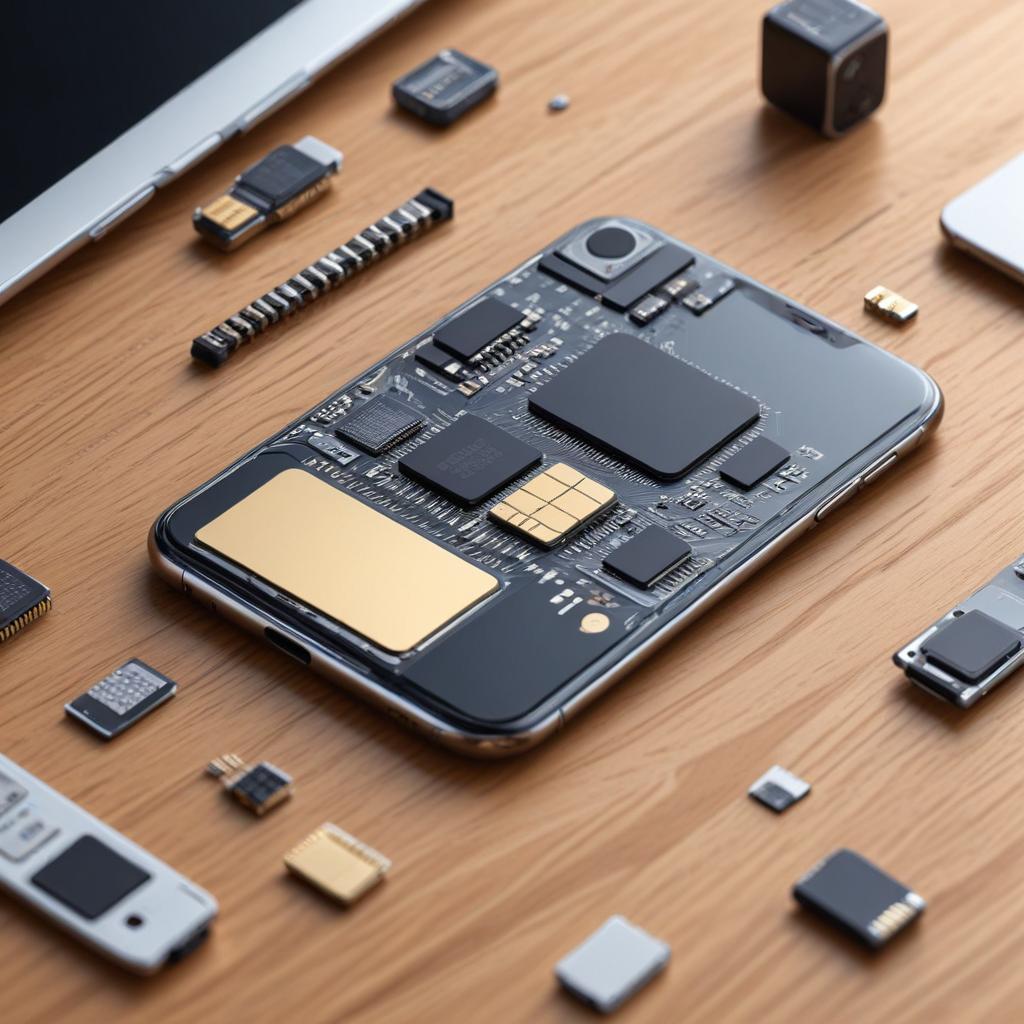
eSIM technology, referred to as embedded SIM or digital SIM, marks a major advancement in the way mobile devices link to cellular networks. In contrast to conventional SIM cards, which are tangible chips that users can insert and remove from their devices, an eSIM is a compact chip integrated directly into the device’s hardware. This embedded SIM allows users to activate and switch between mobile networks without the necessity of physically changing the SIM card.
At its essence, eSIM technology functions by digitally housing various carrier profiles within the embedded chip. These profiles can be controlled remotely through software, enabling users to download, activate, or change carriers effortlessly. This degree of flexibility allows travelers to conveniently access local mobile plans without the need to purchase new SIM cards or face the inconvenience of replacing physical cards in their devices.
Standard SIM cards are constrained by their tangible form—they need to be manually inserted and are linked to a specific carrier profile until they are physically swapped out. On the other hand, the embedded SIM allows for multiple profiles, enabling one device to hold various cellular subscriptions at the same time. Users can easily choose or change profiles via their device settings, typically with just a few taps.
The eSIM technology is founded on guidelines established by the GSMA (GSM Association), which guarantees compatibility among various devices and network operators globally. This embedded SIM employs secure components to protect user information and verify network access, offering security comparable to that of conventional SIM cards. Moreover, because the eSIM is integrated directly into the device’s motherboard, it enhances the design by eliminating the need for space that would have been occupied by SIM trays and cards.
By eliminating the necessity for physical SIM cards, eSIM technology boosts the durability of devices by addressing typical mechanical weaknesses like SIM tray damage or the loss of cards. This advancement is particularly advantageous for small devices such as smartwatches and IoT (Internet of Things) devices that need reliable connectivity within a limited space.
To sum up, eSIM technology substitutes the traditional physical SIM card with a digital, built-in alternative that provides unmatched flexibility, security, and ease of use. By allowing remote management of carrier profiles and accommodating multiple network subscriptions on one device, the embedded SIM revolutionizes user connectivity, making it a crucial innovation for contemporary mobile communication, particularly for those who travel often.
How eSIM Works
eSIM functionality transforms the way individuals access mobile networks by removing the requirement for a physical SIM card. Rather than placing a physical SIM, the eSIM is integrated directly into the device’s hardware, enabling users to download their cellular profiles online. This change significantly streamlines the activation process in comparison to conventional SIM cards.
When activating an eSIM, users generally either scan a QR code given by their mobile carrier or input an activation code. This procedure quickly installs the carrier’s profile onto the eSIM chip, allowing for immediate connectivity without the need to wait for a physical card to be delivered or replaced. Furthermore, the eSIM can hold multiple profiles, simplifying the process of switching between carriers or plans directly within the device settings.
In terms of connectivity, eSIMs offer improved flexibility. Travelers can set up local plans from afar prior to arriving at their destination, eliminating roaming fees and the need for physical SIM card changes. The handling of eSIM profiles is entirely digital, managed through user interfaces on smartphones or tablets, which also offers a simple method to modify or remove profiles as required. This flexible management feature guarantees uninterrupted internet access regardless of your location.
Unlike traditional physical SIMs that need to be physically managed and are prone to loss or damage, eSIM technology prioritizes convenience and efficiency. The digital activation method not only accelerates the connection process but also improves security by minimizing the risk of exposing sensitive SIM information. In essence, eSIM technology transforms travel connectivity, enabling more fluid and flexible network access.
Benefits of eSIM over Traditional SIM
The emergence of eSIM technology represents a major leap forward in mobile connectivity, particularly for those traveling who desire uninterrupted communication. Recognizing the primary eSIM benefits compared to conventional SIM cards reveals the reasons behind this innovation’s swift acceptance. A key advantage is its convenience. In contrast to traditional SIM cards that necessitate physical changes to switch carriers or plans, eSIMs can be configured remotely. This removes the hassle of dealing with physical SIM cards, simplifying the process of changing networks or initiating travel plans without needing to go to a store or wait for a card to be delivered.
Another key benefit in the traditional SIM comparison is flexibility. With eSIM technology, users can keep multiple profiles on one device, making it easy to switch between carriers and plans no matter where you are. For those who travel often, this eliminates the hassle of managing multiple SIM cards or depending on one provider’s roaming options. The capacity to handle various mobile plans digitally transforms the way you stay connected while abroad.
In addition to offering convenience and adaptability, eSIMs provide significant space savings in devices. By removing the requirement for a physical SIM tray, manufacturers can utilize the freed-up space to improve other components, leading to sleeker, more efficient smartphones and wearables. This efficient use of space enhances not just the design of the device but also its reliability, as there are fewer mechanical parts that could potentially break or malfunction.
In summary, the eSIM benefits, such as unmatched convenience, enhanced flexibility, and optimized device space, establish it as a crucial element for contemporary mobile connectivity. By greatly advancing the capabilities of traditional SIM cards, eSIM technology provides travelers with increased freedom and efficiency in maintaining global connectivity.
Enhancing Travel Connectivity with eSIM

In our globally connected environment, ensuring smooth travel connectivity is crucial for both business and leisure travelers. eSIM technology transforms how travelers remain connected by providing a flexible, efficient alternative to conventional SIM cards. In contrast to physical SIMs, an eSIM is integrated directly into a device, enabling users to easily switch between mobile carriers and data plans without the need to change cards. This innovation greatly improves travel connectivity, facilitating a more efficient and trouble-free communication experience across different countries.
A key benefit of utilizing eSIM technology for travel is the straightforward access to worldwide roaming options. Travelers can skip the search for local SIM cards upon arrival and avoid high roaming charges. With an eSIM, changing to local networks is as easy as installing a new profile on your device, typically through a specific app or a QR code. This quick setup of local or regional plans guarantees economical and dependable coverage wherever you travel, enhancing the accessibility and affordability of global roaming.
Additionally, this technology makes it easier to manage various travel locations, allowing users to keep multiple eSIM profiles on one device. For those who travel often, this removes the hassle of dealing with several physical SIM cards and saves precious time during connectivity setup. Whether traveling across continents or exploring several countries in a region, eSIM for travel provides a more seamless and reliable connection by automatically linking to the optimal network available.
From a worldwide communication standpoint, eSIM technology is revolutionizing global connectivity by eliminating the restrictions set by conventional telecom systems. It allows travelers to enjoy seamless access to their favorite communication methods, such as voice calls, messaging applications, and internet services, which are vital for exploring new places and keeping in contact with friends, family, or colleagues around the globe. This connectivity not only enhances convenience but also supports safety and communication during emergencies.
To sum up, the increased flexibility, savings, and user-friendliness provided by eSIM significantly enhance connectivity for travelers. By enabling smooth global roaming and streamlining carrier oversight, eSIM for travel allows users to maintain effortless communication across different countries. As this technology progresses and becomes more widely embraced, it is sure to be crucial in defining the future of international communication for travelers everywhere.
Seamless International Roaming
International roaming has often been a complicated affair, typically necessitating travelers to change out physical SIM cards to utilize local networks. Nevertheless, eSIM travel technology removes this obstacle entirely. With eSIMs, users can enjoy hassle-free international roaming by connecting to worldwide networks without needing to physically replace their SIM card. Travelers can instead toggle between carriers and plans digitally via their device settings or specialized apps, ensuring that connectivity is straightforward and immediate.
This cutting-edge method for international roaming allows your device to instantly link up with local or regional networks provided by your eSIM provider as soon as you enter a new country. It simplifies the whole process, eliminating the need to search for local shops to buy SIM cards, minimizes the chance of misplacing a physical SIM, and grants immediate access to data and voice services. For those who travel often, this adaptability ensures seamless global connectivity without any inconvenience.
Additionally, eSIM travel improves network management by enabling users to keep multiple profiles from various carriers on one device. This feature offers a simple method to switch between international networks based on location, pricing, and coverage. In the end, this technology turns international roaming into a seamless, hassle-free experience, facilitating easier and more dependable global communication for travelers around the world.
Cost-Efficiency for Travelers
One of the main benefits of utilizing an eSIM while on the go is the opportunity for considerable savings. Standard roaming fees from your home provider can escalate rapidly, transforming an easy getaway into a costly affair. By leveraging eSIM technology, travelers can sidestep these steep charges by seamlessly transitioning to local data plans as soon as they arrive in a different country.
With the effortless digital activation of eSIM, there’s no requirement to buy physical SIM cards or navigate through complex exchanges. This convenience enables travelers to choose from a range of economical roaming options provided by local carriers, customized to fit their individual data requirements and length of visit. By opting for local travel data packages, users can benefit from improved coverage and quicker connections at a much lower price compared to international roaming.
In addition, the savings associated with eSIM extend beyond simply eliminating roaming charges. Numerous providers present attractive eSIM packages that simplify data management for travelers, preventing unforeseen expenses. This guarantees consistent connectivity while assisting travelers in adhering to their budgets, thereby making business trips, holidays, or long-term stays more cost-effective.
To conclude, opting for local carriers through an eSIM presents a practical solution for travelers seeking budget-friendly roaming choices while enhancing cost-effectiveness. Utilizing travel data plans made possible by eSIM technology allows travelers to maintain global connectivity without excessive expenses.
Future of eSIM in Travel Connectivity
The potential of eSIM technology is vast, poised to transform mobile connectivity, especially in the travel sector. As trends in travel technology progress, eSIM is anticipated to emerge as a crucial resource, making it easier for travelers to connect to global networks and maintain uninterrupted communication across borders. In contrast to conventional SIM cards, eSIMs provide unparalleled flexibility that meets the rising need for quick and dependable connectivity in our interconnected world.
A significant trend shaping the future of eSIM technology is its improved compatibility with various devices. Travelers will have the ability to activate multiple SIMs across smartphones, tablets, laptops, and wearables, rather than being restricted to just one device. This capability for multi-device connectivity allows travelers to enjoy seamless access to navigation tools, language applications, travel resources, and communication services, all managed through a single, efficient eSIM profile.
Additionally, the increasing use of eSIM technology allows for seamless carrier changes without the need for physical SIM card exchanges, enabling travelers to quickly choose the most suitable local networks. This feature not only lowers roaming fees but also boosts data speeds and enhances network dependability. With the swift rollout of 5G in various areas, mobile connectivity via eSIM is set to provide extraordinary speeds and minimal latency, improving real-time services like live translation and engaging virtual experiences.
Travel technology trends indicate a shift towards enhanced personalization and automation in managing mobile connectivity. Upcoming eSIM platforms are anticipated to utilize artificial intelligence and machine learning to forecast traveler requirements, automatically enabling the best data plans depending on location, time spent, and usage habits. This development will revolutionize the travel experience by eliminating the inconvenience of manual configuration, providing cost-effective and efficient connectivity customized to personal preferences.
An additional thrilling element of the future of eSIM lies in its possible contribution to smart travel ecosystems. The incorporation of IoT devices, digital passports, and secure mobile identity functionalities will foster a unified setting where connectivity enhances a seamless travel experience—from reservations and check-ins to on-site navigation and transactions. With the ongoing global changes in eSIM regulations, we can anticipate wider compatibility and accessibility, positioning eSIM as a universal standard for mobile connectivity in travel.
In summary, the outlook for eSIM is promising and shows a definite path toward changing how travelers connect globally. By adopting these trends in travel technology, mobile connectivity will evolve to be more user-friendly, affordable, and widely available, significantly enhancing the travel experience. As devices and networks progress, eSIM leads the way, reshaping the potential for mobile communication while on the go.
Integration with IoT and Smart Devices
As the travel sector advances, the incorporation of IoT travel solutions and smart devices is becoming more essential. eSIM technology is key in providing a smooth link between these sophisticated devices and the worldwide network. Unlike conventional SIM cards, eSIMs allow users to easily switch carriers and handle various profiles without needing to physically replace the SIM, which is vital for IoT devices used in various settings while traveling.
Innovative travel gadgets like health monitoring wearables, smart luggage trackers, and GPS navigation devices depend significantly on stable and dependable network connections. eSIM technology grants these devices immediate access to local cellular networks around the globe, facilitating seamless data transfer. This feature enables travelers to keep tabs on their possessions, get instant notifications, and uphold vital communication links without the inconvenience of buying local SIM cards or facing steep roaming charges.
Additionally, eSIM technology improves the management and implementation of IoT travel solutions by allowing for remote setup and over-the-air updates. Travel businesses and device creators can more effectively manage connectivity configurations, enhance performance, and boost security from afar. This has resulted in more creative eSIM applications within the travel sector, like intelligent hotel rooms that modify settings according to guest preferences or connected vehicles that offer real-time diagnostics and navigation support.
To sum up, the incorporation of eSIM technology with IoT devices and intelligent travel tools greatly enhances connectivity while traveling. It offers ease, dependability, and adaptability, enabling both travelers and travel service providers to remain connected and effective in a world that is becoming more interconnected.
Potential Challenges and Solutions
Although eSIM technology provides significant advantages for connectivity while traveling, there are various challenges that both users and providers need to tackle. A major issue is security. Given that eSIM profiles are obtained online, there are worries about unauthorized access and possible data leaks. It is essential for travelers to acquire eSIMs from reputable providers and to verify that their devices are equipped with strong security measures to protect their personal data throughout the activation and usage process.
A major obstacle is adoption. Even with increasing backing, not every device and carrier completely supports eSIM technology, which restricts accessibility for certain travelers. This results in adoption hurdles, particularly for individuals with older smartphones or those visiting areas with limited eSIM infrastructure. Informing consumers about the advantages of eSIMs and motivating manufacturers and telecom companies to broaden compatibility are essential approaches to addressing this issue.
Addressing these challenges requires collaboration across the industry. Telecom providers must focus on improving the security of eSIM activation methods by implementing encryption and multi-factor authentication. Additionally, they should aim to standardize eSIM technologies worldwide to minimize compatibility concerns. Moreover, offering clear instructions and assistance for travelers on the safe and efficient use of eSIMs can boost user confidence and speed up adoption.
By tackling these eSIM issues directly with effective solutions, the travel sector can guarantee that eSIM technology evolves into a safe, readily available, and smooth connectivity choice for travelers around the globe.

I’m a tech enthusiast who loves exploring how eSIMs simplify staying connected while traveling. I spend my free time testing new smartphones and sharing tips on getting the most out of mobile data abroad.