Benefits of using eSIM-enabled smartphones
11/12/2025
Overview of eSIM Technology
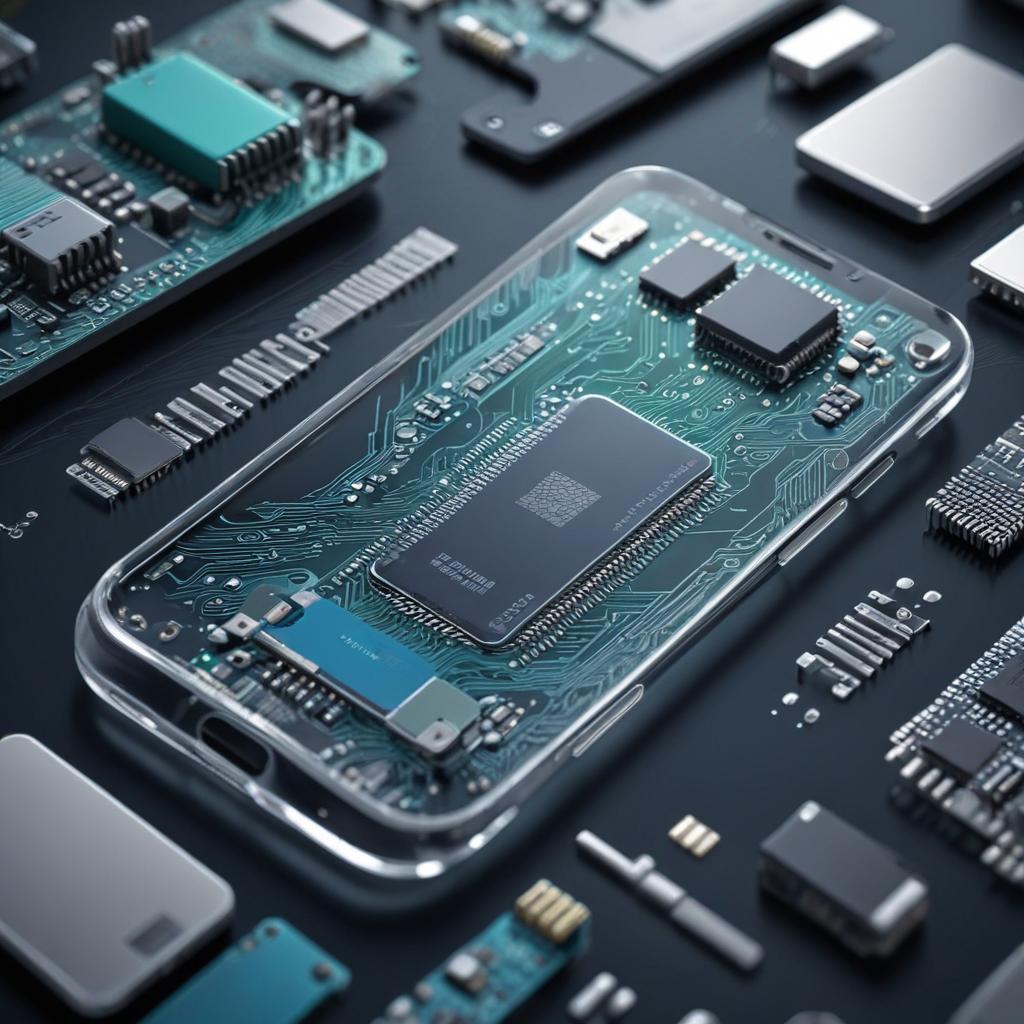
eSIM technology, or embedded SIM, represents a significant advancement in the way mobile devices connect to cellular networks. Unlike traditional physical SIM cards that must be inserted into smartphones, eSIMs are embedded directly within the device’s hardware. This integrated SIM eliminates the need for a removable card, offering a more streamlined and flexible solution for managing mobile network connections.
The main difference between an eSIM and a traditional SIM card lies in their physical design and management method. Traditional SIM cards are plastic chips that store subscriber information and require physical swapping when changing networks or plans. On the other hand, eSIM technology features a tiny chip that is permanently embedded in the smartphone’s motherboard, allowing for electronic configuration of multiple cellular profiles without needing to be removed. This capability lets users switch carriers, start new services, or add additional phone numbers remotely, removing the necessity for physical cards.
In addition to the convenience of eliminating physical SIM cards, eSIM technology enhances security and durability. Since the embedded SIM is built into the device, it is less vulnerable to damage or loss. Furthermore, it reduces the risk of SIM card fraud or unauthorized removal, as users typically need carrier authentication to activate or modify profiles stored on the eSIM. This makes embedded SIM solutions particularly attractive in today’s mobile landscape that emphasizes security.
In the world of smartphone SIM choices, eSIM technology stands out by offering unparalleled convenience and flexibility. Modern smartphones equipped with embedded SIM technology can support multiple cellular profiles simultaneously, allowing users to effortlessly switch between personal and work numbers, different domestic and international carriers, or various plans without the inconvenience of managing several physical SIM cards. This feature is especially beneficial for frequent travelers and those who need diverse connectivity options on a single device.
With the growing adoption of eSIM technology by companies, it is emerging as an essential component of modern smartphones. This technology not only provides basic connectivity but also enables advanced features like remote provisioning and over-the-air updates, revolutionizing how carriers manage and deliver mobile services. Thanks to embedded SIMs, users enjoy faster activation times and greater flexibility when changing network providers, resulting in a more user-centric and versatile smartphone experience.
What is an eSIM?
The term eSIM definition refers to an embedded SIM or digital SIM, which is a small chip embedded directly into a smartphone or other connected devices. Unlike traditional physical SIM cards that can be taken out and must be inserted into a device’s SIM tray, the embedded SIM is affixed to the device’s motherboard during production. This design eliminates the need for a physical card slot, leading to a more efficient and durable device.
An embedded SIM functions similarly to a standard SIM card by storing the user’s information, such as network credentials and identification data. In contrast, a digital SIM allows users to download and activate different cellular profiles from a distance, removing the necessity to swap out physical cards. This greatly improves the ease of switching carriers or plans directly through the device’s settings.
In contrast to traditional SIM cards that require physical interaction for changes or replacements, smartphones with eSIM technology offer a smoother experience. Users can effortlessly modify their mobile service plans directly on their devices, removing the necessity for a new SIM card with each change. This feature is particularly beneficial for travelers or those who frequently switch service providers. In conclusion, eSIM serves as a modern and effective alternative to conventional SIM cards, focusing on convenience and enhanced functionality.
How eSIM Works in Smartphones
The eSIM functionality in modern smartphones represents a significant advancement over traditional SIM cards. Unlike physical SIM cards that must be inserted by hand, a smartphone eSIM is a programmable chip embedded in the device’s motherboard. This integrated design provides greater flexibility and seamless integration, enabling the digital storage and management of various carrier profiles. To activate a SIM, users no longer need to swap out physical cards; they can easily download operator profiles via the smartphone’s software interface.
The eSIM integrated into a smartphone works with the device’s operating system to securely save and encrypt carrier data. When a user intends to set up a new plan or switch carriers, they can either scan a QR code or enter the activation information provided by the mobile network operator. The phone’s software then connects to a remote server to download the required profile onto the eSIM chip. This method ensures a seamless activation process, eliminating the delays associated with physical SIM card shipments or visits to carrier retail stores.
In addition, eSIM functionality supports multiple profiles, allowing users to effortlessly toggle between different carriers or plans directly from their phone settings. This adaptable approach to SIM activation enhances user convenience and enables international travelers to switch networks without the need for additional hardware. To sum up, the integration of eSIM technology in smartphones provides a robust, software-driven alternative to conventional SIM cards, resulting in a smarter and more efficient mobile experience.
Key Benefits of Using eSIM-Enabled Smartphones

eSIM-enabled smartphones offer numerous transformative advantages that alter the interaction between users and carriers regarding mobile connectivity. One significant benefit of eSIMs is their ease of use. Unlike traditional physical SIM cards, eSIMs are built directly into the device’s hardware, eliminating the need to insert or swap out physical cards. This simplifies the procedure for switching carriers or plans, which can usually be accomplished through software updates or setting changes, without requiring a trip to a store or waiting for delivery.
From the perspective of users, this flexibility is groundbreaking. With eSIM capabilities, travelers can seamlessly link up with local networks overseas without the hassle of juggling multiple physical SIM cards. This reduces hassle and results in cost savings by avoiding steep roaming fees. Furthermore, the benefits of eSIM extend to individuals wanting to maintain both their personal and work numbers on a single device. They can effortlessly toggle between profiles, enjoying all the advantages of dual SIM functionality without the extra weight or risk of losing a physical card.
The integration of eSIM technology into smartphone SIM functionalities improves device durability and fosters design innovation. By removing the SIM card tray, manufacturers can create more compact smartphones, boost their resistance to water and dust, and achieve a sleeker appearance. This forward-thinking approach aligns with the industry’s trend toward developing more robust and user-friendly devices.
Carriers experience considerable benefits by adopting eSIM technology. The capability to remotely download eSIM profiles enables carriers to streamline activation processes, reduce costs associated with shipping physical SIM cards, and enhance customer support with instant provisioning. This digital approach empowers carriers to offer more flexible and competitive plans, ultimately increasing both customer acquisition and retention.
Moreover, eSIM technology promotes a greener mobile ecosystem. By minimizing plastic waste and the logistical challenges tied to traditional SIM cards, it supports environmentally conscious practices. From both business and ecological viewpoints, the advantages of eSIM allow carriers and users to fulfill modern expectations of efficiency and responsibility.
In conclusion, the advantages of smartphones that utilize eSIM technology consist of increased user convenience, improved flexibility, streamlined device design, and better operational efficiencies for service providers. With simpler activation processes, enhanced connectivity management, and ecological benefits, the evolving capabilities of smartphone SIMs are leading us toward a smarter and more connected future in mobile communication.
Improved Convenience and Flexibility
A major benefit of smartphones that support eSIM is the outstanding convenience they offer to users. Unlike conventional SIM cards that require physical swaps to change carriers or plans, eSIM technology enables instant digital changes. This means you can set up a new plan or switch among different carriers with just a few taps on your device, removing the hassle of handling a physical card. This efficient process eliminates the need to visit a store or wait for a SIM card to be delivered.
The flexibility of eSIM technology extends even more by enabling multiple carrier profiles on a single device. This functionality allows users to maintain several plans concurrently, such as a personal plan together with a business one, or separate plans for local and international use. Switching between these profiles is seamless, making it easier to manage mobile connectivity without interruptions. Furthermore, eliminating the need for physical SIM card swaps reduces the risk of misplacing or damaging SIM cards.
Moreover, this improved convenience and eSIM compatibility are especially advantageous for frequent travelers. Instead of buying local SIM cards at every stop, they can swiftly download a compatible carrier profile, ensuring smooth and cost-effective connectivity. In conclusion, smartphones featuring eSIM technology transform how we handle mobile plans, prioritizing user convenience and offering unparalleled flexibility with multiple carriers easily accessible.
Space Efficiency and Device Design
The integration of eSIM technology into smartphones marks a significant advancement in device design, primarily by eliminating the need for a physical SIM slot. By getting rid of the conventional SIM tray, manufacturers can utilize valuable internal space for extra components or to reduce the overall thickness of the device. This efficient use of space paves the way for the creation of slimmer, more attractive smartphones that are not just aesthetically pleasing but also easier to grip.
Removing the requirement for a physical SIM card slot provides designers with greater freedom to optimize the internal layout of the phone. This flexibility enables the inclusion of bigger batteries, improved cooling systems, or enhanced camera parts without increasing the size of the device. Consequently, advancements in device design driven by eSIM technology boost both the efficiency and durability of modern smartphones.
Additionally, removing the SIM tray significantly improves the waterproof capabilities of smartphones. Conventional SIM slots require openings in the device’s casing, complicating the ability to create an effective seal. By integrating an internal SIM into the device’s circuitry, manufacturers reduce possible access points for water, thereby enhancing protection against moisture, dust, and various environmental factors. This innovation caters to the increasing desire for durable and robust smartphones capable of withstanding daily wear and tear.
To sum up, utilizing an internal SIM via eSIM technology offers two significant advantages: it optimizes vital internal space for innovative device design and improves the waterproof features of smartphones. These benefits are essential for the development of sleeker, more efficient, and resilient mobile devices.
Enhanced Security and Reliability
One significant security benefit of using eSIM-enabled smartphones is their improved protection against physical SIM theft and tampering. Unlike traditional SIM cards that can be easily taken out or swapped, eSIMs are embedded directly within the device’s hardware, providing a much higher level of security against unauthorized access. This inherent feature substantially reduces the chances of SIM card theft, a common tactic used in different types of fraud and identity theft.
Moreover, the durability of eSIMs is improved due to their resistance to physical harm and loss. Since eSIMs are directly soldered onto the phone’s motherboard, they are less susceptible to damage or being misplaced, leading to a more consistent and reliable mobile connection. This level of permanent integration not only enhances user convenience but also bolsters the overall security and integrity of the device.
A major advantage of eSIMs is their ability to combat SIM fraud. In traditional SIM swapping tactics, criminals usually have to physically acquire or duplicate SIM cards to bypass security protocols. In contrast, eSIM technology tackles this problem by requiring remote provisioning and authentication, adding an extra layer of security that safeguards against unauthorized SIM activations. Carriers can efficiently manage eSIM profiles remotely, enhancing their strategies for detecting and preventing fraud.
To sum up, the cohesive design of eSIMs provides unparalleled protection against the theft and tampering of physical SIM cards, while also delivering improved reliability and security attributes. Collectively, these advantages make eSIM-enabled smartphones a smarter choice for users who prioritize security and dependable device performance.
Future Trends and Considerations for eSIM Adoption
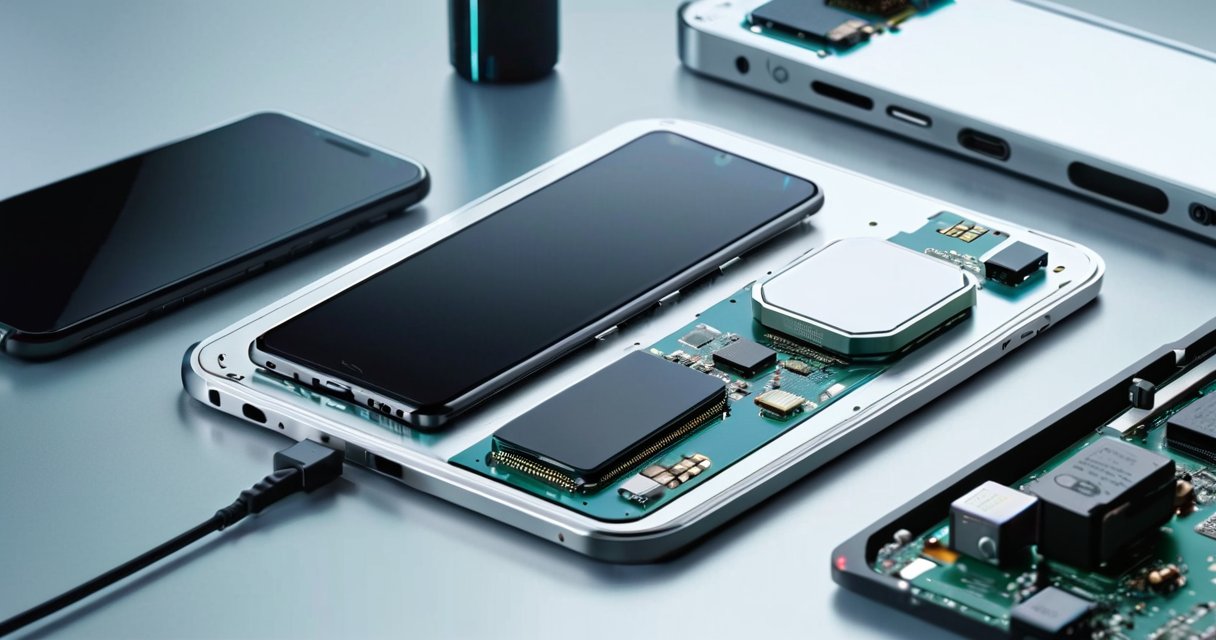
The advancement of eSIM technology is set to transform the smartphone industry and the broader telecommunications field. As more manufacturers and service providers embrace eSIMs, the pace of adoption is expected to increase significantly. A key driver of this growth is the integration of eSIMs in not only smartphones but also in a diverse array of connected devices, such as tablets, wearables, and Internet of Things gadgets. This evolution will improve user experience by simplifying the handling of multiple subscriptions and facilitating easier carrier transitions.
Market trends indicate a marked shift towards devices utilizing eSIM technology, particularly as consumers desire enhanced flexibility and convenience in their mobile connectivity options. Major smartphone makers have begun removing traditional SIM card slots in favor of built-in eSIM solutions, signaling a clear direction for future models. This transition not only conserves physical space in devices, enabling sleeker designs and better battery life, but also streamlines the manufacturing process. Additionally, the growth of 5G networks facilitates the adoption of eSIMs, increasing their attractiveness for both users and service providers.
However, the journey towards eSIM adoption encounters challenges, particularly in terms of regulations. Nations are at various stages of crafting policies and standards that govern eSIM usage, addressing aspects like consumer privacy, security protocols, and requirements for interoperability. Regulatory bodies must ensure that eSIM deployments safeguard data and network integrity while encouraging innovation. Furthermore, the pace of adoption may be influenced by local telecom regulations that affect carrier participation and network availability. Harmonizing these regulations on a global level will be essential for fully realizing the benefits of eSIM technology across the globe.
An important aspect to take into account is the impact of eSIM technology on the smartphone market dynamics. By allowing easier transitions between carriers, eSIM has the potential to enhance competition among mobile providers, which could result in reduced pricing. This development provides consumers with increased clarity and the chance to access more customized service plans. On the other hand, carriers need to modify their business approaches to align with a more adaptable and consumer-oriented environment. For manufacturers, incorporating eSIM means developing devices with secure hardware and software that support remote provisioning and management through over-the-air updates.
The evolution of eSIM technology represents a major leap toward a more connected and adaptable mobile landscape. As more people begin to embrace this technology, it is essential for all stakeholders to collaborate in addressing the technical, regulatory, and market challenges. If implemented effectively, the widespread use of eSIM will pave the way for innovative mobile experiences and new business opportunities, fundamentally changing how users interact with their smartphones and related services.
Growing Support Among Carriers and Manufacturers
Lately, there has been a notable increase in support from carriers and manufacturers for eSIM technology around the globe. An increasing number of mobile carriers are integrating eSIM capabilities into their networks, enabling users to establish cellular plans without needing physical SIM cards. This heightened support from carriers simplifies the experience for consumers, making it easier to switch plans or manage multiple profiles on a single device. As a result, network compatibility across various regions and service providers is continually improving, boosting seamless connectivity for smartphones that utilize eSIM.
When it comes to hardware, leading smartphone manufacturers are progressively incorporating eSIM technology into their latest devices. Brands recognized for their cutting-edge methods are leveraging eSIM to enhance device versatility and maintain the relevance of their offerings. This movement extends beyond premium devices; mid-range and budget-friendly smartphones are beginning to adopt eSIM as well. The widespread embrace by producers ensures that more users can benefit from eSIM’s perks, such as a streamlined design and dual-SIM capabilities, all while preserving network performance and reliability.
Collaborative initiatives between carriers and manufacturers are driving the global adoption of network compatibility for devices featuring eSIM technology. This expansion in the ecosystem supports international roaming, simplifies plan transitions, and encourages the development of innovative mobile services. Ultimately, the growing alliance between carriers and smartphone makers establishes a robust framework that will improve the accessibility and convenience of eSIM technology for users worldwide.
Potential Challenges and Consumer Considerations
While eSIM-enabled smartphones offer a range of advantages, several challenges must be tackled by both consumers and service providers for widespread acceptance. One major issue is worldwide compatibility. Not all carriers globally provide uniform support for eSIM technology, which can limit its usefulness for international travelers or those in regions where carrier infrastructure has yet to fully embrace eSIM standards. This lack of consistent support can result in frustration and reduce the overall appeal of switching to an eSIM device.
Another key aspect is the understanding and awareness of consumers. Many users still lack a complete understanding of how eSIMs operate, leading to confusion or hesitation when attempting to activate or manage their mobile services. Unlike traditional SIM cards, which are tangible and physical, eSIMs depend on digital processes that may be more difficult for some consumers to maneuver. As a result, it is essential for carriers and manufacturers to offer clear education and simple guidance to promote broader adoption and minimize user errors.
Switching carriers with an eSIM can present various technical hurdles. Although eSIMs enable remote activation and changes without a physical SIM card, the process can sometimes involve complex activation procedures, face delays, or demand compatibility checks that might frustrate users. Additionally, some carriers impose restrictions on unlocking or transferring eSIM profiles, complicating provider changes even further. These challenges underscore the importance of developing smooth, user-friendly systems to fully leverage the benefits of eSIM technology.

I’m a tech enthusiast who loves exploring how eSIMs simplify staying connected while traveling. I spend my free time testing new smartphones and sharing tips on getting the most out of mobile data abroad.