Common questions about eSIM phones
15/12/2025
What is an eSIM and How Does it Work?
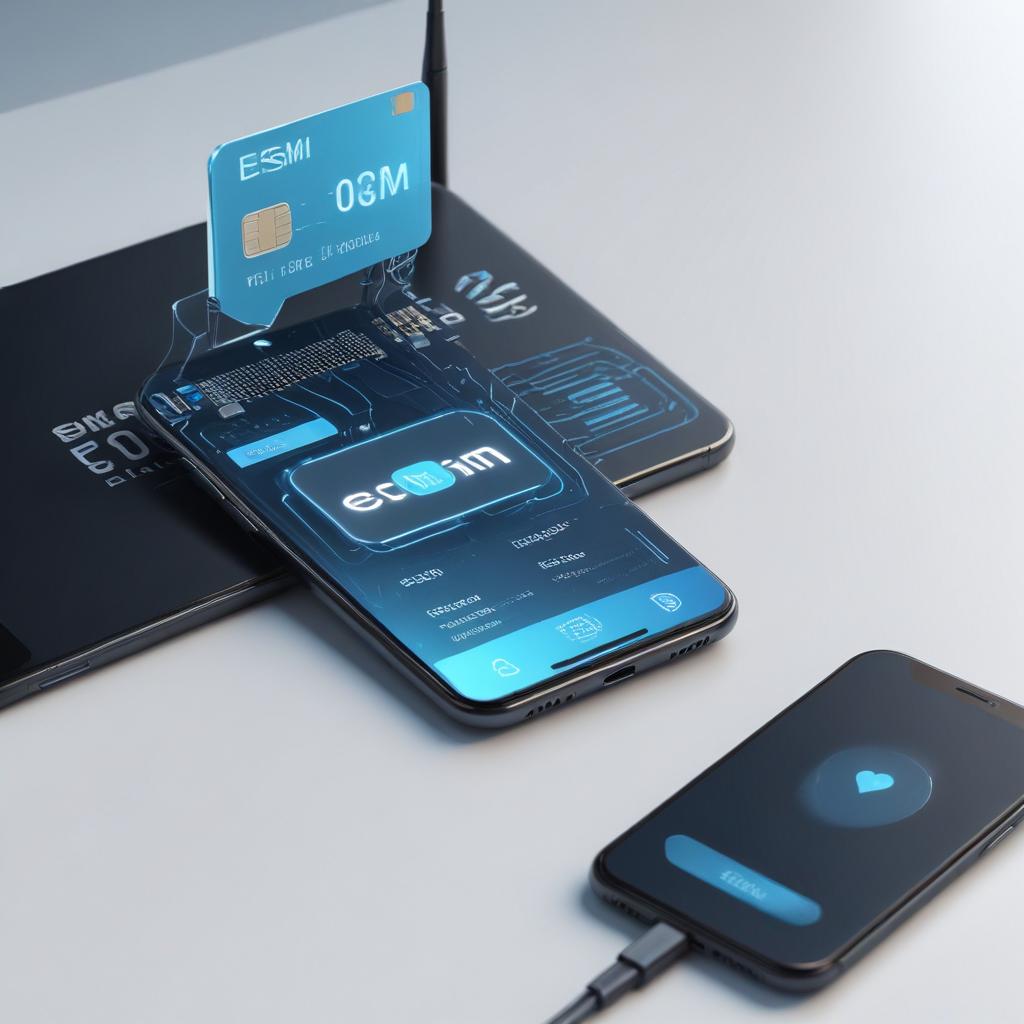
The phrase eSIM definition refers to embedded SIM, a contemporary substitute for conventional physical SIM cards found in mobile devices. In contrast to standard SIM cards that are removable plastic pieces, an eSIM is a compact chip that is integrated directly into the device’s motherboard at the time of production. This embedded SIM enables users to set up cellular plans without the hassle of inserting or changing physical SIM cards, providing a more adaptable and efficient mobile experience.
Grasping the functionality of eSIM requires acknowledging its primary distinction from conventional SIM cards. Instead of needing to physically swap a card to change carriers or plans, users can obtain their subscriber profile wirelessly. Mobile carriers offer downloadable SIM profiles that safely keep the user’s subscription information, such as network data and authentication keys, right on the embedded SIM chip. This digital approach removes the necessity for handling physical cards, streamlining the process of switching networks.
The foundation of an embedded SIM lies in a rewritable chip capable of holding multiple profiles at once, although usually only one is operational at a time. This feature enables users to maintain various phone numbers and plans without the need to change physical cards—perfect for those who travel often or individuals looking to distinguish between work and personal mobile lines. The eSIM chip complies with GSMA standards, guaranteeing compatibility and security across a range of devices and networks globally.
Additionally, the incorporation of embedded SIMs within devices eliminates the potential for damage or loss associated with conventional SIM cards. This advancement also allows for sleeker device designs and enhances water and dust protection due to the absence of a SIM card tray. With the rising need for enhanced connectivity and adaptability, embedded SIM technology is rapidly gaining traction in smartphones, smartwatches, tablets, and various other connected gadgets.
To sum up, the eSIM definition highlights an innovative method for mobile connectivity. Thanks to embedded SIM technology, users enjoy improved convenience, increased device resilience, and simplified management of mobile subscriptions when compared to traditional SIM cards. This development represents a major leap in the way mobile devices link to networks and how users engage with their cellular service providers.
Difference Between eSIM and Physical SIM
The discussion surrounding eSIM versus SIM is intensifying as an increasing number of devices embrace embedded SIM technology. In contrast to a conventional physical SIM card, which is a detachable plastic chip that holds your subscriber details, an eSIM is a digital SIM that is programmed and integrated directly into the phone’s motherboard. Grasping these distinctions is crucial when evaluating a SIM comparison.
A significant benefit of eSIMs is convenience is that they are integrated into the device, enabling users to change carriers or plans remotely without needing to replace a physical card. This reduces the likelihood of misplacing or harming a SIM card and supports multiple profiles on one device, making it perfect for travelers or those who juggle personal and work numbers. Furthermore, eSIMs help create more streamlined designs and enhance water resistance in smartphones.
Nonetheless, physical SIM cards come with their advantages. They are extensively compatible with older and more affordable devices, ensuring broad support. Users can effortlessly remove a physical SIM to change devices or share their connection without needing technical help. Additionally, the physical SIM card provides a simple, concrete method for handling and carrying mobile service information.
However, physical SIM cards can be challenging to manage because of their tiny dimensions, and they present a security threat if they are misplaced or taken. On the other hand, eSIM technology might encounter obstacles, including insufficient support from certain carriers and possible complications when switching carriers in various areas.
To sum up, the comparison between eSIM and SIM reveals that each has its own unique advantages and disadvantages. eSIMs provide flexibility, enhanced security, and contemporary design features, whereas traditional SIM cards ensure widespread compatibility and user-friendliness for a large number of users. The decision of which to choose hinges on factors such as device compatibility, carrier support, and individual preferences.
How to Activate an eSIM on Your Phone
Enabling an eSIM on your smartphone is an easy task, though the exact steps may differ based on your device model. Here are detailed instructions to guide you through the activation and configuration of eSIM on widely used phones, making sure you have a seamless activation experience.
- For iPhone (iOS 12.1 and later): Go to Settings, tap Cellular or Mobile Data, then select Add Cellular Plan. Use your phone’s camera to scan the QR code provided by your carrier or manually enter the activation details. Follow the on-screen instructions to complete the eSIM activation process.
- For Samsung Galaxy (One UI 2.0 and later): Open the Settings app and navigate to Connections > SIM card manager, then tap Add mobile plan. Scan the QR code or enter the activation code from your carrier. Confirm and activate the eSIM profile to finish setup.
- For Google Pixel (Android 10 and later): Open Settings and go to Network & Internet. Tap Mobile Network and select Add Carrier. Scan the QR code or manually input the eSIM data provided. Follow prompts to finalize the eSIM activation process.
- For other Android Phones: The setup is similar; access Settings, head to Network & Internet or Connections, and select the option to add a new mobile plan. Scan or enter the carrier’s details to activate the eSIM.
By adhering to these instructions based on your phone model, you can effortlessly activate and set up your eSIM and take advantage of the ease provided by a digital SIM, eliminating the requirement for a physical card.
Common Questions About Compatibility and Usage
What exactly is eSIM compatibility, and how can I determine if my phone is compatible with it?
eSIM compatibility indicates if a smartphone or device is equipped with the required hardware and software to utilize an embedded SIM, which takes the place of the conventional physical SIM card. To determine if your phone is eSIM-capable, search for models from top brands such as Apple, Samsung, Google, and others that clearly state “eSIM support” in their specifications. Notable eSIM-compatible devices include the iPhone XS and newer, Google Pixel 3 and later models, along with various recent Samsung Galaxy phones. It’s advisable to consult your specific carrier’s compatibility list, as support can differ among carriers.
Which smartphones offer support for both physical SIM cards and eSIM capabilities?
Numerous contemporary smartphones provide dual SIM functionality, integrating a physical SIM slot with an eSIM. For instance, the newest iPhone models permit users to utilize both a physical SIM and an eSIM at the same time, facilitating dual network access. Likewise, Samsung Galaxy S21 and subsequent models accommodate dual SIM usage, with one slot for a physical SIM and the other for an eSIM. Google Pixel devices also feature dual SIM capabilities. This versatility is particularly advantageous for travelers or individuals wishing to manage personal and work numbers from a single device.
How does eSIM function in real-life scenarios for daily users?
Utilizing eSIM is simple as long as your device is compatible. Rather than placing a physical SIM card, you can either scan a QR code or input an activation code given by your carrier to install the eSIM profile on your device. This can be completed without going to a store, significantly speeding up the process of changing carriers or plans. Once configured, handling multiple eSIM profiles is straightforward through your phone’s settings, enabling smooth transitions between carriers or plans.
Are there any restrictions when using eSIMs in comparison to standard SIM cards?
Although eSIM support is on the rise, certain carriers and regions still lack complete compatibility with eSIM technology. Moreover, not every device permits multiple active eSIM profiles at the same time; some might need one profile to be disabled before another can be activated. Nonetheless, for the majority of users, eSIM offers enhanced flexibility and convenience over conventional SIM cards, particularly for individuals who often switch carriers or travel abroad.
Can I utilize eSIM technology on my tablet or wearable device?
Indeed, eSIM technology extends beyond just smartphones; numerous tablets and wearable gadgets now offer eSIM capabilities. Devices like Apple’s iPads and smartwatches from Samsung frequently come equipped with eSIM support, enabling users to maintain connectivity without the need for a physical SIM card. This expands eSIM compatibility among different device categories, providing a more seamless experience throughout your digital environment.
Which Phones Support eSIM Technology?
Knowing which phones support eSIM is crucial for users eager to utilize this convenient technology. Numerous well-known devices from top brands now offer eSIM capabilities, enabling you to set up a cellular plan without needing a physical SIM card.
Here’s a compilation of well-liked eSIM smartphones that you may want to explore:
- Apple iPhone 14, 14 Pro, 13, 13 Pro, 12, 11, and SE (2nd generation and later)
- Google Pixel 7, Pixel 6, Pixel 5, and Pixel 4 series
- Samsung Galaxy S23, S22, S21, and Z Fold3, Z Flip3 models
- Microsoft Surface Duo 2
- Motorola Razr 5G
- OnePlus 10 Pro and newer models
The roster of eSIM-enabled phones is expanding as more manufacturers embrace this technology. To determine if your device supports eSIM, consult the official specifications on the manufacturer’s site or search your device settings for an “Add Cellular Plan” or “eSIM” feature. Moreover, carrier websites typically offer compatibility lists for phones that support eSIM on their networks.
Can You Use eSIM for Multiple Carriers?
Indeed, it is possible to utilize a multi-carrier eSIM on a single eSIM-compatible phone, though there are a few important details to consider. An eSIM enables you to digitally save multiple carrier profiles, simplifying the process of switching between various networks without the need to change physical SIM cards. Nevertheless, even though you can download multiple carrier profiles onto one eSIM, typically only one profile can be active for cellular service at any given moment on most devices.
Numerous contemporary smartphones offer dual SIM capabilities with eSIM technology, typically featuring one physical SIM slot along with an eSIM slot. This configuration enables the use of two phone numbers at the same time—one via the physical SIM and the other via the eSIM. You can install various carrier profiles on the eSIM and activate them when necessary, making it especially useful for travelers or individuals looking to distinguish between work and personal numbers.
With multiple carriers on a single phone, you can usually switch networks directly from the device settings, eliminating the need to insert or remove SIM cards. This convenience allows for a smooth and effective experience when using various carriers on an eSIM-compatible phone. Depending on the specific phone and the policies of the carriers, you may have the option to save multiple profiles, but you can only utilize one carrier’s cellular service at a time on the eSIM, while still being able to connect it with a physical SIM from a different carrier.
To sum up, it is feasible to utilize several carriers on a single eSIM-compatible device thanks to multi-carrier eSIM support, and dual SIM functionality with eSIM technology allows for easier management of networks. Whether for individual convenience or professional requirements, leveraging multiple carriers with eSIM provides improved flexibility and oversight of your mobile connections.
Security and Privacy Concerns with eSIMs

As eSIM technology gains popularity, numerous users are interested in the security and privacy aspects associated with transitioning to a secure embedded SIM. The security of eSIMs is engineered to be strong, providing multiple benefits compared to conventional physical SIM cards. Since eSIMs are integrated directly into the device’s hardware, they are more resistant to physical tampering or theft. This inherent protection ensures that unauthorized removal or exchange of the SIM card is nearly unfeasible, thereby improving the overall security of the device.
A vital component of eSIM security involves the management of profiles. eSIMs utilize encrypted profiles that are downloaded remotely from service providers, providing an extra layer of security during activation. This encryption reduces the chances of interception or cloning when changing network profiles. Furthermore, mobile network operators deploy secure authentication methods to guarantee that only authorized individuals can activate or modify eSIM profiles on their devices.
Even with robust security protocols in place, certain users express concerns regarding eSIM privacy. A prevalent fear is that the permanent embedding of the eSIM might allow carriers and device makers to track location or usage data with greater ease. Nevertheless, privacy laws and contemporary security practices restrict how much personal information can be accessed or disseminated via eSIM technology. Users maintain authority over permissions and data-sharing configurations through their device’s privacy settings.
Moreover, it’s crucial to understand that eSIMs do not automatically share more personal data than conventional SIM cards. Both SIM types serve as secure identifiers on a mobile network while keeping private information hidden. Concerns regarding eSIM privacy primarily hinge on the policies and data handling practices of carriers, not on the technology of the embedded SIM itself.
To enhance security while utilizing a secure embedded SIM, users need to regularly update their device’s software, implement robust authentication techniques like biometric locks or passcodes, and exercise caution when scanning QR codes or downloading carrier profiles. Following these precautions aids in safeguarding against possible cyber threats and guarantees that the advantages of eSIM security are thoroughly achieved.
In summary, eSIM technology marks a notable improvement in mobile connectivity, integrating robust security measures and tackling prevalent privacy issues. As the number of users with eSIM-compatible devices grows, gaining insight into the workings of eSIM security and privacy protections can enhance confidence and trust in this cutting-edge technology.
How Secure are eSIMs Compared to Physical SIMs?
In terms of eSIM security features, eSIMs provide multiple benefits compared to standard physical SIM cards. A major advantage is that eSIMs are integrated directly into the device’s hardware, which makes them more resistant to theft or physical interference. In contrast to physical SIM cards that can be easily swapped between devices, eSIMs necessitate authorization via secure credentials, greatly minimizing the chances of unauthorized access.
Using physical SIM cards, incidents of SIM card hacking like SIM swapping or cloning are more prevalent. Cybercriminals can utilize social engineering tactics or gain physical access to a SIM card, allowing them to intercept calls, messages, or two-factor authentication codes. The integrated design of eSIMs complicates these attacks, as hackers cannot just take out and insert a SIM into a different device.
Nonetheless, although eSIMs are typically viewed as secure, there are still some risks to keep in mind. The remote provisioning and management of eSIM profiles depend significantly on the security protocols of the network. It is essential to utilize reputable carriers and secure connections to [[L0]] to safeguard eSIM data. Furthermore, if malware or compromised applications obtain extensive access to your device, they might disrupt eSIM management capabilities.
In general, eSIM technology improves security by reducing physical weaknesses and enabling strong encryption and authentication techniques. Understanding the advantages and potential risks allows users to make educated choices regarding the use of eSIMs compared to traditional SIM cards in their mobile devices.
Privacy Implications of Using an eSIM
With the increasing use of eSIM technology, worries regarding eSIM privacy have surfaced more significantly. In contrast to conventional SIM cards, eSIMs are integrated directly into devices, facilitating seamless transitions between carriers without the hassle of physical replacements. Nonetheless, this ease of use brings forth concerns about data tracking capabilities of eSIMs and the implications for user privacy that eSIM users need to consider.
A significant factor to keep in mind is that eSIMs may enhance tracking capabilities. Because an eSIM can be programmed and controlled by carriers remotely, it has the ability to hold several profiles and transmit information more broadly. This feature could enable telecom companies and, in certain instances, external parties to monitor a user’s whereabouts and actions more accurately than conventional SIM cards. Users need to recognize that although eSIMs do not directly compromise privacy, the information processed through these profiles and the network can be utilized for tracking.
When utilizing an eSIM, safeguarding your privacy requires selecting carriers that uphold robust privacy policies and clear data handling practices. It is essential to examine user agreements and comprehend the types of information that are gathered, retained, and disseminated. Furthermore, routinely overseeing your eSIM profiles by deleting those that are no longer in use and employing secure activation procedures can help reduce the risks associated with data tracking related to eSIMs.
In the end, worries about user privacy related to eSIM should not hinder its adoption but rather promote informed choices. Utilizing the newest privacy-enhancing capabilities from device makers and service providers will aid in safeguarding personal data while enjoying the effortless connectivity that eSIM technology provides.

I’m a tech enthusiast who loves exploring how eSIMs simplify staying connected while traveling. I spend my free time testing new smartphones and sharing tips on getting the most out of mobile data abroad.