Differences between eSIM phones and SIM phones
13/12/2025
Understanding eSIM and SIM Phones
Grasping how eSIM devices differ from conventional smartphones starts with the fundamentals of SIM technology. In the past, phones depended on physical Subscriber Identity Modules to verify users on cellular networks. These modules hold vital subscriber data—such as the International Mobile Subscriber Identity and associated security keys—necessary for establishing secure network links.
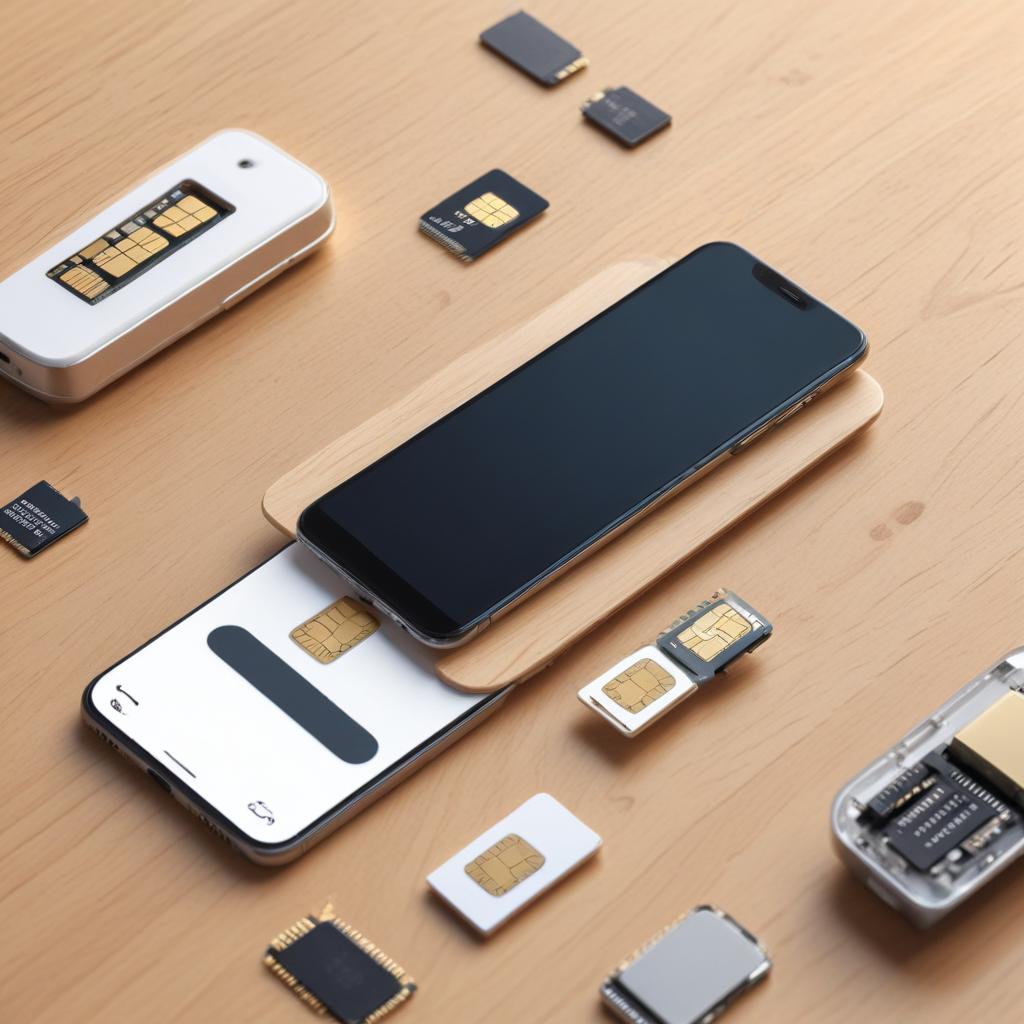
Examining SIM phones shows that they use removable SIM cards in standard, micro‑SIM, and nano‑SIM formats. Switching carriers or plans is simple, as users just swap the physical card. Traditional SIM cards rely on integrated circuit chips housed in plastic, linking to the phone’s modem to deliver voice, messaging, and data services.
Conversely, eSIM technology relies on an embedded SIM, removing the requirement for a physical card. The eSIM is built into the device’s motherboard as a programmable chip. It can hold several carrier profiles, letting users switch networks digitally without swapping cards. Devices with eSIM use this chip to configure and control cellular plans via software, offering greater flexibility and convenience.
The foundation of eSIM technology stems from the GSMA’s specifications regarding remote SIM provisioning. Through this framework, wireless carriers can securely deliver SIM profiles over the air, empowering users to download and activate connections instantly. Unlike standard SIM cards, eSIMs remove the necessity for physical hardware and expand capabilities for dual-SIM setups as well as IoT applications.
In terms of how they operate, both eSIM and traditional SIM phones share the same core objective: linking a mobile device to the cellular network. The primary distinction is found in the way subscriber identity is delivered and controlled. Unlike physical SIM cards that necessitate a manual switch to alter or add service providers, eSIM gadgets allow users to complete these actions digitally, typically via system settings or carrier applications.
Grasping these distinctions illuminates the ongoing evolution of mobile SIM formats, offering improved user experiences while simultaneously driving the advancement of wireless connectivity technologies.
What is an eSIM?
Known as an embedded SIM, an eSIM is a virtual chip built straight into your device’s internal architecture. This tech lets you instantly activate a mobile service package by downloading it to your smartphone, removing the requirement for a detachable plastic card. By eliminating the physical component, eSIMs refine cellular connectivity, giving users a seamless and versatile experience.
eSIM functionality relies on programmable chips embedded directly within your smartphone. These chips securely house your network credentials and identity, removing the inconvenience of physically swapping cards when altering providers or plans. To change networks, you merely download a new carrier profile over the air, facilitating a seamless shift that bypasses trips to stores or waiting for physical SIM deliveries. This approach considerably streamlines the management of several numbers or regional carriers.
The benefits of Преимущества встроенной SIM compared to traditional SIM cards are significant. To begin with, they provide eSIMs обеспечивают большую гибкость and unparalleled ease for users who travel internationally or require multiple plans without having to change physical cards. They also improve the durability and design of devices by removing the necessity for SIM trays, thus maximizing internal space. Furthermore, eSIM technology reduces plastic waste associated with conventional SIMs, making it a more eco-friendly option. Ultimately, digital SIMs present a more intelligent and efficient way to remain connected.
What is a Traditional SIM Phone?
Traditional phones utilizing a SIM require a physical SIM card to connect with mobile networks. This small, removable card holds essential subscriber information, such as your phone number and network details, allowing the device to authenticate itself and access cellular services. The SIM itself is a tiny rectangular chip that fits into a designated SIM tray on the phone. Typically, this tray is located on the side or back of the device and usually requires a SIM-eject tool to access for inserting or removing the card.
Using a physical SIM means you must manually insert the chip into the tray whenever you change handsets or service providers. This process can be hassle-prone, especially for those who swap devices often or journey abroad. While a removable card facilitates straightforward swapping, it carries certain drawbacks. Being a physical object, the chip is vulnerable to breaking, misplacement, or wear and tear, which could interrupt your connectivity.
Another limitation of traditional SIM phones relates to their size and design. The presence of a SIM slot takes up valuable space within the device, which compels manufacturers to reserve room that could be utilized for a larger battery or a sleeker design. Additionally, the need for a removable SIM card restricts efforts to make the phone completely waterproof or resistant to dust. In summary, although conventional SIM phones offer ease of use and extensive compatibility through a physical SIM and slot, they also present practical and design constraints that emerging technologies aim to overcome.
Key Differences Between eSIM Phones and SIM Phones
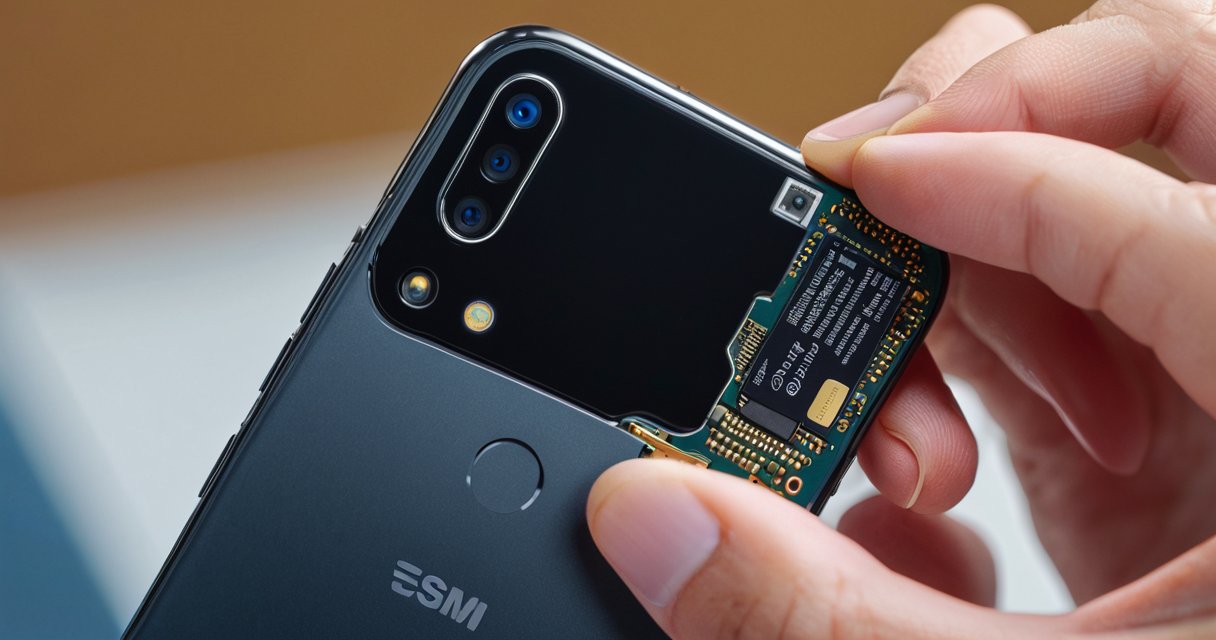
Understanding the distinctions between eSIM and SIM technology hinges on comparing how they handle setup, performance, and flexibility. Traditional SIM devices depend on a removable microchip inserted into the hardware. In contrast, eSIM devices integrate the SIM functionality straight into the phone’s internal circuitry, eliminating the need for a separate card. This fundamental shift creates multiple operational differences between the two approaches.
Starting with the setup, the differences between SIM phones become clear. With a traditional SIM phone, the user must obtain a SIM card and manually insert it into the device. Handling this tiny card can be cumbersome, especially for those who switch carriers often or travel internationally. In contrast, eSIM provisioning is digital and more streamlined. Users can enable their service by scanning a QR code or downloading a carrier profile, which the phone then automatically installs, reducing the hassle of physical cards and improving convenience.
Usability is yet another area where the mobile SIM comparison shows evident differences. Conventional physical SIM cards can be misplaced, damaged, or deteriorate, causing service disruptions and requiring replacements. Furthermore, transferring SIM cards between devices can be tedious and perplexing for those who lack technical expertise. On the other hand, devices equipped with eSIM technology enhance usability by accommodating multiple carrier profiles simultaneously; users can effortlessly switch between carriers or plans directly through the device settings without needing to manage any physical components.
In terms of versatility, eSIM technology outshines standard SIM-equipped handsets. Traditional cards restrict owners to a specific network provider, requiring manual replacement whenever adjustments are needed. Such limitations hinder travelers wanting to quickly hop between networks or access regional services overseas. Conversely, smartphones featuring eSIM capabilities provide superior freedom by storing several profiles and facilitating effortless carrier transitions. This versatility proves beneficial for enterprises managing extensive fleets of numbers as well as individuals seeking customized packages.
To summarize, the key differences between eSIM devices and traditional SIM devices lie in their installation processes, user-friendliness, and overall adaptability. Conventional SIM devices rely on physical cards that need to be inserted and changed manually, whereas eSIM devices utilize integrated, software-driven profiles that streamline setup and offer users enhanced control. Those evaluating eSIM versus SIM alternatives should take these elements into account to make a well-informed decision and take advantage of the most recent advancements in mobile SIM technology.
Installation and Activation Process
The process of setting up and activating service is a key difference between eSIM devices and traditional SIM card models. For a physical SIM, you need to physically place the card into the device before starting the setup. This involves locating the tray, using a pin or tool to eject it, and carefully placing the card in the correct position. Once the card is inserted, the activation process typically begins automatically, connecting the device to the mobile network after the carrier verifies the card.
Traditional SIM cards require a physical card, but eSIM provisioning is wholly digital, needing no tangible card to handle. Users enable their eSIM through the device’s settings rather than inserting any hardware. The carrier supplies a QR code or activation code that the user scans or types into the phone. This triggers the eSIM setup, pulling the carrier profile onto the phone’s embedded SIM chip. The method speeds up device configuration and eliminates the risk of misplacing a SIM or damaging the tray.
Activating a regular SIM usually means waiting for the network to detect the physical card, which can take anywhere from minutes to a few hours. By contrast, eSIM activation is typically immediate once the activation code is verified or the QR code is scanned, making carrier or plan switches much simpler. Overall, digital eSIM activation provides greater convenience and flexibility than the manual steps required for traditional SIM cards during phone setup.
Usability and Flexibility
A primary advantage distinguishing eSIM devices from traditional handsets is the superior convenience and flexibility they provide. This technology allows users to maintain various carrier profiles on a single unit, delivering authentic multi-network functionality. Instead of swapping physical cards to change providers, eSIM owners can switch networks effortlessly via a swift software update.
The intrinsic flexibility of SIM technology delivers notable benefits for globetrotters, telecommuters, and individuals who often swap mobile operators. An eSIM allows subscribers to instantly upload or delete carrier profiles, activate fresh plans, or change networks without needing to stop by a shop or wait for a physical card. Such convenience minimizes service interruptions and streamlines the handling of numerous subscriptions.
Additionally, eSIM advantages extend to device design and durability. Since there is no physical slot to accommodate a card, manufacturers can create slimmer, more compact devices while reducing points of failure. The digital nature of eSIM activation also enhances security by preventing physical tampering or loss of SIM cards.
Overall, the multi-network support facilitated by eSIM technology combined with the SIM card flexibility it offers represents a significant leap forward in usability. It empowers users with greater control, convenience, and adaptability when managing mobile connectivity, marking a clear evolution beyond the limitations traditional SIM phones present.
Security and Privacy Implications
The advent of eSIM technology has introduced notable differences in security and privacy compared to traditional SIM cards. SIM security has traditionally relied on the physical card’s encryption and the network’s authentication protocols. While physical SIM cards can be physically removed or swapped, which poses certain risks such as SIM swapping attacks, eSIMs embed the identity information directly into the device’s hardware, creating new security dynamics.
A significant advantage of eSIM privacy is the reduced risk of theft or loss associated with physical cards. Since eSIMs do not have a removable part, it becomes more challenging for attackers to capture or misuse the physical identifier. Additionally, mobile security is enhanced as profiles can be managed from a distance, allowing users and carriers to quickly deactivate compromised accounts without needing to physically access the device. This ability to provision remotely improves the response time to possible security risks.
However, the concentration of eSIM data storage can raise concerns if the hardware or network systems are vulnerable to cyberattacks. Even though current mobile devices use robust encryption and secure enclave tech to lessen many of these dangers, it is crucial for service providers and manufacturers to maintain rigorous security standards. By comparison, conventional SIM cards provide a more separate authentication method, yet their physical removability introduces a weakness that could be used for identity fraud.
In summary, although both SIM security and eSIM privacy possess advantages and possible weaknesses, eSIM technology typically boosts mobile security by allowing for adaptable, remote management and minimizing risks associated with the misuse of physical SIMs. Users gain greater authority over their mobile identity and enhanced defense against prevalent threats that target physical SIM cards.
Benefits and Drawbacks of eSIM and SIM Phones
In evaluating the mobile phone advantages of eSIM devices versus traditional SIM devices, it’s important to examine the benefits of eSIM in relation to the pros and cons of SIM cards. Both technologies present distinct characteristics regarding convenience, compatibility, and their potential for future development.
Beginning with convenience, eSIM devices stand out because of their built-in SIM profiles, removing the necessity for physical cards. This simplifies the process of changing carriers or handling various lines, often via straightforward software updates. Users can remotely activate or change plans without needing to go to a store or obtain a physical SIM card, greatly enhancing the efficiency of the process. In contrast, traditional SIM phones demand the physical insertion or exchange of SIM cards, which can be inconvenient, particularly for those who travel often or manage several numbers.
In terms of compatibility, traditional SIM phones benefit from extensive and reliable support across nearly all devices and mobile networks globally. Almost any GSM-compatible phone can utilize SIM cards, establishing it as a widely recognized standard. Conversely, eSIM technology is still in its developmental phase, with increasing yet restricted device compatibility, mainly present in the latest smartphones, tablets, and wearables. Certain carriers or regions might not completely support eSIM capabilities yet, potentially restricting its immediate accessibility for some users.
Considering the future, eSIM devices show great potential. With mobile carriers and manufacturers progressively embracing eSIM standards, the advantages of flexibility, enhanced security, and environmental sustainability (due to decreased physical SIM production) position eSIM as an attractive long-term choice. This shift corresponds with the ongoing trend of digital transformation and effortless connectivity. On the other hand, SIM devices, although dependable and widely compatible, are slowly becoming outdated as the industry transitions to more integrated solutions.
Ultimately, the merits of eSIMs include heightened convenience, fast network switching, and a forward-thinking nature that matches mobile tech progress. Conversely, current constraints regarding device support and regional coverage might be problematic. Meanwhile, traditional SIM cards offer broad compatibility and straightforward usage, though they sacrifice some flexibility and user ease. Evaluating these points will aid consumers in selecting the mobile features that align with their immediate and long-term needs.
Advantages of Using eSIM Phones
A major advantage of eSIM technology is the design versatility it provides. With the removal of a physical SIM card tray, manufacturers can develop thinner and more compact devices, leading to a more streamlined smartphone appearance. This reduction in device size not only enhances visual appeal but also makes space for additional hardware upgrades such as bigger batteries or improved camera systems.
A significant benefit of digital SIMs is the simplicity of changing carriers. With an eSIM-enabled device, users can modify their mobile service provider via the software settings, eliminating the need to replace physical SIM cards. This seamless carrier transition boosts convenience, particularly for frequent travelers or individuals looking to swiftly capitalize on improved network offers without the delay of waiting for new SIM cards to be delivered.
In addition to their design and convenience, eSIM phones provide environmental advantages as well. By decreasing the dependence on plastic SIM cards and their associated packaging, digital SIM technology contributes to waste reduction. This environmentally conscious method supports the increasing initiatives from both consumers and industries aimed at fostering sustainability and lessening the ecological footprint of electronic gadgets and their accessories.
In summary, adopting eSIM technology greatly enhances mobile connectivity by providing a more efficient, flexible, and eco-friendly user experience. These benefits position eSIM phones as a compelling option for both users and producers aiming to keep pace with the changing mobile environment.
Limitations and Challenges of eSIM Phones
Though eSIM technology provides numerous advantages, it also presents specific limitations and challenges that users need to keep in mind. A key challenge associated with eSIM is the restricted support from carriers. While an increasing number of carriers are beginning to embrace eSIM, many still lack complete compatibility. This situation can confine users to a limited selection of carriers, particularly in areas where eSIM usage is still emerging. Such restricted support can impede the ability to choose or change network providers easily.
A significant disadvantage of eSIM technology is the challenge of moving an eSIM profile from one device to another. In contrast to traditional SIM cards, which can be easily transferred between phones, eSIMs necessitate reprogramming or activation through the carrier’s system whenever you change devices. This procedure can be more complicated and take more time, often needing particular carrier applications or QR codes to enable the service on the new device. As a result, frequently switching devices or using a temporary device can become more cumbersome.
Moreover, individuals using eSIM might face challenges with older smartphones and specific devices that lack eSIM support entirely. This restriction can hinder the ability to fully utilize the advantages of eSIM, particularly for those who have several devices. Such compatibility challenges can also influence the resale value of gadgets and the overall availability of mobile connectivity.
As eSIM technology progresses and gains broader adoption, it is crucial to assess the possible drawbacks and challenges before fully switching to an eSIM-exclusive device. Understanding these limitations enables consumers to choose the best option tailored to their specific needs and everyday usage.
Benefits of Traditional SIM Phones
Conventional SIM phones maintain a strong presence in the mobile market due to numerous advantages. The primary benefit is their extensive compatibility. Almost all mobile networks globally support physical SIM cards, enabling users to switch carriers or use their devices internationally with ease. This worldwide accessibility makes traditional SIM phones particularly reliable for travelers and individuals in areas with limited network options.
One major benefit of physical SIM cards is their user-friendly nature. Putting in or taking out a SIM card usually doesn’t need any technical skills—it’s just a matter of ejecting the tray and inserting the card. This straightforward procedure gives users instant authority over their mobile connections. Unlike eSIM technology, which requires the downloading and digital management of carrier profiles, conventional SIM cards provide a more accessible experience for numerous users, particularly those who favor a hands-on approach or might find digital setup processes daunting.
Furthermore, the continued availability of legacy phone support is a significant advantage of traditional SIM cards. Many older mobile devices and feature phones rely solely on physical SIMs since they lack compatibility with eSIM technology. This guarantees that users of legacy devices can still access dependable service without having to invest in new hardware. Consequently, physical SIM phones retain their relevance, especially in regions where older models are still commonly utilized or favored for their straightforwardness and affordability.
Ultimately, the benefits provided by these SIM cards, including extensive compatibility, simple usage, and functionality with legacy handsets, emphasize the continued relevance of conventional SIM solutions within the evolving cellular landscape.

I’m a tech enthusiast who loves exploring how eSIMs simplify staying connected while traveling. I spend my free time testing new smartphones and sharing tips on getting the most out of mobile data abroad.