eSIM for data travel
10/06/2026
Understanding eSIM Technology for Travel
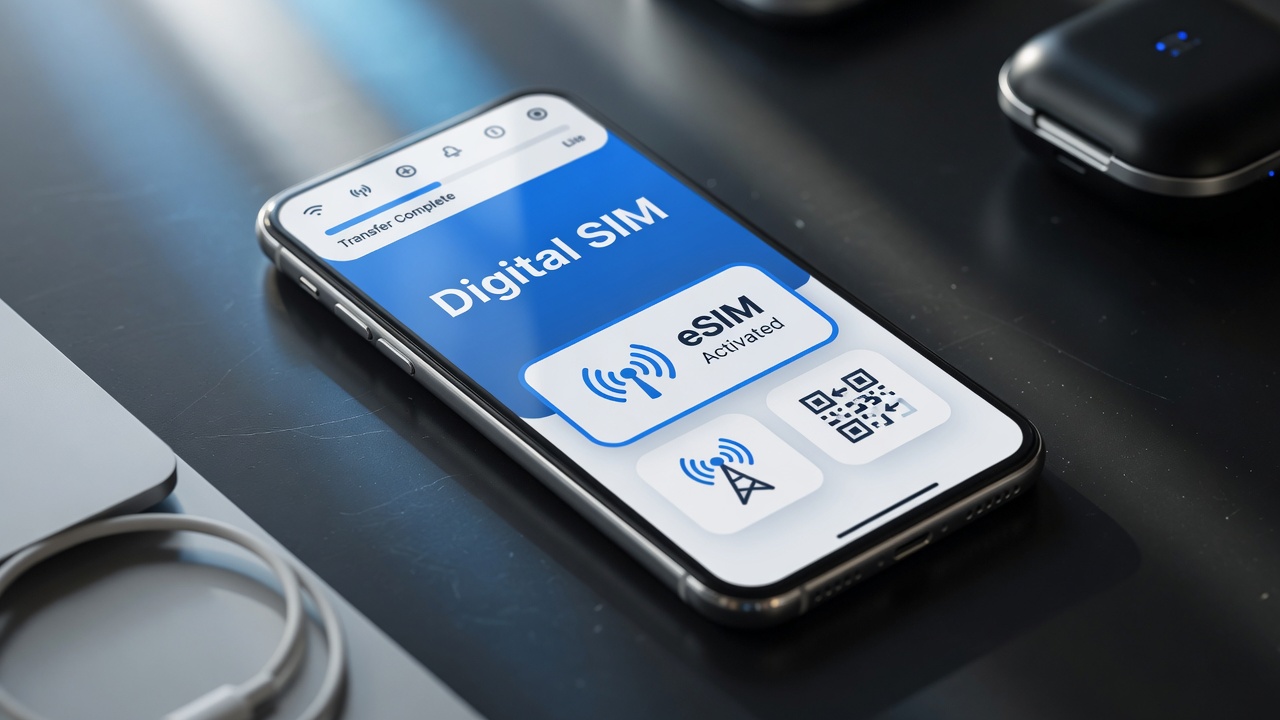
eSIM technology represents a significant departure from traditional SIM cards by offering a fully digital alternative that is embedded directly into a device. Unlike physical SIM cards, which require insertion or swapping to change mobile carriers or plans, an eSIM (embedded SIM) is a programmable chip integrated into smartphones, tablets, and other connected devices. This innovation allows users to activate cellular plans remotely without needing to obtain a physical card, making it especially convenient for travelers seeking seamless mobile data connectivity.
How eSIM works differs fundamentally from the conventional approach. Traditional SIM cards store carrier information and authenticate the user on the mobile network through a physical chip. eSIMs perform this function digitally, enabling users to download multiple profiles from different carriers and switch between them via the device’s settings. This digital SIM capability eliminates the logistics and delays involved in purchasing and replacing physical cards, thus streamlining the process of staying connected while on the move.
For travelers, the advantages of eSIM technology are particularly compelling. With an eSIM, there is no need to hunt for local SIM cards in foreign countries or worry about the compatibility of a physical SIM with their device. This ensures continuous travel connectivity without interruption. Additionally, eSIMs support multiple numbers and plans on a single device, allowing travelers to keep their home and local numbers active at the same time. The ease of switching data plans digitally also brings cost savings by enabling users to select the most competitive local data options effortlessly.
Beyond convenience and flexibility, eSIM technology offers enhanced security benefits. Since eSIMs cannot be physically removed, they reduce the risk of loss or theft compared to traditional SIM cards. Activation and management via secure online portals also provide users with more control over their mobile data services. Overall, the digital SIM is a revolutionary advancement that redefines travel connectivity by providing travelers with a smarter, simpler, and more efficient way to manage their mobile data needs worldwide.
What is an eSIM?
The term eSIM stands for embedded SIM, a revolutionary advancement in mobile connectivity technology. Unlike traditional SIM cards, which are physical chips inserted into a mobile device, an eSIM is a digital SIM embedded directly into the device’s hardware. This means that instead of swapping out physical cards, users can digitally activate and switch mobile network profiles.
The technology behind an embedded SIM enables remote provisioning and management of multiple mobile network subscriptions without the need to handle a physical card. This digital SIM explanation highlights its flexibility and convenience, as it allows users to easily switch carriers, activate new plans, or manage multiple lines on a single device with just a few taps.
In essence, an eSIM replaces the physical SIM card slot by integrating the SIM functionality into the phone’s motherboard. This integration not only saves space but also supports a more secure and robust connection since the eSIM is less prone to tampering or damage. The eSIM definition makes it clear: it is a modern solution designed to simplify mobile data and voice connectivity while enhancing the user experience on smartphones, tablets, wearables, and other connected devices.
Benefits of Using eSIMs for Data Travel
eSIMs offer numerous advantages that make them the go-to choice for travelers seeking reliable travel data plans. One of the key eSIM benefits is the unparalleled convenience they provide. Unlike traditional SIM cards, eSIMs eliminate the need for physical swapping, allowing users to switch carriers and data plans digitally, often with a few taps on their device. This seamless activation process is perfect for travelers who want immediate connectivity upon arrival without the hassle of finding a local SIM card store.
Cost savings are another significant benefit of eSIMs for travel. Travelers can compare and purchase competitive travel data plans from multiple providers, selecting the best price and data packages to suit their needs. This eliminates roaming charges from home carriers, reducing unexpected high fees. Furthermore, eSIM technology supports multi-network access, enabling users to connect to multiple carriers depending on their location, which ensures stronger coverage and more reliable service during their travels.
Lastly, the easy activation of eSIMs means users can set up their preferred travel data plans before they even leave home or right upon landing, reducing downtime and increasing productivity. With these benefits combined—convenient connectivity, cost effectiveness, multi-network flexibility, and simple activation—eSIMs have become an essential tool for anyone who frequently travels internationally and relies on consistent mobile data access.
How to Use eSIM for Your Data Needs While Traveling
Using an eSIM for your travel data usage is convenient and can save you time and money. Follow these step-by-step instructions to activate and manage your eSIM data plan while abroad, plus tips for selecting the best providers and plans to fit your needs.
- Check Device Compatibility and eSIM Support
Before your trip, make sure your smartphone supports eSIM technology. Most modern devices do, but verifying this helps avoid surprises when you arrive at your destination. - Research and Compare Providers
Select a travel data provider that offers eSIM plans compatible with your destination. Look for competitive rates, reliable coverage, and flexible data options. Popular providers often feature multi-country plans or pay-as-you-go options for convenience. - Purchase an eSIM Plan
Once you’ve chosen your provider, purchase your eSIM plan online or through their app. Many providers will email you a QR code needed to activate eSIM on your device. - Activate Your eSIM
To activate eSIM, go to your phone’s settings and look for the cellular or mobile data section. Select the option to add a mobile plan, then scan the QR code provided by your eSIM provider. Follow on-screen prompts to complete the eSIM setup. - Set Your eSIM Data Plan as Active
After activation, ensure the eSIM plan is set as your active data plan if you want to use it for travel data usage. You may choose to keep your home SIM for calls and texts but use the eSIM strictly for mobile data abroad. - Manage Data Usage and Monitor Your Plan
Keep track of your mobile data consumption through your phone’s settings or the provider’s app. This helps prevent unexpected charges and allows you to purchase additional data if needed during your trip. - Switch Plans if Necessary
If you travel to multiple countries, some devices allow you to store several eSIM profiles. You can switch between different eSIM profiles without physically swapping SIM cards, making it easy to manage mobile data abroad wherever you go.
By following these steps, you can easily activate eSIM and manage your travel data usage without hassle. Selecting the right eSIM provider and plan tailored to your travel needs will keep you connected seamlessly abroad.
Activating an eSIM on Your Device
| Step | Description |
|---|---|
| 1. Access eSIM Settings | Open the mobile device setup menu on your smartphone or tablet and navigate to the cellular or mobile network settings to find the eSIM activation options. |
| 2. Scan QR Code | Use the device’s camera to scan the QR code provided by your carrier or eSIM provider, which contains your SIM profile information necessary for activation. |
| 3. Download SIM Profile | After scanning the QR code, download the eSIM profile onto your device. This profile stores your carrier data and enables network connectivity without a physical SIM card. |
| 4. Confirm Profile Activation | Once downloaded, confirm activation by enabling the new profile in your device’s settings. Your smartphone or tablet will connect to the carrier’s mobile network automatically. |
| 5. Switch Plans If Needed | If you have multiple eSIM profiles or plans, you can easily switch between them in the mobile settings, making eSIM activation flexible for travel or different data needs. |
The eSIM activation process is straightforward and user-friendly, allowing mobile users to enable cellular service quickly without physical SIM swaps. By scanning QR codes, downloading the SIM profile, and managing multiple plans, you have complete control over your mobile device setup and data connectivity on the go.
Choosing the Best eSIM Data Plans for Travel
When selecting eSIM data plans for your travel needs, it is essential to evaluate several factors to ensure you get the best value and coverage. First and foremost, coverage is crucial. Verify that the eSIM provider offers reliable service in the countries you plan to visit. Without solid coverage, even the most affordable plan won’t meet your connectivity needs.
Next, consider the data limits offered by each travel SIM option. Choose a plan that aligns with your usage habits—whether you require minimal data for occasional navigation or a higher allowance for streaming and work-related tasks. International data packages often come with varied limits, so selecting one that matches your expected consumption prevents costly overages.
Duration is another critical factor when contemplating eSIM data plans. Opt for packages that cover your entire trip duration without unnecessary extensions. Many providers offer flexible plans ranging from a few days to a month or more, allowing you to pick the most cost-effective option without paying for unused days.
Finally, balance cost-effectiveness with your connectivity requirements. Cheaper plans may sound appealing, but they might compromise on speed, coverage, or data limits. Carefully compare international data packages to find the optimal blend of affordability and performance, ensuring seamless internet access throughout your travel adventures.
Challenges and Considerations of Using eSIM for Travel Data
While eSIM technology offers significant advantages for travelers, such as convenience and flexibility, there are several challenges and limitations that users should consider when relying on eSIMs for travel data. Understanding these potential drawbacks is essential to ensure smooth connectivity abroad.
One of the main eSIM limitations travelers face is device compatibility. Not all smartphones and devices support eSIM functionality, and even among those that do, compatibility can vary depending on the device model and operating system version. It is crucial to verify that your device supports eSIMs before attempting to activate a travel data plan. Additionally, some devices allow only one eSIM to be active at a time, which can be restrictive if you want to maintain your home number alongside a travel data plan.
Network restrictions can also pose challenges when using eSIMs abroad. Some mobile network operators do not support eSIM technology or have limited coverage in certain regions. This can lead to connectivity issues or the inability to activate an eSIM profile for your desired travel destination. Furthermore, roaming agreements and network policies vary by country, which may affect data speeds, availability, or costs when on an eSIM data plan.
Travel connectivity challenges related to eSIMs also include the activation process and troubleshooting problems. While setting up an eSIM is generally straightforward, it sometimes requires a stable internet connection to download the eSIM profile or enter activation codes. Travelers might face difficulties in remote areas with spotty Wi-Fi or cellular connections. In cases where an eSIM fails to activate or connect, troubleshooting tips involve restarting your device, toggling airplane mode, ensuring your device’s software is up to date, or contacting your eSIM provider’s customer support for assistance.
In summary, although eSIM technology simplifies travel data management, users must be aware of compatibility issues, network restrictions, and potential troubleshooting scenarios to make the most of their travel connectivity. Being prepared for these challenges can help ensure a more seamless internet experience when on the move.
Device and Carrier Compatibility
When preparing for travel with an eSIM, understanding device compatibility is crucial. Most modern smartphones, including recent models from Apple, Samsung, Google, and Huawei, support eSIM technology. In addition to phones, some tablets and smartwatches also come with eSIM capabilities. However, it is important to verify your specific model’s support before relying on eSIM for your data needs.
Carrier support plays a significant role in the usability of eSIM. Many major carriers worldwide now offer eSIM services, allowing users to activate cellular plans digitally without a physical SIM card. Popular networks such as Verizon, AT&T, T-Mobile, Vodafone, and many others have embraced eSIM technology. Despite this growing adoption, not all carriers support eSIM, and restrictions vary by region and provider. Always check with your carrier about their eSIM policies, activation procedures, and any potential limitations.
Before traveling, it’s essential to confirm both your device compatibility and carrier support to avoid connectivity issues. You can verify device compatibility by consulting the manufacturer’s official website or your device settings. For carrier support, visit your carrier’s website or contact customer service to ensure they support eSIM and specifically allow international data plans. Understanding these eSIM restrictions early will help you enjoy seamless mobile data access during your trip without unexpected surprises.
Potential Network and Connectivity Issues
When using eSIMs for travel, users may encounter several network limitations and connectivity challenges that can affect their experience. One common issue is roaming restrictions, where certain networks may either not support roaming with an eSIM or impose additional fees, limiting the usability of the service abroad. Travelers should always verify roaming capabilities with their chosen eSIM provider before departure to avoid unexpected disruptions or costs.
Network availability is another crucial factor. While eSIMs offer flexibility by allowing access to multiple carriers, some regions might have limited network coverage or may lack compatible infrastructure, resulting in weak signals or no service at all. This can be particularly problematic in remote or rural destinations. Travelers are advised to check network maps and coverage details to ensure stable connections at their destination.
To mitigate these connectivity challenges, it is recommended to install backup eSIM profiles from alternative providers, giving users the option to switch networks seamlessly if one fails. Additionally, enabling Wi-Fi calling and keeping offline maps or communication apps available can help maintain connectivity when cellular networks are unstable. Proactively managing eSIM settings and understanding the local network environment helps minimize roaming issues and ensures better connectivity during travel.

I’m a tech enthusiast who loves exploring how eSIMs simplify staying connected while traveling. I spend my free time testing new smartphones and sharing tips on getting the most out of mobile data abroad.