eSIM and phone security
22/06/2026
What Is an eSIM and How Does It Work?
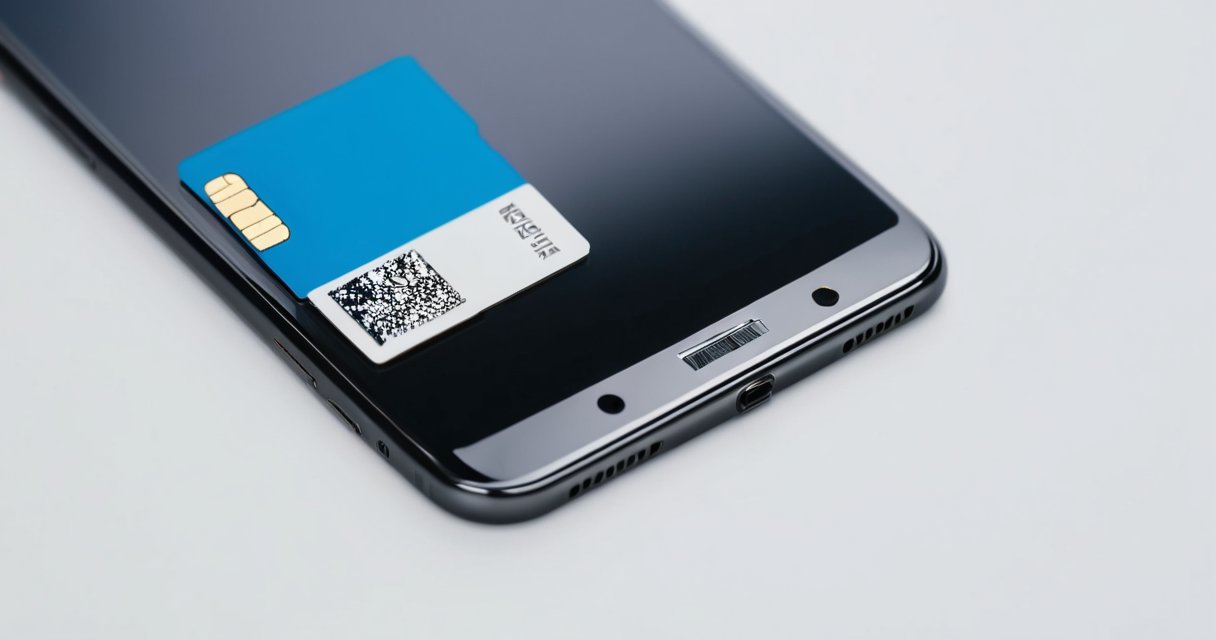
eSIM technology is changing the way we think about mobile networks. At its core, an embedded SIM is a small chip built into your device that functions without any physical card. This makes it an excellent SIM card alternative for those seeking simplicity and efficiency in their daily lives.
Traditional SIM cards are removable pieces of plastic that store your phone number and network information. They require manual handling, which can lead to damage or loss. On the other hand, eSIM technology uses digital profiles that can be updated remotely by your carrier. This fundamental difference enhances phone connectivity by allowing instant changes to your service plan.
Modern smartphones integrate the embedded SIM directly into their hardware. This integration means that setting up a new phone is faster than ever. You no longer need to wait for a physical card to arrive in the mail. Instead, you can scan a QR code or use an app to activate your service in minutes, improving overall phone connectivity without extra steps.
The benefits for user experience are clear. With eSIM, travelers can easily switch to local carriers upon arrival in a new country. This improves phone connectivity abroad without the need for multiple devices or expensive roaming fees. Additionally, many flagship phones support both eSIM and physical SIM, giving users the best of both worlds while leveraging eSIM technology as the primary SIM card alternative.
Furthermore, the space saved by not having a SIM tray allows for sleeker designs and more internal components. As eSIM technology becomes standard, we can expect even more innovations in smartphone features that prioritize seamless phone connectivity and user convenience.
Overall, understanding how eSIM works helps appreciate its role as a superior SIM card alternative that boosts phone connectivity and simplifies the user experience in today’s connected world.
Enhanced Security Features of eSIM
The adoption of eSIM technology brings forth numerous enhancements in eSIM security, fundamentally transforming how mobile devices are protected. Central to these improvements is remote SIM provisioning, a process that allows network operators to download, activate, and manage SIM profiles remotely. This eliminates the vulnerabilities associated with physical SIM distribution and installation, providing a more secure and efficient method for connecting devices to cellular networks. As a result, users benefit from heightened phone protection without the risks of SIM card loss or theft during physical transfers.
Additionally, the embedded design of eSIM significantly reduces physical tampering risks. Traditional SIM cards are prone to being swapped out or cloned by unauthorized parties, which can lead to identity theft or unauthorized usage. In contrast, eSIM is soldered directly onto the device’s motherboard, making such physical interventions nearly impossible. This inherent security feature ensures that the SIM profile remains tamper-proof throughout the device’s lifecycle, offering robust defense against common threats faced by removable SIMs.
Furthermore, eSIM employs advanced data encryption protocols that provide superior protection for sensitive information. These encryption methods are integrated at the hardware level, ensuring that all data transmissions are safeguarded with state-of-the-art algorithms. Compared to traditional SIMs, which may rely on older encryption standards, eSIM’s approach to data encryption offers enhanced resistance to hacking attempts and eavesdropping. The combination of these technologies creates multiple layers of defense that traditional cards simply cannot match.
In summary, the shift to eSIM not only streamlines connectivity but also elevates overall phone protection through these innovative security measures. By addressing key weaknesses of physical SIM cards, eSIM technology sets a new benchmark for secure mobile communications and continues to gain traction among users who prioritize privacy and reliability.
Potential Risks and Vulnerabilities of eSIM
As mobile technology shifts toward embedded SIM solutions, understanding eSIM risks becomes essential for protecting personal data. Cybersecurity threats continue to evolve, and device hacking remains a primary concern for users who rely on digital connectivity. Attackers increasingly target the remote provisioning process, seeking unauthorized access to cellular profiles that were once secured by physical cards.
SIM swapping attacks have adapted to the eSIM environment, allowing criminals to convince carriers to transfer service to a new device under their control. Once successful, these attacks grant access to calls, texts, and two-factor authentication codes. Users may notice sudden loss of service or unexpected account alerts as early warning signs of such intrusions.
Provisioning errors present another vulnerability during eSIM activation or profile transfer. Mistakes in carrier systems or user error can leave profiles partially installed, creating openings for interception. Regular monitoring of device settings and carrier notifications helps detect anomalies before they escalate into full-scale breaches.
Device hacking attempts often focus on exploiting software vulnerabilities in eSIM management apps or operating systems. Malicious actors may deploy phishing campaigns or malware designed to extract eSIM credentials. Staying current with security patches and avoiding suspicious links reduces exposure to these cybersecurity threats.
To identify issues early, users should watch for rapid battery drain, unexpected data usage, or repeated carrier verification requests. Enabling account alerts and reviewing connected devices regularly provides an additional layer of defense. Awareness of these eSIM risks empowers individuals to respond quickly and maintain stronger overall phone security.
Best Practices for Securing Your eSIM
When securing your eSIM, one of the primary eSIM security tips is to choose reputable carriers that have a proven track record in protecting customer data. These carriers implement advanced carrier authentication procedures to verify your identity during the eSIM provisioning process. By opting for well-known providers, you minimize the chances of falling victim to scams where fake eSIM profiles are used to intercept calls or data. Always research carrier reviews and security certifications before committing to a service. This foundational step sets the stage for safe eSIM usage and overall phone security measures.
Another critical aspect is enabling two-factor authentication on all associated accounts. This phone security measure ensures that any attempt to access your personal information requires a second form of verification, typically sent to a trusted device or email. In the context of eSIM, this prevents unauthorized users from making changes to your plan or profile settings. It is recommended to use authenticator apps rather than SMS for added security. Incorporating this practice into your routine greatly enhances the protection of your mobile communications.
Regularly updating device software is essential for maintaining the integrity of your eSIM. Software updates often include patches for security vulnerabilities that could be exploited to compromise eSIM functionality. Set your device to auto-update whenever possible to stay protected without manual intervention. This is one of the simplest yet most effective eSIM security tips available. Neglecting updates can leave your device open to attacks that target outdated systems, undermining safe eSIM usage and other phone security measures.
Furthermore, to promote safe eSIM usage, monitor your usage patterns for any irregularities that might indicate tampering. Employ additional phone security measures such as strong device passcodes and encryption. Always confirm carrier authentication during any profile transfers or activations. By combining these strategies, including choosing reputable carriers, enabling two-factor authentication, and regularly updating device software, you create a robust defense against potential threats to your eSIM and phone.
eSIM vs Physical SIM: Security Comparison
When it comes to eSIM vs SIM card, the security comparison reveals important distinctions that impact overall mobile security. Both technologies have their strengths and weaknesses when it comes to safeguarding user information from theft and unauthorized access. As mobile devices become central to our daily lives, understanding these security features is essential for protecting sensitive data.

Physical SIM cards have notable SIM advantages in certain scenarios. For instance, users can easily swap them between devices or remove them entirely if they suspect a security breach. This physical control can prevent unauthorized access if the phone is stolen, as the SIM can be taken out and stored separately. However, the downside is that thieves can also remove the SIM card from a stolen device, potentially using it in another phone to make calls or access services if no PIN protection is in place. Additionally, physical SIMs can sometimes be damaged or lost during handling, which might compromise connectivity until a replacement is obtained.
In contrast, eSIM technology is integrated into the hardware of the phone, offering superior protection against physical extraction. This makes it more difficult for unauthorized individuals to access the SIM data through theft, enhancing mobile security significantly. eSIMs can be managed remotely by carriers, allowing for quick deactivation in case of loss or theft. Nevertheless, this reliance on software means that if a hacker gains access to the device, they might attempt to manipulate the eSIM profile, though such attacks are rare and require sophisticated methods. The embedded nature reduces the risk of physical tampering but shifts the focus to digital security measures.
The security comparison between these options also considers cloning risks. Physical SIM cards have historically been vulnerable to cloning attacks, which could lead to unauthorized access to the user’s mobile services and potential financial losses. eSIMs, being software-based, benefit from advanced encryption and authentication protocols that reduce such risks substantially. Users should weigh these factors when choosing a solution that best fits their mobile security needs, considering both immediate and long-term implications.
Ultimately, while physical SIMs provide tangible control, eSIMs excel in preventing easy theft-related compromises. Incorporating strong passwords, enabling two-factor authentication, and keeping software updated remains essential regardless of the SIM type chosen to maintain high standards of protection.

I’m a tech enthusiast who loves exploring how eSIMs simplify staying connected while traveling. I spend my free time testing new smartphones and sharing tips on getting the most out of mobile data abroad.