
eSIM for online-only plans
22/06/2026
In a world where smartphones are almost always connected and the demand for instant, paper‑free services keeps rising, eSIM technology has become the secret weapon of online‑only mobile operators. Unlike traditional SIM cards that require a physical swap, an embedded SIM (eSIM) lives inside the device’s chipset and can be programmed over the air. This capability lets carriers that sell plans exclusively through apps or websites deliver service at the click of a button, without ever sending a plastic card through the mail. For consumers who prefer a fully digital experience—whether they are frequent travelers, remote workers, or anyone looking to ditch the clutter—eSIM for online‑only plans offers a seamless blend of flexibility, instant activation, and global reach. The following guide explores how eSIM works, why it’s a perfect match for digital‑first providers, and which plans currently lead the market in 2026.
Understanding eSIM Technology and Its Role in Digital‑First Mobile Plans
An eSIM, short for embedded SIM, is a programmable chip soldered onto a phone’s motherboard. Because it does not rely on a removable card, the device can store multiple carrier profiles simultaneously, allowing users to switch networks with a few taps. The technology adheres to the GSMA’s Remote SIM Provisioning standard, which guarantees that carriers can securely download, activate, and manage profiles over the internet. For online‑only operators, this means they can bypass the logistics of physical SIM distribution entirely, offering a truly paperless onboarding process that aligns with modern consumer expectations.
Beyond the convenience factor, eSIM also supports advanced features such as dual‑SIM functionality on a single device, faster network switching for travelers, and more granular control over data usage through carrier apps. As 5G networks mature, eSIM’s ability to update profile settings without hardware changes becomes increasingly valuable, ensuring that users stay on the latest network specifications without needing a new SIM slot.
Why eSIM Gives Online‑Only Carriers a Competitive Edge
Online‑only carriers thrive on low‑overhead business models, often passing savings directly to the consumer through reduced plan prices. By eliminating the need to manufacture, stock, and ship physical SIM cards, eSIM cuts operational costs dramatically. This cost reduction translates into cheaper data bundles, flexible month‑to‑month contracts, and the ability to offer niche plans such as data‑only packages tailored for tablets, laptops, or IoT devices.
Moreover, eSIM enables rapid market entry and agile product updates. Providers can roll out new promotions, adjust pricing, or even switch a user’s network profile in real time through their mobile apps. The instant activation experience—typically a QR code scanned from the provider’s website—matches the expectations of a generation accustomed to “instant gratification” services like streaming or food delivery. The result is a frictionless onboarding journey that keeps churn low and satisfaction high.
How Online‑Only Providers Activate eSIMs: The Step‑by‑Step Process
The activation workflow for an eSIM plan usually begins on the carrier’s website or mobile app. After selecting a plan, the user is prompted to verify their identity—often via a digital ID check or a simple phone number confirmation. Once the verification is complete, the platform generates a QR code that encodes the carrier’s profile data. The user scans this QR code using the device’s built‑in eSIM scanner, which is typically found in the “Cellular” or “Mobile Network” settings of iOS and Android devices.
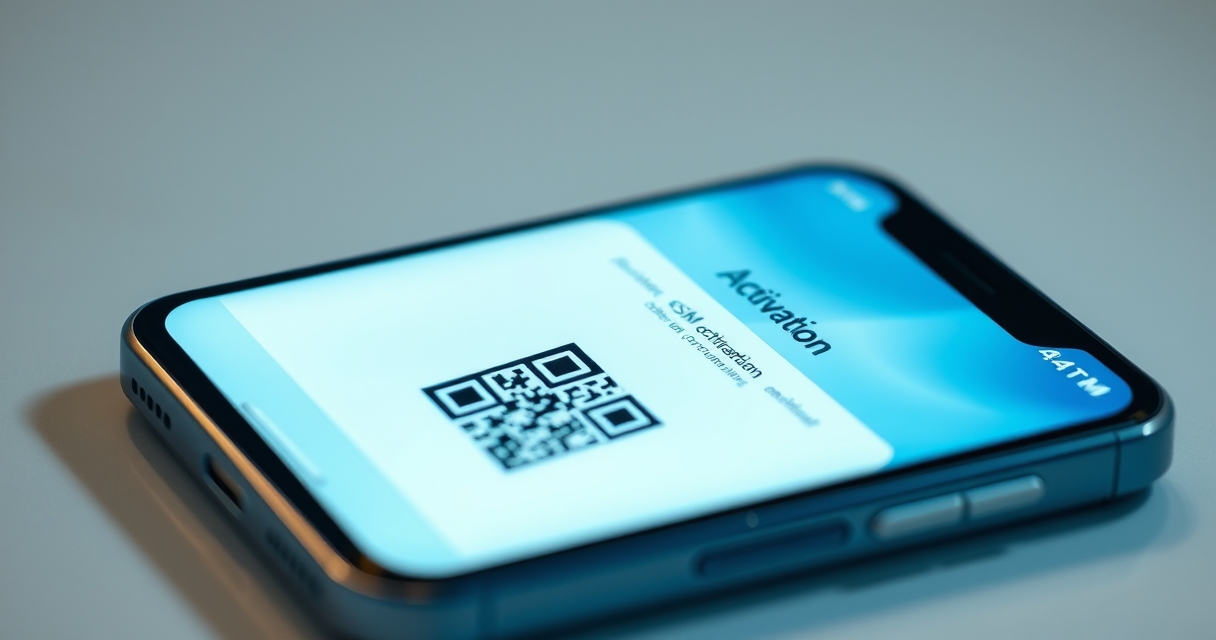
After the QR code is scanned, the device contacts the carrier’s provisioning server, downloads the profile, and installs it onto the eSIM chip. The process usually takes under two minutes, after which the user can immediately start using data, voice, or messaging services, depending on the plan’s specifications. Many providers, such as Revolut, also offer a “one‑tap” activation within their app, eliminating the need for a QR code altogether and further simplifying the user experience.
Top eSIM‑Compatible Online‑Only Plans in 2026
Among the most popular digital carriers, Revolut stands out with its eSIM data plans that cover more than 100 countries. The service provides a flexible “pay‑as‑you‑go” model, allowing users to purchase data bundles ranging from 1 GB to 30 GB, with prices that adjust based on regional usage. Because the plan is managed entirely through the Revolut app, travelers can top up, monitor consumption, and even pause their service without contacting support. This level of control is especially appealing to frequent flyers and remote workers who need reliable connectivity across continents.
Other notable players include data‑only eSIM offerings highlighted by industry analysts, which focus on providing high‑speed 5G access for tablets, laptops, and connected devices. These plans often feature tiered pricing, unlimited regional data, and the ability to add multiple profiles for simultaneous coverage in different markets. When selecting a plan, users should compare the total data allowance, overage fees, and the breadth of the carrier’s roaming agreements to ensure they receive the best value for their specific usage patterns.
Data‑Only vs. Voice‑Enabled eSIM Plans: Choosing What Fits Your Lifestyle
For many digital‑first consumers, a data‑only eSIM plan is sufficient. Devices such as iPads, MacBooks, and Android tablets rely heavily on internet connectivity for video calls, cloud storage, and streaming, making voice minutes redundant. Data‑only plans typically come at a lower price point and can be paired with VoIP services like WhatsApp, Zoom, or Google Meet to handle voice communication. This approach also simplifies billing, as users only need to monitor a single data metric.
However, users who still rely on traditional voice calls—perhaps for business contacts or regions with limited internet access—may prefer a combined voice‑and‑data eSIM plan. Some online‑only carriers now bundle a modest allotment of voice minutes with their data packages, offering a hybrid solution that satisfies both needs. When evaluating these options, consider the quality of the carrier’s voice over LTE (VoLTE) support, as well as the availability of emergency calling features, which can differ between data‑only and voice‑enabled plans.
International Coverage and Roaming Benefits of eSIM for Online‑Only Plans
One of the most compelling advantages of eSIM is its ability to provide seamless international roaming without the hassle of swapping physical SIM cards at border crossings. Many online‑only carriers negotiate multi‑region agreements that allow a single eSIM profile to access local networks across continents. For example, a user with a Revolut eSIM can travel from Europe to Asia and maintain connectivity, often at the same per‑gigabyte rate as they would at home. This eliminates the need for local SIM purchases, which can be costly and require additional identification.

In addition to cost savings, eSIM enables automatic network selection based on signal strength and performance, ensuring the best possible connection at any given location. Some providers also offer “regional bundles” that provide unlimited data within a specific geographic zone—such as the European Union or Southeast Asia—making it easier for travelers to predict expenses. When planning an extended trip, it’s wise to verify that the carrier’s roaming partners include the destinations you’ll visit and to review any throttling policies that may apply after a certain data threshold is reached.
Practical Tips for Selecting the Right eSIM Plan and Avoiding Common Pitfalls
To get the most out of an eSIM for online‑only plans, start by assessing your device compatibility. Not all smartphones support eSIM, and among those that do, some may only accept a limited number of profiles. Check the manufacturer’s specifications and ensure your device’s operating system is up to date, as newer OS releases often include improved eSIM management tools. Next, map out your typical data consumption patterns—whether you need a few gigabytes for occasional browsing or a larger allowance for streaming and remote work—and match those needs to a plan that offers transparent pricing and no hidden fees.
Finally, read the fine print regarding data throttling, renewal cycles, and cancellation policies. Some online‑only carriers may automatically renew a plan at the end of a billing period, which can lead to unexpected charges if you no longer require the service. Look for providers that allow you to pause or delete a profile directly from the app, giving you full control over your subscription. By taking these steps, you can enjoy the convenience of eSIM technology while keeping costs predictable and staying connected wherever you go.

I’m a tech enthusiast who loves exploring how eSIMs simplify staying connected while traveling. I spend my free time testing new smartphones and sharing tips on getting the most out of mobile data abroad.