Benefits of digital SIM
30/07/2026
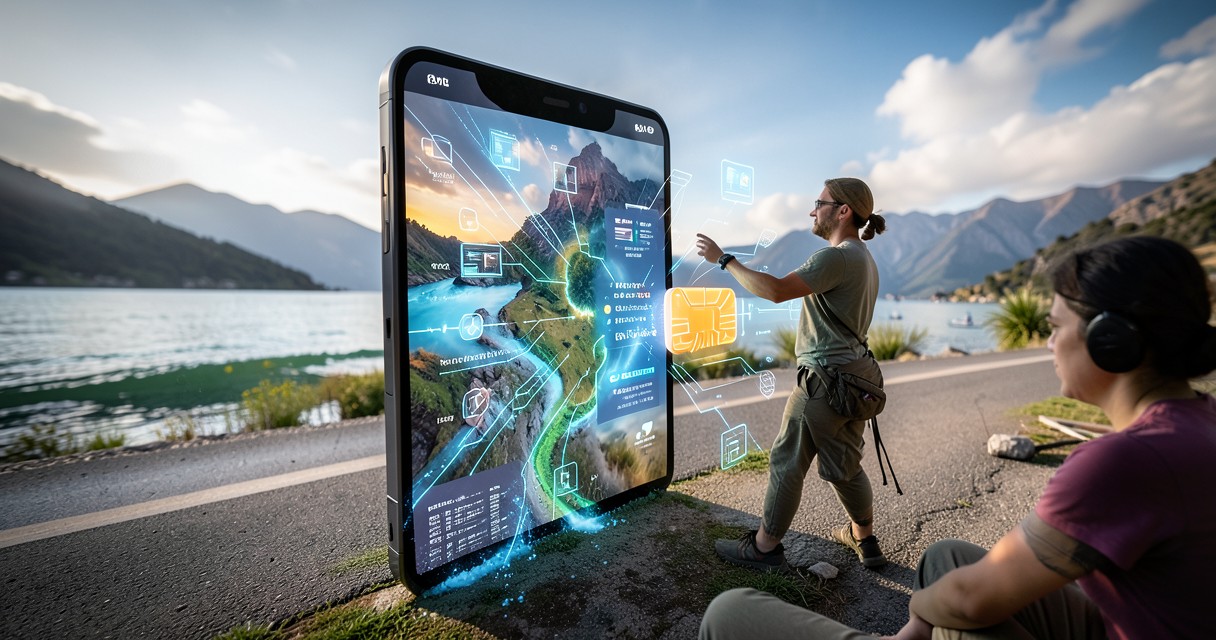
The emergence of digital SIM technology, commonly known as eSIM, is transforming the landscape of mobile connectivity, especially for travelers and tech-savvy users. An eSIM, or embedded SIM, is a digital version of the traditional SIM card that offers numerous advantages over its physical counterpart. This technology streamlines the process of connecting to mobile networks, enhances security, and provides flexibility that is particularly beneficial for those who frequently travel or rely on multiple mobile data plans. In this article, we will explore the key benefits of digital SIM technology and how it is reshaping the way we connect and communicate.
Convenience of Switching Networks
One of the most significant advantages of eSIM technology is the ease with which users can switch between mobile networks. Traditional SIM cards require physical swapping, which can be cumbersome, especially when traveling abroad. With an eSIM, users can store multiple profiles on a single chip, allowing them to switch carriers directly from their device settings without needing to physically change SIM cards. This feature is particularly useful for international travelers who can easily select a local carrier upon arrival, often at a lower cost than roaming charges from their home provider. The convenience of managing multiple plans from one device also means users can tailor their connectivity to their specific needs without the hassle of carrying multiple SIM cards.
Enhanced Security Features
Security is a vital consideration in today’s digital age, and eSIMs offer enhanced protection against certain types of fraud. Since eSIMs are embedded directly into devices, they are less susceptible to theft or loss compared to traditional SIM cards. Furthermore, eSIM technology supports remote provisioning, which allows users to activate or deactivate their mobile service without needing to visit a store or handle a physical card. This capability reduces the risk of unauthorized access to mobile accounts and helps protect sensitive information. Additionally, in the event of a lost or stolen device, users can quickly suspend their eSIM service remotely, providing an extra layer of security.
Space-Saving Design in Devices
The integration of eSIM technology allows manufacturers to design slimmer and more compact devices. By eliminating the need for a physical SIM card slot, manufacturers can create more streamlined designs that can accommodate larger batteries or additional features. This is especially beneficial in the smartphone market, where consumers are constantly seeking devices that offer more power and capabilities in a smaller form factor. The space savings can also lead to more creative designs in devices like wearables, tablets, and laptops, further enhancing the user experience.
Flexibility for Travelers
For frequent travelers, eSIM technology offers unparalleled flexibility in managing mobile data. Users can easily purchase local data plans upon arrival in a new country, avoiding exorbitant roaming fees that can quickly add up. Various eSIM providers offer affordable data packages tailored for travelers, which can be activated instantly through a simple QR code scan. This flexibility not only helps users stay connected but also ensures they can access reliable mobile data without the need for complex arrangements or long-term contracts. For instance, a traveler can switch from a local SIM in Japan to a European carrier without needing to replace any physical cards, making it easier to stay connected on the go.
Environmental Impact and Sustainability
As the world becomes more environmentally conscious, the shift towards eSIM technology contributes to sustainability efforts. Traditional SIM cards are made from plastic, which can contribute to environmental waste when discarded. In contrast, eSIMs reduce the need for physical materials and packaging, aligning with global initiatives to minimize plastic waste. As more consumers and businesses adopt eSIM technology, the overall environmental impact of mobile connectivity can decrease significantly. This shift not only supports sustainability goals but also encourages manufacturers to invest in greener technologies and practices.
Cost-Effectiveness and Competitive Pricing
eSIM technology can lead to significant cost savings for consumers. With the ability to switch between carriers easily, users can take advantage of competitive pricing and promotional offers from different providers. This flexibility allows users to select the best plan for their needs, potentially resulting in lower monthly bills. Additionally, many eSIM providers offer pay-as-you-go options, which can be more economical for occasional travelers or those who do not require constant connectivity. This model contrasts with traditional contracts that often lock users into lengthy agreements with high cancellation fees.
Future-Proofing Mobile Connectivity
The adoption of eSIM technology signifies a step towards the future of mobile connectivity. As the demand for IoT devices continues to rise, eSIMs are becoming increasingly important. They facilitate the connectivity of smart devices such as wearables, connected cars, and home automation systems, all of which require reliable mobile data access. The ability to remotely manage and provision these devices enhances their functionality and user experience. As more industries embrace digital transformation, eSIM technology will play a critical role in supporting a wide range of applications, making it essential for consumers to stay ahead of the curve.

I’m a tech enthusiast who loves exploring how eSIMs simplify staying connected while traveling. I spend my free time testing new smartphones and sharing tips on getting the most out of mobile data abroad.