Using eSIM for secondary device
05/08/2026
The emergence of eSIM technology is transforming the way we connect devices, particularly for those who utilize secondary devices such as tablets, smartwatches, or other mobile gadgets. eSIMs, or embedded SIMs, offer a flexible solution for maintaining connectivity across multiple devices without the hassle of physical SIM cards. This article explores how eSIMs can enhance the functionality of secondary devices, making them more versatile and travel-friendly.
What is eSIM Technology?
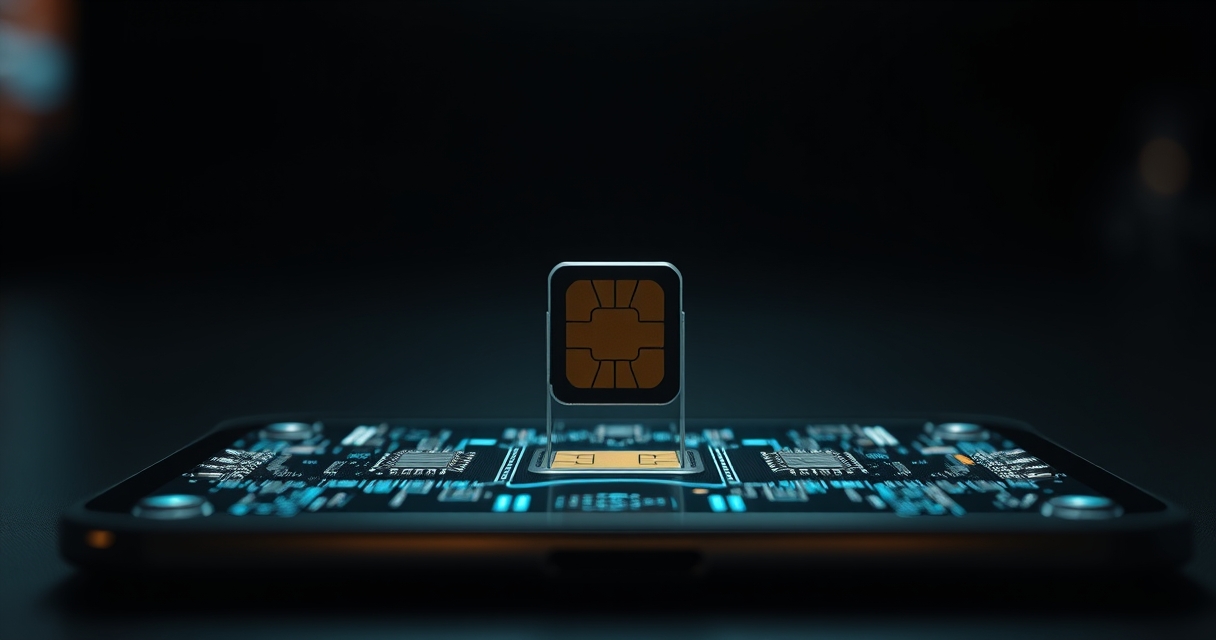
eSIM technology replaces traditional SIM cards with a digital alternative embedded directly into the device. This advancement allows users to switch carriers, manage multiple profiles, and activate mobile plans remotely via software. Unlike physical SIM cards that require manual insertion and removal, eSIMs streamline the process of connecting to mobile networks, making them ideal for secondary devices that may not always need a dedicated plan. With eSIMs, users can easily switch between different network providers, which is particularly useful for travelers looking for local data plans.
Benefits of Using eSIM for Secondary Devices
One of the primary advantages of using eSIMs in secondary devices is the convenience they offer. Users can manage multiple mobile plans from a single device, eliminating the need to carry multiple SIM cards or devices. For instance, a traveler can easily switch to a local data plan upon arrival in a new country without needing to visit a store or wait for a physical SIM to be delivered. This flexibility not only saves time but also reduces the risk of losing or damaging a physical SIM card while on the go.
eSIM Compatibility with Secondary Devices
When considering eSIM for secondary devices, it is essential to ensure compatibility. Many modern smartphones now offer support for prepaid eSIM plans, making connectivity more flexible. Devices such as the latest iPad models, Apple Watch Series, and select Android smartphones have integrated eSIM capabilities. Before purchasing an eSIM plan, users should verify that their secondary device supports this technology, as not all older models are equipped for eSIM functionality. This compatibility ensures that users can take full advantage of the benefits offered by eSIM technology.

Using eSIM for International Travel
Traveling internationally often comes with the challenge of managing roaming charges and limited data plans. eSIM technology provides a practical solution by allowing travelers to purchase local data plans directly on their devices upon arrival. For example, a user traveling to Europe can instantly activate a local eSIM plan without needing to find a physical store. This instant access to local networks not only saves money but also ensures that travelers can stay connected without interruptions, whether for navigation, communication, or sharing their experiences on social media.
Managing Multiple eSIM Profiles
One of the standout features of eSIM technology is the ability to manage multiple profiles on a single device. Users can store several eSIM profiles, allowing them to switch between different carriers or data plans effortlessly. This is particularly useful for individuals who may require a separate plan for work and personal use. For instance, a business professional can maintain a work eSIM profile while having a personal one for leisure activities. Switching between these profiles can usually be done through the device settings, making it easy to manage connectivity according to the user’s needs.
Considerations for Data Security
While eSIMs provide numerous benefits, users should also monitor their data usage on eSIM phones to avoid unexpected charges. As with any digital technology, eSIMs can be vulnerable to hacking or unauthorized access if not properly managed. It is essential for users to ensure that their devices are equipped with robust security features such as two-factor authentication and encryption. Additionally, users should regularly monitor their eSIM profiles for any suspicious activity and promptly report any concerns to their service providers. By taking these precautions, users can enjoy the benefits of eSIM technology while keeping their data safe.
Future of eSIM in Secondary Devices
The future of eSIM technology looks promising, particularly in the realm of secondary devices. As more manufacturers embrace eSIM capabilities, we can expect an increase in the availability of compatible devices. This trend is likely to encourage further innovation, such as enhanced data plans specifically designed for secondary devices and improved user interfaces for managing eSIM profiles. Additionally, as the demand for mobile connectivity continues to grow, eSIMs will play a crucial role in simplifying access to mobile networks, particularly for users who frequently travel or rely on multiple devices.

I’m a tech enthusiast who loves exploring how eSIMs simplify staying connected while traveling. I spend my free time testing new smartphones and sharing tips on getting the most out of mobile data abroad.