Changing eSIM plan
10/06/2026
Understanding eSIM Technology
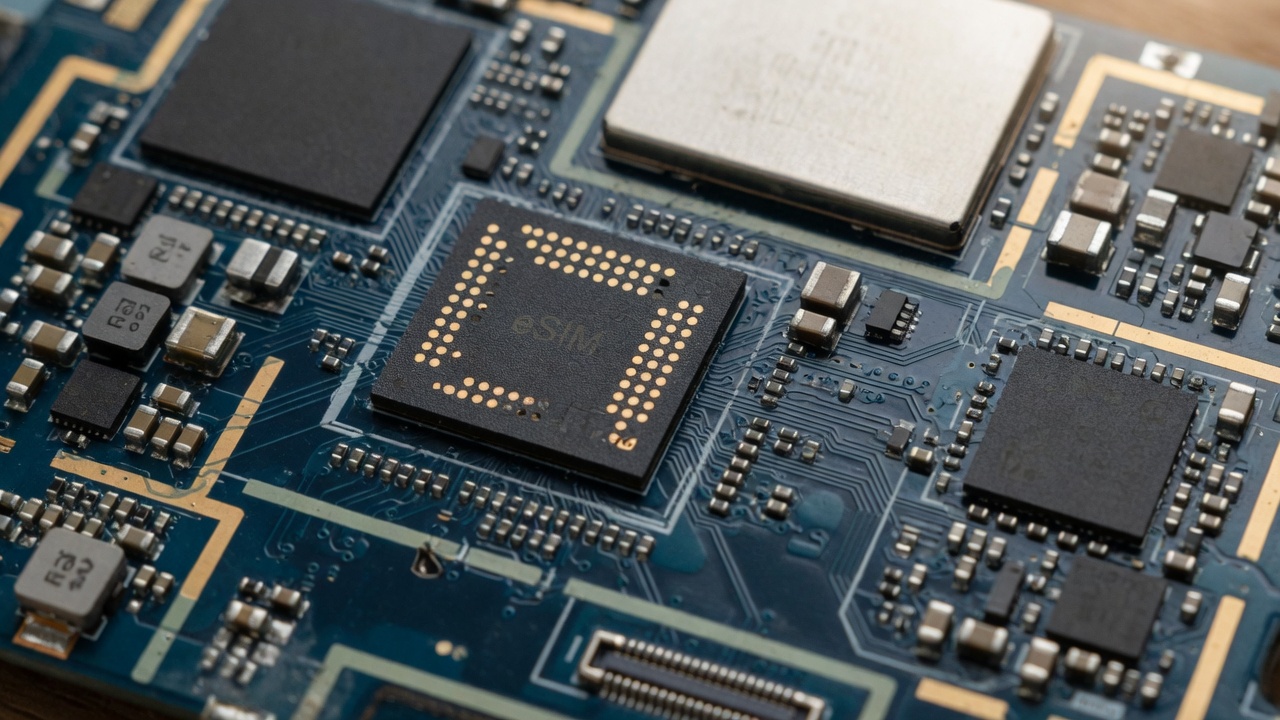
eSIM technology stands for embedded SIM, a modern advancement in how mobile devices connect to cellular networks. Unlike traditional SIM cards, which are physical and removable, an eSIM is a small chip embedded directly into a device’s motherboard. This embedded SIM allows users to activate and switch between cellular plans without needing to swap out physical cards, offering greater flexibility and convenience.
The basics of eSIM technology lie in its programmability. Through software, carriers can remotely provision network details on an eSIM, meaning users can download or change mobile plans over the air. This is a significant departure from the traditional SIM card system, where users must obtain a physical card from their carrier and physically insert it into their device to access services.
How eSIM works revolves around its integration with a device’s hardware and software. When a device with an eSIM is powered on, it connects to a mobile network by reading information stored on the embedded chip, which can be updated or altered remotely. This eliminates the need for physical SIM cards and enables seamless switching between multiple carriers and plans, often without restarting the device.
One of the main benefits of eSIM technology is the enhanced convenience it offers to users. For travelers, for example, it means they can easily switch to a local carrier’s plan without purchasing and inserting a new SIM card. Additionally, eSIM technology supports multiple profiles, allowing users to have separate numbers for work, personal use, or data plans all on a single device.
Moreover, embedded SIMs contribute to the evolution of smaller and more efficient device designs since they remove the need for SIM card trays and slots. This helps manufacturers create thinner and more waterproof devices. The security aspect is also improved because eSIMs are soldered into the device and less prone to tampering or loss.
In summary, understanding eSIM basics reveals a transformative shift in mobile connectivity. Embedded SIMs simplify the process of managing cellular plans, offer a more flexible user experience, and benefit device manufacturers with streamlined designs. As eSIM technology continues to evolve, it promises to reshape how we think about mobile communication and connectivity.
Benefits of Using eSIMs
eSIM benefits have revolutionized the way we stay connected by offering unmatched convenience and flexibility compared to traditional SIM cards. One of the primary advantages of eSIM is the ability to switch carriers and plans without needing to physically change the SIM card, which is especially useful for frequent travelers or those wanting to explore multiple network options with ease.
Another key advantage of eSIM technology is its enhanced flexibility. Users can store multiple eSIM profiles on a single device, allowing seamless toggling between personal and work numbers or domestic and international plans. This eliminates the hassle of carrying multiple SIM cards or managing various devices, making it an ideal choice for modern mobile users who value efficiency and simplicity.
Additionally, eSIM plans contribute to improved connectivity. As they support over-the-air provisioning, carriers can activate or update services remotely without interrupting usage. This continuous, real-time management fosters better network performance and faster access to new offers or upgrades, ensuring users remain consistently connected.
In summary, the advantages of eSIM go beyond mere convenience—they deliver unmatched flexibility and enhanced connectivity that traditional SIM cards cannot match. These benefits of eSIM make it clear why use eSIM technology is becoming the preferred choice for mobile users worldwide, driving a new era of seamless and dynamic mobile communication.
How eSIMs Differ from Traditional SIM Cards
The primary difference between eSIMs and traditional SIM cards lies in their physical form and how they are activated. Traditional SIM cards are physical chips that users must insert into their devices. This means needing to handle tiny cards, and sometimes swapping SIMs when changing carriers or plans. In contrast, an eSIM is embedded directly into the device’s motherboard, eliminating the need for a physical card altogether.
Activation also varies significantly between the two. Traditional SIM cards require manual insertion and often activation through carrier service calls or websites. Meanwhile, eSIM activation is digital and can be done remotely by scanning a QR code or downloading a profile from the carrier. This process streamlines switching carriers and plans without the hassle of waiting for a physical card to arrive.
Regarding device compatibility, not all phones and gadgets support eSIM yet, while nearly all cellular devices work with traditional SIM cards. However, the number of eSIM-compatible devices is growing quickly, especially among newer smartphones, smartwatches, and tablets, making the eSIM vs SIM debate central to future mobile connectivity.
In summary, the key differences between eSIMs and traditional SIM cards include the elimination of physical cards with eSIMs, digital activation processes, and evolving device support. This shift enhances convenience and flexibility, shaping the future of mobile technology.
Steps to Change Your eSIM Plan
Changing your eSIM plan involves several important steps to ensure compatibility and a smooth transition. Whether you want to switch eSIM providers or update your existing eSIM plan, following the correct procedures is essential for effective eSIM plan management. Here’s a detailed guide on how to change your eSIM plan successfully:
- Verify Device Compatibility: Before attempting to change your eSIM plan, make sure your device supports eSIM functionality and is compatible with the new service provider’s network. Check your phone’s specifications or contact customer support to confirm compatibility.
- Back Up Important Data: Although changing an eSIM plan generally does not affect your personal data, it’s a good practice to back up your contacts, messages, and other important information to avoid any accidental loss during the process.
- Contact Your Service Provider: Get in touch with your current or new mobile carrier to discuss the change. They will provide the necessary QR code or activation information required to set up the new eSIM plan. Some providers may require you to cancel your existing plan before activating a new one.
- Remove Your Current eSIM Profile: On your smartphone, navigate to the cellular settings and remove your existing eSIM profile if required. This step helps avoid conflicts between multiple active eSIM plans on the same device.
- Scan the New eSIM QR Code: Use your device’s camera or eSIM setup feature to scan the QR code provided by your carrier. This action will download and activate the new eSIM plan on your device.
- Confirm Activation and Test Connectivity: After adding the new eSIM plan, verify that it is activated correctly by checking your cellular signal and data connectivity. Make a test call or browse the internet to ensure the switch eSIM operation was successful.
- Update Your Account Information: Log in to your carrier’s website or mobile app to update any personal or payment information related to your new eSIM plan. Proper management of your plan details helps avoid service interruptions.
- Keep Support Contact Ready: In case you encounter any issues during the process, have your service provider’s support contact handy for immediate assistance and troubleshooting.
By following these steps carefully, you can change eSIM plans efficiently and enjoy uninterrupted mobile service. Whether you need to switch eSIM providers or update your current plan, effective eSIM plan management ensures you stay connected without hassle.
Checking Device and Carrier Compatibility
Before changing or updating your eSIM plan, it’s essential to confirm that your device and carrier support eSIM functionality and plan modifications. Start by verifying device compatibility, as not all smartphones or gadgets have built-in support for eSIM technology. Most modern smartphones from leading manufacturers include eSIM support, but checking your device’s specifications or user manual can give a definitive answer on whether it is among eSIM compatible devices.
Next, assess carrier support for eSIM in your region. Not all mobile carriers provide eSIM services or allow updating existing eSIM plans seamlessly. Carrier support eSIM capabilities can typically be found on the carrier’s official website or by contacting customer service. Look specifically for information regarding changes to eSIM plans, such as switching plans or upgrading data packages, to ensure these options are available to you.
Confirming both device compatibility and carrier support eSIM features helps avoid difficulties when changing or updating your eSIM plan. This proactive check ensures that your device can host multiple eSIM profiles if needed and that your carrier can facilitate plan adjustments without issues. Following these steps will make the transition to a new eSIM plan smooth and trouble-free.
Step-by-Step Guide to Switching Your eSIM Plan
Switching your eSIM plan can be straightforward when you follow the proper update plan steps. Whether you’re changing providers or upgrading your current service, activating a new eSIM plan is efficient and convenient. Here’s a clear step-by-step guide to help you switch your eSIM plan seamlessly.
- Check Compatibility: Before you begin, ensure your device supports eSIM and is unlocked for the new carrier you intend to switch to.
- Contact Your Provider: Obtain your new eSIM QR code or activation details from your mobile carrier. This information is essential for eSIM activation.
- Access eSIM Settings: On your device, navigate to the Settings menu and find the Cellular or Mobile Data section, then select Add Cellular Plan or Add eSIM.
- Scan QR Code or Enter Details: Use your device’s camera to scan the QR code provided by your carrier or manually input the activation information as prompted.
- Confirm and Activate: Follow on-screen instructions to confirm the installation of the new eSIM plan. Your device will begin activation, which may take a few moments.
- Set Default Plan: Choose which eSIM plan will be used for data, calls, and messaging if you have multiple plans active.
- Test Your Connection: Once activated, ensure you have a stable signal and check that all services are working as expected with your switched eSIM plan.
By following these update plan steps, you can easily switch your eSIM plan and enjoy the benefits of flexible mobile connectivity without the need for physical SIM cards.
Common Issues When Changing eSIM Plans and How to Fix Them
When switching eSIM plans, users often encounter several common issues that can disrupt the process. One frequent problem is connectivity loss during the transition. This can occur if the new eSIM profile isn’t properly activated or if the device fails to download the updated plan. To resolve this, ensure your device is connected to a stable Wi-Fi network when activating the new eSIM plan and restart your device after installation.
Another challenge users face is related to plan switching problems, such as the inability to switch back to a previous plan or simultaneous activation of multiple plans, which most devices do not support. To troubleshoot this, remove any inactive eSIM profiles from your device settings before adding a new one to avoid conflicts and ensure smooth switching.
Issues with carrier compatibility can also hinder eSIM plan changes, especially if the new plan is from a provider not supported by your device. Check with your carrier beforehand to confirm compatibility. Additionally, software bugs or outdated device firmware may cause eSIM troubleshooting difficulties. Keeping your device updated with the latest software can often prevent these common glitches.
In summary, being proactive by maintaining updated software, ensuring carrier compatibility, removing unused profiles, and connecting to stable Wi-Fi during activation can significantly reduce eSIM plan issues. These steps provide effective solutions to many plan switching problems, ensuring a smoother transition between mobile plans.
Tips for Managing and Optimizing Your eSIM Plan
Managing your eSIM plan effectively is essential to make the most out of your digital mobile experience. To optimize eSIM usage, start by regularly monitoring your data consumption. Most devices with eSIM capabilities provide built-in tools or apps that track your usage in real-time, helping you avoid unexpected charges and ensuring you stay within your data limits.
Additionally, reviewing your usage patterns can help identify the best plan for your needs. Different eSIM plans offer various data packages, speeds, and costs, so switching plans periodically to match your current usage is a smart strategy. For example, if you frequently travel internationally, look for plans with flexible roaming options or local data bundles that provide the best value.
Another tip to manage your eSIM plan is to make use of multiple profiles on your device if supported. This allows you to keep a separate work and personal number or to switch between carriers depending on your location or network quality. Managing these profiles effectively can optimize eSIM usage and make sure you’re always connected under the best conditions.
Setting up alerts and notifications for data thresholds can also be very helpful. Many network providers and third-party apps offer customizable alerts to notify you when you’re nearing your data limit, which is a practical way to prevent overages and manage your consumption efficiently.
Lastly, keep an eye out for promotional offers and plan updates from your service provider. New plans with better rates or added benefits often become available, and switching at the right time can significantly reduce your costs while enhancing your eSIM plan experience.
By following these eSIM plan tips—monitoring data use, switching plans for best value, and leveraging device capabilities—you can optimize your eSIM usage to meet your communication needs efficiently and economically.
Monitoring Data Usage on Your eSIM
Monitoring your eSIM data usage is essential to avoid unexpected overages and manage your data plan effectively. There are several methods and tools available to help you track eSIM usage in real-time. Most modern smartphones with eSIM capabilities include built-in data monitoring features in their settings. For example, both iOS and Android devices allow you to view your current data consumption, set usage alerts, and reset data counters to align with your billing cycle.
In addition to native device tools, many carriers offer dedicated apps or online portals specifically for eSIM data monitoring. These platforms provide detailed insights into your data consumption, showing usage patterns, remaining data, and historical usage reports. Using these tools can help you stay within your data limits and adjust your eSIM plan before reaching the cap.
Third-party apps can also enhance your ability to track eSIM usage by offering customizable alerts and cross-device monitoring if you use multiple data plans. These apps provide an extra layer of data plan management, helping you optimize your usage based on your needs. Regularly checking your data consumption through these various methods ensures you maintain control over your eSIM data plan and avoid any costly overages.
Choosing the Best eSIM Plan for Your Needs
Selecting the best eSIM plan requires a careful evaluation of your usage habits and cost preferences. By comparing eSIM plans side-by-side, you can identify which option offers the features that best meet your needs while fitting within your budget.
Start by assessing your typical data usage, call requirements, and whether you need international roaming. For instance, heavy data users may prioritize plans with larger or unlimited data allowances, while occasional users might opt for cheaper, smaller packages. Additionally, consider whether you need voice call minutes and SMS, as some eSIM plans focus solely on data.
Cost considerations are equally important. Look for plans with transparent pricing, no hidden fees, and flexible top-up options. Some plans offer discounts for longer commitments, while others provide pay-as-you-go convenience. Make sure you calculate the total estimated monthly cost based on your expected usage to avoid surprises.
To help you select an eSIM plan confidently, here is a comparison table outlining key factors:
| Criteria | What to Check | Why It Matters |
|---|---|---|
| Data Allowance | Amount of data included | Ensures your internet activities won’t be interrupted |
| Voice & SMS | Included minutes and texts | Important if you rely on calls and messaging |
| Coverage | Supported networks and regions | Guarantees connectivity wherever you travel |
| Price | Monthly fee and extra costs | Keeps your plan within budget |
| Plan Flexibility | Contract length and top-ups | Allows easy adjustments to your needs |
By taking the time to compare eSIM plans based on these criteria, you will be better equipped to select an eSIM plan that aligns perfectly with your lifestyle and financial preferences.

I’m a tech enthusiast who loves exploring how eSIMs simplify staying connected while traveling. I spend my free time testing new smartphones and sharing tips on getting the most out of mobile data abroad.