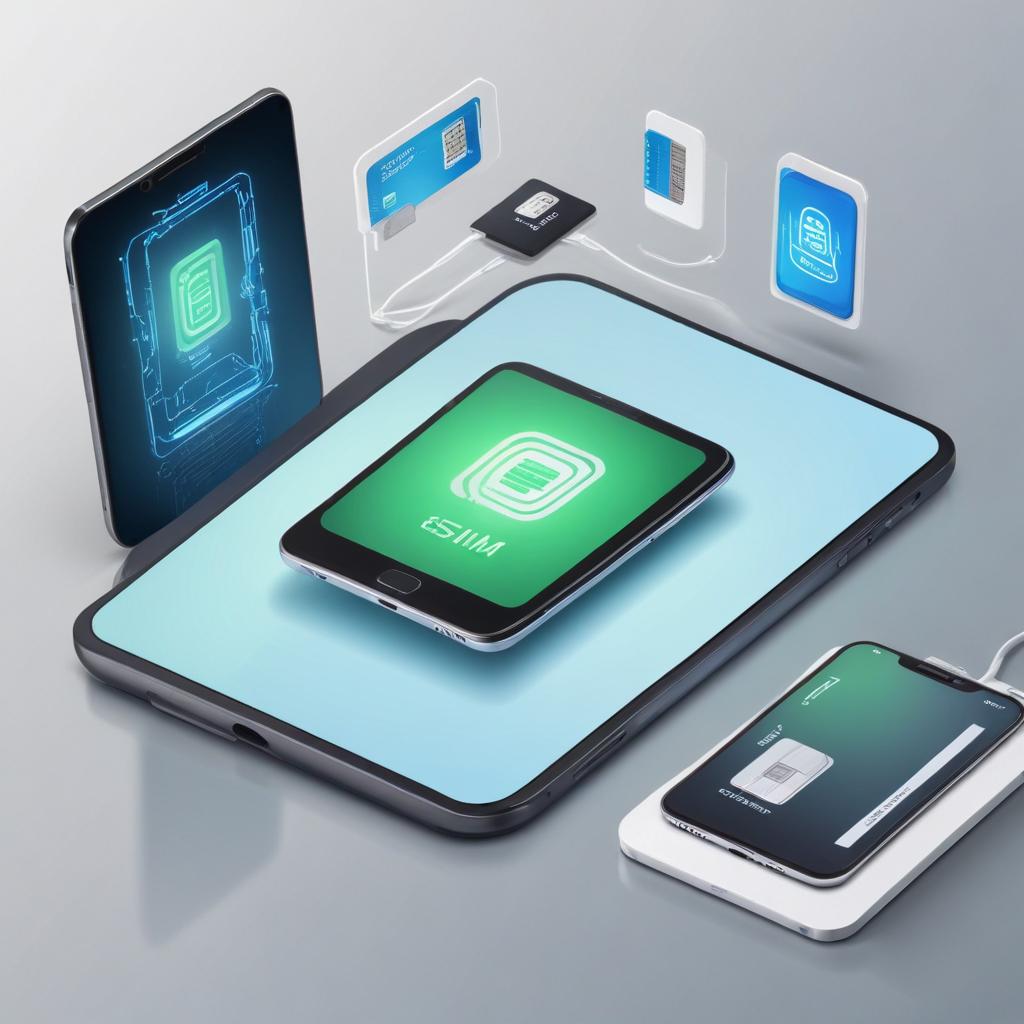
eSIM compatible devices
14/03/2026
Overview of eSIM Technology
eSIM technology, short for embedded SIM, is revolutionizing the way we connect to mobile networks. Unlike traditional SIM cards, which are physical cards that need to be inserted and swapped in a device, an eSIM is a small chip embedded directly into the device’s motherboard. This embedded SIM allows users to activate a cellular plan without the need to physically insert a SIM card, marking a significant evolution in mobile connectivity.
The basics of eSIM technology revolve around its ability to digitally store multiple carrier profiles, which can be remotely managed and switched through software. When you purchase a device with an eSIM, you can download your carrier’s profile over the air, providing a seamless activation process. This eliminates the hassle of visiting a store or waiting for a SIM card to be delivered. With eSIM, switching between carriers or plans can be as simple as selecting a new profile on your device’s settings.
One of the key advantages of eSIM technology is its convenience and flexibility. Since eSIMs are embedded into the device, there is no risk of losing or damaging a physical SIM card. Additionally, eSIMs enable devices to support multiple carrier profiles simultaneously, making it an excellent feature for international travelers who need to switch between local carriers without changing SIM cards. This flexibility also means consumers can compare and switch between plans easily, often resulting in better choices and cost savings.
From a technical perspective, eSIM technology enhances device design as well. Without the need for a SIM tray, manufacturers can design slimmer, more compact, and more durable devices. The embedded SIM conforms to standards set by the GSMA, ensuring wide compatibility and security across carriers worldwide. This standardization is crucial for the widespread adoption of eSIM devices, spanning from smartphones and tablets to emerging IoT devices.
In summary, eSIM technology represents a shift towards more integrated, flexible, and user-friendly mobile connectivity. By eliminating the physical SIM card, it streamlines activation, enhances device design, and offers unparalleled convenience for users managing multiple cellular plans. As the technology continues to mature, eSIMs are expected to become the norm in mobile devices, bringing the benefits of embedded SIMs to a broader audience worldwide.
Popular eSIM Compatible Devices
eSIM technology is rapidly transforming the way we connect our devices, offering greater flexibility and convenience. Several popular device categories are now equipped with eSIM capabilities, including smartphones, tablets, and wearable devices. Here’s a detailed look at these eSIM devices and why they matter.
- Compatible Smartphones: Modern smartphones are among the most common eSIM devices. Major brands have integrated eSIM support into their latest models, allowing users to switch carriers and manage multiple phone numbers without needing a physical SIM card. Compatible smartphones offer seamless activation and enhanced travel convenience, making them ideal for global mobility.
- eSIM Tablets: Tablets with eSIM support provide users with always-on connectivity, ideal for work or entertainment on the go. These devices allow seamless switching between cellular networks, reducing the need for Wi-Fi dependence. eSIM tablets are particularly popular among professionals who require reliable internet access without the hassle of swapping SIM cards.
- Wearable eSIM Devices: Wearables, such as smartwatches and fitness trackers, are increasingly incorporating eSIM technology. This enables these devices to maintain independent cellular connections, allowing users to make calls, send messages, and stream music without being tethered to their smartphones. Wearable eSIM devices enhance convenience and freedom, especially during workouts or outdoor activities.
Overall, the adoption of eSIM technology across these popular device categories marks a significant shift in mobile connectivity. Whether it’s a compatible smartphone, an eSIM tablet, or a wearable eSIM device, users benefit from simplified network management and improved flexibility, making staying connected easier than ever before.
eSIM Smartphones
eSIM smartphones have revolutionized the way users manage mobile connectivity, offering a seamless alternative to traditional physical SIM cards. Among the most popular eSIM smartphones are the compatible iPhones from Apple, which have integrated eSIM technology since the iPhone XS and XR models. This means users with these and newer iPhones can activate cellular plans digitally without needing to insert a physical SIM card.
On the Android side, a growing number of Android eSIM phones have joined the market, supporting eSIM functionality to facilitate dual SIM capabilities or purely eSIM-based connections. Major brands such as Google with its Pixel series (starting from Pixel 3), Samsung with models like the Galaxy S21 and newer, and Motorola with specific Razr foldables are notable examples. These devices empower users to switch carriers and plans quickly, which is especially useful for travelers and business users who juggle multiple numbers.
Overall, the eSIM smartphones ecosystem is expanding, making it easier for users to enjoy flexible, connected experiences without the constraints of physical SIM cards. Whether you prefer a compatible iPhone or an Android eSIM phone, the convenience of embedded SIM technology is becoming a standard feature in flagship and mid-range smartphones alike.
eSIM Tablets and Laptops
In the realm of mobile computing, eSIM tablets and eSIM laptops are rapidly gaining traction for their enhanced connectivity and flexibility. Embedded SIM (eSIM) technology eliminates the need for physical SIM cards, allowing users to switch carriers and manage multiple mobile plans directly from their device settings. This capability is especially beneficial for professionals and travelers who need reliable internet access on the go without the hassle of changing SIM cards.
Many leading tablets and laptops now come with integrated eSIMs, providing seamless cellular connectivity in addition to Wi-Fi. This integration supports uninterrupted access to email, cloud services, video conferencing, and other essential business applications, boosting productivity even in remote or underserved areas. eSIM tablets offer a convenient solution for users who require versatile mobile internet access without relying solely on Wi-Fi hotspots.
Moreover, eSIM laptops cater to those who value security and ease of use. The ability to remotely provision or update mobile carrier profiles reduces dependency on physical SIM swaps and promotes device portability. Enterprise users benefit from simplified device management and cost-effective mobile data plans tailored to business needs.
Overall, eSIM tablets and eSIM laptops represent a significant advancement in mobile computing, combining flexibility, convenience, and continuous connectivity under a single compact device.
How to Choose the Right eSIM Device
Choosing the right eSIM device is essential for unlocking the full benefits of digital SIM technology. When considering how to choose eSIM device options, you need to evaluate several key factors to ensure a seamless and efficient mobile experience.
First and foremost, carrier support is crucial. Not all carriers support eSIM technology equally, so check if your preferred mobile network providers offer eSIM compatibility for your region. Carrier support ensures that your device can easily activate and manage multiple plans without needing a physical SIM card. Additionally, some carriers may provide exclusive features or better service quality tailored for eSIM devices, making this an important aspect to verify before purchasing.
Next, assess the device compatibility. Not every smartphone or gadget supports eSIM functionality, so identifying the best eSIM phone involves researching compatibility details from manufacturers. Look for devices explicitly marketed as eSIM compatible, especially if you plan to use the device internationally or switch carriers often. Popular eSIM-compatible brands typically include the latest models from Apple, Google Pixel, and Samsung, but compatibility continues to expand across various manufacturers.
Furthermore, consider your personal needs and how you use your mobile device. If you frequently travel or juggle between work and personal phone numbers, an eSIM-compatible device offers the flexibility to maintain multiple active lines simultaneously without the hassle of swapping SIM cards. For users focused on data plans switching or who want to keep a backup number for emergencies, these devices provide unmatched convenience. On the other hand, if your mobile usage is straightforward and you rarely change carriers, you might prioritize other features like battery life or camera capabilities alongside eSIM compatibility.
Finally, budget and future-proofing should factor into your decision. While the best eSIM phone may come at a premium, investing in a modern device ensures longer support for evolving eSIM standards and broader network options. Weigh your budget constraints against the benefits of enhanced connectivity and flexibility that eSIM devices deliver.
To sum up, selecting the right eSIM-compatible device requires balancing carrier support, device compatibility, and your unique usage scenarios. By understanding these crucial factors, you can choose an eSIM device that enhances your mobile connectivity with ease and efficiency.
Carrier and Region Support
When choosing an eSIM compatible device, understanding carrier and regional eSIM support is crucial to ensure smooth activation and uninterrupted service. Not all carriers worldwide offer eSIM functionality, and even those that do may have varying degrees of compatibility depending on the region. This makes it essential to verify that your intended eSIM carriers support your device specifically in your location.
Regional eSIM support varies significantly, with some countries having extensive network compatibility for eSIM-enabled devices, while others are still in the early stages of adoption. Ensuring your device is compatible with local networks can prevent activation issues and difficulties with service provider authentication or provisioning. Without proper carrier and regional eSIM support, users may find themselves unable to activate their eSIM or face frequent connectivity disruptions.
Additionally, different carriers often implement eSIM technology with variations in their authentication processes, which means compatibility with one carrier does not guarantee compatibility with another. Checking for eSIM carriers that offer robust support in your area, as well as confirming that your device is included in their list of compatible models, is a key step in guaranteeing a seamless user experience.
Ultimately, thorough verification of both carrier and regional eSIM support ensures you can fully benefit from the flexibility and convenience that eSIM technology promises, avoiding frustration and unlocking reliable network compatibility from the outset.

I’m a tech enthusiast who loves exploring how eSIMs simplify staying connected while traveling. I spend my free time testing new smartphones and sharing tips on getting the most out of mobile data abroad.