Why tech users prefer eSIM-compatible phones
01/03/2026
Understanding eSIM Technology
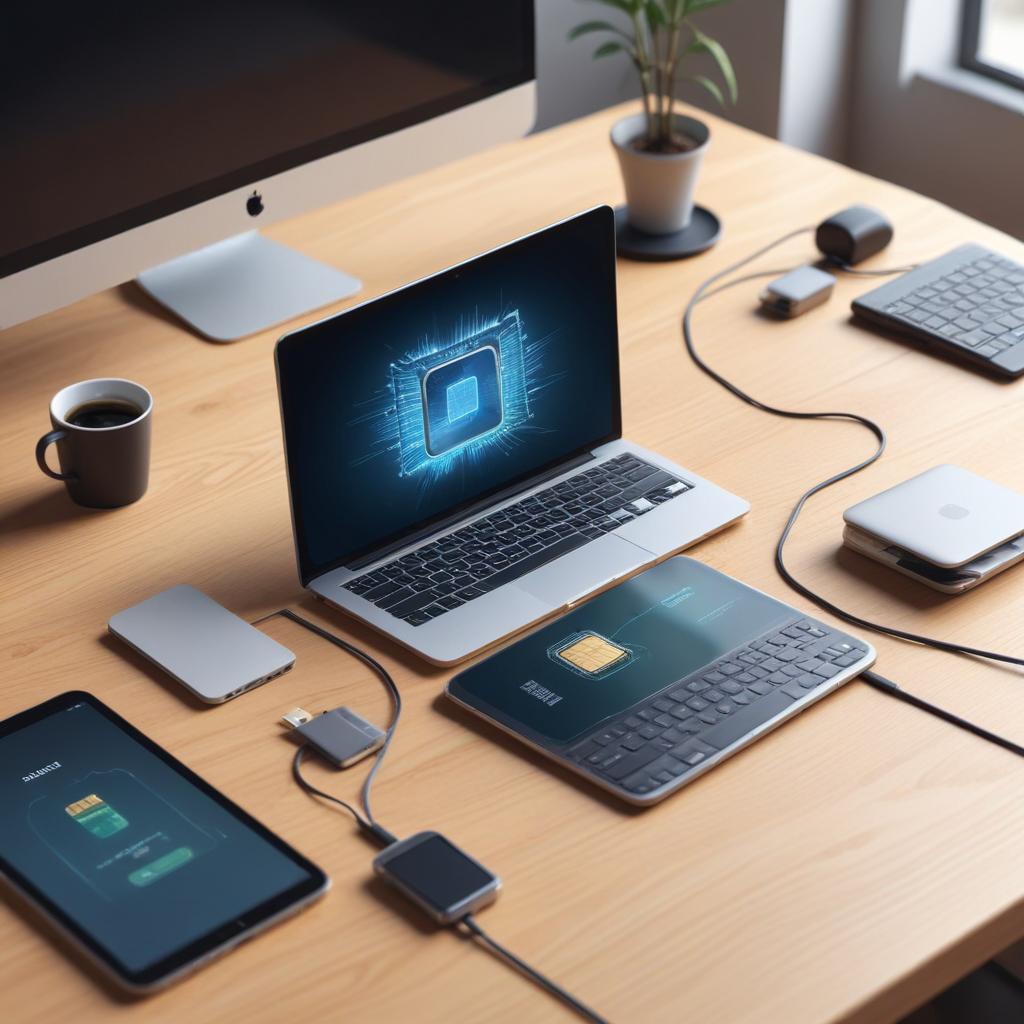
eSIM, short for embedded SIM, represents a groundbreaking tech innovation in mobile connectivity. Unlike traditional SIM cards, which are physical chips that users insert into their phones, an eSIM is a digital SIM embedded directly into the device’s hardware. This shift from a removable card to a built-in chip provides greater flexibility and convenience for tech users worldwide.
The evolution from traditional SIM cards to eSIM technology marks a significant advancement in mobile communications. Traditional SIMs have been the standard method for authenticating mobile devices on cellular networks for decades. However, these physical cards can be easily lost, damaged, or require physical swapping when changing carriers or plans. The embedded SIM eliminates these issues by being electronically programmable, allowing users to switch carriers or plans without ever needing to handle a physical component.
One of the primary benefits of eSIM technology is its seamless integration into devices, which enables smaller and more compact phone designs without sacrificing connectivity capabilities. This digital SIM technology also supports multiple profiles on a single chip, making it simpler for users to manage work and personal phone numbers or to use local plans while traveling internationally. This versatility is a huge advantage for tech-savvy users who value convenience and efficiency in their mobile experience.
Moreover, eSIM technology enhances security by reducing the risk of SIM card theft or tampering. Since the SIM is embedded within the phone, it is much harder for unauthorized persons to remove or replace it. Additionally, the ability to remotely provision and update SIM profiles offers better control for carriers and users alike, facilitating quicker and more dynamic service management.
In summary, the embedded SIM or eSIM is a forward-thinking innovation that transforms how mobile connectivity works. By eliminating the need for physical SIM cards, it offers users superior convenience, flexibility, and security, while enabling manufacturers to push the boundaries of device design. As the adoption of eSIM technology grows, it’s clear that digital SIMs are paving the way toward a smarter, more connected future for tech users everywhere.
How eSIM Works
The eSIM, or embedded SIM, offers a revolutionary alternative to traditional physical SIM cards through its unique functionality. Unlike conventional SIMs, the eSIM is embedded directly into the device’s hardware, eliminating the need for a removable card. This embedded SIM operation allows for much greater flexibility and durability in mobile devices.
One of the most significant features of eSIM functionality is remote provisioning. This process enables users to activate a mobile carrier plan without physically inserting a new SIM card. Instead, carrier profiles are downloaded and installed digitally over the air (OTA) onto the eSIM. This eliminates the logistical constraints of SIM card distribution and allows seamless switching between carriers or plans.
When a user activates an eSIM-compatible device, the embedded SIM connects to the mobile network provider’s server to securely receive the carrier profile. This profile includes all the necessary credentials and settings to operate on that network, ensuring that the device behaves just like it would with a physical SIM. Multiple carrier profiles can be stored on the eSIM, but only one is active at a time, enhancing convenience for users who travel internationally or use different networks for work and personal use.
Overall, the technical workings of eSIM technology simplify the activation process and improve device management. Its embedded nature, combined with remote provisioning and carrier profiles, marks a significant step forward in mobile connectivity, offering users an efficient, flexible, and modern way to stay connected.
Difference Between eSIM and Physical SIM
The comparison of eSIM vs SIM highlights several key differences, particularly in size, ease of use, and flexibility. Traditional physical SIM cards are small plastic cards inserted into a phone’s SIM tray. Despite their compact size, they remain tangible pieces of hardware that can be lost or damaged. In contrast, an eSIM is a digital SIM embedded directly into the phone’s motherboard, eliminating the need for a physical card altogether. This change significantly reduces the device’s reliance on physical components and allows for slimmer phone designs.
When it comes to ease of use, digital SIMs offer a clear advantage. With a physical SIM, users must manually insert or swap cards when changing carriers or plans, which can be inconvenient. The eSIM simplifies this process by enabling users to download and activate profiles over the air without having to handle a physical card. This remote provisioning makes switching carriers or managing multiple numbers more straightforward and faster.
Flexibility is another area where eSIMs stand out. A physical SIM card supports only one carrier profile at a time, limiting users who travel frequently or need multiple numbers. An eSIM, being software-based, can store multiple carrier profiles simultaneously, allowing users to switch between them instantly. This capability offers unmatched convenience and is especially beneficial for tech-savvy users who seek versatile connectivity options. In summary, the physical vs digital SIM card comparison clearly shows that eSIM technology provides superior size efficiency, user convenience, and flexibility.
Benefits of eSIM-Compatible Phones for Tech Users
Tech-savvy users increasingly favor eSIM-compatible phones due to a variety of significant eSIM benefits that enhance their mobile experience. One of the most prominent advantages is the unparalleled flexibility eSIM technology offers. Unlike traditional SIM cards, eSIMs allow users to switch carriers or plans digitally without the need to physically replace a card. This level of convenience is especially appealing for tech users who value the ability to effortlessly manage multiple mobile lines or experiment with different networks based on location or service quality.
Flexibility goes hand-in-hand with mobility and efficiency, traits highly prized by tech enthusiasts. With an eSIM, users can activate service instantly upon traveling internationally, avoiding the hassle of purchasing and inserting local SIM cards. This flexibility reduces downtime, enabling seamless connectivity, which is essential for professionals who require constant access to mobile data and communication channels without interruption.
Moreover, eSIM-compatible phones provide enhanced mobile connectivity by supporting multiple profiles simultaneously. Tech users can maintain separate personal and business numbers on the same device or easily toggle between data plans optimized for different purposes. This dual or multi-profile capability empowers users with more control and tailored connectivity options, improving both productivity and overall user experience.
Another key reason tech users prefer eSIM technology lies in its contribution to device design and durability. Removing the physical SIM tray means manufacturers can optimize internal space, often resulting in slimmer, more robust phones with better water and dust resistance. These improvements align well with the preferences of tech users who seek devices that combine cutting-edge technology with sleek aesthetics and lasting performance.
In addition, managing eSIMs through software interfaces simplifies carrier switching and plan management, thereby reducing dependency on physical stores or SIM card deliveries. This digital-first approach suits tech-savvy individuals who appreciate streamlined, app-based solutions for controlling their mobile connectivity. The ability to handle everything from activation to plan customization directly on the phone enhances user autonomy and convenience.
In summary, the tech user advantages of eSIM-compatible phones stem from their unrivaled flexibility, seamless mobile connectivity, space-saving design, and software-driven management. These features collectively elevate the user experience, making eSIM technology the preferred choice for those who demand convenience and cutting-edge connectivity in their mobile devices.
Seamless Carrier Switching and Dual SIM Functionality
eSIM technology transforms the way users manage their mobile connections by enabling seamless carrier switching without the need for physical SIM cards. This advancement significantly enhances network flexibility, allowing users to quickly switch between carriers through software settings on their phones. With eSIM, changing your network provider is as simple as downloading a new profile, eliminating the traditional hassle of swapping physical cards or visiting carrier stores.
Additionally, eSIM supports multiple profiles on a single device, which opens up dual SIM functionality in a more streamlined, efficient manner. Unlike traditional dual SIM phones that require two physical slots, eSIM-compatible phones can manage two or more cellular profiles digitally, enabling users to maintain separate personal and business numbers on the same device. This capability enhances phone versatility and meets the diverse communication needs of modern users without the bulk of multiple SIM trays.
By integrating carrier switching and dual SIM capabilities within a single eSIM chip, phone capabilities are expanded to offer greater convenience and flexibility. Users enjoy uninterrupted connectivity while traveling internationally or switching plans domestically, all managed seamlessly through their device’s settings. eSIM thus redefines network flexibility and dual SIM usage, making it a preferred choice for tech-savvy users who value convenience, efficiency, and cutting-edge mobile technology.
Enhanced Device Security and Protection
One of the standout advantages of eSIM technology is the significantly improved device security it offers compared to traditional physical SIM cards. eSIMs are embedded directly into the device’s hardware, making them inherently more resistant to theft and tampering. Unlike physical SIM cards that can be easily removed or swapped by unauthorized individuals, eSIM protection ensures that the cellular profile remains securely stored within the phone’s secure element, inaccessible without proper authentication.
This secure connectivity means users benefit from reduced risks associated with SIM theft, a common tactic used by criminals to bypass account security and intercept personal data or calls. With an eSIM, the chances of a SIM being cloned or stolen are greatly minimized due to the encryption and hardware-level safeguards. Additionally, the remote provisioning ability of eSIMs allows carriers to quickly disable or reassign service without physical access, adding an extra layer of device security and control.
Moreover, eSIM technology supports advanced features such as instant deactivation in case of loss or theft, which enhances SIM theft prevention even further. This level of protection contributes to a more secure mobile experience, reassuring users that their personal information and communications remain private and protected. Overall, eSIM-compatible phones represent a significant step forward in device security, combining convenience with robust eSIM protection.
Future Trends and Considerations for eSIM Adoption
The eSIM future looks promising as mobile trends continue to evolve toward more integrated and flexible connectivity options. Tech users are increasingly drawn to devices that support eSIM because these allow for seamless switching between carriers and plans without needing to physically replace SIM cards. This flexibility aligns with the broader technology adoption trajectory, where convenience and customization play pivotal roles in consumer choices.
One major trend influencing wider eSIM adoption is the network evolution happening globally. As 5G networks expand and prepare for future 6G technology, the infrastructure supporting mobile connectivity becomes more adaptive and capable of handling multiple profiles through eSIM technology. This will make mobile devices more versatile, especially for users who travel frequently or require multiple numbers for work and personal use. By embracing these mobile trends, manufacturers and carriers are fostering an ecosystem geared toward smart, efficient, and user-centric communication.
Additionally, security considerations are driving the switch to eSIMs. Embedded SIMs reduce the risk of physical SIM swaps and related fraud, adding a crucial layer of protection for mobile users. As network evolution continues, security protocols tied to eSIM technology will likely become more sophisticated, which is a strong incentive for users to adopt eSIM-compatible phones to safeguard their data and privacy.
For tech users considering future devices, it is essential to look beyond just the current capabilities and focus on the device’s potential to integrate emerging mobile trends. Devices with eSIM capabilities are not just about today’s convenience but also about future-proofing your mobile connectivity. Consider how well your device supports network evolution, including compatibility with upcoming standards and ease of switching carriers or plans digitally. This approach will ensure a smoother transition as the technology landscape changes.
In conclusion, the eSIM future is intertwined with ongoing mobile trends and technological advancements in network systems. For tech-savvy users keen on staying ahead, prioritizing eSIM-compatible phones presents a strategic advantage, offering flexibility, enhanced security, and alignment with the inevitable network evolution shaping the way we connect.
Growing Industry Support and Ecosystem Expansion
The growing support from network carriers and device manufacturers is significantly accelerating the availability of eSIM-compatible phones, fostering rapid market growth. As more carriers integrate eSIM technology into their service offerings, users can enjoy seamless activation, greater flexibility, and enhanced connectivity options without relying on physical SIM cards. This shift is encouraging device manufacturers to innovate and produce a wider range of eSIM-enabled devices to meet rising consumer demand.
Network carriers around the world are expanding their eSIM support, recognizing its potential to streamline operations and improve the user experience. By offering eSIM activation and management services, they contribute to a more mature ecosystem that benefits both consumers and businesses. Simultaneously, device manufacturers are increasingly adopting eSIM technology in their latest models, embedding it deeply into smartphones, tablets, and wearables.
This combined industry support is crucial for ecosystem expansion, making eSIM devices more accessible and affordable. With major players collaborating to ensure interoperability and smooth user transitions from traditional SIM cards to eSIMs, the overall market growth is accelerating. As this momentum continues, we can expect a broader selection of devices and an increasingly robust eSIM ecosystem, ultimately transforming the mobile experience for users worldwide.
Potential Challenges and User Considerations
While eSIM technology offers numerous advantages, it also presents several challenges and user concerns that can affect its widespread adoption. One significant issue is compatibility. Not all devices or carriers fully support eSIM, leading to potential frustration for users who may find their preferred phone or network incompatible with this technology. This limitation can hinder seamless connectivity and reduce the practical benefits users expect from eSIM-compatible phones.
Privacy concerns also play a crucial role in user hesitation. Since eSIMs enable remote provisioning of mobile profiles, users worry about the security of their personal information and potential unauthorized access. Ensuring robust data protection mechanisms is vital to alleviate these fears and build greater trust in the technology.
Moreover, user education is a key factor influencing adoption. Many consumers remain unfamiliar with how eSIMs work or the process of switching carriers digitally. Without clear, accessible information and guidance, users may find the technology intimidating or confusing, discouraging them from making the transition from traditional SIM cards.
In addition to these challenges, technology limits such as network restrictions and regional regulatory issues can impact eSIM usage. These factors collectively highlight the necessity for ongoing improvements and awareness campaigns to address compatibility issues, privacy safeguards, and user education, ensuring that the benefits of eSIM technology can be fully realized by a broader audience.

I’m a tech enthusiast who loves exploring how eSIMs simplify staying connected while traveling. I spend my free time testing new smartphones and sharing tips on getting the most out of mobile data abroad.