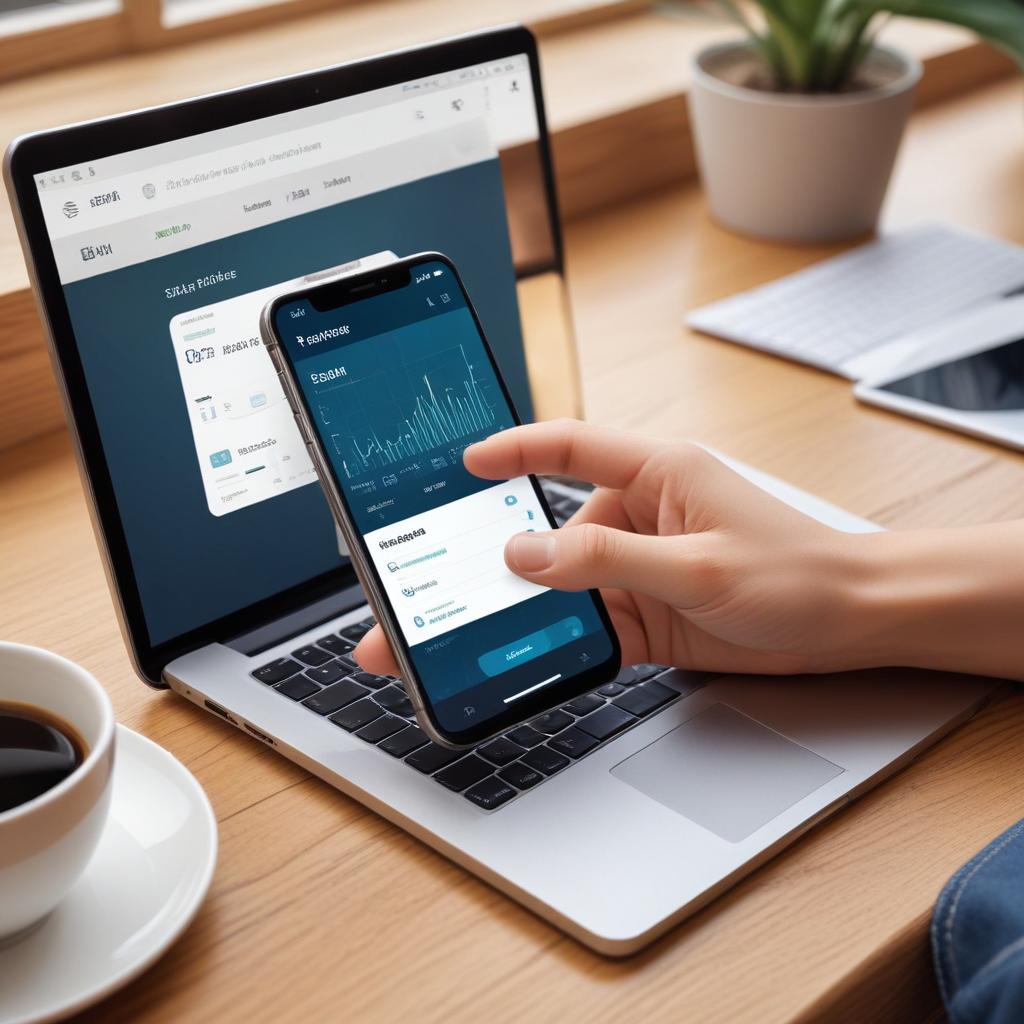
eSIM data plans
14/03/2026
What Are eSIM Data Plans?
eSIM data plans represent a modern approach to mobile connectivity, utilizing a digital SIM embedded directly into devices. Unlike traditional SIM cards, which are physical chips inserted into a phone or tablet, the eSIM (embedded SIM) is integrated within the device’s hardware, eliminating the need for swapping physical cards. This evolution fundamentally transforms how mobile data is managed and accessed, offering greater convenience and flexibility.
With eSIM data plans, users can activate mobile data services without needing a physical SIM card. Instead, the mobile carrier’s profile is downloaded and stored digitally on the device. This means switching between different carriers or data plans can be done remotely via software, making it remarkably easy to change providers or add new data plans without visiting a store or waiting for a SIM card delivery.
The key benefits of eSIM data plans stem from this digital nature. First, they provide unmatched flexibility—travelers can rapidly switch to local data plans without physically changing SIM cards, reducing roaming costs and improving connectivity abroad. Second, eSIMs support multiple profiles, allowing users to manage several numbers or data plans on one device simultaneously, ideal for balancing personal and work communications or regional networks.
Additionally, eSIM data plans offer enhanced security since the embedded SIM cannot be easily removed or lost like physical cards. This also contributes to more compact device designs, as manufacturers can save space previously dedicated to SIM card slots, potentially improving durability against dust and water.
In summary, eSIM data plans leverage the digital SIM technology to streamline mobile data access, making connectivity more adaptable and user-friendly compared to traditional SIM cards. Whether for everyday use or frequent travel, the eSIM benefits—such as convenience, security, and multi-profile management—make it a compelling choice in today’s mobile landscape.
How eSIM Technology Works
eSIM technology represents a significant shift from traditional SIM cards by integrating the SIM directly onto a device’s motherboard. This embedded SIM eliminates the need for a physical card, offering greater flexibility and convenience. The embedded SIM chip is soldered inside smartphones, tablets, laptops, and other connected devices during manufacturing, making it a permanent component of the hardware.
The activation process of an eSIM is entirely digital and remote. Rather than inserting a physical SIM card, users simply download a carrier’s profile onto their device using a QR code or an activation code provided by the mobile network operator. This process activates the embedded SIM, allowing access to mobile networks without needing to visit a store or handle a physical card. The remote provisioning capability of eSIM technology enables switching carriers or plans without changing the SIM card, enhancing user flexibility.
Since the eSIM is embedded and activated remotely, it supports multiple profiles, enabling devices to store various carrier plans simultaneously. Users can switch between different mobile networks effortlessly via device settings. This is particularly advantageous for frequent travelers or users who require different data plans for personal and business use. Overall, eSIM technology streamlines mobile connectivity by embedding the SIM into the device and enabling a seamless, remote activation process that simplifies network management.
Key Benefits of Using eSIM Data Plans
eSIM data plans offer several compelling advantages that enhance convenience and flexibility for users worldwide. One of the primary eSIM advantages is the ease of switching between carriers without the need to physically change SIM cards. This makes managing your mobile connection simpler, especially when traveling across different countries or regions.
The flexibility provided by eSIM data plans allows users to choose from a variety of plans tailored to their specific needs, whether it’s for short-term travel or long-term use. Many providers offer flexible plans that enable you to activate or deactivate services instantly, providing greater control over your mobile expenses and usage.
For frequent travelers, eSIMs deliver the significant benefit of global connectivity. Instead of hunting for local SIM cards or incurring high roaming fees, travelers can easily connect to local networks worldwide, often at more competitive rates. This global reach ensures consistent and reliable mobile data access wherever you go.
Additionally, eSIM data plans can lead to potential cost savings. By selecting plans that best fit your travel itinerary or data consumption, you avoid exorbitant roaming charges and can optimize your mobile budget effectively. The combination of convenience, flexible plans, and cost efficiency makes eSIMs an excellent choice for modern mobile users.
Choosing the Best eSIM Data Plan for Your Needs
Selecting the best eSIM plans requires understanding your specific needs, usage patterns, and budget constraints. With numerous carrier options and a variety of data packages available, it can become overwhelming to find a plan that perfectly suits your lifestyle. Here’s a comprehensive guide to help you navigate through these choices effectively.
Firstly, assess your data usage habits. Are you a casual browser, a heavy streamer, or someone who primarily uses Wi-Fi with occasional cellular data? Knowing your typical monthly data consumption is crucial when comparing data packages. Some plans offer small data allotments ideal for light users, while others provide unlimited or high-volume data suitable for power users. Choosing a plan aligned with your usage ensures you don’t overpay or run out of data prematurely.
Budget is another key factor. eSIM data plans come in a wide price range, influenced by data limits, carrier reputation, and contract conditions. Look for pricing comparison across different carriers to find the best value. Some carriers may offer promotional rates or bundled services that can make their plans more cost-effective. However, beware of hidden fees, throttling policies, and contract lock-ins that might affect the overall cost and experience.
Carrier options also play a significant role. Depending on your region or travel destinations, not all carriers might be available or offer equally strong network coverage and speeds. Research the carriers that support eSIM technology in your area and check their network reliability. Reading reviews and coverage maps can help you select a carrier that guarantees seamless connectivity wherever you go.
Finally, consider flexibility. Some eSIM plans allow easy switching between carriers or offer pay-as-you-go packages without long-term commitments. This flexibility can be beneficial for travelers or those who like to experiment with different carriers to find the best service quality. By carefully evaluating your usage, budget, carrier options, and desired flexibility, you can confidently choose the best eSIM data plan tailored to your needs.
Popular Carriers Offering eSIM Plans
When searching for reliable eSIM carriers, several major network providers worldwide stand out by offering compatible eSIM plans. These carriers provide extensive coverage and varied pricing options to suit different user needs.
- AT&T (USA): One of the largest network providers in the United States, AT&T offers eSIM plans with wide coverage and a variety of data packages starting from $15 for 1GB up to unlimited plans priced at around $75 per month.
- Vodafone (Europe & Global): Vodafone supports eSIM plans across many countries in Europe and beyond. Their pricing is competitive, with pay-as-you-go plans starting at €10 and monthly plans going up to €50, boasting extensive international coverage.
- Telefónica (Spain & Latin America): Known for excellent coverage in Spain and Latin America, Telefónica offers flexible eSIM options. Pricing starts at approximately €10 for basic data and scales with usage, providing strong network reliability.
- Telstra (Australia): As a major Australian carrier, Telstra provides a variety of compatible eSIM plans with strong local coverage. Prices range from AUD 15 for entry-level data packages to AUD 80 for unlimited data plans.
- China Mobile (China): The largest network provider in China offers eSIM services mainly to local customers. Their pricing is generally cost-effective, with data plans starting from CNY 30 and featuring widespread network availability.
- Deutsche Telekom (Germany & Europe): Deutsche Telekom supports extensive eSIM compatibility and coverage throughout Germany and Europe. Pricing begins at €10 for smaller data bundles and extends to about €60 for unlimited plans.
Choosing a carrier ultimately depends on your location and data needs. These top eSIM carriers combine broad coverage with flexible pricing, making it easier to stay connected with compatible eSIM plans worldwide.
Factors to Consider When Selecting a Plan
When choosing an eSIM data plan, several critical factors come into play to ensure you get the best value and service quality. First and foremost, consider the data limit offered by the plan. Assess your typical usage to select a plan with sufficient data allowance, avoiding unexpected fees or slowdowns once the limit is reached. For light users, a smaller data package may suffice, whereas heavy users should look for plans with larger data limits or unlimited data options.
Plan duration is another important consideration. Some eSIM data plans offer short-term validity, ideal for travelers or temporary use, while others may provide monthly or yearly subscriptions, better suited for permanent or long-term connectivity. Choosing a plan with an appropriate validity period ensures you don’t pay for unused time or run out of coverage when you need it most.
Roaming policies also vary significantly between providers and plans. Check if your eSIM plan supports international roaming and which countries are included. Some plans may incur high roaming fees or restrict usage abroad, so verifying the roaming options beforehand can save you from costly surprises during your travels.
Lastly, the quality of customer support plays a vital role in your overall experience. Reliable and responsive support ensures any issues with activation, connectivity, or billing are promptly addressed. Look for providers known for excellent customer service with multiple contact channels, such as live chat, phone, or email, to get help whenever needed.
How to Activate and Manage Your eSIM Data Plan
Activating and managing your eSIM data plan is straightforward once you understand the process. This step-by-step guide will help you with eSIM activation, installing your eSIM, managing your data plan settings, and troubleshooting common issues.
- Check Device Compatibility and Carrier Support: Before starting, ensure your device supports eSIM and that your carrier offers eSIM data plans.
- Obtain Your eSIM QR Code or Activation Details: Your carrier will provide you with a QR code or activation details either by email, SMS, or through their app.
- Start eSIM Activation: On your phone, go to Settings > Cellular or Mobile Data > Add Cellular Plan. Use your device camera to scan the QR code or enter details manually depending on your carrier’s instructions.
- Complete the Setup: Follow on-screen prompts to finalize eSIM activation. Your device will download the eSIM profile and activate your data plan.
- Manage Your eSIM Data Plan: In your phone’s Mobile Data settings, you can label your eSIM plan, select it as the default for data and calls, and adjust data usage preferences.
- Switch Between Plans if Needed: If you have multiple eSIM profiles, select which one to use for data or calls under your cellular settings, allowing flexible management of plans.
- Troubleshooting eSIM Activation Issues: If activation fails, restart your device, ensure you have a stable internet connection, and check carrier compatibility. Contact your carrier if problems persist.
- Common Troubleshooting Tips: For connectivity issues, toggle airplane mode off and on, reset network settings, or uninstall and reinstall the eSIM profile. Always keep your device software updated for best compatibility.
- Monitor Data Usage: Use your phone’s built-in data usage tools to keep track of your eSIM data consumption to avoid unexpected charges and optimize your plan usage.
By following these steps, you can easily activate your eSIM data plan, manage its settings according to your needs, and resolve common issues quickly to enjoy seamless mobile connectivity.
Step-by-Step eSIM Activation Process
Activating your eSIM is a straightforward process that allows you to enjoy mobile connectivity without a physical SIM card. The typical activation steps involve scanning QR codes, downloading the carrier profile, and setting up your device properly. Follow these steps below to activate your eSIM seamlessly.
- Begin by accessing the eSIM activation section in your device settings or open your carrier’s app if they provide one. This is where you’ll initiate the activation process.
- Next, scan the QR code provided by your carrier. This code contains all the necessary information to download your eSIM carrier profile directly to your device.
- After scanning, your device will automatically start downloading the carrier profile. Ensure you have an internet connection during this step to complete the download efficiently.
- Once the carrier profile is downloaded, you may be prompted to finalize the setup by selecting the eSIM as your active line or adjusting preferences such as network usage and labeling the plan.
- Finally, confirm that the eSIM is activated by checking your device’s network status. You should see signal bars and carrier information indicating that your new eSIM is ready for use.
By following these steps, you can effortlessly activate eSIM on your device using either a QR code or your carrier’s app, streamlining your mobile setup experience.
Managing Your Data Usage and Plan Settings
Monitoring your data usage is essential to avoid unexpected charges and ensure you stay within your plan limits. Many eSIM providers offer online dashboards or mobile apps where you can track your data consumption in real-time. Additionally, modern smartphones often include built-in data monitoring tools that notify you when you approach your data cap. These features help you manage your usage effectively, giving you control and peace of mind.
Renewing or switching your eSIM plan is typically straightforward and can be done through your carrier’s app or website. When your plan is about to expire or you need more data, most services allow you to renew or top-up your existing plan. If your data needs change, switching to a different plan with more suitable terms is usually just a few clicks away, without needing to replace your physical SIM card.
For enhanced data management, consider using dedicated data management apps. These apps often provide detailed statistics, usage alerts, and recommendations based on your consumption patterns. Coupled with device features like data limit settings and background data restrictions, these tools empower you to optimize your eSIM plan usage efficiently.

I’m a tech enthusiast who loves exploring how eSIMs simplify staying connected while traveling. I spend my free time testing new smartphones and sharing tips on getting the most out of mobile data abroad.