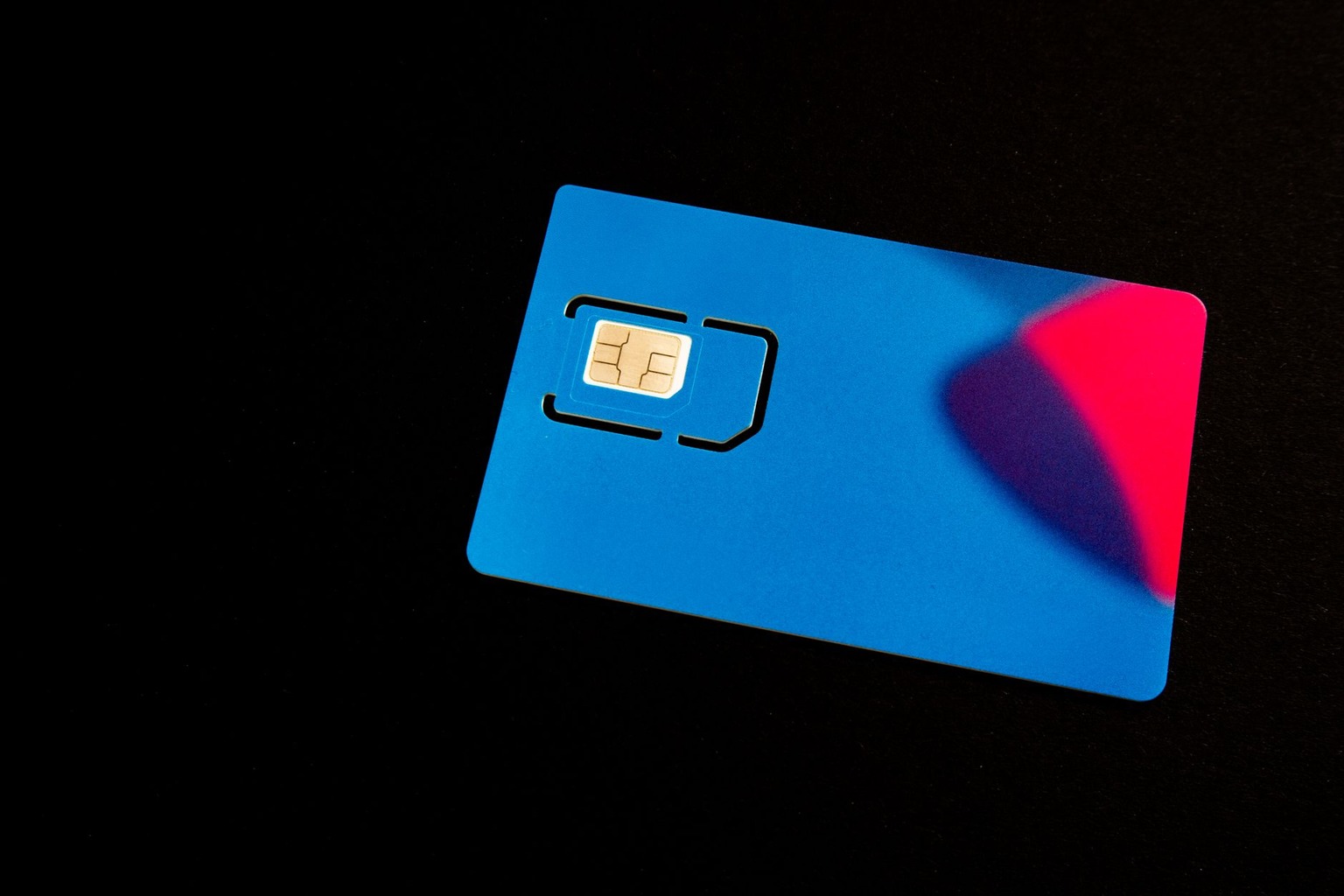
ESIM for Gamers: The Best Mobile Plans for Low Latency and High-Speed Online Play
11/11/2026
Mobile connectivity has reshaped how competitive play happens on handheld devices. Gamers no longer rely solely on fixed Wi‑Fi lines; they demand flexibility without sacrificing performance. An eSIM for online gaming offers a direct path to low‑latency sessions, provided the underlying network and plan support the necessary bandwidth. This article breaks down the technical and practical factors that separate a sluggish connection from a responsive one, and highlights the mobile plans that consistently deliver the goods.
Network Architecture and Latency Fundamentals
The physical path data travels from a device to a server and back again determines how responsive a game feels. With an eSIM for online gaming, the signal traverses cellular towers, core networks, and internet exchange points before reaching the game’s infrastructure. Each hop introduces a fraction of a millisecond, but on fast‑paced shooters or fighting games, those fractions compound into noticeable input lag. Modern 5G networks reduce this distance by leveraging edge computing nodes placed closer to urban centers, meaning the round‑trip time can drop below 20 milliseconds in ideal conditions. However, not all carriers have deployed edge nodes evenly; rural coverage often still relies on core routing, which adds precious milliseconds. Understanding where a carrier’s gateway nodes sit relative to major game data centers is therefore as important as the advertised speed tier.
Another critical factor is the protocol used to encapsulate data. Traditional SIM cards often rely on older APN configurations that prioritize voice over data, potentially throttling game packets during congestion. An eSIM for online gaming can be provisioned with custom APN settings that flag traffic as low‑latency, ensuring game packets receive preferential treatment. Some operators even offer dedicated gaming APNs that deprioritize streaming video or large downloads during peak hours. Gamers should verify whether their chosen plan includes such optimizations, or be prepared to manually configure the APN to squeeze every millisecond out of the connection.
Bandwidth vs. Latency: What Actually Matters
Many consumers mistake raw megabits per second for a good gaming experience, but latency is the true gatekeeper. A plan advertising 100 Mbps download speeds can still feel sluggish if the ping sits at 120 ms. Conversely, a modest 30 Mbps plan with a 30 ms ping can feel buttery smooth. When evaluating an eSIM for online gaming, look at the ping history rather than the headline speed. Most modern 4G LTE and 5G networks can sustain the 3‑5 Mbps upstream and downstream bursts that most titles require, but the consistency of that throughput under load is what separates the winners from the also‑rans.
Packet loss is the silent killer of online play. Even with low ping, if 2‑3% of packets fail to reach the server, characters will teleport or abilities will fail to register. Cellular networks are susceptible to this during handovers between towers, especially at high speeds like on a train or in a moving vehicle. An eSIM for online gaming performs best when the device stays attached to a single cell tower for the duration of a match. Some carriers provide “sticky” cell logic that avoids frequent handovers, while others aggressively roam to find a stronger signal, inadvertently introducing jitter. Checking independent speed test results during actual gameplay sessions offers the only reliable window into packet loss rates.
Carrier‑Specific Gaming Optimizations
Not all mobile virtual network operators (MVNOs) treat game traffic equally. The largest carriers have begun rolling out “gaming modes” within their subscriber apps, which route traffic through specialized low‑latency gateways. These gateways often partner with major game publishers to place servers inside the carrier’s own data center footprint, effectively zero‑hopping the internet segment. An eSIM for online gaming on such a network can see ping reductions of 30‑50 ms compared to a standard data plan, simply because the round‑trip path is shorter. However, these optimizations are typically carrier‑specific and may not extend to smaller MVNOs that resell the same underlying infrastructure.

Data caps also merit close inspection. Unlimited plans often come with “fair usage” thresholds after which speeds are deprioritized. For a gamer, a sudden drop from 5G to 3G speeds mid‑match is unacceptable. Plans that advertise truly unlimited high‑speed data, or at least 50GB+ of high‑priority bucket before throttling, are preferable. Additionally, some plans offer “gaming credits” that restore full speeds for a set period, which can be a lifesaver during tournament play. Reading the fine print on throttling policies ensures there are no surprise slowdowns when the stakes are highest.
Device Compatibility and APN Configuration
The hardware playing the game must also support the network’s frequency bands. A flagship smartphone released in the last two years likely supports the necessary 5G bands, but older devices may be limited to 4G LTE, which inherently carries higher latency. When switching an eSIM for online gaming between carriers, verifying that the device’s modem can lock onto the carrier’s preferred bands prevents the phone from falling back to slower legacy bands. Some carriers provide a list of certified devices on their websites; sticking to that list reduces the risk of unexpected latency spikes.
APN settings, while technical, are often the difference between a mediocre and a great experience. Default carrier APNs may route all traffic through a generic gateway, whereas a gaming‑optimized APN might use a different DNS server or direct peering arrangement. On Android, navigating to Settings → Network & Internet → Mobile network → Access Point Names allows manual entry. On iOS, the eSIM profile often auto‑configures, but some carriers require a profile download that includes the correct APN. Gamers comfortable with a few taps can significantly reduce latency by switching to a gaming‑focused APN, especially on networks that do not expose this option through their native apps.
Roaming and International Play
For travelers, the ability to maintain a low‑latency connection across borders is a major selling point. An eSIM for online gaming that supports global profiles eliminates the need to hunt for local SIM cards in every country visited. However, roaming agreements vary wildly; some carriers offer “global data” that prioritizes voice and basic browsing but throttles high‑bandwidth game traffic. Others have partnered with international game‑friendly networks that provide consistent ping rates even when crossing oceans. Verifying that the roaming partner’s network quality matches the home carrier’s is essential for snowbird gamers or esports competitors who compete abroad.

Time zone differences also indirectly affect latency. Playing on a server located on the opposite side of the world introduces a physical distance penalty that no cellular plan can fully override. The best strategy is to select a plan that offers fast connectivity to the nearest regional gateway, then rely on the game’s own server selection to pick the closest instance. Some mobile plans even provide “region‑specific” routing options within their apps, allowing the user to force traffic through a specific continent’s gateway. This can shave tens of milliseconds off the ping, which in a close match can be the difference between a win and a loss.
Cost vs. Performance: Finding the Sweet Spot
Premium gaming‑focused plans often carry a price premium of $10‑$20 per month over standard unlimited tiers. The question becomes whether the latency reduction justifies the extra cost. For casual players who dip into mobile games a few times a week, a standard high‑speed plan may suffice. For competitive players whose rankings depend on frame‑perfect inputs, the investment in a low‑latency eSIM for online gaming can be worthwhile. Many carriers now offer trial periods or short‑term plans, allowing gamers to test the waters without a year‑long commitment. Calculating the cost per millisecond of ping improvement helps frame the decision in concrete terms.
Bundled perks such as free cloud gaming subscriptions or priority access to beta servers can tip the scales. A plan that includes a six‑month subscription to a cloud gaming service effectively lowers the monthly cost of high‑performance connectivity. Conversely, a bare‑bones cheap plan might seem attractive on paper but lack the network optimizations needed for serious play. Weighing the total cost of ownership, including the device, the plan, and any additional services, provides a more accurate picture than looking at the monthly fee alone.

I’m a tech enthusiast who loves exploring how eSIMs simplify staying connected while traveling. I spend my free time testing new smartphones and sharing tips on getting the most out of mobile data abroad.