
eSIM plan comparison
03/08/2026
As the world continues to embrace digital mobility, eSIM technology is rapidly gaining traction among smartphone users, particularly for international travelers. Unlike traditional SIM cards, eSIMs allow users to switch carriers or plans without needing a physical card, making them a convenient choice for those on the go. However, with various eSIM plans available, it can be challenging to find the best option for your specific needs. This article aims to provide a comprehensive comparison of popular eSIM plans, focusing on features, pricing, coverage, and user experiences to help you make an informed decision.
Understanding eSIM Technology
eSIM, or embedded SIM, is a digital SIM that is built directly into a device, such as a smartphone or tablet. This technology eliminates the need for physical SIM cards and allows users to switch between different mobile networks and plans remotely. With eSIM, users can easily download a carrier profile onto their device, which simplifies the process of connecting to different networks, especially when traveling abroad. This flexibility is particularly beneficial for frequent travelers who want to avoid hefty roaming charges or the hassle of purchasing local SIM cards in every country they visit.
Moreover, eSIM technology supports multiple profiles, allowing users to store various carrier plans on a single device. This means you can have a primary plan for your home country and a secondary plan for travel, all accessible with just a few taps on your smartphone. As more smartphone manufacturers and carriers adopt eSIM technology, its advantages in terms of convenience and flexibility are becoming increasingly apparent.
Key Features to Look for in eSIM Plans
When comparing eSIM plans, several key features should be considered to ensure you choose the right plan for your needs. First, look at the data allowance. Depending on your usage, you might need a plan with a high data limit for streaming, browsing, or working on the go. Some plans offer unlimited data, while others may have caps, so it’s essential to evaluate your typical data consumption.
Another crucial aspect is coverage. Ensure that the eSIM provider you choose has a robust network that covers the regions you plan to visit. Many providers offer global coverage, but the quality and reliability of service can vary significantly. Additionally, consider the speed of the connection, as this can impact your overall experience while using data-intensive applications.
Popular eSIM Providers and Their Plans
Several eSIM providers have emerged as leaders in the market, each offering unique plans tailored to different user needs. For instance, providers like Airalo, Nomad, and Ubigi are known for their competitive pricing and extensive coverage. Airalo offers a range of regional and global plans, making it easy for travelers to find a suitable option based on their destinations. Their plans start as low as $10 for a week of data, providing a budget-friendly choice for short trips.
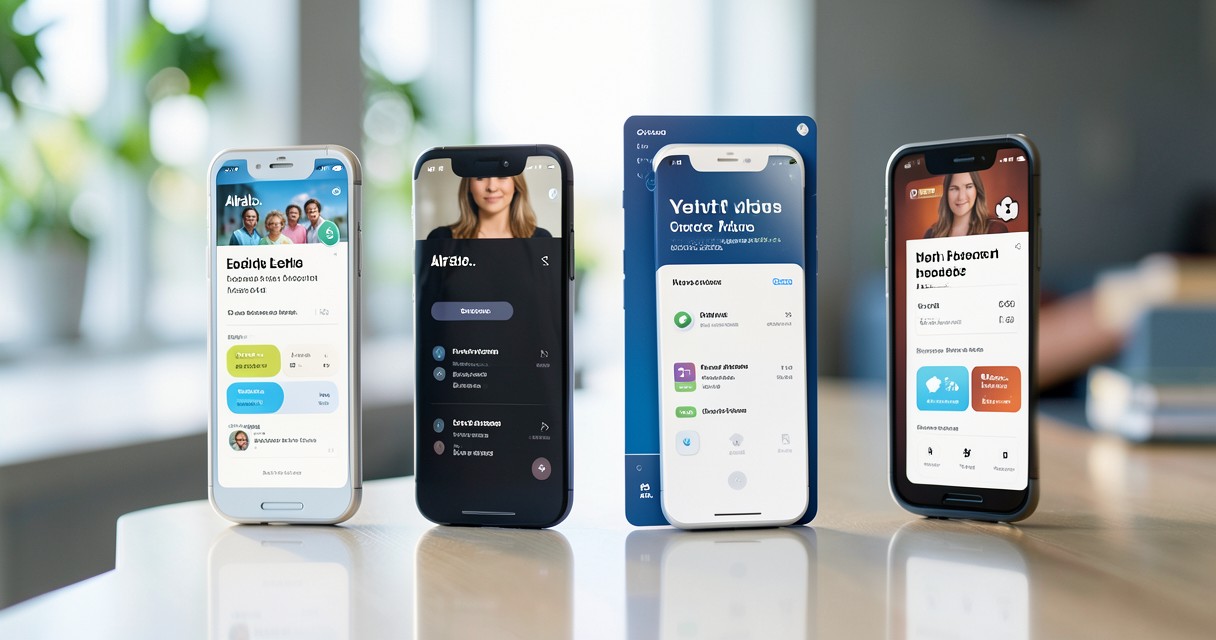
Nomad, on the other hand, focuses on providing seamless connectivity across various countries, with plans that cater to both short-term and long-term travelers. Their pricing is competitive, with options that include 5GB for $19, ideal for those who need data for a few weeks. Ubigi also stands out with its user-friendly app, allowing users to manage their plans and monitor usage easily. Their plans offer flexibility, with a pay-as-you-go option that can be particularly appealing for infrequent travelers.
Pricing Comparison of eSIM Plans
Pricing is a significant factor when choosing an eSIM plan. Generally, eSIM plans can range from as low as $10 for limited data to over $100 for unlimited or high-capacity plans. For example, Airalo’s regional plans are often the most affordable, making them ideal for travelers who only need data for a short period. Their pricing model allows users to pay for only what they need, which can be more economical than traditional SIM cards.
In contrast, some providers like Nomad might charge slightly more, but they often include additional benefits, such as faster data speeds or better customer support. It’s essential to weigh the cost against the features offered. For instance, if a plan costs $30 but includes unlimited data, it might be a better deal than a cheaper plan with strict limits. Therefore, comparing the total value of each plan is crucial.
Coverage and Network Quality
Coverage and network quality are critical when assessing eSIM plans, especially for international travelers. Not all eSIM providers have the same level of network partnerships, which can affect your data experience in different countries. For instance, Airalo claims to have coverage in over 190 countries, making it a strong contender for global travelers. However, the actual speed and reliability can vary depending on local network conditions.
Nomad also emphasizes strong coverage in its marketing, but users should check user reviews and performance reports to gauge real-world experiences. It is advisable to look for providers that partner with major local carriers in your destination countries, as this often translates to better service quality. Coverage maps provided by eSIM providers can offer insight into where you can expect reliable service, which is particularly helpful when planning your travels.
User Experiences and Reviews
User experiences can provide valuable insights when evaluating eSIM plans. Many travelers praise Airalo for its affordability and ease of use, with a straightforward app that allows for quick installation and activation. Users often report positive experiences regarding data speeds and customer support, which is essential for resolving any issues that may arise during travel.

Nomad users frequently highlight the provider’s responsive customer service and the convenience of managing multiple plans through its app. However, some users have noted occasional connectivity issues in less populated areas, so it may be best to research coverage specific to your travel itinerary. Reading reviews on platforms like Trustpilot or social media can also help you gauge the reliability of each provider based on real user feedback, offering a more comprehensive picture of what to expect.
Final Considerations for Choosing an eSIM Plan
When selecting an eSIM plan, it’s essential to consider your travel habits, data needs, and budget. If you travel frequently, a provider that offers flexible plans with good coverage may be worth the investment. Additionally, consider the ease of switching between plans, as some providers make this process simpler than others. Evaluate the customer support options available, as having access to assistance can be invaluable when issues arise.
Ultimately, the best eSIM plan for you will depend on a combination of factors, including your travel destinations, data usage patterns, and personal preferences. By taking the time to compare different providers, plans, and user experiences, you can find an eSIM solution that meets your needs and enhances your digital mobility, allowing you to stay connected while exploring the world.

I’m a tech enthusiast who loves exploring how eSIMs simplify staying connected while traveling. I spend my free time testing new smartphones and sharing tips on getting the most out of mobile data abroad.