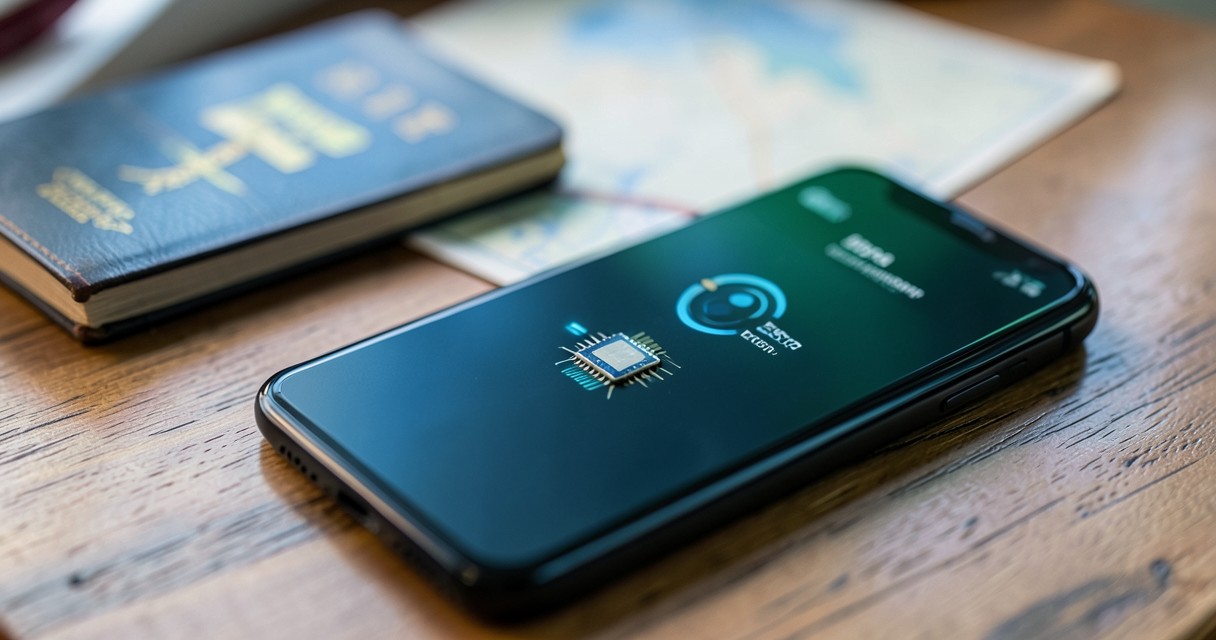
eSIM vs nano SIM
27/07/2026
The rise of eSIM technology has reshaped how we think about mobile connectivity, and travelers prefer eSIM phones because they can juggle multiple data plans across borders. While the tiny plastic chip that once sat in a phone’s tray still powers many devices, the embedded digital counterpart promises a more fluid experience without the need to swap physical cards. Understanding eSIM compatibility and the practical differences between it and a traditional nano SIM is essential for anyone who relies on smartphones for navigation, streaming, and staying in touch while on the move. This article unpacks the technical, ergonomic, and market forces that distinguish the two approaches, giving you the insight needed to choose the right solution for your next adventure.
What a nano SIM is and why it has lasted for a decade
A nano SIM is the smallest form factor of the physical SIM family, measuring just 12.3 by 8.8 millimetres and carrying a tiny chip that stores your carrier credentials. Since its introduction in 2012, the nano SIM became the default for most smartphones because it could be easily inserted into a removable tray, allowing users to switch carriers by swapping the card. The simplicity of the design meant that even low‑cost devices could support global networks without complex firmware, and many travelers still rely on the ability to pop a card into a new phone when a local operator offers a better rate. However, the physical nature of the nano SIM also creates limitations, such as the risk of loss, the need for a dedicated slot, and the inability to host multiple profiles simultaneously.
Beyond its size, the nano SIM’s durability is both a strength and a weakness; the metal contacts can wear out after repeated insertions, and dust or moisture can interfere with the connection. Carriers also often lock the SIM to a specific device, requiring a new card when you upgrade your phone, which adds cost and inconvenience. For travelers who move between countries, the need to carry several cards or to purchase a new one upon arrival can become a logistical headache, especially when airport kiosks are crowded or when the desired plan is only available in a physical store. These practical challenges have spurred the industry to explore alternatives that retain the security of a SIM while eliminating the physical constraints.
How eSIM technology embeds your carrier profile
An eSIM, short for embedded SIM, is a soldered chip inside the device that reduces need for physical SIMs by being programmable remotely with carrier information. Rather than storing the data on a removable card, the eSIM holds a secure element that can download multiple profiles over the air, using standards defined by the GSMA. When you activate a new plan, the carrier sends an encrypted profile that the phone writes to the eSIM, allowing you to switch networks with a few taps in the settings menu. This process eliminates the need for a tray, freeing up internal space that manufacturers can use for larger batteries, additional sensors, or slimmer chassis.
The flexibility of remote provisioning also means you can keep several profiles active at once, a feature particularly useful for frequent flyers who need a domestic plan for home use and a short‑term plan for overseas data. The eSIM can store up to eight profiles, though most phones typically display two at a time, enabling seamless toggling without ever removing hardware. Because the profile is delivered digitally, carriers can issue temporary trial plans or instant top‑ups, reducing the friction that often accompanies traditional SIM purchases. This digital workflow aligns well with the expectations of modern travelers who prefer to manage everything from a single app.
Impact on device design and ergonomics
Removing the SIM tray opens up a valuable portion of a phone’s interior, which designers can allocate to other components. Many flagship models released after 2020 have taken advantage of this space to increase battery capacity by several hundred milliamp‑hours, extending talk time and screen usage for users on long trips. The absence of a tray also reduces the chance of water ingress, as there is one fewer opening for moisture to enter, which is a common concern for adventurers who use their phones in rain or near the sea. Moreover, the slimmer profile achieved by eliminating the tray contributes to a more comfortable grip, especially for users who hold their device for extended periods while navigating unfamiliar streets.
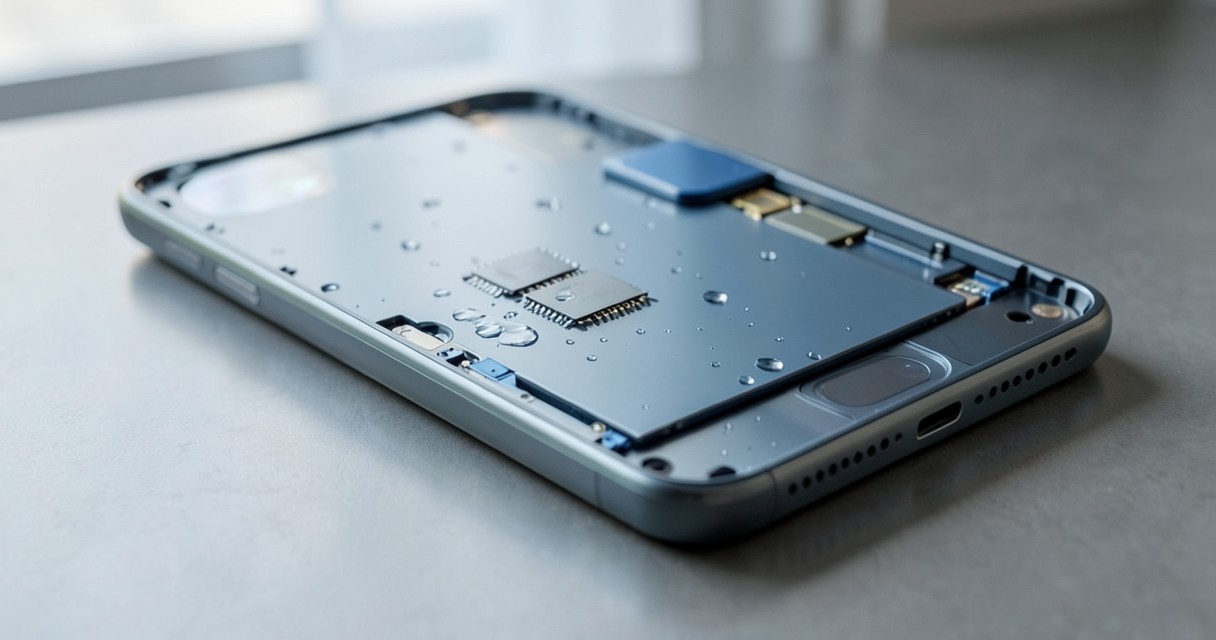
From a manufacturing perspective, the integration of an eSIM simplifies the assembly line, as there is no need to align a tiny tray or test the mechanical insertion mechanism. This can lower production costs and improve overall reliability, translating into fewer warranty claims related to SIM slot failures. However, the shift also requires phones to support multiple radio bands and to include robust firmware that can manage profile switching without glitches. Early adopters reported occasional hiccups when switching between carriers, but firmware updates have largely smoothed out these issues, making the eSIM experience increasingly dependable for everyday use.
Activation speed and carrier flexibility for globetrotters
When you land in a new country, the ability to activate a local data plan within minutes can make the difference between staying connected or missing critical updates. With a nano SIM, you must locate a vendor, purchase a physical card, and insert it into your device, a process that can take 10 to 15 minutes even under ideal conditions. By contrast, an eSIM can be activated instantly through a QR code or a carrier’s app, often completing the handshake in under a minute. This rapid provisioning is especially valuable at busy airports where queue times can stretch out, allowing you to start streaming maps or booking rides without delay.
Many carriers now offer “global” eSIM packages that bundle data across multiple regions, simplifying the decision‑making process for travelers who hop between continents. Because the eSIM can retain your home carrier profile alongside the temporary foreign profile, you can receive calls on your original number while using a local data plan, avoiding the expense of roaming fees. The ability to switch back to your home profile with a single tap also means you don’t have to remember to replace a physical card before returning home, reducing the risk of being left without service during the transition.
Security and privacy advantages of embedded SIMs
Security concerns surrounding SIM cards often revolve around the potential for cloning or unauthorized swapping, which can expose users to fraud or data interception. An eSIM mitigates many of these risks because the credential data is stored in a tamper‑resistant module that cannot be easily removed or duplicated. When a new profile is downloaded, it is encrypted end‑to‑end, and the device verifies the signature before accepting it, ensuring that only legitimate carriers can write to the chip. This cryptographic handshake reduces the attack surface compared to a physical card that could be intercepted during a swap.
Privacy‑focused travelers also benefit from the ability to deactivate or delete a profile remotely, a feature that is not possible with a nano SIM once it has been removed from the device. If a phone is lost or stolen, the owner can request the carrier to erase the eSIM profile, rendering the device unusable for cellular communication without needing to physically retrieve the SIM. Additionally, the eSIM’s capacity to host multiple profiles means users can keep a dedicated “travel” profile separate from their personal one, limiting the exposure of personal contacts and data while abroad.
Market growth and the future of SIM technology
Industry analysts project that the eSIM market will surpass 500 million units by 2030, driven by the rapid adoption of 5G smartphones and the growing demand for connected devices beyond phones, such as wearables and automotive telematics. This expansion is reflected in the increasing number of carriers that now support eSIM activation, with more than 80 percent of major operators in Europe, North America, and parts of Asia offering at least one eSIM plan. The shift is also influencing pricing models; some providers bundle eSIM activation at no extra charge, while others use it as a differentiator to attract tech‑savvy customers.
Despite the momentum, the transition is not without hurdles. Certain regions still rely heavily on physical SIM distribution because of regional restrictions for eSIM phones, and some budget smartphones continue to ship with only a nano SIM slot to keep costs low. Nevertheless, as manufacturers phase out the tray entirely and as consumer awareness grows, the balance is expected to tip decisively toward eSIM. For travelers who prioritize convenience, security, and the ability to manage multiple data plans from a single device, the embedded solution presents a compelling path forward that aligns with the broader trend toward digital mobility.

I’m a tech enthusiast who loves exploring how eSIMs simplify staying connected while traveling. I spend my free time testing new smartphones and sharing tips on getting the most out of mobile data abroad.