Factors that affect eSIM phone performance
23/12/2025
Hardware Components Influencing eSIM Phone Performance
Understanding how an eSIM phone performs begins with a look at its core hardware. These parts determine the device’s speed, efficiency, and its capacity to support eSIM functions. The eSIM chip, processor, and antenna system are the main hardware elements that affect performance.
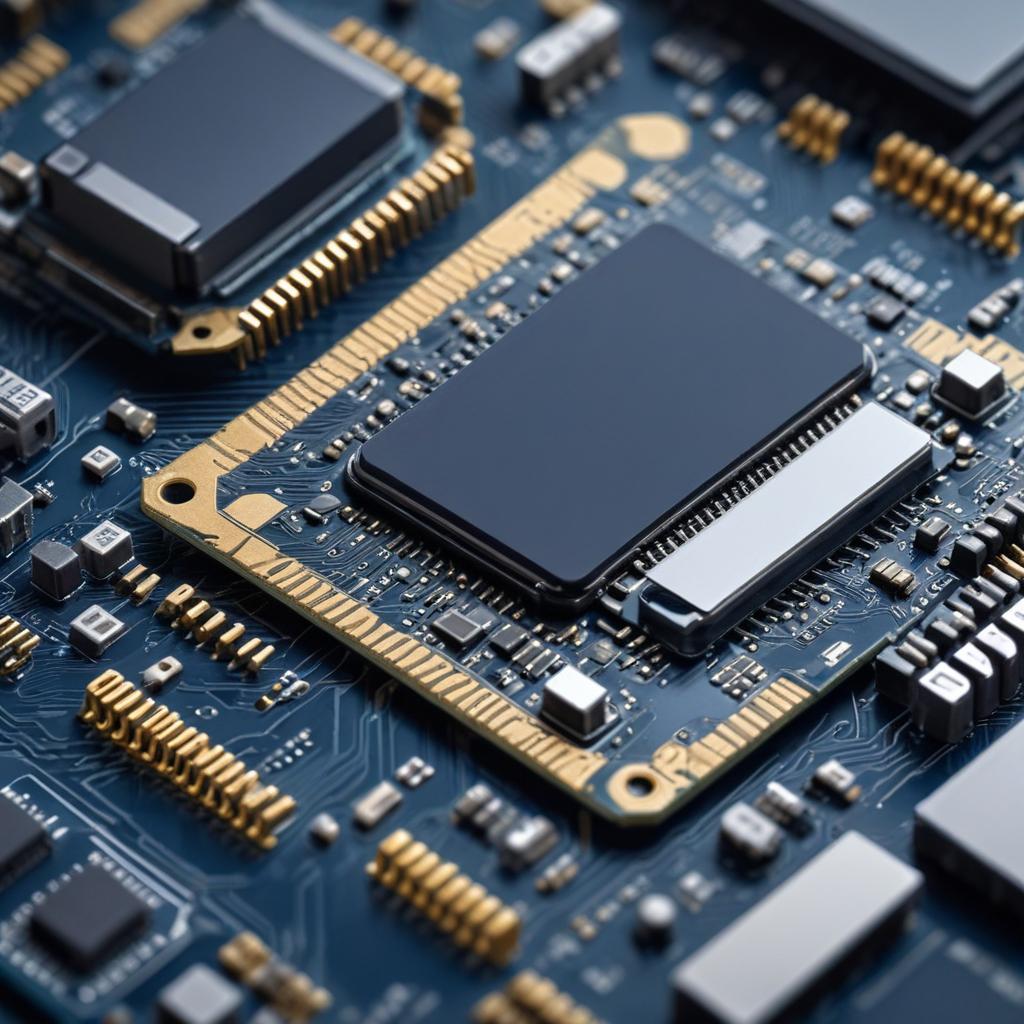
The embedded eSIM chip serves as the foundational element of every eSIM-enabled phone. Setting it apart from standard SIMs, this built-in solution is permanently embedded within the device’s internal circuitry, offering superior functionality. Its design and build directly influence connection speed and stability across cellular networks. Premium eSIM technology enhances data protection, streamlines activation processes, and ensures broader carrier support. As a result, the performance and user experience of the eSIM-equipped device are largely shaped by the advanced features of this integrated component.
After that, the processor—also called the central processing unit (CPU)—is essential to a phone’s performance, especially in devices that use eSIM technology. It handles every operation, from system processes to network management. A powerful, low‑power CPU enables smooth multitasking, rapid app opening, and efficient switching as the eSIM moves between carriers or profiles. Phones equipped with the latest processors typically show faster data handling and better heat control, greatly enhancing the device’s ability to maintain multiple network links without lag.
In conclusion, the antenna system plays a pivotal role in eSIM phone performance. Since eSIM devices rely exclusively on internal hardware to maintain mobile network connectivity, the antenna’s design and placement become critical. Premium antenna components improve signal reception and transmission, which is essential for dependable network access, especially in areas with weak coverage. Cutting‑edge antenna technologies present in eSIM phones can support multiple frequency bands and 5G networks, boosting call clarity and data rates. Therefore, optimal antenna integration is vital for seamless communication on an eSIM device.
In short, the performance of eSIM phones hinges on their hardware components. The eSIM chip enables carrier flexibility and security, the processor powers the device’s features, and the antennas ensure reliable network connectivity – all vital. Understanding these components explains why eSIM phones perform differently and highlights the technological strides shaping this evolving mobile technology.
eSIM Chip Quality and Specifications
The eSIM chip is a vital component of modern smartphones, shaping the device’s overall connectivity. Its performance determines how reliably your phone maintains network connections. High‑end eSIM chips are crafted using advanced techniques and materials, ensuring greater durability and fault tolerance. This reliability translates into fewer dropped calls, steady reception, and consistent data links, even when signal conditions are harsh.
Specifications of the embedded SIM chip play a crucial role in the performance of a phone. These specifications encompass the chip’s processing speed, memory size, and the communication protocols it supports. An advanced eSIM chip with greater processing capabilities and wider compatibility with network standards can manage data exchanges more effectively, resulting in quicker connection times and improved data transfer rates. Furthermore, modern chip specifications enable support for the latest network technologies like 4G LTE and 5G, which are essential for attaining optimal connectivity speeds and minimal latency.
Additionally, the incorporation and fine-tuning of the eSIM chip within the phone’s hardware framework are crucial. A high-quality eSIM chip may still fall short if it isn’t properly integrated with the device’s antenna systems or if it doesn’t receive firmware updates that enhance performance metrics. As a result, manufacturers prioritize both the quality of the chip and its specifications to guarantee optimal functionality of eSIM-enabled devices, thereby improving the user experience with quicker and more dependable connectivity.
Processor and Memory Impact
The CPU speed and memory capacity of a smartphone directly determine how smoothly an eSIM phone handles its core tasks. The processor manages every eSIM-related operation, from toggling between active profiles and provisioning new ones to executing the encryption protocols that keep data transmissions secure. When the hardware is powerful enough to process these instructions without bottlenecks, profile switching completes almost instantly and network handovers feel seamless. Slower chips, by contrast, can introduce noticeable lags during activation or when juggling multiple carrier plans, which degrades the user experience during critical calls or data sessions. Sufficient RAM further supports this efficiency by allowing the operating system to keep eSIM services running in the background without forcing the processor to reload resources repeatedly. Together, a robust CPU and adequate memory ensure that the device remains responsive even when handling complex cellular tasks alongside other demanding applications.
Memory, encompassing both RAM and storage, is essential for optimal eSIM operation. Adequate RAM lets the device manage background connectivity and network verification tasks smoothly, without slowing other apps. When memory is limited, the device may experience slower response times or longer processing when switching networks or loading new eSIM profiles.
Moreover, effective memory management enhances smooth multitasking, which is crucial when users are concurrently involved in tasks such as data transfers, phone calls, and app activities while the eSIM system runs in the background. A lack of adequate memory may result in sluggish phone performance, greater battery consumption, and possible disruptions in network connectivity.
A phone’s eSIM performance hinges on how well its processor and memory work together. When paired with a high-speed CPU and ample RAM, devices can activate eSIM profiles instantly, switch networks without interruption, and maintain uninterrupted connections. For users prioritizing a hassle-free eSIM setup, optimizing these hardware components is essential for reliability and efficiency.
Software and Network Factors Affecting eSIM Performance
The effectiveness of an eSIM phone is greatly affected by multiple software elements that collaborate with network circumstances. Adequate software enhancements guarantee that the eSIM features are smoothly incorporated into the device’s operating system, allowing for effective handling of carrier profiles and reliable eSIM connections. In the absence of optimized software, users might face prolonged connection delays, signal interruptions, or challenges when switching between profiles.
A device’s operating system efficiency plays a critical role in shaping the dependability of eSIM performance. Today’s iterations of iOS and Android come equipped with automated utilities designed to identify and pair with supported networks, enabling seamless eSIM activation with minimal user intervention. These systems further enhance connectivity by dynamically optimizing carrier preferences, resulting in more stable signal performance. Conversely, devices running outdated or incompatible firmware versions frequently encounter setup delays, as critical compatibility updates may be missing—limiting available eSIM options and compromising connection reliability. The divide between current and older software versions underscores why regular updates are vital for unlocking full eSIM functionality and delivering steady performance across diverse mobile carriers.
Network configurations are essential for determining the performance of eSIM devices. Factors like Access Point Names (APNs), the choice of network types (such as 4G LTE compared to 5G), and roaming settings significantly affect the eSIM’s ability to connect and sustain communication with cellular networks. Properly optimized settings enable the eSIM to deliver maximum speed and dependability, enhancing connectivity. On the other hand, incorrect or poorly configured network settings can result in frequent dropouts, reduced data speeds, and a diminished overall user experience.
Carrier-provided software patches for eSIMs address underlying instability and network issues by fixing errors and refining alignment with carrier systems. By refining the communication protocol between your device and cellular infrastructure, these updates can deliver a more robust signal and reduce delays. Since eSIM functionality depends on seamless coordination between your device’s firmware and carrier-specific network protocols, ensuring your OS and mobile settings are current is essential for consistent connectivity.
Operating system compatibility, timely software patches, and precise network settings collectively determine the real-world performance of eSIM devices. When these technical layers are properly aligned, users experience more stable connections and better overall network efficiency, a level of reliability that matters increasingly as daily life becomes more mobile and digitally integrated.
Operating System and Firmware Optimization
The operating system and firmware serve as the core infrastructure driving eSIM performance within modern smartphones. These components work in tandem to orchestrate profile management and network handoffs, ensuring that cellular connectivity remains consistent under varying signal conditions. Consistent updates from manufacturers are essential for patching vulnerabilities, correcting software glitches, and introducing enhancements that refine how users interact with embedded SIM services. By keeping these layers current, devices can better support multi-profile switching and maintain the reliability expected of modern mobile communication.
Improving the operating system is essential for how well the phone detects, activates, and switches eSIM profiles. Developers continually refine the OS to enhance communication between hardware and software, leading to faster network registration and more reliable signal strength. Firmware updates also support this by adjusting the internal software that controls components like the modem and SIM interface, thereby streamlining the physical handling of eSIM functions.
Keeping your OS and firmware current ensures that eSIM components remain compatible with the latest network protocols and carrier requirements. This ongoing refinement significantly reduces the risk of common connectivity hiccups, like intermittent call drops or lagging data speeds, which can undermine confidence in using an embedded SIM as a main line of communication. Regularly applying system updates is therefore critical for maintaining optimal reliability and fully leveraging the advanced features that modern eSIM technology offers on today’s smartphones.
Network Compatibility and Signal Strength
Ensuring seamless network integration is essential for eSIM-enabled devices, as it determines how smoothly a phone interacts with different carriers and their distinct frequency allocations. Modern smartphones designed for LTE and 5G connectivity must align with a broad spectrum of global network bands to deliver consistent access to fast data and clear voice communication. Should a device lack support for a carrier’s particular bands, users may encounter slower speeds or intermittent connections, compromising the device’s overall functionality.
Signal strength plays a vital role in determining data speed and the reliability of connections. A smartphone might be compatible with a carrier’s LTE or 5G bands, but if the signal is weak because of distance from cell towers, physical obstructions, or high network congestion, performance can decline. Generally, stronger signals enable faster data transfer rates and more stable connections, allowing for seamless streaming, browsing, and communication.
Moreover, 5G technology offers improved speeds and lower latency, but it requires better network compatibility due to its reliance on specific frequency ranges like mmWave and sub-6 GHz bands. To take full advantage of 5G capabilities, devices must support these bands. In cases where network compatibility is lacking or signal strength is weak, users might revert to slower LTE connections or face unstable data sessions.
In summary, the effectiveness of eSIM devices is greatly influenced by how well the device aligns with the network bands offered by carriers and the quality of signal reception. Ensuring extensive network compatibility paired with robust signal strength allows users to experience faster data speeds and more dependable connectivity, regardless of whether they are utilizing LTE or the latest 5G networks.
User Behavior and Environmental Impacts on eSIM Phones
User behavior plays a vital role in determining the overall efficiency of eSIM technology in modern smartphones. The manner in which users interact with their devices—such as the frequency of network switching, their data consumption patterns during high-use scenarios, and how they handle connectivity preferences—can greatly affect the performance and reliability of their eSIM-enabled phones. For instance, regularly enabling airplane mode or disabling cellular data may lead to temporary interruptions in network connectivity, possibly resulting in delays in data synchronization or missed calls. Additionally, users who often change or update their network settings without adhering to proper guidelines may encounter issues with authentication or provisioning, which can disrupt seamless eSIM functionality.
Environmental factors greatly influence eSIM performance. Temperature is a crucial external element. Both high and low extremes can adversely affect the phone’s internal parts, including the eSIM module. High temperatures might cause the device to throttle its performance to prevent overheating, leading to reduced network responsiveness. Conversely, very low temperatures can impair battery efficiency and signal quality, potentially destabilizing the eSIM connection. It is vital to operate the phone within the recommended temperature ranges to ensure optimal eSIM performance and enhance the device’s longevity.
Interference plays a crucial role in influencing the functionality of eSIM phones. Electromagnetic interference from different electronic devices or densely populated urban areas with numerous wireless signals can obstruct the network connections to the eSIM. Such disruptions may result in slower data speeds, increased latency, or challenges in sustaining a stable connection to cellular towers. Under these circumstances, users may notice fluctuations in call quality or data transfer speeds, which, although usually temporary, can greatly affect the overall user experience.
Physical obstacles such as thick walls or underground spaces can hinder eSIM connectivity by reducing cellular signals. The way users hold and position their phones can either alleviate or exacerbate these problems. For example, holding the device in a manner that covers antennas or using cases made from materials that interfere with signals can decrease signal strength and affect performance. Understanding these habits can improve eSIM functionality by promoting better reception quality.
To sum up, user behaviors and environmental factors greatly influence eSIM functionality on mobile devices. Adopting optimal usage practices and understanding the effects of temperature, interference, and surroundings on performance can greatly enhance network stability and device reliability. By skillfully managing these elements, users can maximize the benefits of eSIM technology, including seamless network switches and improved connectivity, regardless of external challenges.
Usage Patterns and Application Management
Understanding usage patterns is crucial for evaluating the performance of an eSIM phone. Heavy use of applications, especially resource-intensive ones such as video streaming, gaming, or continuous data syncing, can significantly strain system resources. This strain might lead to a reduction in the phone’s responsiveness and could affect the stability of the eSIM connection. When multiple apps are active simultaneously or running in the background, they consume CPU cycles, memory, and network bandwidth, which can increase latency and sometimes cause delays in data transmission over the eSIM network.
For eSIM-powered devices, managing app operations efficiently is key to keeping everything running seamlessly. By limiting background activity, users can avoid draining critical system resources, which helps prevent disruptions in cellular service and extends battery life. Certain apps that frequently push notifications or sync data can strain the eSIM connection, potentially leading to dropped calls or degraded internet performance. To ensure top-tier device functionality, it’s wise to periodically check running apps and disable any redundant features that aren’t essential.
In addition, managing battery usage is closely tied to user behaviors and app management. Increased battery drain frequently indicates greater app interaction, which not only drains power but may also impact eSIM functionality by requiring the device to limit its performance to conserve energy. By adopting thoughtful usage strategies, such as closing unused apps and adjusting app permissions for background activities, users can extend battery life and ensure consistent, reliable eSIM connectivity while enhancing phone responsiveness.
Environmental Conditions and Signal Interference
Environmental conditions play a crucial role in the performance of eSIM-enabled devices. Obstacles such as buildings, trees, and different types of terrain can interfere with or reduce the signal strength, leading to poorer connectivity and slower data speeds. In densely populated urban areas, signal loss is generally more pronounced compared to open, unobstructed spaces. Additionally, unfavorable weather conditions like intense rain, snow, or fog can compromise signal quality. Humidity in the atmosphere can absorb or scatter radio waves, which may further degrade the connection for devices reliant on eSIM technology.
Fluctuations in temperature are another environmental factor that can affect the performance of eSIM phones. Extreme heat or cold can cause hardware components in the device to operate inefficiently or even temporarily malfunction, which may indirectly influence signal reception and processing. While most modern phones are designed to withstand typical temperature ranges, prolonged exposure to severe conditions can still compromise overall signal reliability.
Signal interference from various electronic devices and electromagnetic sources can affect the quality of eSIM signals. Common sources of this electromagnetic disruption include microwaves, Wi-Fi routers, Bluetooth gadgets, and power lines. These signals can produce noise that disrupts the connection between the eSIM and cellular towers, resulting in dropped calls, slower connection speeds, or unreliable service. Recognizing these environmental influences and minimizing exposure to interference can help maintain optimal performance for phones utilizing eSIM technology.

I’m a tech enthusiast who loves exploring how eSIMs simplify staying connected while traveling. I spend my free time testing new smartphones and sharing tips on getting the most out of mobile data abroad.