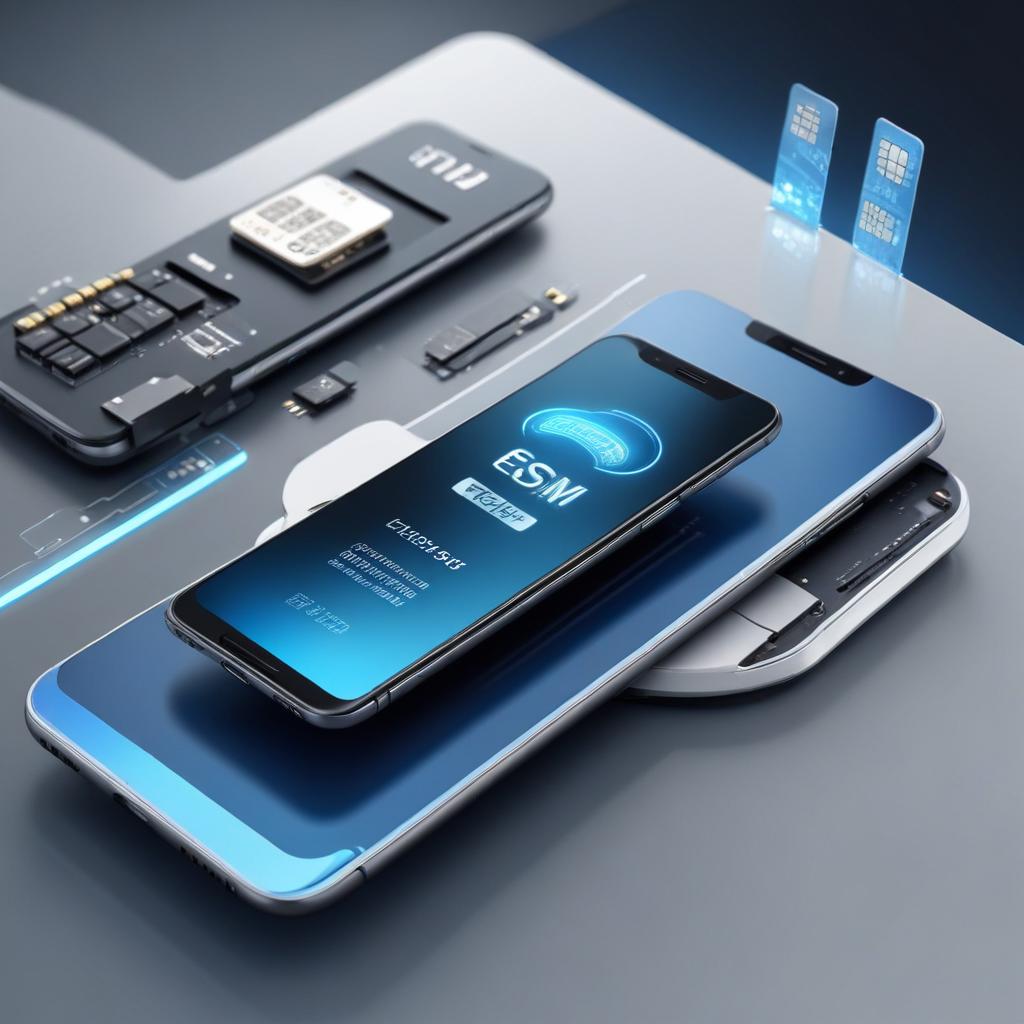
How eSIM influences phone travel habits
28/02/2026
Introduction to eSIM Technology
eSIM technology represents a significant evolution in mobile connectivity, shifting away from the conventional physical SIM cards that have been used in phones for decades. The term eSIM stands for “embedded SIM,” meaning that the SIM card is built directly into the device’s hardware rather than being a separate, removable card. This small yet powerful chip is soldered onto the phone’s motherboard during manufacturing, which brings several advantages over traditional SIM cards.
One of the main differences between eSIM technology and traditional SIM cards is the flexibility it offers users. Unlike the common plastic SIM cards that need to be physically inserted or swapped out when changing carriers or plans, an eSIM can be remotely programmed. This means users can activate or switch their mobile network provider without needing to visit a store or replace their SIM card manually. This capability makes it particularly convenient for frequent travelers who often change local carriers to avoid high roaming fees.
The embedded SIM is also designed to support multiple profiles on a single device, enabling users to have multiple phone numbers or plans active concurrently without juggling physical cards. This feature is especially appealing for business users who want to separate work and personal lines or for anyone who needs local connectivity in multiple countries. Traditional SIM cards lack this ability, often requiring multiple physical cards and devices.
Another benefit of eSIM technology is its contribution to the design and manufacturing of modern devices. Because the embedded SIM takes up less space than traditional SIM trays, manufacturers can use the saved space to enhance other features such as battery size, waterproofing, or device slimness. The embedded nature of eSIMs also reduces the risk of SIM card damage or loss, improving device reliability and security.
In summary, eSIM basics revolve around a built-in embedded SIM chip which revolutionizes how mobile networks are managed and accessed. By eliminating the need for physical swapping and supporting multiple profiles on one device, eSIM technology offers unprecedented convenience, flexibility, and even improvements in device design. These differences from traditional SIM cards are key drivers behind the growing adoption of eSIM-enabled devices globally.
How eSIM Works
The eSIM function revolutionizes mobile connectivity by embedding a programmable SIM chip directly into devices, eliminating the need for a physical card. When it comes to SIM activation, the process involves downloading a profile from a mobile carrier onto the embedded SIM. This is typically done via a QR code or through a carrier app, making activation seamless and quick without requiring a store visit or waiting for a physical SIM to arrive.
Once activated, managing the eSIM is convenient through the device settings, where users can switch between multiple carrier profiles on the same device. This functionality allows travelers to easily connect to local networks wherever they go by simply adding a new eSIM profile—enhancing mobile connectivity by avoiding roaming charges and maintaining uninterrupted service.
Furthermore, eSIM technology supports simultaneous use of multiple profiles, enabling users to separate work and personal numbers on one device. The virtual nature of eSIM also improves security and reliability, as it cannot be physically removed or lost like traditional SIM cards. Overall, the eSIM function streamlines activation and management, transforming how mobile connectivity is approached in the modern digital age.
Devices Compatible with eSIM
The adoption of eSIM technology has been steadily increasing, with a growing number of eSIM devices gaining popularity. This trend highlights the shift towards more flexible and convenient mobile connectivity options. Compatible smartphones from leading brands now come equipped with built-in eSIM support, making it easier for travelers and daily users alike to switch carriers and manage multiple phone numbers without swapping physical SIM cards.
- Apple iPhone models starting from iPhone XS, XS Max, XR, and all later models support eSIM, providing seamless dual-SIM functionality.
- Google Pixel devices, including Pixel 3 and newer models, are eSIM compatible, allowing users to easily activate cellular plans digitally.
- Samsung Galaxy devices such as the Galaxy S20, S21, and the newer foldable Galaxy Z series support eSIM, broadening options for Samsung users.
- Other smartphone brands like Motorola, Huawei, and Microsoft Surface Duo have also integrated eSIM support into select models.
- Beyond smartphones, some smartwatches and laptops have adopted eSIM technology, further expanding the device ecosystem.
Overall, the rising trend of eSIM support among these devices underlines a movement towards enhanced user convenience and global connectivity. As more manufacturers embrace eSIM technology, the compatibility of smartphones and other gadgets continues to grow, encouraging wider adoption and making travel and mobile data management increasingly effortless.
Impact of eSIM on Travel Habits
eSIM technology is revolutionizing the way travelers manage their phone usage, significantly impacting travel connectivity and international roaming practices. Unlike traditional SIM cards, eSIMs are embedded directly into devices, allowing users to switch between different carriers and plans without physically changing SIM cards. This flexibility is particularly beneficial for frequent travelers who often face high roaming charges and connectivity issues abroad.
With eSIM travel capabilities, users can activate local mobile plans on their devices as soon as they arrive in a new country. This seamless switch reduces the dependency on expensive international roaming packages provided by home carriers. Travelers can avoid costly fees by purchasing regional or country-specific data plans that suit their duration of stay and data requirements. This ease of connectivity encourages better planning and more efficient use of mobile data while abroad.
The convenience of eSIM also eliminates the need to visit physical stores for SIM cards during trips. Users can browse and select from multiple carriers and plans directly from their phone settings or a dedicated app, allowing for instant connectivity. This contributes to less hassle and more spontaneous travel decisions, as maintaining phone access no longer requires advance preparation or expensive long-term plans.
Moreover, eSIM technology improves device management for travelers who use multiple numbers — for example, separate business and personal lines. Switching between these lines is effortless, increasing efficiency and minimizing disruptions during work-related travel. Travelers can also keep their home number active for receiving important calls while using a local number for data and local communications, offering enhanced flexibility and cost control.
In summary, eSIM travel capabilities empower users with greater control over their mobile connectivity by simplifying the process of managing international roaming and data plans. This transformation not only enhances the travel experience but also paves the way for more connected and cost-effective phone usage worldwide.
Simplified Carrier Switching Abroad
eSIM technology revolutionizes the way travelers manage their mobile connectivity, especially when switching carriers abroad. Traditionally, international SIM cards required physically swapping out the SIM card in your phone, which could be cumbersome and risky, especially if you damaged or lost your original SIM. With eSIM, this entire process becomes digital and seamless, enhancing travel convenience significantly.
By using eSIM, travelers no longer need to visit local stores or carry multiple physical SIM cards. Instead, they can download and activate a new international SIM profile directly onto their device from various carriers. This enables users to switch carriers at any time and from anywhere with just a few taps on their phone, avoiding the hassle of manual SIM changes.
This flexibility makes carrier switching remarkably simple and fast, adapting to changing travel destinations and network conditions in real-time. Whether landing in a new country or moving between regions, travelers can easily select the best local or international SIM option that provides optimal coverage and pricing without any hardware adjustments.
Overall, eSIM empowers users with the freedom to manage their connectivity more efficiently, opening new avenues for travel convenience and eliminating many of the traditional obstacles associated with international SIM card use and carrier switching.
Cost Efficiency and Data Plans
eSIM technology significantly enhances cost efficiency for travelers by offering flexible and affordable travel data plans that eliminate the need for expensive traditional roaming. Unlike conventional SIM cards, eSIMs allow users to switch between multiple local and international carriers instantly, accessing competitive pricing without physically swapping SIM cards. This feature empowers travelers to choose the most cost-effective roaming options available in their destination, ensuring they only pay for the data they actually need.
Moreover, the flexibility of travel data plans on eSIM platforms means travelers can select tailored packages that suit the duration and intensity of their travel. Whether it’s a short business trip or an extended vacation, eSIM savings stem from the ability to manage data consumption more closely and avoid hidden fees often associated with traditional roaming. Many providers offer daily, weekly, or monthly plans specifically designed for eSIM users, allowing seamless and budget-friendly connectivity abroad.
This level of control and customization not only reduces roaming costs but also improves the overall travel experience by keeping travelers connected without breaking the bank. As the demand for smarter mobile solutions grows, eSIM continues to revolutionize how travelers manage their mobile data, making cost-effective roaming more accessible and convenient than ever before.
Enhanced Convenience and Connectivity
Travel convenience has been significantly elevated with the introduction of eSIM technology, providing unmatched ease in maintaining mobile connectivity no matter where your international journeys take you. Unlike traditional SIM cards, eSIMs eliminate the need to physically swap cards when crossing borders, allowing travelers to switch between local carriers seamlessly through their device settings. This ease of switching not only saves time but also enhances the overall travel experience by reducing hassle and uncertainty.
Another notable benefit of eSIMs is the ability to stay connected without interruption, ensuring reliable mobile data access essential for navigation, communication, and staying updated. The digital nature of eSIMs means that you can pre-load multiple profiles on a single device and activate travel-specific plans instantly. This flexibility supports better management of mobile expenses and offers the freedom to select carriers with the best coverage and rates in different regions.
Overall, the eSIM benefits extend beyond simple connectivity, fostering a more fluid and convenient travel lifestyle. Its integration supports a world where travelers can remain connected effortlessly, enhancing productivity and leisure alike. By providing enhanced convenience and continuous mobile connectivity, eSIM technology has reshaped how we experience global travel, empowering users to explore with confidence and peace of mind.
Future Trends: eSIM and Travel
The future of eSIM technology promises transformative changes in how travelers use mobile devices, highlighting its crucial role in the evolution of travel technology and mobile trends. As eSIM adoption grows globally, innovative advancements are poised to revolutionize connectivity, making international travel more seamless and hassle-free.
One significant trend for the eSIM future is the integration of multiple profiles on a single device. This capability allows travelers to switch effortlessly between carriers and plans without physically swapping SIM cards. This flexibility enhances convenience and cost-effectiveness, empowering users to choose the best local or global plans according to their travel destinations.
Moreover, the rise of platforms offering eSIM management solutions will provide travelers with powerful tools to monitor usage, optimize data consumption, and purchase plans instantly. These platforms will combine artificial intelligence and predictive analytics to suggest the most economical and efficient mobile plans based on user behavior and travel routes, reinforcing the role of travel technology in enhancing mobility experiences.
In addition to consumer convenience, the eSIM future will impact the travel industry itself. Airlines, hotels, and transportation services can integrate eSIM activation into their check-in or booking processes, offering seamless connectivity as part of their service. This integration will redefine mobile trends around travel, making connectivity a fundamental aspect of the traveler’s journey rather than an afterthought.
Security improvements also play a vital role in shaping eSIM’s future. With stronger encryption and remote provisioning capabilities, eSIM technology reduces risks of theft and fraud associated with traditional SIM cards. Travelers will benefit from enhanced privacy and better control over their mobile data during trips, further boosting confidence in using eSIM-enabled devices globally.
Finally, as 5G networks become widespread, the synergy between 5G and eSIM will radically alter travel connectivity. Faster speeds and lower latency will unlock new possibilities for immersive experiences such as augmented and virtual reality travel apps, real-time language translation, and dynamic navigation tools. This fusion underscores how mobile trends and travel technology continue advancing hand-in-hand, with eSIM as a key enabler.
In summary, the eSIM future is bright and integral to modern travel. It represents a leap forward in flexibility, convenience, and security, driving travel technology innovations and influencing mobile trends worldwide. As travelers and industries alike embrace this evolution, eSIM stands at the forefront of a new era of mobile connectivity on the go.
Growing Adoption by Carriers and Manufacturers
The rapid expansion of eSIM technology has been significantly fueled by increasing carrier adoption and the enthusiastic support of device manufacturers. Mobile carriers around the world are progressively incorporating eSIM capabilities into their service offerings, recognizing the convenience and flexibility that eSIMs provide to consumers. This carrier adoption facilitates seamless switching between plans and networks without the need for physical SIM cards, which enhances user experience and supports more dynamic travel habits.
In parallel, device manufacturers are accelerating their integration of eSIM technology into a wide array of smartphones, tablets, and wearable devices. Leading manufacturers view eSIM expansion as a crucial feature that aligns with modern connectivity demands. By embedding eSIM directly into their devices, manufacturers are enabling users to enjoy the benefits of easier connectivity management and greater freedom when traveling internationally.
This growing synergy between carriers and device makers demonstrates a clear trend toward mainstream acceptance of eSIM technology. The increased carrier adoption combined with device manufacturers’ commitment to supporting eSIM means that consumers are more likely to experience enhanced mobile connectivity that supports flexible, travel-friendly phone usage. As both sectors continue to innovate and expand eSIM offerings, the future of mobile connectivity looks increasingly seamless and accessible across the globe.
Potential Challenges and Solutions
As eSIM technology gains traction, several challenges need addressing to ensure widespread adoption. One major concern revolves around eSIM challenges related to compatibility, as not all devices currently support this technology. This fragmentation can hinder seamless connectivity, particularly for travelers relying on multiple devices. Additionally, some regions have yet to establish uniform regulations, creating barriers for global usage.
Security concerns also play a critical role in the conversation. Since eSIM eliminates physical SIM cards, there is a heightened need for robust digital security measures to protect against hacking or unauthorized access. Industry players are investing heavily in encryption protocols and secure authentication processes to safeguard user data and maintain trust.
Beyond security and compatibility, current tech limitations such as limited carrier support and insufficient consumer understanding pose additional hurdles. To overcome these, telecom providers and manufacturers are collaborating to expand network partnerships and launch educational campaigns to demystify eSIM benefits and usage.
By tackling these challenges head-on, the industry aims to create a more inclusive and secure eSIM ecosystem. Continued innovation and cooperation will pave the way for smoother integration of eSIM technology, ultimately transforming how users manage connectivity during travel and daily life.

I’m a tech enthusiast who loves exploring how eSIMs simplify staying connected while traveling. I spend my free time testing new smartphones and sharing tips on getting the most out of mobile data abroad.