Reusing eSIM profiles
27/05/2026
Understanding eSIM Technology
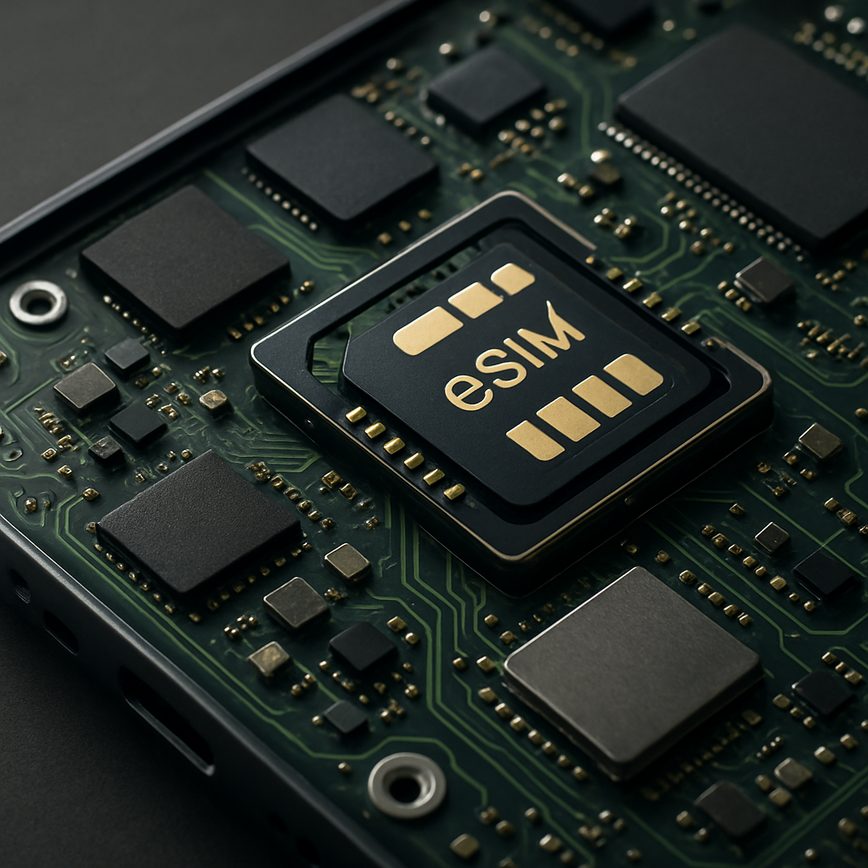
eSIM technology, short for embedded SIM, represents a significant advancement in mobile connectivity. Unlike traditional SIM cards, which are physical chips that must be inserted into a device, an eSIM is a digital SIM embedded directly into the device’s hardware. This embedded SIM eliminates the need for a removable card, enabling a more seamless and flexible way to manage mobile network subscriptions.
The concept of eSIM basics revolves around this integrated chip that can be programmed remotely. This means users no longer need to swap physical SIM cards when changing carriers or travel internationally. Instead, the network profiles and subscription details can be downloaded and activated electronically. This digital approach reduces reliance on physical components and simplifies the user experience, especially for devices where space is at a premium.
One of the primary differences between eSIM technology and traditional SIM cards is the convenience factor. Traditional SIM cards require manual handling — inserting, removing, or replacing cards — which can be cumbersome and risks damage or loss. On the other hand, an eSIM makes it straightforward to switch between carriers or data plans with just a few taps on the device. This also benefits manufacturers by allowing them to design slimmer, more compact devices without a SIM tray.
The adoption of eSIM technology is rapidly growing across various kinds of devices. Initially seen in high-end smartphones, such as the latest models from leading brands, eSIM is expanding its presence in tablets, smartwatches, laptops, and even connected IoT devices. Its increasing prevalence is driven by the demand for more flexible connectivity solutions and the rise of global mobile usage patterns, where users benefit from the ability to manage multiple profiles without juggling physical cards.
As the technology continues to evolve, eSIM technology is poised to become the new standard in mobile connectivity. Its advantages in flexibility, convenience, and design freedom make it an appealing option for both consumers and device manufacturers. Understanding eSIM basics is essential for staying informed about the future of mobile communication, as more devices and carriers worldwide embrace this embedded SIM innovation.
How eSIM Profiles Work
eSIM profiles are digital SIM cards embedded directly into a device, consisting of the necessary data to authenticate and connect to a mobile network. The profile mechanism relies on a secure storage area within the device, known as the eUICC (embedded Universal Integrated Circuit Card), which holds multiple profiles that can be managed remotely. Each profile contains carrier credentials and subscription details required for service access.
These profiles are downloaded to compatible devices via SIM provisioning, a process that uses a secure connection to receive the profile data from the mobile network operator’s server. Users typically scan a QR code or enter a code provided by the carrier to initiate this download. Once downloaded, the profile can be activated by switching it on within the device settings, allowing the device to register and connect to the carrier’s network.
Managing eSIM profiles is simplified compared to physical SIM cards. Devices allow users to switch between multiple profiles without swapping physical cards, making it ideal for frequent travelers or users requiring separate work and personal lines. Profiles can be downloaded, activated, deactivated, or deleted over the air, giving users flexibility and control over their mobile connectivity without needing to visit a carrier store or obtain new SIM cards.
Benefits of eSIMs Over Traditional SIMs
One of the most significant eSIM advantages is the ability to switch carriers with remarkable ease. Unlike traditional SIM cards that require physically swapping the card, eSIMs allow users to change network providers directly from their device settings. This mobile flexibility simplifies travel and helps users take advantage of better plans without hassle.
Another benefit is the space-saving design of eSIMs. Traditional SIM cards and their trays consume physical space in devices, but eSIMs are embedded directly into the device’s hardware. This design advantage enables manufacturers to create slimmer and more compact devices or allocate the saved space for other technological enhancements such as larger batteries or additional components.
Enhanced device management is also a key SIM card benefit brought by eSIM technology. Users can store multiple operator profiles on a single eSIM, making it easier to manage personal and business numbers or international plans without juggling multiple physical cards. Remote provisioning and over-the-air updates add layers of convenience and security, empowering both users and network providers to maintain connectivity without the need for physical intervention.
Overall, these eSIM advantages—easy carrier switching, compact design, and superior management—highlight why eSIMs are increasingly preferred over traditional SIM cards in modern mobile devices.
Reusing eSIM Profiles: Possibilities and Limitations
The concept of reusing eSIM profiles offers an intriguing glimpse into the future of mobile connectivity. Reuse eSIM functionality suggests that a single eSIM profile could be transferred and activated on multiple devices, making it convenient for users who frequently switch phones or need temporary cellular access on various gadgets. While this technical feasibility exists in theory, practical adoption is frequently hindered by a range of limitations, mostly imposed by carriers and device manufacturers.
From a technical standpoint, eSIM profile transfer is enabled through the embedded nature of the SIM chip and the ability to remotely provision or delete profiles via carrier management platforms. This means that the same profile can potentially be deactivated from one device and activated on another without requiring physical SIM swapping. Such flexibility can simplify the user experience, reduce plastic waste, and enhance the overall versatility of mobile service management.
However, the ability to reuse eSIM profiles is far from universal. One key restriction arises from carrier policies. Many carriers currently tie eSIM profiles to specific devices or limit the number of times an eSIM profile can be activated or transferred. This is often a measure to prevent fraud, control service provisioning, and maintain network integrity. As a result, users might find themselves unable to freely move their eSIM profile between multiple devices without undergoing carrier verification or reactivation processes.
Device manufacturers also play a significant role in this ecosystem. Some smartphones or IoT devices restrict eSIM usage to a single profile slot or limit how profiles can be transferred between devices. Additionally, operating system compatibility and support for remote SIM provisioning impact the ease with which eSIM profiles can be reused. Older devices might not support multiple eSIM profiles or profile transfers, further narrowing the practical possibilities.
In conclusion, while the reuse eSIM concept and eSIM profile transfer offer promising technical benefits, real-world application remains constrained by profile limitations defined by carriers and device manufacturers. For consumers, understanding these factors is crucial to making informed decisions about their mobile connectivity strategies. As technology and policies evolve, the potential for seamless reusing of eSIM profiles may become more accessible, though current usage remains a cautious, case-by-case scenario.
Technical Aspects of eSIM Profile Reuse
The process of eSIM reprogramming involves securely transferring or reusing eSIM profiles across different devices. Unlike traditional SIM cards, eSIM profiles are digitally embedded, requiring multiple technical steps to ensure the profile’s integrity and security during the transfer or cloning process. Initially, a secure connection is established between the device and the carrier’s server, facilitating profile authentication and authorization.
Profile cloning, while technically feasible, poses significant challenges. Each eSIM profile contains encryption keys and personalized data tied to the device or subscriber identity, making unauthorized duplication difficult and often restricted by carrier policies. The technical process demands robust encryption protocols and compliance with industry standards such as GSMA’s Remote SIM Provisioning specification to protect user data.
One technical hurdle is the limitation of device hardware and software compatibility. Not all devices support multiple profiles or allow seamless profile migration, which requires specialized tools to handle the data extraction, transfer, and activation phases. Moreover, network operators need to manage profile lifecycle events meticulously to avoid conflicts and ensure the new device activates correctly without service disruption.
Overall, eSIM reprogramming and profile cloning involve a complex orchestration of secure communication, strict compliance with encryption standards, and device compatibility considerations, making the technical process a carefully managed operation to enable safe and efficient eSIM profile reuse.
Carrier Policies Impacting eSIM Profile Reuse
Mobile carriers have varied carrier restrictions and network policies that significantly influence the ability to reuse or transfer eSIM profiles. These rules are shaped by each carrier’s approach to device security, customer management, and their business model, resulting in a patchwork of eSIM reuse rules across the industry.
Some carriers allow customers to freely transfer eSIM profiles between devices, simplifying upgrades and replacements. In contrast, others impose stringent limitations, such as restricting the number of devices a single eSIM profile can be activated on or requiring direct carrier intervention to authorize profile reuse. These restrictions can make it difficult for users to switch devices or share eSIMs within families or businesses.
Network policies may also dictate how eSIM profiles are managed during device loss, theft, or service cancellation. Certain carriers require customers to deactivate the eSIM profile before reusing it on a new device, while others may lock the profile to the original device until carrier support intervenes. This adds an extra layer of complexity compared to traditional physical SIM cards.
Customers looking to leverage eSIM technology need to carefully review their carriers’ specific eSIM reuse rules to understand potential limitations. The future of seamless eSIM reuse depends on carriers adopting more flexible policies that balance security with user convenience, fostering broader adoption and improved mobile experiences.
Best Practices for Managing and Reusing eSIM Profiles
Managing multiple eSIM profiles effectively requires a strategic approach to ensure seamless connectivity and optimized use of your devices. The key to successful eSIM management lies in organizing your profiles methodically, understanding the legalities of profile reuse, and guaranteeing device compatibility to avoid connectivity issues.
First, maintain a clear record of all your eSIM profiles. Use labels or notes to identify which profile is associated with which carrier or region. This practice simplifies switching between profiles when traveling or using devices for different purposes. Many modern smartphones and tablets allow you to store multiple eSIM profiles, but activating only one at a time helps avoid conflicts. Regularly update and delete any unused profiles to keep your management system clean and efficient.
When it comes to reusing eSIM profiles, it’s crucial to adhere to legal guidelines set by network providers. Many carriers have strict policies on eSIM profile sharing and reuse to prevent fraudulent activities and unauthorized access. Always confirm with your mobile service provider whether your profile can be reused across multiple devices or if you need a new profile for each device. Ignoring these rules can lead to blacklisting of your eSIM or service suspension.
Ensuring device compatibility is another vital aspect of eSIM management. Not all devices support every type of eSIM profile, especially when dealing with region-specific carriers or specialized profiles. Check your device’s specifications and its carrier compatibility list before downloading or activating an eSIM profile. This step helps prevent installation errors and connection failures. Moreover, keep your device’s software updated, as manufacturers frequently release improvements that enhance eSIM functionality and device compatibility.
In summary, effective eSIM management combines organized profile handling, legal compliance in profile reuse, and vigilant compatibility checks. By following these profile reuse tips and ensuring device compatibility, users can enjoy the full benefits of digital connectivity with minimal hassle, better control over their mobile data usage, and enhanced flexibility across their devices.
Steps to Safely Reuse Your eSIM Profiles
Reusing an eSIM profile requires careful attention to ensure a smooth transition and avoid connectivity issues. Follow these safe eSIM reuse steps to activate your profile successfully on either the same device or a new one.
- Before starting, back up any important data on your device to avoid potential loss during the profile activation process.
- Verify that your device supports the reuse of eSIM profiles and is compatible with the network provider associated with the profile.
- If you’re reusing the profile on a new device, remove the eSIM profile from the old device to prevent conflicts during activation.
- Access the device’s eSIM settings and select the option to add or activate an eSIM profile using a QR code or activation code provided by your carrier.
- Ensure that your device is connected to a stable Wi-Fi or cellular network during the profile activation to allow seamless download and registration.
- Follow the on-screen prompts carefully to complete the activation process, confirming that the profile is correctly associated with your device.
- Restart your device once the activation finishes to allow all network settings to refresh and establish a connection.
- Test your data, calling, and messaging services to confirm that the profile is fully functional and operating as expected.
- If you encounter any issues, contact your carrier’s support to troubleshoot and confirm the profile’s status.
By following these recommended steps for safe eSIM reuse, you ensure that profile activation is efficient and reliable, minimizing downtime and maximizing connectivity across devices.
Tools and Apps Supporting eSIM Profile Management
Managing multiple eSIM profiles can be streamlined with the right eSIM apps and management software designed for efficiency and ease of use. These profile tools allow users to switch between different cellular plans without the need to physically swap SIM cards, providing a seamless digital experience.
One popular category of eSIM apps offers centralized control, where users can view, activate, or deactivate profiles directly from their device. These apps typically feature intuitive interfaces that make it straightforward to switch between profiles based on location, data preferences, or carrier requirements. For example, carriers and third-party developers have introduced apps that enable quick toggling to optimize connectivity and cost management, especially for travelers and remote workers.
In addition to apps, comprehensive eSIM profile management software is often integrated into device settings, particularly on modern smartphones and tablets. These built-in tools leverage the phone’s native capabilities to securely store and manage multiple eSIM profiles, allowing users to customize settings such as preferred network and data limits.
Advanced profile tools also provide features like QR code scanning for profile installation and cloud-based backup for profile data, ensuring users do not lose connectivity even when restoring or switching devices. This ecosystem of eSIM apps and management software empowers users to efficiently handle numerous profiles, making eSIM technology more practical and accessible.

I’m a tech enthusiast who loves exploring how eSIMs simplify staying connected while traveling. I spend my free time testing new smartphones and sharing tips on getting the most out of mobile data abroad.