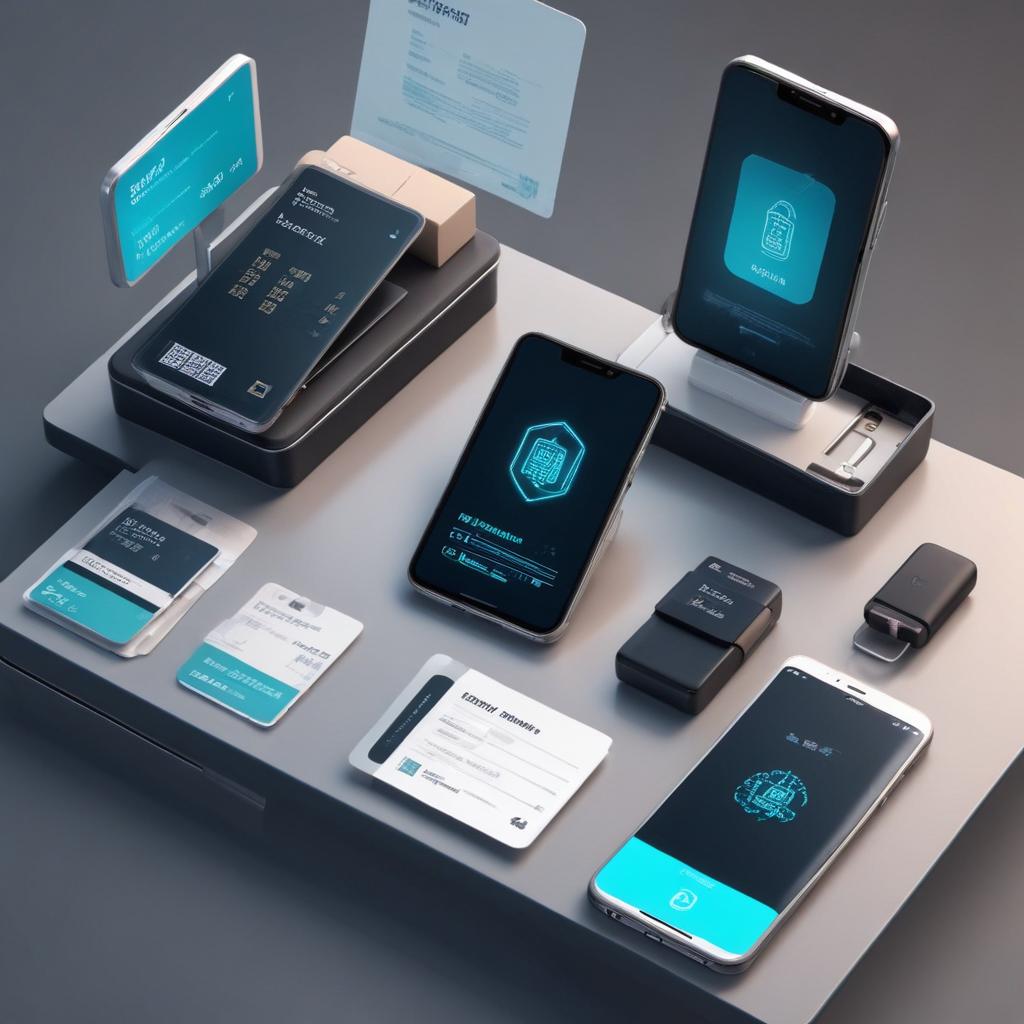
Tips for managing roaming with eSIM phones
28/02/2026
Understanding eSIM Technology for Roaming
eSIM technology represents a significant advancement in mobile connectivity, fundamentally changing how mobile devices handle network connections, especially in the context of roaming. Unlike traditional SIM cards, which are physical chips that must be inserted and swapped manually, an eSIM (embedded SIM) is a digital SIM embedded directly into the device’s hardware. This embedded nature allows users to switch carriers or activate new mobile plans without needing to replace physical cards, making it an extremely convenient tool for managing roaming connections worldwide.
At the core of roaming basics, managing connectivity when traveling across borders can be cumbersome due to the need to find compatible SIM cards or expensive roaming charges from home carriers. eSIM technology simplifies this by allowing users to download and activate multiple carrier profiles remotely. This flexibility means that travelers can easily switch to local carriers in their destination country to enjoy better rates and service quality without physically changing SIM cards.
This digital approach to mobile connectivity not only improves convenience but also enhances user control over their mobile plans. With eSIM technology, managing roaming becomes a seamless experience. Users can compare roaming options, switch between providers, and adjust their plans directly from their device’s settings or through dedicated apps. This eliminates many of the traditional barriers associated with roaming, such as tedious carrier switching or SIM swapping.
Furthermore, eSIM technology supports multiple profiles on a single device, which is a game-changer for frequent travelers or business users who need dedicated work and personal numbers. This means a single device can maintain simultaneous access to several mobile networks across different regions, optimizing roaming experiences worldwide. The cloud-based management of these profiles supports real-time updates and activation, which conventional SIM technology cannot offer.
In conclusion, eSIM technology redefines roaming basics by enabling effortless mobile connectivity across borders. It empowers users with the freedom to manage their roaming connections in a more efficient, flexible, and cost-effective manner. As eSIM adoption continues to grow globally, it is poised to become the standard for mobile operators and travelers seeking enhanced connectivity and control while abroad.
Benefits of Using eSIMs for Roaming
One of the main eSIM benefits for travelers is the ease of switching carriers without the need for physical SIM swaps. Traditional SIM cards require you to physically remove one SIM and insert another, which can be inconvenient and time-consuming, especially when moving between countries. With an eSIM, you can seamlessly switch between carriers through your phone’s settings, allowing you to stay connected without any hassle.
Another major advantage of eSIMs in roaming is the ability to avoid carrying multiple SIM cards. This reduces the risk of losing or damaging physical SIMs while traveling. Since eSIMs are embedded in your device, they provide a more secure and reliable connection that is always accessible, making mobile travel much more convenient and efficient.
Cost control is also a significant roaming advantage offered by eSIM technology. Users can compare plans from different carriers instantly and choose the most cost-effective roaming packages directly from their device. This flexibility helps avoid unexpected roaming charges and gives better control over mobile expenses during travel, enhancing the overall user experience for international mobile data use.
How eSIM Differs from Traditional SIMs in Roaming
The distinction between eSIM vs SIM becomes especially clear when it comes to managing roaming. Traditional SIM cards require physical swapping each time you change carriers or travel internationally, which can be inconvenient and inflexible. On the other hand, eSIM technology allows users to switch carriers and manage international roaming plans digitally, without needing to physically replace the SIM card. This greatly enhances flexibility for travelers who need to stay connected without hassle.
Roaming costs are often a concern with traditional SIMs, as users might end up paying expensive fees for data and calls when they travel. With eSIMs, it’s easier to compare and select local or international plans that offer better rates. Users can activate these plans instantly through their device settings, which helps in avoiding unexpected roaming charges and promoting cost-effective connectivity.
From a user experience perspective, eSIM technology provides a streamlined solution. Instead of handling multiple physical cards or searching for local SIM vendors, travelers can manage multiple profiles on a single eSIM-enabled device. This means switching between home and roaming networks is seamless. Overall, the digital management capabilities of eSIMs offer superior convenience, cost control, and flexibility compared to traditional SIM cards in roaming scenarios.
Practical Tips for Managing Roaming with eSIM Phones
Managing roaming with eSIM-enabled devices can be straightforward if you follow some key steps and best practices tailored to eSIM setup and travel needs. Here are practical tips to help you effectively manage your roaming settings and avoid unexpected charges while enjoying seamless connectivity abroad.
First, before traveling, verify that your eSIM profile supports international roaming and check the roaming agreements your carrier has with networks in your destination country. Not all eSIM plans automatically enable roaming, so confirming this in advance can save you from connectivity disruptions upon arrival.
Optimize your eSIM setup by downloading and activating your roaming profiles prior to departure whenever possible. Many carriers allow you to add multiple profiles on your eSIM device, so consider pre-installing local or regional eSIM plans to manage roaming costs better. This approach helps you switch between carriers easily without losing service.
When you arrive at your destination, toggle your device’s roaming settings carefully. Enable data roaming only when necessary to prevent accidental high charges. Use Wi-Fi whenever possible for data-heavy activities, and consider setting data usage limits or restrictions through your device’s settings to monitor and control roaming data consumption.
Stay informed about your usage by utilizing carrier apps or your phone’s built-in data tracking features. Monitoring data use during roaming helps you stay within your plan’s limits and avoid costly overage fees. Some carriers also offer alerts or notifications that warn you when you approach your data cap—activate these alerts for effective cost management.
Lastly, plan your communication needs ahead of time. Use messaging apps over Wi-Fi instead of cellular data for calls and texts. If you frequently travel, consider subscribing to global or regional eSIM plans tailored for roaming, as these often provide better rates and coverage than pay-as-you-go options.
By following these travel tips and properly managing roaming settings on your eSIM phone, you can enjoy uninterrupted connectivity without unnecessary costs. Proper eSIM setup combined with careful data management ensures a smooth and budget-friendly roaming experience.
Setting Up Multiple eSIM Profiles Before Travel
When preparing for international travel, setting up multiple eSIM profiles in advance can save you time and money. With multiple carriers available on your eSIM phone, you have the flexibility to switch between carriers effortlessly, ensuring you always have the best mobile coverage and rates wherever you go.
Start your travel setup by researching the carriers available in your destination country. Many carriers offer eSIM plans specifically designed for tourists, which can be more cost-effective than roaming with your home carrier. Once you’ve identified the carriers, purchase or activate their eSIM profiles either from their websites or through your phone’s eSIM management settings.
Most eSIM-compatible phones allow you to store multiple eSIM profiles simultaneously, but only one can be active at a time. This means you can preload several eSIM profiles from different carriers and switch between them quickly depending on your location or the network quality. Keeping these profiles ready before you travel eliminates the hassle of searching for Wi-Fi or physical SIM cards upon arrival.
Finally, make sure to label each eSIM profile clearly by the carrier or region to avoid confusion. During your trip, switching between carriers is as simple as going into your phone’s settings and selecting the desired eSIM profile. This approach gives you control, flexibility, and potentially better connectivity at competitive prices while you travel abroad.
Monitoring and Controlling Roaming Data Usage
Tracking data usage is essential to managing roaming control effectively on eSIM phones. These devices typically come with built-in tools that allow users to monitor how much data they consume while roaming. By regularly checking the data usage statistics, users can stay informed about their consumption patterns and avoid unexpected charges. Most eSIM phones display daily, weekly, and monthly data usage directly in the settings, making it easy to keep an eye on roaming data in real-time.
Additionally, setting data limits on your eSIM phone is a crucial step in avoiding unwanted roaming costs. You can configure alerts or automatic data cutoffs that activate when your usage approaches the predefined limit. Many smartphones offer customizable options allowing you to set thresholds specific to your roaming plan. These limits help you control your data consumption and ensure you don’t exceed your budget while traveling.
To optimize roaming control further, consider using third-party apps designed to track and manage data usage if your eSIM phone’s built-in tools aren’t sufficient. These applications often offer detailed reports and advanced alert systems to keep your data usage in check. By combining these methods—monitoring data usage regularly and setting clear data limits—you can confidently manage your roaming expenses without surprises.
Choosing the Right Roaming Plans with eSIM Providers
When managing roaming with eSIM phones, selecting the right roaming plans from eSIM providers is essential for ensuring seamless connectivity and cost-effective roaming. Begin by assessing your travel destinations and how frequently you visit them to prioritize coverage areas. Different eSIM providers offer varying roaming plans, so it’s crucial to compare their coverage maps, data limits, and pricing structures carefully.
Cost-effective roaming is often about balancing data needs with budget constraints. Look for flexible roaming plans that allow you to buy data in increments or bundles that suit your travel patterns. Many eSIM providers also provide pay-as-you-go options or multi-country plans that can save money when traveling extensively. Additionally, some providers offer bonus data or discounts for longer-term plans, which can be beneficial if you are an avid traveler.
Don’t overlook the importance of customer support and ease of managing your roaming plan through the provider’s app or website. A user-friendly interface can simplify switching plans or topping up data while you are abroad. By thoroughly evaluating roaming plans through different eSIM providers, considering coverage quality, plan flexibility, and total cost, you can secure the best possible service for your roaming needs without overspending.
Common Challenges and Solutions When Using eSIM for Roaming
Roaming with eSIM phones offers remarkable convenience, but users often encounter several roaming challenges that can disrupt their mobile experience. Understanding these common eSIM issues and knowing how to troubleshoot them is essential for seamless connectivity abroad.
Apple Support: How to use eSIM while traveling with your iPhone | Apple Support
One frequent issue involves network detection failure. Sometimes, an eSIM-enabled device might not automatically detect or connect to local networks when traveling internationally. This can happen due to compatibility issues between the eSIM profile and the foreign carrier or delays in network signal acquisition. To resolve this, users should manually select a network from their device settings or restart their phone to prompt fresh network detection. Additionally, ensure the eSIM carrier has roaming agreements with the destination networks.
Another common problem is data connectivity interruptions. Even when connected to a roaming partner, data services might be unstable or slow. This can stem from incorrect APN (Access Point Name) configurations or temporary network congestion. Users can troubleshoot this by verifying or updating the APN settings in their phone, which are typically provided by the eSIM carrier. If issues persist, toggling airplane mode on and off or resetting network settings often helps restore stable data connections.
Billing and service activation issues also pose challenges when using eSIM for roaming. Sometimes, roaming services may not activate immediately or incur unexpected charges due to plan restrictions. Before traveling, it’s crucial to check roaming options and activate appropriate roaming plans with the eSIM provider. Contacting customer support can clarify billing queries and activate specific roaming packages to avoid surprise expenses.
Lastly, switching between multiple eSIM profiles while roaming can cause management difficulties. Users managing several profiles may accidentally activate the wrong plan or experience conflicts between profiles. To minimize eSIM issues, it’s advisable to keep only the necessary roaming profiles enabled and disable others temporarily. Using the device’s eSIM management tools efficiently can prevent conflicts and streamline the roaming experience.
By familiarizing themselves with typical roaming challenges and practical troubleshooting steps, users can effectively manage their eSIM phones while traveling. This proactive approach ensures smoother mobile connectivity and enhances the overall roaming experience, eliminating many common eSIM issues.
Dealing with Network Compatibility Issues
When managing roaming with eSIM phones, one of the key challenges is ensuring network compatibility. Not all carriers worldwide support eSIM technology, and even if they do, there may be carrier restrictions that limit the functionality or availability of services. It is essential to verify whether your eSIM phone and the foreign network you’re planning to use are compatible before you travel.
To check network compatibility, start by confirming that your device officially supports eSIM and is unlocked to use multiple carriers. Next, visit the websites of carriers in the destination country to review their eSIM support policies and any restrictions they may impose, such as region-specific limitations or subscription requirements. Many carriers provide a list of compatible devices and detailed instructions on eSIM activation.
If you encounter carrier restrictions or compatibility issues, there are a few strategies to address them. You can purchase an international eSIM plan from global providers specializing in travel data services, which often work around local carrier limitations. Alternatively, consider using a dual-SIM phone that supports both physical SIM and eSIM, allowing you to keep your home number active and use a local physical SIM to avoid compatibility problems.
Ultimately, thorough research and preparation will help you avoid connectivity issues when roaming. By understanding your phone’s capabilities, checking network compatibility in advance, and navigating carrier restrictions wisely, you can enjoy seamless mobile data access abroad with your eSIM phone.
Troubleshooting Activation and Profile Switching Problems
Encountering activation problems or issues with profile switching on your eSIM while roaming can be frustrating. Here is a step-by-step guide to help you resolve common eSIM errors and get your service up and running smoothly.
- Verify your internet connection: Ensure your device has stable internet access via Wi-Fi or another network to complete activation processes without interruption.
- Check carrier compatibility: Confirm that the roaming carrier supports eSIM profiles and that your profile is provisioned correctly for their network.
- Restart your device: A simple reboot can often clear temporary glitches related to activation or switching eSIM profiles.
- Update your device software: Make sure your phone’s operating system is up to date, as updates frequently fix bugs related to eSIM functionality.
- Delete and re-download the eSIM profile: Remove the problematic profile and scan the QR code provided by your carrier again to reinstall the profile.
- Reset network settings: Go to your device settings and reset network preferences to clear any misconfigurations causing eSIM errors.
- Contact your carrier support: If problems persist, reach out to your mobile provider for assistance with activation codes or profile settings.
- Use the device’s built-in troubleshooting tools: Some phones offer dedicated eSIM diagnostics that can help identify specific errors during profile switching or activation.
By following these steps, you can effectively address activation problems and profile switching errors, ensuring continuous connectivity while roaming with your eSIM-enabled phone.

I’m a tech enthusiast who loves exploring how eSIMs simplify staying connected while traveling. I spend my free time testing new smartphones and sharing tips on getting the most out of mobile data abroad.