
Top features of eSIM
13/07/2026
eSIM technology has moved from a niche feature to a mainstream component of modern smartphones, showing how eSIM phones improve digital convenience by reshaping how users stay connected while on the move. By embedding the SIM directly into the device’s circuitry, manufacturers eliminate the need for a removable card, opening the door to new levels of convenience, flexibility, and sustainability. For frequent travelers, digital nomads, and anyone who relies on mobile data for work or leisure, the eSIM provides clear roaming options on eSIM phones, ensuring reliable connectivity across borders. This article explores the most compelling features of eSIMs, focusing on international eSIM phone plans and the practical advantages that matter to users who demand seamless access to mobile networks and secure communications.
Remote provisioning and instant activation
One of the most visible benefits of an eSIM is how it simplifies switching carriers by allowing users to download carrier profiles over the air without physically swapping a card. When a user purchases a data package, the carrier sends an encrypted profile that the device stores in a secure element, often within minutes of confirming payment. This remote provisioning eliminates the waiting period associated with traditional SIM delivery, which can take days for international travelers awaiting a local SIM upon arrival. The process is integrated into the phone’s settings menu, allowing users to select a plan, confirm terms, and activate service with a few taps, making connectivity almost instantaneous.
Beyond speed, remote provisioning simplifies the management of multiple profiles on a single device. Users can retain a home‑country plan for calls and texts while adding a short‑term data profile for a specific trip. Switching between profiles is handled by the operating system, which presents a clear list of active and inactive profiles, reducing the risk of accidental roaming charges. This flexibility is especially valuable for business travelers who need to maintain a corporate line while accessing local data networks abroad.
Multi carrier flexibility for travelers
Travelers benefit from the eSIM’s capacity to host several carrier profiles simultaneously, a feature that traditional SIM cards cannot match. Instead of hunting for a local SIM vendor in each new country, a user can preload profiles from providers that cover multiple regions, such as a Europe‑wide plan or a global data bundle. This approach removes the uncertainty of finding a compatible SIM that fits the device’s size and network technology, and it avoids the inconvenience of language barriers at foreign kiosks. Many eSIM marketplaces now list plans that span continents, allowing a single purchase to cover an entire itinerary.
In practice, a backpacker crossing from France to Germany can retain the same data profile, paying only a modest per‑gigabyte rate rather than incurring high roaming fees from a home carrier. The ability to switch carriers without changing hardware also empowers users to select the most cost‑effective option for each destination, as pricing and network performance can vary significantly between providers. This competitive environment drives down prices and improves overall service quality for the end user.
Space saving and device design benefits
Embedding the SIM directly onto the motherboard frees up valuable internal space that manufacturers can allocate to other components. The absence of a removable tray means smartphones can be built slimmer, with larger batteries or additional sensors without increasing overall thickness. Designers also gain greater freedom to place antennae optimally, improving signal strength and reducing interference. This spatial efficiency is evident in recent flagship models that boast thinner profiles and higher screen‑to‑body ratios while still offering robust connectivity options.
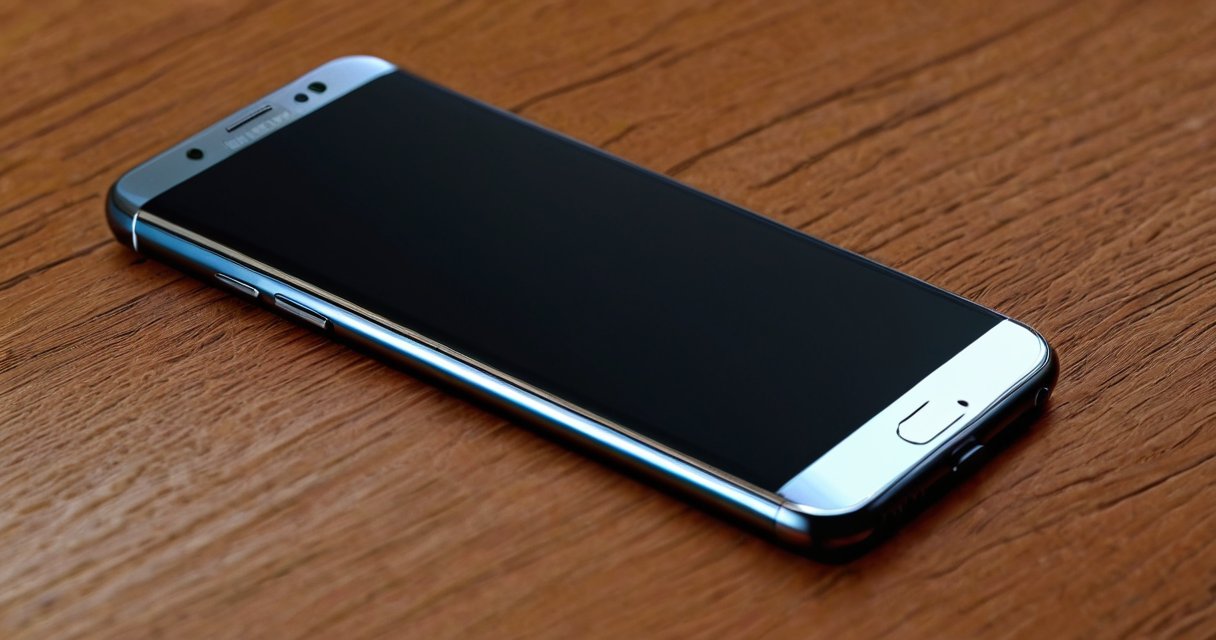
From a user perspective, the lack of a physical SIM slot reduces the risk of damage caused by inserting or removing a card. Accidental bending of a tray or misalignment of contacts can render a traditional SIM unusable, but an eSIM eliminates that failure point entirely. Moreover, fewer moving parts translate to better water and dust resistance, as manufacturers can seal the device more effectively. These durability gains are particularly appreciated by adventurers who expose their phones to harsh environments.
Enhanced security and privacy
Security is baked into the eSIM architecture through the use of a secure element that stores carrier credentials in an encrypted form. Because the profile cannot be accessed without proper authentication, the risk of cloning or tampering is substantially lower than with a removable SIM that can be physically extracted and duplicated. Additionally, remote provisioning allows carriers to revoke or replace a compromised profile instantly, providing a rapid response to security incidents without requiring the user to obtain a new card.
Privacy‑focused users also benefit from the ability to deactivate a profile at any time, effectively cutting off any unwanted tracking tied to a specific carrier. Since the eSIM can host multiple profiles, users can switch to temporary eSIM profiles that keep their primary phone number hidden, limiting exposure to marketing or surveillance. The combination of encrypted storage, remote management, and profile isolation creates a layered defense that aligns with modern expectations for digital privacy.
Data plan customization and cost efficiency
eSIM platforms often integrate directly with carrier portals, giving users real‑time insight into data consumption, remaining balance, and upcoming renewal dates. This transparency encourages more disciplined usage and enables consumers to choose plans that match their exact needs, whether that is a few gigabytes for a weekend getaway or a high‑volume package for a month‑long business trip. Unlike traditional contracts that lock users into a fixed term, many eSIM providers offer flexible, pay‑as‑you‑go options that support flexible digital lifestyles and can be adjusted on the fly.

Cost savings become apparent when comparing eSIM plans to conventional roaming charges, which can reach several dollars per megabyte. By selecting a local or regional eSIM data bundle, travelers can reduce expenses dramatically, often paying less than a tenth of the cost of roaming through their home carrier. The ability to compare multiple offers side by side in a single marketplace also drives competition, prompting carriers to lower prices and improve service quality to attract eSIM users.
Environmental impact and future outlook
The shift from plastic SIM cards to embedded chips reduces material waste and the carbon footprint associated with manufacturing, packaging, and shipping physical cards. Estimates suggest that eliminating billions of plastic SIMs each year could prevent a substantial amount of plastic from entering landfills and oceans. Moreover, the streamlined supply chain, where carriers deliver profiles digitally, cuts down on logistics emissions, aligning with broader sustainability goals embraced by tech companies worldwide.
Looking ahead, the adoption of eSIMs is expected to accelerate as more devices, including tablets, wearables, and laptops, integrate the technology. Regulatory bodies in several regions are already mandating eSIM compatibility for new devices, which will further normalize its use. As network operators expand their eSIM offerings and refine pricing models, users will enjoy even greater flexibility, security, and cost efficiency, cementing eSIM’s role as a cornerstone of digital mobility for travelers and everyday consumers alike.

I’m a tech enthusiast who loves exploring how eSIMs simplify staying connected while traveling. I spend my free time testing new smartphones and sharing tips on getting the most out of mobile data abroad.