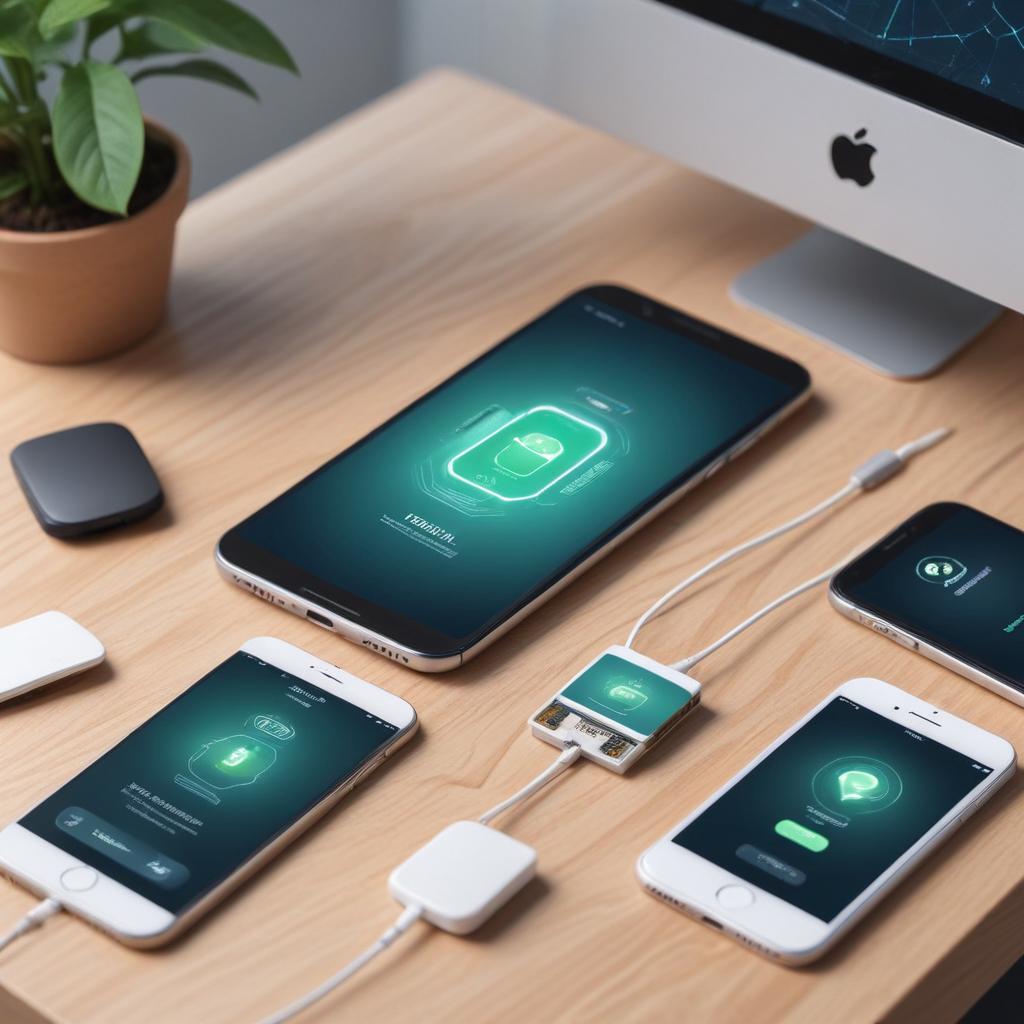
Traveling with eSIM
16/03/2026
Understanding eSIM Technology
An eSIM, short for embedded SIM, represents a significant advancement in mobile technology compared to the traditional physical SIM cards we have used for decades. Unlike a conventional SIM card, which is a removable plastic chip you insert into a mobile device, an eSIM is built directly into the device’s hardware. This embedded SIM is not a separate card but a small electronic chip that performs the same function — identifying and authenticating your phone on a wireless network — through digital SIM technology.
With eSIM basics, the concept centers around enabling devices to switch mobile network providers without the need to replace a physical SIM card. Instead, users can download multiple carrier profiles onto their eSIM-enabled device and select which service to use digitally. This eliminates the hassle of physically swapping SIM cards when traveling or changing carriers, making it a convenient and flexible solution for today’s connected lifestyles.
The technology behind eSIM relies on a programmable chip embedded in smartphones, tablets, smartwatches, and even some laptops. This chip securely stores one or more SIM profiles and allows remote provisioning — meaning that the mobile operator’s data can be activated and updated over the air without user intervention. This digital SIM technology conforms to standards set by the GSMA, ensuring compatibility and security across all carriers and devices supporting eSIM functionality.
Unlike traditional SIM cards that require physical handling, cutting, or inserting, the embedded SIM offers a robust and tamper-resistant infrastructure. It supports multiple profiles simultaneously, providing users with the freedom to manage personal and business numbers on the same device or use local carriers when traveling internationally without purchasing additional SIM cards. This digital nature of the eSIM aligns perfectly with modern mobile demands for speed, convenience, and security.
In summary, understanding eSIM technology starts with recognizing it as an evolution from the physical SIM card to a fully digital, embedded solution. By leveraging embedded SIM chips and digital SIM technology, eSIMs offer enhanced flexibility, security, and simplicity for today’s mobile users, transforming the way we connect to wireless networks globally.
How eSIM Works
The eSIM functionality revolutionizes the way mobile devices connect to networks by eliminating the need for a physical SIM card. Instead of inserting a tangible card, the eSIM is embedded directly into the device’s hardware. This embedded chip stores multiple profiles that can be activated remotely, providing seamless connectivity to mobile networks without any physical card swapping.
The activation process of an eSIM begins with scanning a QR code or entering an activation code provided by a mobile network operator. Once initiated, the device downloads the operator’s profile securely from the cloud, which includes essential details like the subscriber identity and network authentication credentials. This profile is then stored on the eSIM chip, ready to be used for network access.
Connecting to the mobile network is thus simplified to a digital transaction rather than a physical change. The eSIM can host multiple profiles, allowing users to switch operators or plans without changing cards. This flexibility makes traveling easier, as users can activate local mobile networks instantly upon arrival, reducing roaming charges and enhancing connectivity.
In summary, eSIM functionality streamlines the activation process and network connection by employing digital profiles that are remotely managed. This eliminates the dependency on physical SIM cards while providing quick and efficient access to mobile networks worldwide.
Benefits of Using eSIM for Travelers
Using an eSIM offers numerous travel benefits that enhance the overall experience for international travelers. One of the most significant advantages is convenience. With an eSIM, there is no need to physically swap SIM cards when moving between countries. Travelers can simply download and activate a new carrier profile digitally, eliminating the hassle of searching for local SIM cards or dealing with multiple physical cards.
Flexibility is another key eSIM advantage. Travelers can easily switch between carriers and plans depending on their destination and needs, all from their device settings. This flexibility ensures that travelers always have access to the best network coverage and data rates, which is invaluable when navigating unfamiliar places or changing travel plans last minute.
Cost savings also play an important role in why eSIM technology is favored by many international travelers. By choosing from a variety of local and global data plans, users can avoid expensive roaming charges that typically apply when using traditional SIM cards abroad. This ability to manage and pick cost-effective plans makes travel more affordable and budget-friendly.
In summary, the travel benefits of eSIM technology—from its unmatched convenience and flexibility to the potential for significant cost savings—make it an ideal choice for those who frequently travel internationally. Embracing eSIM allows for seamless connectivity and a smarter way to stay connected across borders.
Practical Tips for Traveling with an eSIM
Traveling with an eSIM offers unparalleled convenience, but proper preparation is key to making the most out of this technology. Here are some essential travel tips to help you manage your eSIM setup and international data plans smoothly while abroad.
Before you travel, ensure your device supports eSIM functionality and that it’s unlocked, allowing you to switch between carriers freely. Research international data plans that suit your destination, as many providers offer affordable, flexible packages tailored for travelers. Compare plan features such as data limits, coverage areas, and duration to select the best option.
Setting up your eSIM ahead of time can save you the hassle of scrambling for connectivity upon arrival. Download your eSIM profile using Wi-Fi before leaving your home country to avoid potential issues with network access during the initial activation process. Many providers give you a QR code or an activation code to scan or enter, so have this information ready in digital or printed form.
When you arrive at your destination, verify that your eSIM is active and connected to the local network. If you encounter any issues, try restarting your device or toggling airplane mode to refresh connections. Keep your device’s software updated to ensure compatibility with the latest eSIM protocols and carrier settings.
It’s also wise to keep your physical SIM card handy as a backup, just in case you need to switch connectivity methods quickly. Additionally, monitor your data usage regularly to avoid unexpected charges, especially if your international data plan has limited allowances.
Finally, consider using apps provided by your eSIM carrier to manage your plan, top-up data, or get customer support on the go. With these practical travel tips, you can enjoy seamless and cost-effective mobile connectivity wherever your journey takes you.
Choosing the Right eSIM Plan
When selecting eSIM plans for your travels, it’s essential to consider your specific needs and destinations. Different eSIM plans offer varying packages of international data, call time, and messaging, so understanding your travel habits and connectivity requirements helps in choosing the most suitable option. If you frequently move across countries, look for eSIM plans with broad international coverage and flexible data tiers to avoid costly roaming fees.
Another crucial factor is how much data you will consume. For heavy users who stream videos, use GPS navigation, or work remotely, selecting a plan with generous data allowances is a priority. Conversely, if your travel involves light usage such as occasional internet browsing or messaging, more affordable, smaller data packages can meet your needs efficiently.
Take advantage of the variety of travel SIM options available in the market. Some are designed specifically for regions or continents, while others cater to global travelers. Compare pricing, data speed, and validity periods to find an eSIM plan that matches your itinerary. Additionally, check for features like easy top-ups, excellent customer support, and compatibility with your device to ensure hassle-free connectivity on the go.
Ultimately, choosing the right eSIM plan involves balancing cost, coverage, and data preferences to maintain seamless international data access throughout your trip. Doing so enhances your travel experience by keeping you connected without the stress of unexpected charges or limited service.
Setting Up Your eSIM Before Departure
To ensure seamless mobile connectivity during your trip, it is essential to complete your eSIM activation and pre-travel setup before you leave. Follow these step-by-step instructions to get your eSIM ready and avoid any connectivity issues once you arrive at your destination.
- Check Device Compatibility: Confirm that your smartphone or device supports eSIM functionality and is unlocked for international use.
- Choose Your eSIM Provider: Select a reputable eSIM service that offers coverage for your travel destination and purchase the desired plan.
- Receive the eSIM QR Code: After purchase, you will receive a QR code via email or app that contains your eSIM profile.
- Access Your Mobile Settings: On your device, navigate to the Cellular or Mobile Data section in settings and select the option to add a cellular plan.
- Scan the QR Code: Use your device’s camera to scan the eSIM QR code provided by your carrier to download the eSIM profile.
- Name Your Plan: Assign a recognizable label to your eSIM profile, such as “Travel eSIM,” to differentiate it from your primary SIM.
- Activate the eSIM: Follow any on-screen prompts to activate the plan and set it as your default data source if desired.
- Test Connectivity: Before departure, ensure the eSIM connects correctly to the network and that data services work properly.
- Adjust Settings: Configure any roaming or network preferences to avoid additional charges and ensure smooth data access.
By completing these steps of eSIM activation and pre-travel setup, you secure reliable mobile connectivity throughout your journey, allowing you to stay connected effortlessly.
Troubleshooting Common eSIM Issues While Traveling
Traveling with eSIM technology offers convenience, but users might encounter eSIM problems like connectivity interruptions or activation failures. One common issue is delayed or failed activation, often due to network conflicts or incorrect QR code scanning. To resolve this, travelers should ensure they have a stable internet connection during activation and verify that the QR code or activation code is correctly entered.
Connectivity troubleshooting is vital for maintaining seamless mobile data access. If your eSIM connection drops suddenly, it may be due to poor network coverage or incorrect carrier settings. Checking and manually selecting the appropriate network operator in your device settings can reignite connection. Restarting the device often helps refresh network signals.
Another travel tech issue arises when switching between offline mode and active data usage. Sometimes, the eSIM profile doesn’t activate properly after airplane mode is turned off. Reactivate mobile data in settings and, if needed, toggle airplane mode again to prompt reconnection.
In case of persistent problems, contacting the eSIM provider or carrier support is advised. They can verify if the eSIM profile is correctly provisioned or if there are regional restrictions affecting service. Keeping your device’s software updated is also crucial to avoid compatibility issues with new eSIM platforms.
Future Trends of eSIM in Travel
The evolution of eSIM technology is set to revolutionize global travel and the way mobile devices connect worldwide. As eSIM trends continue to develop, they are becoming a pivotal part of travel technology, offering unprecedented convenience, flexibility, and connectivity to travelers everywhere.
One significant future trend is the integration of eSIMs into a wider array of devices beyond smartphones. Laptops, tablets, wearables, and even Internet of Things (IoT) devices will increasingly support eSIM, enabling seamless mobile connectivity across all the gadgets travelers use. This expansion will support an interconnected ecosystem that enhances the travel experience through enhanced access to real-time information and services.
Another emerging innovation is the rise of global eSIM platforms that offer multi-operator support under a single profile. This development will allow travelers to switch between local and international carriers dynamically, optimizing both coverage and cost. As a result, travelers will no longer be tethered to lengthy contracts or physically swapping SIM cards, promoting greater freedom and mobility.
Furthermore, advances in Artificial Intelligence (AI) and machine learning will enhance eSIM technology by personalizing connectivity options based on travel patterns and preferences. AI-driven systems could predict and automatically select the best mobile network for a specific location or activity, ensuring travelers stay connected with the fastest and most reliable service available.
Security is also set to improve with future eSIM innovations. Enhanced encryption methods and secure remote provisioning will protect travelers from fraud and unauthorized access to their mobile profiles. These advancements will provide peace of mind to users who rely heavily on mobile devices for navigation, communication, and transactions while abroad.
As the mobile evolution continues, eSIM technology is becoming a cornerstone of international travel, shaping the future of communication and connectivity. With ongoing enhancements in speed, ease of use, security, and device compatibility, eSIM trends indicate a more connected and efficient travel experience for global citizens.
Global Adoption of eSIM Standards
The global eSIM landscape is rapidly evolving as countries and mobile operators work to implement and regulate this innovative technology. Various nations are establishing regulatory frameworks to ensure that eSIM adoption aligns with local telecommunications policies, fostering a secure and interoperable mobile ecosystem. International collaboration has been essential, with organizations setting common industry standards to facilitate seamless connectivity and device compatibility worldwide.
Mobile operators across different regions are actively embracing eSIM technology, recognizing the benefits it offers in terms of convenience, flexibility, and security. Many carriers have adopted standardized profiles that comply with global eSIM protocols, simplifying the user experience when switching between networks or traveling internationally. This push towards uniform industry standards ensures that consumers enjoy consistent service quality and interoperability regardless of their geographic location.
Regulation plays a critical role in enabling widespread eSIM adoption, with governments balancing innovation and consumer protection. Some countries have introduced licensing requirements for eSIM providers, while others focus on data privacy and anti-fraud measures. Industry groups continue to drive initiatives that promote harmonized standards, fostering an environment where global eSIM use can thrive and evolve sustainably.
Integration with Other Travel Technologies
The future of travel is increasingly intertwined with advancements in technology, and eSIM plays a central role in this evolution. One of the most exciting prospects is the seamless integration of eSIM with other smart travel technologies, especially IoT devices and wearables. As travelers rely more on connected smart devices, the demand for uninterrupted connectivity grows, making eSIM an essential enabler for this interconnected travel ecosystem.
With travel tech integration, eSIM offers the unique advantage of remote SIM provisioning, allowing travelers to switch networks instantly without needing physical SIM cards. This capability is crucial for IoT travel devices such as smart luggage trackers, health monitors, and GPS-enabled wearables, all of which require constant connectivity to function effectively when on the move. eSIM ensures these devices remain online, providing real-time updates and enhancing the traveler’s convenience and safety.
Furthermore, as smart devices and wearables become more sophisticated, eSIM integration will enable unified management of multiple travel gadgets through a single platform. This simplification facilitates smoother travel experiences where users can manage connectivity, data plans, and device settings centrally. The potential for eSIM to work hand-in-hand with emerging IoT travel innovations promises to create an ecosystem where travelers stay connected effortlessly, thereby revolutionizing the landscape of mobile travel technology.

I’m a tech enthusiast who loves exploring how eSIMs simplify staying connected while traveling. I spend my free time testing new smartphones and sharing tips on getting the most out of mobile data abroad.