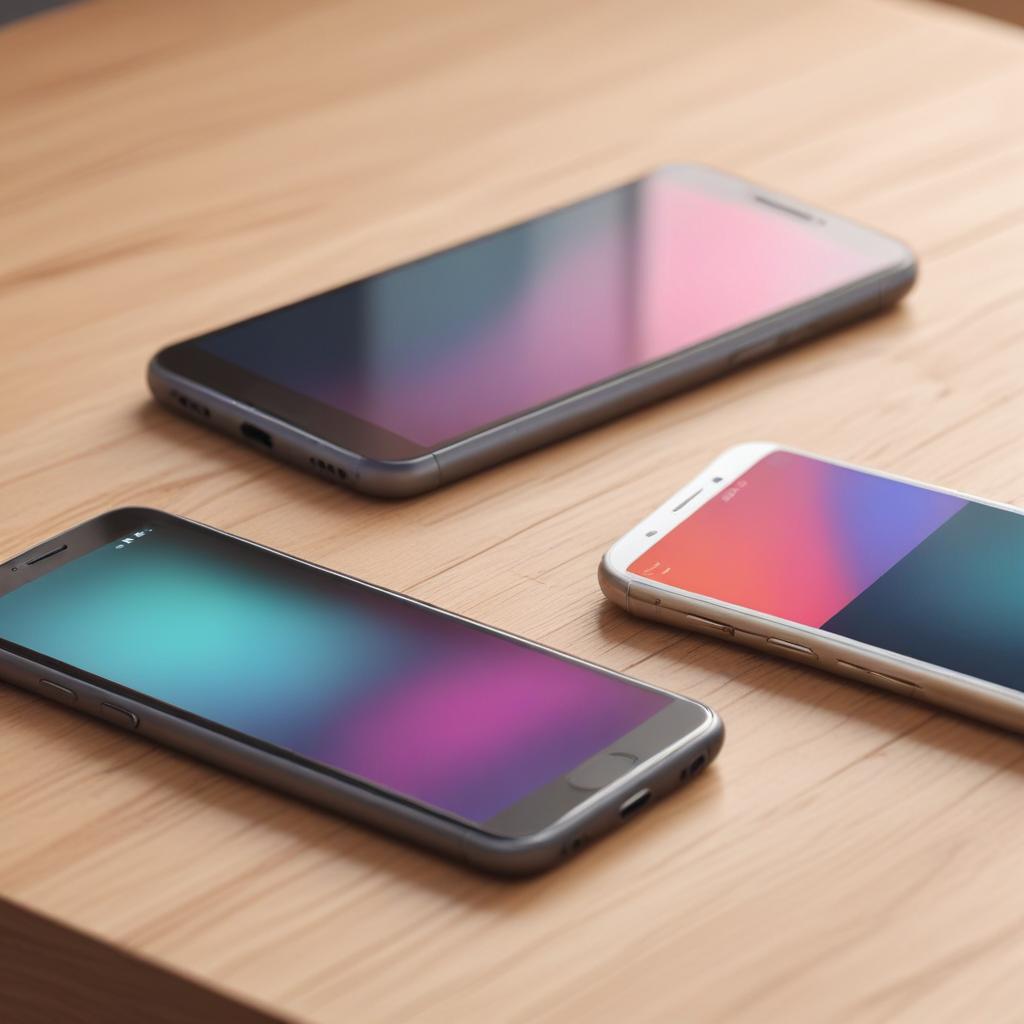
Understanding digital profiles on smartphones
24/02/2026
Additionally, app settings often include options to restrict background data usage, disable tracking, or limit data sharing with third-party services. This gives users control over how much of their personal information is accessible not only to the app itself but also to external advertisers or analytics platforms. Many smartphones also provide features like “App Privacy Reports” enabling users to review which apps have accessed sensitive permissions recently.
Moreover, privacy controls extend to managing digital profiles by allowing users to customize what profile information is visible to others, manage cookie preferences, and control ad personalization settings. These comprehensive privacy settings support safer data sharing and minimize the risk of unwanted exposure of personal details, which is crucial in today’s digitally connected world.
By regularly reviewing and adjusting app settings and permissions, users can significantly enhance their privacy protection, ensuring their digital profiles on smartphones remain secure and their personal data is shared only when necessary and with trusted applications.
Best Practices for Protecting Your Digital Profile
- Use strong passwords: Create complex passwords combining letters, numbers, and symbols to enhance security and reduce the risk of unauthorized access.
- Enable two-factor authentication: Add an extra layer of security by requiring a second form of verification, such as a code sent to your phone, in addition to your password.
- Regularly audit your profiles: Frequently review your digital profiles for unusual activity or unauthorized access, and update your security settings accordingly.
- Keep software updated: Ensure your smartphone’s operating system and apps are up-to-date to protect against security vulnerabilities.
- Be cautious with public Wi-Fi: Avoid accessing sensitive information or logging into accounts over unsecured public networks.
- Manage app permissions: Regularly check and limit the permissions granted to apps installed on your smartphone to protect your data.
- Use encrypted communication tools: Prefer messaging and email services that offer end-to-end encryption to safeguard your conversations.
- Backup important data: Regularly back up your digital profile data to a secure location to prevent data loss in case of device theft or failure.
- Educate yourself on phishing scams: Stay informed about common phishing tactics and avoid clicking on suspicious links or attachments.
- Use reputable security software: Install trusted security apps that provide malware detection and real-time protection for your smartphone.
Future Trends in Smartphone Digital Profiles
As we look toward the future technology landscape, digital profiles on smartphones are set to undergo profound transformations, driven largely by advances in artificial intelligence (AI) and an increasing demand for enhanced personalization. These future trends will redefine how users engage with their devices, creating richer, more intuitive digital identities that blend seamlessly with everyday life.
One of the most significant developments on the horizon is the integration of AI profiles. These intelligent profiles will constantly learn from user behavior, preferences, and interactions to offer highly customized experiences. By leveraging machine learning algorithms, smartphones will become adept at anticipating needs, automating routine tasks, and providing tailored content and recommendations. This evolution will elevate the concept of a digital identity, making it an adaptive and proactive entity rather than a static collection of information.
Enhanced personalization will also extend beyond software into hardware capabilities. Future smartphones may utilize biometric and environmental sensors to further contextualize digital profiles, allowing for dynamic adjustments based on location, mood, or even health status. Such innovation promises to make mobile devices indispensable companions in personal and professional settings, strengthening the link between digital identity and real-world contexts.
Moreover, privacy and security will remain paramount as mobile trends continue to evolve. Emerging technologies will likely incorporate advanced encryption and decentralized identity solutions to give users greater control over their digital footprints. This balance of empowerment and protection will be critical to fostering trust and adoption in increasingly sophisticated digital ecosystems.
In summary, the future of digital profiles on smartphones encompasses a fusion of AI profiles, enhanced personalization, and robust privacy measures. These innovations will shape mobile trends by creating smart, responsive digital identities that enhance user engagement and convenience, heralding a new era in digital identity management and mobile technology.
AI and Machine Learning in Profile Personalization
Artificial intelligence and machine learning are revolutionizing how digital profiles are personalized on smartphones. These technologies empower devices to learn from user behavior, preferences, and usage patterns, enabling them to offer smarter and more adaptive experiences. Instead of relying solely on static settings, smartphone AI dynamically adjusts profiles, such as app recommendations, notification preferences, and even interface layouts, based on real-time data and predictive analysis.
Machine learning algorithms analyze vast amounts of user data, identifying subtle trends that help customize the smartphone environment uniquely for each individual. This level of customization goes beyond surface-level preferences, creating a deeply personalized interaction that evolves continuously as the AI learns. For example, smartphone AI can anticipate when a user is likely to switch to silent mode during meetings or suggest relevant content aligned with their interests.
The integration of artificial intelligence into profile management not only enhances convenience but also increases efficiency by reducing manual adjustments. Users benefit from a phone that understands their habits and needs without constant input, creating a seamless and intuitive digital experience. As AI and machine learning continue to advance, the future of smartphone customization will become even more intelligent and user-centric.
Enhanced Security Features for Future Profiles
As digital profiles on smartphones continue to evolve, ensuring their security becomes increasingly crucial. Future advancements in biometric security, including fingerprint recognition, facial scans, and even iris detection, are poised to provide a more personalized and highly secure authentication process. These biometric methods are difficult to replicate or forge, significantly reducing unauthorized access to sensitive profile information.
Moreover, encryption technologies will play a pivotal role in protecting data within digital profiles. Stronger encryption algorithms will safeguard user information both at rest and in transit, making it nearly impossible for hackers to intercept or decipher the data. This solid layer of encryption will ensure that profile safety is maintained even if devices are lost or compromised.
Blockchain technology is another promising advancement shaping the future of digital profile protection. By using decentralized ledgers, blockchain can provide transparency and immutability in the management of profile data. This ensures that any changes to digital profiles are securely recorded, verifiable, and resistant to tampering, thereby reinforcing trust and security.
Combining biometric security, advanced encryption, and blockchain will create a robust ecosystem designed to protect users’ digital identities more effectively than ever before. As these technologies mature, they will collectively enhance the safety of digital profiles, promoting user confidence and better privacy in our increasingly connected world.

Moreover, digital profiles play a critical role in managing privacy and security on mobile devices. They enable smartphones to apply specific rules and restrictions based on user behavior and preferences. This means that certain apps or services can be restricted or adjusted to ensure sensitive information remains protected, which is essential in today’s digital age where mobile identity is intertwined with personal and professional lives.
Smartphones rely heavily on digital profiles to offer seamless integration across different services and platforms. Whether it’s syncing contacts and calendars, personalizing advertisements, or providing context-aware suggestions, the digital profile acts as the backbone for these functionalities. This interconnected nature not only enriches the user experience but also optimizes device performance by predicting and preloading content that matches the user’s interests.
In summary, digital profiles are at the heart of the smartphone experience. They consolidate diverse user data into a singular mobile identity, enabling personalized interactions and improved security. As smartphones continue to evolve, the role of digital profiles will become even more critical in delivering adaptive, user-centric technology that anticipates and meets individual needs.
Definition and Components of Digital Profiles
A digital profile on smartphones consists of various profile components that collectively represent the user’s identity and behavior on the device. These components typically include personal information such as name, contact details, and demographic data, which help customize the smartphone experience to the individual user.
Beyond personal details, smartphone profiles encompass user preferences, including app settings, display configurations, and language choices. These preferences allow smartphones to adapt and provide a more tailored experience for each user, enhancing usability and satisfaction.
Another crucial aspect of digital profiles is usage data, which captures how the smartphone is used over time. This includes app usage patterns, browsing history, location data, and interaction frequencies. Usage data is essential for optimizing device performance and enabling personalized recommendations.
Together, these data types—personal info, preferences, and usage data—form a comprehensive view of the smartphone profile, allowing device manufacturers and app developers to deliver personalized services and improve overall user experience. Understanding these profile components is key to appreciating how digital profiles shape the interaction between users and their smartphones.
Importance of Digital Profiles in Mobile Ecosystems
Digital profiles play a crucial role in enhancing the mobile experience for users by enabling advanced personalization across apps and services on smartphones. These profiles aggregate app data, preferences, usage patterns, and other relevant information to create a comprehensive view of the user. With this data, apps can tailor content, recommendations, and functionalities specifically to individual needs and habits, making the interaction more intuitive and engaging.
Personalization powered by digital profiles elevates user engagement by offering relevant notifications, adaptive interfaces, and customized offers, all of which contribute to a more satisfying mobile experience. For instance, a fitness app can use data from a digital profile to adjust workout plans based on the user’s activity history and goals, while a music streaming service can curate playlists that reflect listening preferences. This level of customization keeps users more involved and encourages frequent use.
Moreover, digital profiles improve the seamless integration between multiple apps and services within the mobile ecosystem. By sharing app data securely, users benefit from a cohesive experience where different applications can sync preferences and settings. This interconnectedness reduces friction and enhances convenience, fostering loyalty and prolonged usage of smartphone services.
In summary, digital profiles serve as the backbone for delivering personalized mobile experiences that drive user engagement. By efficiently utilizing app data, these profiles enable smartphones to offer services that are not only more relevant but also more responsive to the unique preferences of each individual user.
Managing and Securing Digital Profiles on Smartphones
Managing and securing your digital profiles on smartphones is essential to ensure your data security and privacy are maintained. With increasing reliance on mobile devices, it’s crucial to understand how to effectively control your profile management settings to safeguard your personal information and maintain smartphone safety.
Start by reviewing the privacy settings available on your smartphone. Both Android and iOS platforms offer extensive options to control what information apps and services can access. Regularly updating these settings allows you to restrict permissions for apps that do not require access to sensitive data, thereby minimizing exposure risks. For example, you can control location sharing, camera access, and contact information permissions on a per-app basis.
Data security should be at the forefront of your profile management practices. Use strong, unique passwords for your smartphone accounts and enable multi-factor authentication whenever possible. This adds an additional layer of protection beyond just a password, making unauthorized access much more difficult. Additionally, consider using biometric authentication methods such as fingerprint or facial recognition, which are both secure and convenient.
Regularly update your smartphone’s operating system and applications. Software updates often include security patches that address vulnerabilities, helping to prevent potential breaches. Ignoring these updates can leave your device open to attacks that compromise your digital profile and personal information.
Another important aspect of smartphone safety is being cautious about connecting to public Wi-Fi networks. These networks can be insecure and potentially expose your data to cybercriminals. If you must use public Wi-Fi, consider using a virtual private network (VPN) to encrypt your internet connection, enhancing your data security while online.
Lastly, take advantage of smartphone features designed to protect your privacy, such as encrypted messaging apps and secure browsers. Avoid sharing sensitive information through unsecured channels. Regularly back up your data to a trusted cloud service or encrypted storage to safeguard against data loss or device theft.
By actively managing your digital profiles and prioritizing privacy settings alongside best security practices, you can significantly enhance your smartphone safety and protect your valuable personal information from threats.
Privacy Settings and Controls
Smartphones offer a range of privacy controls designed to help users manage the data shared through their digital profiles and regulate app permissions. These settings empower users to decide what information apps can access, enhancing overall security and privacy. One key aspect is permission management, where users can grant or deny access to sensitive data such as location, contacts, microphone, camera, and more on an app-by-app basis.
Additionally, app settings often include options to restrict background data usage, disable tracking, or limit data sharing with third-party services. This gives users control over how much of their personal information is accessible not only to the app itself but also to external advertisers or analytics platforms. Many smartphones also provide features like “App Privacy Reports” enabling users to review which apps have accessed sensitive permissions recently.
Moreover, privacy controls extend to managing digital profiles by allowing users to customize what profile information is visible to others, manage cookie preferences, and control ad personalization settings. These comprehensive privacy settings support safer data sharing and minimize the risk of unwanted exposure of personal details, which is crucial in today’s digitally connected world.
By regularly reviewing and adjusting app settings and permissions, users can significantly enhance their privacy protection, ensuring their digital profiles on smartphones remain secure and their personal data is shared only when necessary and with trusted applications.
Best Practices for Protecting Your Digital Profile
- Use strong passwords: Create complex passwords combining letters, numbers, and symbols to enhance security and reduce the risk of unauthorized access.
- Enable two-factor authentication: Add an extra layer of security by requiring a second form of verification, such as a code sent to your phone, in addition to your password.
- Regularly audit your profiles: Frequently review your digital profiles for unusual activity or unauthorized access, and update your security settings accordingly.
- Keep software updated: Ensure your smartphone’s operating system and apps are up-to-date to protect against security vulnerabilities.
- Be cautious with public Wi-Fi: Avoid accessing sensitive information or logging into accounts over unsecured public networks.
- Manage app permissions: Regularly check and limit the permissions granted to apps installed on your smartphone to protect your data.
- Use encrypted communication tools: Prefer messaging and email services that offer end-to-end encryption to safeguard your conversations.
- Backup important data: Regularly back up your digital profile data to a secure location to prevent data loss in case of device theft or failure.
- Educate yourself on phishing scams: Stay informed about common phishing tactics and avoid clicking on suspicious links or attachments.
- Use reputable security software: Install trusted security apps that provide malware detection and real-time protection for your smartphone.
Future Trends in Smartphone Digital Profiles
As we look toward the future technology landscape, digital profiles on smartphones are set to undergo profound transformations, driven largely by advances in artificial intelligence (AI) and an increasing demand for enhanced personalization. These future trends will redefine how users engage with their devices, creating richer, more intuitive digital identities that blend seamlessly with everyday life.
One of the most significant developments on the horizon is the integration of AI profiles. These intelligent profiles will constantly learn from user behavior, preferences, and interactions to offer highly customized experiences. By leveraging machine learning algorithms, smartphones will become adept at anticipating needs, automating routine tasks, and providing tailored content and recommendations. This evolution will elevate the concept of a digital identity, making it an adaptive and proactive entity rather than a static collection of information.
Enhanced personalization will also extend beyond software into hardware capabilities. Future smartphones may utilize biometric and environmental sensors to further contextualize digital profiles, allowing for dynamic adjustments based on location, mood, or even health status. Such innovation promises to make mobile devices indispensable companions in personal and professional settings, strengthening the link between digital identity and real-world contexts.
Moreover, privacy and security will remain paramount as mobile trends continue to evolve. Emerging technologies will likely incorporate advanced encryption and decentralized identity solutions to give users greater control over their digital footprints. This balance of empowerment and protection will be critical to fostering trust and adoption in increasingly sophisticated digital ecosystems.
In summary, the future of digital profiles on smartphones encompasses a fusion of AI profiles, enhanced personalization, and robust privacy measures. These innovations will shape mobile trends by creating smart, responsive digital identities that enhance user engagement and convenience, heralding a new era in digital identity management and mobile technology.
AI and Machine Learning in Profile Personalization
Artificial intelligence and machine learning are revolutionizing how digital profiles are personalized on smartphones. These technologies empower devices to learn from user behavior, preferences, and usage patterns, enabling them to offer smarter and more adaptive experiences. Instead of relying solely on static settings, smartphone AI dynamically adjusts profiles, such as app recommendations, notification preferences, and even interface layouts, based on real-time data and predictive analysis.
Machine learning algorithms analyze vast amounts of user data, identifying subtle trends that help customize the smartphone environment uniquely for each individual. This level of customization goes beyond surface-level preferences, creating a deeply personalized interaction that evolves continuously as the AI learns. For example, smartphone AI can anticipate when a user is likely to switch to silent mode during meetings or suggest relevant content aligned with their interests.
The integration of artificial intelligence into profile management not only enhances convenience but also increases efficiency by reducing manual adjustments. Users benefit from a phone that understands their habits and needs without constant input, creating a seamless and intuitive digital experience. As AI and machine learning continue to advance, the future of smartphone customization will become even more intelligent and user-centric.
Enhanced Security Features for Future Profiles
As digital profiles on smartphones continue to evolve, ensuring their security becomes increasingly crucial. Future advancements in biometric security, including fingerprint recognition, facial scans, and even iris detection, are poised to provide a more personalized and highly secure authentication process. These biometric methods are difficult to replicate or forge, significantly reducing unauthorized access to sensitive profile information.
Moreover, encryption technologies will play a pivotal role in protecting data within digital profiles. Stronger encryption algorithms will safeguard user information both at rest and in transit, making it nearly impossible for hackers to intercept or decipher the data. This solid layer of encryption will ensure that profile safety is maintained even if devices are lost or compromised.
Blockchain technology is another promising advancement shaping the future of digital profile protection. By using decentralized ledgers, blockchain can provide transparency and immutability in the management of profile data. This ensures that any changes to digital profiles are securely recorded, verifiable, and resistant to tampering, thereby reinforcing trust and security.
Combining biometric security, advanced encryption, and blockchain will create a robust ecosystem designed to protect users’ digital identities more effectively than ever before. As these technologies mature, they will collectively enhance the safety of digital profiles, promoting user confidence and better privacy in our increasingly connected world.
Moreover, digital profiles play a critical role in managing privacy and security on mobile devices. They enable smartphones to apply specific rules and restrictions based on user behavior and preferences. This means that certain apps or services can be restricted or adjusted to ensure sensitive information remains protected, which is essential in today’s digital age where mobile identity is intertwined with personal and professional lives.
Smartphones rely heavily on digital profiles to offer seamless integration across different services and platforms. Whether it’s syncing contacts and calendars, personalizing advertisements, or providing context-aware suggestions, the digital profile acts as the backbone for these functionalities. This interconnected nature not only enriches the user experience but also optimizes device performance by predicting and preloading content that matches the user’s interests.
In summary, digital profiles are at the heart of the smartphone experience. They consolidate diverse user data into a singular mobile identity, enabling personalized interactions and improved security. As smartphones continue to evolve, the role of digital profiles will become even more critical in delivering adaptive, user-centric technology that anticipates and meets individual needs.
Definition and Components of Digital Profiles
A digital profile on smartphones consists of various profile components that collectively represent the user’s identity and behavior on the device. These components typically include personal information such as name, contact details, and demographic data, which help customize the smartphone experience to the individual user.
Beyond personal details, smartphone profiles encompass user preferences, including app settings, display configurations, and language choices. These preferences allow smartphones to adapt and provide a more tailored experience for each user, enhancing usability and satisfaction.
Another crucial aspect of digital profiles is usage data, which captures how the smartphone is used over time. This includes app usage patterns, browsing history, location data, and interaction frequencies. Usage data is essential for optimizing device performance and enabling personalized recommendations.
Together, these data types—personal info, preferences, and usage data—form a comprehensive view of the smartphone profile, allowing device manufacturers and app developers to deliver personalized services and improve overall user experience. Understanding these profile components is key to appreciating how digital profiles shape the interaction between users and their smartphones.
Importance of Digital Profiles in Mobile Ecosystems
Digital profiles play a crucial role in enhancing the mobile experience for users by enabling advanced personalization across apps and services on smartphones. These profiles aggregate app data, preferences, usage patterns, and other relevant information to create a comprehensive view of the user. With this data, apps can tailor content, recommendations, and functionalities specifically to individual needs and habits, making the interaction more intuitive and engaging.
Personalization powered by digital profiles elevates user engagement by offering relevant notifications, adaptive interfaces, and customized offers, all of which contribute to a more satisfying mobile experience. For instance, a fitness app can use data from a digital profile to adjust workout plans based on the user’s activity history and goals, while a music streaming service can curate playlists that reflect listening preferences. This level of customization keeps users more involved and encourages frequent use.
Moreover, digital profiles improve the seamless integration between multiple apps and services within the mobile ecosystem. By sharing app data securely, users benefit from a cohesive experience where different applications can sync preferences and settings. This interconnectedness reduces friction and enhances convenience, fostering loyalty and prolonged usage of smartphone services.
In summary, digital profiles serve as the backbone for delivering personalized mobile experiences that drive user engagement. By efficiently utilizing app data, these profiles enable smartphones to offer services that are not only more relevant but also more responsive to the unique preferences of each individual user.
Managing and Securing Digital Profiles on Smartphones
Managing and securing your digital profiles on smartphones is essential to ensure your data security and privacy are maintained. With increasing reliance on mobile devices, it’s crucial to understand how to effectively control your profile management settings to safeguard your personal information and maintain smartphone safety.
Start by reviewing the privacy settings available on your smartphone. Both Android and iOS platforms offer extensive options to control what information apps and services can access. Regularly updating these settings allows you to restrict permissions for apps that do not require access to sensitive data, thereby minimizing exposure risks. For example, you can control location sharing, camera access, and contact information permissions on a per-app basis.
Data security should be at the forefront of your profile management practices. Use strong, unique passwords for your smartphone accounts and enable multi-factor authentication whenever possible. This adds an additional layer of protection beyond just a password, making unauthorized access much more difficult. Additionally, consider using biometric authentication methods such as fingerprint or facial recognition, which are both secure and convenient.
Regularly update your smartphone’s operating system and applications. Software updates often include security patches that address vulnerabilities, helping to prevent potential breaches. Ignoring these updates can leave your device open to attacks that compromise your digital profile and personal information.
Another important aspect of smartphone safety is being cautious about connecting to public Wi-Fi networks. These networks can be insecure and potentially expose your data to cybercriminals. If you must use public Wi-Fi, consider using a virtual private network (VPN) to encrypt your internet connection, enhancing your data security while online.
Lastly, take advantage of smartphone features designed to protect your privacy, such as encrypted messaging apps and secure browsers. Avoid sharing sensitive information through unsecured channels. Regularly back up your data to a trusted cloud service or encrypted storage to safeguard against data loss or device theft.
By actively managing your digital profiles and prioritizing privacy settings alongside best security practices, you can significantly enhance your smartphone safety and protect your valuable personal information from threats.
Privacy Settings and Controls
Smartphones offer a range of privacy controls designed to help users manage the data shared through their digital profiles and regulate app permissions. These settings empower users to decide what information apps can access, enhancing overall security and privacy. One key aspect is permission management, where users can grant or deny access to sensitive data such as location, contacts, microphone, camera, and more on an app-by-app basis.
Additionally, app settings often include options to restrict background data usage, disable tracking, or limit data sharing with third-party services. This gives users control over how much of their personal information is accessible not only to the app itself but also to external advertisers or analytics platforms. Many smartphones also provide features like “App Privacy Reports” enabling users to review which apps have accessed sensitive permissions recently.
Moreover, privacy controls extend to managing digital profiles by allowing users to customize what profile information is visible to others, manage cookie preferences, and control ad personalization settings. These comprehensive privacy settings support safer data sharing and minimize the risk of unwanted exposure of personal details, which is crucial in today’s digitally connected world.
By regularly reviewing and adjusting app settings and permissions, users can significantly enhance their privacy protection, ensuring their digital profiles on smartphones remain secure and their personal data is shared only when necessary and with trusted applications.
Best Practices for Protecting Your Digital Profile
- Use strong passwords: Create complex passwords combining letters, numbers, and symbols to enhance security and reduce the risk of unauthorized access.
- Enable two-factor authentication: Add an extra layer of security by requiring a second form of verification, such as a code sent to your phone, in addition to your password.
- Regularly audit your profiles: Frequently review your digital profiles for unusual activity or unauthorized access, and update your security settings accordingly.
- Keep software updated: Ensure your smartphone’s operating system and apps are up-to-date to protect against security vulnerabilities.
- Be cautious with public Wi-Fi: Avoid accessing sensitive information or logging into accounts over unsecured public networks.
- Manage app permissions: Regularly check and limit the permissions granted to apps installed on your smartphone to protect your data.
- Use encrypted communication tools: Prefer messaging and email services that offer end-to-end encryption to safeguard your conversations.
- Backup important data: Regularly back up your digital profile data to a secure location to prevent data loss in case of device theft or failure.
- Educate yourself on phishing scams: Stay informed about common phishing tactics and avoid clicking on suspicious links or attachments.
- Use reputable security software: Install trusted security apps that provide malware detection and real-time protection for your smartphone.
Future Trends in Smartphone Digital Profiles
As we look toward the future technology landscape, digital profiles on smartphones are set to undergo profound transformations, driven largely by advances in artificial intelligence (AI) and an increasing demand for enhanced personalization. These future trends will redefine how users engage with their devices, creating richer, more intuitive digital identities that blend seamlessly with everyday life.
One of the most significant developments on the horizon is the integration of AI profiles. These intelligent profiles will constantly learn from user behavior, preferences, and interactions to offer highly customized experiences. By leveraging machine learning algorithms, smartphones will become adept at anticipating needs, automating routine tasks, and providing tailored content and recommendations. This evolution will elevate the concept of a digital identity, making it an adaptive and proactive entity rather than a static collection of information.
Enhanced personalization will also extend beyond software into hardware capabilities. Future smartphones may utilize biometric and environmental sensors to further contextualize digital profiles, allowing for dynamic adjustments based on location, mood, or even health status. Such innovation promises to make mobile devices indispensable companions in personal and professional settings, strengthening the link between digital identity and real-world contexts.
Moreover, privacy and security will remain paramount as mobile trends continue to evolve. Emerging technologies will likely incorporate advanced encryption and decentralized identity solutions to give users greater control over their digital footprints. This balance of empowerment and protection will be critical to fostering trust and adoption in increasingly sophisticated digital ecosystems.
In summary, the future of digital profiles on smartphones encompasses a fusion of AI profiles, enhanced personalization, and robust privacy measures. These innovations will shape mobile trends by creating smart, responsive digital identities that enhance user engagement and convenience, heralding a new era in digital identity management and mobile technology.
AI and Machine Learning in Profile Personalization
Artificial intelligence and machine learning are revolutionizing how digital profiles are personalized on smartphones. These technologies empower devices to learn from user behavior, preferences, and usage patterns, enabling them to offer smarter and more adaptive experiences. Instead of relying solely on static settings, smartphone AI dynamically adjusts profiles, such as app recommendations, notification preferences, and even interface layouts, based on real-time data and predictive analysis.
Machine learning algorithms analyze vast amounts of user data, identifying subtle trends that help customize the smartphone environment uniquely for each individual. This level of customization goes beyond surface-level preferences, creating a deeply personalized interaction that evolves continuously as the AI learns. For example, smartphone AI can anticipate when a user is likely to switch to silent mode during meetings or suggest relevant content aligned with their interests.
The integration of artificial intelligence into profile management not only enhances convenience but also increases efficiency by reducing manual adjustments. Users benefit from a phone that understands their habits and needs without constant input, creating a seamless and intuitive digital experience. As AI and machine learning continue to advance, the future of smartphone customization will become even more intelligent and user-centric.
Enhanced Security Features for Future Profiles
As digital profiles on smartphones continue to evolve, ensuring their security becomes increasingly crucial. Future advancements in biometric security, including fingerprint recognition, facial scans, and even iris detection, are poised to provide a more personalized and highly secure authentication process. These biometric methods are difficult to replicate or forge, significantly reducing unauthorized access to sensitive profile information.
Moreover, encryption technologies will play a pivotal role in protecting data within digital profiles. Stronger encryption algorithms will safeguard user information both at rest and in transit, making it nearly impossible for hackers to intercept or decipher the data. This solid layer of encryption will ensure that profile safety is maintained even if devices are lost or compromised.
Blockchain technology is another promising advancement shaping the future of digital profile protection. By using decentralized ledgers, blockchain can provide transparency and immutability in the management of profile data. This ensures that any changes to digital profiles are securely recorded, verifiable, and resistant to tampering, thereby reinforcing trust and security.
Combining biometric security, advanced encryption, and blockchain will create a robust ecosystem designed to protect users’ digital identities more effectively than ever before. As these technologies mature, they will collectively enhance the safety of digital profiles, promoting user confidence and better privacy in our increasingly connected world.
Introduction to Digital Profiles on Smartphones
Digital profiles on smartphones represent a comprehensive collection of user data and preferences that shape a person’s mobile identity. This profile is essentially a digital fingerprint created from various sources such as app usage, browsing habits, location information, and personalized settings. It serves as a unique representation of the user in the mobile ecosystem, enabling devices and applications to recognize and adapt to individual needs.
The importance of digital profiles on smartphones cannot be overstated. By consolidating and analyzing user data, these profiles allow for a highly personalized user experience. For instance, digital profiles help smartphones customize everything from app recommendations and notifications to accessibility features and security settings. This tailored approach enhances usability and satisfaction, making interactions with the device more intuitive and efficient.
Moreover, digital profiles play a critical role in managing privacy and security on mobile devices. They enable smartphones to apply specific rules and restrictions based on user behavior and preferences. This means that certain apps or services can be restricted or adjusted to ensure sensitive information remains protected, which is essential in today’s digital age where mobile identity is intertwined with personal and professional lives.
Smartphones rely heavily on digital profiles to offer seamless integration across different services and platforms. Whether it’s syncing contacts and calendars, personalizing advertisements, or providing context-aware suggestions, the digital profile acts as the backbone for these functionalities. This interconnected nature not only enriches the user experience but also optimizes device performance by predicting and preloading content that matches the user’s interests.
In summary, digital profiles are at the heart of the smartphone experience. They consolidate diverse user data into a singular mobile identity, enabling personalized interactions and improved security. As smartphones continue to evolve, the role of digital profiles will become even more critical in delivering adaptive, user-centric technology that anticipates and meets individual needs.
Definition and Components of Digital Profiles
A digital profile on smartphones consists of various profile components that collectively represent the user’s identity and behavior on the device. These components typically include personal information such as name, contact details, and demographic data, which help customize the smartphone experience to the individual user.
Beyond personal details, smartphone profiles encompass user preferences, including app settings, display configurations, and language choices. These preferences allow smartphones to adapt and provide a more tailored experience for each user, enhancing usability and satisfaction.
Another crucial aspect of digital profiles is usage data, which captures how the smartphone is used over time. This includes app usage patterns, browsing history, location data, and interaction frequencies. Usage data is essential for optimizing device performance and enabling personalized recommendations.
Together, these data types—personal info, preferences, and usage data—form a comprehensive view of the smartphone profile, allowing device manufacturers and app developers to deliver personalized services and improve overall user experience. Understanding these profile components is key to appreciating how digital profiles shape the interaction between users and their smartphones.
Importance of Digital Profiles in Mobile Ecosystems
Digital profiles play a crucial role in enhancing the mobile experience for users by enabling advanced personalization across apps and services on smartphones. These profiles aggregate app data, preferences, usage patterns, and other relevant information to create a comprehensive view of the user. With this data, apps can tailor content, recommendations, and functionalities specifically to individual needs and habits, making the interaction more intuitive and engaging.
Personalization powered by digital profiles elevates user engagement by offering relevant notifications, adaptive interfaces, and customized offers, all of which contribute to a more satisfying mobile experience. For instance, a fitness app can use data from a digital profile to adjust workout plans based on the user’s activity history and goals, while a music streaming service can curate playlists that reflect listening preferences. This level of customization keeps users more involved and encourages frequent use.
Moreover, digital profiles improve the seamless integration between multiple apps and services within the mobile ecosystem. By sharing app data securely, users benefit from a cohesive experience where different applications can sync preferences and settings. This interconnectedness reduces friction and enhances convenience, fostering loyalty and prolonged usage of smartphone services.
In summary, digital profiles serve as the backbone for delivering personalized mobile experiences that drive user engagement. By efficiently utilizing app data, these profiles enable smartphones to offer services that are not only more relevant but also more responsive to the unique preferences of each individual user.
Managing and Securing Digital Profiles on Smartphones
Managing and securing your digital profiles on smartphones is essential to ensure your data security and privacy are maintained. With increasing reliance on mobile devices, it’s crucial to understand how to effectively control your profile management settings to safeguard your personal information and maintain smartphone safety.
Start by reviewing the privacy settings available on your smartphone. Both Android and iOS platforms offer extensive options to control what information apps and services can access. Regularly updating these settings allows you to restrict permissions for apps that do not require access to sensitive data, thereby minimizing exposure risks. For example, you can control location sharing, camera access, and contact information permissions on a per-app basis.
Data security should be at the forefront of your profile management practices. Use strong, unique passwords for your smartphone accounts and enable multi-factor authentication whenever possible. This adds an additional layer of protection beyond just a password, making unauthorized access much more difficult. Additionally, consider using biometric authentication methods such as fingerprint or facial recognition, which are both secure and convenient.
Regularly update your smartphone’s operating system and applications. Software updates often include security patches that address vulnerabilities, helping to prevent potential breaches. Ignoring these updates can leave your device open to attacks that compromise your digital profile and personal information.
Another important aspect of smartphone safety is being cautious about connecting to public Wi-Fi networks. These networks can be insecure and potentially expose your data to cybercriminals. If you must use public Wi-Fi, consider using a virtual private network (VPN) to encrypt your internet connection, enhancing your data security while online.
Lastly, take advantage of smartphone features designed to protect your privacy, such as encrypted messaging apps and secure browsers. Avoid sharing sensitive information through unsecured channels. Regularly back up your data to a trusted cloud service or encrypted storage to safeguard against data loss or device theft.
By actively managing your digital profiles and prioritizing privacy settings alongside best security practices, you can significantly enhance your smartphone safety and protect your valuable personal information from threats.
Privacy Settings and Controls
Smartphones offer a range of privacy controls designed to help users manage the data shared through their digital profiles and regulate app permissions. These settings empower users to decide what information apps can access, enhancing overall security and privacy. One key aspect is permission management, where users can grant or deny access to sensitive data such as location, contacts, microphone, camera, and more on an app-by-app basis.
Additionally, app settings often include options to restrict background data usage, disable tracking, or limit data sharing with third-party services. This gives users control over how much of their personal information is accessible not only to the app itself but also to external advertisers or analytics platforms. Many smartphones also provide features like “App Privacy Reports” enabling users to review which apps have accessed sensitive permissions recently.
Moreover, privacy controls extend to managing digital profiles by allowing users to customize what profile information is visible to others, manage cookie preferences, and control ad personalization settings. These comprehensive privacy settings support safer data sharing and minimize the risk of unwanted exposure of personal details, which is crucial in today’s digitally connected world.
By regularly reviewing and adjusting app settings and permissions, users can significantly enhance their privacy protection, ensuring their digital profiles on smartphones remain secure and their personal data is shared only when necessary and with trusted applications.
Best Practices for Protecting Your Digital Profile
- Use strong passwords: Create complex passwords combining letters, numbers, and symbols to enhance security and reduce the risk of unauthorized access.
- Enable two-factor authentication: Add an extra layer of security by requiring a second form of verification, such as a code sent to your phone, in addition to your password.
- Regularly audit your profiles: Frequently review your digital profiles for unusual activity or unauthorized access, and update your security settings accordingly.
- Keep software updated: Ensure your smartphone’s operating system and apps are up-to-date to protect against security vulnerabilities.
- Be cautious with public Wi-Fi: Avoid accessing sensitive information or logging into accounts over unsecured public networks.
- Manage app permissions: Regularly check and limit the permissions granted to apps installed on your smartphone to protect your data.
- Use encrypted communication tools: Prefer messaging and email services that offer end-to-end encryption to safeguard your conversations.
- Backup important data: Regularly back up your digital profile data to a secure location to prevent data loss in case of device theft or failure.
- Educate yourself on phishing scams: Stay informed about common phishing tactics and avoid clicking on suspicious links or attachments.
- Use reputable security software: Install trusted security apps that provide malware detection and real-time protection for your smartphone.
Future Trends in Smartphone Digital Profiles
As we look toward the future technology landscape, digital profiles on smartphones are set to undergo profound transformations, driven largely by advances in artificial intelligence (AI) and an increasing demand for enhanced personalization. These future trends will redefine how users engage with their devices, creating richer, more intuitive digital identities that blend seamlessly with everyday life.
One of the most significant developments on the horizon is the integration of AI profiles. These intelligent profiles will constantly learn from user behavior, preferences, and interactions to offer highly customized experiences. By leveraging machine learning algorithms, smartphones will become adept at anticipating needs, automating routine tasks, and providing tailored content and recommendations. This evolution will elevate the concept of a digital identity, making it an adaptive and proactive entity rather than a static collection of information.
Enhanced personalization will also extend beyond software into hardware capabilities. Future smartphones may utilize biometric and environmental sensors to further contextualize digital profiles, allowing for dynamic adjustments based on location, mood, or even health status. Such innovation promises to make mobile devices indispensable companions in personal and professional settings, strengthening the link between digital identity and real-world contexts.
Moreover, privacy and security will remain paramount as mobile trends continue to evolve. Emerging technologies will likely incorporate advanced encryption and decentralized identity solutions to give users greater control over their digital footprints. This balance of empowerment and protection will be critical to fostering trust and adoption in increasingly sophisticated digital ecosystems.
In summary, the future of digital profiles on smartphones encompasses a fusion of AI profiles, enhanced personalization, and robust privacy measures. These innovations will shape mobile trends by creating smart, responsive digital identities that enhance user engagement and convenience, heralding a new era in digital identity management and mobile technology.
AI and Machine Learning in Profile Personalization
Artificial intelligence and machine learning are revolutionizing how digital profiles are personalized on smartphones. These technologies empower devices to learn from user behavior, preferences, and usage patterns, enabling them to offer smarter and more adaptive experiences. Instead of relying solely on static settings, smartphone AI dynamically adjusts profiles, such as app recommendations, notification preferences, and even interface layouts, based on real-time data and predictive analysis.
Machine learning algorithms analyze vast amounts of user data, identifying subtle trends that help customize the smartphone environment uniquely for each individual. This level of customization goes beyond surface-level preferences, creating a deeply personalized interaction that evolves continuously as the AI learns. For example, smartphone AI can anticipate when a user is likely to switch to silent mode during meetings or suggest relevant content aligned with their interests.
The integration of artificial intelligence into profile management not only enhances convenience but also increases efficiency by reducing manual adjustments. Users benefit from a phone that understands their habits and needs without constant input, creating a seamless and intuitive digital experience. As AI and machine learning continue to advance, the future of smartphone customization will become even more intelligent and user-centric.
Enhanced Security Features for Future Profiles
As digital profiles on smartphones continue to evolve, ensuring their security becomes increasingly crucial. Future advancements in biometric security, including fingerprint recognition, facial scans, and even iris detection, are poised to provide a more personalized and highly secure authentication process. These biometric methods are difficult to replicate or forge, significantly reducing unauthorized access to sensitive profile information.
Moreover, encryption technologies will play a pivotal role in protecting data within digital profiles. Stronger encryption algorithms will safeguard user information both at rest and in transit, making it nearly impossible for hackers to intercept or decipher the data. This solid layer of encryption will ensure that profile safety is maintained even if devices are lost or compromised.
Blockchain technology is another promising advancement shaping the future of digital profile protection. By using decentralized ledgers, blockchain can provide transparency and immutability in the management of profile data. This ensures that any changes to digital profiles are securely recorded, verifiable, and resistant to tampering, thereby reinforcing trust and security.
Combining biometric security, advanced encryption, and blockchain will create a robust ecosystem designed to protect users’ digital identities more effectively than ever before. As these technologies mature, they will collectively enhance the safety of digital profiles, promoting user confidence and better privacy in our increasingly connected world.
Moreover, digital profiles play a critical role in managing privacy and security on mobile devices. They enable smartphones to apply specific rules and restrictions based on user behavior and preferences. This means that certain apps or services can be restricted or adjusted to ensure sensitive information remains protected, which is essential in today’s digital age where mobile identity is intertwined with personal and professional lives.
Smartphones rely heavily on digital profiles to offer seamless integration across different services and platforms. Whether it’s syncing contacts and calendars, personalizing advertisements, or providing context-aware suggestions, the digital profile acts as the backbone for these functionalities. This interconnected nature not only enriches the user experience but also optimizes device performance by predicting and preloading content that matches the user’s interests.
In summary, digital profiles are at the heart of the smartphone experience. They consolidate diverse user data into a singular mobile identity, enabling personalized interactions and improved security. As smartphones continue to evolve, the role of digital profiles will become even more critical in delivering adaptive, user-centric technology that anticipates and meets individual needs.
Definition and Components of Digital Profiles
A digital profile on smartphones consists of various profile components that collectively represent the user’s identity and behavior on the device. These components typically include personal information such as name, contact details, and demographic data, which help customize the smartphone experience to the individual user.
Beyond personal details, smartphone profiles encompass user preferences, including app settings, display configurations, and language choices. These preferences allow smartphones to adapt and provide a more tailored experience for each user, enhancing usability and satisfaction.
Another crucial aspect of digital profiles is usage data, which captures how the smartphone is used over time. This includes app usage patterns, browsing history, location data, and interaction frequencies. Usage data is essential for optimizing device performance and enabling personalized recommendations.
Together, these data types—personal info, preferences, and usage data—form a comprehensive view of the smartphone profile, allowing device manufacturers and app developers to deliver personalized services and improve overall user experience. Understanding these profile components is key to appreciating how digital profiles shape the interaction between users and their smartphones.
Importance of Digital Profiles in Mobile Ecosystems
Digital profiles play a crucial role in enhancing the mobile experience for users by enabling advanced personalization across apps and services on smartphones. These profiles aggregate app data, preferences, usage patterns, and other relevant information to create a comprehensive view of the user. With this data, apps can tailor content, recommendations, and functionalities specifically to individual needs and habits, making the interaction more intuitive and engaging.
Personalization powered by digital profiles elevates user engagement by offering relevant notifications, adaptive interfaces, and customized offers, all of which contribute to a more satisfying mobile experience. For instance, a fitness app can use data from a digital profile to adjust workout plans based on the user’s activity history and goals, while a music streaming service can curate playlists that reflect listening preferences. This level of customization keeps users more involved and encourages frequent use.
Moreover, digital profiles improve the seamless integration between multiple apps and services within the mobile ecosystem. By sharing app data securely, users benefit from a cohesive experience where different applications can sync preferences and settings. This interconnectedness reduces friction and enhances convenience, fostering loyalty and prolonged usage of smartphone services.
In summary, digital profiles serve as the backbone for delivering personalized mobile experiences that drive user engagement. By efficiently utilizing app data, these profiles enable smartphones to offer services that are not only more relevant but also more responsive to the unique preferences of each individual user.
Managing and Securing Digital Profiles on Smartphones
Managing and securing your digital profiles on smartphones is essential to ensure your data security and privacy are maintained. With increasing reliance on mobile devices, it’s crucial to understand how to effectively control your profile management settings to safeguard your personal information and maintain smartphone safety.
Start by reviewing the privacy settings available on your smartphone. Both Android and iOS platforms offer extensive options to control what information apps and services can access. Regularly updating these settings allows you to restrict permissions for apps that do not require access to sensitive data, thereby minimizing exposure risks. For example, you can control location sharing, camera access, and contact information permissions on a per-app basis.
Data security should be at the forefront of your profile management practices. Use strong, unique passwords for your smartphone accounts and enable multi-factor authentication whenever possible. This adds an additional layer of protection beyond just a password, making unauthorized access much more difficult. Additionally, consider using biometric authentication methods such as fingerprint or facial recognition, which are both secure and convenient.
Regularly update your smartphone’s operating system and applications. Software updates often include security patches that address vulnerabilities, helping to prevent potential breaches. Ignoring these updates can leave your device open to attacks that compromise your digital profile and personal information.
Another important aspect of smartphone safety is being cautious about connecting to public Wi-Fi networks. These networks can be insecure and potentially expose your data to cybercriminals. If you must use public Wi-Fi, consider using a virtual private network (VPN) to encrypt your internet connection, enhancing your data security while online.
Lastly, take advantage of smartphone features designed to protect your privacy, such as encrypted messaging apps and secure browsers. Avoid sharing sensitive information through unsecured channels. Regularly back up your data to a trusted cloud service or encrypted storage to safeguard against data loss or device theft.
By actively managing your digital profiles and prioritizing privacy settings alongside best security practices, you can significantly enhance your smartphone safety and protect your valuable personal information from threats.
Privacy Settings and Controls
Smartphones offer a range of privacy controls designed to help users manage the data shared through their digital profiles and regulate app permissions. These settings empower users to decide what information apps can access, enhancing overall security and privacy. One key aspect is permission management, where users can grant or deny access to sensitive data such as location, contacts, microphone, camera, and more on an app-by-app basis.
Additionally, app settings often include options to restrict background data usage, disable tracking, or limit data sharing with third-party services. This gives users control over how much of their personal information is accessible not only to the app itself but also to external advertisers or analytics platforms. Many smartphones also provide features like “App Privacy Reports” enabling users to review which apps have accessed sensitive permissions recently.
Moreover, privacy controls extend to managing digital profiles by allowing users to customize what profile information is visible to others, manage cookie preferences, and control ad personalization settings. These comprehensive privacy settings support safer data sharing and minimize the risk of unwanted exposure of personal details, which is crucial in today’s digitally connected world.
By regularly reviewing and adjusting app settings and permissions, users can significantly enhance their privacy protection, ensuring their digital profiles on smartphones remain secure and their personal data is shared only when necessary and with trusted applications.
Best Practices for Protecting Your Digital Profile
- Use strong passwords: Create complex passwords combining letters, numbers, and symbols to enhance security and reduce the risk of unauthorized access.
- Enable two-factor authentication: Add an extra layer of security by requiring a second form of verification, such as a code sent to your phone, in addition to your password.
- Regularly audit your profiles: Frequently review your digital profiles for unusual activity or unauthorized access, and update your security settings accordingly.
- Keep software updated: Ensure your smartphone’s operating system and apps are up-to-date to protect against security vulnerabilities.
- Be cautious with public Wi-Fi: Avoid accessing sensitive information or logging into accounts over unsecured public networks.
- Manage app permissions: Regularly check and limit the permissions granted to apps installed on your smartphone to protect your data.
- Use encrypted communication tools: Prefer messaging and email services that offer end-to-end encryption to safeguard your conversations.
- Backup important data: Regularly back up your digital profile data to a secure location to prevent data loss in case of device theft or failure.
- Educate yourself on phishing scams: Stay informed about common phishing tactics and avoid clicking on suspicious links or attachments.
- Use reputable security software: Install trusted security apps that provide malware detection and real-time protection for your smartphone.
Future Trends in Smartphone Digital Profiles
As we look toward the future technology landscape, digital profiles on smartphones are set to undergo profound transformations, driven largely by advances in artificial intelligence (AI) and an increasing demand for enhanced personalization. These future trends will redefine how users engage with their devices, creating richer, more intuitive digital identities that blend seamlessly with everyday life.
One of the most significant developments on the horizon is the integration of AI profiles. These intelligent profiles will constantly learn from user behavior, preferences, and interactions to offer highly customized experiences. By leveraging machine learning algorithms, smartphones will become adept at anticipating needs, automating routine tasks, and providing tailored content and recommendations. This evolution will elevate the concept of a digital identity, making it an adaptive and proactive entity rather than a static collection of information.
Enhanced personalization will also extend beyond software into hardware capabilities. Future smartphones may utilize biometric and environmental sensors to further contextualize digital profiles, allowing for dynamic adjustments based on location, mood, or even health status. Such innovation promises to make mobile devices indispensable companions in personal and professional settings, strengthening the link between digital identity and real-world contexts.
Moreover, privacy and security will remain paramount as mobile trends continue to evolve. Emerging technologies will likely incorporate advanced encryption and decentralized identity solutions to give users greater control over their digital footprints. This balance of empowerment and protection will be critical to fostering trust and adoption in increasingly sophisticated digital ecosystems.
In summary, the future of digital profiles on smartphones encompasses a fusion of AI profiles, enhanced personalization, and robust privacy measures. These innovations will shape mobile trends by creating smart, responsive digital identities that enhance user engagement and convenience, heralding a new era in digital identity management and mobile technology.
AI and Machine Learning in Profile Personalization
Artificial intelligence and machine learning are revolutionizing how digital profiles are personalized on smartphones. These technologies empower devices to learn from user behavior, preferences, and usage patterns, enabling them to offer smarter and more adaptive experiences. Instead of relying solely on static settings, smartphone AI dynamically adjusts profiles, such as app recommendations, notification preferences, and even interface layouts, based on real-time data and predictive analysis.
Machine learning algorithms analyze vast amounts of user data, identifying subtle trends that help customize the smartphone environment uniquely for each individual. This level of customization goes beyond surface-level preferences, creating a deeply personalized interaction that evolves continuously as the AI learns. For example, smartphone AI can anticipate when a user is likely to switch to silent mode during meetings or suggest relevant content aligned with their interests.
The integration of artificial intelligence into profile management not only enhances convenience but also increases efficiency by reducing manual adjustments. Users benefit from a phone that understands their habits and needs without constant input, creating a seamless and intuitive digital experience. As AI and machine learning continue to advance, the future of smartphone customization will become even more intelligent and user-centric.
Enhanced Security Features for Future Profiles
As digital profiles on smartphones continue to evolve, ensuring their security becomes increasingly crucial. Future advancements in biometric security, including fingerprint recognition, facial scans, and even iris detection, are poised to provide a more personalized and highly secure authentication process. These biometric methods are difficult to replicate or forge, significantly reducing unauthorized access to sensitive profile information.
Moreover, encryption technologies will play a pivotal role in protecting data within digital profiles. Stronger encryption algorithms will safeguard user information both at rest and in transit, making it nearly impossible for hackers to intercept or decipher the data. This solid layer of encryption will ensure that profile safety is maintained even if devices are lost or compromised.
Blockchain technology is another promising advancement shaping the future of digital profile protection. By using decentralized ledgers, blockchain can provide transparency and immutability in the management of profile data. This ensures that any changes to digital profiles are securely recorded, verifiable, and resistant to tampering, thereby reinforcing trust and security.
Combining biometric security, advanced encryption, and blockchain will create a robust ecosystem designed to protect users’ digital identities more effectively than ever before. As these technologies mature, they will collectively enhance the safety of digital profiles, promoting user confidence and better privacy in our increasingly connected world.
Introduction to Digital Profiles on Smartphones
Digital profiles on smartphones represent a comprehensive collection of user data and preferences that shape a person’s mobile identity. This profile is essentially a digital fingerprint created from various sources such as app usage, browsing habits, location information, and personalized settings. It serves as a unique representation of the user in the mobile ecosystem, enabling devices and applications to recognize and adapt to individual needs.
The importance of digital profiles on smartphones cannot be overstated. By consolidating and analyzing user data, these profiles allow for a highly personalized user experience. For instance, digital profiles help smartphones customize everything from app recommendations and notifications to accessibility features and security settings. This tailored approach enhances usability and satisfaction, making interactions with the device more intuitive and efficient.
Moreover, digital profiles play a critical role in managing privacy and security on mobile devices. They enable smartphones to apply specific rules and restrictions based on user behavior and preferences. This means that certain apps or services can be restricted or adjusted to ensure sensitive information remains protected, which is essential in today’s digital age where mobile identity is intertwined with personal and professional lives.
Smartphones rely heavily on digital profiles to offer seamless integration across different services and platforms. Whether it’s syncing contacts and calendars, personalizing advertisements, or providing context-aware suggestions, the digital profile acts as the backbone for these functionalities. This interconnected nature not only enriches the user experience but also optimizes device performance by predicting and preloading content that matches the user’s interests.
In summary, digital profiles are at the heart of the smartphone experience. They consolidate diverse user data into a singular mobile identity, enabling personalized interactions and improved security. As smartphones continue to evolve, the role of digital profiles will become even more critical in delivering adaptive, user-centric technology that anticipates and meets individual needs.
Definition and Components of Digital Profiles
A digital profile on smartphones consists of various profile components that collectively represent the user’s identity and behavior on the device. These components typically include personal information such as name, contact details, and demographic data, which help customize the smartphone experience to the individual user.
Beyond personal details, smartphone profiles encompass user preferences, including app settings, display configurations, and language choices. These preferences allow smartphones to adapt and provide a more tailored experience for each user, enhancing usability and satisfaction.
Another crucial aspect of digital profiles is usage data, which captures how the smartphone is used over time. This includes app usage patterns, browsing history, location data, and interaction frequencies. Usage data is essential for optimizing device performance and enabling personalized recommendations.
Together, these data types—personal info, preferences, and usage data—form a comprehensive view of the smartphone profile, allowing device manufacturers and app developers to deliver personalized services and improve overall user experience. Understanding these profile components is key to appreciating how digital profiles shape the interaction between users and their smartphones.
Importance of Digital Profiles in Mobile Ecosystems
Digital profiles play a crucial role in enhancing the mobile experience for users by enabling advanced personalization across apps and services on smartphones. These profiles aggregate app data, preferences, usage patterns, and other relevant information to create a comprehensive view of the user. With this data, apps can tailor content, recommendations, and functionalities specifically to individual needs and habits, making the interaction more intuitive and engaging.
Personalization powered by digital profiles elevates user engagement by offering relevant notifications, adaptive interfaces, and customized offers, all of which contribute to a more satisfying mobile experience. For instance, a fitness app can use data from a digital profile to adjust workout plans based on the user’s activity history and goals, while a music streaming service can curate playlists that reflect listening preferences. This level of customization keeps users more involved and encourages frequent use.
Moreover, digital profiles improve the seamless integration between multiple apps and services within the mobile ecosystem. By sharing app data securely, users benefit from a cohesive experience where different applications can sync preferences and settings. This interconnectedness reduces friction and enhances convenience, fostering loyalty and prolonged usage of smartphone services.
In summary, digital profiles serve as the backbone for delivering personalized mobile experiences that drive user engagement. By efficiently utilizing app data, these profiles enable smartphones to offer services that are not only more relevant but also more responsive to the unique preferences of each individual user.
Managing and Securing Digital Profiles on Smartphones
Managing and securing your digital profiles on smartphones is essential to ensure your data security and privacy are maintained. With increasing reliance on mobile devices, it’s crucial to understand how to effectively control your profile management settings to safeguard your personal information and maintain smartphone safety.
Start by reviewing the privacy settings available on your smartphone. Both Android and iOS platforms offer extensive options to control what information apps and services can access. Regularly updating these settings allows you to restrict permissions for apps that do not require access to sensitive data, thereby minimizing exposure risks. For example, you can control location sharing, camera access, and contact information permissions on a per-app basis.
Data security should be at the forefront of your profile management practices. Use strong, unique passwords for your smartphone accounts and enable multi-factor authentication whenever possible. This adds an additional layer of protection beyond just a password, making unauthorized access much more difficult. Additionally, consider using biometric authentication methods such as fingerprint or facial recognition, which are both secure and convenient.
Regularly update your smartphone’s operating system and applications. Software updates often include security patches that address vulnerabilities, helping to prevent potential breaches. Ignoring these updates can leave your device open to attacks that compromise your digital profile and personal information.
Another important aspect of smartphone safety is being cautious about connecting to public Wi-Fi networks. These networks can be insecure and potentially expose your data to cybercriminals. If you must use public Wi-Fi, consider using a virtual private network (VPN) to encrypt your internet connection, enhancing your data security while online.
Lastly, take advantage of smartphone features designed to protect your privacy, such as encrypted messaging apps and secure browsers. Avoid sharing sensitive information through unsecured channels. Regularly back up your data to a trusted cloud service or encrypted storage to safeguard against data loss or device theft.
By actively managing your digital profiles and prioritizing privacy settings alongside best security practices, you can significantly enhance your smartphone safety and protect your valuable personal information from threats.
Privacy Settings and Controls
Smartphones offer a range of privacy controls designed to help users manage the data shared through their digital profiles and regulate app permissions. These settings empower users to decide what information apps can access, enhancing overall security and privacy. One key aspect is permission management, where users can grant or deny access to sensitive data such as location, contacts, microphone, camera, and more on an app-by-app basis.
Additionally, app settings often include options to restrict background data usage, disable tracking, or limit data sharing with third-party services. This gives users control over how much of their personal information is accessible not only to the app itself but also to external advertisers or analytics platforms. Many smartphones also provide features like “App Privacy Reports” enabling users to review which apps have accessed sensitive permissions recently.
Moreover, privacy controls extend to managing digital profiles by allowing users to customize what profile information is visible to others, manage cookie preferences, and control ad personalization settings. These comprehensive privacy settings support safer data sharing and minimize the risk of unwanted exposure of personal details, which is crucial in today’s digitally connected world.
By regularly reviewing and adjusting app settings and permissions, users can significantly enhance their privacy protection, ensuring their digital profiles on smartphones remain secure and their personal data is shared only when necessary and with trusted applications.
Best Practices for Protecting Your Digital Profile
- Use strong passwords: Create complex passwords combining letters, numbers, and symbols to enhance security and reduce the risk of unauthorized access.
- Enable two-factor authentication: Add an extra layer of security by requiring a second form of verification, such as a code sent to your phone, in addition to your password.
- Regularly audit your profiles: Frequently review your digital profiles for unusual activity or unauthorized access, and update your security settings accordingly.
- Keep software updated: Ensure your smartphone’s operating system and apps are up-to-date to protect against security vulnerabilities.
- Be cautious with public Wi-Fi: Avoid accessing sensitive information or logging into accounts over unsecured public networks.
- Manage app permissions: Regularly check and limit the permissions granted to apps installed on your smartphone to protect your data.
- Use encrypted communication tools: Prefer messaging and email services that offer end-to-end encryption to safeguard your conversations.
- Backup important data: Regularly back up your digital profile data to a secure location to prevent data loss in case of device theft or failure.
- Educate yourself on phishing scams: Stay informed about common phishing tactics and avoid clicking on suspicious links or attachments.
- Use reputable security software: Install trusted security apps that provide malware detection and real-time protection for your smartphone.
Future Trends in Smartphone Digital Profiles
As we look toward the future technology landscape, digital profiles on smartphones are set to undergo profound transformations, driven largely by advances in artificial intelligence (AI) and an increasing demand for enhanced personalization. These future trends will redefine how users engage with their devices, creating richer, more intuitive digital identities that blend seamlessly with everyday life.
One of the most significant developments on the horizon is the integration of AI profiles. These intelligent profiles will constantly learn from user behavior, preferences, and interactions to offer highly customized experiences. By leveraging machine learning algorithms, smartphones will become adept at anticipating needs, automating routine tasks, and providing tailored content and recommendations. This evolution will elevate the concept of a digital identity, making it an adaptive and proactive entity rather than a static collection of information.
Enhanced personalization will also extend beyond software into hardware capabilities. Future smartphones may utilize biometric and environmental sensors to further contextualize digital profiles, allowing for dynamic adjustments based on location, mood, or even health status. Such innovation promises to make mobile devices indispensable companions in personal and professional settings, strengthening the link between digital identity and real-world contexts.
Moreover, privacy and security will remain paramount as mobile trends continue to evolve. Emerging technologies will likely incorporate advanced encryption and decentralized identity solutions to give users greater control over their digital footprints. This balance of empowerment and protection will be critical to fostering trust and adoption in increasingly sophisticated digital ecosystems.
In summary, the future of digital profiles on smartphones encompasses a fusion of AI profiles, enhanced personalization, and robust privacy measures. These innovations will shape mobile trends by creating smart, responsive digital identities that enhance user engagement and convenience, heralding a new era in digital identity management and mobile technology.
AI and Machine Learning in Profile Personalization
Artificial intelligence and machine learning are revolutionizing how digital profiles are personalized on smartphones. These technologies empower devices to learn from user behavior, preferences, and usage patterns, enabling them to offer smarter and more adaptive experiences. Instead of relying solely on static settings, smartphone AI dynamically adjusts profiles, such as app recommendations, notification preferences, and even interface layouts, based on real-time data and predictive analysis.
Machine learning algorithms analyze vast amounts of user data, identifying subtle trends that help customize the smartphone environment uniquely for each individual. This level of customization goes beyond surface-level preferences, creating a deeply personalized interaction that evolves continuously as the AI learns. For example, smartphone AI can anticipate when a user is likely to switch to silent mode during meetings or suggest relevant content aligned with their interests.
The integration of artificial intelligence into profile management not only enhances convenience but also increases efficiency by reducing manual adjustments. Users benefit from a phone that understands their habits and needs without constant input, creating a seamless and intuitive digital experience. As AI and machine learning continue to advance, the future of smartphone customization will become even more intelligent and user-centric.
Enhanced Security Features for Future Profiles
As digital profiles on smartphones continue to evolve, ensuring their security becomes increasingly crucial. Future advancements in biometric security, including fingerprint recognition, facial scans, and even iris detection, are poised to provide a more personalized and highly secure authentication process. These biometric methods are difficult to replicate or forge, significantly reducing unauthorized access to sensitive profile information.
Moreover, encryption technologies will play a pivotal role in protecting data within digital profiles. Stronger encryption algorithms will safeguard user information both at rest and in transit, making it nearly impossible for hackers to intercept or decipher the data. This solid layer of encryption will ensure that profile safety is maintained even if devices are lost or compromised.
Blockchain technology is another promising advancement shaping the future of digital profile protection. By using decentralized ledgers, blockchain can provide transparency and immutability in the management of profile data. This ensures that any changes to digital profiles are securely recorded, verifiable, and resistant to tampering, thereby reinforcing trust and security.
Combining biometric security, advanced encryption, and blockchain will create a robust ecosystem designed to protect users’ digital identities more effectively than ever before. As these technologies mature, they will collectively enhance the safety of digital profiles, promoting user confidence and better privacy in our increasingly connected world.
Moreover, digital profiles play a critical role in managing privacy and security on mobile devices. They enable smartphones to apply specific rules and restrictions based on user behavior and preferences. This means that certain apps or services can be restricted or adjusted to ensure sensitive information remains protected, which is essential in today’s digital age where mobile identity is intertwined with personal and professional lives.
Smartphones rely heavily on digital profiles to offer seamless integration across different services and platforms. Whether it’s syncing contacts and calendars, personalizing advertisements, or providing context-aware suggestions, the digital profile acts as the backbone for these functionalities. This interconnected nature not only enriches the user experience but also optimizes device performance by predicting and preloading content that matches the user’s interests.
In summary, digital profiles are at the heart of the smartphone experience. They consolidate diverse user data into a singular mobile identity, enabling personalized interactions and improved security. As smartphones continue to evolve, the role of digital profiles will become even more critical in delivering adaptive, user-centric technology that anticipates and meets individual needs.
Definition and Components of Digital Profiles
A digital profile on smartphones consists of various profile components that collectively represent the user’s identity and behavior on the device. These components typically include personal information such as name, contact details, and demographic data, which help customize the smartphone experience to the individual user.
Beyond personal details, smartphone profiles encompass user preferences, including app settings, display configurations, and language choices. These preferences allow smartphones to adapt and provide a more tailored experience for each user, enhancing usability and satisfaction.
Another crucial aspect of digital profiles is usage data, which captures how the smartphone is used over time. This includes app usage patterns, browsing history, location data, and interaction frequencies. Usage data is essential for optimizing device performance and enabling personalized recommendations.
Together, these data types—personal info, preferences, and usage data—form a comprehensive view of the smartphone profile, allowing device manufacturers and app developers to deliver personalized services and improve overall user experience. Understanding these profile components is key to appreciating how digital profiles shape the interaction between users and their smartphones.
Importance of Digital Profiles in Mobile Ecosystems
Digital profiles play a crucial role in enhancing the mobile experience for users by enabling advanced personalization across apps and services on smartphones. These profiles aggregate app data, preferences, usage patterns, and other relevant information to create a comprehensive view of the user. With this data, apps can tailor content, recommendations, and functionalities specifically to individual needs and habits, making the interaction more intuitive and engaging.
Personalization powered by digital profiles elevates user engagement by offering relevant notifications, adaptive interfaces, and customized offers, all of which contribute to a more satisfying mobile experience. For instance, a fitness app can use data from a digital profile to adjust workout plans based on the user’s activity history and goals, while a music streaming service can curate playlists that reflect listening preferences. This level of customization keeps users more involved and encourages frequent use.
Moreover, digital profiles improve the seamless integration between multiple apps and services within the mobile ecosystem. By sharing app data securely, users benefit from a cohesive experience where different applications can sync preferences and settings. This interconnectedness reduces friction and enhances convenience, fostering loyalty and prolonged usage of smartphone services.
In summary, digital profiles serve as the backbone for delivering personalized mobile experiences that drive user engagement. By efficiently utilizing app data, these profiles enable smartphones to offer services that are not only more relevant but also more responsive to the unique preferences of each individual user.
Managing and Securing Digital Profiles on Smartphones
Managing and securing your digital profiles on smartphones is essential to ensure your data security and privacy are maintained. With increasing reliance on mobile devices, it’s crucial to understand how to effectively control your profile management settings to safeguard your personal information and maintain smartphone safety.
Start by reviewing the privacy settings available on your smartphone. Both Android and iOS platforms offer extensive options to control what information apps and services can access. Regularly updating these settings allows you to restrict permissions for apps that do not require access to sensitive data, thereby minimizing exposure risks. For example, you can control location sharing, camera access, and contact information permissions on a per-app basis.
Data security should be at the forefront of your profile management practices. Use strong, unique passwords for your smartphone accounts and enable multi-factor authentication whenever possible. This adds an additional layer of protection beyond just a password, making unauthorized access much more difficult. Additionally, consider using biometric authentication methods such as fingerprint or facial recognition, which are both secure and convenient.
Regularly update your smartphone’s operating system and applications. Software updates often include security patches that address vulnerabilities, helping to prevent potential breaches. Ignoring these updates can leave your device open to attacks that compromise your digital profile and personal information.
Another important aspect of smartphone safety is being cautious about connecting to public Wi-Fi networks. These networks can be insecure and potentially expose your data to cybercriminals. If you must use public Wi-Fi, consider using a virtual private network (VPN) to encrypt your internet connection, enhancing your data security while online.
Lastly, take advantage of smartphone features designed to protect your privacy, such as encrypted messaging apps and secure browsers. Avoid sharing sensitive information through unsecured channels. Regularly back up your data to a trusted cloud service or encrypted storage to safeguard against data loss or device theft.
By actively managing your digital profiles and prioritizing privacy settings alongside best security practices, you can significantly enhance your smartphone safety and protect your valuable personal information from threats.
Privacy Settings and Controls
Smartphones offer a range of privacy controls designed to help users manage the data shared through their digital profiles and regulate app permissions. These settings empower users to decide what information apps can access, enhancing overall security and privacy. One key aspect is permission management, where users can grant or deny access to sensitive data such as location, contacts, microphone, camera, and more on an app-by-app basis.
Additionally, app settings often include options to restrict background data usage, disable tracking, or limit data sharing with third-party services. This gives users control over how much of their personal information is accessible not only to the app itself but also to external advertisers or analytics platforms. Many smartphones also provide features like “App Privacy Reports” enabling users to review which apps have accessed sensitive permissions recently.
Moreover, privacy controls extend to managing digital profiles by allowing users to customize what profile information is visible to others, manage cookie preferences, and control ad personalization settings. These comprehensive privacy settings support safer data sharing and minimize the risk of unwanted exposure of personal details, which is crucial in today’s digitally connected world.
By regularly reviewing and adjusting app settings and permissions, users can significantly enhance their privacy protection, ensuring their digital profiles on smartphones remain secure and their personal data is shared only when necessary and with trusted applications.
Best Practices for Protecting Your Digital Profile
- Use strong passwords: Create complex passwords combining letters, numbers, and symbols to enhance security and reduce the risk of unauthorized access.
- Enable two-factor authentication: Add an extra layer of security by requiring a second form of verification, such as a code sent to your phone, in addition to your password.
- Regularly audit your profiles: Frequently review your digital profiles for unusual activity or unauthorized access, and update your security settings accordingly.
- Keep software updated: Ensure your smartphone’s operating system and apps are up-to-date to protect against security vulnerabilities.
- Be cautious with public Wi-Fi: Avoid accessing sensitive information or logging into accounts over unsecured public networks.
- Manage app permissions: Regularly check and limit the permissions granted to apps installed on your smartphone to protect your data.
- Use encrypted communication tools: Prefer messaging and email services that offer end-to-end encryption to safeguard your conversations.
- Backup important data: Regularly back up your digital profile data to a secure location to prevent data loss in case of device theft or failure.
- Educate yourself on phishing scams: Stay informed about common phishing tactics and avoid clicking on suspicious links or attachments.
- Use reputable security software: Install trusted security apps that provide malware detection and real-time protection for your smartphone.
Future Trends in Smartphone Digital Profiles
As we look toward the future technology landscape, digital profiles on smartphones are set to undergo profound transformations, driven largely by advances in artificial intelligence (AI) and an increasing demand for enhanced personalization. These future trends will redefine how users engage with their devices, creating richer, more intuitive digital identities that blend seamlessly with everyday life.
One of the most significant developments on the horizon is the integration of AI profiles. These intelligent profiles will constantly learn from user behavior, preferences, and interactions to offer highly customized experiences. By leveraging machine learning algorithms, smartphones will become adept at anticipating needs, automating routine tasks, and providing tailored content and recommendations. This evolution will elevate the concept of a digital identity, making it an adaptive and proactive entity rather than a static collection of information.
Enhanced personalization will also extend beyond software into hardware capabilities. Future smartphones may utilize biometric and environmental sensors to further contextualize digital profiles, allowing for dynamic adjustments based on location, mood, or even health status. Such innovation promises to make mobile devices indispensable companions in personal and professional settings, strengthening the link between digital identity and real-world contexts.
Moreover, privacy and security will remain paramount as mobile trends continue to evolve. Emerging technologies will likely incorporate advanced encryption and decentralized identity solutions to give users greater control over their digital footprints. This balance of empowerment and protection will be critical to fostering trust and adoption in increasingly sophisticated digital ecosystems.
In summary, the future of digital profiles on smartphones encompasses a fusion of AI profiles, enhanced personalization, and robust privacy measures. These innovations will shape mobile trends by creating smart, responsive digital identities that enhance user engagement and convenience, heralding a new era in digital identity management and mobile technology.
AI and Machine Learning in Profile Personalization
Artificial intelligence and machine learning are revolutionizing how digital profiles are personalized on smartphones. These technologies empower devices to learn from user behavior, preferences, and usage patterns, enabling them to offer smarter and more adaptive experiences. Instead of relying solely on static settings, smartphone AI dynamically adjusts profiles, such as app recommendations, notification preferences, and even interface layouts, based on real-time data and predictive analysis.
Machine learning algorithms analyze vast amounts of user data, identifying subtle trends that help customize the smartphone environment uniquely for each individual. This level of customization goes beyond surface-level preferences, creating a deeply personalized interaction that evolves continuously as the AI learns. For example, smartphone AI can anticipate when a user is likely to switch to silent mode during meetings or suggest relevant content aligned with their interests.
The integration of artificial intelligence into profile management not only enhances convenience but also increases efficiency by reducing manual adjustments. Users benefit from a phone that understands their habits and needs without constant input, creating a seamless and intuitive digital experience. As AI and machine learning continue to advance, the future of smartphone customization will become even more intelligent and user-centric.
Enhanced Security Features for Future Profiles
As digital profiles on smartphones continue to evolve, ensuring their security becomes increasingly crucial. Future advancements in biometric security, including fingerprint recognition, facial scans, and even iris detection, are poised to provide a more personalized and highly secure authentication process. These biometric methods are difficult to replicate or forge, significantly reducing unauthorized access to sensitive profile information.
Moreover, encryption technologies will play a pivotal role in protecting data within digital profiles. Stronger encryption algorithms will safeguard user information both at rest and in transit, making it nearly impossible for hackers to intercept or decipher the data. This solid layer of encryption will ensure that profile safety is maintained even if devices are lost or compromised.
Blockchain technology is another promising advancement shaping the future of digital profile protection. By using decentralized ledgers, blockchain can provide transparency and immutability in the management of profile data. This ensures that any changes to digital profiles are securely recorded, verifiable, and resistant to tampering, thereby reinforcing trust and security.
Combining biometric security, advanced encryption, and blockchain will create a robust ecosystem designed to protect users’ digital identities more effectively than ever before. As these technologies mature, they will collectively enhance the safety of digital profiles, promoting user confidence and better privacy in our increasingly connected world.
Introduction to Digital Profiles on Smartphones
Digital profiles on smartphones represent a comprehensive collection of user data and preferences that shape a person’s mobile identity. This profile is essentially a digital fingerprint created from various sources such as app usage, browsing habits, location information, and personalized settings. It serves as a unique representation of the user in the mobile ecosystem, enabling devices and applications to recognize and adapt to individual needs.
The importance of digital profiles on smartphones cannot be overstated. By consolidating and analyzing user data, these profiles allow for a highly personalized user experience. For instance, digital profiles help smartphones customize everything from app recommendations and notifications to accessibility features and security settings. This tailored approach enhances usability and satisfaction, making interactions with the device more intuitive and efficient.
Moreover, digital profiles play a critical role in managing privacy and security on mobile devices. They enable smartphones to apply specific rules and restrictions based on user behavior and preferences. This means that certain apps or services can be restricted or adjusted to ensure sensitive information remains protected, which is essential in today’s digital age where mobile identity is intertwined with personal and professional lives.
Smartphones rely heavily on digital profiles to offer seamless integration across different services and platforms. Whether it’s syncing contacts and calendars, personalizing advertisements, or providing context-aware suggestions, the digital profile acts as the backbone for these functionalities. This interconnected nature not only enriches the user experience but also optimizes device performance by predicting and preloading content that matches the user’s interests.
In summary, digital profiles are at the heart of the smartphone experience. They consolidate diverse user data into a singular mobile identity, enabling personalized interactions and improved security. As smartphones continue to evolve, the role of digital profiles will become even more critical in delivering adaptive, user-centric technology that anticipates and meets individual needs.
Definition and Components of Digital Profiles
A digital profile on smartphones consists of various profile components that collectively represent the user’s identity and behavior on the device. These components typically include personal information such as name, contact details, and demographic data, which help customize the smartphone experience to the individual user.
Beyond personal details, smartphone profiles encompass user preferences, including app settings, display configurations, and language choices. These preferences allow smartphones to adapt and provide a more tailored experience for each user, enhancing usability and satisfaction.
Another crucial aspect of digital profiles is usage data, which captures how the smartphone is used over time. This includes app usage patterns, browsing history, location data, and interaction frequencies. Usage data is essential for optimizing device performance and enabling personalized recommendations.
Together, these data types—personal info, preferences, and usage data—form a comprehensive view of the smartphone profile, allowing device manufacturers and app developers to deliver personalized services and improve overall user experience. Understanding these profile components is key to appreciating how digital profiles shape the interaction between users and their smartphones.
Importance of Digital Profiles in Mobile Ecosystems
Digital profiles play a crucial role in enhancing the mobile experience for users by enabling advanced personalization across apps and services on smartphones. These profiles aggregate app data, preferences, usage patterns, and other relevant information to create a comprehensive view of the user. With this data, apps can tailor content, recommendations, and functionalities specifically to individual needs and habits, making the interaction more intuitive and engaging.
Personalization powered by digital profiles elevates user engagement by offering relevant notifications, adaptive interfaces, and customized offers, all of which contribute to a more satisfying mobile experience. For instance, a fitness app can use data from a digital profile to adjust workout plans based on the user’s activity history and goals, while a music streaming service can curate playlists that reflect listening preferences. This level of customization keeps users more involved and encourages frequent use.
Moreover, digital profiles improve the seamless integration between multiple apps and services within the mobile ecosystem. By sharing app data securely, users benefit from a cohesive experience where different applications can sync preferences and settings. This interconnectedness reduces friction and enhances convenience, fostering loyalty and prolonged usage of smartphone services.
In summary, digital profiles serve as the backbone for delivering personalized mobile experiences that drive user engagement. By efficiently utilizing app data, these profiles enable smartphones to offer services that are not only more relevant but also more responsive to the unique preferences of each individual user.
Managing and Securing Digital Profiles on Smartphones
Managing and securing your digital profiles on smartphones is essential to ensure your data security and privacy are maintained. With increasing reliance on mobile devices, it’s crucial to understand how to effectively control your profile management settings to safeguard your personal information and maintain smartphone safety.
Start by reviewing the privacy settings available on your smartphone. Both Android and iOS platforms offer extensive options to control what information apps and services can access. Regularly updating these settings allows you to restrict permissions for apps that do not require access to sensitive data, thereby minimizing exposure risks. For example, you can control location sharing, camera access, and contact information permissions on a per-app basis.
Data security should be at the forefront of your profile management practices. Use strong, unique passwords for your smartphone accounts and enable multi-factor authentication whenever possible. This adds an additional layer of protection beyond just a password, making unauthorized access much more difficult. Additionally, consider using biometric authentication methods such as fingerprint or facial recognition, which are both secure and convenient.
Regularly update your smartphone’s operating system and applications. Software updates often include security patches that address vulnerabilities, helping to prevent potential breaches. Ignoring these updates can leave your device open to attacks that compromise your digital profile and personal information.
Another important aspect of smartphone safety is being cautious about connecting to public Wi-Fi networks. These networks can be insecure and potentially expose your data to cybercriminals. If you must use public Wi-Fi, consider using a virtual private network (VPN) to encrypt your internet connection, enhancing your data security while online.
Lastly, take advantage of smartphone features designed to protect your privacy, such as encrypted messaging apps and secure browsers. Avoid sharing sensitive information through unsecured channels. Regularly back up your data to a trusted cloud service or encrypted storage to safeguard against data loss or device theft.
By actively managing your digital profiles and prioritizing privacy settings alongside best security practices, you can significantly enhance your smartphone safety and protect your valuable personal information from threats.
Privacy Settings and Controls
Smartphones offer a range of privacy controls designed to help users manage the data shared through their digital profiles and regulate app permissions. These settings empower users to decide what information apps can access, enhancing overall security and privacy. One key aspect is permission management, where users can grant or deny access to sensitive data such as location, contacts, microphone, camera, and more on an app-by-app basis.
Additionally, app settings often include options to restrict background data usage, disable tracking, or limit data sharing with third-party services. This gives users control over how much of their personal information is accessible not only to the app itself but also to external advertisers or analytics platforms. Many smartphones also provide features like “App Privacy Reports” enabling users to review which apps have accessed sensitive permissions recently.
Moreover, privacy controls extend to managing digital profiles by allowing users to customize what profile information is visible to others, manage cookie preferences, and control ad personalization settings. These comprehensive privacy settings support safer data sharing and minimize the risk of unwanted exposure of personal details, which is crucial in today’s digitally connected world.
By regularly reviewing and adjusting app settings and permissions, users can significantly enhance their privacy protection, ensuring their digital profiles on smartphones remain secure and their personal data is shared only when necessary and with trusted applications.
Best Practices for Protecting Your Digital Profile
- Use strong passwords: Create complex passwords combining letters, numbers, and symbols to enhance security and reduce the risk of unauthorized access.
- Enable two-factor authentication: Add an extra layer of security by requiring a second form of verification, such as a code sent to your phone, in addition to your password.
- Regularly audit your profiles: Frequently review your digital profiles for unusual activity or unauthorized access, and update your security settings accordingly.
- Keep software updated: Ensure your smartphone’s operating system and apps are up-to-date to protect against security vulnerabilities.
- Be cautious with public Wi-Fi: Avoid accessing sensitive information or logging into accounts over unsecured public networks.
- Manage app permissions: Regularly check and limit the permissions granted to apps installed on your smartphone to protect your data.
- Use encrypted communication tools: Prefer messaging and email services that offer end-to-end encryption to safeguard your conversations.
- Backup important data: Regularly back up your digital profile data to a secure location to prevent data loss in case of device theft or failure.
- Educate yourself on phishing scams: Stay informed about common phishing tactics and avoid clicking on suspicious links or attachments.
- Use reputable security software: Install trusted security apps that provide malware detection and real-time protection for your smartphone.
Future Trends in Smartphone Digital Profiles
As we look toward the future technology landscape, digital profiles on smartphones are set to undergo profound transformations, driven largely by advances in artificial intelligence (AI) and an increasing demand for enhanced personalization. These future trends will redefine how users engage with their devices, creating richer, more intuitive digital identities that blend seamlessly with everyday life.
One of the most significant developments on the horizon is the integration of AI profiles. These intelligent profiles will constantly learn from user behavior, preferences, and interactions to offer highly customized experiences. By leveraging machine learning algorithms, smartphones will become adept at anticipating needs, automating routine tasks, and providing tailored content and recommendations. This evolution will elevate the concept of a digital identity, making it an adaptive and proactive entity rather than a static collection of information.
Enhanced personalization will also extend beyond software into hardware capabilities. Future smartphones may utilize biometric and environmental sensors to further contextualize digital profiles, allowing for dynamic adjustments based on location, mood, or even health status. Such innovation promises to make mobile devices indispensable companions in personal and professional settings, strengthening the link between digital identity and real-world contexts.
Moreover, privacy and security will remain paramount as mobile trends continue to evolve. Emerging technologies will likely incorporate advanced encryption and decentralized identity solutions to give users greater control over their digital footprints. This balance of empowerment and protection will be critical to fostering trust and adoption in increasingly sophisticated digital ecosystems.
In summary, the future of digital profiles on smartphones encompasses a fusion of AI profiles, enhanced personalization, and robust privacy measures. These innovations will shape mobile trends by creating smart, responsive digital identities that enhance user engagement and convenience, heralding a new era in digital identity management and mobile technology.
AI and Machine Learning in Profile Personalization
Artificial intelligence and machine learning are revolutionizing how digital profiles are personalized on smartphones. These technologies empower devices to learn from user behavior, preferences, and usage patterns, enabling them to offer smarter and more adaptive experiences. Instead of relying solely on static settings, smartphone AI dynamically adjusts profiles, such as app recommendations, notification preferences, and even interface layouts, based on real-time data and predictive analysis.
Machine learning algorithms analyze vast amounts of user data, identifying subtle trends that help customize the smartphone environment uniquely for each individual. This level of customization goes beyond surface-level preferences, creating a deeply personalized interaction that evolves continuously as the AI learns. For example, smartphone AI can anticipate when a user is likely to switch to silent mode during meetings or suggest relevant content aligned with their interests.
The integration of artificial intelligence into profile management not only enhances convenience but also increases efficiency by reducing manual adjustments. Users benefit from a phone that understands their habits and needs without constant input, creating a seamless and intuitive digital experience. As AI and machine learning continue to advance, the future of smartphone customization will become even more intelligent and user-centric.
Enhanced Security Features for Future Profiles
As digital profiles on smartphones continue to evolve, ensuring their security becomes increasingly crucial. Future advancements in biometric security, including fingerprint recognition, facial scans, and even iris detection, are poised to provide a more personalized and highly secure authentication process. These biometric methods are difficult to replicate or forge, significantly reducing unauthorized access to sensitive profile information.
Moreover, encryption technologies will play a pivotal role in protecting data within digital profiles. Stronger encryption algorithms will safeguard user information both at rest and in transit, making it nearly impossible for hackers to intercept or decipher the data. This solid layer of encryption will ensure that profile safety is maintained even if devices are lost or compromised.
Blockchain technology is another promising advancement shaping the future of digital profile protection. By using decentralized ledgers, blockchain can provide transparency and immutability in the management of profile data. This ensures that any changes to digital profiles are securely recorded, verifiable, and resistant to tampering, thereby reinforcing trust and security.
Combining biometric security, advanced encryption, and blockchain will create a robust ecosystem designed to protect users’ digital identities more effectively than ever before. As these technologies mature, they will collectively enhance the safety of digital profiles, promoting user confidence and better privacy in our increasingly connected world.
Moreover, digital profiles play a critical role in managing privacy and security on mobile devices. They enable smartphones to apply specific rules and restrictions based on user behavior and preferences. This means that certain apps or services can be restricted or adjusted to ensure sensitive information remains protected, which is essential in today’s digital age where mobile identity is intertwined with personal and professional lives.
Smartphones rely heavily on digital profiles to offer seamless integration across different services and platforms. Whether it’s syncing contacts and calendars, personalizing advertisements, or providing context-aware suggestions, the digital profile acts as the backbone for these functionalities. This interconnected nature not only enriches the user experience but also optimizes device performance by predicting and preloading content that matches the user’s interests.
In summary, digital profiles are at the heart of the smartphone experience. They consolidate diverse user data into a singular mobile identity, enabling personalized interactions and improved security. As smartphones continue to evolve, the role of digital profiles will become even more critical in delivering adaptive, user-centric technology that anticipates and meets individual needs.
Definition and Components of Digital Profiles
A digital profile on smartphones consists of various profile components that collectively represent the user’s identity and behavior on the device. These components typically include personal information such as name, contact details, and demographic data, which help customize the smartphone experience to the individual user.
Beyond personal details, smartphone profiles encompass user preferences, including app settings, display configurations, and language choices. These preferences allow smartphones to adapt and provide a more tailored experience for each user, enhancing usability and satisfaction.
Another crucial aspect of digital profiles is usage data, which captures how the smartphone is used over time. This includes app usage patterns, browsing history, location data, and interaction frequencies. Usage data is essential for optimizing device performance and enabling personalized recommendations.
Together, these data types—personal info, preferences, and usage data—form a comprehensive view of the smartphone profile, allowing device manufacturers and app developers to deliver personalized services and improve overall user experience. Understanding these profile components is key to appreciating how digital profiles shape the interaction between users and their smartphones.
Importance of Digital Profiles in Mobile Ecosystems
Digital profiles play a crucial role in enhancing the mobile experience for users by enabling advanced personalization across apps and services on smartphones. These profiles aggregate app data, preferences, usage patterns, and other relevant information to create a comprehensive view of the user. With this data, apps can tailor content, recommendations, and functionalities specifically to individual needs and habits, making the interaction more intuitive and engaging.
Personalization powered by digital profiles elevates user engagement by offering relevant notifications, adaptive interfaces, and customized offers, all of which contribute to a more satisfying mobile experience. For instance, a fitness app can use data from a digital profile to adjust workout plans based on the user’s activity history and goals, while a music streaming service can curate playlists that reflect listening preferences. This level of customization keeps users more involved and encourages frequent use.
Moreover, digital profiles improve the seamless integration between multiple apps and services within the mobile ecosystem. By sharing app data securely, users benefit from a cohesive experience where different applications can sync preferences and settings. This interconnectedness reduces friction and enhances convenience, fostering loyalty and prolonged usage of smartphone services.
In summary, digital profiles serve as the backbone for delivering personalized mobile experiences that drive user engagement. By efficiently utilizing app data, these profiles enable smartphones to offer services that are not only more relevant but also more responsive to the unique preferences of each individual user.
Managing and Securing Digital Profiles on Smartphones
Managing and securing your digital profiles on smartphones is essential to ensure your data security and privacy are maintained. With increasing reliance on mobile devices, it’s crucial to understand how to effectively control your profile management settings to safeguard your personal information and maintain smartphone safety.
Start by reviewing the privacy settings available on your smartphone. Both Android and iOS platforms offer extensive options to control what information apps and services can access. Regularly updating these settings allows you to restrict permissions for apps that do not require access to sensitive data, thereby minimizing exposure risks. For example, you can control location sharing, camera access, and contact information permissions on a per-app basis.
Data security should be at the forefront of your profile management practices. Use strong, unique passwords for your smartphone accounts and enable multi-factor authentication whenever possible. This adds an additional layer of protection beyond just a password, making unauthorized access much more difficult. Additionally, consider using biometric authentication methods such as fingerprint or facial recognition, which are both secure and convenient.
Regularly update your smartphone’s operating system and applications. Software updates often include security patches that address vulnerabilities, helping to prevent potential breaches. Ignoring these updates can leave your device open to attacks that compromise your digital profile and personal information.
Another important aspect of smartphone safety is being cautious about connecting to public Wi-Fi networks. These networks can be insecure and potentially expose your data to cybercriminals. If you must use public Wi-Fi, consider using a virtual private network (VPN) to encrypt your internet connection, enhancing your data security while online.
Lastly, take advantage of smartphone features designed to protect your privacy, such as encrypted messaging apps and secure browsers. Avoid sharing sensitive information through unsecured channels. Regularly back up your data to a trusted cloud service or encrypted storage to safeguard against data loss or device theft.
By actively managing your digital profiles and prioritizing privacy settings alongside best security practices, you can significantly enhance your smartphone safety and protect your valuable personal information from threats.
Privacy Settings and Controls
Smartphones offer a range of privacy controls designed to help users manage the data shared through their digital profiles and regulate app permissions. These settings empower users to decide what information apps can access, enhancing overall security and privacy. One key aspect is permission management, where users can grant or deny access to sensitive data such as location, contacts, microphone, camera, and more on an app-by-app basis.
Additionally, app settings often include options to restrict background data usage, disable tracking, or limit data sharing with third-party services. This gives users control over how much of their personal information is accessible not only to the app itself but also to external advertisers or analytics platforms. Many smartphones also provide features like “App Privacy Reports” enabling users to review which apps have accessed sensitive permissions recently.
Moreover, privacy controls extend to managing digital profiles by allowing users to customize what profile information is visible to others, manage cookie preferences, and control ad personalization settings. These comprehensive privacy settings support safer data sharing and minimize the risk of unwanted exposure of personal details, which is crucial in today’s digitally connected world.
By regularly reviewing and adjusting app settings and permissions, users can significantly enhance their privacy protection, ensuring their digital profiles on smartphones remain secure and their personal data is shared only when necessary and with trusted applications.
Best Practices for Protecting Your Digital Profile
- Use strong passwords: Create complex passwords combining letters, numbers, and symbols to enhance security and reduce the risk of unauthorized access.
- Enable two-factor authentication: Add an extra layer of security by requiring a second form of verification, such as a code sent to your phone, in addition to your password.
- Regularly audit your profiles: Frequently review your digital profiles for unusual activity or unauthorized access, and update your security settings accordingly.
- Keep software updated: Ensure your smartphone’s operating system and apps are up-to-date to protect against security vulnerabilities.
- Be cautious with public Wi-Fi: Avoid accessing sensitive information or logging into accounts over unsecured public networks.
- Manage app permissions: Regularly check and limit the permissions granted to apps installed on your smartphone to protect your data.
- Use encrypted communication tools: Prefer messaging and email services that offer end-to-end encryption to safeguard your conversations.
- Backup important data: Regularly back up your digital profile data to a secure location to prevent data loss in case of device theft or failure.
- Educate yourself on phishing scams: Stay informed about common phishing tactics and avoid clicking on suspicious links or attachments.
- Use reputable security software: Install trusted security apps that provide malware detection and real-time protection for your smartphone.
Future Trends in Smartphone Digital Profiles
As we look toward the future technology landscape, digital profiles on smartphones are set to undergo profound transformations, driven largely by advances in artificial intelligence (AI) and an increasing demand for enhanced personalization. These future trends will redefine how users engage with their devices, creating richer, more intuitive digital identities that blend seamlessly with everyday life.
One of the most significant developments on the horizon is the integration of AI profiles. These intelligent profiles will constantly learn from user behavior, preferences, and interactions to offer highly customized experiences. By leveraging machine learning algorithms, smartphones will become adept at anticipating needs, automating routine tasks, and providing tailored content and recommendations. This evolution will elevate the concept of a digital identity, making it an adaptive and proactive entity rather than a static collection of information.
Enhanced personalization will also extend beyond software into hardware capabilities. Future smartphones may utilize biometric and environmental sensors to further contextualize digital profiles, allowing for dynamic adjustments based on location, mood, or even health status. Such innovation promises to make mobile devices indispensable companions in personal and professional settings, strengthening the link between digital identity and real-world contexts.
Moreover, privacy and security will remain paramount as mobile trends continue to evolve. Emerging technologies will likely incorporate advanced encryption and decentralized identity solutions to give users greater control over their digital footprints. This balance of empowerment and protection will be critical to fostering trust and adoption in increasingly sophisticated digital ecosystems.
In summary, the future of digital profiles on smartphones encompasses a fusion of AI profiles, enhanced personalization, and robust privacy measures. These innovations will shape mobile trends by creating smart, responsive digital identities that enhance user engagement and convenience, heralding a new era in digital identity management and mobile technology.
AI and Machine Learning in Profile Personalization
Artificial intelligence and machine learning are revolutionizing how digital profiles are personalized on smartphones. These technologies empower devices to learn from user behavior, preferences, and usage patterns, enabling them to offer smarter and more adaptive experiences. Instead of relying solely on static settings, smartphone AI dynamically adjusts profiles, such as app recommendations, notification preferences, and even interface layouts, based on real-time data and predictive analysis.
Machine learning algorithms analyze vast amounts of user data, identifying subtle trends that help customize the smartphone environment uniquely for each individual. This level of customization goes beyond surface-level preferences, creating a deeply personalized interaction that evolves continuously as the AI learns. For example, smartphone AI can anticipate when a user is likely to switch to silent mode during meetings or suggest relevant content aligned with their interests.
The integration of artificial intelligence into profile management not only enhances convenience but also increases efficiency by reducing manual adjustments. Users benefit from a phone that understands their habits and needs without constant input, creating a seamless and intuitive digital experience. As AI and machine learning continue to advance, the future of smartphone customization will become even more intelligent and user-centric.
Enhanced Security Features for Future Profiles
As digital profiles on smartphones continue to evolve, ensuring their security becomes increasingly crucial. Future advancements in biometric security, including fingerprint recognition, facial scans, and even iris detection, are poised to provide a more personalized and highly secure authentication process. These biometric methods are difficult to replicate or forge, significantly reducing unauthorized access to sensitive profile information.
Moreover, encryption technologies will play a pivotal role in protecting data within digital profiles. Stronger encryption algorithms will safeguard user information both at rest and in transit, making it nearly impossible for hackers to intercept or decipher the data. This solid layer of encryption will ensure that profile safety is maintained even if devices are lost or compromised.
Blockchain technology is another promising advancement shaping the future of digital profile protection. By using decentralized ledgers, blockchain can provide transparency and immutability in the management of profile data. This ensures that any changes to digital profiles are securely recorded, verifiable, and resistant to tampering, thereby reinforcing trust and security.
Combining biometric security, advanced encryption, and blockchain will create a robust ecosystem designed to protect users’ digital identities more effectively than ever before. As these technologies mature, they will collectively enhance the safety of digital profiles, promoting user confidence and better privacy in our increasingly connected world.
Moreover, digital profiles play a critical role in managing privacy and security on mobile devices. They enable smartphones to apply specific rules and restrictions based on user behavior and preferences. This means that certain apps or services can be restricted or adjusted to ensure sensitive information remains protected, which is essential in today’s digital age where mobile identity is intertwined with personal and professional lives.
Smartphones rely heavily on digital profiles to offer seamless integration across different services and platforms. Whether it’s syncing contacts and calendars, personalizing advertisements, or providing context-aware suggestions, the digital profile acts as the backbone for these functionalities. This interconnected nature not only enriches the user experience but also optimizes device performance by predicting and preloading content that matches the user’s interests.
In summary, digital profiles are at the heart of the smartphone experience. They consolidate diverse user data into a singular mobile identity, enabling personalized interactions and improved security. As smartphones continue to evolve, the role of digital profiles will become even more critical in delivering adaptive, user-centric technology that anticipates and meets individual needs.
Definition and Components of Digital Profiles
A digital profile on smartphones consists of various profile components that collectively represent the user’s identity and behavior on the device. These components typically include personal information such as name, contact details, and demographic data, which help customize the smartphone experience to the individual user.
Beyond personal details, smartphone profiles encompass user preferences, including app settings, display configurations, and language choices. These preferences allow smartphones to adapt and provide a more tailored experience for each user, enhancing usability and satisfaction.
Another crucial aspect of digital profiles is usage data, which captures how the smartphone is used over time. This includes app usage patterns, browsing history, location data, and interaction frequencies. Usage data is essential for optimizing device performance and enabling personalized recommendations.
Together, these data types—personal info, preferences, and usage data—form a comprehensive view of the smartphone profile, allowing device manufacturers and app developers to deliver personalized services and improve overall user experience. Understanding these profile components is key to appreciating how digital profiles shape the interaction between users and their smartphones.
Importance of Digital Profiles in Mobile Ecosystems
Digital profiles play a crucial role in enhancing the mobile experience for users by enabling advanced personalization across apps and services on smartphones. These profiles aggregate app data, preferences, usage patterns, and other relevant information to create a comprehensive view of the user. With this data, apps can tailor content, recommendations, and functionalities specifically to individual needs and habits, making the interaction more intuitive and engaging.
Personalization powered by digital profiles elevates user engagement by offering relevant notifications, adaptive interfaces, and customized offers, all of which contribute to a more satisfying mobile experience. For instance, a fitness app can use data from a digital profile to adjust workout plans based on the user’s activity history and goals, while a music streaming service can curate playlists that reflect listening preferences. This level of customization keeps users more involved and encourages frequent use.
Moreover, digital profiles improve the seamless integration between multiple apps and services within the mobile ecosystem. By sharing app data securely, users benefit from a cohesive experience where different applications can sync preferences and settings. This interconnectedness reduces friction and enhances convenience, fostering loyalty and prolonged usage of smartphone services.
In summary, digital profiles serve as the backbone for delivering personalized mobile experiences that drive user engagement. By efficiently utilizing app data, these profiles enable smartphones to offer services that are not only more relevant but also more responsive to the unique preferences of each individual user.
Managing and Securing Digital Profiles on Smartphones
Managing and securing your digital profiles on smartphones is essential to ensure your data security and privacy are maintained. With increasing reliance on mobile devices, it’s crucial to understand how to effectively control your profile management settings to safeguard your personal information and maintain smartphone safety.
Start by reviewing the privacy settings available on your smartphone. Both Android and iOS platforms offer extensive options to control what information apps and services can access. Regularly updating these settings allows you to restrict permissions for apps that do not require access to sensitive data, thereby minimizing exposure risks. For example, you can control location sharing, camera access, and contact information permissions on a per-app basis.
Data security should be at the forefront of your profile management practices. Use strong, unique passwords for your smartphone accounts and enable multi-factor authentication whenever possible. This adds an additional layer of protection beyond just a password, making unauthorized access much more difficult. Additionally, consider using biometric authentication methods such as fingerprint or facial recognition, which are both secure and convenient.
Regularly update your smartphone’s operating system and applications. Software updates often include security patches that address vulnerabilities, helping to prevent potential breaches. Ignoring these updates can leave your device open to attacks that compromise your digital profile and personal information.
Another important aspect of smartphone safety is being cautious about connecting to public Wi-Fi networks. These networks can be insecure and potentially expose your data to cybercriminals. If you must use public Wi-Fi, consider using a virtual private network (VPN) to encrypt your internet connection, enhancing your data security while online.
Lastly, take advantage of smartphone features designed to protect your privacy, such as encrypted messaging apps and secure browsers. Avoid sharing sensitive information through unsecured channels. Regularly back up your data to a trusted cloud service or encrypted storage to safeguard against data loss or device theft.
By actively managing your digital profiles and prioritizing privacy settings alongside best security practices, you can significantly enhance your smartphone safety and protect your valuable personal information from threats.
Privacy Settings and Controls
Smartphones offer a range of privacy controls designed to help users manage the data shared through their digital profiles and regulate app permissions. These settings empower users to decide what information apps can access, enhancing overall security and privacy. One key aspect is permission management, where users can grant or deny access to sensitive data such as location, contacts, microphone, camera, and more on an app-by-app basis.
Additionally, app settings often include options to restrict background data usage, disable tracking, or limit data sharing with third-party services. This gives users control over how much of their personal information is accessible not only to the app itself but also to external advertisers or analytics platforms. Many smartphones also provide features like “App Privacy Reports” enabling users to review which apps have accessed sensitive permissions recently.
Moreover, privacy controls extend to managing digital profiles by allowing users to customize what profile information is visible to others, manage cookie preferences, and control ad personalization settings. These comprehensive privacy settings support safer data sharing and minimize the risk of unwanted exposure of personal details, which is crucial in today’s digitally connected world.
By regularly reviewing and adjusting app settings and permissions, users can significantly enhance their privacy protection, ensuring their digital profiles on smartphones remain secure and their personal data is shared only when necessary and with trusted applications.
Best Practices for Protecting Your Digital Profile
- Use strong passwords: Create complex passwords combining letters, numbers, and symbols to enhance security and reduce the risk of unauthorized access.
- Enable two-factor authentication: Add an extra layer of security by requiring a second form of verification, such as a code sent to your phone, in addition to your password.
- Regularly audit your profiles: Frequently review your digital profiles for unusual activity or unauthorized access, and update your security settings accordingly.
- Keep software updated: Ensure your smartphone’s operating system and apps are up-to-date to protect against security vulnerabilities.
- Be cautious with public Wi-Fi: Avoid accessing sensitive information or logging into accounts over unsecured public networks.
- Manage app permissions: Regularly check and limit the permissions granted to apps installed on your smartphone to protect your data.
- Use encrypted communication tools: Prefer messaging and email services that offer end-to-end encryption to safeguard your conversations.
- Backup important data: Regularly back up your digital profile data to a secure location to prevent data loss in case of device theft or failure.
- Educate yourself on phishing scams: Stay informed about common phishing tactics and avoid clicking on suspicious links or attachments.
- Use reputable security software: Install trusted security apps that provide malware detection and real-time protection for your smartphone.
Future Trends in Smartphone Digital Profiles
As we look toward the future technology landscape, digital profiles on smartphones are set to undergo profound transformations, driven largely by advances in artificial intelligence (AI) and an increasing demand for enhanced personalization. These future trends will redefine how users engage with their devices, creating richer, more intuitive digital identities that blend seamlessly with everyday life.
One of the most significant developments on the horizon is the integration of AI profiles. These intelligent profiles will constantly learn from user behavior, preferences, and interactions to offer highly customized experiences. By leveraging machine learning algorithms, smartphones will become adept at anticipating needs, automating routine tasks, and providing tailored content and recommendations. This evolution will elevate the concept of a digital identity, making it an adaptive and proactive entity rather than a static collection of information.
Enhanced personalization will also extend beyond software into hardware capabilities. Future smartphones may utilize biometric and environmental sensors to further contextualize digital profiles, allowing for dynamic adjustments based on location, mood, or even health status. Such innovation promises to make mobile devices indispensable companions in personal and professional settings, strengthening the link between digital identity and real-world contexts.
Moreover, privacy and security will remain paramount as mobile trends continue to evolve. Emerging technologies will likely incorporate advanced encryption and decentralized identity solutions to give users greater control over their digital footprints. This balance of empowerment and protection will be critical to fostering trust and adoption in increasingly sophisticated digital ecosystems.
In summary, the future of digital profiles on smartphones encompasses a fusion of AI profiles, enhanced personalization, and robust privacy measures. These innovations will shape mobile trends by creating smart, responsive digital identities that enhance user engagement and convenience, heralding a new era in digital identity management and mobile technology.
AI and Machine Learning in Profile Personalization
Artificial intelligence and machine learning are revolutionizing how digital profiles are personalized on smartphones. These technologies empower devices to learn from user behavior, preferences, and usage patterns, enabling them to offer smarter and more adaptive experiences. Instead of relying solely on static settings, smartphone AI dynamically adjusts profiles, such as app recommendations, notification preferences, and even interface layouts, based on real-time data and predictive analysis.
Machine learning algorithms analyze vast amounts of user data, identifying subtle trends that help customize the smartphone environment uniquely for each individual. This level of customization goes beyond surface-level preferences, creating a deeply personalized interaction that evolves continuously as the AI learns. For example, smartphone AI can anticipate when a user is likely to switch to silent mode during meetings or suggest relevant content aligned with their interests.
The integration of artificial intelligence into profile management not only enhances convenience but also increases efficiency by reducing manual adjustments. Users benefit from a phone that understands their habits and needs without constant input, creating a seamless and intuitive digital experience. As AI and machine learning continue to advance, the future of smartphone customization will become even more intelligent and user-centric.
Enhanced Security Features for Future Profiles
As digital profiles on smartphones continue to evolve, ensuring their security becomes increasingly crucial. Future advancements in biometric security, including fingerprint recognition, facial scans, and even iris detection, are poised to provide a more personalized and highly secure authentication process. These biometric methods are difficult to replicate or forge, significantly reducing unauthorized access to sensitive profile information.
Moreover, encryption technologies will play a pivotal role in protecting data within digital profiles. Stronger encryption algorithms will safeguard user information both at rest and in transit, making it nearly impossible for hackers to intercept or decipher the data. This solid layer of encryption will ensure that profile safety is maintained even if devices are lost or compromised.
Blockchain technology is another promising advancement shaping the future of digital profile protection. By using decentralized ledgers, blockchain can provide transparency and immutability in the management of profile data. This ensures that any changes to digital profiles are securely recorded, verifiable, and resistant to tampering, thereby reinforcing trust and security.
Combining biometric security, advanced encryption, and blockchain will create a robust ecosystem designed to protect users’ digital identities more effectively than ever before. As these technologies mature, they will collectively enhance the safety of digital profiles, promoting user confidence and better privacy in our increasingly connected world.
Introduction to Digital Profiles on Smartphones
Digital profiles on smartphones represent a comprehensive collection of user data and preferences that shape a person’s mobile identity. This profile is essentially a digital fingerprint created from various sources such as app usage, browsing habits, location information, and personalized settings. It serves as a unique representation of the user in the mobile ecosystem, enabling devices and applications to recognize and adapt to individual needs.
The importance of digital profiles on smartphones cannot be overstated. By consolidating and analyzing user data, these profiles allow for a highly personalized user experience. For instance, digital profiles help smartphones customize everything from app recommendations and notifications to accessibility features and security settings. This tailored approach enhances usability and satisfaction, making interactions with the device more intuitive and efficient.
Moreover, digital profiles play a critical role in managing privacy and security on mobile devices. They enable smartphones to apply specific rules and restrictions based on user behavior and preferences. This means that certain apps or services can be restricted or adjusted to ensure sensitive information remains protected, which is essential in today’s digital age where mobile identity is intertwined with personal and professional lives.
Smartphones rely heavily on digital profiles to offer seamless integration across different services and platforms. Whether it’s syncing contacts and calendars, personalizing advertisements, or providing context-aware suggestions, the digital profile acts as the backbone for these functionalities. This interconnected nature not only enriches the user experience but also optimizes device performance by predicting and preloading content that matches the user’s interests.
In summary, digital profiles are at the heart of the smartphone experience. They consolidate diverse user data into a singular mobile identity, enabling personalized interactions and improved security. As smartphones continue to evolve, the role of digital profiles will become even more critical in delivering adaptive, user-centric technology that anticipates and meets individual needs.
Definition and Components of Digital Profiles
A digital profile on smartphones consists of various profile components that collectively represent the user’s identity and behavior on the device. These components typically include personal information such as name, contact details, and demographic data, which help customize the smartphone experience to the individual user.
Beyond personal details, smartphone profiles encompass user preferences, including app settings, display configurations, and language choices. These preferences allow smartphones to adapt and provide a more tailored experience for each user, enhancing usability and satisfaction.
Another crucial aspect of digital profiles is usage data, which captures how the smartphone is used over time. This includes app usage patterns, browsing history, location data, and interaction frequencies. Usage data is essential for optimizing device performance and enabling personalized recommendations.
Together, these data types—personal info, preferences, and usage data—form a comprehensive view of the smartphone profile, allowing device manufacturers and app developers to deliver personalized services and improve overall user experience. Understanding these profile components is key to appreciating how digital profiles shape the interaction between users and their smartphones.
Importance of Digital Profiles in Mobile Ecosystems
Digital profiles play a crucial role in enhancing the mobile experience for users by enabling advanced personalization across apps and services on smartphones. These profiles aggregate app data, preferences, usage patterns, and other relevant information to create a comprehensive view of the user. With this data, apps can tailor content, recommendations, and functionalities specifically to individual needs and habits, making the interaction more intuitive and engaging.
Personalization powered by digital profiles elevates user engagement by offering relevant notifications, adaptive interfaces, and customized offers, all of which contribute to a more satisfying mobile experience. For instance, a fitness app can use data from a digital profile to adjust workout plans based on the user’s activity history and goals, while a music streaming service can curate playlists that reflect listening preferences. This level of customization keeps users more involved and encourages frequent use.
Moreover, digital profiles improve the seamless integration between multiple apps and services within the mobile ecosystem. By sharing app data securely, users benefit from a cohesive experience where different applications can sync preferences and settings. This interconnectedness reduces friction and enhances convenience, fostering loyalty and prolonged usage of smartphone services.
In summary, digital profiles serve as the backbone for delivering personalized mobile experiences that drive user engagement. By efficiently utilizing app data, these profiles enable smartphones to offer services that are not only more relevant but also more responsive to the unique preferences of each individual user.
Managing and Securing Digital Profiles on Smartphones
Managing and securing your digital profiles on smartphones is essential to ensure your data security and privacy are maintained. With increasing reliance on mobile devices, it’s crucial to understand how to effectively control your profile management settings to safeguard your personal information and maintain smartphone safety.
Start by reviewing the privacy settings available on your smartphone. Both Android and iOS platforms offer extensive options to control what information apps and services can access. Regularly updating these settings allows you to restrict permissions for apps that do not require access to sensitive data, thereby minimizing exposure risks. For example, you can control location sharing, camera access, and contact information permissions on a per-app basis.
Data security should be at the forefront of your profile management practices. Use strong, unique passwords for your smartphone accounts and enable multi-factor authentication whenever possible. This adds an additional layer of protection beyond just a password, making unauthorized access much more difficult. Additionally, consider using biometric authentication methods such as fingerprint or facial recognition, which are both secure and convenient.
Regularly update your smartphone’s operating system and applications. Software updates often include security patches that address vulnerabilities, helping to prevent potential breaches. Ignoring these updates can leave your device open to attacks that compromise your digital profile and personal information.
Another important aspect of smartphone safety is being cautious about connecting to public Wi-Fi networks. These networks can be insecure and potentially expose your data to cybercriminals. If you must use public Wi-Fi, consider using a virtual private network (VPN) to encrypt your internet connection, enhancing your data security while online.
Lastly, take advantage of smartphone features designed to protect your privacy, such as encrypted messaging apps and secure browsers. Avoid sharing sensitive information through unsecured channels. Regularly back up your data to a trusted cloud service or encrypted storage to safeguard against data loss or device theft.
By actively managing your digital profiles and prioritizing privacy settings alongside best security practices, you can significantly enhance your smartphone safety and protect your valuable personal information from threats.
Privacy Settings and Controls
Smartphones offer a range of privacy controls designed to help users manage the data shared through their digital profiles and regulate app permissions. These settings empower users to decide what information apps can access, enhancing overall security and privacy. One key aspect is permission management, where users can grant or deny access to sensitive data such as location, contacts, microphone, camera, and more on an app-by-app basis.
Additionally, app settings often include options to restrict background data usage, disable tracking, or limit data sharing with third-party services. This gives users control over how much of their personal information is accessible not only to the app itself but also to external advertisers or analytics platforms. Many smartphones also provide features like “App Privacy Reports” enabling users to review which apps have accessed sensitive permissions recently.
Moreover, privacy controls extend to managing digital profiles by allowing users to customize what profile information is visible to others, manage cookie preferences, and control ad personalization settings. These comprehensive privacy settings support safer data sharing and minimize the risk of unwanted exposure of personal details, which is crucial in today’s digitally connected world.
By regularly reviewing and adjusting app settings and permissions, users can significantly enhance their privacy protection, ensuring their digital profiles on smartphones remain secure and their personal data is shared only when necessary and with trusted applications.
Best Practices for Protecting Your Digital Profile
- Use strong passwords: Create complex passwords combining letters, numbers, and symbols to enhance security and reduce the risk of unauthorized access.
- Enable two-factor authentication: Add an extra layer of security by requiring a second form of verification, such as a code sent to your phone, in addition to your password.
- Regularly audit your profiles: Frequently review your digital profiles for unusual activity or unauthorized access, and update your security settings accordingly.
- Keep software updated: Ensure your smartphone’s operating system and apps are up-to-date to protect against security vulnerabilities.
- Be cautious with public Wi-Fi: Avoid accessing sensitive information or logging into accounts over unsecured public networks.
- Manage app permissions: Regularly check and limit the permissions granted to apps installed on your smartphone to protect your data.
- Use encrypted communication tools: Prefer messaging and email services that offer end-to-end encryption to safeguard your conversations.
- Backup important data: Regularly back up your digital profile data to a secure location to prevent data loss in case of device theft or failure.
- Educate yourself on phishing scams: Stay informed about common phishing tactics and avoid clicking on suspicious links or attachments.
- Use reputable security software: Install trusted security apps that provide malware detection and real-time protection for your smartphone.
Future Trends in Smartphone Digital Profiles
As we look toward the future technology landscape, digital profiles on smartphones are set to undergo profound transformations, driven largely by advances in artificial intelligence (AI) and an increasing demand for enhanced personalization. These future trends will redefine how users engage with their devices, creating richer, more intuitive digital identities that blend seamlessly with everyday life.
One of the most significant developments on the horizon is the integration of AI profiles. These intelligent profiles will constantly learn from user behavior, preferences, and interactions to offer highly customized experiences. By leveraging machine learning algorithms, smartphones will become adept at anticipating needs, automating routine tasks, and providing tailored content and recommendations. This evolution will elevate the concept of a digital identity, making it an adaptive and proactive entity rather than a static collection of information.
Enhanced personalization will also extend beyond software into hardware capabilities. Future smartphones may utilize biometric and environmental sensors to further contextualize digital profiles, allowing for dynamic adjustments based on location, mood, or even health status. Such innovation promises to make mobile devices indispensable companions in personal and professional settings, strengthening the link between digital identity and real-world contexts.
Moreover, privacy and security will remain paramount as mobile trends continue to evolve. Emerging technologies will likely incorporate advanced encryption and decentralized identity solutions to give users greater control over their digital footprints. This balance of empowerment and protection will be critical to fostering trust and adoption in increasingly sophisticated digital ecosystems.
In summary, the future of digital profiles on smartphones encompasses a fusion of AI profiles, enhanced personalization, and robust privacy measures. These innovations will shape mobile trends by creating smart, responsive digital identities that enhance user engagement and convenience, heralding a new era in digital identity management and mobile technology.
AI and Machine Learning in Profile Personalization
Artificial intelligence and machine learning are revolutionizing how digital profiles are personalized on smartphones. These technologies empower devices to learn from user behavior, preferences, and usage patterns, enabling them to offer smarter and more adaptive experiences. Instead of relying solely on static settings, smartphone AI dynamically adjusts profiles, such as app recommendations, notification preferences, and even interface layouts, based on real-time data and predictive analysis.
Machine learning algorithms analyze vast amounts of user data, identifying subtle trends that help customize the smartphone environment uniquely for each individual. This level of customization goes beyond surface-level preferences, creating a deeply personalized interaction that evolves continuously as the AI learns. For example, smartphone AI can anticipate when a user is likely to switch to silent mode during meetings or suggest relevant content aligned with their interests.
The integration of artificial intelligence into profile management not only enhances convenience but also increases efficiency by reducing manual adjustments. Users benefit from a phone that understands their habits and needs without constant input, creating a seamless and intuitive digital experience. As AI and machine learning continue to advance, the future of smartphone customization will become even more intelligent and user-centric.
Enhanced Security Features for Future Profiles
As digital profiles on smartphones continue to evolve, ensuring their security becomes increasingly crucial. Future advancements in biometric security, including fingerprint recognition, facial scans, and even iris detection, are poised to provide a more personalized and highly secure authentication process. These biometric methods are difficult to replicate or forge, significantly reducing unauthorized access to sensitive profile information.
Moreover, encryption technologies will play a pivotal role in protecting data within digital profiles. Stronger encryption algorithms will safeguard user information both at rest and in transit, making it nearly impossible for hackers to intercept or decipher the data. This solid layer of encryption will ensure that profile safety is maintained even if devices are lost or compromised.
Blockchain technology is another promising advancement shaping the future of digital profile protection. By using decentralized ledgers, blockchain can provide transparency and immutability in the management of profile data. This ensures that any changes to digital profiles are securely recorded, verifiable, and resistant to tampering, thereby reinforcing trust and security.
Combining biometric security, advanced encryption, and blockchain will create a robust ecosystem designed to protect users’ digital identities more effectively than ever before. As these technologies mature, they will collectively enhance the safety of digital profiles, promoting user confidence and better privacy in our increasingly connected world.