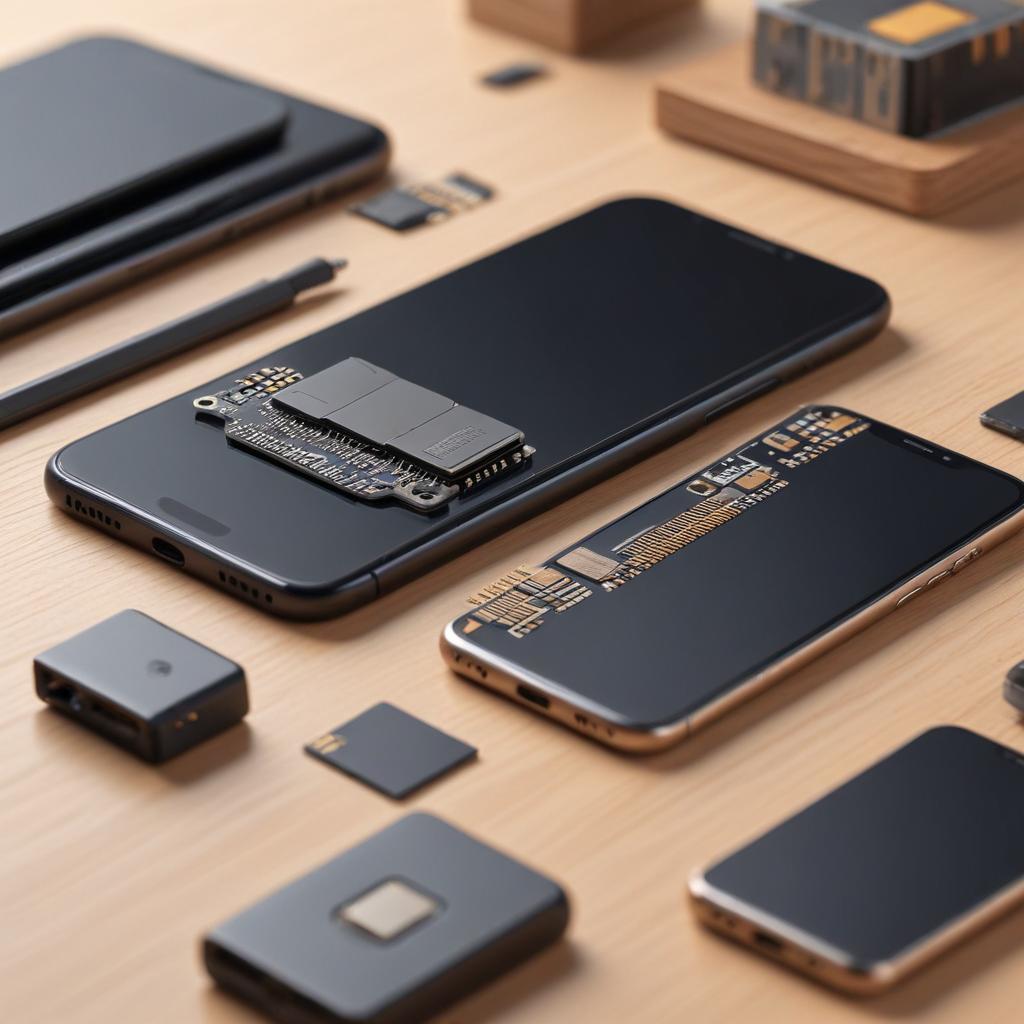
Why modern phones increasingly adopt eSIM
27/02/2026
Introduction to eSIM Technology
eSIM technology, also known as embedded SIM, represents a significant advancement in phone connectivity. Unlike traditional SIM cards that are physical modules inserted into a mobile device, an eSIM is a digital SIM embedded directly within the phone’s hardware. This innovative technology allows mobile devices to connect to cellular networks without the need for a removable card, streamlining the activation process and enhancing device design.
The basic functioning of eSIM technology revolves around its ability to store multiple cellular profiles securely within the device’s chip. Users can download and switch between different mobile network operators digitally, without physically swapping SIM cards. This adaptability is particularly advantageous for frequent travelers or individuals who use multiple carriers for different purposes, as it enables seamless transitions between networks while maintaining continuous connectivity.
One of the most significant differences between eSIM technology and traditional SIM cards is the elimination of the physical card slot. Traditional SIM cards require a tray and a card, which not only takes up physical space but also limits flexibility in terms of switching carriers. In contrast, the embedded SIM’s integrated design allows for slimmer phone builds and improved water and dust resistance since there is no need for openings to accommodate a physical card.
Moreover, eSIM technology enhances security by using encrypted digital profiles, reducing risks associated with SIM cloning or physical damage to the SIM card. It also simplifies the activation process, as users can activate a cellular plan online or via carrier apps without waiting for or handling a physical card. This digital SIM approach aligns with the ongoing trend of digitization in mobile technology, offering a more convenient, flexible, and future-ready way to manage mobile connectivity.
What Is an eSIM?
An eSIM, or embedded SIM, represents a significant shift in the evolution of SIM cards. Unlike traditional SIM cards that are physical, removable chips inserted into a device, the eSIM is built directly into the hardware of the phone. This embedded SIM is permanently installed within the device’s circuit board, eliminating the need for a physical card slot. The concept of the eSIM definition pivots around this digital SIM basics idea, where the SIM profile is downloaded and managed remotely by the user or carrier, rather than needing a physical swap.
Physically integrating the SIM into the device not only saves space but also enhances device durability by protecting it from dust and moisture that can enter through card slots. This compact integration supports the sleek design trends of modern phones, enabling manufacturers to maximize internal space for other advanced components. From a mobile connectivity perspective, the embedded SIM simplifies switching carriers and plans, offering users greater flexibility and convenience without having to acquire and insert a new physical SIM card.
Ultimately, the SIM card evolution embodied by the eSIM facilitates seamless activation and management of cellular plans digitally. This digital SIM basics approach promotes smarter, more connected devices that cater to the demands of today’s mobile lifestyle. As carriers increasingly support eSIM technology, its role in mobile connectivity grows stronger, helping modern phones stay ahead in terms of innovation and user experience.
How eSIM Differs from Traditional SIM Cards
The evolution of mobile SIM technology has brought significant changes, especially when comparing eSIM vs SIM. Traditional SIM cards are physical pieces of plastic embedded with a chip that you insert into your phone. In contrast, an eSIM is embedded directly into the device’s hardware, eliminating the need for a physical card. This key hardware difference means that while traditional SIM cards require manual handling and swapping, eSIMs are soldered onto the device’s circuit board and cannot be removed.
Activation processes also differ greatly between the two. With physical SIM cards, the user must obtain a card from a carrier and physically insert it into the phone. This can sometimes be time-consuming and inconvenient. On the other hand, eSIMs support remote provisioning, allowing users to activate and switch carriers digitally without requiring a new SIM card. This makes activation faster, simpler, and more flexible.
When considering SIM card differences, flexibility stands out as a major advantage of eSIM technology. Physical SIM cards limit users to one carrier per card and require swapping cards to change providers. eSIMs, however, can store multiple carrier profiles simultaneously, enabling seamless switching between networks via software. This is especially beneficial for travelers or those who need to manage multiple numbers. Overall, eSIM technology redefines how consumers interact with mobile SIM technology, offering convenience and enhanced usability compared to traditional SIM cards.
Benefits Driving the Adoption of eSIM in Modern Phones
The evolution of mobile phone technology has introduced the eSIM, a modern SIM technology that delivers a range of connectivity advantages. Among the most compelling eSIM benefits is the convenience it offers to users. Unlike traditional SIM cards, eSIMs are embedded directly into devices, eliminating the need for physical swapping or handling of SIM cards. This makes switching carriers or plans seamless and instant, without the hassle of visiting a store or waiting for a SIM card to arrive by mail.
Another significant advantage driving the adoption of eSIM in modern phones is the space-saving design it enables. By removing the physical SIM slot, manufacturers can reclaim valuable internal space within devices, allowing for slimmer, more compact builds or the inclusion of other innovations such as larger batteries or enhanced camera hardware. This design efficiency is a vital aspect of mobile phone innovation as consumers demand more functionality in smaller, lighter devices.
Security improvements also play a crucial role in the popularity of eSIM technology. Because eSIMs are embedded and cannot be removed physically, they provide a higher level of protection against SIM swapping fraud and theft. This inherent security advantage helps safeguard users’ personal data and prevents unauthorized access to mobile networks, giving peace of mind in an era where cybersecurity threats are increasingly prevalent.
Furthermore, eSIM supports multiple profiles on a single device, a game-changer for consumers who need to manage both personal and professional numbers or frequent international travel. This ability to store several operator profiles simultaneously without the need to carry multiple SIM cards enhances connectivity flexibility and user convenience. It aligns with modern users’ dynamic lifestyles and growing demands for constant, reliable connectivity.
In summary, the eSIM benefits of seamless convenience, space-saving design, enhanced security, and multi-profile support collectively drive the widespread adoption of this technology in modern phones. These connectivity advantages not only meet current demands but also pave the way for future innovations in mobile communications, solidifying eSIM’s role as a cornerstone of mobile phone innovation.
Enhanced User Convenience and Flexibility
The adoption of eSIM technology significantly enhances user convenience by eliminating the need for physical SIM card swaps when switching carriers. With traditional SIM cards, users often face delays and physical inconveniences, such as purchasing and inserting a new SIM. eSIM simplifies this process by enabling remote SIM activation, allowing users to seamlessly switch carriers or plans through software without the hassle of handling a physical card. This capability not only saves time but also provides greater flexibility for users managing their mobile connectivity.
Another major advantage of eSIM flexibility is its support for multi-profile SIM configurations. This means users can store multiple network profiles on a single eSIM chip, enabling easy toggling between work and personal numbers or different regional plans when traveling. Instead of carrying multiple SIM cards or phones, users enjoy seamless connectivity and uninterrupted service across various networks. This multi-profile function also facilitates managing multiple data plans or carriers, maximizing network optimization based on location or coverage preferences.
Overall, eSIM technology revolutionizes how users interact with their mobile network providers by offering unprecedented user convenience and operational flexibility. It empowers users to make quick changes and manage multiple profiles efficiently, all while maintaining continuous, reliable connectivity. As eSIM adoption grows, these benefits are becoming key drivers for modern phone users seeking hassle-free and versatile mobile experiences.
Improved Space and Design Efficiency
Modern phone design benefits greatly from the adoption of space-saving technology like the internal SIM module, commonly known as eSIM. By removing the physical SIM tray, manufacturers can create slimmer devices without the constraints imposed by traditional SIM card slots. This design shift allows phones to maintain a sleek, compact profile that is both aesthetically pleasing and comfortable to hold.
The elimination of the SIM tray also frees up valuable internal space, providing more room for larger batteries. This results in longer battery life without increasing the overall size of the phone, addressing one of the main user concerns with compact phones. As battery technology continues to evolve, combining it with space-saving internal components becomes a key factor in maximizing device performance and user satisfaction.
Another significant advantage of removing the SIM tray is improved water resistance. Traditional SIM trays require precise seals to keep water and dust out, which can be challenging to maintain over time. An internal SIM module reduces potential points of entry for moisture, making it easier for manufacturers to enhance the phone’s durability against water damage. This contributes to longer-lasting devices that stand up better to everyday wear and tear.
Overall, integrating eSIM technology into modern phones streamlines phone design by replacing bulky parts with compact, embedded components. This space-saving technology not only improves the physical form factor but also improves battery capacity and water resistance, creating a more durable and user-friendly experience.
Challenges and Future Outlook of eSIM Technology
Despite the growing adoption of eSIM technology in modern phones, there remain several challenges that the mobile industry must overcome to ensure seamless and widespread acceptance. One significant hurdle is carrier adoption. Many carriers worldwide are still in the early phases of supporting eSIM or have limited infrastructure, which restricts user access to the full benefits of this technology. This uneven carrier support can hinder consumers from fully transitioning to eSIM, especially in regions where physical SIM cards remain the norm. The evolution of SIM technology is closely tied to carrier readiness, making it a critical aspect of eSIM’s current landscape.
Privacy considerations also play a crucial role in the adoption of eSIM. While eSIM offers enhanced security features such as remote provisioning, it raises new concerns about user data privacy and control. The ability to download and switch carriers digitally means more data exchange processes, which must be carefully managed to prevent potential breaches or unauthorized access. As customers and regulatory bodies become more aware of these issues, mobile industry players must prioritize transparent policies and robust security frameworks to build trust and protect user information.
Looking ahead, the future of eSIM is promising, underpinned by mobile industry trends that favor increased flexibility and digital integration. As more carriers expand eSIM support and technology cost becomes more accessible, we can expect a steady shift toward eSIM as the standard SIM technology. This evolution is likely to be accelerated by the growing demand for multi-device connectivity and the Internet of Things (IoT), where the physical SIM’s limitations are more apparent. The move to eSIM aligns with broader shifts in how consumers and enterprises manage mobile connectivity.
In conclusion, while eSIM challenges remain — particularly in carrier adoption and privacy concerns — the trajectory points toward its widespread market acceptance. The mobile industry is poised for a SIM technology evolution that will redefine connectivity dynamics, driven by innovation and changing user expectations. Embracing these advancements will require collaborative efforts across carriers, manufacturers, and regulatory bodies, ultimately shaping a more connected and flexible mobile future.
Current Limitations and Industry Adoption Barriers
Despite the growing interest in eSIM technology, several current limitations hinder its widespread adoption. One of the primary obstacles is limited carrier support. Many mobile carriers, especially in certain regions, have yet to fully embrace eSIM due to infrastructure challenges or strategic business decisions. This limited compatibility restricts users from seamlessly switching devices or carriers, which diminishes the appeal of eSIM for many consumers.
Regional eSIM restrictions also contribute significantly to the slow adoption curve. In some countries, regulatory frameworks have not caught up with the technology, leading to constraints on how eSIMs can be distributed or activated. These legal and policy barriers further complicate the rollout of eSIM-enabled devices on a global scale, restricting market growth and user convenience.
User privacy concerns add another layer of complexity to the technology adoption process. While eSIMs enhance security by embedding the profile directly into the device, some users express apprehension about how their carrier data and identity are managed, fearing increased risks of hacking or surveillance. Addressing these privacy issues transparently is crucial for building consumer trust and fostering broader acceptance.
In summary, overcoming carrier support limitations, navigating regional restrictions, and addressing privacy concerns are essential steps for accelerating eSIM adoption. As the industry works collaboratively to resolve these barriers, eSIM technology is poised to become a more integral part of the modern mobile ecosystem.
Predicted Trends and the Future of eSIM in Mobile Devices
The future of eSIM technology is poised for significant expansion, shaping the landscape of mobile innovation and next-gen connectivity. As the SIM card evolution continues, eSIM is expected to become a standard feature not only in smartphones but increasingly in wearables and Internet of Things (IoT) devices. This shift will provide users with seamless connectivity options, greater flexibility, and easier management of mobile plans across devices.
Wearable technology, such as smartwatches and fitness trackers, will benefit greatly from eSIM integration, enabling these devices to maintain independent network connections without relying on tethered smartphones. This advancement will enhance user convenience and broaden the scope of mobile applications. In parallel, IoT devices will leverage eSIM to streamline global connectivity, making it easier for manufacturers and consumers to deploy devices worldwide without the logistical challenges of physical SIM cards.
Moreover, the adoption of eSIM in global smartphones is expected to accelerate, driven by increasing consumer demand for multi-network support and instant network switching capabilities. This will empower users to travel internationally without swapping SIM cards or dealing with complicated setups, fostering a truly global mobile experience. As carriers and manufacturers continue to support eSIM standards, the ecosystem will mature, with enhanced security features and broader compatibility.
In summary, the eSIM future trends point toward a mobile ecosystem where devices of all kinds remain effortlessly connected, driving forward the evolution of SIM card technology and revolutionizing how we interact with mobile networks.

I’m a tech enthusiast who loves exploring how eSIMs simplify staying connected while traveling. I spend my free time testing new smartphones and sharing tips on getting the most out of mobile data abroad.