Why eSIM phones are becoming more popular
16/12/2025
Understanding eSIM Technology
eSIM technology, which stands for embedded SIM, represents a groundbreaking development in mobile connectivity by substituting the traditional physical SIM card with a digital version. In contrast to standard SIM cards that are removable chips placed into a phone, an embedded SIM is integrated directly into the device’s hardware. This digital SIM can be programmed, enabling users to activate cellular plans without the need to change physical cards.
The integrated design of eSIM technology involves soldering it directly into the device during production. This approach eliminates the requirement for a SIM tray or card slot, allowing for more streamlined and compact device designs. Additionally, eSIMs have the capability to hold multiple cellular profiles, enabling users to switch between them effortlessly via software, greatly enhancing flexibility compared to conventional SIM cards.
A major distinction between eSIM technology and conventional SIM cards lies in how cellular network credentials are administered. Conventional SIM cards hold user identity and network details on a detachable plastic card. When changing carriers or phone plans, users need to physically replace the SIM card to align with the new network. On the other hand, a digital SIM enables remote provisioning and activation, permitting users to download and switch carrier profiles wirelessly without needing to manage a physical card.
From a technical perspective, the embedded SIM aligns with the GSMA (Global System for Mobile Communications Association) guidelines, which outline the criteria for remote SIM provisioning and the secure management of mobile subscriptions. The eSIM chip features a secure element that protects sensitive subscriber information. This secure element operates in a manner akin to conventional SIM cards by retaining authentication keys and executing essential cryptographic tasks to establish connections with mobile networks.
In addition, eSIM technology enables multiple profiles, letting users hold various plans at the same time on one device. This feature is especially beneficial for those who travel often or for individuals aiming to distinguish between personal and work phone lines without needing extra devices. The digital SIM improves not only the overall user experience but also allows operators to implement and oversee mobile services from afar, minimizing reliance on physical logistics.
The transition from traditional SIM cards to embedded SIM technology marks a major advancement in mobile telecommunications. By embedding the SIM directly into devices and allowing for digital management via software, eSIM technology provides enhanced convenience, security, and flexibility, while also opening doors to innovative applications in mobile connectivity.
How eSIM Works in Modern Phones
The eSIM feature in contemporary smartphones provides a seamless and flexible approach to mobile connectivity. In contrast to conventional physical SIM cards, the eSIM is integrated directly into the device’s hardware, removing the necessity for manual SIM card exchanges. This built-in chip can hold various mobile profiles digitally, enabling users to easily switch between different carriers or plans without the hassle of physically replacing SIM cards.
During the setup of a phone using eSIM, users usually either scan a QR code given by their mobile provider or input an activation code by hand while configuring the device. This procedure installs the carrier’s profile onto the eSIM, allowing for instant mobile connectivity. After activation, the phone can access the network similarly to a standard SIM, but offers greater convenience and adaptability.
Controlling eSIM features is simple via the phone’s settings. Users have the ability to add, delete, and toggle between various mobile plans without the hassle of going to a store or waiting for a physical SIM card to be delivered. This functionality is particularly beneficial for travelers or individuals who wish to manage both work and personal numbers on a single device. Furthermore, the eSIM setup typically offers options for naming each profile, helping users easily identify which plan is currently in use.
In summary, the eSIM streamlines mobile connectivity by embedding the SIM within the phone’s framework and offering digital management features that improve user experience. This contemporary method of configuring phones not only reduces setup time but also creates new opportunities for users to effectively oversee their mobile services.
Comparison Between eSIM and Traditional SIM Cards
The discussion surrounding eSIM versus SIM revolves around the essential distinctions in technology and user experience. Standard SIM cards are tangible plastic chips that are placed inside a phone to link it to a mobile network. On the other hand, eSIMs are integrated directly into the device’s hardware, removing the necessity for a physical card. This crucial difference in SIM cards has a considerable effect on size, ease of use, and security.
Size is one of the most notable distinctions regarding eSIMs and traditional SIM cards. While physical SIM cards are available in different sizes like standard, micro, and nano, they still need a specific area in the device. On the other hand, eSIMs are built-in chips that do not take up a removable slot, enabling manufacturers to create sleeker devices or repurpose that space for additional features. This reduced size is especially important for compact or foldable smartphones.
In terms of convenience, eSIMs dramatically simplify the process allow for seamless transitions between carriers or plans. Users can easily activate or modify their network settings directly from their phone, eliminating the need to physically swap SIM cards. This quick and adaptable process minimizes the necessity of going to a store or waiting for a delivery, making it perfect for those who travel often or manage multiple lines. In contrast, traditional SIM cards involve physical handling, which can be tedious and susceptible to loss or damage.
Security is another important benefit of eSIM technology. Because eSIMs are built-in and can be programmed remotely, they offer greater protection against theft, cloning, or tampering than traditional removable SIM cards. The advanced security features associated with eSIMs help safeguard user information and block unauthorized access to networks, ensuring a sense of security amid the rising digital risks.
To sum up, eSIMs offer advantages over traditional SIM cards such as reduced size, enhanced convenience, and better security. Recognizing these distinctions in SIM cards helps explain why numerous consumers and manufacturers are adopting eSIM technology as the upcoming standard.
Reasons Behind the Growing Popularity of eSIM Phones
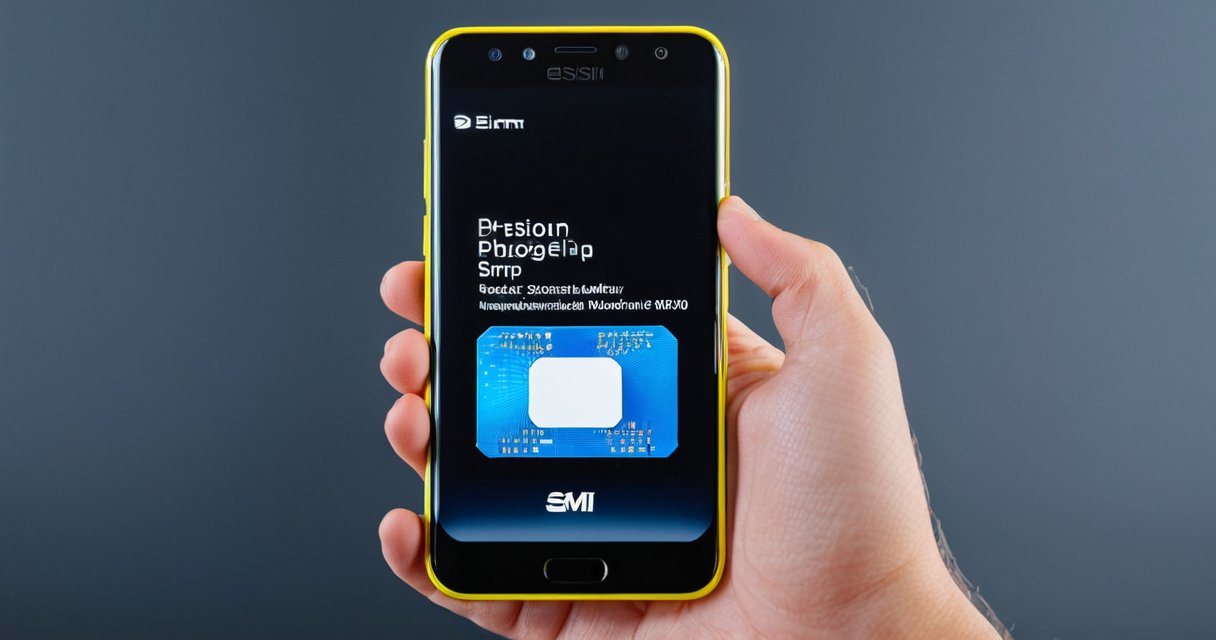
The rising adoption of eSIM technology is driven by various essential elements that address the changing requirements of today’s users. With mobile trends leaning towards enhanced convenience, seamless connectivity, and increased flexibility, devices equipped with eSIM are increasingly favored by both individuals and enterprises. Recognizing the benefits of eSIM helps explain its swift ascent in the smartphone industry.
A key factor driving the growing popularity of eSIM smartphones is the unmatched convenience they provide. In contrast to conventional SIM cards, eSIMs are integrated directly into the device’s hardware, removing the hassle of physically changing SIM cards when altering carriers or plans. This efficient method enables users to set up a mobile plan immediately, making travel easier and minimizing downtime. This level of simplicity is in perfect harmony with modern phone trends that prioritize smooth user experiences.
One major benefit of eSIM is the increased flexibility it offers. Thanks to eSIM technology, individuals can keep several profiles on one device and easily toggle between various numbers or carriers without needing to swap out physical cards. This adaptability is particularly useful for globetrotters, telecommuters, or anyone juggling distinct business and personal lines. The capability to tailor connectivity choices to suit individual preferences is a key reason behind the growing appeal of eSIM among a wide array of users.
Alongside providing user convenience and flexibility, eSIM phones help create a more streamlined and robust device design. Eliminating the SIM card tray allows for increased internal space, which lets manufacturers boost battery capacity, improve water resistance, or decrease the overall thickness of the phone. These design advantages align with modern phone trends that emphasize optimizing performance and style in elegant devices.
Security represents another key benefit driving the uptake of eSIM technology. Integrated directly into the device, eSIMs are less vulnerable to physical damage or misplacement than conventional SIM cards. This heightened level of security is valued by users and carriers alike, as it helps safeguard sensitive data and mitigate fraud risks. Improved safety protocols and simpler management of mobile plans further boost the attractiveness of eSIM-enabled phones.
Ultimately, the backing from leading carriers and smartphone brands across the globe is propelling the transition to eSIM usage. As technology advances and network compatibility for eSIM grows, a larger number of individuals can enjoy its advantages directly. This collective dedication from the industry, along with increased consumer knowledge, is fostering a setting where eSIM cards are emerging as the norm for mobile connectivity. Together, these elements clarify how the benefits of eSIM are influencing new smartphone trends and contributing to their rising appeal.
Convenience and User Flexibility
A key factor driving the rise of eSIM phones is the exceptional convenience and adaptability they offer users. In contrast to conventional SIM cards, which necessitate the physical replacement of cards to change providers or add a new number, eSIM technology enables users to transition between mobile networks electronically. This straightforward switching method removes the necessity of going to a store or waiting for a new SIM card to be delivered, making it easier than ever to adjust to evolving connectivity requirements.
Moreover, eSIMs allow for multiple subscriptions on one device, eliminating the need to handle several physical SIM cards. Users can keep distinct numbers for professional and personal use or utilize local carriers while abroad—all without needing to physically swap anything in their phone. This adaptability streamlines mobile device management, enabling users to tailor their plans according to their usage, coverage, or budgetary preferences.
The ease of switching carriers instantly and managing several subscriptions at once is changing the way individuals engage with their mobile devices. This advancement improves the user experience by offering increased control and flexibility, which is ideal for today’s rapid and interconnected way of life. In summary, eSIM technology is revolutionary, fostering enhanced user adaptability and streamlining mobile connectivity like never before.
Enhanced Security and Durability
A major benefit of eSIM technology is its enhanced security capabilities. In contrast to conventional physical SIM cards that can be easily taken out, misplaced, or exchanged, eSIMs are integrated directly into the device. This incorporation reduces the likelihood of theft since the eSIM cannot be physically removed or altered, thereby making the phone fundamentally more secure from unauthorized access.
The improved eSIM security is vital in combating fraud. Unlike physical SIM cards, which can be duplicated or manipulated to evade network limitations, eSIM technology significantly reduces the risk of identity theft and scams. User activation and profile management are conducted digitally, typically necessitating authentication from both the carrier and the device. This layered verification system effectively thwarts SIM swapping attacks, a prevalent method used by criminals to seize phone numbers and gain access to sensitive information.
Moreover, the durability of eSIMs plays a significant role in their increasing appeal. With no requirement for a physical tray or card, devices that use eSIMs are more resistant to harm from moisture, dust, or unintentional card removal. This robustness guarantees that the device remains reliably connected and safeguards the user’s mobile identity over the long term.
In summary, the integration of upgraded security protocols and greater durability positions eSIMs as a more intelligent option for individuals looking for superior safeguards against theft and fraud, while also enjoying a stronger and more dependable mobile experience.
Support from Mobile Carriers and Manufacturers
The global increase in eSIM usage is directly linked to the expanding backing from mobile network providers and smartphone makers. With more carriers enhancing their eSIM services, users enjoy greater flexibility and ease without relying on conventional physical SIM cards. The support from carriers is vital for maintaining network compatibility, enabling devices with eSIM capabilities to connect effortlessly across different regions and networks.
Smartphone makers have rapidly embraced eSIM technology, incorporating it into a variety of devices ranging from budget-friendly to high-end models. This shift by manufacturers not only increases the number of eSIM-compatible phones available but also motivates carriers to enhance their support in response to rising consumer interest. Through close collaboration, manufacturers and carriers work together to tackle network compatibility issues, providing users with better connectivity experiences across the globe.
As carrier support expands, users frequently have the ability to activate or change their mobile plans online, minimizing the need for in-store visits or SIM card swaps. In parallel, device manufacturers are improving eSIM hardware and software functionalities to accommodate multiple profiles and dual SIM configurations, broadening user choices. This partnership between carriers and manufacturers is a key factor fueling the rise in eSIM phone adoption, simplifying global travel and mobile management more than ever.

I’m a tech enthusiast who loves exploring how eSIMs simplify staying connected while traveling. I spend my free time testing new smartphones and sharing tips on getting the most out of mobile data abroad.