Managing multiple numbers eSIM
07/07/2026
Managing multiple phone numbers through eSIM technology has become increasingly relevant in a world that demands flexibility and connectivity. The eSIM, or embedded SIM, allows users to switch between different mobile plans without needing to physically swap out SIM cards. This capability is especially beneficial for frequent travelers, business professionals, and anyone who needs to juggle personal and work-related communication. Understanding how to effectively manage multiple eSIM numbers can streamline your mobile experience and enhance your connectivity.
Understanding eSIM Technology
eSIM technology represents a significant evolution in mobile connectivity. Unlike traditional SIM cards, which are physical cards inserted into a device, eSIMs are embedded directly into the device’s hardware. This integration allows for remote provisioning, meaning users can switch carriers or plans without needing to visit a store or wait for a new SIM card to arrive. This flexibility is particularly advantageous for those who travel frequently, as it enables them to select local mobile plans that offer better rates and coverage without the hassle of physical SIM swaps.
The eSIM standard is supported by a growing number of devices, including the latest smartphones, tablets, and wearables. Major manufacturers like Apple, Samsung, and Google have integrated eSIM capabilities into their devices, making it easier for users to manage multiple numbers. As eSIM adoption increases, users can expect an even broader array of options for mobile connectivity, tailored to their specific needs.
Benefits of Managing Multiple eSIMs
One of the most significant advantages of managing multiple eSIMs is the ability to have separate numbers for different purposes. For example, a user might maintain one number for personal calls and another for business communications. This separation helps to keep work-life boundaries clear while ensuring that important calls are not missed. Moreover, users can take advantage of different pricing plans, allowing them to select the most cost-effective option for their needs, whether at home or abroad.
Another benefit is the ease of switching between plans. For frequent travelers, having a local eSIM for a specific country can reduce roaming charges and improve connectivity. Users can simply download a local plan upon arrival, enabling them to stay connected without incurring substantial costs. This flexibility empowers users to tailor their mobile experience and optimize their mobile data usage, enhancing overall satisfaction with their service.
How to Activate and Manage Multiple eSIMs
Activating multiple eSIMs typically begins with checking whether your device supports this feature. Most modern smartphones, including the latest iPhone and Android models, support multiple eSIM profiles. To activate an eSIM, users generally need to scan a QR code provided by their carrier or enter an activation code. Once activated, users can manage their eSIM settings through their device’s settings menu, where they can label each profile for easy identification.
Apple Support: How to use Dual SIM on your iPhone | Apple Support
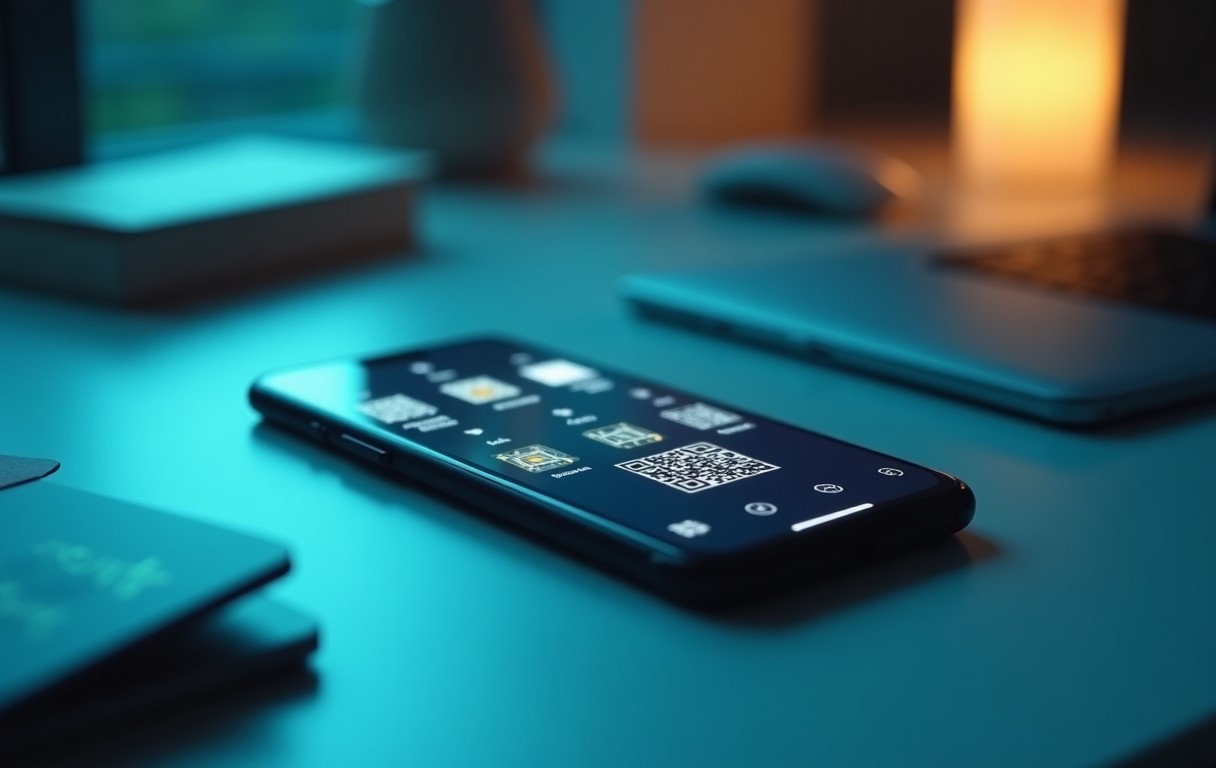
Managing multiple profiles involves selecting which eSIM to use for calls, texts, and data. Users have the option to set one eSIM as the default for specific activities or switch between them as needed. This process can usually be done seamlessly through the phone’s settings, offering users full control over their mobile experience without the need for physical SIM cards.
Considerations for Travelers Using eSIMs
For travelers, eSIMs offer a unique opportunity to maintain connectivity while minimizing costs. Before traveling, it’s advisable to research local carriers and eSIM offerings in your destination country. Many carriers now provide short-term plans specifically designed for tourists, which can be activated easily upon arrival. This capability allows travelers to avoid international roaming fees, which can add up quickly.
It’s also essential to consider network compatibility. Not all eSIMs work universally, and some devices may not support all local networks. Therefore, checking the compatibility of your device with local eSIM providers can save you time and frustration. Additionally, ensure that your device is unlocked, as some carriers may restrict eSIM functionality to specific networks.
Managing Data and Costs with Multiple eSIMs
When managing multiple eSIMs, users should be mindful of their data usage and costs associated with each plan. Many providers offer different pricing structures based on data allowances, coverage areas, and additional features. To avoid unexpected charges, it’s wise to monitor data consumption regularly through your device’s settings or through carrier apps.
Some users may benefit from using one eSIM for data-heavy activities, such as streaming and video calls, while reserving another for standard calls and texts. This strategy can help in managing costs and ensuring that users do not exceed data limits, which can lead to costly overage fees. By understanding the data plans associated with each eSIM, users can optimize their connectivity and keep expenses in check.
Security and Privacy Considerations
Managing multiple eSIMs also raises important security and privacy considerations. Each eSIM profile can store personal information and communication data, making it crucial to protect your device with strong passwords and biometric security features. Regularly updating your device’s software can also help safeguard against vulnerabilities that could be exploited by malicious actors.

Moreover, users should be cautious when using public Wi-Fi networks, especially when accessing sensitive information via their eSIMs. Utilizing a virtual private network (VPN) can provide an additional layer of security, ensuring that data transmitted over public networks remains encrypted and secure. Being proactive about security can help users enjoy the benefits of multiple eSIMs without compromising their privacy.
Future Trends in eSIM Technology
The future of eSIM technology looks promising, with advancements expected to enhance user experience further. As more devices become eSIM-compatible, the flexibility and convenience of managing multiple numbers will likely become standard practice. Additionally, the growth of IoT (Internet of Things) devices that utilize eSIM technology will expand the possibilities for connectivity beyond smartphones, allowing for smarter homes and cities.
Furthermore, the integration of eSIM technology with 5G networks will enable faster data speeds and more reliable connections. This capability could revolutionize how users interact with their devices, making it easier to manage multiple profiles and optimize connectivity. As the digital landscape continues to evolve, staying informed about these trends will be essential for users looking to maximize their mobile experience.

I’m a tech enthusiast who loves exploring how eSIMs simplify staying connected while traveling. I spend my free time testing new smartphones and sharing tips on getting the most out of mobile data abroad.