
eSIM for multi-device management
28/07/2026
The advent of eSIM technology has significantly transformed the way individuals and organizations manage multiple devices. Unlike traditional SIM cards, which require physical handling and swapping, eSIMs are embedded directly into devices and can be activated or switched remotely. This innovation simplifies the connection process for smartphones, tablets, wearables, and IoT devices, allowing users to manage mobile data connections across several devices with unprecedented ease. As the demand for digital mobility grows, the ability to manage multiple connections seamlessly becomes not just a convenience but a necessity for both personal and business users.
Understanding eSIM Technology
eSIM, or embedded SIM, is a digital SIM that enables users to activate a cellular plan without the need for a physical SIM card. This technology is revolutionizing the telecommunications industry by offering flexibility and convenience. With eSIMs, users can store multiple carrier profiles on a single chip, allowing them to switch between carriers or plans without needing to change physical cards. This is especially beneficial for travelers and those who frequently switch networks, as it eliminates the hassle of physically changing SIM cards in different countries or regions.
The eSIM technology operates on a remote provisioning system, where users can download their carrier profiles directly to their devices. This capability not only streamlines the activation process but also supports a wide range of devices, from smartphones to smartwatches and connected cars. As more manufacturers adopt eSIM technology, the landscape of mobile connectivity continues to evolve, making it easier for users to stay connected across multiple devices.
Benefits of eSIM for Multi-Device Management
One of the most significant advantages of eSIM technology is the ability to manage multiple devices from a single interface. This is particularly useful for businesses that rely on a fleet of devices, such as smartphones, tablets, and laptops. IT administrators can easily manage connectivity, monitor usage, and deploy new plans across all devices without the need for physical intervention. For example, if a company needs to change its mobile provider, it can do so remotely, ensuring minimal disruption to employees and operations.
Additionally, eSIMs can enhance security and reduce the risk of lost or stolen SIM cards. Since the eSIM is embedded within the device, it is less vulnerable to theft or loss. Moreover, remote management capabilities allow for quick deactivation of services if a device is lost, helping to protect sensitive data and maintain control over business assets. This level of security is particularly crucial for organizations that handle confidential information or operate in regulated industries.
eSIM’s Role in Enhancing Digital Mobility
Digital mobility is increasingly becoming a focal point for both consumers and businesses. With eSIM technology, users can experience true digital mobility by connecting multiple devices seamlessly. For instance, a user can have their smartphone, smartwatch, and tablet all connected to different data plans without the need for multiple physical SIM cards. This not only simplifies the user experience but also enables greater flexibility in how users manage their mobile data.

Moreover, eSIM technology supports the growing trend of IoT devices, which often require constant connectivity. With the ability to manage multiple eSIM profiles, businesses can deploy IoT solutions more effectively, ensuring that devices like sensors, cameras, and smart appliances remain connected. This capability is vital for industries such as logistics, healthcare, and smart cities, where real-time data transmission is essential for operational efficiency and decision-making.
eSIM for Travelers: A Game Changer
For travelers, eSIM technology offers a revolutionary way to manage mobile connectivity while on the go. Instead of purchasing local SIM cards in each country, travelers can switch to local carriers or data plans directly from their devices. This capability not only saves time but also reduces costs associated with international roaming fees. Users can select a local plan that suits their needs, ensuring they stay connected without breaking the bank.
Additionally, eSIMs facilitate easier access to data plans tailored for specific regions. For example, a traveler visiting Europe can download a regional data plan that offers better rates than their home carrier’s roaming package. This flexibility allows users to navigate foreign cities, use maps, and stay in touch with family and friends without worrying about exorbitant data charges. As global travel resumes, the demand for such solutions will only increase.
Challenges and Considerations of eSIM Technology
While eSIM technology presents numerous benefits, it also comes with challenges that users and organizations must consider. One significant hurdle is the compatibility of devices with eSIM technology. Not all smartphones and devices support eSIM, which can limit options for users looking to switch to this technology. Consumers must ensure their devices are eSIM-compatible to take full advantage of the benefits offered.
Furthermore, the transition from traditional SIM cards to eSIMs requires education and adaptation. Users accustomed to physical SIM cards may need guidance on how to manage their eSIM profiles effectively. This is particularly true for businesses that need to train employees on new processes for device management and connectivity. Establishing clear protocols and providing resources can help ease this transition and maximize the benefits of eSIM technology.
The Future of eSIM in Multi-Device Management
The future of eSIM technology looks promising, especially in the context of multi-device management. As more manufacturers adopt eSIM capabilities, we can expect to see an increase in the number of devices that support this technology. This will further enhance the user experience, allowing for greater flexibility and convenience in managing mobile connections across various devices.
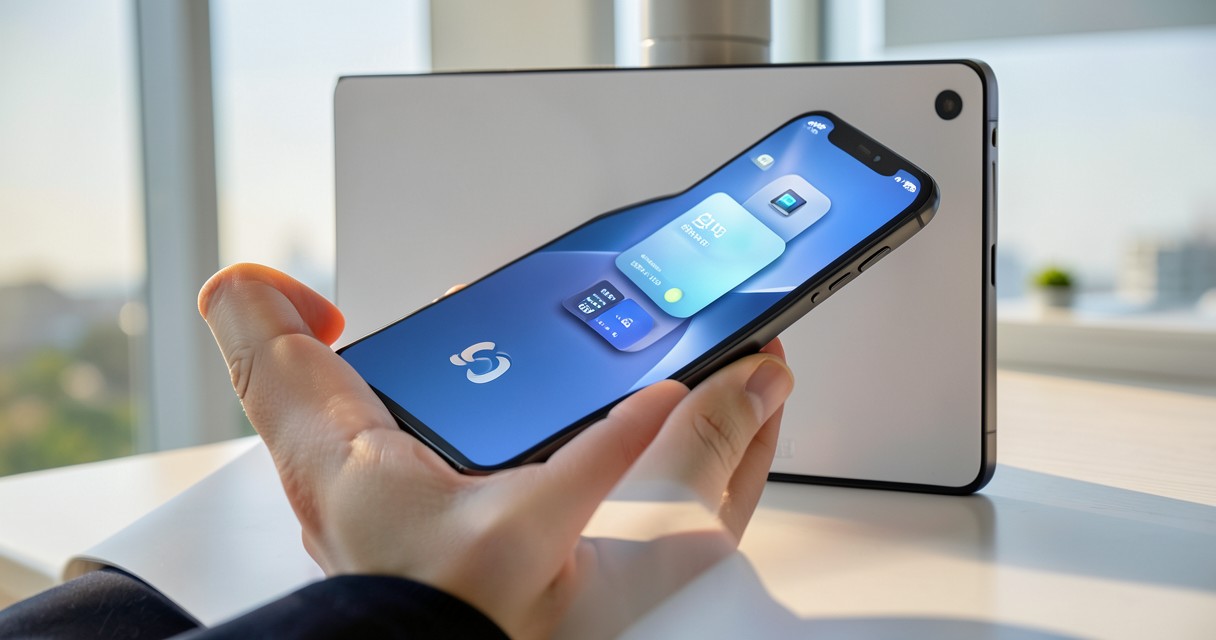
Moreover, advancements in eSIM orchestration will play a crucial role in shaping the future of device management. Companies like Bridge Alliance and Thales are already working on multi-operator eSIM networks, which will allow users to switch between different carriers seamlessly. This will not only improve connectivity options but also foster competition among providers, leading to better pricing and service options for consumers.
Conclusion: Embracing the eSIM Revolution
As eSIM technology continues to evolve, it is clear that its impact on multi-device management is profound. From enhancing digital mobility to simplifying management processes for businesses, eSIMs are set to redefine the way we connect and interact with our devices. Users must stay informed about the benefits and challenges associated with eSIM technology to maximize its potential. Embracing this innovation will not only streamline connectivity but also pave the way for a more connected future.

I’m a tech enthusiast who loves exploring how eSIMs simplify staying connected while traveling. I spend my free time testing new smartphones and sharing tips on getting the most out of mobile data abroad.