
Cost Control Strategies for Your Mobile Data Plans
22/10/2026
Managing mobile data costs is a critical concern for travelers and digital nomads who rely on eSIMs for seamless connectivity. With the rise of digital mobility, traditional SIM cards are being replaced by flexible eSIM solutions, but without the right strategies, even the most efficient plans can drain your budget. The key to effective cost control lies in understanding how data usage patterns, regional pricing, and plan flexibility interact, especially when you’re constantly on the move or switching between countries. Whether you’re a frequent flyer, a remote worker, or someone who needs reliable data for travel, the right approach can save you hundreds over a year without sacrificing performance.
Understand Your Data Usage Before Committing to a Plan
The first step in managing costs is tracking your actual data consumption rather than guessing. Many travelers assume they’ll use a certain amount of data per month, but real-world usage can vary wildly depending on apps, streaming habits, and network conditions. For example, a single hour of 4K video streaming can consume up to 3 GB of data, while social media scrolling might only use a fraction of that. If you’re using an eSIM for travel, check your device’s data settings to monitor usage in real time, most modern smartphones with eSIM support, like the iPhone 14 or Google Pixel 7, offer detailed breakdowns by app. Without this baseline, you might overpay for a plan with excessive limits or underestimate your needs, leading to costly add-ons or roaming charges. Proactively reviewing your usage patterns ensures you select a plan that aligns with your actual habits rather than industry averages.
Another critical factor is how data is allocated across devices. If you’re using multiple eSIMs, one for your primary phone and another for a tablet or hotspot, each plan’s data is independent. This means exceeding one plan’s limit doesn’t affect the other, but it also requires careful coordination to avoid overlapping expenses. For instance, if you’re traveling with a partner and both of you rely on separate eSIMs, you might end up paying double for similar usage. Consolidating data where possible, such as sharing a family plan or using a single hotspot eSIM, can reduce costs without sacrificing connectivity. The goal is to align your data needs with the most cost-effective structure, whether that’s a single high-capacity plan or multiple smaller ones tailored to individual usage.
Choose Local eSIM Plans Over Roaming When Traveling
One of the most effective ways to cut costs is to ditch expensive roaming fees by opting for local eSIM plans instead. Traditional roaming charges can inflate your bill by 50% or more, especially in regions with high data prices like the Middle East or Southeast Asia. With eSIMs, switching to a local provider is as simple as scanning a QR code and activating the plan within minutes. Services like Airalo, Holafly, or Nomad offer prepaid eSIMs with data-only options in over 200 countries, often at a fraction of the cost of carrier roaming. For example, a 5 GB eSIM in Thailand might cost $10, whereas roaming on your home carrier could exceed $50 for the same amount of data. The flexibility of eSIMs makes it easy to purchase short-term plans that match your travel duration, whether you’re in a city for a week or crossing continents over months.
The catch with local eSIMs is that they’re typically short-term, often valid for 7 to 30 days, which works well for tourists but can be less ideal for long-term travelers or digital nomads. If you’re staying in one country for an extended period, some providers offer monthly plans, but you’ll need to verify coverage and pricing upfront. Another consideration is network speed, local eSIMs may not always match the performance of your home carrier, especially in rural areas. However, for urban travelers, the cost savings often outweigh the trade-offs. Always compare the data-to-price ratio of local eSIMs against your home carrier’s international roaming options to ensure you’re getting the best deal. Tools like Google’s “Data Roaming” settings can also help you disable unnecessary data usage while abroad, further reducing unexpected charges.
Leverage Data-Saving Features on Your Smartphone
Even with the right plan, your smartphone’s settings can significantly impact how much data you use. Most modern devices, especially those with eSIM support like the Samsung Galaxy S23 or OnePlus 11, come with built-in data-saving tools that can cut usage by 30% or more. Features like “Data Saver” on Android or “Low Data Mode” on iOS limit background data for apps, which is where much of your usage sneaks up on you. For example, enabling these settings can reduce data consumption from apps like Facebook or Instagram by up to 70%, as they won’t refresh content in the background. Additionally, disabling automatic updates for apps and media can save hundreds of MB per month. These adjustments are particularly useful for travelers who rely on eSIMs but don’t want to constantly monitor their data limits.
On the HelloRoam channel, they cover practical eSIM tips to help you save on mobile data, and you can watch it right here.

Another often-overlooked feature is adjusting video and image quality settings to lower data usage. Streaming services like YouTube or Netflix offer lower-resolution options that can reduce data consumption by half without a noticeable drop in quality. Similarly, setting your phone’s default image resolution to “Small” in the camera settings can cut down on data used when uploading photos to cloud services. For digital nomads who frequently share work files or travel photos, compressing images before sending them via email or messaging apps can save even more. These small tweaks add up, especially when you’re on a limited data plan or traveling in regions with expensive connectivity. The key is to treat your smartphone as a tool for efficiency rather than a resource that consumes data passively.
Consider Multi-Country eSIM Plans for Frequent Travelers
If you travel frequently between multiple countries, a single eSIM plan won’t suffice, you’ll need a solution that adapts to your itinerary. Multi-country eSIM plans, offered by providers like Holafly or Ubigi, allow you to purchase data bundles that work across several destinations, often at a discounted rate compared to buying separate local eSIMs. For example, a 10 GB plan covering 10 countries might cost $80, whereas purchasing individual 5 GB eSIMs for each destination could exceed $150. These plans are ideal for backpackers, digital nomads, or anyone who visits multiple countries in a short period. The downside is that coverage and speed can vary by region, and some providers may not offer the best rates in every country. Always check the specific inclusions of a multi-country plan to ensure it aligns with your travel route.
The flexibility of multi-country eSIMs extends beyond just data, some providers also offer call and SMS bundles, which can be useful for travelers who need to stay connected with locals or colleagues. However, these plans often come with strict validity periods, typically 7 to 30 days, which means you’ll need to plan ahead or purchase additional data if your trip extends beyond the plan’s duration. Another consideration is whether the eSIM supports dual-SIM functionality, allowing you to use one plan for data and another for calls and messages. This can be a game-changer for travelers who need both connectivity and local communication without switching plans. Before committing, compare the cost per GB of multi-country eSIMs against the total expense of buying individual plans for each destination to determine the most economical option.
Use Hotspot eSIMs for Shared Data Needs
If you’re traveling with a group or need to share data across multiple devices, a hotspot eSIM is a cost-effective alternative to purchasing individual plans for everyone. Hotspot eSIMs, available from providers like GigSky or Orange, allow you to create a mobile hotspot that can connect up to 10 devices simultaneously, making them perfect for families, coworking spaces, or digital nomad groups. For example, a 20 GB hotspot eSIM might cost $50, which could cover the data needs of four people on 5 GB plans each. This approach not only reduces costs but also simplifies management, as you only need to monitor one plan instead of multiple individual ones. Hotspot eSIMs are particularly useful in regions where local data plans are expensive or hard to obtain, such as parts of Africa or Southeast Asia.
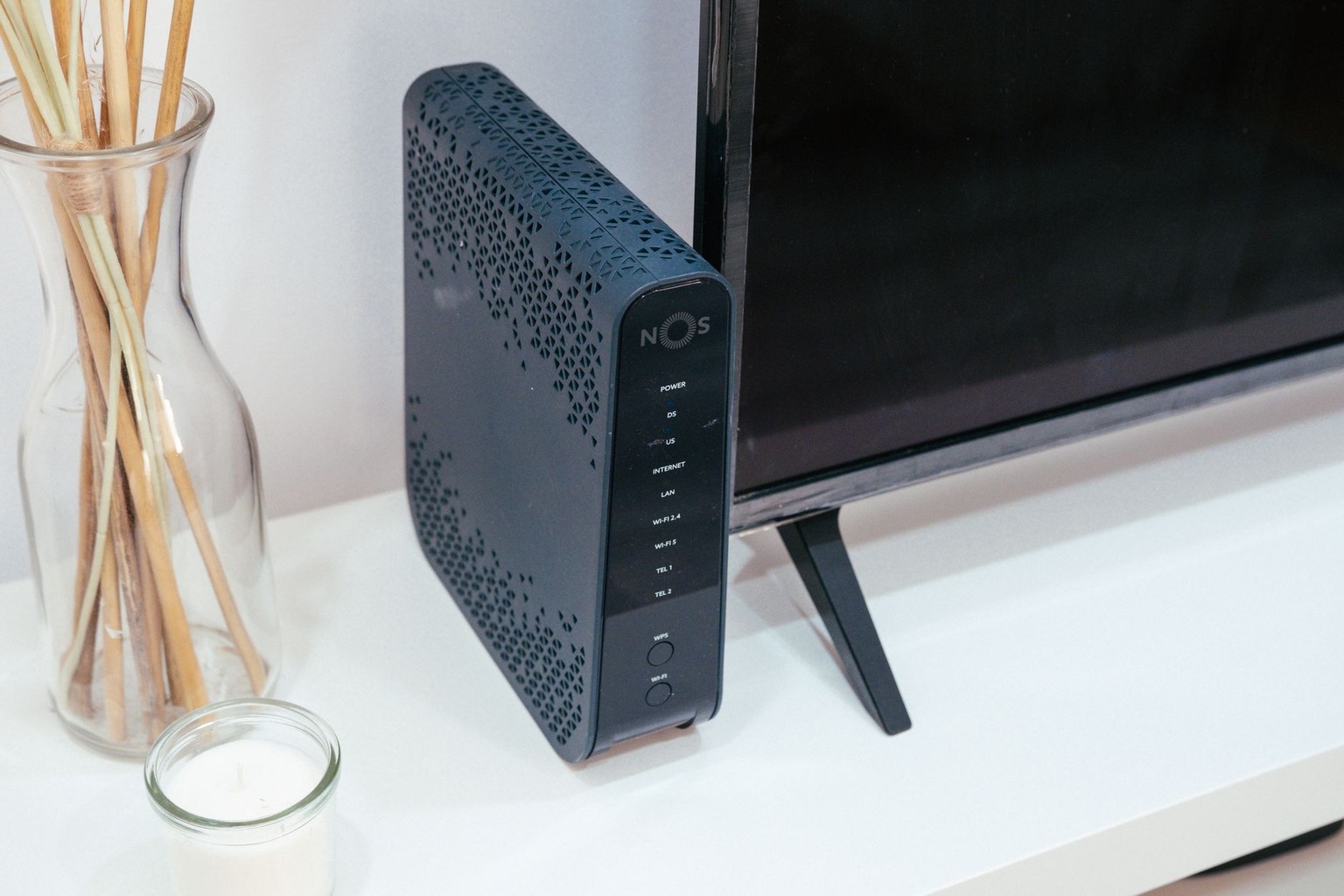
The trade-off with hotspot eSIMs is that they often come with lower speeds compared to personal data plans, as the data is split among multiple devices. Additionally, some providers may limit the number of connected devices or impose time restrictions on usage. Before opting for a hotspot eSIM, consider whether the shared data will be sufficient for your group’s needs and whether the speed limitations will impact productivity or entertainment. For short-term trips or group travel, the convenience and cost savings usually outweigh these drawbacks. Alternatively, you can combine a hotspot eSIM with individual eSIMs for primary devices to balance performance and cost. The key is to align the hotspot’s data limits with your group’s actual usage to avoid running out mid-trip.
Negotiate or Bundle with Your Home Carrier for Long-Term Savings
While local eSIMs and multi-country plans offer flexibility, they may not always be the most economical option for long-term travelers or digital nomads who spend significant time in one region. In these cases, negotiating with your home carrier can yield better rates than relying solely on third-party eSIMs. Many major carriers, such as AT&T, Verizon, or T-Mobile in the U.S., offer international plans or partnerships with local providers that can be activated via eSIM. For example, T-Mobile’s “Magenta International” plan includes free roaming in over 200 countries, though data speeds may be capped. Alternatively, carriers like Deutsche Telekom or Orange offer global plans with eSIM activation, often at a fixed monthly rate regardless of usage. These plans are ideal for expats or long-term travelers who need consistent connectivity without the hassle of switching eSIMs.
The catch is that these plans often come with restrictions, such as speed limits or limited data allowances. For instance, some global plans may throttle speeds after a certain data cap, making them less suitable for heavy users. Additionally, the cost of these plans can add up over time, especially if you’re not fully utilizing the included data. To maximize savings, pair your carrier’s international plan with data-saving features on your device and monitor usage closely. Another strategy is to bundle your home plan with a local eSIM for short-term trips, using the carrier’s plan as your primary connection and the eSIM for backup or additional data when needed. This hybrid approach ensures you’re always covered while keeping costs in check. Always review the fine print of your carrier’s international plan to understand any hidden fees or limitations before committing.

I’m a tech enthusiast who loves exploring how eSIMs simplify staying connected while traveling. I spend my free time testing new smartphones and sharing tips on getting the most out of mobile data abroad.