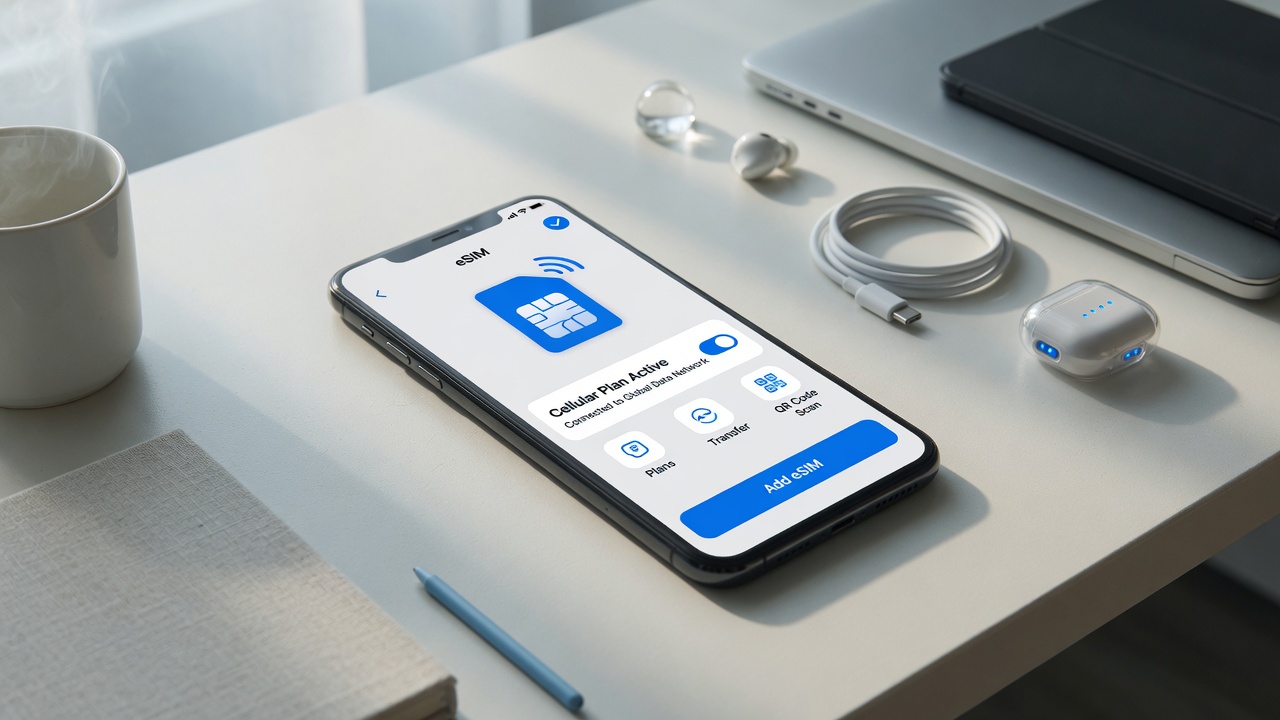
eSIM subscription management
17/06/2026
Understanding eSIM Subscription Management
eSIM subscription management refers to the processes and technologies involved in activating, updating, and maintaining digital SIM profiles on eSIM-enabled devices. Unlike traditional SIM cards, which are physical chips inserted into phones, an eSIM (embedded SIM) is a programmable digital SIM that is embedded directly into a device. This shift from physical to digital SIMs offers greater flexibility for users and carriers alike.
At its core, eSIM subscription management involves the ability to remotely download, switch, or remove subscription profiles without needing to physically change SIM cards. This is achieved through standardized protocols that allow mobile network operators to securely deliver network credentials to an eSIM chip over the air. The management platform ensures that users can easily manage multiple subscriptions, switch carriers, or update service plans seamlessly from their device’s settings.
The eSIM overview highlights how digital SIM technology is revolutionizing subscription management by simplifying connectivity, especially for travelers and people who use multiple mobile plans. Instead of handling multiple physical cards, users can store several profiles digitally and select the appropriate one based on their needs, all without visiting a carrier store or waiting for a physical SIM shipment.
Subscription management via eSIM is critical in modern telecommunications because it enhances user experience and operational efficiency. For consumers, it means instant activation of new services, easy switching between carriers, and improved access to global networks with just a few taps. For network providers, eSIM subscription management reduces logistical challenges and enables innovative service offerings, such as temporary or multi-network subscriptions.
As more devices adopt eSIM technology, managing these digital SIM profiles securely and efficiently is key to maintaining connectivity and leveraging the full advantages of digital SIMs. Effective eSIM subscription management enables a more dynamic, user-friendly mobile experience, and represents a significant step forward in the evolution of telecommunications infrastructure.
What is an eSIM?
An embedded SIM, commonly known as an eSIM, is a form of digital SIM technology that is gradually transforming how mobile devices connect to cellular networks. Unlike traditional physical SIM cards that are removable and require manual insertion into a device, an eSIM is built directly into the device’s hardware. This embedded SIM eliminates the need for a physical card slot and allows users to activate and manage mobile plans digitally.
The eSIM definition revolves around its core functionality: storing carrier profiles electronically rather than on a physical card. This digital SIM tech enables users to switch between carriers and plans without swapping physical cards, offering greater flexibility and convenience. It supports multiple carrier profiles simultaneously, although usually one is active at a time, making it ideal for travelers and those who need reliable connectivity across different networks.
Basic functions of eSIM technology include remote provisioning, activation, and management of cellular service directly from a device’s settings. This means users can select and switch mobile subscriptions over the air without visiting a store or receiving a new SIM card. Furthermore, eSIM technology enhances device durability by eliminating the SIM slot and simplifies device design, making it a future-forward replacement for traditional SIM cards.
Benefits of Managing eSIM Subscriptions
Managing eSIM subscriptions offers several compelling advantages that enhance both convenience and connectivity. One of the primary eSIM advantages is the flexibility it provides by allowing users to switch between multiple network providers without the need to physically swap SIM cards. This multi-network access is especially beneficial for frequent travelers who can effortlessly switch to local carriers to avoid high roaming charges while maintaining their primary number.
Another significant benefit of subscription management is the streamlined control users have over their mobile plans. With eSIM technology, all subscriptions can be easily managed through a single device interface, providing a hassle-free experience for activating, deactivating, or switching plans. This eliminates the traditional inconvenience of visiting stores or waiting for physical SIM delivery, thus saving time and effort.
The convenience of eSIM subscription management extends to better space conservation inside mobile devices as well, leading to more design flexibility for manufacturers and potentially smaller or more feature-rich devices for consumers. Additionally, managing subscriptions digitally allows for quick plan updates and promotional offers that can be instantly applied without delay.
Overall, the subscription benefits of eSIMs empower users with a higher degree of control, enhanced mobility, and smoother transitions between networks. This flexibility not only improves the user experience but also opens up new possibilities for connectivity in an increasingly mobile and globalized world.
How eSIM Subscription Management Works
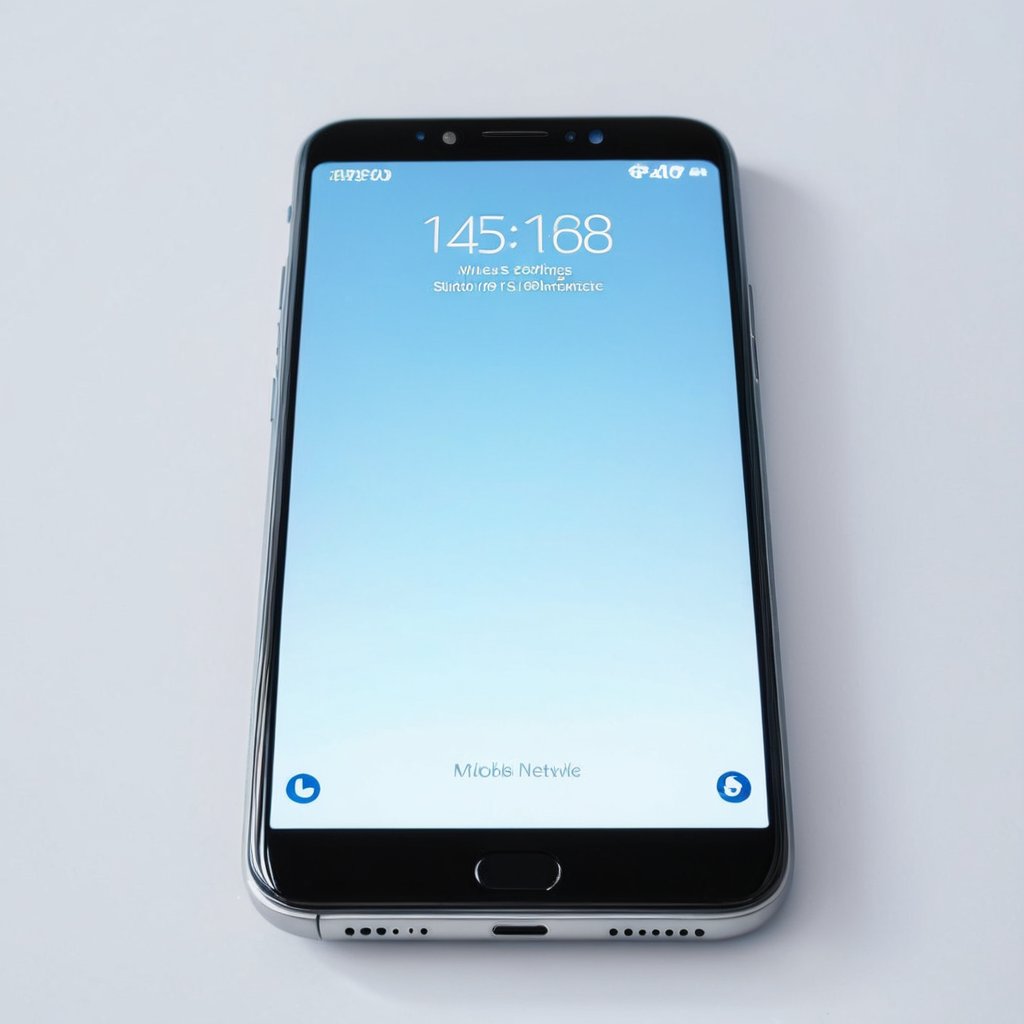
The eSIM subscription management process is designed to streamline the activation, profile management, and carrier switching experience for users, offering unparalleled convenience and flexibility. At its core, the process begins with the activation process, where the user downloads or scans a QR code provided by the carrier. This code contains the necessary data to install the eSIM profile directly onto the device, eliminating the need for physical SIM cards.
Once activated, profile management becomes a crucial aspect of eSIM subscription handling. Users can store multiple eSIM profiles on a single device, enabling efficient management through device settings. This allows for quick toggling between profiles without removing any cards physically. The management interface typically allows users to view active plans, switch data preferences, and delete or add new profiles seamlessly, ensuring that the device is always aligned with their communication needs.
Carrier switching is another highlight of eSIM technology, where users can change their mobile network provider without the need for a new SIM card. This process is simplified because the new carrier’s profile can be downloaded and activated on the device almost instantly. Switching carriers often involves initiating a request via an app or portal, which triggers the downloading of the new eSIM profile. This capability is especially valuable for travelers or those seeking better deals, as it significantly reduces downtime and physical hassles.
In summary, the activation process, profile management, and carrier switching through eSIM technology offer a modern, efficient way to handle mobile subscriptions. Together, these elements ensure that users enjoy a flexible, user-friendly experience that adapts quickly to their changing connectivity requirements, making mobile communication more accessible and straightforward than ever before.
Activating an eSIM Profile
Activating an eSIM profile is a straightforward process that allows users to connect to a mobile network without the need for a physical SIM card. The key steps involve eSIM activation through profile download and QR code setup, making it convenient for users to switch carriers or add new lines.
- Start by accessing your device’s eSIM management settings, typically found under Cellular or Mobile Network options.
- Choose the option to add a new cellular plan, which will prompt your device to prepare for the eSIM activation process.
- Scan the QR code provided by your carrier using your device’s camera. This QR code contains the necessary information for downloading your eSIM profile securely.
- After scanning, your device will automatically download the eSIM profile. Ensure you have a stable internet connection to complete the profile download without interruption.
- Once the profile is downloaded, follow the on-screen instructions to activate the eSIM. This usually involves confirming the profile and setting it as your active cellular plan.
- Restart your device if prompted, to finalize the activation and enable your new eSIM connection.
- Confirm the activation by checking your device’s signal status and cellular settings, ensuring that the profile is correctly linked to your mobile network.
By following these steps, users can easily complete eSIM activation without visiting a store or waiting for a physical SIM card. The seamless QR code setup and profile download save time and provide flexibility for managing multiple cellular plans on a single device.
Switching and Managing Multiple Carrier Profiles
With eSIM technology, users gain unparalleled flexibility in managing multiple carrier profiles on a single device. Profile switching allows users to seamlessly toggle between different carriers without needing to physically swap SIM cards. This functionality is especially beneficial for those who travel frequently or maintain multiple subscriptions for personal and business use.
To switch profiles, users can simply access their device’s cellular settings where all stored eSIM profiles are listed. From there, selecting a new carrier profile activates that subscription, enabling immediate connectivity. The process is fast and user-friendly, often requiring just a few taps, thus minimizing downtime and keeping users connected at all times.
Managing multiple subscriptions on one device also means users have full subscription control. They can add or remove carrier profiles, monitor data usage across different subscriptions, and customize which profile serves as the primary for calls, texts, or data. This control ensures that users optimize their mobile experience, avoid unnecessary charges, and easily switch to the best network available for their needs.
Moreover, advanced profile switching supports simultaneous activation, meaning some devices allow more than one profile to be active at once. This enables users to receive calls and messages on multiple numbers, enhancing communication flexibility. Overall, the ability to switch and manage multiple carrier profiles transforms how users interact with mobile networks, providing a more versatile and efficient subscription experience.
Best Practices for eSIM Subscription Management
Managing eSIM subscriptions securely requires a blend of vigilance, reliable management tools, and clear user guidelines. To protect your eSIM profiles from unauthorized access and potential breaches, it is essential to follow security tips such as enabling strong authentication methods, regularly updating your device firmware, and avoiding suspicious networks when managing eSIMs. Always use two-factor authentication (2FA) where available to add an extra layer of protection to your eSIM account settings.
When it comes to management tools, choosing a reputable eSIM management platform can make a significant difference. Look for software that offers centralized control over your eSIM subscriptions, allowing you to activate, deactivate, or switch profiles seamlessly. Advanced management tools often provide real-time monitoring and alerts on subscription usage, helping you detect any unusual activities early and respond swiftly.
Clear user guidelines are equally important to ensure secure eSIM handling. Educate users about the importance of securing their devices, recognizing phishing attempts, and not sharing their eSIM activation codes or QR codes with others. Emphasize the need to keep their mobile device’s operating system and security patches up to date, as these updates frequently contain critical fixes related to mobile connectivity and eSIM security.
Another practical security tip is to regularly review the list of active eSIM profiles on your devices. Deactivate and remove any eSIM subscriptions that are no longer in use to minimize exposure. Additionally, backup your profile details securely in case of device loss or malfunction, but never store sensitive activation data in easily accessible locations.
Incorporating these security tips into your daily routine, supported by reliable management tools and clear user guidelines, will help you maintain control over your eSIM subscriptions. This comprehensive approach ensures not only operational efficiency but also robust protection against data misuse and cyber threats, ultimately enhancing your mobile connectivity experience.
Ensuring Security and Privacy
When managing eSIM subscriptions, prioritizing eSIM security and data privacy is essential to protect your personal information from unauthorized access and potential cyber threats. Unlike traditional SIM cards, eSIMs rely heavily on digital management platforms, which makes secure management practices crucial to safeguarding sensitive data.
First, always use official carrier or manufacturer apps and portals to manage your eSIM profiles. These platforms are designed with robust encryption and authentication protocols to prevent interception and misuse of your data. Avoid third-party apps or websites that promise eSIM activation or management, as these may expose your data to hackers.
Enable multi-factor authentication (MFA) on your accounts linked to eSIM subscriptions. MFA adds an extra layer of security by requiring additional verification beyond just a password, greatly reducing the risk of unauthorized access. Also, regularly update your passwords and ensure they are strong and unique for your eSIM management accounts.
Be cautious with public Wi-Fi networks when managing your eSIM subscriptions. Use a virtual private network (VPN) to encrypt your internet connection, thus protecting your personal data from potential eavesdropping while performing sensitive actions like subscription changes or renewals.
Lastly, keep your device’s software and security patches up to date. Regular updates often include fixes for vulnerabilities that could be exploited by attackers to compromise your eSIM and personal data. By following these security considerations and best practices, you can ensure a safe and private experience managing your eSIM subscriptions.
Using Digital Management Tools
Managing eSIM subscriptions has become significantly easier thanks to a variety of eSIM management apps and subscription software designed for both consumers and businesses. These digital tools provide seamless ways to activate, switch, and monitor eSIM profiles without the hassle of physical SIM cards.
One of the major benefits of using eSIM management apps is the ability to handle multiple eSIM profiles in one place. This is particularly useful for frequent travelers and remote workers who need to switch between carriers or plans depending on their location. These apps often come with user-friendly interfaces that simplify adding new subscriptions, viewing data usage, and managing payment options efficiently.
Subscription software targeted at carriers and enterprises further enhances eSIM management by providing backend solutions for provisioning, activating, and billing. These platforms ensure that users experience uninterrupted connectivity while allowing service providers to manage large volumes of eSIM subscriptions with ease and accuracy.
Overall, leveraging digital tools designed specifically for eSIM subscription management helps reduce manual processes and boosts control over mobile connectivity. Whether through intuitive apps or advanced subscription software, these solutions are essential for maximizing the advantages of eSIM technology in today’s connected world.

I’m a tech enthusiast who loves exploring how eSIMs simplify staying connected while traveling. I spend my free time testing new smartphones and sharing tips on getting the most out of mobile data abroad.