eSIM travel tips
26/08/2026
Traveling internationally can be thrilling, but staying connected while abroad often poses challenges. With the rise of eSIM technology, travelers now have a more flexible and convenient way to manage mobile data while exploring new destinations. This guide provides essential eSIM travel tips, covering everything from preparation to activation, ensuring you stay connected without breaking the bank.
Understand eSIM Basics Before You Travel
Before embarking on your journey, it’s vital to grasp the fundamentals of eSIM technology. Unlike traditional SIM cards, eSIMs are embedded in your device and allow you to switch carriers and plans without the need for physical cards. Most modern smartphones, including the latest iPhone and Android models, support eSIM functionality. Check your device compatibility by visiting the manufacturer’s website or consulting your user manual. Knowing this beforehand will save you from potential connectivity issues once you arrive at your destination.
Additionally, familiarize yourself with the concept of mobile data plans. eSIMs enable you to select local or international data packages that suit your travel needs. Research various providers to find plans that offer the best coverage and rates in the countries you plan to visit. Understanding these basics will help you make informed decisions about your mobile connectivity options while traveling.
Get Your eSIM Ready Before Departure
Preparation is key to a hassle-free travel experience. Before you leave, ensure your smartphone is updated to the latest operating system version. This not only improves performance but also ensures compatibility with eSIM features. Next, contact your current mobile provider to check if they support eSIM activation and inquire about any international roaming options they may offer. This could potentially save you money if you can keep your existing plan while traveling.
Once you have confirmed your provider’s support, download any necessary apps for eSIM management. Many providers offer dedicated applications that facilitate the activation and management of eSIM profiles. This step is crucial, as it enables you to install your eSIM profile easily once you arrive at your destination, minimizing downtime in connectivity.
Choose the Right eSIM Provider for Your Destination
Choosing the right eSIM provider can significantly impact your travel experience. Various companies offer eSIM plans tailored for travelers, including options for short-term use. Popular providers often include local carriers in your destination country, which can provide better rates and coverage. Research different eSIM offerings to find one that meets your data needs, whether for casual browsing, navigation, or streaming.
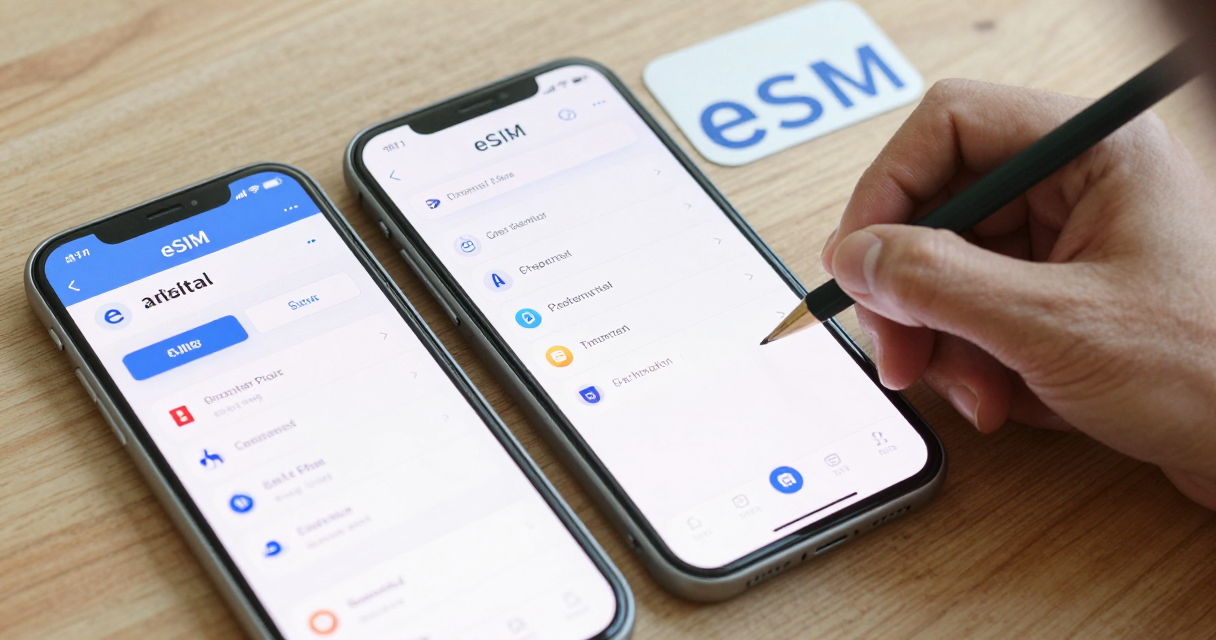
When selecting a provider, consider factors such as data limits, coverage areas, and customer service support. Some providers may offer unlimited data, while others have specific caps. Additionally, reading reviews from other travelers can provide insights into the reliability and performance of different eSIM services. By taking the time to choose wisely, you can avoid common pitfalls and ensure a smooth connection during your travels.
Activate Your eSIM Upon Arrival
Once you arrive at your destination, it’s time to activate your eSIM. This process typically involves scanning a QR code provided by your eSIM provider or manually entering an activation code. To do this, navigate to your device’s settings, find the mobile data or cellular section, and select the option to add a new plan. Follow the prompts to complete the activation process. Make sure you have a stable Wi-Fi connection during this step, as it may require an internet connection to download the necessary settings.
After activation, double-check that your eSIM is set as the primary data plan, especially if your device has a physical SIM card as well. This ensures that your phone uses the eSIM for mobile data instead of falling back on potentially costly roaming charges from your home carrier. Testing your connection by browsing the web or using a messaging app can confirm that everything is working correctly.
Manage Your Data Usage Wisely
While having eSIM access is convenient, managing your data usage is essential to avoid unexpected charges. Many eSIM providers offer apps that allow you to track your data consumption in real-time. Make it a habit to check your usage regularly, especially if you have a limited data plan. Adjust your settings to limit background data usage for apps that do not require constant connectivity, such as social media or streaming services.
Additionally, download content for offline use whenever possible. For instance, save maps, music, and videos before your trip or while connected to Wi-Fi. This not only conserves your data but also enhances your travel experience by allowing you to access important information without relying on a data connection.
Avoid Common eSIM Travel Mistakes
Traveling with an eSIM can be straightforward, but there are common mistakes that travelers should avoid. One prevalent issue is failing to deactivate your eSIM before leaving a country. This can lead to unexpected charges if your device attempts to connect to local networks. Make sure to disable or delete the eSIM profile if you no longer need it after your trip.
Another mistake is neglecting to check for coverage in rural or less populated areas. Some eSIM providers may not offer robust service in remote locations. If your itinerary includes such areas, consider verifying the coverage maps provided by your eSIM provider or having a backup plan, such as a portable Wi-Fi device. Being proactive about these aspects can save you from connectivity headaches while traveling.
Stay Informed About Local Regulations and Restrictions
Different countries have varying regulations regarding mobile data usage and eSIM technology. Before traveling, familiarize yourself with local laws that might affect your connectivity. For example, some countries may have restrictions on certain internet services or require registration of mobile devices for local use. Understanding these regulations can help you avoid fines or service disruptions during your trip.
Additionally, keep abreast of any changes to eSIM policies in your destination country. Given the rapid evolution of technology, staying informed can provide you with the latest options and features available to enhance your travel experience. This knowledge not only empowers you but also ensures that you can navigate any obstacles with confidence.

I’m a tech enthusiast who loves exploring how eSIMs simplify staying connected while traveling. I spend my free time testing new smartphones and sharing tips on getting the most out of mobile data abroad.