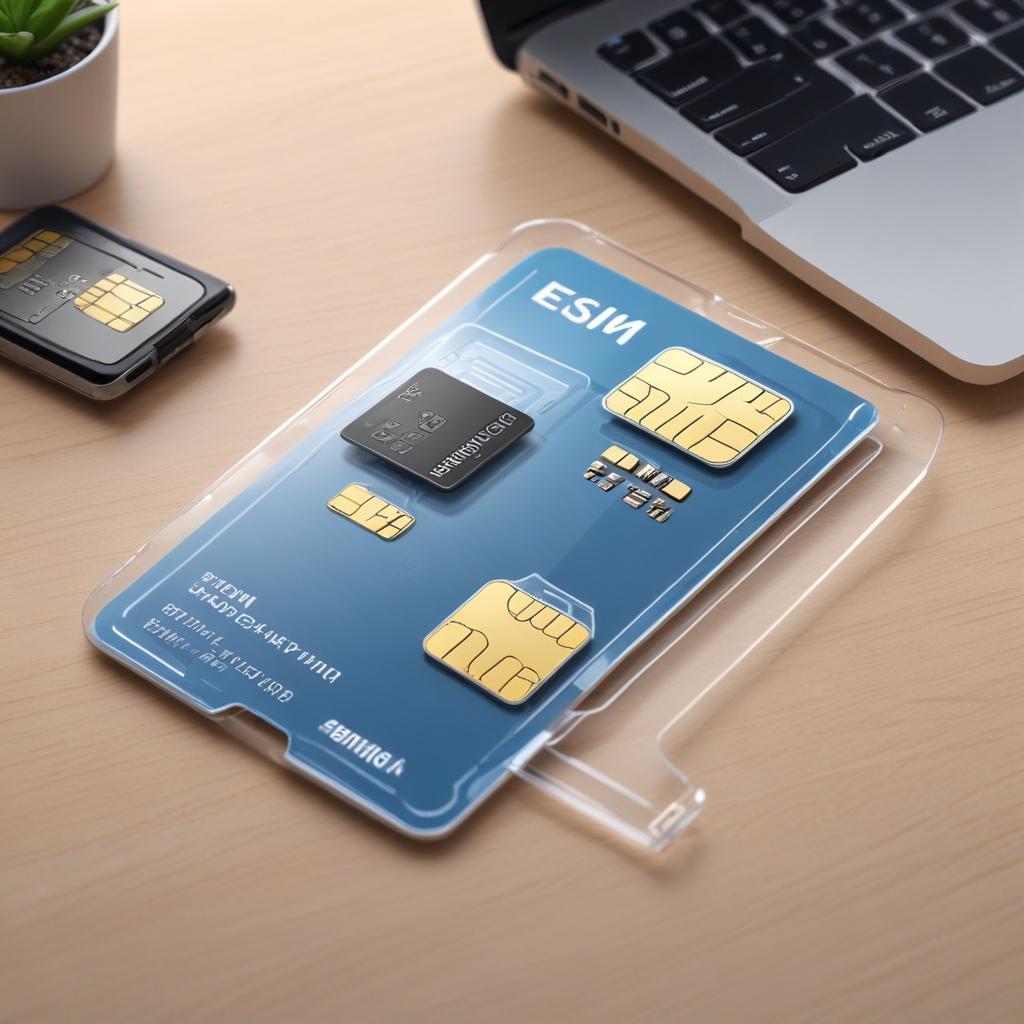
eSIM vs physical SIM
13/03/2026
Understanding eSIM and Physical SIM
In the realm of mobile communication, SIM cards play an essential role in connecting devices to cellular networks. Two primary SIM types are prevalent today: the traditional physical SIM and the modern eSIM. Each has distinct characteristics and functions that serve the fundamental purpose of enabling mobile devices to communicate with network operators.
A physical SIM card, often simply referred to as a SIM card, is a small, removable chip inserted into mobile phones. It contains a unique identifier called the IMSI (International Mobile Subscriber Identity) which allows the mobile device to authenticate with a carrier’s network. This physical SIM card holds essential subscriber information enabling phone calls, text messaging, and data services. Users can easily switch devices by transferring the physical SIM card from one phone to another, making it a tangible and straightforward means of network access.
On the other hand, eSIM stands for embedded SIM and represents a digital evolution of the traditional SIM card. Instead of being a physical chip that users insert or swap, an eSIM is a programmable chip embedded directly into the device’s motherboard. Its primary function mirrors that of the physical SIM — to store network credentials and identify the subscriber to mobile networks — but it offers more flexibility and convenience. Since the eSIM is embedded, users can activate a cellular plan without needing a physical card, simply by downloading the network profile via software.
The eSIM technology allows devices to support multiple carrier profiles simultaneously, making it particularly useful for frequent travelers or those who use separate personal and work numbers on a single device. Unlike physical SIM cards, switching network providers or plans only requires updating the eSIM profile digitally, eliminating the need to physically replace SIM cards. This innovation simplifies device design by reducing the space required for SIM trays and contributes to improved device waterproofing and durability.
Both eSIM and physical SIM cards are crucial for mobile communication, but they differ in form factor and user experience. Physical SIM cards rely on a removable chip that users handle directly, while eSIM integrates SIM functionality into the device’s hardware and connects to networks through digital profiles. Understanding these SIM types helps users make informed decisions based on their needs for flexibility, ease of use, and device compatibility.
What is a Physical SIM?
A physical SIM, commonly known as a SIM card, is a small card inserted into mobile devices to provide SIM functionality. This traditional mobile SIM enables connectivity to cellular networks, allowing phones and other devices to make calls, send messages, and access mobile data services. It contains a unique identifier that links the device to a specific mobile operator and subscriber account.
The physical SIM typically comes in several standardized sizes, including the full-size SIM, mini SIM, micro SIM, and nano SIM, with the latter being the most commonly used in modern smartphones due to its compact form factor. Despite its small size, the physical SIM is essential for authenticating the user on the network and storing important information such as the subscriber’s phone number and network authorization details.
Beyond phones, physical SIM cards are also widely used in other devices such as tablets, smartwatches, and some IoT gadgets, enabling them to connect to mobile networks independently of Wi-Fi. Although the concept remains rooted in physical hardware, the physical SIM’s form factor has evolved considerably to accommodate slimmer device designs while maintaining its core functionality in mobile communications.
What is an eSIM?
eSIM technology, also known as an embedded SIM or digital SIM, represents a modern approach to mobile connectivity that is revolutionizing how devices connect to cellular networks. Unlike traditional physical SIM cards that must be inserted and swapped manually, an eSIM is a programmable SIM chip that is embedded directly into a device’s hardware during manufacturing. This embedded SIM eliminates the need for a physical card, making it an integral part of the device itself.
The management of an eSIM’s connection profile is done digitally through software, allowing users to download, activate, and switch between multiple SIM profiles without physically handling any hardware. A SIM profile contains all the information a mobile network needs to identify and authenticate a subscriber, such as network credentials and service settings. This digital management enhances flexibility and convenience, enabling seamless transitions between carriers or plans, often through a simple interface within the device’s settings.
Embedded SIM technology offers significant advantages, from reducing the physical space needed in devices to enhancing security and supporting remote provisioning. It is increasingly being adopted in smartphones, tablets, smartwatches, and IoT devices, promoting a more streamlined and versatile mobile experience. With the rise of eSIMs, users gain the freedom to manage mobile subscriptions more efficiently by leveraging the embedded SIM’s capability to host multiple digital SIM profiles on one device.
Comparing eSIM and Physical SIM
When comparing eSIM vs physical SIM, it is essential to analyze their core features, advantages, and disadvantages to understand which option suits different user needs best. Both types of SIM cards serve the fundamental purpose of authenticating a mobile device on a cellular network, but they differ significantly in form, flexibility, and user experience.
Physical SIM cards are small, removable chips that users insert into their phones. These have been the traditional method for mobile connectivity for decades. A major advantage of physical SIMs is their universality; virtually all mobile devices support physical SIM cards, and switching numbers generally just requires swapping the card between devices. However, physical SIMs come with drawbacks, such as vulnerability to loss, damage, and the inconvenience of physically changing cards when switching operators or phones.
On the other hand, eSIMs (embedded SIMs) are digital SIM modules embedded directly inside a device, eliminating the need for a physical card. One of the biggest advantages of eSIM technology is its convenience and flexibility. Users can easily switch carriers or plans without needing to visit a store or wait for a new card. This capability supports multiple profiles on a single device, facilitating seamless transitions between work and personal numbers or domestic and international plans. eSIMs also enhance device design by freeing up space previously occupied by the SIM tray, allowing manufacturers to create slimmer, more waterproof devices.
Despite their benefits, eSIMs come with certain disadvantages. Since eSIM technology requires carrier support and compatible hardware, not all devices or regions fully support it yet. Additionally, changing carriers involves updating software settings rather than physical swaps, which may pose usability challenges for less tech-savvy users. Security-wise, while eSIMs can reduce risks of physical SIM theft, they require robust digital safeguards to prevent unauthorized profile changes.
When evaluating SIM comparison for a decision, the advantages and disadvantages become clear: physical SIMs offer broad compatibility and simple physical transferability, while eSIMs provide enhanced flexibility, multiple profiles, and improved device integration. Selecting between these depends on user priorities, device compatibility, and carrier availability. As the mobile industry evolves, eSIMs are increasingly becoming the preferred option for their innovative approach to SIM features and user convenience.
Advantages of eSIM over Physical SIM
One of the most significant eSIM benefits is its flexibility. Unlike physical SIM cards that require manual swapping, eSIMs can be programmed and reprogrammed remotely by carriers. This remote provisioning capability means users can switch carriers or plans without needing to physically insert a new SIM card, simplifying the process and saving time. This is particularly advantageous for frequent travelers or those who manage multiple mobile subscriptions.
Another key advantage of eSIM technology is the space-saving design it offers for devices. Traditional SIM card slots consume valuable internal space, which manufacturers could otherwise use for larger batteries, additional hardware features, or slimmer device profiles. By integrating the SIM functionality directly onto the device’s motherboard, eSIMs make better use of internal components and contribute to more compact and efficient device designs.
Moreover, eSIMs provide enhanced flexibility not only for users but also for device manufacturers and network providers. Since there is no need to produce or distribute physical SIM cards, carriers can quickly onboard new customers digitally, reducing logistical challenges. Users benefit from the ability to store multiple profiles on a single eSIM, enabling seamless switching between personal and business numbers or different regional carriers, all without the hassle of physical card management.
In summary, eSIMs deliver significant improvements through remote provisioning, space-saving device designs, and increased user and carrier flexibility—clear advantages over traditional physical SIM cards.
Limitations of eSIM Compared to Physical SIM
While eSIM technology offers many advantages, it also comes with certain limitations that users should consider. One primary concern is compatibility issues. Not all devices currently support eSIMs, limiting user choice and restricting the benefits of this technology. Many older models or budget phones rely solely on physical SIM cards, meaning users must ensure their device is eSIM-compatible before making a switch.
Carrier restrictions also present a significant limitation. Some mobile service providers have yet to fully adopt or support eSIM technology, leading to limited availability of eSIM plans or difficulties when switching carriers. This can be frustrating for users in regions where carriers have slow adoption rates, reducing flexibility and convenience.
Additionally, eSIMs lack the physical portability that traditional SIM cards provide. With a physical SIM, users can easily swap cards between devices or share them with others. In contrast, eSIMs require digital management through device settings, which might be less intuitive for less tech-savvy individuals. This can complicate situations where quick SIM swaps are needed, such as in traveling or device troubleshooting.
Despite these eSIM limitations, physical SIM cards continue to offer benefits such as universal device compatibility and ease of use across various carriers. As eSIM technology evolves and gains wider adoption, many of these current challenges are expected to decrease, but for now, physical SIMs still maintain certain advantages.
Choosing Between eSIM and Physical SIM
Deciding whether to opt for an eSIM or a physical SIM card involves considering several factors related to your needs, device compatibility, and carrier support. Both options have unique advantages, so understanding them will help you choose SIM type wisely and make the best decision for your mobile connectivity.
First, assess your device compatibility. Not all smartphones or gadgets support eSIM technology. Many newer models, especially flagship smartphones from brands like Apple and Google, come with eSIM functionality alongside a physical SIM slot or sometimes exclusively eSIM. If your device supports eSIM, you have more flexibility; otherwise, you will need to stick with a physical SIM card.
Next, think about your carrier and their network offerings. Some mobile carriers worldwide fully support eSIM activation, allowing you to download and switch profiles digitally without visiting a store or waiting for a physical card. However, others might only offer physical SIMs or have limited eSIM options. It is essential to confirm with your carrier whether eSIM service is available, as this directly impacts your choice between eSIM vs physical SIM.
Consider your own usage habits and mobility needs. If you travel frequently, an eSIM can simplify managing multiple carriers or temporary plans without swapping physical SIM cards. This feature makes eSIMs attractive for globetrotters who need quick access to local networks. Conversely, if you prefer the familiarity of handling a physical card or often switch devices without eSIM compatibility, a traditional SIM might be more convenient.
Security and convenience also play roles in the decision. eSIMs offer improved security since they are embedded in the device and less prone to loss or theft. Additionally, switching carriers or plans typically involves scanning a QR code or activating a profile digitally, making it a smooth experience. Physical SIMs require more manual intervention but can be easier to transfer between multiple devices without complex setup.
Ultimately, this user guide aims to help you navigate the mobile SIM options space. When selecting your SIM type, weigh your device’s capabilities, carrier support, travel and usage patterns, and how much convenience or control you desire. With these factors in mind, you can confidently make the right eSIM vs physical SIM choice tailored to your personal needs.
Factors to Consider When Choosing
When deciding between eSIM and physical SIM, several crucial factors come into play. Careful SIM selection ensures optimal use of your mobile device based on individual needs and circumstances.
- Device Compatibility: Not all devices support eSIM technology. Before choosing, verify whether your phone or tablet is compatible with eSIM or limited to physical SIM cards. This compatibility is essential to avoid functionality issues and enjoy seamless connectivity.
- Carrier Support: Availability of carrier support for eSIM varies by region and provider. Ensure that your preferred mobile carrier supports eSIM services; otherwise, a physical SIM might be necessary to maintain your current network access.
- Usage Preferences: Consider how you use your mobile device daily. If you frequently switch carriers or plans, eSIM offers convenience by allowing multiple profiles on a single device. For straightforward, long-term use, a physical SIM could be simpler to manage.
- Travel Habits: Frequent travelers may benefit from eSIM due to easy switching between local carriers without changing physical SIM cards. This flexibility can reduce roaming costs and improve connectivity during international trips.
Future Trends in SIM Technology
The SIM evolution is rapidly transforming the landscape of mobile connectivity, with the future of eSIM poised to drive significant advancements. As technology progresses, we can expect widespread adoption of eSIMs across a variety of devices, ranging from smartphones to IoT gadgets. This shift not only simplifies the user experience by eliminating the need for physical cards but also bolsters security and flexibility for consumers and carriers alike.
Mobile connectivity trends indicate a growing preference for eSIM technology due to its convenience and ability to support multiple profiles on a single device. Innovations such as remote provisioning and enhanced compatibility across network providers are key improvements shaping the future of eSIM. These enhancements ensure seamless switching between carriers without changing physical SIMs, empowering users with greater control over their mobile plans.
Expected adoption rates for eSIM technology are climbing steadily as manufacturers and network operators collaborate to standardize and optimize this technology globally. The future promises more robust SIM technology solutions, integrating advanced encryption and management capabilities that uphold privacy while facilitating easier device activation and management. These trends collectively underscore a new era in mobile connectivity, setting the stage for more versatile and user-centric communication experiences.

I’m a tech enthusiast who loves exploring how eSIMs simplify staying connected while traveling. I spend my free time testing new smartphones and sharing tips on getting the most out of mobile data abroad.