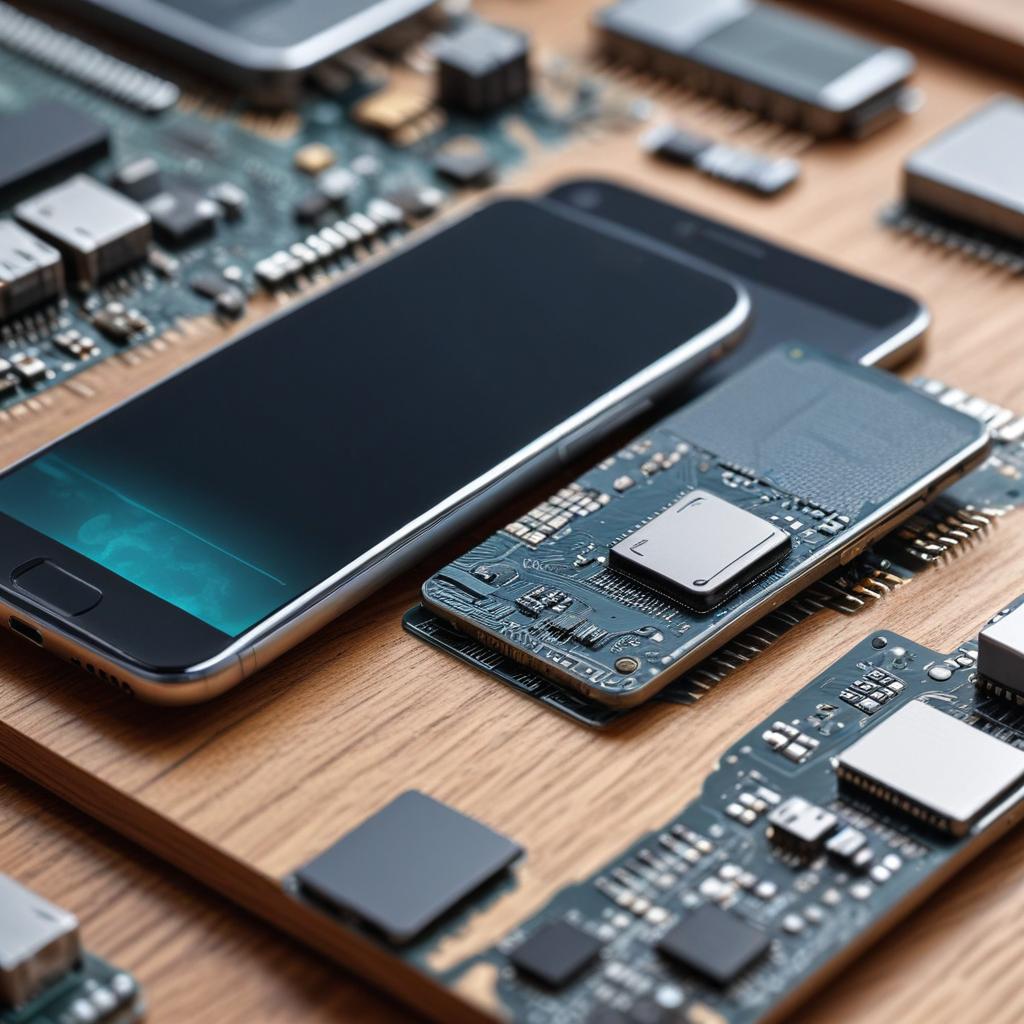
How eSIM improves mobile productivity
08/03/2026
Understanding eSIM Technology
eSIM, or embedded SIM, represents a significant evolution in SIM technology that is transforming mobile connectivity. Unlike traditional SIM cards, which are physical cards that users insert into their mobile devices, an eSIM is a digital SIM that is embedded directly into the device’s hardware. This embedded SIM is rewritable and can be programmed remotely, eliminating the need for a physical card swap when changing mobile carriers or plans.
The key difference between eSIM and traditional SIM cards lies in their form and functionality. Traditional SIM cards require a physical slot in the device, which can limit design flexibility and complicate user experience when switching networks. In contrast, the embedded SIM technology integrates the SIM chip directly into the device’s motherboard, freeing up space and allowing manufacturers to create slimmer, more durable devices.
This embedded SIM technology also enhances mobile connectivity by enabling seamless switching between multiple carrier profiles on the same device. Users can store multiple profiles on an eSIM and activate them as needed without physically swapping cards, which is a considerable advantage for travelers and business professionals who need reliable mobile access across different regions or networks.
Moreover, eSIM technology supports faster activation processes compared to traditional SIM cards. With the ability to download and activate profiles digitally, users can connect to a network in minutes instead of waiting for a physical SIM card to be delivered or activated in-store. This improves overall mobile productivity by reducing downtime and simplifying mobile device management.
In summary, eSIM technology redefines mobile connectivity by embedding the SIM directly into the device, thus offering increased convenience, flexibility, and speed over traditional SIM cards. As the adoption of eSIM continues to grow, it promises to further enhance how users connect and interact with mobile networks worldwide.
How eSIM Works
eSIM functionality operates by embedding a SIM chip directly into a device, eliminating the need for a physical SIM card. Unlike traditional SIM cards that require manual swapping, an embedded SIM is soldered onto the device’s motherboard, providing a streamlined and permanent solution for mobile connectivity. This design enhances device durability and frees up space internally, allowing for sleeker and more compact devices.
Activation of an eSIM involves downloading a digital profile from a mobile network provider instead of inserting a tangible card. When users subscribe to a mobile network, they receive a unique QR code or activation code which is scanned or entered into the device’s eSIM manager. This process immediately provisions the embedded SIM with the necessary credentials to connect to the mobile network, enabling seamless switching between carriers or plans without physically changing hardware.
This digital approach to SIM activation is not only convenient but also supports multiple profiles on a single embedded SIM, allowing users to manage personal and business numbers or local and international plans simultaneously. The embedded SIM’s flexibility and efficiency improve mobile productivity by simplifying network management and reducing downtime associated with traditional SIM card changes.
In summary, the operational mechanism of eSIM through embedded SIM technology and digital SIM activation transforms mobile connectivity by making it faster, more versatile, and uniquely suited for modern mobile devices and dynamic user needs.
Advantages of eSIM Over Traditional SIM
eSIM technology brings several significant benefits over traditional SIM cards, enhancing mobile productivity in meaningful ways. One of the primary advantages is flexibility. Unlike physical SIM cards, eSIMs are embedded directly into devices, allowing users to switch carriers and plans without needing to swap physical cards. This makes managing mobile connectivity much more convenient, especially for travelers or those who frequently change network providers.
Security is another major benefit of eSIMs. Because the eSIM is soldered onto the device’s motherboard, it is much harder to remove or tamper with compared to traditional SIM cards. This adds an extra layer of protection against theft and SIM swapping scams, providing users with more secure mobile communication. Additionally, the ability to remotely provision and update eSIM profiles further strengthens security by minimizing physical handling and exposure.
Moreover, eSIMs support multi-network capabilities, allowing users to store multiple profiles on a single device. This feature enables seamless switching between different carriers and data plans, which is particularly useful for maintaining connectivity in areas with varying network coverage or costs. Multi-network support not only boosts productivity by reducing downtime but also provides users with more choices and better control over their mobile service.
In summary, the eSIM benefits of increased flexibility, enhanced security, and multi-network support collectively make eSIM a superior option for modern mobile users seeking efficient and secure connectivity solutions.
Enhancing Mobile Productivity with eSIM
The introduction of eSIM technology marks a significant advancement in mobile productivity, especially as remote work and flexible connectivity become increasingly essential. eSIM, or embedded SIM, offers numerous advantages that streamline device management and enhance connectivity, directly impacting how efficiently individuals and businesses operate on the go.
One of the primary ways eSIM boosts mobile productivity is through improved connectivity. Traditional SIM cards require physical swapping when changing carriers or plans, which can interrupt workflow and cause delays. In contrast, eSIMs allow users to switch between multiple mobile networks digitally without needing to handle physical cards. This seamless transition guarantees uninterrupted mobile data access, ensuring remote workers stay connected regardless of location. As a result, tasks can be completed promptly, meetings can be attended without connectivity issues, and productivity remains consistent.
Moreover, eSIM advantages extend to device management. With eSIM-enabled devices, managing multiple devices across different mobile plans becomes simpler and more efficient. IT administrators can remotely manage and provision eSIM profiles without the logistical hassle of distributing physical SIM cards. This capability not only reduces operational costs but also enables quicker deployment of devices to remote teams, reducing downtime and accelerating workflow initiation.
For professionals who rely heavily on mobile technology, eSIM’s flexible connectivity options mean that they can easily maintain service quality and switch carriers for better coverage or cost efficiency. This flexibility supports mobile productivity by optimizing connectivity settings based on real-time requirements and locations rather than being locked into a single carrier. Additionally, eSIM technology supports dual SIM functionality, allowing users to maintain personal and business numbers on one device, eliminating the need to carry multiple gadgets and simplifying communication.
In summary, eSIM technology enhances mobile productivity by providing superior connectivity and streamlined device management. Its ability to digitally switch carriers, remotely manage mobile profiles, and support multiple network connections makes it a critical tool for those who prioritize efficient remote work and connectivity. As mobile productivity continues to rise in importance, integrating eSIM technology is a strategic move to stay ahead in a fast-paced, connected world.
Seamless Network Switching for Continuous Connectivity
One of the standout advantages of eSIM technology is its ability to facilitate seamless network switching, ensuring continuous connectivity without any downtime. Traditional SIM cards require manual swapping or physical replacement to change networks, which interrupts mobile data and can lead to lost connections. In contrast, eSIM switching allows users to switch between multiple mobile networks digitally and instantly, directly from their device settings.
This capability is particularly valuable for professionals and mobile users who rely on uninterrupted access to mobile data for their daily productivity tasks. Whether you are traveling internationally or optimizing connectivity within your home country, eSIM enables you to access the best available network without physically handling SIM cards or waiting for manual activation.
By enabling effortless network switching, eSIM ensures that your device is always connected to the strongest signal, minimizing disruptions and maintaining a smooth flow of data. This continuous connectivity is crucial for activities such as video conferencing, real-time data transfer, and cloud-based applications, where any interruption can lead to significant productivity loss.
In summary, eSIM’s digital approach to network switching not only simplifies managing multiple mobile data plans but also guarantees an uninterrupted online experience. This advancement empowers users to stay connected seamlessly, eliminating the hurdles of traditional SIM card changes and enhancing mobile productivity through reliable and instant network access.
Simplified Device Management and Setup
eSIM technology revolutionizes device management by enabling seamless and efficient setup across multiple devices without the need for physical SIM cards. With eSIM provisioning, users and IT administrators can remotely configure and activate mobile plans, eliminating the traditional hassles of swapping SIM cards between devices. This remote configuration capability significantly reduces setup time, allowing devices to be ready for use almost instantly.
Managing multiple devices becomes much simpler with eSIM, especially for businesses and individuals who rely on several connected gadgets. Device management tasks such as switching carriers, updating network profiles, or adding new plans can be completed remotely through centralized platforms. This streamlined process not only enhances productivity but also minimizes downtime and technical support requirements.
In addition, eSIM provisioning supports dynamic adjustments in connectivity, giving users the flexibility to select or change mobile plans based on their needs without physical intervention. This agility in setup empowers users to stay connected effortlessly while optimizing their mobile expenses. Overall, eSIM technology transforms device management by simplifying setup procedures and enabling efficient, remote provisioning that saves time and enhances user experience.
Future Trends and Impact of eSIM on Workstyles
The future of eSIM technology is poised to redefine how workstyles evolve in the digital age. As organizations continue to embrace digital transformation, eSIM plays a pivotal role by enabling seamless connectivity without the constraints of physical SIM cards. This technological advancement supports the increasingly popular “work from anywhere” culture, where professionals demand reliable and flexible mobile connectivity regardless of location.
One of the key emerging trends is the integration of eSIMs into a broader ecosystem of smart devices beyond smartphones, such as laptops, tablets, and wearables. This expansion allows users to maintain continuous network access and switch between carriers effortlessly, enhancing productivity and workflow continuity across multiple platforms. Additionally, companies can streamline their telecommunications management by remotely provisioning and updating eSIM profiles, reducing operational costs and downtime.
The future of eSIM also intersects strongly with other tech trends like 5G and Internet of Things (IoT). As 5G networks roll out worldwide, the ultra-fast speeds and lower latency combined with eSIM technology will empower professionals to leverage cloud-based applications and real-time collaboration tools more efficiently than ever before. The Internet of Things will benefit from eSIMs by facilitating better device management and connectivity in smart offices and remote work environments.
Moreover, as businesses increasingly adopt hybrid and remote work models, eSIM’s role in digital transformation becomes indispensable. Employees gain the freedom to switch networks without physical SIM replacements, ensuring consistent access to corporate resources and communication channels. This flexibility not only boosts individual productivity but also helps organizations maintain agility and resilience in a rapidly changing work landscape.
In summary, the future of eSIM is integrally tied to advancing digital transformation and changing workstyles. By facilitating the work from anywhere trend and aligning with major tech trends, eSIM is set to continue its impact on mobile productivity, enabling more dynamic, efficient, and connected ways of working.
eSIM in the Era of Remote Work
In the age of remote work and flexible working arrangements, eSIM technology plays a pivotal role in empowering global professionals to stay connected without traditional constraints. The adoption of eSIM connectivity allows workers to seamlessly switch between mobile networks without needing physical SIM cards, which is especially valuable for those frequently changing locations or operating as digital nomads.
For remote workers, maintaining reliable and cost-effective mobile connectivity is crucial. eSIM enables instant activation of local mobile plans in different countries, reducing roaming charges and avoiding the need to purchase multiple physical SIM cards. This flexibility translates into enhanced productivity, as professionals can focus on their work without connectivity disruptions or administrative hurdles.
Flexible working styles are increasingly embraced worldwide, and eSIM technology supports this trend by offering convenience and adaptability. Digital nomads, in particular, benefit greatly from eSIMs, as they can effortlessly connect to local networks wherever they go, ensuring they remain accessible and efficient. This innovation also reduces the environmental impact by eliminating the waste associated with physical SIM cards.
Overall, eSIM connectivity represents a significant advancement for remote work, enabling a truly borderless and flexible working experience for professionals around the globe. By simplifying mobile network management, eSIM technology supports uninterrupted communication, collaboration, and productivity in the dynamic landscape of modern work.
Potential Challenges and Considerations
While eSIM technology offers significant advantages in mobile productivity, there are important challenges and considerations to address. One major concern is privacy. Since eSIM profiles are digitally stored and remotely managed, users need assurance that their personal data and usage information remain protected against unauthorized access or tracking.
Carrier support is another critical factor impacting the adoption of eSIM. Not all mobile carriers worldwide fully support eSIM technology, which can limit flexibility for users, especially travelers or those who frequently switch networks. This lack of universal compatibility may slow the transition from traditional SIM cards and affect the seamless experience that eSIM aims to provide.
Security concerns are also paramount. Although eSIMs reduce the risk of physical SIM card theft and cloning, the remote provisioning process introduces potential vulnerabilities. Ensuring strong encryption and secure authentication during profile downloads and activations is essential to maintaining user security. Additionally, users must be aware of potential risks from software vulnerabilities or malicious attacks targeting the digital eSIM infrastructure.
In conclusion, while eSIM technology enhances mobile productivity, addressing these eSIM challenges related to privacy, carrier compatibility, and security concerns is necessary for broader acceptance. Carriers, device manufacturers, and users alike must work together to overcome these hurdles to unlock the full potential of eSIM functionality worldwide.

I’m a tech enthusiast who loves exploring how eSIMs simplify staying connected while traveling. I spend my free time testing new smartphones and sharing tips on getting the most out of mobile data abroad.