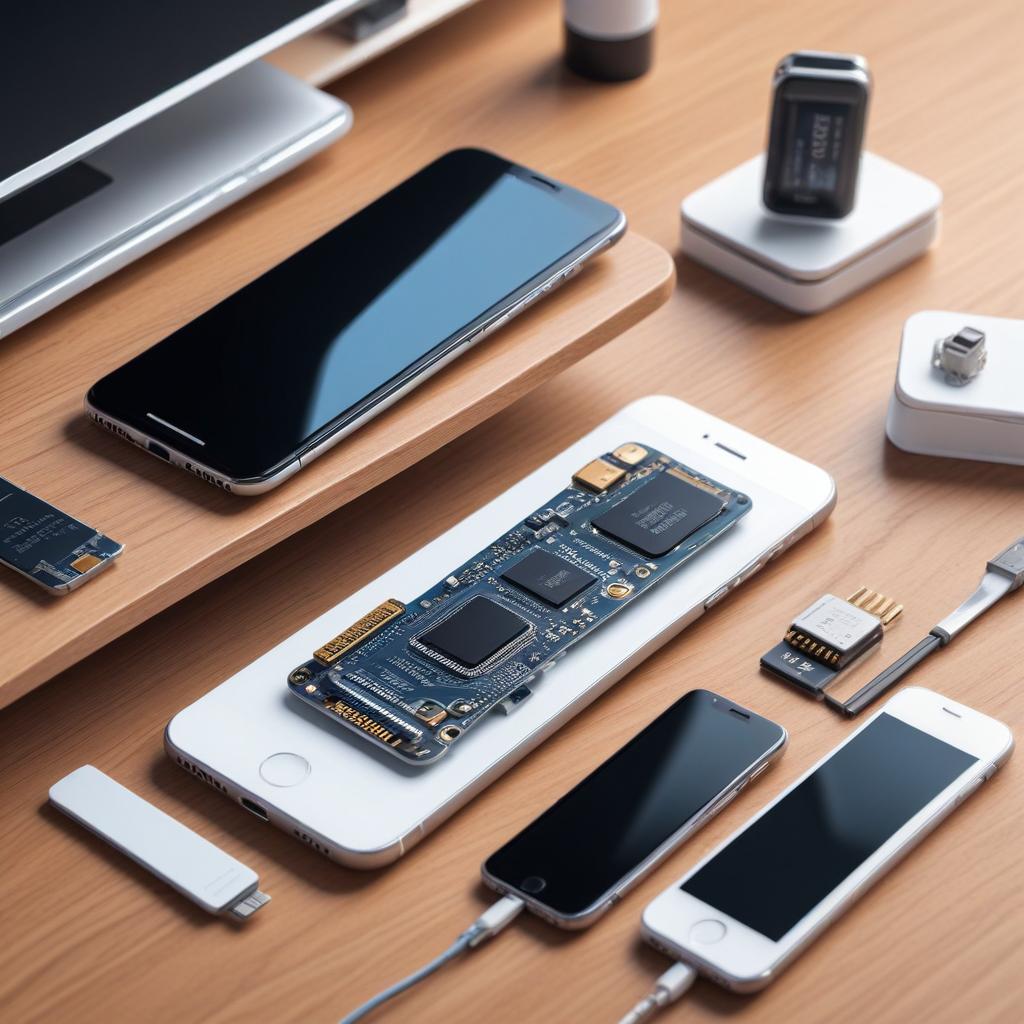
How eSIM simplifies international calling
07/03/2026
Understanding eSIM Technology
eSIM technology, also known as embedded SIM or digital SIM, represents a revolutionary advancement in mobile connectivity. Unlike traditional SIM cards that are physical chips inserted into a phone, an eSIM is a small chip embedded directly into a device’s motherboard during manufacturing. This digital SIM acts as a programmable carrier profile, allowing users to activate cellular plans without needing to swap physical cards.
The way eSIM technology works is quite sophisticated yet user-friendly. When an eSIM-enabled device powers on, users can download carrier profiles over the air through a secure connection. This eliminates the need to visit a store or receive a physical SIM card by mail. Multiple profiles can be stored on a single eSIM, enabling seamless switching between carriers or plans. Activation processes are faster and more flexible, especially for travelers or those who frequently change service providers.
The benefits of eSIM technology over traditional SIM cards are significant. First, eSIMs enhance convenience by reducing reliance on tangible hardware. No longer do users have to worry about losing or damaging a tiny card; the embedded nature means connectivity is always ready and integrated. They also contribute to better device design, allowing manufacturers to save space within devices for other features, as no SIM slot is necessary.
Another major eSIM benefit is improved flexibility in managing cellular plans. With a digital SIM, users can switch networks and plans easily through software settings instead of physically swapping SIM cards. This is especially useful for international calling and travel, where local carrier access can be obtained quickly without logistical delays. Furthermore, eSIM supports multiple profiles, letting users maintain several numbers or plans on a single device simultaneously.
Security is enhanced with eSIM technology as well, as the embedded chip is less susceptible to tampering or physical damage. Carriers can remotely manage profiles, providing updates or suspensions instantly if needed. This also means devices can be provisioned and managed remotely by enterprises, improving the scalability of device fleets.
In summary, eSIM technology offers a modern, flexible, and secure approach to mobile connectivity. As an embedded SIM, it transforms how users interact with their cellular service, delivering convenience, efficiency, and advanced management options far beyond traditional SIM cards.
What is an eSIM?
An eSIM, short for embedded SIM, is a digital SIM card that is built directly into a device, eliminating the need for a physical SIM card. Unlike traditional SIM cards, which are small plastic chips inserted into a phone or tablet, an eSIM is integrated into the device’s motherboard during manufacturing. This embedded SIM meaning signifies a shift from the conventional removable SIM cards to a more flexible and convenient solution for mobile connectivity.
With an eSIM, users can switch carriers or mobile plans without having to physically swap SIM cards. For example, if you travel internationally, you can activate a local mobile plan digitally on your eSIM without waiting to buy and insert a new SIM card. Devices like the latest smartphones, smartwatches, and tablets have adopted eSIM technology to provide seamless connectivity.
In contrast, physical SIM cards require manual handling and can be easily lost or damaged. eSIMs enable multiple profiles to be stored on a single device, allowing users to switch between different numbers or carriers instantly. This digital SIM card technology not only simplifies mobile usage but also enhances device design by saving space previously occupied by SIM card trays.
–>Benefits of eSIM over traditional SIMs
- Flexibility: One of the major eSIM advantages is its unparalleled flexibility. Unlike traditional SIM cards, which require physical swapping to change carriers or plans, eSIMs allow users to switch networks digitally. This means travelers can easily switch to local carriers without having to buy a new SIM card or wait in line to get one, enhancing convenience especially during international trips.
- Space-saving design: eSIMs are embedded directly into the device’s hardware, eliminating the need for a physical SIM slot. This space-saving feature enables manufacturers to design slimmer, more compact devices or allocate extra room to other components, such as bigger batteries or improved cameras. The absence of a SIM tray also reduces the risk of damage or loss associated with physical SIM cards.
- Easier network switching: With eSIMs, switching between carriers or plans is quick and seamless. Users can manage multiple profiles on one device without physically replacing SIM cards. This capability offers excellent SIM flexibility, allowing for instant activation of new networks through simple software updates, saving time and effort compared to traditional SIM card swaps.
- Improved security: Embedded within the device, eSIMs are less susceptible to theft or cloning. This embedded nature strengthens security compared to traditional SIM cards, which can be removed and misused. Enhanced security features make eSIMs a preferable option for those concerned about safeguarding their mobile identity and data.
- Environmentally friendly: By eliminating the need for plastic SIM cards and their packaging, eSIM technology contributes to reducing electronic waste and environmental impact. This eco-friendly aspect aligns with global sustainability goals, making the traditional SIM comparison favor the innovative eSIM approach.
How eSIM Simplifies International Calling
eSIM technology revolutionizes international calling by making it more convenient, efficient, and cost-effective for travelers and global citizens. Unlike traditional SIM cards, eSIMs are embedded directly into devices, allowing users to switch carriers and plans digitally without needing to physically swap SIM cards. This digital flexibility offers several specific benefits that simplify international calling and enhance the overall experience.
One of the primary advantages is seamless global roaming. With eSIM international use, travelers can activate local plans from multiple countries without visiting physical stores or dealing with the hassle of purchasing new SIM cards abroad. This means you can enjoy uninterrupted service and clearer connections as you move between countries, avoiding the frustration of losing signal or incurring exorbitant roaming charges.
Moreover, eSIMs dramatically reduce the cost of international calling. Traditional roaming fees and expensive international calling rates can add up quickly when relying on physical SIM cards and conventional mobile plans. eSIM benefits international users by providing instant access to competitive, localized data and voice plans tailored to each destination. Users can compare and select the best rates or pay-as-you-go options directly on their device, eliminating surprise fees and costly long-distance calls.
In addition, the ease of managing multiple profiles on a single device means you can keep your home number active while using local numbers simultaneously. This dual-profile capability supports clear communication with contacts in different countries, making international calling more straightforward and personal. It also enhances business communications by allowing professionals to maintain regional presence without multiple devices.
Finally, eSIM technology supports enhanced transparency and control over your international calling usage. Many providers offer apps that integrate with eSIM profiles, giving real-time insights into data consumption and call costs. This empowers users to manage their international calling expenses proactively, avoid unwanted charges, and optimize their connectivity wherever they go.
In summary, eSIM technology transforms international calling by facilitating effortless global roaming, reducing costs with localized plans, supporting multiple profiles on one device, and providing better control over usage. As eSIM adoption grows, it will continue to bring significant benefits to international travelers and anyone making calls across borders.
Seamless carrier switching abroad
With eSIM technology, carrier switching has become effortless, especially for travelers navigating multiple international networks. Unlike traditional SIM cards that require physical swapping, eSIM allows users to switch carriers or plans instantly with just a few taps on their device. This means you can activate a local carrier’s service as soon as you arrive in a new country without needing to visit a store or handle physical SIM cards.
eSIM roaming supports multiple network profiles stored digitally on your device, enabling seamless transitions between carriers. Whether you want to take advantage of better rates, stronger coverage, or specific local plans, switching carriers via eSIM is instantaneous and hassle-free. This instant carrier switching capability eliminates downtime and keeps you connected no matter where you travel.
The benefit of switching carriers without physical SIM changes extends beyond convenience. It offers greater flexibility and control over your mobile service, allowing you to manage your international networks directly from your phone’s settings. Thus, eSIM roaming revolutionizes how travelers maintain connectivity, making it easier than ever to switch carriers and stay connected across borders.
Avoiding expensive roaming charges
One of the greatest advantages of using an eSIM is the ability to avoid costly roaming charges when traveling internationally. Traditional SIM cards often lock users into expensive roaming fees charged by their home carriers when making calls or using data abroad. However, with eSIM technology, travelers can easily purchase local data and calling plans directly from their destination country, significantly reducing international calling costs.
eSIM roaming plans allow users to switch to a local carrier without physically swapping SIM cards, making it convenient and quick to access affordable services. This ability not only offers cost-saving opportunities but also ensures better connectivity and faster data speeds compared to roaming on a foreign carrier’s network. By choosing local eSIM plans, users avoid inflated roaming charges that typically result from international usage, making it a smart choice for frequent travelers and business professionals alike.
Moreover, the flexibility of eSIM means you can compare various providers and select the best rates for your specific destinations, optimizing your budget for communication. This seamless approach to managing international calling costs empowers travelers to stay connected without worrying about unexpected bills, all while enjoying the convenience of digital SIM management from their mobile device.
Future of International Mobile Connectivity with eSIM
The future of mobile connectivity is intricately linked with the rise of eSIM technology, a revolution that is reshaping how users connect globally. As eSIM adoption accelerates, it paves the way for seamless international communication and a new era of convenience for mobile users everywhere. This shift aligns with evolving global mobile trends that emphasize flexibility, simplicity, and cost efficiency for consumers and businesses alike.
One of the most significant trends driving the future mobile connectivity landscape is the growing acceptance and integration of eSIMs by device manufacturers, network providers, and international carriers. eSIM adoption is no longer just a niche market feature but is becoming standard in flagship smartphones, tablets, and IoT devices worldwide. This widespread acceptance signals a critical move toward making international mobile connectivity more accessible, reducing the need for physical SIM cards, and empowering users to switch carriers or plans instantly without the constraints of geography.
Global mobile trends show a clear trajectory where digital SIM technology supports diverse user needs, from frequent travelers to remote workers and expatriates. The international eSIM future promises to solve long-standing challenges such as expensive roaming fees and complicated multi-SIM management. Instead, users can enjoy unified, streamlined mobile management through single devices, enhancing their connectivity experience across borders.
Continued improvements in eSIM capabilities will further enhance its impact on global users. Innovations such as enhanced security protocols, easier carrier switching processes, and broader network support will solidify eSIM’s role as the cornerstone of future mobile connectivity. Additionally, as regulatory environments evolve in favor of digital SIM technology, we can expect more competitive mobile data markets and improved service personalization on a global scale.
In summary, the future of international mobile connectivity with eSIM is bright and transformative. The ongoing market adoption and technological advancements affirm eSIM as a game-changer in mobile telecommunications. It ushers in a global landscape where connectivity is more flexible, user-centric, and economically viable, ultimately redefining how people stay connected worldwide for years to come.
Growing eSIM adoption worldwide
The global adoption of eSIM technology continues to rise at a significant pace, driven by growing consumer demand and increased mobile operator support. As more mobile carriers worldwide recognize the potential of eSIMs to enhance user experience and simplify international calling, the eSIM market growth reflects this trend with notable momentum. Many leading mobile operators have integrated eSIM support into their networks, enabling seamless activation and management of mobile plans without the need for physical SIM cards.
Currently, eSIM global adoption rates differ across regions. Markets in North America, Europe, and parts of Asia show higher penetration, supported by a robust ecosystem of compatible devices and operator infrastructure. Mobile operators in these regions actively promote eSIM services, making it easier for customers to switch carriers or add multiple numbers on a single device. The strong backing from operators enhances consumer confidence and accelerates the adoption curve.
In emerging markets, while adoption is slower, mobile operators are progressively expanding their eSIM offerings, acknowledging the long-term benefits of reduced physical SIM logistics and the ability to offer innovative service packages. The ongoing eSIM market growth is also propelled by the increasing availability of eSIM-enabled smartphones and IoT devices, further encouraging operators to support this technology.
Overall, the growing collaboration between device manufacturers and mobile operators, combined with rising consumer interest, solidifies eSIM’s role in the future of mobile connectivity on a global scale. As eSIM global adoption continues to expand, it promises to simplify international calling and enhance mobile experiences worldwide.
Advancements enhancing international use
Recent eSIM advancements have significantly improved the functionality and international compatibility of mobile devices, making global connectivity more accessible and seamless than ever before. Technology improvements in eSIMs now allow users to switch between multiple carriers without physically changing SIM cards, eliminating barriers that previously complicated international calling. This development empowers travelers and global professionals to stay connected effortlessly, regardless of their location.
One key advancement is the enhanced standardization of eSIM profiles across different countries and network providers. This universal compatibility ensures that users can activate local or international plans instantly, enjoying more flexible and cost-effective international calling options. Additionally, software updates and improvements in device firmware have made managing eSIMs more intuitive, allowing users to handle multiple profiles with ease from their device settings.
Furthermore, the integration of eSIM technology with emerging 5G networks increases data speeds and call quality during international use, offering an improved overall experience. Security enhancements also protect sensitive user data when switching networks globally. These collective technological improvements position eSIM as a transformative solution in global telecommunications, simplifying international calling and maintaining reliable connectivity for users worldwide.

I’m a tech enthusiast who loves exploring how eSIMs simplify staying connected while traveling. I spend my free time testing new smartphones and sharing tips on getting the most out of mobile data abroad.