Reasons some phones don’t support eSIM
27/01/2026
Technical Limitations of eSIM in Some Phones
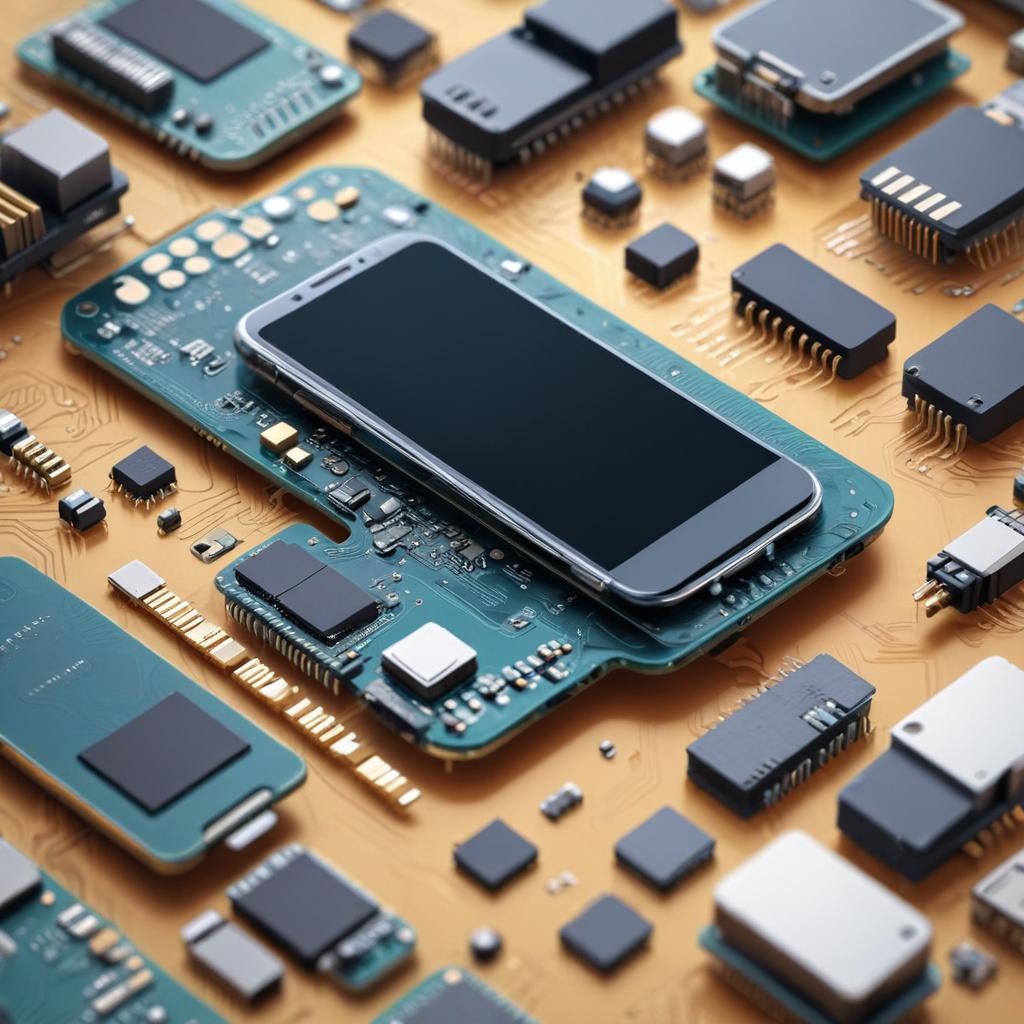
While eSIM technology has revolutionized how we connect to mobile networks by eliminating the need for physical SIM cards, not all phones support this feature due to inherent technical limitations. One of the primary reasons is the lack of necessary hardware components tailored specifically for eSIM functionality. Unlike traditional SIM cards that rely on removable hardware, eSIMs require an embedded chip that is integrated directly into the phone’s motherboard. Phones without this dedicated hardware are inherently incompatible with eSIM technology.
Another critical factor contributing to the absence of eSIM support in some phone models is chipset compatibility. The chipset, serving as the brain of the device, must support secure communication protocols that enable eSIM activation and management. Many older or budget phone models utilize chipsets that lack built-in eSIM support, which means they cannot handle the encryption and remote provisioning needed for eSIM functionality. Consequently, even if the physical hardware design can accommodate an embedded chip, the phone’s chipset may still restrict eSIM use.
Phone limitations regarding eSIM often stem from compatibility issues within the internal architecture. Manufacturers need to ensure that the firmware and software drivers align well with the embedded hardware to enable smooth integration of eSIM features. In some cases, phones may have the hardware capacity but miss out on chipset or software updates that enable eSIM functionality, further preventing users from accessing this modern technology.
Furthermore, the transition to eSIM technology requires phone makers to design devices with future-proof hardware capable of accommodating evolving security and connectivity standards. Phones lacking advanced chipset support may fall short when it comes to managing multiple profiles or handling complex network switching associated with eSIMs. This gap in technical specifications pushes some manufacturers to stick with traditional SIM technology, especially for entry-level or mid-range models where cost and hardware limitations are significant considerations.
In summary, the technical limitations surrounding hardware compatibility and chipset support are key reasons certain phone models do not provide eSIM functionality. The integration of eSIM technology demands specific embedded components and advanced chipset capabilities that are not yet universally available across all devices, making phone limitations a major barrier to widespread eSIM adoption.
Incompatible Hardware Components
The absence of essential hardware components is a primary reason why some phones do not support eSIM technology. At the heart of eSIM functionality is the embedded secure element, a specialized chip designed to securely store and manage the eSIM profile. Without this critical hardware component, a phone cannot utilize eSIM capabilities regardless of software or firmware enhancements.
Many phones are built with a specific phone design that omits this embedded secure element due to cost constraints, space limitations, or targeted market requirements. Integrating an eSIM chip involves redesigning various hardware aspects, which some manufacturers may opt to avoid, especially in models aimed at budget segments or older devices.
Compatibility issues arise when the hardware components necessary for eSIM support are missing or incompatible with the phone’s architecture. Even if the phone can technically communicate with mobile networks, it will lack the required secure environment to host an eSIM profile. This results in an inability to activate or switch carriers digitally, thereby limiting the device to traditional physical SIM cards.
In summary, the presence of specific hardware components—most notably the embedded secure element—is fundamental for eSIM support. Phones missing these components due to their design or hardware constraints will face inherent compatibility issues, making eSIM utilization impossible.
Lack of Firmware or Software Updates
Many older phones or models that no longer receive regular software updates often lack the necessary firmware support to enable eSIM functionality. Unlike traditional SIM cards, eSIM technology relies heavily on the phone’s operating system (OS) and its ability to integrate eSIM software seamlessly. Without ongoing software updates, the phone’s OS limitations can prevent the device from recognizing or managing eSIM profiles effectively.
Firmware support acts as the bridge between the eSIM’s embedded hardware capabilities and the phone’s user interface. When a manufacturer stops pushing software updates to a device, this essential bridge can become outdated or incompatible with new eSIM standards. As a result, even if the hardware is technically capable of supporting eSIM, the software side might not be up to the task.
Furthermore, eSIM software requires periodic enhancements to address security, connectivity, and compatibility improvements. Devices stuck on older firmware versions may miss out on critical updates that optimize how eSIM profiles are downloaded, activated, and managed. This limitation often makes it impractical or impossible for older phones to support eSIM despite the growing adoption of this technology in newer models.
In summary, without ongoing software updates and proper firmware support, phones face significant OS limitations that inhibit their ability to utilize eSIM features, underscoring why many older devices remain incompatible with eSIM technology.
Market and Manufacturer Considerations
When deciding whether to include eSIM technology in their phone models, manufacturers carefully weigh several factors connected to market demand, production costs, and the preferences of their target audience. These decisions are crucial, as incorporating eSIM can impact both the device’s design and overall price, influencing its success in various markets.
One of the primary considerations is manufacturer choices driven by market demand. In regions where eSIM adoption is high, consumers expect the latest connectivity features, pushing manufacturers to integrate eSIM functionality to stay competitive. Conversely, in markets where physical SIM cards still dominate or where cellular carriers have limited support for eSIM, manufacturers might opt to omit this feature to meet local needs and preferences better.
Cost is another significant factor influencing whether eSIM is included in a phone model. Adding eSIM technology requires investment in hardware components and software development, which can increase production expenses. For budget or mid-range devices, manufacturers may decide that these additional costs outweigh the benefits, particularly if their target audience is less concerned with cutting-edge features and more price-sensitive. By excluding eSIM, they can offer more affordable options for consumers.
Furthermore, manufacturers consider their target audience’s behavior and needs when deciding about eSIM inclusion. Premium smartphones aimed at tech-savvy users or business professionals often feature eSIM to provide flexibility, such as managing multiple numbers and seamless switching between carriers. On the other hand, phones designed for casual users or first-time buyers may prioritize simplicity and low cost, where a traditional SIM card suffices.
Lastly, the pace of eSIM adoption in the telecommunications industry influences manufacturer choices significantly. As more carriers worldwide support eSIM and awareness grows among consumers, manufacturers are gradually shifting toward wider implementation across their phone models. However, this transition is still ongoing, and market-specific factors continue to guide the inclusion or exclusion of eSIM features in new devices.
In summary, the decision to incorporate eSIM technology in phones depends on a combination of market demand, cost considerations, and the target audience’s expectations. Manufacturers strategically balance these elements to deliver products that align with consumer needs and maintain competitive positioning in diverse markets.
Cost Implications for Manufacturers
Integrating eSIM technology into smartphones significantly influences production cost, which is a critical factor for manufacturers. Unlike traditional SIM cards, eSIM chips require advanced embedding directly onto the device’s motherboard, increasing the eSIM integration cost. This additional expense affects manufacturing expenses by demanding more sophisticated design and assembly processes, as well as rigorous testing to ensure reliability. These heightened costs often lead manufacturers to reconsider including eSIM functionality, particularly in lower-end or budget phones.
For budget-friendly devices, keeping the phone price competitive is essential. The added production cost associated with eSIM integration can push manufacturing expenses beyond the target budget, forcing manufacturers to make trade-offs. As a result, many lower-end models prioritize cost efficiency over cutting-edge features like eSIM, opting instead for traditional SIM cards that are cheaper to produce and implement.
Ultimately, the choice to exclude eSIM in certain phones often comes down to managing production cost. While premium models absorb the higher expenses due to advanced features and consumer demand, budget segments must carefully balance features against manufacturing expenses to maintain affordability. This careful balancing act explains why eSIM technology may be absent in many cost-conscious phone options despite its growing popularity.
Target Market Preferences and Needs
Consumer preferences play a significant role in determining whether a phone model supports eSIM technology. Manufacturers analyze market segmentation and regional demand to tailor their products accordingly. In regions where the demand for eSIM-supported devices is high, often driven by tech-savvy consumers and mobile professionals, phone makers are more likely to include eSIM functionality. Conversely, in markets where traditional SIM cards are still dominant and consumers show less inclination toward adopting new technologies, brands may deprioritize eSIM integration to better align with local expectations and purchasing behavior.
Network compatibility is another crucial factor shaped by regional market needs. Some carriers and network infrastructures are not fully equipped to support eSIM technology, especially in emerging markets. As a result, phone manufacturers must consider whether the target market’s networks can accommodate eSIM before offering such models. This ensures that consumer experience remains seamless and satisfactory, preventing issues related to connectivity and service availability.
Ultimately, the decision to include eSIM support in a phone model hinges on understanding the preferences and requirements of the target market. By aligning product features with consumer demands, regional infrastructure, and network compatibility, manufacturers can optimize their offerings to cater to diverse markets globally, balancing innovation with practicality.
Regulatory and Carrier Restrictions Impacting eSIM Support
The availability and adoption of eSIM technology in smartphones are influenced not only by technological readiness but also significantly by local regulatory restrictions and carrier policies. In many regions, government regulations impose strict guidelines on how eSIMs can be used, which can limit or delay their implementation in certain mobile devices.
Regulatory restrictions often arise from concerns about security, privacy, and telecommunications standards. Some countries have enacted eSIM laws that require carriers to maintain detailed records of activated eSIMs or restrict the remote provisioning capabilities of eSIMs to prevent unauthorized use. These regulations can lead to delays in smartphone manufacturers enabling eSIM support in devices sold within those jurisdictions.
Furthermore, network carriers play a pivotal role in the rollout of eSIM technology. Carrier policies can either accelerate or hinder eSIM adoption depending on their business strategies and infrastructure readiness. Many network carriers have established policies that dictate which phones can access eSIM services based on factors such as compatibility, security certifications, and commercial agreements. In some cases, carriers may delay offering eSIM support to maximize revenue from traditional physical SIM card sales or due to technical challenges in integrating eSIM systems into their networks.
In regions where network carriers lack the necessary infrastructure to support eSIM provisioning effectively, phone manufacturers might choose to disable this feature to avoid customer dissatisfaction and technical support issues. Additionally, carriers may impose lock-in policies that limit consumers from easily switching between profiles or carriers using eSIMs, which can discourage phone makers from promoting or enabling eSIM in certain markets.
All these factors demonstrate that the regulatory environment and carrier policies are crucial determinants in whether phones support eSIM technology. The coexistence of varying eSIM laws around the world and the strategic interests of network carriers result in a fragmented landscape where eSIM availability is inconsistent across different phones and regions. As regulations evolve and carriers upgrade their infrastructure, it’s expected that eSIM support will become more widespread and less restricted over time.
Regional Regulatory Barriers
Government regulations and telecom laws vary significantly across different countries, creating regional regulatory barriers that impact the deployment of eSIM technology in phones. Some countries enforce strict regulatory frameworks that require manufacturers and telecom providers to obtain specific approvals before enabling eSIM features in devices. These regulations often stem from concerns related to security, privacy, and national control over telecommunications.
For example, certain regions mandate compliance checks that validate if eSIMs meet local standards designed to protect consumer data and prevent fraudulent activities. In these cases, telecom laws might delay or restrict the approval process, causing some phone manufacturers to exclude eSIM functionality in these markets altogether to avoid legal complications. Obtaining eSIM approval can be a lengthy and complex process, involving multiple government agencies and compliance with intricate technical specifications.
Moreover, some countries impose restrictions on the use of remotely programmable SIM cards, which directly affects how eSIMs operate. This can limit the availability of eSIM services or require phones to rely solely on physical SIM cards, hindering the adoption of this modern technology. Ultimately, these regional regulatory barriers create a patchwork of rules that manufacturers must navigate carefully to ensure compliance while expanding eSIM support globally.
Carrier Limitations and Support
Network carriers play a crucial role in the adoption and functionality of eSIM technology. While many providers have embraced eSIM activation to enhance user convenience and flexibility, some network carriers continue to either not support eSIM or impose strict restrictions on its utilization. These limitations often stem from provider restrictions designed to maintain control over their services and customer base.
Carrier support varies significantly across regions and providers, meaning a phone equipped with eSIM capability might still be unable to fully utilize it if the user’s network carrier does not accommodate or activate the technology. This disparity influences phone manufacturers’ decisions when designing and marketing their devices. Manufacturers must weigh the potential benefits of integrating eSIM against the reality of carrier limitations, often opting to prioritize features that will function universally across major carriers.
For customers, these network carrier restrictions can be frustrating, as they limit the promise of eSIM’s seamless switching and multi-line capabilities. Although the industry is gradually moving toward wider acceptance, the pace is uneven. Consequently, some phones either omit eSIM hardware or disable its functionality in certain markets due to limited carrier support and the complexities involved in eSIM activation.
In summary, carrier limitations and inconsistent support remain key factors influencing the deployment of eSIM technology on phones. The restrictions and policies enforced by network carriers directly affect manufacturers’ choices and consumers’ eSIM experiences worldwide.

I’m a tech enthusiast who loves exploring how eSIMs simplify staying connected while traveling. I spend my free time testing new smartphones and sharing tips on getting the most out of mobile data abroad.