Switching from physical SIM to eSIM
10/07/2026
The Shift from Physical SIM to eSIM: An Overview
As digital mobility continues to evolve, the transition from physical SIM cards to embedded SIMs (eSIMs) is gaining traction among smartphone users. This shift is not merely a trend but a significant advancement in how we connect to mobile networks. eSIM technology allows users to store multiple carrier profiles on a single chip embedded within the device, eliminating the need for physical SIM cards. This transition offers numerous benefits, particularly for frequent travelers and tech-savvy individuals looking to streamline their mobile connectivity. Understanding the nuances of switching from a physical SIM to eSIM can help users make an informed decision about their mobile connectivity needs.
Efforts to drive adoption of the eSIM seem to have stalled in some places around the world, and convincing phone owners to voluntarily give up a physical SIM for a virtual one appears to be much harder than initially expected.
Andy Boxall, Technology journalist — androidpolice.com
Understanding eSIM Technology
eSIM technology represents a paradigm shift in mobile connectivity. Unlike traditional SIM cards, which require physical handling and swapping, eSIMs are programmable and can be activated remotely. This means users can switch carriers or plans without visiting a store or waiting for a new SIM card to arrive. The eSIM is embedded directly into the device’s motherboard, making it more secure and less prone to physical damage. This technology is particularly beneficial for travelers who rely on local carriers to avoid exorbitant roaming charges. With eSIM, users can easily switch to a local network in their destination country, ensuring seamless connectivity.
The Benefits of Switching to eSIM
Transitioning to eSIM offers several advantages that cater to both casual users and tech enthusiasts. One of the most prominent benefits is the convenience of managing multiple plans on a single device. For example, users can maintain a local number while also having an international plan, making it easier to stay connected without juggling multiple devices. Furthermore, eSIMs reduce the risk of losing or damaging a physical SIM card, which can lead to service interruptions. Additionally, eSIM technology is more environmentally friendly, as it eliminates the need for plastic SIM cards, contributing to reduced electronic waste.
How to Switch from Physical SIM to eSIM
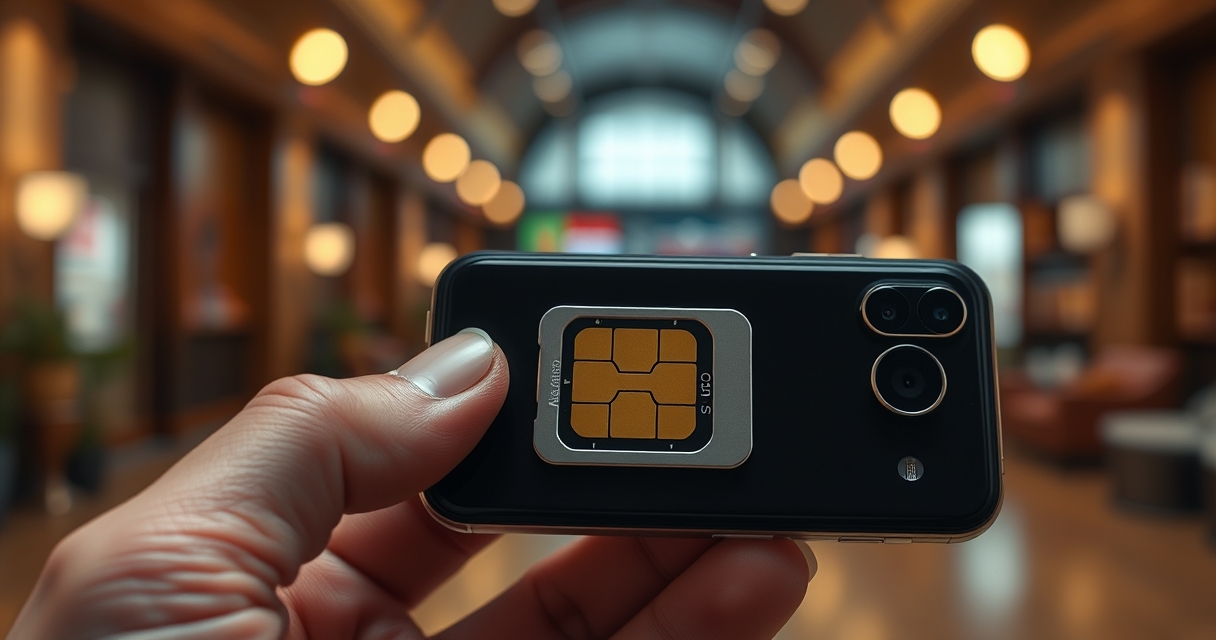
Switching from a physical SIM to an eSIM is a straightforward process, though it varies slightly depending on your device and carrier. For smartphones that support eSIM, such as recent models from Apple and Google, users can begin by checking if their carrier offers eSIM support. Once confirmed, users typically need to access their phone’s settings, navigate to the cellular or mobile data section, and select the option to add a cellular plan. This process often requires scanning a QR code provided by the carrier or entering details manually. Users will need to ensure that their current physical SIM is removed before activating the eSIM profile.
Potential Challenges and Considerations
While there are numerous benefits to switching to eSIM, there are also challenges to consider. One significant issue is carrier support; not all mobile carriers offer eSIM services, which can limit options for users. Additionally, some users may find the transition intimidating, particularly if they are not tech-savvy. There can also be complications related to transferring existing phone numbers or plans, as some carriers may impose restrictions on the process. Users should research their carrier’s policies and ensure they understand the steps involved before making the switch.
eSIM and Travel: A Perfect Match
For frequent travelers, eSIM technology presents a compelling solution for managing mobile connectivity abroad. Traditional roaming charges can be exorbitant, leading many travelers to seek out local SIM cards in their destination countries. With eSIM, travelers can easily switch to a local carrier without needing to find a physical store. Many eSIM providers offer competitive plans tailored for travelers, allowing for greater flexibility and cost savings. This feature is particularly useful for those who travel frequently, as it eliminates the hassle of swapping SIM cards and ensures that users remain connected throughout their journey.

Future of eSIM Technology
The future of eSIM technology looks promising, with an increasing number of devices and carriers adopting this innovative solution. As more smartphones, tablets, and wearables incorporate eSIM capabilities, users can expect enhanced convenience and connectivity options. Additionally, advancements in eSIM technology may lead to improved security features, making it a more attractive option for users concerned about data privacy. The global push toward digital transformation suggests that eSIMs will play a crucial role in the way we connect and interact with mobile networks in the coming years.
Making the Most of Your eSIM Connection
Once you’ve successfully transitioned to eSIM, there are several strategies to maximize your mobile experience. First, take advantage of the ability to store multiple carrier profiles, allowing you to switch between different plans based on your location or usage needs. Many users find it beneficial to maintain both a local and international plan, ensuring they have access to the best rates available. Additionally, regularly reviewing your data usage and adjusting your plan as needed can help avoid overage charges. Finally, staying informed about new eSIM offerings and promotions from carriers can help you take full advantage of this technology.

I’m a tech enthusiast who loves exploring how eSIMs simplify staying connected while traveling. I spend my free time testing new smartphones and sharing tips on getting the most out of mobile data abroad.