Top smartphones with eSIM
04/06/2026
Introduction to eSIM Technology
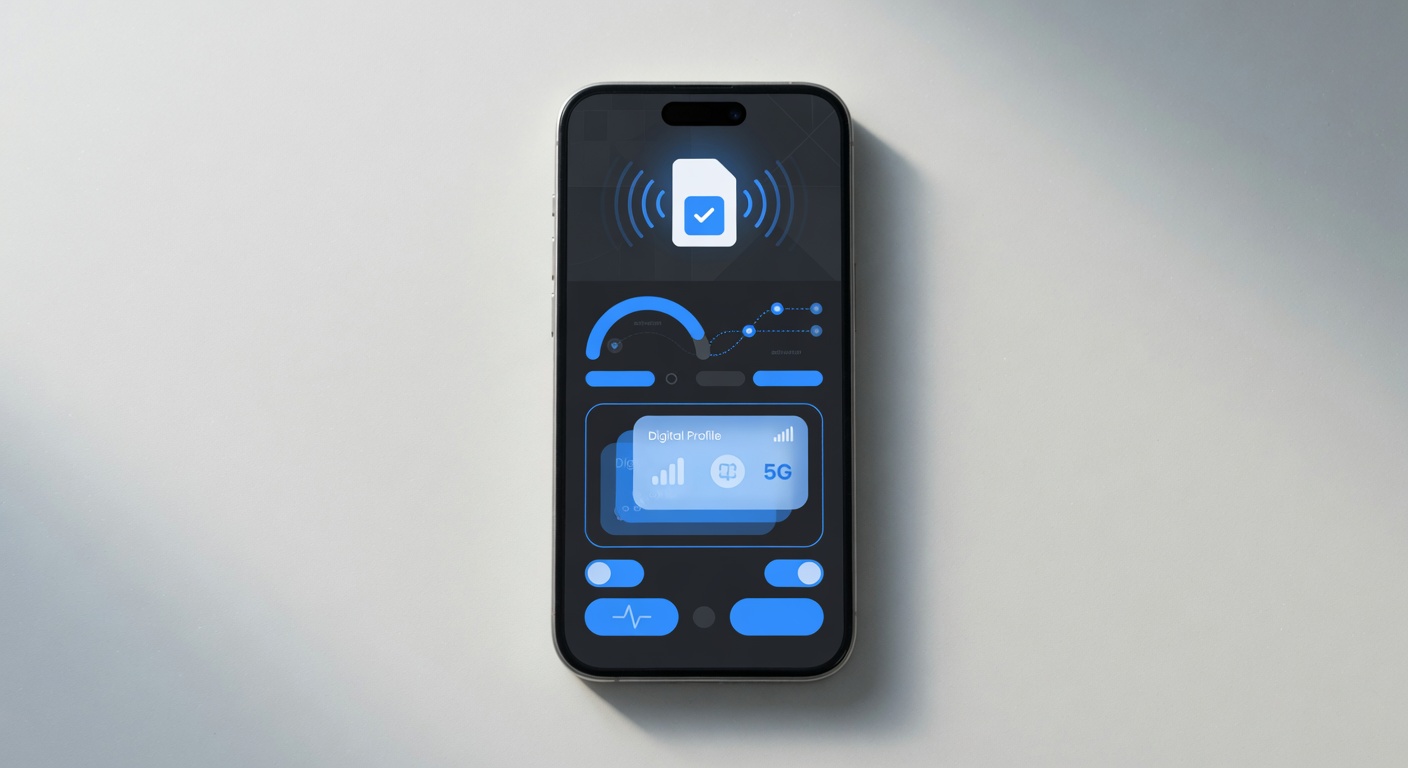
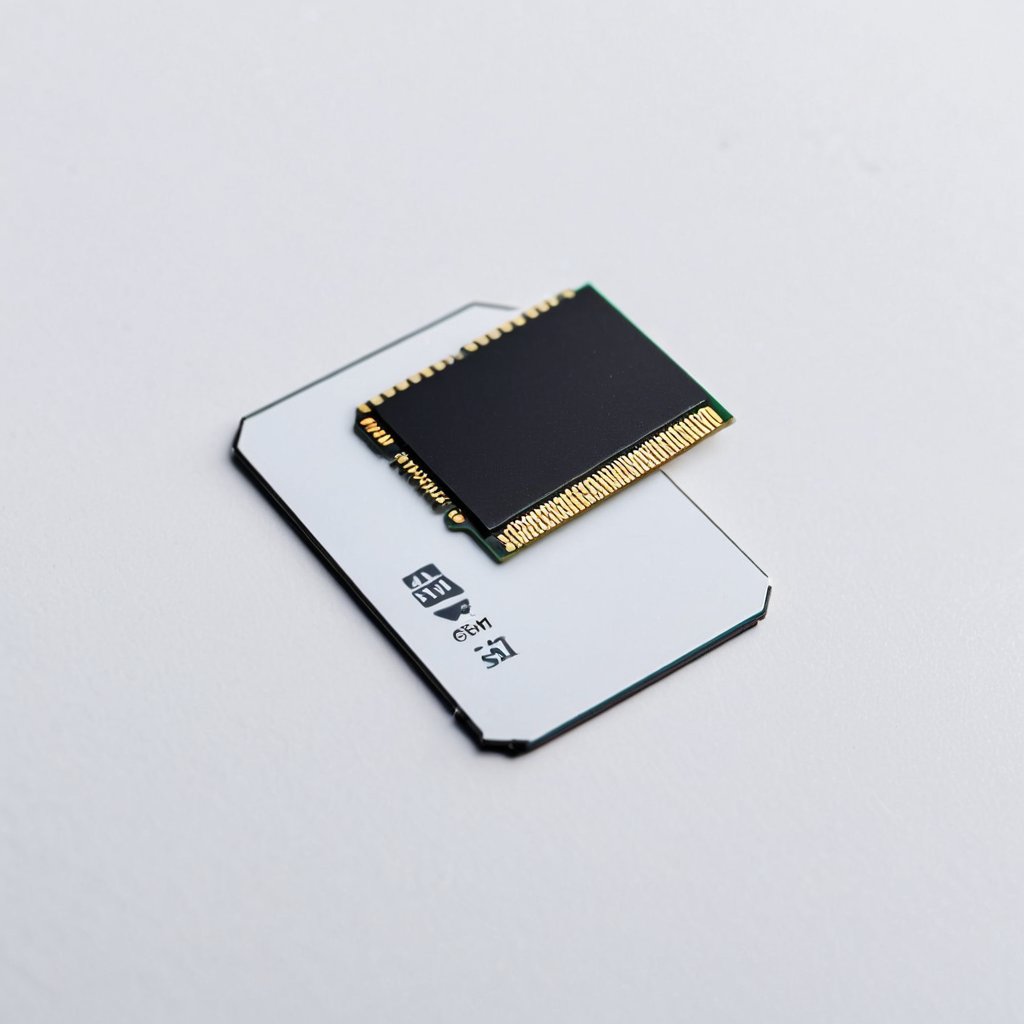
eSIM, or embedded SIM, is a revolutionary advancement in smartphone technology that eliminates the need for a physical SIM card. Unlike traditional SIM cards that users must insert into their devices, an eSIM is a digital SIM embedded directly into the smartphone’s hardware. This digital SIM simplifies device setup and management by allowing users to activate a cellular plan without swapping physical cards.
One of the key benefits of eSIM technology is its convenience. With an embedded SIM, users can switch carriers or plans remotely without needing to visit a store or receive a new SIM card. This flexibility is particularly advantageous for frequent travelers, who can easily toggle between international carriers to avoid roaming charges. Additionally, eSIM reduces the risk of losing or damaging physical SIM cards, enhancing security for smartphone users.
Another significant advantage of eSIM over traditional SIM cards is that it frees up valuable space inside smartphones. By integrating the SIM into the device’s circuitry, manufacturers gain more room to enhance other hardware components such as batteries or cameras, thereby improving overall device performance and design.
The growing adoption of eSIM technology is transforming the smartphone landscape. Leading manufacturers have already incorporated eSIM support into many of their latest models, and service providers worldwide are increasingly offering eSIM plans. This shift towards embedded SIMs signals a future where managing mobile connectivity is more seamless, secure, and user-friendly, marking an important step forward in smartphone technology.
Top Smartphones Featuring eSIM Support
- Apple iPhone 15 Series: The iPhone 15 lineup continues Apple’s tradition of leading eSIM integration. These smartphones with eSIM come with dual eSIM support, allowing users to manage two numbers without needing physical SIM cards. Key features include a powerful A17 Bionic chip, advanced camera systems, and seamless 5G connectivity. Apple’s eSIM enabled devices are especially popular due to their robust ecosystem and user-friendly setup.
- Samsung Galaxy S24 Series: Samsung has embraced eSIM technology across its flagship Galaxy S24 phones. These best eSIM phones offer a hybrid SIM tray that supports one physical SIM and one eSIM, or dual eSIM configurations in some models. With top-notch displays, high-speed processors, and advanced security features, Samsung’s 2024 smartphones provide excellent flexibility for users relying on multiple networks or international travel.
- Google Pixel 8 and Pixel 8 Pro: Google’s Pixel 8 smartphones deliver a pure Android experience combined with powerful AI capabilities. Both models support eSIM, enabling users to switch carriers and plans effortlessly while on the go. These eSIM enabled devices stand out with their exceptional camera performance, clean interface, and timely software updates, making them some of the best eSIM phones of 2024.
- Microsoft Surface Duo 3: The innovative Surface Duo 3 offers dual screens and eSIM functionality, bridging productivity and mobility. This device supports 5G and allows users to activate cellular plans digitally without swapping physical SIM cards. It is ideal for professionals seeking versatile connectivity options and multitasking across apps in a foldable smartphone design.
- Motorola Razr 2024: The latest Motorola Razr hybrid foldable includes eSIM support, providing a blend of nostalgic design and modern technology. This phone features eSIM functionality alongside physical SIM support, enabling more flexible network management. Combined with 5G speeds and a vibrant display, it is among the leading smartphones with eSIM for those wanting both style and connectivity innovation.
Apple iPhone Models with eSIM
Apple has been at the forefront of integrating eSIM technology into its iPhone lineup, providing users with enhanced flexibility and connectivity options. Starting with the iPhone XS, XR, and later models, Apple eSIM phones have supported dual SIM functionality, allowing users to use one physical SIM card alongside an embedded eSIM. This setup is ideal for people who need to manage personal and work numbers or who frequently travel internationally.
The iPhone 14 series continues this trend, featuring advanced iPhone eSIM capabilities, making it easier than ever to switch carriers without needing to swap physical SIM cards. With the iPhone 14, Apple has expanded network compatibility and improved the usability of the eSIM, allowing users in supported regions to activate their devices with multiple eSIM profiles and toggle between them seamlessly.
Dual SIM iPhone models offer a lot of convenience; users can have separate plans for data and calls or maintain connectivity in two geographic locations simultaneously. Apple’s eSIM implementation supports a wide variety of carriers worldwide, ensuring that users can enjoy broader global compatibility. This robust adoption of eSIM technology by Apple underscores the convenience and future-proof nature of their devices.
Google Pixel Phones with eSIM
The Google Pixel lineup has embraced eSIM technology, making these devices some of the most user-friendly Android eSIM phones on the market. Starting with the Pixel 3 and continuing through to the latest Pixel 7, Google has integrated eSIM capabilities that empower users to enjoy the flexibility of dual SIM smartphones without the need for a physical second SIM card. This advancement enhances convenience for those who travel often or manage multiple phone numbers.
Google Pixel eSIM technology is designed to be seamlessly integrated into the device’s software, allowing users to activate a secondary mobile plan instantly through the settings menu. This removes the hassle of physically swapping SIM cards and provides a smoother experience when switching carriers or plans. The Pixel 7, in particular, further refines this by offering comprehensive support for both eSIM and physical SIM cards, creating a true dual SIM smartphone experience that caters to a diverse range of connectivity needs.
Moreover, Pixel phones optimize network management and data usage between the two SIM profiles, giving users control over which SIM handles calls, messages, and data. This level of integration highlights Google’s commitment to delivering practical and efficient solutions for modern mobile users. Whether for business or personal use, Google Pixel eSIM support enhances overall smartphone versatility and aligns perfectly with the growing trend toward digital and flexible mobile connectivity.
Benefits and Considerations of Using eSIM in Smartphones
The advantages of eSIM technology in smartphones are significant, revolutionizing the way users experience mobile connectivity. One of the primary eSIM benefits is the elimination of physical SIM cards, which allows for more streamlined device designs and saves space within the smartphone chassis. This innovation also offers enhanced convenience as users can activate or switch mobile plans digitally without needing to visit a carrier shop or wait for a SIM card delivery.
Another advantage of eSIM is its ability to support multiple profiles, enabling users to maintain different phone numbers and plans on a single device. This feature is particularly useful for frequent travelers who want to avoid roaming charges by quickly switching to a local carrier’s plan without changing their physical SIM card. The flexibility it provides for personal and business use on the same smartphone is also a major plus for many users.
From a security perspective, eSIMs offer stronger protection as they are embedded and cannot be easily removed or swapped by unauthorized persons. This helps reduce the risk of SIM card theft or cloning. Additionally, carriers can remotely manage profiles and plans, allowing for faster and more efficient service updates and troubleshooting.
However, despite these advantages, there are several eSIM challenges that users should consider. First, not all carriers and countries fully support eSIM technology yet, which can limit its usability depending on where you live or travel. Compatibility between smartphones and carrier services may vary, so it is important to verify whether your provider offers eSIM plans.
Another consideration is that transferring an eSIM between devices is not as straightforward as swapping a physical SIM card. It usually requires reactivation through the carrier’s platform, which could pose inconvenience in urgent situations. Also, some users may find managing multiple eSIM profiles slightly complex without intuitive software support from their smartphone manufacturer or carrier.
In summary, the advantages of eSIM technology in smartphones are compelling, offering greater convenience, flexibility, and security for mobile connectivity. Nonetheless, users should be aware of potential challenges related to carrier support, device compatibility, and profile management before fully embracing this digital SIM solution.
Flexibility and Convenience
The eSIM technology brings unparalleled flexibility and convenience for smartphone users, transforming how we manage our mobile connectivity. Unlike traditional physical SIM cards, eSIM enables easy switching between carriers without the need to physically swap cards. This means users can quickly change their mobile network provider directly from their device settings, making carrier transitions smoother and more efficient.
One of the standout benefits of eSIM flexibility is the ability to have multiple carrier profiles stored simultaneously on a single device. This feature is particularly useful for people who use different plans for work and personal use or those who need to manage multiple phone numbers on the same phone. Users can switch between these profiles on demand without any hassle, offering a level of convenience that was previously impossible with physical SIM cards.
For travelers, the advantages are even more pronounced. eSIMs allow users to add local carrier plans when abroad, avoiding expensive roaming charges by switching to more affordable, region-specific plans with just a few taps. This eliminates the need to buy and insert new SIM cards in every country, streamlining the travel experience and enhancing mobile connectivity worldwide.
In summary, eSIM technology offers a significant upgrade in how users manage their mobile plans. Its flexibility for easy switching between carriers, the capability to handle multiple plans on one device, and the travel benefits make it a game-changer in mobile communications.
Compatibility and Carrier Support
Carrier compatibility is a crucial factor when choosing a smartphone with eSIM technology. Not all carriers support eSIM activation, and network support can vary significantly depending on the country and provider. While many major carriers around the world are gradually adopting eSIM, some smaller or regional carriers may still rely primarily on traditional physical SIM cards, resulting in limitations for users looking to switch to eSIM devices.
The activation process for eSIM differs from traditional SIMs in several ways. Instead of inserting a physical SIM card, users typically scan a QR code provided by their carrier or download an eSIM profile through the phone’s settings. This digital activation can often be faster and more convenient, eliminating the need to visit a store or wait for a physical card to arrive. However, it requires carriers to have the infrastructure to support over-the-air eSIM provisioning.
Despite these advantages, there are potential limitations with eSIM technology. Some carriers may impose restrictions on the number of profiles stored on a single device or limit switching between profiles to prevent fraud and misuse. Additionally, users traveling internationally should check if their destination carriers support eSIM to avoid connectivity issues. Understanding carrier compatibility and network support is essential to fully benefit from the flexibility and convenience of eSIM-enabled smartphones.

I’m a tech enthusiast who loves exploring how eSIMs simplify staying connected while traveling. I spend my free time testing new smartphones and sharing tips on getting the most out of mobile data abroad.