
eSIM compatibility with 5G networks
11/07/2026
eSIM compatibility with 5G networks has become a decisive factor for travelers who rely on fast mobile data and want to avoid swapping physical SIM cards. The shift from traditional SIM cards to embedded digital profiles allows users to download carrier information directly onto a device, which is especially valuable when moving between countries that support different 5G frequency bands. Understanding how eSIM interacts with the newest generation of cellular technology helps you choose the right smartphone, plan, and activation method before you leave home. This guide walks through the technical foundations, device options, and practical steps needed to keep your data stream smooth and speedy wherever you go.
How eSIM works and why it matters for 5G adoption
Unlike a removable SIM, an eSIM is a small chip soldered into the phone’s motherboard that can store several carrier profiles at once. When a user wants to switch networks, they simply download a new profile over the internet, eliminating the need for a physical card. This flexibility aligns perfectly with 5G rollout because carriers can push updates that enable new frequency bands without requiring hardware changes. Moreover, the ability to hold multiple profiles means a traveler can keep a domestic 5G plan and a foreign one simultaneously, reducing the risk of losing connectivity in regions where 5G coverage is still patchy. The technology also reduces waste, a point that resonates with eco‑conscious users who value digital mobility over plastic.
From a network perspective, eSIMs support both standalone 5G and non‑standalone modes, allowing devices to fall back to 4G LTE when 5G signals are weak. This dual compatibility ensures that users experience uninterrupted service, a crucial aspect for business travelers who depend on reliable video calls and cloud access. Carriers benefit as well, because they can allocate spectrum dynamically to eSIM users based on real‑time demand, optimizing overall network performance. The result is a more fluid experience that feels less like a series of handoffs and more like a continuous data stream.
5G frequency bands and the eSIM profile handling process
5G networks operate across a wide range of frequencies, from low‑band 600 MHz to mid‑band 3.5 GHz and high‑band millimeter‑wave spectrum exceeding 24 GHz. An eSIM profile contains the carrier’s specific band information, which the phone reads during activation. When a profile includes multiple bands, the device automatically selects the strongest signal, so users rarely need to manually choose a band. This automatic selection is especially helpful in dense urban areas where carriers may deploy both mid‑band and millimeter‑wave cells to boost capacity. Devices that support a broad band set can therefore maintain high speeds even as they move between coverage zones.
However, not all phones support every 5G band, and that limitation directly impacts eSIM compatibility. For example, a smartphone that only includes sub‑6 GHz bands will not be able to take advantage of millimeter‑wave hotspots, even if the eSIM profile advertises them. Manufacturers typically list supported bands in the specifications, and the eSIM activation process will flag any incompatibility before the profile is fully installed. Travelers should compare the bands used by carriers in their destination with the bands supported by their device to avoid surprise downgrades to 4G.
Smartphones that combine eSIM capability with full 5G support
Flagship models from Apple, Samsung, Google, and Huawei have embraced eSIM and 5G together, offering users a seamless experience. The iPhone 15 series, for instance, supports dual eSIMs and covers over 30 5G bands, making it a solid choice for globetrotters who need both speed and flexibility. Samsung’s Galaxy S24 line follows a similar path, providing a single physical SIM slot plus two eSIM profiles, and it includes support for both sub‑6 GHz and millimeter‑wave frequencies. Google’s Pixel 8 also ships with an eSIM that can store up to five profiles, and its adaptive antenna system optimizes signal strength across a range of bands.

Mid‑range phones are catching up as well. The OnePlus Nord 3 offers eSIM support and a respectable set of 5G bands, though it lacks millimeter‑wave capability. Xiaomi’s Mi 13 Lite provides an eSIM slot and focuses on sub‑6 GHz coverage, which is sufficient for most travel destinations where millimeter‑wave is still limited. When selecting a device, look for the number of eSIM profiles it can hold, the breadth of supported 5G bands, and any carrier‑specific restrictions that might affect activation in foreign markets.
Activating a 5G eSIM while traveling abroad
Most carriers now allow users to purchase a 5G eSIM plan online and receive a QR code via email or app. The activation process typically involves opening the phone’s settings, selecting “Add Cellular Plan,” scanning the QR code, and confirming the profile. Because the profile is downloaded directly to the device, there is no need to wait for a physical card to arrive, which can be a major advantage when you land in a new country. Some providers also offer instant activation through a dedicated app, letting you start using data within minutes of purchase.
When traveling, it is wise to check whether the carrier’s 5G network uses the same bands supported by your phone. For example, a traveler heading to Japan might encounter carriers that rely heavily on the 3.7 GHz band, while a trip to the United States may involve both 2.5 GHz and millimeter‑wave deployments. Many eSIM platforms automatically select the best available band, but confirming compatibility beforehand can prevent unexpected drops to 4G. Additionally, keep an eye on data caps; some travel‑focused eSIM plans offer generous 5G data allowances, while others limit high‑speed usage after a certain threshold.
Managing multiple 5G eSIM profiles for seamless connectivity
One of the strongest benefits of eSIM technology is the ability to store several carrier profiles on a single device. This feature is especially useful for frequent flyers who need a domestic plan at home and a separate international plan abroad. Users can switch between profiles in the phone’s network settings, and the device will automatically route traffic through the active profile. Some smartphones even allow simultaneous use of two profiles, enabling a split‑tunnel scenario where voice calls use one carrier while data streams through another. This dual‑profile capability ensures that you stay on a high‑speed 5G network for data‑intensive tasks while maintaining reliable voice coverage.
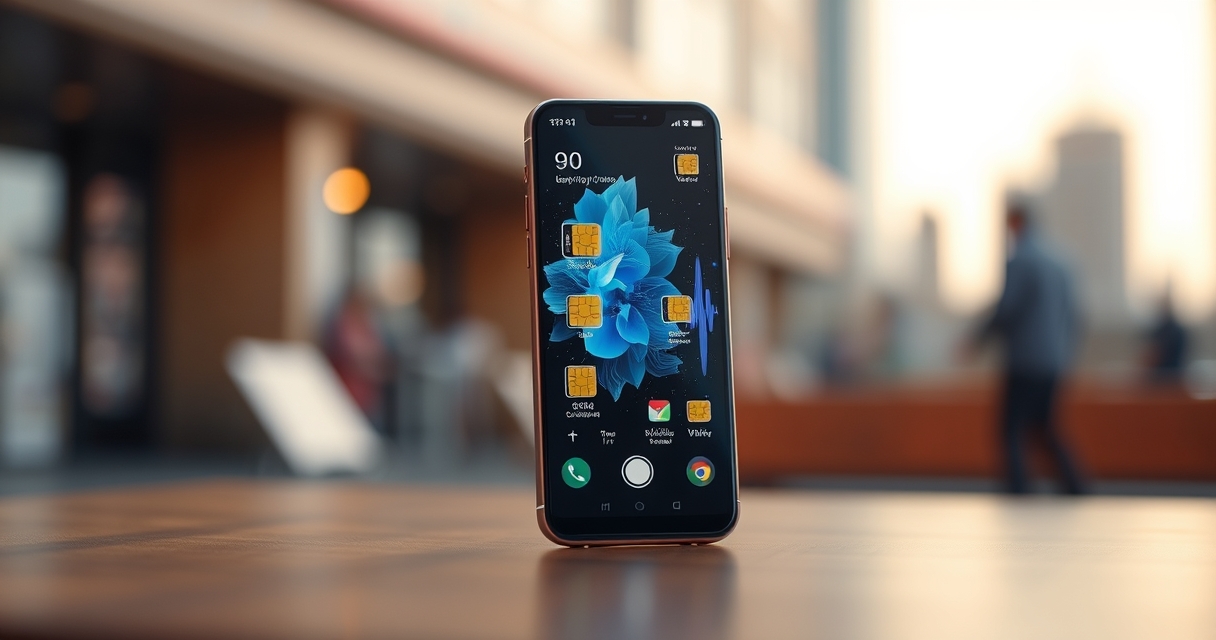
To keep management simple, many eSIM apps provide a dashboard that shows data usage, remaining balance, and expiration dates for each profile. Setting up usage alerts can help avoid overage fees, particularly when traveling on limited 5G data plans. It is also possible to deactivate a profile without deleting it, preserving the information for future trips. By regularly reviewing the active profile and its associated settings, you can maintain optimal performance and avoid the frustration of accidental roaming charges.
Choosing the right carrier and plan for 5G eSIM users
When selecting a carrier, consider both the breadth of 5G coverage and the flexibility of the eSIM offering. In the United States, the major carriers provide extensive sub‑6 GHz networks, and many now support millimeter‑wave in major cities, making them attractive for users who demand the highest possible speeds. European providers such as Deutsche Telekom and Vodafone have rolled out pan‑European 5G roaming agreements, allowing a single eSIM profile to work across multiple countries without additional fees. For budget‑oriented travelers, niche providers like Airalo and GigSky specialize in short‑term eSIM packages that include 5G data, often at a lower price than traditional carriers.
Plan details matter as much as coverage. Look for plans that specify the amount of high‑speed 5G data, any throttling thresholds, and the validity period. Some carriers offer unlimited 5G data but reduce speeds after a certain usage level, while others provide a fixed amount of gigabytes at full speed and then switch to 4G. Evaluating your typical data consumption, streaming video, video calls, or cloud backups, will guide you toward a plan that balances cost and performance. By aligning the carrier’s 5G footprint with your device’s supported bands and your travel itinerary, you can enjoy reliable, high‑speed connectivity wherever the road takes you.

I’m a tech enthusiast who loves exploring how eSIMs simplify staying connected while traveling. I spend my free time testing new smartphones and sharing tips on getting the most out of mobile data abroad.