Another challenge involves security and privacy concerns. Since eSIM profiles are downloaded and managed digitally, users worry about the potential for unauthorized access or tampering. Robust authentication and encryption protocols are essential to ensure that eSIM activation and switching remain secure and protect user data. Additionally, the process of switching between carriers or plans, although more convenient than physical SIMs, can sometimes be complex or confusing for less tech-savvy users.

The current regulatory landscape also poses limitations for eSIM adoption in temporary connectivity. Different countries have varying rules regarding digital SIM management, data privacy, and telecom licensing. This regulatory fragmentation can restrict the ease of use and global functionality of eSIMs, especially for frequent travelers who rely on temporary data plans across borders.

Looking to the future, eSIM technology is expected to evolve with emerging trends that address many of these challenges. Innovations in remote SIM provisioning and management tools will enhance user experience, making switching carriers faster, more intuitive, and more secure. The expansion of eSIM support across a broader range of devices and networks will reduce compatibility issues, encouraging wider adoption for both consumers and enterprises.

Moreover, as the Internet of Things (IoT) ecosystem grows, eSIM technology will play a crucial role in enabling temporary and flexible connectivity for a vast array of smart devices, from wearables to automotive systems. This trend underscores the importance of ongoing advancements in eSIM standards and industry collaboration to overcome existing limitations.

In summary, while the journey of eSIM technology in temporary connectivity is marked by challenges related to compatibility, security, user experience, and regulation, the future holds promising developments. These advancements will likely transform the way individuals and businesses leverage mobile connectivity, making temporary eSIM solutions more accessible, reliable, and user-friendly.

Potential Barriers to Widespread eSIM Adoption

Despite the growing advantages of eSIM technology, several adoption barriers slow its widespread acceptance. One major hurdle is carrier restrictions. Many mobile carriers still limit or do not support eSIM functionality, especially in certain regions, which restricts user options and deters potential customers from switching to eSIM-enabled devices.

Device support also plays a crucial role in the adoption rate. While more manufacturers are incorporating eSIM capabilities into their phones, a significant number of older or budget devices lack eSIM compatibility. This device support issue creates a fragmented market, hindering users who want the convenience of eSIM but cannot access it through their current hardware.

In addition to technical and carrier limitations, user awareness remains a significant challenge. Many consumers are still unfamiliar with what eSIM technology is, how it works, or the benefits it offers. This lack of awareness can lead to hesitation, as potential users may not fully trust or understand the security and convenience of managing digital SIM profiles.

Overcoming these barriers requires coordinated efforts from carriers to expand support, device manufacturers to increase compatibility, and educational initiatives to boost consumer knowledge. Addressing these issues is essential for unlocking the full potential of eSIM technology and enabling seamless connectivity for all users.

Innovations Shaping the Future of eSIM

The future innovations in eSIM technology are poised to revolutionize how we connect, offering seamless and flexible solutions for mobile connectivity. One of the most significant eSIM advancements is enhanced interoperability, allowing devices from different manufacturers and network providers to communicate effortlessly. This breakthrough will eliminate many compatibility issues, enabling users to switch carriers or manage multiple profiles efficiently without the traditional hassles. As connectivity trends evolve, eSIM technology is becoming a cornerstone for smarter and more adaptive devices.

Another exciting area of development is IoT integration. eSIMs are perfectly suited for the Internet of Things ecosystem, providing reliable and secure connectivity for a wide range of smart devices, from wearables and smart home gadgets to industrial sensors. This integration facilitates real-time data exchange and remote device management, essential for expanding IoT applications across industries. The use of eSIMs in IoT ensures devices remain connected without the need for physical SIM cards, reducing maintenance and operational costs.

Moreover, improving the user experience remains a pivotal focus in eSIM advancements. Innovations include more intuitive activation processes, better user interfaces for managing multiple profiles, and automated network selection features. These enhancements will make it easier for users to maintain connectivity on the go, especially while traveling or using temporary mobile data plans. As the technology matures, eSIMs will become more accessible and user-friendly, aligning perfectly with modern connectivity trends and delivering a seamless digital experience.

For travelers crossing borders, eSIM usage simplifies staying connected by providing instant access to local carriers’ networks without visiting physical stores or dealing with complicated SIM swaps. By downloading a temporary plan directly onto their eSIM-enabled phone, users can enjoy mobile data, calls, and messaging services at competitive rates tailored for short-term use, helping them avoid expensive roaming fees.

Temporary connectivity through eSIM phones also eliminates the need to carry multiple SIM cards or keep track of physical alternatives. With just a few taps on their device, travelers can purchase, activate, and deactivate temporary plans as needed, making managing multiple travel destinations efficient and convenient. This flexibility enhances the travel experience while ensuring consistent communication.

Moreover, eSIM phones support dual SIM functionality, allowing users to maintain their home phone number alongside a temporary local number. This is particularly advantageous for business travelers and digital nomads who require reliable access to both personal and local networks without compromising connectivity or incurring extra charges.

In summary, eSIM phones play a crucial role in delivering temporary connectivity by facilitating quick and easy access to short-term mobile plans optimized for travel. Their digital nature and flexibility empower users to stay connected globally with minimal effort, making them indispensable tools for anyone in need of temporary mobile connectivity solutions.

Using eSIMs for International Travel

When it comes to international travel, eSIM technology revolutionizes the way travelers stay connected. Unlike traditional SIM cards, eSIMs allow users to activate local carrier plans instantly without the need to physically swap SIM cards. This means that as soon as you land in a new country, you can access eSIM roaming options to enjoy seamless, affordable service from local providers.

International travel traditionally involved purchasing a travel SIM or dealing with costly roaming fees from your home carrier. Now, with eSIMs, global connectivity is at your fingertips. You can easily browse, compare, and select regional or national carriers directly from your phone’s settings or a supporting app, and download the desired plan within minutes. This flexibility not only saves time but also reduces the hassle of carrying multiple devices or physical SIM cards.

The instant activation of local plans through eSIM roaming ensures that you have reliable internet and call service immediately upon arrival. This is especially critical for navigation, communication, and accessing local services while abroad. Moreover, many providers offer competitive pricing for international travelers, making eSIMs a budget-friendly choice compared to traditional travel SIM cards or international roaming.

Overall, eSIMs enhance the travel experience by providing continuous, convenient global connectivity. They empower users to manage multiple carrier profiles on one device, switch plans effortlessly, and maintain uninterrupted service throughout their international journeys.

Activating Temporary Data Plans via eSIM

The process of purchasing and activating temporary data plans through eSIM technology is straightforward and user-friendly, designed to offer immediate data connectivity without the need for physical SIM cards. First, users select a suitable short-term mobile plan that meets their data requirements and duration. Many carriers and eSIM service providers offer a variety of temporary data plans tailored for travelers, remote workers, or anyone needing flexible connectivity.

Once a plan is chosen, users typically receive a QR code or activation link from the carrier or eSIM provider. This code contains the necessary information for the eSIM profile. Using their eSIM-compatible device, users scan the QR code or follow the activation instructions to download and install the temporary mobile plan directly onto their phone’s eSIM module.

The activation process is quick; once installed, the device automatically switches to the new mobile plan, enabling instant data connectivity. This eliminates the traditional wait times associated with physical SIM cards and store visits. Users gain immediate access to the internet, making it ideal for temporary stays or short trips.

Managing these temporary mobile plans is also seamless, as users can activate, deactivate, or switch plans digitally without any hardware changes. Overall, eSIM technology simplifies the activation process, providing flexible and efficient access to temporary data plans and enhancing the mobile connectivity experience.

Challenges and Future of eSIM for Temporary Connectivity

While eSIM technology offers significant advantages for temporary connectivity, it also faces several challenges and limitations that impact users and service providers alike. One primary concern is the compatibility of eSIMs across different devices and carriers. Not all mobile devices currently support eSIM functionality, and some network providers have yet to fully adopt or optimize eSIM technology, leading to limitations in seamless connectivity for some users.

Another challenge involves security and privacy concerns. Since eSIM profiles are downloaded and managed digitally, users worry about the potential for unauthorized access or tampering. Robust authentication and encryption protocols are essential to ensure that eSIM activation and switching remain secure and protect user data. Additionally, the process of switching between carriers or plans, although more convenient than physical SIMs, can sometimes be complex or confusing for less tech-savvy users.

The current regulatory landscape also poses limitations for eSIM adoption in temporary connectivity. Different countries have varying rules regarding digital SIM management, data privacy, and telecom licensing. This regulatory fragmentation can restrict the ease of use and global functionality of eSIMs, especially for frequent travelers who rely on temporary data plans across borders.

Looking to the future, eSIM technology is expected to evolve with emerging trends that address many of these challenges. Innovations in remote SIM provisioning and management tools will enhance user experience, making switching carriers faster, more intuitive, and more secure. The expansion of eSIM support across a broader range of devices and networks will reduce compatibility issues, encouraging wider adoption for both consumers and enterprises.

Moreover, as the Internet of Things (IoT) ecosystem grows, eSIM technology will play a crucial role in enabling temporary and flexible connectivity for a vast array of smart devices, from wearables to automotive systems. This trend underscores the importance of ongoing advancements in eSIM standards and industry collaboration to overcome existing limitations.

In summary, while the journey of eSIM technology in temporary connectivity is marked by challenges related to compatibility, security, user experience, and regulation, the future holds promising developments. These advancements will likely transform the way individuals and businesses leverage mobile connectivity, making temporary eSIM solutions more accessible, reliable, and user-friendly.

Potential Barriers to Widespread eSIM Adoption

Despite the growing advantages of eSIM technology, several adoption barriers slow its widespread acceptance. One major hurdle is carrier restrictions. Many mobile carriers still limit or do not support eSIM functionality, especially in certain regions, which restricts user options and deters potential customers from switching to eSIM-enabled devices.

Device support also plays a crucial role in the adoption rate. While more manufacturers are incorporating eSIM capabilities into their phones, a significant number of older or budget devices lack eSIM compatibility. This device support issue creates a fragmented market, hindering users who want the convenience of eSIM but cannot access it through their current hardware.

In addition to technical and carrier limitations, user awareness remains a significant challenge. Many consumers are still unfamiliar with what eSIM technology is, how it works, or the benefits it offers. This lack of awareness can lead to hesitation, as potential users may not fully trust or understand the security and convenience of managing digital SIM profiles.

Overcoming these barriers requires coordinated efforts from carriers to expand support, device manufacturers to increase compatibility, and educational initiatives to boost consumer knowledge. Addressing these issues is essential for unlocking the full potential of eSIM technology and enabling seamless connectivity for all users.

Innovations Shaping the Future of eSIM

The future innovations in eSIM technology are poised to revolutionize how we connect, offering seamless and flexible solutions for mobile connectivity. One of the most significant eSIM advancements is enhanced interoperability, allowing devices from different manufacturers and network providers to communicate effortlessly. This breakthrough will eliminate many compatibility issues, enabling users to switch carriers or manage multiple profiles efficiently without the traditional hassles. As connectivity trends evolve, eSIM technology is becoming a cornerstone for smarter and more adaptive devices.

Another exciting area of development is IoT integration. eSIMs are perfectly suited for the Internet of Things ecosystem, providing reliable and secure connectivity for a wide range of smart devices, from wearables and smart home gadgets to industrial sensors. This integration facilitates real-time data exchange and remote device management, essential for expanding IoT applications across industries. The use of eSIMs in IoT ensures devices remain connected without the need for physical SIM cards, reducing maintenance and operational costs.

Moreover, improving the user experience remains a pivotal focus in eSIM advancements. Innovations include more intuitive activation processes, better user interfaces for managing multiple profiles, and automated network selection features. These enhancements will make it easier for users to maintain connectivity on the go, especially while traveling or using temporary mobile data plans. As the technology matures, eSIMs will become more accessible and user-friendly, aligning perfectly with modern connectivity trends and delivering a seamless digital experience.

For travelers crossing borders, eSIM usage simplifies staying connected by providing instant access to local carriers’ networks without visiting physical stores or dealing with complicated SIM swaps. By downloading a temporary plan directly onto their eSIM-enabled phone, users can enjoy mobile data, calls, and messaging services at competitive rates tailored for short-term use, helping them avoid expensive roaming fees.

Temporary connectivity through eSIM phones also eliminates the need to carry multiple SIM cards or keep track of physical alternatives. With just a few taps on their device, travelers can purchase, activate, and deactivate temporary plans as needed, making managing multiple travel destinations efficient and convenient. This flexibility enhances the travel experience while ensuring consistent communication.

Moreover, eSIM phones support dual SIM functionality, allowing users to maintain their home phone number alongside a temporary local number. This is particularly advantageous for business travelers and digital nomads who require reliable access to both personal and local networks without compromising connectivity or incurring extra charges.

In summary, eSIM phones play a crucial role in delivering temporary connectivity by facilitating quick and easy access to short-term mobile plans optimized for travel. Their digital nature and flexibility empower users to stay connected globally with minimal effort, making them indispensable tools for anyone in need of temporary mobile connectivity solutions.

Using eSIMs for International Travel

When it comes to international travel, eSIM technology revolutionizes the way travelers stay connected. Unlike traditional SIM cards, eSIMs allow users to activate local carrier plans instantly without the need to physically swap SIM cards. This means that as soon as you land in a new country, you can access eSIM roaming options to enjoy seamless, affordable service from local providers.

International travel traditionally involved purchasing a travel SIM or dealing with costly roaming fees from your home carrier. Now, with eSIMs, global connectivity is at your fingertips. You can easily browse, compare, and select regional or national carriers directly from your phone’s settings or a supporting app, and download the desired plan within minutes. This flexibility not only saves time but also reduces the hassle of carrying multiple devices or physical SIM cards.

The instant activation of local plans through eSIM roaming ensures that you have reliable internet and call service immediately upon arrival. This is especially critical for navigation, communication, and accessing local services while abroad. Moreover, many providers offer competitive pricing for international travelers, making eSIMs a budget-friendly choice compared to traditional travel SIM cards or international roaming.

Overall, eSIMs enhance the travel experience by providing continuous, convenient global connectivity. They empower users to manage multiple carrier profiles on one device, switch plans effortlessly, and maintain uninterrupted service throughout their international journeys.

Activating Temporary Data Plans via eSIM

The process of purchasing and activating temporary data plans through eSIM technology is straightforward and user-friendly, designed to offer immediate data connectivity without the need for physical SIM cards. First, users select a suitable short-term mobile plan that meets their data requirements and duration. Many carriers and eSIM service providers offer a variety of temporary data plans tailored for travelers, remote workers, or anyone needing flexible connectivity.

Once a plan is chosen, users typically receive a QR code or activation link from the carrier or eSIM provider. This code contains the necessary information for the eSIM profile. Using their eSIM-compatible device, users scan the QR code or follow the activation instructions to download and install the temporary mobile plan directly onto their phone’s eSIM module.

The activation process is quick; once installed, the device automatically switches to the new mobile plan, enabling instant data connectivity. This eliminates the traditional wait times associated with physical SIM cards and store visits. Users gain immediate access to the internet, making it ideal for temporary stays or short trips.

Managing these temporary mobile plans is also seamless, as users can activate, deactivate, or switch plans digitally without any hardware changes. Overall, eSIM technology simplifies the activation process, providing flexible and efficient access to temporary data plans and enhancing the mobile connectivity experience.

Challenges and Future of eSIM for Temporary Connectivity

While eSIM technology offers significant advantages for temporary connectivity, it also faces several challenges and limitations that impact users and service providers alike. One primary concern is the compatibility of eSIMs across different devices and carriers. Not all mobile devices currently support eSIM functionality, and some network providers have yet to fully adopt or optimize eSIM technology, leading to limitations in seamless connectivity for some users.

Another challenge involves security and privacy concerns. Since eSIM profiles are downloaded and managed digitally, users worry about the potential for unauthorized access or tampering. Robust authentication and encryption protocols are essential to ensure that eSIM activation and switching remain secure and protect user data. Additionally, the process of switching between carriers or plans, although more convenient than physical SIMs, can sometimes be complex or confusing for less tech-savvy users.

The current regulatory landscape also poses limitations for eSIM adoption in temporary connectivity. Different countries have varying rules regarding digital SIM management, data privacy, and telecom licensing. This regulatory fragmentation can restrict the ease of use and global functionality of eSIMs, especially for frequent travelers who rely on temporary data plans across borders.

Looking to the future, eSIM technology is expected to evolve with emerging trends that address many of these challenges. Innovations in remote SIM provisioning and management tools will enhance user experience, making switching carriers faster, more intuitive, and more secure. The expansion of eSIM support across a broader range of devices and networks will reduce compatibility issues, encouraging wider adoption for both consumers and enterprises.

Moreover, as the Internet of Things (IoT) ecosystem grows, eSIM technology will play a crucial role in enabling temporary and flexible connectivity for a vast array of smart devices, from wearables to automotive systems. This trend underscores the importance of ongoing advancements in eSIM standards and industry collaboration to overcome existing limitations.

In summary, while the journey of eSIM technology in temporary connectivity is marked by challenges related to compatibility, security, user experience, and regulation, the future holds promising developments. These advancements will likely transform the way individuals and businesses leverage mobile connectivity, making temporary eSIM solutions more accessible, reliable, and user-friendly.

Potential Barriers to Widespread eSIM Adoption

Despite the growing advantages of eSIM technology, several adoption barriers slow its widespread acceptance. One major hurdle is carrier restrictions. Many mobile carriers still limit or do not support eSIM functionality, especially in certain regions, which restricts user options and deters potential customers from switching to eSIM-enabled devices.

Device support also plays a crucial role in the adoption rate. While more manufacturers are incorporating eSIM capabilities into their phones, a significant number of older or budget devices lack eSIM compatibility. This device support issue creates a fragmented market, hindering users who want the convenience of eSIM but cannot access it through their current hardware.

In addition to technical and carrier limitations, user awareness remains a significant challenge. Many consumers are still unfamiliar with what eSIM technology is, how it works, or the benefits it offers. This lack of awareness can lead to hesitation, as potential users may not fully trust or understand the security and convenience of managing digital SIM profiles.

Overcoming these barriers requires coordinated efforts from carriers to expand support, device manufacturers to increase compatibility, and educational initiatives to boost consumer knowledge. Addressing these issues is essential for unlocking the full potential of eSIM technology and enabling seamless connectivity for all users.

Innovations Shaping the Future of eSIM

The future innovations in eSIM technology are poised to revolutionize how we connect, offering seamless and flexible solutions for mobile connectivity. One of the most significant eSIM advancements is enhanced interoperability, allowing devices from different manufacturers and network providers to communicate effortlessly. This breakthrough will eliminate many compatibility issues, enabling users to switch carriers or manage multiple profiles efficiently without the traditional hassles. As connectivity trends evolve, eSIM technology is becoming a cornerstone for smarter and more adaptive devices.

Another exciting area of development is IoT integration. eSIMs are perfectly suited for the Internet of Things ecosystem, providing reliable and secure connectivity for a wide range of smart devices, from wearables and smart home gadgets to industrial sensors. This integration facilitates real-time data exchange and remote device management, essential for expanding IoT applications across industries. The use of eSIMs in IoT ensures devices remain connected without the need for physical SIM cards, reducing maintenance and operational costs.

Moreover, improving the user experience remains a pivotal focus in eSIM advancements. Innovations include more intuitive activation processes, better user interfaces for managing multiple profiles, and automated network selection features. These enhancements will make it easier for users to maintain connectivity on the go, especially while traveling or using temporary mobile data plans. As the technology matures, eSIMs will become more accessible and user-friendly, aligning perfectly with modern connectivity trends and delivering a seamless digital experience.

Understanding eSIM Technology

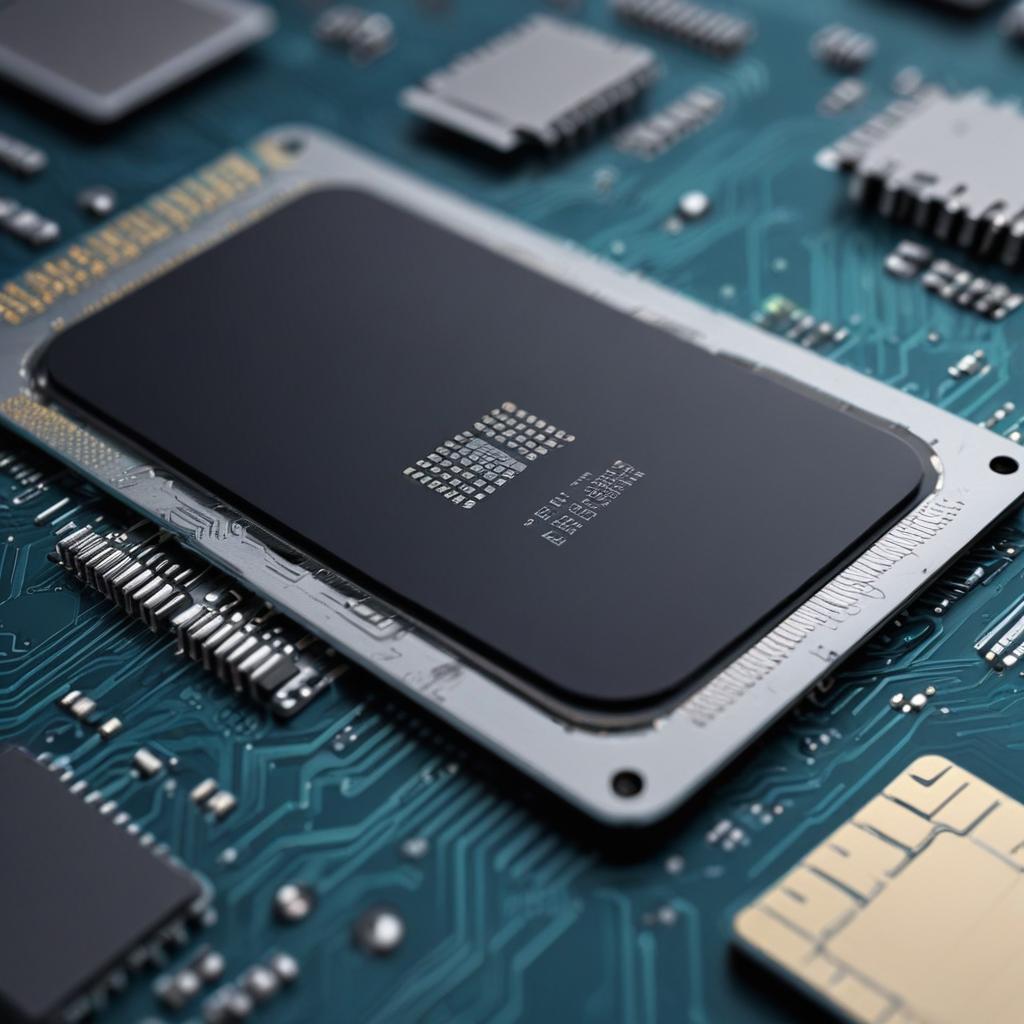
eSIM, short for embedded SIM, represents a revolutionary step forward in mobile connectivity. Unlike traditional physical SIM cards, which are small removable chips inserted into a phone, an eSIM is a digital SIM embedded directly into the device’s hardware. This built-in SIM chip eliminates the need for a physical slot and allows users to activate a mobile network plan digitally without having to swap out physical cards.

One of the primary differences between eSIM technology and traditional SIM cards is the form factor. While traditional SIM cards come in multiple sizes—standard, micro, or nano—requiring manual insertion into a device, the eSIM is a small chip soldered onto the phone’s motherboard during manufacturing. This embedment makes the device sleeker, more durable, and less prone to damage or loss of the SIM card.

The key features of eSIM technology highlight its flexibility and convenience. First, eSIM supports multiple profiles on the same embedded chip, allowing users to switch carriers or mobile plans without changing physical cards. This is especially beneficial for travelers or those who want to manage work and personal numbers on a single device. Second, the activation and management of mobile connectivity through an eSIM can be done over the air, which means users can download and install carrier profiles digitally without visiting a store or waiting for a physical SIM.

In addition, eSIM technology enhances security by being less susceptible to theft or unauthorized removal. Since the SIM is embedded inside the device, it is much harder for someone to tamper with or remove it. Furthermore, eSIM enables manufacturers to design slimmer and more water-resistant phones by eliminating the physical SIM slot, contributing to overall durability and aesthetic appeal.

Overall, the embedded SIM is reshaping the mobile connectivity landscape by introducing greater ease of use, enhanced device design, and improved flexibility. As carriers and device manufacturers continue to adopt eSIM technology, it is expected to become a standard feature that offers seamless digital SIM management and superior user experience compared to conventional SIM cards.

How eSIMs Function in Phones

eSIM functionality represents a significant advancement in mobile technology by embedding the SIM directly into the phone’s hardware. Unlike traditional SIM cards, eSIMs allow for remote activation, eliminating the need for physical cards. Activation processes involve downloading carrier profiles securely over the air, enabling instant connectivity without manual SIM swapping. This profile management is handled through standardized protocols ensuring seamless switching or adding of multiple profiles on one device.

The integration of eSIMs into phones requires close collaboration between mobile network operators and device manufacturers. Phone compatibility is essential, as not all devices support eSIM technology. Modern smartphones typically come with integrated eSIM modules that are programmable, allowing for flexible carrier support and enhanced user experience. The mobile device integration ensures that activation, profile switching, and management can be done directly through phone settings without third-party tools.

Overall, the technical architecture behind eSIM functionality is designed to enhance convenience while maintaining security and flexibility. Activation is streamlined, profile management is versatile, and phone compatibility is steadily expanding, making eSIMs a pivotal feature for today’s mobile communications landscape.

Advantages of Using eSIM Over Physical SIM

One of the primary advantages of using an eSIM instead of a physical SIM card is the unparalleled convenience it offers. With an eSIM, users can activate a mobile plan without ever needing to visit a store or wait for a physical card to arrive. This digital flexibility allows for instant carrier switching, making it ideal for travelers or those who want to explore different network providers without any hassle. The ability to switch carriers seamlessly not only saves time but also enables users to access the best available deals and coverage with minimal effort.

Another significant benefit of the eSIM technology is its contribution to space-saving in device design. Traditional SIM card slots require physical space within the device, limiting manufacturers in how compact or innovative their designs can be. By eliminating the need for a physical slot, eSIMs give designers more freedom to enhance other aspects of the phone, such as battery size, durability, or additional hardware features. This results in sleeker, more efficient devices that better meet modern user demands.

Overall, the advantages of eSIM extend beyond mere practicality; they provide enhanced flexibility, improved user experience, and support more advanced device engineering. This modern technology is quickly becoming the preferred choice for mobile connectivity, demonstrating clear benefits that make life easier for users and open up new possibilities for mobile device innovation.

How eSIM Phones Support Temporary Connectivity

eSIM phones have revolutionized the way travelers and short-term users access mobile connectivity by enabling seamless temporary plans without the hassle of physical SIM cards. These devices come equipped with embedded SIM technology, allowing users to activate and switch between carriers digitally, which is especially valuable for those seeking temporary connectivity options during their journeys.

For travelers crossing borders, eSIM usage simplifies staying connected by providing instant access to local carriers’ networks without visiting physical stores or dealing with complicated SIM swaps. By downloading a temporary plan directly onto their eSIM-enabled phone, users can enjoy mobile data, calls, and messaging services at competitive rates tailored for short-term use, helping them avoid expensive roaming fees.

Temporary connectivity through eSIM phones also eliminates the need to carry multiple SIM cards or keep track of physical alternatives. With just a few taps on their device, travelers can purchase, activate, and deactivate temporary plans as needed, making managing multiple travel destinations efficient and convenient. This flexibility enhances the travel experience while ensuring consistent communication.

Moreover, eSIM phones support dual SIM functionality, allowing users to maintain their home phone number alongside a temporary local number. This is particularly advantageous for business travelers and digital nomads who require reliable access to both personal and local networks without compromising connectivity or incurring extra charges.

In summary, eSIM phones play a crucial role in delivering temporary connectivity by facilitating quick and easy access to short-term mobile plans optimized for travel. Their digital nature and flexibility empower users to stay connected globally with minimal effort, making them indispensable tools for anyone in need of temporary mobile connectivity solutions.

Using eSIMs for International Travel

When it comes to international travel, eSIM technology revolutionizes the way travelers stay connected. Unlike traditional SIM cards, eSIMs allow users to activate local carrier plans instantly without the need to physically swap SIM cards. This means that as soon as you land in a new country, you can access eSIM roaming options to enjoy seamless, affordable service from local providers.

International travel traditionally involved purchasing a travel SIM or dealing with costly roaming fees from your home carrier. Now, with eSIMs, global connectivity is at your fingertips. You can easily browse, compare, and select regional or national carriers directly from your phone’s settings or a supporting app, and download the desired plan within minutes. This flexibility not only saves time but also reduces the hassle of carrying multiple devices or physical SIM cards.

The instant activation of local plans through eSIM roaming ensures that you have reliable internet and call service immediately upon arrival. This is especially critical for navigation, communication, and accessing local services while abroad. Moreover, many providers offer competitive pricing for international travelers, making eSIMs a budget-friendly choice compared to traditional travel SIM cards or international roaming.

Overall, eSIMs enhance the travel experience by providing continuous, convenient global connectivity. They empower users to manage multiple carrier profiles on one device, switch plans effortlessly, and maintain uninterrupted service throughout their international journeys.

Activating Temporary Data Plans via eSIM

The process of purchasing and activating temporary data plans through eSIM technology is straightforward and user-friendly, designed to offer immediate data connectivity without the need for physical SIM cards. First, users select a suitable short-term mobile plan that meets their data requirements and duration. Many carriers and eSIM service providers offer a variety of temporary data plans tailored for travelers, remote workers, or anyone needing flexible connectivity.

Once a plan is chosen, users typically receive a QR code or activation link from the carrier or eSIM provider. This code contains the necessary information for the eSIM profile. Using their eSIM-compatible device, users scan the QR code or follow the activation instructions to download and install the temporary mobile plan directly onto their phone’s eSIM module.

The activation process is quick; once installed, the device automatically switches to the new mobile plan, enabling instant data connectivity. This eliminates the traditional wait times associated with physical SIM cards and store visits. Users gain immediate access to the internet, making it ideal for temporary stays or short trips.

Managing these temporary mobile plans is also seamless, as users can activate, deactivate, or switch plans digitally without any hardware changes. Overall, eSIM technology simplifies the activation process, providing flexible and efficient access to temporary data plans and enhancing the mobile connectivity experience.

Challenges and Future of eSIM for Temporary Connectivity

While eSIM technology offers significant advantages for temporary connectivity, it also faces several challenges and limitations that impact users and service providers alike. One primary concern is the compatibility of eSIMs across different devices and carriers. Not all mobile devices currently support eSIM functionality, and some network providers have yet to fully adopt or optimize eSIM technology, leading to limitations in seamless connectivity for some users.

Another challenge involves security and privacy concerns. Since eSIM profiles are downloaded and managed digitally, users worry about the potential for unauthorized access or tampering. Robust authentication and encryption protocols are essential to ensure that eSIM activation and switching remain secure and protect user data. Additionally, the process of switching between carriers or plans, although more convenient than physical SIMs, can sometimes be complex or confusing for less tech-savvy users.

The current regulatory landscape also poses limitations for eSIM adoption in temporary connectivity. Different countries have varying rules regarding digital SIM management, data privacy, and telecom licensing. This regulatory fragmentation can restrict the ease of use and global functionality of eSIMs, especially for frequent travelers who rely on temporary data plans across borders.

Looking to the future, eSIM technology is expected to evolve with emerging trends that address many of these challenges. Innovations in remote SIM provisioning and management tools will enhance user experience, making switching carriers faster, more intuitive, and more secure. The expansion of eSIM support across a broader range of devices and networks will reduce compatibility issues, encouraging wider adoption for both consumers and enterprises.

Moreover, as the Internet of Things (IoT) ecosystem grows, eSIM technology will play a crucial role in enabling temporary and flexible connectivity for a vast array of smart devices, from wearables to automotive systems. This trend underscores the importance of ongoing advancements in eSIM standards and industry collaboration to overcome existing limitations.

In summary, while the journey of eSIM technology in temporary connectivity is marked by challenges related to compatibility, security, user experience, and regulation, the future holds promising developments. These advancements will likely transform the way individuals and businesses leverage mobile connectivity, making temporary eSIM solutions more accessible, reliable, and user-friendly.

Potential Barriers to Widespread eSIM Adoption

Despite the growing advantages of eSIM technology, several adoption barriers slow its widespread acceptance. One major hurdle is carrier restrictions. Many mobile carriers still limit or do not support eSIM functionality, especially in certain regions, which restricts user options and deters potential customers from switching to eSIM-enabled devices.

Device support also plays a crucial role in the adoption rate. While more manufacturers are incorporating eSIM capabilities into their phones, a significant number of older or budget devices lack eSIM compatibility. This device support issue creates a fragmented market, hindering users who want the convenience of eSIM but cannot access it through their current hardware.

In addition to technical and carrier limitations, user awareness remains a significant challenge. Many consumers are still unfamiliar with what eSIM technology is, how it works, or the benefits it offers. This lack of awareness can lead to hesitation, as potential users may not fully trust or understand the security and convenience of managing digital SIM profiles.

Overcoming these barriers requires coordinated efforts from carriers to expand support, device manufacturers to increase compatibility, and educational initiatives to boost consumer knowledge. Addressing these issues is essential for unlocking the full potential of eSIM technology and enabling seamless connectivity for all users.

Innovations Shaping the Future of eSIM

The future innovations in eSIM technology are poised to revolutionize how we connect, offering seamless and flexible solutions for mobile connectivity. One of the most significant eSIM advancements is enhanced interoperability, allowing devices from different manufacturers and network providers to communicate effortlessly. This breakthrough will eliminate many compatibility issues, enabling users to switch carriers or manage multiple profiles efficiently without the traditional hassles. As connectivity trends evolve, eSIM technology is becoming a cornerstone for smarter and more adaptive devices.

Another exciting area of development is IoT integration. eSIMs are perfectly suited for the Internet of Things ecosystem, providing reliable and secure connectivity for a wide range of smart devices, from wearables and smart home gadgets to industrial sensors. This integration facilitates real-time data exchange and remote device management, essential for expanding IoT applications across industries. The use of eSIMs in IoT ensures devices remain connected without the need for physical SIM cards, reducing maintenance and operational costs.

Moreover, improving the user experience remains a pivotal focus in eSIM advancements. Innovations include more intuitive activation processes, better user interfaces for managing multiple profiles, and automated network selection features. These enhancements will make it easier for users to maintain connectivity on the go, especially while traveling or using temporary mobile data plans. As the technology matures, eSIMs will become more accessible and user-friendly, aligning perfectly with modern connectivity trends and delivering a seamless digital experience.

For travelers crossing borders, eSIM usage simplifies staying connected by providing instant access to local carriers’ networks without visiting physical stores or dealing with complicated SIM swaps. By downloading a temporary plan directly onto their eSIM-enabled phone, users can enjoy mobile data, calls, and messaging services at competitive rates tailored for short-term use, helping them avoid expensive roaming fees.

Temporary connectivity through eSIM phones also eliminates the need to carry multiple SIM cards or keep track of physical alternatives. With just a few taps on their device, travelers can purchase, activate, and deactivate temporary plans as needed, making managing multiple travel destinations efficient and convenient. This flexibility enhances the travel experience while ensuring consistent communication.

Moreover, eSIM phones support dual SIM functionality, allowing users to maintain their home phone number alongside a temporary local number. This is particularly advantageous for business travelers and digital nomads who require reliable access to both personal and local networks without compromising connectivity or incurring extra charges.

In summary, eSIM phones play a crucial role in delivering temporary connectivity by facilitating quick and easy access to short-term mobile plans optimized for travel. Their digital nature and flexibility empower users to stay connected globally with minimal effort, making them indispensable tools for anyone in need of temporary mobile connectivity solutions.

Using eSIMs for International Travel

When it comes to international travel, eSIM technology revolutionizes the way travelers stay connected. Unlike traditional SIM cards, eSIMs allow users to activate local carrier plans instantly without the need to physically swap SIM cards. This means that as soon as you land in a new country, you can access eSIM roaming options to enjoy seamless, affordable service from local providers.

International travel traditionally involved purchasing a travel SIM or dealing with costly roaming fees from your home carrier. Now, with eSIMs, global connectivity is at your fingertips. You can easily browse, compare, and select regional or national carriers directly from your phone’s settings or a supporting app, and download the desired plan within minutes. This flexibility not only saves time but also reduces the hassle of carrying multiple devices or physical SIM cards.

The instant activation of local plans through eSIM roaming ensures that you have reliable internet and call service immediately upon arrival. This is especially critical for navigation, communication, and accessing local services while abroad. Moreover, many providers offer competitive pricing for international travelers, making eSIMs a budget-friendly choice compared to traditional travel SIM cards or international roaming.

Overall, eSIMs enhance the travel experience by providing continuous, convenient global connectivity. They empower users to manage multiple carrier profiles on one device, switch plans effortlessly, and maintain uninterrupted service throughout their international journeys.

Activating Temporary Data Plans via eSIM

The process of purchasing and activating temporary data plans through eSIM technology is straightforward and user-friendly, designed to offer immediate data connectivity without the need for physical SIM cards. First, users select a suitable short-term mobile plan that meets their data requirements and duration. Many carriers and eSIM service providers offer a variety of temporary data plans tailored for travelers, remote workers, or anyone needing flexible connectivity.

Once a plan is chosen, users typically receive a QR code or activation link from the carrier or eSIM provider. This code contains the necessary information for the eSIM profile. Using their eSIM-compatible device, users scan the QR code or follow the activation instructions to download and install the temporary mobile plan directly onto their phone’s eSIM module.

The activation process is quick; once installed, the device automatically switches to the new mobile plan, enabling instant data connectivity. This eliminates the traditional wait times associated with physical SIM cards and store visits. Users gain immediate access to the internet, making it ideal for temporary stays or short trips.

Managing these temporary mobile plans is also seamless, as users can activate, deactivate, or switch plans digitally without any hardware changes. Overall, eSIM technology simplifies the activation process, providing flexible and efficient access to temporary data plans and enhancing the mobile connectivity experience.

Challenges and Future of eSIM for Temporary Connectivity

While eSIM technology offers significant advantages for temporary connectivity, it also faces several challenges and limitations that impact users and service providers alike. One primary concern is the compatibility of eSIMs across different devices and carriers. Not all mobile devices currently support eSIM functionality, and some network providers have yet to fully adopt or optimize eSIM technology, leading to limitations in seamless connectivity for some users.

Another challenge involves security and privacy concerns. Since eSIM profiles are downloaded and managed digitally, users worry about the potential for unauthorized access or tampering. Robust authentication and encryption protocols are essential to ensure that eSIM activation and switching remain secure and protect user data. Additionally, the process of switching between carriers or plans, although more convenient than physical SIMs, can sometimes be complex or confusing for less tech-savvy users.

The current regulatory landscape also poses limitations for eSIM adoption in temporary connectivity. Different countries have varying rules regarding digital SIM management, data privacy, and telecom licensing. This regulatory fragmentation can restrict the ease of use and global functionality of eSIMs, especially for frequent travelers who rely on temporary data plans across borders.

Looking to the future, eSIM technology is expected to evolve with emerging trends that address many of these challenges. Innovations in remote SIM provisioning and management tools will enhance user experience, making switching carriers faster, more intuitive, and more secure. The expansion of eSIM support across a broader range of devices and networks will reduce compatibility issues, encouraging wider adoption for both consumers and enterprises.

Moreover, as the Internet of Things (IoT) ecosystem grows, eSIM technology will play a crucial role in enabling temporary and flexible connectivity for a vast array of smart devices, from wearables to automotive systems. This trend underscores the importance of ongoing advancements in eSIM standards and industry collaboration to overcome existing limitations.

In summary, while the journey of eSIM technology in temporary connectivity is marked by challenges related to compatibility, security, user experience, and regulation, the future holds promising developments. These advancements will likely transform the way individuals and businesses leverage mobile connectivity, making temporary eSIM solutions more accessible, reliable, and user-friendly.

Potential Barriers to Widespread eSIM Adoption

Despite the growing advantages of eSIM technology, several adoption barriers slow its widespread acceptance. One major hurdle is carrier restrictions. Many mobile carriers still limit or do not support eSIM functionality, especially in certain regions, which restricts user options and deters potential customers from switching to eSIM-enabled devices.

Device support also plays a crucial role in the adoption rate. While more manufacturers are incorporating eSIM capabilities into their phones, a significant number of older or budget devices lack eSIM compatibility. This device support issue creates a fragmented market, hindering users who want the convenience of eSIM but cannot access it through their current hardware.

In addition to technical and carrier limitations, user awareness remains a significant challenge. Many consumers are still unfamiliar with what eSIM technology is, how it works, or the benefits it offers. This lack of awareness can lead to hesitation, as potential users may not fully trust or understand the security and convenience of managing digital SIM profiles.

Overcoming these barriers requires coordinated efforts from carriers to expand support, device manufacturers to increase compatibility, and educational initiatives to boost consumer knowledge. Addressing these issues is essential for unlocking the full potential of eSIM technology and enabling seamless connectivity for all users.

Innovations Shaping the Future of eSIM

The future innovations in eSIM technology are poised to revolutionize how we connect, offering seamless and flexible solutions for mobile connectivity. One of the most significant eSIM advancements is enhanced interoperability, allowing devices from different manufacturers and network providers to communicate effortlessly. This breakthrough will eliminate many compatibility issues, enabling users to switch carriers or manage multiple profiles efficiently without the traditional hassles. As connectivity trends evolve, eSIM technology is becoming a cornerstone for smarter and more adaptive devices.

Another exciting area of development is IoT integration. eSIMs are perfectly suited for the Internet of Things ecosystem, providing reliable and secure connectivity for a wide range of smart devices, from wearables and smart home gadgets to industrial sensors. This integration facilitates real-time data exchange and remote device management, essential for expanding IoT applications across industries. The use of eSIMs in IoT ensures devices remain connected without the need for physical SIM cards, reducing maintenance and operational costs.

Moreover, improving the user experience remains a pivotal focus in eSIM advancements. Innovations include more intuitive activation processes, better user interfaces for managing multiple profiles, and automated network selection features. These enhancements will make it easier for users to maintain connectivity on the go, especially while traveling or using temporary mobile data plans. As the technology matures, eSIMs will become more accessible and user-friendly, aligning perfectly with modern connectivity trends and delivering a seamless digital experience.

Understanding eSIM Technology

eSIM, short for embedded SIM, represents a revolutionary step forward in mobile connectivity. Unlike traditional physical SIM cards, which are small removable chips inserted into a phone, an eSIM is a digital SIM embedded directly into the device’s hardware. This built-in SIM chip eliminates the need for a physical slot and allows users to activate a mobile network plan digitally without having to swap out physical cards.

One of the primary differences between eSIM technology and traditional SIM cards is the form factor. While traditional SIM cards come in multiple sizes—standard, micro, or nano—requiring manual insertion into a device, the eSIM is a small chip soldered onto the phone’s motherboard during manufacturing. This embedment makes the device sleeker, more durable, and less prone to damage or loss of the SIM card.

The key features of eSIM technology highlight its flexibility and convenience. First, eSIM supports multiple profiles on the same embedded chip, allowing users to switch carriers or mobile plans without changing physical cards. This is especially beneficial for travelers or those who want to manage work and personal numbers on a single device. Second, the activation and management of mobile connectivity through an eSIM can be done over the air, which means users can download and install carrier profiles digitally without visiting a store or waiting for a physical SIM.

In addition, eSIM technology enhances security by being less susceptible to theft or unauthorized removal. Since the SIM is embedded inside the device, it is much harder for someone to tamper with or remove it. Furthermore, eSIM enables manufacturers to design slimmer and more water-resistant phones by eliminating the physical SIM slot, contributing to overall durability and aesthetic appeal.

Overall, the embedded SIM is reshaping the mobile connectivity landscape by introducing greater ease of use, enhanced device design, and improved flexibility. As carriers and device manufacturers continue to adopt eSIM technology, it is expected to become a standard feature that offers seamless digital SIM management and superior user experience compared to conventional SIM cards.

How eSIMs Function in Phones

eSIM functionality represents a significant advancement in mobile technology by embedding the SIM directly into the phone’s hardware. Unlike traditional SIM cards, eSIMs allow for remote activation, eliminating the need for physical cards. Activation processes involve downloading carrier profiles securely over the air, enabling instant connectivity without manual SIM swapping. This profile management is handled through standardized protocols ensuring seamless switching or adding of multiple profiles on one device.

The integration of eSIMs into phones requires close collaboration between mobile network operators and device manufacturers. Phone compatibility is essential, as not all devices support eSIM technology. Modern smartphones typically come with integrated eSIM modules that are programmable, allowing for flexible carrier support and enhanced user experience. The mobile device integration ensures that activation, profile switching, and management can be done directly through phone settings without third-party tools.

Overall, the technical architecture behind eSIM functionality is designed to enhance convenience while maintaining security and flexibility. Activation is streamlined, profile management is versatile, and phone compatibility is steadily expanding, making eSIMs a pivotal feature for today’s mobile communications landscape.

Advantages of Using eSIM Over Physical SIM

One of the primary advantages of using an eSIM instead of a physical SIM card is the unparalleled convenience it offers. With an eSIM, users can activate a mobile plan without ever needing to visit a store or wait for a physical card to arrive. This digital flexibility allows for instant carrier switching, making it ideal for travelers or those who want to explore different network providers without any hassle. The ability to switch carriers seamlessly not only saves time but also enables users to access the best available deals and coverage with minimal effort.

Another significant benefit of the eSIM technology is its contribution to space-saving in device design. Traditional SIM card slots require physical space within the device, limiting manufacturers in how compact or innovative their designs can be. By eliminating the need for a physical slot, eSIMs give designers more freedom to enhance other aspects of the phone, such as battery size, durability, or additional hardware features. This results in sleeker, more efficient devices that better meet modern user demands.

Overall, the advantages of eSIM extend beyond mere practicality; they provide enhanced flexibility, improved user experience, and support more advanced device engineering. This modern technology is quickly becoming the preferred choice for mobile connectivity, demonstrating clear benefits that make life easier for users and open up new possibilities for mobile device innovation.

How eSIM Phones Support Temporary Connectivity

eSIM phones have revolutionized the way travelers and short-term users access mobile connectivity by enabling seamless temporary plans without the hassle of physical SIM cards. These devices come equipped with embedded SIM technology, allowing users to activate and switch between carriers digitally, which is especially valuable for those seeking temporary connectivity options during their journeys.

For travelers crossing borders, eSIM usage simplifies staying connected by providing instant access to local carriers’ networks without visiting physical stores or dealing with complicated SIM swaps. By downloading a temporary plan directly onto their eSIM-enabled phone, users can enjoy mobile data, calls, and messaging services at competitive rates tailored for short-term use, helping them avoid expensive roaming fees.

Temporary connectivity through eSIM phones also eliminates the need to carry multiple SIM cards or keep track of physical alternatives. With just a few taps on their device, travelers can purchase, activate, and deactivate temporary plans as needed, making managing multiple travel destinations efficient and convenient. This flexibility enhances the travel experience while ensuring consistent communication.

Moreover, eSIM phones support dual SIM functionality, allowing users to maintain their home phone number alongside a temporary local number. This is particularly advantageous for business travelers and digital nomads who require reliable access to both personal and local networks without compromising connectivity or incurring extra charges.

In summary, eSIM phones play a crucial role in delivering temporary connectivity by facilitating quick and easy access to short-term mobile plans optimized for travel. Their digital nature and flexibility empower users to stay connected globally with minimal effort, making them indispensable tools for anyone in need of temporary mobile connectivity solutions.

Using eSIMs for International Travel

When it comes to international travel, eSIM technology revolutionizes the way travelers stay connected. Unlike traditional SIM cards, eSIMs allow users to activate local carrier plans instantly without the need to physically swap SIM cards. This means that as soon as you land in a new country, you can access eSIM roaming options to enjoy seamless, affordable service from local providers.

International travel traditionally involved purchasing a travel SIM or dealing with costly roaming fees from your home carrier. Now, with eSIMs, global connectivity is at your fingertips. You can easily browse, compare, and select regional or national carriers directly from your phone’s settings or a supporting app, and download the desired plan within minutes. This flexibility not only saves time but also reduces the hassle of carrying multiple devices or physical SIM cards.

The instant activation of local plans through eSIM roaming ensures that you have reliable internet and call service immediately upon arrival. This is especially critical for navigation, communication, and accessing local services while abroad. Moreover, many providers offer competitive pricing for international travelers, making eSIMs a budget-friendly choice compared to traditional travel SIM cards or international roaming.

Overall, eSIMs enhance the travel experience by providing continuous, convenient global connectivity. They empower users to manage multiple carrier profiles on one device, switch plans effortlessly, and maintain uninterrupted service throughout their international journeys.

Activating Temporary Data Plans via eSIM

The process of purchasing and activating temporary data plans through eSIM technology is straightforward and user-friendly, designed to offer immediate data connectivity without the need for physical SIM cards. First, users select a suitable short-term mobile plan that meets their data requirements and duration. Many carriers and eSIM service providers offer a variety of temporary data plans tailored for travelers, remote workers, or anyone needing flexible connectivity.

Once a plan is chosen, users typically receive a QR code or activation link from the carrier or eSIM provider. This code contains the necessary information for the eSIM profile. Using their eSIM-compatible device, users scan the QR code or follow the activation instructions to download and install the temporary mobile plan directly onto their phone’s eSIM module.

The activation process is quick; once installed, the device automatically switches to the new mobile plan, enabling instant data connectivity. This eliminates the traditional wait times associated with physical SIM cards and store visits. Users gain immediate access to the internet, making it ideal for temporary stays or short trips.

Managing these temporary mobile plans is also seamless, as users can activate, deactivate, or switch plans digitally without any hardware changes. Overall, eSIM technology simplifies the activation process, providing flexible and efficient access to temporary data plans and enhancing the mobile connectivity experience.

Challenges and Future of eSIM for Temporary Connectivity

While eSIM technology offers significant advantages for temporary connectivity, it also faces several challenges and limitations that impact users and service providers alike. One primary concern is the compatibility of eSIMs across different devices and carriers. Not all mobile devices currently support eSIM functionality, and some network providers have yet to fully adopt or optimize eSIM technology, leading to limitations in seamless connectivity for some users.

Another challenge involves security and privacy concerns. Since eSIM profiles are downloaded and managed digitally, users worry about the potential for unauthorized access or tampering. Robust authentication and encryption protocols are essential to ensure that eSIM activation and switching remain secure and protect user data. Additionally, the process of switching between carriers or plans, although more convenient than physical SIMs, can sometimes be complex or confusing for less tech-savvy users.

The current regulatory landscape also poses limitations for eSIM adoption in temporary connectivity. Different countries have varying rules regarding digital SIM management, data privacy, and telecom licensing. This regulatory fragmentation can restrict the ease of use and global functionality of eSIMs, especially for frequent travelers who rely on temporary data plans across borders.

Looking to the future, eSIM technology is expected to evolve with emerging trends that address many of these challenges. Innovations in remote SIM provisioning and management tools will enhance user experience, making switching carriers faster, more intuitive, and more secure. The expansion of eSIM support across a broader range of devices and networks will reduce compatibility issues, encouraging wider adoption for both consumers and enterprises.

Moreover, as the Internet of Things (IoT) ecosystem grows, eSIM technology will play a crucial role in enabling temporary and flexible connectivity for a vast array of smart devices, from wearables to automotive systems. This trend underscores the importance of ongoing advancements in eSIM standards and industry collaboration to overcome existing limitations.

In summary, while the journey of eSIM technology in temporary connectivity is marked by challenges related to compatibility, security, user experience, and regulation, the future holds promising developments. These advancements will likely transform the way individuals and businesses leverage mobile connectivity, making temporary eSIM solutions more accessible, reliable, and user-friendly.

Potential Barriers to Widespread eSIM Adoption

Despite the growing advantages of eSIM technology, several adoption barriers slow its widespread acceptance. One major hurdle is carrier restrictions. Many mobile carriers still limit or do not support eSIM functionality, especially in certain regions, which restricts user options and deters potential customers from switching to eSIM-enabled devices.

Device support also plays a crucial role in the adoption rate. While more manufacturers are incorporating eSIM capabilities into their phones, a significant number of older or budget devices lack eSIM compatibility. This device support issue creates a fragmented market, hindering users who want the convenience of eSIM but cannot access it through their current hardware.

In addition to technical and carrier limitations, user awareness remains a significant challenge. Many consumers are still unfamiliar with what eSIM technology is, how it works, or the benefits it offers. This lack of awareness can lead to hesitation, as potential users may not fully trust or understand the security and convenience of managing digital SIM profiles.

Overcoming these barriers requires coordinated efforts from carriers to expand support, device manufacturers to increase compatibility, and educational initiatives to boost consumer knowledge. Addressing these issues is essential for unlocking the full potential of eSIM technology and enabling seamless connectivity for all users.

Innovations Shaping the Future of eSIM

The future innovations in eSIM technology are poised to revolutionize how we connect, offering seamless and flexible solutions for mobile connectivity. One of the most significant eSIM advancements is enhanced interoperability, allowing devices from different manufacturers and network providers to communicate effortlessly. This breakthrough will eliminate many compatibility issues, enabling users to switch carriers or manage multiple profiles efficiently without the traditional hassles. As connectivity trends evolve, eSIM technology is becoming a cornerstone for smarter and more adaptive devices.

Another exciting area of development is IoT integration. eSIMs are perfectly suited for the Internet of Things ecosystem, providing reliable and secure connectivity for a wide range of smart devices, from wearables and smart home gadgets to industrial sensors. This integration facilitates real-time data exchange and remote device management, essential for expanding IoT applications across industries. The use of eSIMs in IoT ensures devices remain connected without the need for physical SIM cards, reducing maintenance and operational costs.

Moreover, improving the user experience remains a pivotal focus in eSIM advancements. Innovations include more intuitive activation processes, better user interfaces for managing multiple profiles, and automated network selection features. These enhancements will make it easier for users to maintain connectivity on the go, especially while traveling or using temporary mobile data plans. As the technology matures, eSIMs will become more accessible and user-friendly, aligning perfectly with modern connectivity trends and delivering a seamless digital experience.

For travelers crossing borders, eSIM usage simplifies staying connected by providing instant access to local carriers’ networks without visiting physical stores or dealing with complicated SIM swaps. By downloading a temporary plan directly onto their eSIM-enabled phone, users can enjoy mobile data, calls, and messaging services at competitive rates tailored for short-term use, helping them avoid expensive roaming fees.

Temporary connectivity through eSIM phones also eliminates the need to carry multiple SIM cards or keep track of physical alternatives. With just a few taps on their device, travelers can purchase, activate, and deactivate temporary plans as needed, making managing multiple travel destinations efficient and convenient. This flexibility enhances the travel experience while ensuring consistent communication.

Moreover, eSIM phones support dual SIM functionality, allowing users to maintain their home phone number alongside a temporary local number. This is particularly advantageous for business travelers and digital nomads who require reliable access to both personal and local networks without compromising connectivity or incurring extra charges.

In summary, eSIM phones play a crucial role in delivering temporary connectivity by facilitating quick and easy access to short-term mobile plans optimized for travel. Their digital nature and flexibility empower users to stay connected globally with minimal effort, making them indispensable tools for anyone in need of temporary mobile connectivity solutions.

Using eSIMs for International Travel

When it comes to international travel, eSIM technology revolutionizes the way travelers stay connected. Unlike traditional SIM cards, eSIMs allow users to activate local carrier plans instantly without the need to physically swap SIM cards. This means that as soon as you land in a new country, you can access eSIM roaming options to enjoy seamless, affordable service from local providers.

International travel traditionally involved purchasing a travel SIM or dealing with costly roaming fees from your home carrier. Now, with eSIMs, global connectivity is at your fingertips. You can easily browse, compare, and select regional or national carriers directly from your phone’s settings or a supporting app, and download the desired plan within minutes. This flexibility not only saves time but also reduces the hassle of carrying multiple devices or physical SIM cards.

The instant activation of local plans through eSIM roaming ensures that you have reliable internet and call service immediately upon arrival. This is especially critical for navigation, communication, and accessing local services while abroad. Moreover, many providers offer competitive pricing for international travelers, making eSIMs a budget-friendly choice compared to traditional travel SIM cards or international roaming.

Overall, eSIMs enhance the travel experience by providing continuous, convenient global connectivity. They empower users to manage multiple carrier profiles on one device, switch plans effortlessly, and maintain uninterrupted service throughout their international journeys.

Activating Temporary Data Plans via eSIM

The process of purchasing and activating temporary data plans through eSIM technology is straightforward and user-friendly, designed to offer immediate data connectivity without the need for physical SIM cards. First, users select a suitable short-term mobile plan that meets their data requirements and duration. Many carriers and eSIM service providers offer a variety of temporary data plans tailored for travelers, remote workers, or anyone needing flexible connectivity.

Once a plan is chosen, users typically receive a QR code or activation link from the carrier or eSIM provider. This code contains the necessary information for the eSIM profile. Using their eSIM-compatible device, users scan the QR code or follow the activation instructions to download and install the temporary mobile plan directly onto their phone’s eSIM module.

The activation process is quick; once installed, the device automatically switches to the new mobile plan, enabling instant data connectivity. This eliminates the traditional wait times associated with physical SIM cards and store visits. Users gain immediate access to the internet, making it ideal for temporary stays or short trips.

Managing these temporary mobile plans is also seamless, as users can activate, deactivate, or switch plans digitally without any hardware changes. Overall, eSIM technology simplifies the activation process, providing flexible and efficient access to temporary data plans and enhancing the mobile connectivity experience.

Challenges and Future of eSIM for Temporary Connectivity

While eSIM technology offers significant advantages for temporary connectivity, it also faces several challenges and limitations that impact users and service providers alike. One primary concern is the compatibility of eSIMs across different devices and carriers. Not all mobile devices currently support eSIM functionality, and some network providers have yet to fully adopt or optimize eSIM technology, leading to limitations in seamless connectivity for some users.

Another challenge involves security and privacy concerns. Since eSIM profiles are downloaded and managed digitally, users worry about the potential for unauthorized access or tampering. Robust authentication and encryption protocols are essential to ensure that eSIM activation and switching remain secure and protect user data. Additionally, the process of switching between carriers or plans, although more convenient than physical SIMs, can sometimes be complex or confusing for less tech-savvy users.

The current regulatory landscape also poses limitations for eSIM adoption in temporary connectivity. Different countries have varying rules regarding digital SIM management, data privacy, and telecom licensing. This regulatory fragmentation can restrict the ease of use and global functionality of eSIMs, especially for frequent travelers who rely on temporary data plans across borders.

Looking to the future, eSIM technology is expected to evolve with emerging trends that address many of these challenges. Innovations in remote SIM provisioning and management tools will enhance user experience, making switching carriers faster, more intuitive, and more secure. The expansion of eSIM support across a broader range of devices and networks will reduce compatibility issues, encouraging wider adoption for both consumers and enterprises.

Moreover, as the Internet of Things (IoT) ecosystem grows, eSIM technology will play a crucial role in enabling temporary and flexible connectivity for a vast array of smart devices, from wearables to automotive systems. This trend underscores the importance of ongoing advancements in eSIM standards and industry collaboration to overcome existing limitations.

In summary, while the journey of eSIM technology in temporary connectivity is marked by challenges related to compatibility, security, user experience, and regulation, the future holds promising developments. These advancements will likely transform the way individuals and businesses leverage mobile connectivity, making temporary eSIM solutions more accessible, reliable, and user-friendly.

Potential Barriers to Widespread eSIM Adoption

Despite the growing advantages of eSIM technology, several adoption barriers slow its widespread acceptance. One major hurdle is carrier restrictions. Many mobile carriers still limit or do not support eSIM functionality, especially in certain regions, which restricts user options and deters potential customers from switching to eSIM-enabled devices.

Device support also plays a crucial role in the adoption rate. While more manufacturers are incorporating eSIM capabilities into their phones, a significant number of older or budget devices lack eSIM compatibility. This device support issue creates a fragmented market, hindering users who want the convenience of eSIM but cannot access it through their current hardware.

In addition to technical and carrier limitations, user awareness remains a significant challenge. Many consumers are still unfamiliar with what eSIM technology is, how it works, or the benefits it offers. This lack of awareness can lead to hesitation, as potential users may not fully trust or understand the security and convenience of managing digital SIM profiles.

Overcoming these barriers requires coordinated efforts from carriers to expand support, device manufacturers to increase compatibility, and educational initiatives to boost consumer knowledge. Addressing these issues is essential for unlocking the full potential of eSIM technology and enabling seamless connectivity for all users.

Innovations Shaping the Future of eSIM

The future innovations in eSIM technology are poised to revolutionize how we connect, offering seamless and flexible solutions for mobile connectivity. One of the most significant eSIM advancements is enhanced interoperability, allowing devices from different manufacturers and network providers to communicate effortlessly. This breakthrough will eliminate many compatibility issues, enabling users to switch carriers or manage multiple profiles efficiently without the traditional hassles. As connectivity trends evolve, eSIM technology is becoming a cornerstone for smarter and more adaptive devices.

Another exciting area of development is IoT integration. eSIMs are perfectly suited for the Internet of Things ecosystem, providing reliable and secure connectivity for a wide range of smart devices, from wearables and smart home gadgets to industrial sensors. This integration facilitates real-time data exchange and remote device management, essential for expanding IoT applications across industries. The use of eSIMs in IoT ensures devices remain connected without the need for physical SIM cards, reducing maintenance and operational costs.

Moreover, improving the user experience remains a pivotal focus in eSIM advancements. Innovations include more intuitive activation processes, better user interfaces for managing multiple profiles, and automated network selection features. These enhancements will make it easier for users to maintain connectivity on the go, especially while traveling or using temporary mobile data plans. As the technology matures, eSIMs will become more accessible and user-friendly, aligning perfectly with modern connectivity trends and delivering a seamless digital experience.

Understanding eSIM Technology

eSIM, short for embedded SIM, represents a revolutionary step forward in mobile connectivity. Unlike traditional physical SIM cards, which are small removable chips inserted into a phone, an eSIM is a digital SIM embedded directly into the device’s hardware. This built-in SIM chip eliminates the need for a physical slot and allows users to activate a mobile network plan digitally without having to swap out physical cards.

One of the primary differences between eSIM technology and traditional SIM cards is the form factor. While traditional SIM cards come in multiple sizes—standard, micro, or nano—requiring manual insertion into a device, the eSIM is a small chip soldered onto the phone’s motherboard during manufacturing. This embedment makes the device sleeker, more durable, and less prone to damage or loss of the SIM card.

The key features of eSIM technology highlight its flexibility and convenience. First, eSIM supports multiple profiles on the same embedded chip, allowing users to switch carriers or mobile plans without changing physical cards. This is especially beneficial for travelers or those who want to manage work and personal numbers on a single device. Second, the activation and management of mobile connectivity through an eSIM can be done over the air, which means users can download and install carrier profiles digitally without visiting a store or waiting for a physical SIM.

In addition, eSIM technology enhances security by being less susceptible to theft or unauthorized removal. Since the SIM is embedded inside the device, it is much harder for someone to tamper with or remove it. Furthermore, eSIM enables manufacturers to design slimmer and more water-resistant phones by eliminating the physical SIM slot, contributing to overall durability and aesthetic appeal.

Overall, the embedded SIM is reshaping the mobile connectivity landscape by introducing greater ease of use, enhanced device design, and improved flexibility. As carriers and device manufacturers continue to adopt eSIM technology, it is expected to become a standard feature that offers seamless digital SIM management and superior user experience compared to conventional SIM cards.

How eSIMs Function in Phones

eSIM functionality represents a significant advancement in mobile technology by embedding the SIM directly into the phone’s hardware. Unlike traditional SIM cards, eSIMs allow for remote activation, eliminating the need for physical cards. Activation processes involve downloading carrier profiles securely over the air, enabling instant connectivity without manual SIM swapping. This profile management is handled through standardized protocols ensuring seamless switching or adding of multiple profiles on one device.

The integration of eSIMs into phones requires close collaboration between mobile network operators and device manufacturers. Phone compatibility is essential, as not all devices support eSIM technology. Modern smartphones typically come with integrated eSIM modules that are programmable, allowing for flexible carrier support and enhanced user experience. The mobile device integration ensures that activation, profile switching, and management can be done directly through phone settings without third-party tools.

Overall, the technical architecture behind eSIM functionality is designed to enhance convenience while maintaining security and flexibility. Activation is streamlined, profile management is versatile, and phone compatibility is steadily expanding, making eSIMs a pivotal feature for today’s mobile communications landscape.

Advantages of Using eSIM Over Physical SIM

One of the primary advantages of using an eSIM instead of a physical SIM card is the unparalleled convenience it offers. With an eSIM, users can activate a mobile plan without ever needing to visit a store or wait for a physical card to arrive. This digital flexibility allows for instant carrier switching, making it ideal for travelers or those who want to explore different network providers without any hassle. The ability to switch carriers seamlessly not only saves time but also enables users to access the best available deals and coverage with minimal effort.

Another significant benefit of the eSIM technology is its contribution to space-saving in device design. Traditional SIM card slots require physical space within the device, limiting manufacturers in how compact or innovative their designs can be. By eliminating the need for a physical slot, eSIMs give designers more freedom to enhance other aspects of the phone, such as battery size, durability, or additional hardware features. This results in sleeker, more efficient devices that better meet modern user demands.

Overall, the advantages of eSIM extend beyond mere practicality; they provide enhanced flexibility, improved user experience, and support more advanced device engineering. This modern technology is quickly becoming the preferred choice for mobile connectivity, demonstrating clear benefits that make life easier for users and open up new possibilities for mobile device innovation.

How eSIM Phones Support Temporary Connectivity

eSIM phones have revolutionized the way travelers and short-term users access mobile connectivity by enabling seamless temporary plans without the hassle of physical SIM cards. These devices come equipped with embedded SIM technology, allowing users to activate and switch between carriers digitally, which is especially valuable for those seeking temporary connectivity options during their journeys.

For travelers crossing borders, eSIM usage simplifies staying connected by providing instant access to local carriers’ networks without visiting physical stores or dealing with complicated SIM swaps. By downloading a temporary plan directly onto their eSIM-enabled phone, users can enjoy mobile data, calls, and messaging services at competitive rates tailored for short-term use, helping them avoid expensive roaming fees.

Temporary connectivity through eSIM phones also eliminates the need to carry multiple SIM cards or keep track of physical alternatives. With just a few taps on their device, travelers can purchase, activate, and deactivate temporary plans as needed, making managing multiple travel destinations efficient and convenient. This flexibility enhances the travel experience while ensuring consistent communication.

Moreover, eSIM phones support dual SIM functionality, allowing users to maintain their home phone number alongside a temporary local number. This is particularly advantageous for business travelers and digital nomads who require reliable access to both personal and local networks without compromising connectivity or incurring extra charges.

In summary, eSIM phones play a crucial role in delivering temporary connectivity by facilitating quick and easy access to short-term mobile plans optimized for travel. Their digital nature and flexibility empower users to stay connected globally with minimal effort, making them indispensable tools for anyone in need of temporary mobile connectivity solutions.

Using eSIMs for International Travel

When it comes to international travel, eSIM technology revolutionizes the way travelers stay connected. Unlike traditional SIM cards, eSIMs allow users to activate local carrier plans instantly without the need to physically swap SIM cards. This means that as soon as you land in a new country, you can access eSIM roaming options to enjoy seamless, affordable service from local providers.

International travel traditionally involved purchasing a travel SIM or dealing with costly roaming fees from your home carrier. Now, with eSIMs, global connectivity is at your fingertips. You can easily browse, compare, and select regional or national carriers directly from your phone’s settings or a supporting app, and download the desired plan within minutes. This flexibility not only saves time but also reduces the hassle of carrying multiple devices or physical SIM cards.

The instant activation of local plans through eSIM roaming ensures that you have reliable internet and call service immediately upon arrival. This is especially critical for navigation, communication, and accessing local services while abroad. Moreover, many providers offer competitive pricing for international travelers, making eSIMs a budget-friendly choice compared to traditional travel SIM cards or international roaming.

Overall, eSIMs enhance the travel experience by providing continuous, convenient global connectivity. They empower users to manage multiple carrier profiles on one device, switch plans effortlessly, and maintain uninterrupted service throughout their international journeys.

Activating Temporary Data Plans via eSIM

The process of purchasing and activating temporary data plans through eSIM technology is straightforward and user-friendly, designed to offer immediate data connectivity without the need for physical SIM cards. First, users select a suitable short-term mobile plan that meets their data requirements and duration. Many carriers and eSIM service providers offer a variety of temporary data plans tailored for travelers, remote workers, or anyone needing flexible connectivity.

Once a plan is chosen, users typically receive a QR code or activation link from the carrier or eSIM provider. This code contains the necessary information for the eSIM profile. Using their eSIM-compatible device, users scan the QR code or follow the activation instructions to download and install the temporary mobile plan directly onto their phone’s eSIM module.

The activation process is quick; once installed, the device automatically switches to the new mobile plan, enabling instant data connectivity. This eliminates the traditional wait times associated with physical SIM cards and store visits. Users gain immediate access to the internet, making it ideal for temporary stays or short trips.

Managing these temporary mobile plans is also seamless, as users can activate, deactivate, or switch plans digitally without any hardware changes. Overall, eSIM technology simplifies the activation process, providing flexible and efficient access to temporary data plans and enhancing the mobile connectivity experience.

Challenges and Future of eSIM for Temporary Connectivity

While eSIM technology offers significant advantages for temporary connectivity, it also faces several challenges and limitations that impact users and service providers alike. One primary concern is the compatibility of eSIMs across different devices and carriers. Not all mobile devices currently support eSIM functionality, and some network providers have yet to fully adopt or optimize eSIM technology, leading to limitations in seamless connectivity for some users.

Another challenge involves security and privacy concerns. Since eSIM profiles are downloaded and managed digitally, users worry about the potential for unauthorized access or tampering. Robust authentication and encryption protocols are essential to ensure that eSIM activation and switching remain secure and protect user data. Additionally, the process of switching between carriers or plans, although more convenient than physical SIMs, can sometimes be complex or confusing for less tech-savvy users.

The current regulatory landscape also poses limitations for eSIM adoption in temporary connectivity. Different countries have varying rules regarding digital SIM management, data privacy, and telecom licensing. This regulatory fragmentation can restrict the ease of use and global functionality of eSIMs, especially for frequent travelers who rely on temporary data plans across borders.

Looking to the future, eSIM technology is expected to evolve with emerging trends that address many of these challenges. Innovations in remote SIM provisioning and management tools will enhance user experience, making switching carriers faster, more intuitive, and more secure. The expansion of eSIM support across a broader range of devices and networks will reduce compatibility issues, encouraging wider adoption for both consumers and enterprises.

Moreover, as the Internet of Things (IoT) ecosystem grows, eSIM technology will play a crucial role in enabling temporary and flexible connectivity for a vast array of smart devices, from wearables to automotive systems. This trend underscores the importance of ongoing advancements in eSIM standards and industry collaboration to overcome existing limitations.

In summary, while the journey of eSIM technology in temporary connectivity is marked by challenges related to compatibility, security, user experience, and regulation, the future holds promising developments. These advancements will likely transform the way individuals and businesses leverage mobile connectivity, making temporary eSIM solutions more accessible, reliable, and user-friendly.

Potential Barriers to Widespread eSIM Adoption

Despite the growing advantages of eSIM technology, several adoption barriers slow its widespread acceptance. One major hurdle is carrier restrictions. Many mobile carriers still limit or do not support eSIM functionality, especially in certain regions, which restricts user options and deters potential customers from switching to eSIM-enabled devices.

Device support also plays a crucial role in the adoption rate. While more manufacturers are incorporating eSIM capabilities into their phones, a significant number of older or budget devices lack eSIM compatibility. This device support issue creates a fragmented market, hindering users who want the convenience of eSIM but cannot access it through their current hardware.

In addition to technical and carrier limitations, user awareness remains a significant challenge. Many consumers are still unfamiliar with what eSIM technology is, how it works, or the benefits it offers. This lack of awareness can lead to hesitation, as potential users may not fully trust or understand the security and convenience of managing digital SIM profiles.

Overcoming these barriers requires coordinated efforts from carriers to expand support, device manufacturers to increase compatibility, and educational initiatives to boost consumer knowledge. Addressing these issues is essential for unlocking the full potential of eSIM technology and enabling seamless connectivity for all users.

Innovations Shaping the Future of eSIM

The future innovations in eSIM technology are poised to revolutionize how we connect, offering seamless and flexible solutions for mobile connectivity. One of the most significant eSIM advancements is enhanced interoperability, allowing devices from different manufacturers and network providers to communicate effortlessly. This breakthrough will eliminate many compatibility issues, enabling users to switch carriers or manage multiple profiles efficiently without the traditional hassles. As connectivity trends evolve, eSIM technology is becoming a cornerstone for smarter and more adaptive devices.

Another exciting area of development is IoT integration. eSIMs are perfectly suited for the Internet of Things ecosystem, providing reliable and secure connectivity for a wide range of smart devices, from wearables and smart home gadgets to industrial sensors. This integration facilitates real-time data exchange and remote device management, essential for expanding IoT applications across industries. The use of eSIMs in IoT ensures devices remain connected without the need for physical SIM cards, reducing maintenance and operational costs.

Moreover, improving the user experience remains a pivotal focus in eSIM advancements. Innovations include more intuitive activation processes, better user interfaces for managing multiple profiles, and automated network selection features. These enhancements will make it easier for users to maintain connectivity on the go, especially while traveling or using temporary mobile data plans. As the technology matures, eSIMs will become more accessible and user-friendly, aligning perfectly with modern connectivity trends and delivering a seamless digital experience.

For travelers crossing borders, eSIM usage simplifies staying connected by providing instant access to local carriers’ networks without visiting physical stores or dealing with complicated SIM swaps. By downloading a temporary plan directly onto their eSIM-enabled phone, users can enjoy mobile data, calls, and messaging services at competitive rates tailored for short-term use, helping them avoid expensive roaming fees.

Temporary connectivity through eSIM phones also eliminates the need to carry multiple SIM cards or keep track of physical alternatives. With just a few taps on their device, travelers can purchase, activate, and deactivate temporary plans as needed, making managing multiple travel destinations efficient and convenient. This flexibility enhances the travel experience while ensuring consistent communication.

Moreover, eSIM phones support dual SIM functionality, allowing users to maintain their home phone number alongside a temporary local number. This is particularly advantageous for business travelers and digital nomads who require reliable access to both personal and local networks without compromising connectivity or incurring extra charges.

In summary, eSIM phones play a crucial role in delivering temporary connectivity by facilitating quick and easy access to short-term mobile plans optimized for travel. Their digital nature and flexibility empower users to stay connected globally with minimal effort, making them indispensable tools for anyone in need of temporary mobile connectivity solutions.

Using eSIMs for International Travel

When it comes to international travel, eSIM technology revolutionizes the way travelers stay connected. Unlike traditional SIM cards, eSIMs allow users to activate local carrier plans instantly without the need to physically swap SIM cards. This means that as soon as you land in a new country, you can access eSIM roaming options to enjoy seamless, affordable service from local providers.

International travel traditionally involved purchasing a travel SIM or dealing with costly roaming fees from your home carrier. Now, with eSIMs, global connectivity is at your fingertips. You can easily browse, compare, and select regional or national carriers directly from your phone’s settings or a supporting app, and download the desired plan within minutes. This flexibility not only saves time but also reduces the hassle of carrying multiple devices or physical SIM cards.

The instant activation of local plans through eSIM roaming ensures that you have reliable internet and call service immediately upon arrival. This is especially critical for navigation, communication, and accessing local services while abroad. Moreover, many providers offer competitive pricing for international travelers, making eSIMs a budget-friendly choice compared to traditional travel SIM cards or international roaming.

Overall, eSIMs enhance the travel experience by providing continuous, convenient global connectivity. They empower users to manage multiple carrier profiles on one device, switch plans effortlessly, and maintain uninterrupted service throughout their international journeys.

Activating Temporary Data Plans via eSIM

The process of purchasing and activating temporary data plans through eSIM technology is straightforward and user-friendly, designed to offer immediate data connectivity without the need for physical SIM cards. First, users select a suitable short-term mobile plan that meets their data requirements and duration. Many carriers and eSIM service providers offer a variety of temporary data plans tailored for travelers, remote workers, or anyone needing flexible connectivity.

Once a plan is chosen, users typically receive a QR code or activation link from the carrier or eSIM provider. This code contains the necessary information for the eSIM profile. Using their eSIM-compatible device, users scan the QR code or follow the activation instructions to download and install the temporary mobile plan directly onto their phone’s eSIM module.

The activation process is quick; once installed, the device automatically switches to the new mobile plan, enabling instant data connectivity. This eliminates the traditional wait times associated with physical SIM cards and store visits. Users gain immediate access to the internet, making it ideal for temporary stays or short trips.

Managing these temporary mobile plans is also seamless, as users can activate, deactivate, or switch plans digitally without any hardware changes. Overall, eSIM technology simplifies the activation process, providing flexible and efficient access to temporary data plans and enhancing the mobile connectivity experience.

Challenges and Future of eSIM for Temporary Connectivity

While eSIM technology offers significant advantages for temporary connectivity, it also faces several challenges and limitations that impact users and service providers alike. One primary concern is the compatibility of eSIMs across different devices and carriers. Not all mobile devices currently support eSIM functionality, and some network providers have yet to fully adopt or optimize eSIM technology, leading to limitations in seamless connectivity for some users.

Another challenge involves security and privacy concerns. Since eSIM profiles are downloaded and managed digitally, users worry about the potential for unauthorized access or tampering. Robust authentication and encryption protocols are essential to ensure that eSIM activation and switching remain secure and protect user data. Additionally, the process of switching between carriers or plans, although more convenient than physical SIMs, can sometimes be complex or confusing for less tech-savvy users.

The current regulatory landscape also poses limitations for eSIM adoption in temporary connectivity. Different countries have varying rules regarding digital SIM management, data privacy, and telecom licensing. This regulatory fragmentation can restrict the ease of use and global functionality of eSIMs, especially for frequent travelers who rely on temporary data plans across borders.

Looking to the future, eSIM technology is expected to evolve with emerging trends that address many of these challenges. Innovations in remote SIM provisioning and management tools will enhance user experience, making switching carriers faster, more intuitive, and more secure. The expansion of eSIM support across a broader range of devices and networks will reduce compatibility issues, encouraging wider adoption for both consumers and enterprises.

Moreover, as the Internet of Things (IoT) ecosystem grows, eSIM technology will play a crucial role in enabling temporary and flexible connectivity for a vast array of smart devices, from wearables to automotive systems. This trend underscores the importance of ongoing advancements in eSIM standards and industry collaboration to overcome existing limitations.

In summary, while the journey of eSIM technology in temporary connectivity is marked by challenges related to compatibility, security, user experience, and regulation, the future holds promising developments. These advancements will likely transform the way individuals and businesses leverage mobile connectivity, making temporary eSIM solutions more accessible, reliable, and user-friendly.

Potential Barriers to Widespread eSIM Adoption

Despite the growing advantages of eSIM technology, several adoption barriers slow its widespread acceptance. One major hurdle is carrier restrictions. Many mobile carriers still limit or do not support eSIM functionality, especially in certain regions, which restricts user options and deters potential customers from switching to eSIM-enabled devices.

Device support also plays a crucial role in the adoption rate. While more manufacturers are incorporating eSIM capabilities into their phones, a significant number of older or budget devices lack eSIM compatibility. This device support issue creates a fragmented market, hindering users who want the convenience of eSIM but cannot access it through their current hardware.

In addition to technical and carrier limitations, user awareness remains a significant challenge. Many consumers are still unfamiliar with what eSIM technology is, how it works, or the benefits it offers. This lack of awareness can lead to hesitation, as potential users may not fully trust or understand the security and convenience of managing digital SIM profiles.

Overcoming these barriers requires coordinated efforts from carriers to expand support, device manufacturers to increase compatibility, and educational initiatives to boost consumer knowledge. Addressing these issues is essential for unlocking the full potential of eSIM technology and enabling seamless connectivity for all users.

Innovations Shaping the Future of eSIM

The future innovations in eSIM technology are poised to revolutionize how we connect, offering seamless and flexible solutions for mobile connectivity. One of the most significant eSIM advancements is enhanced interoperability, allowing devices from different manufacturers and network providers to communicate effortlessly. This breakthrough will eliminate many compatibility issues, enabling users to switch carriers or manage multiple profiles efficiently without the traditional hassles. As connectivity trends evolve, eSIM technology is becoming a cornerstone for smarter and more adaptive devices.

Another exciting area of development is IoT integration. eSIMs are perfectly suited for the Internet of Things ecosystem, providing reliable and secure connectivity for a wide range of smart devices, from wearables and smart home gadgets to industrial sensors. This integration facilitates real-time data exchange and remote device management, essential for expanding IoT applications across industries. The use of eSIMs in IoT ensures devices remain connected without the need for physical SIM cards, reducing maintenance and operational costs.

Moreover, improving the user experience remains a pivotal focus in eSIM advancements. Innovations include more intuitive activation processes, better user interfaces for managing multiple profiles, and automated network selection features. These enhancements will make it easier for users to maintain connectivity on the go, especially while traveling or using temporary mobile data plans. As the technology matures, eSIMs will become more accessible and user-friendly, aligning perfectly with modern connectivity trends and delivering a seamless digital experience.

For travelers crossing borders, eSIM usage simplifies staying connected by providing instant access to local carriers’ networks without visiting physical stores or dealing with complicated SIM swaps. By downloading a temporary plan directly onto their eSIM-enabled phone, users can enjoy mobile data, calls, and messaging services at competitive rates tailored for short-term use, helping them avoid expensive roaming fees.

Temporary connectivity through eSIM phones also eliminates the need to carry multiple SIM cards or keep track of physical alternatives. With just a few taps on their device, travelers can purchase, activate, and deactivate temporary plans as needed, making managing multiple travel destinations efficient and convenient. This flexibility enhances the travel experience while ensuring consistent communication.

Moreover, eSIM phones support dual SIM functionality, allowing users to maintain their home phone number alongside a temporary local number. This is particularly advantageous for business travelers and digital nomads who require reliable access to both personal and local networks without compromising connectivity or incurring extra charges.

In summary, eSIM phones play a crucial role in delivering temporary connectivity by facilitating quick and easy access to short-term mobile plans optimized for travel. Their digital nature and flexibility empower users to stay connected globally with minimal effort, making them indispensable tools for anyone in need of temporary mobile connectivity solutions.

Using eSIMs for International Travel

When it comes to international travel, eSIM technology revolutionizes the way travelers stay connected. Unlike traditional SIM cards, eSIMs allow users to activate local carrier plans instantly without the need to physically swap SIM cards. This means that as soon as you land in a new country, you can access eSIM roaming options to enjoy seamless, affordable service from local providers.

International travel traditionally involved purchasing a travel SIM or dealing with costly roaming fees from your home carrier. Now, with eSIMs, global connectivity is at your fingertips. You can easily browse, compare, and select regional or national carriers directly from your phone’s settings or a supporting app, and download the desired plan within minutes. This flexibility not only saves time but also reduces the hassle of carrying multiple devices or physical SIM cards.

The instant activation of local plans through eSIM roaming ensures that you have reliable internet and call service immediately upon arrival. This is especially critical for navigation, communication, and accessing local services while abroad. Moreover, many providers offer competitive pricing for international travelers, making eSIMs a budget-friendly choice compared to traditional travel SIM cards or international roaming.

Overall, eSIMs enhance the travel experience by providing continuous, convenient global connectivity. They empower users to manage multiple carrier profiles on one device, switch plans effortlessly, and maintain uninterrupted service throughout their international journeys.

Activating Temporary Data Plans via eSIM

The process of purchasing and activating temporary data plans through eSIM technology is straightforward and user-friendly, designed to offer immediate data connectivity without the need for physical SIM cards. First, users select a suitable short-term mobile plan that meets their data requirements and duration. Many carriers and eSIM service providers offer a variety of temporary data plans tailored for travelers, remote workers, or anyone needing flexible connectivity.

Once a plan is chosen, users typically receive a QR code or activation link from the carrier or eSIM provider. This code contains the necessary information for the eSIM profile. Using their eSIM-compatible device, users scan the QR code or follow the activation instructions to download and install the temporary mobile plan directly onto their phone’s eSIM module.

The activation process is quick; once installed, the device automatically switches to the new mobile plan, enabling instant data connectivity. This eliminates the traditional wait times associated with physical SIM cards and store visits. Users gain immediate access to the internet, making it ideal for temporary stays or short trips.

Managing these temporary mobile plans is also seamless, as users can activate, deactivate, or switch plans digitally without any hardware changes. Overall, eSIM technology simplifies the activation process, providing flexible and efficient access to temporary data plans and enhancing the mobile connectivity experience.

Challenges and Future of eSIM for Temporary Connectivity

While eSIM technology offers significant advantages for temporary connectivity, it also faces several challenges and limitations that impact users and service providers alike. One primary concern is the compatibility of eSIMs across different devices and carriers. Not all mobile devices currently support eSIM functionality, and some network providers have yet to fully adopt or optimize eSIM technology, leading to limitations in seamless connectivity for some users.

Another challenge involves security and privacy concerns. Since eSIM profiles are downloaded and managed digitally, users worry about the potential for unauthorized access or tampering. Robust authentication and encryption protocols are essential to ensure that eSIM activation and switching remain secure and protect user data. Additionally, the process of switching between carriers or plans, although more convenient than physical SIMs, can sometimes be complex or confusing for less tech-savvy users.

The current regulatory landscape also poses limitations for eSIM adoption in temporary connectivity. Different countries have varying rules regarding digital SIM management, data privacy, and telecom licensing. This regulatory fragmentation can restrict the ease of use and global functionality of eSIMs, especially for frequent travelers who rely on temporary data plans across borders.

Looking to the future, eSIM technology is expected to evolve with emerging trends that address many of these challenges. Innovations in remote SIM provisioning and management tools will enhance user experience, making switching carriers faster, more intuitive, and more secure. The expansion of eSIM support across a broader range of devices and networks will reduce compatibility issues, encouraging wider adoption for both consumers and enterprises.

Moreover, as the Internet of Things (IoT) ecosystem grows, eSIM technology will play a crucial role in enabling temporary and flexible connectivity for a vast array of smart devices, from wearables to automotive systems. This trend underscores the importance of ongoing advancements in eSIM standards and industry collaboration to overcome existing limitations.

In summary, while the journey of eSIM technology in temporary connectivity is marked by challenges related to compatibility, security, user experience, and regulation, the future holds promising developments. These advancements will likely transform the way individuals and businesses leverage mobile connectivity, making temporary eSIM solutions more accessible, reliable, and user-friendly.

Potential Barriers to Widespread eSIM Adoption

Despite the growing advantages of eSIM technology, several adoption barriers slow its widespread acceptance. One major hurdle is carrier restrictions. Many mobile carriers still limit or do not support eSIM functionality, especially in certain regions, which restricts user options and deters potential customers from switching to eSIM-enabled devices.

Device support also plays a crucial role in the adoption rate. While more manufacturers are incorporating eSIM capabilities into their phones, a significant number of older or budget devices lack eSIM compatibility. This device support issue creates a fragmented market, hindering users who want the convenience of eSIM but cannot access it through their current hardware.

In addition to technical and carrier limitations, user awareness remains a significant challenge. Many consumers are still unfamiliar with what eSIM technology is, how it works, or the benefits it offers. This lack of awareness can lead to hesitation, as potential users may not fully trust or understand the security and convenience of managing digital SIM profiles.

Overcoming these barriers requires coordinated efforts from carriers to expand support, device manufacturers to increase compatibility, and educational initiatives to boost consumer knowledge. Addressing these issues is essential for unlocking the full potential of eSIM technology and enabling seamless connectivity for all users.

Innovations Shaping the Future of eSIM

The future innovations in eSIM technology are poised to revolutionize how we connect, offering seamless and flexible solutions for mobile connectivity. One of the most significant eSIM advancements is enhanced interoperability, allowing devices from different manufacturers and network providers to communicate effortlessly. This breakthrough will eliminate many compatibility issues, enabling users to switch carriers or manage multiple profiles efficiently without the traditional hassles. As connectivity trends evolve, eSIM technology is becoming a cornerstone for smarter and more adaptive devices.

Another exciting area of development is IoT integration. eSIMs are perfectly suited for the Internet of Things ecosystem, providing reliable and secure connectivity for a wide range of smart devices, from wearables and smart home gadgets to industrial sensors. This integration facilitates real-time data exchange and remote device management, essential for expanding IoT applications across industries. The use of eSIMs in IoT ensures devices remain connected without the need for physical SIM cards, reducing maintenance and operational costs.

Moreover, improving the user experience remains a pivotal focus in eSIM advancements. Innovations include more intuitive activation processes, better user interfaces for managing multiple profiles, and automated network selection features. These enhancements will make it easier for users to maintain connectivity on the go, especially while traveling or using temporary mobile data plans. As the technology matures, eSIMs will become more accessible and user-friendly, aligning perfectly with modern connectivity trends and delivering a seamless digital experience.

Understanding eSIM Technology

eSIM, short for embedded SIM, represents a revolutionary step forward in mobile connectivity. Unlike traditional physical SIM cards, which are small removable chips inserted into a phone, an eSIM is a digital SIM embedded directly into the device’s hardware. This built-in SIM chip eliminates the need for a physical slot and allows users to activate a mobile network plan digitally without having to swap out physical cards.

One of the primary differences between eSIM technology and traditional SIM cards is the form factor. While traditional SIM cards come in multiple sizes—standard, micro, or nano—requiring manual insertion into a device, the eSIM is a small chip soldered onto the phone’s motherboard during manufacturing. This embedment makes the device sleeker, more durable, and less prone to damage or loss of the SIM card.

The key features of eSIM technology highlight its flexibility and convenience. First, eSIM supports multiple profiles on the same embedded chip, allowing users to switch carriers or mobile plans without changing physical cards. This is especially beneficial for travelers or those who want to manage work and personal numbers on a single device. Second, the activation and management of mobile connectivity through an eSIM can be done over the air, which means users can download and install carrier profiles digitally without visiting a store or waiting for a physical SIM.

In addition, eSIM technology enhances security by being less susceptible to theft or unauthorized removal. Since the SIM is embedded inside the device, it is much harder for someone to tamper with or remove it. Furthermore, eSIM enables manufacturers to design slimmer and more water-resistant phones by eliminating the physical SIM slot, contributing to overall durability and aesthetic appeal.

Overall, the embedded SIM is reshaping the mobile connectivity landscape by introducing greater ease of use, enhanced device design, and improved flexibility. As carriers and device manufacturers continue to adopt eSIM technology, it is expected to become a standard feature that offers seamless digital SIM management and superior user experience compared to conventional SIM cards.

How eSIMs Function in Phones

eSIM functionality represents a significant advancement in mobile technology by embedding the SIM directly into the phone’s hardware. Unlike traditional SIM cards, eSIMs allow for remote activation, eliminating the need for physical cards. Activation processes involve downloading carrier profiles securely over the air, enabling instant connectivity without manual SIM swapping. This profile management is handled through standardized protocols ensuring seamless switching or adding of multiple profiles on one device.

The integration of eSIMs into phones requires close collaboration between mobile network operators and device manufacturers. Phone compatibility is essential, as not all devices support eSIM technology. Modern smartphones typically come with integrated eSIM modules that are programmable, allowing for flexible carrier support and enhanced user experience. The mobile device integration ensures that activation, profile switching, and management can be done directly through phone settings without third-party tools.

Overall, the technical architecture behind eSIM functionality is designed to enhance convenience while maintaining security and flexibility. Activation is streamlined, profile management is versatile, and phone compatibility is steadily expanding, making eSIMs a pivotal feature for today’s mobile communications landscape.

Advantages of Using eSIM Over Physical SIM

One of the primary advantages of using an eSIM instead of a physical SIM card is the unparalleled convenience it offers. With an eSIM, users can activate a mobile plan without ever needing to visit a store or wait for a physical card to arrive. This digital flexibility allows for instant carrier switching, making it ideal for travelers or those who want to explore different network providers without any hassle. The ability to switch carriers seamlessly not only saves time but also enables users to access the best available deals and coverage with minimal effort.

Another significant benefit of the eSIM technology is its contribution to space-saving in device design. Traditional SIM card slots require physical space within the device, limiting manufacturers in how compact or innovative their designs can be. By eliminating the need for a physical slot, eSIMs give designers more freedom to enhance other aspects of the phone, such as battery size, durability, or additional hardware features. This results in sleeker, more efficient devices that better meet modern user demands.

Overall, the advantages of eSIM extend beyond mere practicality; they provide enhanced flexibility, improved user experience, and support more advanced device engineering. This modern technology is quickly becoming the preferred choice for mobile connectivity, demonstrating clear benefits that make life easier for users and open up new possibilities for mobile device innovation.

How eSIM Phones Support Temporary Connectivity

eSIM phones have revolutionized the way travelers and short-term users access mobile connectivity by enabling seamless temporary plans without the hassle of physical SIM cards. These devices come equipped with embedded SIM technology, allowing users to activate and switch between carriers digitally, which is especially valuable for those seeking temporary connectivity options during their journeys.

For travelers crossing borders, eSIM usage simplifies staying connected by providing instant access to local carriers’ networks without visiting physical stores or dealing with complicated SIM swaps. By downloading a temporary plan directly onto their eSIM-enabled phone, users can enjoy mobile data, calls, and messaging services at competitive rates tailored for short-term use, helping them avoid expensive roaming fees.

Temporary connectivity through eSIM phones also eliminates the need to carry multiple SIM cards or keep track of physical alternatives. With just a few taps on their device, travelers can purchase, activate, and deactivate temporary plans as needed, making managing multiple travel destinations efficient and convenient. This flexibility enhances the travel experience while ensuring consistent communication.

Moreover, eSIM phones support dual SIM functionality, allowing users to maintain their home phone number alongside a temporary local number. This is particularly advantageous for business travelers and digital nomads who require reliable access to both personal and local networks without compromising connectivity or incurring extra charges.

In summary, eSIM phones play a crucial role in delivering temporary connectivity by facilitating quick and easy access to short-term mobile plans optimized for travel. Their digital nature and flexibility empower users to stay connected globally with minimal effort, making them indispensable tools for anyone in need of temporary mobile connectivity solutions.

Using eSIMs for International Travel

When it comes to international travel, eSIM technology revolutionizes the way travelers stay connected. Unlike traditional SIM cards, eSIMs allow users to activate local carrier plans instantly without the need to physically swap SIM cards. This means that as soon as you land in a new country, you can access eSIM roaming options to enjoy seamless, affordable service from local providers.

International travel traditionally involved purchasing a travel SIM or dealing with costly roaming fees from your home carrier. Now, with eSIMs, global connectivity is at your fingertips. You can easily browse, compare, and select regional or national carriers directly from your phone’s settings or a supporting app, and download the desired plan within minutes. This flexibility not only saves time but also reduces the hassle of carrying multiple devices or physical SIM cards.

The instant activation of local plans through eSIM roaming ensures that you have reliable internet and call service immediately upon arrival. This is especially critical for navigation, communication, and accessing local services while abroad. Moreover, many providers offer competitive pricing for international travelers, making eSIMs a budget-friendly choice compared to traditional travel SIM cards or international roaming.

Overall, eSIMs enhance the travel experience by providing continuous, convenient global connectivity. They empower users to manage multiple carrier profiles on one device, switch plans effortlessly, and maintain uninterrupted service throughout their international journeys.

Activating Temporary Data Plans via eSIM

The process of purchasing and activating temporary data plans through eSIM technology is straightforward and user-friendly, designed to offer immediate data connectivity without the need for physical SIM cards. First, users select a suitable short-term mobile plan that meets their data requirements and duration. Many carriers and eSIM service providers offer a variety of temporary data plans tailored for travelers, remote workers, or anyone needing flexible connectivity.

Once a plan is chosen, users typically receive a QR code or activation link from the carrier or eSIM provider. This code contains the necessary information for the eSIM profile. Using their eSIM-compatible device, users scan the QR code or follow the activation instructions to download and install the temporary mobile plan directly onto their phone’s eSIM module.

The activation process is quick; once installed, the device automatically switches to the new mobile plan, enabling instant data connectivity. This eliminates the traditional wait times associated with physical SIM cards and store visits. Users gain immediate access to the internet, making it ideal for temporary stays or short trips.

Managing these temporary mobile plans is also seamless, as users can activate, deactivate, or switch plans digitally without any hardware changes. Overall, eSIM technology simplifies the activation process, providing flexible and efficient access to temporary data plans and enhancing the mobile connectivity experience.

Challenges and Future of eSIM for Temporary Connectivity

While eSIM technology offers significant advantages for temporary connectivity, it also faces several challenges and limitations that impact users and service providers alike. One primary concern is the compatibility of eSIMs across different devices and carriers. Not all mobile devices currently support eSIM functionality, and some network providers have yet to fully adopt or optimize eSIM technology, leading to limitations in seamless connectivity for some users.

Another challenge involves security and privacy concerns. Since eSIM profiles are downloaded and managed digitally, users worry about the potential for unauthorized access or tampering. Robust authentication and encryption protocols are essential to ensure that eSIM activation and switching remain secure and protect user data. Additionally, the process of switching between carriers or plans, although more convenient than physical SIMs, can sometimes be complex or confusing for less tech-savvy users.

The current regulatory landscape also poses limitations for eSIM adoption in temporary connectivity. Different countries have varying rules regarding digital SIM management, data privacy, and telecom licensing. This regulatory fragmentation can restrict the ease of use and global functionality of eSIMs, especially for frequent travelers who rely on temporary data plans across borders.

Looking to the future, eSIM technology is expected to evolve with emerging trends that address many of these challenges. Innovations in remote SIM provisioning and management tools will enhance user experience, making switching carriers faster, more intuitive, and more secure. The expansion of eSIM support across a broader range of devices and networks will reduce compatibility issues, encouraging wider adoption for both consumers and enterprises.

Moreover, as the Internet of Things (IoT) ecosystem grows, eSIM technology will play a crucial role in enabling temporary and flexible connectivity for a vast array of smart devices, from wearables to automotive systems. This trend underscores the importance of ongoing advancements in eSIM standards and industry collaboration to overcome existing limitations.

In summary, while the journey of eSIM technology in temporary connectivity is marked by challenges related to compatibility, security, user experience, and regulation, the future holds promising developments. These advancements will likely transform the way individuals and businesses leverage mobile connectivity, making temporary eSIM solutions more accessible, reliable, and user-friendly.

Potential Barriers to Widespread eSIM Adoption

Despite the growing advantages of eSIM technology, several adoption barriers slow its widespread acceptance. One major hurdle is carrier restrictions. Many mobile carriers still limit or do not support eSIM functionality, especially in certain regions, which restricts user options and deters potential customers from switching to eSIM-enabled devices.

Device support also plays a crucial role in the adoption rate. While more manufacturers are incorporating eSIM capabilities into their phones, a significant number of older or budget devices lack eSIM compatibility. This device support issue creates a fragmented market, hindering users who want the convenience of eSIM but cannot access it through their current hardware.

In addition to technical and carrier limitations, user awareness remains a significant challenge. Many consumers are still unfamiliar with what eSIM technology is, how it works, or the benefits it offers. This lack of awareness can lead to hesitation, as potential users may not fully trust or understand the security and convenience of managing digital SIM profiles.

Overcoming these barriers requires coordinated efforts from carriers to expand support, device manufacturers to increase compatibility, and educational initiatives to boost consumer knowledge. Addressing these issues is essential for unlocking the full potential of eSIM technology and enabling seamless connectivity for all users.

Innovations Shaping the Future of eSIM

The future innovations in eSIM technology are poised to revolutionize how we connect, offering seamless and flexible solutions for mobile connectivity. One of the most significant eSIM advancements is enhanced interoperability, allowing devices from different manufacturers and network providers to communicate effortlessly. This breakthrough will eliminate many compatibility issues, enabling users to switch carriers or manage multiple profiles efficiently without the traditional hassles. As connectivity trends evolve, eSIM technology is becoming a cornerstone for smarter and more adaptive devices.

Another exciting area of development is IoT integration. eSIMs are perfectly suited for the Internet of Things ecosystem, providing reliable and secure connectivity for a wide range of smart devices, from wearables and smart home gadgets to industrial sensors. This integration facilitates real-time data exchange and remote device management, essential for expanding IoT applications across industries. The use of eSIMs in IoT ensures devices remain connected without the need for physical SIM cards, reducing maintenance and operational costs.

Moreover, improving the user experience remains a pivotal focus in eSIM advancements. Innovations include more intuitive activation processes, better user interfaces for managing multiple profiles, and automated network selection features. These enhancements will make it easier for users to maintain connectivity on the go, especially while traveling or using temporary mobile data plans. As the technology matures, eSIMs will become more accessible and user-friendly, aligning perfectly with modern connectivity trends and delivering a seamless digital experience.