Physical Access vs. Digital eSIM: Which is More Secure?
17/10/2026
Evaluating the safety of modern smartphone connectivity requires a deep dive into how data gets stored and transferred on your device, particularly when balancing hardware modules against software profiles. Many mobile users focus primarily on convenience or data pricing while traveling, yet the underlying architecture of subscriber identity management directly influences your personal privacy and device protection. Malicious actors constantly look for vulnerabilities in cellular routing and authentication systems, which means your choice of mobile profile format matters immensely. Traditional tiny plastic cards have dominated the market for decades, but embedded programmable subscriber modules are quickly transforming how phones connect to cellular networks worldwide. This comparison breaks down the security implications of physical access versus software activation, helping you understand which approach better protects your private data against sophisticated interception tactics.
Hardware Vulnerabilities of Traditional SIM Cards
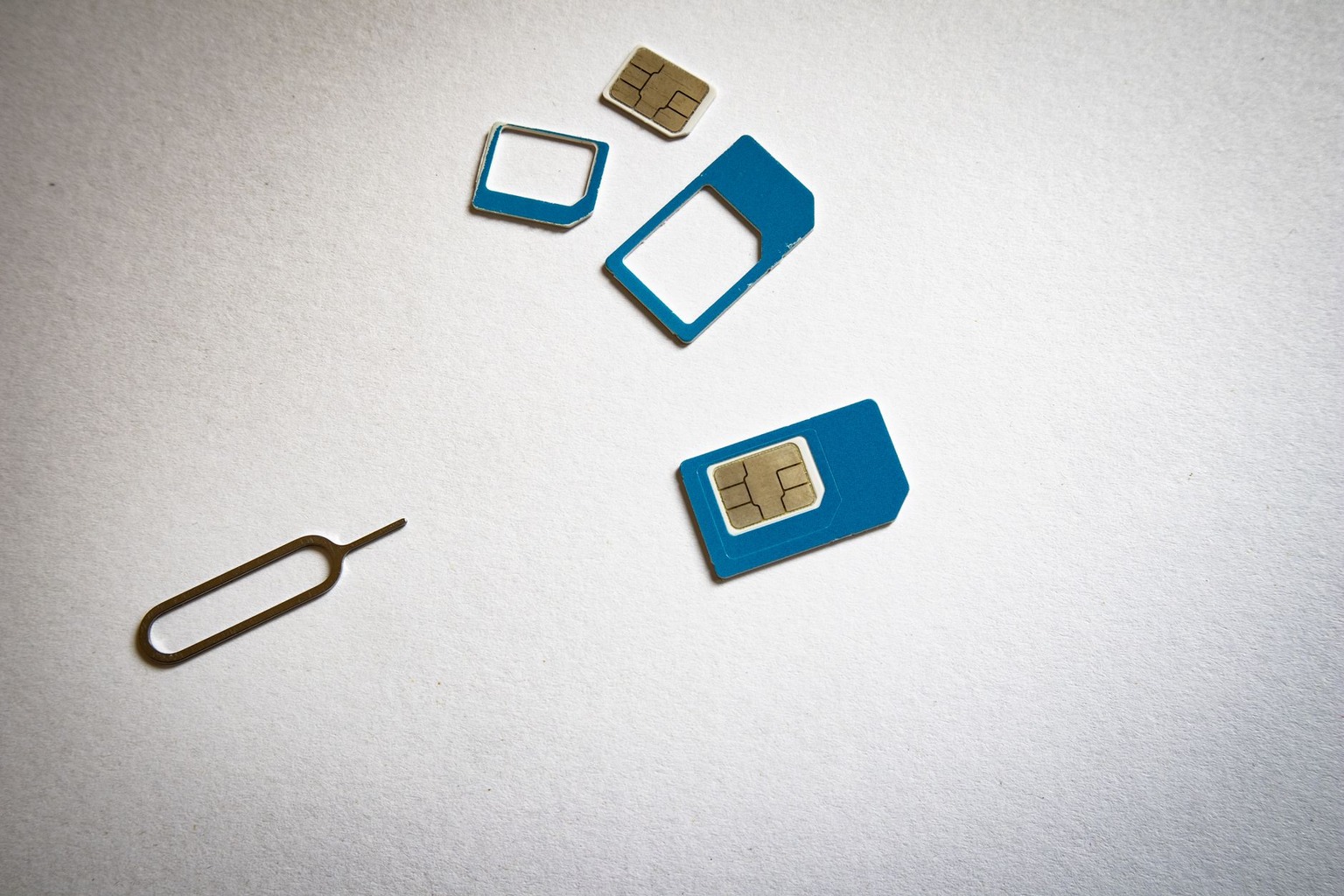
Old-fashioned removable subscriber cards have a major architectural flaw because they rely on external card trays that anyone can eject using a simple pin tool. This means that physical access to your device allows an attacker to quickly pop out your active profile and insert it into a stolen phone to intercept your verification codes. Criminals frequently target physical cards during muggings or pickpocketing incidents, immediately moving the chip into a separate handset to bypass two-factor authentication prompts on banking applications. The tiny plastic chip contains sensitive International Mobile Subscriber Identity data and authentication keys in a format that anyone can touch, swap, and manipulate without advanced technical knowledge. Manufacturers build these removable components with standardized dimensions that fit universally, which ironically makes them just as easy for a thief to extract as they are for a legitimate user to install.
Beyond simple theft, traditional plastic modules face severe risks related to cloning and physical tampering during supply chain transit or maintenance procedures. Unscrupulous repair shops or corrupt retail employees can read the cryptographic data off a removable chip using specialized hardware readers, duplicating your identity onto a blank card. This cloned card can then register on a different cellular tower miles away, allowing unauthorized parties to intercept incoming calls and text messages meant for your primary number. Because the hardware sits externally inside a mechanical tray, it lacks the advanced hardware security enclaves found on modern smartphone motherboards. Users rarely consider that handing their phone to a stranger or a kiosk technician exposes their entire mobile identity to malicious reading equipment.
The reliance on postal delivery for traditional plastic cards also introduces serious interception vectors before the user even activates the service. Mail theft remains a prevalent method for fraudsters who intercept new subscriber cards sent to residential addresses, activating them fraudulently before the rightful owner realizes the package arrived. Once a thief gains control of the mail envelope, they can spoof carrier customer service representatives and lock out the real consumer through clever social engineering tactics. This entire category of vulnerability stems directly from the tangible nature of plastic modules, which must travel through physical logistics networks and sit exposed in mailboxes. Digital alternatives eliminate this shipping vulnerability entirely by transmitting activation data over encrypted internet channels directly to the handset.
Software Architecture and Secure Enclaves in Embedded Profiles
embedded subscriber profiles exist as encrypted data blocks stored directly inside a dedicated hardware chip soldered onto the motherboard of modern smartphones. This specialized chip operates inside a secure enclave isolated from the main operating system, meaning rogue applications cannot read or export your cellular authentication keys. When you download a travel profile for an upcoming trip abroad, the encryption protocols protect the transmission process from man-in-the-middle attacks over public Wi-Fi networks. Hackers cannot physically remove this internal chip without completely destroying the host smartphone, rendering hardware extraction methods completely useless for data theft. This architectural shift moves the vulnerability profile away from vulnerable plastic cards and focuses protection on the device operating system and manufacturer security standards.
The provisioning process for embedded profiles relies on standardized Remote SIM Provisioning architecture governed by strict cryptographic certificates issued by global telecom associations. Every profile download requires mutual authentication between the carrier server and your handset, ensuring that malicious actors cannot spoof network operators or inject fake routing data. If your phone gets lost or stolen while traveling, an unauthorized person cannot simply remove your active connectivity profile to bypass screen locks or network security measures. Instead, the profile remains safely encrypted within the secure element, accessible only if the thief manages to guess your complex device passcode or biometric unlock code. This integration with the phone security architecture provides a much higher baseline of defense compared to external plastic modules.
Managing multiple software profiles on a single device introduces organizational advantages that indirectly enhance your overall mobile safety during international journeys. Instead of carrying a wallet full of tiny plastic chips and tiny metal ejector tools, users can store numerous international plans securely inside their device settings menu. You can toggle between different carrier profiles instantly without ever opening the phone chassis or exposing internal components to moisture and dust. This reduces wear and tear on the physical card reader slot, preventing mechanical failures that often force emergency repairs in unfamiliar foreign cities. Furthermore, having your backup travel data pre-installed means you never have to purchase unverified plastic cards from sketchy airport kiosks operated by unknown vendors.
Risk Assessment of Remote Interception and SIM Swapping
Subscriber identity module swapping attacks represent a major threat vector where fraudsters manipulate carrier support staff to transfer your phone number to a device under their control. While this fraudulent transfer technique targets the carrier account database rather than the physical phone, the choice of profile format heavily influences your recovery options. When a fraudster steals a number attached to a traditional plastic card, your phone immediately loses service, giving you an early warning sign that something is terribly wrong. However, attackers often execute these raids late at night to minimize the victim’s immediate realization, draining cryptocurrency wallets and financial accounts before morning arrives. Carrier security measures have improved significantly, but human error during customer support verification remains a persistent weak spot across the telecommunications industry.
For a simpler breakdown, Explaining Tech Like You’re Five covers how these options compare, and you can watch it right here.
Embedded software profiles complicate unauthorized transfers because the cryptographic binding between the device hardware and the profile makes remote duplication significantly harder for fraudsters. Even if a social engineer tricks a carrier agent into reassigning a phone number, the attacker cannot automatically pull the matching encryption keys unless they also compromise the specific device. Carriers are implementing stricter multi-factor authentication requirements for profile transfers, often demanding in-person verification or biometric checks before issuing a new software download link. This added friction frustrates automated fraud rings that prefer targeting vulnerable plastic cards because they require less stringent identity confirmation protocols at retail partner locations. As a result, the digital approach forces attackers to work much harder to achieve successful account takeovers.
The convenience of instant digital provisioning also introduces unique operational risks if malicious actors manage to compromise your primary email or carrier online portal account. If an attacker gains unauthorized access to your mobile provider dashboard, they can initiate a remote profile download to a device they control without needing any physical interaction. Protecting your online carrier account with strong, unique passwords and hardware security keys is therefore mandatory when utilizing modern mobile data solutions. Users must treat their cellular account credentials with the same level of paranoia as their primary online banking logins to prevent unauthorized remote profile migrations. Balancing this digital convenience requires heightened personal cybersecurity hygiene, moving the responsibility of safety from mechanical locks to software credentials.
Device Loss, Theft Recovery, and Emergency Situations
Losing your smartphone while traveling abroad creates an immediate panic regarding data privacy, financial security, and your ability to contact local emergency services. With traditional hardware modules, a clever thief can instantly remove the card and place it into another handset, bypassing your broken screen lock or disabled device. They can then receive incoming two-factor authentication text messages and access your linked online services while you scramble to contact your home carrier. This rapid exploitation window leaves very little time for panicked travelers to suspend their service before financial damage occurs. The tangible nature of removable cards makes them an immediate prize for opportunistic street thieves who specialize in rapid device resale and identity looting.
When a phone equipped with an embedded profile goes missing, the device remains fully trackable through cloud services because the internal hardware cannot be easily disabled or discarded. You can remotely lock the handset, wipe sensitive personal data, and locate the device on a map without worrying about someone pulling out your active connection. Because the cellular profile is permanently locked to the secure element of that specific motherboard, a thief cannot repurpose your mobile plan on another device. This acts as a powerful deterrent because stolen phones with embedded profiles have significantly lower resale value on the black market due to their restricted functionality. Travelers gain immense peace of mind knowing that their connectivity cannot be extracted and exploited by a stranger on the street.
Emergency connectivity during a crisis depends heavily on how quickly you can establish or restore communication channels in an unfamiliar region. If your phone suffers catastrophic hardware damage or water ingress while traveling, recovering a traditional plastic card involves finding a local carrier store and paying for replacement materials. In contrast, cloud-based profile management allows you to download a replacement data plan using a hotel Wi-Fi network onto a backup device within minutes. This rapid restoration capability ensures you never remain stranded without maps, translation tools, or communication access during critical moments abroad. The resilience of software-based connectivity proves superior when physical infrastructure and local retail options are completely unavailable.
Privacy Implications of Global Roaming and Local Carrier Tracking
Privacy advocates frequently analyze how mobile carriers track user locations across cell towers, regardless of whether you rely on traditional hardware or modern embedded options. Every phone must constantly communicate with nearby cellular towers to maintain a valid connection, broadcasting identifiers that reveal your general geographic movements to network operators. However, using local international data plans through digital profiles often shields your identity from foreign surveillance agencies better than roaming on your home carrier. When you purchase a prepaid regional data profile online, you can often complete the transaction with minimal personal identification compared to registering a local plastic card abroad. Many countries mandate strict passport registration for anyone purchasing a physical prepaid card at a local kiosk, creating permanent government records of your identity linked to your travel movements.

The ability to switch between multiple international data providers instantly allows privacy-conscious travelers to avoid prolonged profiling by any single telecom conglomerate. You can cycle through different regional providers for each country you visit, breaking the continuous chain of location tracking that occurs when using a single home carrier roaming package worldwide. This dynamic approach to mobile connectivity thwarts corporate data aggregators who attempt to build comprehensive behavioral profiles based on your daily travel patterns and physical stops. Furthermore, digital profile providers generally operate with streamlined, internet-first business models that collect less intrusive personal data than traditional legacy telecom giants with massive retail footprints. This structural difference minimizes the amount of personal information sitting in vulnerable corporate databases waiting for potential data breaches.
Despite these privacy advantages, users must remain vigilant regarding malicious profile distributors who operate untrusted marketplaces for cheap international data packages. Downloading a configuration profile from an unverified vendor could theoretically expose your web traffic to rogue proxies or DNS interception if the provider lacks proper security certifications. Travelers should exclusively source their software profiles from reputable, well-established digital connectivity platforms that adhere to international data protection standards and transparent privacy policies. Evaluating the reputation of your provider is just as crucial as choosing the right hardware format for your smartphone adventures. By combining secure device architectures with trusted connectivity partners, you establish a resilient defense against both physical threats and digital surveillance.

I’m a tech enthusiast who loves exploring how eSIMs simplify staying connected while traveling. I spend my free time testing new smartphones and sharing tips on getting the most out of mobile data abroad.